


The Anatomy of a Great Website: Every Element Explained
By Josh Ternyak

March 28, 2026
What separates a website that converts from one that just exists? This guide breaks down every major element of a high-performing website — from the header to the footer — and explains what each one needs to do.
Good Websites Aren't Accidents
When you land on a website that works — one where you immediately understand what the company does, trust them, and know what to do next — it rarely feels designed. It feels effortless. Natural. Like the information just happened to be in exactly the right place.
That effortlessness is the result of deliberate, systematic design. Every element on a high-performing website exists for a reason, placed where it is intentionally, worded carefully, and sized to reflect its importance in the hierarchy of the page.
Most websites fail not because of poor aesthetics but because of structural problems: the wrong message in the headline, trust signals buried below the fold, CTAs that are vague, navigation that makes people hunt. Understanding what every element is supposed to do is the foundation of building one that actually works.
This is the full breakdown — every major component of a great website, what it needs to accomplish, and the principles that separate high-performing implementations from mediocre ones.
The Header
The header is the horizontal band at the top of every page — the first thing most visitors see and a persistent fixture as they navigate the site. Its job is orientation and action: help visitors understand where they are and give them a fast path to where they need to go.
A well-designed header typically contains:
The logo. Positioned on the left (the natural starting point for Western readers), the logo establishes brand identity and serves as a homepage link — a universal web convention. It should be clean, appropriately sized, and immediately recognizable. An oversized logo that dominates the header is a sign that brand ego won the battle over user experience.
Primary navigation. The main menu links to the core sections of the site. The number of items should be kept to the minimum necessary — typically 4–7 items. Every additional navigation item competes for attention and dilutes the importance of each choice. Navigation labels should be clear and specific ("Services" is fine; "Solutions" is vague; "Custom Website Development" is more specific than either).
The primary CTA. A button in the header — usually on the right side — is often the highest-converting CTA on the entire site simply because it's always visible. For a service business, this might be "Get a Quote" or "Book a Call." For a SaaS product, "Start Free Trial." For an e-commerce store, a cart icon that shows item count. Make it visually distinct from the navigation links — it should look like a button, not a link.
Sticky vs. static headers. Sticky headers (that scroll with the page) keep navigation and CTAs visible as visitors explore long pages. Research consistently shows that sticky headers improve navigation and conversion rates on content-heavy pages. The tradeoff is vertical space — a tall sticky header that takes up 15% of mobile viewport real estate is a problem. Keep sticky headers compact: logo, condensed navigation, CTA button, that's it.
The Hero Section
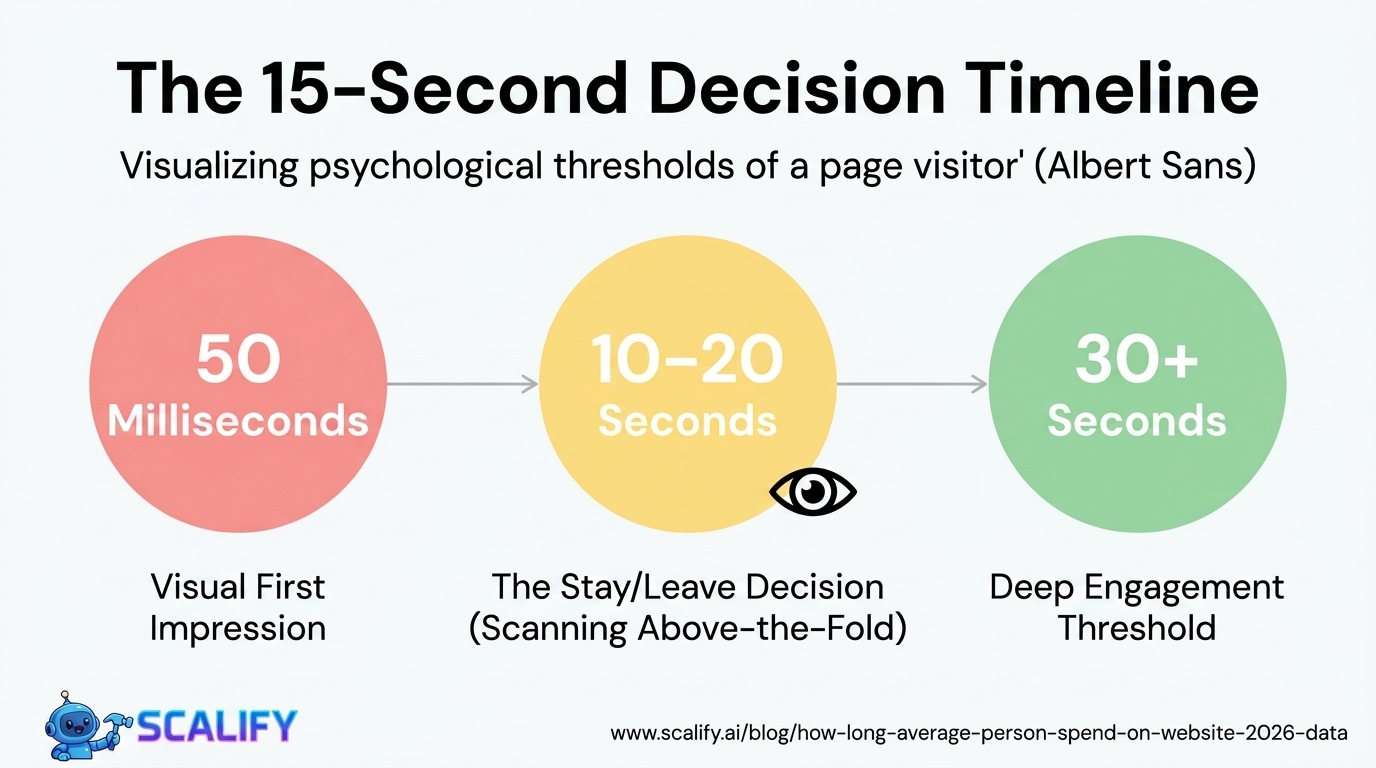
The hero section is everything visible above the fold when a page first loads — before the visitor scrolls. It's the highest-stakes real estate on your website. Eye-tracking studies consistently show that the majority of visitor attention concentrates in the hero before most people scroll, and many visitors make their "stay or leave" decision entirely within this section.
The hero section has one job: make the right visitor immediately understand that they're in the right place and give them a compelling reason to keep going.
The headline. This is the single most important piece of copy on your website. It needs to answer, within three seconds: what do you do, who is it for, and why does it matter? Generic headlines ("Transform Your Business," "Innovative Solutions for a Digital World") fail this test. Specific, direct headlines ("Custom Websites Built and Launched in 10 Business Days") pass it. The headline should speak directly to the visitor's situation and the outcome they want — not describe your company in the abstract.
The supporting subheadline. One to two sentences that elaborate on the headline. Where the headline is punchy and condensed, the subheadline fills in the essential detail — what specifically you do, for whom, and what makes it different. This is where you can add the nuance that the headline had to leave out.
The primary CTA. The hero CTA needs to be visually prominent, verbally specific about what happens when clicked, and physically accessible. "Get Your Free Website Quote" is better than "Get Started." "Start Your 14-Day Trial — No Credit Card Required" addresses the objection in the CTA itself. The button should be large enough to find at a glance and use a color that stands out against the hero background.
The hero visual. A supporting image, illustration, video, or animation. The visual reinforces the message — ideally showing the product in use, a relevant outcome, or a visual metaphor that strengthens the copy. Generic stock photos of people shaking hands in conference rooms undermine credibility rather than supporting it. The best hero visuals are specific, relevant, and look like they belong to this brand rather than having been pulled from a library.
Social proof above the fold. Some of the highest-converting homepages include a strip of client logos, a short testimonial, a rating, or a metric ("Trusted by 3,000+ businesses") immediately within or below the hero. This is trust evidence presented before the visitor has had to do any work to find it.
The Navigation Menu
Navigation deserves its own section beyond the header because how it's structured affects not just usability but SEO, conversion, and how visitors form their mental model of your business.
The best navigation is invisible — visitors find what they're looking for without noticing the navigation itself. Problematic navigation creates friction: visitors scanning, backing up, trying different paths, or giving up and leaving.
Principles of effective navigation:
Organize by user need, not company structure. Your internal departments don't map to what visitors are trying to accomplish. A company with a Marketing team, a Sales team, and a Support team shouldn't necessarily have "Marketing," "Sales," and "Support" in the nav. Visitors want to know about your product, your pricing, your company, and how to contact you.
Use descriptive, specific labels. "Services" is vague. "Web Design" or "Website Packages" is specific. Specific labels help visitors know what they'll find before they click, which improves efficiency and reduces pogo-sticking (clicking, realizing it wasn't right, going back).
Limit depth. Most visitor journeys shouldn't require more than two clicks from the navigation. Deep hierarchies work for reference sites and large e-commerce stores, but for most business websites, a flat or two-level structure serves visitors better.
Mobile navigation. The hamburger menu (three horizontal lines) is the near-universal convention for mobile navigation. It's become expected. When it opens, the menu items need to be large enough to tap comfortably, the menu needs to close intuitively, and the most important items (including the CTA) shouldn't be buried at the bottom.
The Value Proposition Section
Below the hero, most great websites include a section that expands on the core value proposition — the "why us, why now, why this" section. This is where you elaborate on what makes your approach different, what specific benefits you deliver, and why they matter to the visitor.
Common formats:
Three-column benefits. Three (sometimes four) columns, each with an icon or illustration, a short heading, and a sentence or two of description. Each column focuses on a distinct benefit. Clean, scannable, efficient.
Problem-solution framing. Lead with the problem the visitor has, then present your solution. This format builds empathy first and resonates strongly with visitors who are actively experiencing that problem. "Building a website used to mean months of waiting and thousands of dollars with no guarantee of quality. Scalify changed that." is more compelling than leading with "We build great websites."
Feature and benefit breakdown. A more detailed list of what's included or what you do, paired with why each element matters to the customer. Not just "Custom Design" but "Custom Design — so your site looks nothing like a template and everything like your brand."
Social Proof: The Conversion Multiplier
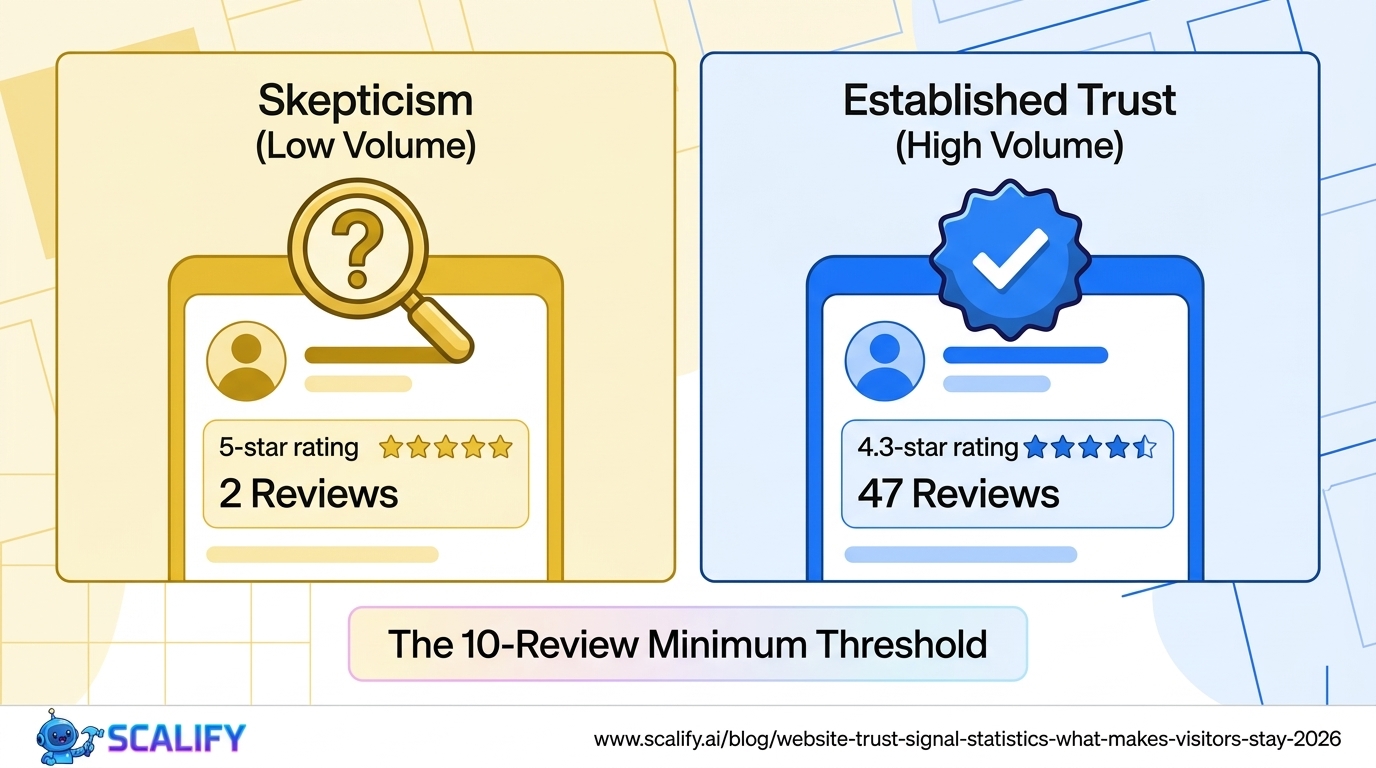
Social proof is any evidence that other people have trusted you and benefited from it. It's one of the most powerful conversion elements on any website, because it transfers the trust that existing customers have built onto prospective customers who haven't committed yet.
Social proof works because of how human decision-making actually functions. When we're uncertain — and website visitors making purchase or contact decisions are inherently uncertain — we look to what others like us have done. If hundreds of businesses similar to mine have used this service and had good results, the risk of trying it myself is lower than if I were going first.
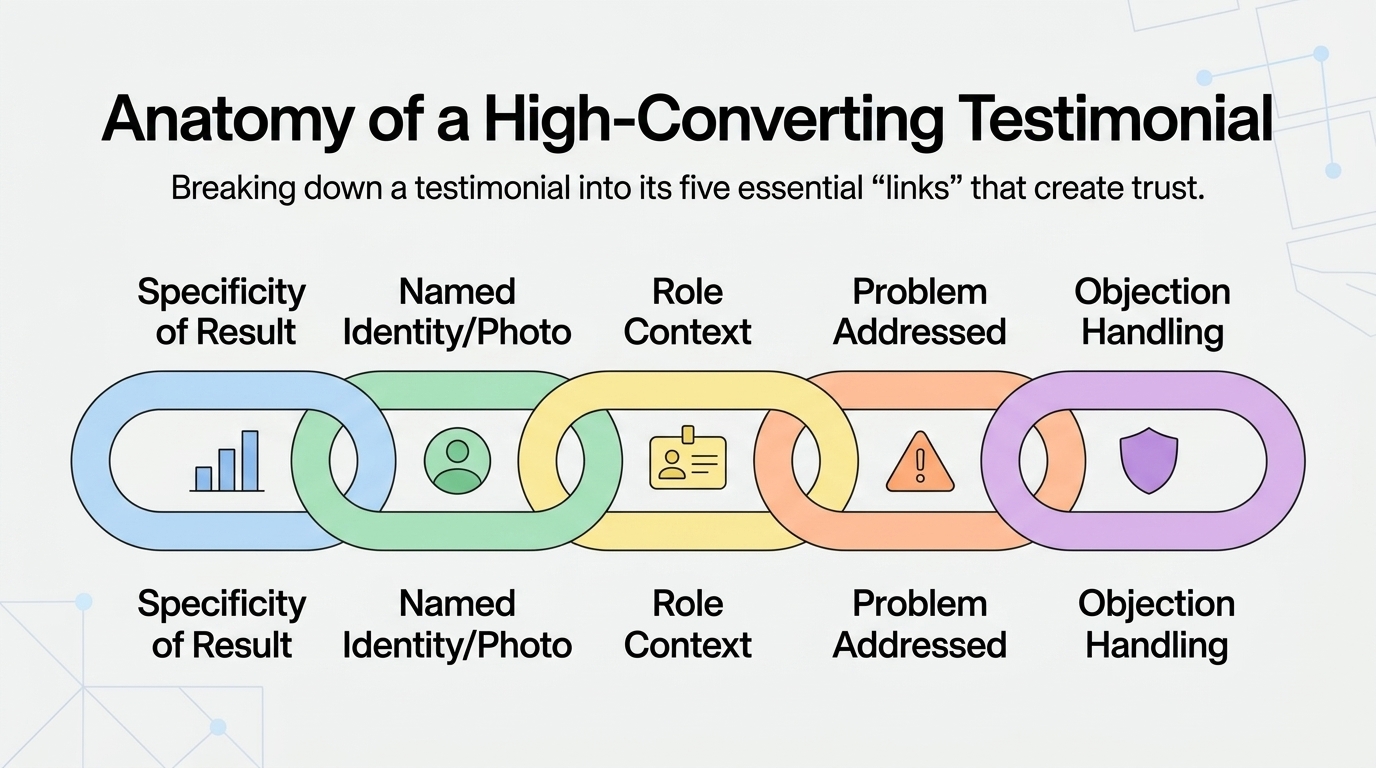
Testimonials. The most common form. The most effective testimonials are specific, outcome-focused, and attributed to a real person with a name, photo, job title, and company. "Amazing service!" from "John M." is nearly worthless. "Our new website launched in 8 days and we booked three new clients in the first week" from Sarah Chen, Owner of Apex Coaching, Austin TX, is highly valuable.
Client logos. A row of recognizable client logos establishes that your customers include credible organizations. Works best when the logos are actually recognizable to your target audience. A row of logos your visitors have never heard of provides less social proof than a row of logos they recognize.
Case studies. Detailed stories of specific results achieved for specific clients. More work to produce than testimonials but significantly more persuasive for considered purchase decisions. A case study that traces the journey from problem to solution to measurable outcome gives prospects a narrative they can see themselves in.
Numbers and metrics. "3,200 websites delivered," "98% client satisfaction rate," "Average launch time: 9 days." Quantified claims are more credible than qualitative ones because they're specific and verifiable (or at least appear verifiable).
Review platform badges. Google Reviews, Trustpilot, G2, Clutch — showing your aggregate rating from a third-party platform with a link to verify lends third-party credibility that self-reported testimonials don't have.
The Services or Products Section
For most business websites, a clear presentation of what you offer is essential — and this section is often done poorly. Products and services pages frequently read like internal documentation rather than persuasive content aimed at buyers.
What this section needs to accomplish: help visitors quickly understand what options exist, which one is relevant to them, and what they'd get by choosing each. The most common failure here is leading with features and process descriptions rather than outcomes and benefits.
A web design agency describing its services shouldn't lead with "We use a proven 6-step development process with collaborative feedback loops." It should lead with what the client gets: "A fully custom, live website built to your brand — designed, developed, and launched within 10 business days."
Good services sections also give visitors a path forward from each option — either a direct CTA or a "Learn More" link to a dedicated service page with full details. Don't force visitors to read every option in full before they can take action on the one they want.
The About Section or About Page
The About page is consistently one of the most visited pages on any website — often the second or third most visited after the homepage and services. Yet it's frequently treated as an afterthought, producing generic "company history" content that nobody reads.
People go to the About page when they're evaluating whether to trust you. They want to know who's behind this, why they do what they do, and whether they feel like the kind of people or organization worth working with. Give them that.
An effective About page:
- Tells a story — not a history, but a narrative about why this company exists and what drives it
- Shows real people — names, photos, brief human descriptions that make the team feel real and accessible
- Communicates values or approach in a way that's specific enough to mean something
- Includes social proof (how long in business, notable achievements, brief client testimonials)
- Ends with a CTA — the About page visitor is often warm; don't let them exit without a next step
Forms and Contact Mechanisms
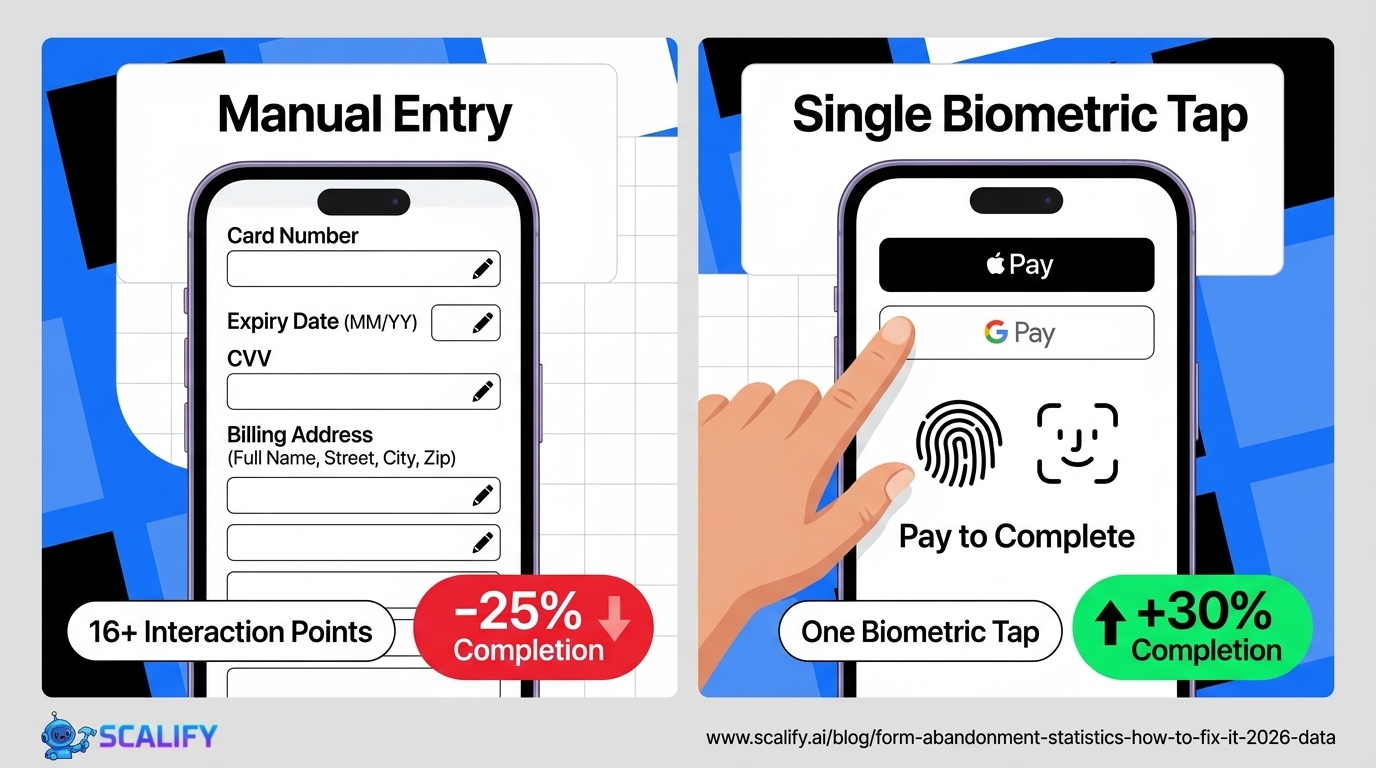
Your contact form, inquiry form, or lead capture form is one of the highest-stakes elements on your site — it's where interest converts to action. A well-designed form does this smoothly. A poorly designed one creates friction that kills conversions even when the visitor intended to reach out.
Form length and field count. Every additional form field reduces completion rate. Ask for only what you genuinely need at this stage. Name and email is usually enough for a lead generation context. Don't ask for phone number, company size, budget, and timeline on an initial contact form if all you actually need is a starting point for a conversation.
Field labels and placeholder text. Use clear labels above each field (not just placeholder text inside the field, which disappears when someone starts typing and can cause confusion). Make clear what format is expected for fields like phone numbers or dates.
Error handling. When someone submits a form with missing or incorrectly formatted fields, the error messages should be specific ("Please enter a valid email address") and appear adjacent to the relevant field, not in a generic banner at the top of the form. Forms that just fail without explaining why create frustration that ends in abandonment.
Confirmation messaging. After a form is submitted, tell the visitor clearly what happens next. "Thanks! We'll be in touch within one business day" sets expectations. Redirect to a thank-you page (which also lets you track conversions in Google Analytics) rather than just a message that might be missed.
The Footer
The footer is often an afterthought — a place to dump links and legal text. Done well, it's actually a useful navigational and trust-building resource for visitors who scroll to the bottom (typically visitors who are actively exploring, which means they're engaged).
A well-structured footer typically includes:
Secondary navigation. Links to pages that don't warrant primary nav placement but are useful to have accessible: About, Blog, Careers, Privacy Policy, Terms of Service, FAQ.
Contact information. Address (if relevant), phone number, email, business hours. This is especially important for local businesses where physical location signals credibility and local SEO value.
Social media links. Icon links to your active social profiles. Place these in the footer rather than the header — social media links send visitors away from your site, so put them where they're accessible but not competing with primary navigation.
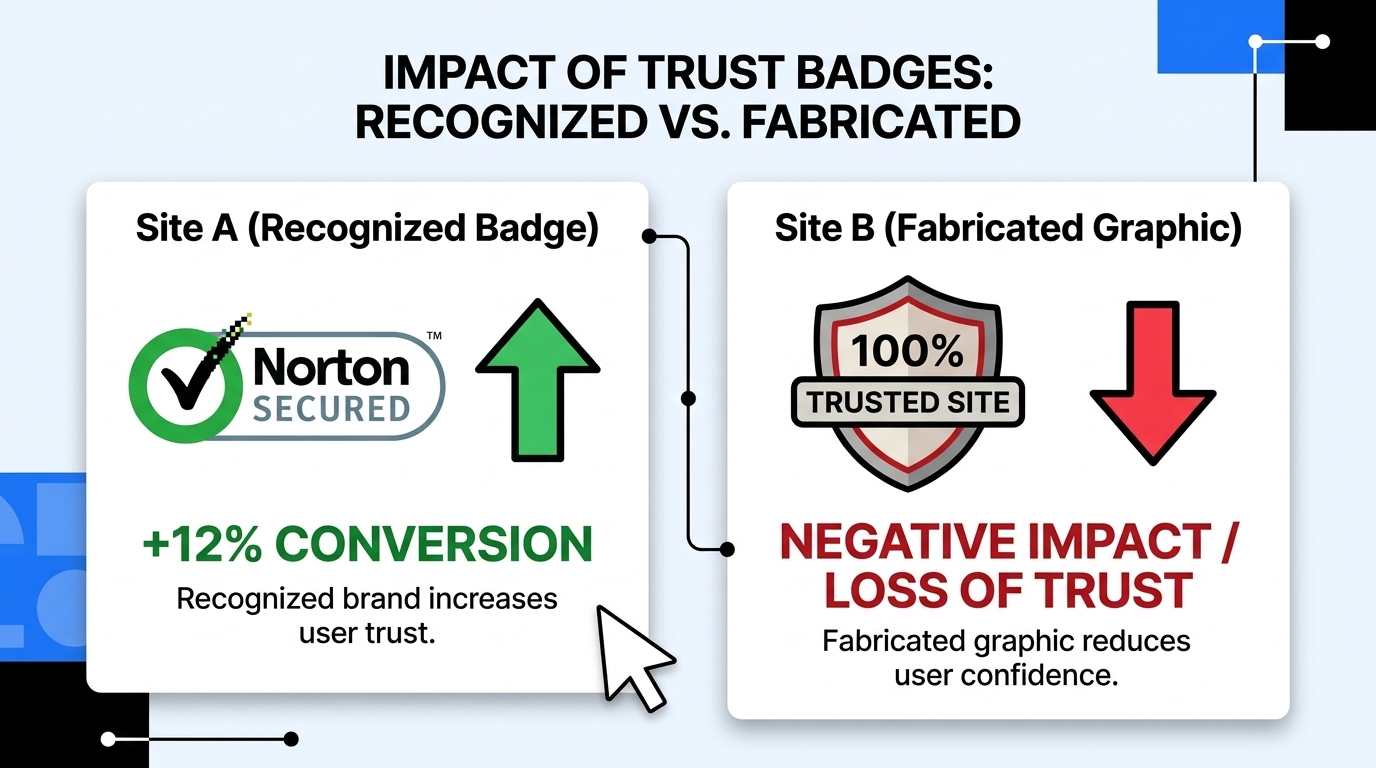
Trust signals. Payment security badges (for e-commerce), certification logos, a brief testimonial, or a short value statement can reinforce credibility for visitors who've scrolled to the bottom.
Legal. Privacy Policy and Terms of Service links are required for legal compliance in most jurisdictions. These belong in the footer — important enough to be accessible, not important enough to be in primary navigation.
Page Speed and Performance: The Invisible Element
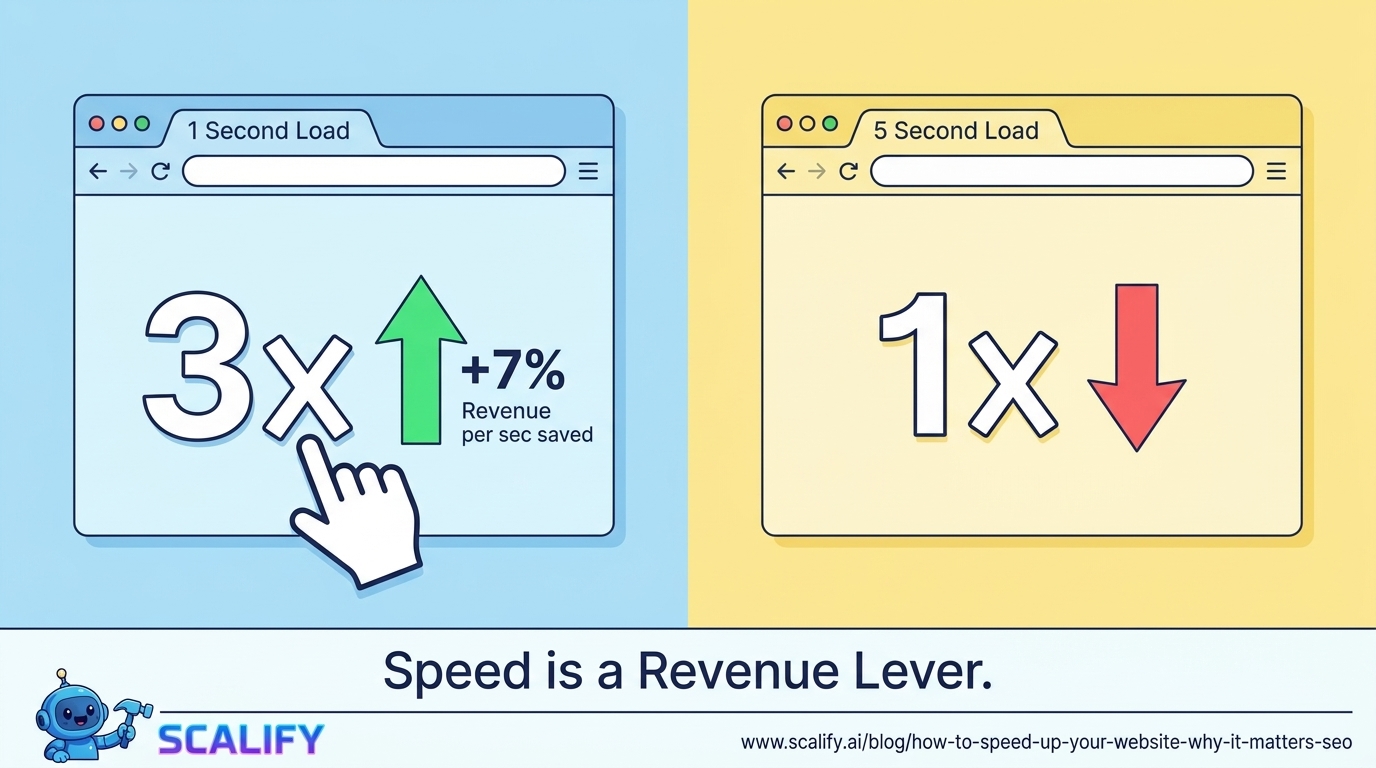
Every visible element on a website exists within the context of an invisible one: performance. A website that loads in under 1 second creates a fundamentally different user experience than one that takes 4 seconds, even if they're visually identical.
Performance affects every other element's effectiveness. The most compelling headline is meaningless to a visitor who left before the page loaded. The most persuasive testimonial section doesn't convert visitors who bounced during the three-second white screen. Every second of delay costs you a percentage of your visitors, and those visitors don't come back.
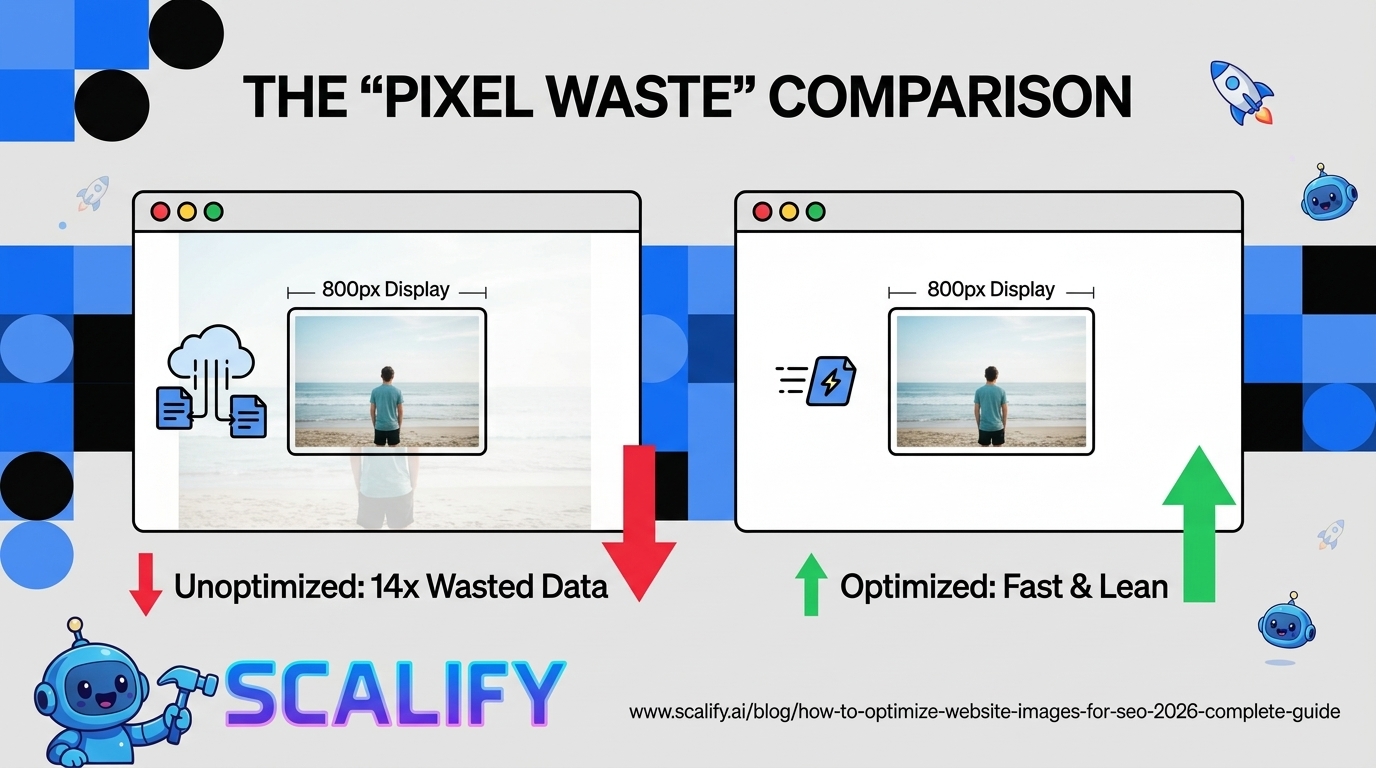
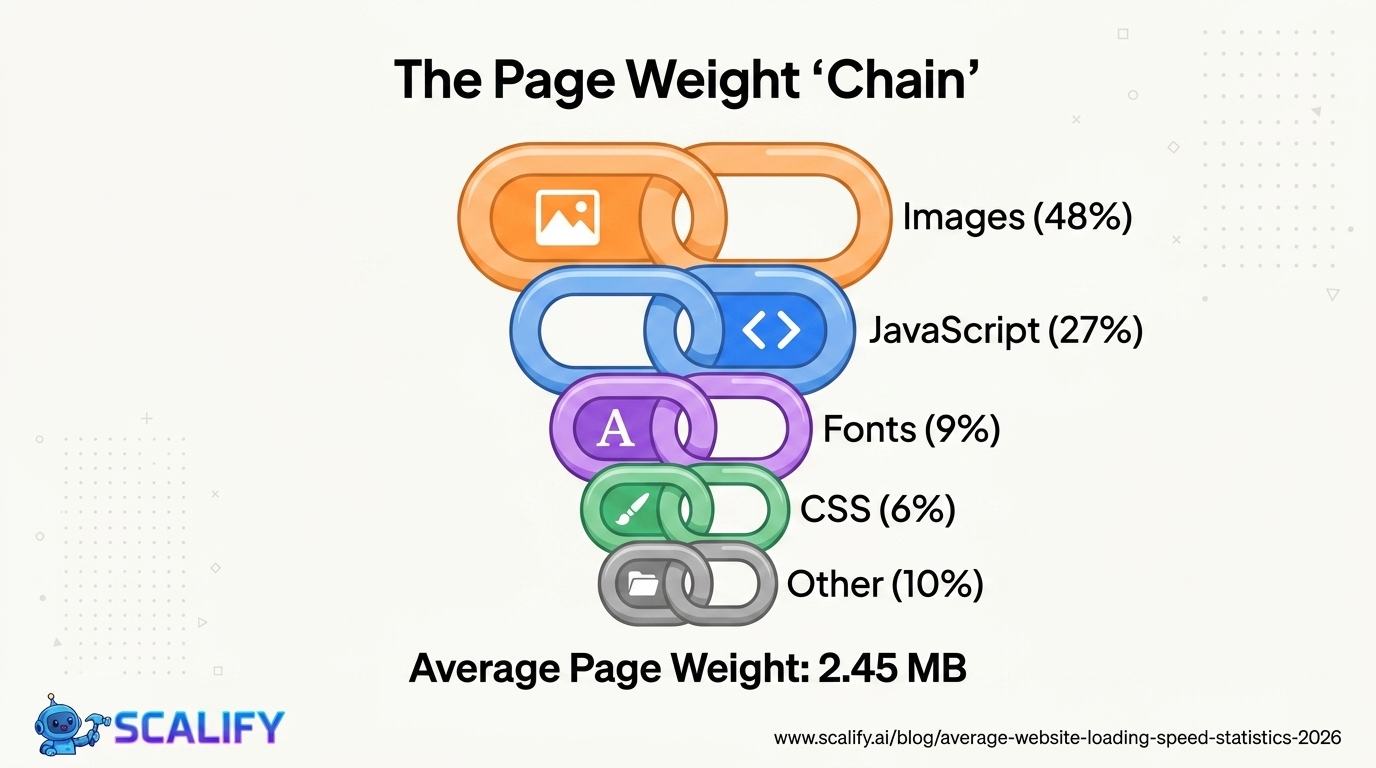
The key performance elements: compressed, appropriately-sized images (images are the single largest contributor to page weight for most sites), minimal blocking JavaScript, efficient CSS, browser caching, CDN delivery for static assets, and fast server response times. Modern performance can be measured with Google's PageSpeed Insights or Core Web Vitals — tools that give specific, actionable recommendations for improvement.
Mobile Design: Every Element, Every Screen
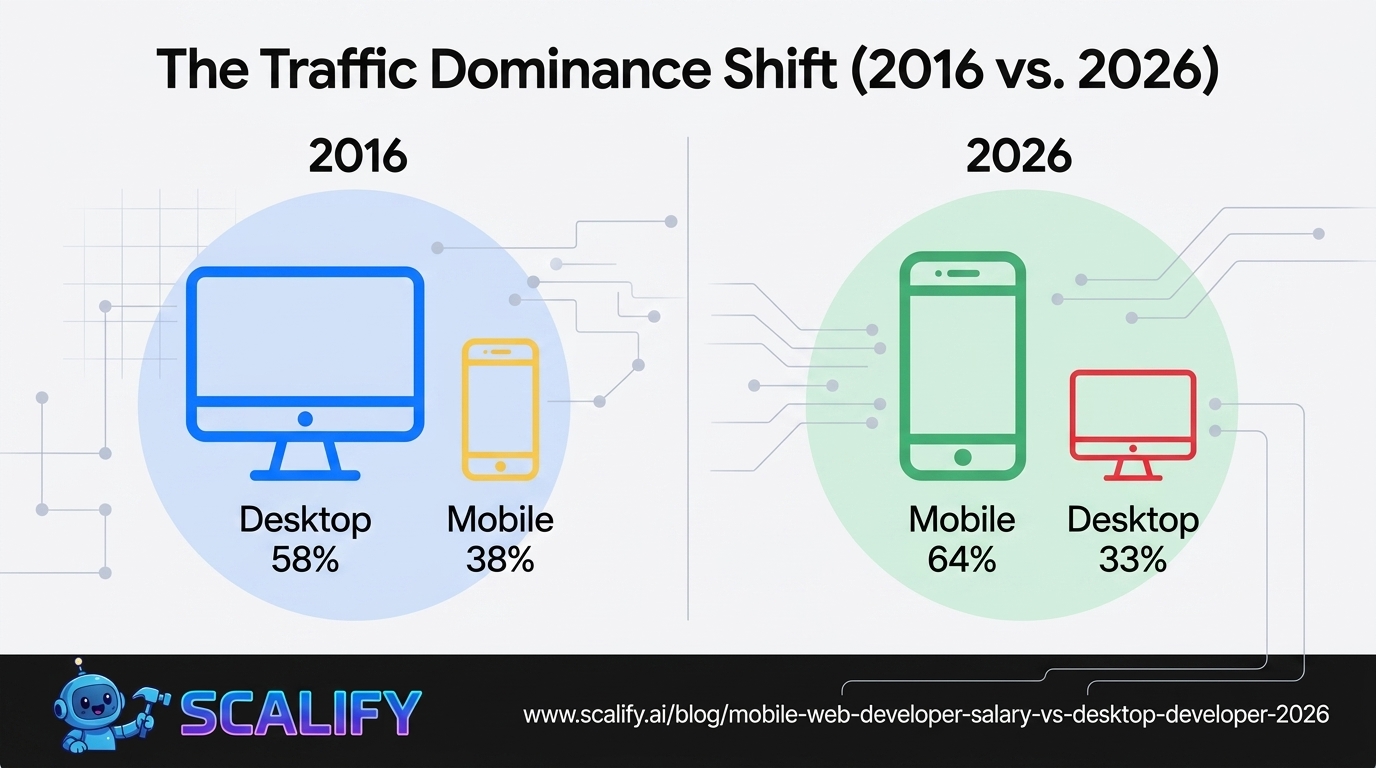
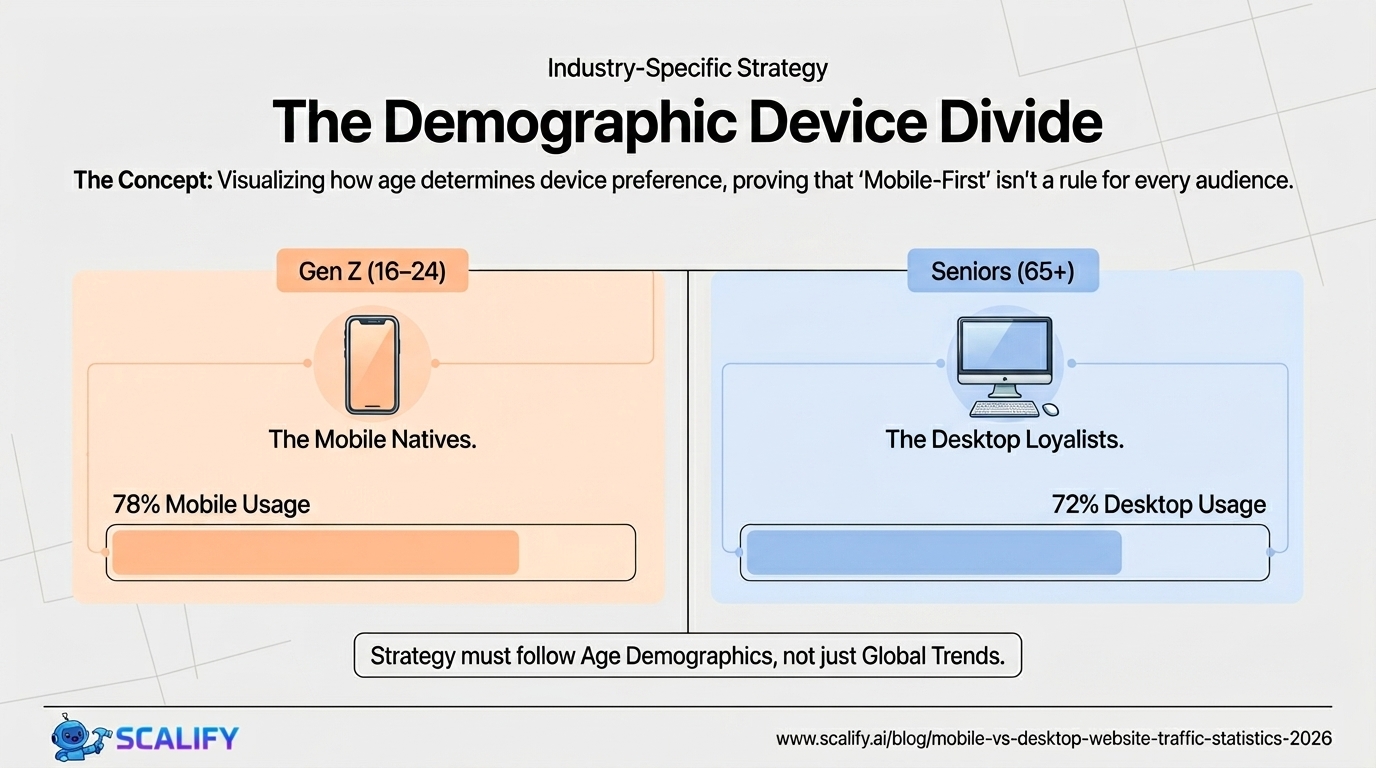
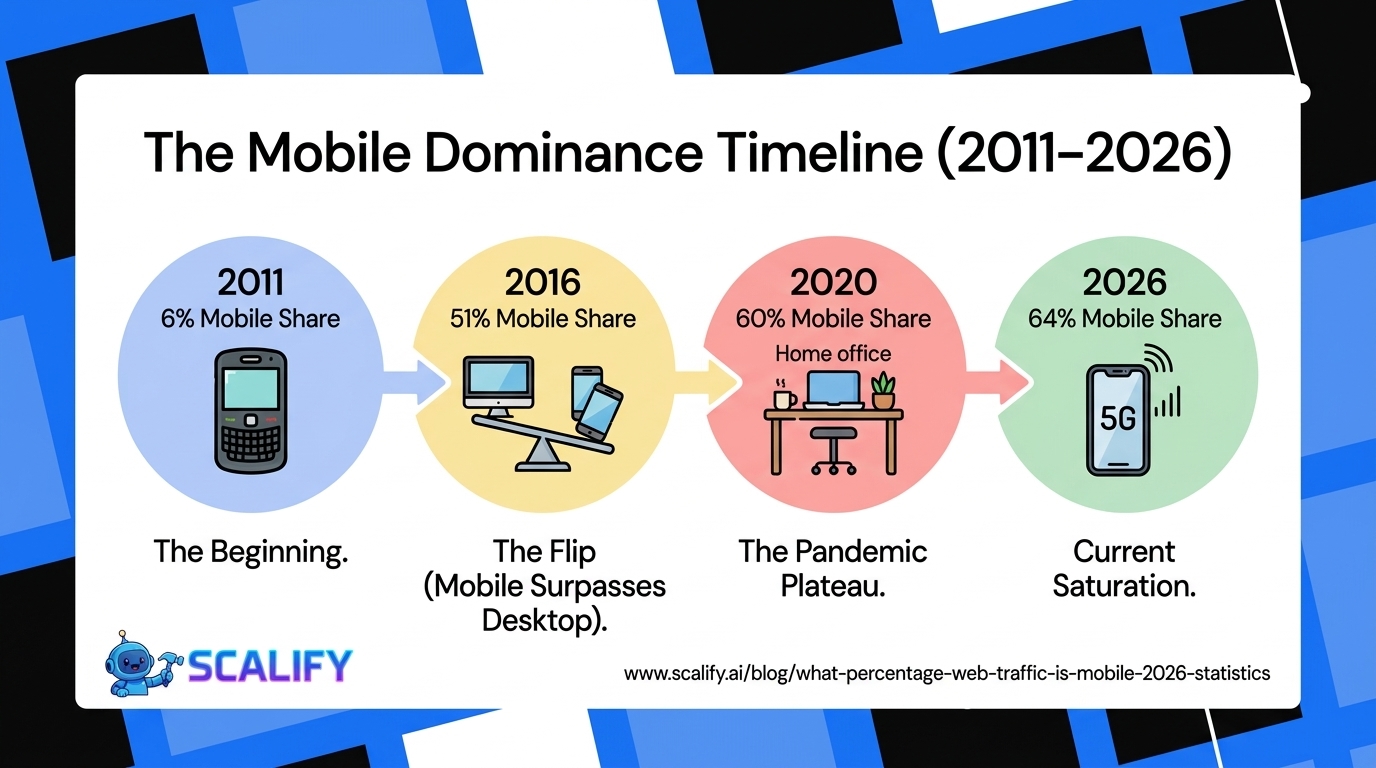
With over 60% of web traffic coming from mobile devices, every element described in this guide needs to be considered twice: once for desktop and once for the small screen. Some elements scale naturally — a clean headline stays clean on mobile. Others need deliberate rethinking.
Navigation collapses to a hamburger menu. Hero CTAs need to be tap-friendly (minimum 44px tap target). Multi-column layouts stack vertically. Images resize without losing their composition. Forms with tiny fields become unusable nightmares on a 375px wide screen.
The most efficient approach: design mobile-first. Start with the constraints of the smallest screen and build up to desktop, rather than designing a desktop experience and squishing it down. Mobile-first thinking produces leaner, cleaner designs that work everywhere rather than desktop designs that barely work on phones.
The Bottom Line
A great website is the sum of many individually considered decisions: what the headline says, where the CTA sits, how many navigation items to show, what social proof to include and how to present it, how the form is structured, how the footer is organized. None of these elements is trivial. Together they determine whether your website is an asset that grows your business or a placeholder that just technically exists.
Understanding what each element is supposed to do gives you the framework to evaluate what you have, identify what's underperforming, and make informed decisions about what to change.
If you want a website where every one of these elements has been thought through and executed properly — not just a template filled in with your information — Scalify builds custom websites with this level of strategic intentionality built in from the start.


.jpeg)
.jpeg)

78 SW 7th St, Miami, FL 33130