

What Is Domain Authority and How to Improve It (2026 Guide)
By Josh Ternyak

April 18, 2026
Domain Authority (DA) is Moz's 1-100 scale predicting ranking potential. This comprehensive guide covers how DA is calculated, DA vs DR vs Semrush Authority Score, why DA changes without new links, strategies to improve DA (digital PR, Skyscraper technique, HARO), toxic link removal, internal linking, industry benchmarks, realistic improvement timelines, and how to use DA for competitive research.
What Is Domain Authority and How to Improve It
Domain Authority (DA) is a score developed by Moz that predicts how likely a website is to rank in search engine results pages. It's a third-party metric that scores websites on a 1–100 scale — the higher the score, the more likely the site is to rank well. Domain Authority is not a Google ranking factor — Google doesn't use DA in its algorithm. But it's a widely used proxy metric for the relative ranking potential of websites, and understanding it helps contextualize competitive SEO analysis.
The distinction between DA as a metric and actual ranking ability is important: Google uses its own internal authority assessments (PageRank and other factors) that don't map perfectly to DA. A site can have high DA but rank poorly for competitive queries because authority is topically distributed. A site can have moderate DA but dominate rankings in its niche because its authority is concentrated in the right topic area. DA is a useful benchmark, not a target to optimize in isolation.
Key Domain Authority Statistics
How Domain Authority Is Calculated
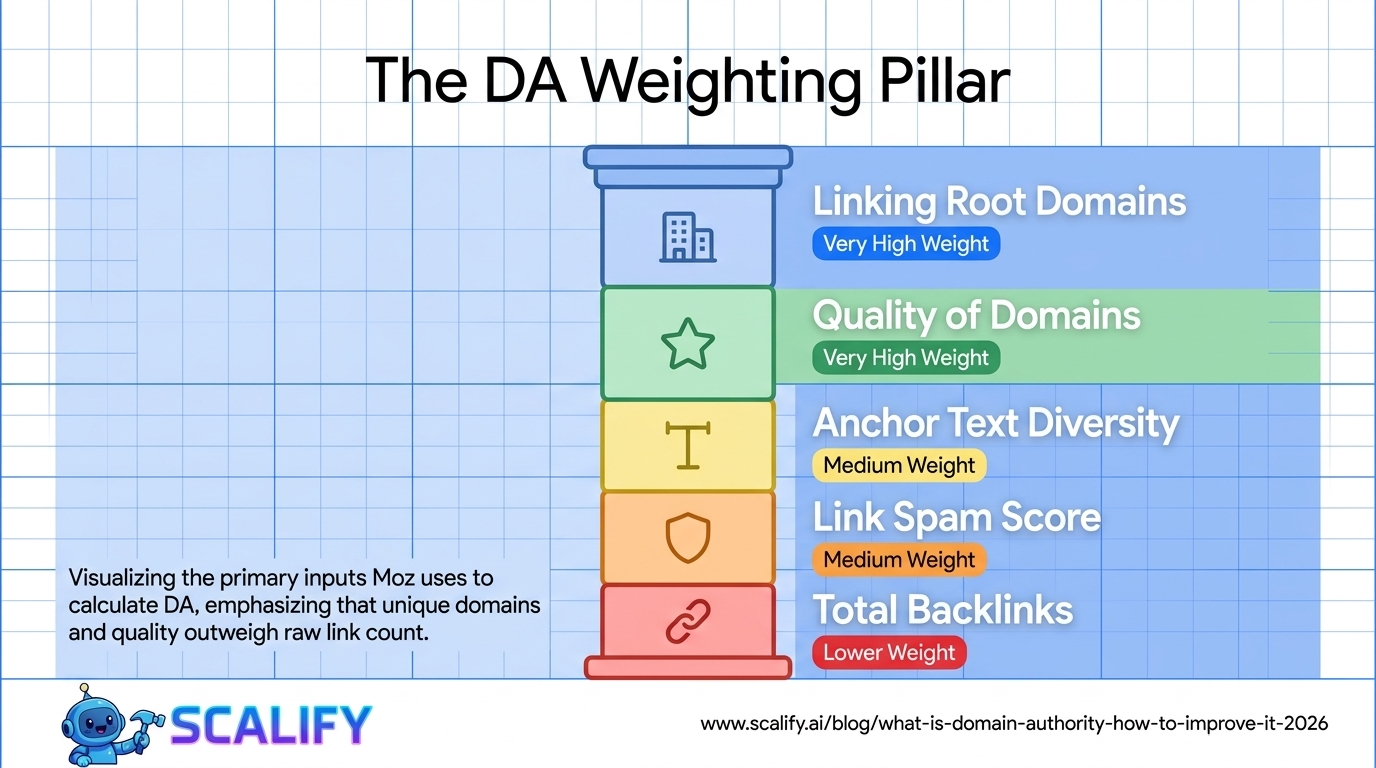
Moz calculates Domain Authority primarily based on the website's backlink profile — the number, quality, and diversity of links pointing to the domain from other websites. The key inputs:
FactorWeightWhat MattersLinking root domainsVery HighNumber of unique websites linking to you — quality matters more than quantityQuality of linking domainsVery HighLinks from high-DA sites pass more authority than links from low-DA sitesAnchor text diversityMediumNatural anchor text distribution vs. over-optimized exact match anchorsLink spam scoreMediumProportion of links from known spammy or low-quality sourcesTotal backlinksLower than domainsRaw link count — much less important than unique linking domains
Domain Authority vs. Ahrefs Domain Rating vs. Semrush Authority Score
MetricProviderScalePrimary InputUpdate FrequencyDomain Authority (DA)Moz1–100Linking root domains, link qualityMonthlyDomain Rating (DR)Ahrefs0–100Quality and quantity of dofollow backlinksNear real-timeAuthority Score (AS)Semrush0–100Backlinks + organic traffic + natural link profileFrequent
These three metrics are correlated but not equivalent — a site might have Moz DA 45, Ahrefs DR 52, and Semrush AS 38. Don't try to compare scores across platforms or average them. Pick one metric and use it consistently for competitor comparisons and progress tracking.
Why DA Changes (Even Without New Links)
Domain Authority changes not just when you earn or lose links, but also when the overall distribution of DA scores in Moz's index shifts. Because DA is a relative metric — calibrated against the full universe of websites Moz tracks — if many websites improve their link profiles, your DA can decrease even if nothing changed about your own backlinks. This is why DA can appear to drop even when you're actively building links — the broader web is also improving, and your relative position may be shifting. This relative nature is one reason DA should be used for competitive comparison rather than as an absolute progress metric.
How to Improve Domain Authority
The only sustainable way to improve Domain Authority is to improve the quality and quantity of backlinks pointing to your domain. There are no technical tricks or on-page optimizations that affect DA. The specific actions that produce DA growth:
1. Earn High-Quality Backlinks
The most impactful DA improvement comes from earning links from high-DA websites in your industry. Each link from a DA 70+ website moves your own DA more than 100 links from DA 10 sites. Strategies for earning high-quality links:
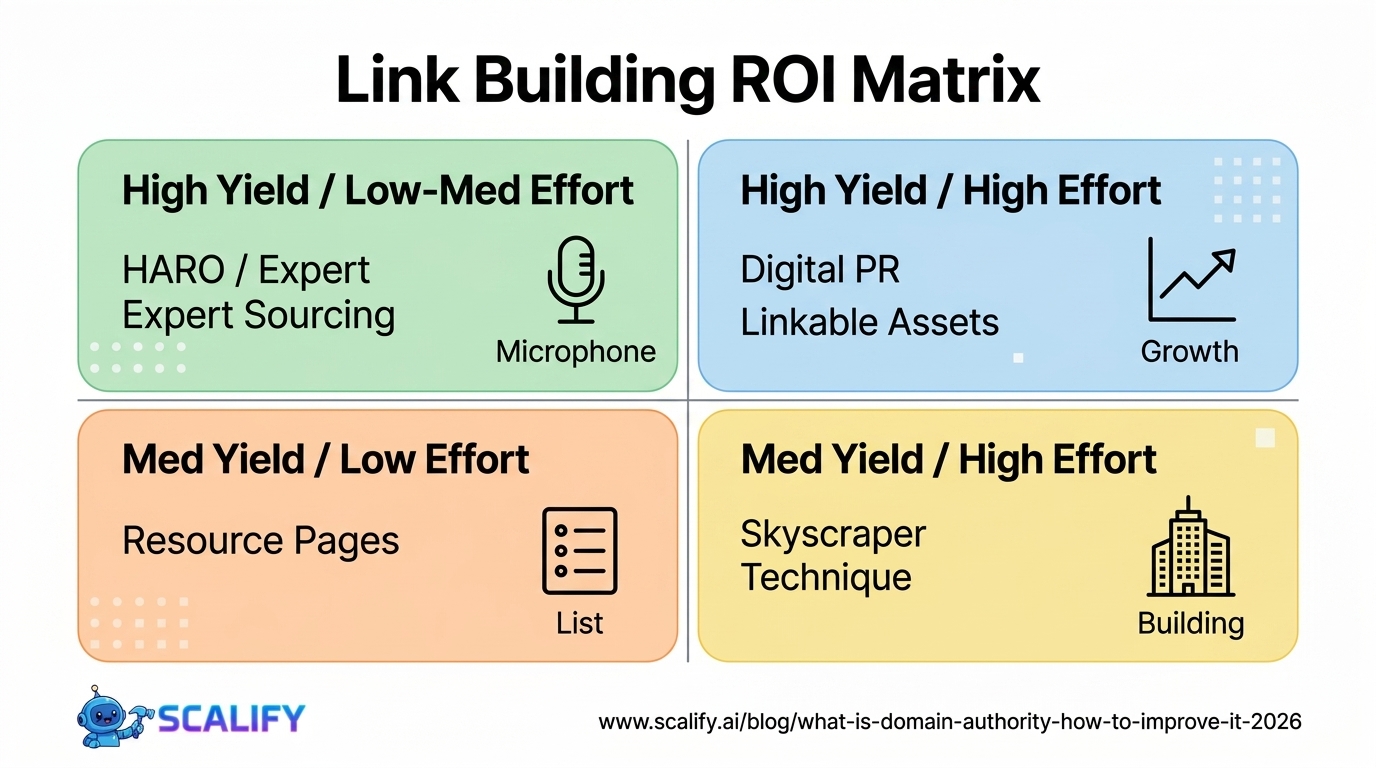
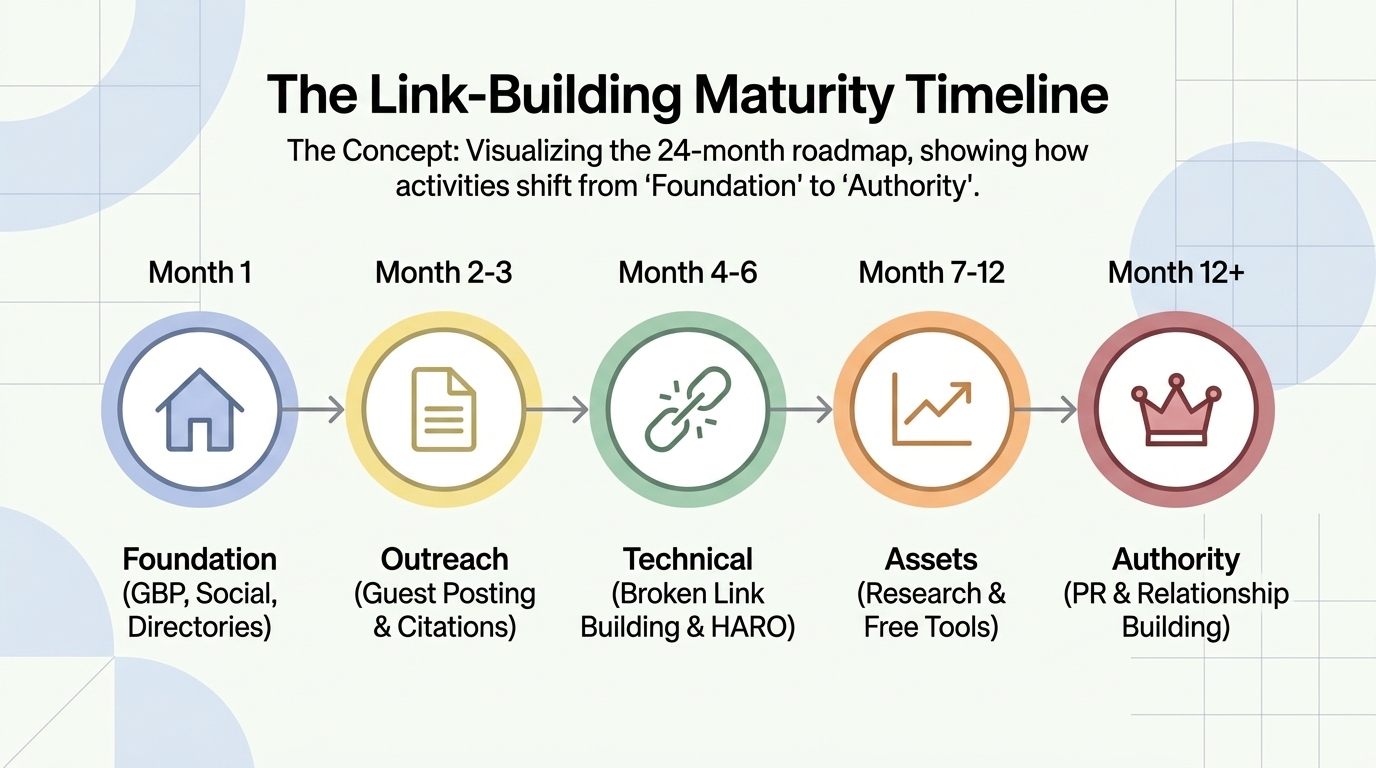
Link Building StrategyExpected DA YieldEffort LevelDigital PR (data-driven studies, surveys, newsworthy angles)High — media links have high DAHigh — research, writing, pitchingGuest posting on industry publicationsMedium-High — publication DA variesMedium — pitching and writingCreating linkable assets (tools, research, infographics)High — attracts organic links over timeHigh — significant content creationBroken link buildingMedium — depends on target site DAMedium — prospecting and outreachResource page link buildingMediumMediumPartnerships and co-marketingMedium — depends on partner DALow-Medium once relationship existsHARO / journalist request responsesHigh — media linksLow-Medium — responding to queries
2. Remove Toxic Links
If your backlink profile includes links from spammy, low-quality, or algorithmically penalized websites, these can suppress DA and potentially harm Google rankings. Use Moz's Link Explorer Spam Score to identify toxic links, or Semrush's Backlink Audit tool. For links from sites with spam scores above 30–40%, consider: reaching out to remove the link (most won't respond), or disavowing the links through Google Search Console's disavow tool. Link disavowal tells Google not to associate those links with your site — it doesn't directly improve DA but removes negative link signals from your profile.
3. Build Internal Link Equity
While internal links don't directly affect DA (which measures external links), they distribute the authority from external links across your site more effectively. A high-DA homepage that doesn't link to important service pages hoards authority that doesn't benefit those pages. Systematic internal linking — ensuring each important page receives internal links from higher-authority pages with descriptive anchor text — improves those pages' ranking ability even without additional external links.
Domain Authority Benchmarks by Industry
Website CategoryTypical DA RangeCompetitive ThresholdLocal small business (new)1–20DA 20+ competitive for local queriesLocal small business (established)15–40DA 30+ competitive for local resultsRegional/national SMB25–55Industry average + 5–10E-commerce (niche)20–55Match category leader DA to rank competitivelySaaS product30–70Varies widely by category competitivenessMedia/news site40–90DA 50+ to compete in news verticalsNational enterprise50–85Usually sufficient for all but the most competitive queries
A Realistic DA Improvement Timeline
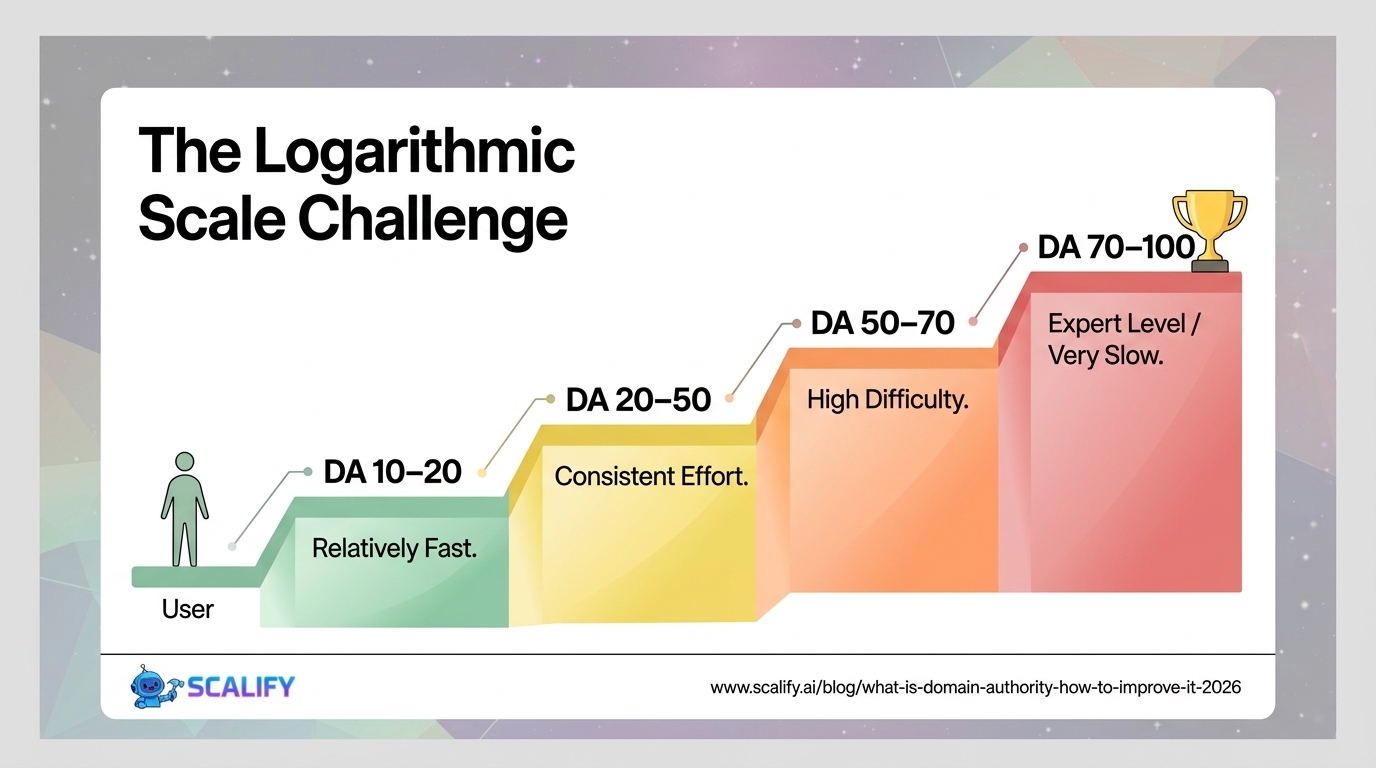
Improving Domain Authority is a slow process — particularly at higher DA ranges where each point requires significantly more high-quality links than the point before it (logarithmic scale). Realistic timelines for active link building:
The Bottom Line
Domain Authority is a useful proxy metric for evaluating relative ranking potential — but it's not a Google ranking factor, not perfectly correlated with actual rankings, and should be used for competitive benchmarking rather than optimized in isolation. Improving DA requires earning quality backlinks from high-authority sites through content marketing, digital PR, guest posting, and partnership strategies. New websites should expect DA under 20 for the first year; reaching DA 40–50 represents significant link-building success for most small and mid-size businesses. Focus on earning the best possible links from the most relevant, authoritative sources — the DA improvement will follow.
At Scalify, we build SEO-ready websites with the technical foundation, content structure, and linkable asset architecture that gives every link-building effort the maximum possible impact on domain authority and organic rankings.
Top 5 Sources
Link Building Strategies That Actually Work in 2026
The link building landscape has changed significantly since the days of guest post exchanges and directory submissions. Google's link algorithms have become much better at identifying and discounting low-quality links — making the quality-over-quantity principle more important than ever. The link building strategies that produce real DA improvements in 2026:
Digital PR: The Highest-Quality Links at Scale
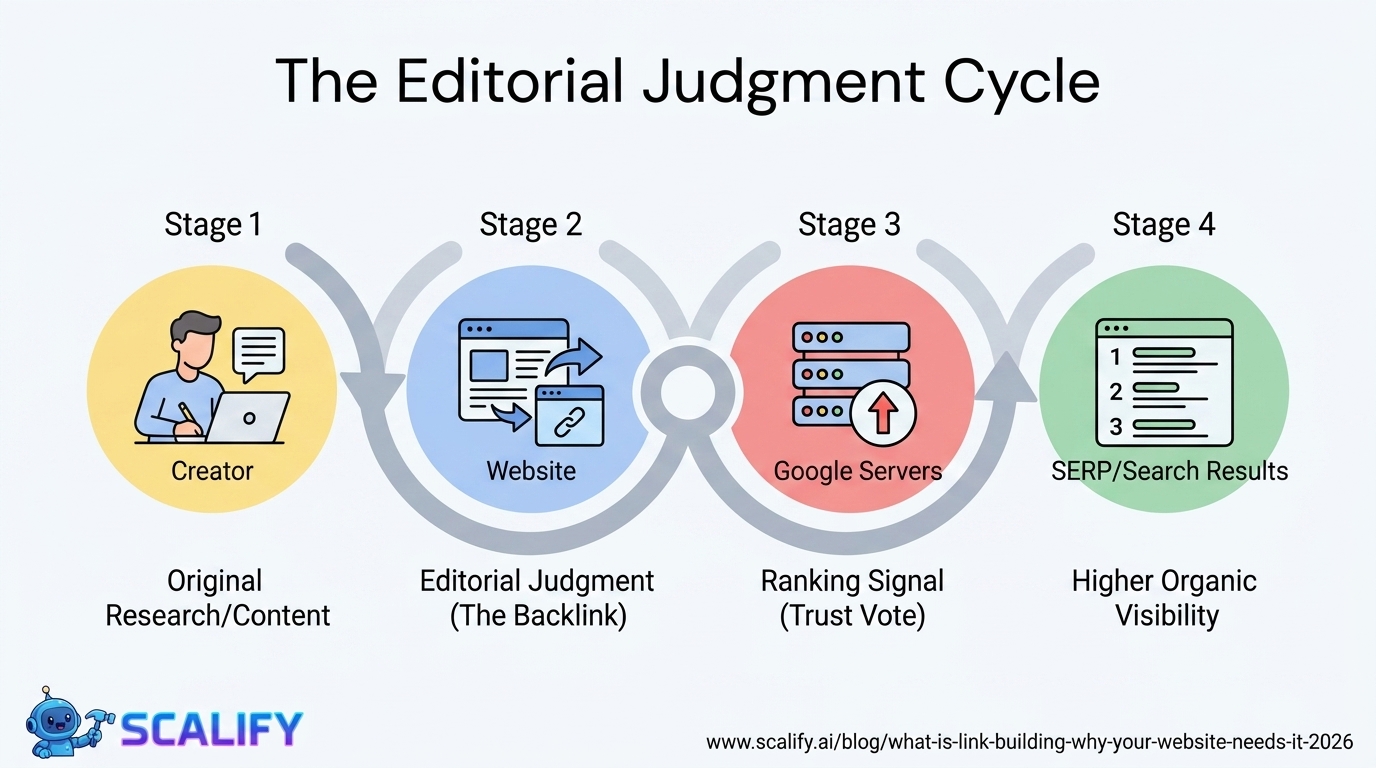
Digital PR — creating newsworthy content that earns coverage in established media outlets — produces the highest-quality links available and the largest average DA jumps per campaign. The approach: develop original data, surveys, or research on a topic your target media outlets cover → pitch the story to relevant journalists with a compelling hook → earn links from major publications (DA 70–90+) when the story is covered. One campaign that earns 3–5 links from major media outlets produces more DA impact than 100 guest posts on industry blogs. The investment is higher (research, writing, pitching), but the return is proportionally greater.
High-performing digital PR angles: original survey data ("78% of small businesses don't have a website — survey of 1,000 SMBs"), contrarian industry insights ("Why most conversion rate advice is wrong — data from 500 A/B tests"), year-in-review data stories, and anything that provides data journalists can cite in their reporting. The key differentiator from press releases: digital PR is about providing genuine news value, not announcing your own company.
The Skyscraper Technique
Developed by Brian Dean at Backlinko, the Skyscraper technique: find the most-linked content on a topic using Ahrefs Content Explorer → create a comprehensively better version of that content → reach out to sites linking to the original, showing them your superior resource. The logic: sites that have already demonstrated willingness to link to this topic are warm prospects; all you need to persuade them to change the link is a genuinely better resource. This technique produces above-average response rates compared to cold link building because the prospect has already demonstrated relevance and willingness to link.
HARO / Expert Sourcing
HARO (Help a Reporter Out) and similar services (SourceBottle, Qwoted, ProfNet) connect journalists seeking expert sources with people who can provide them. Responding to relevant journalist queries with genuinely useful expert insights earns links from media publications when your response is used in their story. The link quality is typically excellent (national and regional media, industry publications), the cost is primarily time, and the approach scales — a team member spending 30–60 minutes daily responding to relevant queries can earn 5–15 media links per month. These high-DA media links are among the most efficient link building channels available to most businesses.
Tracking Domain Authority Progress
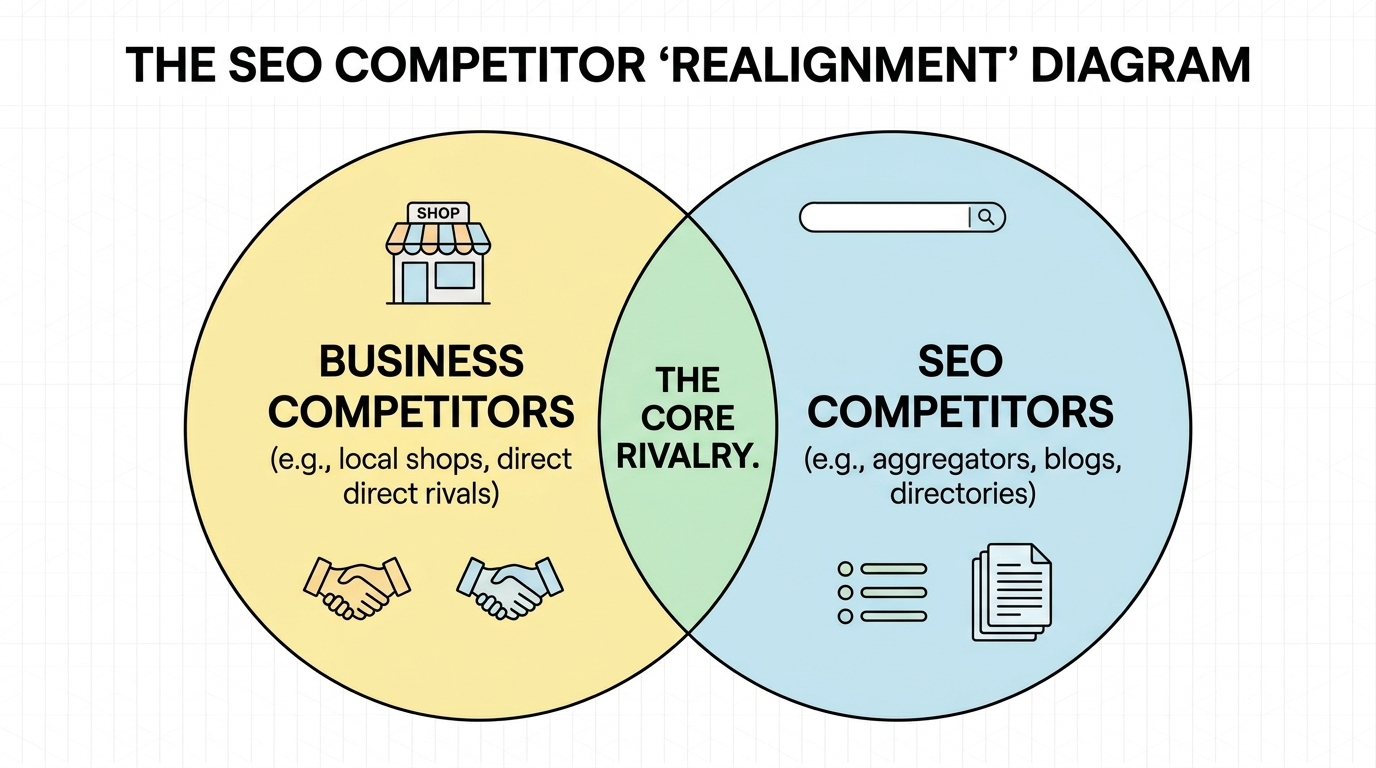
Track DA monthly using Moz's Link Explorer, comparing against your primary competitors rather than against an absolute target. A site that goes from DA 22 to DA 30 while its primary competitor goes from DA 28 to DA 40 has improved its DA but lost ground competitively. Competitive tracking — not just self-tracking — reveals whether link building efforts are keeping pace with the broader competitive landscape. Set up a monthly tracking spreadsheet: your DA vs. top 3–5 competitors' DA, your referring domains vs. theirs, and your new links acquired that month vs. their estimated new links. This competitive context makes DA progress meaningful rather than reporting a metric in isolation.
Domain Authority in Competitive Research
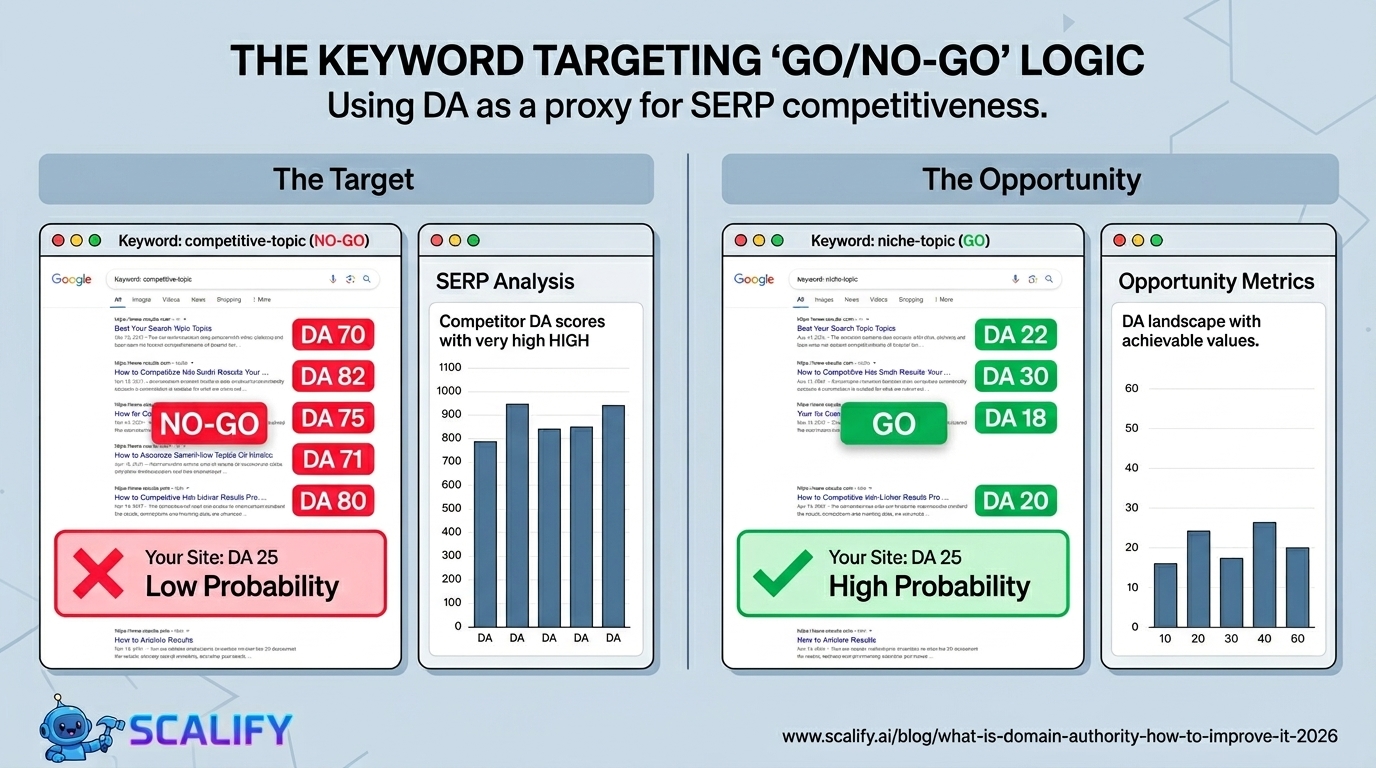
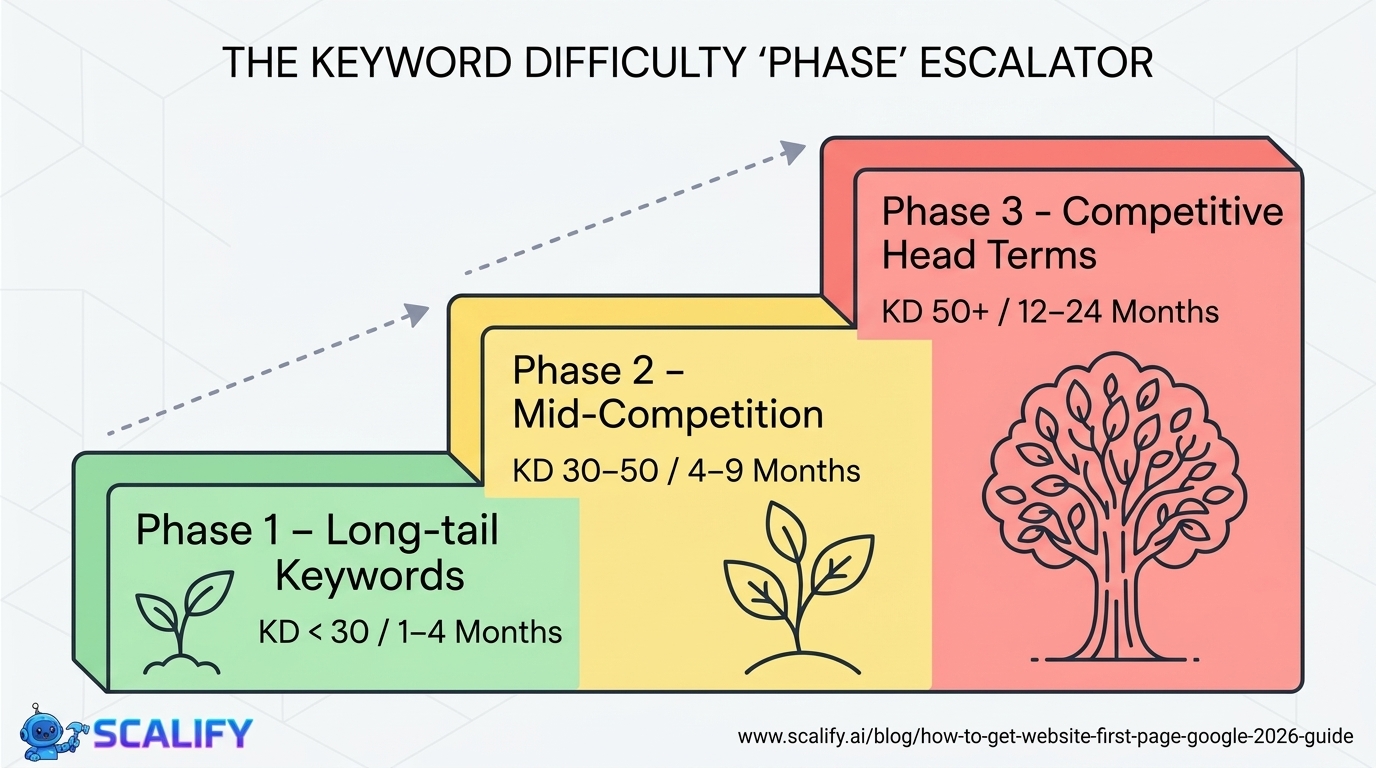
The most practical use of Domain Authority in day-to-day SEO work is competitive research: understanding whether a query is achievable for a site at your DA level. Before investing in content targeting a competitive keyword, check the DA of the pages currently ranking in positions 1–5. If they're all DA 60–80 and your site is DA 25, you're likely many months or years of link building away from ranking competitively for that query — and the effort is better directed toward keywords where your DA is more competitive with current rankers. This DA-based competitive assessment helps prioritize content investment toward queries where you have a realistic near-term chance of ranking rather than aspirational targets that require authority far beyond your current profile.



.jpeg)
.jpeg)

78 SW 7th St, Miami, FL 33130