

How to Get Your Website on the First Page of Google (2026 Guide)
By Josh Ternyak

April 18, 2026
Getting to page 1 of Google requires targeting right keywords, creating better content, strong technical foundation, quality backlinks, and topical authority clusters. This guide covers the 5-step process, keyword selection framework, content creation strategy, technical factors table, 4 link-building strategies, content cluster approach, ranking timeline by difficulty, local SEO path, on-page optimization, E-E-A-T for competitive rankings, tracking progress, and the revenue model for first-page rankings.
How to Get Your Website on the First Page of Google
Getting your website on the first page of Google for commercially valuable keywords is one of the most significant business achievements available to most companies — and it's achievable through systematic, sustained execution of well-understood strategies. The businesses that consistently rank on page one don't have secret knowledge or special Google connections. They have better content, more authoritative backlinks, stronger technical foundations, and more consistent investment in the processes that drive organic rankings than their competitors.
Key Statistics: Google First-Page Rankings
The 5-Step Process to First-Page Rankings
Step 1: Target the Right Keywords First
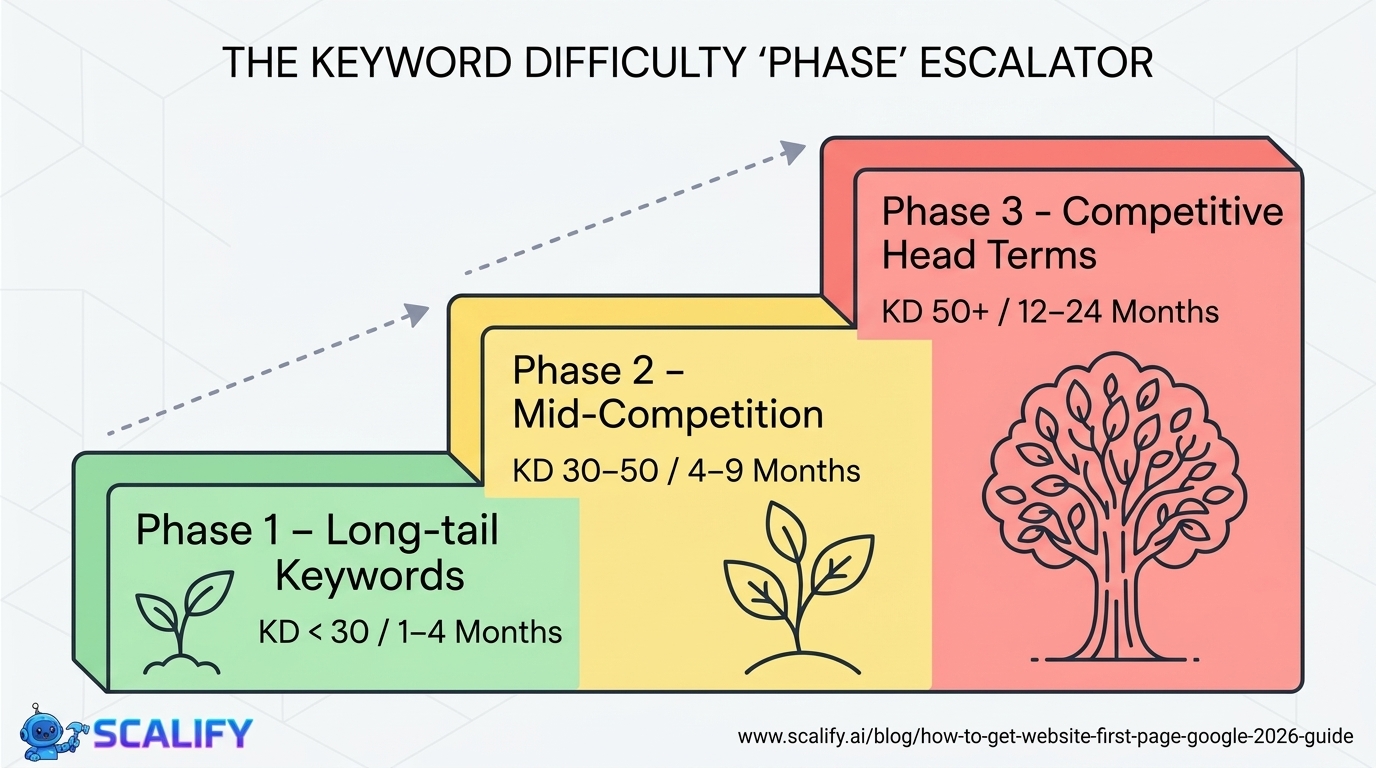
The most common first-page Google mistake is targeting competitive head terms before building the domain authority to compete for them. "Web design" has enormous search volume — and 10 million competing pages, most with years of authority and thousands of backlinks. "Web design for restaurants in Miami" has modest search volume — and a small handful of competitors, most with minimal SEO investment. Starting with long-tail, lower-competition queries builds topical authority and generates early traffic while you develop the authority needed for more competitive terms.
Keyword selection framework: use Ahrefs or Semrush to find keywords with search volume above 100/month and Keyword Difficulty below 30 in your target topic area. These are your Phase 1 targets. As you rank for these and build domain authority, target KD 30–50 keywords in Phase 2. Competitive head terms (KD 50+) become achievable in Phase 3 after 12–24 months of consistent content and link building.
Step 2: Create Content That Deserves to Rank
Google's ranking systems select the pages that most comprehensively and accurately answer the query being searched. Creating content that deserves to rank means: covering the topic more completely than what's currently ranking, answering the specific questions users have about the topic, being accurate and current with authoritative citations, providing original value (data, analysis, experience) that isn't available elsewhere, and organizing information in a format appropriate for the query type.
Before writing any piece of content targeting a keyword: search that keyword and read the top 3–5 results. Your content must provide something better than what's there — more comprehensive, better organized, more current, or covering angles the existing results miss. Content that matches existing results without improving on them provides no reason for Google to rank it above those results.
Step 3: Build a Strong Technical Foundation
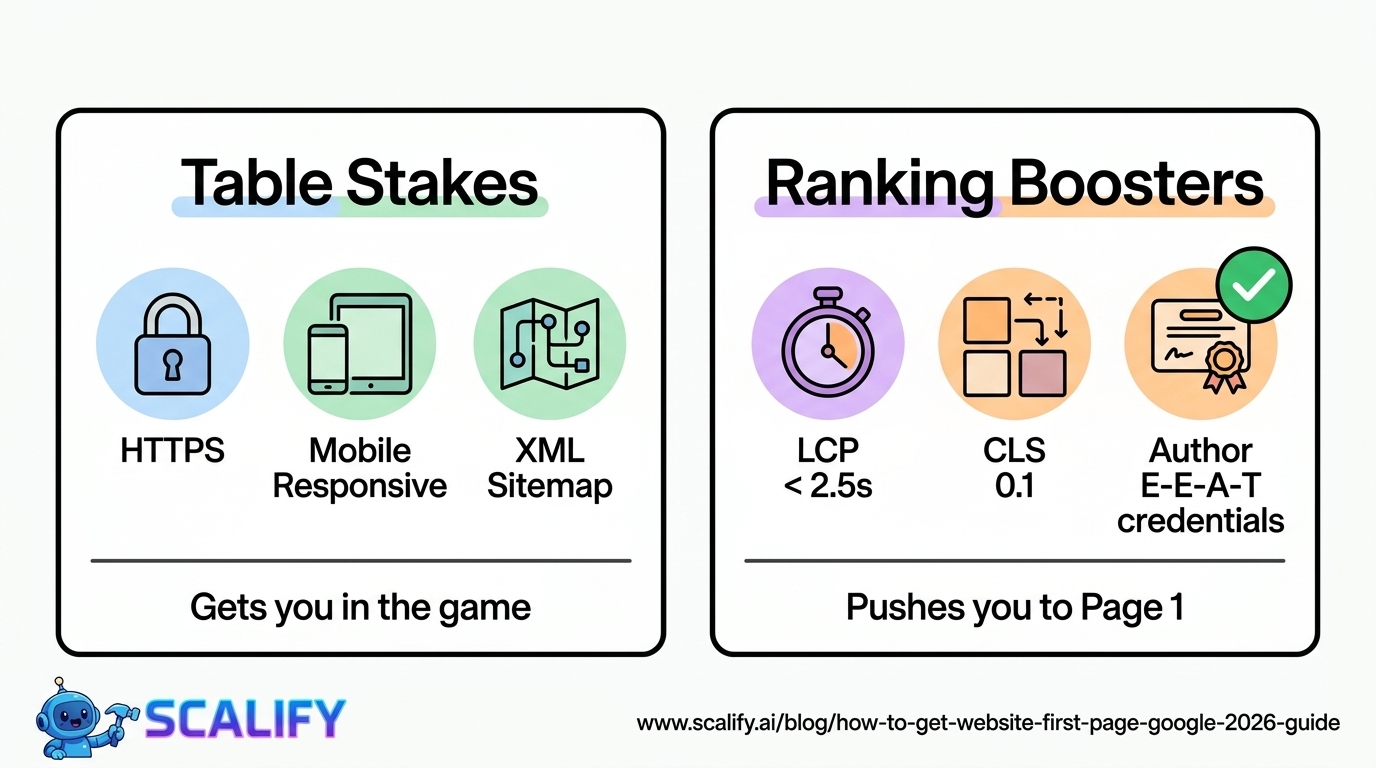
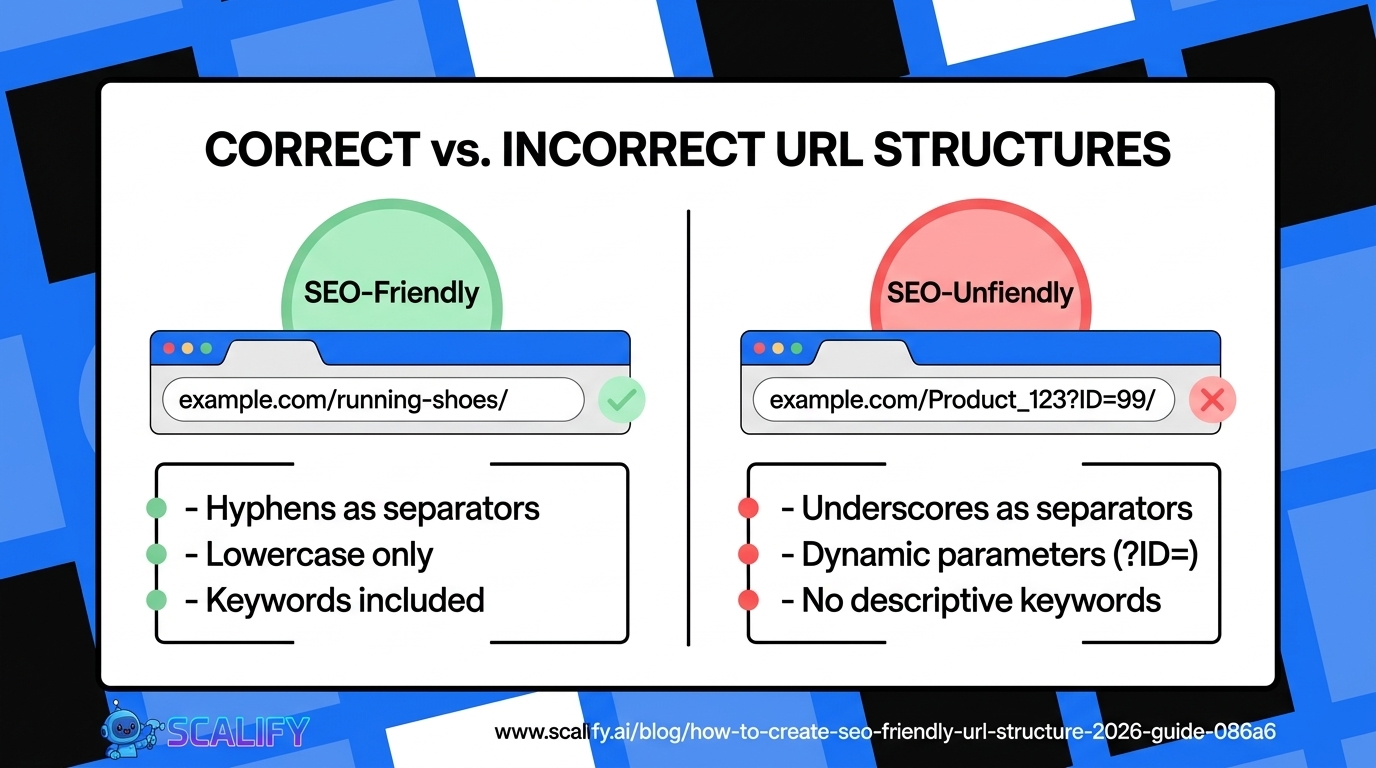
Technical FactorWhat to FixRanking ImpactCore Web VitalsLCP under 2.5s, CLS under 0.1, INP under 200msDirect ranking signal — pass all 3Mobile optimizationResponsive design, adequate tap targets, no horizontal scrollHigh — Google mobile-first indexingHTTPSSSL certificate active on all pagesConfirmed ranking signal — table stakesCrawlabilityNo important pages blocked in robots.txt; no noindex errorsPages must be crawlable to rankURL structureShort, descriptive, keyword-including URLsMedium — keyword in URL is a relevance signalSite speedTTFB under 200ms; page weight under 1MBHigh — directly affects Core Web VitalsDuplicate contentCanonical tags on duplicate URLs; no parameter proliferationMedium — splits ranking signals
Step 4: Earn Authoritative Backlinks
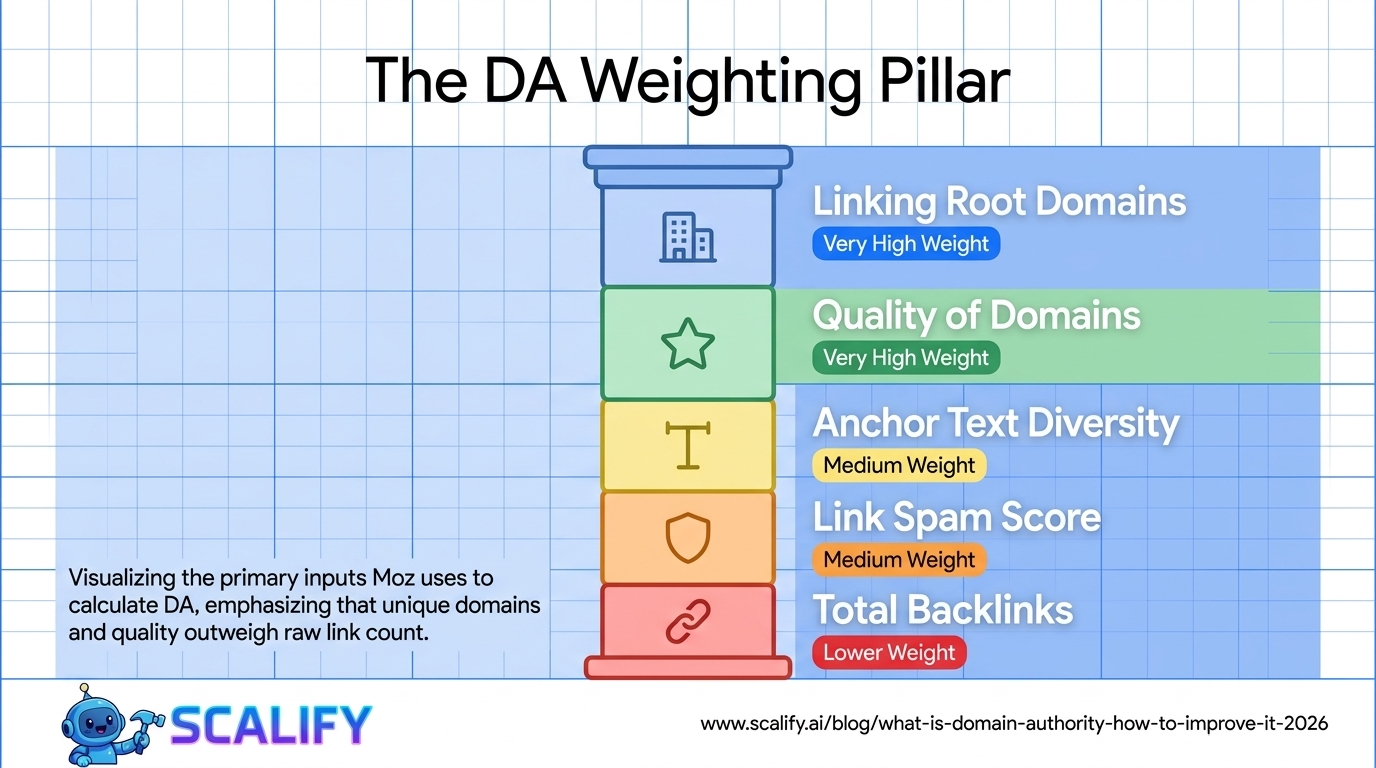
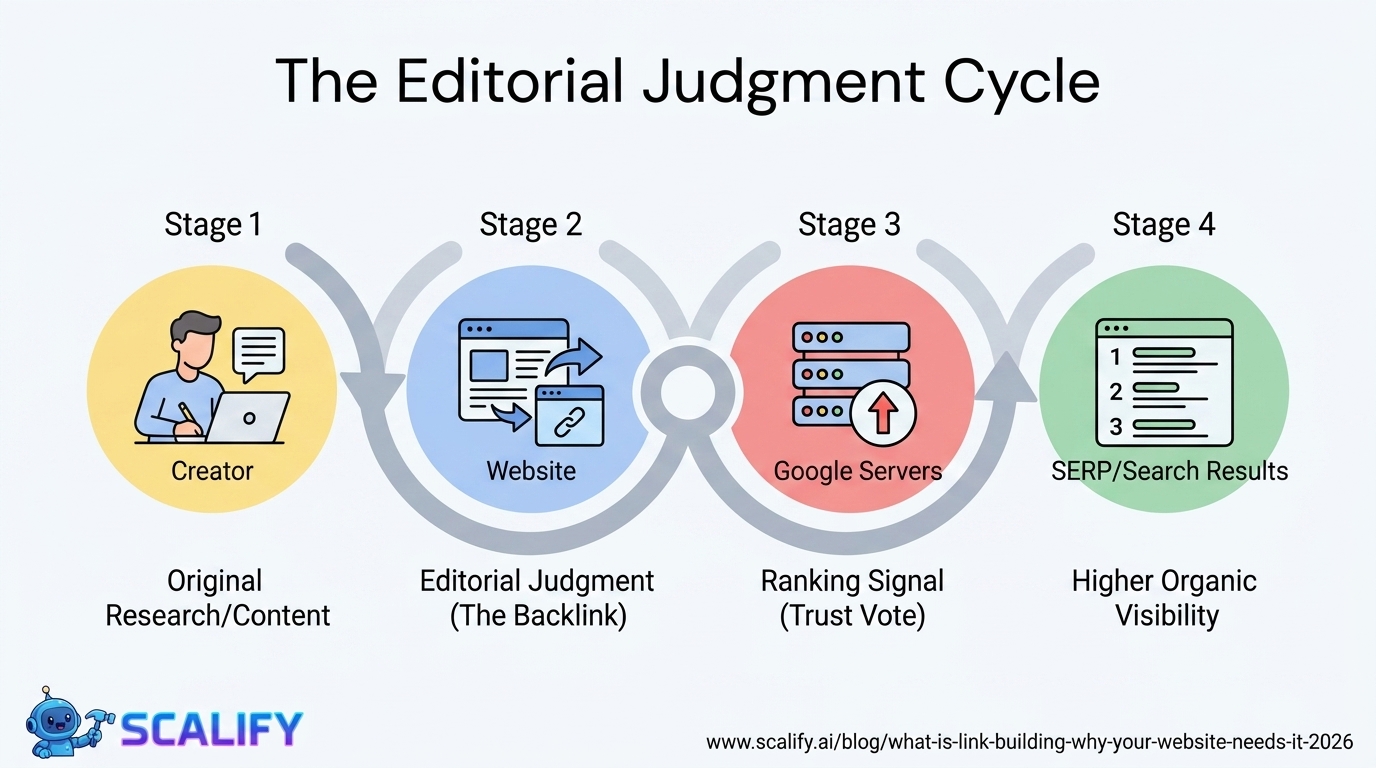
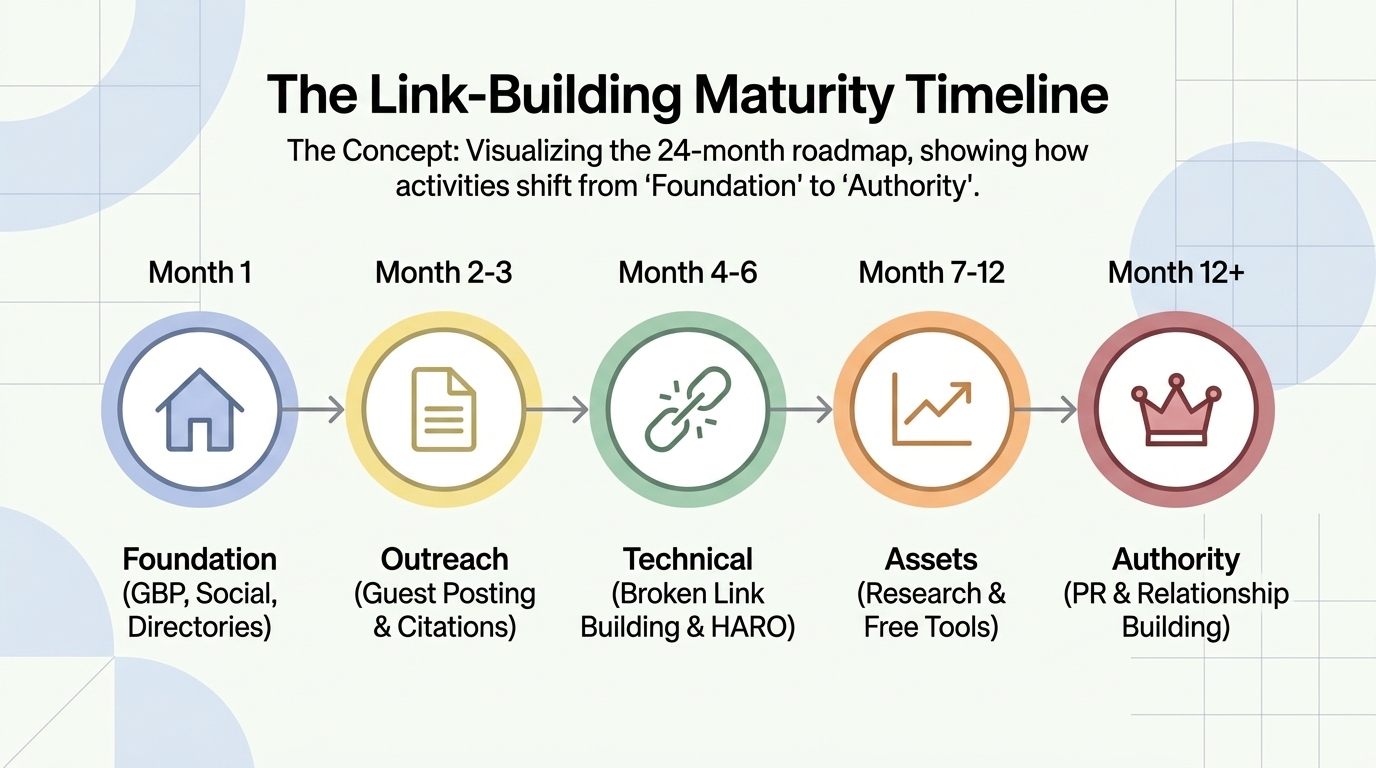
Backlinks remain the most powerful ranking signal in Google's algorithm. A page with 50 high-quality backlinks from relevant, authoritative sites consistently outranks a technically excellent page with 5 backlinks for competitive queries. The strategies that produce quality backlinks in 2026:
Digital PR: Create original research, surveys, or data studies that journalists and industry publications have reason to cite. One campaign producing 5–10 links from DA 60+ publications moves authority more than 100 low-quality links.
Guest posting: Contribute expert articles to industry publications in exchange for an author bio link. Target publications with DA 40+ that your target audience reads.
Linkable assets: Build free tools, calculators, comprehensive guides, or original research that other sites naturally want to link to as a useful resource for their audience.
Broken link building: Find broken links on high-authority sites pointing to dead pages in your niche → offer your relevant content as a replacement.
Step 5: Build Topical Authority
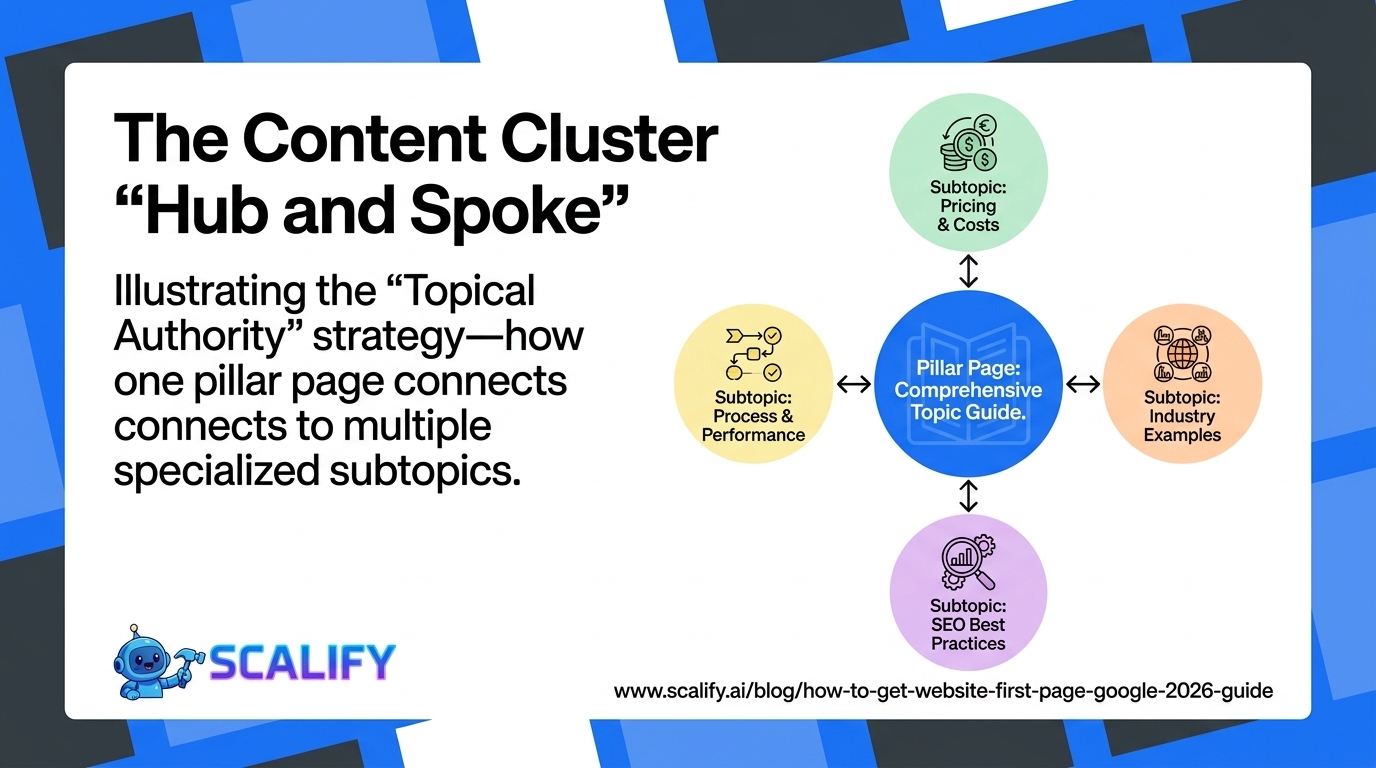
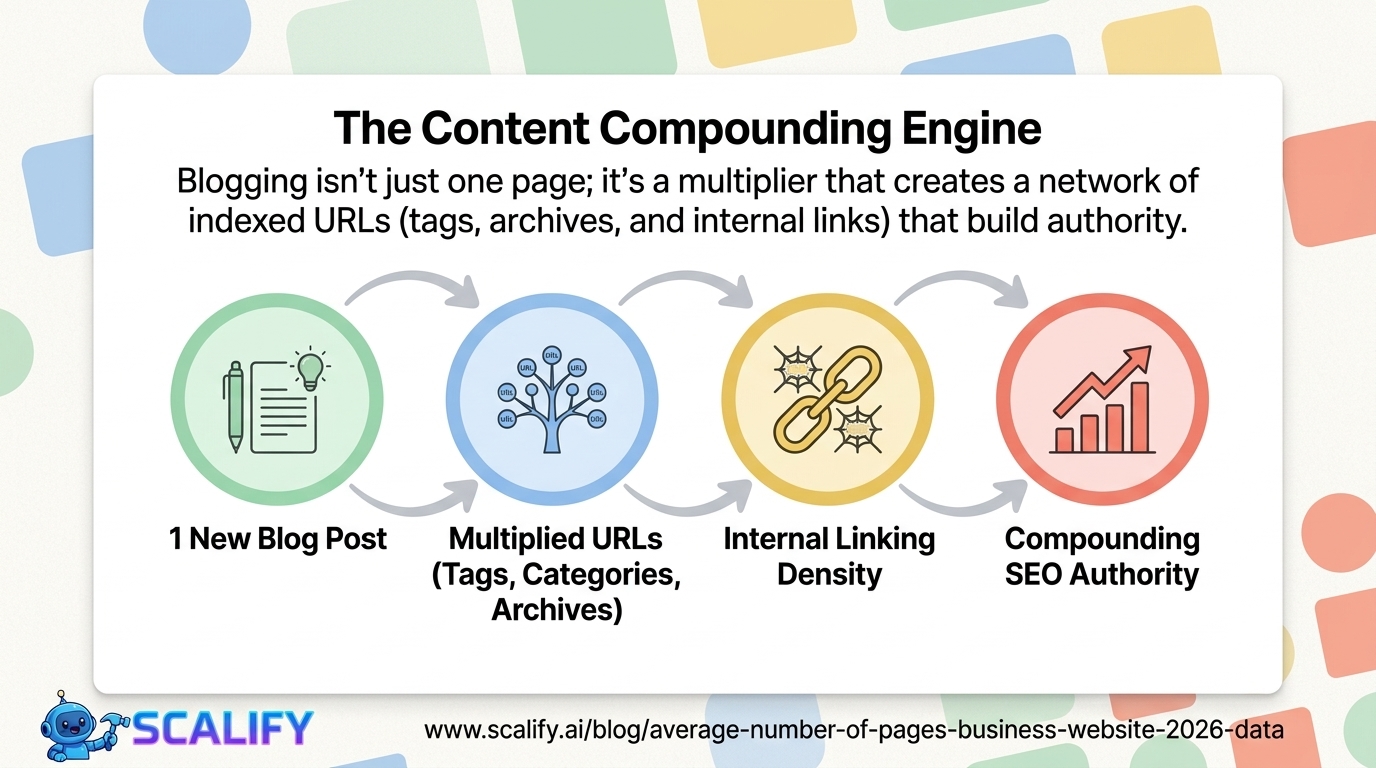
Google's algorithms increasingly reward sites that demonstrate comprehensive expertise in specific topic areas — rather than those that have individual strong pages. Topical authority is built by publishing a cluster of interlinked content covering every aspect of a topic from multiple angles. A website that has 30 comprehensive articles about web design — covering pricing, process, platforms, examples, SEO, performance, and specific industries — has stronger topical authority for web design queries than a website with one excellent web design page and no surrounding content.
The content cluster strategy: identify your primary topic, map all the subtopics, questions, and angles that relate to it, create a comprehensive "pillar" page covering the topic broadly, and create individual "cluster" articles covering each subtopic in depth with internal links connecting them. This structure demonstrates topical expertise to Google's systems while also providing the specific long-tail content that captures early traffic and builds authority incrementally.
Timeline: When to Expect First-Page Rankings
Keyword TypeDifficultyExpected TimelinePrerequisiteBrand keywordsVery Low1–4 weeks after launchSite indexed by GoogleLong-tail (3+ words, low competition)Low1–4 monthsQuality content publishedMid-competition keywords (KD 20–40)Medium4–9 monthsContent + some backlinksCompetitive keywords (KD 40–60)High9–18 monthsDomain authority + strong contentVery competitive head terms (KD 60+)Very High18–36+ monthsSignificant domain authority
Local SEO: The Faster Path for Local Businesses
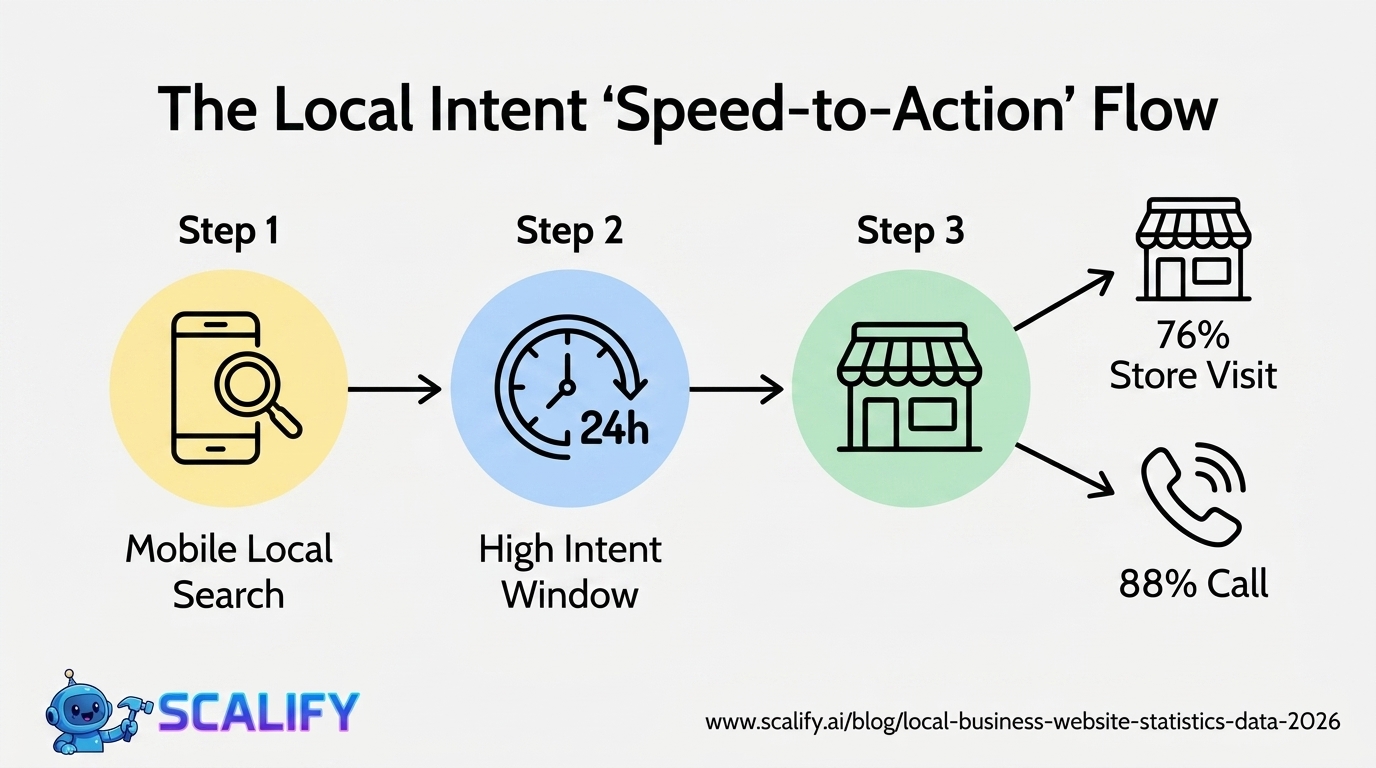
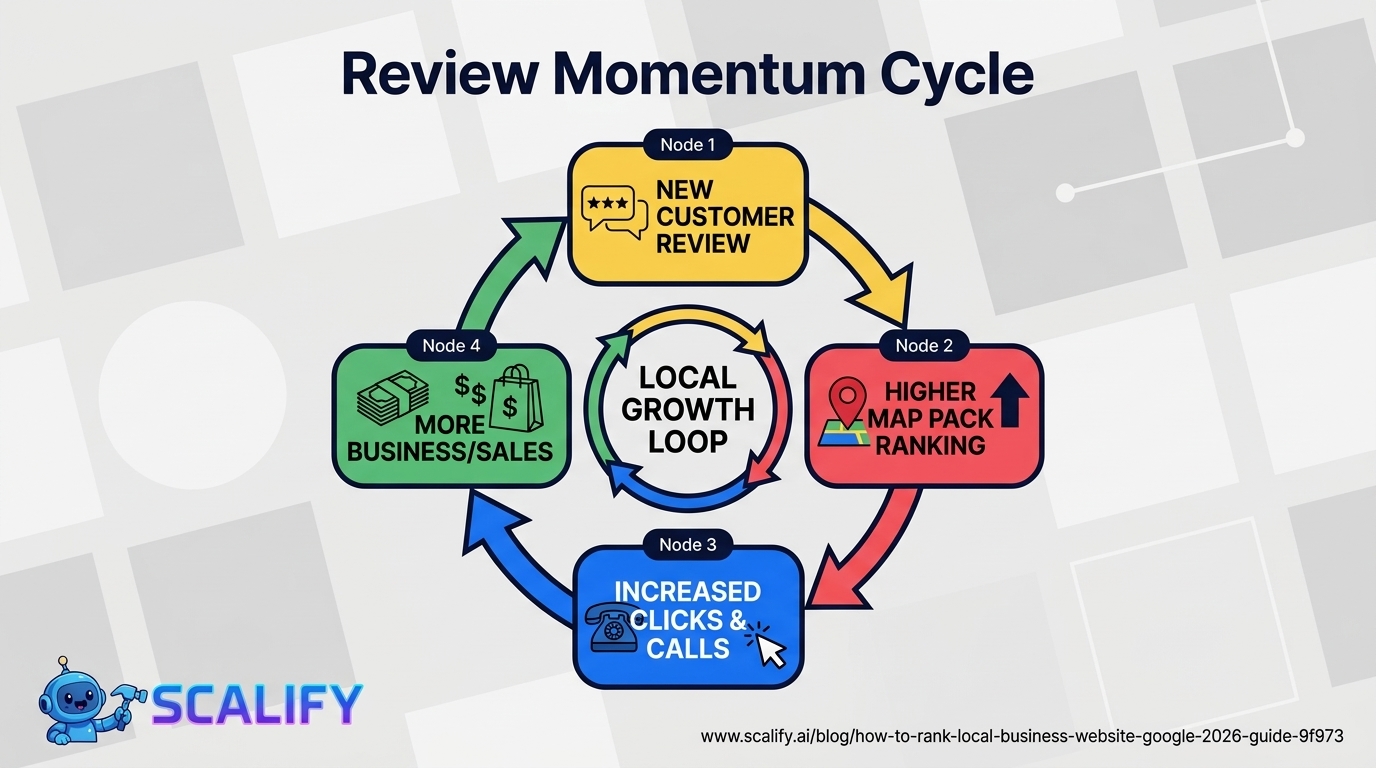
For businesses serving specific geographic areas, local SEO produces first-page results significantly faster than national SEO. The Google Map Pack — the 3 local business listings that appear above organic results for location-based queries — is a separate ranking system that rewards: Google Business Profile optimization, proximity to the searcher, and review quality and quantity. Local businesses can appear in the Map Pack for "[service] near me" queries within 4–8 weeks of properly optimizing their GBP, building local citations, and actively collecting reviews — faster than any organic content strategy can produce first-page results for the same queries.
The Bottom Line
Getting to the first page of Google requires: targeting achievable keywords first, creating genuinely better content than what's currently ranking, maintaining technical foundations that pass Core Web Vitals and mobile standards, earning quality backlinks through content and outreach, and building topical authority through content clusters. Timeline is 1–4 months for low-competition queries, 6–12 months for medium competition, and 12–24+ months for competitive head terms. Local SEO is faster for geographic businesses. There are no shortcuts — the sites that rank on page one have consistently invested in these fundamentals longer and more systematically than their competitors, not found a hack that bypasses the algorithm.
At Scalify, we build SEO-ready websites from day one — technical foundations, proper URL structure, content architecture, and Core Web Vitals optimization that give every article and page the best possible starting position in Google's rankings.
Top 5 Sources
On-Page Optimization: Making Each Page as Rankable as Possible
Technical SEO gets a page into Google's index; on-page optimization makes it as likely as possible to rank well once indexed. The on-page factors with the highest ranking impact:
Title tag with keyword near the beginning. The title tag is the single most important on-page SEO element. Include the primary keyword in the first 50–60 characters, write for click-through rate (compelling to humans), and ensure it accurately describes the page content. A title tag rewrite alone can significantly improve both rankings and click-through rate for pages that already rank on page 2–3.
H1 tag matching search intent. One H1 per page, including the primary keyword, clearly describing what the page covers. The H1 should match the intent of the query — if the query is "how to set up Google Analytics," the H1 should answer "How to Set Up Google Analytics," not just "Google Analytics Setup."
Comprehensive topic coverage. Use Ahrefs' "Content Gap" or Semrush's "Keyword Magic" to find the related terms, questions, and subtopics that top-ranking pages cover for your target keyword. Including these in your content signals topical comprehensiveness to Google's relevance algorithms.
Internal links from high-authority pages. Links from your most-linked pages to the page you're trying to rank pass page authority and signal that the target page is important to your site's structure. Every important page should receive internal links from at least 3–5 other pages on your site.
Google's E-E-A-T Requirements for Competitive Rankings
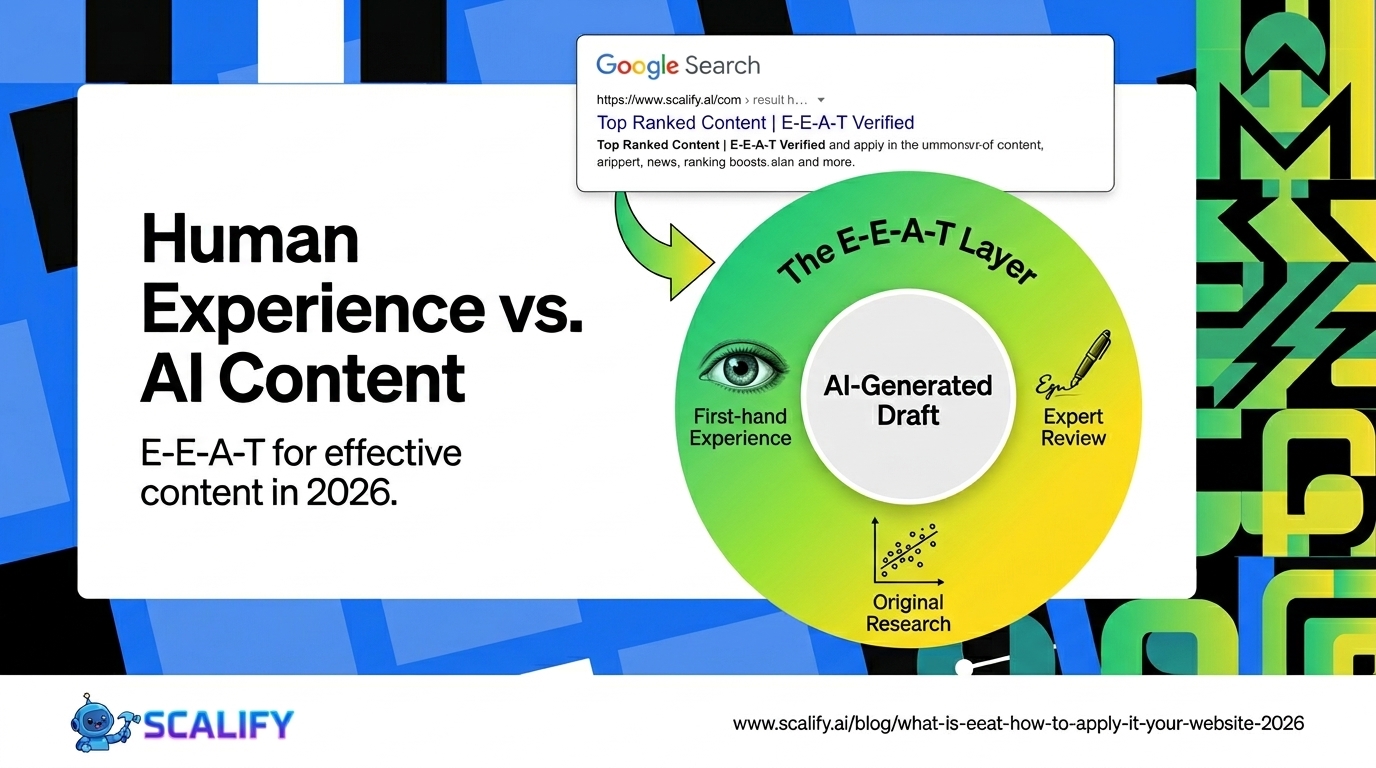
For competitive queries in any market, E-E-A-T (Experience, Expertise, Authoritativeness, Trustworthiness) signals increasingly differentiate first-page results from second-page results. The specific E-E-A-T improvements that most directly affect rankings for competitive queries:
Named, credentialed authors on every piece of content (especially for YMYL topics), external citations from authoritative sources supporting factual claims, backlinks from recognized publications in the field (authoritativeness), and comprehensive "About" pages and transparency about who publishes and operates the website (trustworthiness). Pages that add E-E-A-T signals consistently see ranking improvements for competitive queries — because these signals are increasingly what Google uses to differentiate between the many technically adequate pages competing for first-page positions.
Tracking Your First-Page Progress
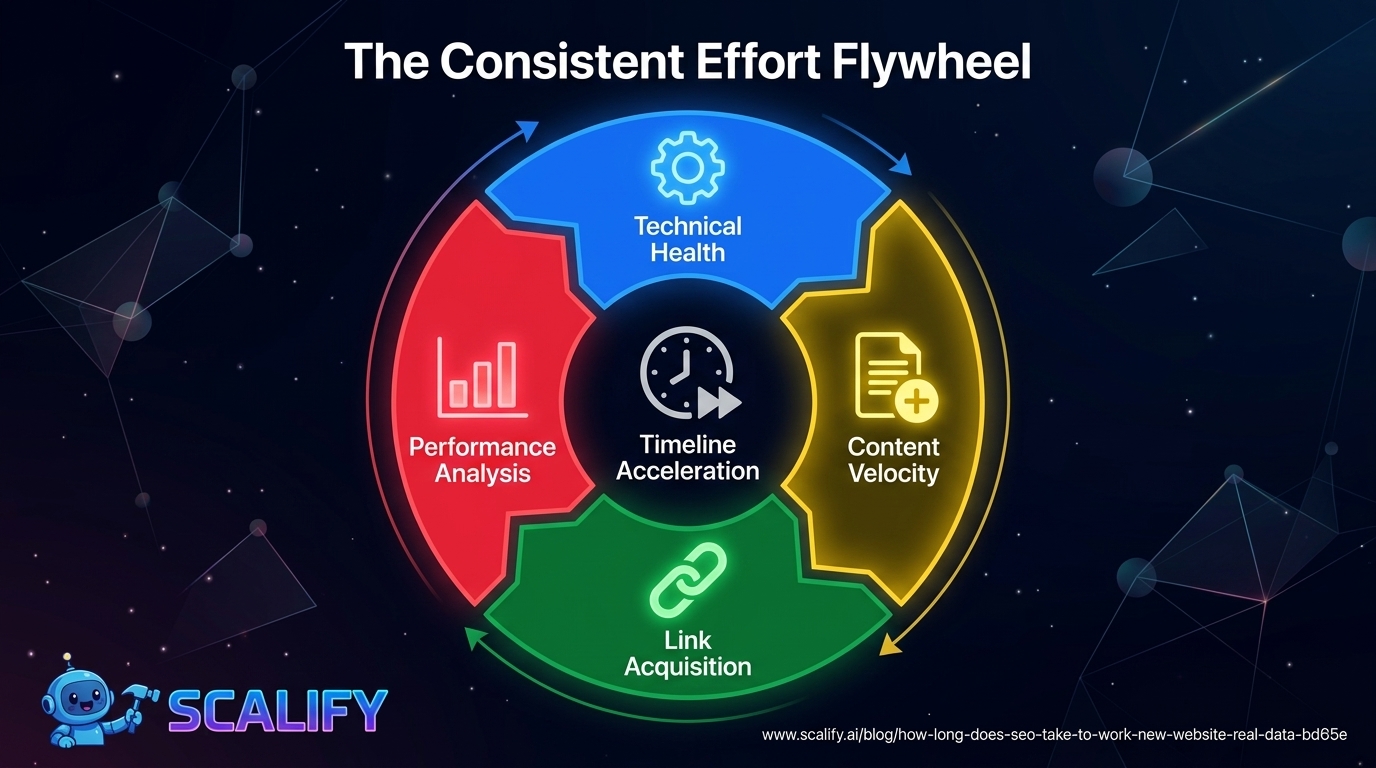
Measuring progress toward first-page rankings requires tracking specific metrics monthly. The minimum tracking setup: Google Search Console impressions and average position for target keywords (free, real data from Google), Ahrefs Rank Tracker or Semrush Position Tracking for weekly position updates on priority keywords, and month-over-month organic traffic from GA4 to verify that ranking improvements are translating to actual clicks. Progress follows a predictable pattern for well-executed campaigns: slow improvement in months 1–4, accelerating improvement in months 5–9, and reliable first-page positions for primary targets in months 9–15. Tracking this trajectory monthly prevents both premature abandonment (giving up when the slow period precedes the acceleration) and false confidence (ranking well for no-volume queries while missing high-value targets).
What First-Page Rankings Are Worth: The Revenue Model
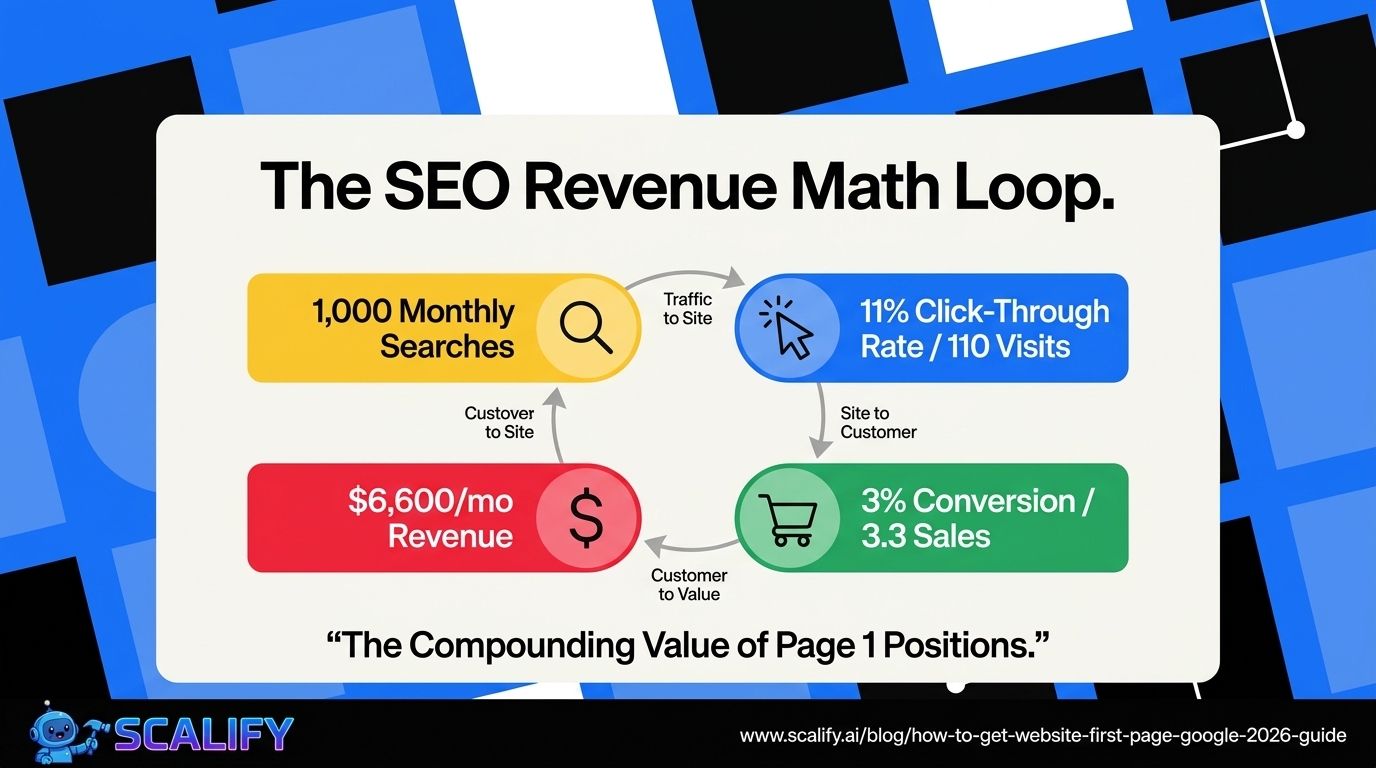
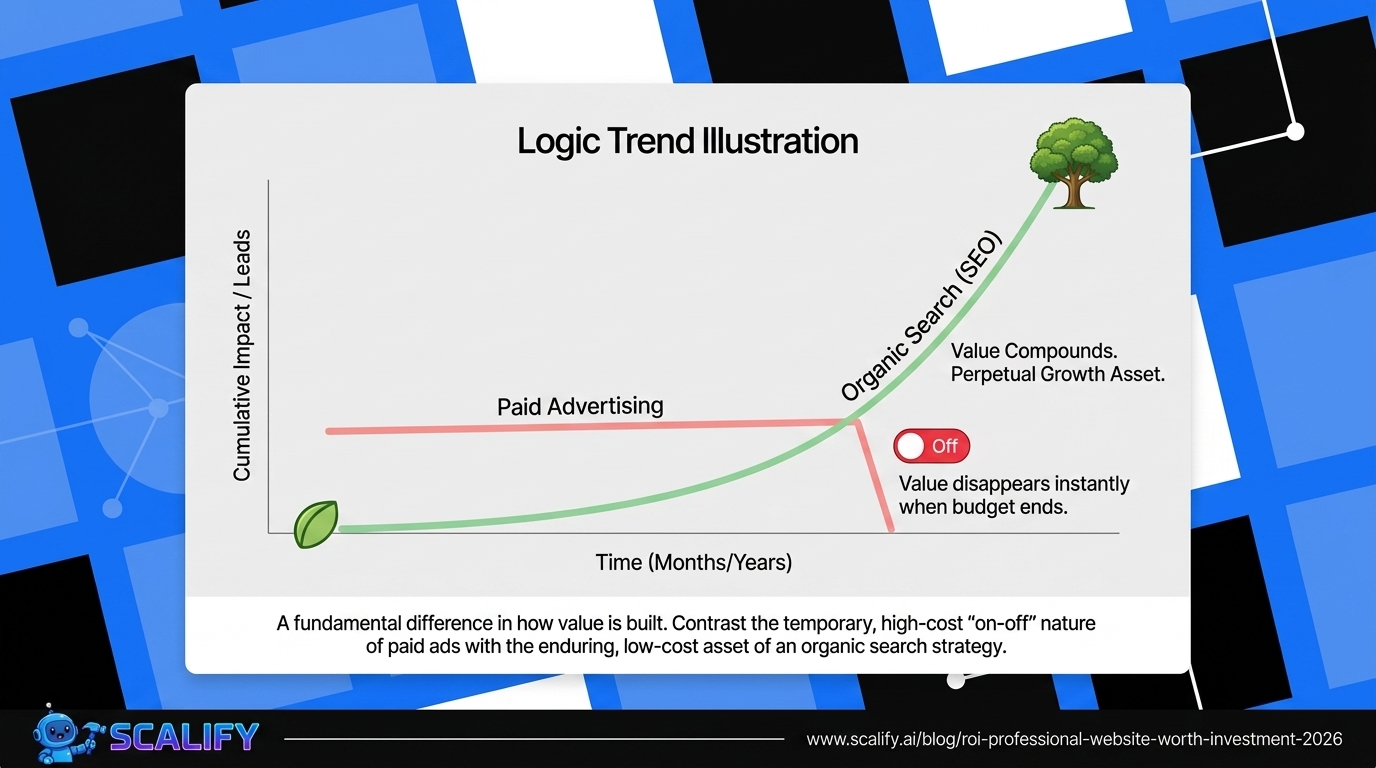
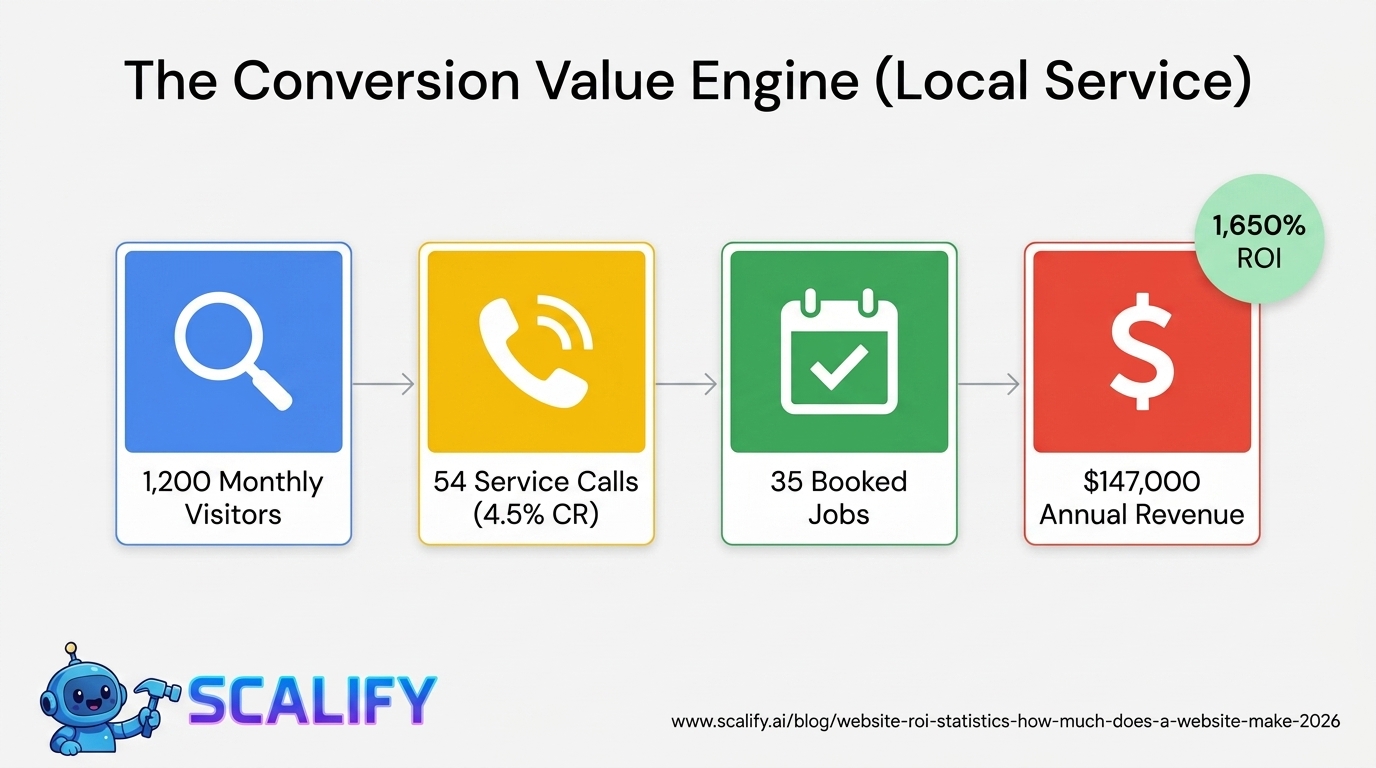
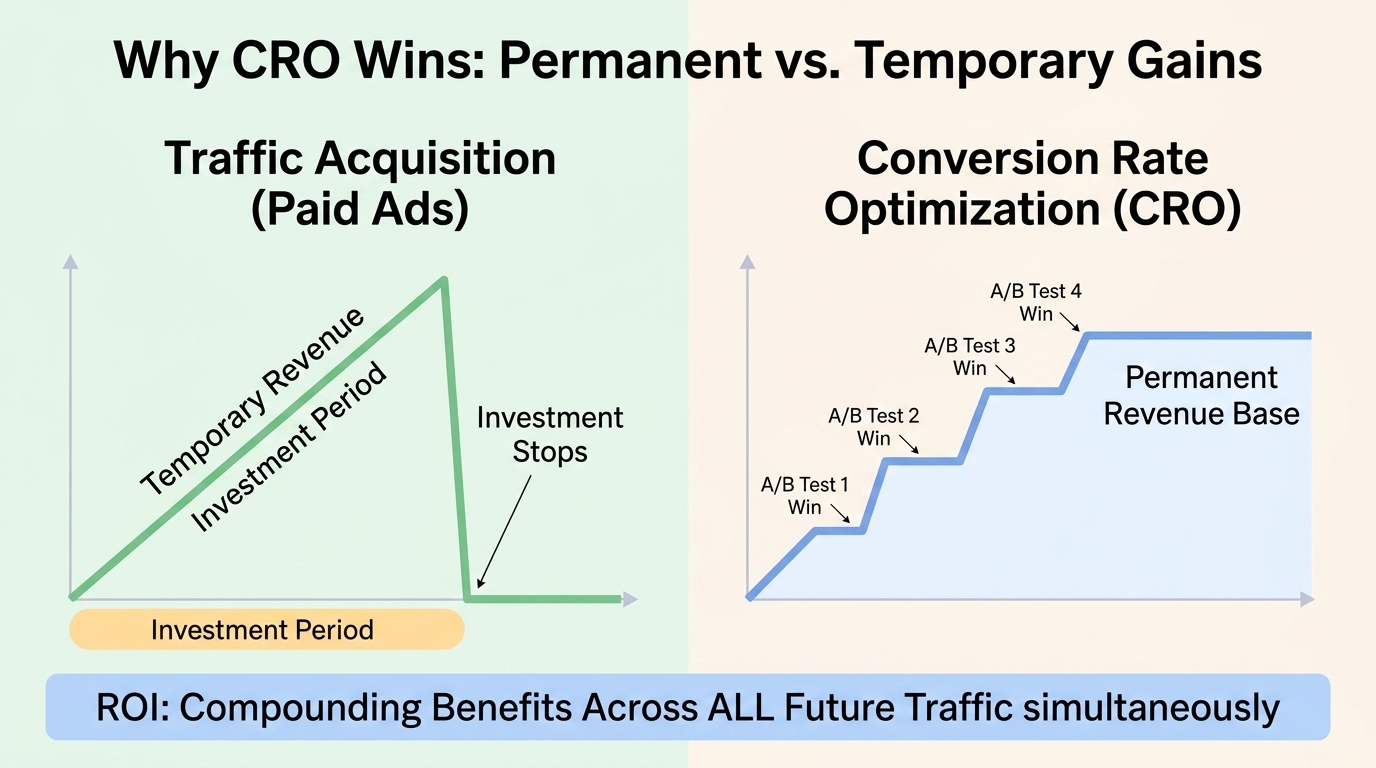
First-page rankings for commercial queries produce revenue that compounds over time. The calculation: if your target keyword has 1,000 monthly searches and a first-page ranking in position 3 captures 11% of clicks, that's 110 monthly visits from that query alone. If those visitors convert at 3% and your average customer value is $2,000, that's 3.3 new customers per month from that one keyword — $6,600/month, $79,200/year — from a position that costs almost nothing to maintain once achieved. Scale this across 20–30 ranking keywords and first-page Google presence becomes the highest-ROI marketing channel in the business. This is why businesses that achieve systematic first-page presence treat their SEO investment as one of their most valuable business assets — because it generates revenue continuously, without the ongoing cost that paid channels require for every visit and every click.
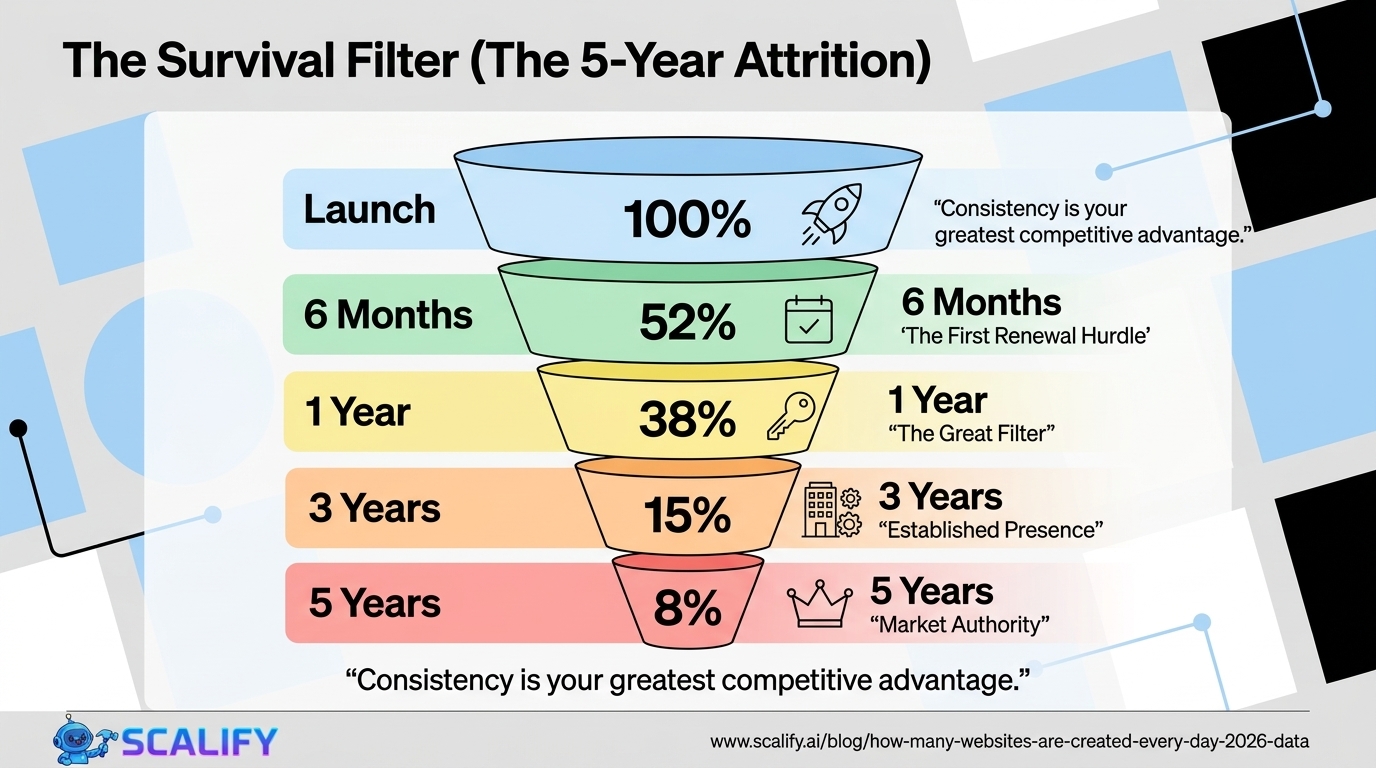
The path to first-page Google rankings is systematic, not mysterious. Target the right keywords for your current authority level, create genuinely better content than what currently ranks, maintain technical standards that pass Google's quality checks, earn backlinks from credible sources, and be consistent for 12–24 months. The businesses that achieve this systematically build durable competitive advantages that pay back for years — and those that abandon the effort 6 months in, just before the compounding begins, are the ones who conclude that SEO doesn't work when the truth is that it required patience they weren't prepared for.


.jpeg)
.jpeg)

78 SW 7th St, Miami, FL 33130