

React Developer Salary: How Much Do React Devs Earn in 2026?
By Josh Ternyak

April 22, 2026
React developers earn $72,000 to $220,000+ in 2026. This comprehensive guide covers salary by experience level, ecosystem premiums for TypeScript and Next.js, FAANG total compensation, freelance rates, framework comparisons, career progression requirements, interview preparation, and how to build a portfolio that gets senior React interviews.
React Developer Salary: How Much Do React Devs Earn?
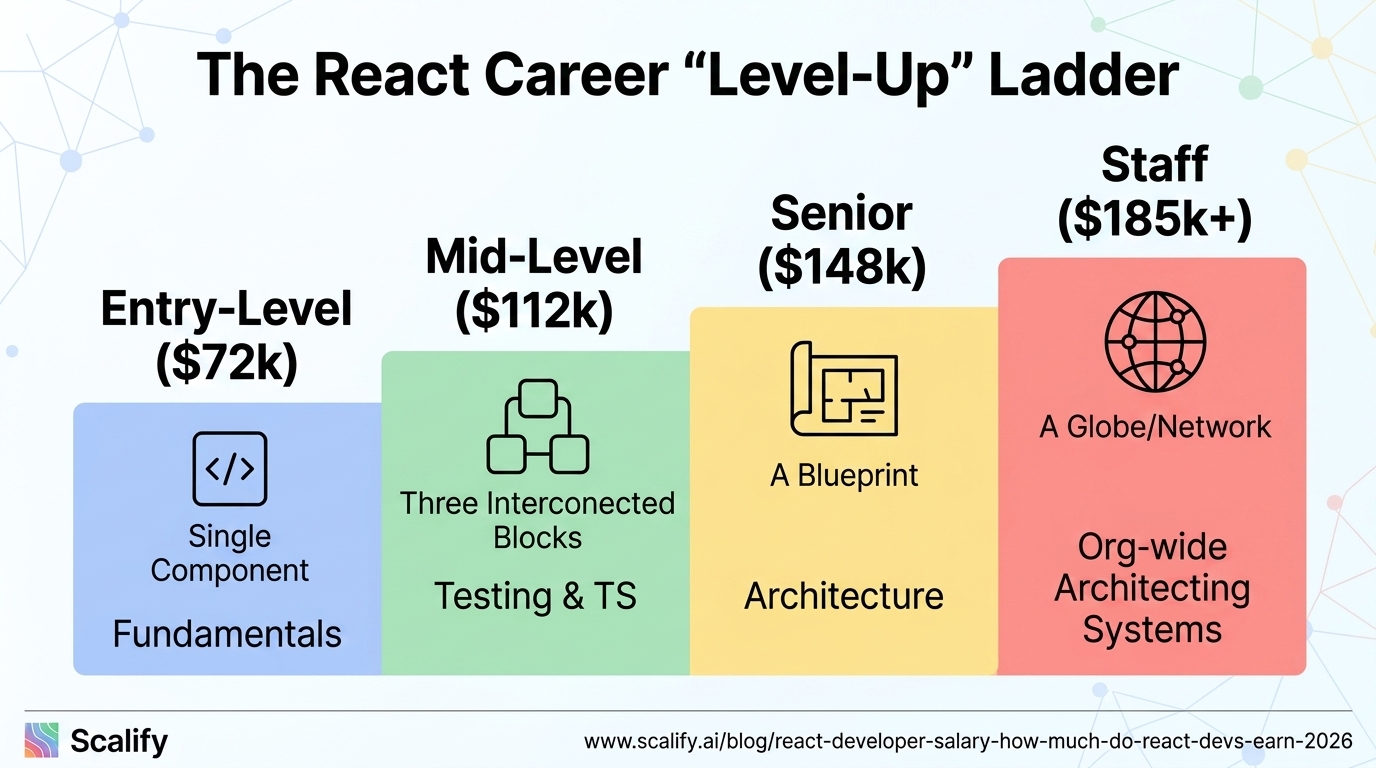
React is the most widely used JavaScript framework in the world — and React developers are among the most consistently in-demand and well-compensated front-end engineers in the market. In 2026, React developer salaries range from $72,000 for entry-level developers to $185,000+ for senior engineers at top-tier technology companies, with the range reflecting genuine differences in skill depth, system design capability, and employer type rather than arbitrary market variation.
React's salary strength comes from its dominance: used by 42.6% of professional developers according to Stack Overflow's 2024 survey, React is the default choice for new front-end development at most companies of any size. This market position means React skills are relevant across virtually every employer category — from early-stage startups to FAANG — and the demand for React engineers remains consistently strong even as other frameworks compete for share.
Key React Developer Salary Statistics
React Developer Salary by Experience Level
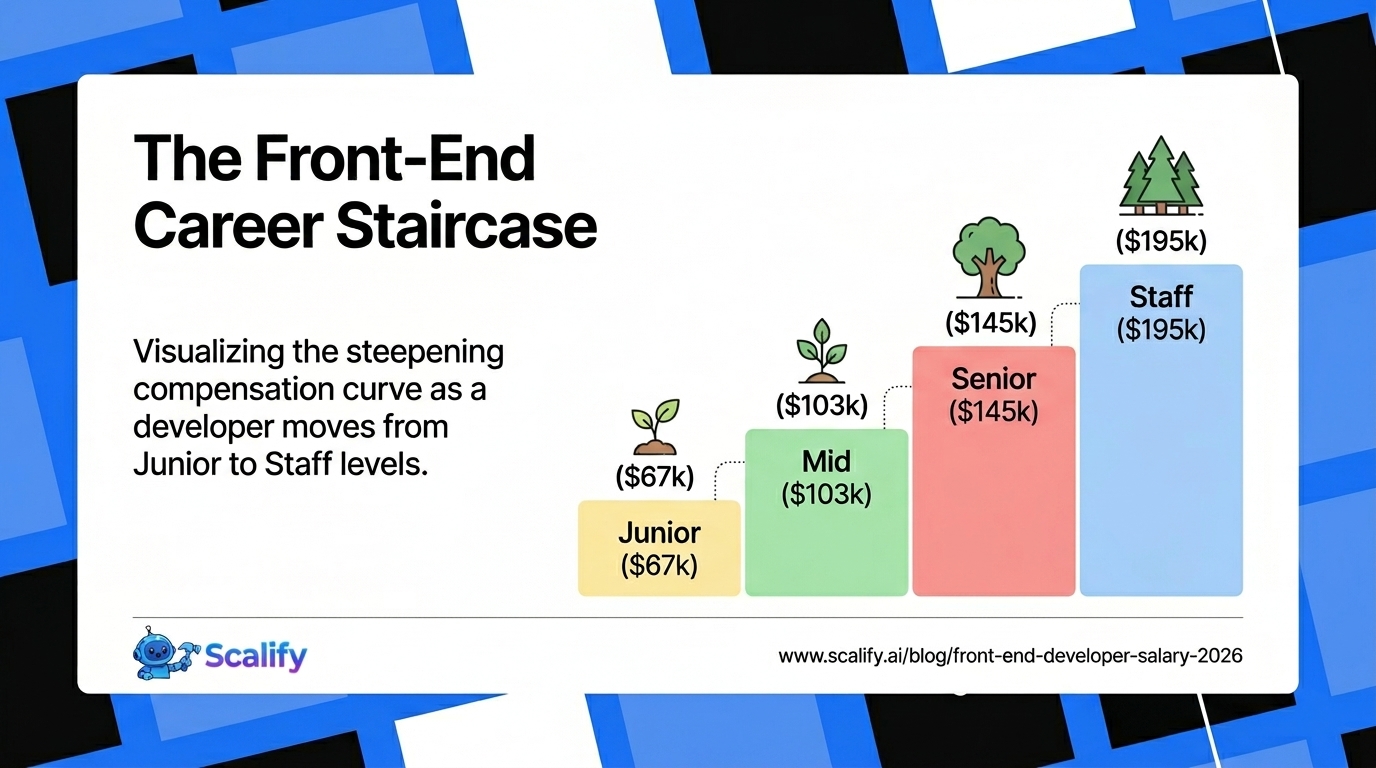
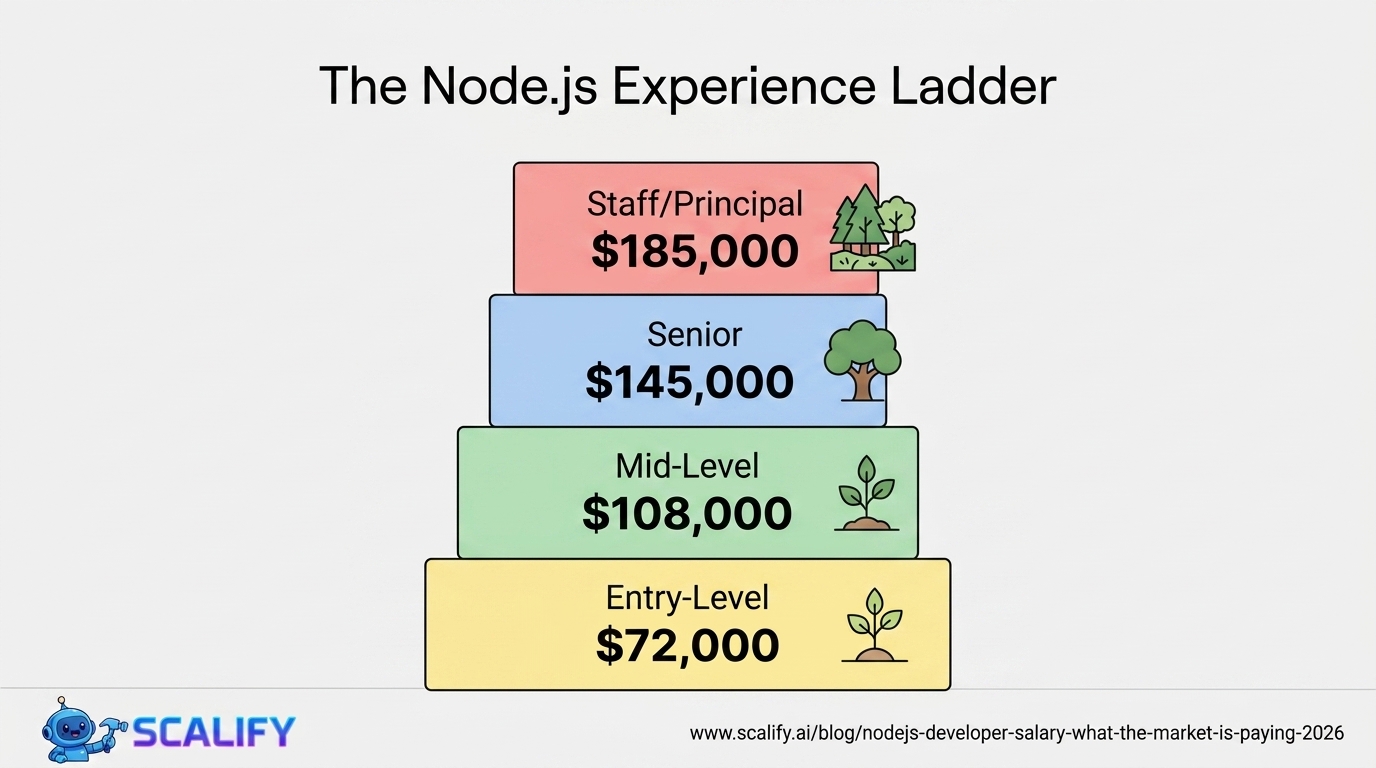
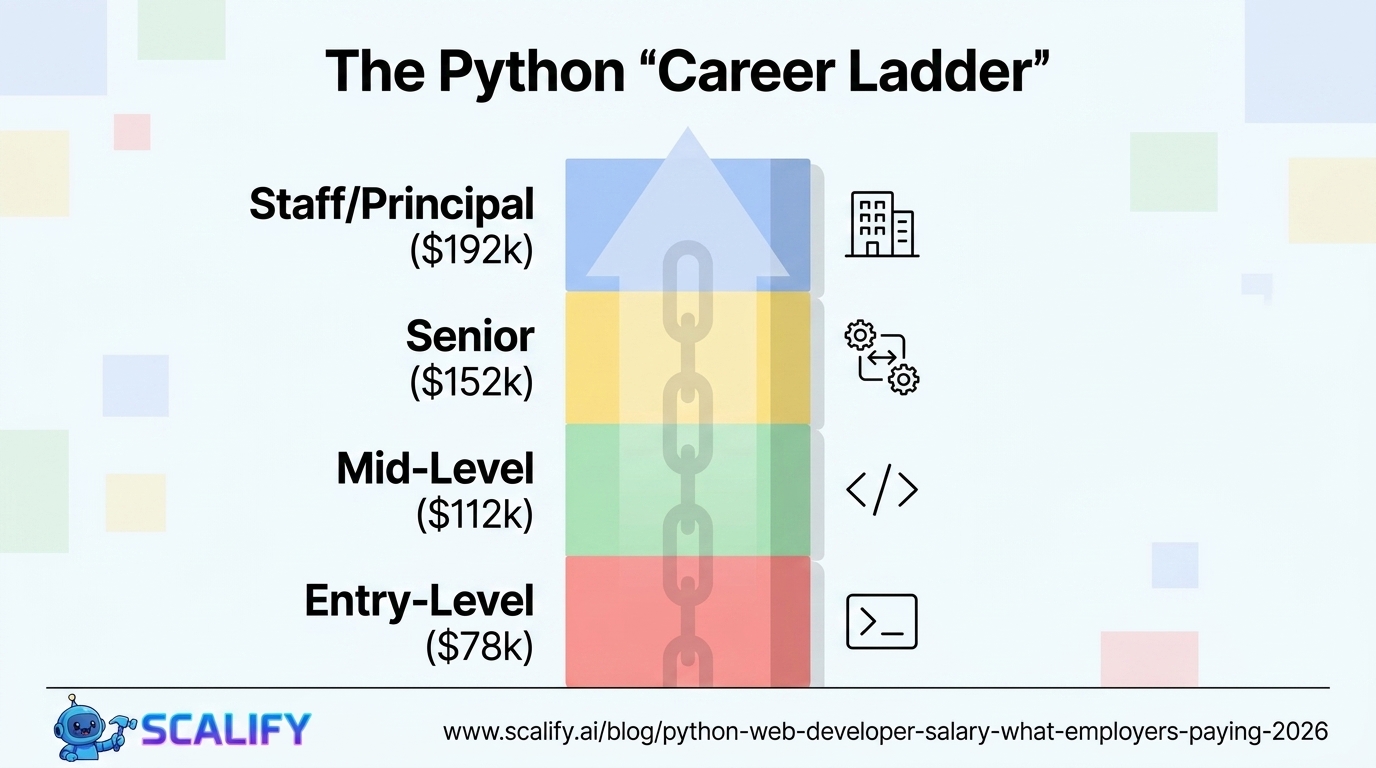
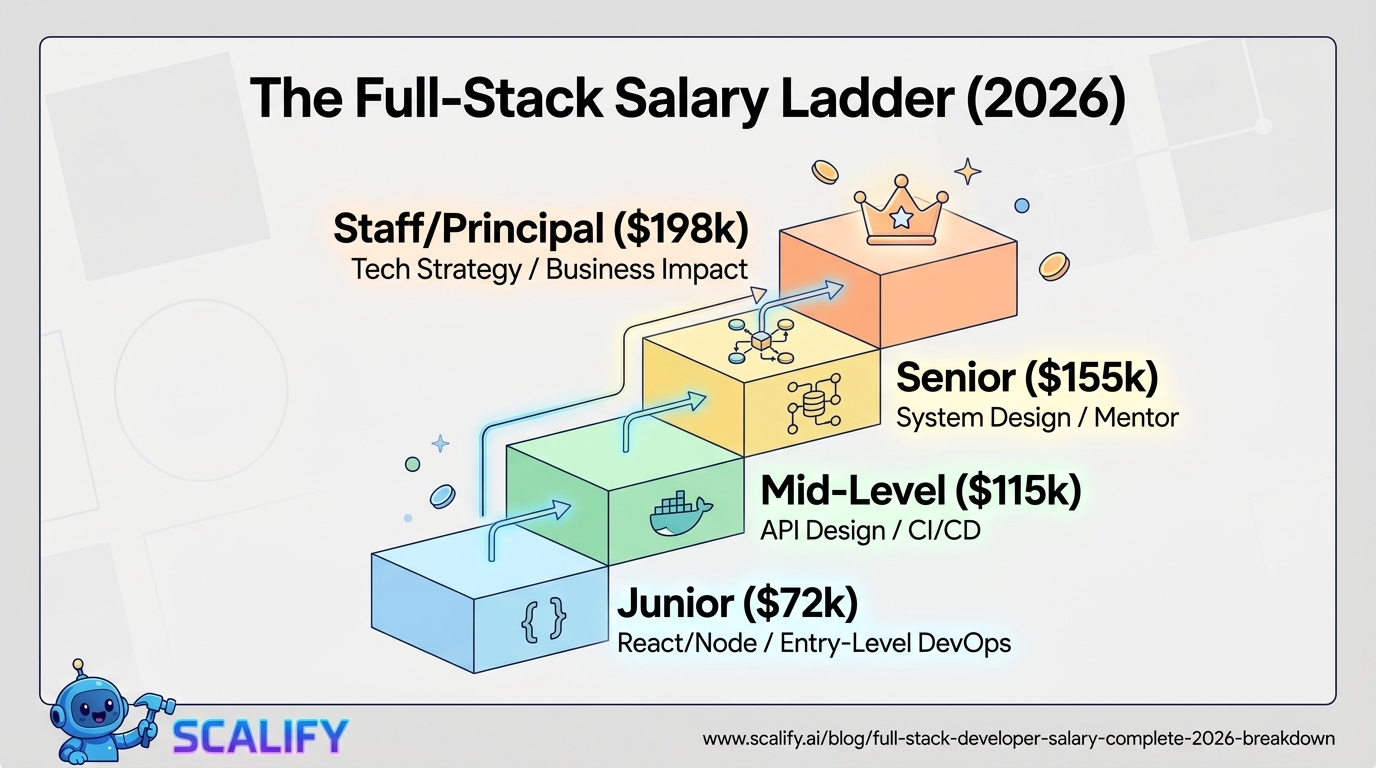
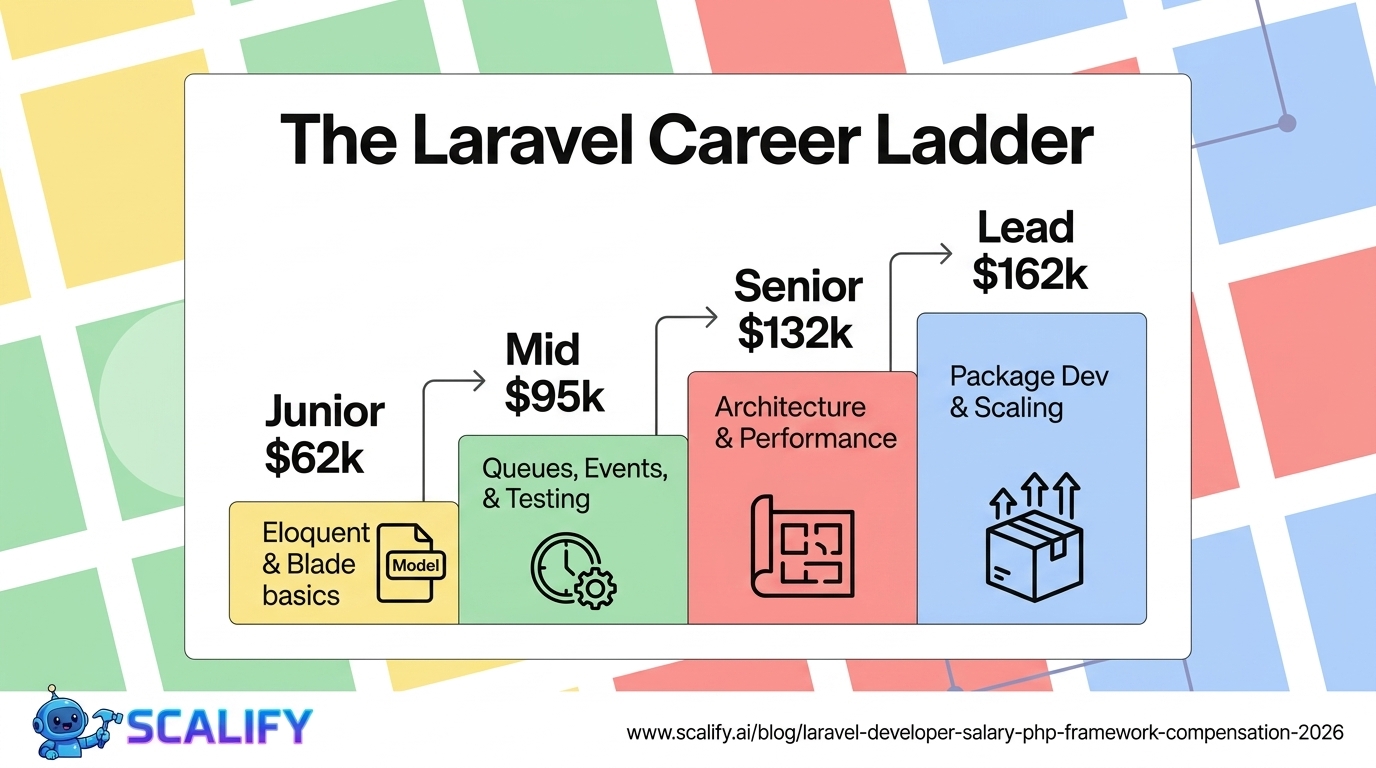
LevelYearsCore SkillsSalary RangeMedianEntry-Level0–2 yrsComponents, hooks, props, state, basic API calls, CSS modules$62,000 – $88,000$72,000Mid-Level2–5 yrsTypeScript, state management, testing, performance, component libraries$88,000 – $138,000$112,000Senior5–9 yrsArchitecture, code splitting, SSR/SSG, accessibility, design systems$132,000 – $168,000$148,000Staff / Principal8+ yrsOrg-wide frontend architecture, performance at scale, mentorship, DX tooling$165,000 – $220,000$185,000
React Ecosystem Salary Premiums
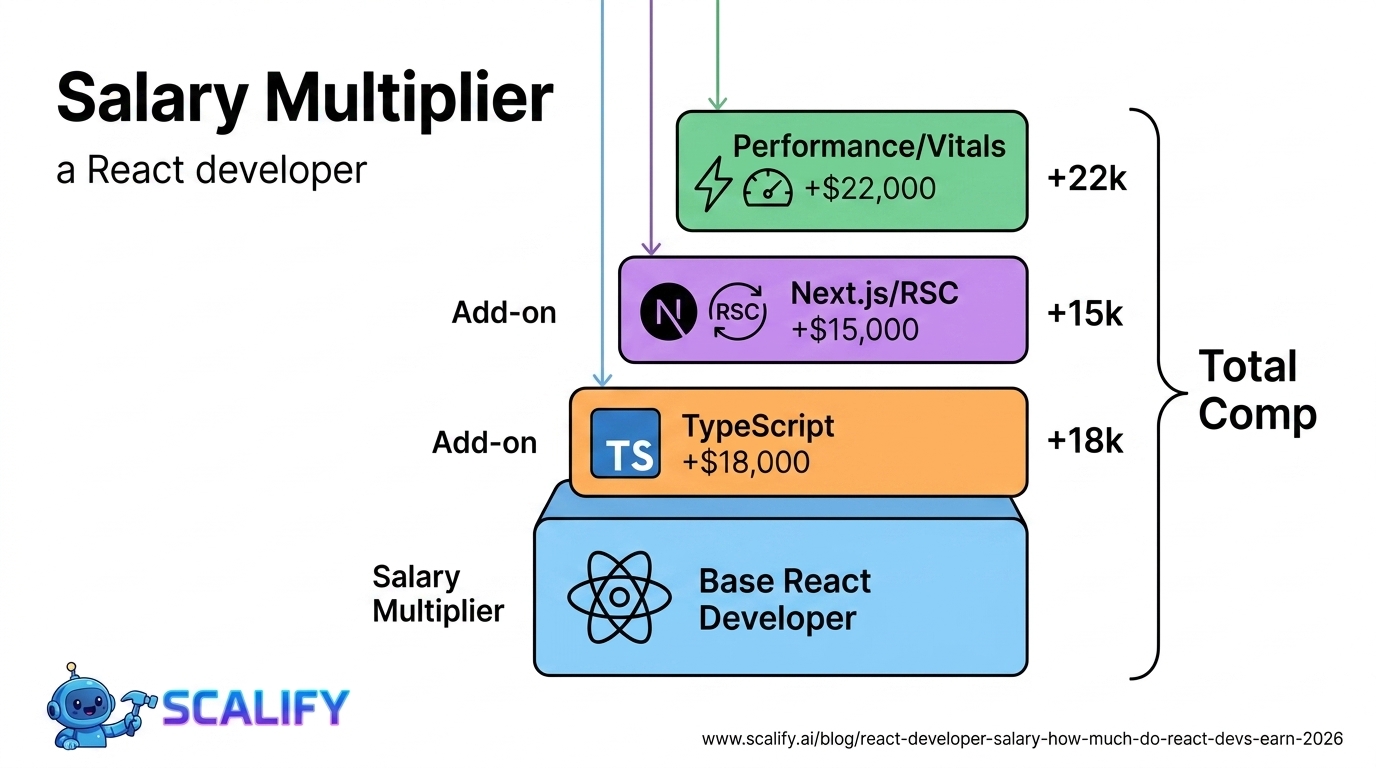
Skill/FrameworkSalary PremiumDemand TrendWhy It Commands PremiumTypeScript+$10,000 – $18,000Strongly growing — becoming expectedType safety at scale reduces production bugs; most mid+ roles require itNext.js+$8,000 – $15,000Dominant React meta-frameworkSSR/SSG/ISR capabilities; most production React apps use itReact Native+$12,000 – $22,000Stable — mobile development demandCross-platform mobile development from React knowledge baseTesting (Jest, Playwright, Cypress)+$8,000 – $15,000Growing as quality standards riseTested codebases are more maintainable; senior roles require itGraphQL + Apollo+$8,000 – $14,000Stable — API-first companiesComplex data fetching patterns in large applicationsReact Server Components+$10,000 – $18,000Growing fast — Next.js 13+ adoptionNew architectural paradigm; limited supply of experienced developersAccessibility (WCAG expertise)+$8,000 – $15,000Growing — ADA compliance pressureRegulated industries require accessible UIs; rare specialized skillDesign systems (Storybook, Radix)+$10,000 – $18,000Stable — enterprise product teamsBuilding and maintaining component libraries requires advanced React expertise
React Developer Salary by Location
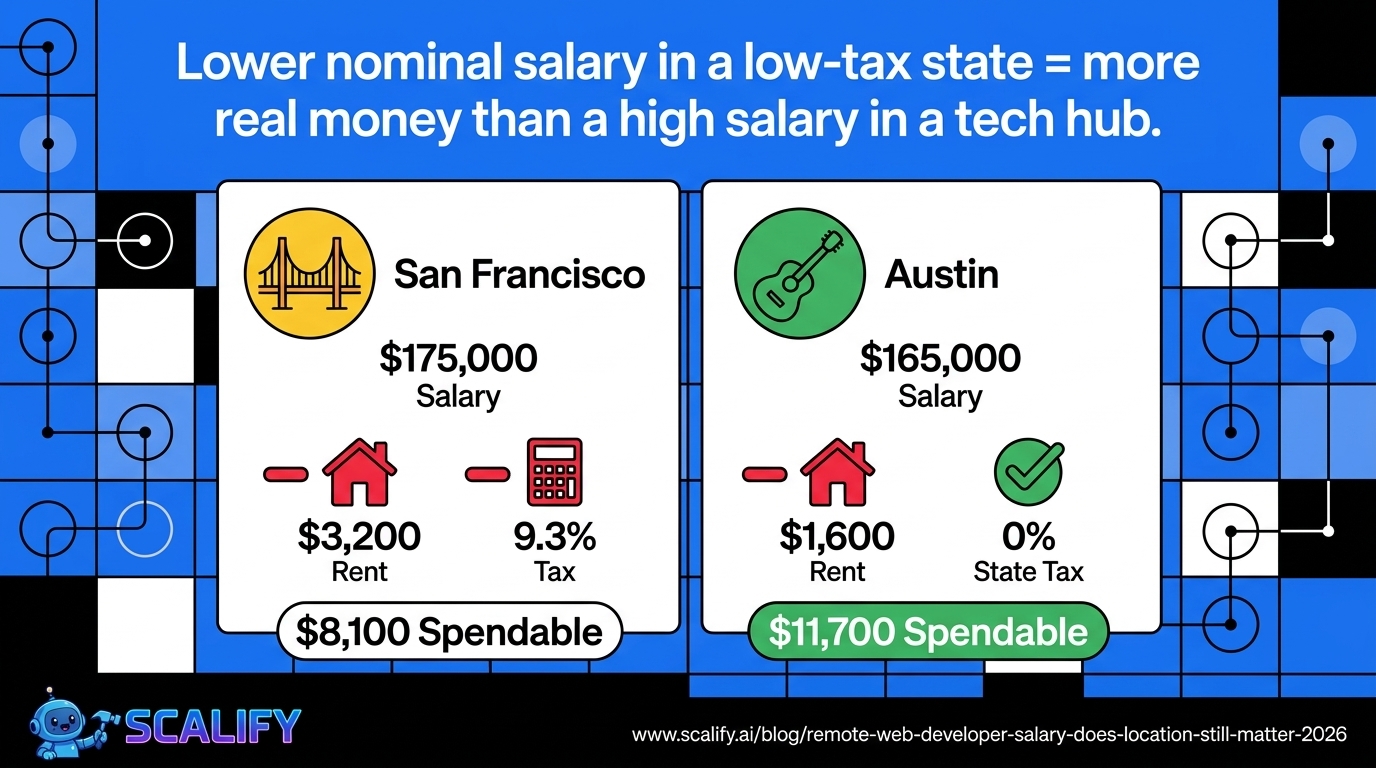
LocationJuniorMid-LevelSeniorNotesSan Francisco / Bay Area$88,000 – $112,000$130,000 – $162,000$168,000 – $218,000Highest pay, very high COLNew York City$82,000 – $105,000$120,000 – $152,000$158,000 – $205,000Strong market, high COLSeattle$80,000 – $102,000$118,000 – $148,000$155,000 – $198,000Amazon/Microsoft influenceAustin / Denver$68,000 – $88,000$100,000 – $130,000$132,000 – $168,000Excellent purchasing powerChicago / Atlanta$65,000 – $85,000$95,000 – $125,000$128,000 – $162,000Solid mid-marketMiami$60,000 – $80,000$88,000 – $118,000$118,000 – $152,000Growing tech sceneRemote (US company)$68,000 – $90,000$102,000 – $132,000$138,000 – $175,000Near-parity with HQ market
React Developer Salary at Major Companies
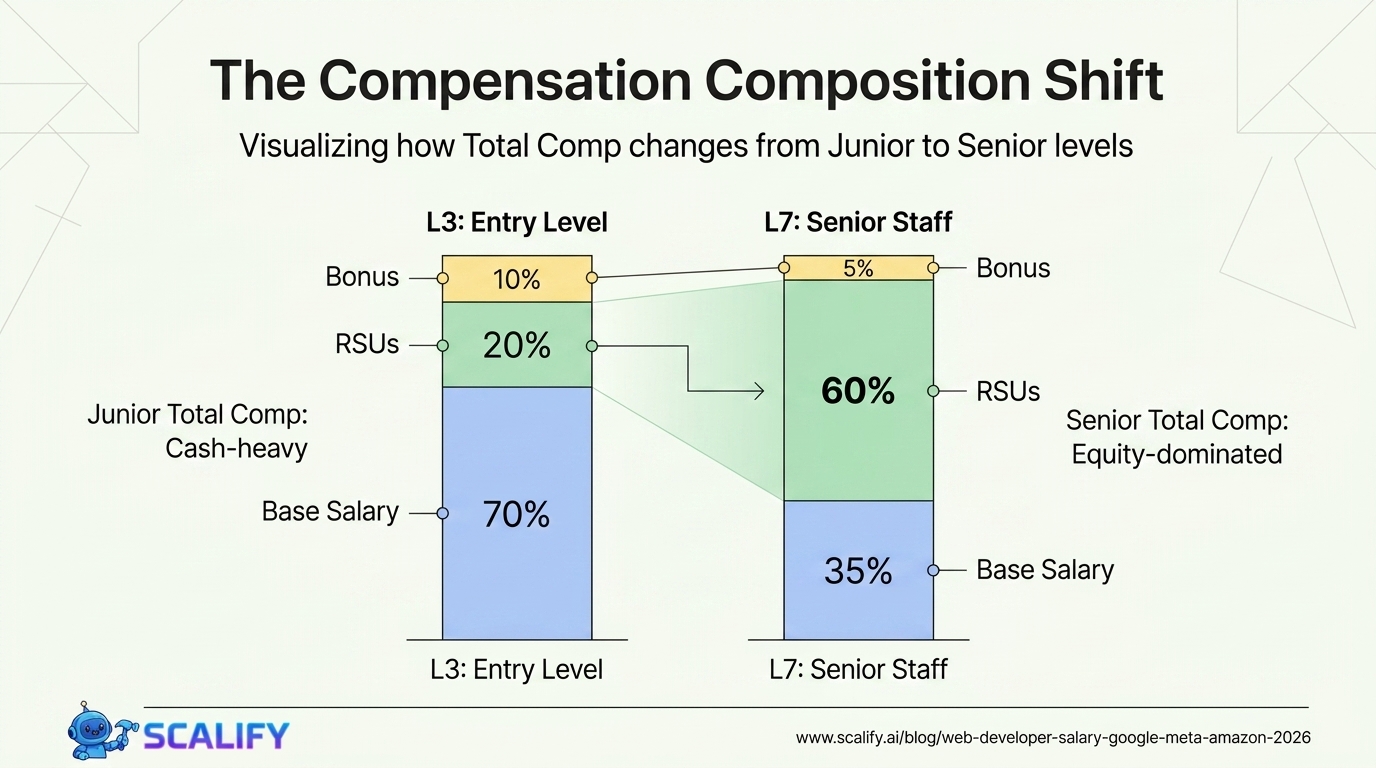
CompanyMid-Level Total CompSenior Total CompNotesMeta (React's creator)$240,000 – $310,000$330,000 – $460,000React team is here; equity-heavy compensationGoogle$230,000 – $295,000$310,000 – $440,000Strong frontend culture; Lighthouse, web.dev teamsAmazon$210,000 – $275,000$285,000 – $400,000RSU-heavy; sign-on significant in Year 1Netflix$270,000 – $350,000$340,000 – $480,000Highest cash compensation model in techAirbnb$215,000 – $280,000$285,000 – $400,000Strong design culture; React Native significantVercel (Next.js creator)$200,000 – $260,000$270,000 – $380,000React Server Components expertise highly valuedMid-size SaaS$130,000 – $168,000$165,000 – $210,000Lower cash, sometimes meaningful equity
Freelance React Developer Rates
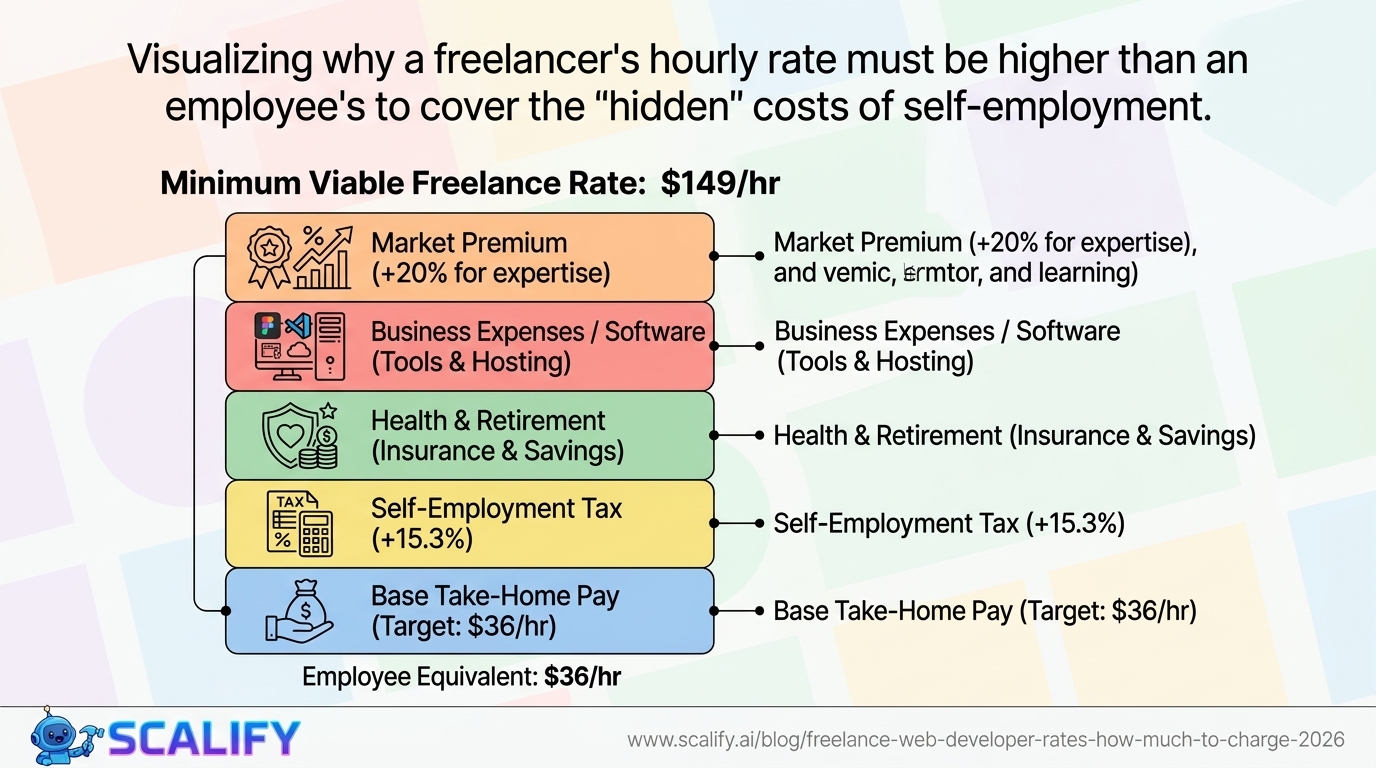
SpecializationHourly RateTypical ProjectGeneral React development$85 – $130/hrFeature development, component builds, bug fixesReact + TypeScript specialist$100 – $150/hrType-safe application development, refactoringNext.js / full-stack React$110 – $165/hrFull-stack web applications with SSR/SSGReact Native (mobile)$115 – $175/hrCross-platform mobile application developmentReact performance optimization$120 – $185/hrProfiling, memoization, bundle optimization, Core Web VitalsDesign system / component library$110 – $170/hrBuilding and maintaining Storybook-based component systemsReact accessibility specialist$115 – $175/hrWCAG audit and remediation, accessible component development
React vs. Other Frontend Frameworks: Salary Comparison
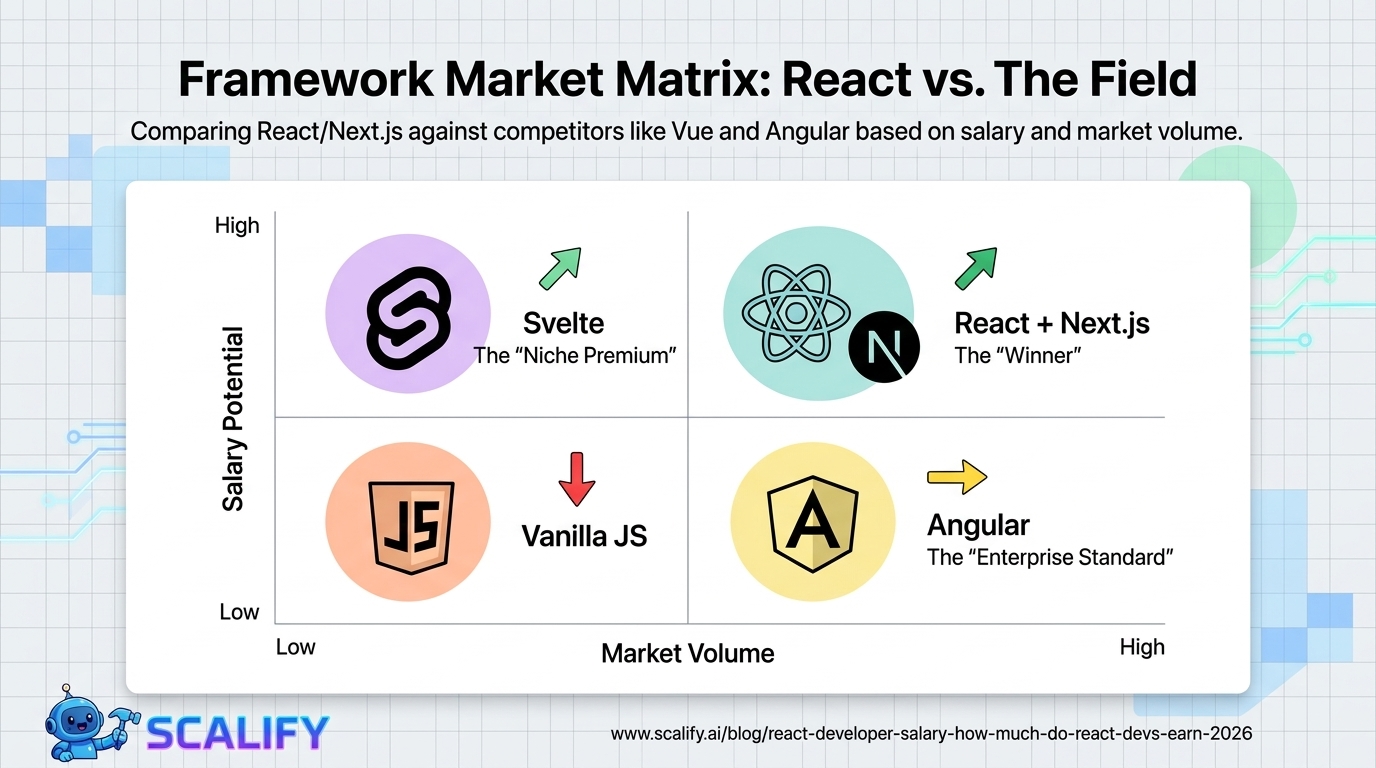
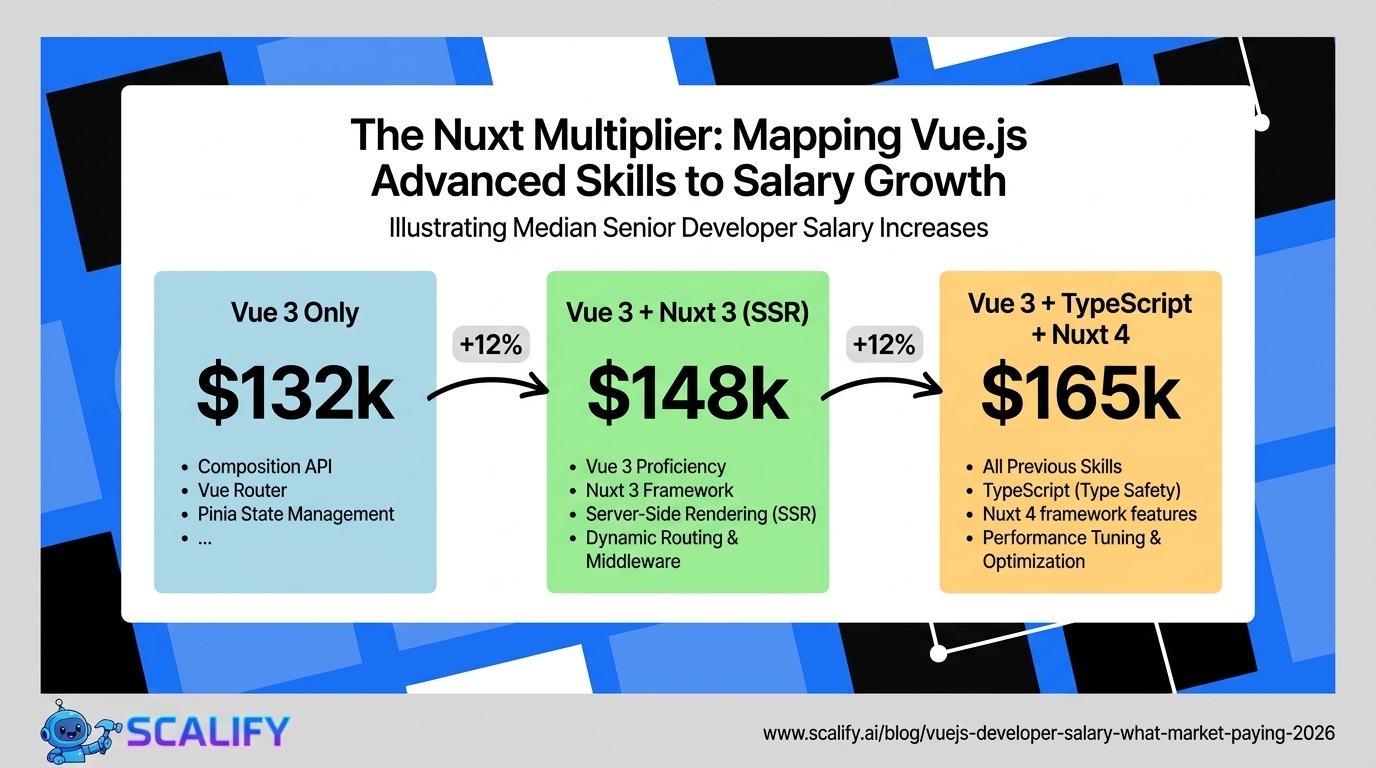
FrameworkMid-Level MedianSenior MedianJob Market VolumeSalary DirectionReact$112,000$148,000Highest — dominantStable / growing moderatelyNext.js (React)$118,000$155,000High — growingGrowingVue.js$100,000$138,000Moderate — smaller marketStableAngular$102,000$140,000Moderate — enterpriseStableSvelte / SvelteKit$105,000$142,000Small but growingGrowing (niche premium)Vanilla JS / no framework$88,000$122,000Declining for new rolesDeclining
How to Maximize Your React Developer Salary
Master TypeScript fully. The $10,000–$18,000 TypeScript premium is the most accessible salary increase available to React developers still writing plain JavaScript. Most mid-size and large React codebases are TypeScript-first in 2026, which means JavaScript-only React developers are competing for a diminishing share of available roles. A 2–3 month focused investment in TypeScript — including generics, utility types, discriminated unions, and proper React component typing — is one of the clearest salary improvements available.
Develop Next.js and React Server Component expertise. Next.js is the dominant React production framework, and React Server Components represent a major architectural shift that few developers have fully internalized. The $8,000–$18,000 premium for these skills reflects genuine scarcity — the combination of strong React fundamentals with deep Next.js and RSC understanding is exactly what engineering teams building serious production applications need and struggle to find.
Build performance optimization skills. React performance engineering — understanding why components re-render, when to use useMemo and useCallback, how to implement code splitting effectively, how to optimize Core Web Vitals in React applications — is a specialized skill that commands a $12,000–$22,000 premium. These skills develop through production experience with high-traffic applications, but can be accelerated through deliberate study of React profiling tools and documented performance case studies.
Contribute to open source or build a visible portfolio. React developers whose GitHub profiles show active contribution to well-used projects, original libraries, or polished portfolio applications consistently negotiate better offers than equivalent developers with empty profiles. Visibility in the React community — through writing, speaking, or open source — produces compounding career benefits that private expertise alone cannot replicate.
React Developer Salary Outlook Through 2030
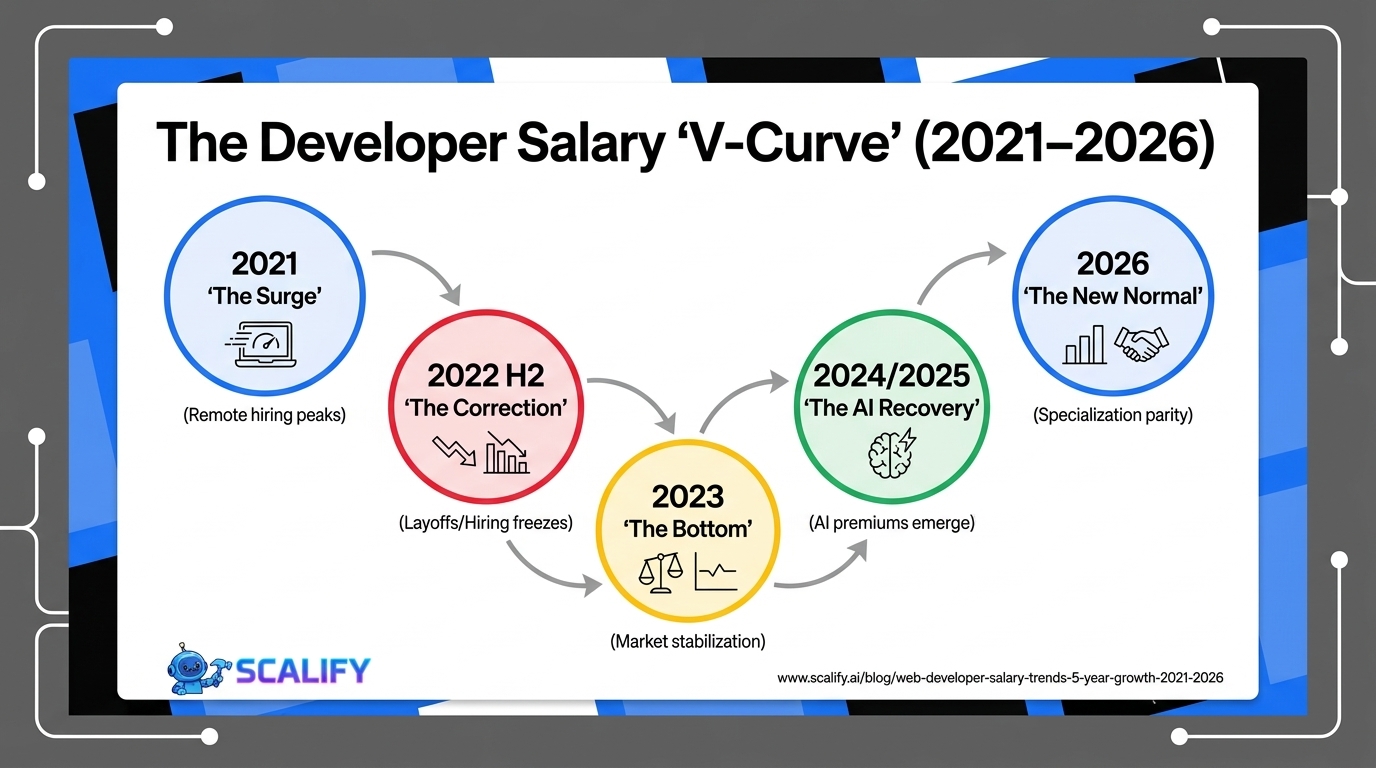
React's salary trajectory through 2030 is stable to positive. The framework's market dominance is not at immediate risk — React's ecosystem, talent pool, and corporate backing (Meta continues investing in it) create strong inertia. The risk of React disruption by newer frameworks (Svelte, Solid, Qwik) is real but gradual — enterprise adoption cycles mean React codebases built in 2024 will be maintained through 2030+ regardless of what frameworks emerge. React developers who stay current with ecosystem evolution (Server Components, streaming, Suspense) while building depth in TypeScript and full-stack Next.js development are well-positioned for above-market compensation through the decade.
The Bottom Line
React developers earn $72,000 to $220,000+ in 2026, with TypeScript, Next.js, and React Server Component expertise commanding the strongest premiums. React's position as the most widely used frontend framework creates consistent, broad-market demand that makes it the most employment-stable frontend investment available. The developers earning the most in the React ecosystem combine strong TypeScript proficiency with genuine system design capability, Next.js expertise, performance engineering skills, and the career visibility that produces better negotiating positions and unsolicited opportunities.
At Scalify, we build professional websites for technology companies and startups in 10 business days — representing your engineering team's expertise with the digital presence it deserves.
Top 5 Sources
React Developer Career Path: What Each Level Actually Requires
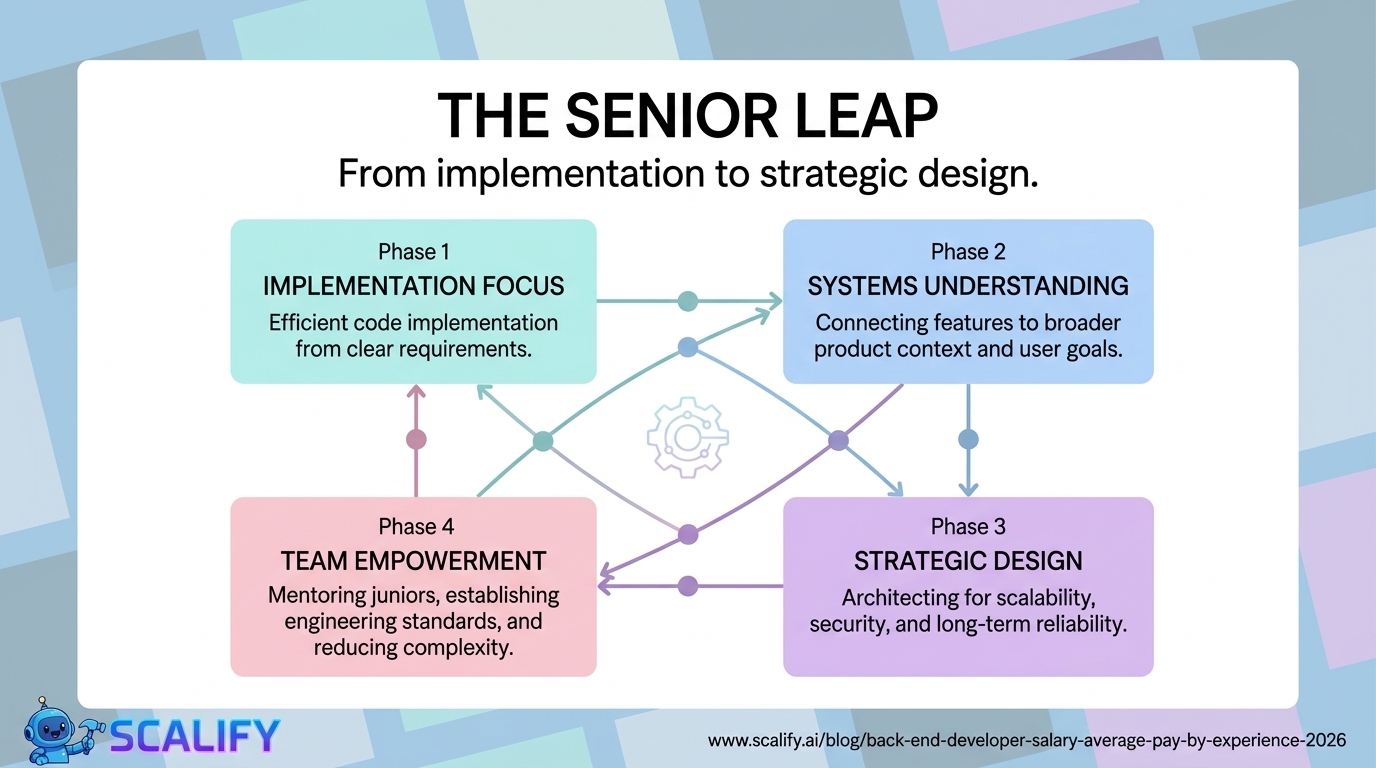
The React developer career ladder has distinct skill thresholds at each level that go beyond years of experience. Understanding what separates junior from mid-level, and mid-level from senior, helps developers target the skills that produce the largest compensation jumps.
Junior React Developer (0–2 years): Can build functional components, manage local state with useState and useEffect, pass props between components, make API calls with fetch or axios, and implement basic routing with React Router. The gap to mid-level is not syntax knowledge — it's component design thinking, understanding when to lift state vs. colocate it, knowing how to structure a project for maintainability, and beginning to recognize performance issues before they become production problems.
Mid-Level React Developer (2–5 years): Can architect component trees for complex UIs, implement state management with Redux, Zustand, or React Query, write comprehensive tests with Jest and React Testing Library, use TypeScript throughout, split code strategically, and optimize component rendering. The gap to senior is system-level thinking: designing not just components but entire frontend architectures — data flow strategies, code splitting boundaries, performance budgets, and the design system infrastructure that makes a codebase scalable for a growing team.
Senior React Developer (5–9 years): Designs frontend architectures, makes framework and library choices, optimizes for Core Web Vitals, implements accessibility throughout the codebase, builds and maintains component libraries, mentors junior and mid-level developers, and communicates technical decisions to product and design stakeholders. Senior React developers have encountered enough production edge cases — hydration mismatches, memory leaks, bundle size regressions, accessibility failures in complex interactions — that they proactively design to prevent them rather than reactively fixing them after they occur.
React Developer Interview Preparation
React technical interviews at high-paying companies test three categories of knowledge: React-specific concepts, JavaScript fundamentals, and system design. Understanding what each category covers helps developers prepare specifically:
Interview CategoryWhat's TestedHow to PrepareReact fundamentalsComponent lifecycle, hooks (useEffect cleanup, dependency arrays), rendering optimization, context, refsBuild projects that use each hook deeply; read React docs thoroughlyJavaScript foundationsClosure, event loop, prototype chain, async/await, array methods, ES6+ featuresReview JavaScript: The Hard Parts; practice algorithm problemsTypeScriptGeneric types, conditional types, utility types, proper component prop typingRefactor a JavaScript React project to TypeScript; read TS HandbookState managementWhen to use local vs. global state, Redux patterns, React Query cachingBuild a complex stateful application; read Redux Toolkit docsPerformanceuseMemo/useCallback when to use, virtualization, code splitting, bundle analysisProfile a real application; use React DevTools profilerSystem designDesign a complex UI (real-time chat, infinite scroll feed, drag-and-drop)Practice frontend system design with specific component architecture focus
Building a React Portfolio That Gets Senior Interviews
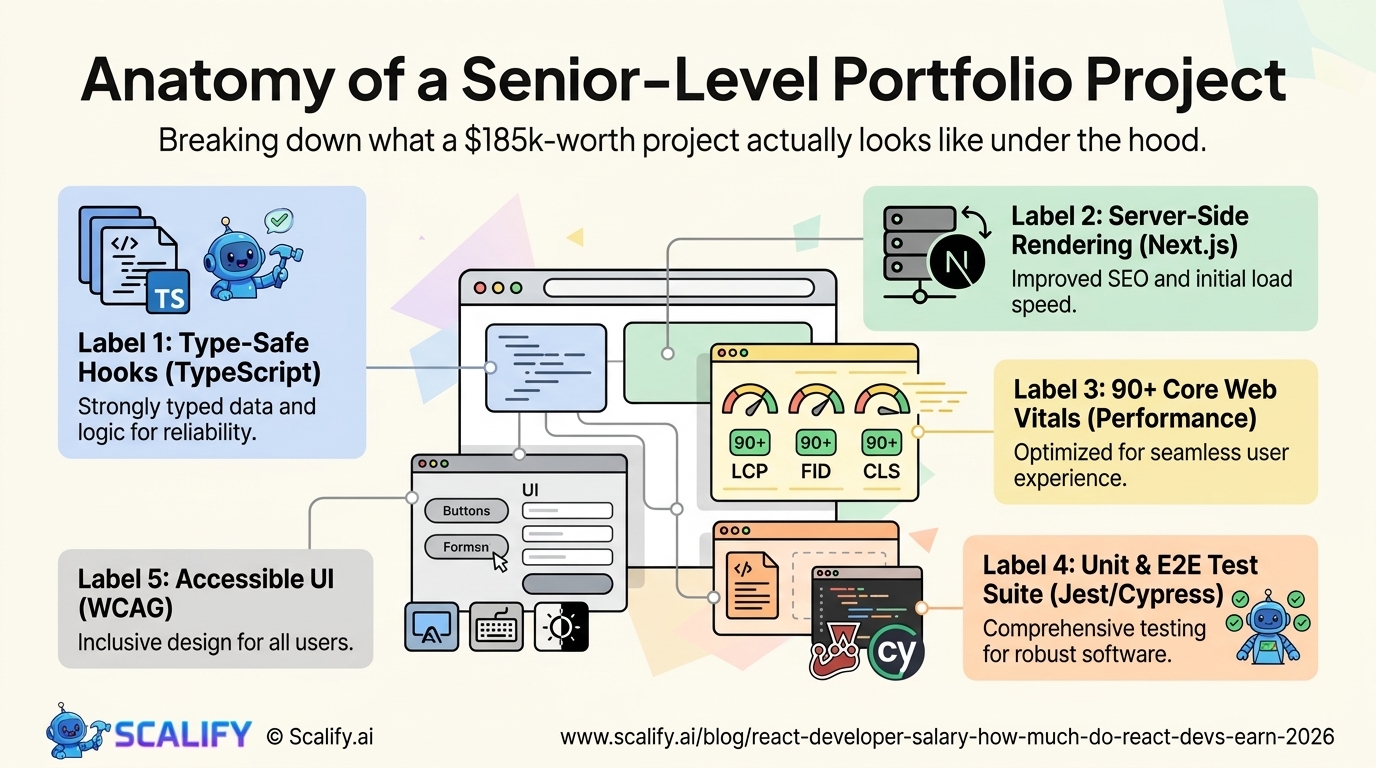
For React developers at mid-level looking to break into senior roles — and the associated salary jump — the portfolio is the evidence. Senior React roles require demonstrated architectural capability that tutorial projects don't show. The most compelling portfolio projects for senior React positions share specific characteristics: they handle non-trivial state complexity (not just a to-do app), they use TypeScript throughout with proper generic component typing, they include comprehensive tests at multiple levels (unit, integration, end-to-end), they're deployed with CI/CD pipelines and production monitoring, and the developer can explain the architectural decisions made and alternatives considered.
Specific project types that demonstrate senior-level React capability: a real-time collaborative application (handling optimistic updates, conflict resolution, and WebSocket connection management), a performance-optimized infinite scroll feed with virtualization, a complete design system with Storybook documentation and accessibility compliance, or a Next.js full-stack application with complex data fetching patterns (streaming, incremental static regeneration, server actions). These projects show the kind of architectural depth that separates senior candidates from mid-level candidates in technical interviews at companies paying $145,000–$185,000 for senior React engineers.




.jpeg)
.jpeg)


78 SW 7th St, Miami, FL 33130