

The 15 Best Real Estate Websites: Design Patterns That Convert Buyers
By Josh Ternyak

April 17, 2026
High-converting real estate websites differentiate from national portals through local expertise depth, quality IDX integration, compelling agent profiles, and video content. This comprehensive guide covers the 5 design patterns that define top-converting real estate sites, IDX integration, SEO content strategy, technical requirements, Google Business Profile optimization, video strategy, and how to measure website performance.
The 15 Best Real Estate Websites: Design Patterns That Convert Buyers
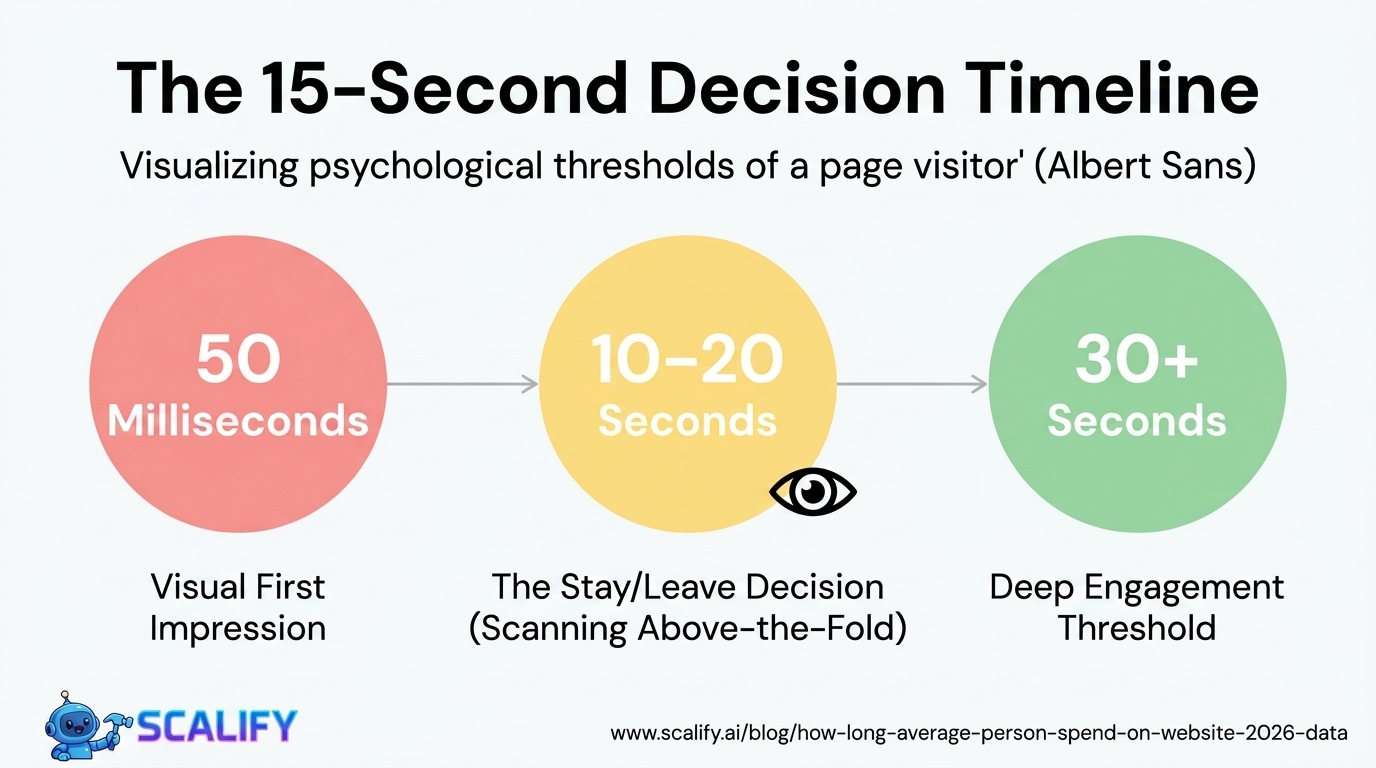
Real estate websites face a conversion challenge unlike any other property industry: buyers browse hundreds of listings across multiple platforms — Zillow, Realtor.com, Redfin, and countless individual brokerage sites — before making any contact. The agent or brokerage whose website captures buyer attention, builds trust, and makes contact easy in the 8 seconds a visitor decides whether to stay or leave wins the inquiry. The rest contribute to Zillow's lead volume.

This guide covers the design patterns, content strategies, and technical requirements that separate high-converting real estate websites from the thousands of identical template sites that generate phone calls only when buyers have exhausted every other option. The patterns are consistent: local expertise signals, frictionless property search, compelling agent profiles, and the content depth that makes a real estate website worth bookmarking rather than abandoning for Zillow.
Key Real Estate Website Statistics
The 5 Design Patterns That Define High-Converting Real Estate Websites
1. Local Expert Positioning: The Trust Foundation
The primary reason buyers work with a local agent rather than using a national portal is local expertise — knowledge of neighborhoods, market conditions, school districts, zoning issues, development plans, and the specific characteristics that make one street more desirable than the next. Real estate websites that clearly signal this local expertise — through neighborhood guides, market data, community content, and specific local transaction history — differentiate from national portals that can never provide that depth.
Local Expertise SignalImplementationTrust ImpactNeighborhood guides (5–10 per market)Dedicated pages with schools, amenities, character, price rangesVery High — demonstrates genuine knowledgeLocal market statistics (updated monthly)Median prices, days on market, list-to-sale ratio by neighborhoodHigh — data signals market expertiseRecently sold properties with commentary"I represented the buyer in this Coconut Grove transaction at 8% below list"High — specific transaction historyCommunity event calendar or blogLocal events, developments, new restaurants, school newsMedium-High — signals local engagementAgent bio with local historyYears in market, neighborhoods lived in, personal connectionsVery High — genuine local vs. transplant
2. IDX Integration: Keeping Buyers on Your Site
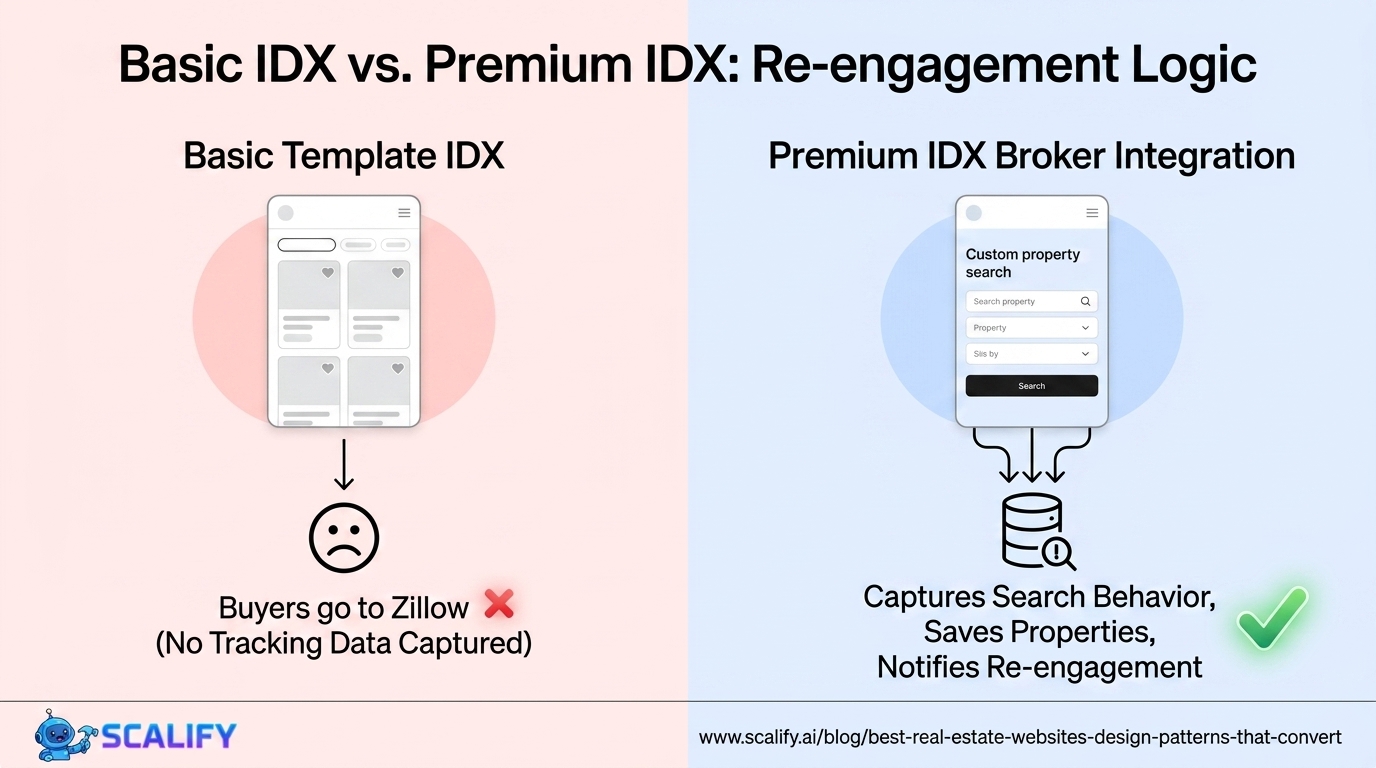
IDX (Internet Data Exchange) integration pulls MLS listing data directly into your website, allowing buyers to search properties without leaving your platform. Without IDX, buyers who want to search listings must go to Zillow or Realtor.com — and once they're there, there's no reason to come back to your site. With IDX, your website becomes their search home base, and you see their search behavior, receive notification when they save properties, and build the relationship data that makes re-engagement possible.
IDX integrations vary significantly in quality. Basic IDX shows listings in a uniform template that looks identical to every other IDX site. Premium IDX platforms (Showcase IDX, iHomeFinder, IDX Broker) allow custom design matching your brand, advanced search filters, saved search functionality, and lead capture integration. The investment in quality IDX — typically $50–$200/month — consistently produces better engagement and more captured leads than basic implementations.
3. Agent Profiles That Establish Human Connection
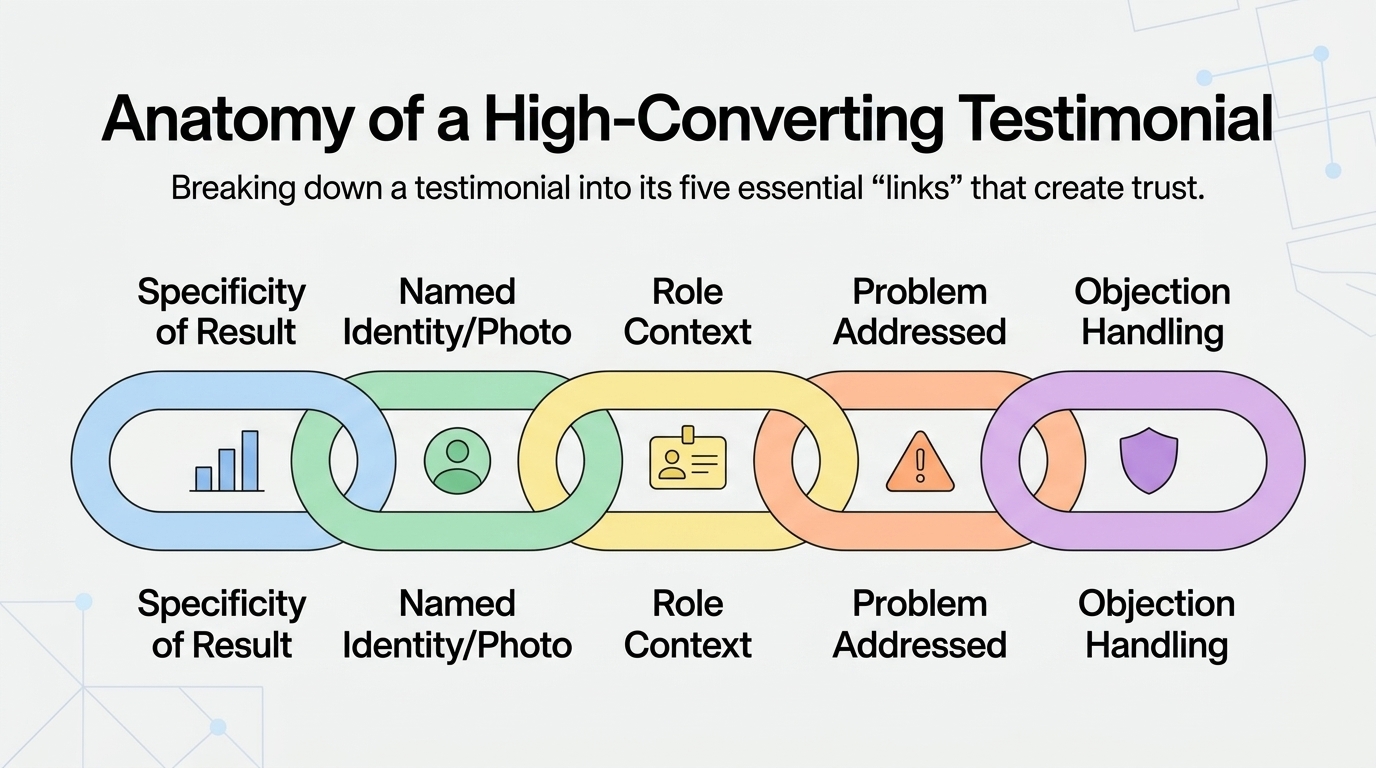
Real estate is the most human professional services transaction most people ever make. Buyers are spending six or seven figures on a place their family will live — they want to work with someone they feel they know and trust, not an anonymous service provider. Agent profiles that accomplish this: genuine candid photography (not just formal headshots), specific transaction experience that demonstrates market knowledge, client testimonials with specific details about the transaction experience, and personal context that makes the agent a person rather than a credential list.
4. Lead Capture That Doesn't Feel Like a Gate
The standard real estate website pattern — requiring an email registration to view listings — trades lead capture volume for visitor experience, and usually produces leads of lower quality because most visitors provide fake emails to avoid the gate. High-converting real estate websites capture leads through value exchange rather than gates: neighborhood guides that require email to download, saved search features that require account creation to access, and market report subscriptions that provide genuine value in exchange for contact information. These lead capture mechanisms produce higher-quality leads because the prospect self-selected through genuine interest in the content.
5. High-Quality Photography and Visual Presentation
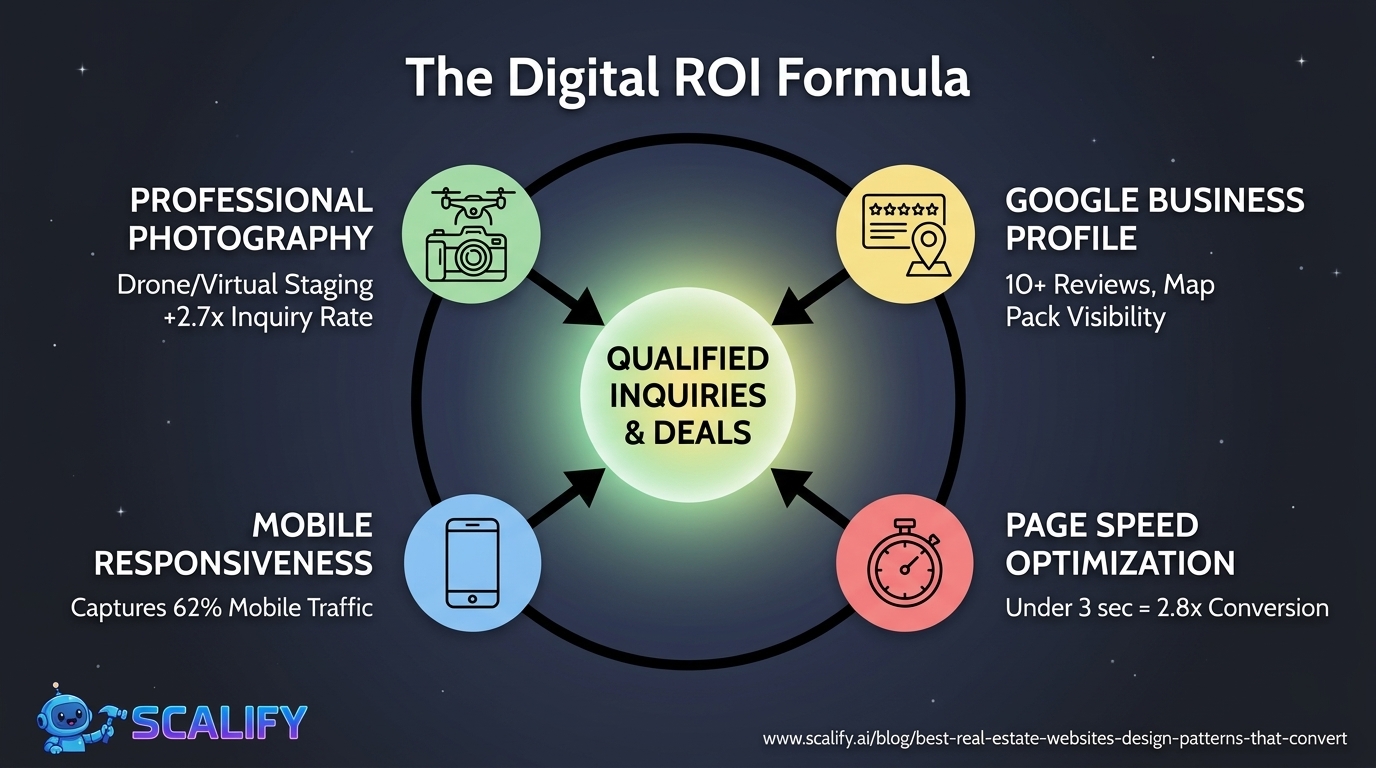
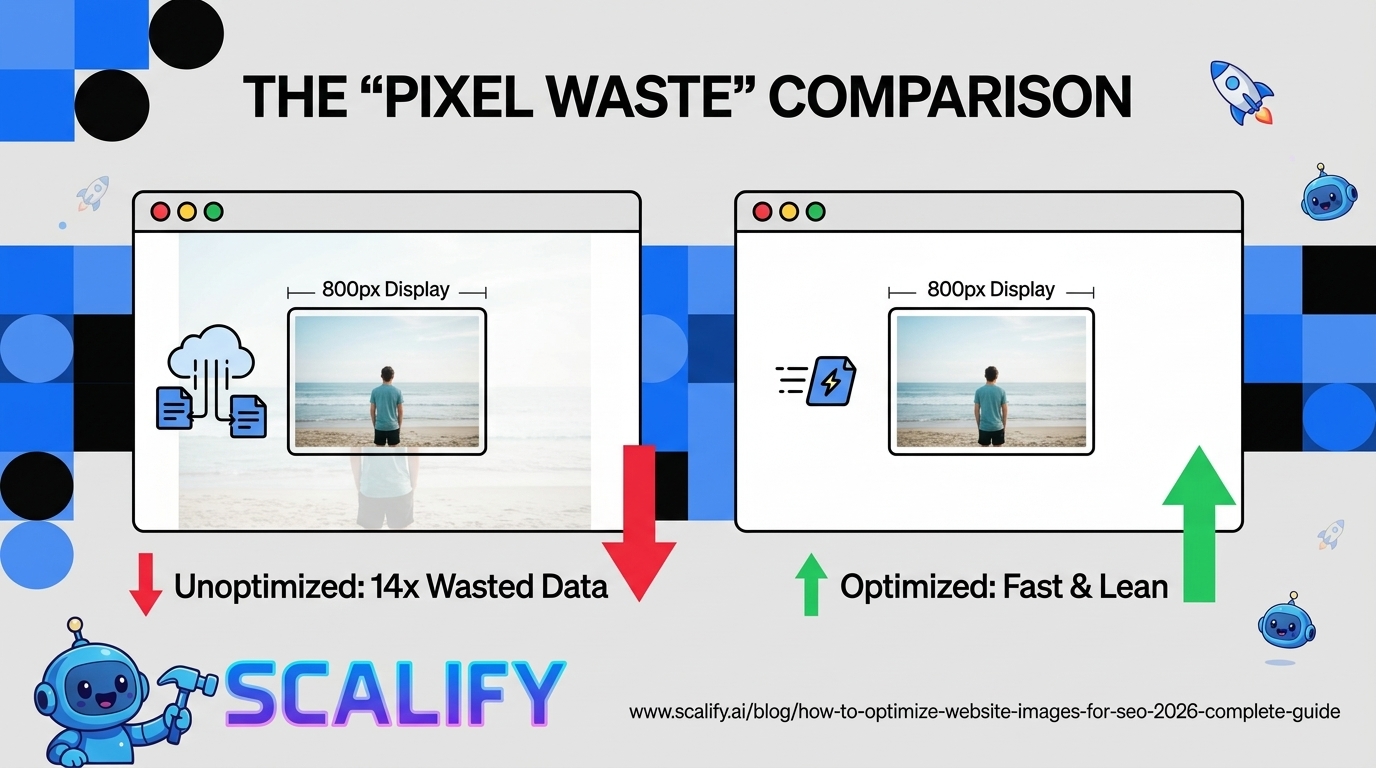
Real estate decisions are made visually — buyers form strong impressions within seconds of seeing a listing's photos. The 2.7x inquiry rate for listings with professional photography over amateur photography reflects an enormous commercial difference: on a listing with 20 inquiries at professional photo quality vs. 7 at amateur quality, the agent's likelihood of sale and timeline are dramatically affected by photography alone. Professional real estate photography (drone shots, twilight photography, interior staging photography, virtual staging for vacant properties) is the highest-ROI investment for any listing presentation — and on the agent website, it signals the quality of representation the agent provides.

SEO for Real Estate: The Organic Lead Machine
Content TypeExampleSearch IntentLead QualityNeighborhood pages"Homes for sale in Coral Gables FL"Very High — active searchVery HighSchool district guides"Best school districts in Miami-Dade"High — family buyers researchingHigh — committed buyersBuyer guides"How to buy a home in Miami for the first time"High — early stage buyerHigh — top of funnelMarket reports"Miami real estate market report Q1 2026"High — informed buyers/sellersHigh — serious market participantsLifestyle content"Best neighborhoods in Miami for young professionals"Medium — lifestyle researchMedium — relocation buyersInvestment content"Best Miami neighborhoods for real estate investment 2026"High — investor segmentHigh — motivated buyers
Technical Requirements for Real Estate Websites
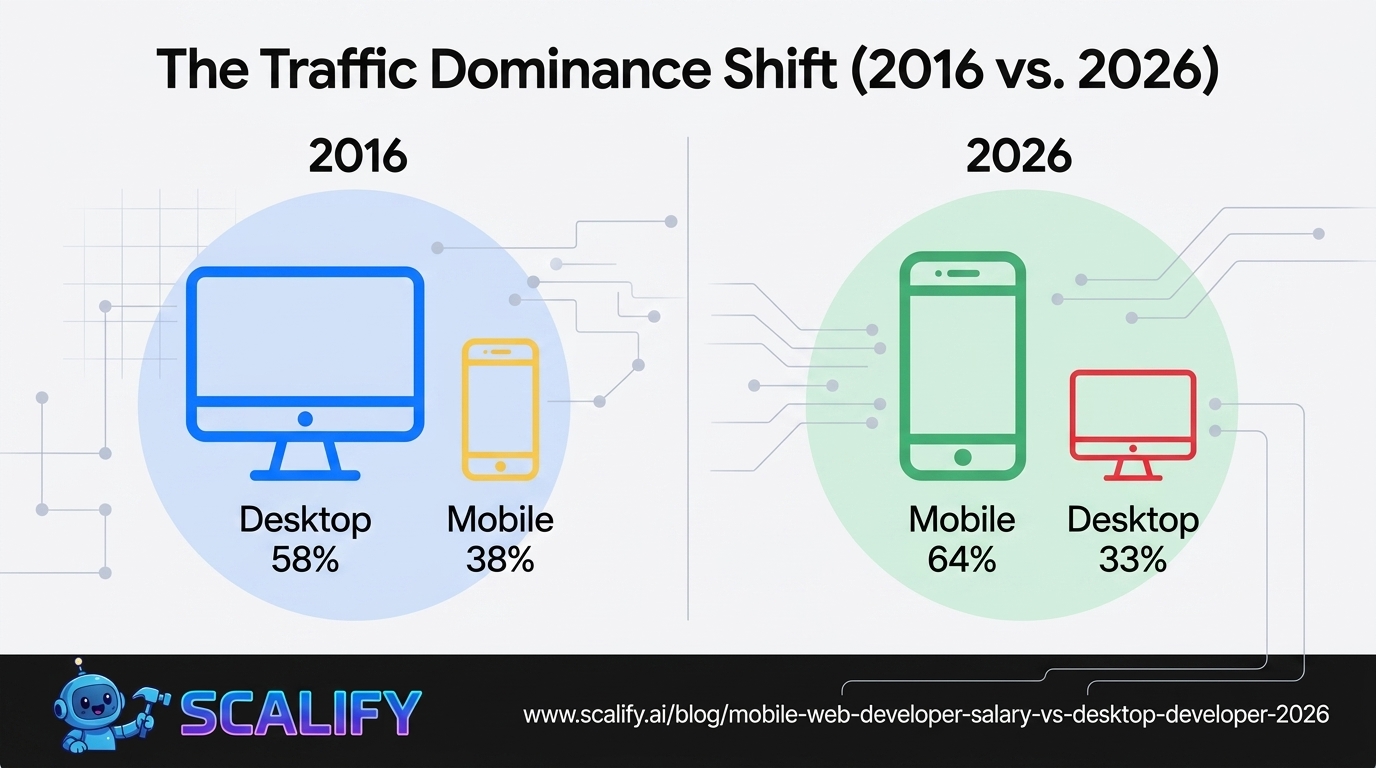
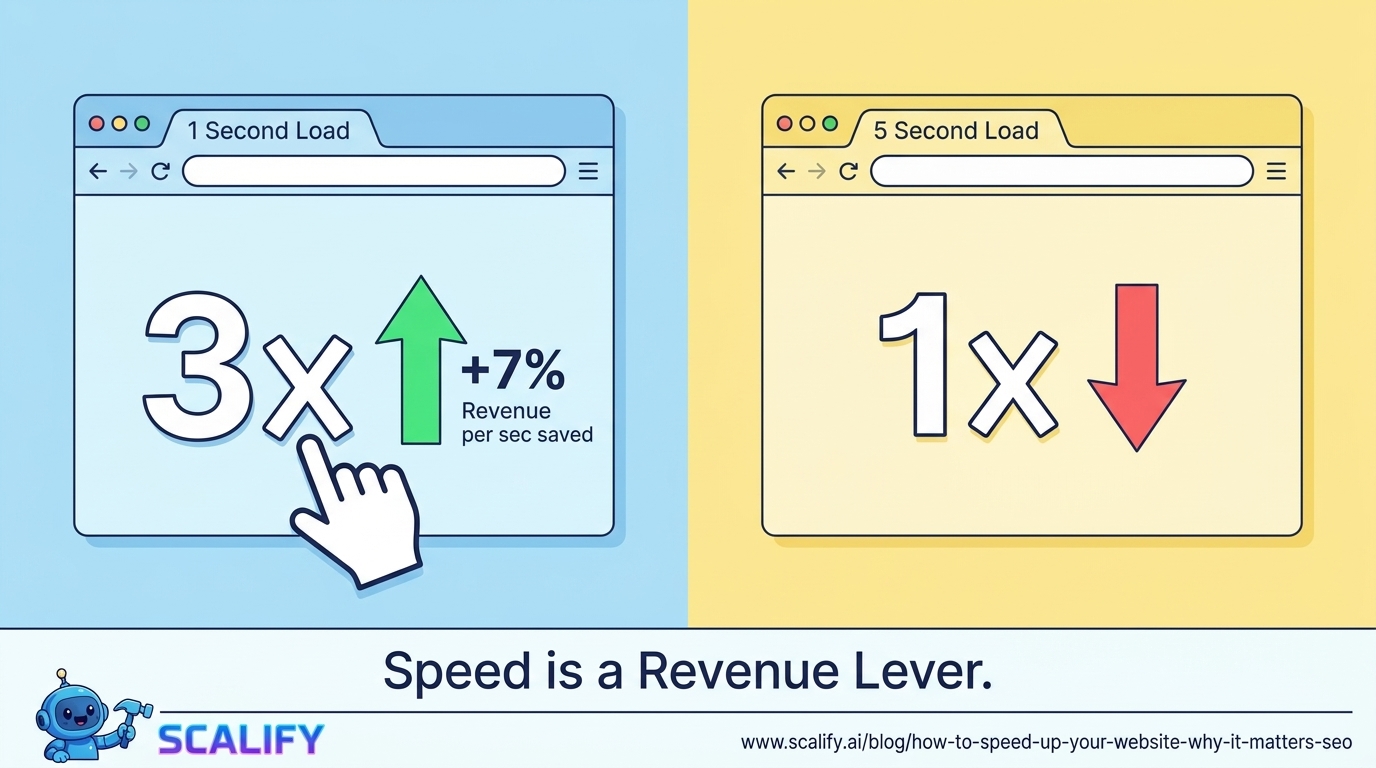
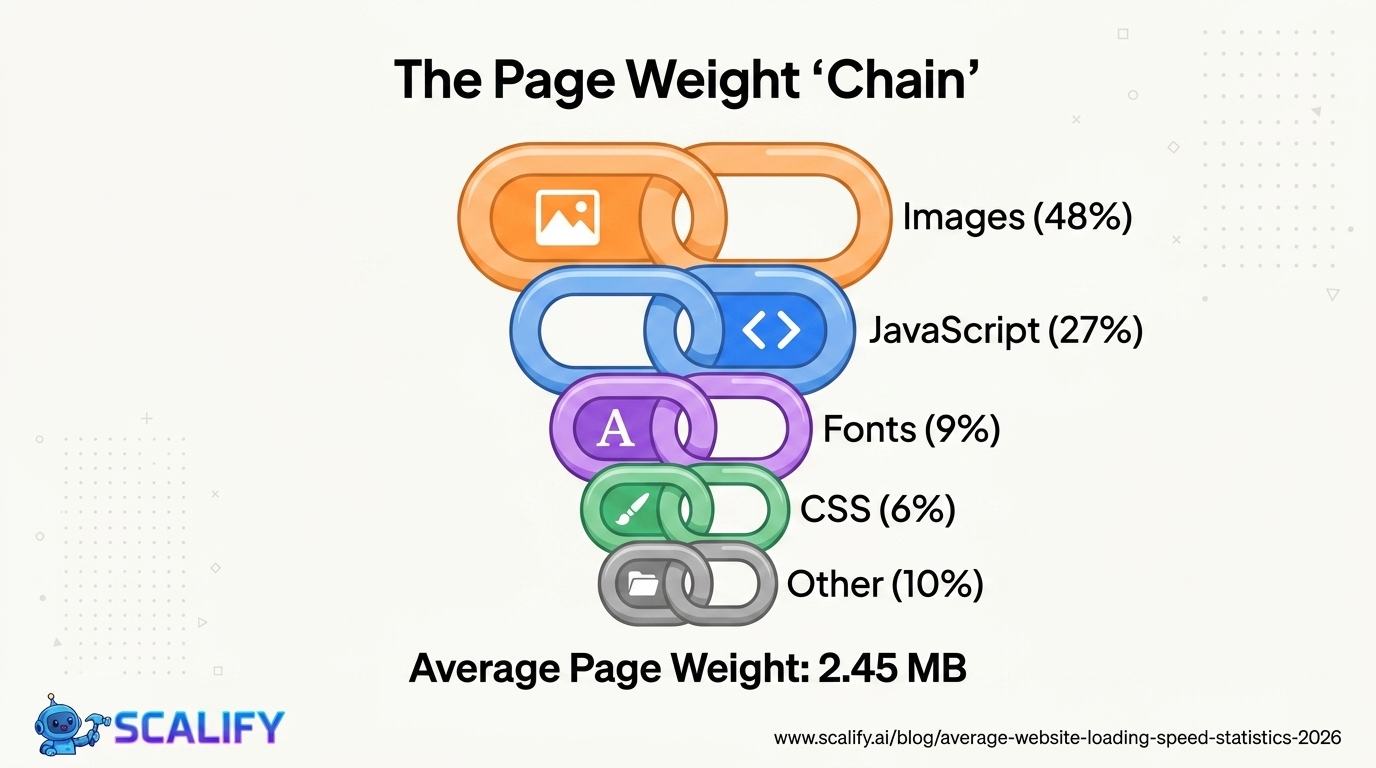
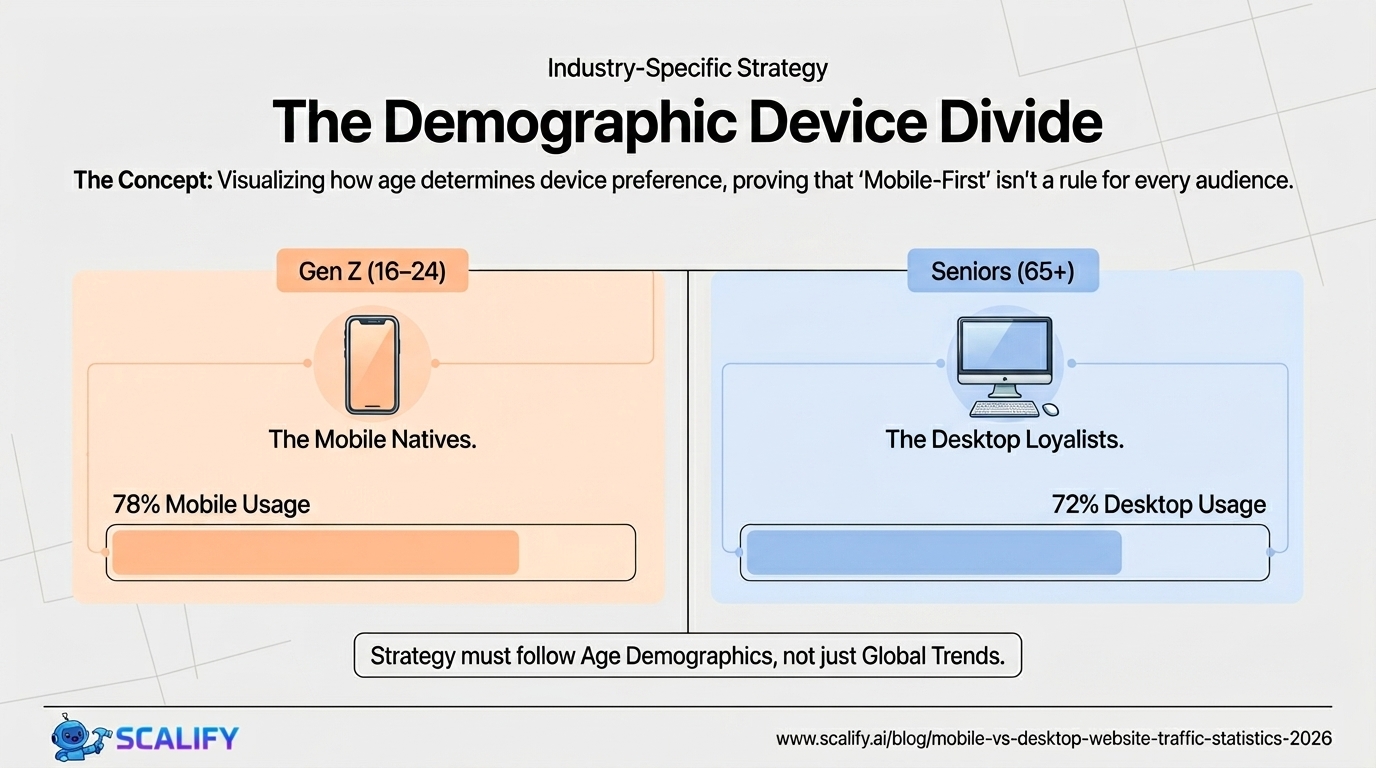
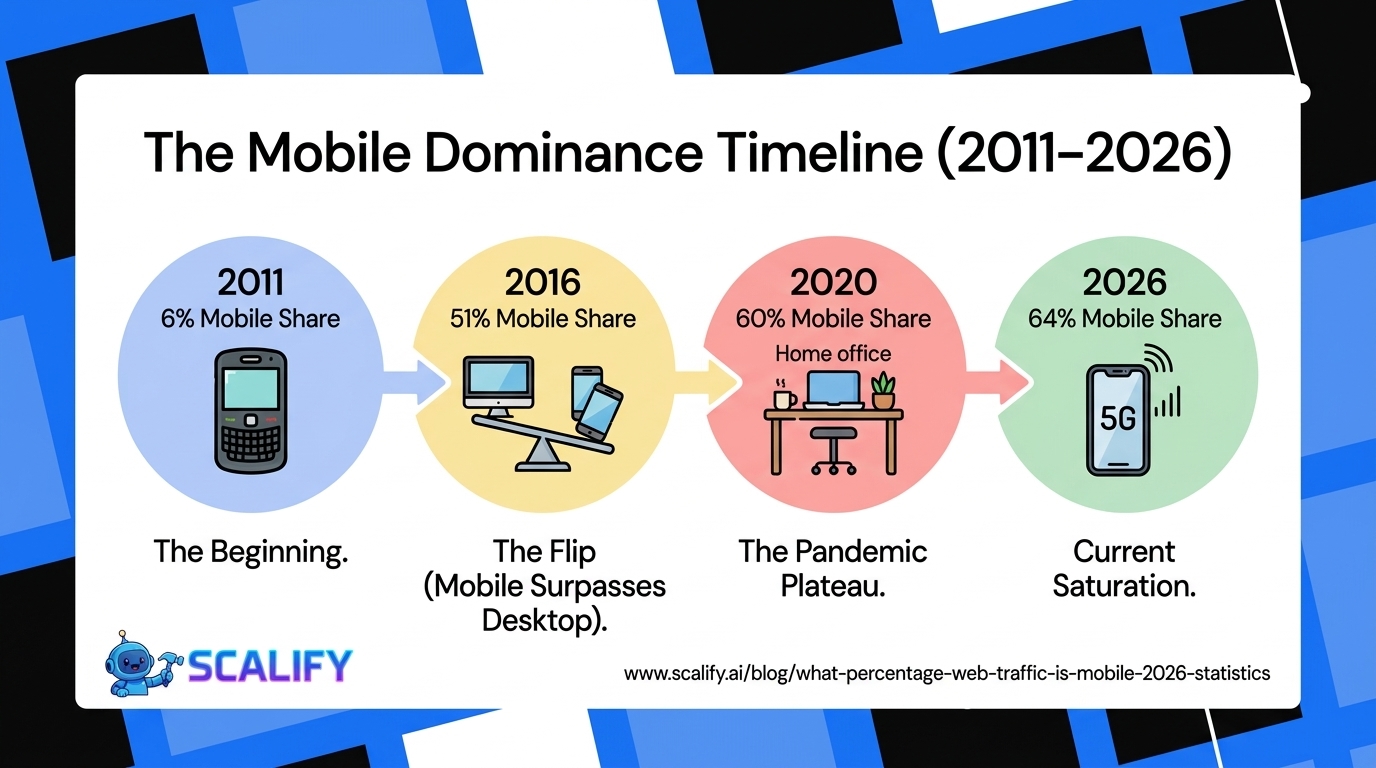
RequirementWhy It MattersPriorityIDX integrationKeep buyers searching on your site; capture search behavior dataCritical for agent sitesGoogle Maps integrationListing location context; neighborhood explorationVery HighMobile-responsive listing pages62% mobile traffic; buyers view listings on phonesCriticalPage speed optimization2.8x conversion at under 3 seconds; image-heavy sites are slow by defaultVery HighMortgage calculatorBuyers calculate affordability; keeps them on your site longerHighCRM integrationLead routing, follow-up automation, inquiry trackingHighSchema markup (LocalBusiness, RealEstateAgent)Improves local search visibility and rich results appearanceHighSaved search / email alertsRepeat visit driver; high-intent buyer engagement toolHigh
The Google Business Profile: Real Estate's Most Valuable Free Tool
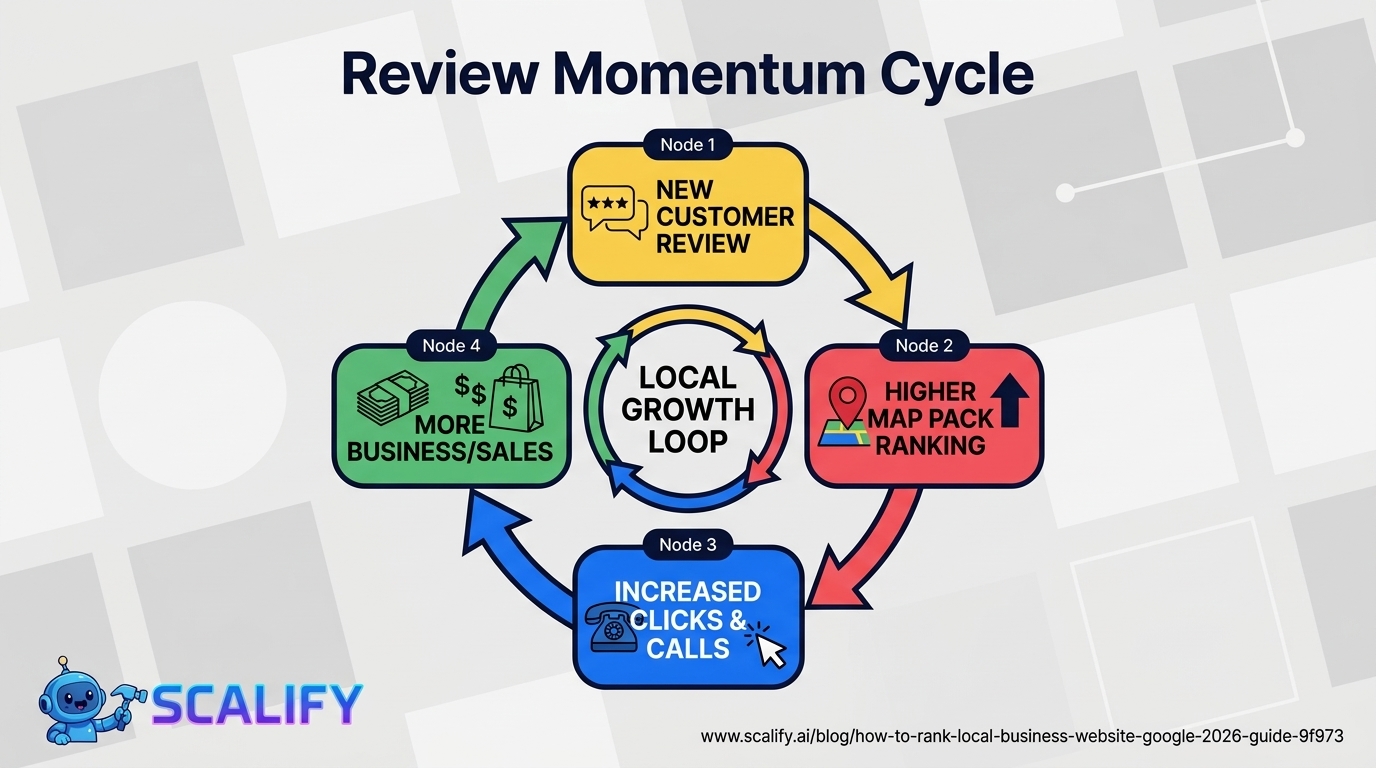
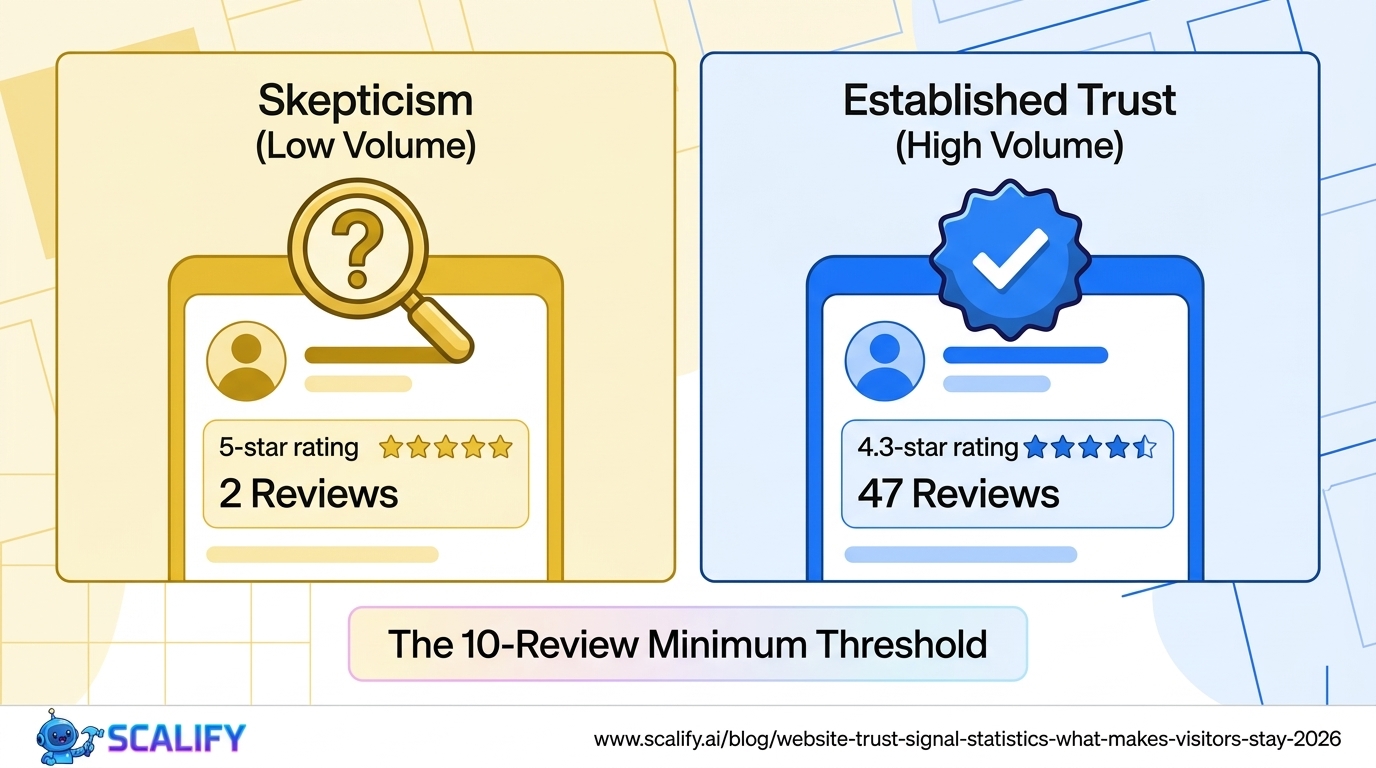
For individual agents and small brokerages, the Google Business Profile is one of the most valuable lead generation tools available — and most agents use it poorly or not at all. A fully optimized GBP for a real estate agent appears in the local Map Pack for queries like "real estate agent Miami" and "Realtor Coconut Grove" — the highest-intent local searches available. Optimization requirements: complete profile with accurate Real Estate Agent category, professional headshot, 10+ Google reviews from past clients (with review request process as part of every transaction close), regular posts about new listings and market updates, and consistent NAP matching the website. Agents who invest 4–6 hours in proper GBP optimization and maintain it consistently report a significant percentage of their organic leads coming through the GBP rather than traditional website traffic.
Common Real Estate Website Mistakes
Using a national franchise template with no local differentiation. RE/MAX, Keller Williams, and Century 21 franchise sites are built for national brand consistency, not local expert positioning. The agent who uses the franchise template without adding genuine local content looks identical to the thousands of other agents in the same franchise. Building a custom or semi-custom site that positions specific local expertise consistently outperforms franchise templates for organic lead generation.
No IDX or outdated IDX integration. A real estate website with no live listing search sends buyers to Zillow immediately. An IDX integration that hasn't been updated and shows outdated listings actively damages credibility. Current, accurate IDX with a good search experience is the table stakes for any agent website competing for buyer leads.
Minimal agent content. A bio page with one paragraph and a headshot tells buyers almost nothing about why they should work with this agent rather than any other. Transaction history, neighborhood expertise, client stories, and genuine personal content that establishes human connection are what transform a generic agent website into one that buyers bookmark and return to.
The Bottom Line
High-converting real estate websites differentiate from national portals through local expertise depth, quality IDX integration, compelling agent profiles, and the content depth that makes them a destination rather than a stopover. The agents who invest in these elements — professional photography, genuine neighborhood expertise content, optimized Google Business Profiles, and the technical infrastructure that captures and nurtures leads — consistently capture a greater share of their market's organic buyer and seller inquiries than those who rely on generic template sites and portal advertising.
At Scalify, we build professional websites for real estate agents, teams, and brokerages in 10 business days — designed to capture local search traffic and convert it into qualified buyer and seller inquiries.
Top 5 Sources
Video Content for Real Estate Websites: The Engagement Multiplier
Video has become an essential content format for high-performing real estate websites. The types of video content that work best:
Listing walkthrough videos provide the spatial understanding that photos can't convey. A buyer watching a 90-second walkthrough video understands the floor plan, room proportions, natural light, and overall flow of a property in a way that even 50 photos cannot communicate. Listings with video walkthroughs receive 403% more inquiries than those without (NAR data) — the most dramatic single content improvement available for listing presentation.
Neighborhood spotlight videos — 2–4 minute tours of specific neighborhoods showing restaurants, parks, schools, and character — build local expertise credibility and rank for neighborhood search queries on YouTube (the second-largest search engine) in addition to driving engagement on the agent's own website. An agent with a library of 20–30 neighborhood spotlight videos is building a content asset that continuously generates leads from buyers researching specific areas.
Agent introduction video (60–90 seconds on the About page) dramatically increases the trust that a written bio page establishes. Buyers who watch an agent introduction video before scheduling a consultation report significantly higher comfort and connection with the agent — reducing the awkwardness of a first meeting and improving the likelihood of a long-term working relationship.
Social Media Integration: Amplifying Listing Reach
Real estate websites that integrate with social media — displaying recent Instagram posts on the homepage, embedding YouTube property tours on listing pages, and sharing new listing content automatically to Facebook and LinkedIn — extend reach beyond organic search traffic to social platforms where buyers are already spending time. The most effective integration for most agents is Instagram (strong engagement for property photography), YouTube (listing videos with neighborhood content), and Facebook (local community pages and groups). The website functions as the hub that receives and nurtures leads generated across these channels — the social accounts drive awareness; the website converts it.
Measuring Real Estate Website Performance
The metrics that matter most for real estate websites: inquiry rate (contact form submissions and direct calls per 1,000 visitors), return visitor rate (buyers who come back to search multiple times, signaling genuine engagement), saved search creation rate (buyers who create accounts and save searches are your highest-intent prospects), and lead-to-transaction conversion rate (what percentage of website-generated leads become actual transactions). Tracking these metrics in GA4, reviewing them monthly, and testing specific improvements — new neighborhood content, homepage layout changes, IDX filter enhancements — is how real estate websites improve from average to high-converting over time. The agent who treats their website as a marketing asset that compounds in effectiveness with continuous improvement consistently outperforms the agent who treats it as a static business card.


.jpeg)
.jpeg)

78 SW 7th St, Miami, FL 33130