

Trust Badges on Websites: Do They Actually Work? (2026 Data)
By Josh Ternyak

April 17, 2026
Trust badges increase checkout conversion 7-11% but genuine social proof outperforms all formal badges. This comprehensive guide covers badge types and their effectiveness, money-back guarantees vs security seals, the hierarchy of trust signals, the made-up badge problem, implementation best practices, industry-specific trust signals, mobile trust optimization, and how to A/B test trust signals on your specific website.
Trust Badges on Websites: Do They Actually Work? (2026 Data)
Trust badges — those SSL padlock icons, security seals, money-back guarantee badges, and payment method logos that appear on checkout pages and landing pages — have been a staple of e-commerce conversion optimization for over a decade. The question isn't whether trust signals matter (they do) but whether generic trust badges specifically produce meaningful conversion rate improvements in 2026 — and the research gives a more nuanced answer than the marketing copy for most badge services suggests.
Key Trust Badge Statistics
Types of Trust Badges and Their Effectiveness
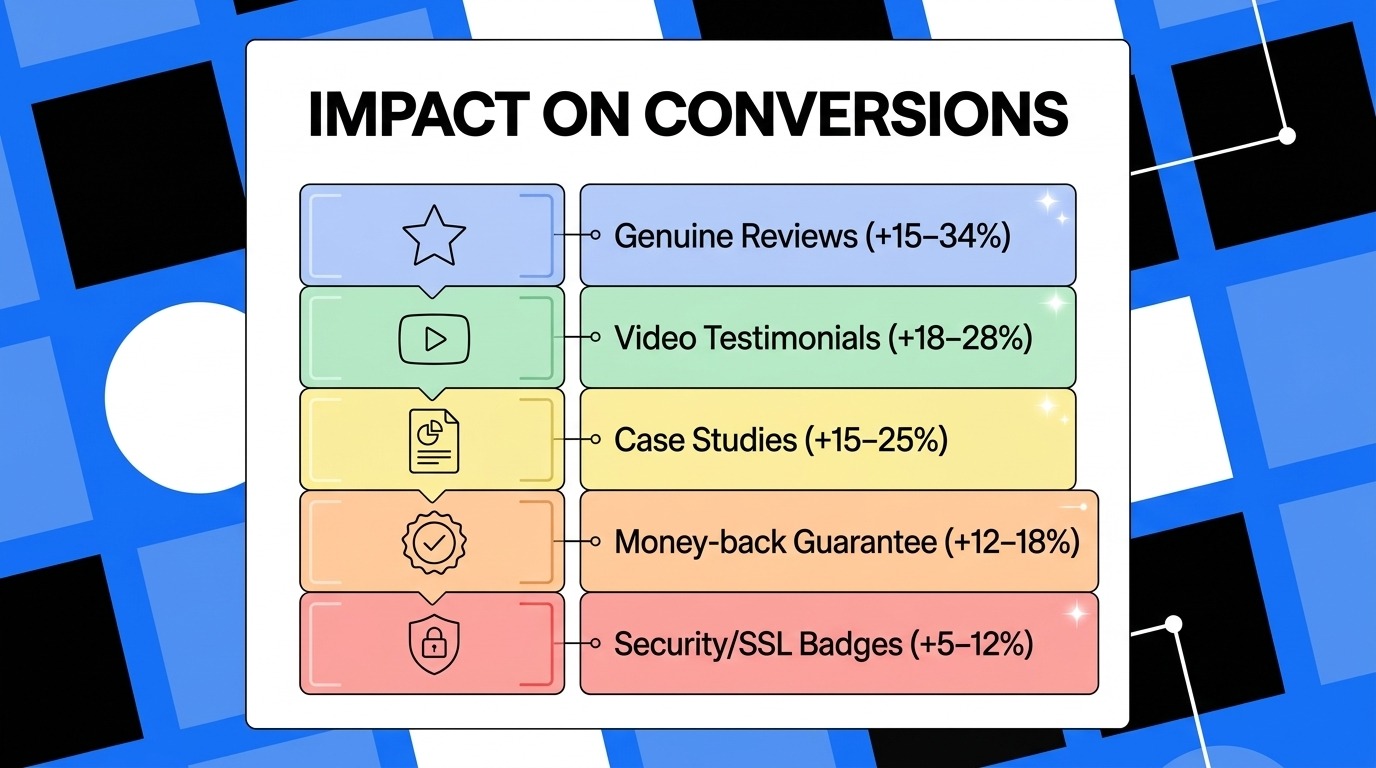
Badge TypeAverage Conversion ImpactUser RecognitionBest PlacementCostSSL/Security seal (Norton, McAfee)+5–12%High — 76% recognize NortonCheckout, payment section$150–$500/yearPayment method logos (Visa, MC, PayPal)+9–15%Very High — universal recognitionNear checkout CTAFreeMoney-back guarantee badge+12–18%Medium — message matters more than designProduct pages, checkoutFree (self-created)BBB Accreditation badge+3–8%Medium — high US recognitionAbout page, footer$400–$1,400/yearIndustry association badges+2–6%Low (unless industry is well-known)About page, footerMembership feeAward badges (design awards, etc.)+4–9%Low-MediumHomepage, about pageFree to enterReview platform badges (G2, Capterra)+8–15%High in B2B contextsHomepage, pricing pageFreeCustom "As Featured In" logos+10–20%Depends on publicationsHomepage, above foldFree
When Trust Badges Work and When They Don't
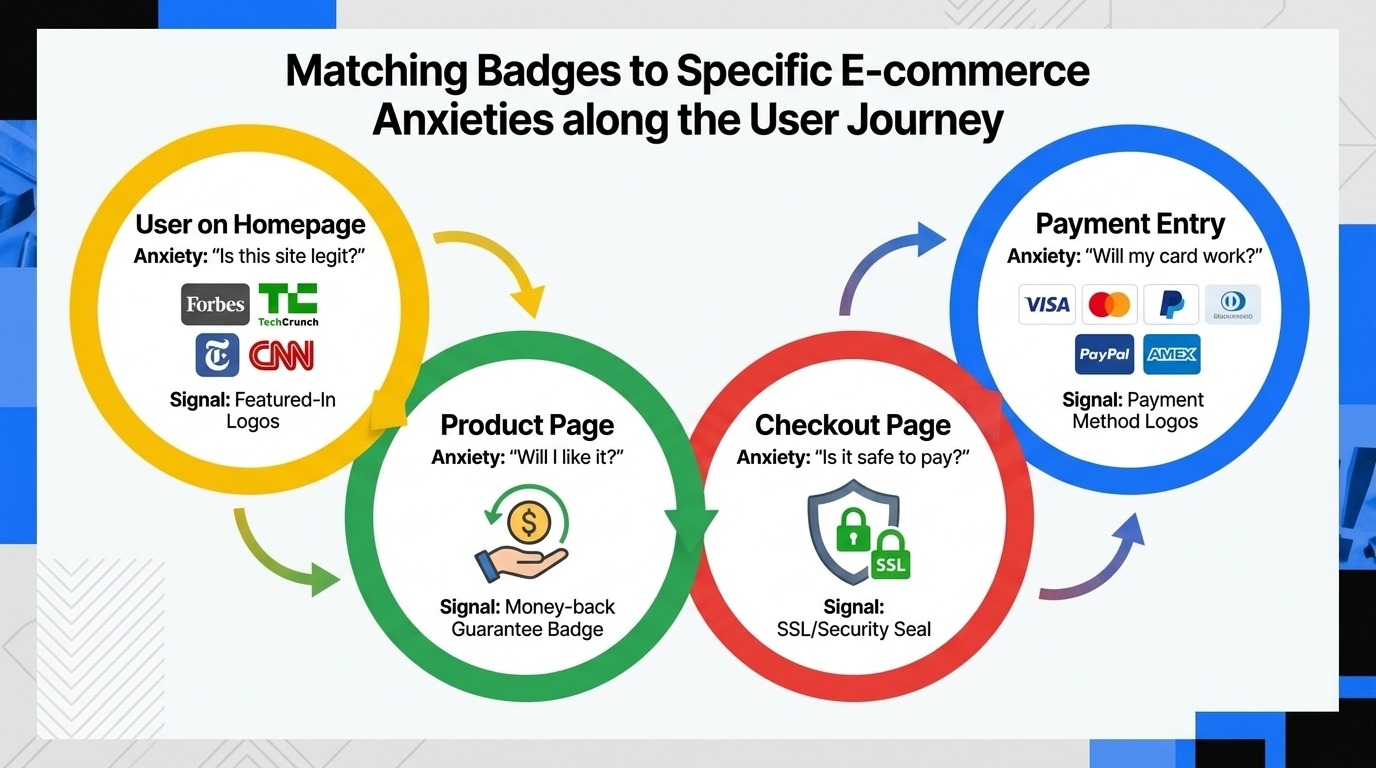
The research on trust badges reveals an important distinction between badge type and context. Security seals (Norton, McAfee, SSL certificates) work best when they address the specific anxiety a visitor has at a specific point in the process — typically the payment entry step. A security seal on a landing page hero section addresses an anxiety the visitor doesn't yet have; the same seal next to the credit card entry field addresses the anxiety at its peak. Placement precision matters more than badge presence.
Money-back guarantee and satisfaction guarantee badges work by addressing purchase risk rather than security risk — and research consistently shows they outperform security seals because purchase risk (will this work? can I return it?) is a more common conversion barrier than security concern for most modern consumers who have been purchasing online for years. A well-designed 30-day money-back guarantee badge, placed near the primary CTA on a product page, is one of the most effective single conversion elements available to e-commerce and SaaS websites.
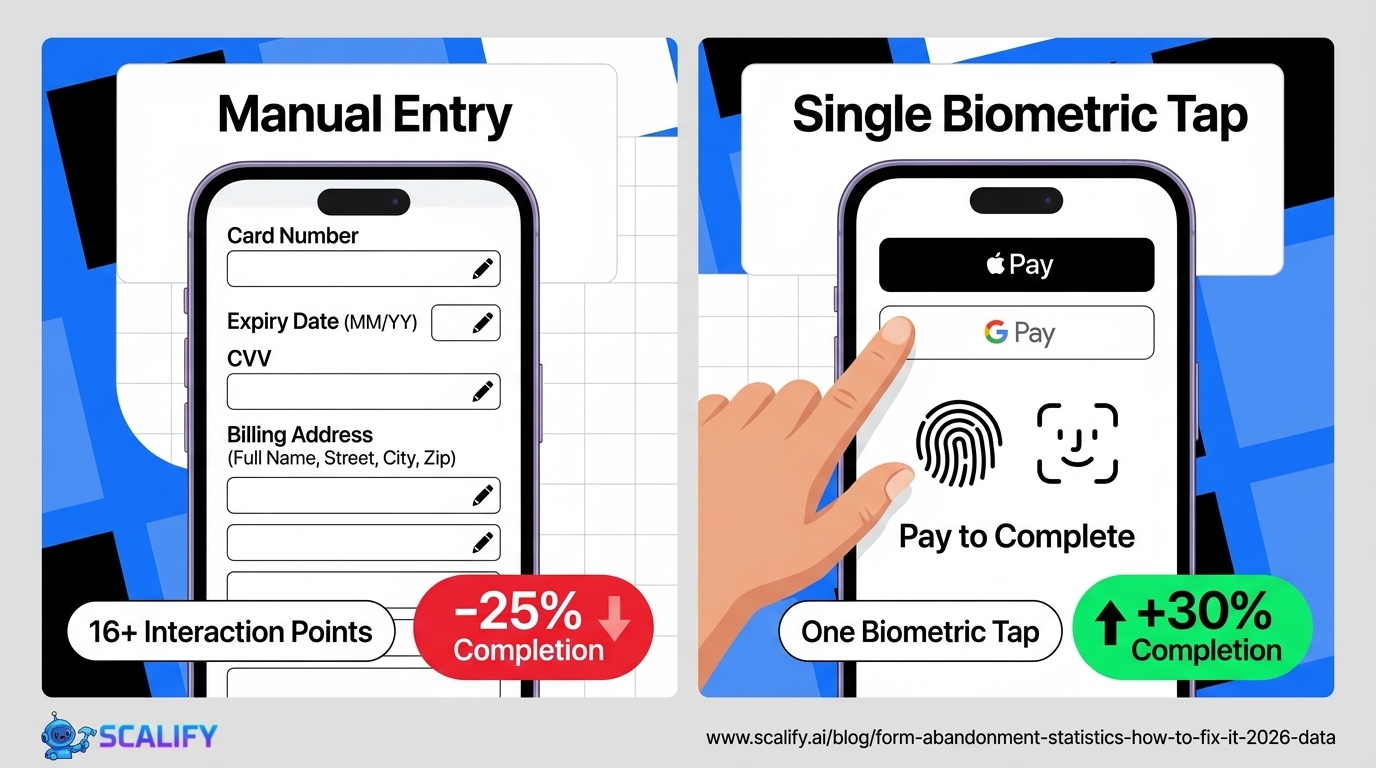
Payment method logos work through familiarity and reassurance — seeing recognizable logos (Visa, Mastercard, PayPal, Apple Pay, Google Pay) signals that the checkout process will work the way the customer expects it to, with payment methods they trust. These are free to use and consistently produce positive conversion impacts when placed near checkout buttons.
Trust Badges vs. Social Proof: The Hierarchy
Trust Signal TypeConversion ImpactWhyCostGenuine customer reviews (Google, Yelp, G2)Very High +15–34%Real people speaking for the product — most credible signalFree (organic)Video testimonials from real customersHigh +18–28%Most authentic and highest-trust formatTime to collect, low costCase studies with specific outcomesHigh +15–25%Detailed evidence for high-consideration purchasesLow (writing time)Money-back guarantee badgeMedium-High +12–18%Removes purchase risk — strong but lacks specificityFreeSecurity/SSL badgesMedium +5–12%Addresses security concern at payment step$150–$500/yrGeneric "safe checkout" textLow +2–5%Without recognized brand, limited credibilityFreeMade-up trust badgesNegative in A/B testsSophisticated users recognize fake badges; harms credibilityFree but harmful
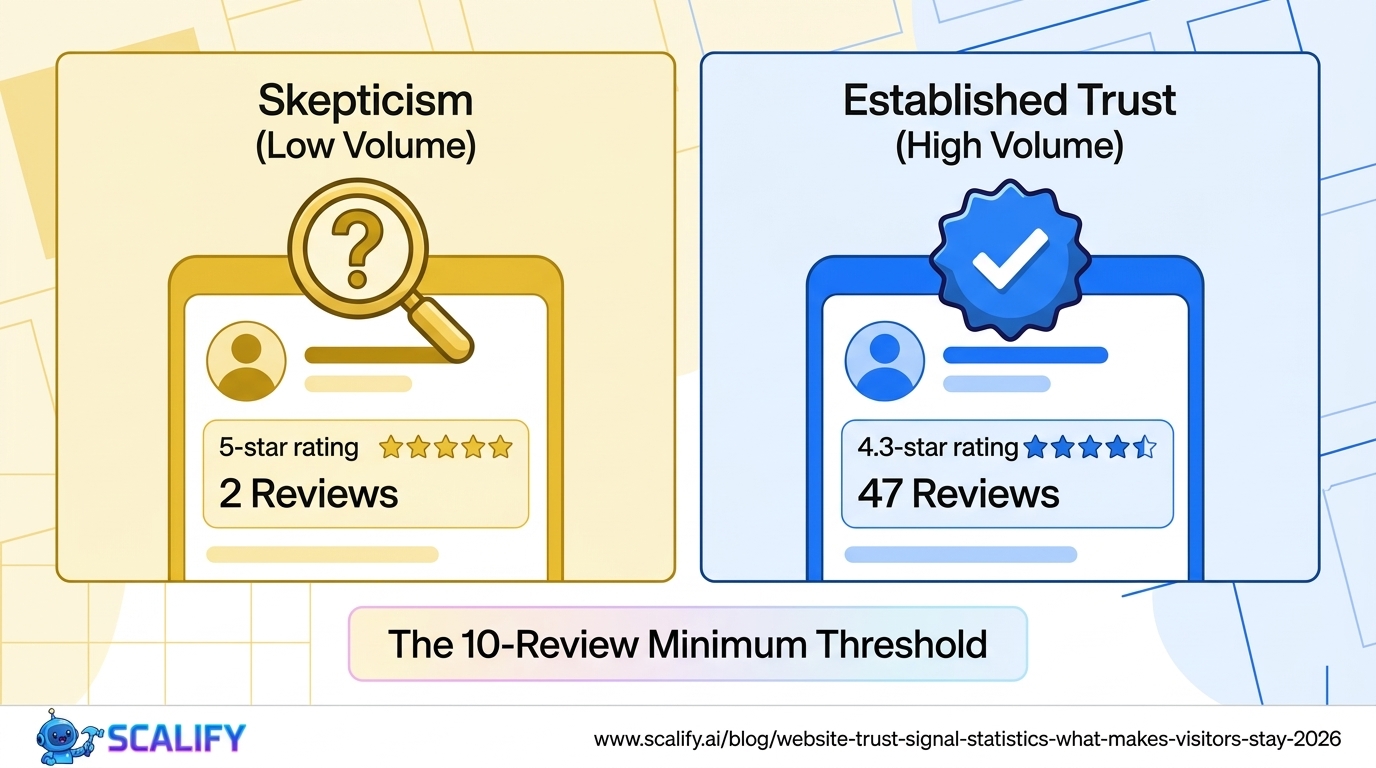
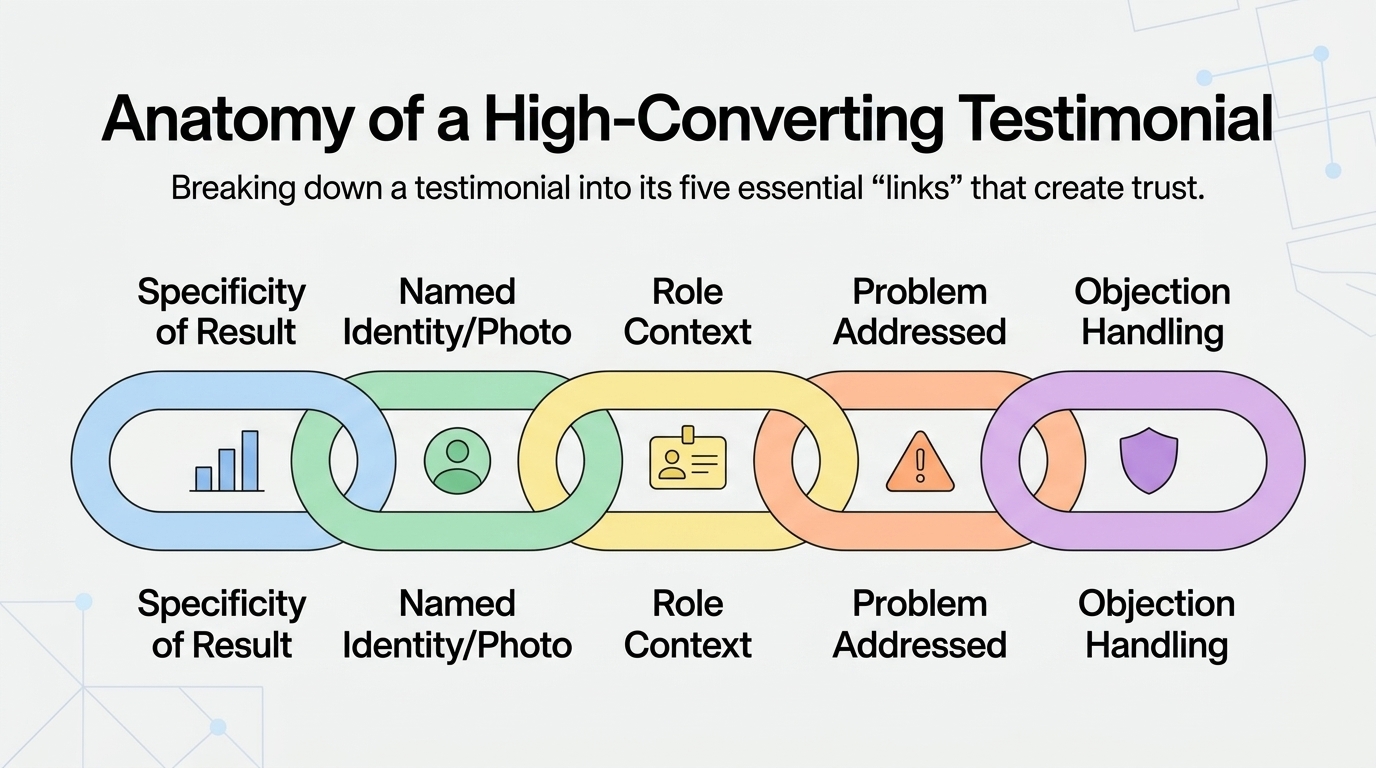
The most important finding in trust badge research is that genuine social proof (real customer reviews, testimonials with names and photos, case studies) consistently outperforms formal trust badges in A/B tests. This doesn't mean trust badges don't work — they do, in the right context and placement — but it does mean that a website with 150 genuine 4.8-star Google reviews prominently displayed will see better conversion improvement from those reviews than from a $500/year security seal. Invest in earning and displaying genuine social proof before investing in formal trust certifications.
The Made-Up Badge Problem
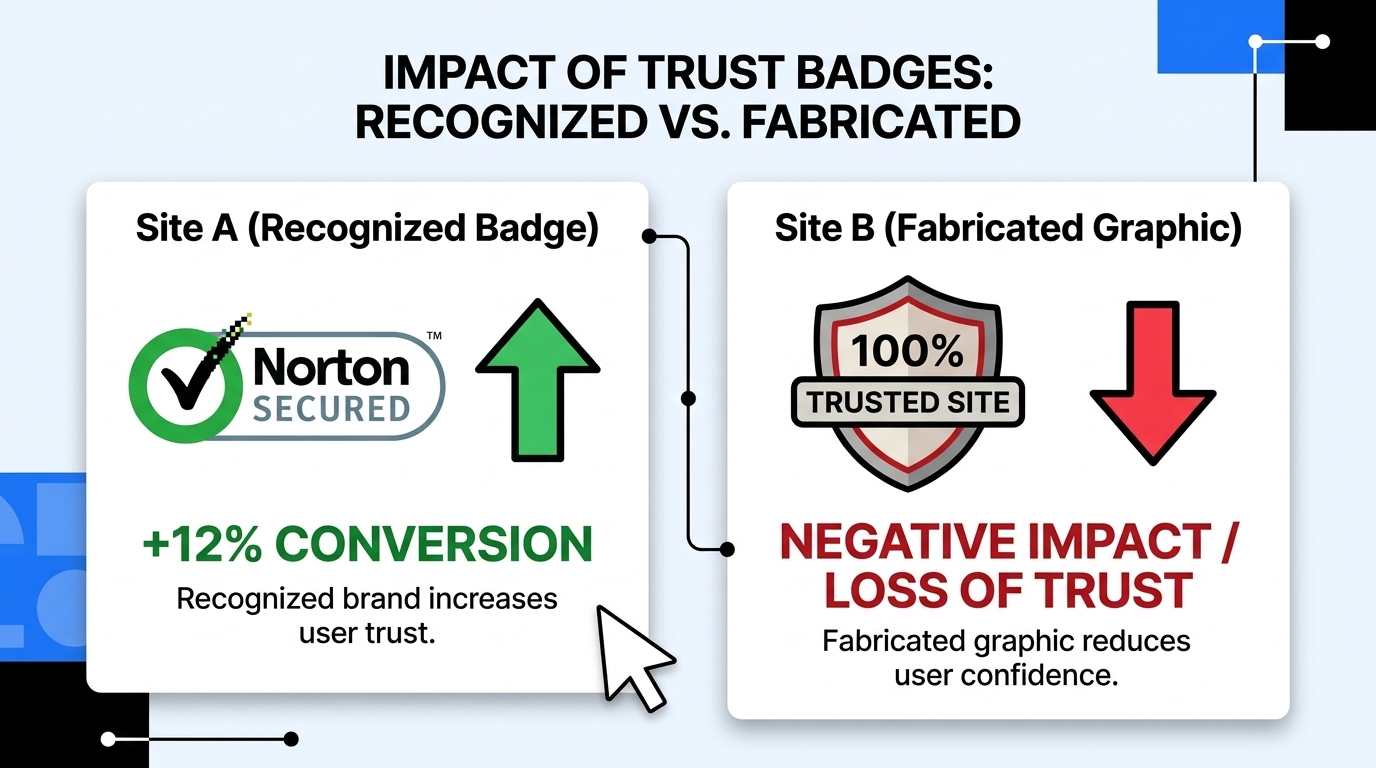
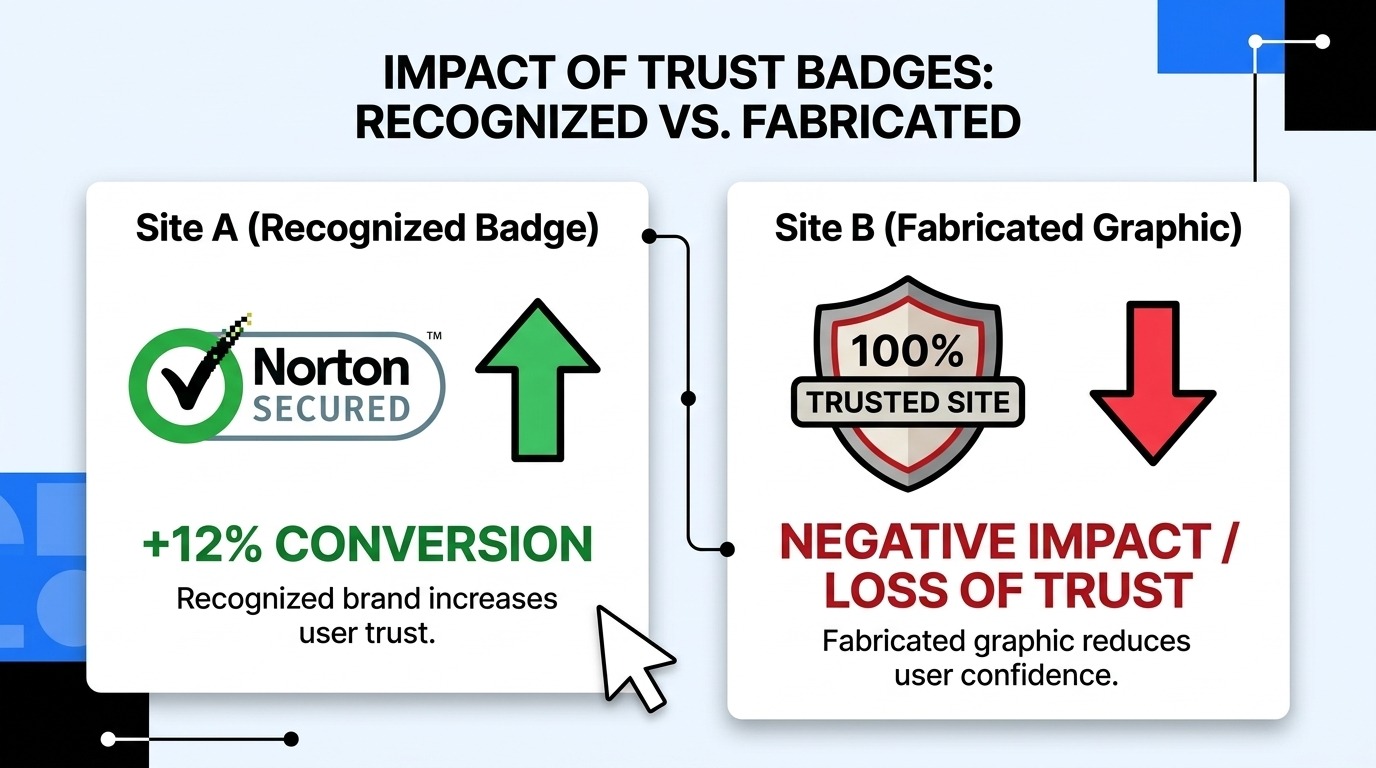
One of the most persistent trust badge mistakes is displaying badges with no backing credibility — made-up "Verified Safe" or "Trusted" graphics that aren't from any recognized organization. Research from Baymard Institute found that these fabricated badges not only don't improve conversion but can actively decrease it among the approximately 30–40% of online shoppers who are badge-savvy enough to question unrecognized logos. If you can't earn or afford a real trust badge, displaying plain text ("30-day money-back guarantee," "Secure checkout with SSL encryption," "Over 2,000 verified reviews") is more effective than an unrecognized badge graphic that raises questions rather than answering them.
Implementation Best Practices
Best PracticeWhyPlace security badges at the payment entry stepAddresses anxiety where it peaks, not where it doesn't existUse payment method logos (free, high-recognition)Best ROI trust badge — free and universally recognizedCreate a genuine money-back guarantee (and badge it)Addresses purchase risk — higher conversion impact than security sealsPrioritize genuine reviews over formal badgesSocial proof outperforms third-party seals in A/B testsTest badge placement with A/B testingPlacement matters as much as badge type — test bothAvoid unrecognized or fabricated badgesSophisticated buyers recognize fake badges — harms credibilityMatch badge to the specific anxiety being addressedSecurity badge at payment; guarantee badge at purchase decision
Trust Badges for B2B Websites
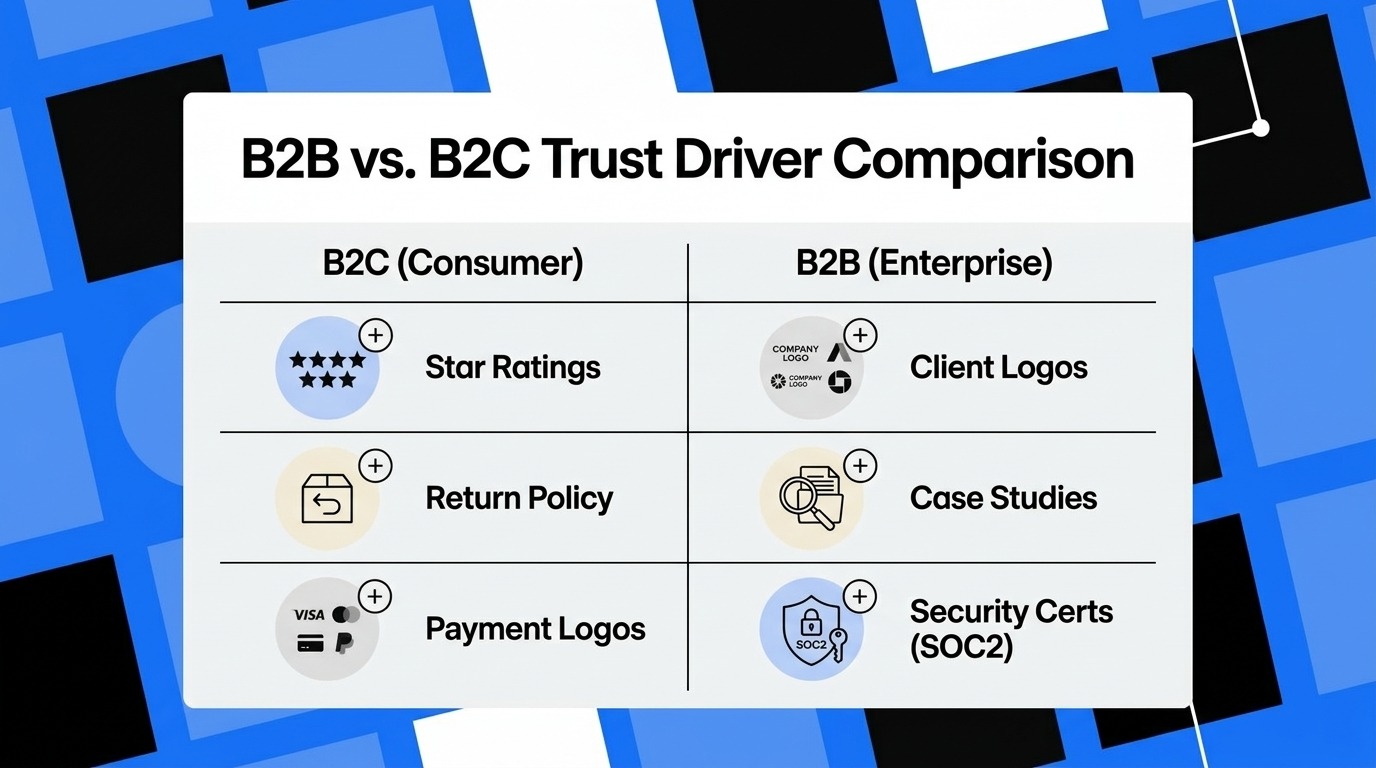
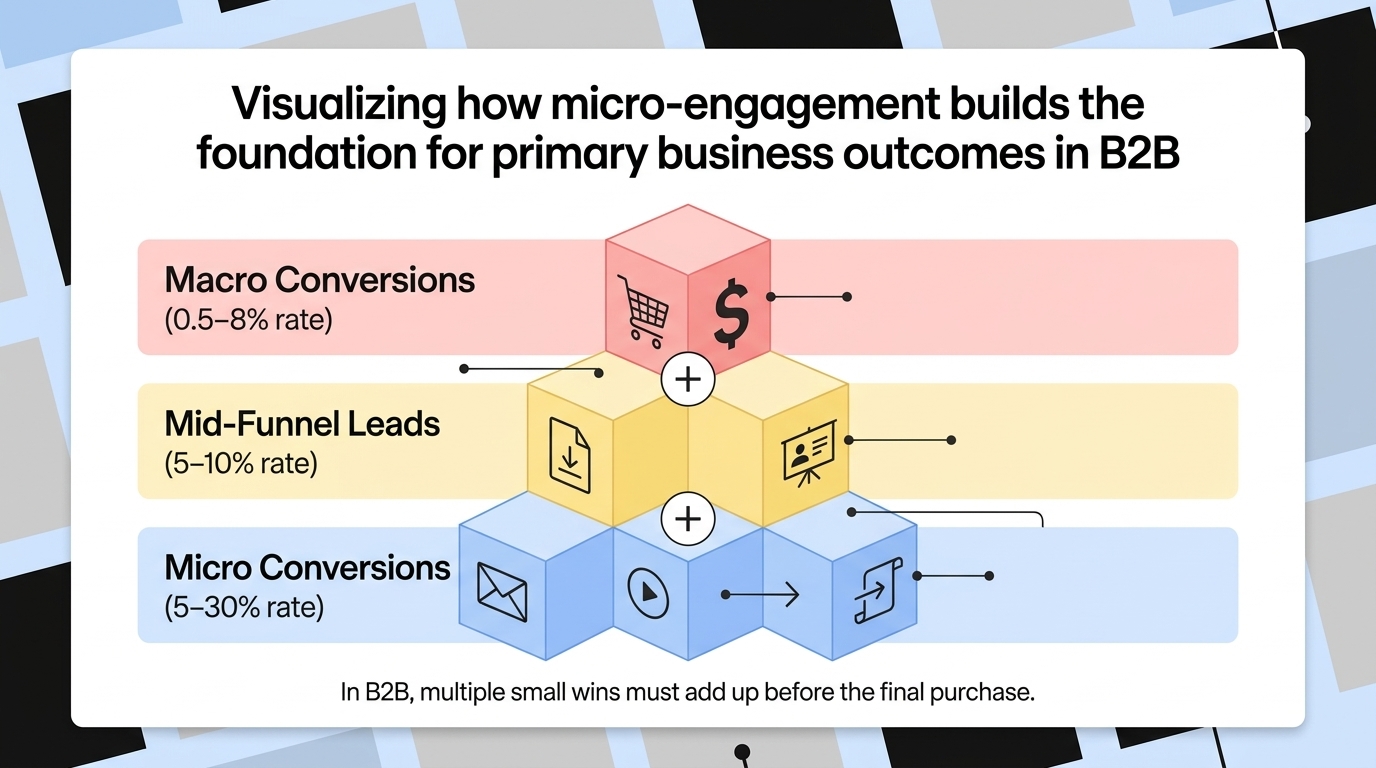
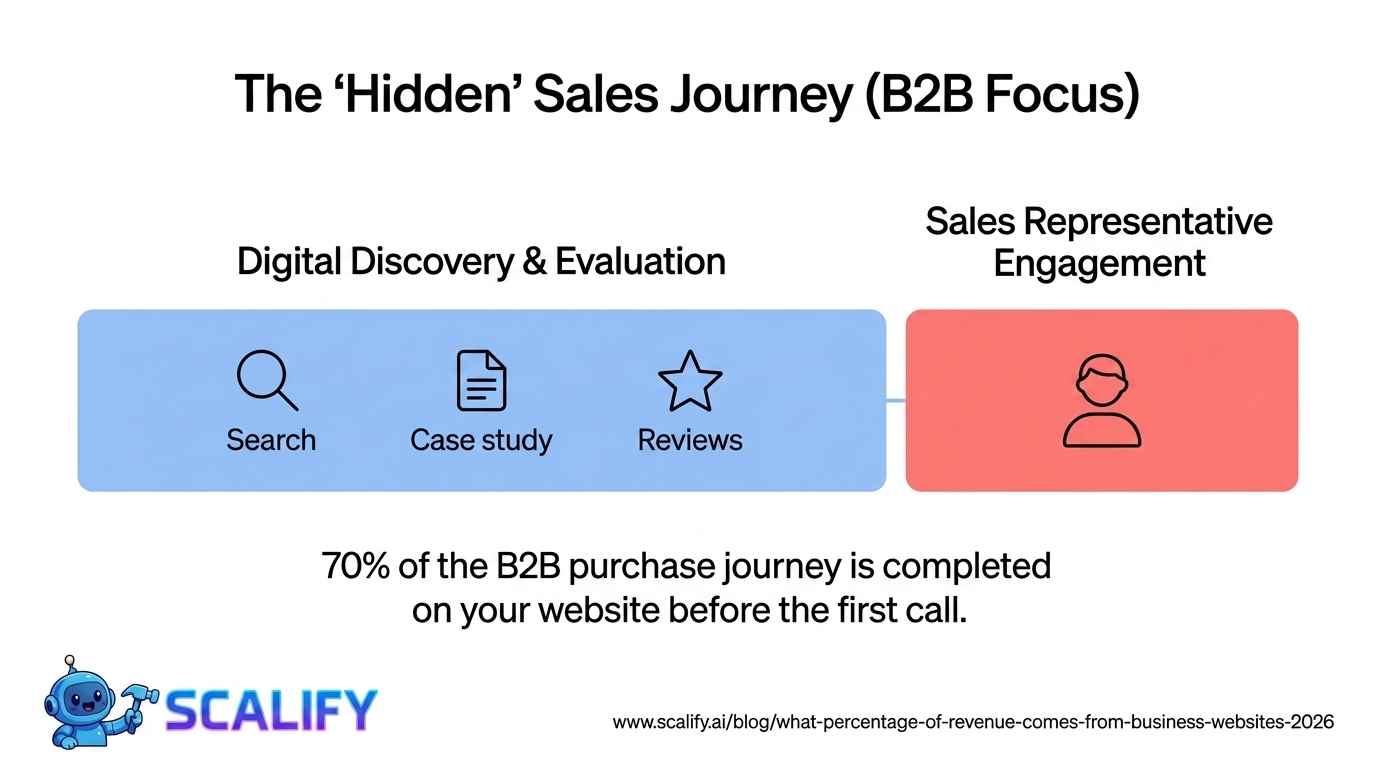
B2B website trust signals work differently from B2C. The equivalent of a security seal in B2B is logos of recognizable client companies — the 28% conversion increase for B2B websites with recognizable client logos reflects the same psychological mechanism: seeing a company I recognize chose this vendor reduces my perceived risk. For B2B, the trust signal hierarchy runs: named client logos with permissioned display, G2/Capterra/Trustpilot ratings with specific review counts, case studies with named companies and specific outcomes, and media mentions in recognizable publications. Formal security seals are expected baseline in B2B (HTTPS is table stakes) rather than conversion drivers.
The Bottom Line
Trust badges do work — but effectiveness varies significantly by badge type, placement, and context. Payment method logos (free, universally recognized) and money-back guarantee badges produce the highest ROI. Security seals work when placed at the payment step where security anxiety peaks. Genuine social proof (customer reviews, video testimonials, case studies) consistently outperforms all formal trust badges in A/B tests — invest in earning and displaying authentic social proof before paying for third-party certification seals. Never display unrecognized or fabricated trust badges, which actively harm conversion among experienced online shoppers.
At Scalify, we build professional websites with conversion-optimized trust architecture — the right social proof, guarantee signals, and payment familiarity cues in the right places to maximize inquiry and purchase conversion.
Top 5 Sources
Trust Badges by Industry: What Works Where
The effectiveness of trust badges varies dramatically by industry because the underlying anxieties they need to address are different. Understanding which trust signals matter in your specific industry — and which are irrelevant — helps prioritize the right signals over generic badge collections that add visual noise without addressing real conversion barriers.
E-Commerce
The primary trust concerns in e-commerce are payment security, product quality, and return/refund policy. The highest-converting trust signals: prominent payment method logos near the checkout CTA, a clearly worded and badged money-back or free-return guarantee, and star ratings with review counts on product pages. Security seals (SSL, Norton) add incremental value at the payment step but are less powerful than the guarantee and social proof signals. The Baymard Institute's checkout research consistently finds that clear return policies — stated in plain language rather than buried in terms and conditions — produce larger conversion improvements than formal security badges.
SaaS and Software
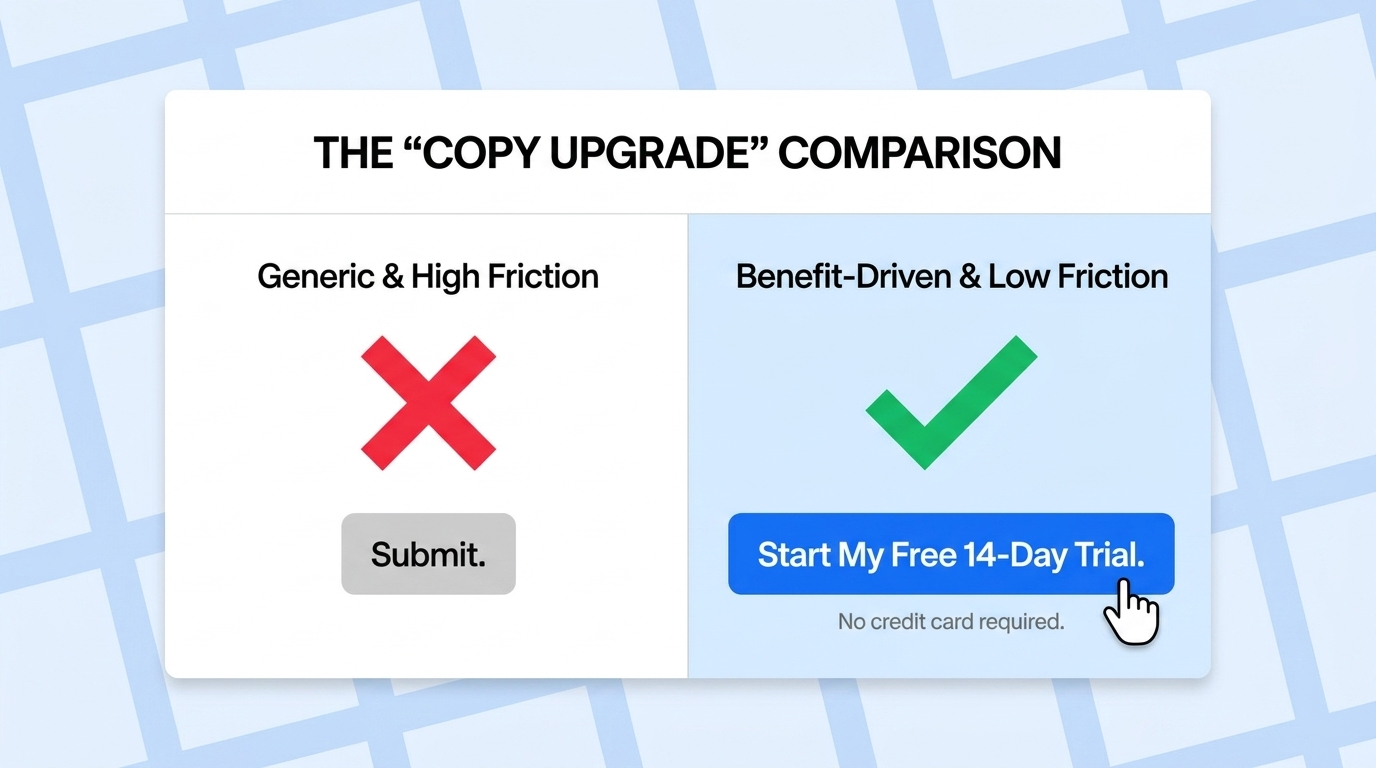
SaaS conversion is primarily about risk reduction and proof of outcome. The most effective trust signals: G2, Capterra, or Trustpilot rating badges with specific review counts, logos of recognizable customer companies, case study stats ("8,500 teams use [product]," "Reduced deployment time by 60%"), and free trial terms displayed prominently ("14-day free trial, no credit card required"). Security certifications (SOC 2 Type II, ISO 27001) matter significantly in enterprise SaaS where IT and security teams evaluate tools — these badges are meaningful to a technical audience evaluating vendor risk in ways they're not meaningful to consumer buyers.
Professional Services (Legal, Financial, Healthcare)
Professional services trust signals are dominated by credentials and social proof rather than formal badges. Bar admission badges, professional certifications (CFP, CPA, MD), professional association memberships, and authentic client testimonials with named clients (where compliance permits) are the trust signals that matter. Generic "trusted by thousands" badges or security seals are mostly irrelevant for professional services — the trust question isn't "is this website secure" but "is this professional competent and will they help me effectively."
Mobile Trust Signals: Different Constraints
Mobile checkout experiences have different trust signal constraints than desktop. Badge real estate is limited on small screens, and many traditional trust badge placement strategies — a row of badges in the checkout footer, a trust bar with four or five logos — take up disproportionate screen space on mobile without contributing proportionally to conversion. Mobile-optimized trust signals prioritize text over graphics: "Secure checkout" text near the checkout button, a visible "Free returns" or "Money-back guarantee" statement, and star rating + review count near purchase CTAs are more effective than small badge images that require zooming to read on phones. The payment method logos are an exception — they're consistently effective on mobile because they're immediately recognizable at small sizes and communicate payment familiarity without requiring any text.
Testing Your Trust Signals: The Right Approach
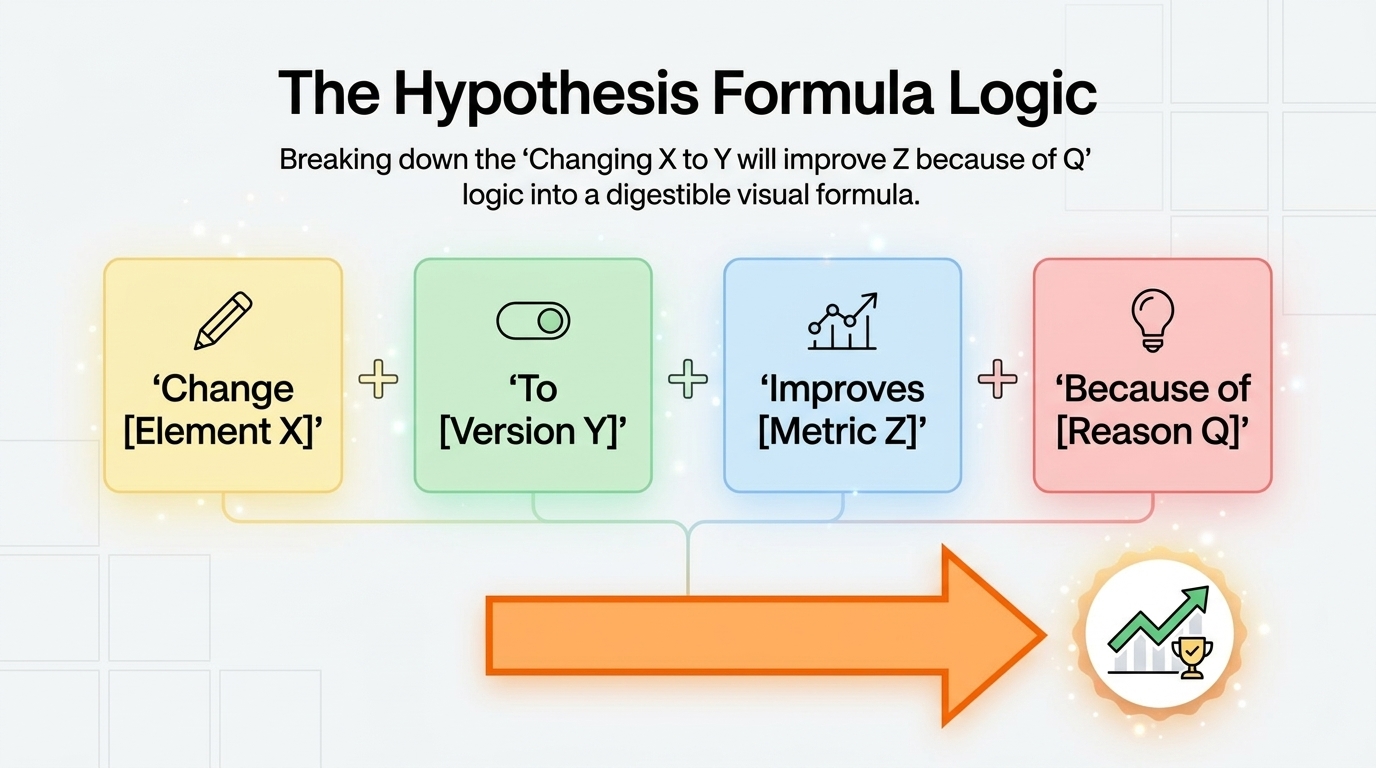
The most reliable way to determine which trust signals are driving conversion improvement on your specific website is testing — not applying research findings about other websites as universal truths. Your audience's specific anxieties, your industry's trust conventions, and your existing website's trust baseline all affect which signals will produce the largest incremental improvements. Run A/B tests on individual trust elements: add a money-back guarantee badge to the control (no badge) and measure conversion difference; test security seal placement at checkout vs. absent; test payment method logo sets vs. text-only payment options. Three or four well-run A/B tests on trust signals will reveal which ones actually move the needle for your specific audience — and that data is worth more than any general benchmark.
Trust signals — whether formal badges, genuine social proof, or clear guarantee language — are ultimately about addressing the specific fears and uncertainties that prevent a willing visitor from converting. The websites that optimize trust effectively are those that identify those specific barriers through user research and testing, then address them with the most credible available signal at the right point in the conversion journey. Badge for the anxiety, not for the badge.


.jpeg)
.jpeg)

78 SW 7th St, Miami, FL 33130