

WordPress Developer Salary: Freelance vs Agency vs In-House in 2026
By Josh Ternyak

April 22, 2026
WordPress developer salaries range from $35/hr for commodity work to $145+/hr for custom plugins and WooCommerce specialization. This guide covers salary by employment type, freelance rates by specialization, the commodity trap and how to escape it, WooCommerce as the highest-value specialization, custom plugin development, headless WordPress, security specialization, and how to build a WordPress career without hitting a ceiling.
WordPress Developer Salary: Freelance vs. Agency vs. In-House in 2026
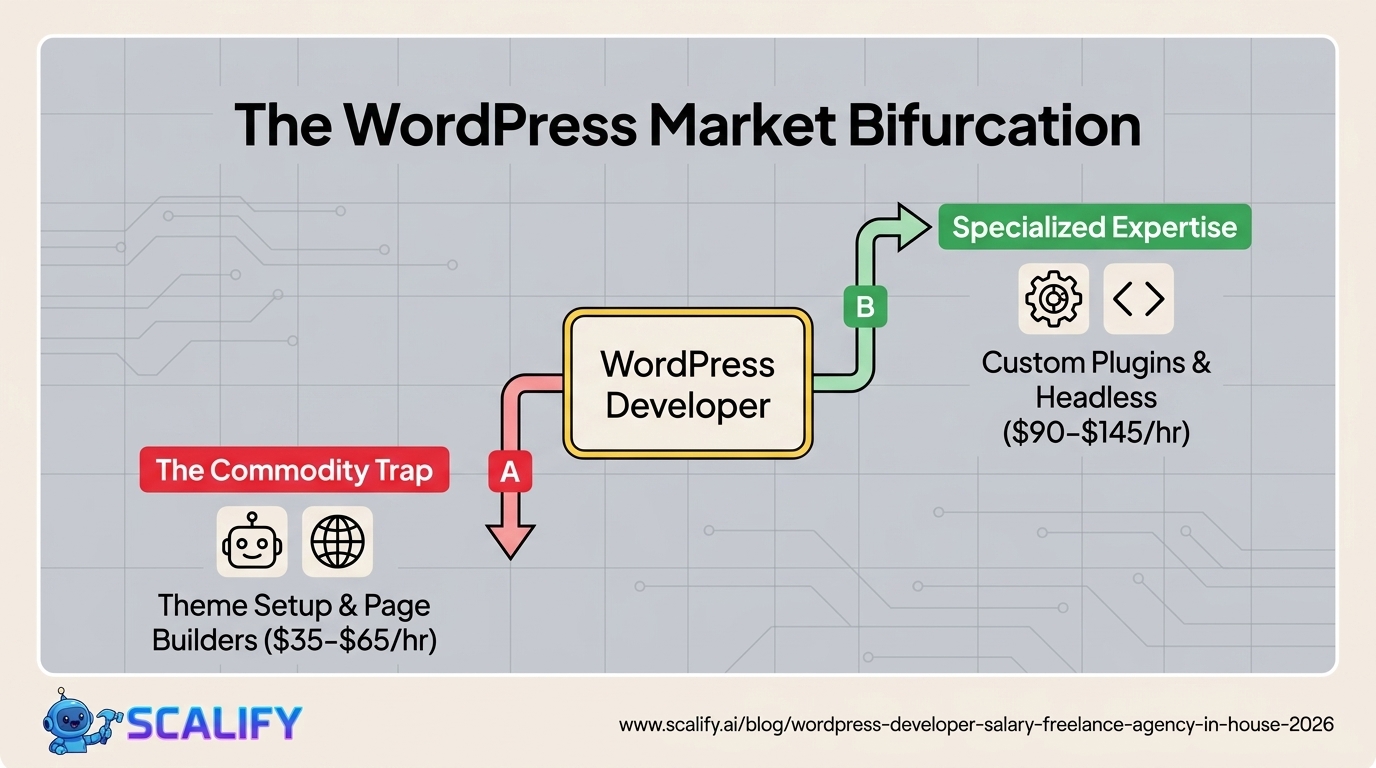
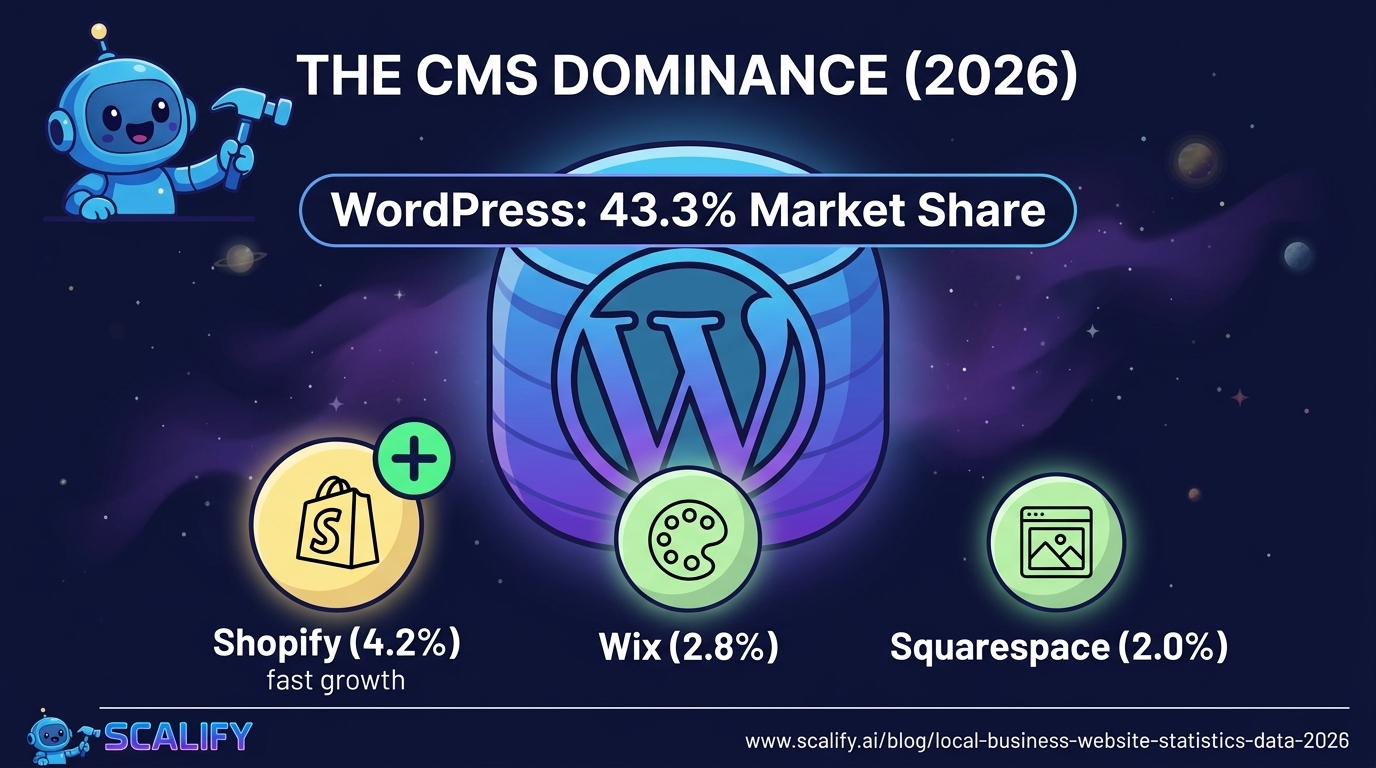
WordPress powers 43.5% of all websites on the internet — a market dominance that creates consistent, broad demand for WordPress development expertise. But the WordPress developer market in 2026 is increasingly stratified: commodity WordPress development (template customization, basic plugin configuration, simple site builds) is in a race to the bottom on price, while specialized WordPress expertise (custom plugin development, enterprise architecture, WooCommerce specialization, performance engineering) commands premium rates that significantly exceed the commodity market.
Understanding where you sit on this spectrum — and how to move toward the premium end — is the key to maximizing your compensation as a WordPress developer in 2026 and beyond.
Key WordPress Developer Salary Statistics
WordPress Developer Salary by Employment Type
Employment TypeJuniorMid-LevelSeniorNotesIn-House (tech company)$52,000 – $72,000$72,000 – $102,000$98,000 – $135,000Best benefits; stable; limited by WP ceilingIn-House (agency/marketing)$45,000 – $65,000$65,000 – $92,000$88,000 – $120,000Common entry path; varied clientsAgency (WordPress specialty)$48,000 – $68,000$68,000 – $98,000$92,000 – $125,000Portfolio depth; good learning environmentFreelance (general WordPress)$35,000 – $55,000$55,000 – $90,000$90,000 – $145,000Wide range; specialization criticalFreelance (WooCommerce specialist)—$80,000 – $120,000$120,000 – $180,000E-commerce premium is realFreelance (custom plugin dev)—$90,000 – $130,000$130,000 – $190,000PHP expertise required; highest WP ceiling
WordPress Developer Freelance Rates by Specialization
SpecializationHourly RateAnnual (at 1,400 billable hrs)Template customization / Elementor$35 – $65/hr$49,000 – $91,000Custom theme development (PHP)$65 – $100/hr$91,000 – $140,000WooCommerce development$80 – $130/hr$112,000 – $182,000Custom plugin development (PHP)$85 – $140/hr$119,000 – $196,000Gutenberg block development$75 – $120/hr$105,000 – $168,000WordPress performance optimization$90 – $145/hr$126,000 – $203,000WordPress security and hardening$80 – $130/hr$112,000 – $182,000WordPress REST API / headless$90 – $145/hr$126,000 – $203,000
The WordPress Commodity Trap: How to Avoid It
The biggest career risk for WordPress developers is remaining in the commodity tier — the market for template setup, basic Elementor or Divi customization, and simple content site builds. This tier is being squeezed from both sides: AI-powered website builders (Wix ADI, Squarespace AI, and WordPress.com's AI features) are handling simpler use cases that once required a developer, and global labor arbitrage through platforms like Upwork means commodity WordPress work is competed on by developers from markets with dramatically lower cost of living who can sustainably undercharge US-based developers.

The escape route is upward specialization. WordPress developers who develop genuine PHP expertise and can build custom plugins, WooCommerce developers who understand payment gateway integration and subscription commerce deeply, and developers who can build full headless WordPress implementations (WordPress as a back-end CMS with a React or Next.js front-end) are solving problems that template customization tools cannot address — and they're competing in a very different market from the commodity tier.
WooCommerce: The Highest-Value WordPress Specialization
WooCommerce powers approximately 28% of all online stores globally — making WooCommerce expertise one of the most commercially valuable WordPress specializations available. Senior WooCommerce developers who understand the full stack of e-commerce implementation — product catalog architecture, payment gateway integration, subscription management, tax calculation, international shipping configuration, and performance optimization for high-traffic stores — are solving commercial problems with direct revenue impact that justifies premium rates.
The most valuable WooCommerce expertise levels in 2026: payment gateway customization and integration (requires PHP and API knowledge), subscription and membership commerce (WooCommerce Subscriptions, MemberPress), complex product configurators (variable products, custom product fields), headless WooCommerce with React front-ends (requires both WordPress and React expertise), and WooCommerce performance optimization for high-volume stores. Developers with genuine depth in any of these areas consistently command $100–$145/hour freelance rates and $110,000–$145,000 annual salaries in-house.
Custom Plugin Development: The PHP Premium
WordPress is built on PHP, and while many WordPress developers never write PHP beyond copying template functions, genuine PHP expertise unlocks the highest-value WordPress work: custom plugin development. Custom plugins allow WordPress to do things no existing plugin provides — complex business logic, custom data structures, integrations with proprietary APIs, automated workflows — and the developers who can build them charge 30–50% more than those limited to theme and configuration work.
The PHP skills needed for WordPress custom plugin development: WordPress hooks system (actions and filters), WordPress database API ($wpdb), WordPress REST API (registering custom endpoints), object-oriented PHP (WordPress increasingly follows OOP patterns), and security practices specific to WordPress (sanitization, escaping, nonce verification). These skills are learnable in 3–6 months of focused study and project work, and they're the most direct path to the top of the WordPress salary range.
Headless WordPress: The Modern Frontier
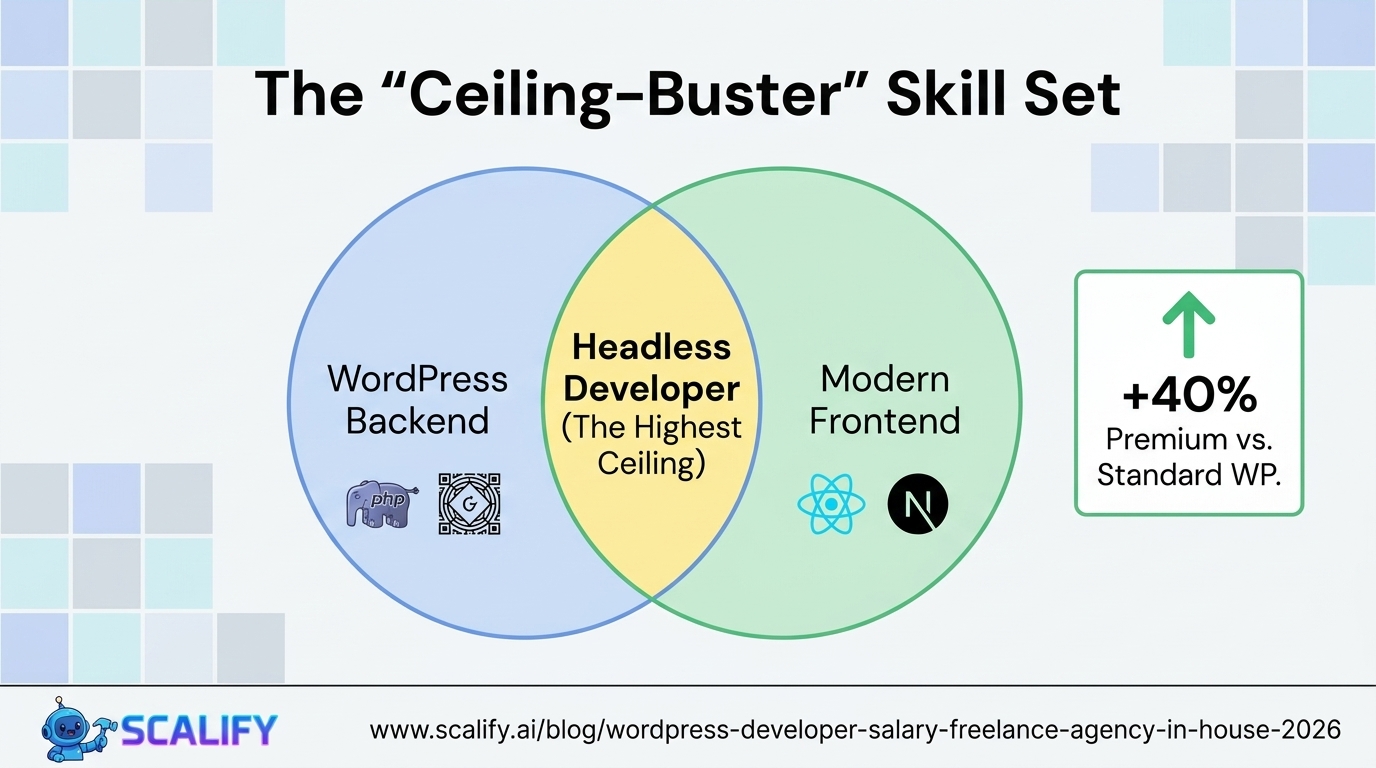
Headless WordPress — using WordPress as a back-end CMS and API while building the front-end in React, Next.js, or another JavaScript framework — is the fastest-growing WordPress specialization in 2026. This approach combines WordPress's excellent content management capabilities (Gutenberg editor, media library, taxonomies, user management) with the performance and developer experience of modern JavaScript front-ends. Agencies and enterprise clients who want the familiarity of WordPress content management with the performance and flexibility of a custom React front-end are driving significant demand for developers who can implement this architecture.
The headless WordPress developer is effectively a full-stack developer with WordPress expertise — requiring both PHP/WordPress back-end knowledge and React/Next.js front-end expertise. This combination commands the highest salary ceiling in the WordPress ecosystem and represents the convergence of WordPress specialization with the broader JavaScript ecosystem that dominates modern web development.
The WordPress Salary Trajectory: 2026 and Beyond
The WordPress salary trajectory is bifurcating: commodity WordPress work is facing pricing pressure from automation and global competition, while specialized WordPress expertise (WooCommerce, custom plugins, headless, performance engineering) is maintaining or growing compensation as these skills become harder to replace with tools or offshore. WordPress developers who proactively move toward the specialized tier are positioning themselves well; those who remain in commodity work face increasing competition and rate compression over the next 3–5 years.
The Bottom Line
WordPress developer salaries range from $35/hour for commodity template work to $145+/hour for custom plugin development, WooCommerce specialization, and headless WordPress implementations. The platform's 43.5% market share creates consistent demand, but commodity work is being squeezed by automation and global competition. The path to maximum WordPress developer compensation runs through genuine PHP expertise, WooCommerce or custom plugin specialization, or headless WordPress development — skills that tools cannot replace and that command true premium rates in the most commercially valuable WordPress work available.
At Scalify, we build professional websites on Webflow and WordPress in 10 business days — technical excellence without the template compromise.
Top 5 Sources
WordPress vs. Other Platforms: Salary Comparison
Platform SpecializationMid-Level MedianSenior MedianMarket TrendKey AdvantageWordPress (custom dev)$82,000$112,000Stable — bifurcatingLargest market; existing codebase workWebflow$88,000$122,000Growing — 18%/yearGrowing market; premium client projectsShopify$98,000$138,000Stable-GrowingE-commerce premium; Shopify Plus enterpriseReact (custom)$112,000$148,000Strongly growingMaximum flexibility; JS ecosystemWooCommerce specialist$98,000$132,000Stable — niche premiumStrong demand from 28% of e-commerceWordPress (commodity)$52,000$75,000Declining — automation pressureLow barrier to entry
Building a WordPress Career That Doesn't Hit a Ceiling
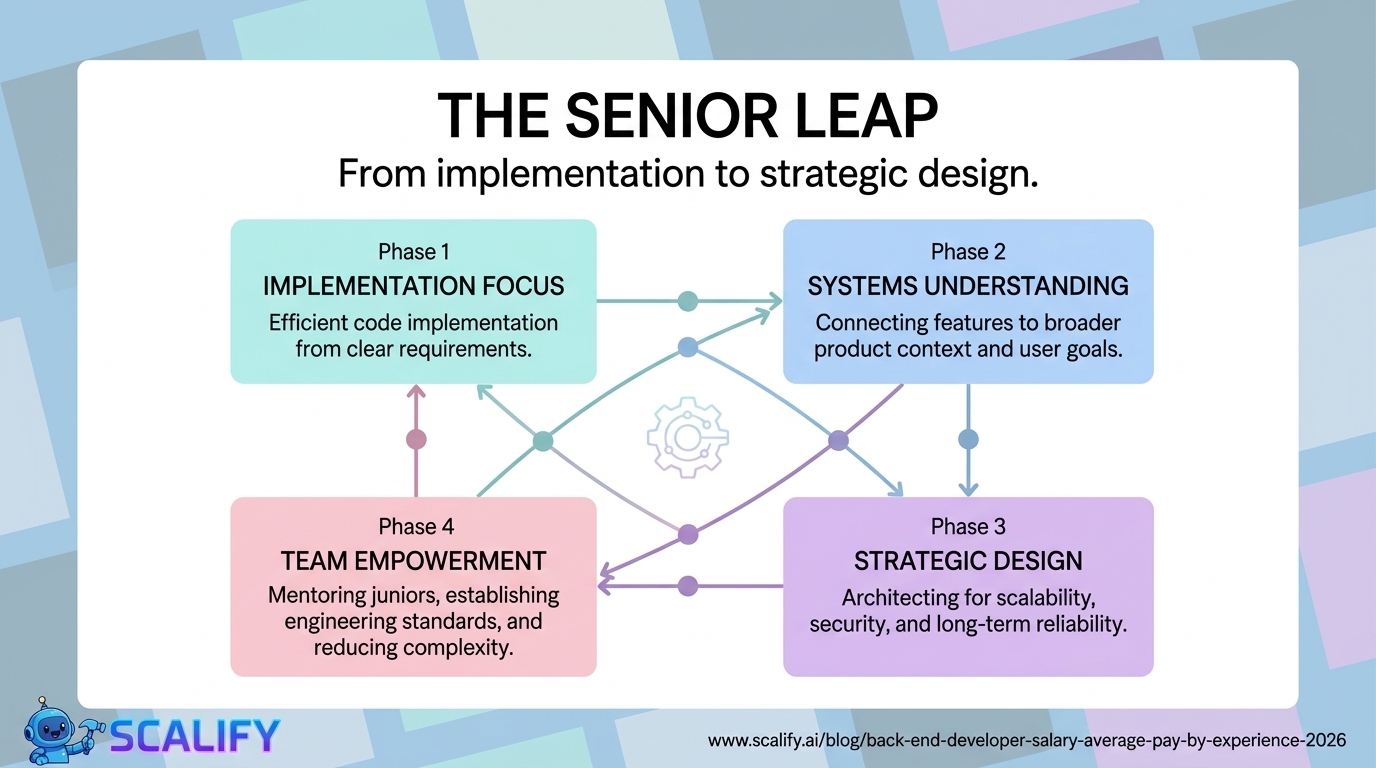
WordPress careers hit ceilings when developers specialize in work that tools can increasingly replicate. The developers who avoid this ceiling treat WordPress as a foundation for progressively more technical work rather than an end destination. The career progression that maximizes lifetime WordPress earnings: start with theme customization to build client management and project delivery skills, develop PHP and the WordPress hooks system to move into custom plugin territory, specialize in WooCommerce or another high-value vertical to develop commercially valuable expertise, and add either JavaScript/React (for headless work) or DevOps/performance engineering to become competitive in the premium tier of WordPress development where hourly rates of $120–$145 are sustainable and growing.
The WordPress developers who have ceiling-busted consistently report one common trait: they stopped thinking of themselves as "WordPress developers" and started thinking of themselves as "developers who use WordPress to build things." The distinction is not semantic — it determines whether new technologies (React, TypeScript, AI APIs) are seen as threats to avoid or tools to integrate, and that orientation toward integration rather than protection is what produces career trajectories that don't plateau.
WordPress Freelance Business: Client Types and Rate Positioning
The most commercially successful freelance WordPress developers have clearly defined client types with pricing that reflects the genuine business value they deliver to each. The client types with highest commercial value for WordPress freelancers:
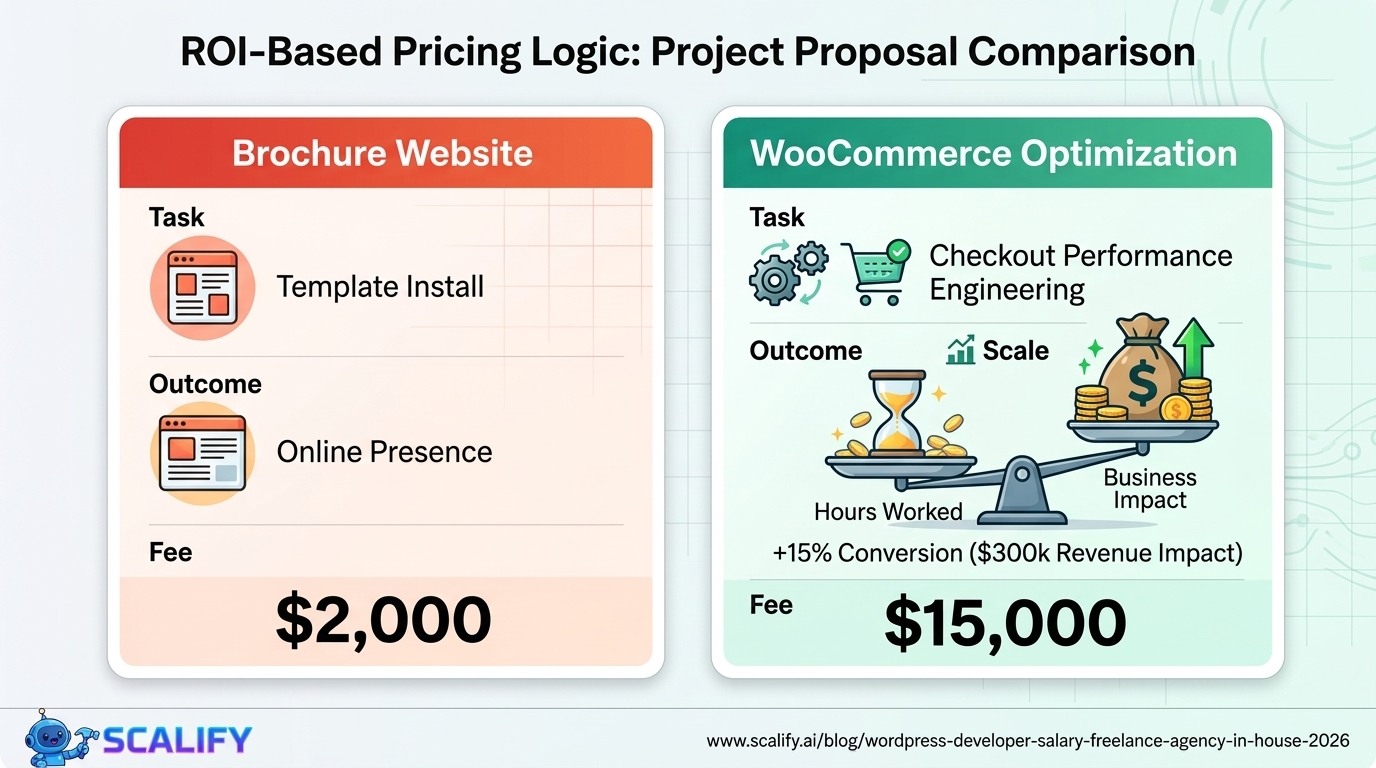
E-commerce clients (WooCommerce, physical products, subscriptions) represent the highest-value WordPress freelance market because every improvement to their store has direct, measurable revenue impact. A WooCommerce developer who increases checkout conversion rate by 15% for a store doing $2 million/year has generated $300,000 in additional annual revenue — justifying project fees that would seem high for a brochure website but are obviously reasonable relative to the business impact delivered.
High-traffic content sites (news sites, high-traffic blogs, media properties) need WordPress performance engineering that commodity developers can't provide. A WordPress developer who takes a site from a Lighthouse score of 42 to 91 on mobile, reducing Core Web Vitals failures that were costing organic rankings, is directly impacting the site's revenue through improved search visibility. These clients pay premium rates for work that produces measurable business outcomes.
SaaS and application clients who use WordPress as an application platform (membership sites, online course platforms, software-as-a-service built on WordPress) need custom plugin development, security hardening, and reliability engineering that requires PHP expertise. These are the highest-complexity and highest-fee WordPress projects available, and they require the deepest technical skills of any WordPress client type.
WordPress Security Specialization: An Underserved Premium Niche
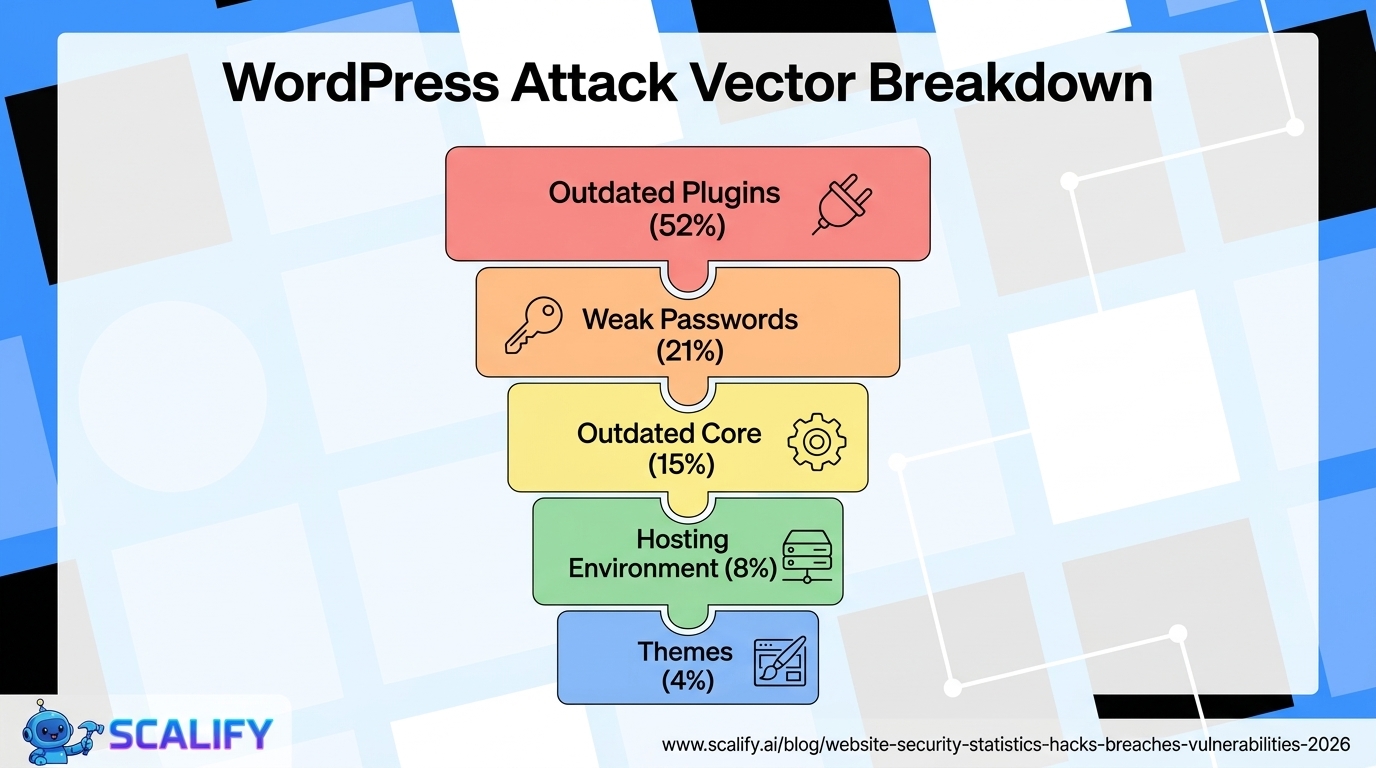
WordPress is the most-attacked CMS on the internet — its market dominance makes it a prime target, and the millions of WordPress sites running outdated plugins, weak credentials, and inadequate server configurations represent a large attack surface. WordPress security specialists — developers who can audit WordPress installations for vulnerabilities, implement proper security hardening, respond to security incidents, and maintain ongoing security monitoring — command premium rates in a market where demand significantly exceeds supply.
WordPress security work typically commands $80–$130/hour, with security audit engagements ranging from $1,500 to $8,000 depending on site complexity. Ongoing security retainers — monthly monitoring, patch management, and incident response — are an excellent retainer business model because security is a continuous need, not a one-time project. Developers who add Wordfence, WP Cerber, and server-level security expertise to their WordPress skillset are opening access to a niche with less competition and higher rates than general WordPress development, requiring minimal additional investment beyond focused learning and a few test projects.
The combination of WordPress security expertise with WooCommerce or custom plugin development creates a developer profile that is genuinely rare and commands the top of the WordPress compensation range — solving both the functional requirements of complex WordPress installations and the security requirements that protect the business value those installations represent.


.jpeg)
.jpeg)


78 SW 7th St, Miami, FL 33130