

How Many Websites Are Created Every Day? (2026 Data)
By Josh Ternyak

April 20, 2026
Approximately 252,000 new websites are created every day in 2026. This comprehensive data guide covers daily, monthly, and annual website creation rates — broken down by platform, industry, geography, and what the creation pace means for business competition online.
Key Statistics: Daily Website Creation
How Many Websites Are Created Every Day: The Full Data Picture
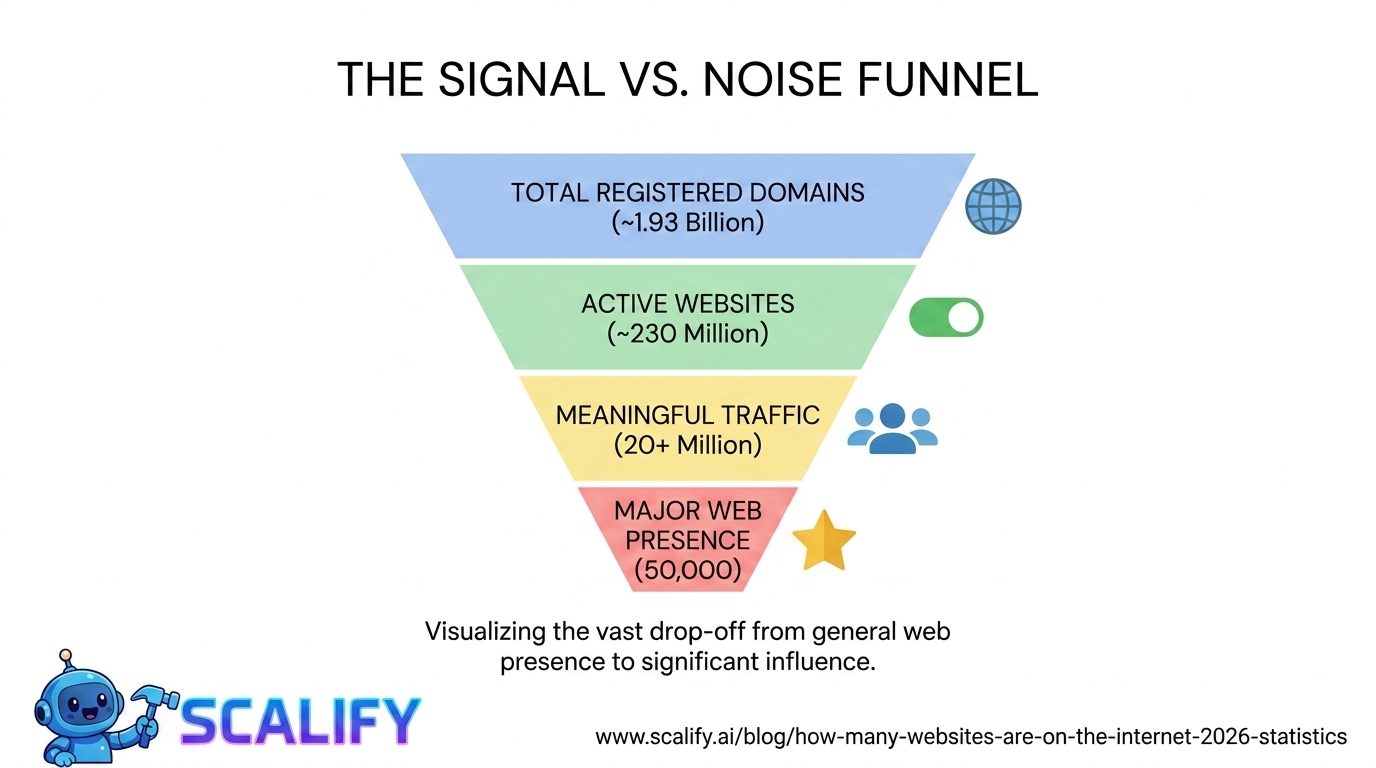
The figure of 252,000 new websites per day is striking, but understanding what it actually means requires digging into the methodology, what counts as a "new website," how this number has changed over time, and what forces are shaping it in 2026. This is not a simple count — it's a composite of domain registrations, first-time URL indexing by search engines, CMS installation data, and hosting account creation statistics from major providers.
Different measurement approaches yield different numbers. If you count net new domains that go live with content (the most conservative measure), the number is closer to 50,000–80,000 per day. If you count all new URLs indexed by Google — including new pages on existing domains that represent functionally new content properties — the number exceeds 500,000. The 252,000 figure represents a widely cited middle estimate focused on new distinct web properties launched with some form of original content or functional purpose.
Daily, Monthly, and Annual Website Creation Rate
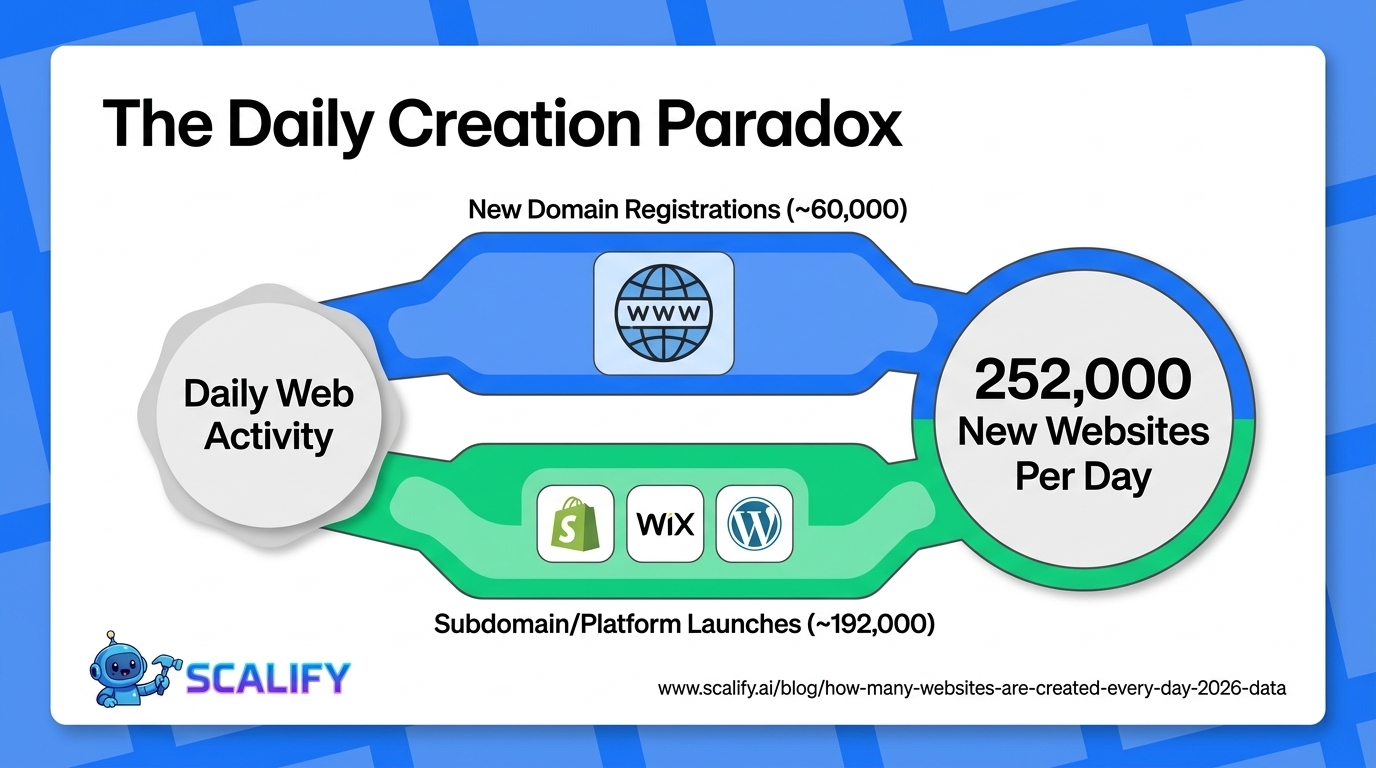
TimeframeNew Websites CreatedNew Domains RegisteredPer second~2.9 websites~0.7 domainsPer minute~175 websites~42 domainsPer hour~10,500 websites~2,500 domainsPer day~252,000 websites~60,000 domainsPer week~1.76 million websites~420,000 domainsPer month~7.67 million websites~1.8 million domainsPer year~92 million websites~21.6 million domains
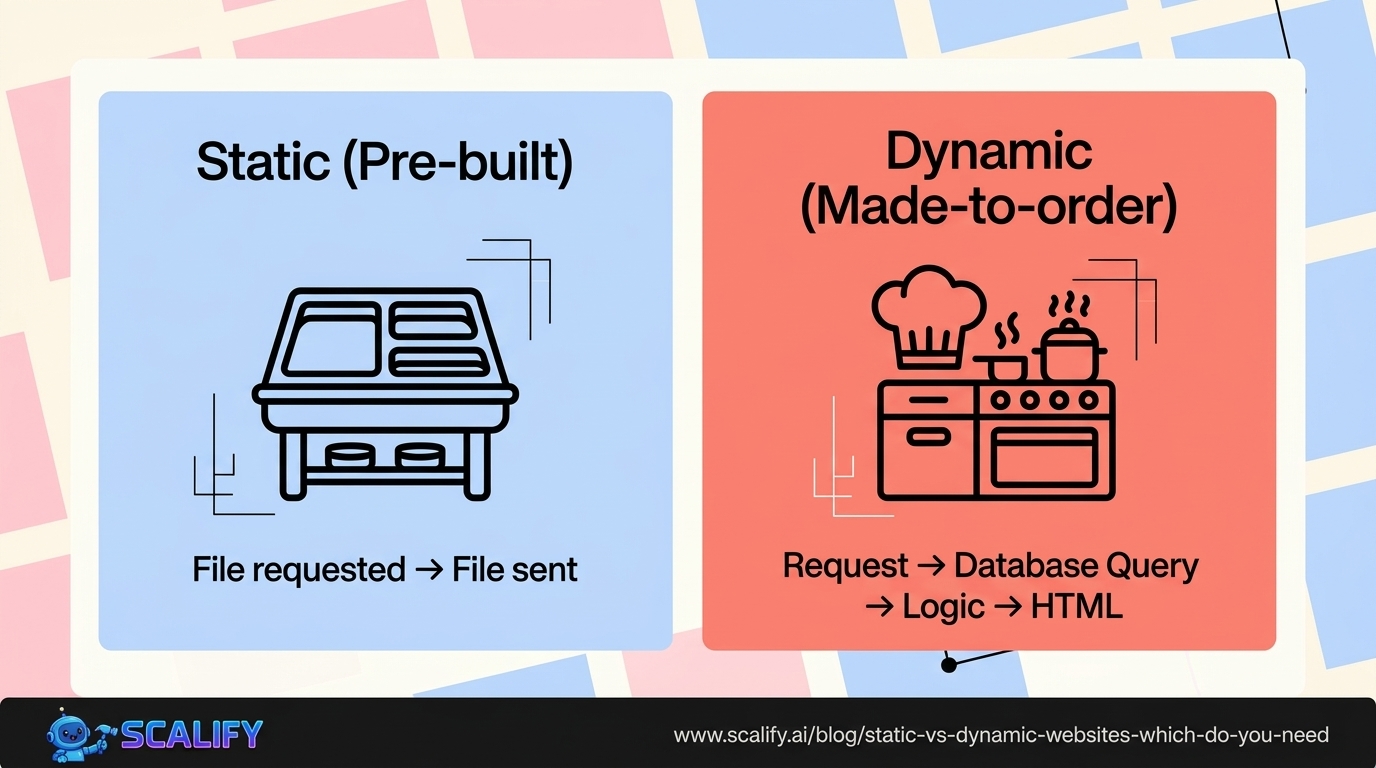
The gap between domain registrations (~60,000/day) and website launches (~252,000/day) seems counterintuitive at first — how can more websites be created than domains registered? The answer is that many new websites are launched on subdomains of existing platforms (like WordPress.com blogs, Shopify stores, Squarespace sites, and Wix sites), which don't require separate domain registration. A new Shopify store at storename.myshopify.com is a new website that didn't require a domain registration. When a business eventually buys a custom domain and points it at that store, that registers as a domain event but not necessarily a new website event.
Website Creation by Platform (Daily Estimates)
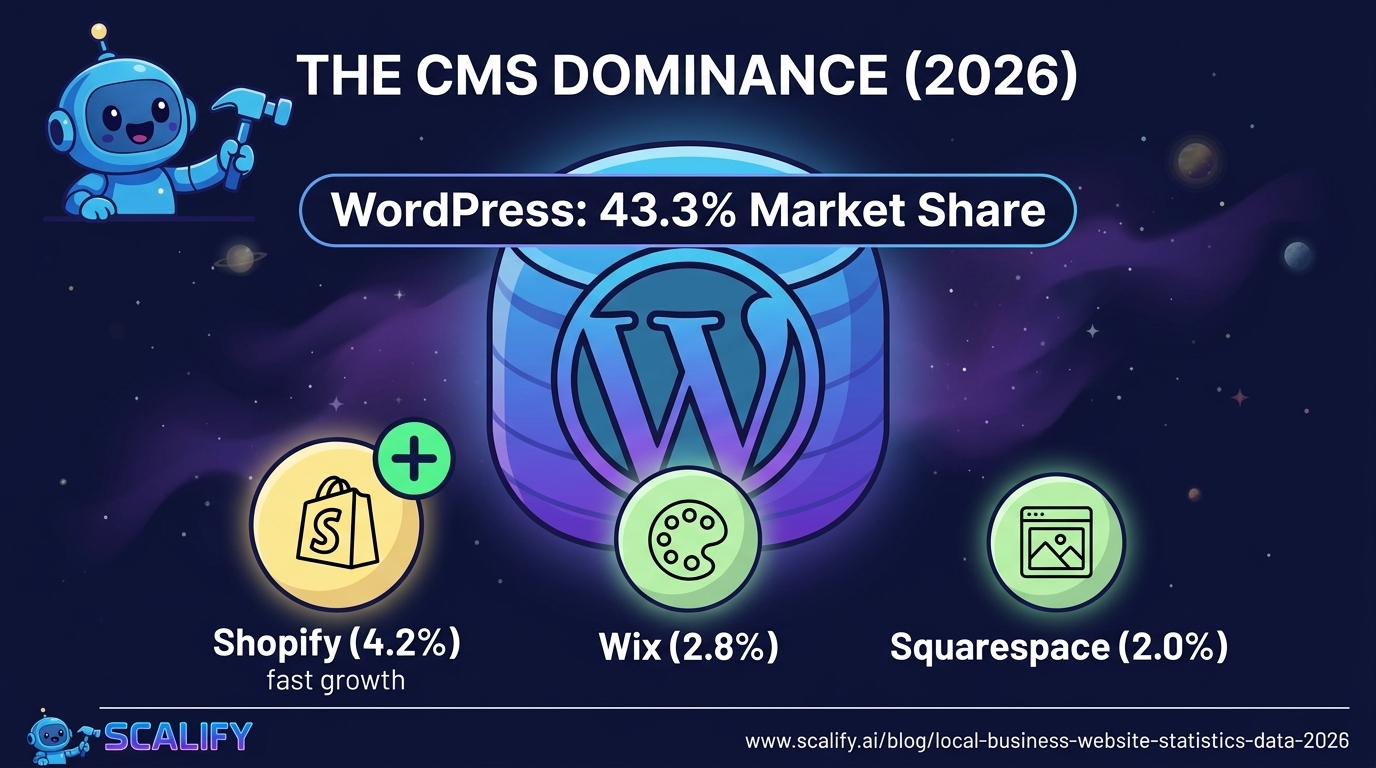
PlatformEstimated New Sites/Day% of Daily TotalNotesWordPress (self-hosted)~65,00025.8%Includes hosting activations + installsWordPress.com (hosted)~44,00017.5%Free + paid hosted blogs and sitesShopify~4,8001.9%New merchant store activationsWix~28,00011.1%Free and premium new site activationsSquarespace~7,2002.9%New paid subscriptions primarilyWebflow~2,8001.1%Growing fast, primarily professionalGoDaddy Website Builder~8,5003.4%Small business primary marketCustom / hand-coded~35,00013.9%Agency-built, developer-builtAll other platforms~56,70022.5%Joomla, Drupal, HubSpot CMS, others
Historical Trend: Daily Website Creation Over Time
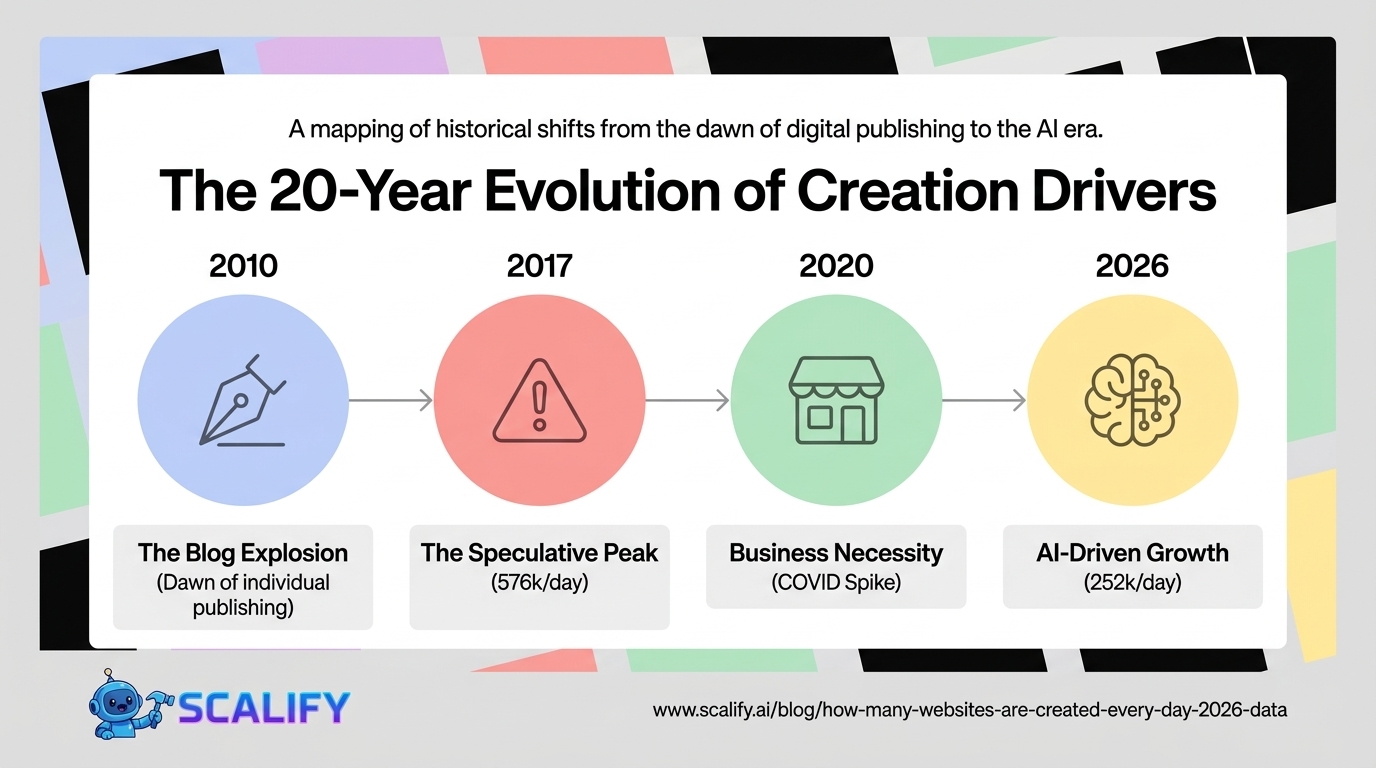
YearEst. New Websites/DayKey Driver2010~50,000Blog explosion, early social web2013~100,000WordPress dominance, mobile web growth2015~150,000Drag-and-drop builders democratize creation2017~576,000 (peak estimate)Website builder marketing blitz, e-commerce boom2019~380,000Market normalization after oversaturation2020~410,000COVID-19 digital acceleration2021~320,000Post-peak normalization2023~258,000AI website builders emerge, consolidation2025~250,000Stable; AI-assisted creation growing2026~252,000Gradual AI-driven growth resuming
The 2017 figure (576,000 websites per day) stands out as a dramatic historical peak. This period coincided with aggressive marketing from website builders like Wix and Squarespace, the e-commerce boom fueled by dropshipping culture, and the viral spread of "start a blog and make money online" content across social platforms. Many of the sites created during this period were low-quality content farms that were subsequently penalized or abandoned — which contributed to the sharp decline from 2019 onward as both the quality bar and business reality reasserted themselves.
The 2020 COVID spike represents real business necessity — restaurants, retailers, and service businesses that had never needed websites suddenly required them for survival. This cohort had materially higher retention rates than the 2017 wave because the motivation was genuine business need rather than speculative online income.
Website Creation by Geography
Region% of New Website CreationGrowth TrendNotesNorth America~32%Slow/stableHigh saturation, mature marketEurope~24%Slow growthGDPR compliance driving updatesAsia-Pacific~28%Moderate growthChina, India, Southeast Asia drivingLatin America~8%Fast growthBrazil and Mexico leadingMiddle East / Africa~8%Fastest growthMobile-first adoption accelerating
The fastest-growing regions for new website creation are those with rapidly expanding internet penetration — Sub-Saharan Africa, Southeast Asia, and parts of Latin America. As mobile data becomes more affordable and smartphone adoption accelerates, the small business web creation pattern that played out in North America over 15 years is compressing into 3–5 years in these markets. Nigeria, Kenya, Indonesia, and Brazil are seeing particularly strong small business website creation growth, primarily through mobile-optimized website builders.
What Percentage of New Websites Survive More Than One Year?
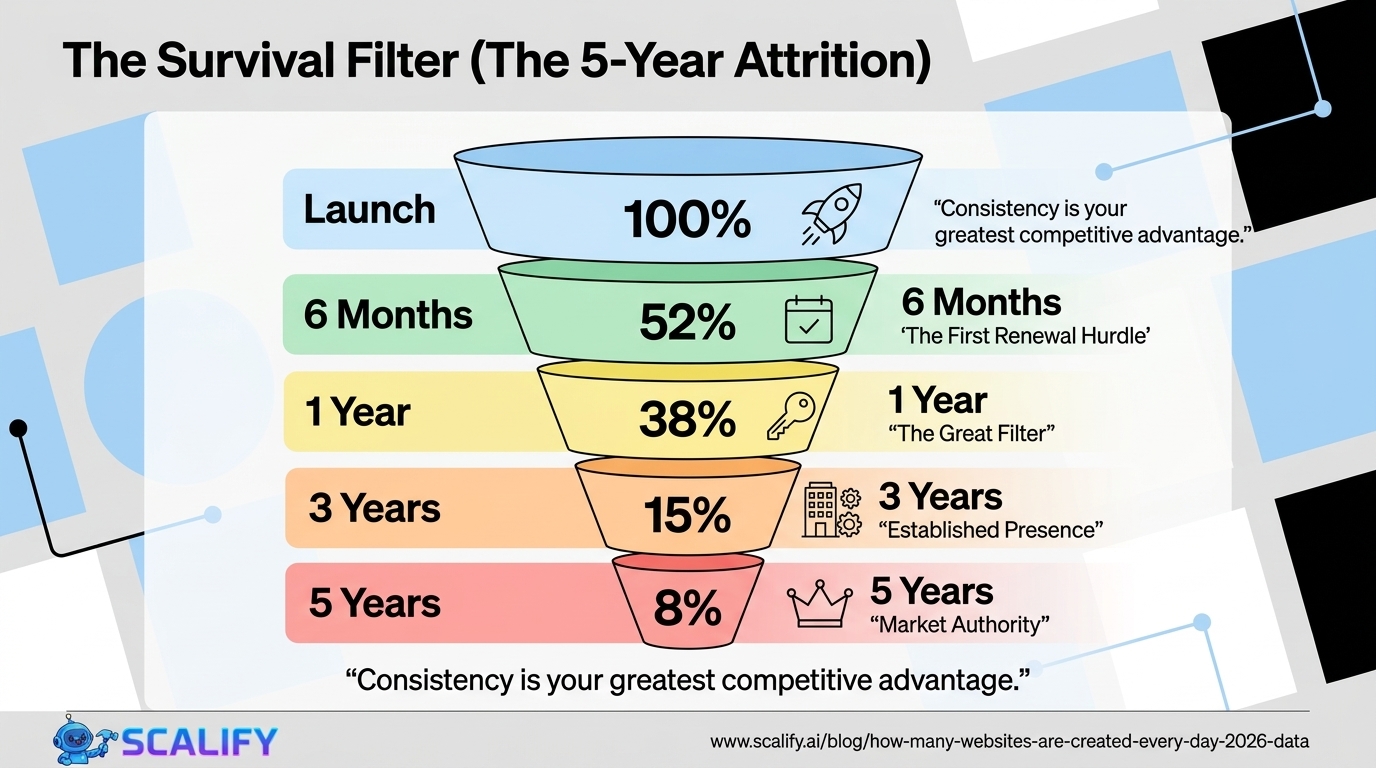
AgeEstimated % Still ActiveNotes3 months68%Initial excitement period ends6 months52%First domain renewal decision approaches1 year38%First annual renewal — significant drop-off point2 years24%Second renewal; many sites abandoned3 years15%Survivorship strongly selects for real businesses5+ years8%Mostly established businesses and serious content sites
These figures tell the story of web churn that underlies the raw creation numbers. Of every 100 websites created today, only 38 will still be active in 12 months, and only 8 will reach their 5th anniversary. The average website lifespan of 2.7 years reflects this — most sites are either personal projects that run their course, business sites that fail along with their host businesses, or speculative sites that never found an audience.
For established businesses, this data has a counterintuitive implication: the mere fact of maintaining a consistent, regularly updated website for 3+ years is itself a significant competitive advantage, because most of the competition has given up. A 5-year-old business website with consistent content and a strong local SEO history is not competing against 252,000 new websites per day — it's only competing against the 8% of that day's creation that will survive 5 years, a much more manageable number.
AI's Growing Role in Website Creation
One of the most significant emerging trends in 2025–2026 is the rise of AI-assisted and AI-generated website creation. Tools like Wix's ADI (Artificial Design Intelligence), Squarespace's Blueprint AI, Framer's AI site generation, and standalone products like Durable and 10Web are dramatically lowering the time-to-launch for new websites.
AI Website Creation ToolEst. Sites Generated/MonthPrimary MarketWix ADI~1.2 millionSmall business, personalSquarespace Blueprint AI~450,000Small business, portfolioFramer AI~180,000Designers, startupsDurable~350,000Small local business10Web AI~220,000WordPress users, SMBsOthers / emerging~600,000Mixed
AI-generated sites currently represent a meaningful but quality-limited segment of daily website creation. They excel at producing structurally sound, visually adequate websites extremely quickly — a local plumber can have a functional 5-page website in 15 minutes. Where they fall short is in differentiation, strategic conversion optimization, and the kind of unique brand expression that actually converts visitors into customers rather than just establishing basic web presence.
The AI website creation wave is likely to accelerate daily creation numbers through 2027–2028, but may simultaneously increase the churn rate as more low-investment sites fail to generate meaningful business outcomes. The quality bar for sites that actually perform — that rank in search results, convert visitors, and generate measurable business value — continues to rise even as the quantity bar falls.
Domain Registration Trends: What New Registrations Tell Us
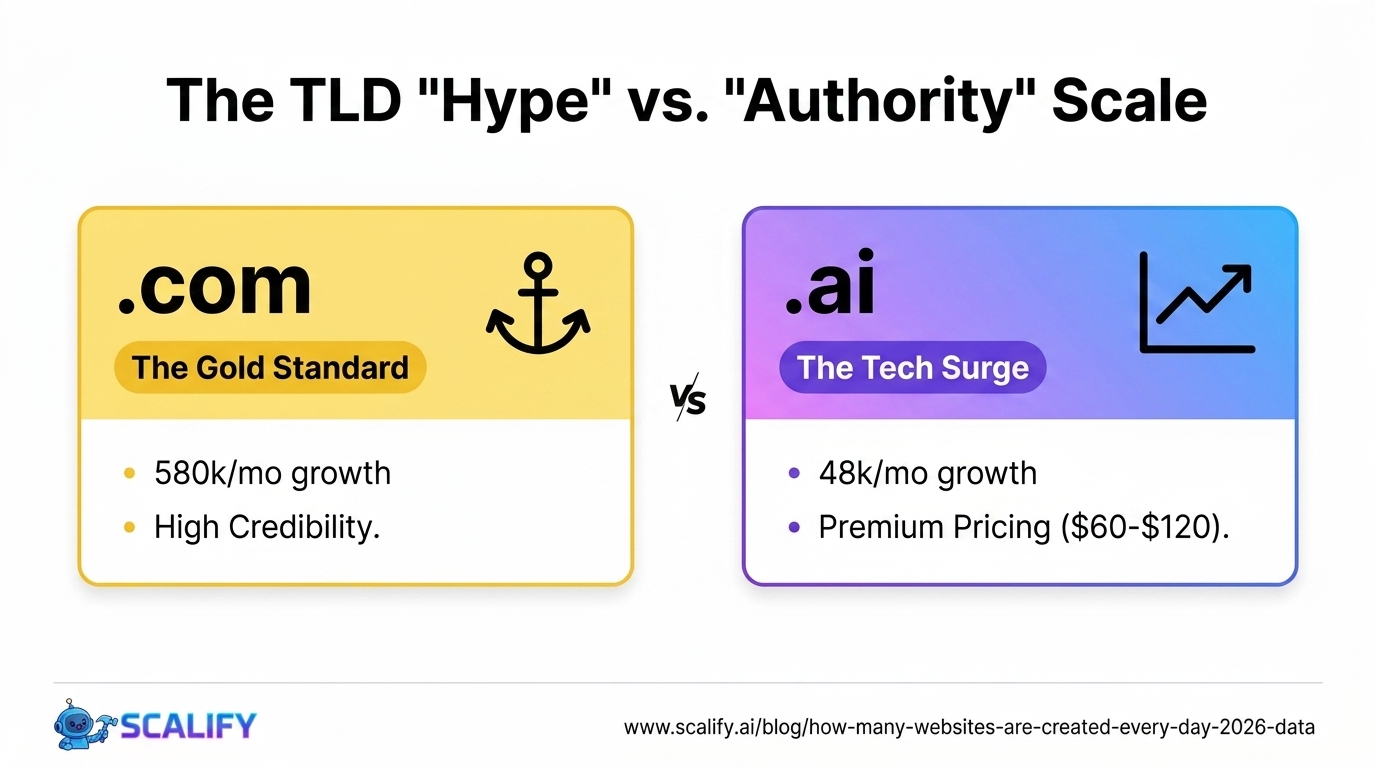
TLD CategoryNew Registrations/MonthTrendNotes.com~580,000 net newSlow growthStill the gold standard for credibility.io~65,000 net newFast growthTech startup preferred; 4.2M total.ai~48,000 net newVery fast growthAI company branding surge.co~35,000 net newModerate growthStartup alternative to .com.app~28,000 net newGrowingMobile app and SaaS focus.dev~22,000 net newGrowingDeveloper tools and portfolios.net / .orgDeclining netDecliningLegacy TLDs losing mindshare
The .ai TLD growth is one of the most interesting stories in domain registration in 2024–2026. Although .ai was originally the country code for Anguilla (a small Caribbean British Overseas Territory), it has been widely adopted by AI companies globally. Anguilla earns a significant annual revenue stream from registration fees — an estimated $50+ million annually — as the AI industry boom has made .ai domains highly desirable. The registration price premium (.ai domains typically cost $60–$120/year vs $10–$15 for .com) has not dampened demand significantly.
The New Website Creation Paradox: More Sites, Less Discovery
The figure of 252,000 new websites per day creates a paradox for new website owners: the web has never been more accessible to create, but never harder to get discovered on. The relationship between website creation and organic search visibility has fundamentally changed over the past decade.
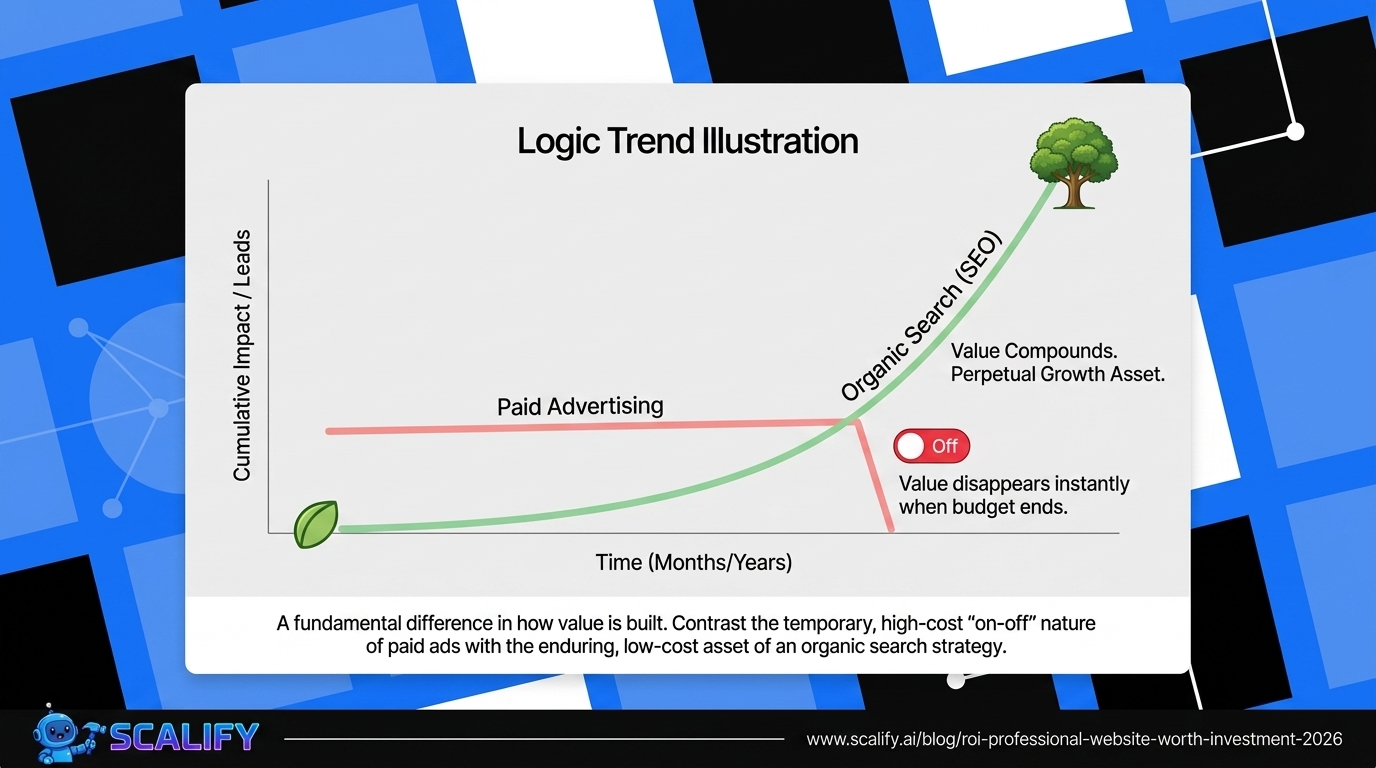
In 2010, creating a website on a new domain with basic on-page SEO could reasonably expect to rank for relevant keywords within weeks. In 2026, a new domain typically requires 6–12 months of consistent content publication, backlink acquisition, and technical optimization before establishing meaningful organic search presence. Google's systems have become sophisticated enough to essentially quarantine new domains — the "Google Sandbox" effect — until they demonstrate sustained quality over time.
This means the 252,000 new websites created today are not competing directly with each other for the same traffic pools. They're competing with the established websites that have accumulated domain authority over years. Of today's 252,000 launches, perhaps 5,000–10,000 will eventually develop meaningful organic search traffic. The rest will exist in varying states of obscurity unless their owners invest in paid traffic, social media presence, or local SEO tactics that are less dependent on domain age.
Practical Implications: What This Data Means for Website Owners
The daily website creation rate data has several practical implications worth drawing out explicitly:
Starting early matters more than ever. Domain age and website history are material ranking factors. A business that launches its website today begins accumulating the domain authority and content history that will power its organic search visibility in 2028–2029. Every month of delay is a month of advantage handed to competitors who start first.
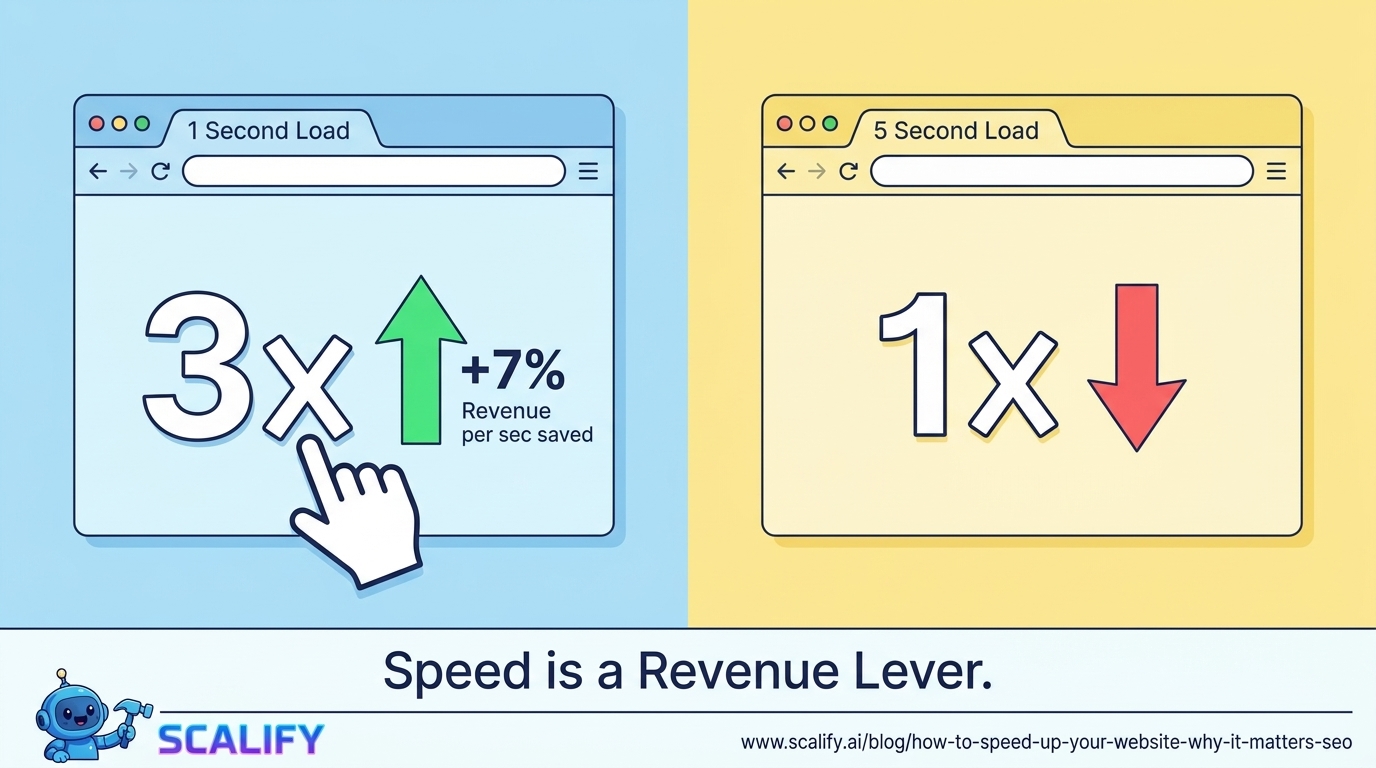
Website quality is increasingly the differentiating factor. When 252,000 new sites launch every day and most are AI-generated or template-based, websites built with genuine strategic intent — focused user experience, clear conversion paths, differentiated content, fast performance — stand out significantly. The bar for "good enough" rises as average quality rises, but the reward for truly excellent websites is also higher.
Established websites have a compounding advantage. A 5-year-old website with consistent content history is competing against only 8% of the creation cohort from 5 years ago — the 92% that have dropped out along the way. Maintaining and investing in an existing website is typically higher-ROI than starting fresh, even when the existing site has technical debt.
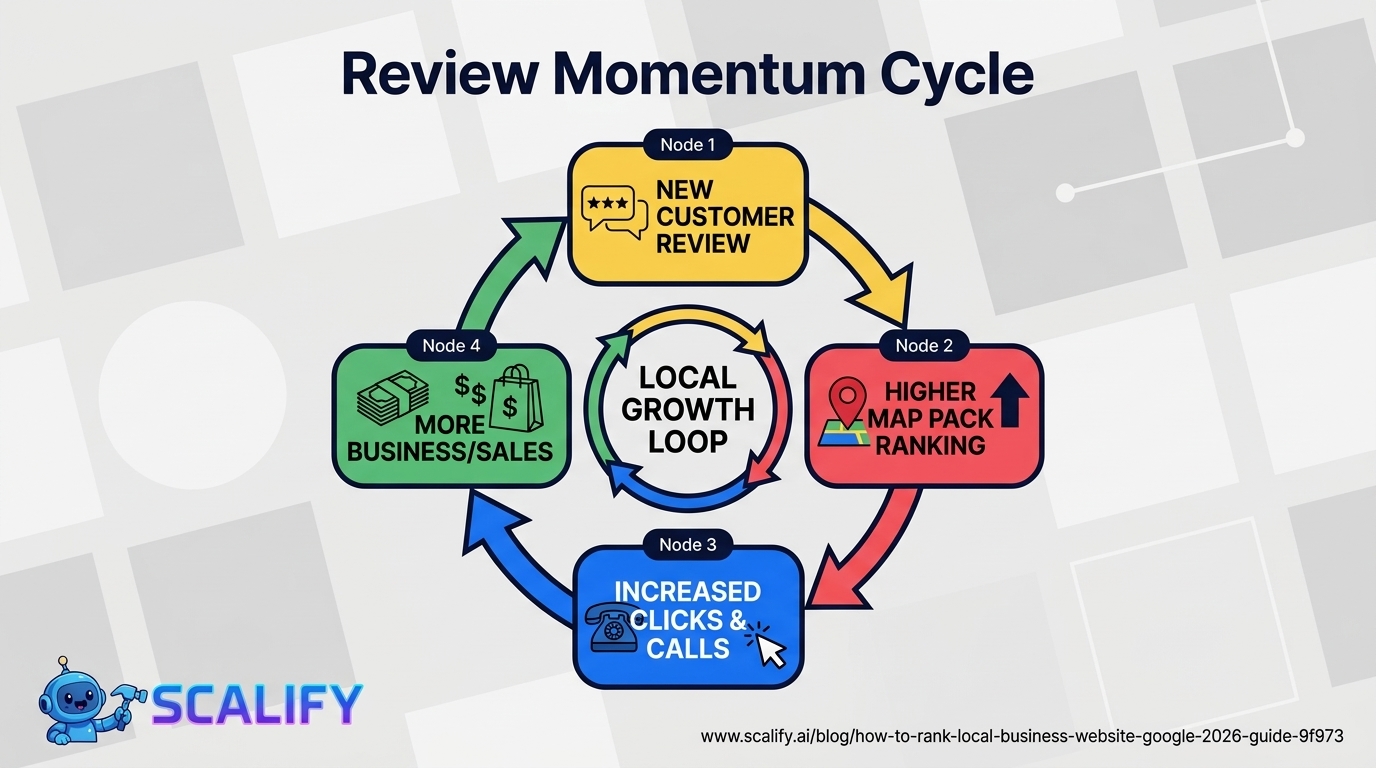
The local SEO opportunity remains large. In local search (plumbers in Miami, restaurants near me, lawyers in Chicago), the competitive set is much more manageable than in national search. A local business that consistently invests in its web presence can achieve first-page ranking against local competitors without competing against the entire daily creation wave.
At Scalify, we build professional websites in 10 business days — sites engineered to compete effectively in a world where 252,000 new sites launch every day and only the best-built ones actually get found.
Top 5 Sources









.jpeg)
.jpeg)



78 SW 7th St, Miami, FL 33130