

Website Designer Salary Guide: Complete 2026 Report
By Josh Ternyak

April 20, 2026
Comprehensive 2026 guide: Website Designer Salary Guide: Complete 2026 Report
What Website Designers Earn in 2026: The Full Picture
Website designer is one of the most commonly searched salary terms in the creative tech industry — and one of the most meaningfully misunderstood. "Website designer" covers a genuinely wide range of roles that differ dramatically in required skills, tools, output, and market compensation. A freelancer building Squarespace sites for local restaurants earns something entirely different from a senior product designer at Figma designing the product's own interface. A UI designer at a marketing agency earns differently from a UX researcher at a fintech company. This guide distinguishes between these roles clearly and gives you real compensation data for each.
Understanding where you fit in this landscape — and where you want to be — is the starting point for maximizing your compensation as a web designer.
Website Designer Salary Overview: All Levels
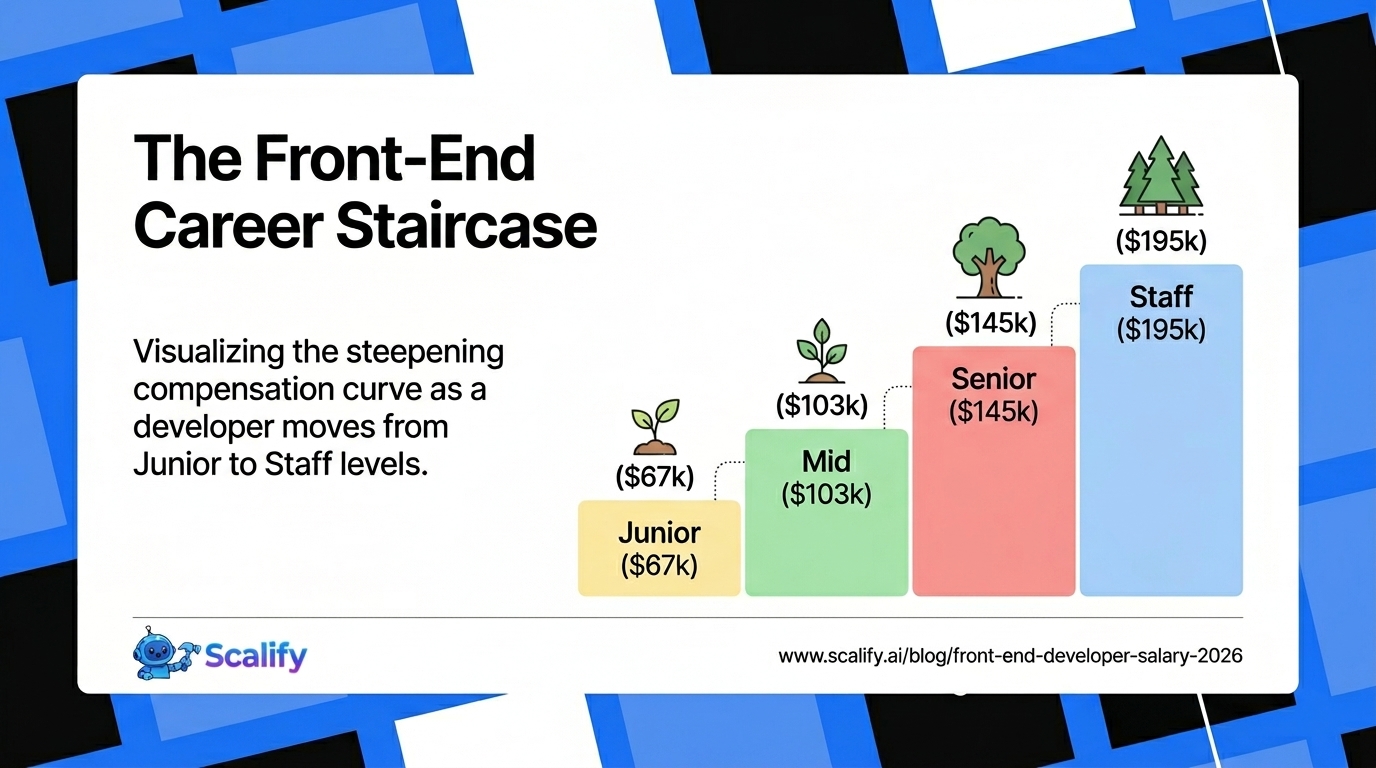
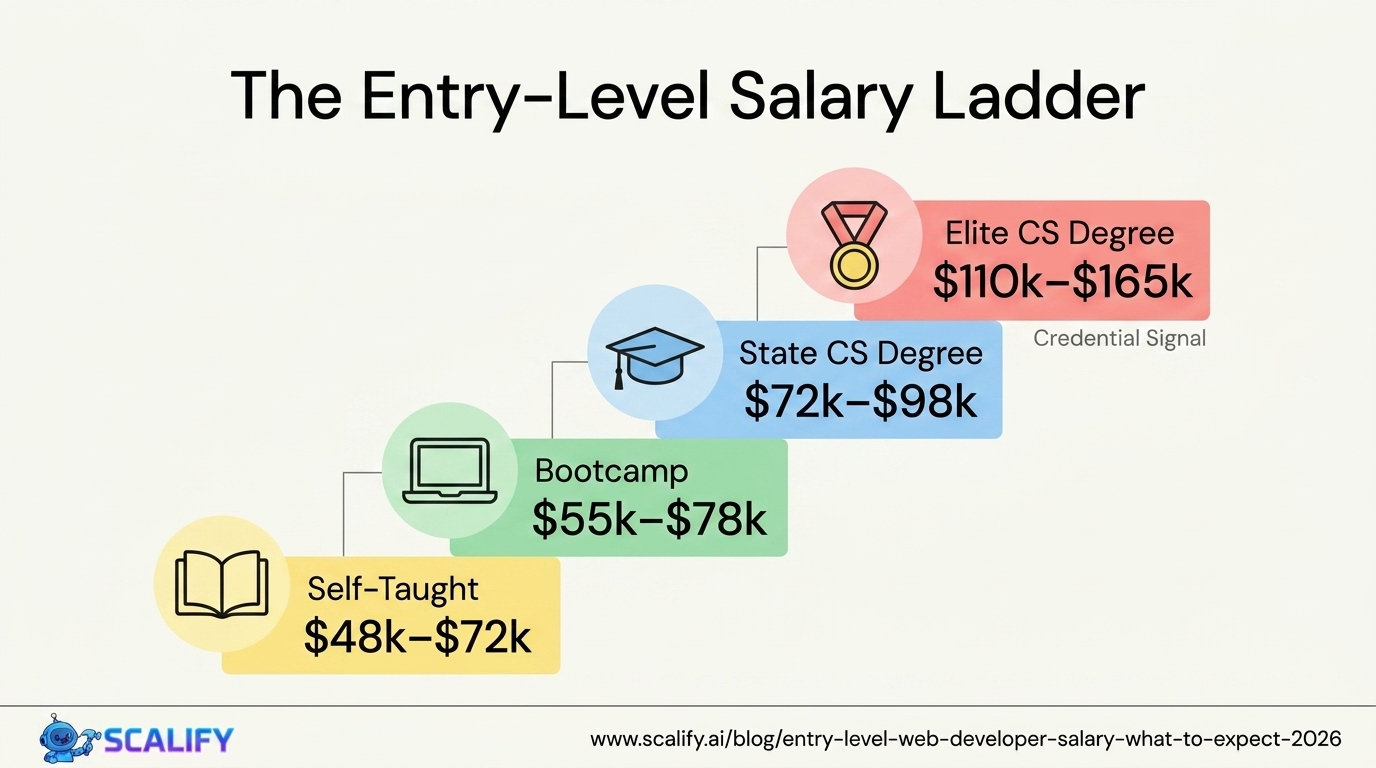
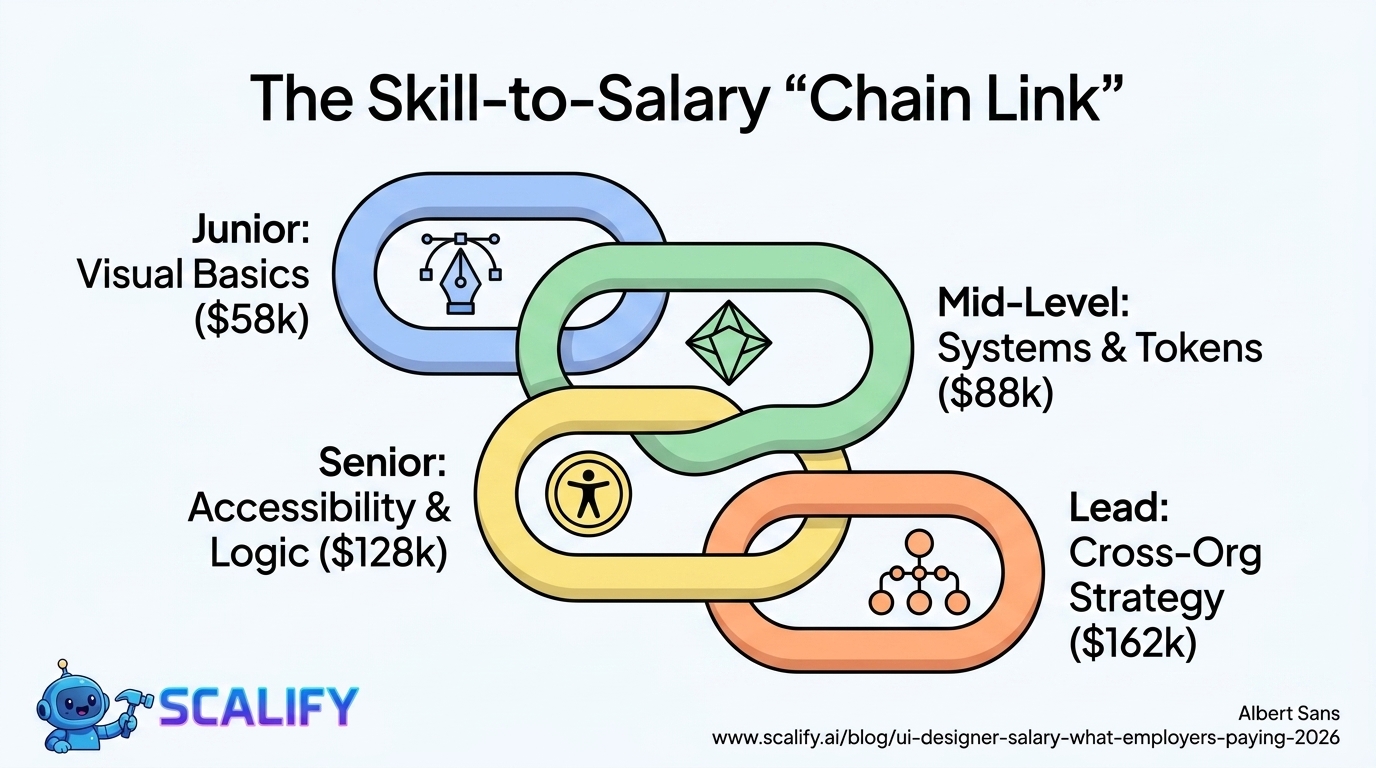
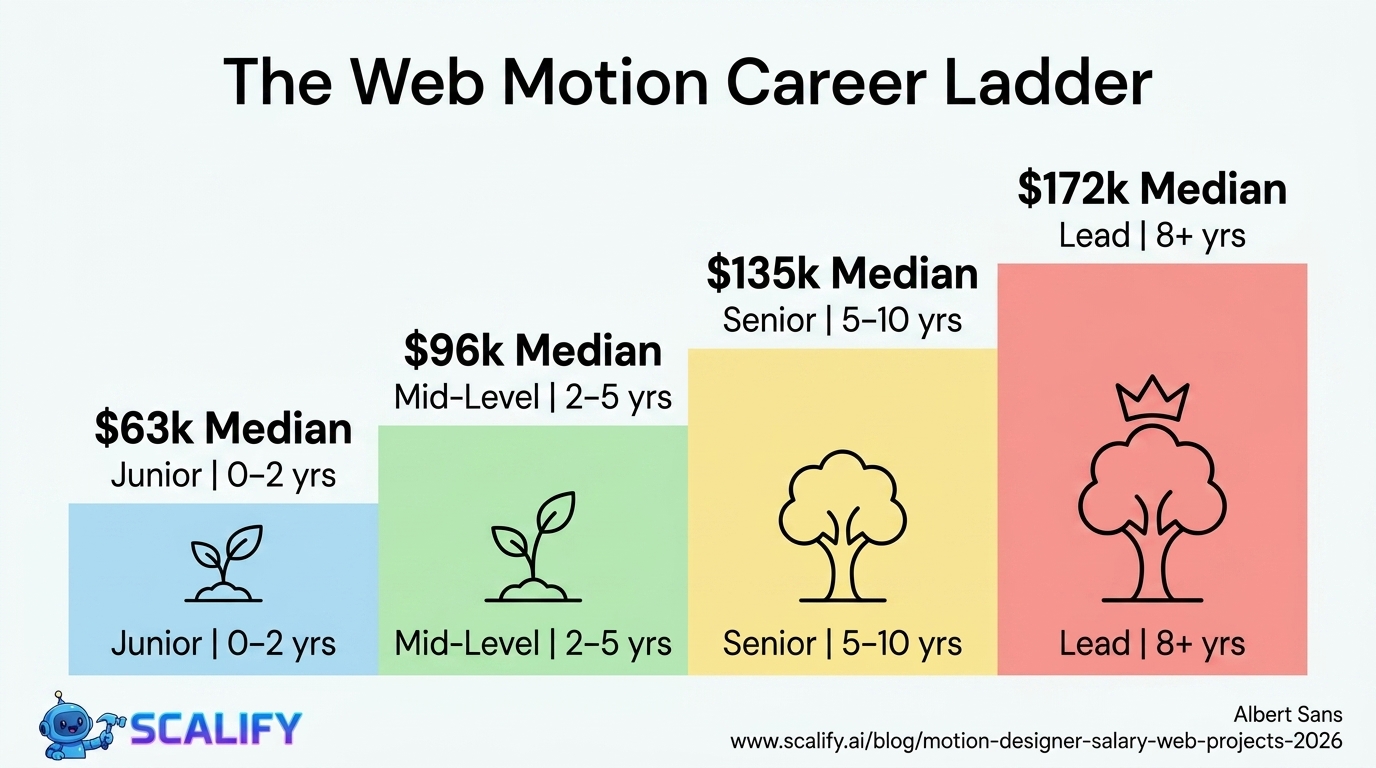
Experience LevelYears ExperienceSalary RangeMedianJunior / Entry-Level Designer0–2 years$42,000 – $68,000$52,000Mid-Level Designer2–5 years$68,000 – $105,000$84,000Senior Designer5–10 years$98,000 – $148,000$120,000Lead / Principal Designer8+ years$132,000 – $195,000+$158,000
Website Designer Salary by Specialization
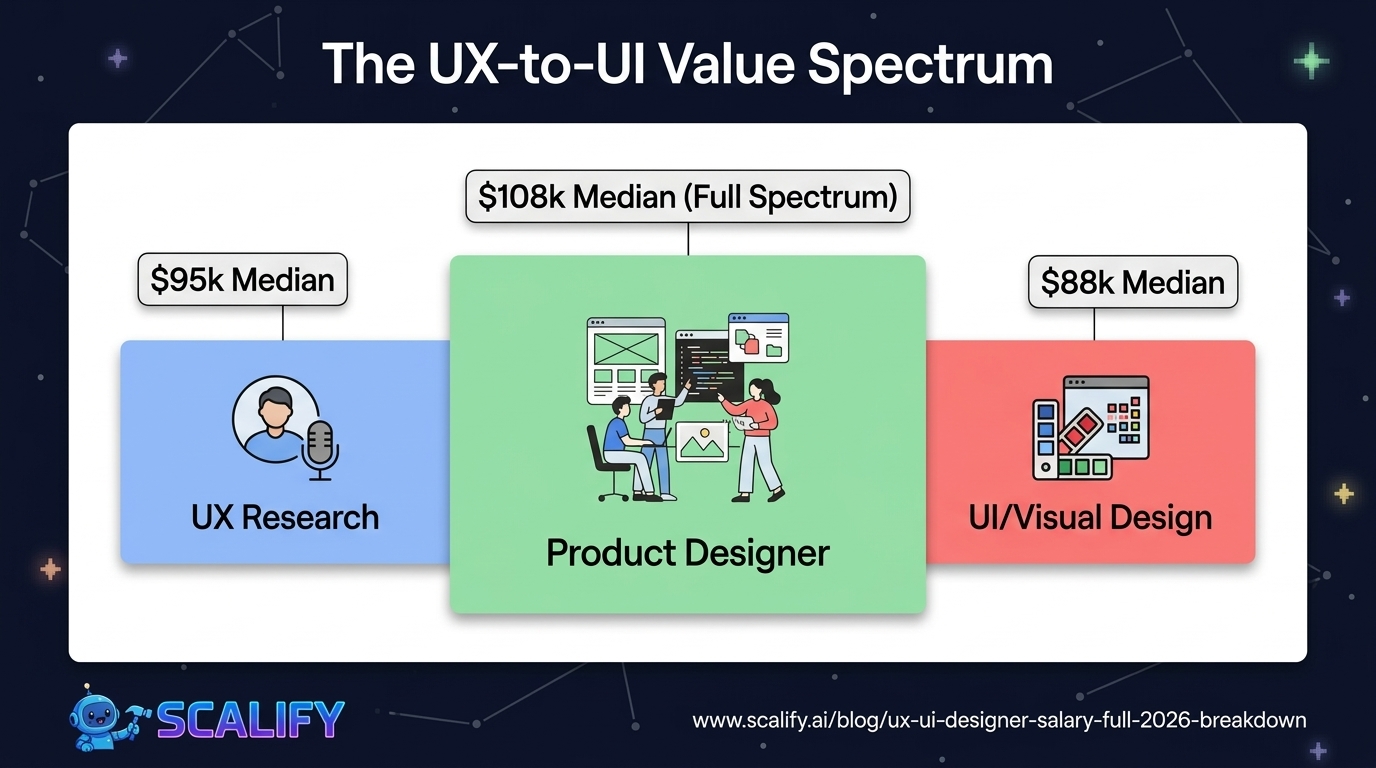
SpecializationMid-Level SalarySenior SalaryDemand LevelUI Designer (Visual / Interface)$72,000 – $108,000$105,000 – $155,000HighUX Designer$80,000 – $118,000$115,000 – $162,000Very HighUX/UI Designer (combined)$78,000 – $115,000$112,000 – $158,000Very HighProduct Designer$92,000 – $132,000$130,000 – $185,000Very High at tech cosWeb / Marketing Designer$62,000 – $92,000$88,000 – $122,000High at agenciesWebflow Designer-Developer$72,000 – $105,000$98,000 – $140,000Growing fastDesign Systems Designer$88,000 – $128,000$125,000 – $175,000High at scale-upsBrand + Web Designer$65,000 – $98,000$92,000 – $130,000Moderate-High
Product Designer: The Highest-Ceiling Web Design Title
Product designer is the title that commands the highest compensation in the web design world — and it's also the most misused. A genuine product designer doesn't just make things look good. They research how users interact with digital products, synthesize that research into design decisions, create and prototype solutions, validate those solutions with users, and measure their impact on business and user outcomes. The work is equal parts strategic thinking, systems design, user research, and visual execution.
Product designers at tech companies — particularly well-funded startups and product-led growth companies — earn substantially more than equivalent designers at agencies or non-tech companies. A senior product designer at a Series B startup might earn $138,000–$168,000 in base salary with meaningful equity. A senior product designer at a FAANG company might earn $155,000–$195,000 in base salary with $150,000–$250,000+ in annual RSUs.
UI Designer
UI designers focus on the visual layer of web interfaces: typography, color systems, component design, icon design, layout systems, and the visual identity that makes a digital product recognizable and coherent. The best UI designers combine strong visual design intuition with deep understanding of design systems, component libraries, and how their visual decisions translate into developer-buildable specs.
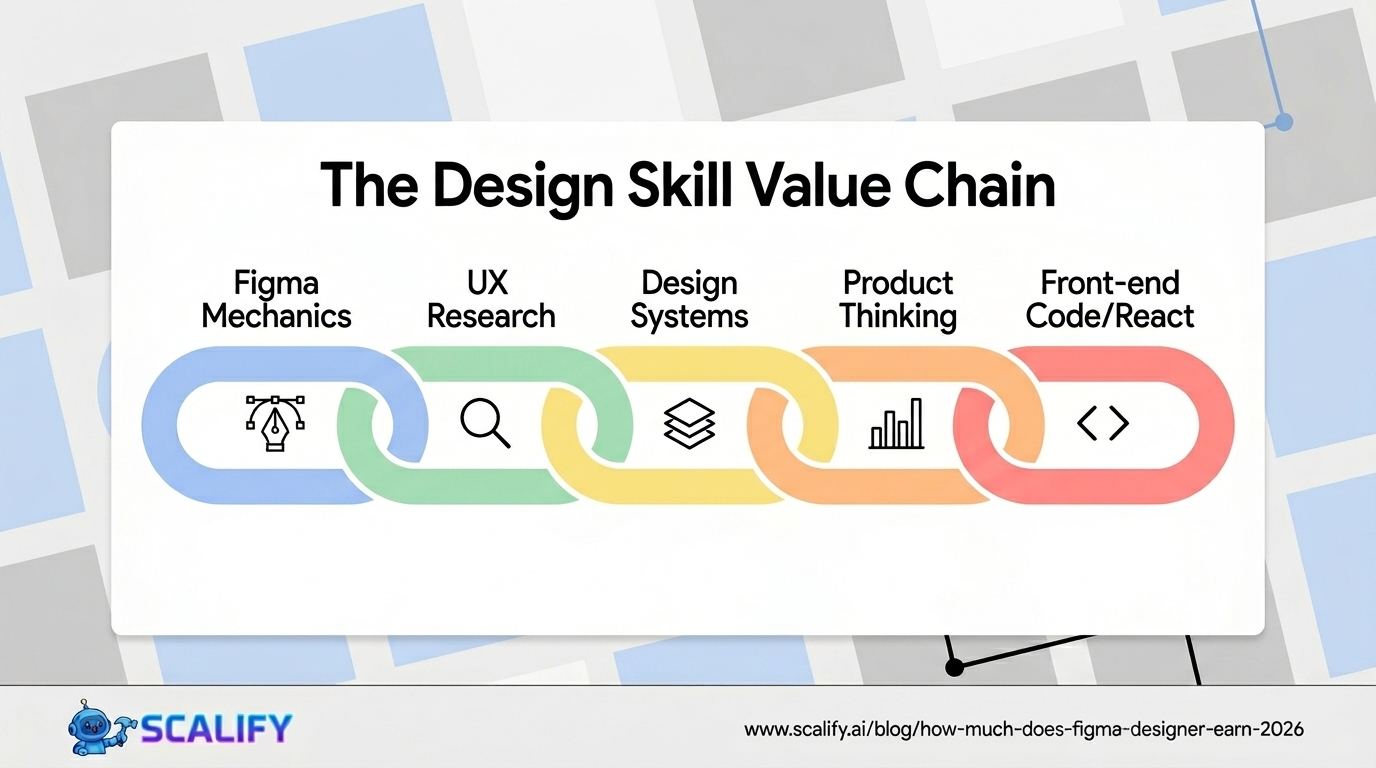
Figma is the universal tool for UI designers in 2026. Fluency with Figma's component architecture (variants, properties, instances), auto layout, and dev mode is effectively required. Additionally, designers who understand how their designs translate to code — who know the difference between a CSS box-shadow and a drop shadow, who spec their components with developer-friendly measurements — earn meaningfully more than those who treat developer handoff as someone else's problem.
UX Designer
UX designers focus on the experience side: user research, information architecture, user flows, wireframing, usability testing, and ensuring that the logic of a product matches how users actually think about their problems. Good UX designers save companies enormous amounts of money by finding problems before they're built rather than after.
UX design commands a premium over pure visual UI design at most companies because the research and strategic components require skills that are harder to evaluate through portfolio review alone — which means the supply of genuinely skilled UX designers is lower relative to the supply of visually talented UI designers. UX designers who can run end-to-end research projects, analyze qualitative and quantitative data, and tie their design decisions to measurable outcomes earn toward the top of the range.
Website Designer Salary by Company Type
Company TypeMid-Level SalarySenior SalaryNotesFAANG / Top Tech Companies$118,000 – $155,000$158,000 – $215,000High base + substantial RSUsWell-Funded Startups (Series B+)$105,000 – $138,000$138,000 – $185,000Lower base, higher equity upsideEstablished SaaS Companies$95,000 – $128,000$125,000 – $168,000Moderate equity, good stabilityNon-Tech Enterprises$72,000 – $105,000$98,000 – $132,000Low equity, stabilityDesign / Creative Agencies$62,000 – $88,000$85,000 – $118,000Low pay, high portfolio developmentIn-House Marketing Teams$58,000 – $85,000$82,000 – $112,000Often lowest ceiling for designers
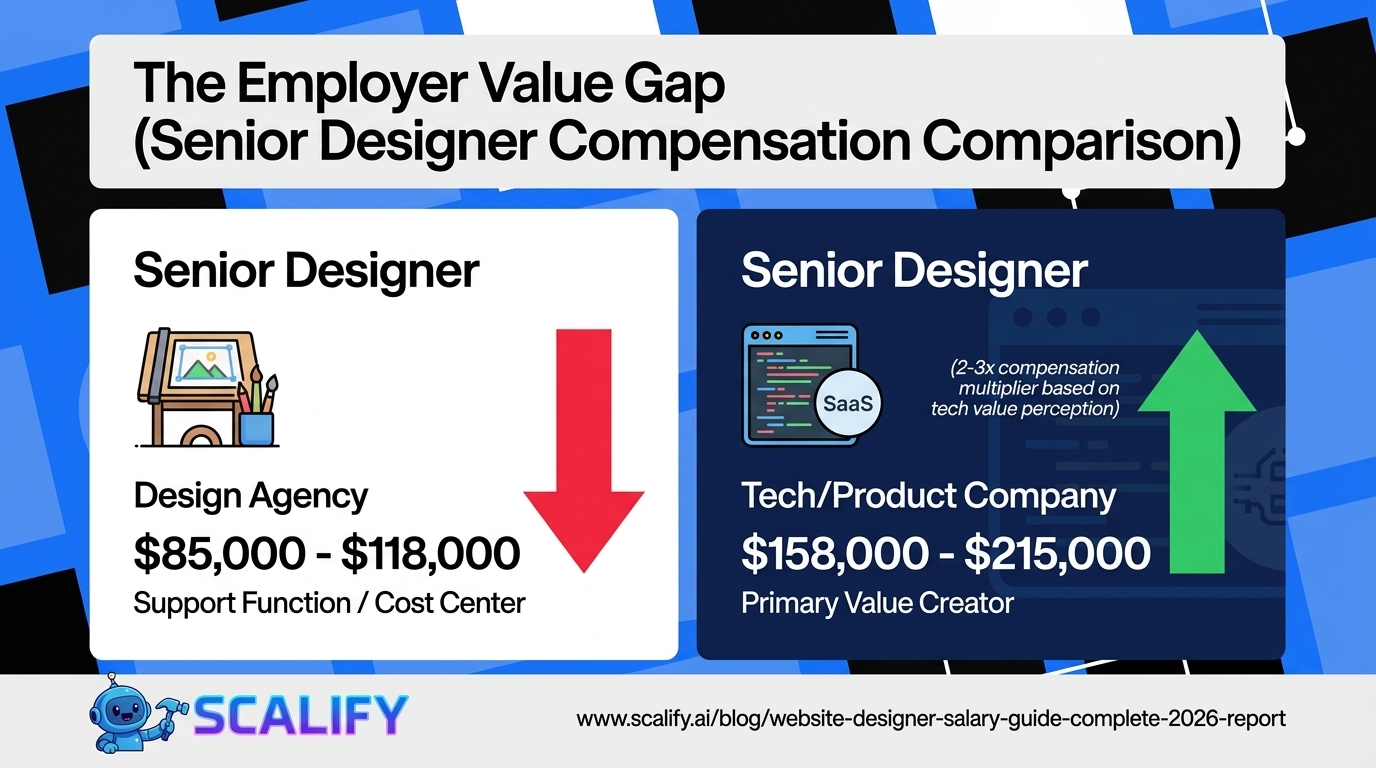
The employer type variation for designers is even more pronounced than for developers. A senior designer at Google or Figma can earn 2–3x what the same designer would earn at a traditional design agency. The fundamental driver: at product tech companies, designers are primary value creators whose work directly affects product success and revenue. At agencies and in-house marketing teams, design is a cost center or support function — compensation reflects that different value relationship.
Website Designer Salary by City
CityMid-LevelSeniorSan Francisco Bay Area$105,000 – $142,000$148,000 – $210,000New York City$95,000 – $130,000$135,000 – $188,000Seattle$98,000 – $132,000$138,000 – $192,000Austin / Denver$80,000 – $112,000$112,000 – $152,000Miami$68,000 – $98,000$95,000 – $132,000Chicago$75,000 – $105,000$102,000 – $140,000Non-tech hub markets$52,000 – $78,000$78,000 – $108,000Remote (primary market company)$88,000 – $125,000$125,000 – $172,000
Freelance Web Designer Rates
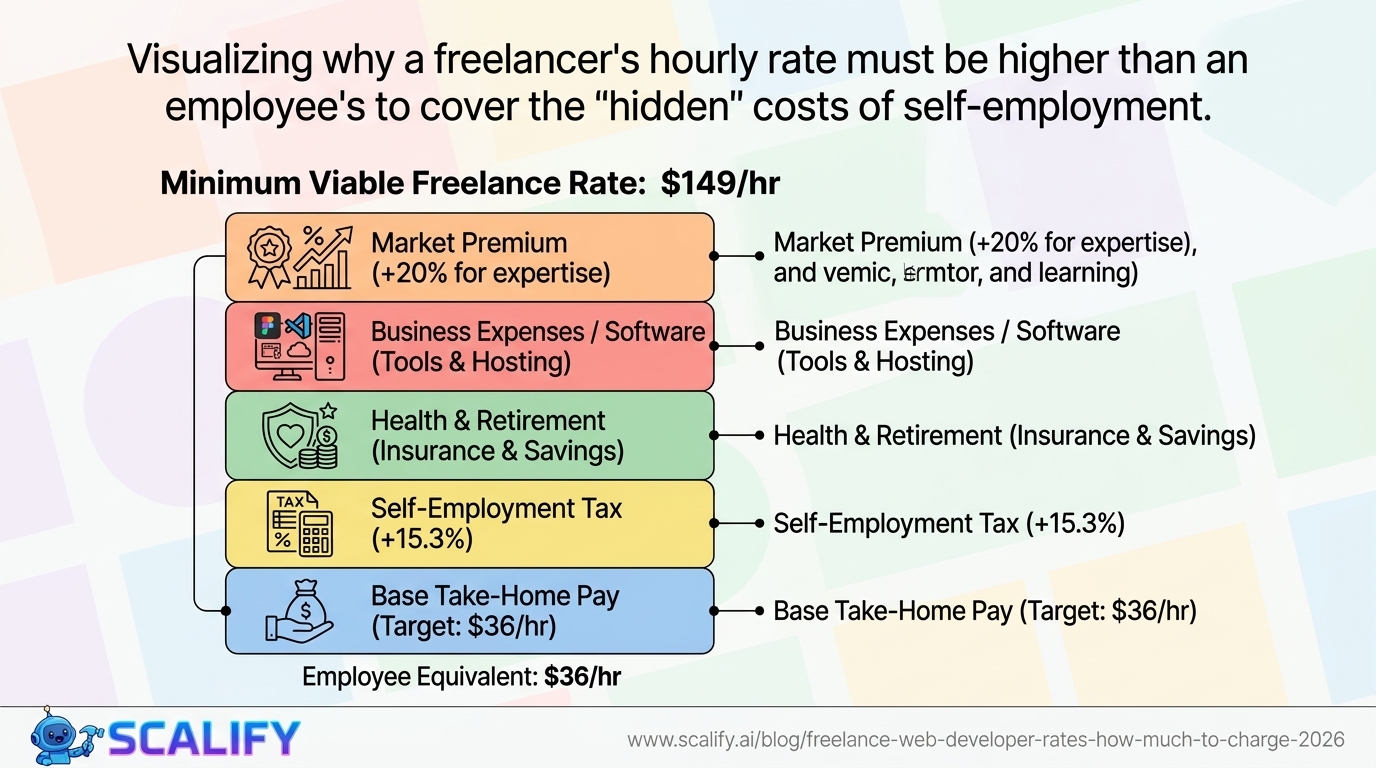
Level / SpecializationHourly RateProject RangeJunior Web Designer$35 – $65/hr$500 – $3,000 per siteMid-Level UI/Web Designer$65 – $115/hr$3,000 – $12,000Senior Product / UX Designer$115 – $200/hr$10,000 – $45,000Design Systems Specialist$145 – $225/hr$15,000 – $60,000+Webflow Designer-Developer$85 – $165/hr$5,000 – $35,000UX Researcher / Strategist$125 – $200/hr$8,000 – $40,000
Design Tools and Their Impact on Salary
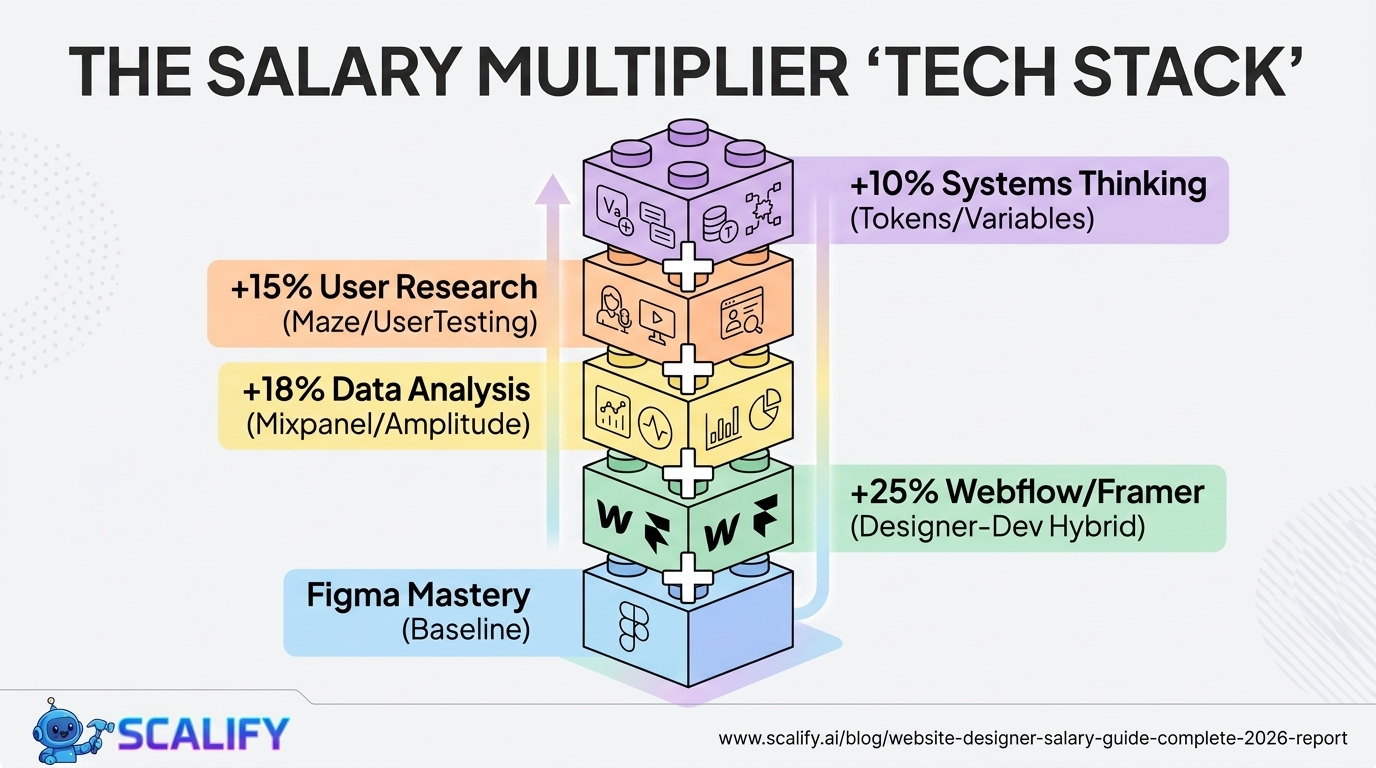
ToolSalary ImpactNotesFigma (expert-level)Baseline requirementRequired at virtually every design roleFigma Variables + Dev Mode+5–10%Signals engineering-collaboration maturityPrototyping (Figma, Principle)+5–8%Reduces developer handoff frictionWebflow+15–25%Designer-developer hybrid premiumFramer+10–20%Growing adoption, React-based outputUser Research Tools (Maze, UserTesting)+8–15%UX research capability signalData Analysis (Mixpanel, Amplitude)+10–18%Data-informed design premiumHTML/CSS basics+8–12%Developers-who-design or designers-who-code premium
What Separates $55,000 Web Designers from $145,000 Web Designers
The compensation gap between entry-level and senior web designers is wide — and the factors that drive it are worth understanding explicitly:
Portfolio Quality and Complexity
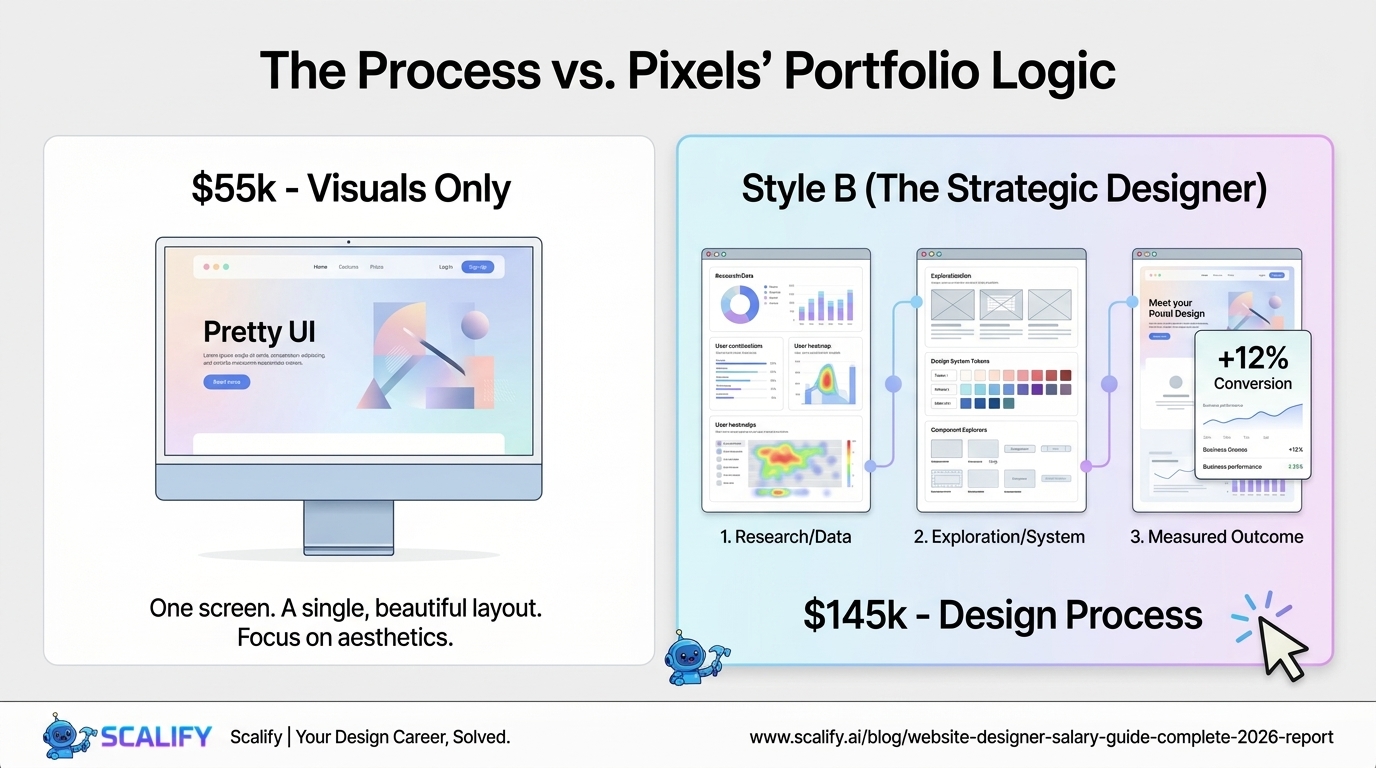
The single largest variable in designer compensation outside experience level. A portfolio that shows only finished screens doesn't tell employers how you think. The portfolios that command senior-level interviews and offers show: the problem definition and user research that preceded the design, the multiple directions explored before arriving at the solution, the specific design decisions made and why, the developer feedback received and how it changed the design, and the measured outcome after launch. Design process documentation is what separates candidates who land senior roles from those who stay stuck at mid-level.
Systems Thinking vs. One-Off Design
Designers who think in systems — who design scalable component libraries rather than individual screens, who create design tokens rather than hardcoded values, who document usage guidelines rather than just delivering assets — are significantly more valuable than those who design screen by screen. This is because companies don't need a designer to design one screen. They need a designer who can create a system that scales to hundreds of screens made by multiple team members.
Cross-Functional Communication
Senior designers at high-paying companies aren't just making things look good. They're in product strategy meetings making the case for user-centered decisions. They're writing design specs that developers can implement without ambiguity. They're presenting design rationale to stakeholders who didn't ask for their preferred color. The ability to articulate why a design decision was made — connecting it to user research, business goals, and technical constraints — is a professional skill as important as visual skill for career advancement.
Willingness to Measure
Designers who track the outcomes of their work — A/B test results, conversion rate changes, task completion rate improvements, user satisfaction score changes — earn more because they can quantify their contribution. "I redesigned the checkout flow and it increased completion rate by 12%" is a significantly more compelling salary negotiation position than "I redesigned the checkout flow." Setting up the measurement infrastructure before a launch, not after, is the behavior that distinguishes data-informed designers from visual craftspeople.
Design Career Path to Senior and Above
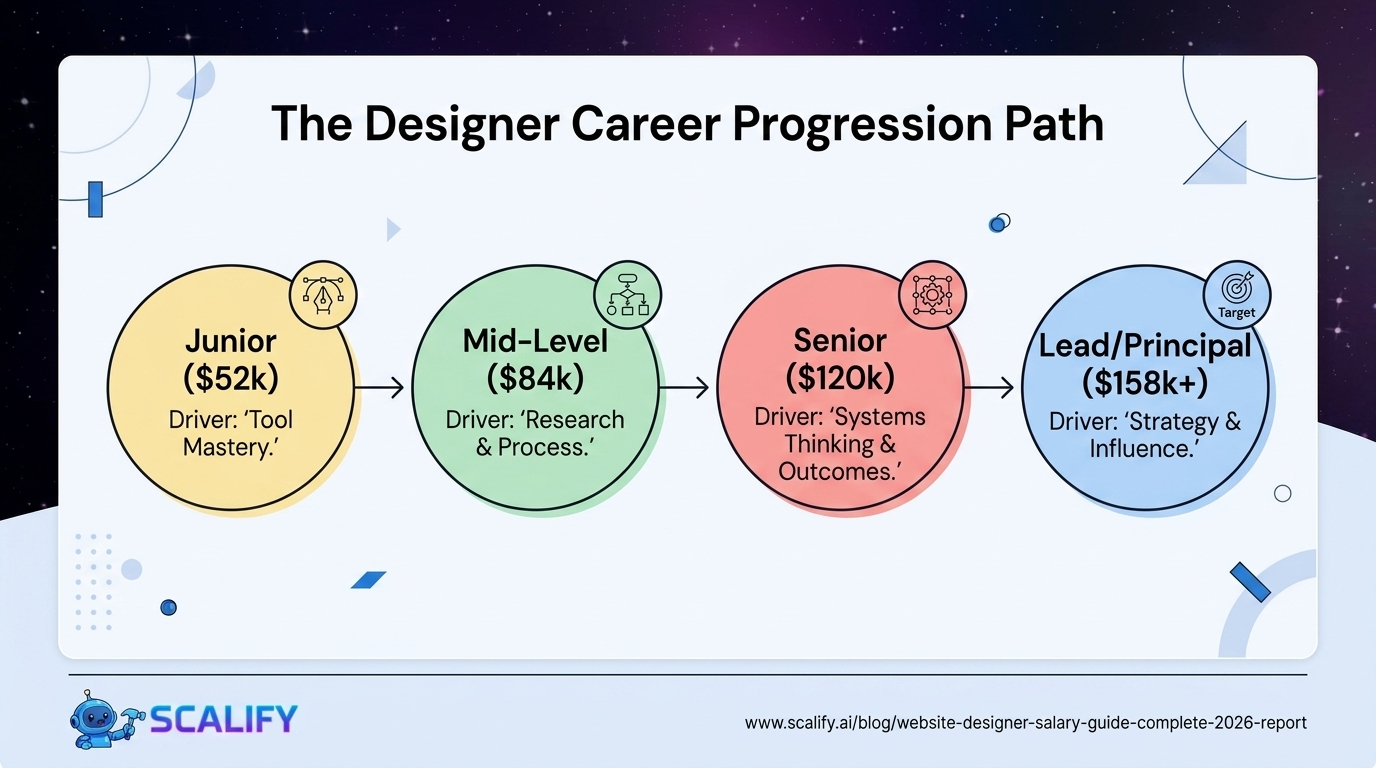
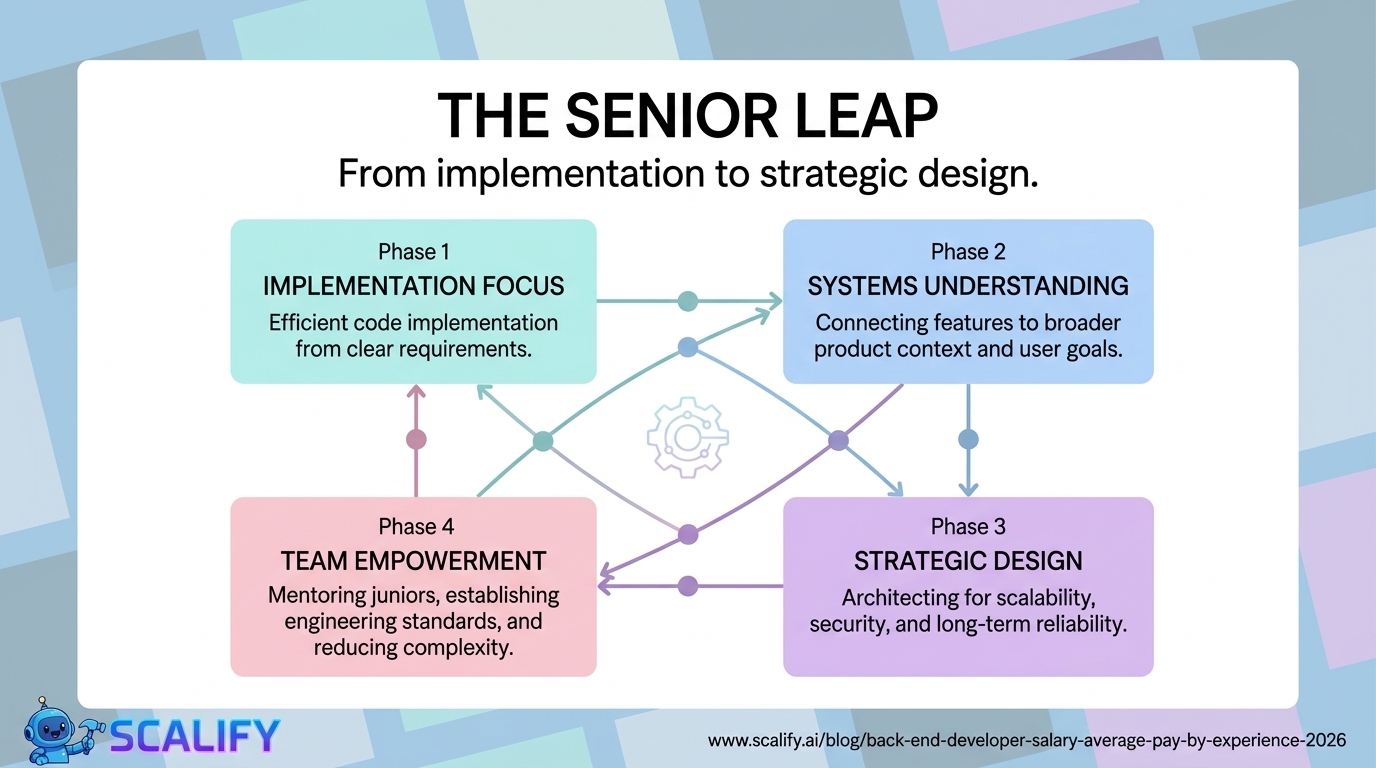
Career StageTypical SalaryKey Growth DriversJunior Designer (0–2 yr)$42,000 – $68,000Build real portfolio, master Figma deeplyMid Designer (2–5 yr)$68,000 – $105,000Show design process, learn UX research basicsSenior Designer (5–10 yr)$98,000 – $148,000Systems thinking, cross-functional impact, measured outcomesLead Designer (8+ yr)$132,000 – $195,000Team leadership, design strategy, company-level influenceDesign Manager / Director$155,000 – $250,000+People management, organizational design strategy
The Bottom Line
Website designer salaries in 2026 range from $42,000 for entry-level visual designers at small agencies to $215,000+ in total compensation for senior product designers at major tech companies. The specialization matters enormously: product designers at tech companies earn 40–60% more than equivalent web/marketing designers at agencies. Portfolio quality, design systems thinking, user research capability, and data literacy are the skills that most consistently unlock the higher end of the compensation range. The move from agency to product company — combined with genuine investment in UX process and systems design skills — is the highest-return career move available to most mid-level web designers.
At Scalify, we build professional portfolio websites for designers and design agencies in 10 business days — the first impression that earns you the interview for the roles that pay what your skills deserve.
Building a Sustainable Digital Marketing System
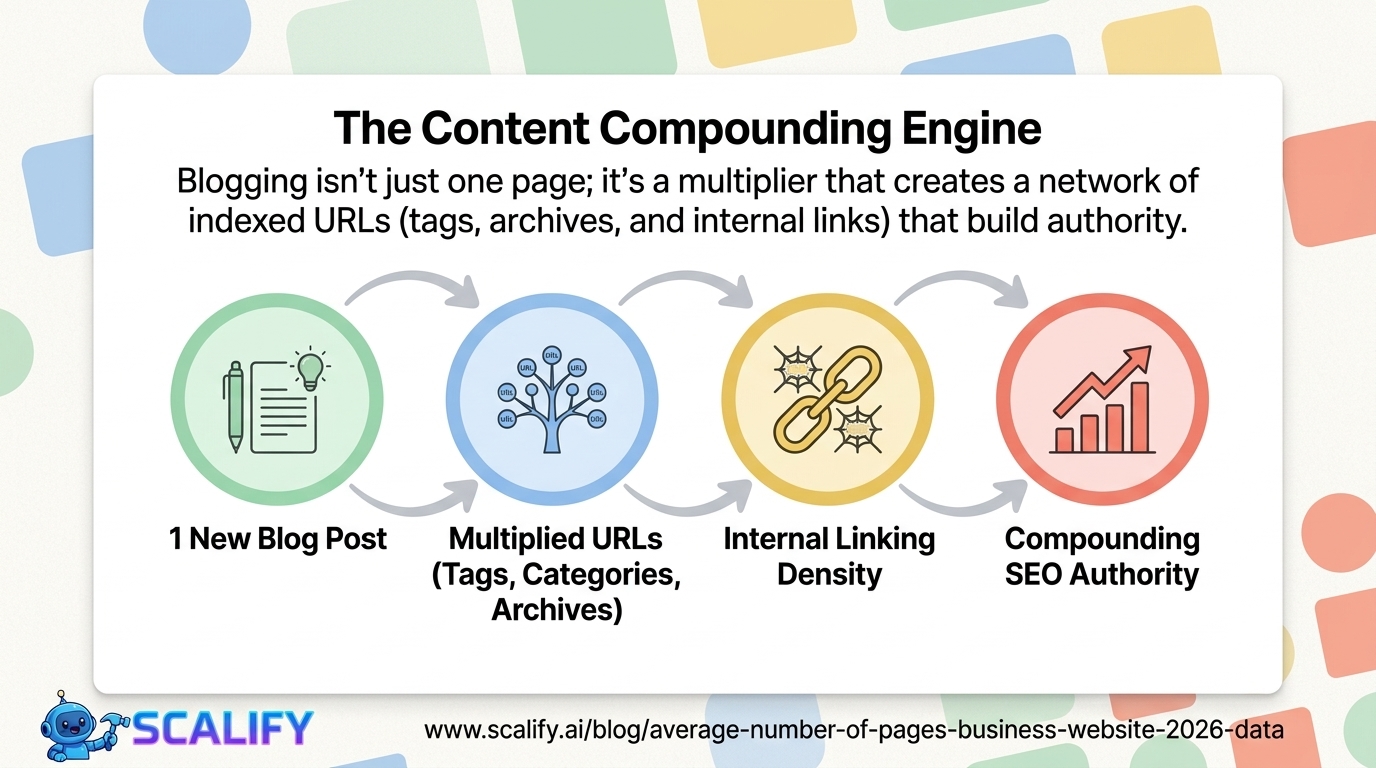
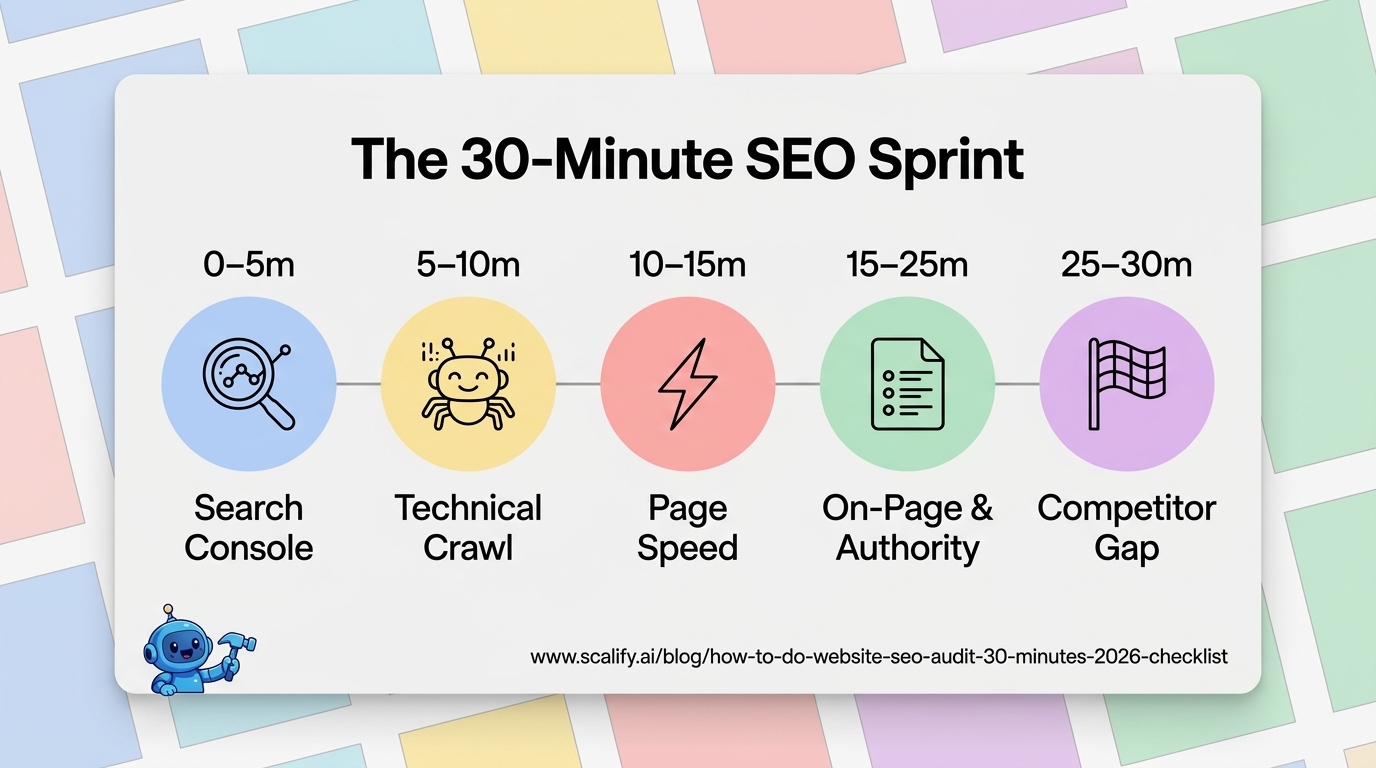
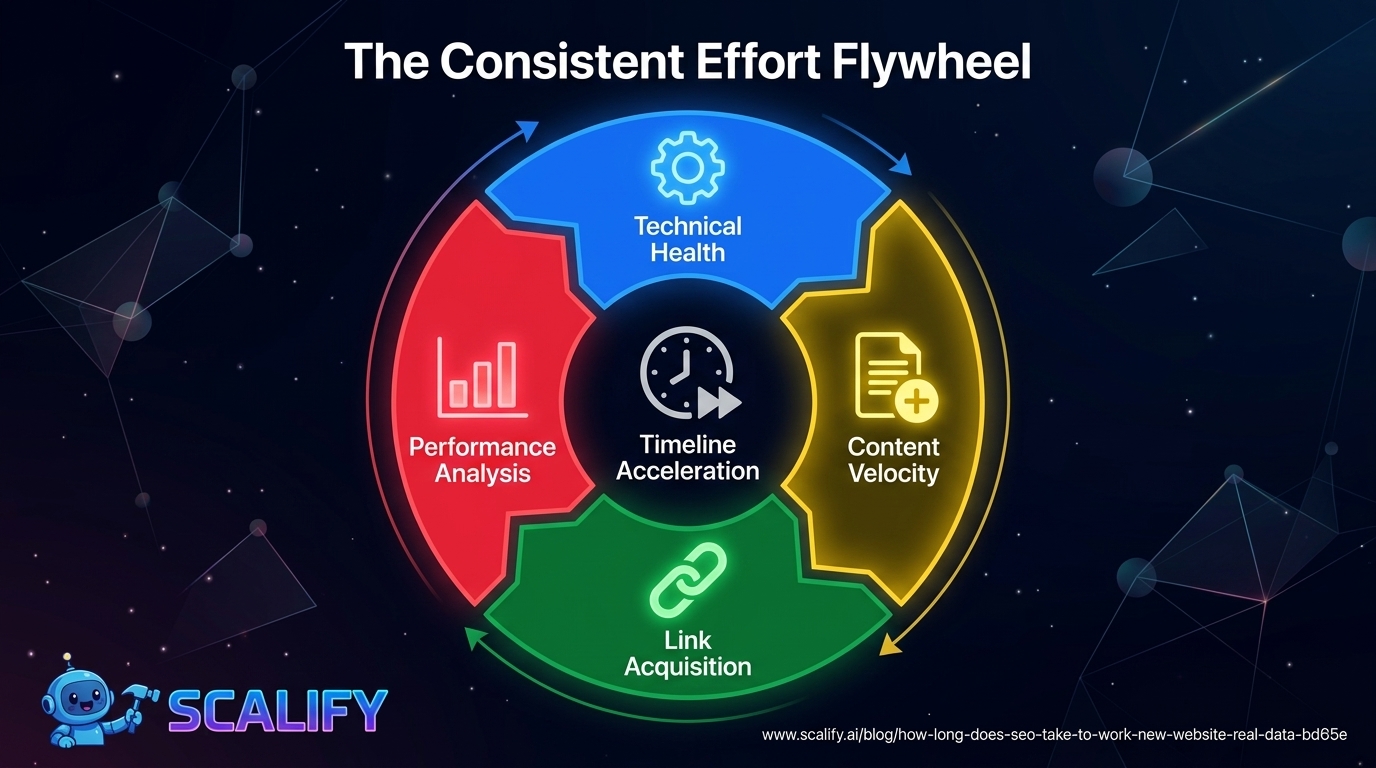
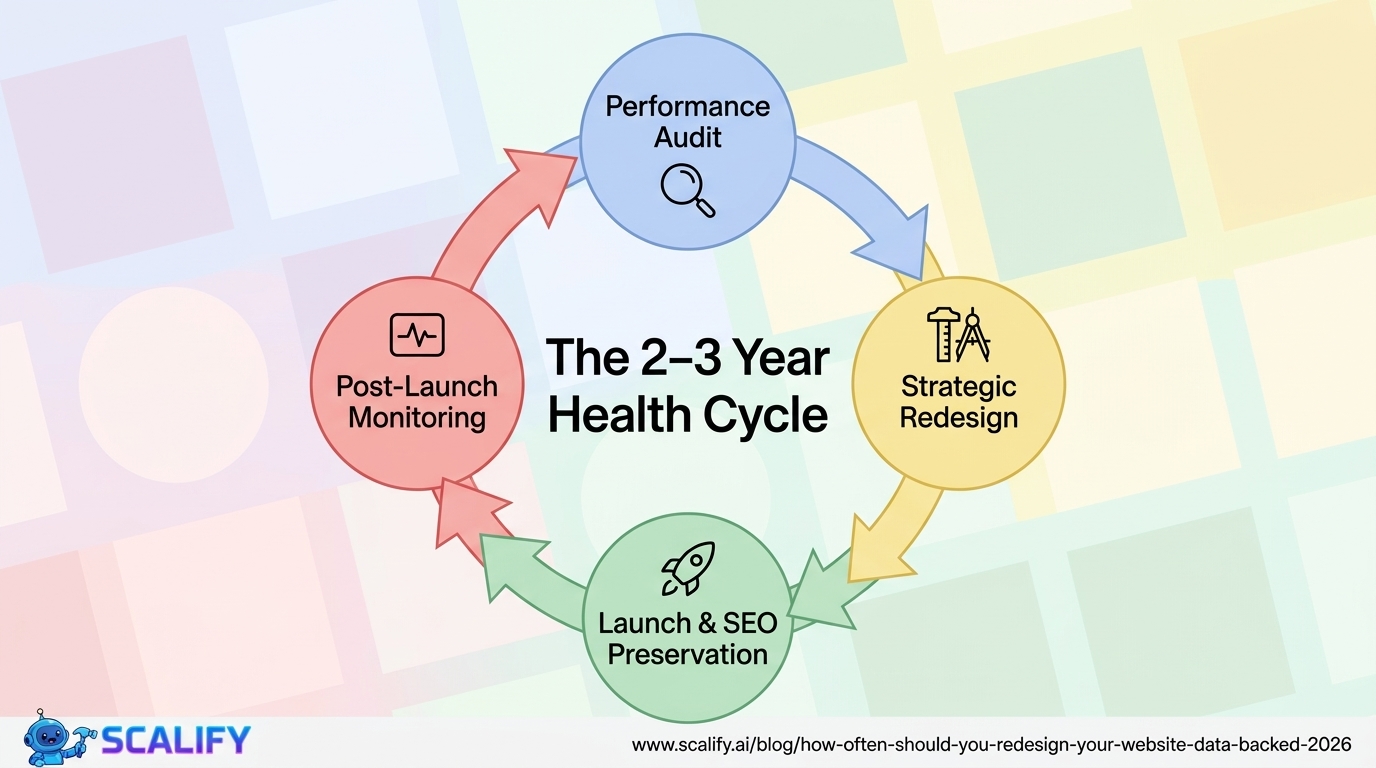
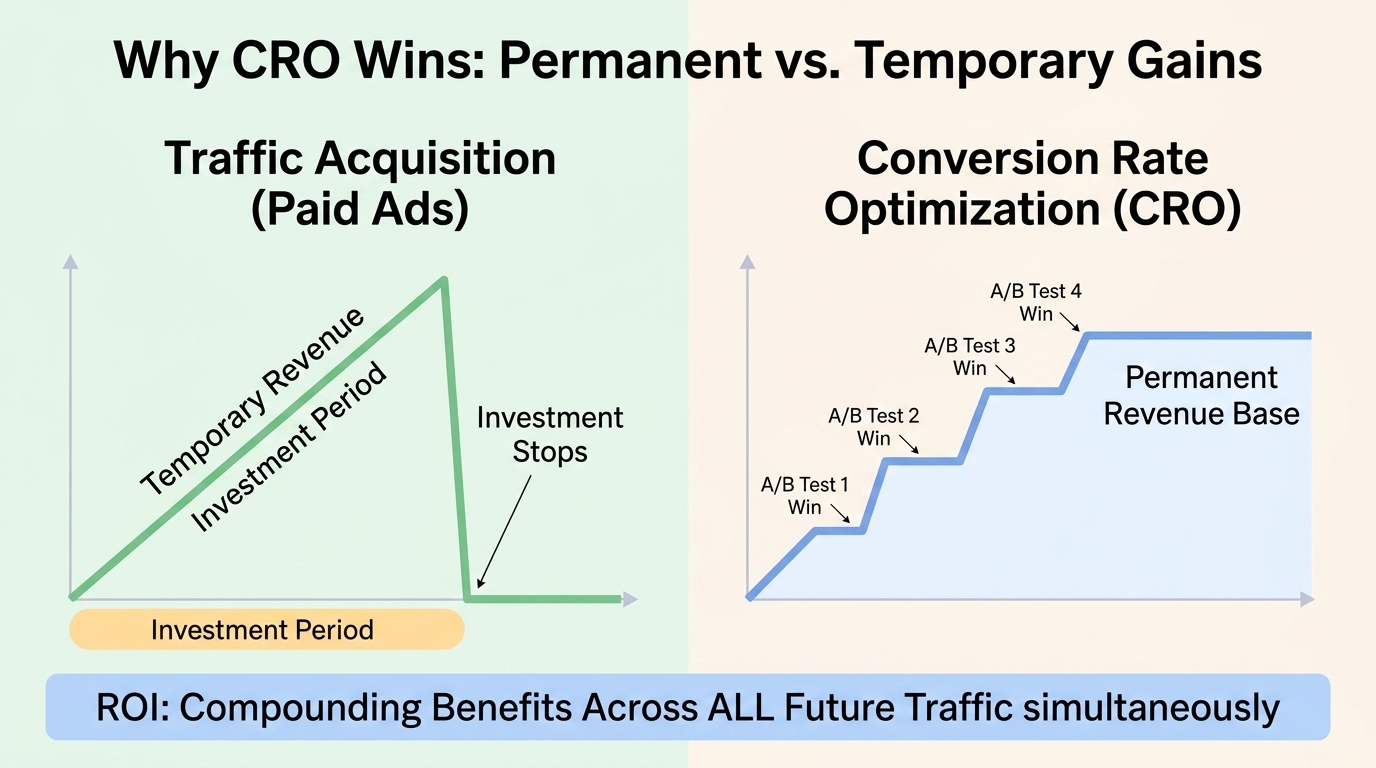
The most effective websites are not built once and left static — they're living systems that improve continuously as the business learns what resonates with its audience, what converts visitors, and what generates organic traffic. Building this improvement discipline requires three things: measurement infrastructure that makes performance visible (Google Analytics 4, Search Console, Core Web Vitals monitoring), a regular cadence of improvement work (monthly or quarterly audits and optimization cycles), and the willingness to make changes based on what the data shows rather than aesthetic preferences or past decisions.
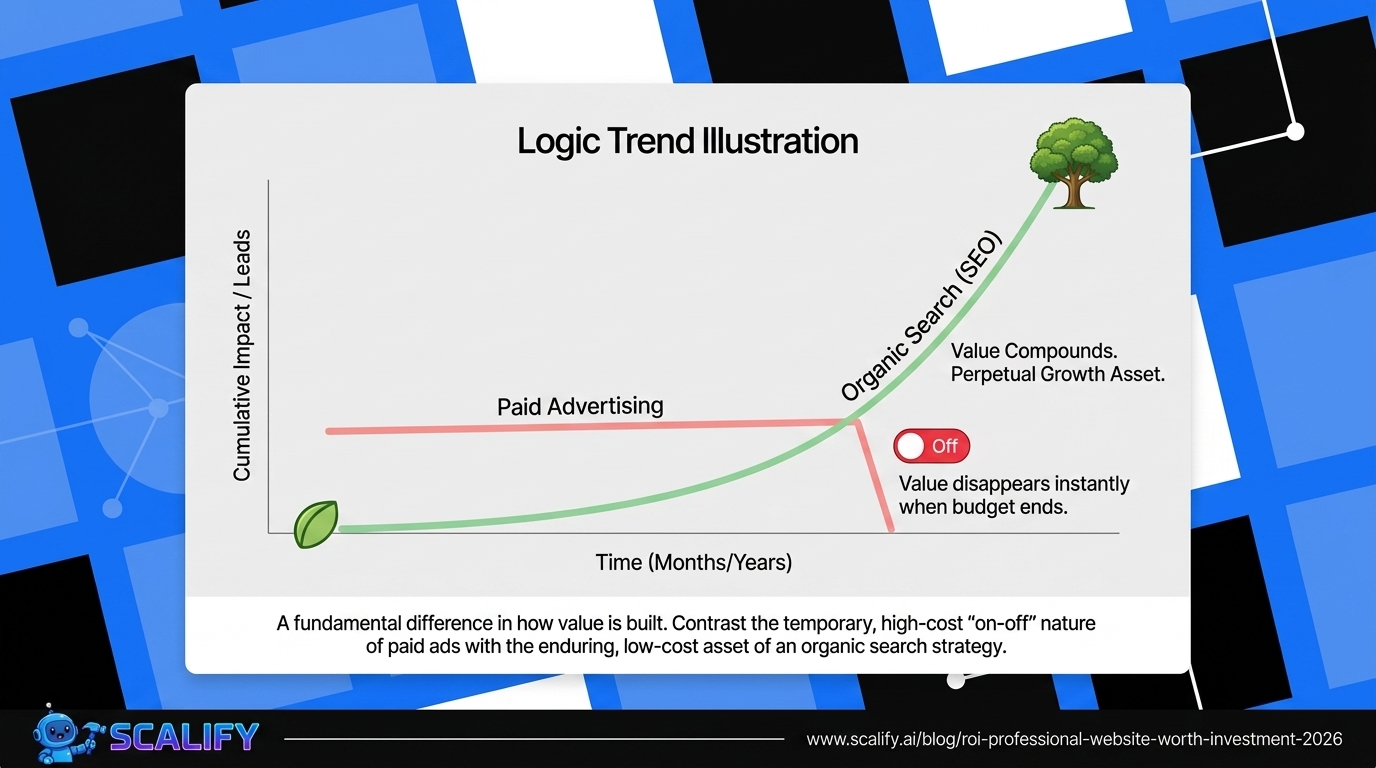
The businesses that achieve the strongest digital marketing outcomes over 3–5 years are consistently those that treat their website as a compounding investment — not a cost that was incurred and is now sunk. Each improvement builds on previous ones: content that ranks brings organic traffic that generates leads that fund more content investment. Backlinks earned improve rankings for future content. Performance improvements make every marketing dollar more efficient by converting more of the traffic those campaigns generate. This compounding structure means the businesses that start investing systematically earliest build the most durable competitive advantages — and those that defer the investment face increasingly expensive catch-up costs as competitors accumulate authority that takes time to replicate.
The practical starting point for any business that hasn't yet built this system: set up Google Analytics 4 and Search Console if not already in place, establish baseline metrics for organic traffic, conversion rate, and Core Web Vitals, and identify the single highest-impact improvement available based on those metrics. Implement that improvement, measure the result after 30 days, and plan the next improvement. This iterative discipline, maintained consistently, produces the compounding returns that transform a business's digital marketing from a cost center into one of its most valuable revenue-generating assets.
At Scalify, our websites are built with analytics, performance optimization, and SEO foundations that give every business the starting point for this compounding improvement discipline — delivered professionally in 10 business days.


.jpeg)
.jpeg)


78 SW 7th St, Miami, FL 33130