

What Is Link Building and Why Your Website Needs It (2026 Guide)
By Josh Ternyak

April 18, 2026
Complete link building guide.
What Is Link Building and Why Your Website Needs It
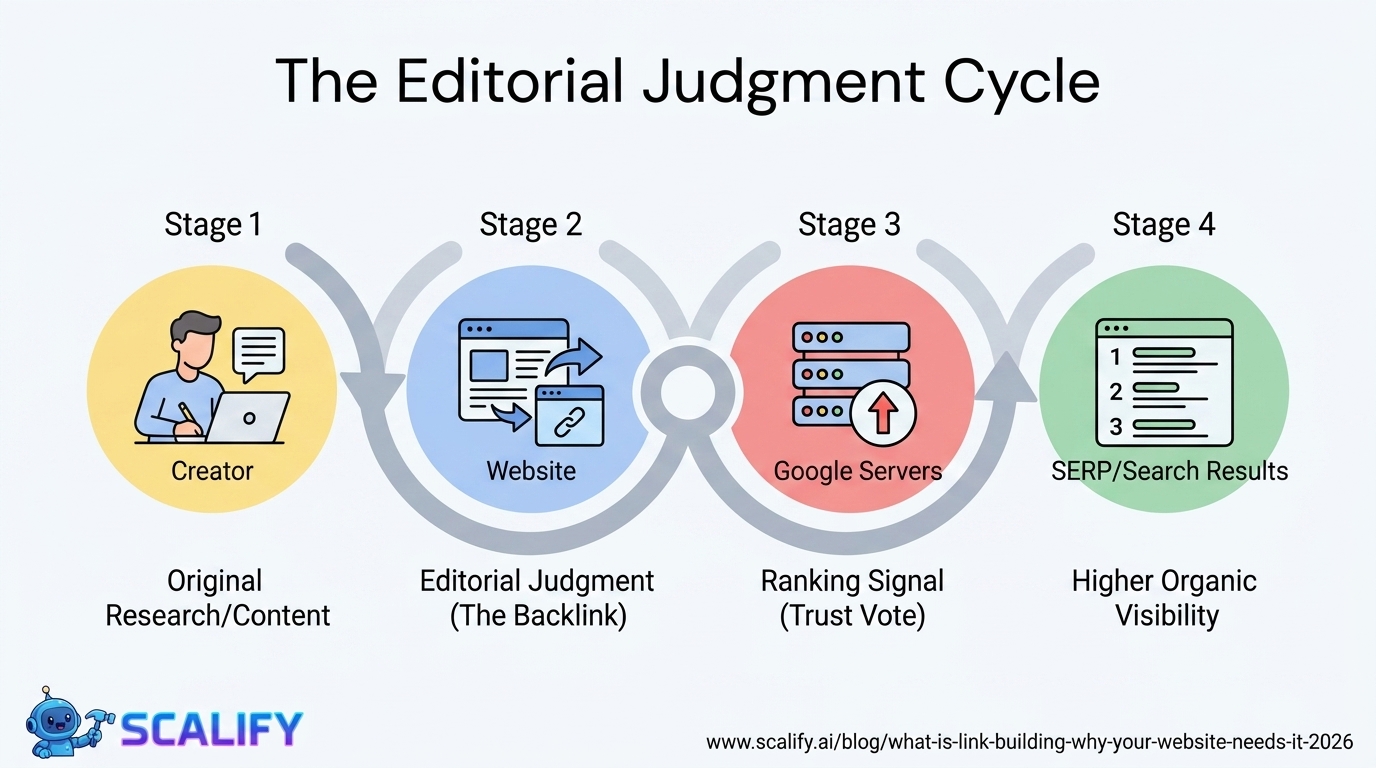
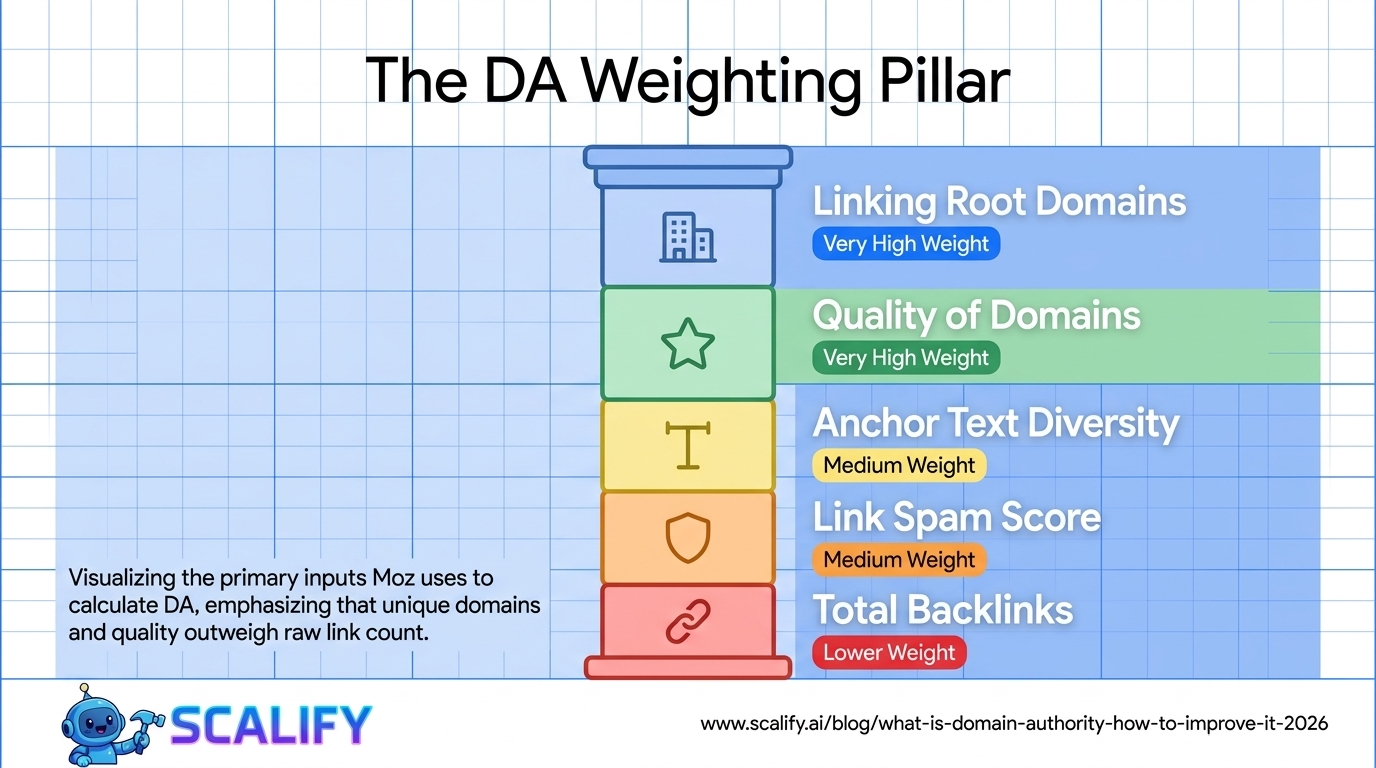
Link building is the process of earning hyperlinks from other websites pointing to your website. These inbound links — called backlinks — are one of Google's most important ranking signals because they function as votes of confidence: when a reputable website links to yours, it signals to Google that your content is credible and worth ranking. A website with 1,000 quality backlinks from authoritative sources consistently outranks an equivalent website with 50 backlinks, even if the lower-link-count site has better content — because in Google's model, the volume and quality of backlinks is strong evidence that the content is genuinely valuable to the broader web.
Key Link Building Statistics
Why Google Uses Backlinks as a Ranking Signal
Google's founding insight was that links between web pages represent human editorial judgment — a person decided this content was useful enough to reference it. This is fundamentally different from on-page signals (title tags, keyword density) which can be easily manipulated by the page's own author. A backlink from an established, respected website is harder to manufacture — it requires the linking site's editorial team to independently decide your content is worth referencing. The aggregation of these independent editorial judgments produces a reliable signal of content quality and authority that on-page signals alone cannot replicate.
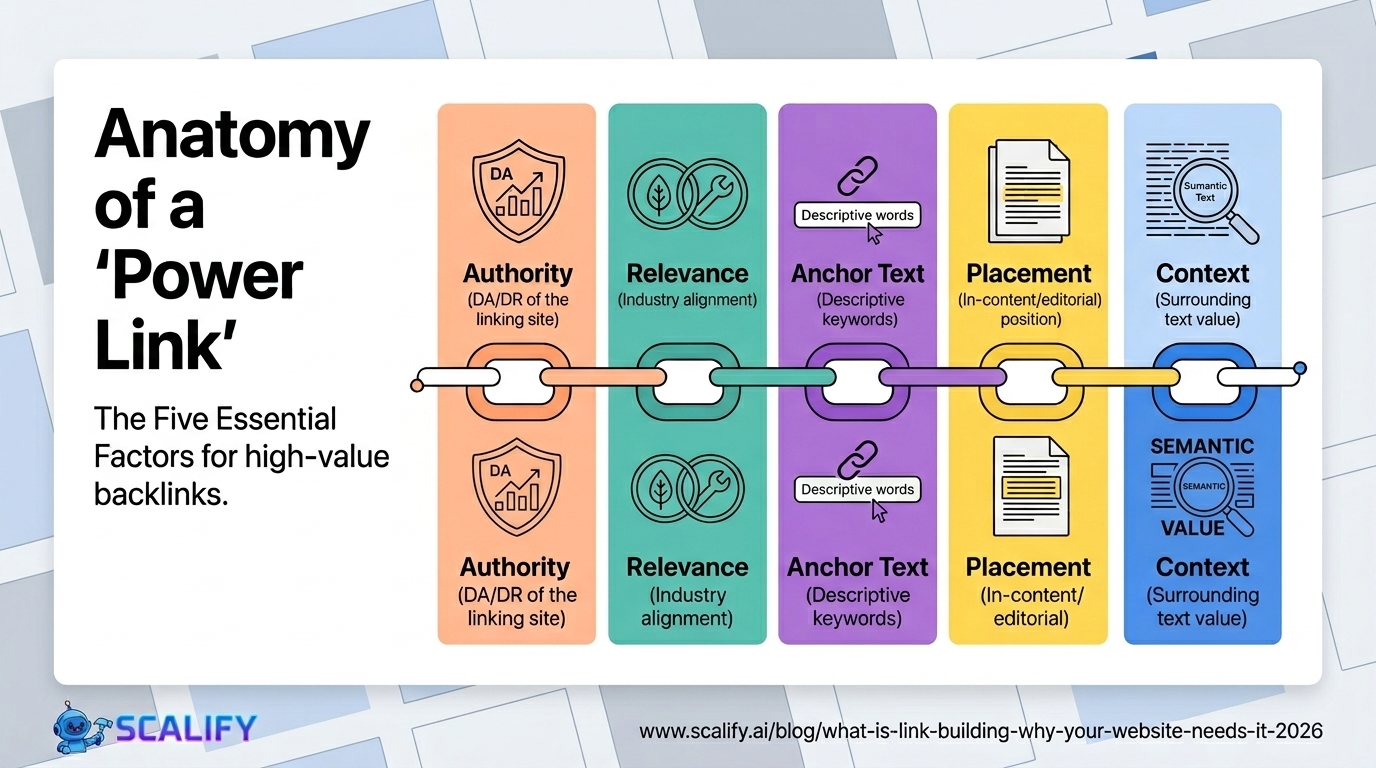
Google has refined this model significantly since PageRank — accounting for the authority of linking sites, the relevance of the link context, anchor text patterns, link velocity, and spam signals. But the fundamental principle remains: quality backlinks from authoritative sites are the most reliable external signal of website quality, and no other SEO investment produces as direct a path to ranking improvements for competitive queries.
Types of Backlinks: Quality Matters More Than Quantity
Link TypeValueHow to EarnExampleEditorial link from authority siteVery HighCreate linkable content; digital PR; be cited by journalistsA Forbes article citing your researchGuest post on industry publicationHighPitch and write for relevant industry blogsAuthor bio link from a respected industry publicationResource page linkHighCreate genuinely useful resources; outreach to resource pagesA "best tools for X" list linking to your toolPartner/vendor mentionMedium-HighPartnerships, testimonials for vendors, co-marketingA supplier's "customers we serve" pageDirectory listing (reputable)MediumSubmit to high-quality, relevant directoriesClutch.co, G2, industry directoriesForum/community linkLow-MediumGenuine participation in communities; link when relevantReddit or niche forum mentionPaid link (against guidelines)Risk of penaltyDo not pursue — Google actively penalizesPrivate blog networks, paid placements
The 5 Most Effective Link Building Strategies
1. Digital PR: Creating Link-Worthy Content
Digital PR — creating original research, data studies, or newsworthy content that journalists and bloggers want to cite — produces the highest-quality links at the highest volume per campaign. One well-executed digital PR campaign (original survey with interesting findings, a data study on a topical subject, a provocative industry analysis) can earn 15–50 links from news publications, industry blogs, and authoritative sites. The links come from DA 60–90 sources — the type that move rankings most dramatically. The investment is higher than other strategies (research, writing, PR outreach), but the ROI in domain authority improvement consistently justifies it for businesses with competitive ranking goals.
2. Guest Posting on Industry Publications
Writing expert content for industry publications in exchange for an author bio link with a link back to your website. The key to effective guest posting: target publications with DA 40+ that your actual target audience reads (not random blogs), write genuinely useful articles that the publication's audience values, and link to your site in context where it adds genuine value to the reader. Guest posting that's purely link-focused (low-quality articles just to get the link) is less effective as Google has become better at identifying links from sites that primarily publish outside content for link exchange purposes.
3. The Skyscraper Technique
Find the most-linked content on a topic using Ahrefs Content Explorer → create a comprehensively better version → outreach to sites linking to the original with your improved resource. This strategy works because sites linking to content on a topic have demonstrated interest in that content type — they're warm prospects compared to cold outreach. The success rate for Skyscraper outreach (10–15%) is significantly higher than cold link building outreach (1–3%).
4. Broken Link Building
Find links on authoritative sites pointing to dead pages (404s) → contact the site offering your relevant content as a replacement. The value: site owners don't want to send their visitors to 404 pages, and a well-positioned replacement offer provides immediate value. Use Ahrefs' Site Explorer on relevant high-authority sites → filter for 404 pages with backlinks → identify content on your site that covers the same topic → outreach offering your working replacement.
5. HARO and Expert Sourcing
HARO (Help a Reporter Out), Qwoted, and SourceBottle connect journalists seeking expert sources with subject matter experts. Responding to relevant journalist queries with genuinely insightful, specific information earns links from news publications and industry outlets when your response is used. The link quality is typically excellent — national media links are DA 70–90. The investment is primarily time: 30–60 minutes daily monitoring queries and writing responses. Over 6 months, this can earn 10–25 high-quality media links from sources that would otherwise require significant outreach to access.
Link Building Mistakes That Hurt Rather Than Help
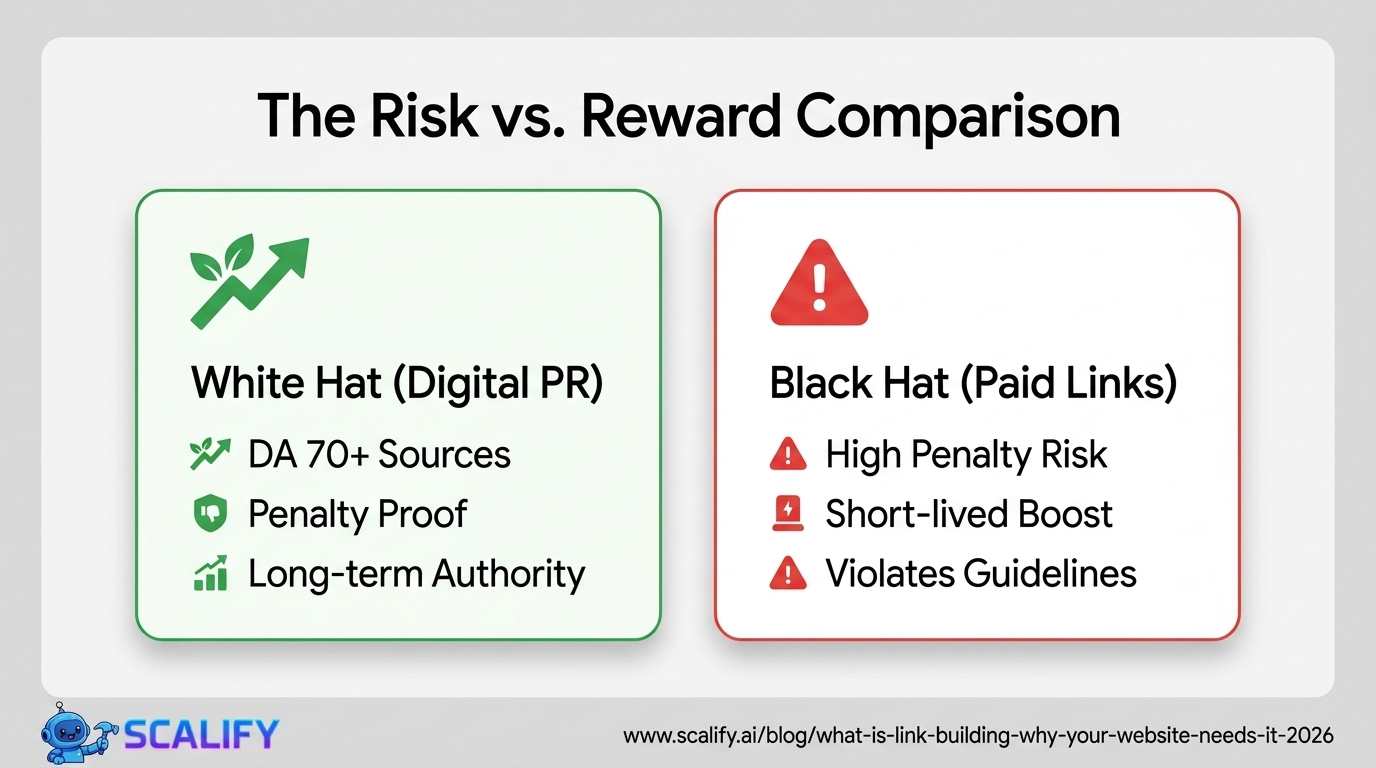
Buying links. Google's link spam algorithm actively identifies and penalizes paid link schemes. Buying links from PBNs (private blog networks), paid guest post networks, or direct link sellers exposes the site to manual penalties that can remove the site from search results entirely. The short-term ranking boost from bought links is routinely reversed — often leaving the site worse off than before due to the penalty risk.
Only targeting high-DA sites. A natural backlink profile includes links from sites of varying authority — blogs, community sites, industry publications, and news outlets of different sizes. A link profile consisting only of DA 70+ sites looks unnatural and can raise spam signals. Build links across the quality spectrum while prioritizing the most authoritative sources.
Ignoring relevance. A link from an unrelated niche provides less value than a link from a relevant industry site, even if the unrelated site has higher DA. Google weights link relevance alongside authority — a DA 50 link from a site covering your exact industry is worth more than a DA 70 link from a completely unrelated domain.
Measuring Link Building Progress
Track link building progress monthly using: Ahrefs Site Explorer's Referring Domains graph (shows growth in unique linking domains over time), Domain Rating trend (shows authority accumulation), and the New vs. Lost backlinks balance (ensure you're gaining more than you're losing). The metrics to watch for each campaign: response rate on outreach (target 10%+), link acquisition rate (links earned per campaign), average DR of earned links, and ranking improvements for target keywords 60–90 days post-link-acquisition (links take time to affect rankings).
The Bottom Line
Link building is the activity that most directly accelerates organic search ranking improvement — because quality backlinks are the most important external ranking signal Google uses. Websites that invest consistently in earning high-quality backlinks through digital PR, guest posting, and outreach-based strategies build domain authority that compounds over years, making each subsequent piece of content easier to rank than the last. Start with the highest-quality strategies (digital PR, HARO, guest posting on reputable publications), avoid anything that violates Google's guidelines (paid links, PBNs), and measure progress by referring domain growth and Domain Rating improvement rather than raw backlink count.
At Scalify, every website we build is structured for maximum link equity — clean architecture, linkable content structure, and the technical foundation that ensures earned backlinks pass maximum value to the pages that need them most.
Top 5 Sources
Internal Linking: The Overlooked Link Building Complement
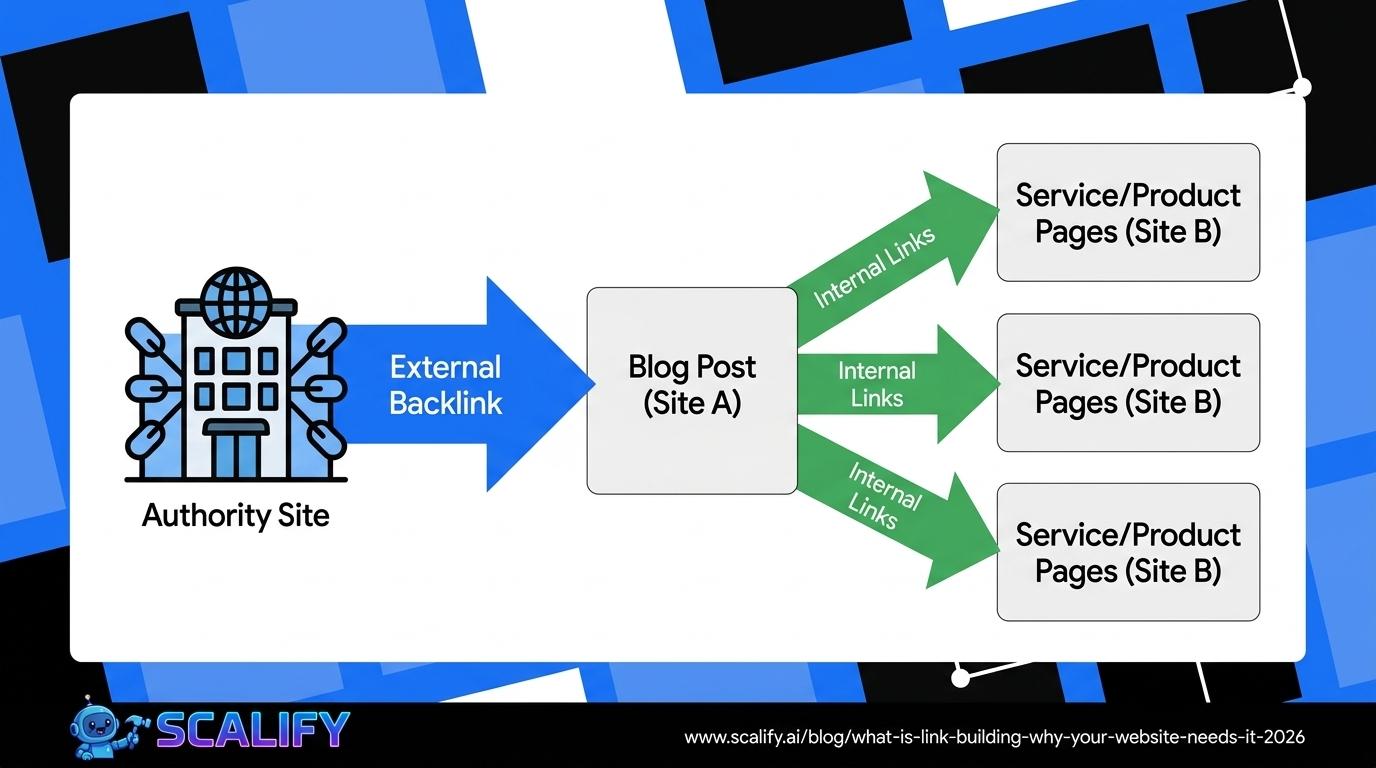
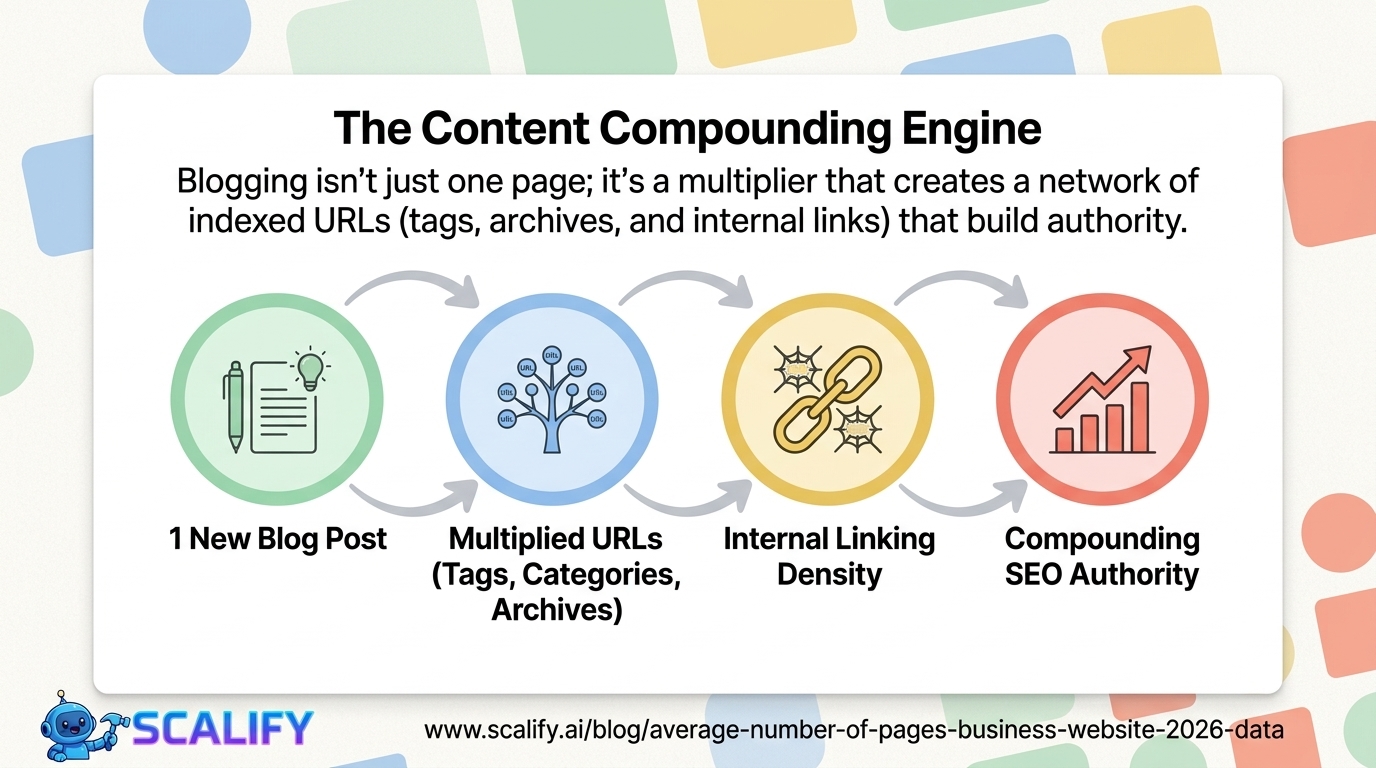
While external backlinks get most of the attention in link building discussions, internal linking — strategically connecting pages within your own website — is equally important for distributing the authority that external links bring. When external links point to your homepage or most-linked blog posts, internal links distribute that authority to the pages that need it most for ranking — product pages, service pages, and other commercial pages that rarely attract direct external links but are critical to business outcomes.
An effective internal linking strategy: identify the 5–10 pages most important for rankings and conversions, ensure each receives internal links from at least 5–10 other pages on the site (with descriptive anchor text that includes the target page's keywords), and create content specifically designed to link to these priority pages. When auditing for internal linking opportunities in Ahrefs Site Explorer, look at the "Internal links" count for each important page — pages with fewer than 5 internal links are receiving less authority distribution than they could be, representing a straightforward improvement opportunity.
Link Reclamation: Recovering Lost Link Value
Link reclamation — recovering link value from links that exist but aren't passing authority — is often faster than building new links. The most valuable reclamation opportunities: brand mentions without links (sites that mention your company by name but don't link to it), broken internal links that previously led to pages with backlinks (301-redirect these to pass the link value), and outdated content on your site that has earned backlinks but is now stale (update the content so the links continue passing value to relevant pages). Ahrefs Alerts can notify you when your brand is mentioned online without a link — providing a ready list of reclamation opportunities for outreach to site owners asking them to add the link.
Link Building for Local Businesses
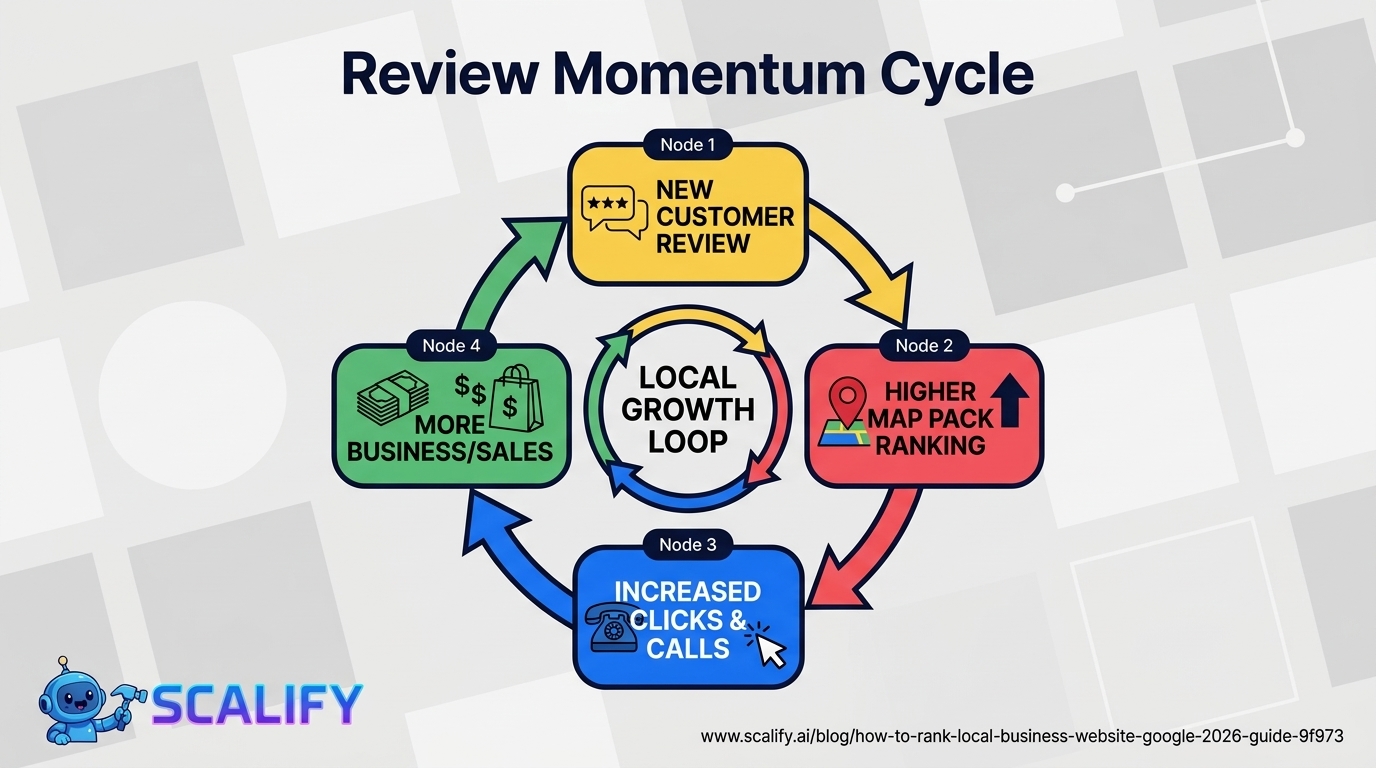
Local business link building has different priorities than national or e-commerce link building. The highest-value local links come from: local news publications (covering community stories where your business is mentioned), local business associations and chamber of commerce directories, industry-specific local directories (Yelp, Google Business Profile, Angi for service businesses), local sponsorships and event coverage, and backlinks from complementary local businesses (a caterer linking to the florist they work with frequently, and vice versa). Local links carry geographic relevance signals that pure authority links don't — they tell Google that your business is genuinely part of the local business ecosystem, reinforcing local ranking signals that are particularly important for Map Pack visibility.
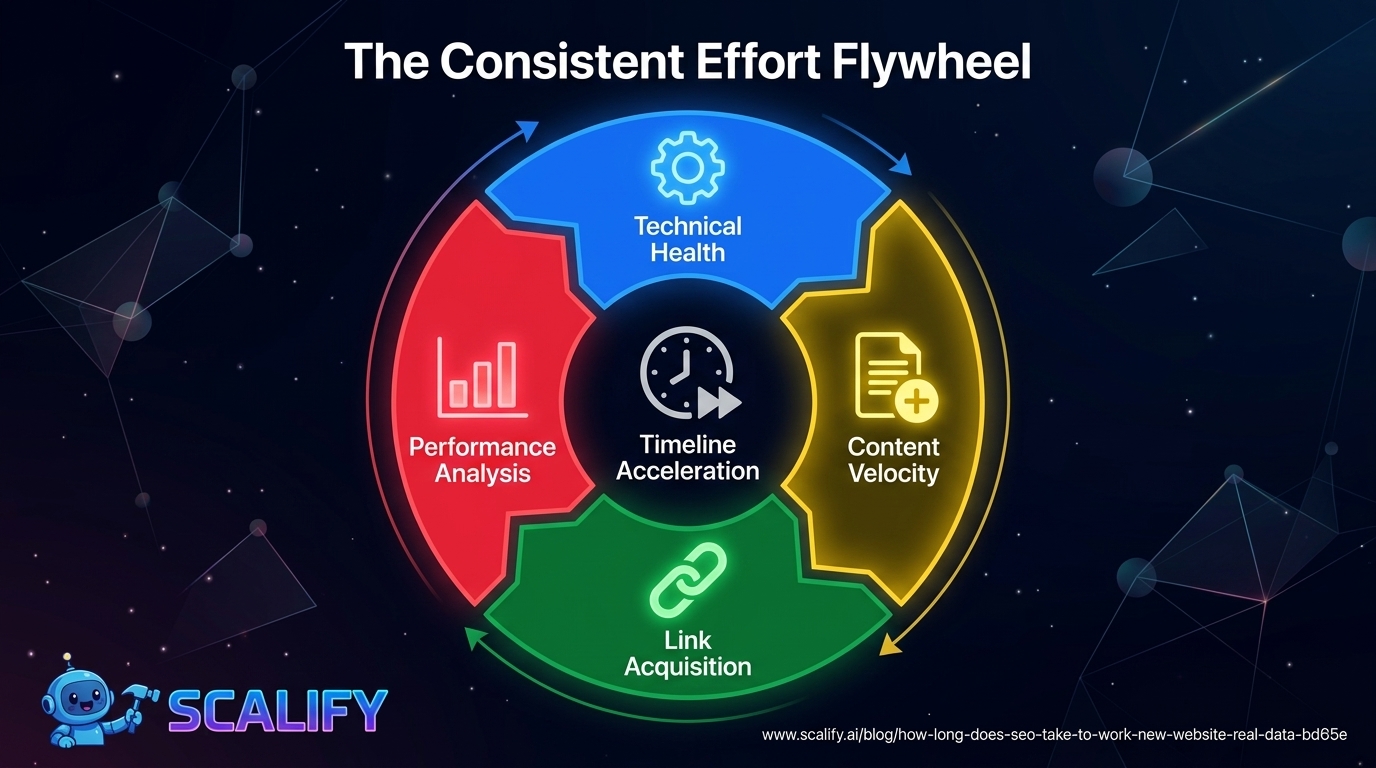
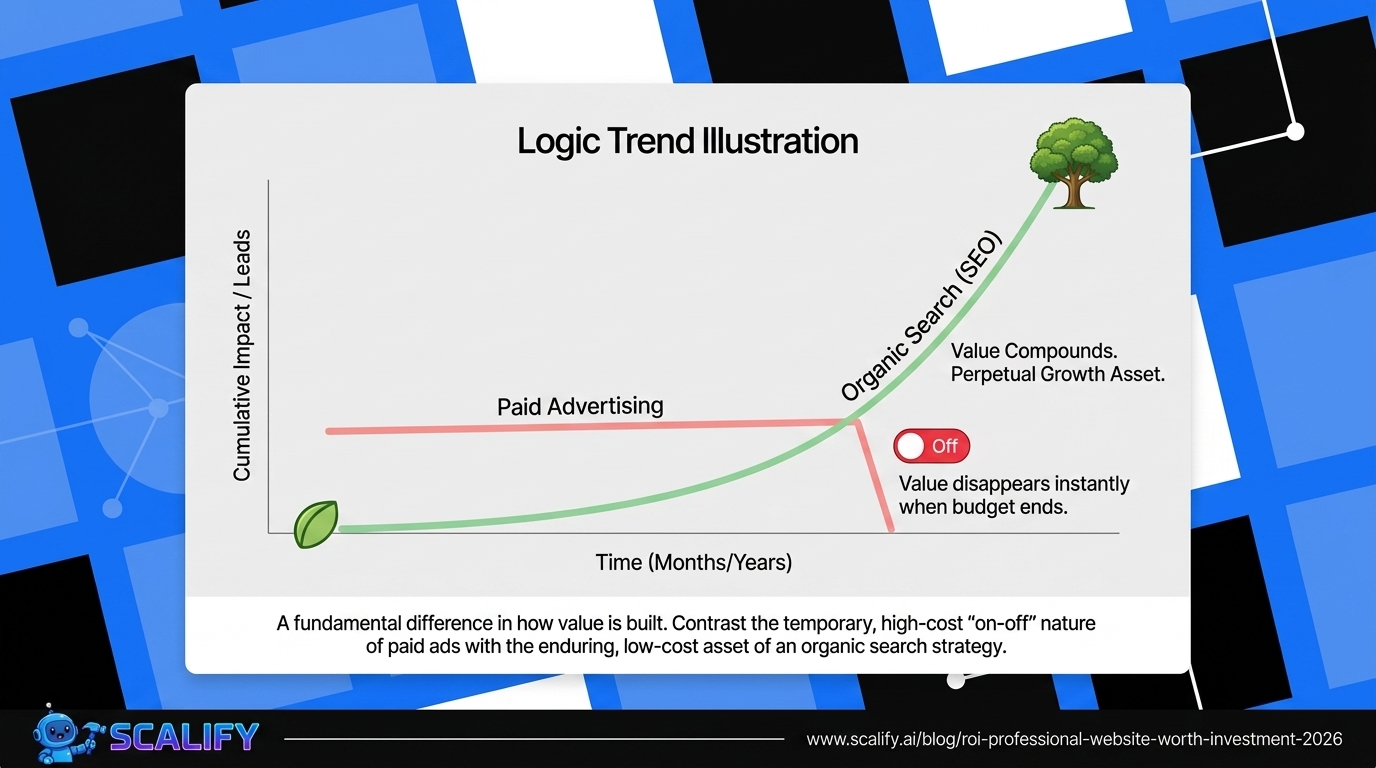
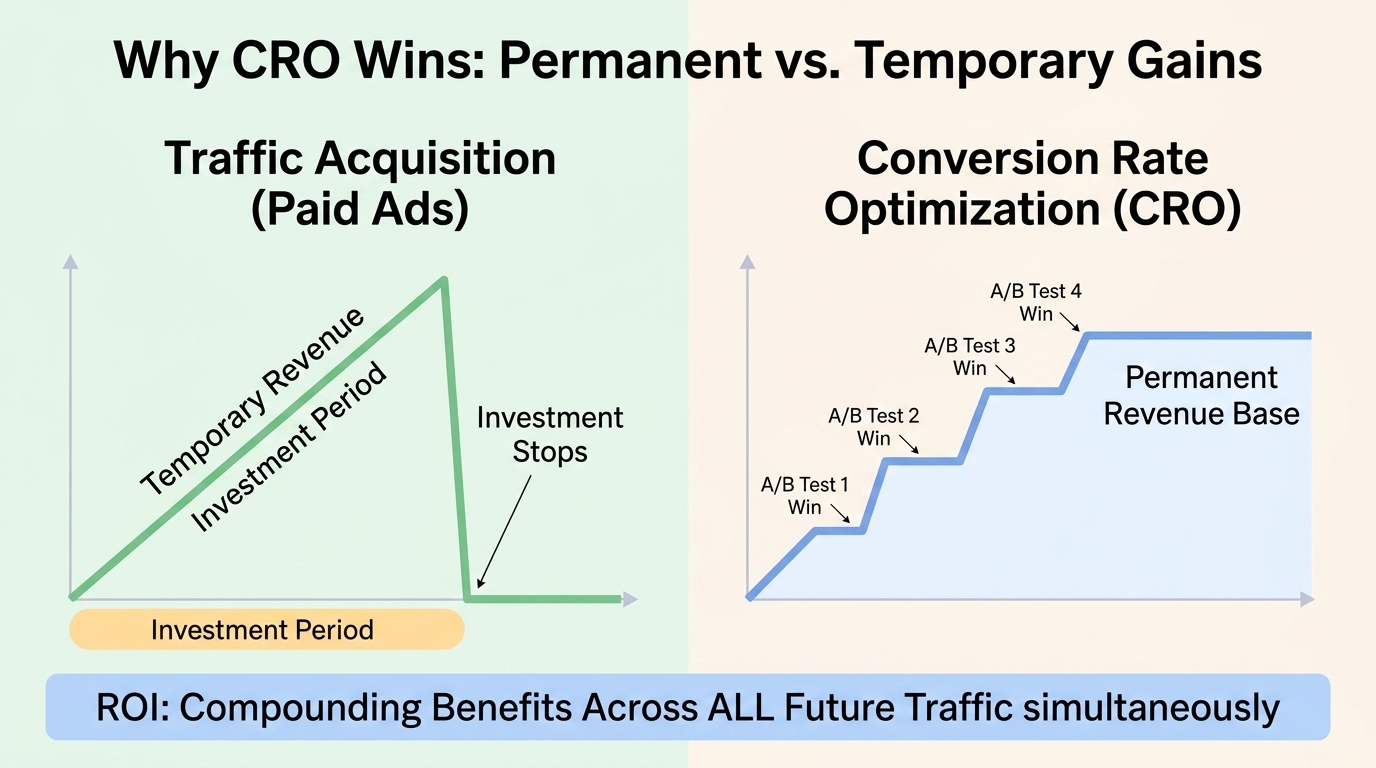
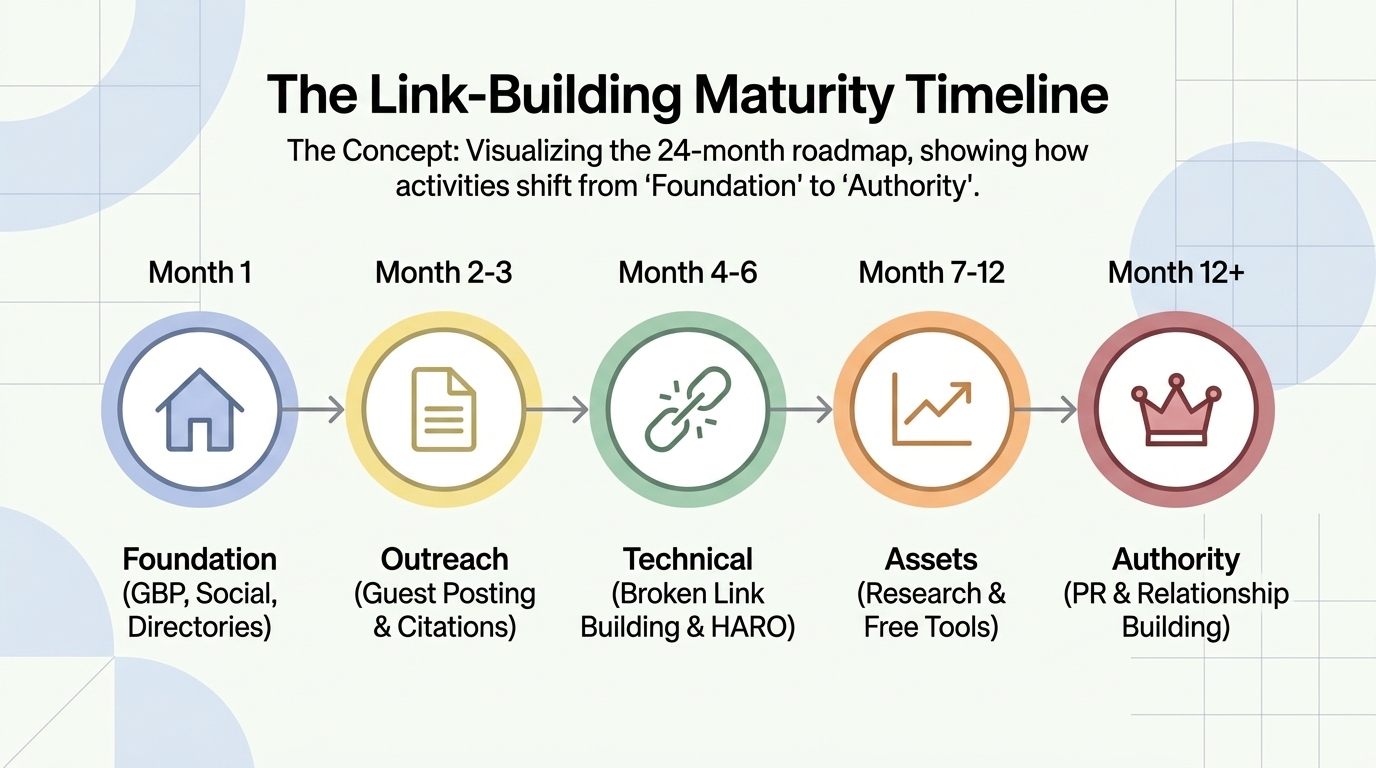
Building a strong backlink profile is a multi-year investment that produces compounding returns — each link earned makes the next piece of content easier to rank, which attracts more organic traffic, which increases the site's visibility and attracts more unsolicited links. This virtuous cycle is what separates websites with dominant organic search presence from those perpetually stuck on page 2 despite producing excellent content. Start link building immediately and consistently — the sites ranking on page 1 for your target queries built their backlink profiles over years, and starting later means a longer catch-up period.


.jpeg)
.jpeg)

78 SW 7th St, Miami, FL 33130