

How Long Does SEO Take to Work for a New Website? (Real Data)
By Josh Ternyak

April 18, 2026
SEO takes 3-6 months for first meaningful traffic and 12-24 months to become a significant channel. This comprehensive guide covers the month-by-month timeline, what accelerates or slows results, the Google Sandbox effect, keyword competition timelines, what consistent SEO effort means, common mistakes that extend the wait, local SEO faster timelines, and the SEO vs paid search economic comparison.
How Long Does SEO Take to Work for a New Website? (Real Data)
The most honest answer to "how long does SEO take" is: longer than most people expect, and shorter than most people fear — if you're doing it right. New websites typically see their first meaningful organic traffic within 3–6 months, their first competitive rankings within 6–12 months, and significant traffic from organic search within 12–24 months. These timelines assume consistent, quality-focused SEO effort. They also assume you're doing the work that actually moves rankings: publishing comprehensive content, earning backlinks from credible sources, and fixing technical issues — not just adding keywords to existing pages and waiting.
Understanding the SEO timeline realistically is critical for setting appropriate expectations with clients, stakeholders, or yourself. Businesses that abandon SEO after 3 months because "it's not working" often walk away from investments that would have generated significant organic traffic had they continued for 12 more months. And businesses that are told SEO will work in 30 days are being misled in ways that will damage trust when that promise fails to materialize.
Key SEO Timeline Statistics
The SEO Timeline Month by Month
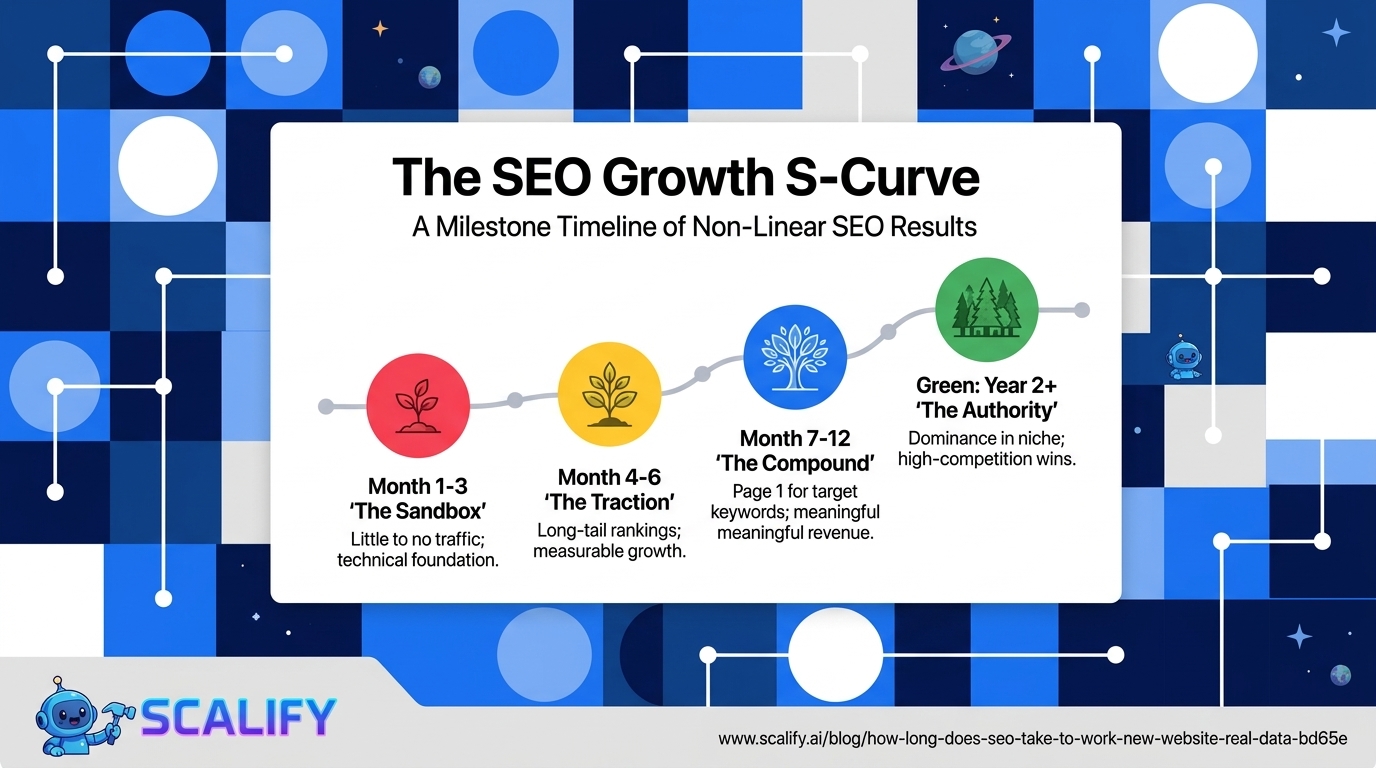
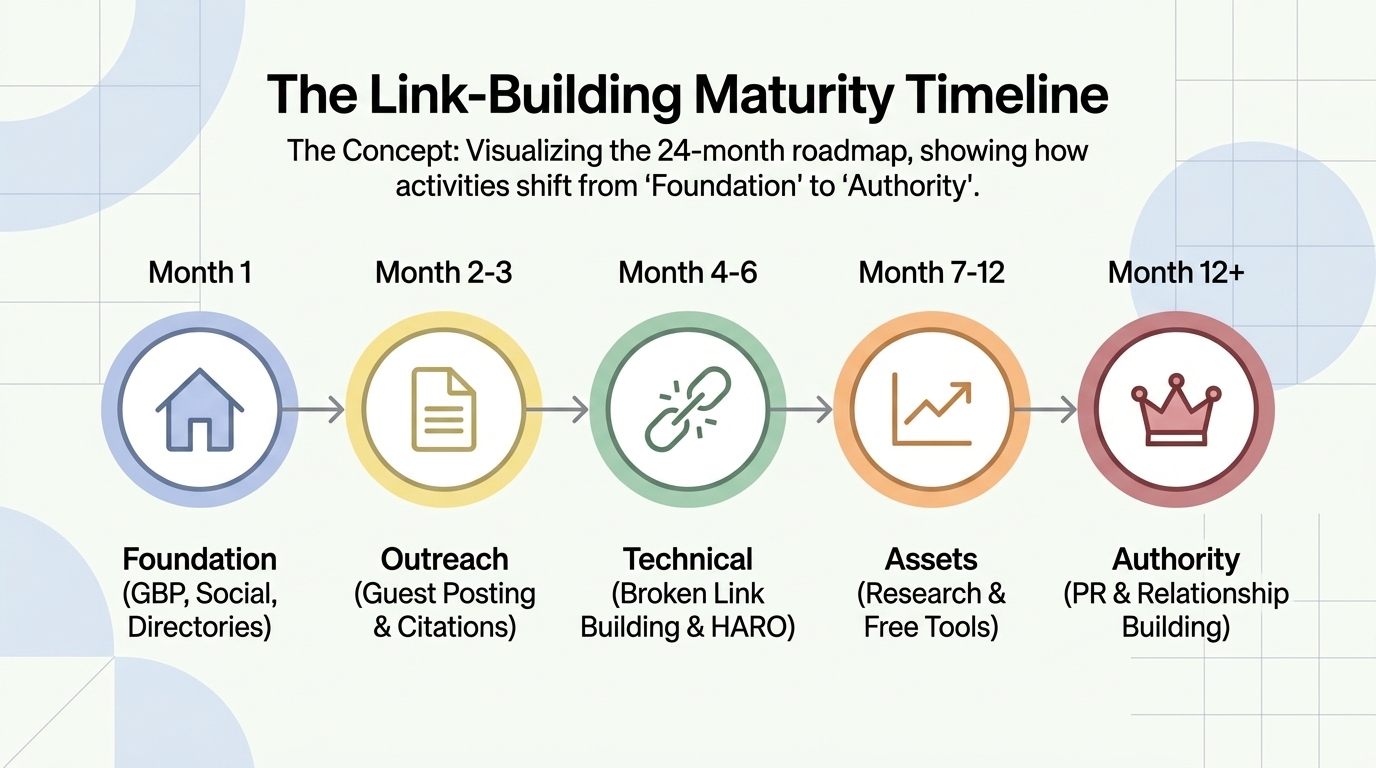
TimeframeWhat's HappeningWhat to ExpectKey ActionsMonth 1Google crawls and indexes new pages; technical foundation assessedLittle to no organic traffic; site appearing in Search ConsoleTechnical audit; submit sitemap; fix crawl errors; publish first contentMonth 2–3Early rankings for long-tail, low-competition queriesSmall trickle of traffic from brand queries and very specific long-tail termsPublish content consistently; build initial backlinks; optimize existing pagesMonth 4–6Growing visibility; rankings stabilizing for target keywordsMeasurable organic traffic growth; first page 2–3 rankings for target termsAccelerate content; begin systematic link building; optimize high-impression pagesMonth 7–9Compound effect of content and links beginning to showSignificant month-over-month traffic growth; first page 1 rankingsDouble down on what's working; target competitive keywords you're close to ranking forMonth 10–12Authority building; content cluster strength visibleConsistent top-10 rankings for multiple target terms; meaningful organic revenueScale content; expand link profile; target higher-competition termsYear 2+Compounding authority; competitive rankings achievableDominant position in topic areas you've invested in; significant organic channelMaintain and build; keep content fresh; continue link acquisition
Factors That Accelerate or Slow SEO Results
FactorEffect on TimelineWhat to DoDomain age and historyOlder domains rank 50–60% faster than brand new domainsFor new sites: expect longer; for established sites: leverage existing authorityContent quality and depthComprehensive content ranks faster and more durably than thin contentPublish long-form, comprehensive articles targeting specific queriesContent publishing frequencyWeekly publishing shows results 40% faster than monthlyEstablish a consistent, sustainable publishing calendarLink acquisition rateActive link building accelerates results 2–3x vs. content onlyPrioritize earning and building quality backlinks from the startCompetition levelLow-competition niches show results in weeks; high-competition in yearsStart with long-tail, low-competition targets; build toward competitive termsTechnical SEO qualityTechnical issues can delay or prevent rankings regardless of content qualityComplete technical audit first; fix issues before content investmentTarget keyword selectionLong-tail keywords show results months faster than head termsPrioritize long-tail initially; use early wins to build authority for head termsExisting brand authorityEstablished brands rank faster due to implicit trust signalsBuild brand signals alongside technical SEO: social presence, press, citations
Why New Sites Take Longer: The "Google Sandbox"
Experienced SEOs have long observed that new websites often face a period of suppressed rankings even for queries where their content quality is genuinely competitive. This phenomenon — informally called the "Google Sandbox" — appears to reflect Google's caution about new domains that haven't yet established a track record of reliability, accuracy, and consistency. New domains face a trust deficit that takes months of consistent, quality behavior to overcome.
The practical implication: don't judge the long-term effectiveness of your SEO strategy by results in the first 3 months. Many new websites see very little organic traffic in months 1–3, significantly more in months 4–6 as early content begins ranking for long-tail terms, and dramatically more in months 7–12 as the domain accumulates authority signals. The trajectory that matters is month-over-month growth — not whether month 2 looks like a successful SEO program.
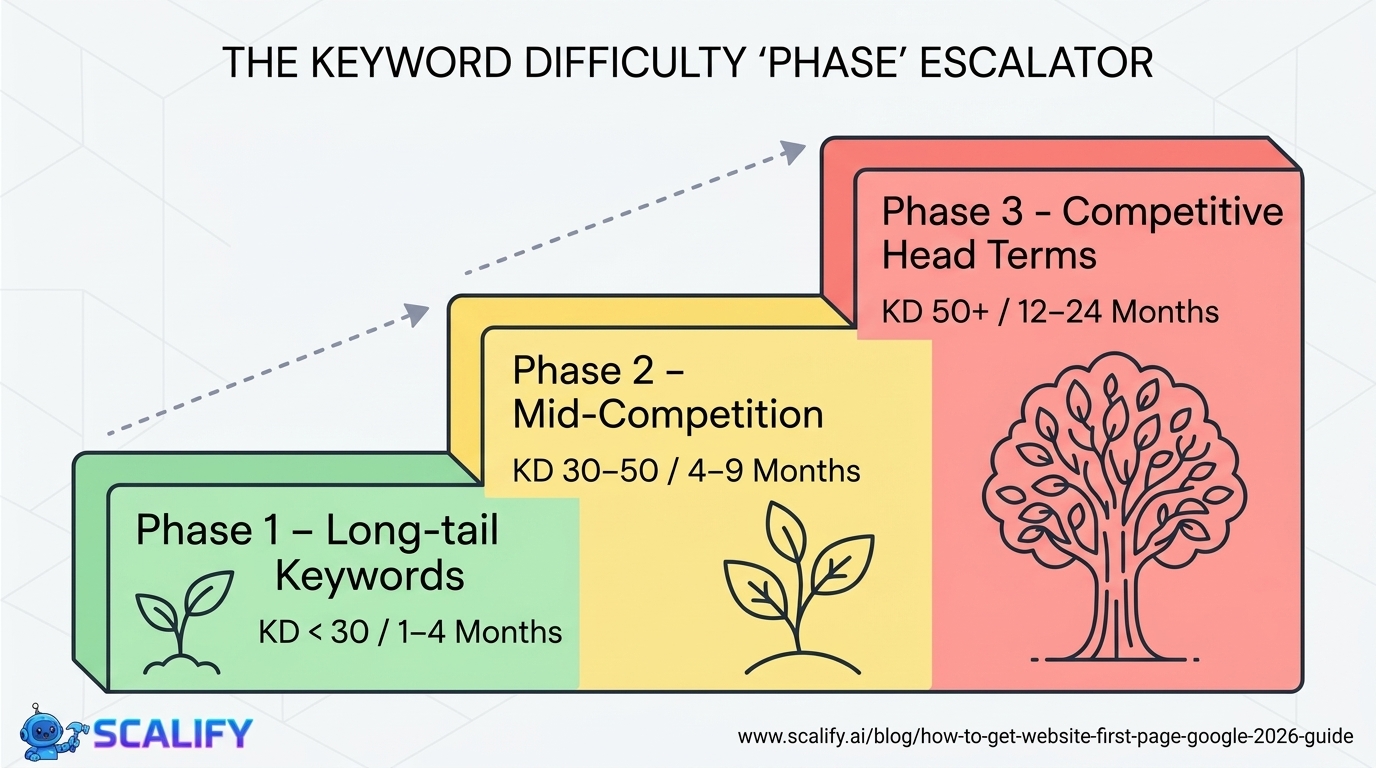
SEO Timelines by Keyword Competition Level
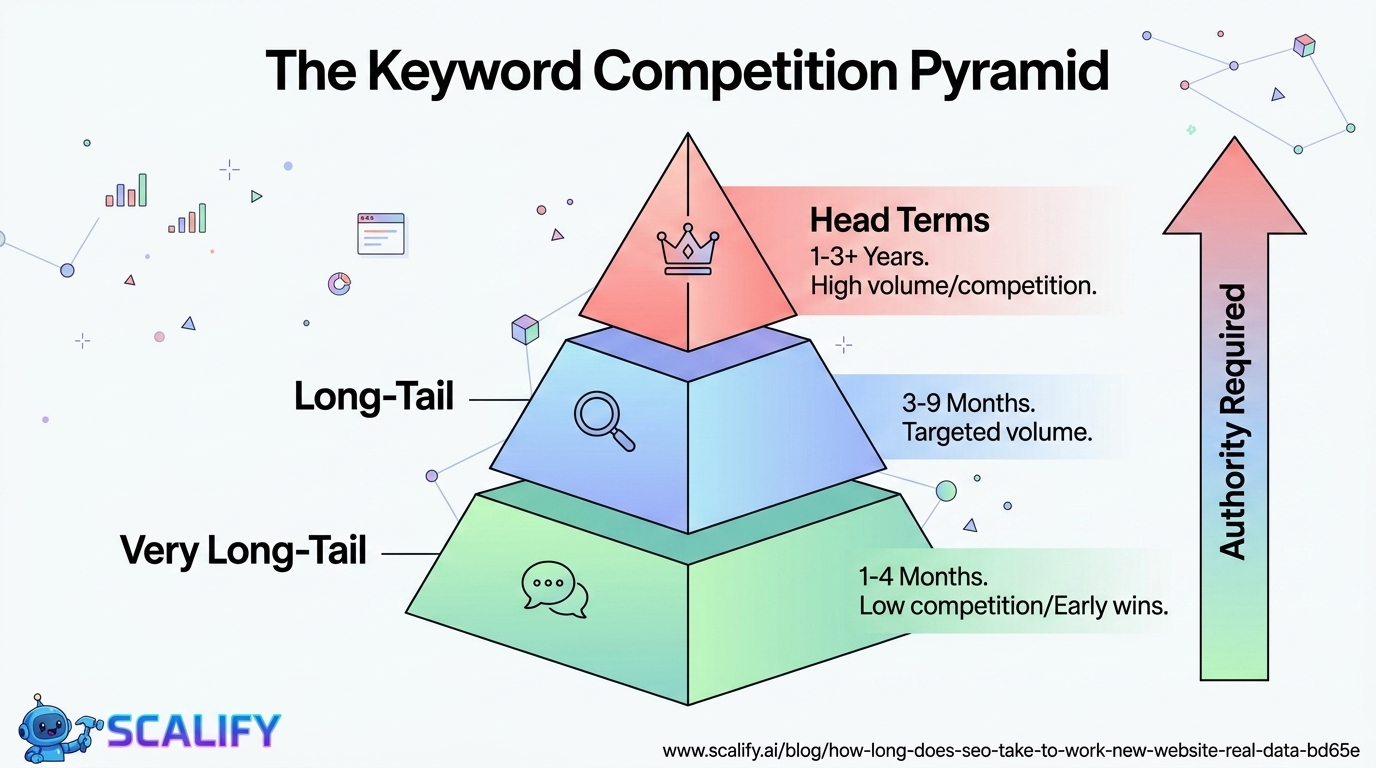
Keyword TypeTypical Monthly Search VolumeTime to First Page 1 RankingExampleBrand keywordsVaries1–4 weeks"[Your company name]"Very long-tail (4+ words)10–1001–4 months"best webflow developer for saas startups miami"Long-tail (3 words)100–1,0003–9 months"webflow developer miami"Mid-tail (2 words)1,000–10,0006–18 months"webflow developer"Head terms (1 word)10,000+1–3+ years"webflow"Competitive commercial (any length)Varies12–36+ months"best web design agency"
What "Consistent SEO Effort" Actually Means
The timeline estimates above assume consistent, quality-focused SEO work. Understanding what that actually means in practice prevents the misconception that SEO is passive — that you publish content, build some links, and then wait. The monthly work that produces the timeline results above:
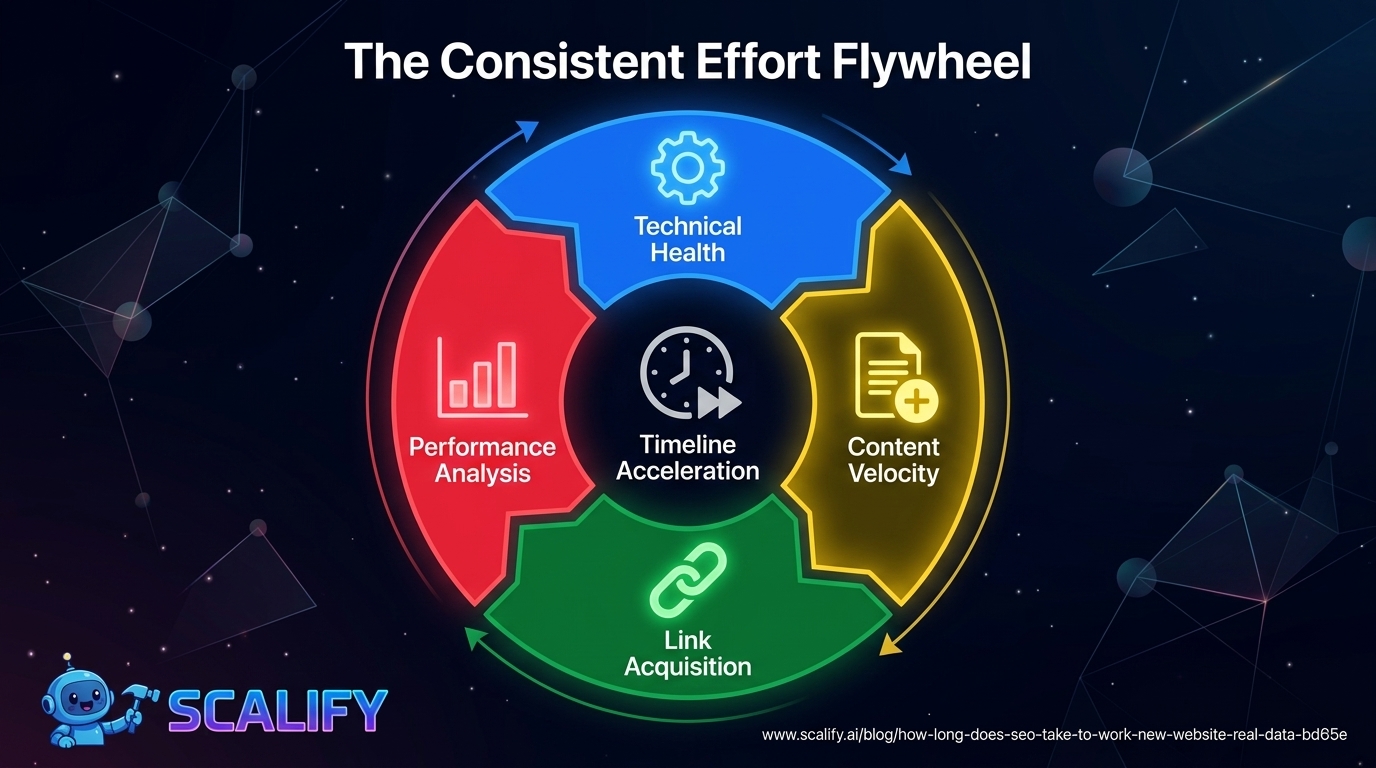
Content: Publishing at minimum 2–4 comprehensive pieces of content per month targeting specific keywords your audience searches for. Not 200-word thin articles — comprehensive pieces of 1,500–3,000+ words that fully address the topic and answer the questions users have. Quality consistently outperforms quantity for new domains.
Link building: Actively pursuing backlinks from relevant, authoritative websites — through guest posting, digital PR, resource page outreach, broken link building, and creating link-worthy assets. Waiting for links to appear organically is a strategy that extends the SEO timeline by 12–18 months for most websites. 3–5 quality backlinks per month from the start dramatically accelerates results.
Technical maintenance: Monitoring Search Console for new crawl errors, fixing broken links as they appear, keeping page speed optimized as new content is added, and ensuring new pages are properly indexed. This is ongoing work, not a one-time task.
Performance analysis: Reviewing Search Console and Google Analytics monthly to identify which content is ranking and driving traffic, which pages have high impressions but low CTR (title/description optimization opportunity), and which keywords you're close to ranking for (investment opportunity). Using data to guide the next month's priorities rather than publishing content blindly.
When to Expect Results: A Realistic Assessment
If you follow the content, link building, and technical maintenance practices above consistently from launch, here are realistic expectations:
At 3 months: Search Console shows your site indexed for hundreds of queries, mostly very long-tail with low search volume. Organic traffic is minimal — likely 50–200 sessions/month. This is normal and not a signal that SEO isn't working. At 6 months: First genuine traffic from target keywords, likely at the lower-competition end of your target list. Monthly organic traffic in the range of 500–2,000 sessions for a well-executed program. At 12 months: Multiple page-1 rankings for medium-competition keywords; organic traffic 2,000–10,000+ sessions/month; measurable contribution to leads or revenue from organic search. At 24 months: Established authority in your topic area; competitive rankings achievable; organic search as a significant, reliable acquisition channel.
The Bottom Line
SEO takes 6–12 months to show meaningful results and 12–24 months to become a significant organic channel for most new websites. This is not a problem to solve — it's the fundamental nature of how Google's ranking systems work, rewarding established authority and consistent quality over time. The businesses that build long-term organic search advantages are those that accept this timeline, invest consistently rather than cyclically, and measure progress by month-over-month trajectory rather than absolute results in month 3. The compound returns of SEO — where authority built in year one makes year two results significantly better — are what make the patience worthwhile.
At Scalify, every website we build is SEO-ready from day one — technical foundations, clean URL structure, and the content architecture that gives SEO efforts the best possible starting point.
Top 5 Sources
Common SEO Timeline Mistakes That Extend the Wait
Many businesses take significantly longer than the timeline above because of avoidable mistakes that reset or delay progress:
Publishing thin content and expecting rankings. A 300-word page targeting "how to do keyword research" is not competing with the 3,000-word comprehensive guides that currently rank for that query. Thin content may get indexed but won't rank — and the time spent producing it delays the investment in comprehensive content that would actually rank. Every piece of content published should be substantively better than what's currently ranking for the target query.
Targeting only head terms initially. New websites that exclusively target highly competitive keywords like "web design" or "digital marketing" with no domain authority are attempting to rank for queries where top results have thousands of backlinks and years of established authority. Starting with long-tail, lower-competition variations of target keywords — "web design for restaurant websites" — builds topical authority and generates early traffic wins that motivate continued investment while the harder keywords are gradually becoming achievable.
Stopping during the slow period. The first 3 months of SEO are typically the slowest and most discouraging. Traffic is minimal, rankings are low, and the results don't reflect the work being invested. This is when most businesses either reduce their SEO budget or abandon the channel entirely — exactly when the investments made in this period are beginning to compound toward the 6-month results that would have vindicated the effort.
Ignoring technical issues. A site with 404 errors on important pages, duplicate content problems, or slow mobile load times has a fundamental ceiling on how well even excellent content can rank. Technical issues are often the first and highest-ROI fixes in an SEO program, and neglecting them means competing with one hand tied behind your back regardless of content quality or link building.
Not tracking the right metrics. Businesses that track rankings only (not traffic, not conversions) get discouraged when rankings fluctuate — which is normal. Businesses that track organic sessions, organic-attributed leads, and keyword coverage (how many queries the site ranks for in any position) see a more accurate picture of SEO progress that reflects real business value rather than the noise of daily ranking fluctuations.
Local SEO: Faster Results for Geographic Businesses
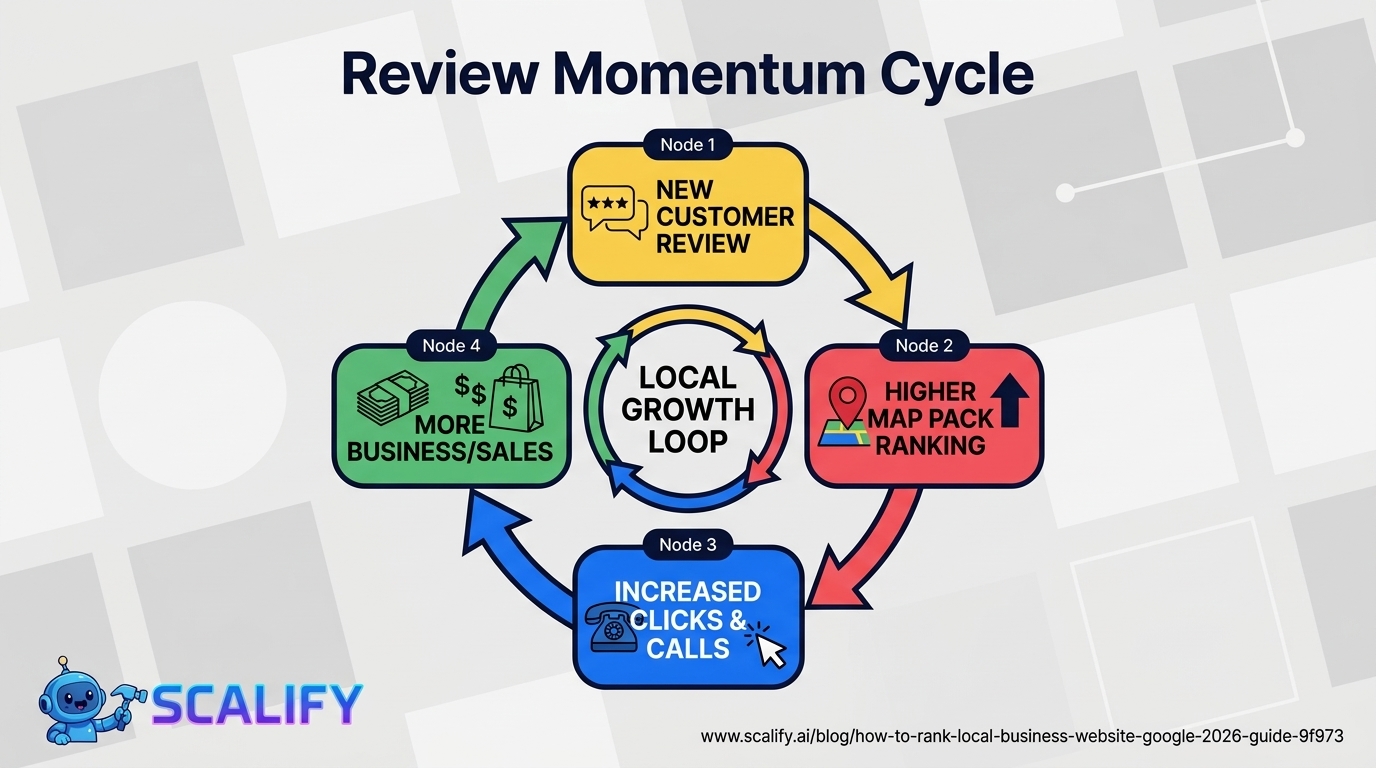
For businesses with geographic service areas — restaurants, contractors, medical practices, professional services firms, retail stores — local SEO produces results significantly faster than national SEO for the same investment level. The reason: local competition is dramatically lower than national competition, and Google's local ranking algorithm (which serves the Map Pack) places heavy weight on Google Business Profile optimization and local review signals that can be improved in weeks rather than months.
Local SEO timelines for a properly optimized Google Business Profile with active review acquisition: first Map Pack appearances within 2–8 weeks, significant Map Pack visibility within 3–4 months, and strong local pack rankings within 6 months. Combined with locally targeted content on the website (city-specific service pages, local area guides, blog content about local topics), local SEO can produce meaningful inbound leads within 3–6 months — faster than any equivalent national SEO investment.
SEO vs. Paid Search: The Timeline Comparison
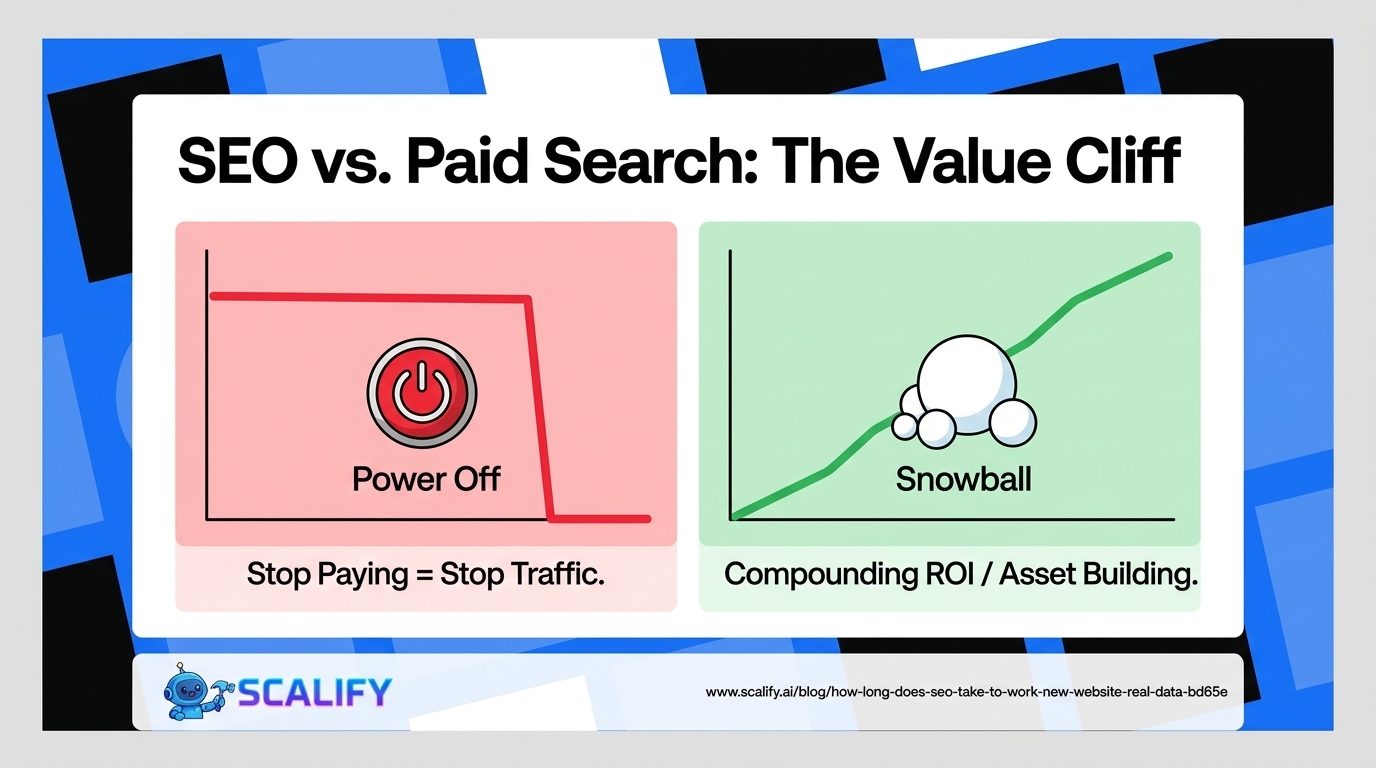
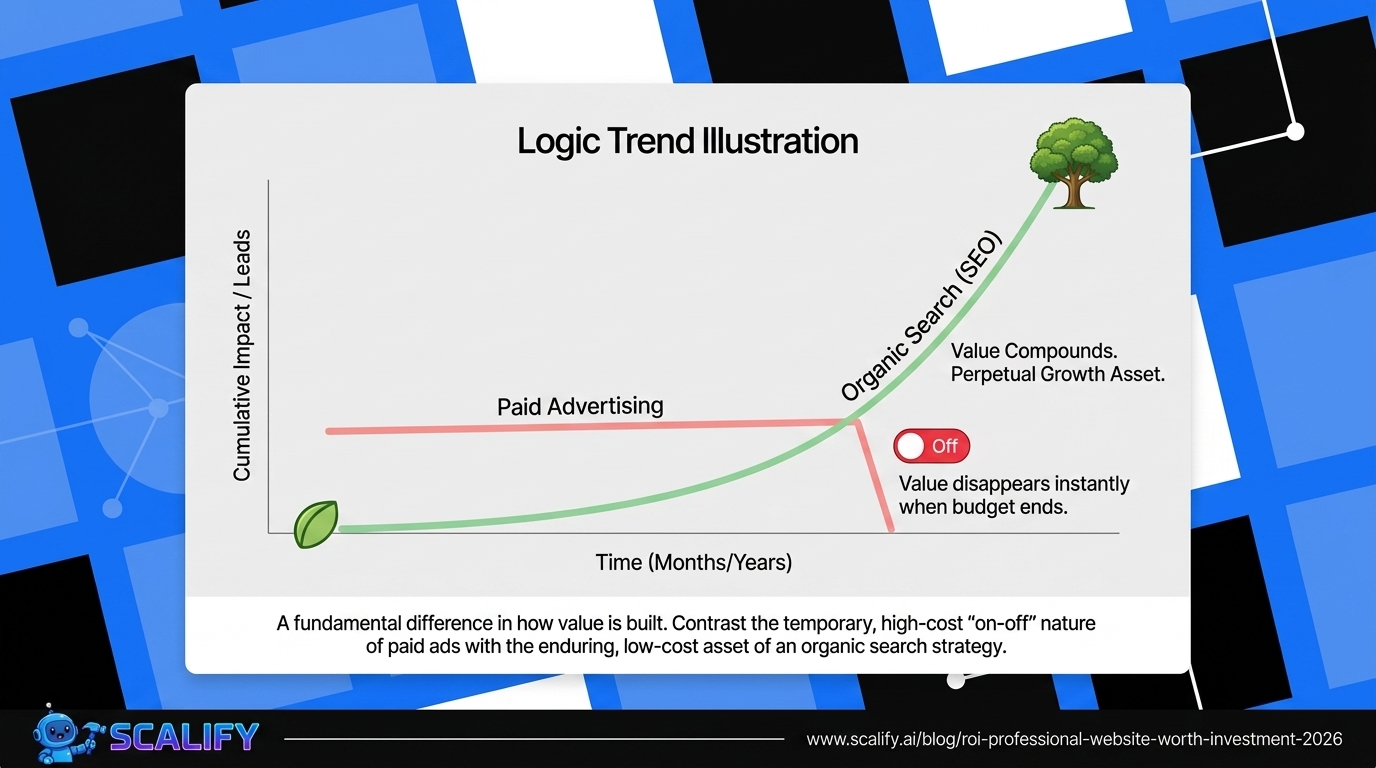
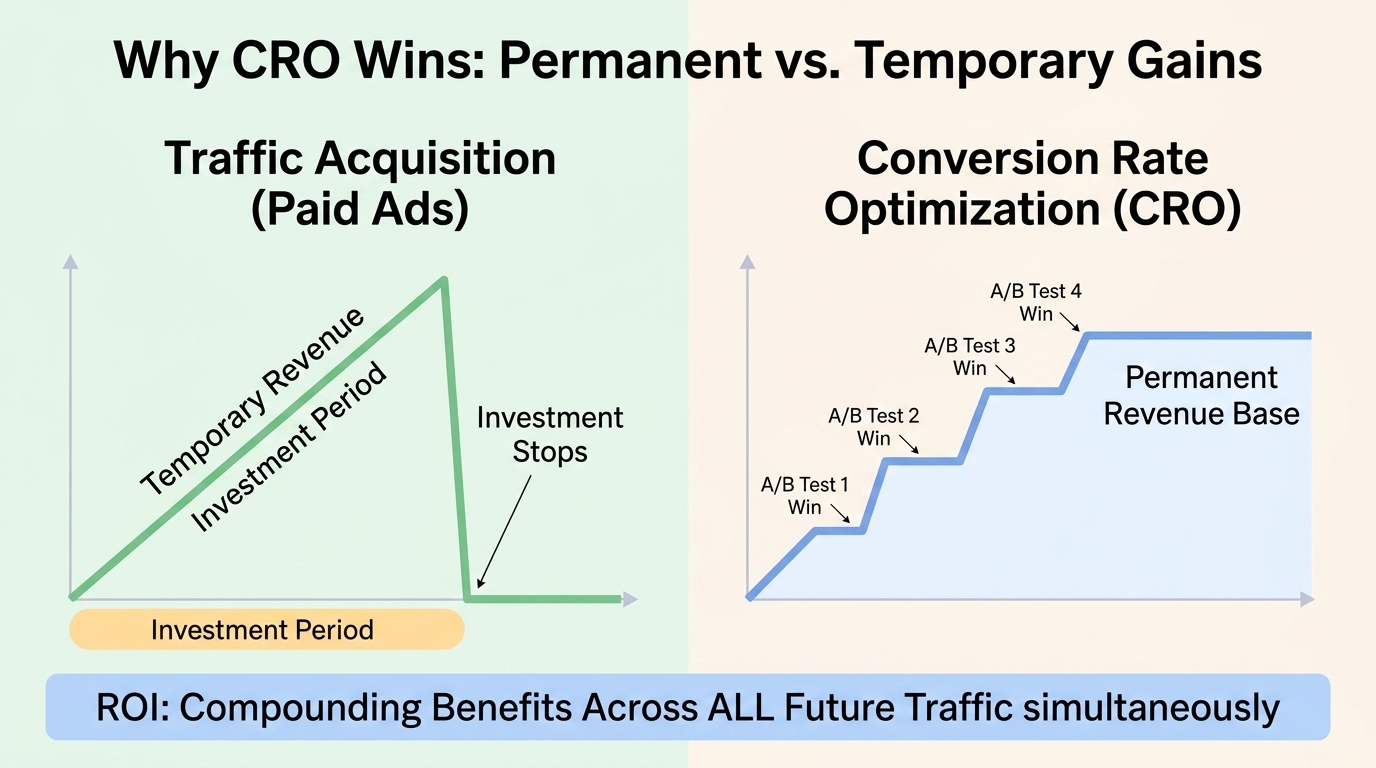
The standard objection to SEO's timeline is the comparison with paid search advertising — which delivers traffic immediately on launch and can be scaled instantly. This comparison is valid for immediate traffic needs but misses the long-term economics that make SEO valuable. Paid search traffic disappears the moment spend stops. Organic traffic built through SEO continues generating value for years with only maintenance investment. A business that invests $5,000/month in paid search and $3,000/month in SEO for 24 months has spent $196,000 on paid search that will generate no traffic after the budget is cut, and $72,000 on SEO that will continue generating traffic for years. The total economic value of the SEO investment almost always exceeds the paid search investment over a 36–48 month horizon, making the patience required for SEO timelines a financial calculation rather than just a strategic preference.


.jpeg)
.jpeg)

78 SW 7th St, Miami, FL 33130