

UI Designer Salary: What Employers Are Paying in 2026
By Josh Ternyak

April 20, 2026
Comprehensive guide: UI Designer Salary: What Employers Are Paying in 2026
UI Designer Compensation in 2026: What the Numbers Actually Say
UI design is one of the most misunderstood job categories from a compensation perspective. People outside the field often underestimate what skilled UI designers earn — assuming it's a lower-paid creative role. People inside the field sometimes misunderstand what drives the difference between a $65,000 UI designer and a $155,000 UI designer. The gap is real, significant, and driven by factors that are achievable with deliberate skill and positioning investment.
This guide gives you the complete, honest picture of what UI designers earn in 2026 across every relevant dimension — with enough specificity to actually help you understand where you stand and what moves the needle.
UI Designer Salary by Experience Level
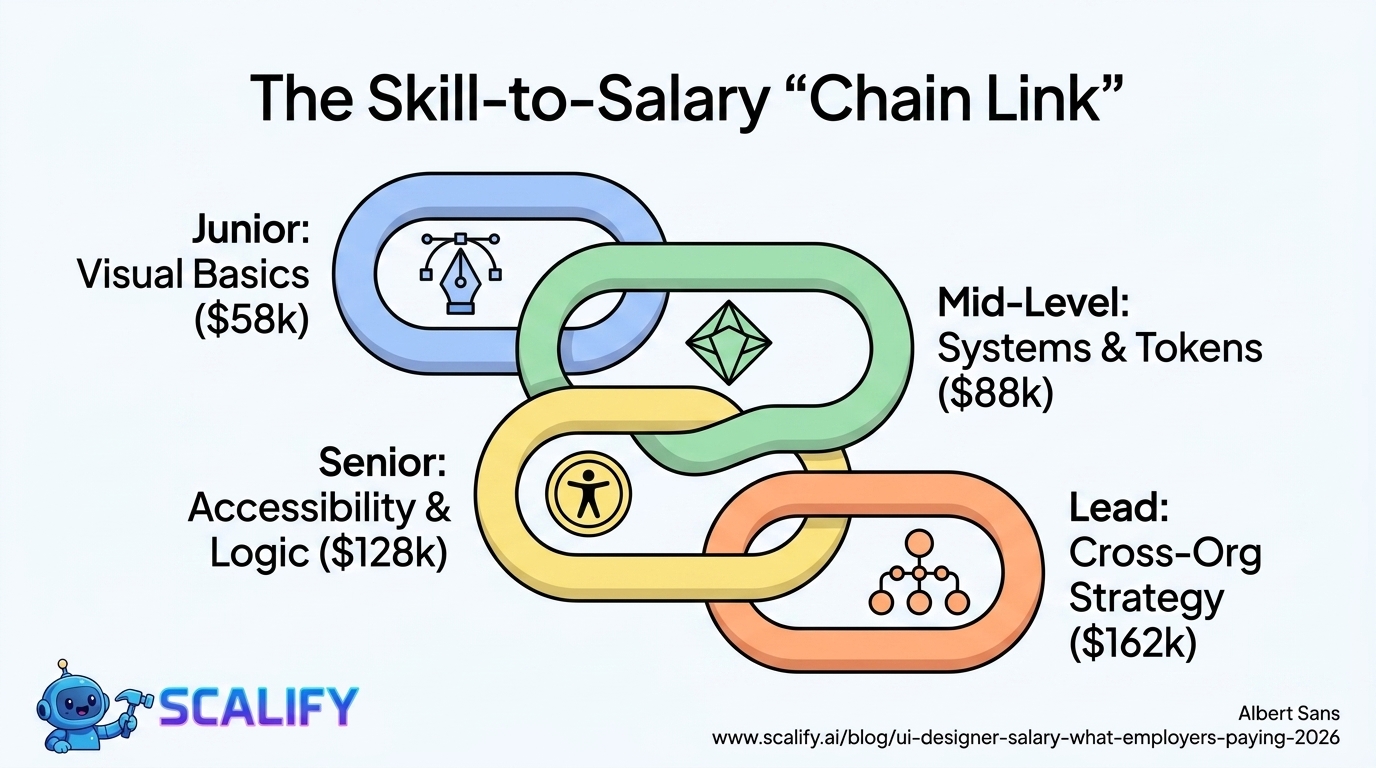
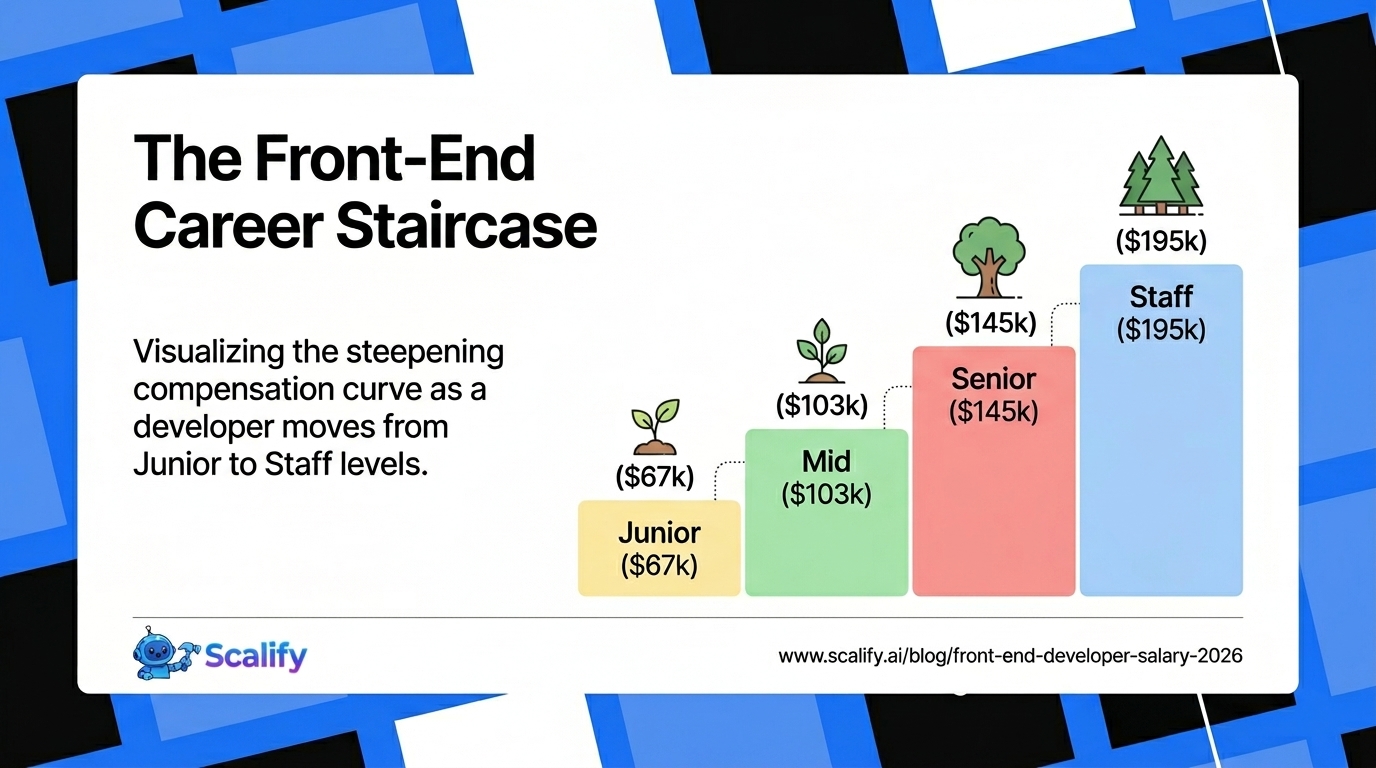
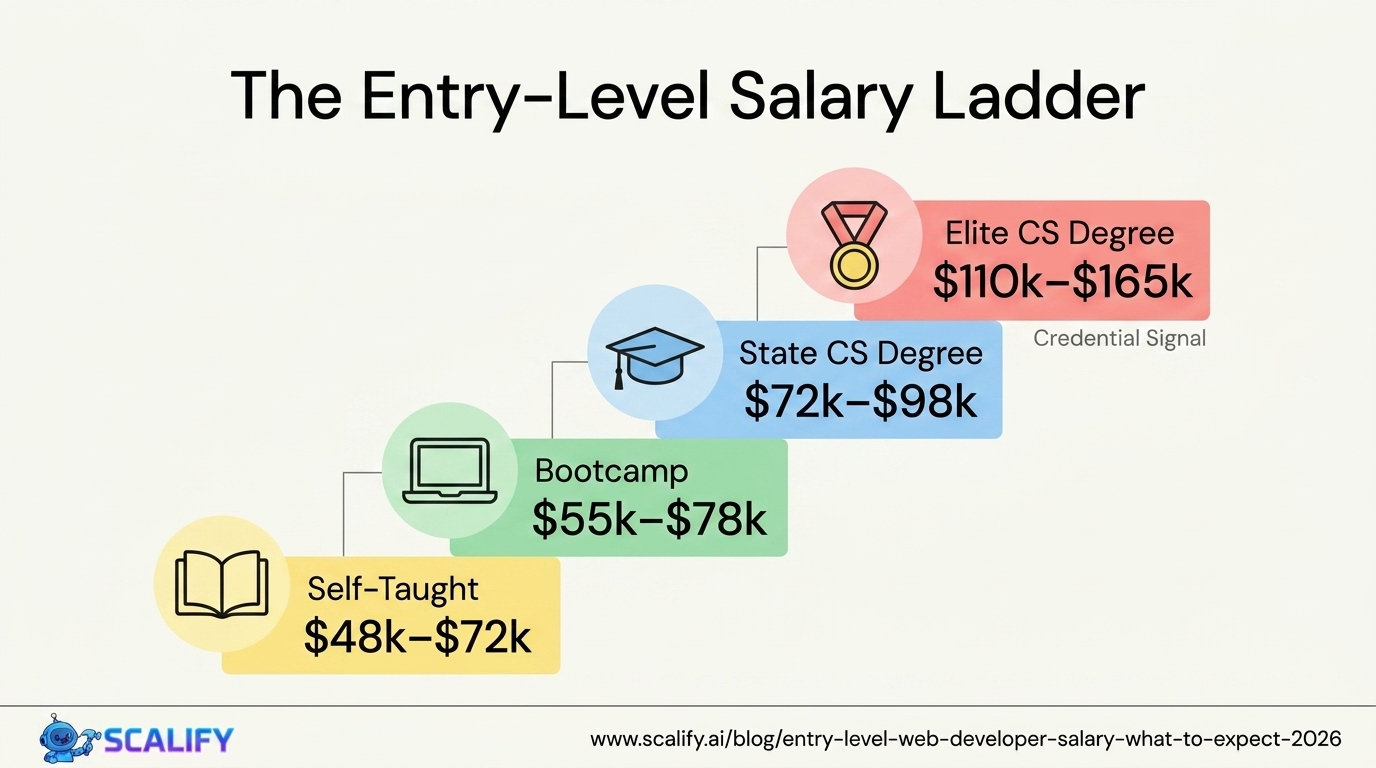
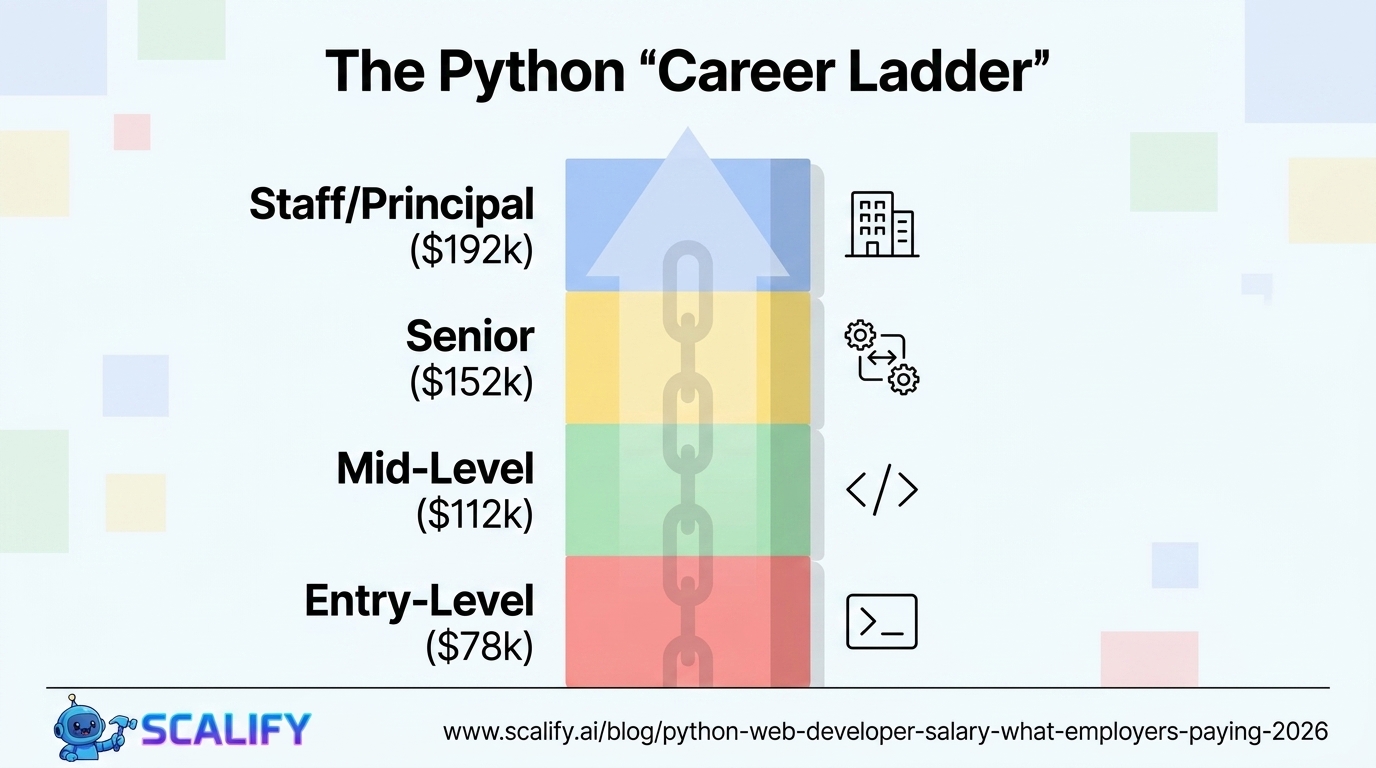
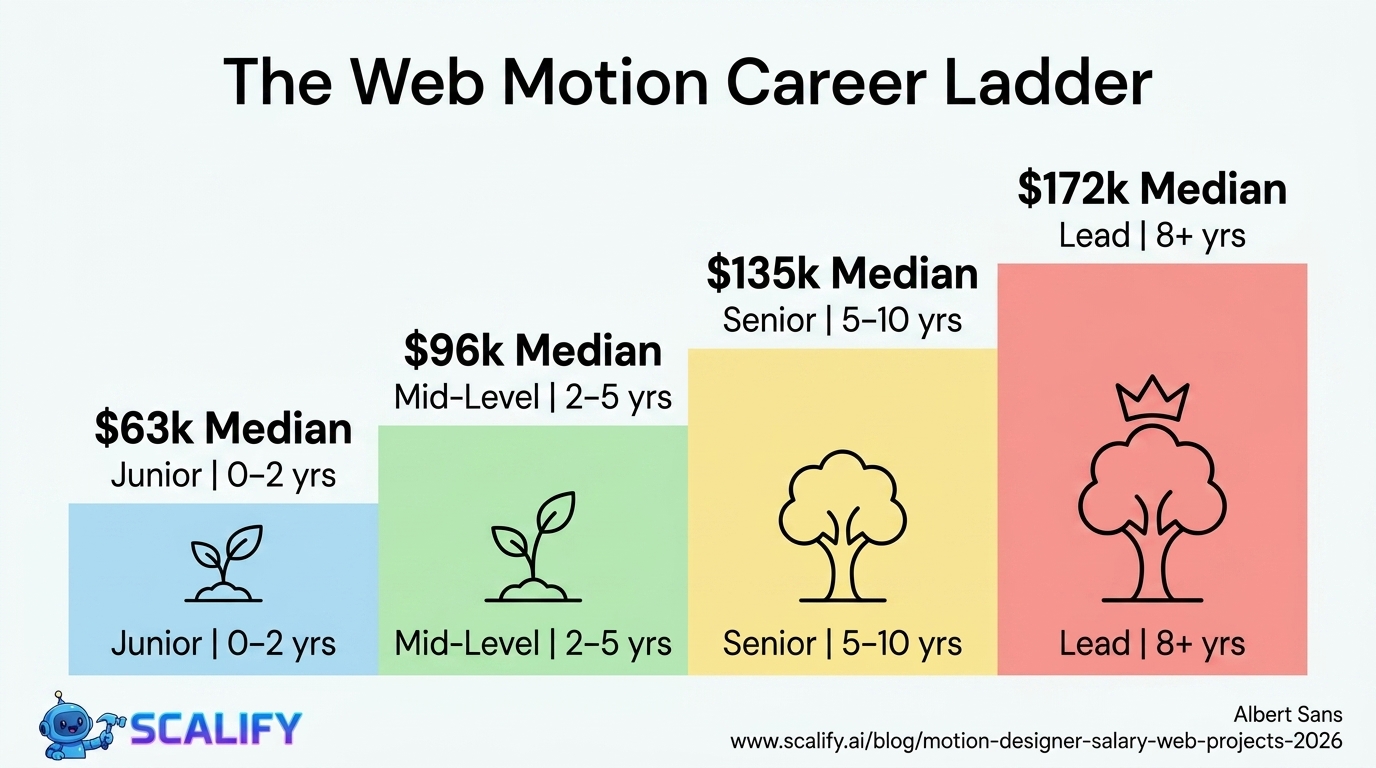
LevelYears ExperienceSalary RangeMedianSkills ExpectedJunior UI Designer0–2 years$48,000 – $72,000$58,000Figma, components, visual design basicsMid-Level UI Designer2–5 years$72,000 – $108,000$88,000Design systems, auto layout, tokens, handoffSenior UI Designer5–10 years$105,000 – $155,000$128,000System leadership, accessibility, prototypingLead / Principal UI Designer8+ years$138,000 – $195,000+$162,000Cross-org systems, design direction, team lead
Junior UI Designer ($48,000 – $72,000)
At junior level you're producing design deliverables within established visual systems. You're using the company's design system to build new screens and components, maintaining visual consistency across your work, and learning how to give and receive feedback in design reviews. You know Figma at a functional level — you can build frames, use components, apply styles, and use auto layout for basic responsive behavior.
The bottom of this range is typically at small agencies or in-house teams at non-tech companies. The top is at funded tech companies in primary markets. The variation at junior level is dominated by geography and employer type — skills matter, but the floor and ceiling are set more by where you're working than by how good your portfolio is.
Mid-Level UI Designer ($72,000 – $108,000)
Mid-level is where genuine design systems fluency becomes critical to compensation. You're expected to not just use design systems but contribute to them — creating new component variants, maintaining documentation, and thinking about how component decisions scale across the product. Figma's component architecture (properties, variants, instance swap, nested instances) at a deep level is the practical expression of this skill.
The ability to work collaboratively with engineers on developer handoff — understanding how your designs need to be specified for implementation, how to use Figma's Dev Mode, and how to have productive conversations about implementation feasibility — dramatically increases your value at mid-level. Designers who engineers find easy to work with are more valued and better compensated than equally visually talented designers who create handoff friction.
Typography system design and spacing system design — not just choosing a nice font, but establishing a full type scale with proper line heights, letter spacing, and size ratios that work across contexts — is a mid-level skill that signals design system maturity. Color system design using proper color tokens, semantic naming, and dark mode consideration is similarly valued.
Senior UI Designer ($105,000 – $155,000)
Senior UI designers are design system architects. You're not just maintaining components — you're establishing the principles, making the foundational decisions (color primitive vs. semantic token approach, component composition model, naming conventions), and ensuring the system scales to multiple products and teams. You're the authority that other designers defer to on visual system questions.
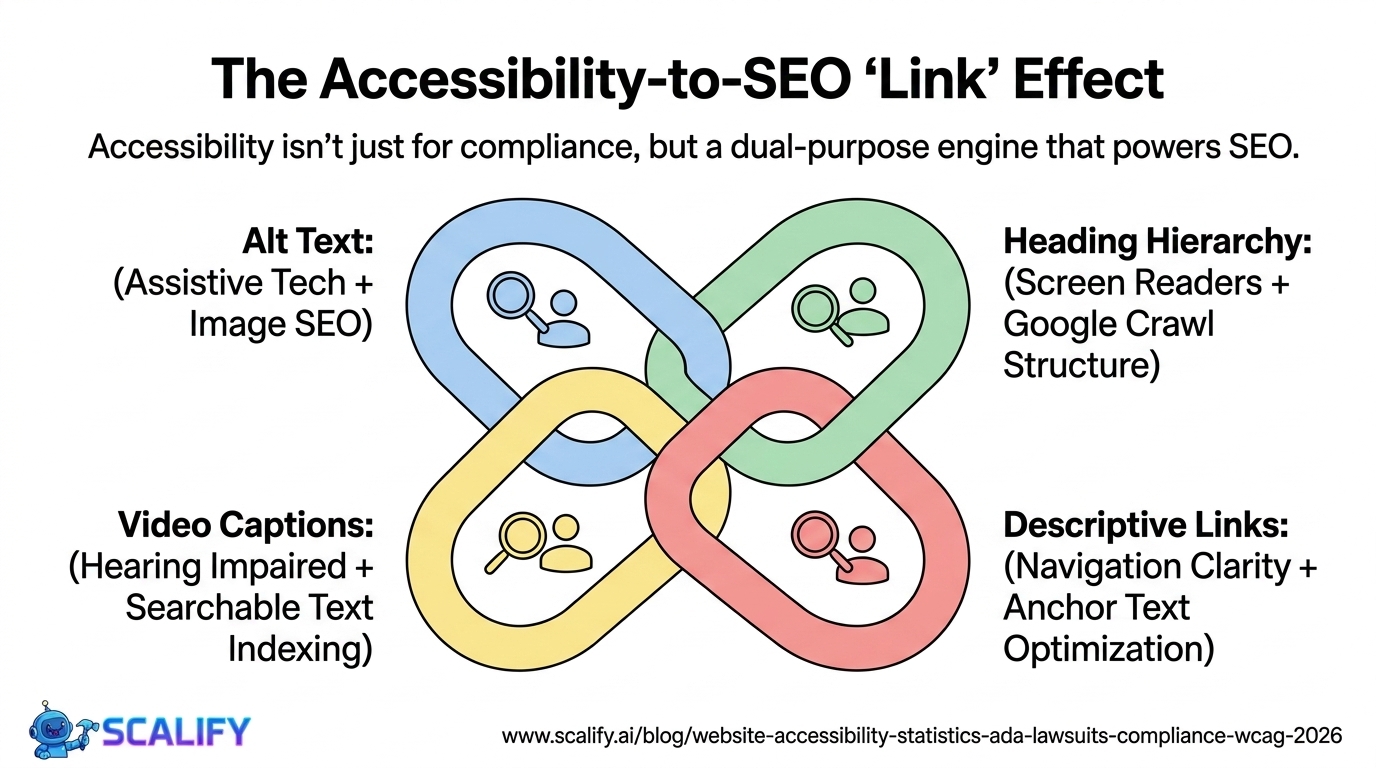
Accessibility is a non-negotiable expectation at senior level at serious companies. This goes beyond checking contrast ratios — you understand focus management, keyboard navigation patterns, screen reader behavior for complex components (modal dialogs, date pickers, data tables), ARIA patterns for custom interactive elements, and how to design accessible motion (reduced motion preferences). Senior designers who can't demonstrate accessibility knowledge are limited in their employer options.
Prototyping capability at senior level means advanced prototyping — not just static screen transitions but Figma interactive components, realistic interaction states, variable-driven prototypes that show real data. The ability to prototype a complex interaction pattern convincingly enough that it can replace a developer prototype in user testing is a premium skill.
UI Designer Salary by Industry
IndustryMid-LevelSeniorNotesTechnology / Software (Product)$92,000 – $128,000$128,000 – $178,000Highest base + equityFintech$90,000 – $125,000$125,000 – $170,000High pay, compliance complexityHealthcare Tech$82,000 – $115,000$115,000 – $158,000Accessibility critical, strong demandE-Commerce$78,000 – $108,000$108,000 – $148,000Conversion-focused, measurable ROIDesign Agencies$65,000 – $92,000$90,000 – $122,000Breadth, variety, lower ceilingMarketing / Advertising$62,000 – $88,000$85,000 – $115,000Brand-focused, lower ceilingEnterprise / Non-Tech$68,000 – $98,000$95,000 – $128,000Stability, low equity
UI Designer Salary by Company Size
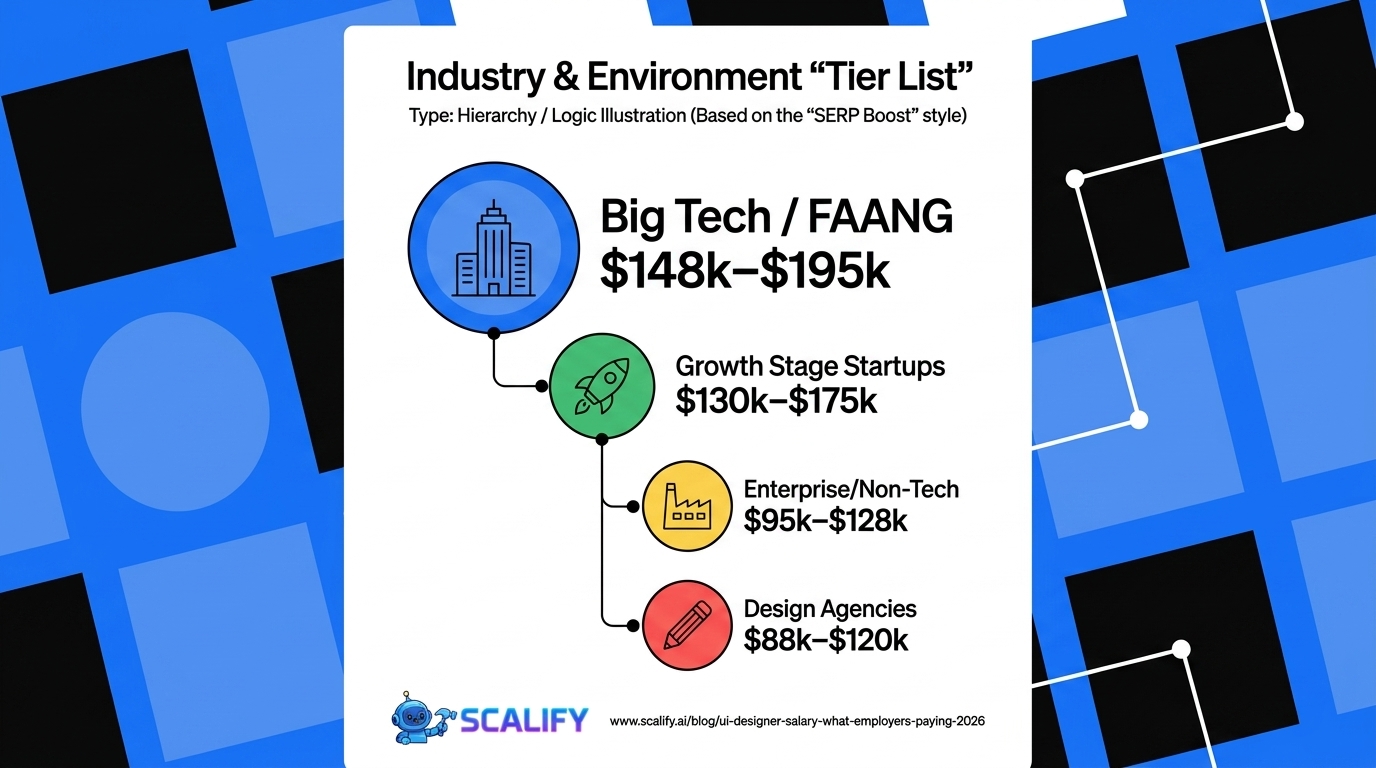
Company SizeMid-LevelSeniorNotesFAANG / Big Tech (1000+ employees)$115,000 – $148,000$148,000 – $195,000High base + substantial equityGrowth Stage (100–500 employees)$98,000 – $132,000$130,000 – $175,000Good balance of cash + equityEarly Stage (10–100 employees)$85,000 – $115,000$112,000 – $155,000Lower cash, higher equity upsideSmall Business (under 10)$55,000 – $85,000$80,000 – $115,000Lowest range, high ownershipAgency (any size)$62,000 – $92,000$88,000 – $120,000Breadth of work, limited ceiling
UI Designer Salary by City
CityMid-LevelSeniorSan Francisco Bay Area$108,000 – $145,000$148,000 – $205,000New York City$98,000 – $132,000$135,000 – $185,000Seattle$98,000 – $130,000$132,000 – $182,000Austin$82,000 – $112,000$112,000 – $152,000Denver / Boston$80,000 – $110,000$108,000 – $148,000Miami$68,000 – $98,000$95,000 – $132,000Non-tech hub markets$52,000 – $78,000$78,000 – $108,000
Tools and Skills That Command the Biggest Salary Premium
Based on job posting salary data and designer compensation surveys, these are the skills and tools that most reliably increase UI designer compensation above the baseline:
Figma Variables and Advanced Component Architecture
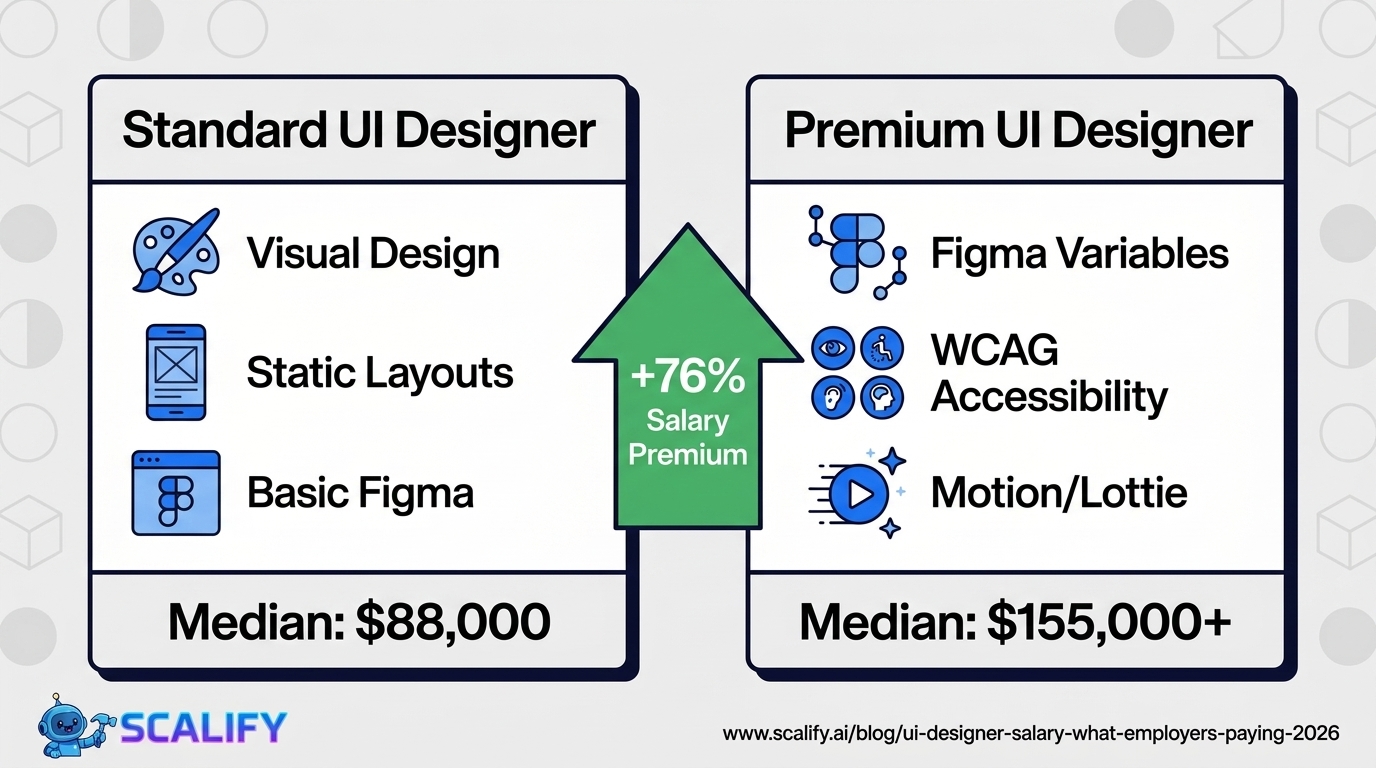
Figma Variables — the system for creating design tokens that control color, typography, spacing, and sizing across an entire file and update globally — represents a significant advancement in design system management. Designers who can set up and maintain a Variables-based design system, with proper semantic naming, mode support (light/dark/high contrast), and component integration, are demonstrating professional-grade design systems knowledge that commands a premium. Most designers who claim Figma expertise haven't deeply implemented Variables — those who have stand out significantly.
Accessibility-First Design Practice
Accessibility is increasingly a legal requirement and business necessity rather than a "nice to have." UI designers who approach accessibility as a core design constraint — designing for keyboard navigation from the start, ensuring 4.5:1 color contrast ratios for normal text (3:1 for large text), understanding focus states as visual design elements rather than afterthoughts, and knowing which ARIA patterns are appropriate for which custom components — are significantly more valuable to companies facing legal pressure and inclusive design mandates. The WCAG 2.1 AA standard is the baseline; designers who know it fluently command a premium of $8,000–$18,000.
Motion Design and Micro-Interactions
Interface animation — transition design, loading state design, micro-interaction design, and the principles of easing, duration, and choreography that make UI feel alive — is a skill that many UI designers aspire to but few master. Tools like Figma's native animation system, Principle, Jitter, and LottieFiles allow designers to prototype and specify motion. Senior UI designers who produce motion specifications alongside their static designs earn a notable premium, particularly at product companies where UX polish is a competitive differentiator.
Developer Collaboration and Code Awareness
The most consistently premium skill combination in UI design isn't a design tool — it's the combination of design skill with developer collaboration fluency. Designers who understand CSS fundamentals (flexbox, grid, box model, specificity), who can look at a developer's implementation and diagnose why it doesn't match the design, who write specs in developer-friendly units (px, rem, %), and who understand which design decisions are high implementation cost vs. low — these designers are measurably more productive partners for engineering teams and are paid accordingly.
Design Systems Leadership
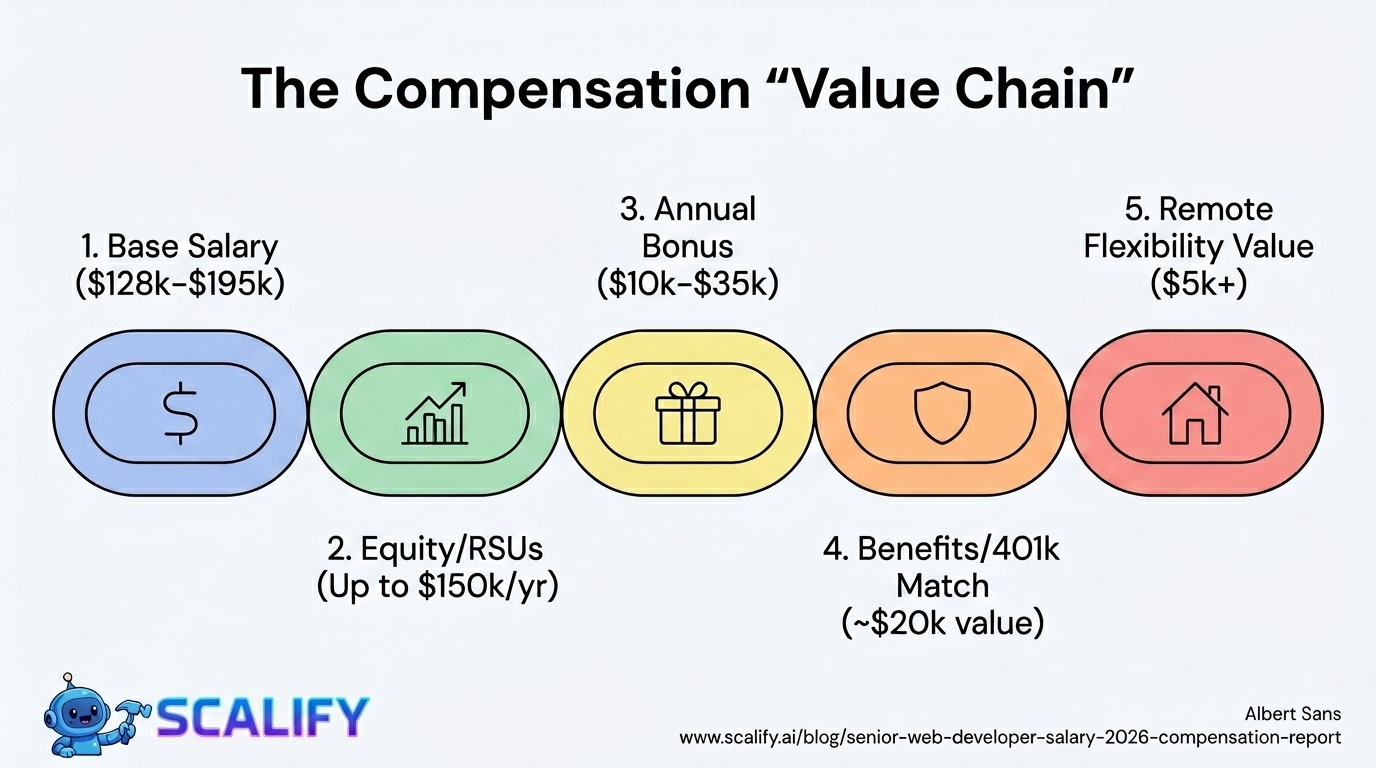
The highest-paying UI designer specialization is design systems work. Designers who own and scale design systems — managing component libraries, design token architecture, documentation sites, contribution processes, and the governance model for how the system evolves — are solving a high-value organizational problem. Design systems leads at companies with mature design needs earn $145,000–$190,000, above the general senior designer range.
UI Designer vs UX Designer vs Product Designer: Salary Comparison
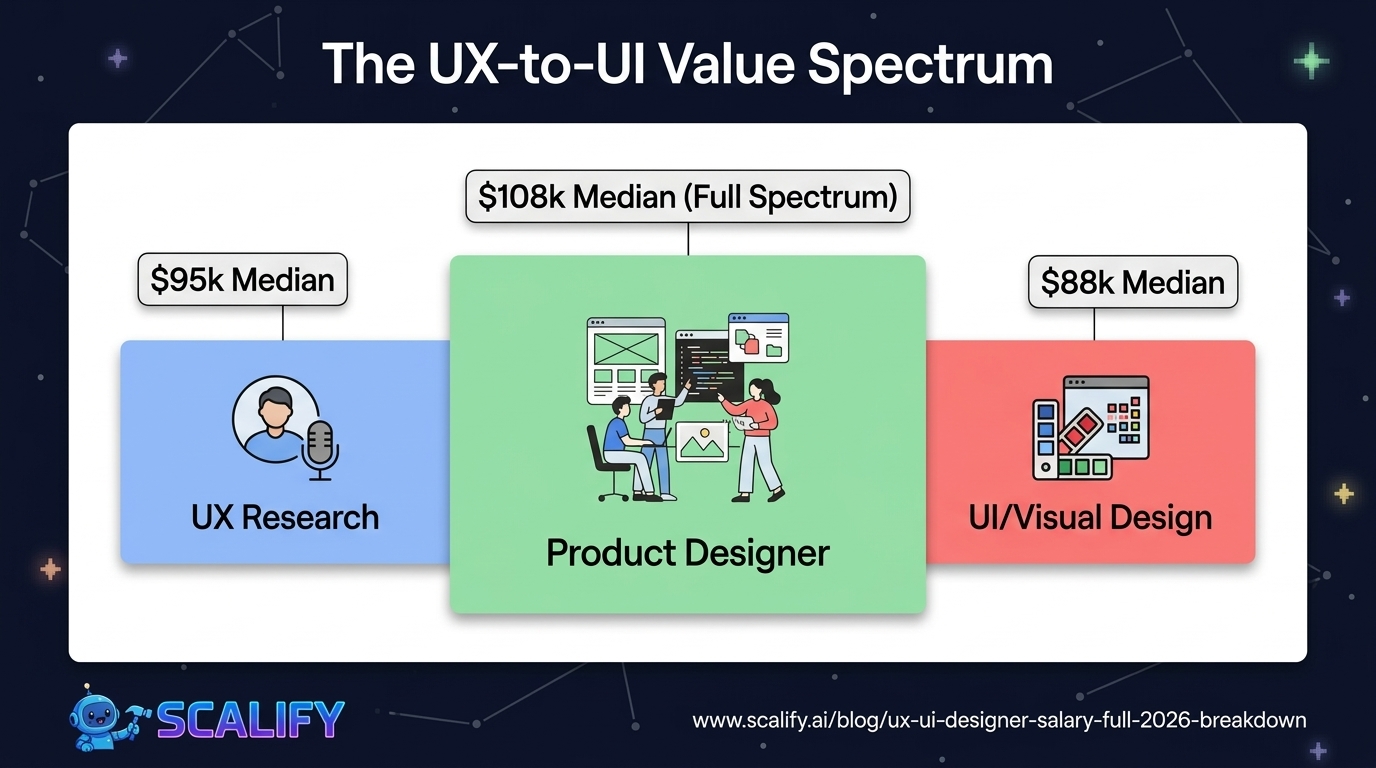
RoleMid-Level MedianSenior MedianHighest Earning ContextUI Designer$88,000$128,000Design systems at FAANGUX Designer$95,000$138,000Research at complex product companiesUX/UI Designer (hybrid)$92,000$135,000Product companies wanting one personProduct Designer$108,000$152,000Tech startups with equity upsideDesign Systems Lead$115,000$165,000Large product companies at scale
Freelance UI Designer Rates
Level / SpecializationHourly RateProject RangeJunior UI Designer$35 – $65/hr$1,000 – $5,000Mid-Level UI Designer$65 – $115/hr$4,000 – $15,000Senior UI Designer$115 – $185/hr$12,000 – $45,000Design Systems Specialist$145 – $225/hr$15,000 – $60,000+UI + Webflow Developer$100 – $175/hr$8,000 – $40,000
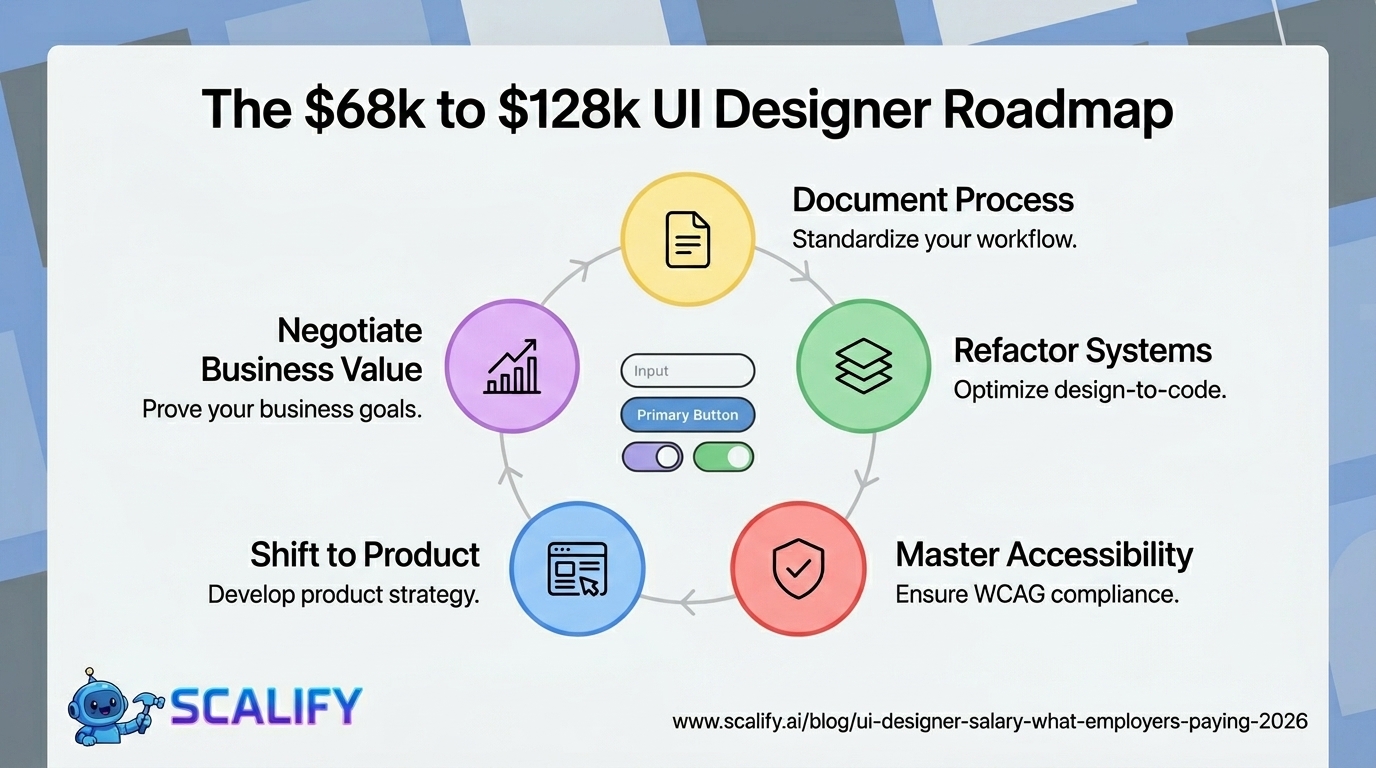
How to Move From $68,000 to $128,000 as a UI Designer
The practical roadmap for mid-level UI designers who want to reach senior compensation:
Step 1: Document your design process, not just your outcomes. Rebuild your portfolio cases to show the problem, your process, the alternatives you explored, the decisions you made and why, and the outcomes that resulted. This is the single highest-return portfolio investment available to most designers below senior level.
Step 2: Get deep on design systems. Take a poorly organized design file — your own portfolio project works great — and refactor it into a proper component library with variables for color tokens, typography tokens, and spacing tokens. Document the decisions. This hands-on project gives you genuine systems experience to discuss in interviews.
Step 3: Learn accessibility deeply. Go through the WCAG 2.1 AA success criteria — not memorizing them but understanding what they mean for visual design decisions. Run real accessibility audits on your portfolio work. Fix what you find. The process of finding and fixing accessibility issues in your own work is the fastest way to develop genuine expertise.
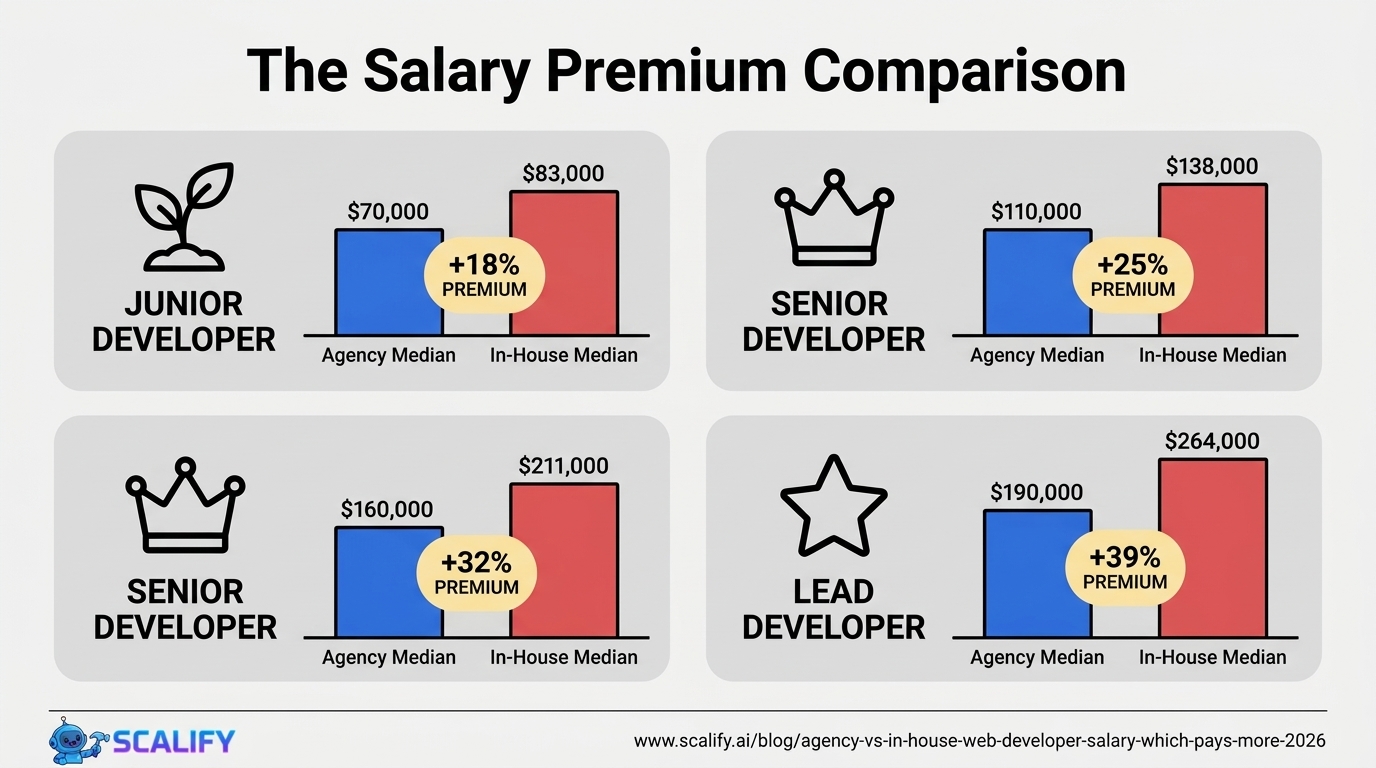
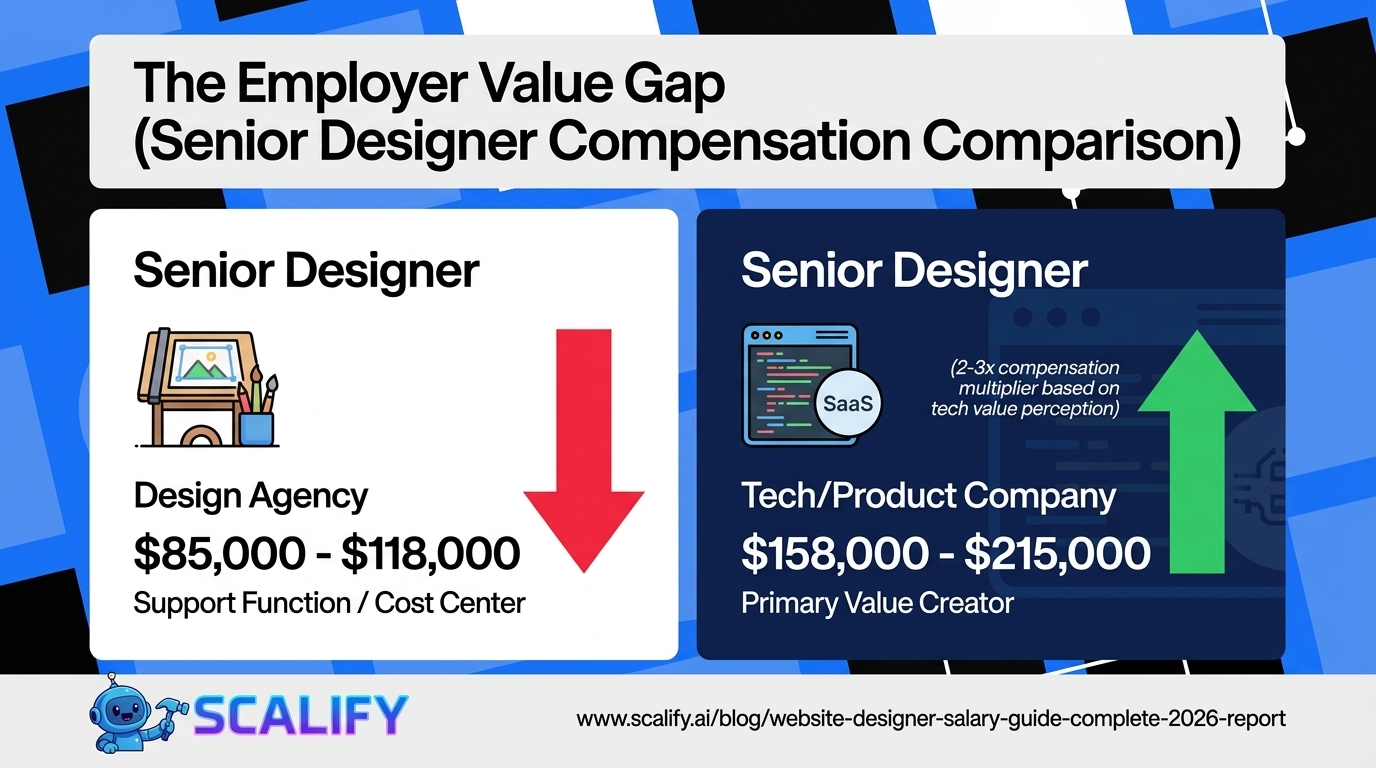
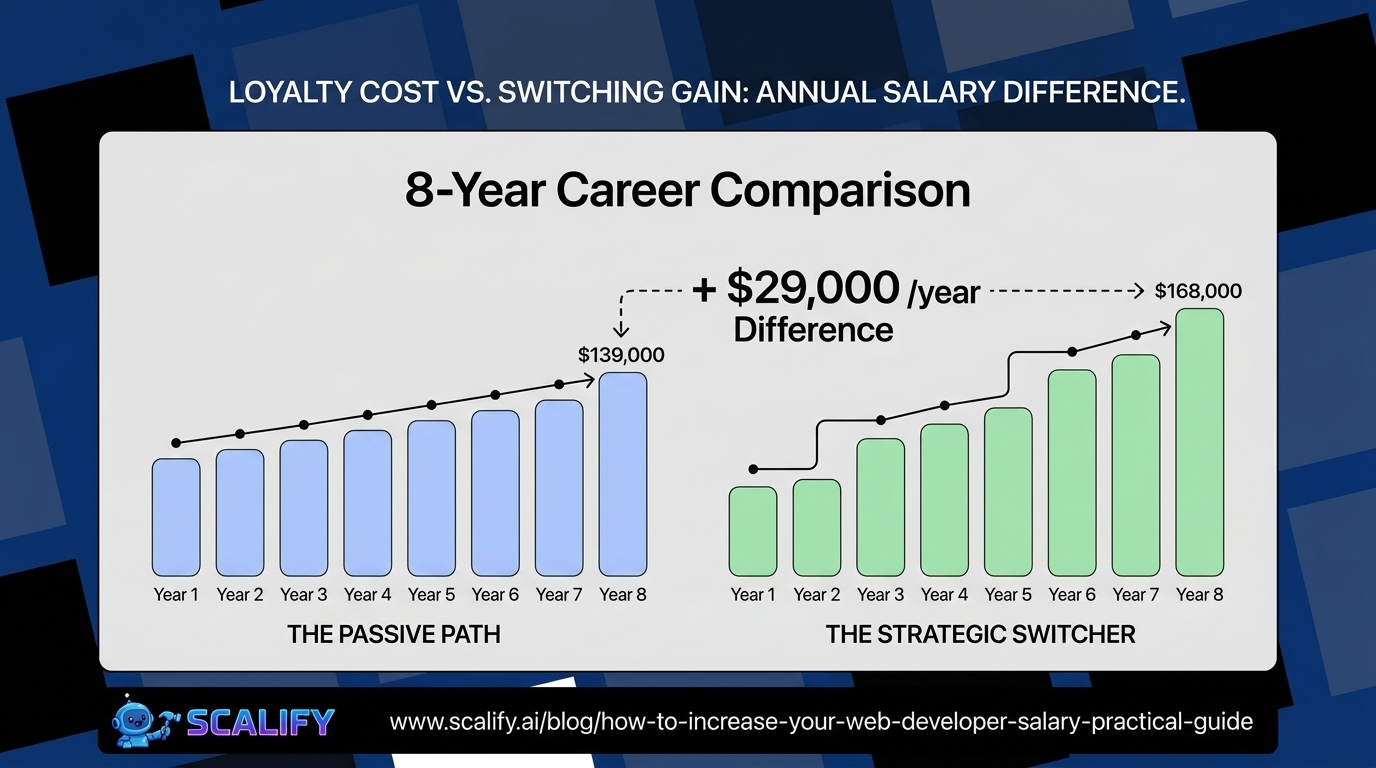
Step 4: Move from agency to product company. If you're currently at an agency earning agency rates, this is likely the highest-leverage career move available to you. The same skills earn 25–40% more at a product company. Target funded startups that are mature enough to have a design team but small enough to need your contribution immediately.
Step 5: Negotiate everything. Most UI designers undercharge in freelance and under-negotiate in employment. The design to strategy portion of your role has more business impact than most designers present in compensation conversations. Frame your impact in business terms — "I redesigned the onboarding flow and reduced drop-off by 22%" — not design terms.
The Bottom Line
UI designer salaries in 2026 range from $48,000 for junior designers at small agencies to $195,000+ in total compensation for design systems leads and senior product designers at major tech companies. The specializations that command the largest premiums are design systems architecture, accessibility expertise, and motion/interaction design. Moving from agency to product company employment and investing in design systems fluency are the two highest-return career moves available to most mid-level UI designers. The gap between a $68,000 UI designer and a $138,000 UI designer is real and achievable — it's driven by portfolio depth, systems thinking, and employer targeting, not by raw visual talent alone.
At Scalify, we build professional portfolio websites for UI designers and creative professionals in 10 business days — the first impression that earns you the interview for roles that pay what senior UI expertise deserves.
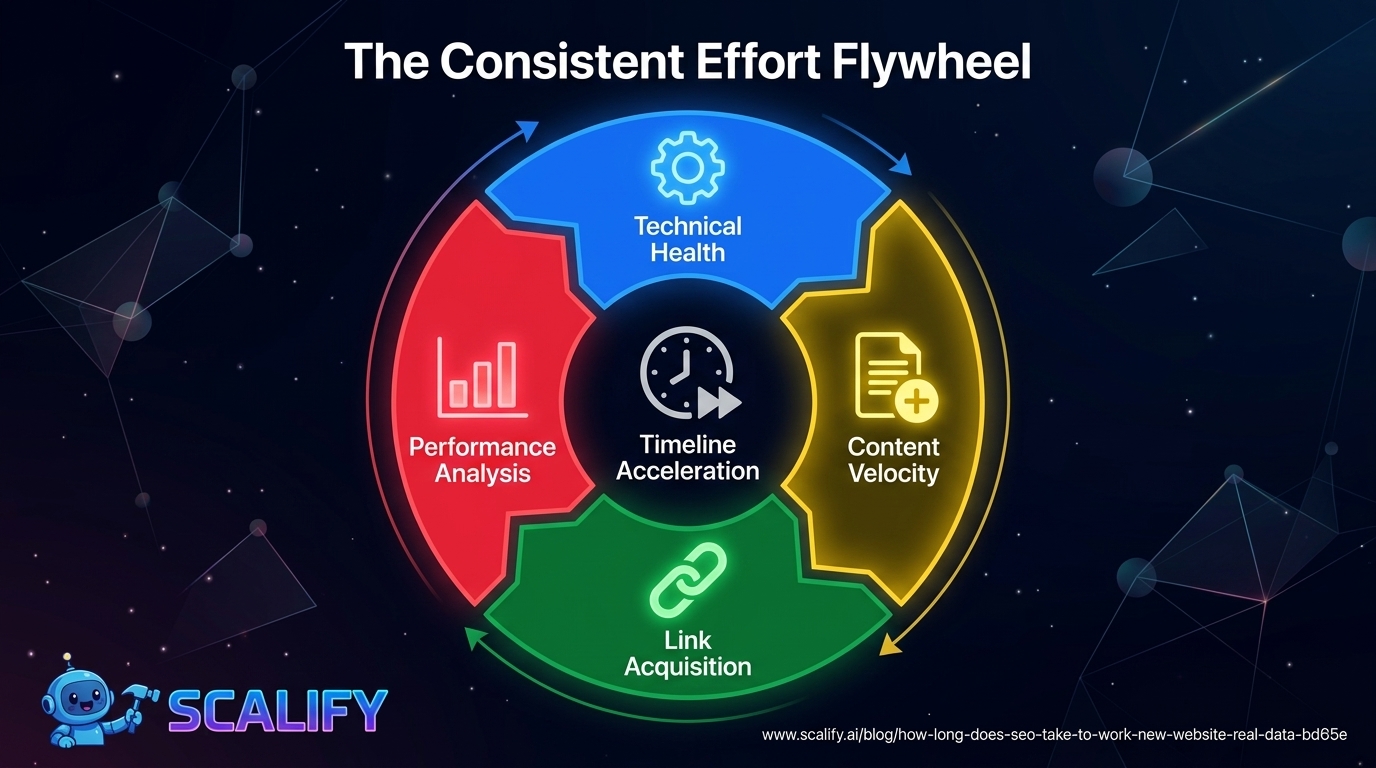
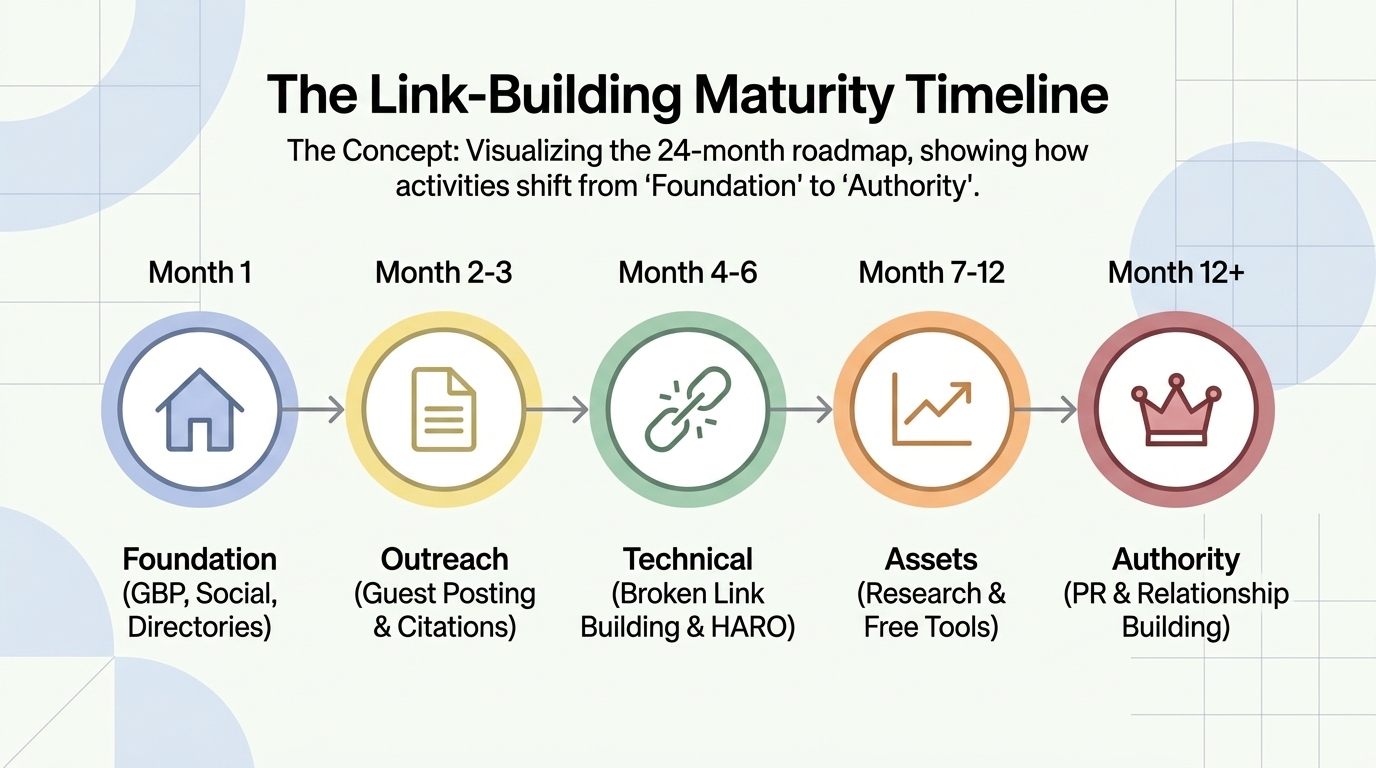
The compounding nature of consistent execution is the most important concept in digital marketing: individual tactics produce modest results; systematic implementation of multiple well-chosen tactics over 12–24 months produces transformative results. Identify the highest-impact improvements available to your specific situation, implement them with measurement infrastructure in place, and build the discipline to iterate based on what the data shows rather than intuition or industry trends that may not apply to your specific business and market.



.jpeg)
.jpeg)


78 SW 7th St, Miami, FL 33130