
Python Web Developer Salary: What Employers Are Paying in 2026
By Josh Ternyak

April 22, 2026
Comprehensive guide: Python Web Developer Salary: What Employers Are Paying in 2026
Python Web Developer Salary: What Employers Are Paying
Python has become one of the most commercially valuable programming languages in the world — and its dominance in web development, data engineering, and artificial intelligence has made Python web developers among the most sought-after engineers in the current market. In 2026, Python web developer salaries range from $78,000 for entry-level engineers to $185,000+ for senior engineers with AI/ML integration expertise, with the upper end of that range growing faster than almost any other web development specialization.
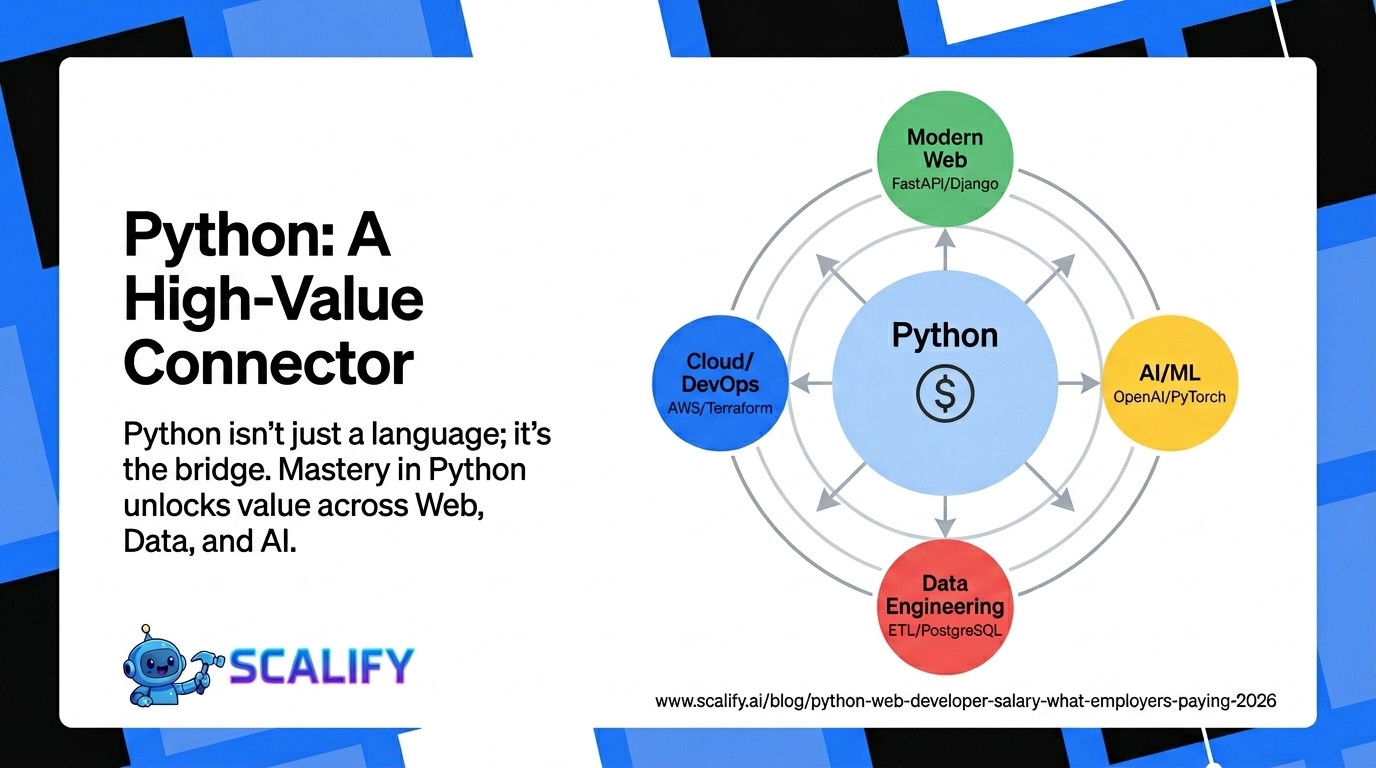
The reason Python commands strong compensation is its reach across high-value domains. Python is the language of Django and FastAPI for web APIs, the language of data pipelines and ETL systems, and the primary language for integrating with AI and machine learning services. A Python developer who can build a FastAPI back-end, connect it to PostgreSQL, integrate it with an LLM API, deploy it on AWS with Terraform, and instrument it with proper monitoring is solving the complete stack of problems that modern data-driven web applications require — and the market pays well for that combination.
Key Python Web Developer Salary Statistics
Python Web Developer Salary by Experience Level
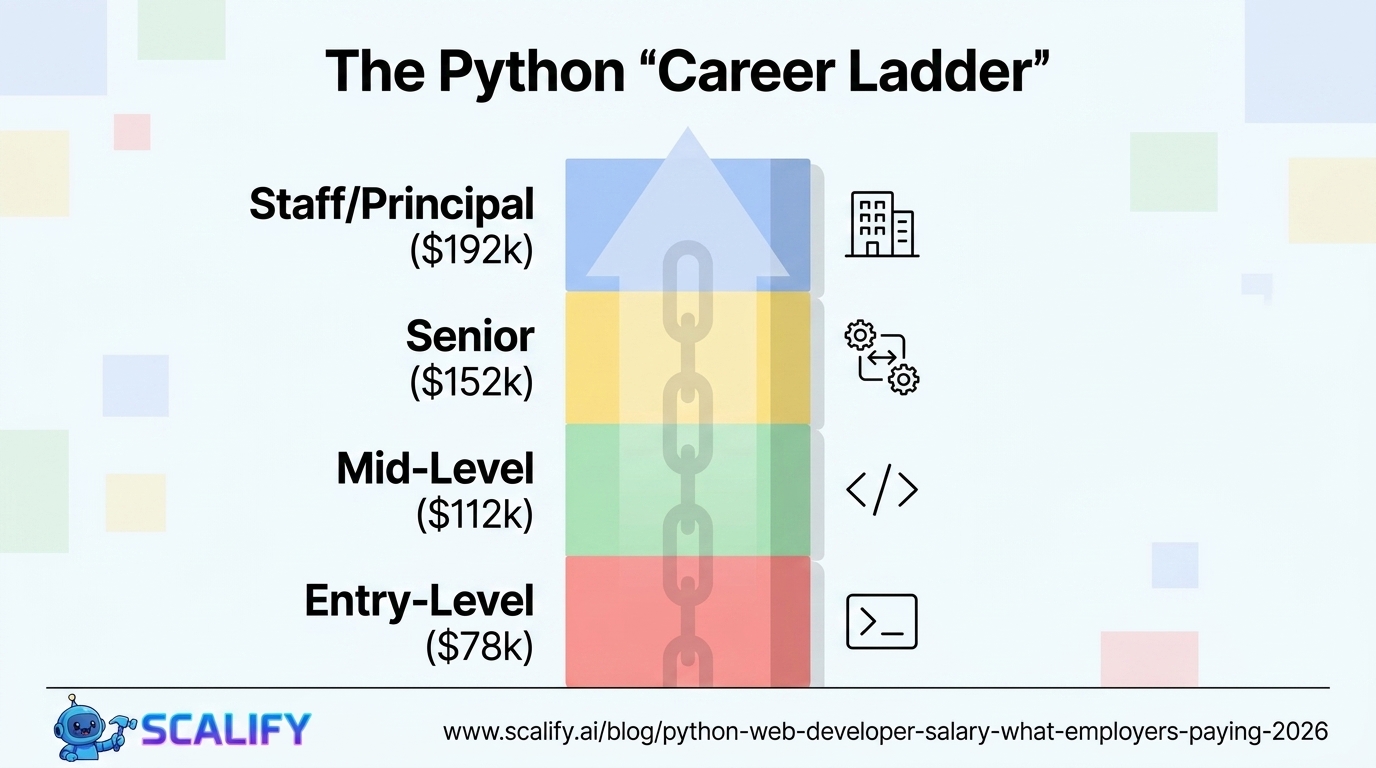
LevelYearsTypical SkillsSalary RangeMedianEntry-Level0–2 yrsDjango basics, REST APIs, SQL, Git, testing fundamentals$68,000 – $92,000$78,000Mid-Level2–5 yrsFastAPI/Django, async Python, ORM optimization, Docker, AWS basics$92,000 – $138,000$112,000Senior5–9 yrsSystem design, microservices, Celery, Redis, CI/CD, performance optimization$135,000 – $175,000$152,000Staff / Principal8+ yrsArchitecture leadership, org-wide standards, complex distributed systems$168,000 – $225,000$192,000
Python Web Framework Salary Comparison
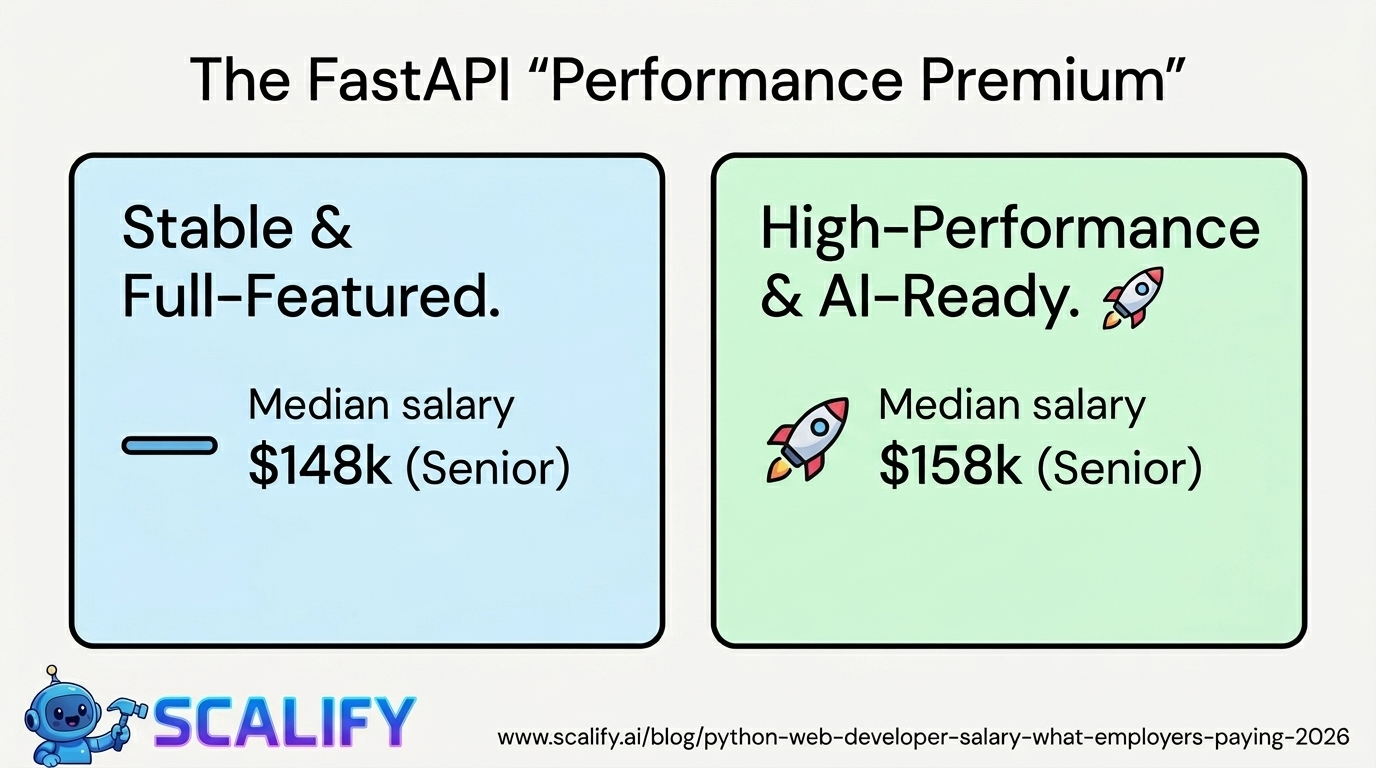
FrameworkMid-Level MedianSenior MedianUse CaseDemand DirectionFastAPI$118,000$158,000High-performance APIs, async services, AI integration layerGrowing fastestDjango (full-stack)$108,000$148,000Full-featured web apps, CMS, admin interfacesLarge, stableDjango REST Framework$112,000$152,000REST APIs on Django — dominant Python API patternVery HighFlask$102,000$138,000Microservices, simple APIs, prototypingStable — being replaced by FastAPI in new projectsStarlette / Litestar$115,000$155,000High-performance async applicationsGrowing (niche premium)
FastAPI's growing salary premium over Django reflects a genuine market shift. FastAPI's async-first design, automatic OpenAPI documentation generation, Python type hint integration, and significantly better performance under load make it the preferred choice for new API development at performance-conscious organizations — particularly for the AI application layer, where API latency and throughput directly affect user experience and operating costs. Senior FastAPI developers who can also leverage Python's async ecosystem (asyncio, aiohttp, motor for async MongoDB) are building the highest-value Python APIs in the current market.
The AI Integration Premium: Python's Biggest Salary Driver
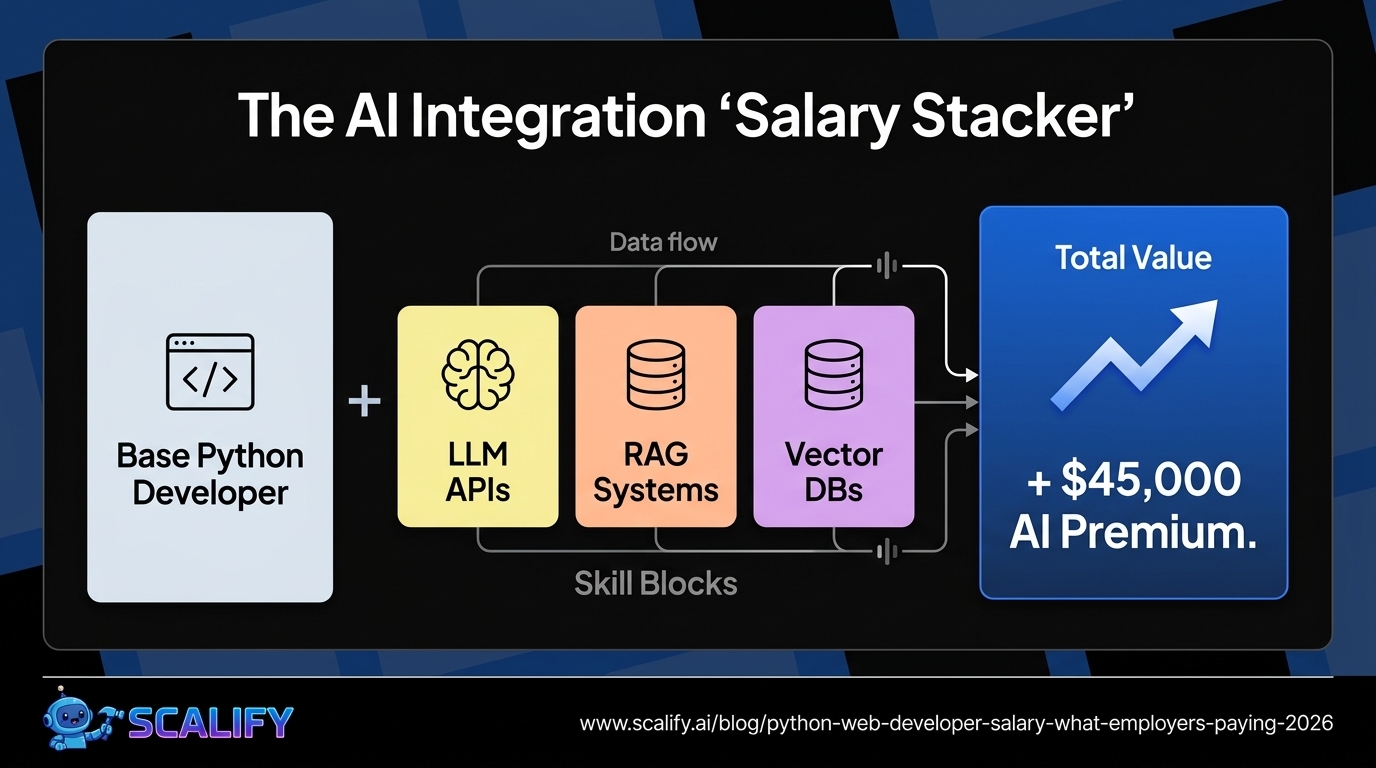
The single largest salary driver in Python web development in 2026 is AI and machine learning integration expertise. Python is the dominant language in the AI/ML ecosystem — virtually every major AI library (TensorFlow, PyTorch, Hugging Face Transformers, LangChain, LlamaIndex) is Python-first, and every major AI API (OpenAI, Anthropic, Google Gemini, Cohere) has a first-class Python SDK. This positions Python web developers as the natural engineers to build the API layer connecting AI capabilities to web applications.
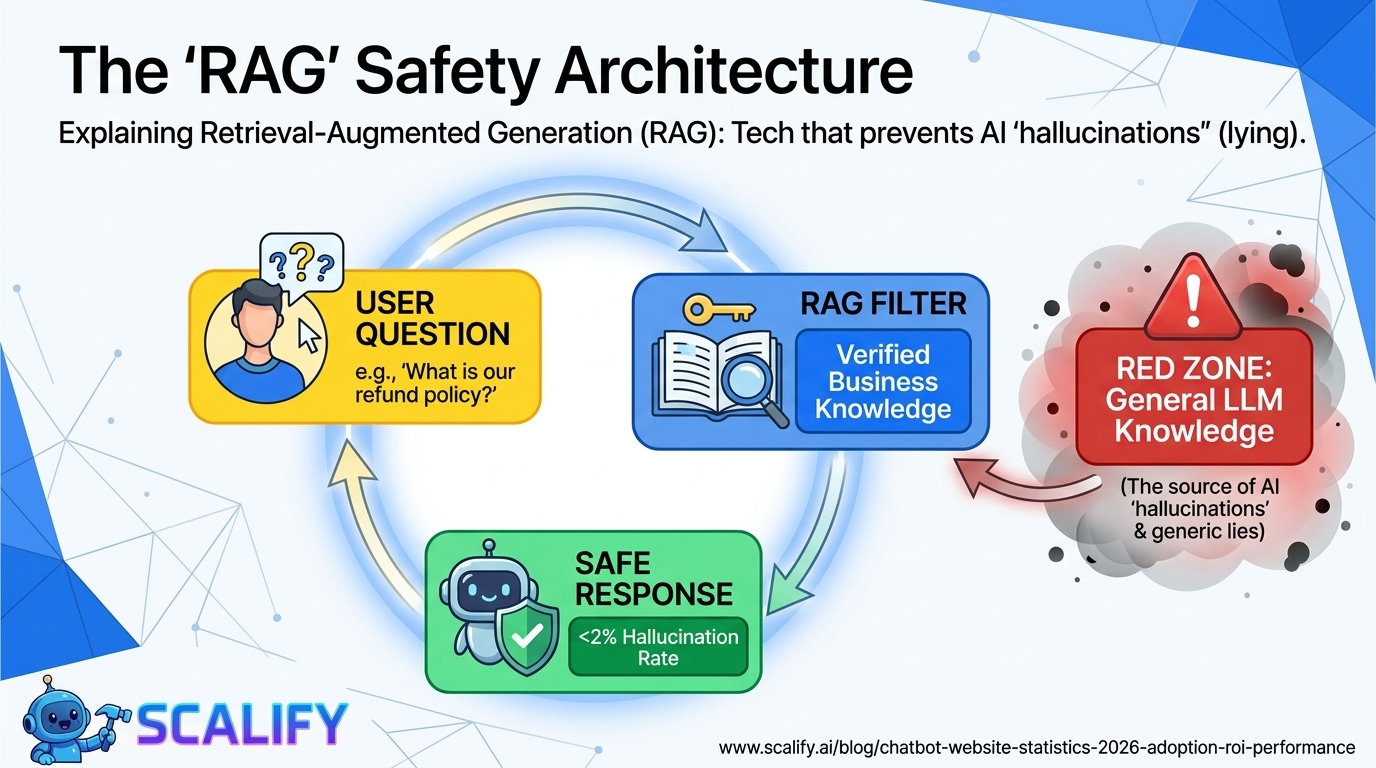
AI Integration SkillSalary PremiumDemand LevelLearning PathLLM API integration (OpenAI/Anthropic/Google)+$18,000 – $28,000Very High3–6 monthsRAG systems (retrieval-augmented generation)+$22,000 – $35,000High4–8 monthsLangChain / LlamaIndex orchestration+$15,000 – $25,000High2–4 monthsVector databases (Pinecone, Weaviate, Chroma)+$15,000 – $22,000High2–3 monthsHugging Face / model fine-tuning+$25,000 – $45,000Growing6–12 monthsMLOps / model deployment pipelines+$20,000 – $35,000Growing6–12 monthsStreaming API responses (SSE, WebSockets)+$8,000 – $15,000High1–2 months
Python Developer Salary by Industry
IndustryMid-Level MedianSenior MedianWhy Python Is High-Value HereAI / Machine Learning Companies$132,000$178,000Python is the AI language — full-stack Python throughoutFintech / Financial Services$122,000$165,000Data pipelines, quantitative systems, compliance APIsHealthcare / Biotech$118,000$158,000Medical data processing, HIPAA APIs, research automationData / Analytics Platforms$120,000$162,000Python for ETL, data engineering, API layer for data productsEnterprise SaaS$112,000$152,000Django for complex web apps, API-first architectureE-Commerce / Retail Tech$105,000$142,000Inventory systems, recommendation engines, order APIsAgency / Consulting$88,000$122,000Web application development across diverse clients
Python Developer Salary by Location
LocationMid-LevelSeniorNotesSan Francisco / Bay Area$132,000 – $165,000$175,000 – $225,000AI company concentration drives strong premiumNew York City$122,000 – $152,000$162,000 – $205,000Fintech premium significantSeattle$118,000 – $148,000$158,000 – $198,000Amazon + Microsoft ecosystemBoston$115,000 – $142,000$152,000 – $192,000Biotech + healthcare tech premiumAustin / Denver$102,000 – $132,000$138,000 – $175,000Excellent purchasing power, growing tech scenesMiami$92,000 – $120,000$125,000 – $160,000Growing market, fintech sector emergingRemote (US company)$108,000 – $138,000$145,000 – $185,000Near-parity with company HQ market rate
Freelance Python Developer Rates
SpecializationHourly RateAnnual Revenue PotentialGeneral Python web development (Django/FastAPI)$85 – $140/hr$177,000 – $291,000Python API development and third-party integration$100 – $160/hr$208,000 – $333,000AI/LLM application development$130 – $220/hr$270,000 – $458,000Data pipeline and ETL engineering$110 – $175/hr$229,000 – $364,000Python DevOps / infrastructure automation$120 – $185/hr$250,000 – $385,000
Python vs. Other Back-End Languages: The Salary Comparison
LanguageMid-Level MedianSenior MedianPrimary AdvantageGo (Golang)$125,000$170,000Performance, concurrency, cloud infrastructurePython$112,000$152,000AI/ML integration, data engineering, broad ecosystemJava / Kotlin$115,000$155,000Enterprise stability, Android, Spring ecosystemNode.js / TypeScript$108,000$148,000JavaScript everywhere, real-time, large talent poolRuby$105,000$142,000Developer productivity, Rails ecosystemPHP (Laravel/WordPress)$88,000$122,000Large legacy codebase, WordPress ecosystem
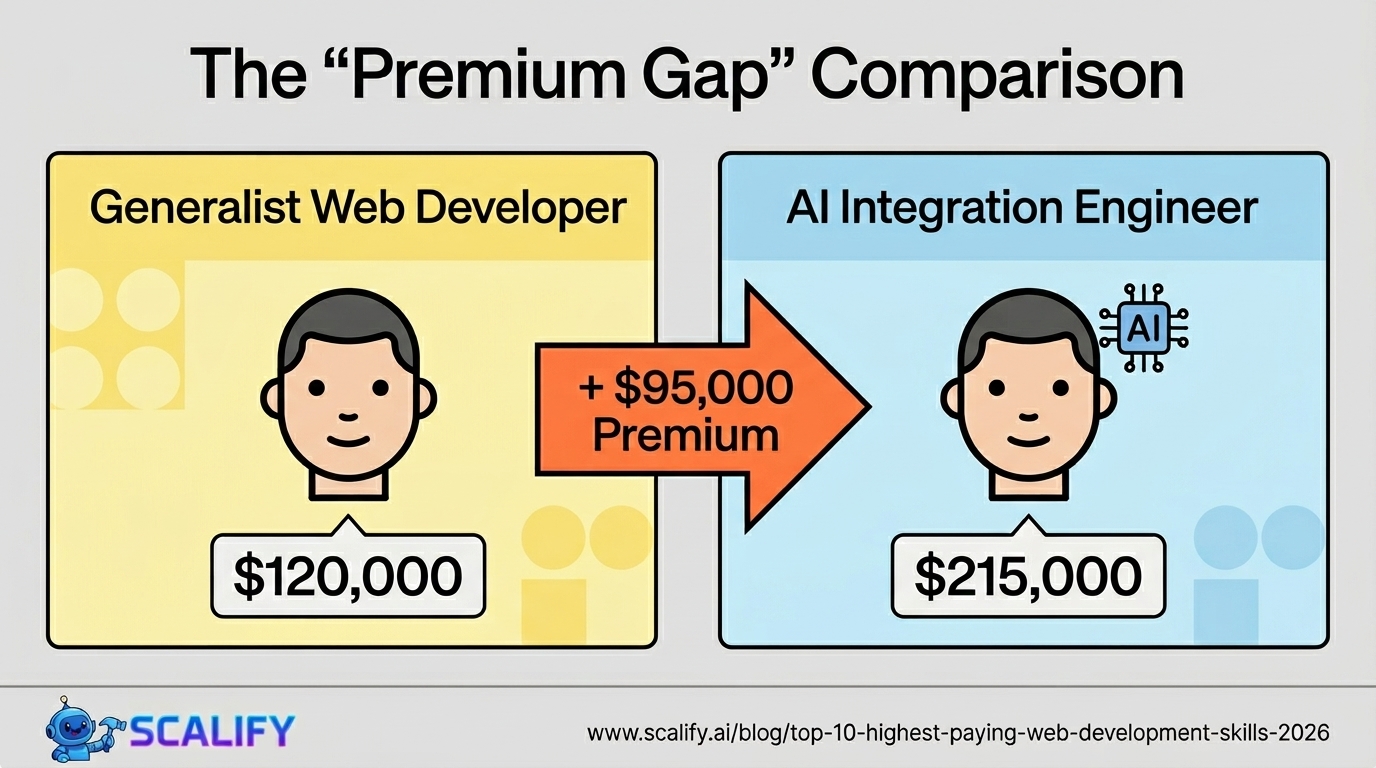
Python sits in a strong mid-range position that is made exceptional by its AI/ML integration premium. A Python developer without AI skills earns approximately the same as a senior Node.js developer. A Python developer with deep AI integration expertise earns $20,000–$45,000 more — making effective Python AI developers some of the best-compensated web engineers in the market. This premium is the primary reason Python's salary trajectory has outpaced other languages over the past three years and is expected to continue doing so.
How to Maximize Your Python Developer Salary
Build genuine AI integration expertise. The fastest path to Python salary premiums in 2026 is AI integration knowledge. Start with the OpenAI and Anthropic Python SDKs, build a RAG application using LangChain and a vector database, learn how to implement streaming responses efficiently, and understand the production engineering concerns of AI applications — rate limiting, cost management, fallback behavior, caching of expensive calls. This investment, made over 3–6 months of focused learning, produces $18,000–$35,000 in additional annual salary at the mid and senior levels.
Transition to FastAPI for new projects. The 10–18% FastAPI premium over Django reflects real market dynamics — more new Python API projects begin with FastAPI now. Learning FastAPI is straightforward for Django developers: the concepts are familiar, the type annotation system is Python standard, and the performance gains are measurable and demonstrable in interviews. FastAPI proficiency is one of the fastest ways to increase your market rate within the Python ecosystem.
Develop domain expertise in a high-value industry. Python developers who combine strong technical skills with domain knowledge in fintech, healthcare data, or AI applications earn substantially more than generalist Python developers. Industry knowledge reduces risk for employers and clients — the developer understands regulatory environments, domain-specific data schemas, and compliance requirements that generalists need to learn. That knowledge justifies significant compensation premiums at every experience level.
Certify in AWS or GCP. Python developers who earn AWS Solutions Architect Associate certification or the GCP Professional Cloud Developer credential earn on average $14,000 more than equivalent non-certified developers. The combination of Python web development expertise and cloud infrastructure knowledge is increasingly what senior engineering roles at growing companies require — and the certification makes that combination visible and verifiable to hiring managers before an interview.
Python Developer Career Progression
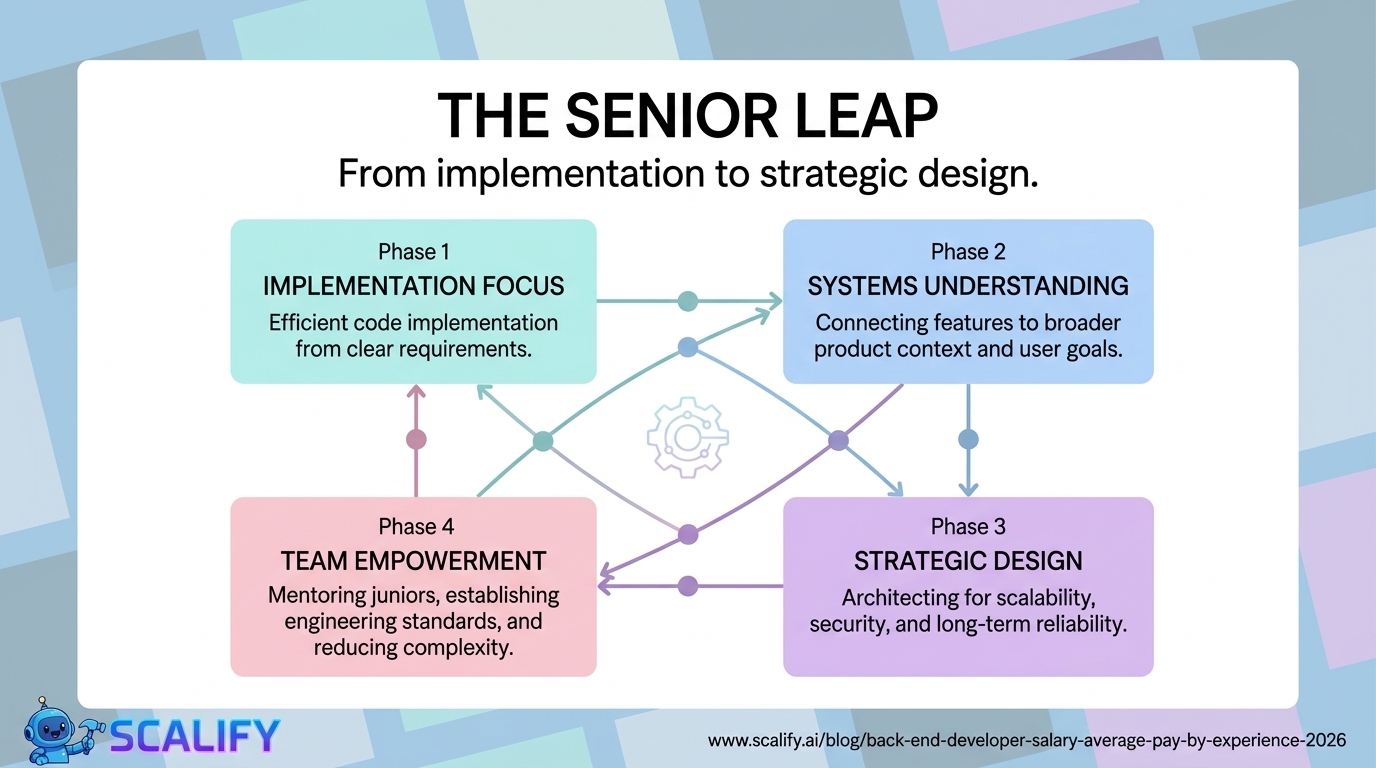
Career StageSalary RangeKey Skills to DevelopTypical TimelineEntry-Level$68,000 – $92,000Django/Flask basics, SQL, Git, REST API fundamentals, testing0–2 yearsMid-Level$92,000 – $138,000FastAPI, async Python, system design basics, Docker, cloud deployment2–5 yearsSenior$135,000 – $175,000Distributed systems, AI integration, performance engineering, team leadership5–9 yearsStaff / Principal$168,000 – $225,000Org-wide architecture, complex system design, executive communication8+ years
The Python Salary Outlook Through 2030
Python's salary trajectory is among the most positive of any programming language for the foreseeable future. The language's dominance in AI/ML tooling is not a temporary advantage — it reflects a deep ecosystem of libraries, training resources, and community investment that won't be displaced in the near term. As every industry increasingly adopts AI capabilities into their web applications and data infrastructure, the Python developers who can build and maintain those AI-powered systems become more valuable, not less.
The risk for Python developers is the commoditization of basic Python web development — the standard Django CRUD application built from well-documented patterns — which is increasingly approachable for developers learning Python through online resources. The response to this commoditization pressure is upward specialization: into AI integration, into high-performance async systems, into complex data engineering, into the Python applications that require genuine expertise rather than pattern application. The market will continue paying premium compensation for Python expertise that goes beyond what an AI coding assistant can produce.
The Bottom Line
Python web developers earn $78,000 to $225,000+ in 2026, with the premium end driven by AI integration expertise, specialized industry domain knowledge, and senior system design capability. Python's continued dominance in web development, data engineering, and AI/ML integration makes it one of the most durable technology investments available to a web developer today. The highest-growth opportunity is the intersection of Python web development proficiency and AI application development: building the FastAPI APIs that connect AI capabilities to production applications, with the reliability and performance engineering those systems require. Developers who invest in this combination are positioning for the strongest compensation trajectory available in the web development market through 2030.
At Scalify, we build professional websites for technology companies, AI startups, and data-driven businesses in 10 business days — helping teams present their engineering expertise and product quality to the world.
Top 5 Sources
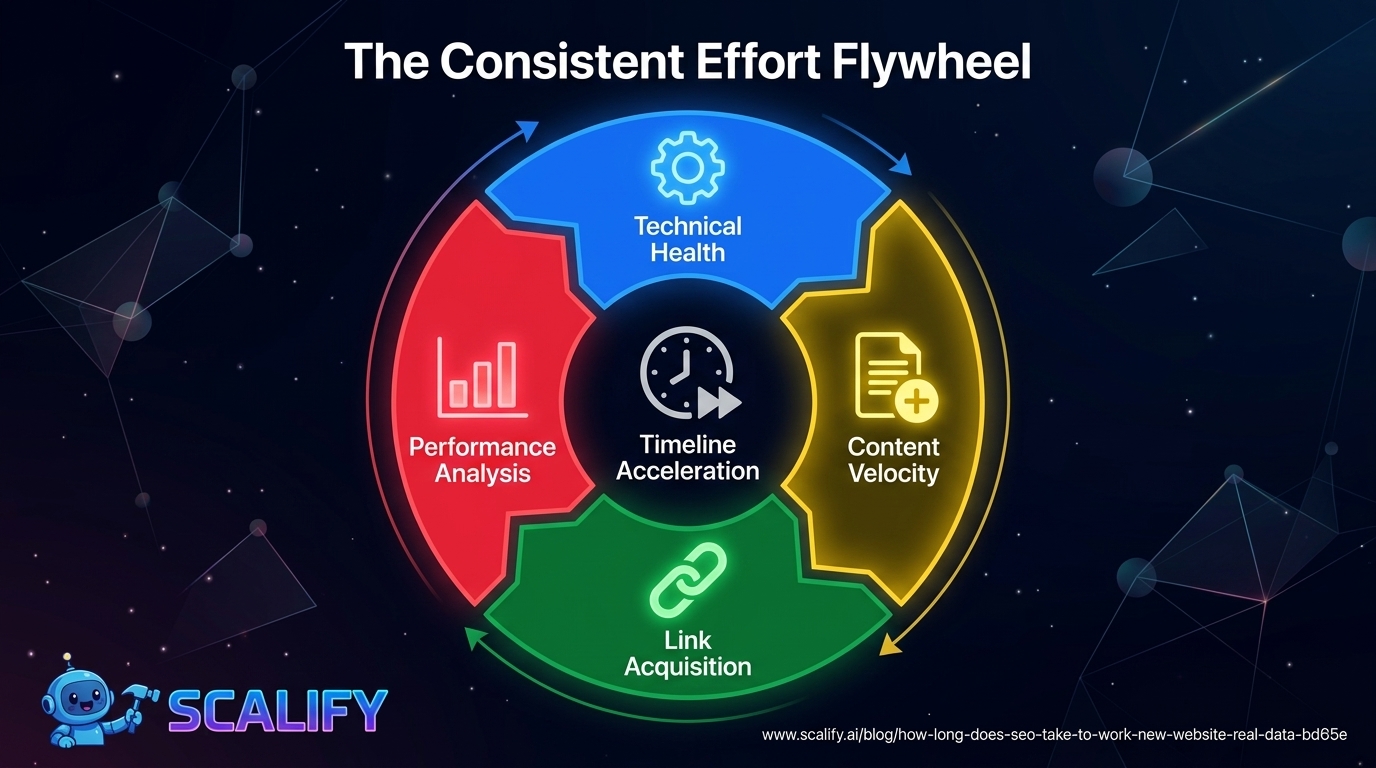
The compounding nature of consistent execution is the most important concept in digital marketing: individual tactics produce modest results; systematic implementation of multiple well-chosen tactics over 12–24 months produces transformative results. Identify the highest-impact improvements available to your specific situation, implement them with measurement infrastructure in place, and build the discipline to iterate based on what the data shows rather than intuition or industry trends that may not apply to your specific business and market.


.jpeg)
.jpeg)

78 SW 7th St, Miami, FL 33130