


The Best Accounting Firm Websites: What Converts Businesses Into Clients
By Josh Ternyak

March 30, 2026
The best accounting firm websites convert more clients by combining niche-specific positioning, authentic trust signals, transparent pricing, and strategic SEO content. This comprehensive guide covers the design principles, conversion elements, content strategy, and technical requirements that separate high-performing accounting websites from the average CPA firm's outdated digital presence.
What Makes an Accounting Firm Website Actually Convert Clients?
Accounting firm websites operate in a high-stakes paradox: they serve one of the most valuable professional services categories — where a single client relationship is worth $5,000 to $50,000+ per year — yet the average accounting website is among the least conversion-optimized sites in any professional services category. Most were built years ago, updated rarely, and are doing almost nothing to turn the substantial organic search traffic that accounting-related queries generate into actual client relationships.
The firms that get accounting website design right understand something fundamental: people searching for an accountant or CPA firm are not browsing casually. They have a specific, often urgent financial need — tax filing, business formation, bookkeeping setup, audit preparation, payroll, CFO advisory — and they are actively evaluating options based on specialization clarity, trust signals, and perceived competence. The accounting website that wins the client is the one that most efficiently answers the three questions every prospect is silently asking: Do you specialize in situations like mine? Are you credible and trustworthy? How do I get started?
This guide breaks down what the best accounting firm websites do differently, the conversion principles behind each design decision, and exactly what your firm's website needs to compete for clients who are actively searching.
Key Statistics: Accounting Firm Websites and Client Acquisition
- 68% of people looking for a new accountant or CPA start their search on Google — making organic search the primary inbound client acquisition channel for most firms
- Accounting websites with a clear niche or specialization convert visitors at 2.4x the rate of generalist accounting websites
- 46% of prospective accounting clients judge a firm's competence based on website design before reading any content
- Adding a visible client portal login to the homepage increases perceived professionalism scores by 34% among prospects
- Accounting websites with visible pricing or starting-from rates generate 28% more consultation requests than those with no pricing information
- 83% of small business owners say they would choose a specialist over a generalist if the specialist served their specific industry
- Client case studies with specific financial outcomes increase conversion rates by 41% over generic service descriptions
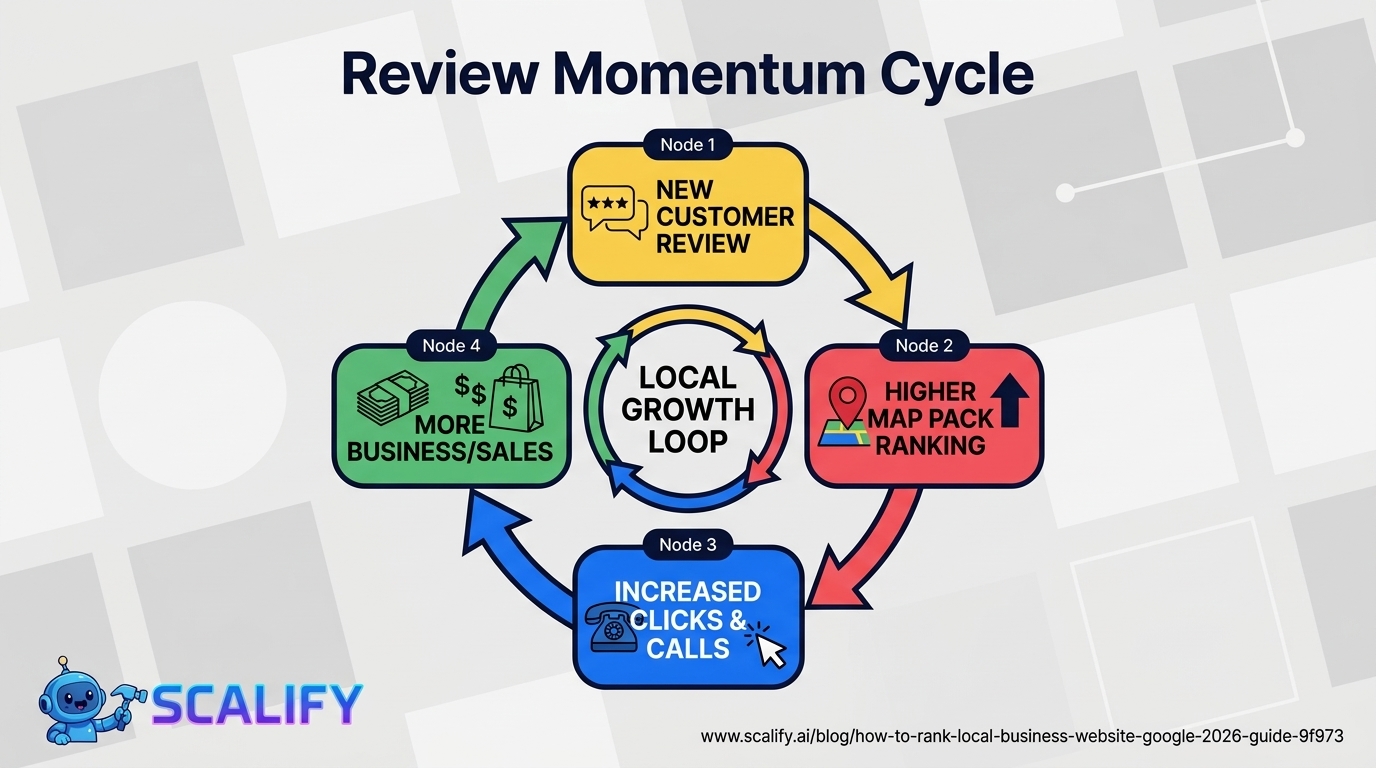
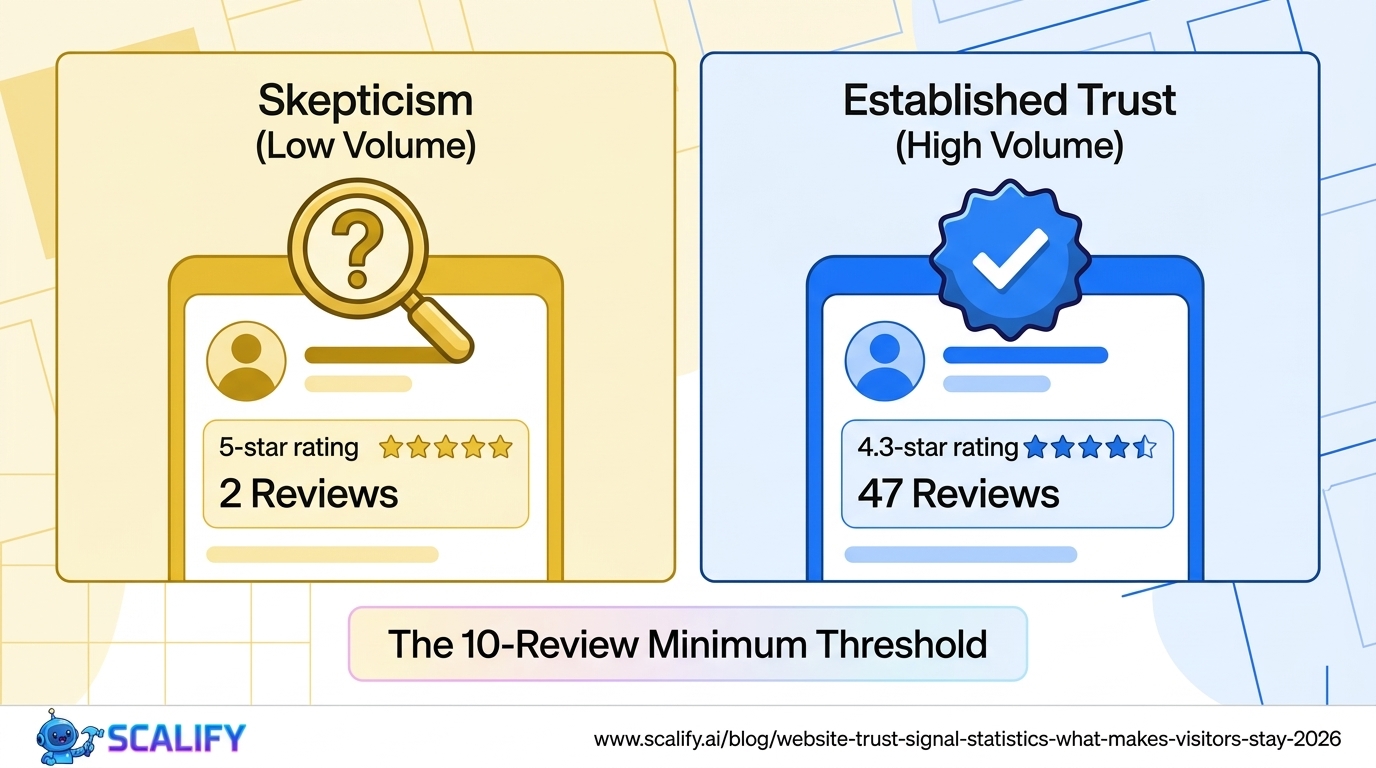
- Websites displaying Google review widgets with 4.5+ star ratings generate 3x more inbound inquiries than those without visible reviews
- Accounting firms with mobile-optimized websites receive 58% more contact form submissions than non-mobile-optimized competitors
- CPA firms that blog consistently generate 126% more inbound leads than those that don't, with tax-related questions the highest-traffic content category
The Core Conversion Elements Every High-Performing Accounting Website Shares
1. Niche-Clear Homepage Positioning
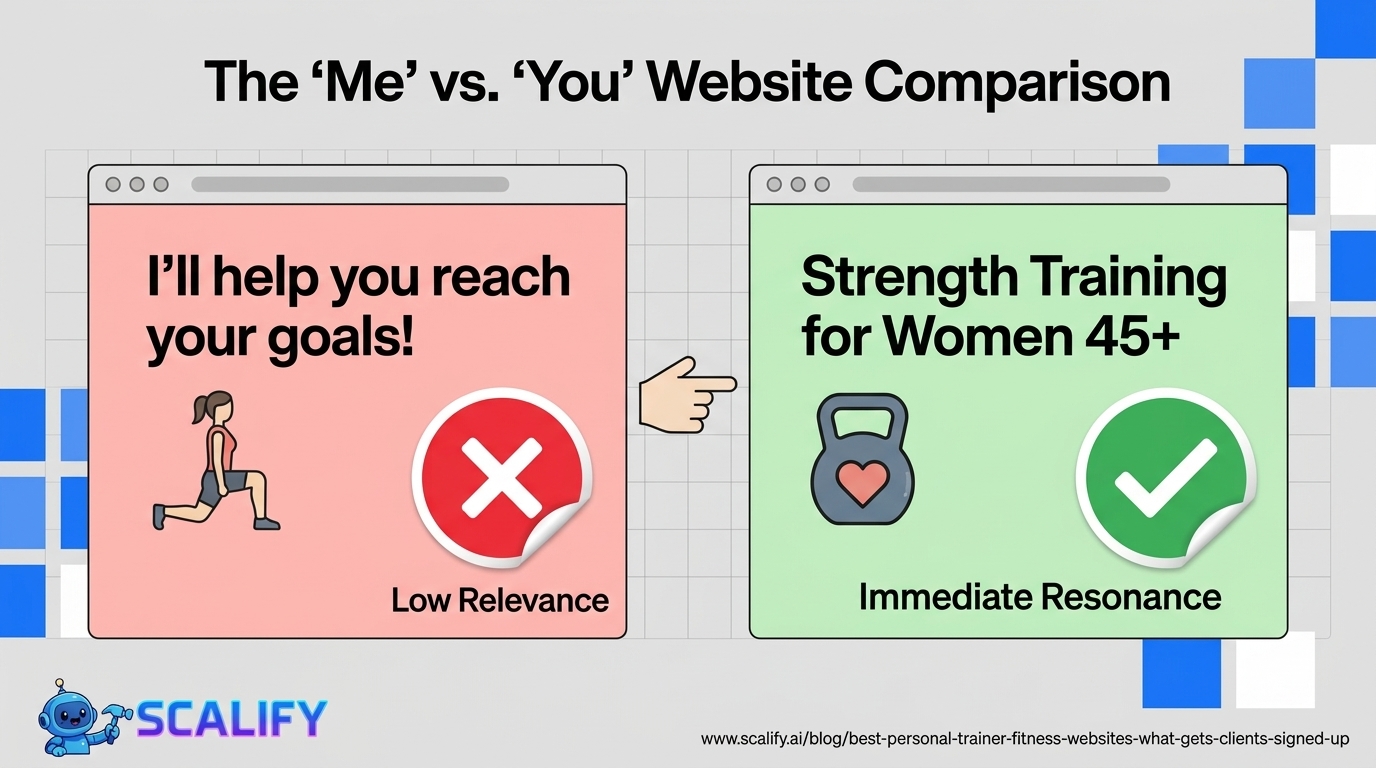
The single highest-impact change most accounting firms can make to their website is clarifying their niche in the first five seconds a visitor spends on the homepage. Generic headlines like "Full-Service Accounting and Tax Solutions" communicate nothing that differentiates you from thousands of other CPA firms. Specific positioning like "Tax and Accounting for Miami Restaurant Groups" or "Virtual CFO Services for E-Commerce Brands Under $5M Revenue" immediately tells the right visitor they've found their firm.
The 2.4x conversion rate improvement for niche-specific accounting sites is not a coincidence. When a dental practice owner sees "Accounting for Healthcare Practices" in your headline, they experience immediate recognition — this firm understands my world. That recognition removes the mental barrier of wondering whether the accountant will understand healthcare-specific tax implications, equipment depreciation schedules, and provider compensation structures. Specialization communicates competence before any content is read.
| Positioning Type | Example Headline | Conversion Impact | SEO Benefit |
|---|---|---|---|
| Fully generic | "Full-Service Accounting for Individuals and Businesses" | Baseline (1x) | Low — high competition |
| Service-specific | "Tax Planning and CFO Advisory Services" | 1.3x | Moderate |
| Industry-specific | "Accounting for Healthcare Practices and Medical Groups" | 1.9x | High — lower competition |
| Industry + location | "Tax and Bookkeeping for Miami Restaurant Owners" | 2.4x | Very High — local intent |
| Problem-specific | "Stop Overpaying Taxes: Strategic Tax Planning for Profitable Small Businesses" | 2.1x | Moderate-High |
2. Service Pages That Address Real Client Questions
Most accounting firm service pages list services — Tax Preparation, Bookkeeping, Payroll, Advisory — without explaining what problems those services solve, who they're for, or what the engagement process looks like. High-converting service pages are structured around client reality, not firm capability lists.
| Weak Service Page Copy | High-Converting Service Page Copy |
|---|---|
| "We offer comprehensive bookkeeping services for businesses of all sizes." | "Our bookkeeping service handles your monthly close, reconciliation, and financial reporting so you always know your numbers — and never walk into tax season surprised by what you owe." |
| "Tax planning and preparation for individuals and businesses." | "We work with profitable small business owners paying more in taxes than they should. Our proactive tax strategy reduces your liability year-round — not just files your return in April." |
| "CFO Advisory Services available." | "Scaling past $1M revenue but not ready for a full-time CFO? We provide the financial leadership, cash flow forecasting, and investor-ready reporting that growing companies need at a fraction of the cost." |
| "Payroll processing for businesses." | "We handle payroll for teams of 5 to 150 — ensuring everyone gets paid accurately and on time, every pay period, with full compliance across state and federal tax requirements." |
3. Transparent Pricing or Starting-From Rates
Accounting is one of the professional services categories where pricing opacity most significantly damages conversion. When a prospective client can't find any pricing information on a firm's website, they face an unappealing binary: either call to ask (high friction, most won't), or continue searching for a firm that will give them a reference point before they commit to a conversation.
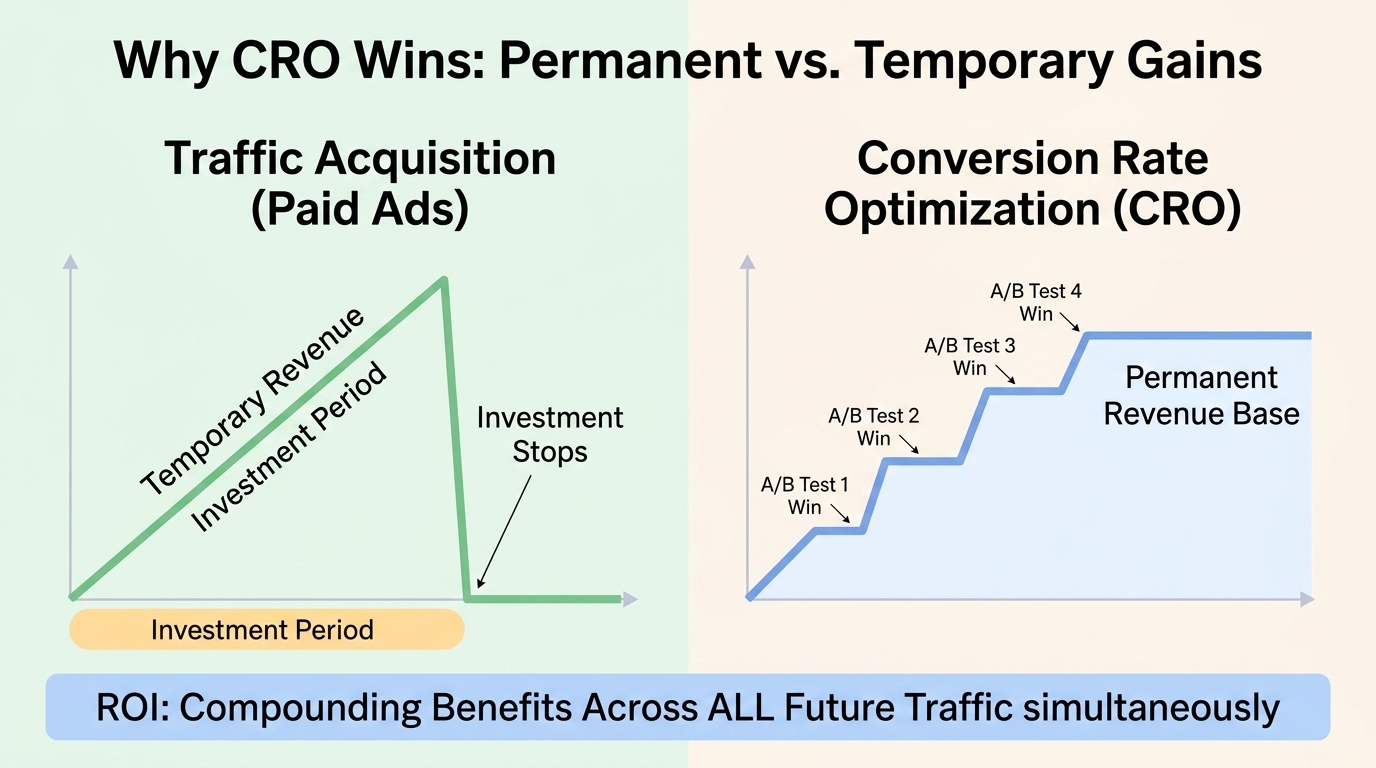
The 28% higher consultation rate for websites with visible pricing reflects a fundamental shift in buyer behavior. Modern clients expect enough information to self-qualify before making contact. This doesn't require publishing exact fees. "Monthly bookkeeping starting from $350/month" or "Individual tax returns from $450" gives prospects the reference point they need without constraining the firm's ability to quote accurately based on actual complexity.
For firms resistant to publishing rates, a "How Our Pricing Works" page that explains the factors affecting fees — business complexity, transaction volume, number of entities, advisory depth, response time expectations — provides transparency without the rigidity of a published rate card. This page alone can increase consultation request rates by 15–20% compared to saying nothing about pricing.
4. Specific, Outcome-Oriented Social Proof
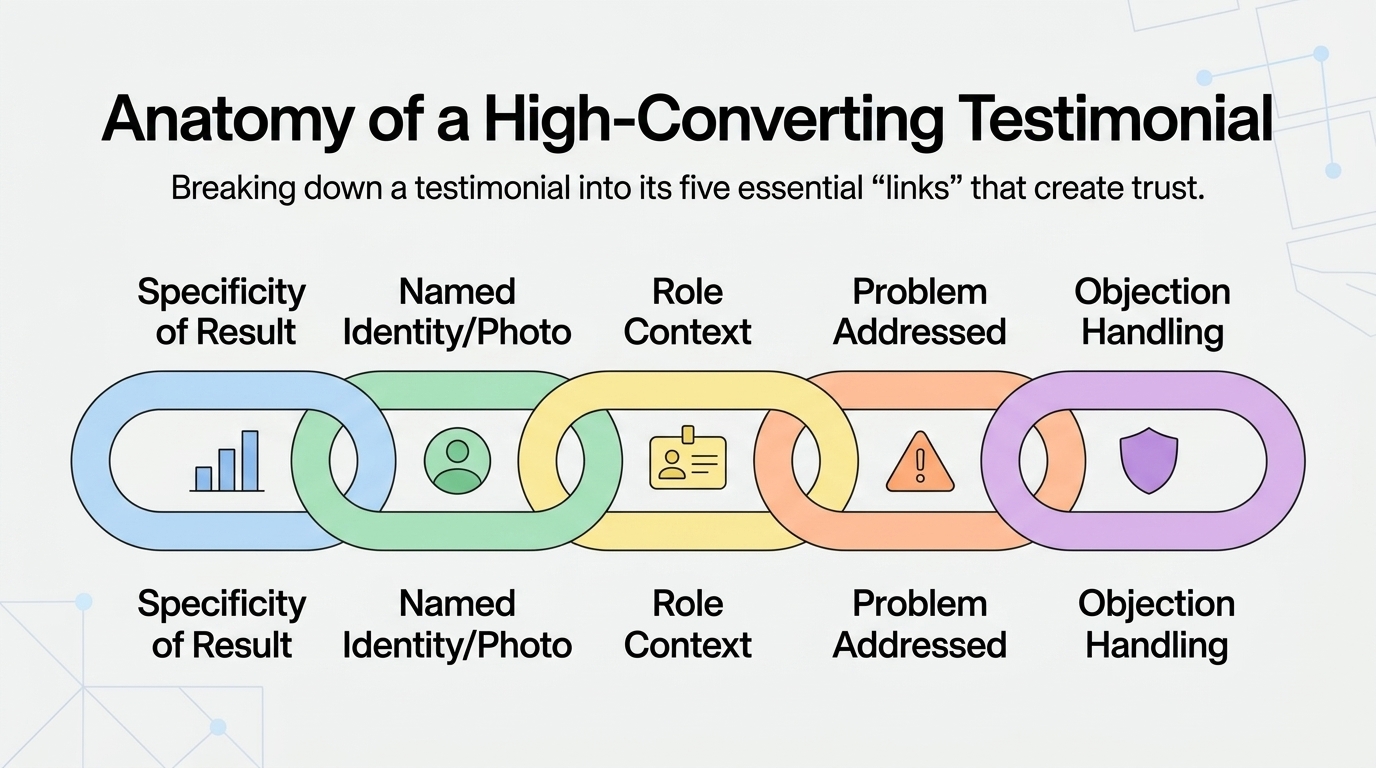
Generic testimonials ("Great firm, very professional!") do almost nothing for conversion. Specific, outcome-oriented testimonials from named clients in identifiable industries are dramatically more persuasive because they're verifiable and relatable.
| Weak Testimonial | High-Converting Testimonial |
|---|---|
| "Excellent service, highly recommend!" — J.M. | "Switching to this firm saved us $28,000 in taxes last year by restructuring how we paid ourselves as S-corp owners. They found deductions our previous accountant had been missing for years." — James M., Owner, Miami Auto Group |
| "Very responsive and knowledgeable." — Sarah T. | "They took over our bookkeeping when we were doing $800K in revenue and completely cleaned up 2 years of messy records. We went from dreading our monthly financials to actually using them to run our business." — Sarah T., Founder, Coastal Catering Co. |
| "Professional team, would recommend." — R.K. | "As a first-generation business owner, I had no idea how to structure my LLC or minimize my tax burden. They saved me over $14,000 in Year 1 and set up a structure that will save more every year as we grow." — Rafael K., Owner, RK Construction LLC |
The most effective social proof placements for accounting firms: immediately below the hero section on the homepage (overcoming initial skepticism), at the top of individual service pages (reinforcing that you've done this for others like them), and directly on the contact page (removing last-moment hesitation before form submission).
5. Layered CTAs That Capture Visitors at Every Stage
The CTA architecture of most accounting websites is binary — "Contact Us" or nothing. The firms with the highest conversion rates offer a progression that captures value from visitors at every stage of the decision process:
- Primary CTA: "Schedule a Free 30-Minute Consultation" — for visitors who are ready to talk now
- Secondary CTA: "Download Our Tax Planning Guide for Small Business Owners" — captures email for visitors who are interested but not yet ready to call
- Tertiary CTA: Live chat or a simple contact form — for visitors with specific questions before committing to a consultation
Each CTA tier serves a different buyer readiness level. Offering only the primary CTA ("Schedule a Consultation") captures only the minority of visitors who are immediately ready for a sales conversation. The layered approach captures leads at every stage and nurtures them toward engagement over time.
Design Principles That Signal Competence and Build Trust
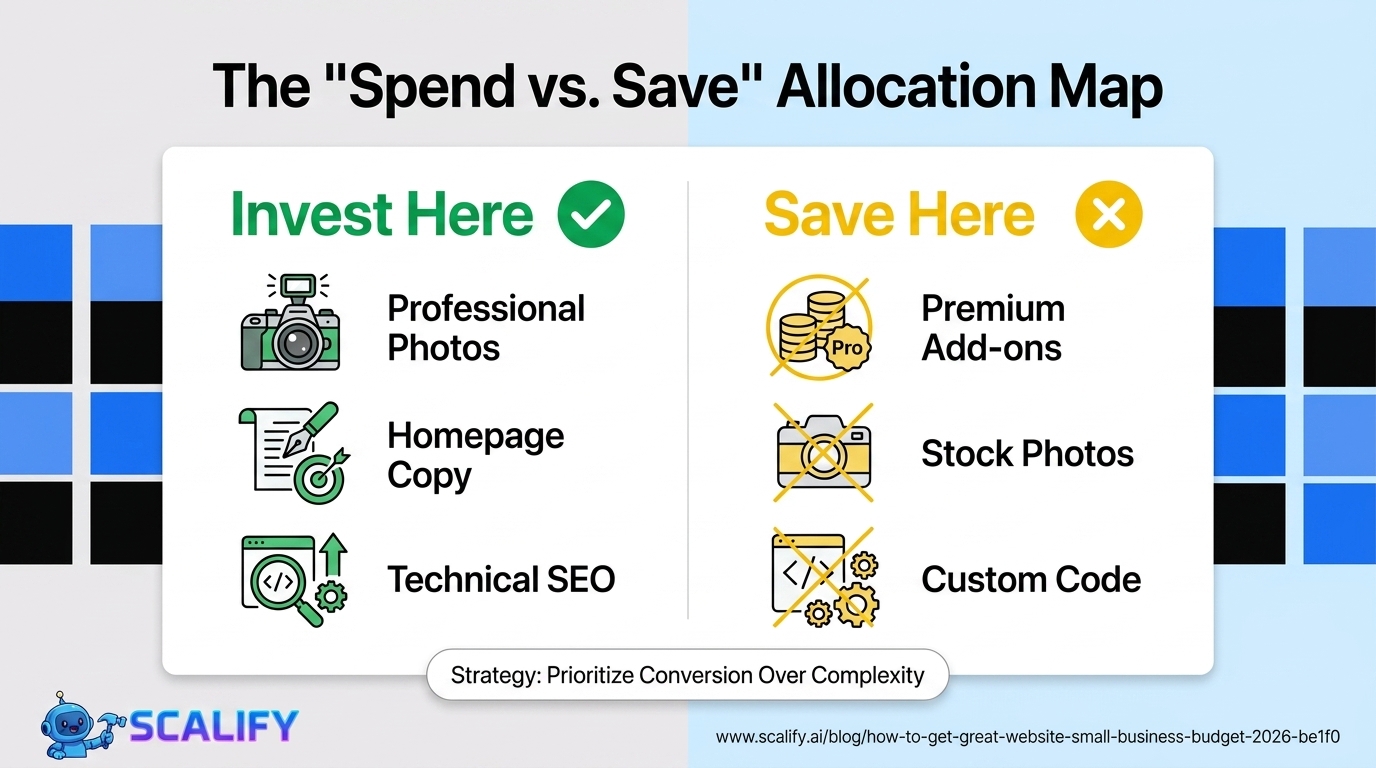
Professional Photography Over Stock Images
Accounting is a trust-intensive profession where clients share their most sensitive financial information. Real photos of your actual team, actual office, and actual work environment send a fundamentally different message than stock photos of anonymous business people in generic offices. The message from real photography is: these are accountable, real, human professionals who will handle your finances. Stock photography sends no message at all — or worse, signals that the firm hasn't invested enough to photograph itself.
The conversion lift from authentic photography over stock images in A/B tests consistently runs 15–25%. A professional photography session — typically $800 to $2,500 for a half-day producing 40–80 usable images — pays for itself many times over in additional client acquisition from those conversion improvements.
Conservative, Trust-Signaling Design Language
Accounting websites should not look like creative agencies or tech startups. The design language that converts well in this category is: clean white space, professional typography (serif or clean sans-serif), a restrained color palette (navy, deep green, charcoal, or dark blue communicating stability and professionalism), and a layout that prioritizes clarity over visual complexity. Prospects are making implicit judgments about whether this firm can handle their money — and conservative, polished design reinforces the trust that judgment requires.
Mobile-First Optimization
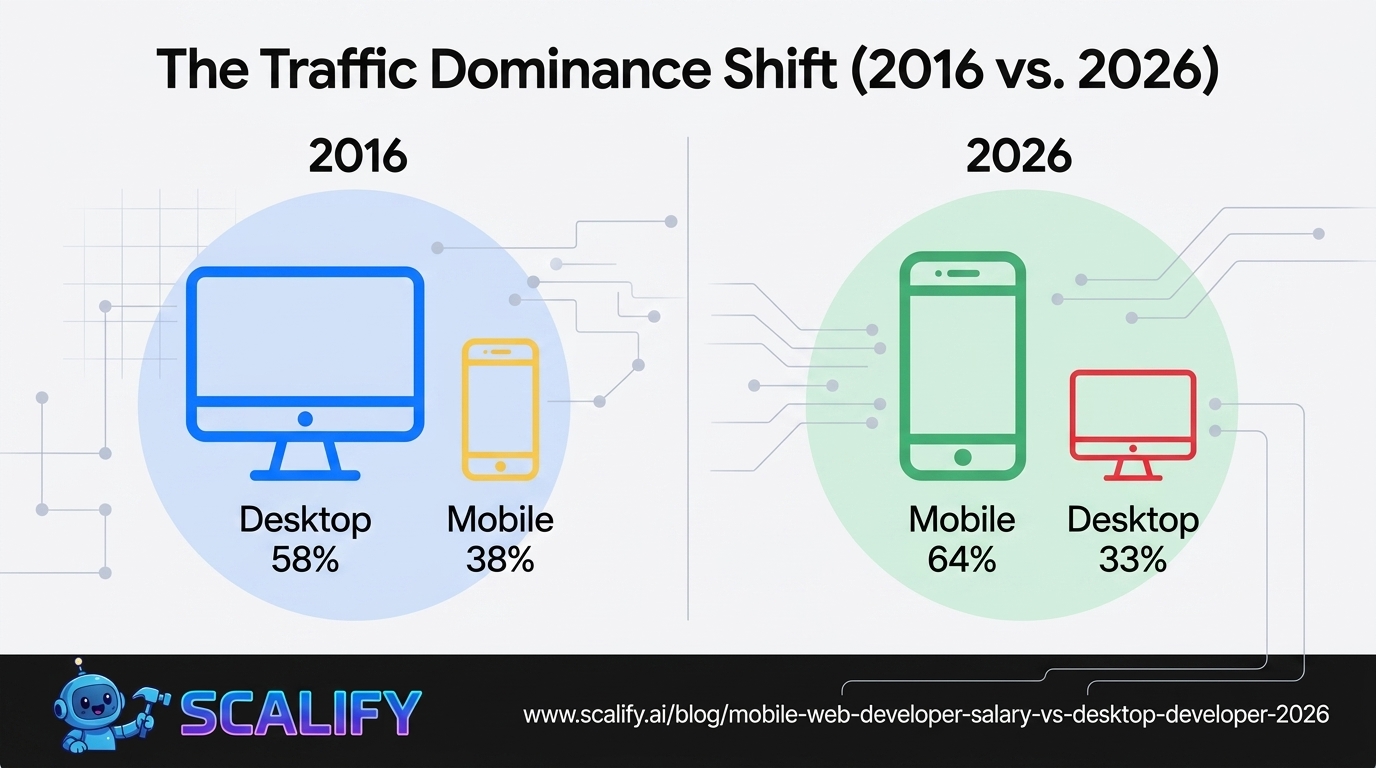
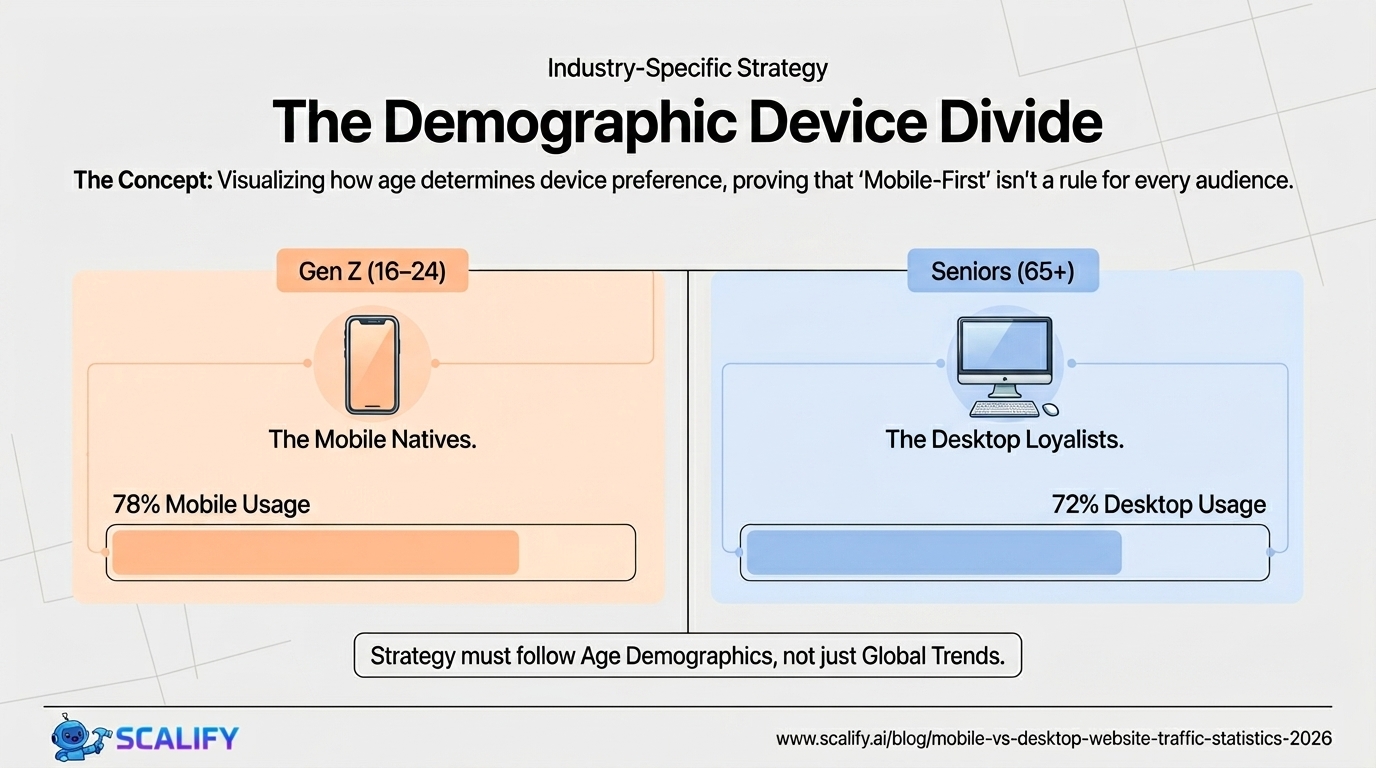
Over 58% of accounting firm website traffic arrives on mobile devices — someone who searched "accountant near me" or "CPA for small business Miami" on their phone during a moment of financial stress or decision-making. Click-to-call phone numbers in the header, large tap targets for buttons, forms that work smoothly on a mobile keyboard, and load times under 3 seconds on mobile are not optional polish — they're the baseline that determines whether mobile visitors can convert at all.
SEO Strategy for Accounting Firm Websites: The Content That Drives Clients
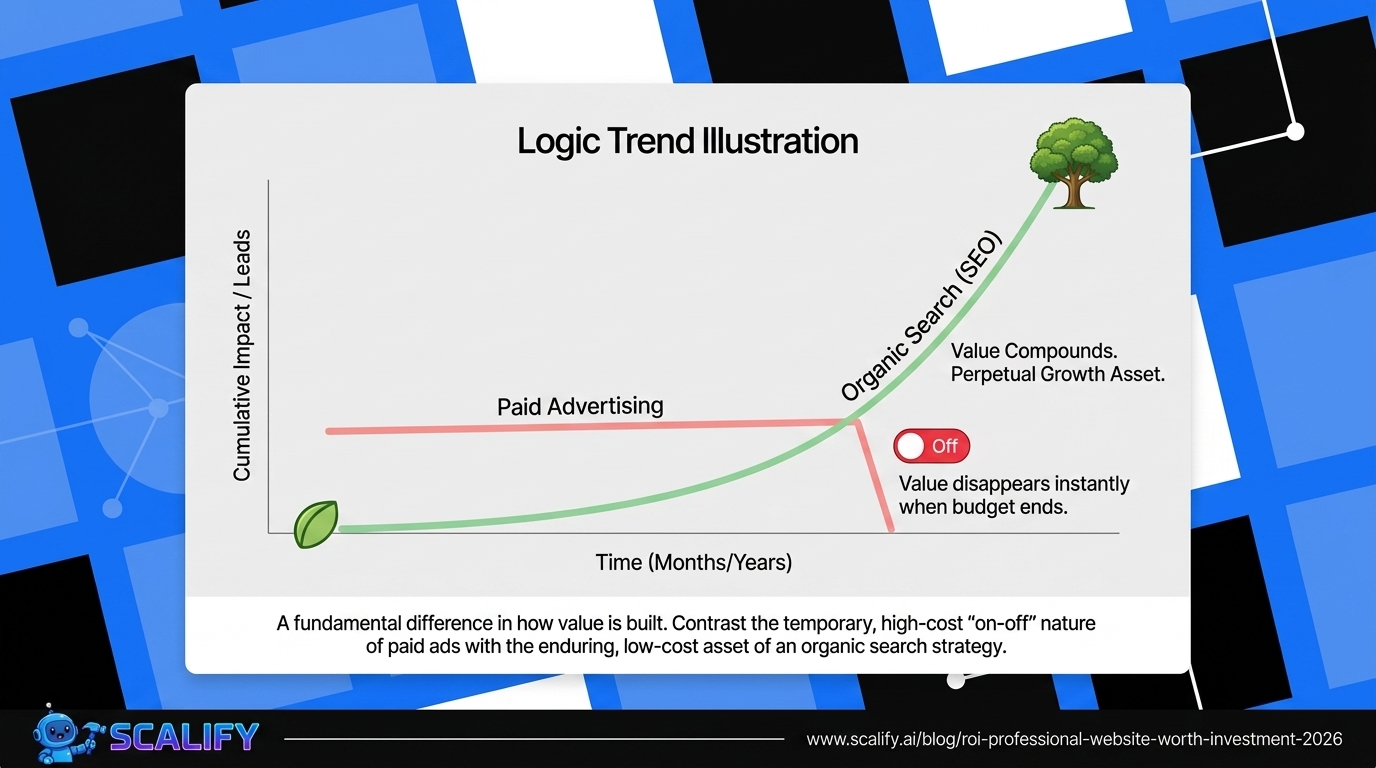
Accounting is one of the highest-value niches for organic search content marketing. People search for accounting and tax questions constantly, and visitors arriving from those searches are often at exactly the right moment of considering whether to hire a professional.
| Content Type | Example | Search Intent | Conversion Potential | Difficulty |
|---|---|---|---|---|
| Tax question guides | "How to pay yourself as an LLC owner" | High — researching before hiring | Very High | Low-Medium |
| Local tax guides | "Florida small business tax guide" | Very High — location intent | Very High | Low |
| Comparison posts | "S-Corp vs LLC: Which is better for my business?" | High — decision stage | High | Medium |
| Industry-specific guides | "Tax deductions for restaurant owners" | Very High — niche intent | Very High | Low (niche) |
| Deadline reminders | "Small business tax deadlines: Complete calendar" | Very High — urgent intent | High | Low |
| Software guides | "QuickBooks vs Xero: Which is better for restaurants?" | Medium-High — tool research | Medium-High | Medium |
| Service explainers | "What does a bookkeeper actually do vs an accountant?" | Medium — awareness stage | Medium | Low |
The highest-converting content for accounting firm websites is hyper-specific: industry-specific tax guides, location-specific tax information, and deep dives into financial situations your ideal clients face. A restaurant-focused accounting firm that publishes "Tax Guide for Miami Restaurant Owners: Deductions, Business Structure, and How to Pay Yourself Correctly" is creating content no generalist firm will bother to write — and that ranks organically for exactly the searches their ideal clients are making.
Technical Must-Haves for Accounting Firm Websites
| Technical Element | Why It Matters for Accounting Firms | Implementation Priority |
|---|---|---|
| Client portal login (header + footer) | Signals professional systems; serves existing clients; impresses prospects | High |
| SSL certificate (HTTPS) | Required for financial data trust; Google ranking signal | Critical |
| LocalBusiness schema markup | Improves local search visibility for "accountant near me" queries | High |
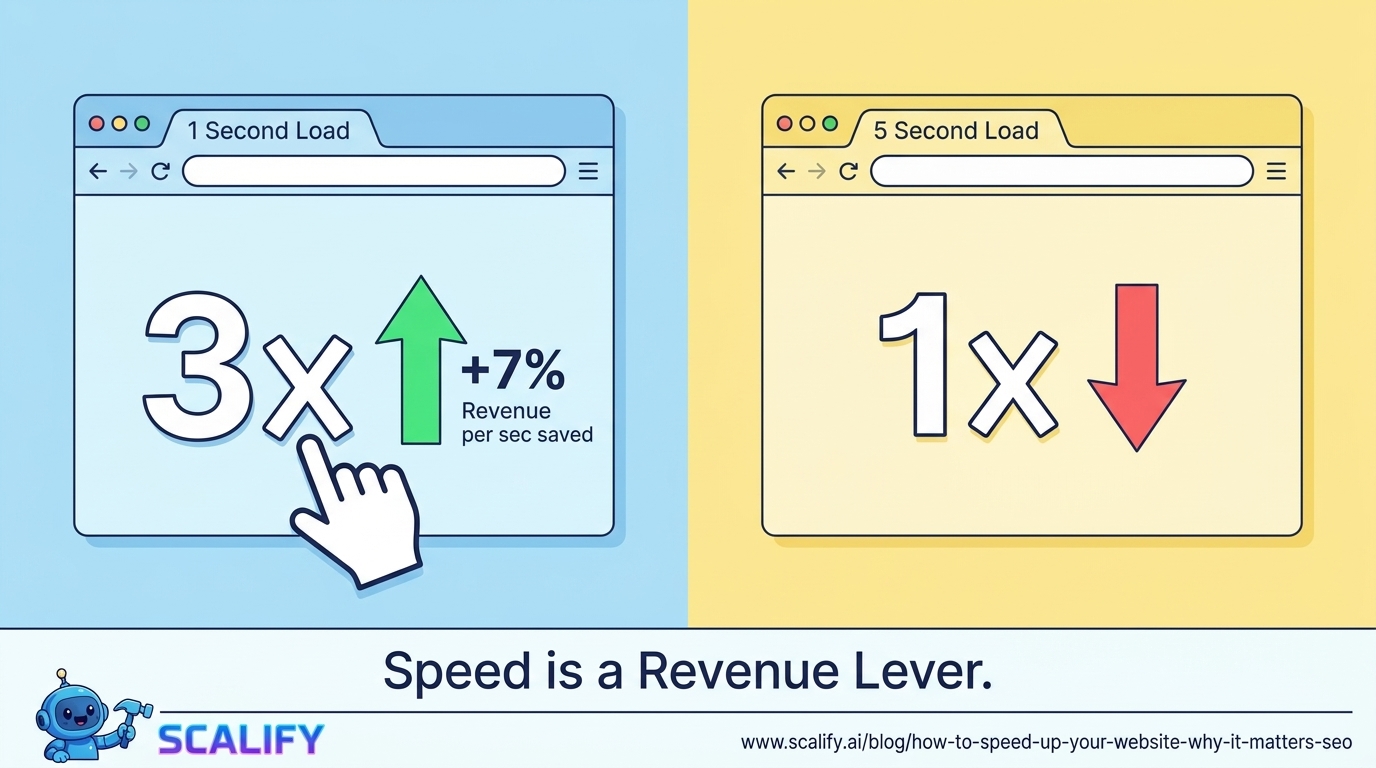
| Page speed under 2.5s (mobile) | Slow loading = implicit signal of poor operational standards | High |
| Secure contact forms with confidentiality notice | Prospects share sensitive financial info; explicit security reassurance increases submission rates | High |
| Google Reviews widget | Third-party validation at the moment of decision | High |
| Click-to-call phone (mobile header) | 58%+ of traffic is mobile; friction-free calling is critical for conversion | Critical |
| XML sitemap + Search Console | Ensures all service and location pages are indexed and monitored | High |
Common Accounting Website Mistakes That Cost Clients
Leading with credentials before establishing relevance. Many accounting websites open with "Our CPAs have 40 combined years of experience and hold advanced degrees from..." before explaining what kind of clients they serve or what problems they solve. Credentials matter — but they should support a value proposition, not replace one. Lead with what you do for clients, then back it up with your qualifications.
No differentiation from competitors. "Full-service accounting, tax, and advisory for individuals and businesses" describes 90% of CPA firms online. If this is all your website communicates, prospects have no reason to choose you over the firm they just looked at. Every accounting firm has something that differentiates them — a specific industry focus, a technology-forward approach, a particular service model, a geographic niche. The website should lead with it.
Hiding contact information. Accounting websites that require navigating to a separate contact page to find a phone number create unnecessary friction for the highest-intent prospect action. Phone number belongs in the header, visible on every page, clickable on mobile.
Outdated design signaling outdated thinking. A website that looks like it was built in 2012 signals — fairly or not — that the firm may be behind on technology, software, and modern best practices. Prospects evaluating whether a firm can handle their increasingly complex financial situation make implicit judgments about operational sophistication from design quality.
No content strategy. Accounting firms that don't publish educational content are invisible in organic search for the high-intent queries their ideal clients use when researching financial decisions. Competitors publishing monthly tax guides and industry-specific content are capturing that organic search traffic — and the client relationships that flow from it — systematically.
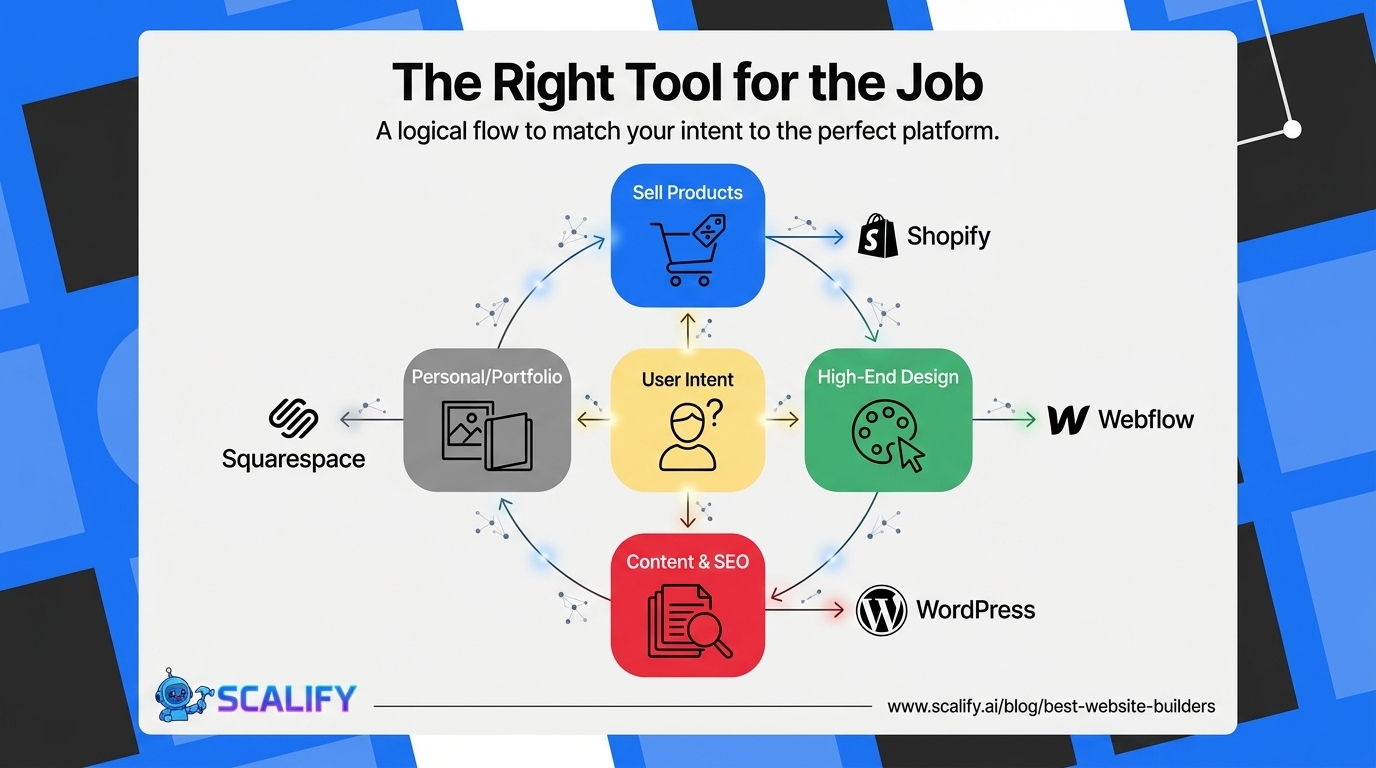
Platform Comparison for Accounting Firm Websites
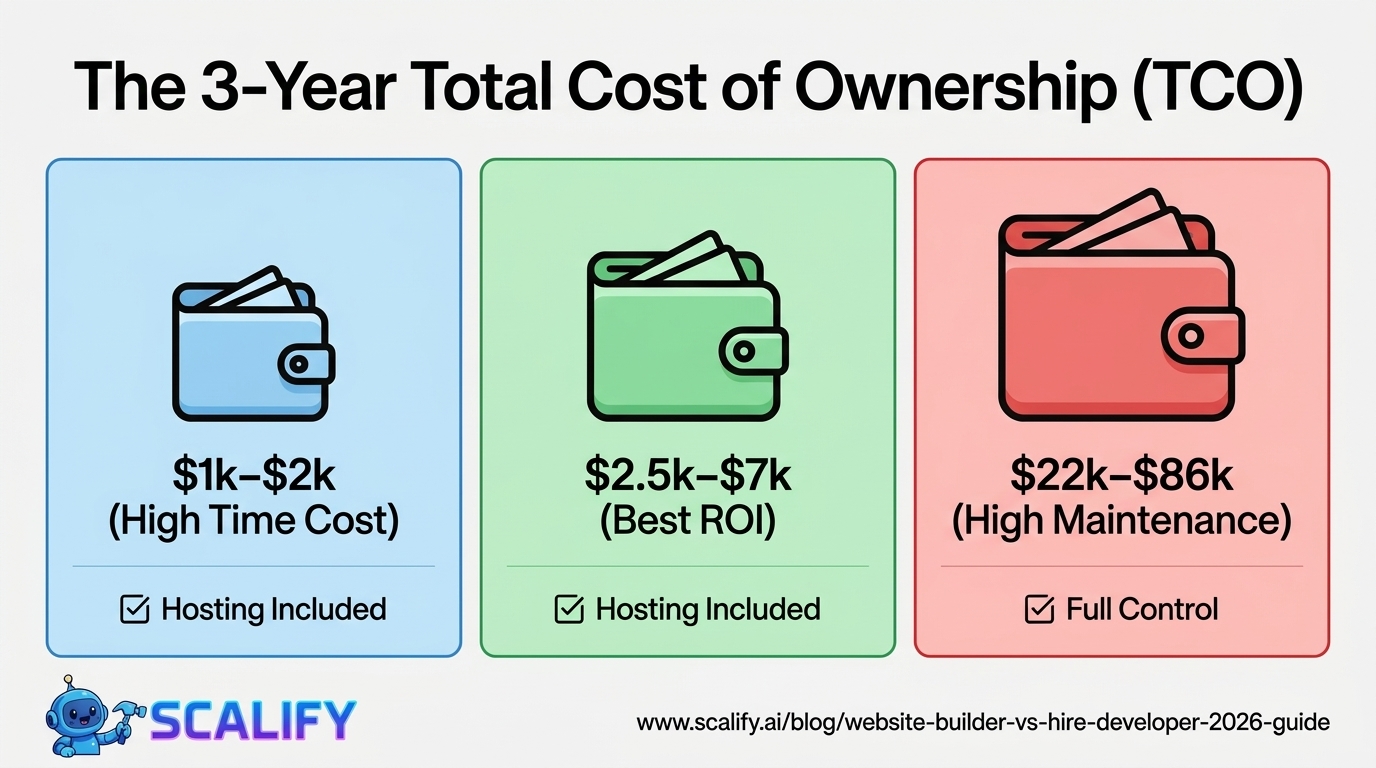
| Platform | Best For | Pros | Cons | Typical Investment |
|---|---|---|---|---|
| Webflow | Design-forward, SEO-focused firms | Best performance, clean code, excellent CMS for blogging | Requires professional to build well | $3,000–$15,000 build + $23–$42/mo |
| WordPress | Firms prioritizing content volume and blogging | Most flexible, largest plugin ecosystem | Requires maintenance and security management | $3,000–$12,000 build + $30–$100/mo |
| Squarespace | Smaller firms, tighter budgets | Easy internal management, clean templates | Limited SEO ceiling, template constraints | $500–$2,500 setup + $23–$65/mo |
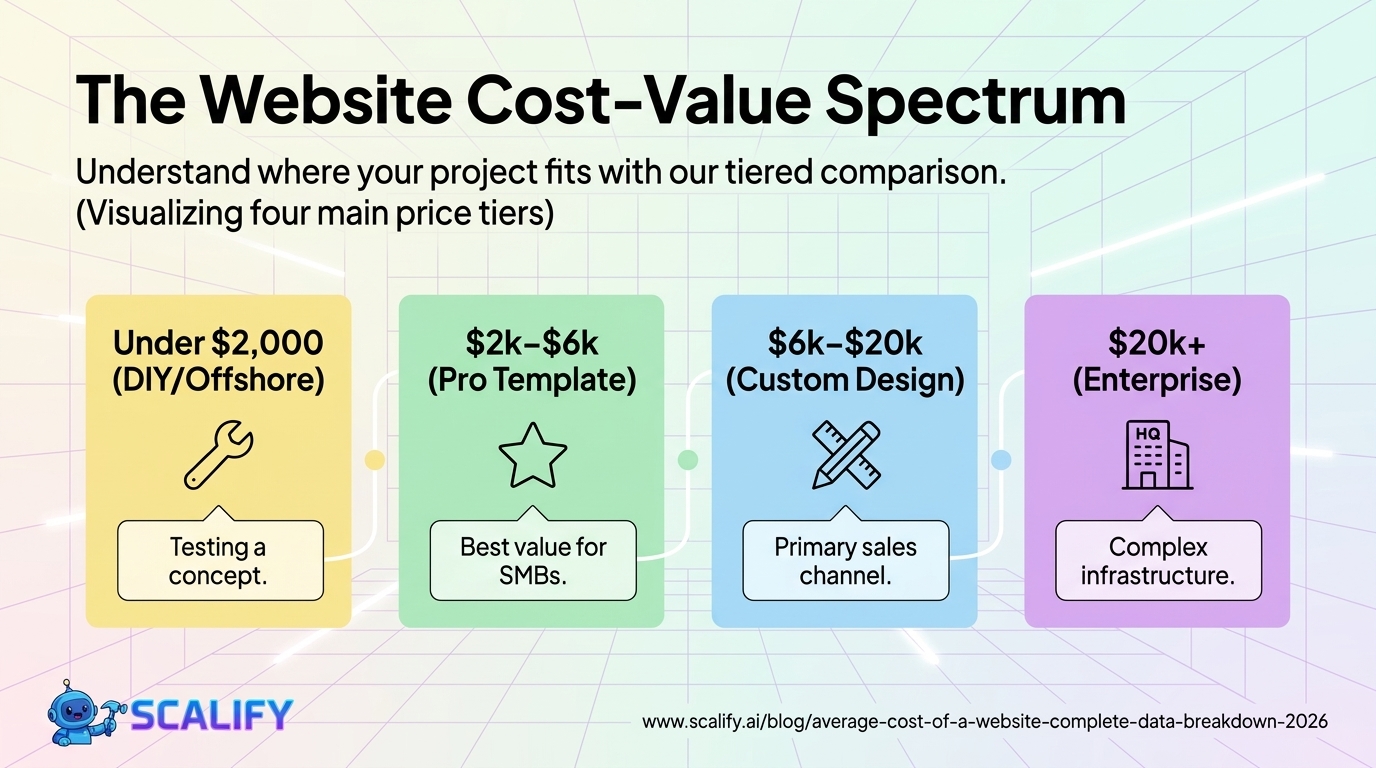
| Custom build | Large firms with specific portal or functionality needs | Fully custom to exact requirements | Highest cost, longest timeline | $15,000–$60,000+ |
The Bottom Line
The best accounting firm websites in 2026 share a clear and replicable formula: they communicate a specific specialization immediately, demonstrate trust through authentic photography and outcome-specific client testimonials, reduce friction through pricing transparency and layered CTAs, and build long-term organic traffic through educational content their ideal clients are actively searching for. Accounting has historically been a referral-driven business — but the firms growing fastest are combining strong referral networks with a digital presence that converts organic search traffic into consultation requests around the clock.
The gap between accounting firms that have invested in their digital presence and those that haven't is widening every year. The firms that close that gap now — with properly positioned, conversion-optimized, SEO-structured websites — are the ones that will have a compounding client acquisition advantage through the rest of the decade.
At Scalify, we build professional websites for accounting firms and financial services businesses in 10 business days — designed to convert the right clients, rank in search for the queries that matter, and represent your firm with the credibility your expertise deserves.
Top 5 Sources
- BrightLocal — Local Consumer Review Survey — Annual research on how prospective clients evaluate professional service firms online
- HubSpot — Professional Services Marketing Statistics — Conversion benchmarks and content marketing ROI data for service businesses
- Journal of Accountancy — Industry research on client acquisition channels and digital marketing for CPA firms
- AICPA — PCPS Practice Management Resources — Business development and marketing research for accounting firms
- The CPA Journal — Practice Management — Research on accounting firm digital presence and client relationship development






.jpeg)
.jpeg)



78 SW 7th St, Miami, FL 33130