


The Best Architecture Firm Websites: Portfolios That Win Projects
By Josh Ternyak

March 31, 2026
The best architecture firm websites win more project shortlistings through organized portfolios by typology, detailed project case studies, humanizing team pages, and prominent awards display. This guide covers every design principle, content strategy, SEO approach, and technical requirement that separates high-performing architecture firm websites from average digital presences.
The Best Architecture Firm Websites: Portfolios That Win Projects
An architecture firm's website is its most visible portfolio — and its most powerful business development tool. When a potential client, developer, or institution is evaluating whether to shortlist your firm for a project, the website is almost always the first and most thorough look they get at your work, your approach, and your professional caliber. The firms that win the most competitive project pursuits are almost always those whose digital presence matches the quality of their built work.
Architecture is a visual discipline where first impressions carry enormous weight. A firm that designs beautiful, considered buildings but presents them through a cluttered, slow-loading, or poorly organized website is creating a disconnect that costs real project opportunities. This guide covers what the best architecture firm websites do right — the design principles, content strategies, technical requirements, and conversion elements that turn website visitors into project inquiries.
Key Statistics: Architecture Firm Websites and Business Development
- 78% of clients researching an architecture firm for a significant project visit the firm's website as their primary due diligence step
- Architecture firm websites with clearly organized project portfolios by typology generate 2.1x more project inquiries than disorganized portfolios
- 67% of potential clients say the quality of an architecture website directly influences their confidence in the firm's design capability
- Architecture websites with project case studies (not just photos) generate 45% more qualified inquiries than photo-only portfolios
- Firms that display awards and press recognition on their homepage see 28% higher inquiry rates for competitive project types
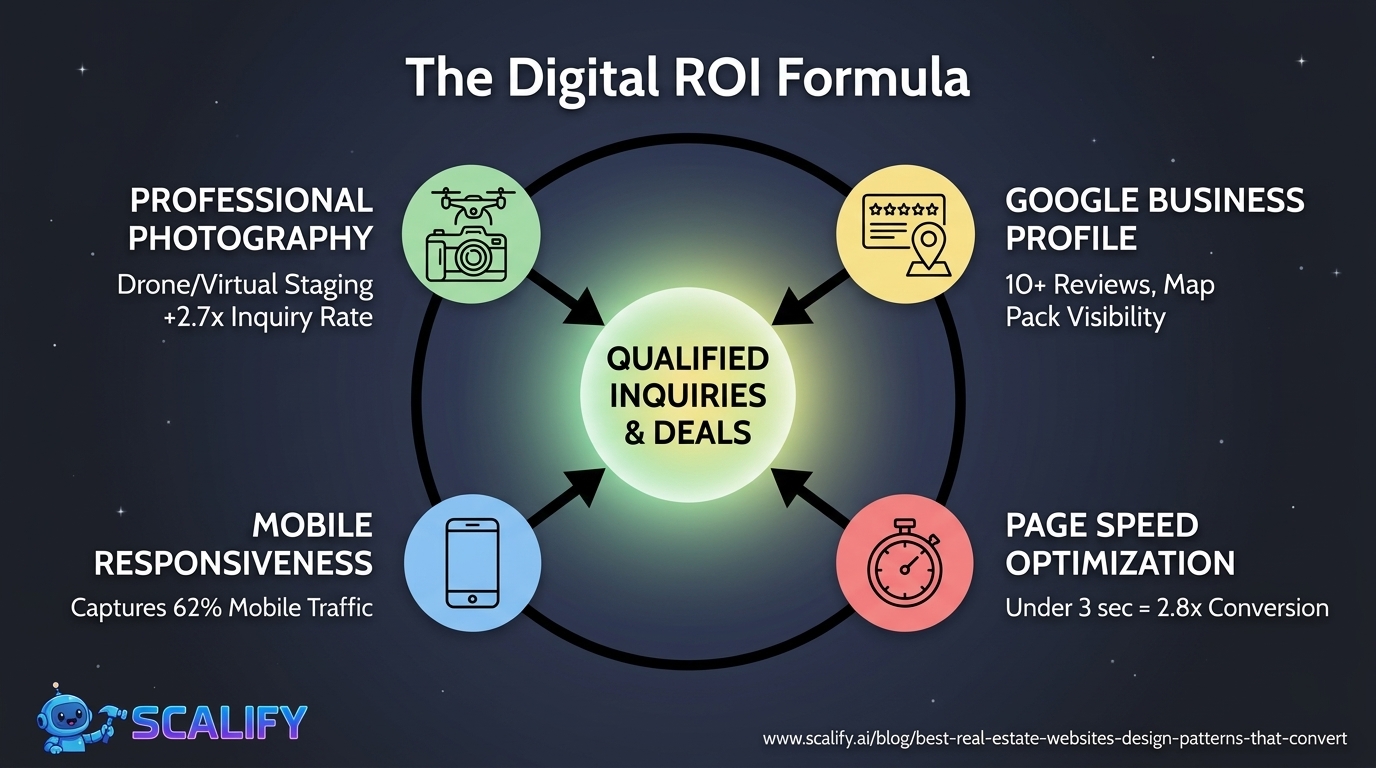
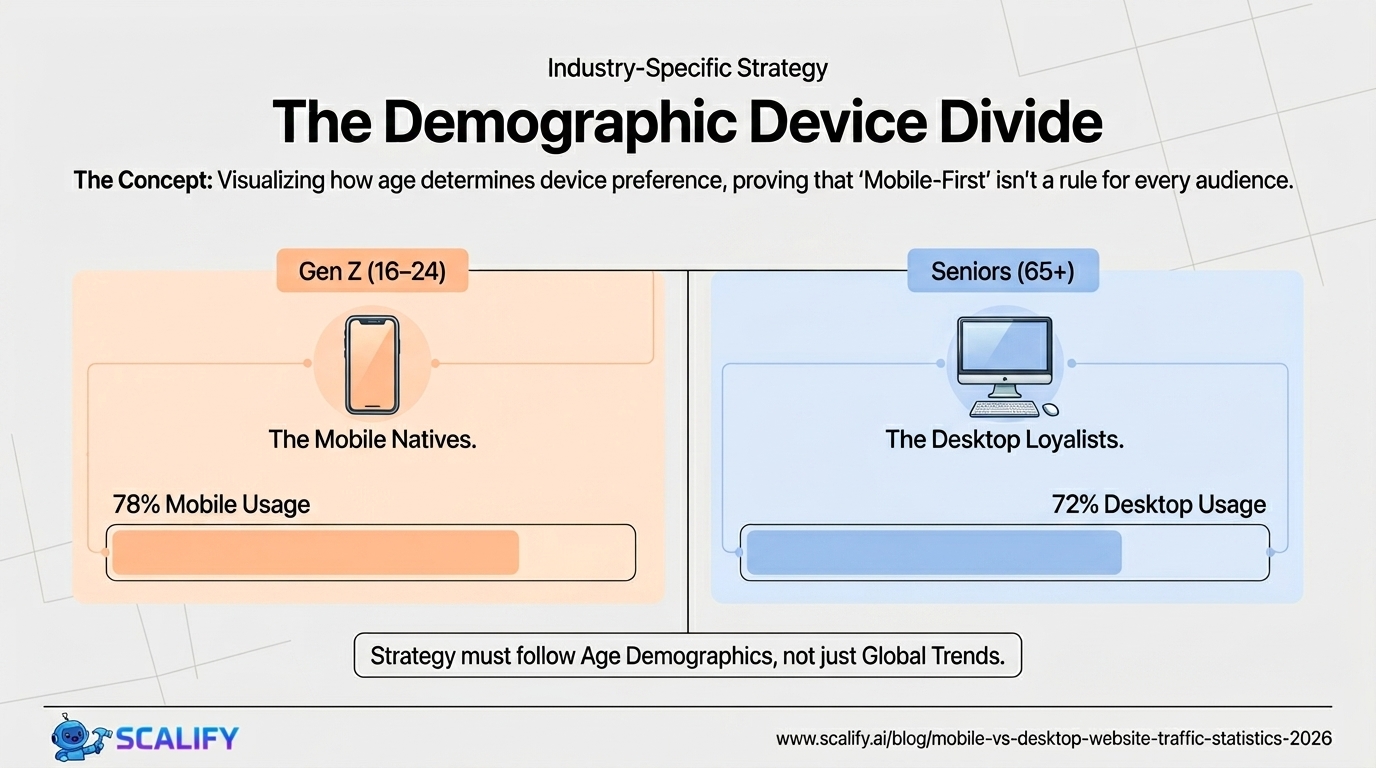
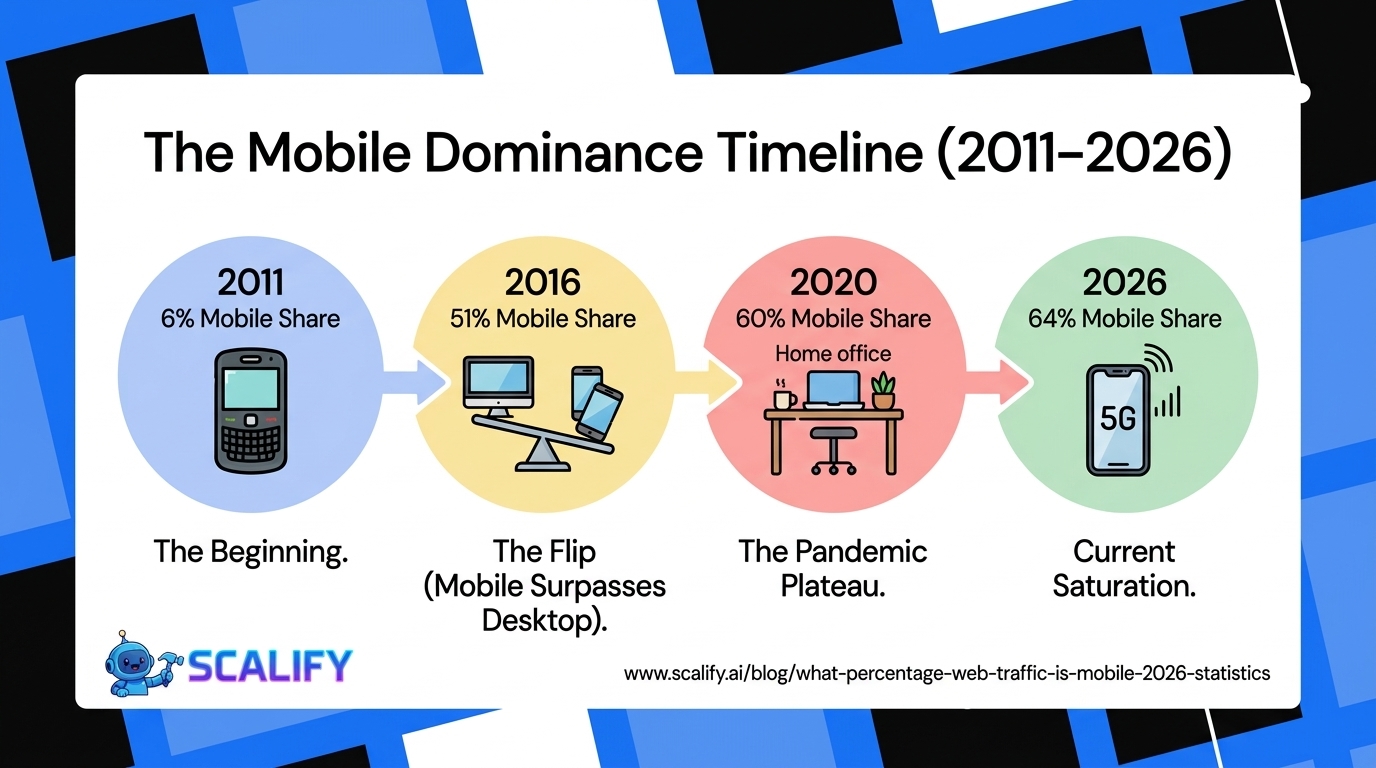
- Mobile optimization affects 54% of initial architecture firm website visits — from clients viewing portfolios on phones during site visits or meetings
- Architecture firms with clearly stated project typologies (residential, commercial, institutional, hospitality) attract 60% more relevant project inquiries than those with undifferentiated portfolios
- Websites with team bios and principal photography increase client confidence scores by 38% compared to firms with anonymous team pages
The Core Elements of High-Performing Architecture Websites
1. A Portfolio Organized by Typology and Scale
The most critical structural decision for an architecture firm website is how to organize the portfolio. Firms whose websites display all projects in a single undifferentiated grid force potential clients to scroll through residential projects when looking for commercial precedents, or wade through institutional work when researching hospitality capabilities. This friction reduces the relevance of the portfolio for the specific project a client is evaluating.
High-performing architecture websites organize portfolios along the dimensions that matter most to clients evaluating fit: project typology (residential, commercial, institutional, cultural, adaptive reuse, etc.), project scale (small residential renovations vs. large institutional commissions), and sometimes geography. This organization allows a developer evaluating a firm for a mixed-use commercial project to see exactly the commercial work the firm has done, at what scales, with what results — within seconds of landing on the portfolio page.
| Portfolio Organization Approach | Client Experience | Inquiry Conversion Impact |
|---|---|---|
| Single undifferentiated grid (all projects) | Requires extensive scrolling to find relevant work | Baseline |
| Organized by typology only | Good — finds relevant project type quickly | +45% for typology-specific inquiries |
| Typology + featured / award-winning flagged | Very Good — quality signals visible immediately | +60% for competitive project pursuits |
| Typology + scale + searchable/filterable | Best — precise portfolio navigation | +75% for large institutional clients |
2. Project Case Studies Over Photo Galleries
The most common architecture website pattern — a beautiful full-bleed photo followed by project name, location, and year — communicates almost nothing about the firm's design process, problem-solving capability, or the client relationship that produced the outcome. Potential clients evaluating an architecture firm for a significant commission want to understand how the firm thinks, not just what it builds.
The best architecture firm websites present projects as case studies: what was the brief or problem, what was the design approach and key decisions made, what constraints were navigated (budget, site, program, code), what was the outcome, and — critically — what did the client experience working with the firm. This narrative framing transforms a portfolio from a visual catalog into an evidence base for the firm's problem-solving capability. Project case studies that include client quotes, construction details, and outcome metrics (LEED certification achieved, square footage delivered under budget, post-occupancy satisfaction surveys) are the most compelling content format for institutional and commercial project pursuits.
3. Team Pages That Humanize the Practice
Architecture clients are hiring a relationship, not just a firm. They will work closely with the principals and project architects for months or years on a project that will shape their organization's physical environment. The team page is where that human connection begins to form — and firms that invest in it see measurably higher inquiry and conversion rates than those with anonymous or minimal team presentations.
Effective architecture team pages include: professional photography that reflects the firm's aesthetic (not generic corporate headshots), bios that describe each person's design philosophy and project experience, educational background and professional credentials (RA, FAIA), personal interests or community involvement that communicates the whole person, and ideally a brief video or recorded conversation for principals. The goal is to make the team feel like people a potential client would want to spend the next two years working closely with.
4. Press, Awards, and Recognition
Third-party recognition is a trust signal that architecture clients — particularly institutional clients doing competitive selection — respond to strongly. A firm whose website clearly displays AIA awards, publication in Architectural Record, ArchDaily features, or regional excellence recognition is presenting external validation of design quality that no amount of self-description can replicate.
The most effective placement for recognition is the homepage — visible above the fold or in a scrolling press bar below the hero section — where it contributes to the firm's credibility before a client has even clicked into the portfolio. Recognition buried in an "about" page or accessible only through a separate "press" section is dramatically less effective than recognition displayed as a first-impression trust signal.
5. A Clear and Low-Friction Contact Process
Architecture firms — especially at the principal level — often have vague or minimal contact options: a generic email address, a phone number with no context, or a catch-all form with no fields that help the firm prepare for the conversation. The best architecture websites make contact intentional and efficient: a form that captures project type, scale, timeline, and budget range enables the firm to respond to inquiries with relevant portfolio examples and a genuinely informed first conversation rather than a generic "tell me more."
Design Principles That Reflect Architecture Firm Quality
Visual Quality as a Proxy for Design Quality
In architecture, the quality of visual presentation signals the quality of design thinking. Clients — consciously or unconsciously — use the website's visual sophistication as a proxy for the firm's design sophistication. A website with poor image quality, inconsistent typography, misaligned grid elements, or amateur photography is sending an implicit signal about the firm's attention to detail and design standards that undermines the actual quality of the built work being presented.
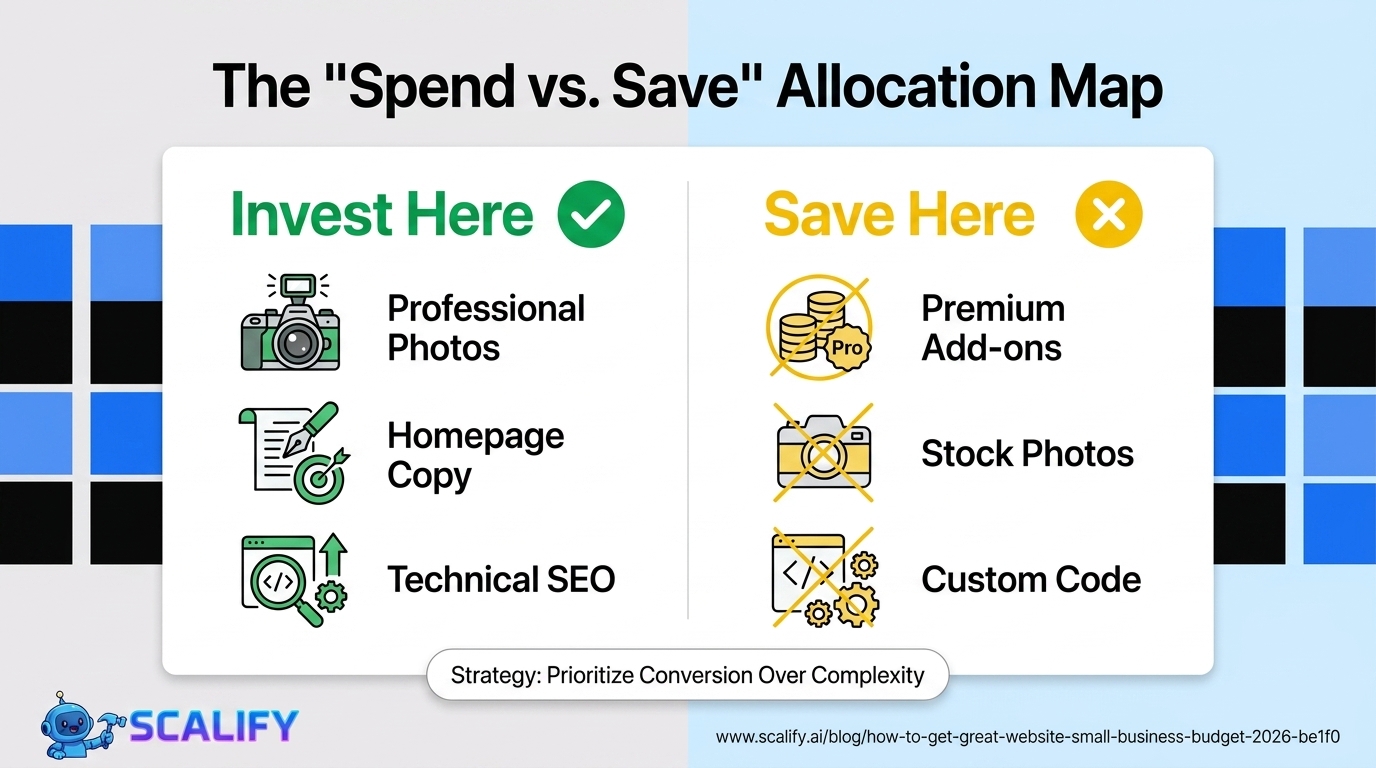
Architecture website photography deserves particular attention. Professional architectural photography — by photographers who understand light, composition, and the experience of space — is one of the most significant investments an architecture firm can make in its website content. Images shot on a smartphone or by a construction photographer focused on documentation rather than design communication actively diminish the impression of even excellent built work.
Restraint and White Space
The architecture firms whose websites most effectively communicate design sophistication consistently use restraint: minimal navigation, generous white space, large images allowed to breathe without decorative elements competing for attention, and typography that establishes hierarchy without visual noise. This restraint communicates confidence — the work speaks for itself without needing elaborate framing. It also aligns with the design sensibility that most architecture clients associate with quality design practice.
Loading Speed for Large Image Portfolios
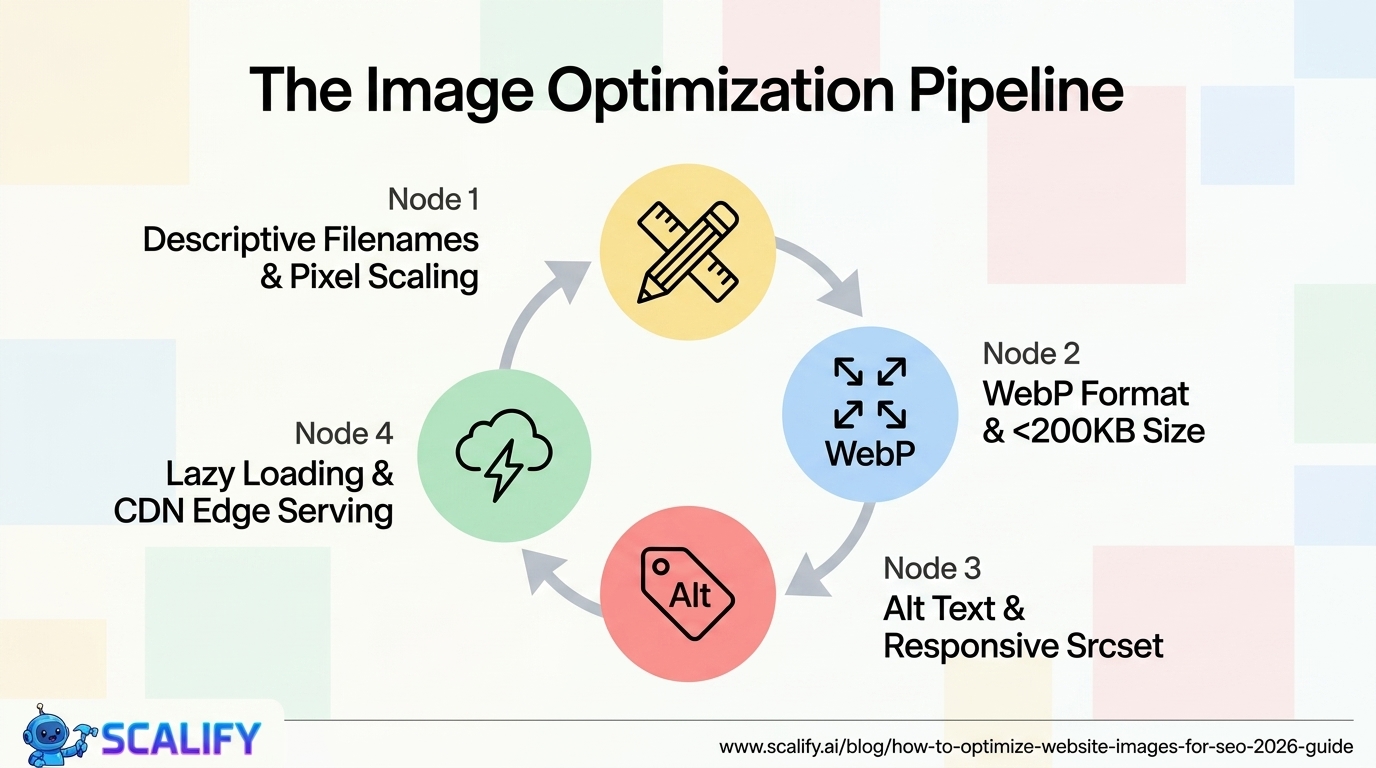
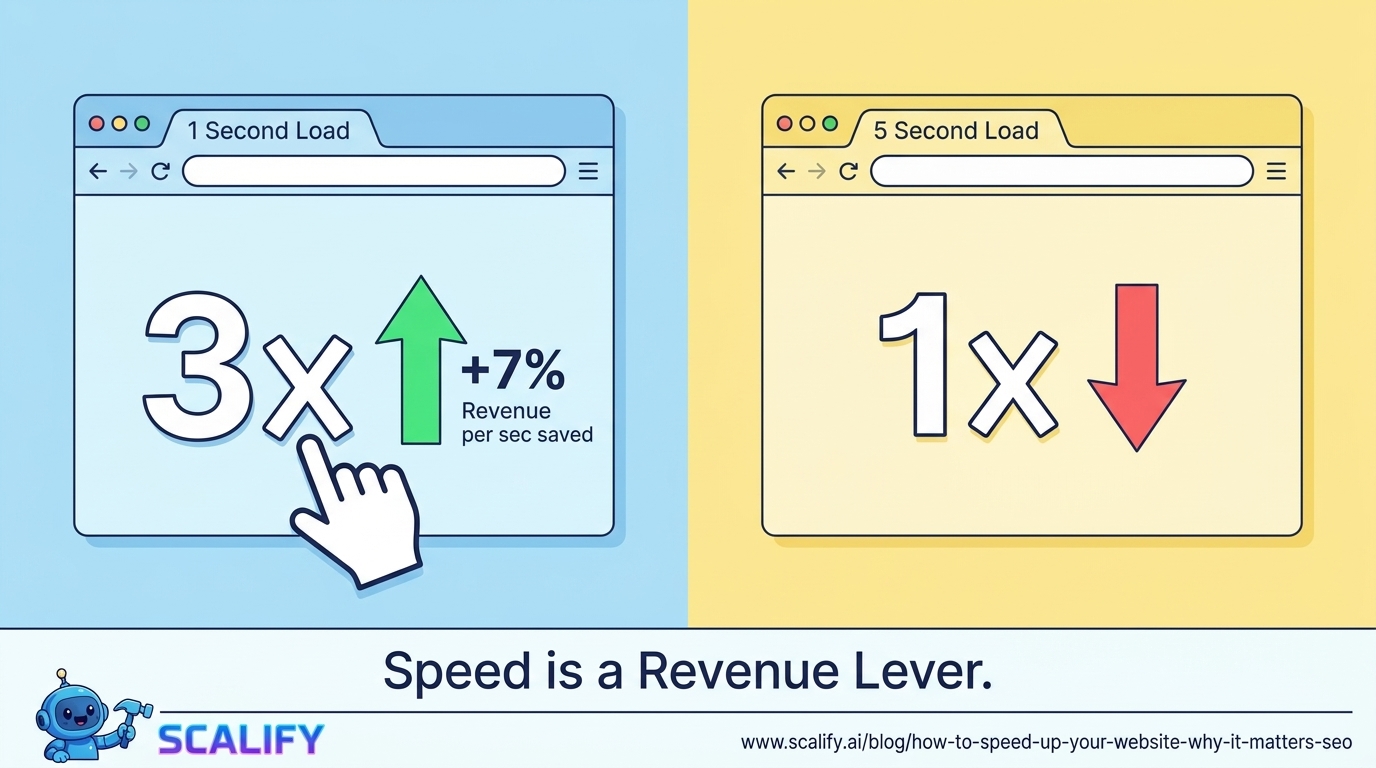
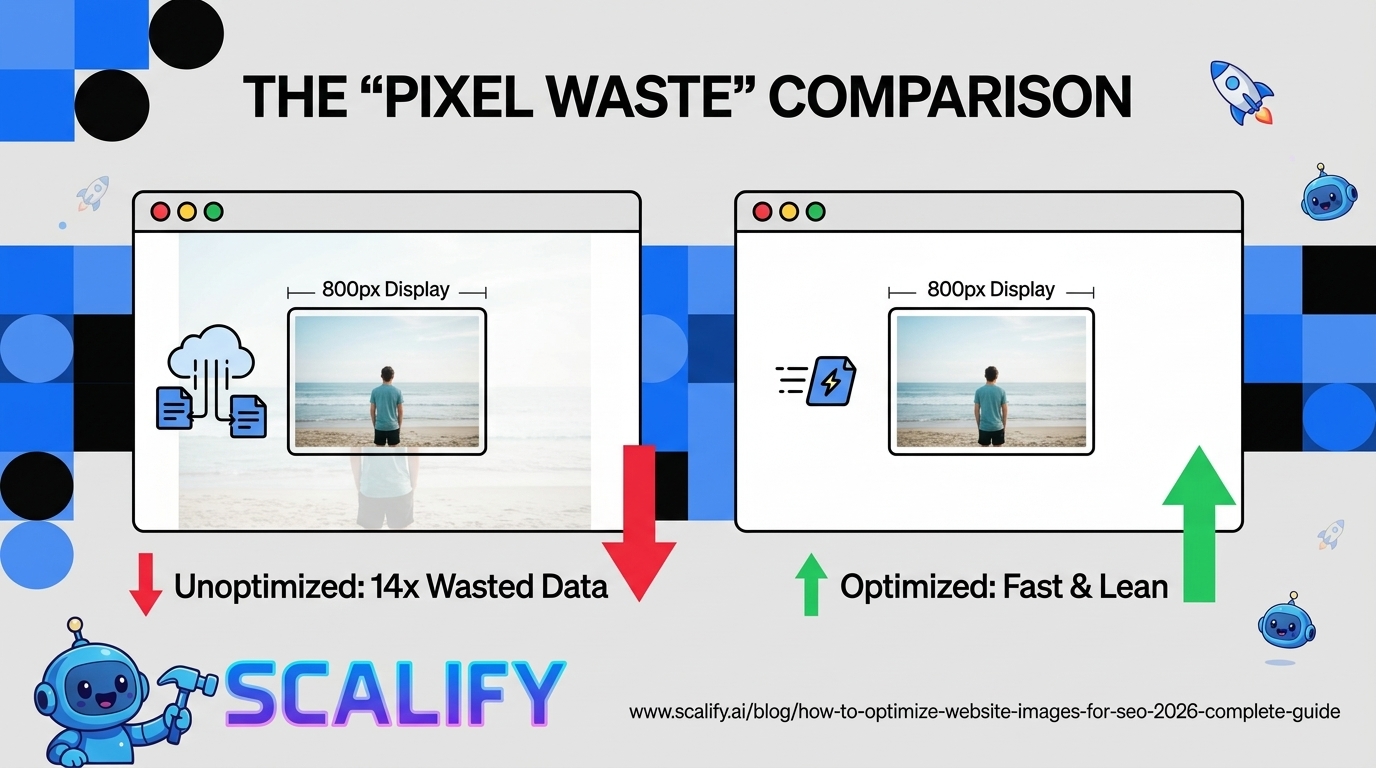
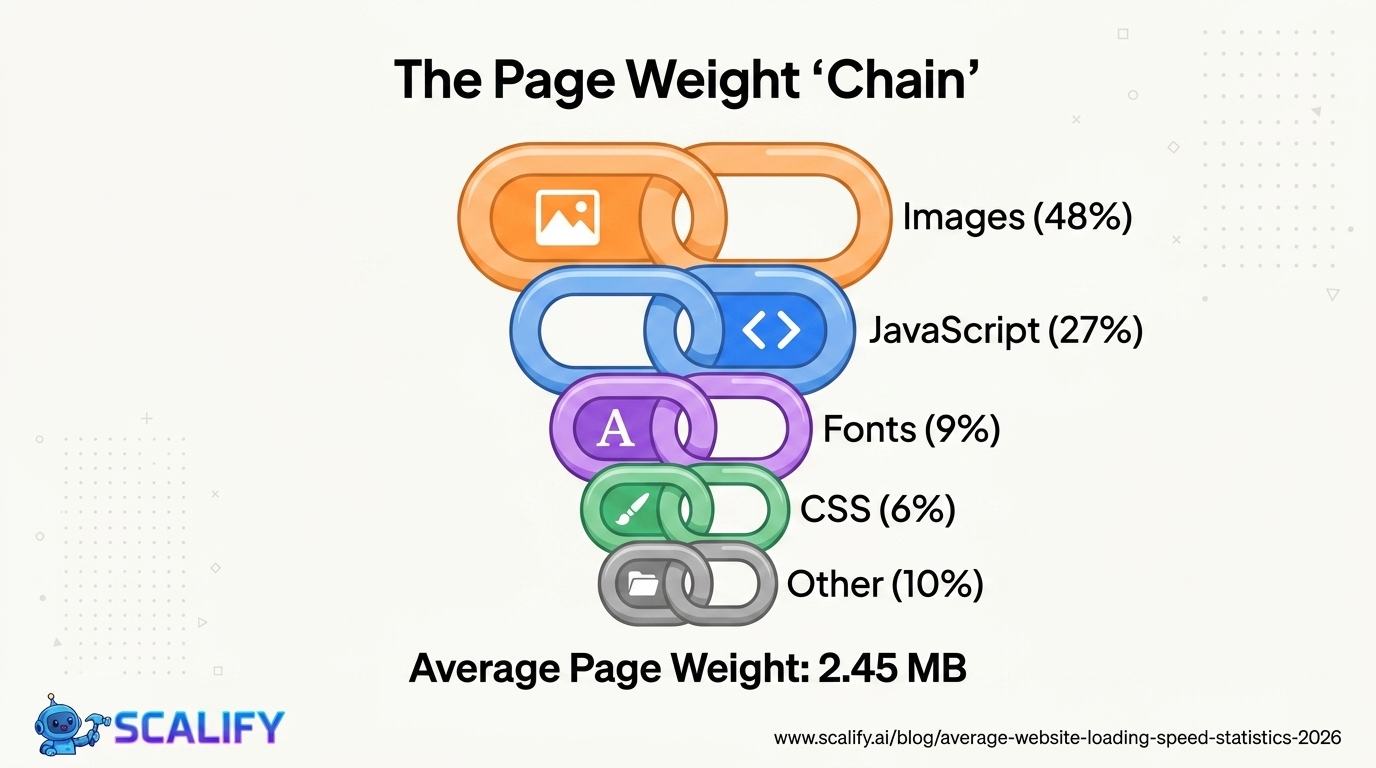
Architecture websites face a specific technical challenge: they need to display large, high-resolution images that communicate the physical quality of built work while loading fast enough that clients on varying connection speeds don't abandon the portfolio before it loads. The solution is systematic image optimization — serving WebP format images, using lazy loading for below-fold portfolio images, implementing progressive loading for large hero images, and using a CDN for geographic distribution. An architecture portfolio website with a Lighthouse score above 80 on mobile is technically achievable and professionally expected.
SEO Strategy for Architecture Firms
Architecture firms rarely invest in SEO content — which means the firms that do have an enormous organic search advantage in their local market. The highest-value SEO content for architecture firms targets the specific queries potential clients use when beginning a project search:
| Content Type | Example Query | Client Intent | Conversion Potential |
|---|---|---|---|
| Local typology pages | "residential architect Miami" | Ready to shortlist — high | Very High |
| Project type guides | "how to hire an architect for a restaurant" | Research stage — medium-high | High |
| Process explainers | "how long does an architecture project take" | Education stage — medium | Medium-High |
| Cost guides | "architecture fees for commercial renovation" | Budget research — high | High |
| Award/recognition announcements | Branded searches | Validation — medium | Medium |
Common Architecture Website Mistakes
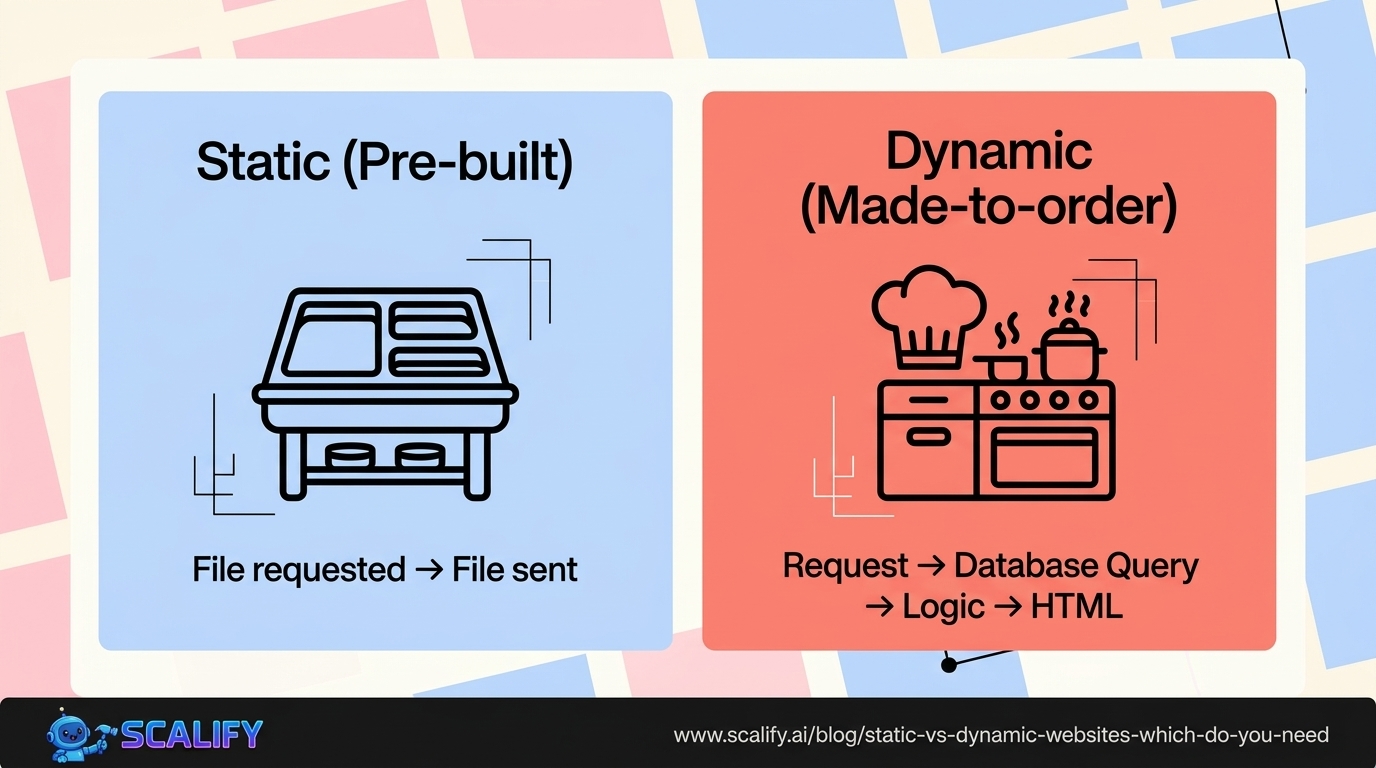
Flash-based or all-JavaScript portfolios that search engines can't index. Architecture websites built entirely in JavaScript frameworks without proper server-side rendering are often invisible to search engines — the images and project content exist only in the browser, not in Google's index. This is a significant SEO problem that costs organic visibility entirely.
No project narrative — just photos. Beautiful images without context don't differentiate firms. Every project deserves enough written context to communicate the design problem, the approach, and the outcome to a client who wasn't there when the building was designed.
Outdated portfolio featuring discontinued work. A portfolio that prominently features projects completed 15 years ago, by principals who have since left, in typologies the firm no longer pursues, is actively misleading. Keeping the portfolio current — removing completed projects that no longer represent the firm's current work and adding new projects within 6 months of completion — is basic professional maintenance.
No clear indication of project scale or budget range. Clients evaluating an architecture firm for a $500,000 residential addition and a $50M institutional building have completely different needs. Websites that don't communicate typical project scale force potential clients to guess whether the firm is appropriate for their commission — and many will guess wrong and not reach out.
The Bottom Line
The best architecture firm websites treat the digital presence with the same design rigor applied to built work: organized, considered, technically accomplished, and communicating the firm's design intelligence before a single conversation happens. Portfolio organization by typology and scale, project case studies over photo galleries, team pages that establish personal connection, prominent awards and press recognition, and a professional inquiry process are the elements that convert website visits into project shortlistings. In a competitive market where institutional and commercial clients evaluate multiple firms simultaneously, the website is often what separates firms that get shortlisted from firms that don't — regardless of the underlying quality of the work being presented.
At Scalify, we build professional websites for architecture firms, design studios, and creative practices in 10 business days — presenting portfolio work with the visual quality and organizational clarity that reflects the caliber of the practice.
Top 5 Sources
- AIA Firm Survey Report — Architecture firm business development data including digital presence impact on project acquisition
- The Architectural Review — Industry perspectives on architecture firm digital presence and portfolio presentation
- Archinect — Practice Features — Architecture practice marketing and business development research
- Dezeen Architecture — Architecture publication standards for project photography and presentation
- BrightLocal — Professional Services Research — How clients evaluate professional service firms through digital presence
Platform and Technology Choices for Architecture Firm Websites
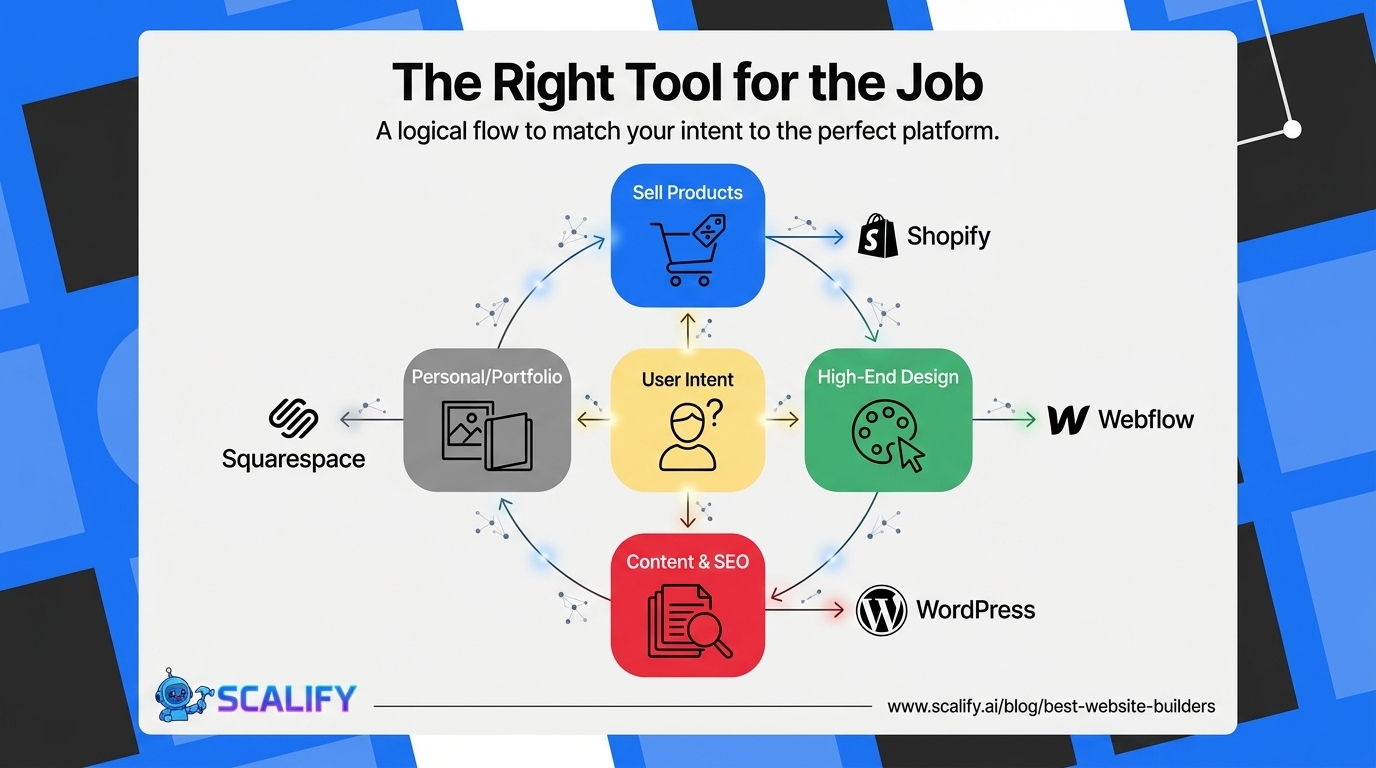
The technology platform an architecture firm uses for its website has real implications for portfolio presentation quality, SEO performance, and ongoing maintenance ease. The right platform depends on the firm's size, how frequently they update their portfolio, and whether they want to manage content internally or rely on a developer for every change.
| Platform | Best For | Key Strength | Key Limitation | Typical Investment |
|---|---|---|---|---|
| Webflow | Design-forward, SEO-focused firms | Beautiful CMS, excellent performance, clean code | Requires professional to build well | $4,000–$18,000 build + $23–42/mo |
| Squarespace | Smaller firms, self-managed updates | Easy portfolio management, decent templates | Limited customization, weak SEO ceiling | $500–$3,000 setup + $23–65/mo |
| WordPress | Firms prioritizing blog and SEO content | Maximum flexibility, strong SEO tools | Requires maintenance, plugin management | $4,000–$15,000 build + $50–150/mo hosting |
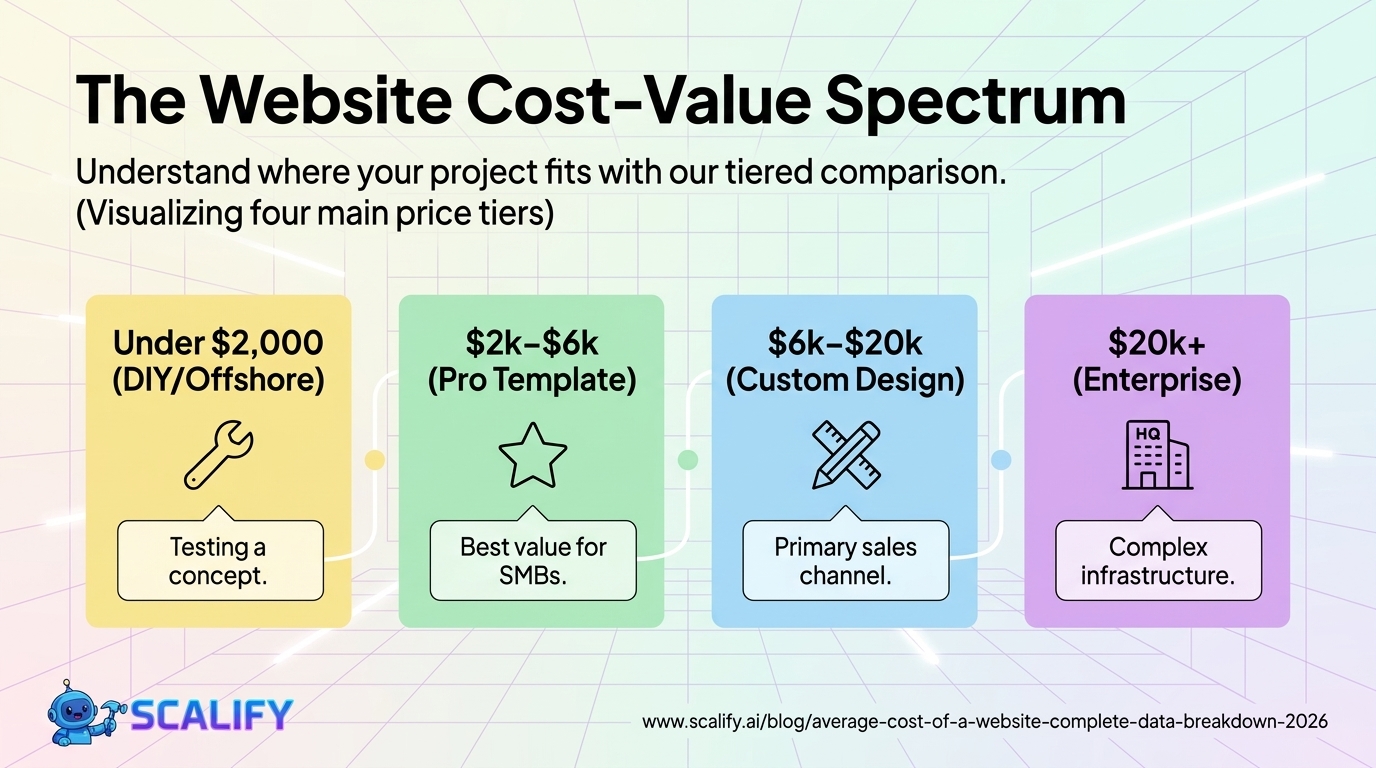
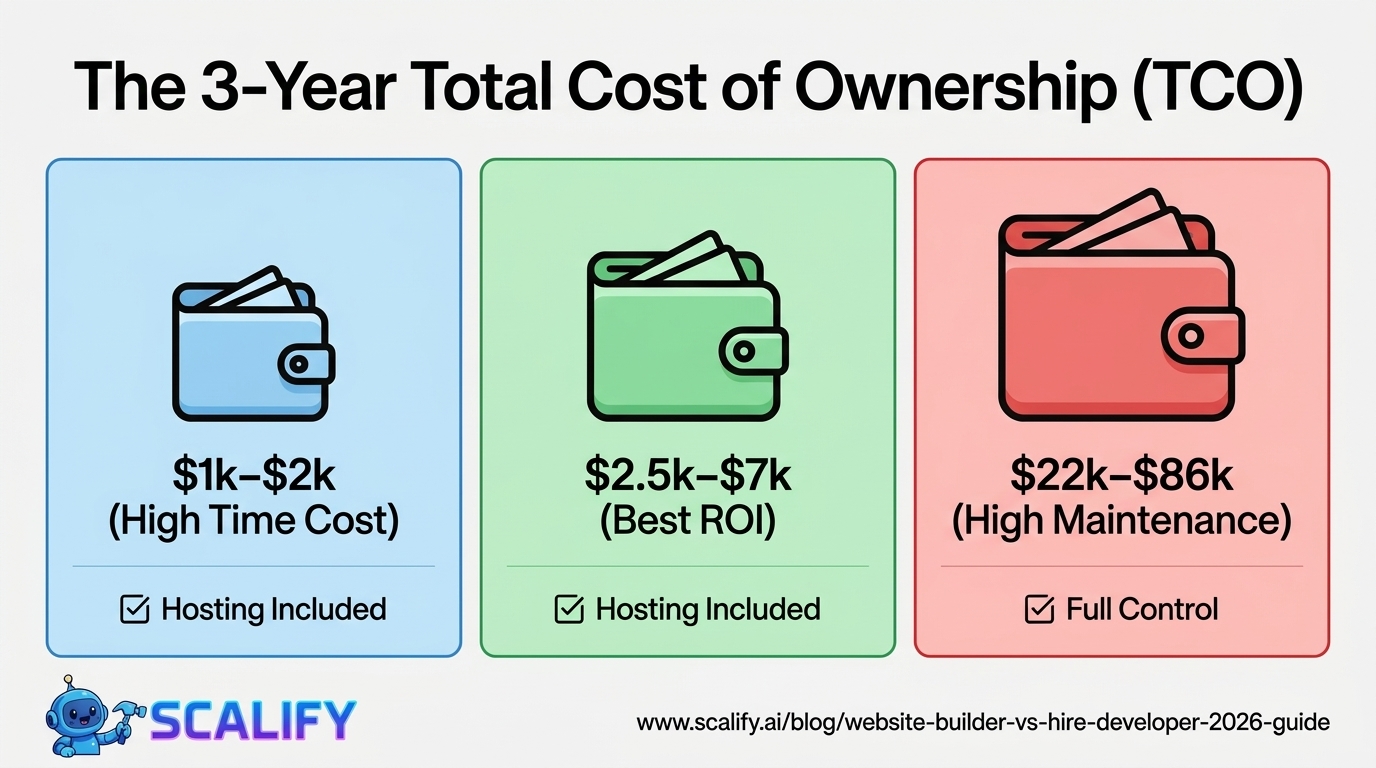
| Custom development | Large firms with specific portfolio needs | Fully bespoke to requirements | Highest cost, slowest development | $20,000–$80,000+ |
For most architecture firms — particularly those who want to manage their own portfolio content additions without developer involvement — Webflow offers the best combination of design quality, CMS flexibility, and performance. A Webflow CMS allows principals or office managers to add new projects, upload photography, and update project information without touching code, while maintaining the visual standards set during the initial build. This combination of design quality and content independence is exactly what architecture practices need as their portfolio evolves with each completed project.








.jpeg)
.jpeg)




78 SW 7th St, Miami, FL 33130