


The Best Contractor and Construction Websites: Designs That Win Bids
By Josh Ternyak

March 31, 2026
The best contractor websites win more bids by displaying licenses prominently, showing before-and-after project photos, providing process transparency, and building trust with real team photography. This comprehensive guide covers homeowner psychology, portfolio strategy, pricing transparency, local SEO, Google Business Profile optimization, and mobile conversion for contractor and construction company websites.
The Best Contractor and Construction Websites: Designs That Win Bids
Contractor websites exist in a competitive market where the quality of the digital presence directly affects which projects a firm gets invited to bid on. Homeowners searching for a general contractor, remodeler, or specialty trade on Google are making a trust-intensive decision — they're evaluating whether to give someone access to their home and tens of thousands of dollars to change it. The contractor website that wins this trust most efficiently wins the most leads.
Despite this, the average contractor website significantly underperforms what's possible. Most were built by generalist designers unfamiliar with construction industry buyer psychology, or by the contractor owner themselves using a template — and most fail to address the specific questions and concerns that make homeowners hesitate before reaching out. This guide covers exactly what the best contractor websites do differently.
Key Statistics: Contractor Websites and Lead Generation
- 81% of homeowners research contractors online before making contact — up from 65% in 2019
- Contractor websites with clearly displayed licenses and insurance receive 38% more inquiry conversions than those without
- Before-and-after project photos increase conversion rates by 52% on contractor websites compared to project-only photos
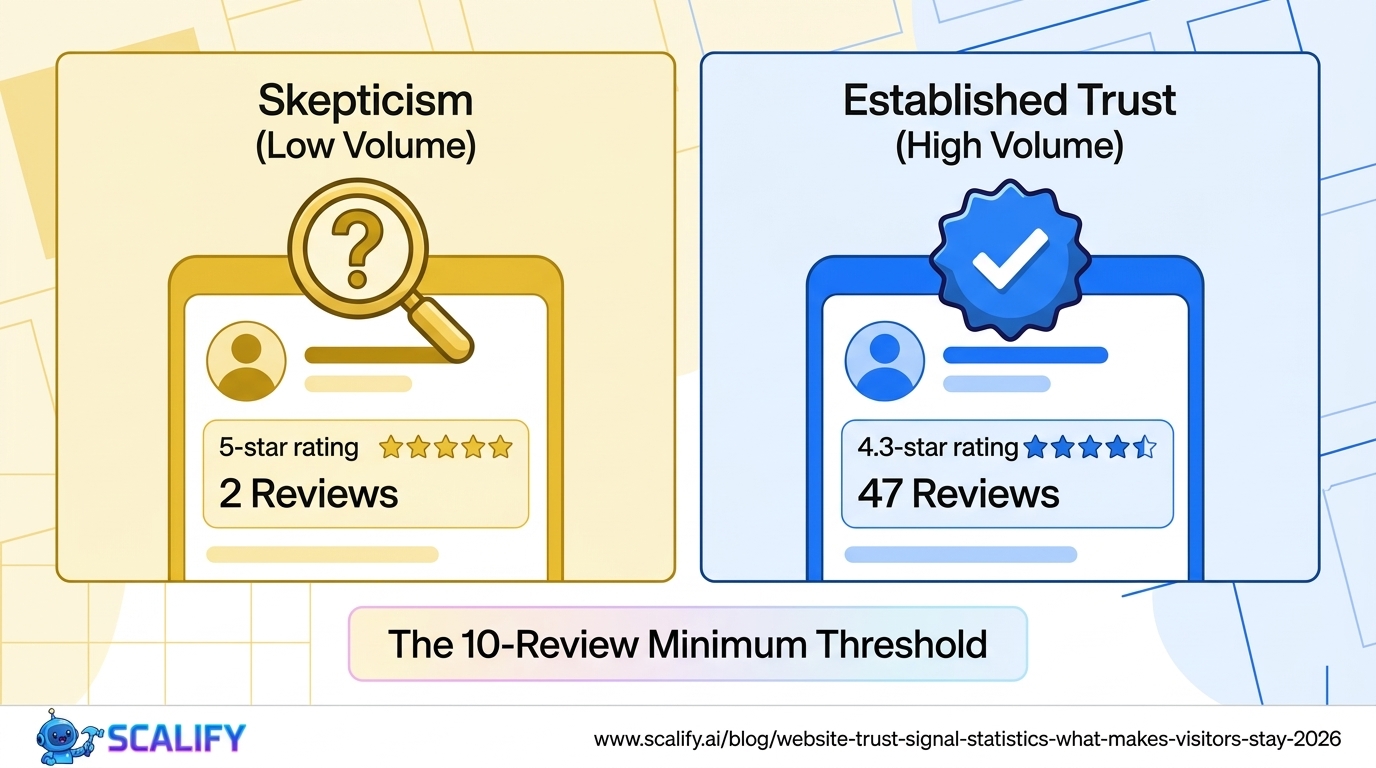
- Homeowners are 3.4x more likely to contact a contractor with 20+ Google reviews averaging 4.5+ stars
- Contractor websites with visible pricing ranges ("kitchen remodels starting from $28,000") receive 31% more qualified leads
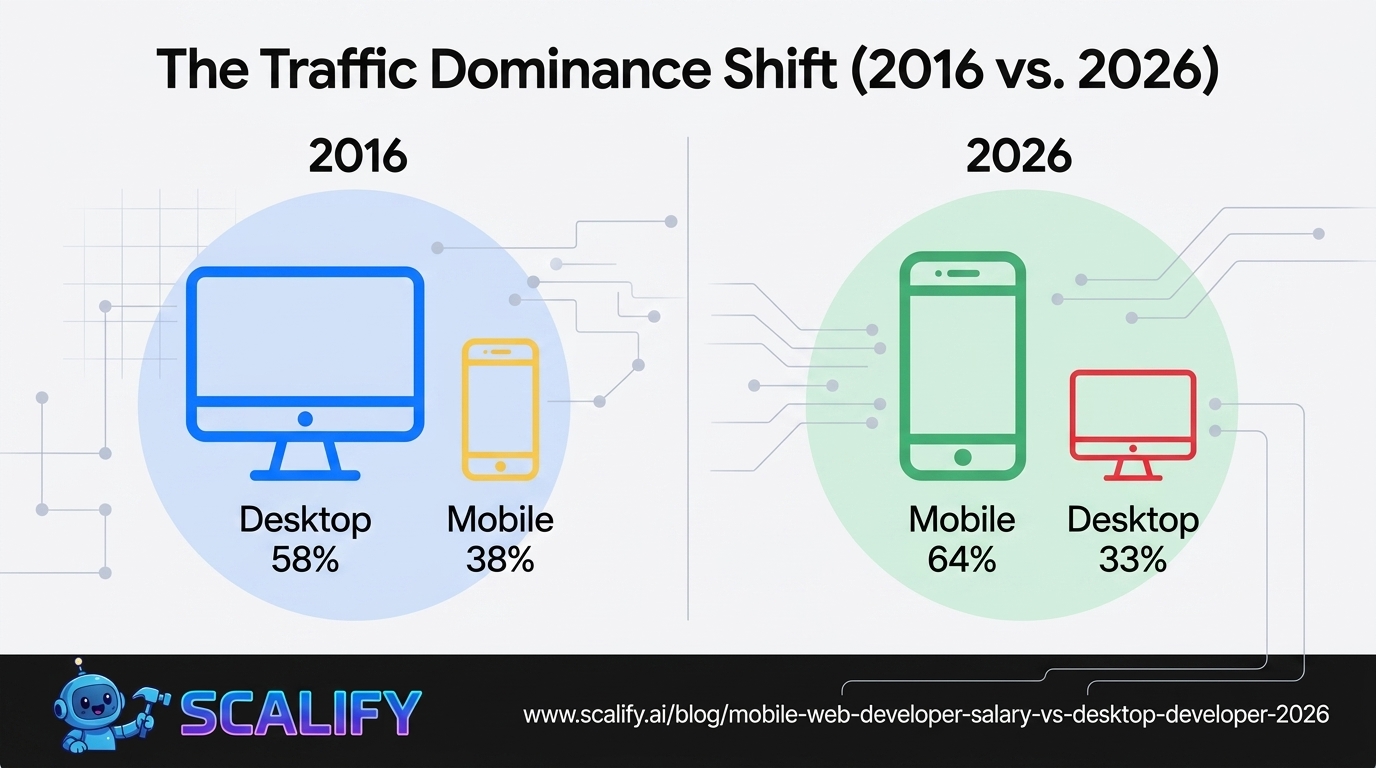
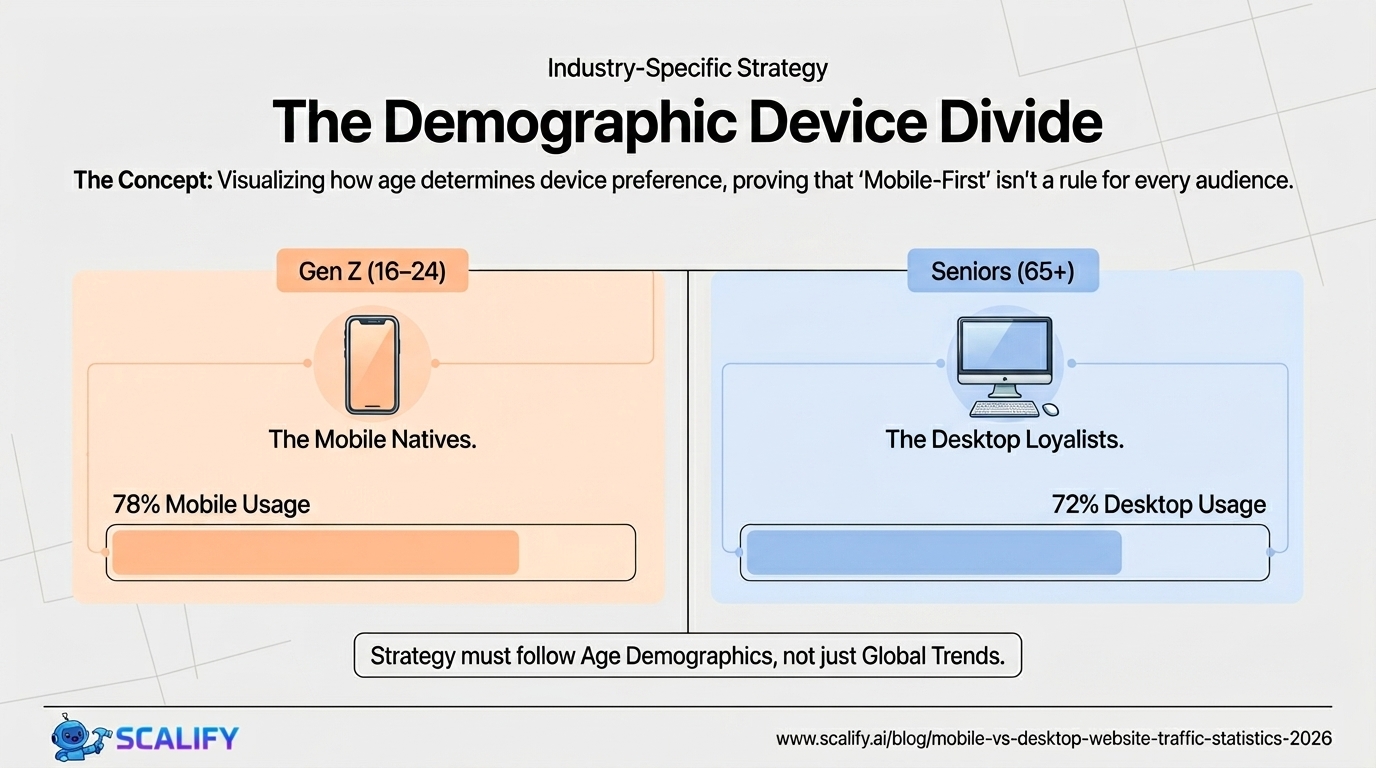
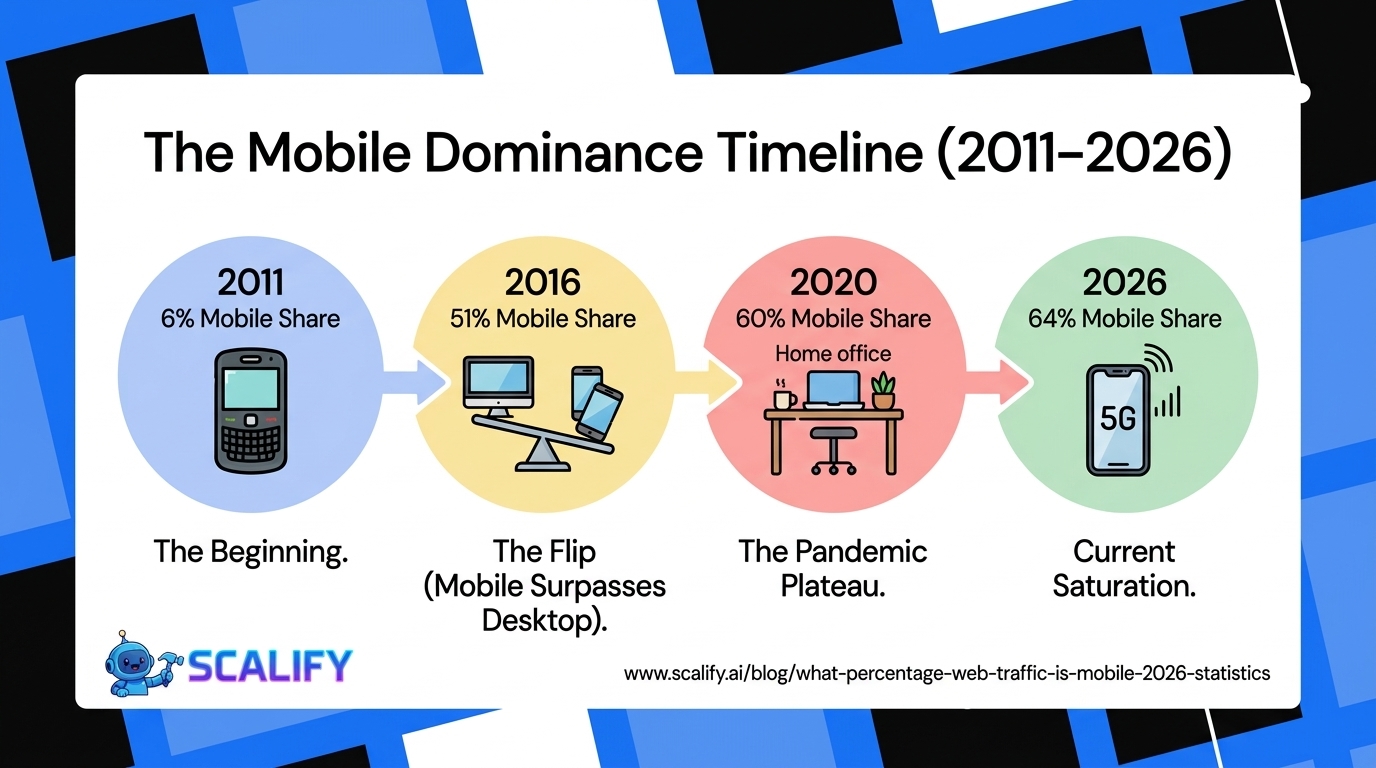
- 64% of contractor website traffic arrives on mobile — click-to-call phone numbers are essential
- Contractors who display project timelines and process explainers see 27% lower inquiry abandonment rates
- Websites with real team photos versus stock photography increase trust scores by 44%
- Local SEO-optimized contractor websites rank for 3.8x more relevant search queries than unoptimized sites
- Contractors with a dedicated service area page capturing neighboring cities get 40% more geographic leads
What Homeowners Are Actually Evaluating on Contractor Websites
Understanding what homeowners are looking for when they land on a contractor's website is the foundation of effective design. They are not primarily evaluating aesthetics — they are doing a rapid trust assessment, answering a series of implicit questions before deciding whether to make contact:
| Homeowner Question | What Answers It on Your Website | If Missing |
|---|---|---|
| "Are they licensed and insured?" | License numbers, insurance badges, displayed prominently | High abandonment — legal risk concern |
| "Have they done work like mine before?" | Portfolio organized by project type with before/after photos | Prospect can't self-qualify — moves on |
| "What do other customers think?" | Google Reviews widget, video testimonials, case studies | No social proof — trust gap |
| "What will this cost me?" | Starting price ranges, project cost examples, financing info | Cost anxiety not addressed — fewer inquiries |
| "What is the process like?" | Step-by-step process page, timeline expectations | Process uncertainty — hesitation to commit |
| "Who are these people?" | Owner photo, team bios, years in business, community presence | Faceless company — lower trust |
| "Are they the right size for my project?" | Project scale examples, team size, service area | Unclear fit — lower inquiry rate |
Portfolio Strategy: Before-and-After Is Non-Negotiable
The 52% conversion rate improvement for contractor websites showing before-and-after photography reflects something fundamental about how homeowners evaluate construction work. A beautifully finished kitchen renovation photo communicates the end state — but it doesn't communicate transformation. Before-and-after photos show what the contractor walked into and what they delivered, which is exactly what a homeowner with an ugly bathroom or an outdated kitchen needs to see to believe that the same transformation is possible for them.
Before-and-after photos also communicate scope and problem-solving capability that finished-state-only photos don't. A contractor whose before photos show cramped, dark, outdated spaces being transformed into open, light-filled, modern rooms is demonstrating exactly the outcome the prospective client is imagining. That visual promise — "I can transform your space the way I transformed these" — is the most powerful conversion element on any contractor website.
Licenses, Insurance, and Credentials: Display Them Prominently
Contractor credentials — state contractor license numbers, general liability insurance certificates, workers' compensation coverage, bonding information — are not just legal requirements. They are trust signals that directly address homeowners' most significant concern: that the person they hire will do the work properly, and that they won't be liable if something goes wrong.
Most contractor websites either bury this information on a credentials page few visitors find, or don't display it at all. The 38% higher conversion rate for prominently displayed credentials reflects how powerful it is to address this concern proactively, before the homeowner has to ask. A contractor who prominently displays "Licensed, Bonded, and Insured in [State] — License #[number]" in their website header or hero section is telling every visitor "we are legitimate and you are protected" without requiring them to ask.
Pricing Transparency: The $28,000 Kitchen Answer
Homeowners researching contractors have budget anxiety — they don't know whether their $40,000 budget is realistic for the bathroom renovation they're imagining, whether a contractor typically charges $15,000 or $50,000 for the type of work they need, or whether they're wasting the contractor's time by inquiring. This uncertainty causes a significant percentage of website visitors to not make contact at all — they move on to a competitor whose website gives them enough information to self-qualify.
The solution is not publishing detailed price sheets — it's providing enough context for self-qualification. "Kitchen remodels typically range from $25,000 to $85,000 depending on scope, materials, and layout changes" or "Master bathroom renovations in our market start around $18,000 for quality work" gives prospects enough information to know whether to reach out, without the commitment of a formal estimate. Contractors who provide this information see more inquiries from prospects whose budgets genuinely align with the firm's typical project range.
The Process Page: Reducing Anxiety Before the First Call
One of the most underutilized pages on contractor websites is a clear, step-by-step explanation of the client experience from first contact to project completion. Homeowners who have never hired a contractor for a major project are anxious about the unknown: when do I have to decide on materials? When do workers show up? How long will my bathroom be unusable? How do payments work? Will my house be a mess for months?
A process page that walks through the typical engagement — initial consultation, proposal and timeline, material selection, project kick-off, during-project communication expectations, final walkthrough, and warranty — dramatically reduces this anxiety and differentiates the contractor from competitors who offer no such transparency. The 27% lower inquiry abandonment rate for contractors with process explainers reflects how many homeowners were interested but uncertain enough to not reach out without it.
Local SEO: The Most Valuable Marketing Investment for Contractors
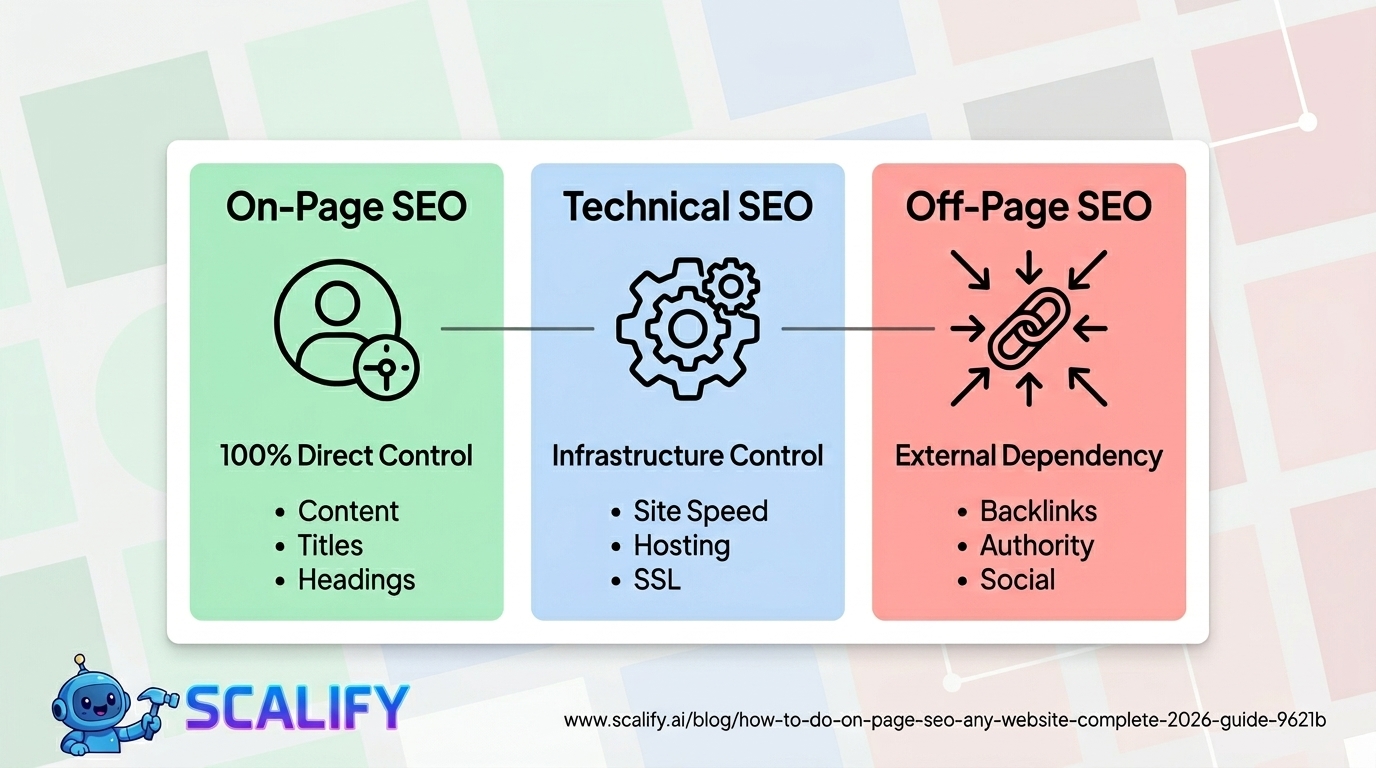
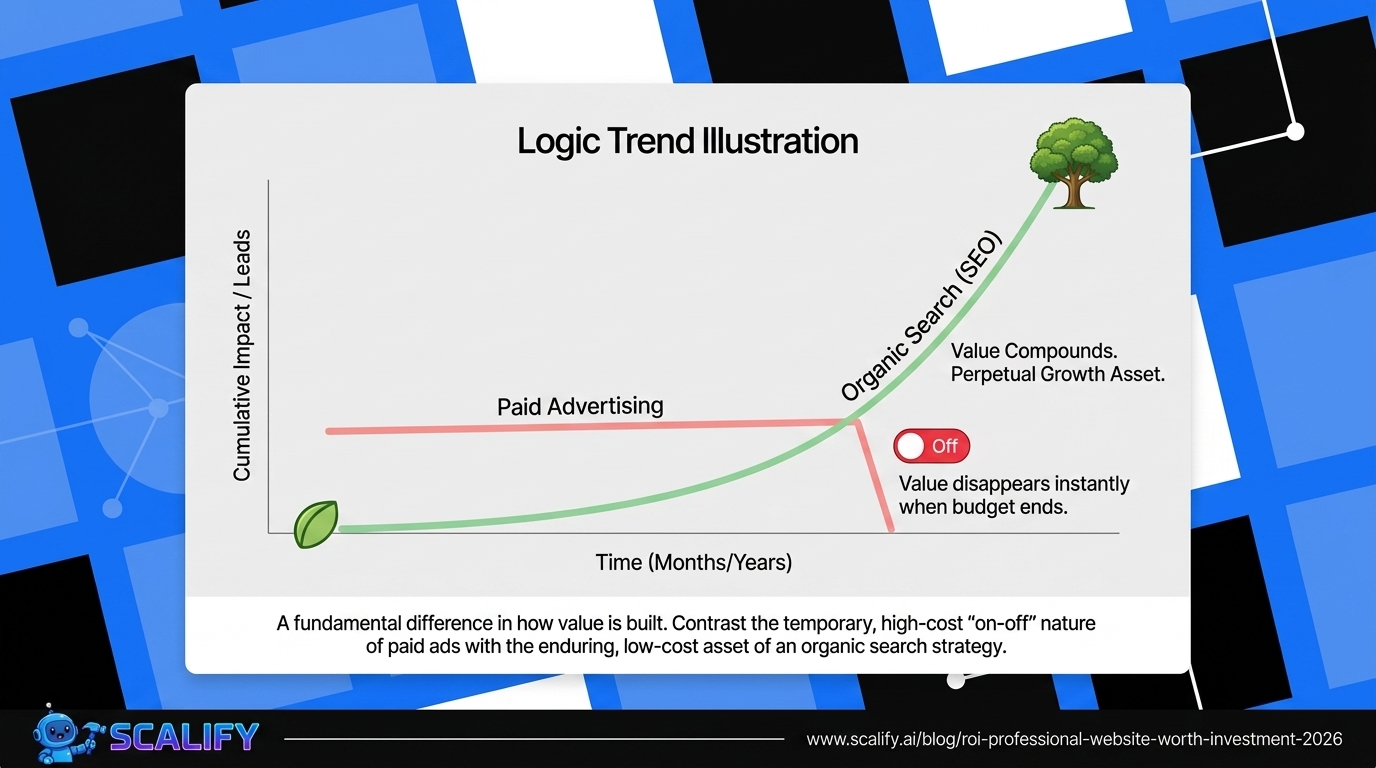
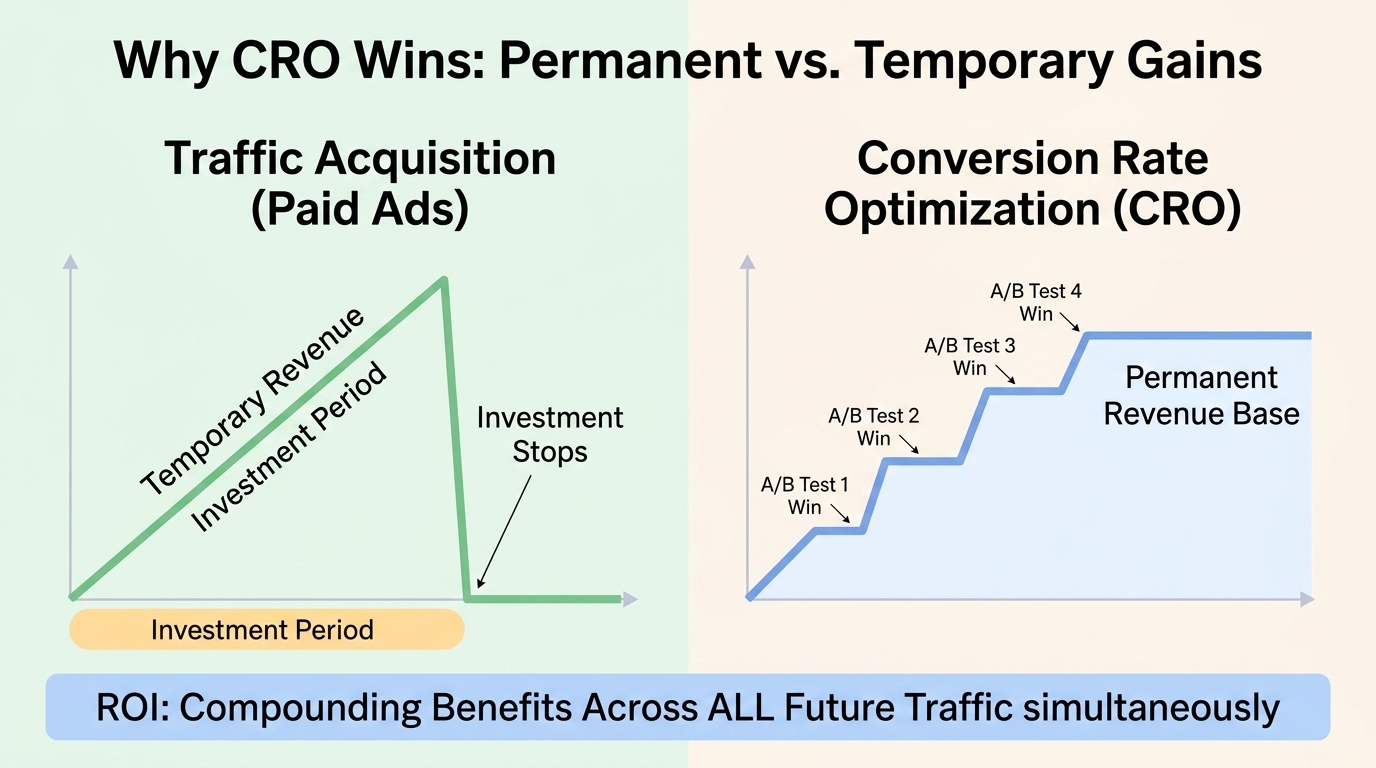
Local SEO is consistently the highest-ROI digital marketing investment for contractors — higher than paid ads, higher than social media, higher than print advertising. A contractor who ranks in the top 3 Google results for "[service] [city]" queries is capturing leads from homeowners who are already searching for exactly what the contractor offers, in the exact geographic market the contractor serves.
| SEO Content Type | Example | Search Intent | Inquiry Potential |
|---|---|---|---|
| Service + location pages | "Kitchen Remodeling in Miami" | Very High — ready to hire | Very High |
| Service area pages (neighboring cities) | "General Contractor serving Coral Gables and Coconut Grove" | High — local search | High |
| Project type guides | "How much does a bathroom remodel cost in Miami?" | High — budget research stage | High |
| Process explainers | "What to expect during a kitchen renovation" | Medium — anxiety reduction | Medium-High |
| Before-and-after case studies (blog) | "Master Bath Renovation: Coral Gables Tudor" | Medium — inspiration and proof | Medium-High |
Common Contractor Website Mistakes
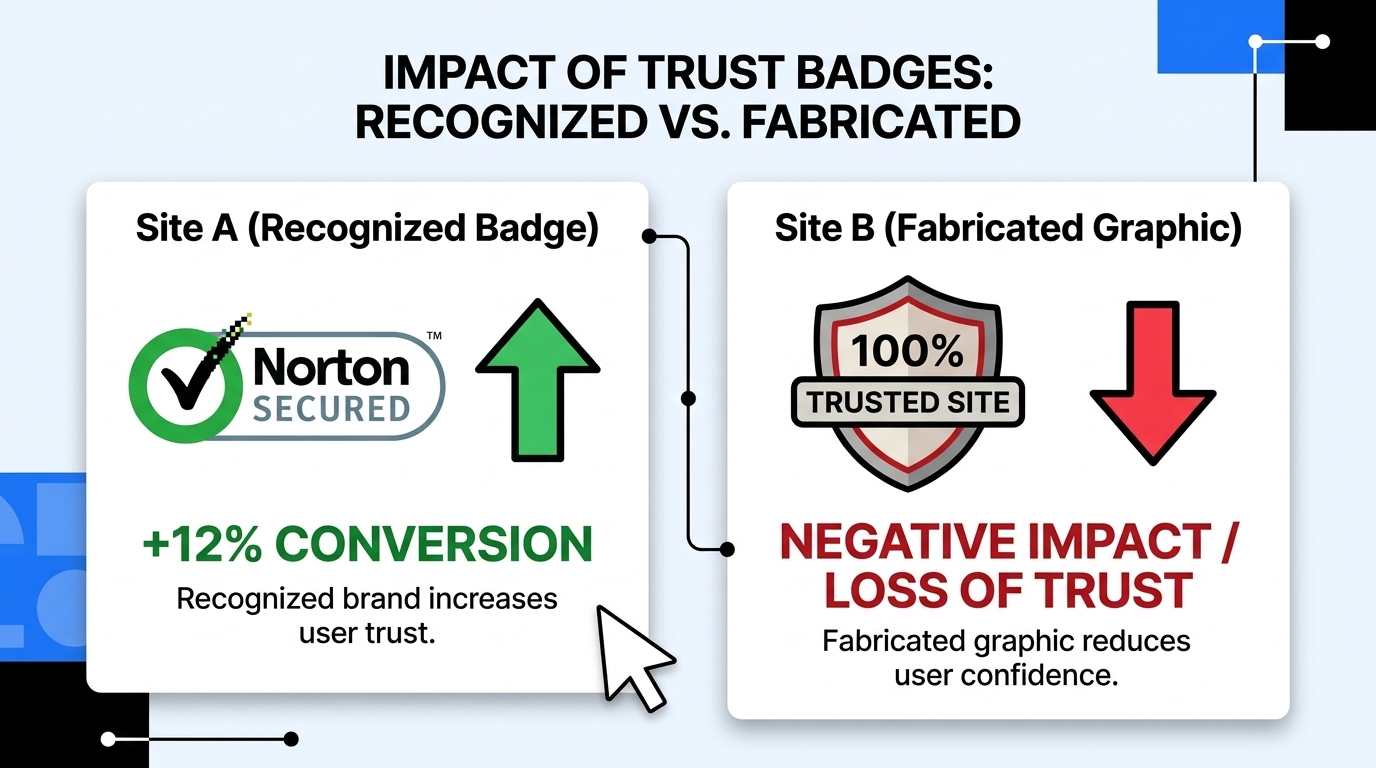
No license or insurance information visible. This is the single largest trust barrier for homeowners — and the single most common omission on contractor websites. Displaying contractor license numbers and insurance coverage prominently is not bureaucratic box-ticking; it's addressing the homeowner's most significant concern proactively.
Project photos without context. Beautiful finished-state photos with no project context — no description of the scope, no before photos, no location, no square footage, no materials — leave homeowners unable to assess whether the work is relevant to their project. Every portfolio project should have enough context that a prospect can say "that's similar to what I need."
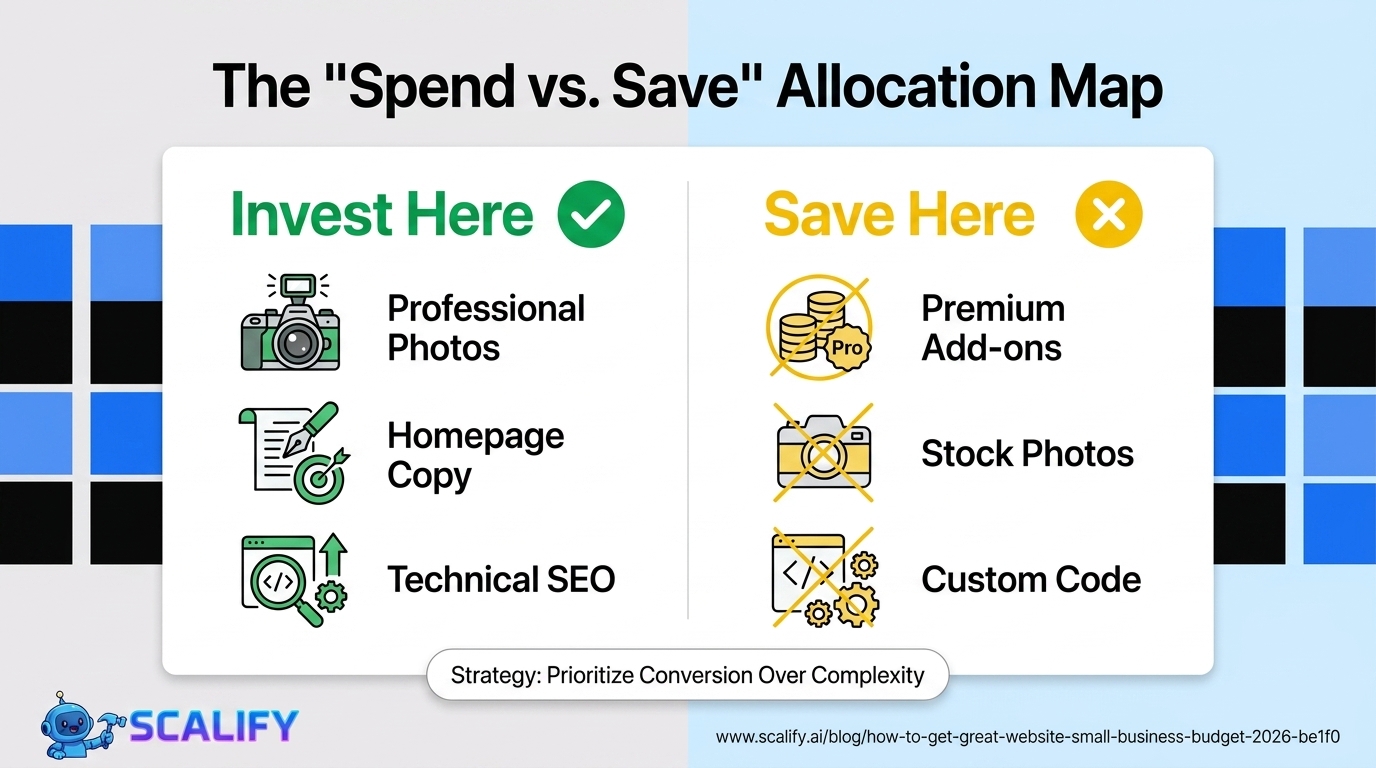
Generic stock photos of people in hard hats. Stock photography of construction workers, blueprints, and hard hats appears on thousands of contractor websites. It communicates nothing specific about the contractor and fails the authenticity test that homeowners apply when deciding who to trust with their home. Real photos of the owner, the crew, and actual project sites are dramatically more effective.
The Bottom Line
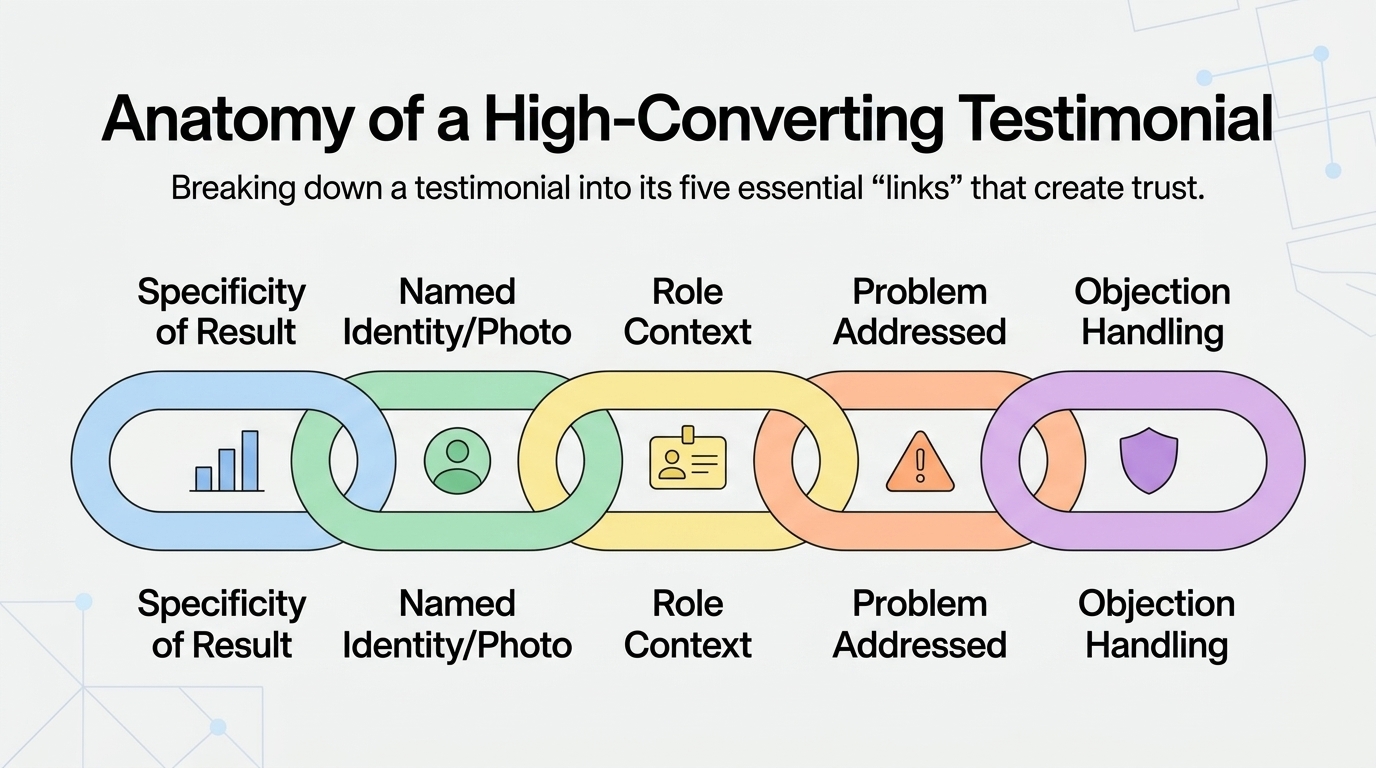
The best contractor websites win more bids by addressing homeowner concerns proactively — displaying licenses and insurance prominently, showing before-and-after project photography, providing process transparency, giving enough pricing context for self-qualification, and building personal trust through real team photos and outcome-specific client testimonials. In a market where every contractor claims to do quality work, the website that addresses the specific anxieties of homeowners making a high-trust, high-stakes purchasing decision will consistently generate more leads and book more projects than the beautiful but non-informative website competing beside it.
At Scalify, we build professional websites for contractors, construction firms, and home service businesses in 10 business days — designed to convert local search traffic into qualified project inquiries.
Top 5 Sources
- BrightLocal — Local Consumer Review Survey — Homeowner review and trust behavior for contractor selection
- Houzz — Renovation Trends Study — Annual data on homeowner contractor research and selection behavior
- Remodeling Cost vs. Value Report — Project cost and value data for contractor market pricing context
- Angi — Contractor Review Statistics — How homeowners use reviews and ratings in contractor selection
- HubSpot — Local Service Marketing Statistics — Conversion rate and digital marketing data for local service businesses
Google Business Profile: The Contractor's Most Powerful Local Tool
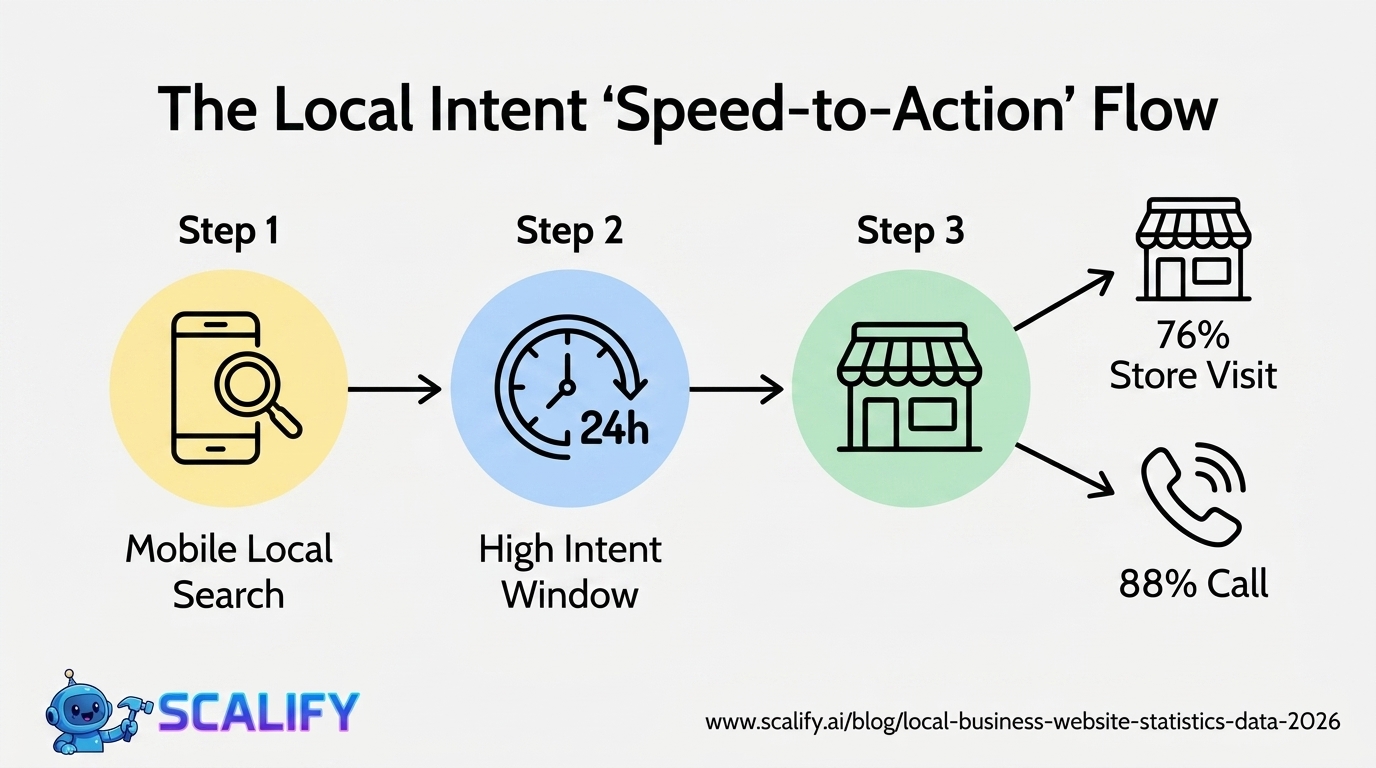
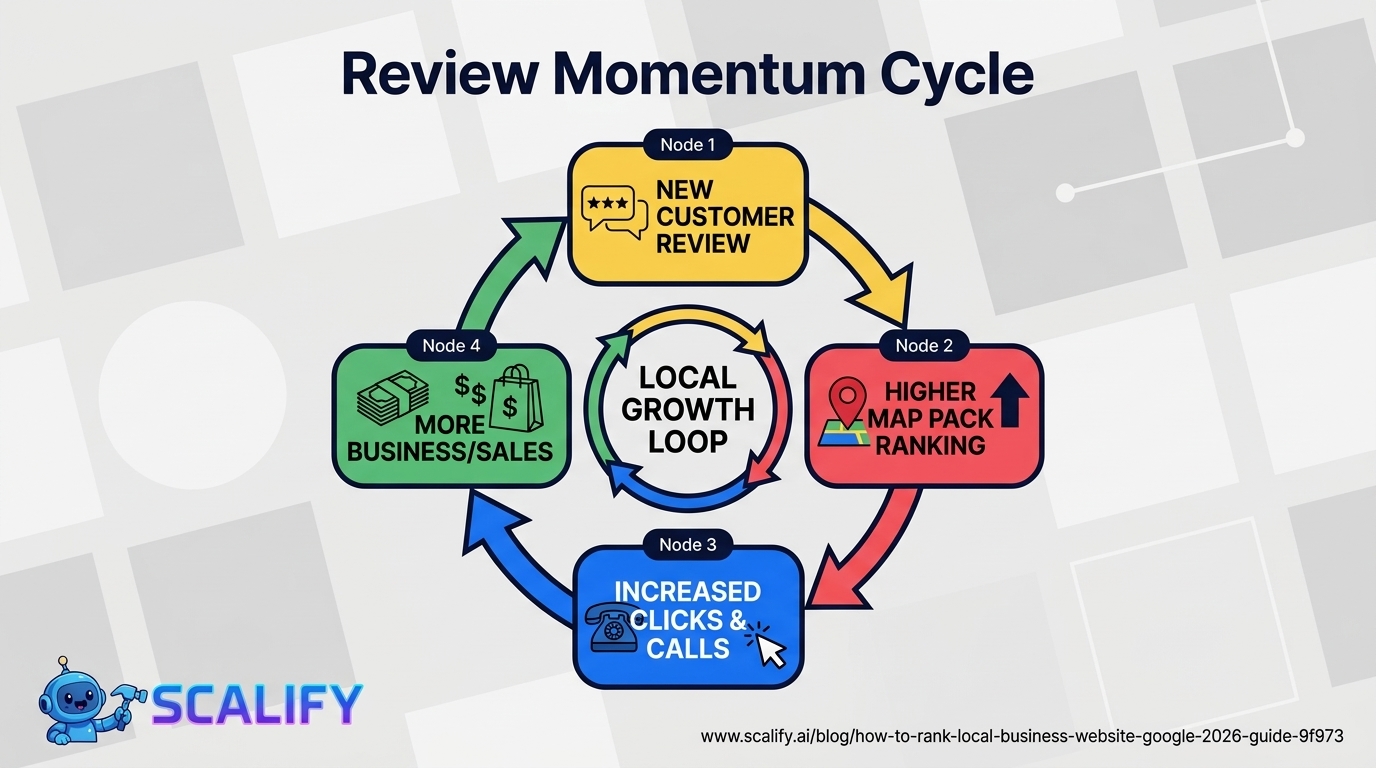
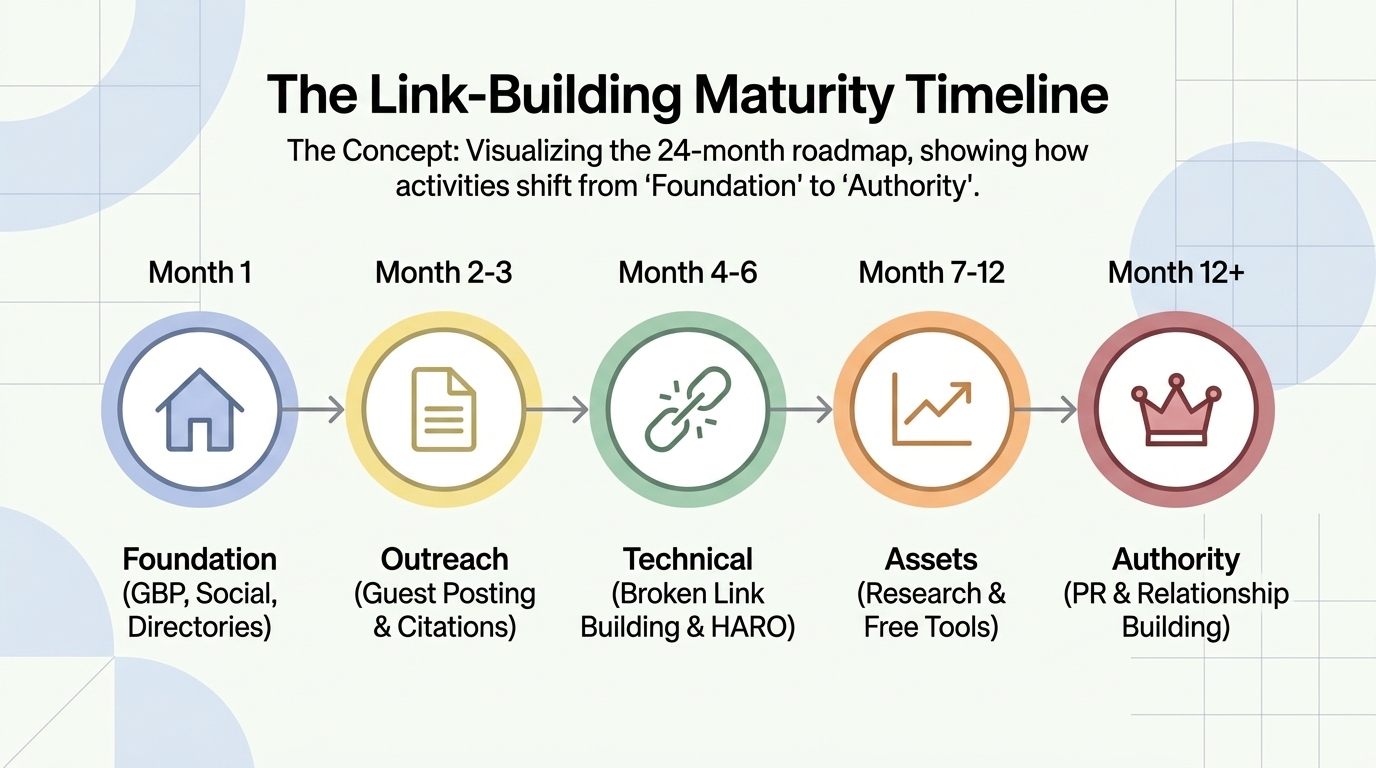
For contractors, the Google Business Profile (GBP) is as important as the website itself — and the two work together to dominate local search results. A well-optimized GBP appears in the Google Map Pack, the three-listing section that appears above organic search results for local queries like "general contractor near me" or "kitchen remodeler Miami." Appearing in this Map Pack captures approximately 42% of all local search clicks — more than all organic results combined for many local queries.
Optimizing a contractor's GBP takes a few hours and produces lasting local visibility benefits: complete business description with primary services mentioned naturally, all relevant service categories selected, 20+ photos of completed projects uploaded, consistent NAP (name, address, phone) matching the website, and a steady stream of Google reviews from satisfied clients. Contractors who request Google reviews from every completed project — using a direct review link sent in the completion email or follow-up text — accumulate the review count and rating that drives Map Pack ranking and click-through rates.
Mobile-First Design: Meeting Homeowners Where They Search
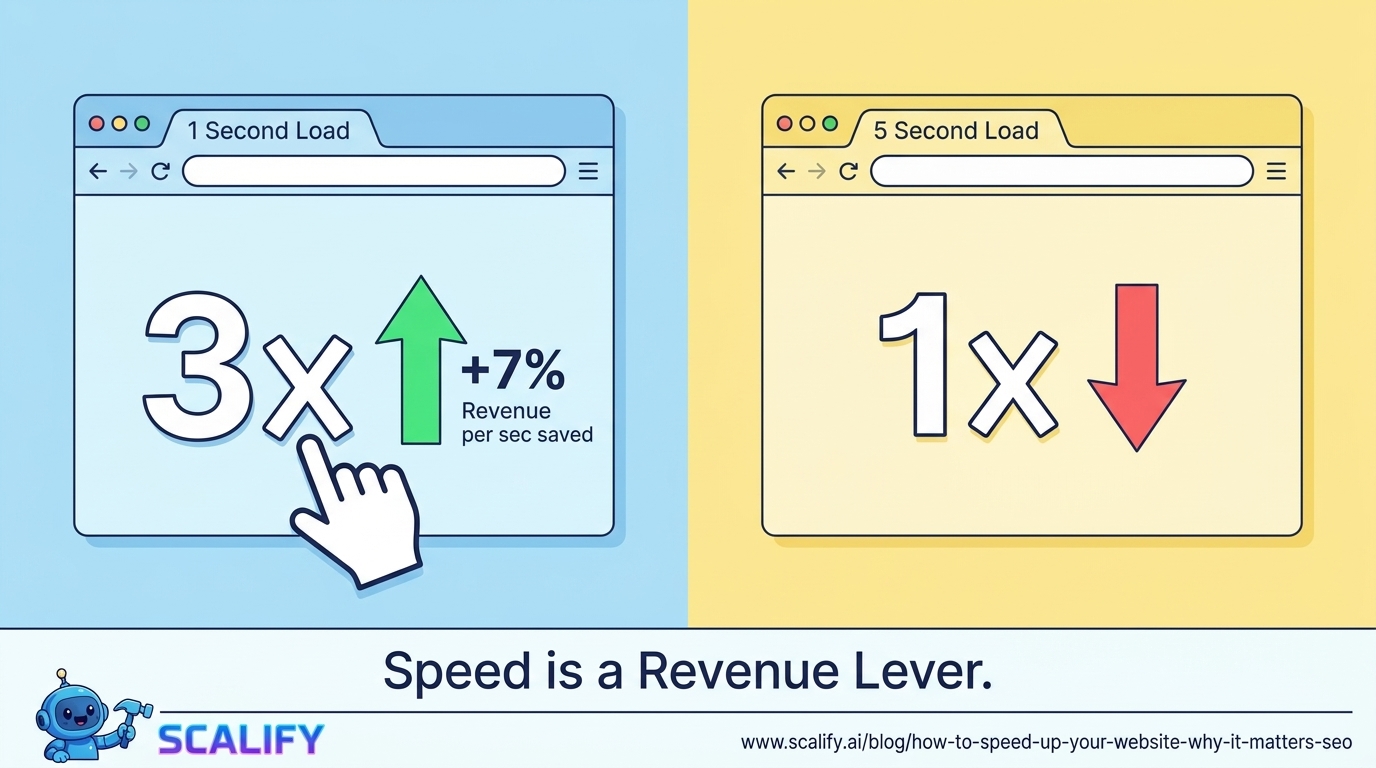
With 64% of contractor website traffic arriving on mobile devices, a contractor website that isn't fully optimized for mobile is functionally broken for the majority of potential clients. The specific mobile optimizations that matter most for contractor websites:
The phone number must be in the header, displayed as a clickable link that opens the phone dialer with a single tap. Homeowners who have decided to call should not have to copy a number, navigate to a contact page, or scroll to find it. A click-to-call number in the top-right corner of every page is the simplest and most impactful conversion optimization available on a contractor's mobile site.
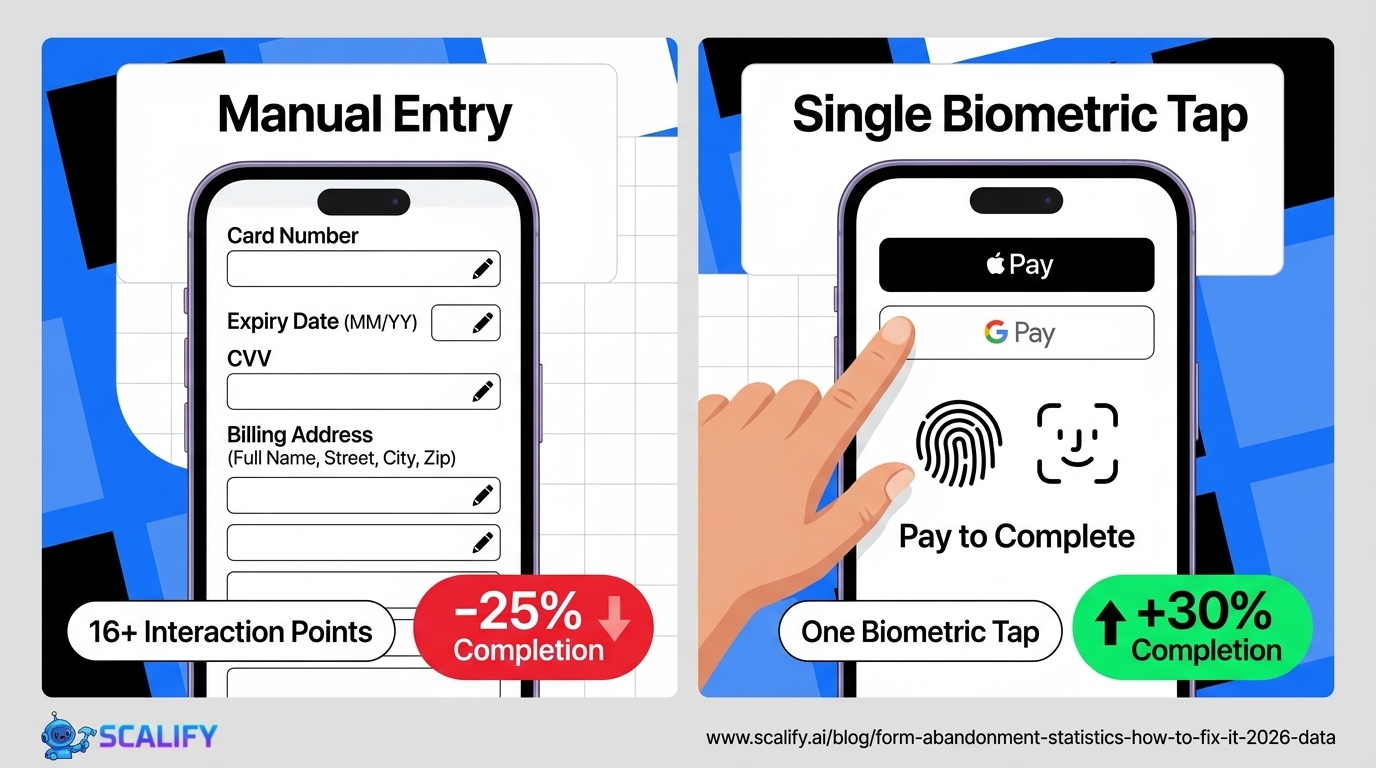
The contact form must work cleanly on a mobile keyboard. Forms with many fields, small tap targets, and text input areas that don't expand properly on mobile create abandonment exactly at the moment of intended contact. A mobile-optimized contact form — large input fields, appropriate keyboard types (numeric for phone numbers), and a clear submit button with enough size to tap confidently — removes the friction between intent and action.
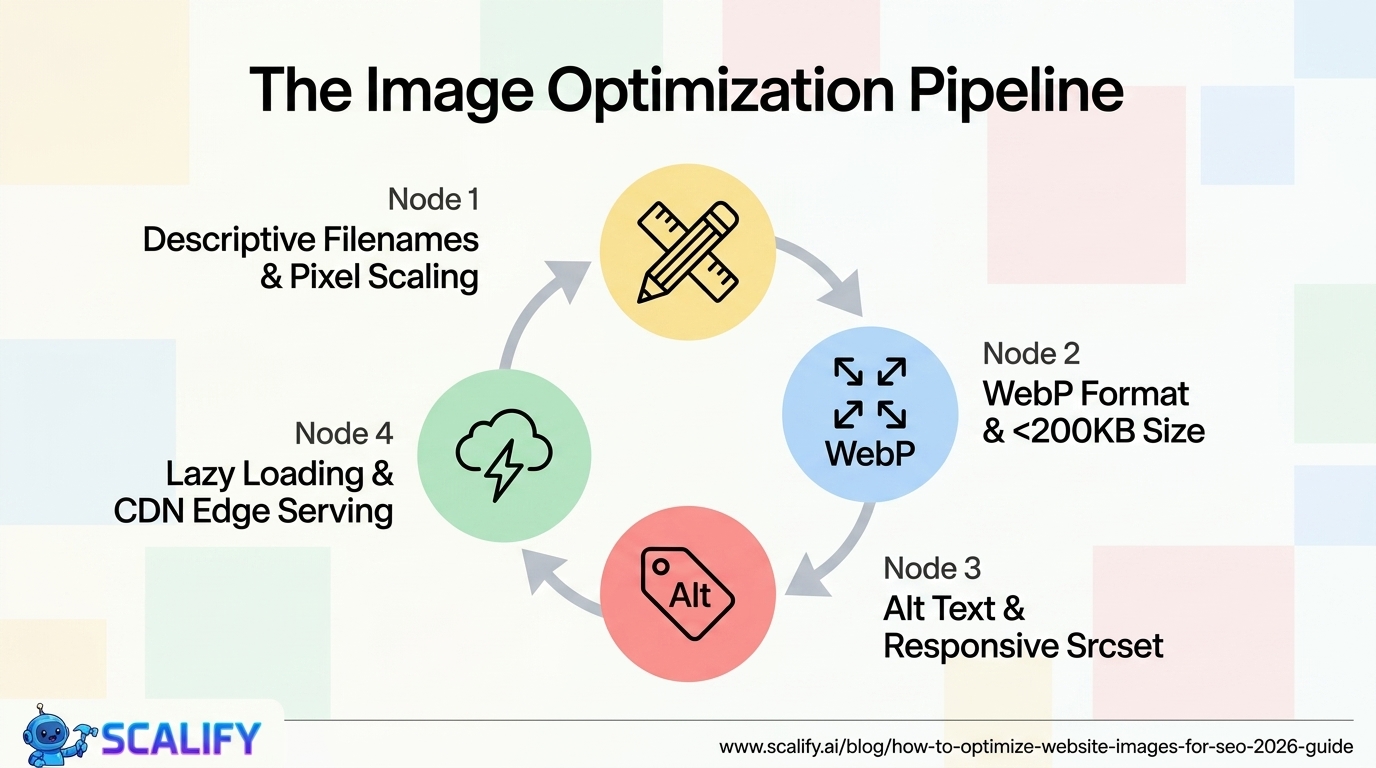
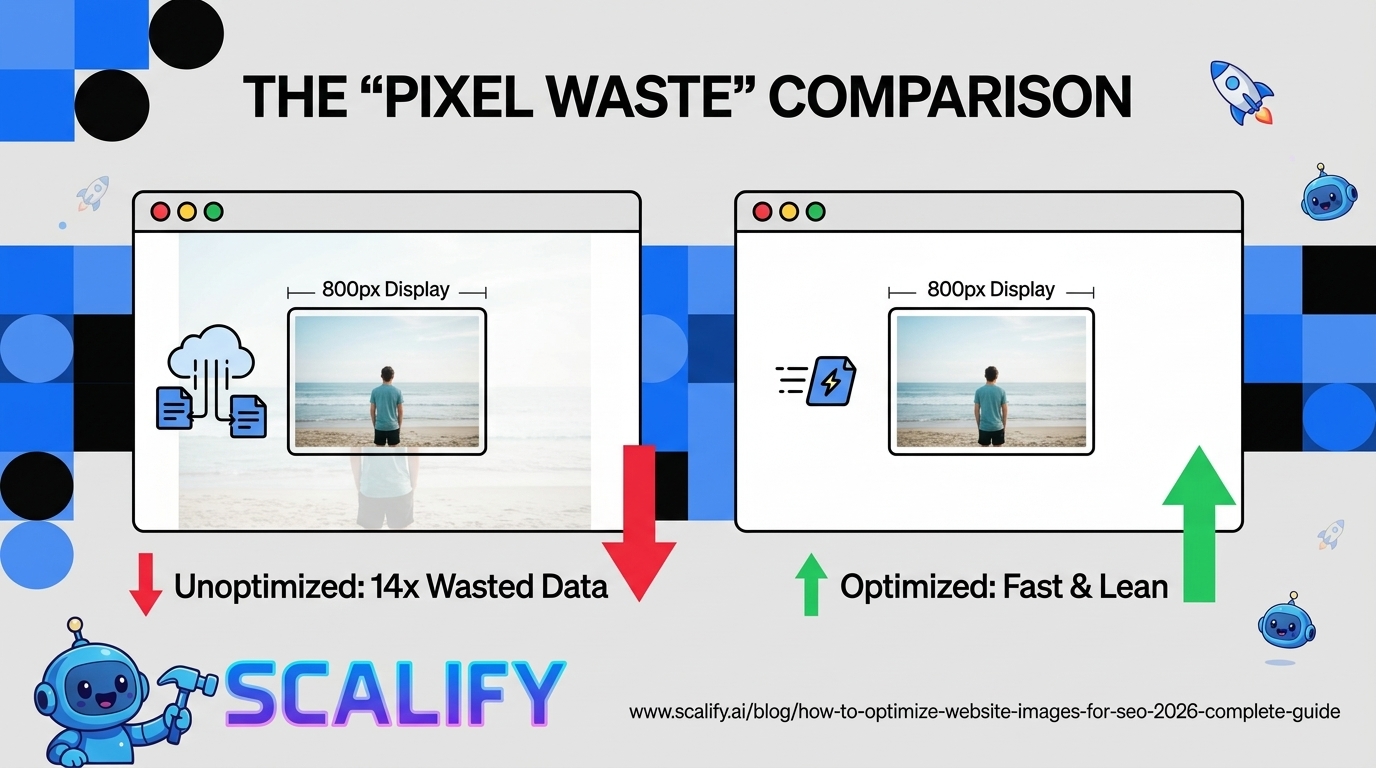
Before-and-after photos must load at full width on mobile without horizontal scrolling or layout breaking. Portfolio images that display beautifully on desktop but require zooming or appear cropped on mobile fail their primary conversion purpose for the majority of visitors seeing them.






.jpeg)
.jpeg)




78 SW 7th St, Miami, FL 33130