


The Best Dental Practice Websites: What Turns Searches Into Patients
By Josh Ternyak

March 30, 2026
The best dental practice websites convert more new patients by combining real-time online booking, comprehensive service pages, authentic team photography, before-and-after galleries, and prominent reviews. This guide covers every element that turns dental website visitors into booked appointments, with specific recommendations, data-backed design principles, and SEO strategy.
The Best Dental Practice Websites: What Turns Searches Into Patients
A dental practice website has one job: turn people searching for a dentist into booked appointments. That sounds simple, but the average dental website fails at this task in predictable, fixable ways — unclear service descriptions, no visible pricing, buried contact information, outdated photography, and no social proof that would give a nervous first-time patient confidence to actually pick up the phone.
The stakes are high. A dental patient who finds a practice through Google and books their first appointment is worth $500–$5,000+ in lifetime value depending on their treatment needs and retention. A website that converts 3% of visitors instead of 1% is tripling the revenue contribution of the same organic traffic. For a practice getting 500 monthly website visitors, the difference between 1% and 3% conversion is 10 additional new patients per month — at $800 average first-visit value, that's $8,000 in additional monthly revenue from the same marketing spend.
This guide breaks down exactly what the best dental practice websites do differently, with specific, implementable recommendations for every element that affects patient acquisition.
Key Statistics: Dental Practice Websites and Patient Acquisition
- 72% of patients research a dental practice online before booking their first appointment
- 84% of patients trust online reviews as much as personal recommendations when choosing a dentist
- Dental websites with online booking functionality receive 42% more appointment requests than those with phone-only booking
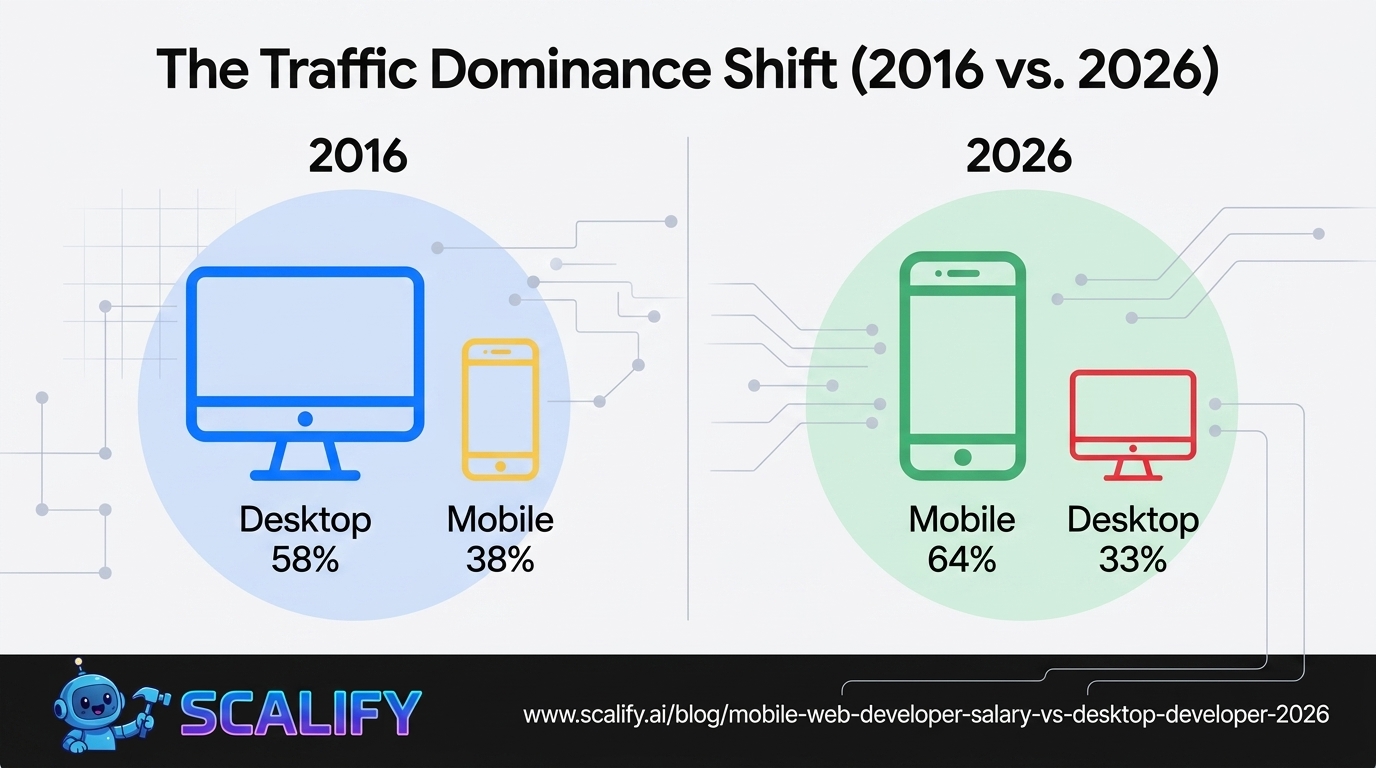
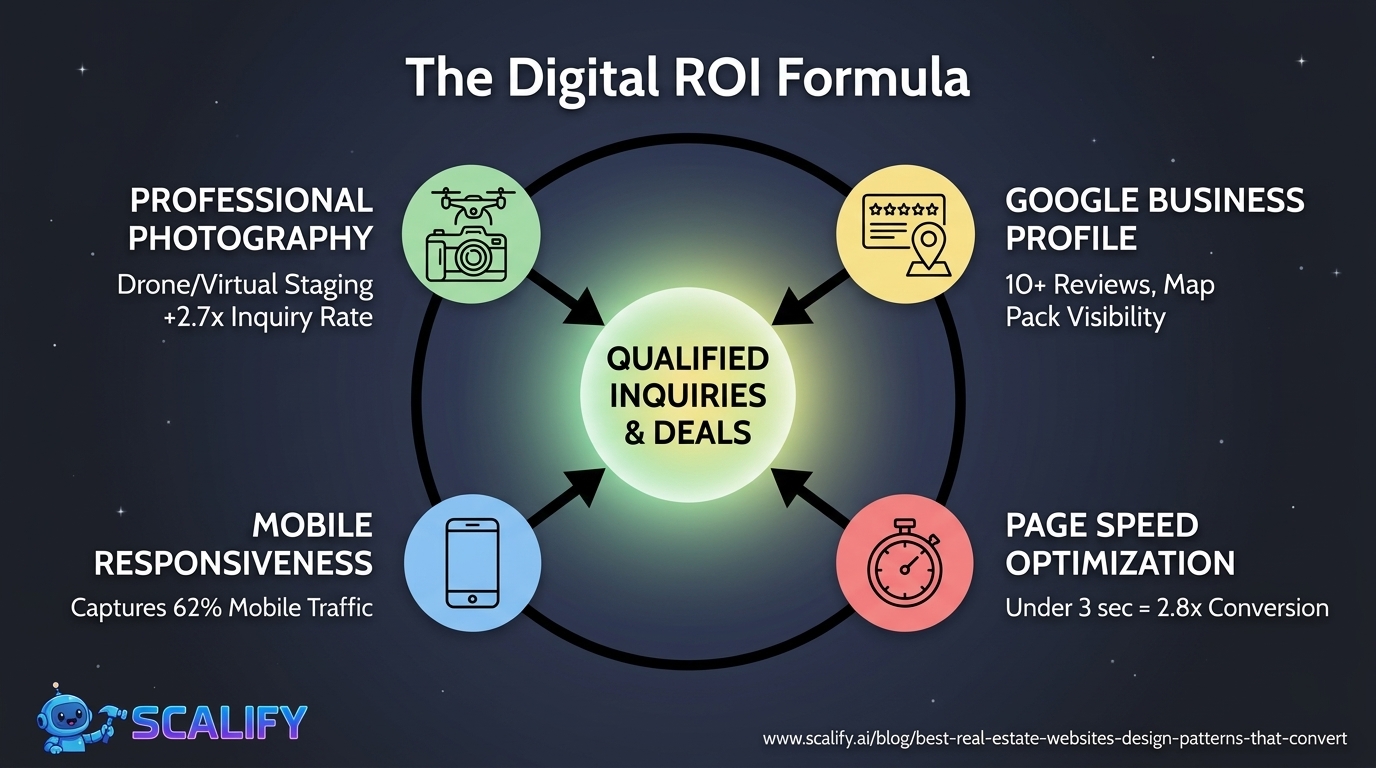
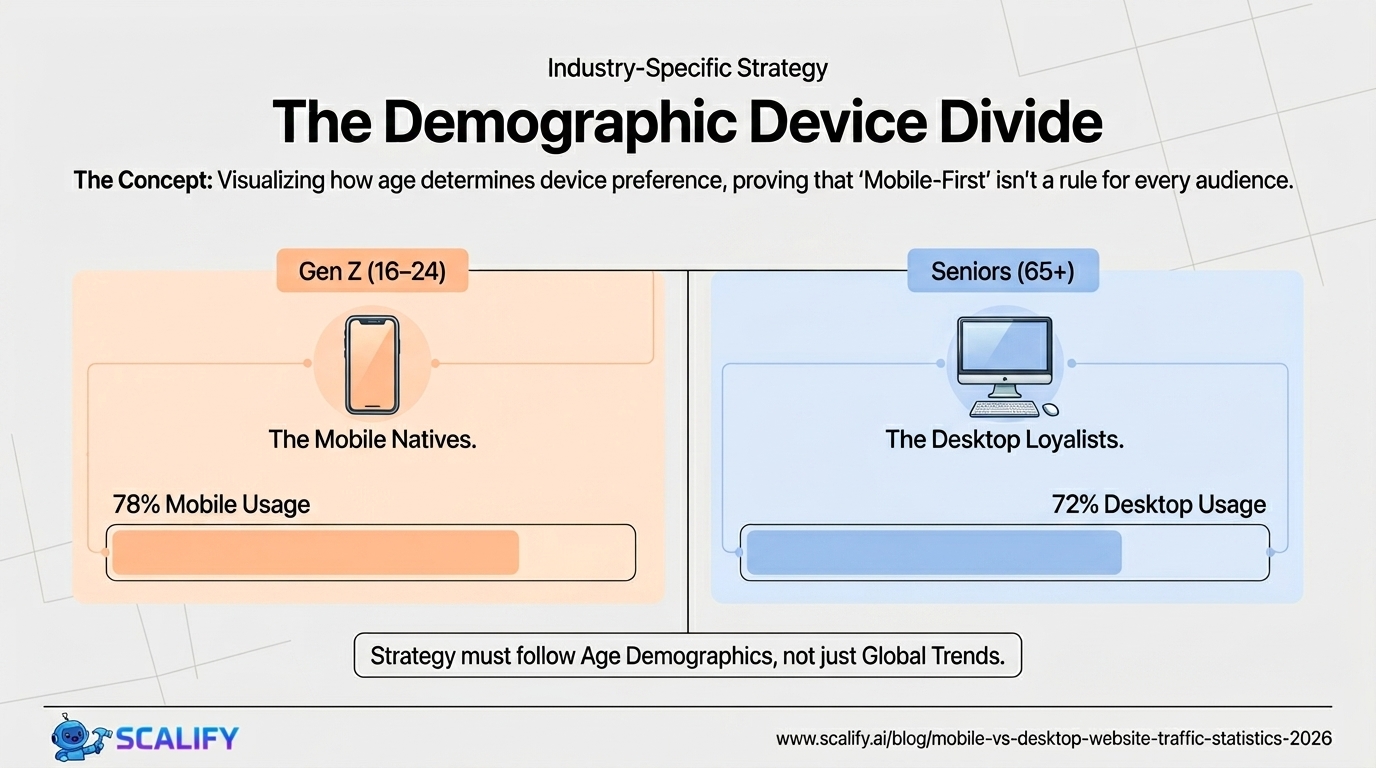
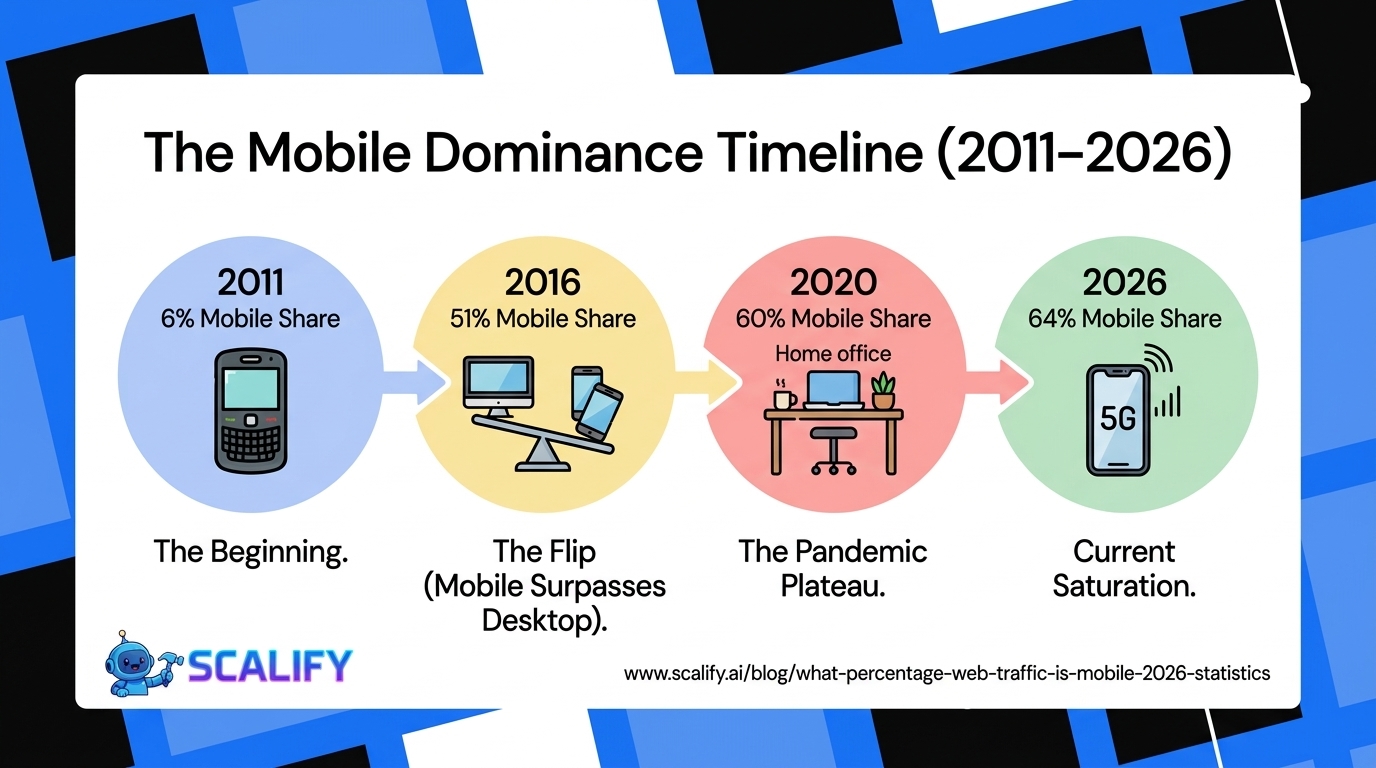
- 65% of dental searches happen on mobile devices — a non-mobile-optimized dental website is invisible to the majority of potential patients
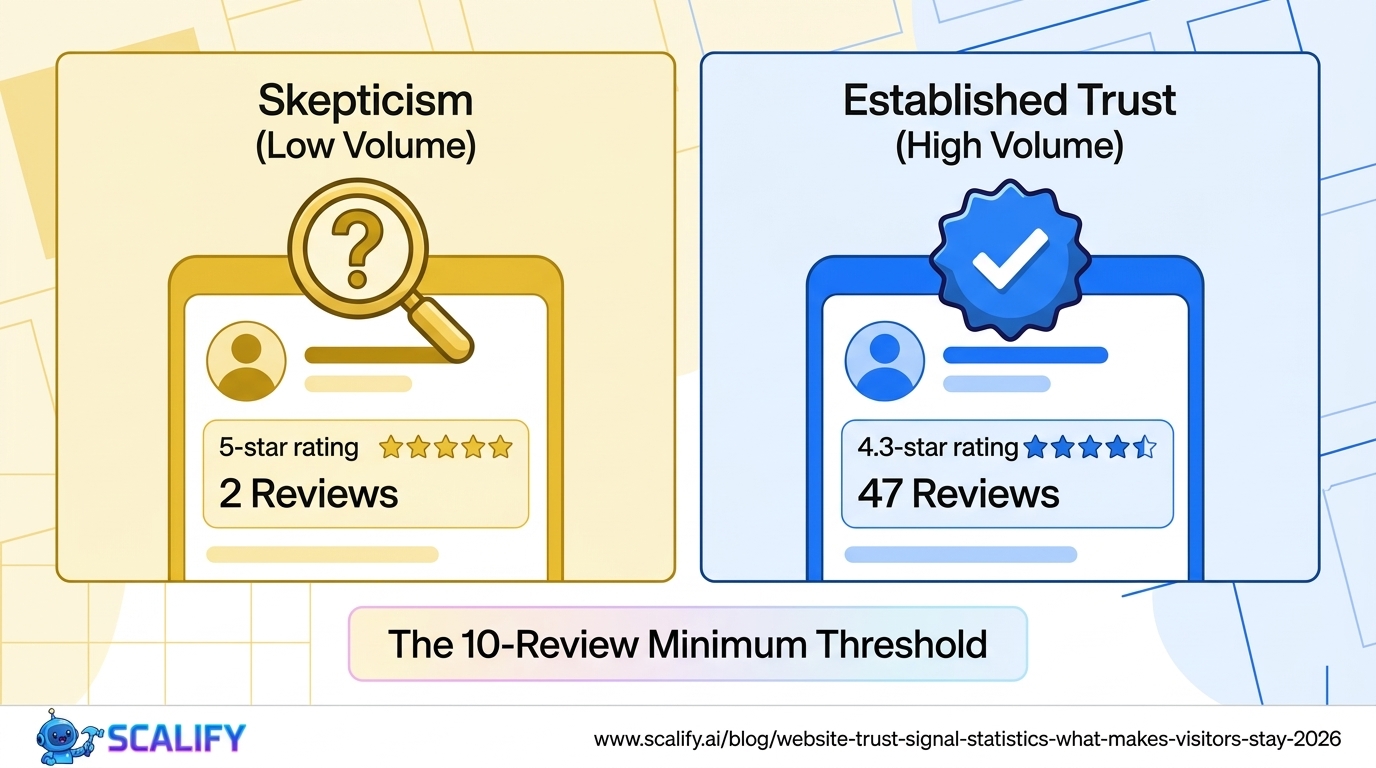
- Dental practices with 20+ Google reviews averaging 4.5+ stars receive 3.5x more website inquiries than those with fewer reviews
- Practices that display before-and-after photos see 34% higher conversion rates on cosmetic dentistry pages
- A live chat option on a dental website increases appointment booking rate by 31% among visitors who use it
- Dental websites with clear pricing or insurance information generate 28% more consultations than those with no financial information
- Dentist bio pages with professional photos increase new patient trust scores by 41% compared to practices with no team introduction
- Practices investing in dental-specific SEO content receive 3.2x more organic website traffic than those with static, uncurated sites
The Elements Every High-Converting Dental Website Must Have
1. Online Booking That Actually Works
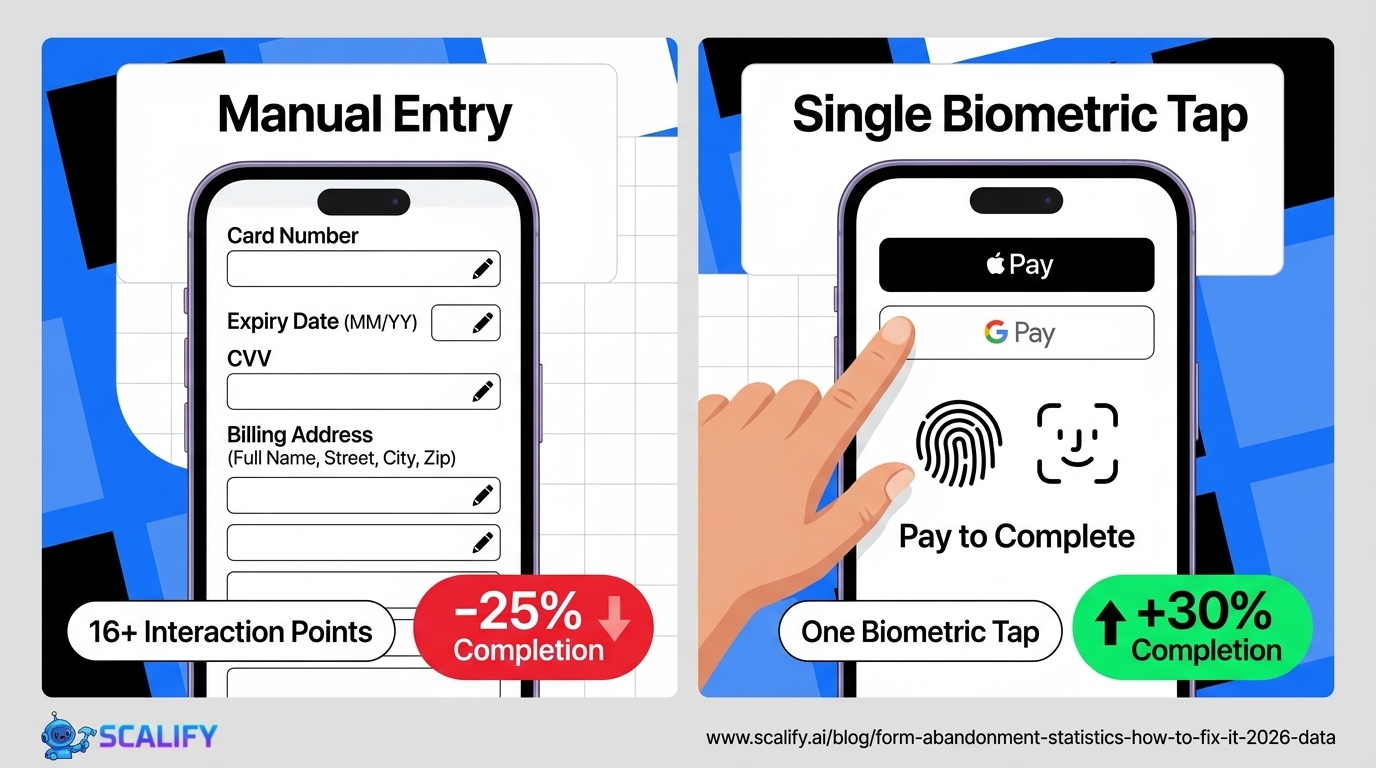
The single most impactful functional improvement a dental website can make is adding online booking — and making it prominent. Patients increasingly prefer to book appointments outside business hours, on their phone, without making a phone call. A practice that forces all booking through a phone call is adding friction at exactly the moment a potential patient has decided to act.
Effective online booking for dental practices is not just a contact form that says "we'll call you back." It's integrated scheduling software — Zocdoc, NexHealth, Dentrix Ascend, or similar — that shows real-time appointment availability and confirms the booking immediately. The difference in conversion between "fill out this form and we'll call you" and "pick your appointment time right now" is substantial: practices with real-time scheduling report 40–50% higher online appointment completion rates than those with callback-request forms.
| Booking Option | Patient Experience | Conversion Impact | Recommendation |
|---|---|---|---|
| Phone call only | Friction — requires calling during business hours | Baseline | Keep as option but not only option |
| Contact form (callback request) | Medium friction — no immediate confirmation | +15% vs phone only | Better but not ideal |
| Real-time online scheduler | Low friction — instant confirmation, any hour | +40–50% vs phone only | Strongly recommended |
| Real-time scheduler + live chat | Lowest friction — multiple pathways to booking | +55–65% vs phone only | Best practice |
2. Clear Service Pages That Address Patient Fears
Most dental service pages list procedures with brief, clinical descriptions: "Teeth Whitening — We offer professional-grade whitening treatments." High-converting dental service pages address the questions patients actually have before booking: How long does it take? Will it hurt? How much does it cost? Am I a good candidate? What results can I expect?
The most important service pages for a dental website to develop fully are the highest-revenue procedures — cosmetic dentistry (veneers, whitening, Invisalign), implants, and emergency dentistry — because these have the highest search volume among dental queries and the highest per-patient value when converted. A thin 200-word page about dental implants is competing against specialist implant centers with comprehensive, photo-rich, 2,000-word pages that answer every patient question. Depth wins.
3. Dentist Bios That Build Personal Connection
Choosing a dentist is a deeply personal decision — patients are allowing someone physical access to their mouth and trusting them with both their health and their appearance. The dentist bio page is where that personal trust gets established before a patient ever sets foot in the office. Practices with compelling, humanizing dentist bios — professional headshot plus candid photo, education and credentials, specialization focus, philosophy of care, and something personal about why they became a dentist or what they enjoy outside of work — consistently show higher new patient inquiry rates than practices whose only team introduction is a credentials list.
| Bio Element | Trust Impact | Patient Response |
|---|---|---|
| Professional headshot (smile, approachable) | Very High | "They look friendly — I'm less nervous" |
| Education and credentials | High | Confirms competence |
| Specialization or focus areas | High | Helps patient identify fit |
| Personal detail (family, hobbies) | Medium-High | Humanizes — "They're a real person" |
| Philosophy of care / patient approach | High | Addresses anxiety — "They seem gentle/understanding" |
| Video introduction (30–90 seconds) | Very High | "I feel like I already know them" |
4. Before-and-After Galleries for Cosmetic Procedures
For any dental practice offering cosmetic dentistry — veneers, Invisalign, whitening, implants, smile makeovers — a before-and-after photo gallery is the single most persuasive conversion element available. Patients considering a $5,000–$25,000 cosmetic procedure are not convinced by copy; they're convinced by seeing real results from real patients. A gallery of 20–40 compelling before-and-after cases, with brief context about each patient's situation and treatment, is worth more to a cosmetic dental practice than any other single website investment.
Legal note: all before-and-after photos require patient consent. HIPAA compliance requires written authorization specifically covering the use of photos in marketing materials. This is non-negotiable — and it's worth noting that practices that display real patient results with proper consent consistently outperform those that use stock photography or artistic renderings for this purpose.
5. Transparent Insurance and Financial Information
Cost is the number one barrier to dental care in the United States. Patients who can't find any financial information on a dental website — which insurances are accepted, whether financing is available, what new patient specials exist — frequently assume the practice is expensive and leave without contacting. Practices that proactively address the financial dimension of dental care on their website convert more consultations from the segment of the population (the majority) for whom cost is a consideration.
Best practice: a dedicated "Insurance and Financing" page that lists every accepted insurance plan, explains how the practice handles out-of-network benefits, describes available payment plans (CareCredit, in-house payment plans), and highlights any new patient specials. This page both reduces pre-contact friction and screens for patients who are a good financial fit for the practice.
Design Principles That Build Patient Trust
Clean, Clinical Aesthetic With Warmth
The ideal dental website design language balances professional credibility with approachability. Full clinical — stark white, medical imagery, technical language — signals competence but can feel cold and intimidating, which is counterproductive for patients who are already nervous about dental visits. Full warm-and-friendly — soft colors, casual language, lifestyle photography — can feel insufficiently credible for high-value cosmetic procedures. The best dental websites land in the middle: clean, professional design with warm photography, conversational copy, and clear visual signals of both clinical expertise and patient-centered care.
Real Photography, Not Stock
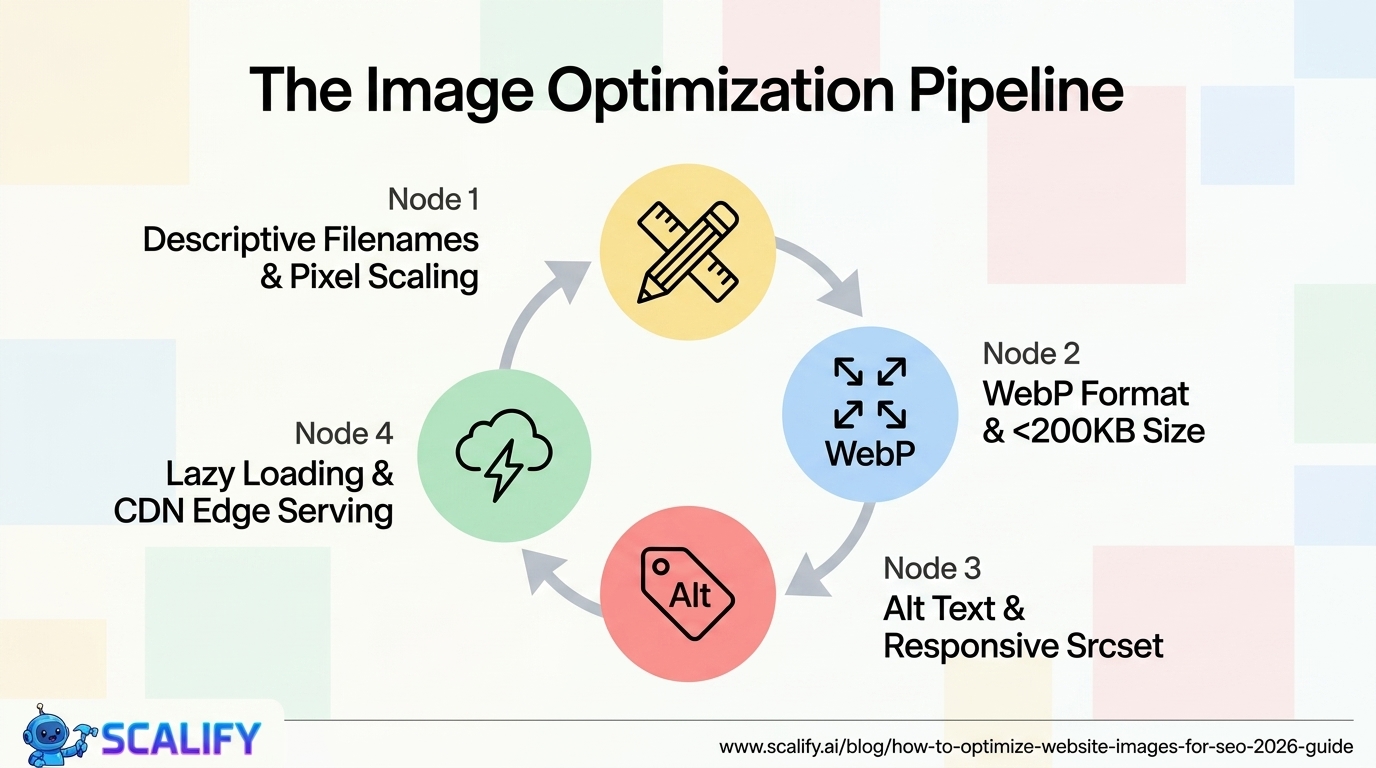
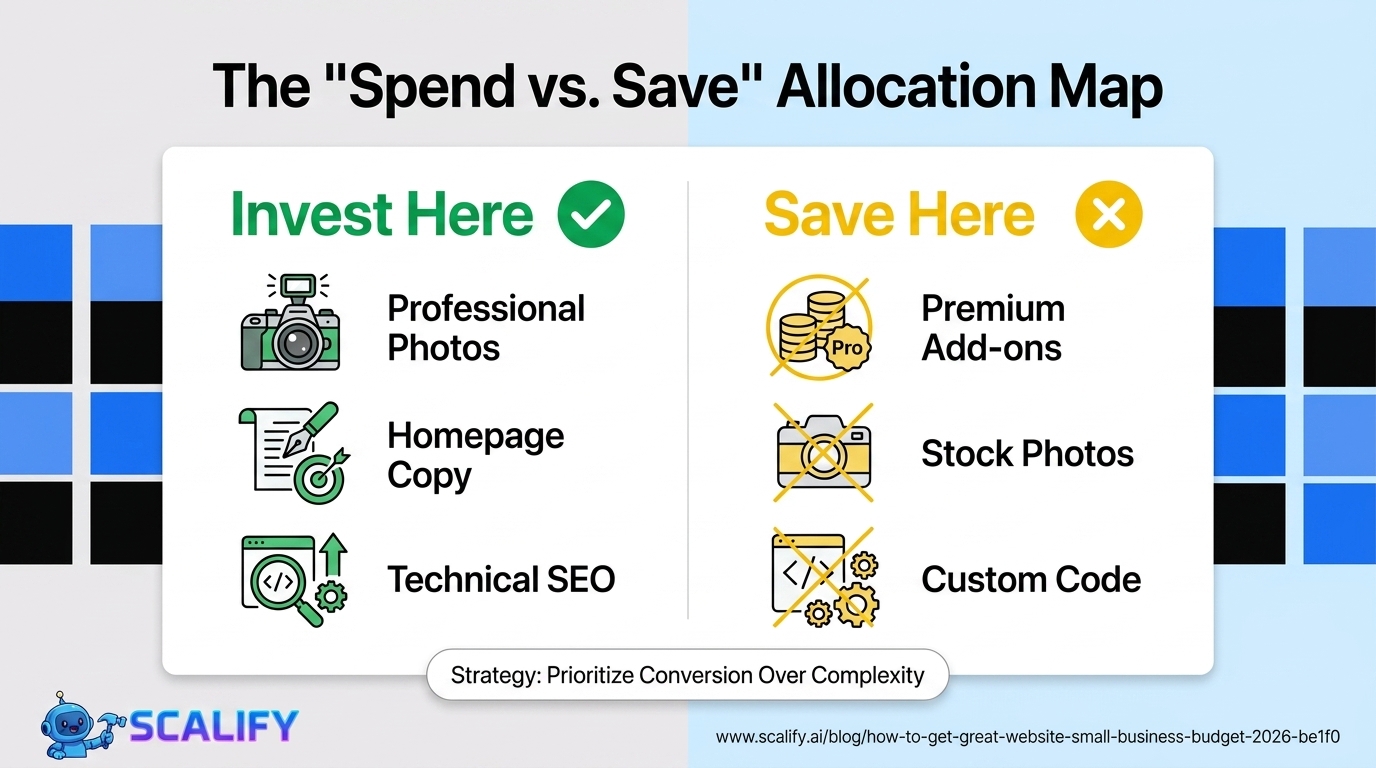
Stock photos of smiling models holding dental equipment fool no one and make every dental website look identical. Real photos of your actual office, actual team, and actual equipment signal authenticity and invest patients in the specific practice they're considering. Professional photography for a dental practice — a half-day shoot producing office exterior, reception area, treatment rooms, team photos, and candid care moments — typically costs $800–$2,500 and is one of the highest-ROI investments a dental practice website can make.
Mobile-First at Every Touch Point
With 65% of dental searches happening on mobile devices, a dental website's mobile experience is its primary experience. Click-to-call phone number in the header, prominent mobile-sized booking button, tap-friendly navigation, and forms that work smoothly on a phone keyboard are baseline requirements. The practices that win mobile dental search are those whose sites actually work well on a phone — loading fast, displaying clearly, and making booking as frictionless as possible on a 6-inch screen.
Dental Website SEO: The Content Strategy That Fills Chairs
Dental practices are in one of the most commercially valuable local SEO categories — people searching for a dentist are often in immediate need and ready to book. The practices that capture this organic traffic consistently and turn it into new patients have invested in three layers of dental SEO content:
| Content Type | Example | Search Intent | New Patient Potential |
|---|---|---|---|
| Service + location pages | "Teeth Whitening in Miami, FL" | Very High — local intent, ready to book | Very High |
| Procedure FAQ pages | "How long do dental implants last?" | High — research before booking | High |
| Emergency content | "Emergency dentist open now Miami" | Very High — urgent need | Very High |
| Insurance guides | "Does Delta Dental cover Invisalign?" | High — financial research | High |
| Comparison content | "Veneers vs. Invisalign: Which is right for me?" | Medium-High — decision stage | High |
| Neighborhood/community content | "Dentist in Coral Gables" | Very High — local | Very High |
| Educational blog posts | "How often should adults get dental X-rays?" | Medium — general education | Medium |
Emergency dentistry content deserves special emphasis because the search intent is as high-urgency as any query a local business can rank for. Someone searching "emergency dentist open Saturday Miami" is in pain right now and will call the first credible result they find. Practices that have a dedicated emergency dentistry page — describing what qualifies as a dental emergency, what to do before arriving, that same-day appointments are available, and how to reach the practice after hours — capture this highest-urgency traffic with a page most competitors don't bother to build.
Technical Requirements for Dental Websites
| Technical Element | Why It Matters for Dental Practices | Priority |
|---|---|---|
| HIPAA-compliant contact forms | Patient health information requires HIPAA-compliant handling | Critical — legal requirement |
| SSL certificate (HTTPS) | Patient trust + Google ranking signal | Critical |
| Click-to-call phone (mobile header) | 65% mobile traffic — friction-free calling essential | Critical |
| LocalBusiness schema markup | Improves local search visibility and map pack appearance | Very High |
| Google Reviews widget | 84% of patients check reviews — display them prominently | Very High |
| Real-time scheduling integration | 42% more bookings vs. phone-only | Very High |
| Page speed under 3 seconds (mobile) | Slow sites lose mobile patients immediately | High |
| Accessibility (WCAG 2.1 AA) | ADA compliance and broader patient reach | High |
Common Dental Website Mistakes That Cost New Patients
No clear new patient pathway. Many dental websites assume visitors know what to do. The highest-converting dental sites create an explicit "New Patients" section or page that walks first-time patients through exactly what to expect: how to book, what forms to complete, what to bring, what the first visit involves, and what payment options are available. Removing uncertainty is the key to converting anxious first-time patients.
Outdated photography. A dental website with photos from a 2014 office renovation, a team that no longer works at the practice, and equipment that's been replaced is sending an implicit message of stagnation. Patients noticing the disconnect between the website and the current reality of the practice lose trust — and practices that lose trust lose patients to competitors whose websites accurately represent their current quality.
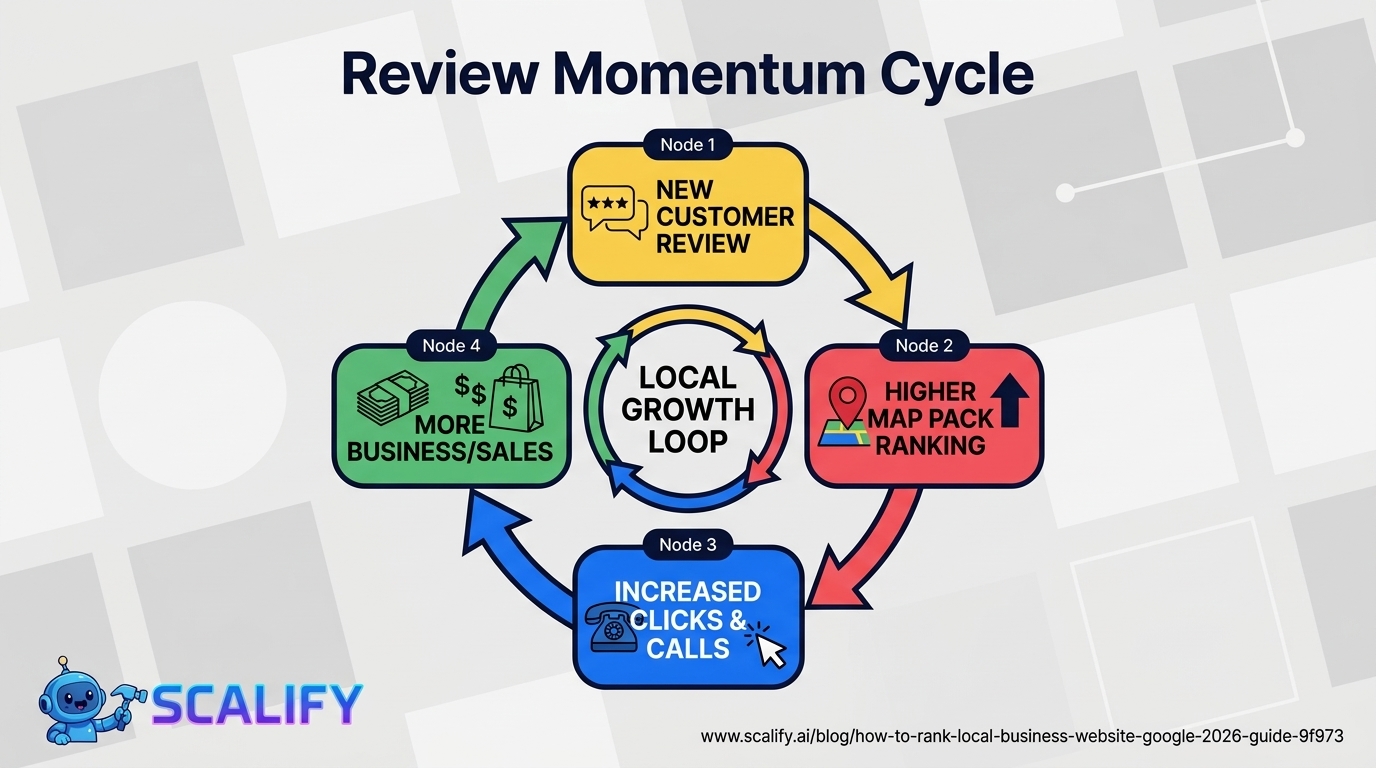
No reviews or testimonials displayed. With 84% of patients trusting online reviews as much as personal recommendations, a dental website that doesn't display any social proof is missing the conversion element that matters most to first-time patients. Even a simple Google Reviews widget embedded on the homepage — showing current star rating and recent review excerpts — dramatically improves new patient inquiry rates.
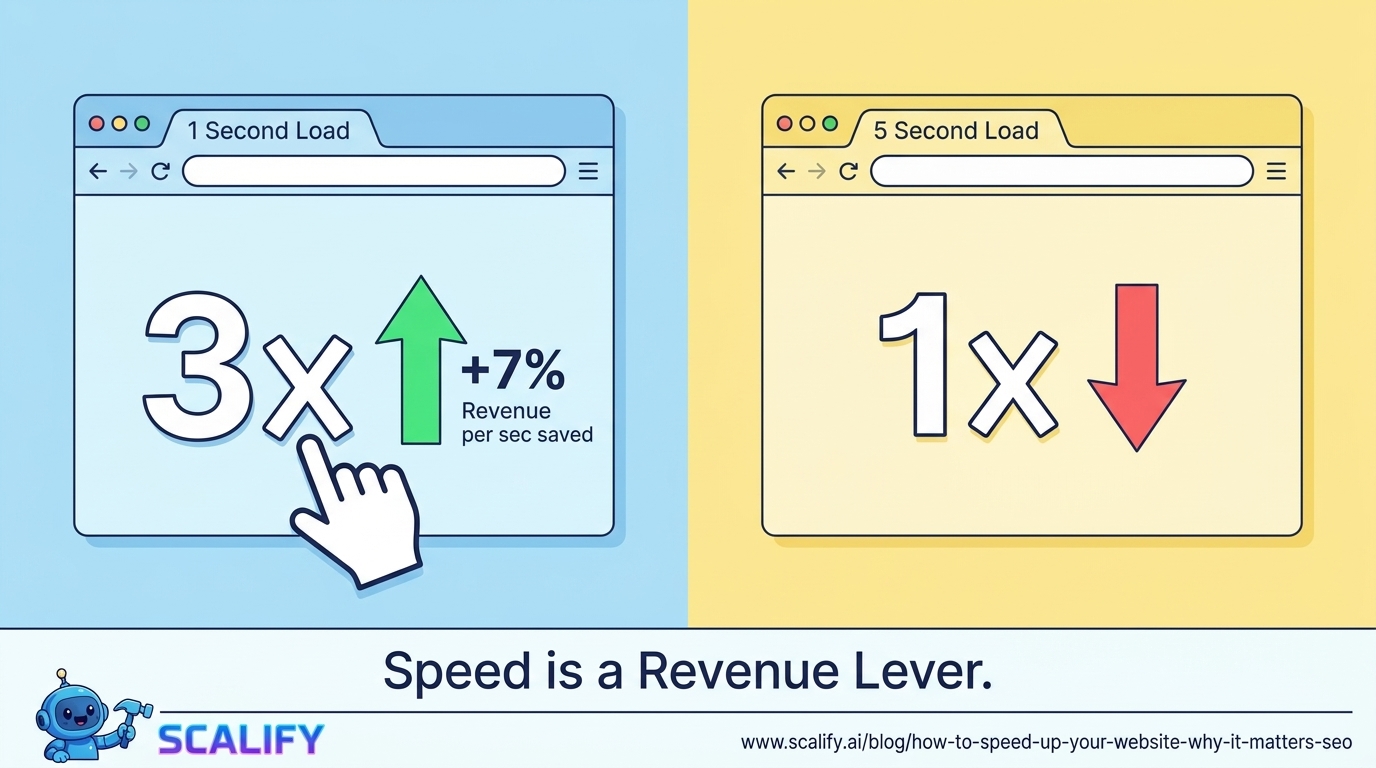
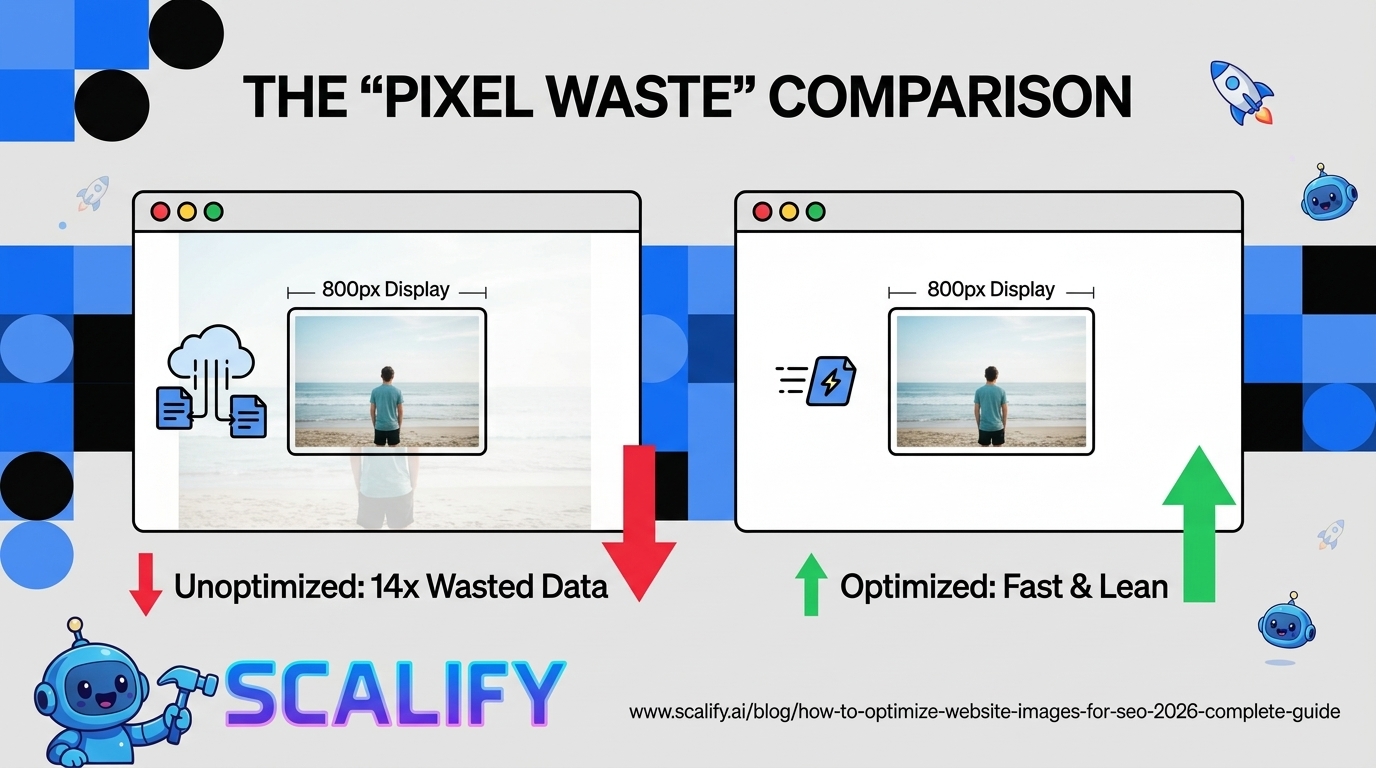
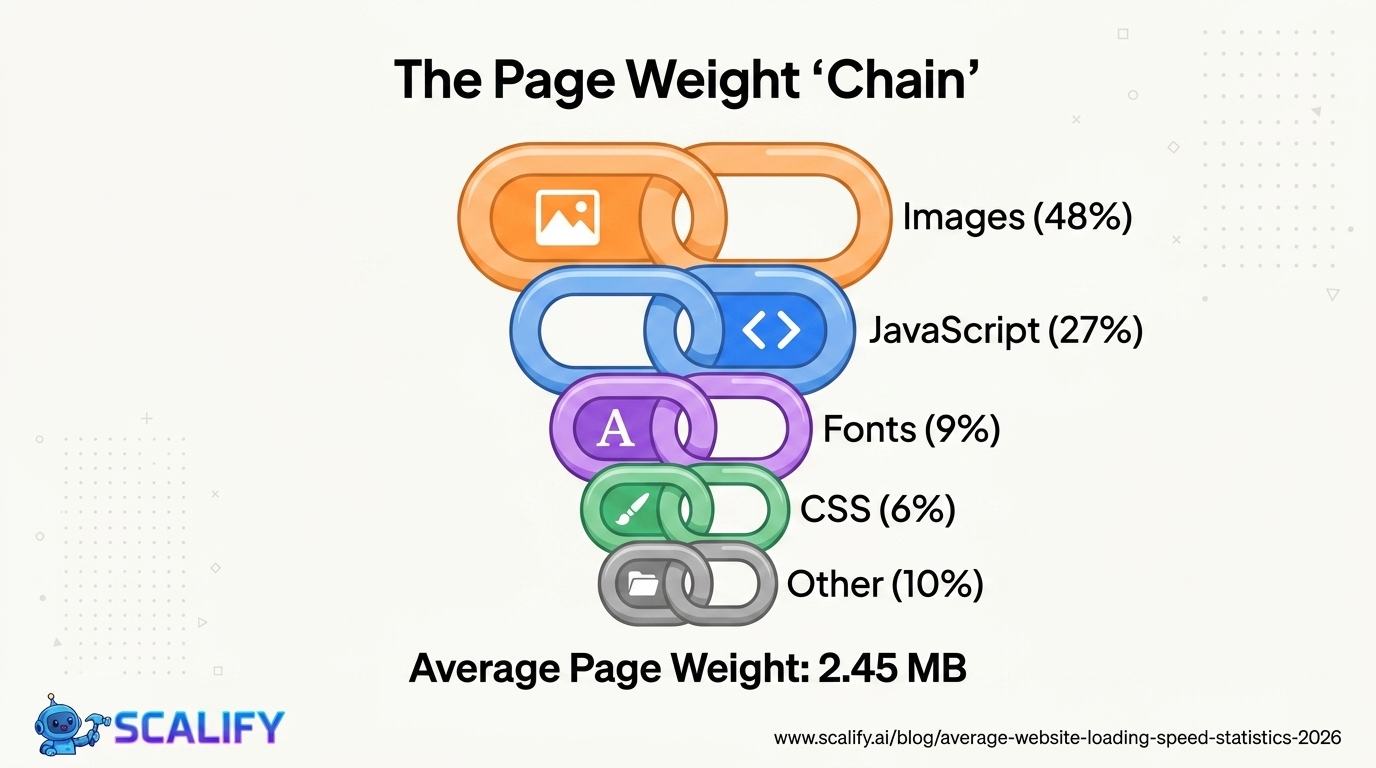
Slow mobile load times. A dental website that takes 7 seconds to load on a mobile phone loses the majority of its mobile visitors before they see a single piece of content. Image optimization, quality hosting, and mobile performance tuning are not optional for dental practices — they're the baseline that determines whether the majority of potential patients can access the site at all.
The Bottom Line
The best dental practice websites share a clear formula: real-time online booking, comprehensive service pages that answer patient questions, authentic team photography that builds personal connection, before-and-after galleries for cosmetic procedures, transparent financial information, prominent Google Reviews, and a mobile experience that works flawlessly on the device most patients use to search. The practices that implement these elements consistently — and keep their website current as their team and services evolve — systematically outperform competitors for new patient acquisition from organic search, while converting a higher percentage of the traffic they do receive into booked appointments.
At Scalify, we build professional dental practice websites in 10 business days — designed to rank in local search, convert nervous first-time patients, and represent your practice with the credibility your clinical expertise deserves.
Top 5 Sources
- BrightLocal — Local Consumer Review Survey — Patient review behavior and trust data for healthcare and dental practices
- American Dental Association — Digital Marketing Research — Industry data on patient online behavior and dental practice website performance
- PatientPop — Dental Practice Marketing Guide — Conversion data and online booking impact research for dental practices
- NexHealth — Dental Website Best Practices — Online scheduling adoption data and conversion impact for dental practices
- Zocdoc — Healthcare Appointment Research — Patient booking preference data including online vs. phone booking behavior





.jpeg)
.jpeg)



78 SW 7th St, Miami, FL 33130