


The Best Financial Advisor Websites: Designs That Earn Trust and AUM
By Josh Ternyak

March 31, 2026
The best financial advisor websites build trust through prominent credentials, clear investment philosophy, compliance-approved social proof, and graduated lead generation. This comprehensive guide covers the unique trust challenge, credential display, ideal client specificity, content marketing, SEC/FINRA compliance rules, design principles, local SEO, and how to convert visitors into qualified consultation requests.
The Best Financial Advisor Websites: Designs That Earn Trust and Clients
Financial advisor websites face the highest trust threshold of any professional services category. Potential clients visiting a financial advisor's website are evaluating whether to hand over control of their life savings, retirement funds, or estate planning to a stranger they found online. The website has to close an enormous gap between "I found this person through Google" and "I'm comfortable sharing my net worth with them and taking their advice on decisions that will affect my family for decades." The firms and advisors who invest in their digital presence build that trust before the first meeting. Those who don't lose prospects to advisors whose websites make a more credible first impression.
Key Statistics: Financial Advisor Websites
- 81% of potential clients research a financial advisor online before making contact
- Financial advisor websites with clear advisor credentials and designations (CFP, CFA, CPA) see 45% higher consultation request rates
- 76% of high-net-worth individuals say a financial advisor's website significantly influences their decision to schedule a meeting
- Advisors who display specific client outcomes (without violating compliance rules) see 38% more inquiries from target demographics
- Websites with a clear investment philosophy statement attract 42% more inquiries from aligned prospects
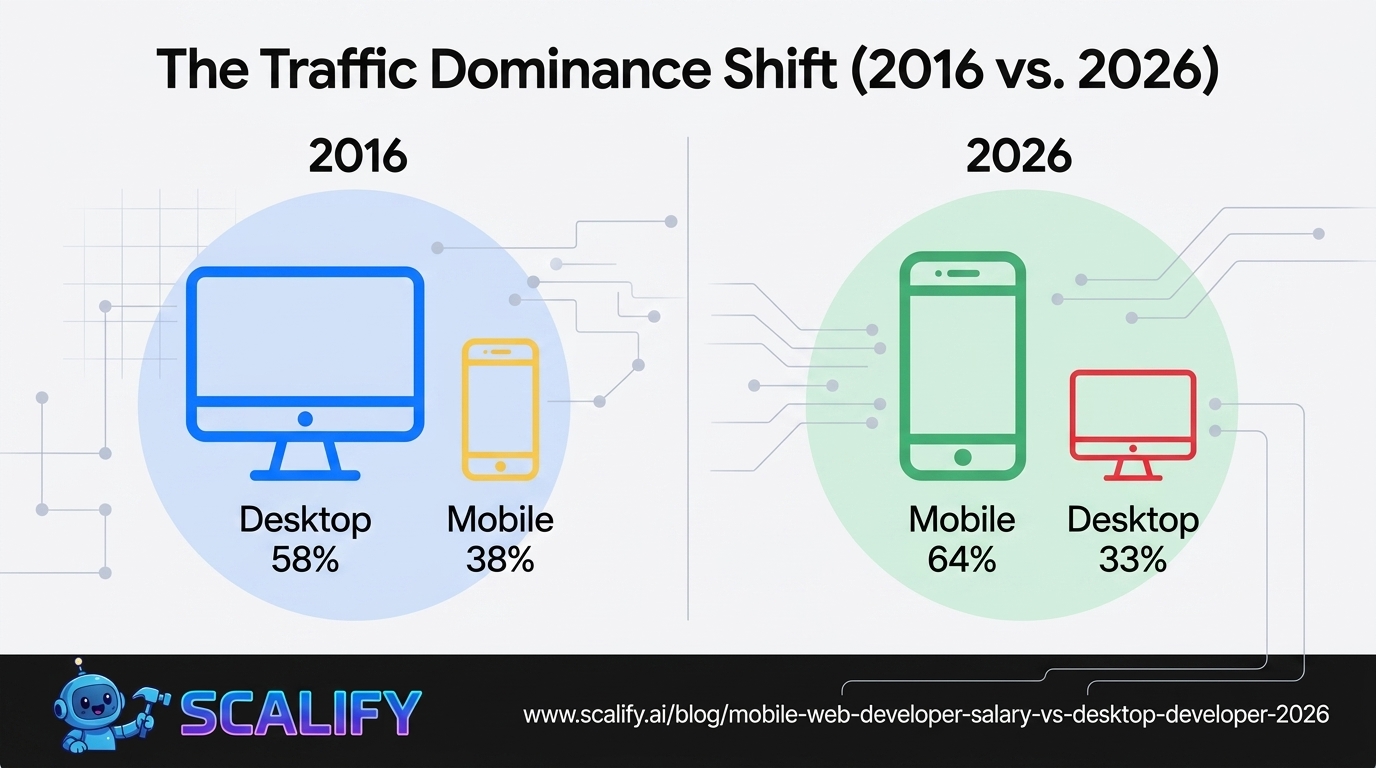
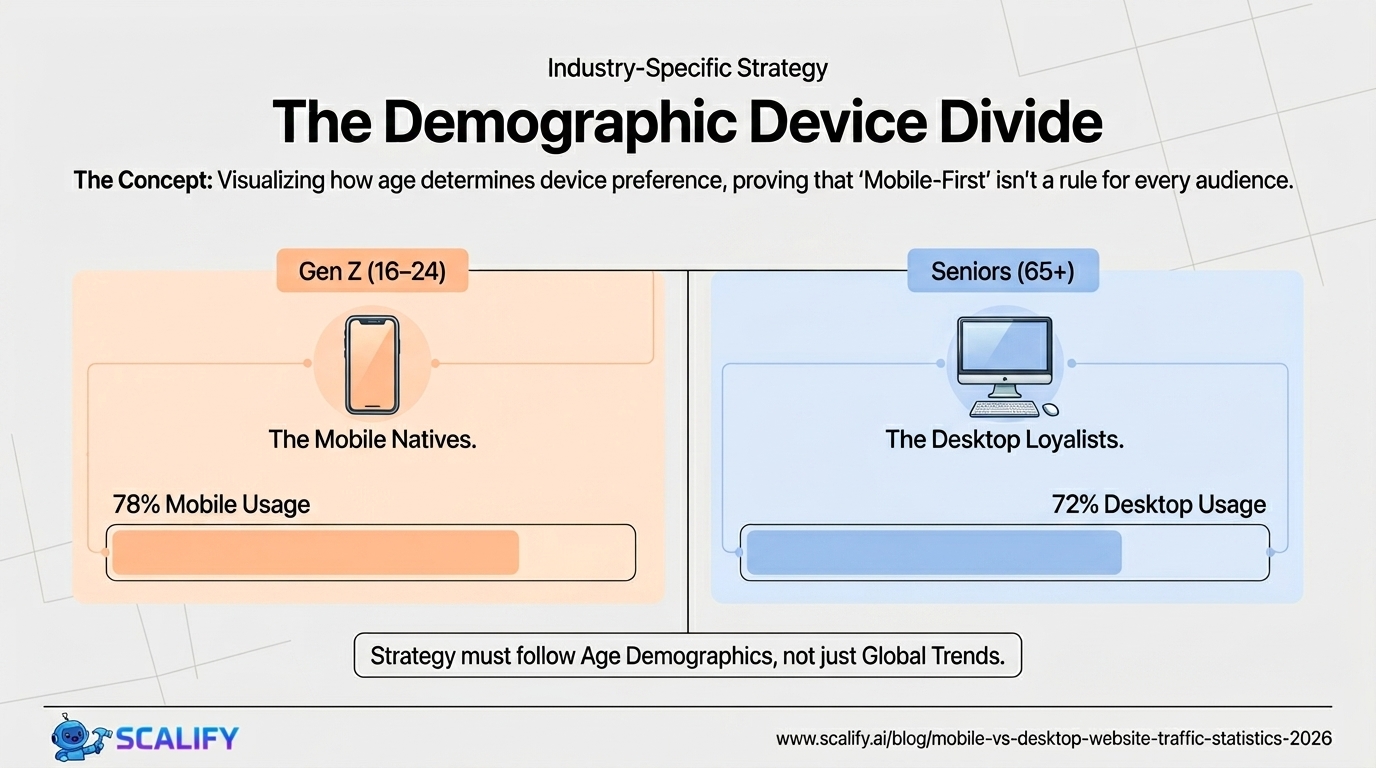
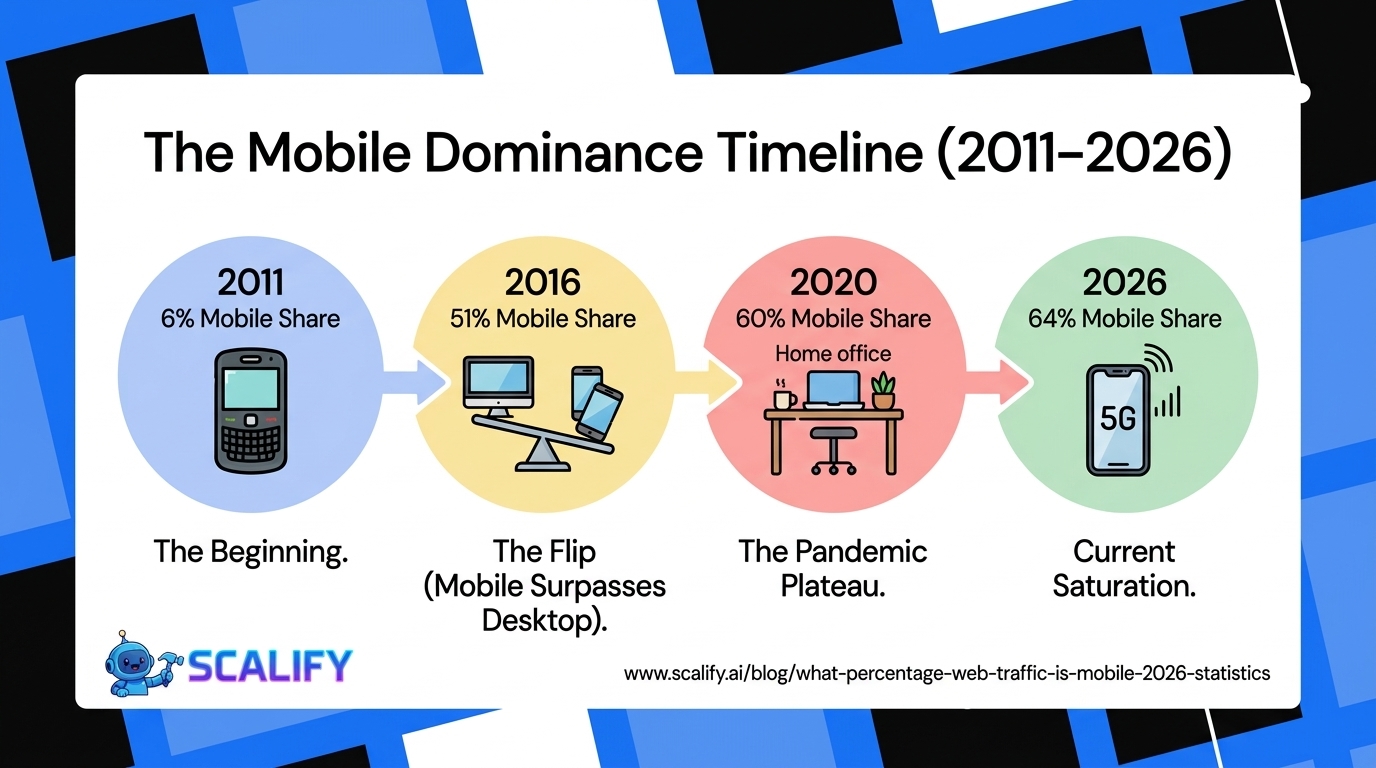
- Mobile accounts for 58% of financial advisor website visits — mobile optimization is essential even for an older demographic
- Financial advisor sites with educational blog content receive 3x more organic traffic than those without
- Client testimonial videos increase consultation booking rates by 52% — but must comply with SEC/FINRA rules on testimonials
- Advisors displaying regulatory disclosures prominently see higher trust scores and lower bounce rates
- Financial advisor websites that specify a minimum investable asset threshold receive 60% more qualified leads than those without
The Unique Trust Challenge for Financial Advisors Online
No other professional services website has to overcome the same level of prospect skepticism that financial advisor websites face. The financial services industry has a well-documented history of fraud, misrepresentation, and conflicts of interest — and potential clients know it. The Bernie Madoff effect persists: even genuinely excellent advisors face an audience that has been trained to be cautious by high-profile financial fraud cases and ubiquitous scam warnings. A financial advisor website that doesn't proactively address this skepticism — through credential transparency, compliance disclosures, clear fee structure explanations, and social proof from verifiable clients — leaves prospects with their default suspicion unaddressed.
Credentials and Regulatory Information: Non-Negotiable
| Credential/Disclosure | Where to Display | Impact on Trust |
|---|---|---|
| CFP, CFA, CPA, ChFC designations | Advisor bio, homepage, footer | Very High — designations signal rigorous training |
| FINRA BrokerCheck / SEC registration link | Footer, compliance disclosure page | Very High — transparency is itself a trust signal |
| ADV Part 2 / Form CRS | Compliance page, footer link | High — regulatory requirement + trust builder |
| Fee structure (fiduciary vs commission) | Services page, FAQ | Very High — fiduciary fee-only is biggest differentiator |
| Years of experience and AUM served | About page, homepage stats | High — scale and experience signal stability |
| Professional associations (NAPFA, FPA) | About page, footer | Medium-High — association membership signals standards |
Defining Your Ideal Client: Why Specificity Wins More Business
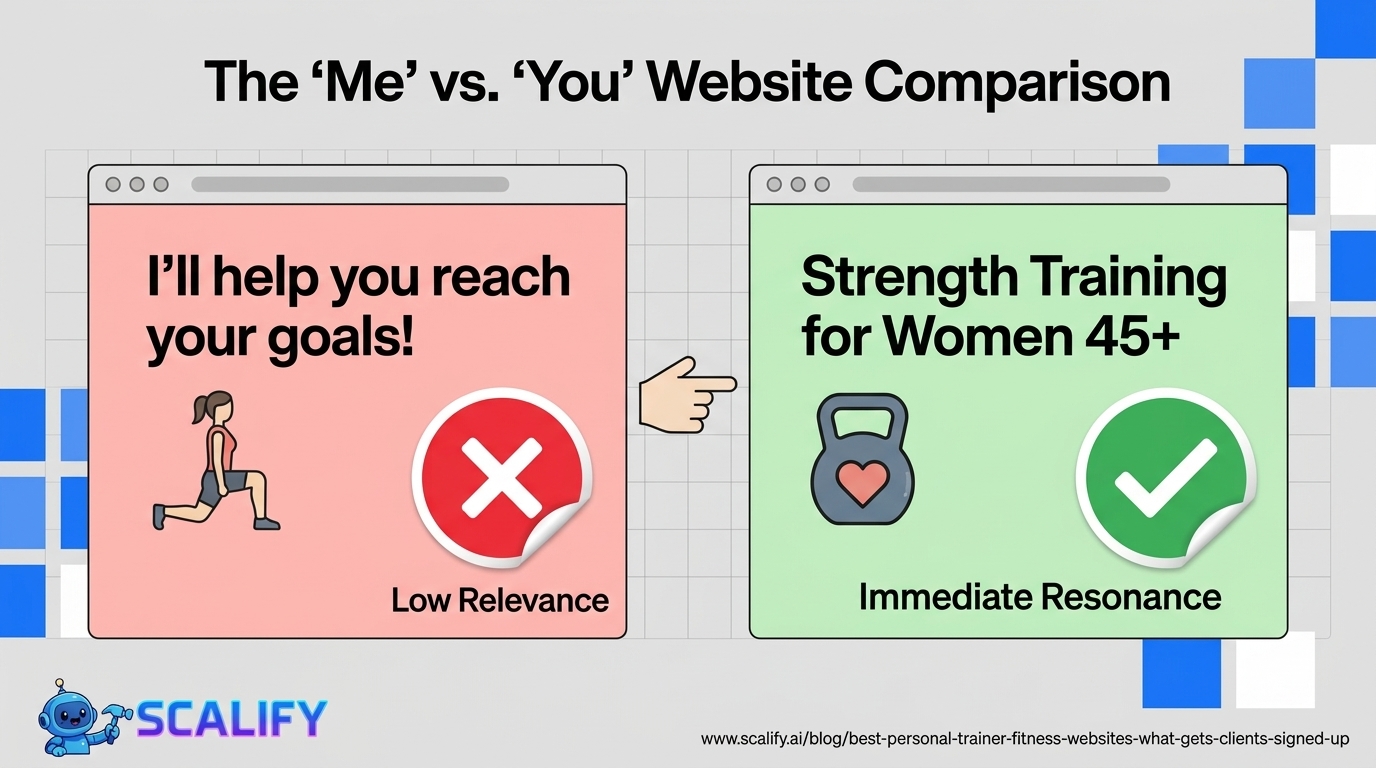
The most counterintuitive best practice for financial advisor websites is to be specific about who you serve. Advisors who try to appeal to everyone — "We serve clients at all life stages with various financial needs" — appeal to no one in particular. Advisors who clearly state their ideal client — "We work with tech executives in their 40s navigating stock options and pre-IPO equity" or "We specialize in retirement planning for federal employees with FERS pension optimization" — attract dramatically more inquiries from exactly the clients they want.
The 60% increase in qualified leads for advisors who specify minimum asset thresholds reflects this specificity principle. A prospect with $400,000 in investable assets who sees "Minimum $500,000 investable assets" self-disqualifies rather than wasting everyone's time. More importantly, a prospect with $2 million in investable assets who sees "Minimum $500,000" knows they're in the right place — and the specificity signals that the advisor focuses on clients with meaningful wealth, not anyone who walks through the door.
Investment Philosophy: The Differentiation Content Most Advisors Skip
Most financial advisor websites describe services (retirement planning, tax strategy, estate planning, investment management) without ever articulating the underlying investment philosophy that makes those services distinctive. Two advisors can both offer "comprehensive financial planning" while having completely different approaches to portfolio construction, risk management, client communication, and market philosophy — but if their websites are equally generic, prospects have no basis to choose between them.
A clearly stated investment philosophy — explaining your approach to asset allocation, your view on passive vs. active management, how you think about risk relative to a client's time horizon, and what you believe about market timing and rebalancing — attracts prospects who are aligned with your approach and repels those who aren't. This filtering function is valuable: a client who signs up because they resonate with your philosophy is a better long-term client than one who signed up because your brochure had the lowest fee disclosure. The advisors who invest in clearly articulating their investment worldview on their website attract a higher-quality client base and experience lower client turnover.
Content Marketing for Financial Advisors: The SEO Opportunity
| Content Type | Example Topic | Search Intent | Client Acquisition Potential |
|---|---|---|---|
| Retirement planning guides | "How much do I need to retire at 60?" | High — active planning | High — core target audience |
| Tax strategy content | "Tax-loss harvesting: when and how" | High — active interest | High — high-net-worth clients |
| Life event guides | "What to do financially after receiving an inheritance" | Very High — immediate need | Very High — large asset event |
| Investment explainers | "What is a Roth conversion ladder?" | High — research stage | Medium-High — builds authority |
| Stock option/equity guides | "How to exercise ISOs without a large tax bill" | Very High — specific, urgent | Very High — tech executives |
| Local market commentary | "Financial planning for Miami business owners" | Medium-High — local intent | High — geographic qualifier |
Compliance and Testimonial Rules: What's Allowed
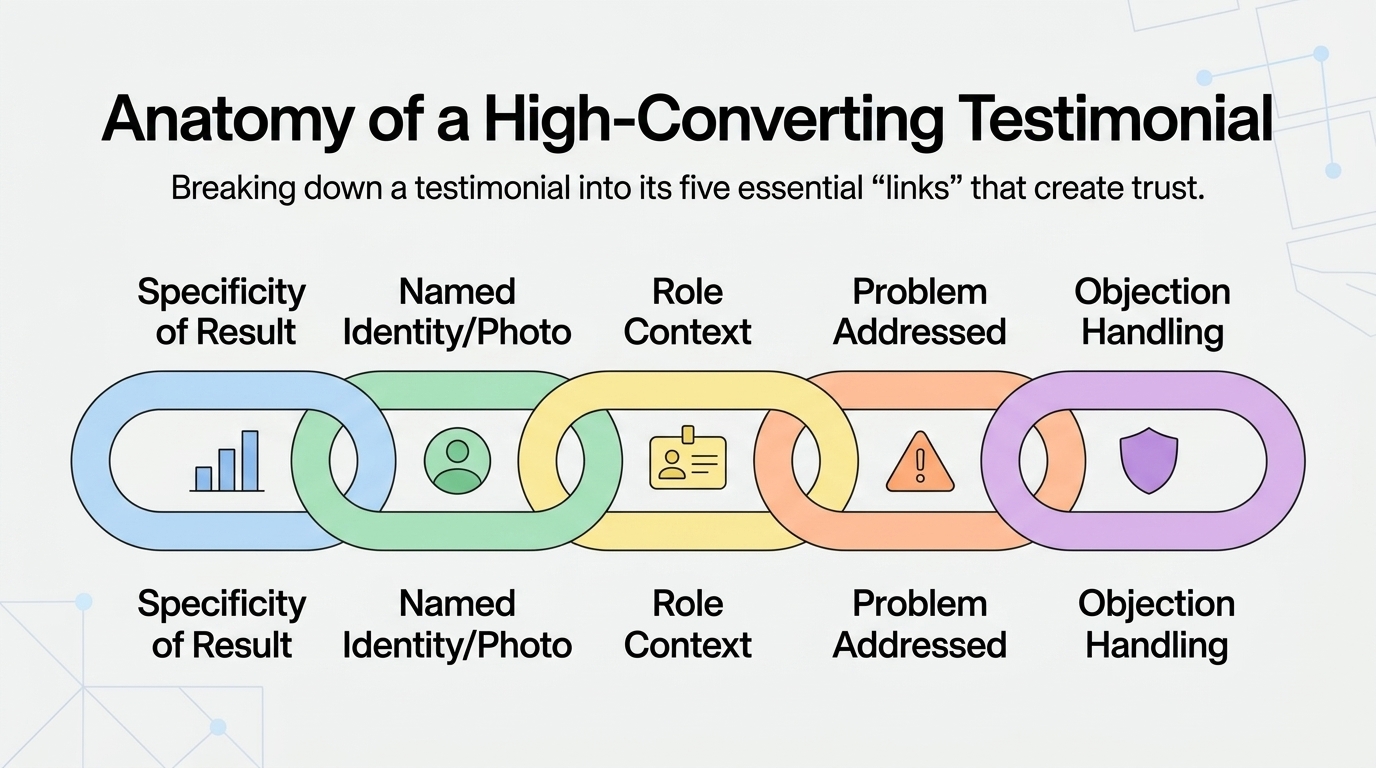
Financial advisor websites operate under SEC and FINRA regulations that limit what can be displayed. The SEC's updated Marketing Rule (effective November 2022) significantly expanded what advisors can show — testimonials and endorsements are now permitted with proper disclosures. The key rules: testimonials must include a disclosure that the client was or was not compensated, whether there are material conflicts of interest, and that past performance doesn't guarantee future results. Advisors should work with their compliance officer before publishing any client testimonials, case studies, or performance data.
The change in testimonial rules is significant: advisors who leverage this to feature authentic client stories — with proper disclosures — can now use social proof that was previously restricted. A brief video testimonial from a client explaining how their advisor helped them navigate a complex stock option situation (with the required disclosures) is far more persuasive than any advisor-written description of the same type of work. Firms with compliance-reviewed client success stories prominently featured on their websites see meaningfully higher consultation booking rates than those with blank testimonials sections.
Technical and Design Requirements
| Element | Requirement | Why |
|---|---|---|
| SSL / HTTPS | Required | Financial data discussion requires secure connection |
| Privacy policy | Required — comprehensive | Legal requirement; client data protection |
| Mobile responsiveness | Required — 58% mobile traffic | Prospects research advisors on phones during commutes |
| Contact form encryption | Strongly recommended | Financial information shared in inquiries |
| Calendar booking tool | Highly recommended | Reduces friction to initial consultation scheduling |
| CRM integration | Recommended | Proper prospect tracking and follow-up process |
| Compliance disclosures in footer | Required | FINRA/SEC regulatory requirement |
Design Language That Signals Trustworthiness
Financial advisor website design should communicate stability, competence, and integrity simultaneously. The visual language that achieves this: conservative color palettes (navy blue, forest green, warm grey — colors associated with institutional trustworthiness), clean typography that is easy to read (particularly important for an older demographic), professional photography of actual advisors in appropriate settings (not generic stock photos of handshakes or rising graphs), and minimal animation or design experimentation that might signal instability rather than steadiness.
The most damaging design mistake for financial advisor websites is looking like any other generic corporate website. Prospects evaluating financial advisors are doing pattern matching: does this feel like a professional operation that's been around for years and plans to be around for decades? A website that looks freshly assembled from a template with stock photos and generic copy fails that test. Genuine professional photography, specific information about the firm's history, and a clear sense of institutional identity communicate the kind of stability that wealthy clients are looking for in an advisor relationship.
The Bottom Line
The best financial advisor websites build trust systematically — through prominent credentials and regulatory transparency, clear articulation of investment philosophy and ideal client profile, compliance-approved social proof, educational content that demonstrates expertise, and design that communicates institutional stability. In a category where every dollar on the website represents years of a client's financial life, the practices that build genuine trust before the first meeting produce the most qualified consultations and the strongest long-term client relationships.
At Scalify, we build professional websites for financial advisors and wealth management firms in 10 business days — compliance-aware, trust-optimized, and designed to convert the right prospects into long-term client relationships.
Top 5 Sources
- SEC — Investment Adviser Marketing Rule
- FINRA — Advertising Regulation for Financial Advisors
- NAPFA — What Clients Look for in Financial Advisors
- Investopedia — Financial Advisor Website Best Practices
- BrightLocal — Trust Research for Professional Services
Lead Generation Strategy: Converting Visitors Into Consultation Requests
Financial advisor websites need a specific lead generation architecture because the path from "interested visitor" to "consultation booked" involves more trust-building steps than most professional services. The most effective conversion path for financial advisor websites is not a single CTA button — it's a graduated engagement ladder that lets prospects self-select their readiness level.
At the top of the ladder: low-friction content engagement — downloading a free guide ("The Tax-Smart Retirement Checklist for Ages 55–65"), signing up for a monthly market commentary newsletter, or watching an educational video series. These micro-conversions capture email addresses and demonstrate expertise without requiring the high-commitment step of scheduling a meeting. The follow-up email sequence after these micro-conversions introduces the advisor's philosophy, shares client success stories, and gradually builds the case for scheduling the consultation — over days or weeks rather than demanding it on the first visit. Advisors who implement this graduated engagement model consistently convert a higher percentage of website visitors into consultation requests than those who present only the binary choice of "contact us or leave."
Local SEO for Financial Advisors: Capturing Geographic Search Intent
Financial advisory is predominantly a local relationship business — most clients prefer advisors they can meet in person, at least occasionally, and many search specifically for advisors in their city or region. "Financial advisor Miami," "fee-only financial planner Coral Gables," and "CFP near me" are high-intent local searches that advisors with properly optimized local SEO capture while competitors without it are invisible for those queries.
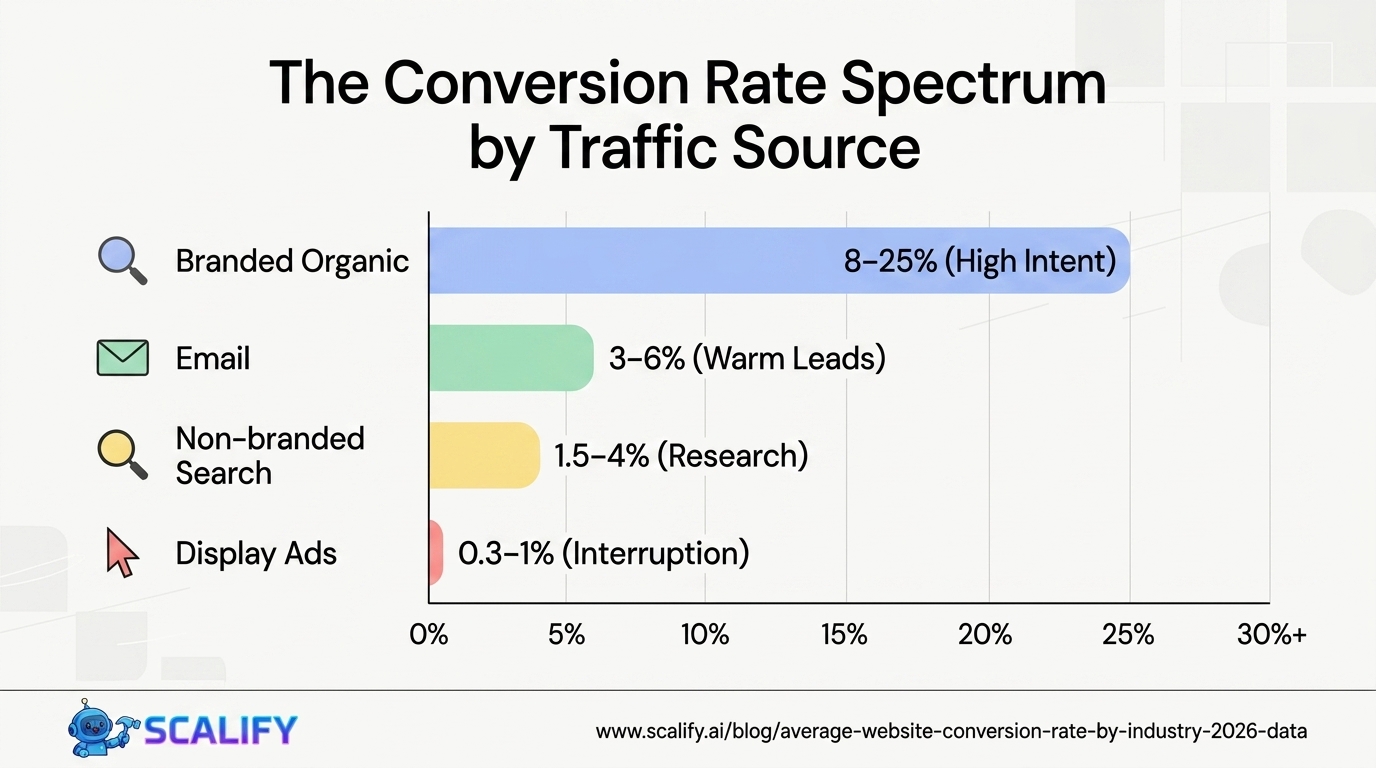
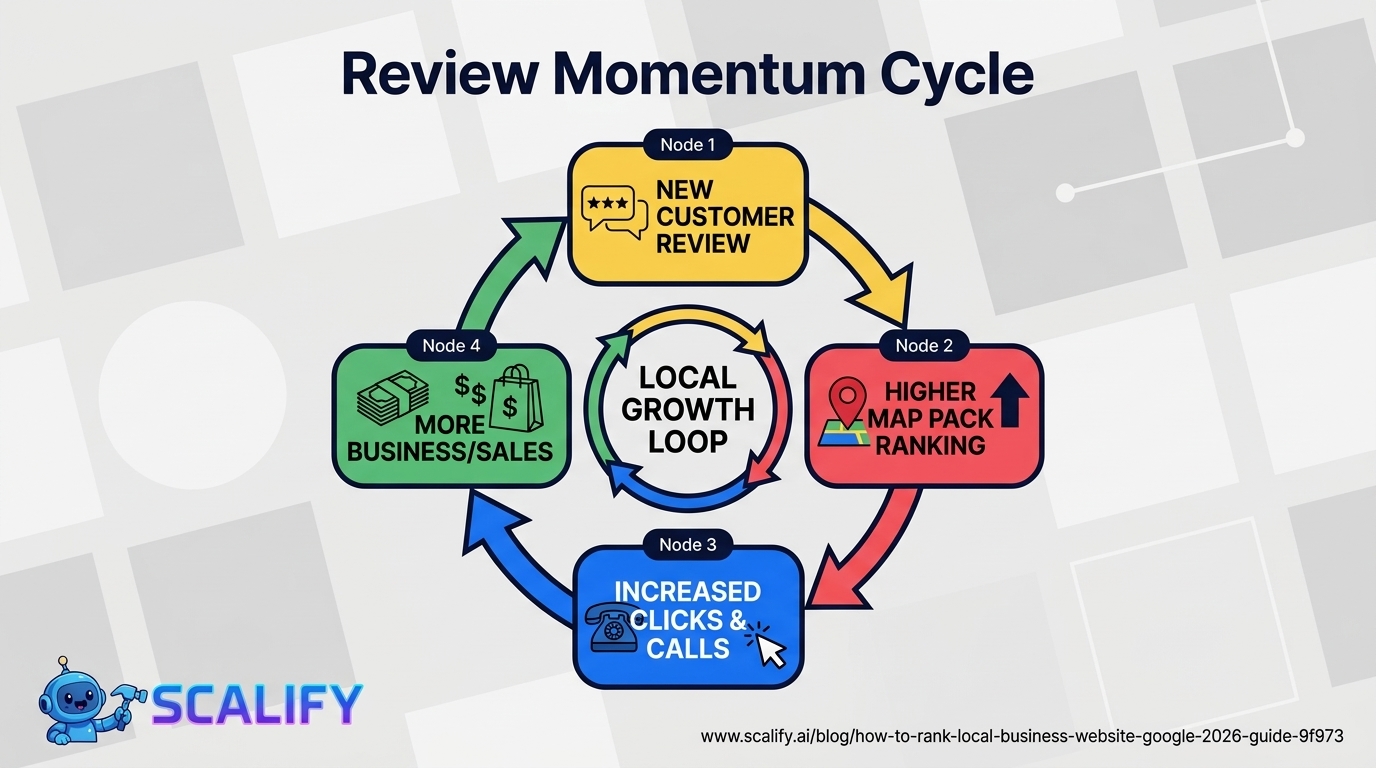
The core local SEO investments for financial advisors: a fully optimized Google Business Profile with accurate categories (Financial Planner, Investment Advisor), consistent NAP across the web, Google reviews from satisfied clients (with compliance-approved review request process), and location-specific content pages (separate pages for each city or county served with unique content rather than duplicate pages with only the city name changed). Advisors who invest in local SEO consistently report that locally-sourced organic leads have significantly higher conversion rates than leads from paid advertising — because local search intent is already geographically qualified in a way that national ad campaigns are not.
Measuring Financial Advisor Website Success
The right metrics for a financial advisor website are consultation requests, newsletter subscribers, and content downloads — not just traffic volume or time on page. Setting up conversion tracking in Google Analytics 4 for these specific actions, reviewing which content pieces and traffic sources generate the highest-quality consultation requests (measured by whether they turn into clients), and continuously optimizing based on this data is what separates advisors who treat their website as a marketing asset from those who treat it as a brochure. An advisory firm that reviews its website's consultation conversion rate monthly, tests different CTAs and content offers quarterly, and connects website analytics to CRM data to track lead-to-client conversion rates has a digital marketing operation that compounds in effectiveness over time.







.jpeg)
.jpeg)





78 SW 7th St, Miami, FL 33130