
The Best Free Design Tools for Website Designers in 2026
By Josh Ternyak

March 31, 2026
The free design tool ecosystem in 2026 is genuinely professional-grade. This comprehensive guide covers the best free tools by category: UI/UX design (Figma, Penpot), image editing (Photopea, GIMP), vector tools, color and typography, stock photography, UX research (Microsoft Clarity), AI-powered design tools, building skills with free tools, task-specific tool recommendations, and when to upgrade to paid.
The Best Free Design Tools for Website Designers in 2026
Professional web design used to require expensive software licenses that put significant financial barriers in front of new designers. In 2026, the best free design tools are genuinely powerful — not stripped-down teaser versions of paid products, but fully capable tools used by professional designers at major companies. Understanding which free tools actually meet professional standards, which are best for which tasks, and how to combine them into a productive workflow can completely eliminate the software cost barrier to web design work.
Key Statistics: Design Tools in 2026
- Figma's free tier is used by over 4 million designers — the dominant free professional design tool
- 67% of professional web designers use at least one primarily free tool in their daily workflow
- The combined annual savings from switching to free professional alternatives is estimated at $2,400–$4,800 per designer per year
- Microsoft Clarity (free heatmaps/session recordings) is used by over 100,000 websites
- Canva's free tier has over 135 million users globally
- The open-source design tool Penpot has grown 400% in adoption since 2022
- Google Fonts offers over 1,400 free fonts available for commercial web use
- Unsplash provides over 3 million professional photos free for commercial use
The Best Free Design Tools by Category
UI/UX Design and Prototyping
| Tool | Free Tier Limits | Best For | Professional Grade? |
|---|---|---|---|
| Figma | 3 projects, unlimited files in Drafts, full collaboration on 2 editors | Professional UI design, prototyping, collaboration | Yes — industry standard |
| Penpot | Unlimited — completely free, open-source | Full UI design, SVG-native, team collaboration | Yes — growing adoption |
| Adobe XD | 1 active project (significantly limited) | Limited prototyping; better to use Figma | Partially — limited on free |
| Canva | Thousands of templates, basic design tools | Marketing materials, social graphics, presentations | Yes for its category |
| Framer (free) | 1 published site, basic prototyping | Interactive prototypes with code components | Partially on free tier |
Image Editing
| Tool | Platform | Best For | Photoshop Alternative? |
|---|---|---|---|
| Photopea | Browser-based | Full Photoshop-compatible editing; PSD files | Yes — closest free alternative |
| GIMP | Desktop (Windows/Mac/Linux) | Complex photo editing, retouching | Yes — powerful but steep curve |
| remove.bg | Browser-based | AI background removal (5 free/month) | N/A — specialized task |
| Squoosh | Browser-based | Image compression for web optimization | N/A — specialized task |
| Cleanup.pictures | Browser-based | AI object removal from images | N/A — specialized |
Vector/SVG Illustration
| Tool | Platform | Best For | Illustrator Alternative? |
|---|---|---|---|
| Inkscape | Desktop | Full vector illustration, SVG editing | Yes — most capable free alternative |
| SVGator (free) | Browser-based | SVG animation creation | Specialized — animation only |
| Vectr | Browser + Desktop | Simple vector creation | Partial — simpler than Illustrator |
| Figma (vector tools) | Browser-based | Vector shapes within UI design context | Partially — adequate for UI work |
Color and Typography
| Tool | Purpose | URL |
|---|---|---|
| Coolors | Color palette generation and exploration | coolors.co |
| Adobe Color | Color wheel, harmony rules, trend palettes | color.adobe.com |
| Paletton | Color scheme designer with visual preview | paletton.com |
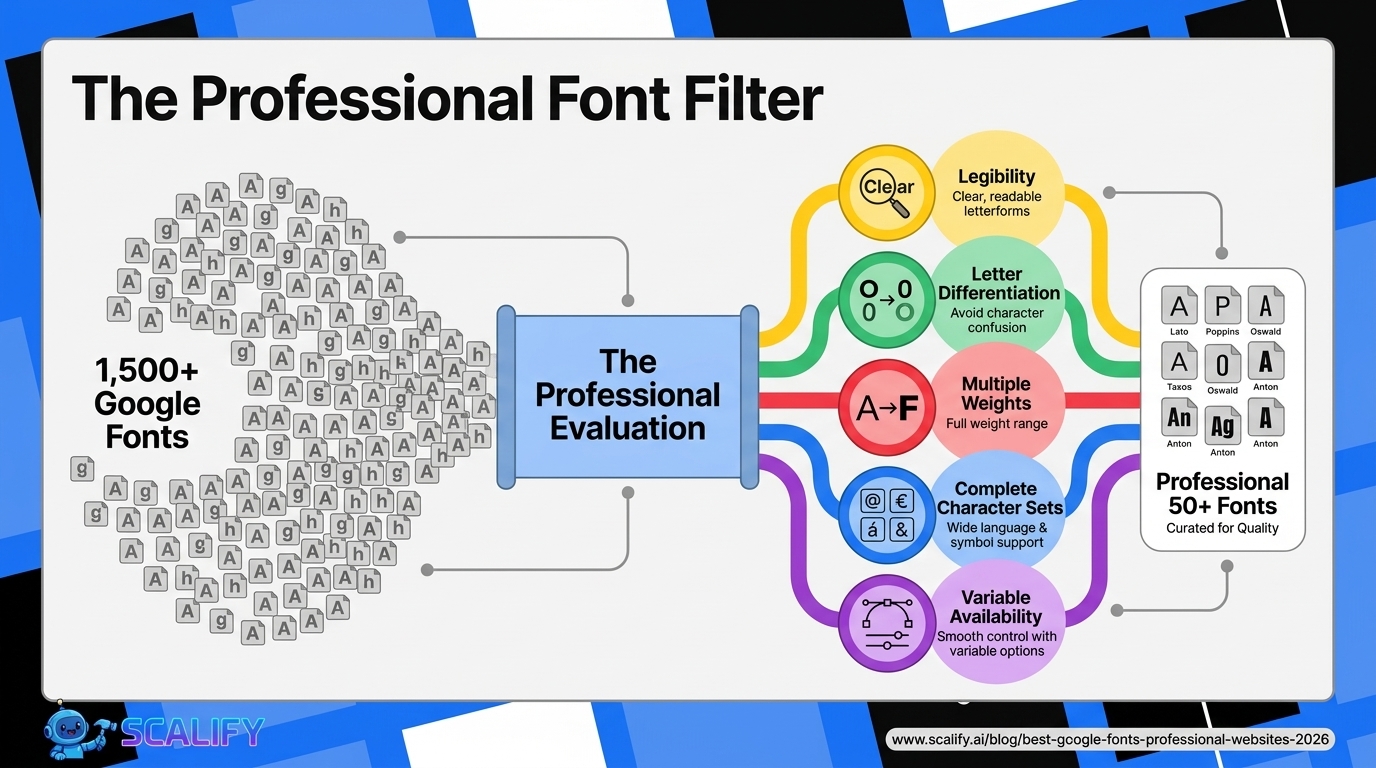
| Google Fonts | 1,400+ free commercial-use web fonts | fonts.google.com |
| Font Pair | Google Fonts pairing recommendations | fontpair.co |
| Type Scale | Typography scale generator | typescale.com |
| Contrast Checker | WCAG accessibility contrast ratio check | webaim.org/resources/contrastchecker |
Free Stock Photography and Assets
| Resource | Content Type | Commercial Use? | Quality Level |
|---|---|---|---|
| Unsplash | Photography | Yes — free commercial license | Professional |
| Pexels | Photos + Videos | Yes | Professional |
| Pixabay | Photos, Illustrations, Vectors | Yes | Varied |
| Heroicons | SVG icons (by Tailwind CSS team) | Yes — MIT license | Professional |
| Lucide Icons | SVG icon library | Yes — MIT | Professional |
| Undraw | SVG illustrations | Yes — free | Professional illustration style |
| Storyset | Animated and static illustrations | Yes with attribution | Professional |
Free UX Research and Testing Tools
| Tool | Free Features | Best For |
|---|---|---|
| Microsoft Clarity | Unlimited heatmaps, session recordings, user flow | Understanding how visitors interact with your site |
| Hotjar (free) | 35 sessions/day heatmaps and recordings | Qualitative UX research on limited scale |
| Google Analytics 4 | Unlimited — fully free | Traffic analysis, conversion tracking, user behavior |
| Maze (free) | 1 study/month | Usability testing with real users |
| Optimal Workshop (free) | 5 responses per study | Card sorting, tree testing for IA research |
Figma Free Tier: What You Actually Get
Figma's free tier is the most impactful free design tool for professional web designers. Understanding exactly what it includes is important because the constraints are real but workable for many use cases:
What you get: Unlimited personal Drafts files (full design capability, no storage limit), up to 3 active projects in the free team workspace, full Figma design capabilities including auto-layout, components, variants, and prototype connections, collaboration with up to 2 editors simultaneously, and access to the Figma Community with thousands of free UI kits, icon sets, and design templates.
The main limitation: Freelancers and agencies working with multiple clients hit the 3-project limit quickly. The practical workaround: keep client work in Drafts (unlimited) and use the team workspace for your own templates and resources. This approach works well for solo designers; teams need the paid tier.
The Professional Free Design Stack
Combining the best free tools creates a professional-grade design workflow at zero cost:
- UI/UX Design: Figma (free tier) → complete professional UI design and prototyping
- Image Editing: Photopea → Photoshop-compatible editing in the browser
- Image Optimization: Squoosh → compress images for web before uploading
- Background Removal: remove.bg → quick product and portrait background removal
- Photography: Unsplash + Pexels → professional stock photography
- Icons: Heroicons or Lucide → consistent, professional SVG icons
- Illustrations: Undraw or Storyset → on-brand vector illustrations
- Color: Coolors → palette generation; Adobe Color → color theory
- Typography: Google Fonts → 1,400+ web fonts at no cost
- Analytics: Microsoft Clarity → unlimited free session recordings + GA4 for traffic
When Free Tools Have Limits
Free tools have genuine limitations that professional workflows eventually encounter. The scenarios where paid tools become worth the investment:
Team collaboration at scale. Figma's free tier limits simultaneous editors to 2. Teams of 5+ designers need Figma's professional or organization tier to collaborate effectively. Penpot (open-source, unlimited collaboration) is a genuine alternative for self-hosted teams.
Advanced prototyping. Figma's free tier includes basic prototyping, but complex interactive prototypes with conditional logic, variables, and advanced interactions require Figma's paid features. Framer (paid) and ProtoPie (paid) offer more sophisticated prototyping for complex mobile and web interactions.
Brand asset management at scale. Managing design assets (logos, brand colors, photography) across large organizations with multiple stakeholders needs dedicated digital asset management — Bynder, Brandfolder, or similar paid tools. Free tier tools don't scale to enterprise asset management requirements.
The Bottom Line
The free design tool ecosystem in 2026 is genuinely professional-grade for individual designers and small teams. Figma's free tier, combined with Photopea for image editing, Squoosh for optimization, Unsplash for photography, Heroicons for icons, and Microsoft Clarity for user research, creates a complete professional web design workflow at zero software cost. The gaps appear when teams scale beyond 2–3 designers, when clients require formal brand asset management, or when advanced interactive prototyping is needed. For new designers building skills, freelancers starting out, and small agencies keeping overhead low, the free stack covers the vast majority of professional design needs.
At Scalify, we build professional websites using the best-in-class design and development tools — ensuring every client gets a technically excellent result regardless of which tool was used to design it.
Top 5 Sources
- Figma — Free Tier Features and Limits
- Penpot — Open Source Design Tool
- Microsoft Clarity — Free Heatmap and Session Recording Tool
- Unsplash — License and Commercial Use Policy
- Google Fonts — Free Commercial Web Fonts
Building Your Design Skills with Free Tools
Free tools not only eliminate cost barriers — they're also increasingly used in professional development programs and bootcamps as the primary teaching environment. Figma tutorials on YouTube are among the most viewed design education content online. Photopea's compatibility with Photoshop files means tutorials created for Photoshop apply directly to Photopea workflows. This alignment between free tools and professional workflows means time invested learning free tools directly transfers to professional environments.
The most productive skill-building path using free tools: start with Figma (the dominant professional tool) by following official Figma tutorials and Community resources → build portfolio pieces in Figma using Unsplash photography and Google Fonts → learn image editing in Photopea following Photoshop tutorials → add Microsoft Clarity to real websites to develop user behavior analysis skills. This sequence builds professional-grade skills using the same tools industry professionals use, at zero cost.
AI-Powered Free Design Tools
AI is rapidly changing what's available for free in design tooling. Several AI-powered design tools have launched with generous free tiers:
| Tool | AI Feature | Free Tier |
|---|---|---|
| Figma AI | Auto-layout suggestions, rename layers, text generation | Available in free Figma accounts |
| Canva AI (Magic Design) | Generate designs from text prompts, background removal, image extension | Free tier includes basic AI features |
| Adobe Firefly (free) | AI image generation from text, generative fill | 25 generative credits/month free |
| Ideogram | AI text-to-image generation, good for design mockups | Free tier with daily credits |
| Uizard (free) | Wireframe from screenshot, design from text | 3 projects, limited AI features |
AI-powered design tools are most useful for: generating initial concepts and variations quickly, creating placeholder imagery for wireframes and mockups, generating icon and illustration variations for testing, and producing first-draft copy for UI elements. They're less useful for: final production-quality visual design, brand-specific illustration styles that require consistent aesthetic, and nuanced UI decisions where experience and judgment outweigh generation speed. The most productive use of AI design tools is as accelerators within a designer's workflow — generating options for human refinement rather than replacing the design judgment that professional work requires.
Free Tools for Specific Design Tasks
| Task | Best Free Tool | Why It Works |
|---|---|---|
| Creating wireframes quickly | Figma (free) with community wireframe kits | Drag-and-drop components; unlimited files in Drafts |
| Building a moodboard | Figma or Milanote (free tier) | Visual canvas; easy drag-and-drop from web |
| Checking design accessibility | Figma A11y plugin + WebAIM Contrast Checker | Color contrast and accessibility guidelines built in |
| Exporting optimized images | Squoosh + Figma export settings | Lossless to lossy compression; WebP conversion |
| Creating responsive mockups | Mockup World (free) + Figma | Device frames for presenting design work |
| Testing font pairings | Font Pair + Type Scale + Google Fonts | Preview pairings before implementing in code |
| Color accessibility testing | Stark (Figma plugin, free tier) | WCAG contrast checker within Figma workflow |
The combination of task-specific free tools with a core design platform like Figma creates a workflow that handles virtually every design task a web designer encounters, from initial concept through final delivery. The free tools ecosystem has matured to the point where cost is no longer a meaningful barrier to professional-quality web design work — execution, taste, and design judgment are what differentiate professional outcomes, not software access.
Free Tools vs. Paid: When to Upgrade
The decision to upgrade from free to paid design tools should be based on specific workflow limitations that the free tier is imposing, not on a vague desire for "professional" software. The genuine triggers for upgrading:
Figma → Paid: When you consistently hit the 3-project limit and your workarounds are slowing you down. When you need more than 2 simultaneous collaborators on the same file. When clients require a formal organization workspace with structured permissions. Individual freelancers with effective Drafts workflows often run successfully on free Figma for years.
Photopea → Paid image editor: Photopea has no meaningful free-tier limitations for most web design tasks. Affinity Photo ($70 one-time) is the best paid upgrade for designers who need a desktop app with professional color management for print or high-resolution photography work. For web design, Photopea handles the vast majority of needs without any payment.
Microsoft Clarity → Paid analytics: Clarity is completely free with no session recording limit — almost no upgrade trigger for most websites. The upgrade case for paid analytics (Hotjar paid, FullStory) comes when you need features Clarity doesn't provide: funnel tracking, A/B test integration, customer support chat integration, or enterprise data control requirements. For most web designers and small businesses, Clarity plus Google Analytics provides more than enough insight without any cost.
The general principle: stay on free tools until a specific, recurring workflow limitation costs you meaningful time or client outcomes. The friction of that limitation is the signal to upgrade — not the availability of a paid alternative that offers features you don't yet need.


.jpeg)
.jpeg)

78 SW 7th St, Miami, FL 33130