


The Best Healthcare Provider Websites: Designs That Build Patient Trust
By Josh Ternyak

March 31, 2026
Healthcare provider websites that build patient trust convert 35% more new appointments. This comprehensive guide covers provider profiles, online booking, insurance transparency, HIPAA compliance, patient reviews, education content, mobile optimization, local SEO, Google Business Profile, telehealth integration, and platform recommendations for medical practices.
The Best Healthcare Provider Websites: Designs That Build Patient Trust
Healthcare provider websites face a unique design challenge: they must simultaneously communicate clinical competence, personal warmth, and operational trustworthiness — to an audience that is often anxious, sometimes in pain or distress, and making decisions that directly affect their health and the health of people they love. The healthcare provider website that does this well converts significantly more appointment requests and builds the kind of patient relationships that drive long-term practice growth.
The gap between average and excellent healthcare websites is larger than in most industries, because the stakes of getting it right are higher. A potential patient who lands on a medical practice website with outdated design, no provider photos, no visible patient reviews, and no online booking is not just mildly inconvenienced — they're receiving implicit signals about the practice's operational standards, attention to detail, and patient-centeredness that directly affect their decision to book or look elsewhere.
Key Statistics: Healthcare Provider Websites
- 77% of patients use search engines to find and evaluate healthcare providers before booking
- Healthcare websites with online appointment booking receive 35% more new patient appointments than phone-only booking practices
- 84% of patients read online reviews before choosing a healthcare provider
- Provider websites with professional headshots and detailed bios increase new patient inquiry rates by 41%
- Healthcare websites that display insurance accepted prominently reduce pre-appointment call volume by 28% and increase self-qualified inquiries
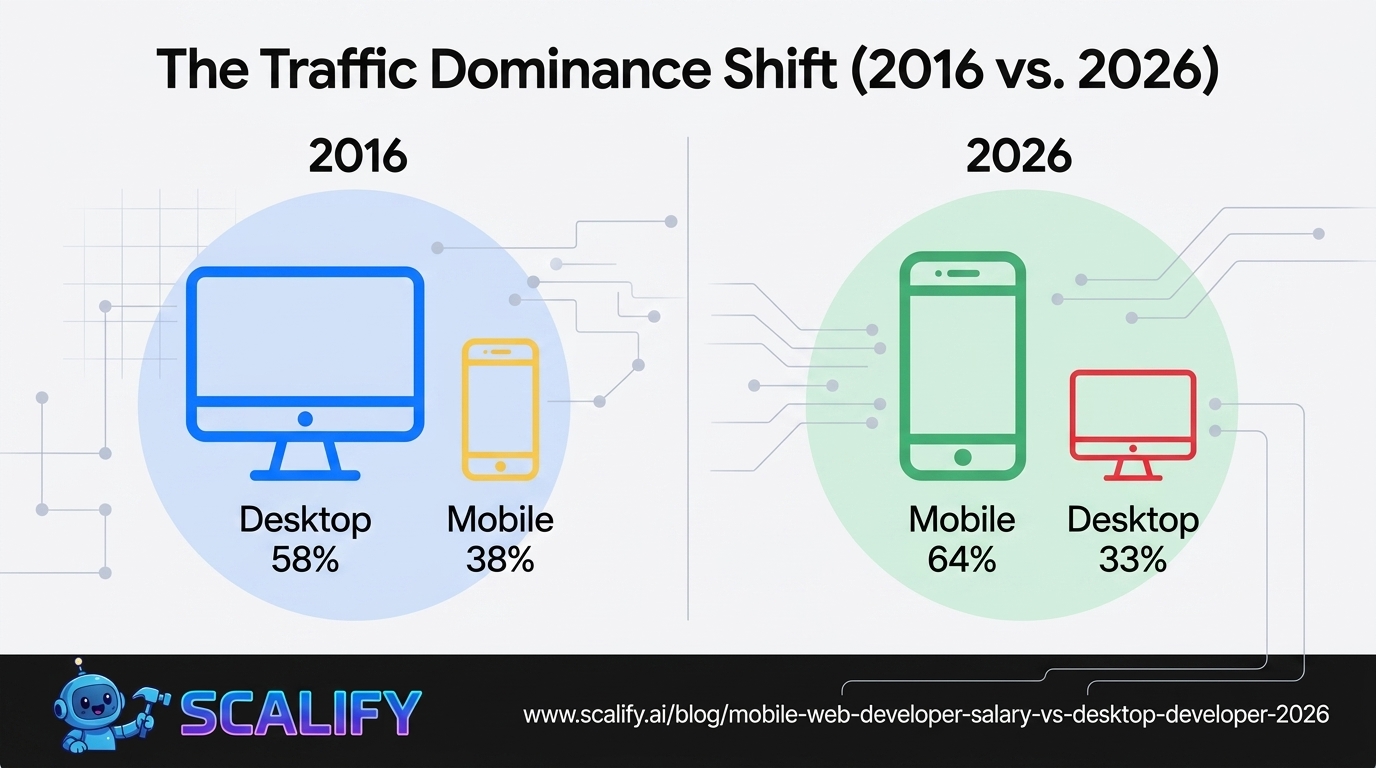
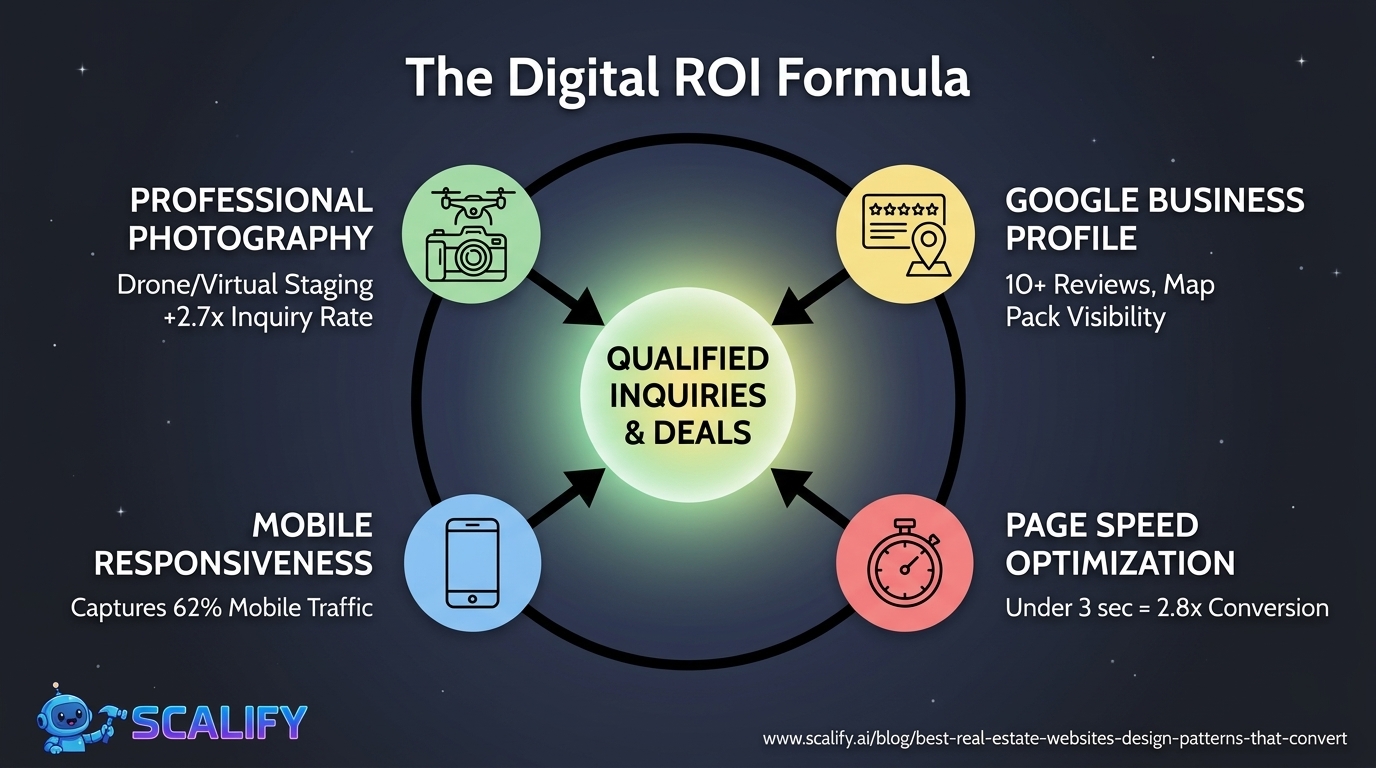
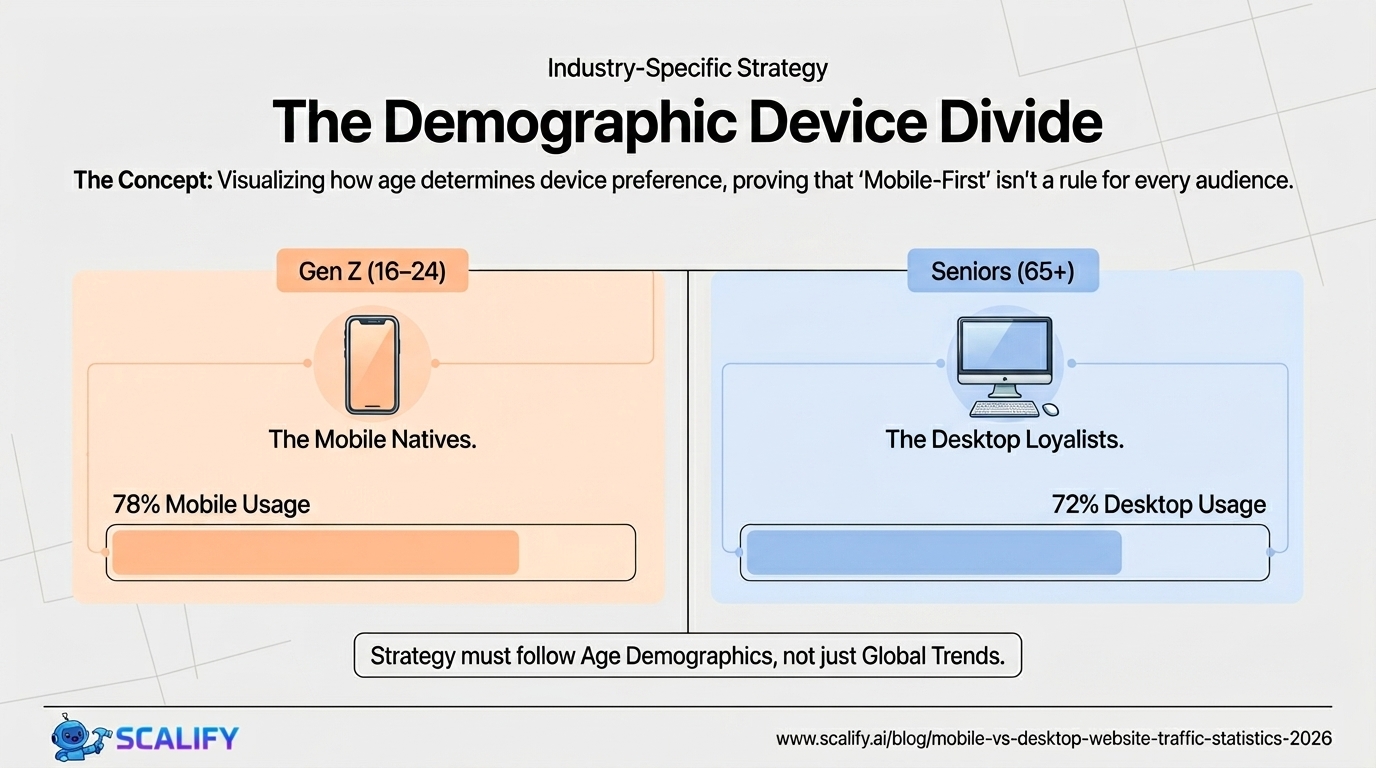
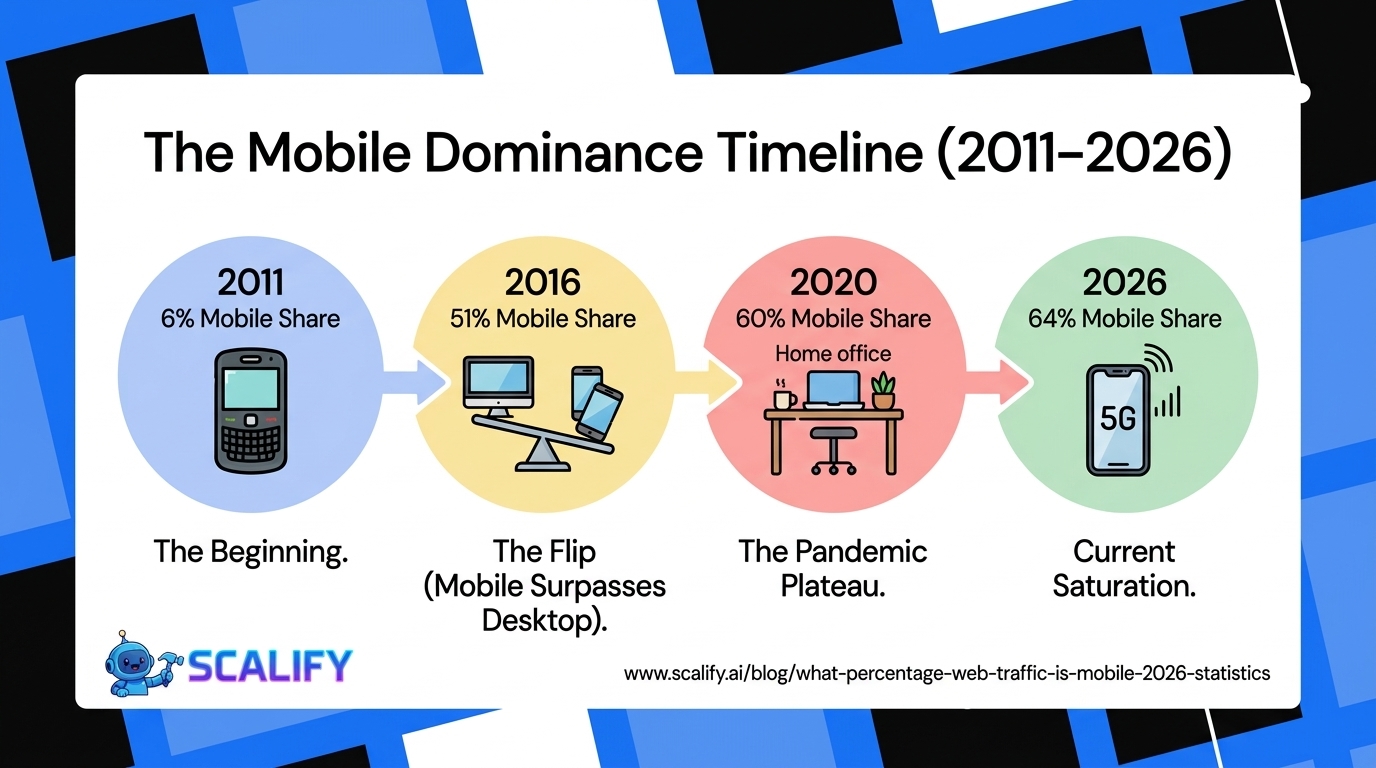
- 62% of healthcare searches are conducted on mobile devices — mobile optimization is essential
- Practices with patient education content (condition guides, procedure explainers) see 3x more organic search traffic than those without
- Healthcare providers with HIPAA-compliant contact forms displaying privacy notices see 22% higher form submission rates than those without
- Practice websites with patient portal login links prominently displayed improve existing patient satisfaction scores
- Video introductions from providers (30–90 seconds) increase new patient bookings by 38% compared to text-only bios
The Core Elements of High-Performing Healthcare Websites
Provider Profiles That Build Pre-Appointment Trust
Patients choosing a healthcare provider are making an intimate trust decision — they will share private health information and allow physical examination by this person. The provider bio page is where that trust begins before any appointment is scheduled. Practices with detailed, humanizing provider profiles consistently outperform those with minimal or credentials-only presentations.
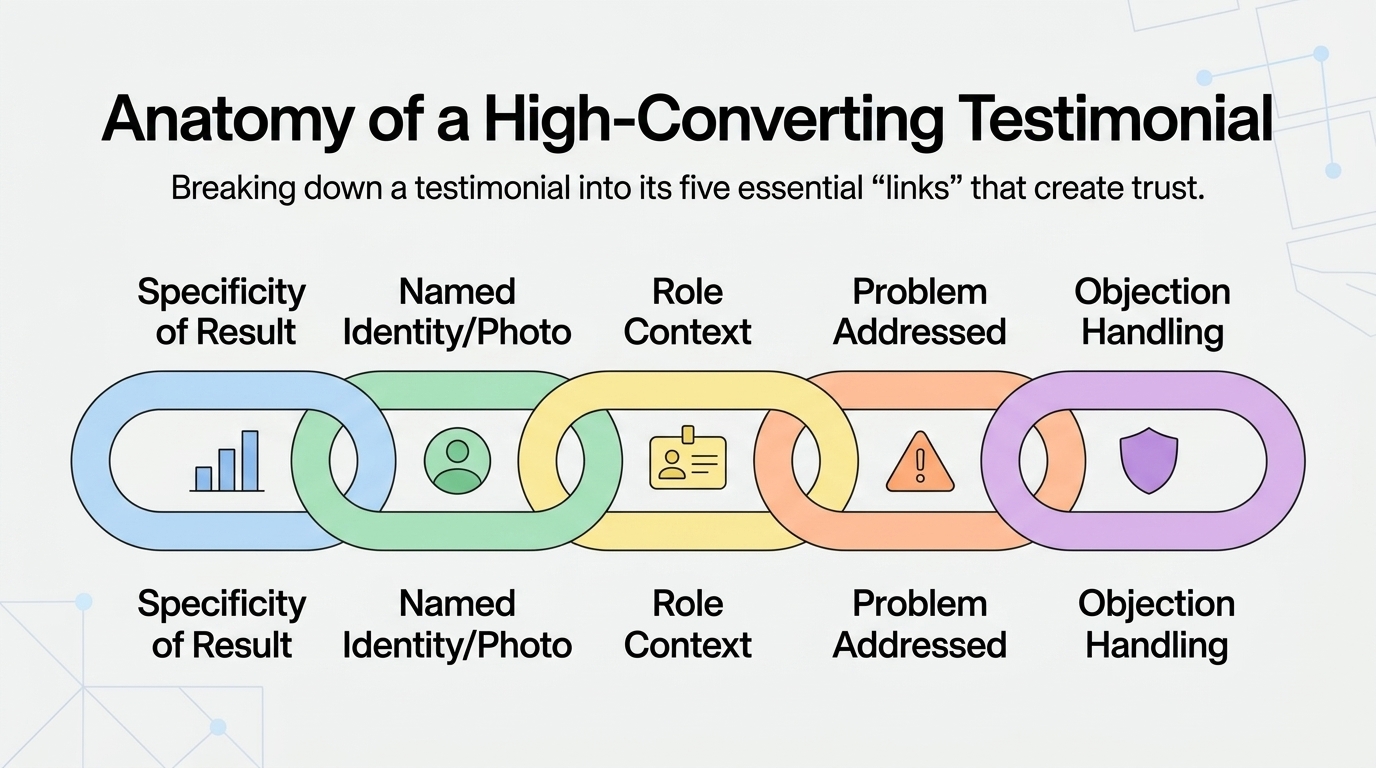
Effective healthcare provider profiles include: professional photography that shows approachability alongside competence (clinical environment, genuine smile, good lighting), board certifications and training that establish credentials, areas of clinical interest and specialization, patient care philosophy in the provider's own words, and something personal — research interests, community involvement, or why they chose their specialty. The goal is to make a prospective patient feel they already know this provider a little, and that they'd feel comfortable in an appointment.
Online Booking: The 35% Appointment Increase
The shift toward online appointment booking in healthcare accelerated dramatically post-2020 and has not reversed. Patients increasingly expect to book medical appointments the same way they book restaurant tables, haircuts, and gym classes — online, on their own schedule, without making a phone call during business hours. Practices that accommodate this preference see 35% more new patient appointments; practices that don't are ceding those patients to competitors who do.
Effective healthcare online booking is not a simple contact form. It's integrated scheduling software — Zocdoc, Kareo, NextGen, Epic MyChart, or similar — that shows real provider availability, allows appointment type selection (new patient consultation, follow-up, urgent care, annual physical), confirms the appointment immediately with a calendar invitation, and sends automated reminders. The combination of 24/7 availability and immediate confirmation converts significantly better than forms that promise a callback within 24 business hours.
Insurance Information: The Primary Patient Concern
For most patients evaluating a healthcare provider, the first practical question is whether the practice accepts their insurance. A practice website that buries insurance information — or forces patients to call to find out whether they're covered — is creating unnecessary friction at the moment of highest intent. The 28% reduction in pre-appointment call volume for practices that display insurance information prominently reflects how many of those calls are simply insurance verification queries that a well-designed website can answer automatically.
Insurance information should be accessible within two clicks from the homepage: a dedicated "Insurance" page listing all accepted plans, organized by insurer (Aetna, Blue Cross Blue Shield, Cigna, United Healthcare, Medicare, Medicaid), with a note about self-pay options and any payment plan availability. For practices in markets with significant international populations, noting whether the practice has multilingual staff or interpretation services available addresses a separate but important access barrier.
Patient Reviews: The Decision-Making Signal
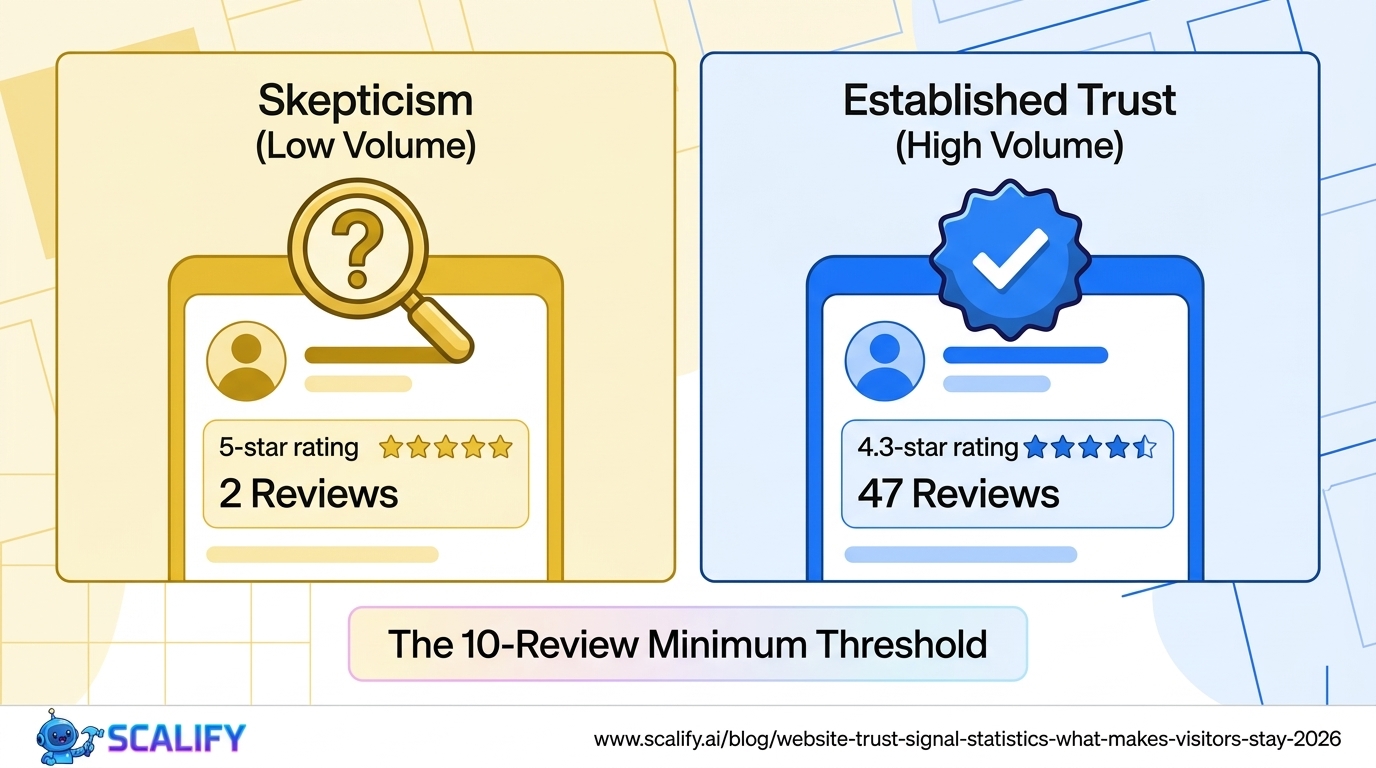
The 84% of patients who read reviews before choosing a healthcare provider are looking for specific reassurances: that the provider listens, that they communicate clearly, that they're respectful of patients' time, and that they're technically competent. The reviews that provide this reassurance most effectively are detailed, specific, and from verified patients — not one-word "great doctor!" ratings.
Healthcare websites that actively collect and display patient reviews — through Google, Healthgrades, or directly embedded review widgets — see consistently higher new patient inquiry rates than those that don't. The specific strategies that generate quality healthcare reviews: sending a review request link via text or email within 24 hours of a positive appointment, making the review link accessible from the patient portal, and responding to all reviews (positive and negative) to demonstrate active patient engagement.
HIPAA Compliance and Patient Privacy on Healthcare Websites
Healthcare websites have specific legal requirements that general business websites don't: HIPAA compliance for any form that collects patient health information, privacy notices that inform patients how their information will be used, and secure transmission of any health-related communication. These requirements are not just legal necessities — they're trust signals that patients actively notice and respond to.
| HIPAA Compliance Element | What It Requires | Patient Trust Impact |
|---|---|---|
| HIPAA-compliant contact forms | Encrypted transmission, compliant hosting, BA agreement with form provider | High — visible privacy notice increases submissions 22% |
| Privacy policy | HIPAA-specific notice of privacy practices in addition to standard privacy policy | Medium — required; builds baseline trust |
| Secure patient portal | Encrypted, HIPAA-compliant messaging and record access | Very High — patients expect modern secure communication |
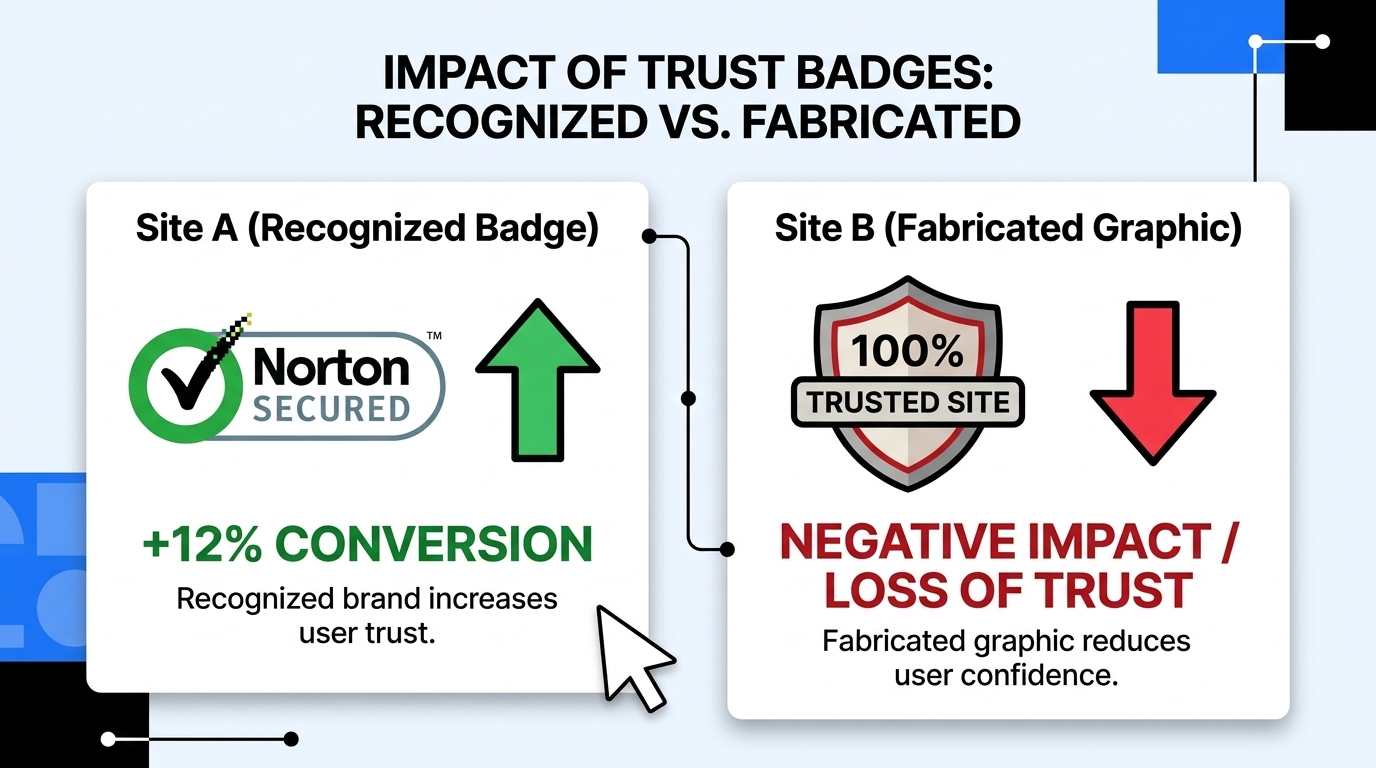
| SSL certificate (HTTPS) | Required for any site that handles health information | Essential — HTTP healthcare sites visibly alarm patients |
| No third-party tracking on forms | Facebook Pixel and Google Analytics should not fire on form completion pages for health forms | Compliance requirement — patient data cannot be shared with advertisers |
Patient Education Content: The Long-Term Traffic Engine
Healthcare is one of the highest-value content marketing categories in search — people search for health information constantly, and the practices that answer their questions through well-written, accurate, patient-friendly content capture organic search traffic that converts to new patients over time. The 3x organic traffic advantage for practices with patient education content reflects this opportunity clearly.
| Content Type | Example | Search Intent | New Patient Potential |
|---|---|---|---|
| Condition explainers | "What is Type 2 diabetes? Symptoms, causes, treatment" | High — researching before seeing doctor | High |
| Procedure guides | "What to expect during a colonoscopy" | High — pre-procedure anxiety reduction | High |
| Preventive care guides | "When should adults get a flu shot?" | Medium — general health awareness | Medium |
| Local health content | "Allergy season in Miami: what to do" | High — local intent | High |
| FAQ pages | "How often should I get a physical exam?" | High — patient FAQ | Medium-High |
Mobile Optimization for Healthcare Websites
With 62% of healthcare searches on mobile, a healthcare practice website that isn't fully mobile-optimized is inaccessible to the majority of patients searching for providers. Healthcare-specific mobile optimization priorities: click-to-call phone numbers in the header (patients in pain or distress want to call, not navigate a website), a mobile-prominent booking button, maps/directions accessible within one tap, and intake forms that work on a phone keyboard.
The Bottom Line
The best healthcare provider websites convert more new patients by building trust through detailed provider profiles, enabling convenient online booking, addressing insurance concerns proactively, displaying verified patient reviews, and maintaining HIPAA compliance throughout. In a market where 77% of patients research providers online before booking, the practice website is the primary tool for communicating the quality of care, the competence of the clinical team, and the patient-centeredness of the practice before any appointment ever happens. Practices that invest in their digital presence see measurably more new patient appointments — and build the kind of first impression that sets the foundation for long-term patient relationships.
At Scalify, we build professional healthcare provider websites in 10 business days — HIPAA-aware, patient-trust-optimized, and designed to convert local search traffic into appointment bookings.
Top 5 Sources
- PatientPop — Healthcare Digital Marketing — Patient online research behavior and website conversion data for medical practices
- Software Advice — Patient Review Research — How patients use online reviews in healthcare provider selection
- HHS HIPAA Guidance for Healthcare Websites — Official HIPAA requirements for healthcare provider website compliance
- Zocdoc — Healthcare Appointment Research — Online booking adoption and conversion data for healthcare practices
- Healthgrades — Patient Decision Research — Patient rating and review impact on provider selection and appointment booking
Google Business Profile: The Healthcare Practice's Local Search Foundation
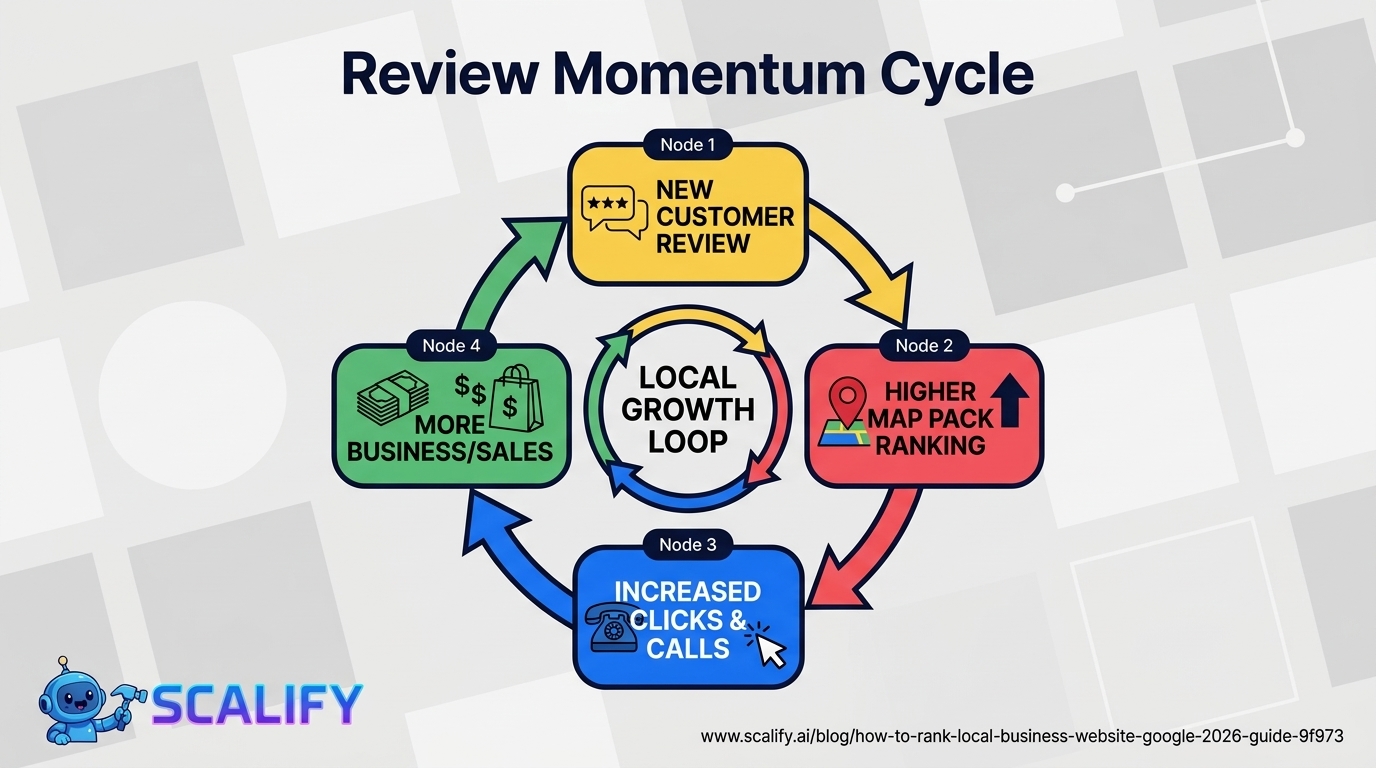
For healthcare providers, the Google Business Profile is as important as the website itself. A fully optimized GBP appears in the Google Map Pack for local healthcare queries — capturing the highest-intent local patient searches. Practices with complete GBPs, accurate specialty categories, 20+ positive reviews, and regular photo updates consistently appear in the Map Pack while competitors without optimized GBPs are invisible for the same searches.
The connection between the website and GBP should be seamless: the NAP (Name, Address, Phone) on the website must exactly match the GBP, the website URL in the GBP must lead to a relevant landing page, and the services listed in the GBP should align with the service pages on the website. Consistency between these two digital presences reinforces both and strengthens local search visibility for all relevant queries.
Telehealth: Communicate Your Virtual Care Capabilities
Telehealth has become a permanent feature of healthcare delivery. Practices that offer telehealth and communicate this clearly on their website capture patients who specifically prefer virtual care for certain conditions. The website should make telehealth availability immediately visible — in the navigation, on the homepage, and on provider pages — along with clear information about which visit types are available virtually, how to connect to a telehealth appointment, and which insurance plans cover virtual visits.
Platform Recommendations for Healthcare Websites
| Platform | Best For | HIPAA Note | Investment |
|---|---|---|---|
| Webflow + HIPAA form tool | Design-forward, SEO-focused practices | Use Jotform HIPAA or similar for patient forms | $4,000–$18,000 build |
| WordPress + Gravity Forms | Content-heavy, blogging practices | HIPAA-compliant hosting required | $3,000–$12,000 build |
| PatientPop / Podium | All-in-one healthcare solution | Built-in HIPAA compliance | $300–$800/month |
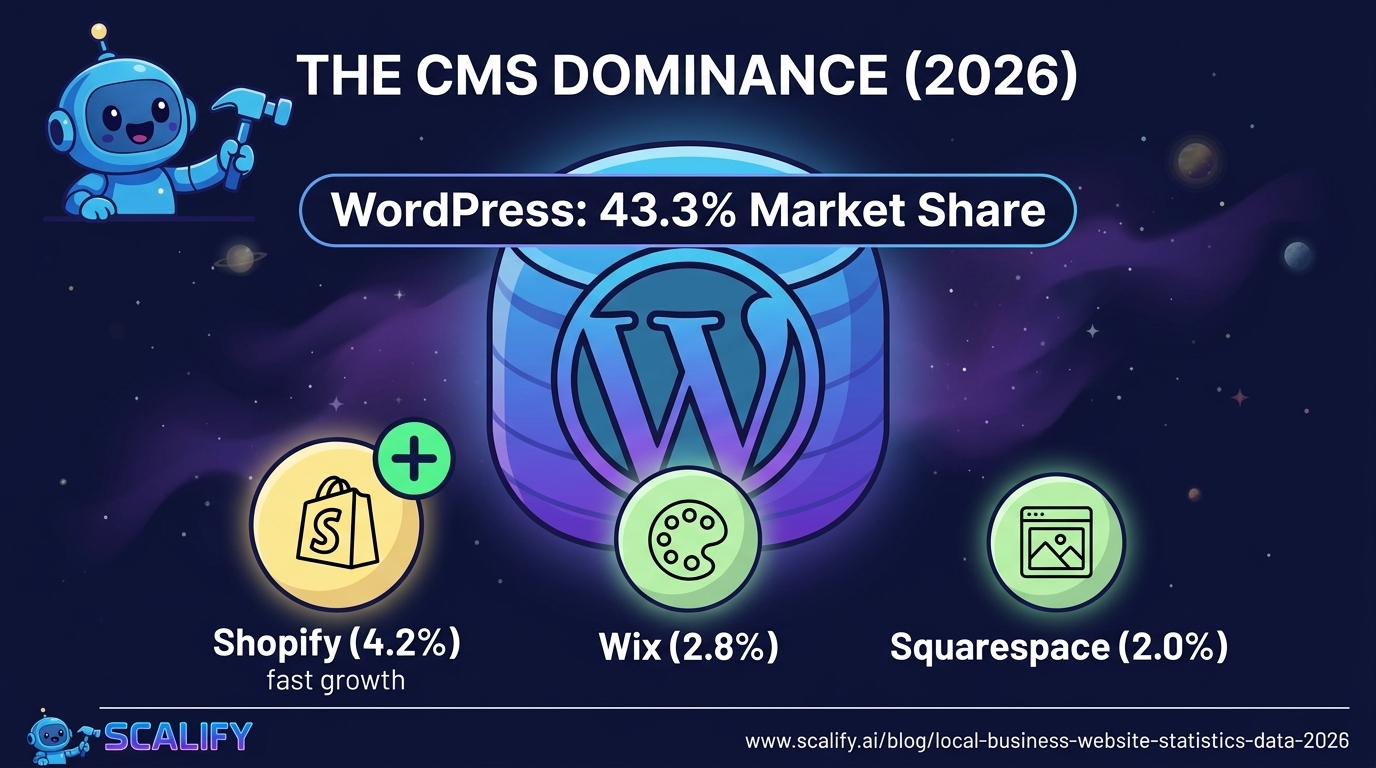
| Squarespace + booking tool | Smaller practices, tighter budget | Contact forms need HIPAA-compliant alternative | $1,000–$3,000 setup |
Measuring Healthcare Website Performance
Unlike e-commerce websites where every conversion is a completed purchase, healthcare website success metrics require tracking the full patient acquisition funnel: website visitors who find the practice through local search, visitors who view provider profiles and service pages, visitors who initiate contact through the booking system or contact form, and the percentage of those contacts who become booked appointments. Setting up Google Analytics 4 with conversion tracking for appointment requests, phone call clicks, and patient portal logins — while maintaining HIPAA compliance by not collecting health information through analytics — gives practices the data to continuously improve their digital patient acquisition performance.
The practices that consistently improve their digital performance treat their website as a living tool rather than a set-and-forget asset: reviewing Google Search Console monthly to identify new keyword opportunities, responding to new patient reviews within 48 hours, updating provider information when new team members join or existing providers change their specializations, and adding patient education content at least quarterly to maintain SEO momentum. This ongoing investment — modest in time and cost — compounds over years into a significant competitive advantage in local search visibility and patient acquisition.























.jpeg)

.jpeg)









78 SW 7th St, Miami, FL 33130