


The Best Hotel and Hospitality Websites: Designs That Drive Direct Bookings
By Josh Ternyak

March 31, 2026
The best hotel websites drive direct bookings by competing effectively against OTAs through best rate guarantees, direct booking perks, high-quality photography, fast mobile booking engines, and compelling room content. This comprehensive guide covers the direct booking ROI case, booking engine optimization, photography strategy, SEO, Google Hotel Ads, email marketing, reputation management, and platform recommendations for hospitality properties.
The Best Hotel and Hospitality Websites: Designs That Drive Direct Bookings
Hotel websites face a uniquely high-stakes conversion challenge: they compete directly against Booking.com, Expedia, and Airbnb for every booking — platforms that have invested billions in conversion optimization and that charge 15–25% commission on every reservation they generate. The hotel website that fails to convert direct bookings is not just losing revenue — it's paying a commission tax to intermediaries that could be avoided entirely with a website that performs. Every direct booking a hotel captures instead of losing to an OTA is a 15–25% margin improvement on that reservation.
The good news: hotels that invest in their direct booking experience consistently capture a meaningful share of traffic that would otherwise convert through OTAs. Guests who visit a hotel's website after finding it through search or social media are already pre-qualified — they're interested in this specific property. The website's job is to give them a better reason to book directly (better rate, exclusive perks, more complete information) than they'll find on Booking.com. Properties that do this well see direct booking rates of 35–45%. Those that don't see direct booking rates under 15%.
Key Statistics: Hotel Website Performance
- The average hotel pays 15–25% commission to OTAs on every booking they generate — the primary reason direct booking investment has such strong ROI
- Hotel websites with best rate guarantees prominently displayed see 28% higher direct booking conversion rates
- Properties offering direct booking perks (free breakfast, room upgrades, early check-in) capture 34% more direct bookings than those without incentives
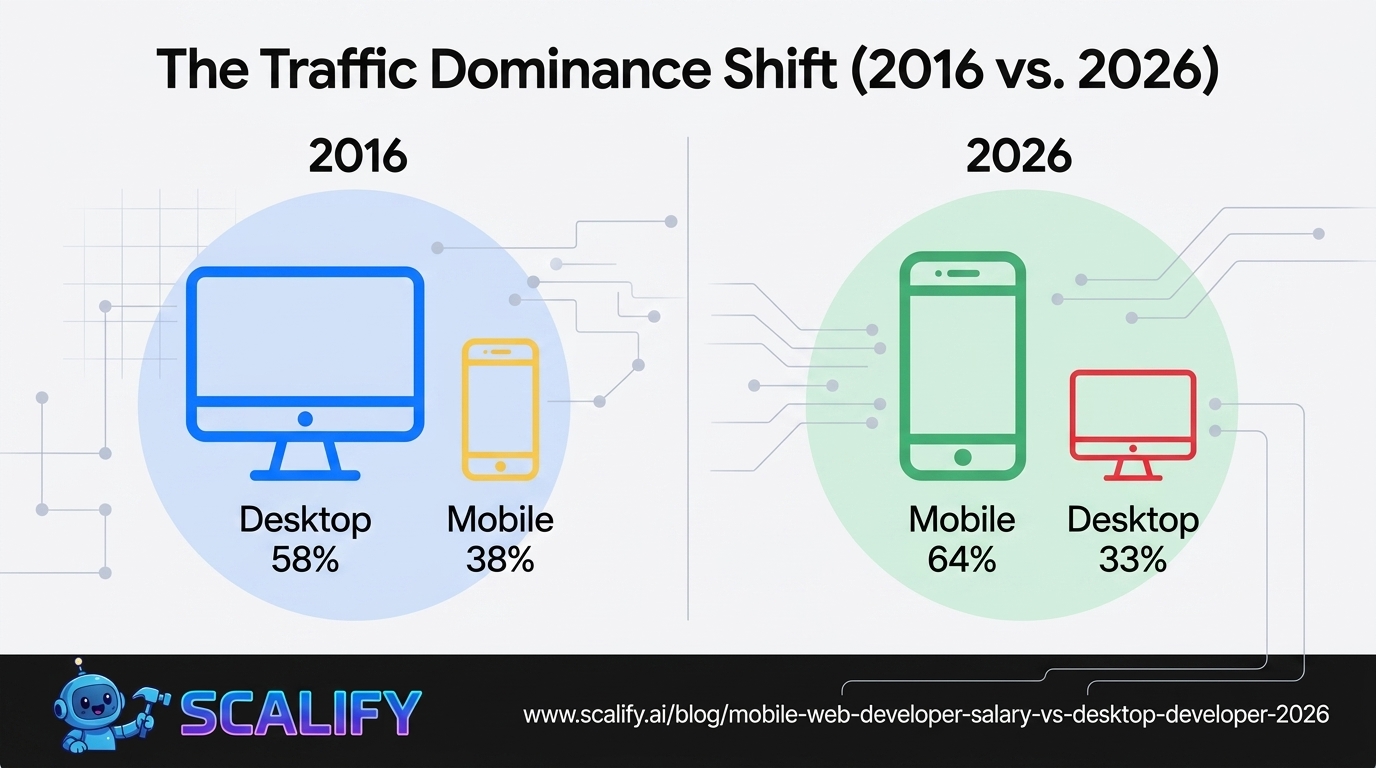
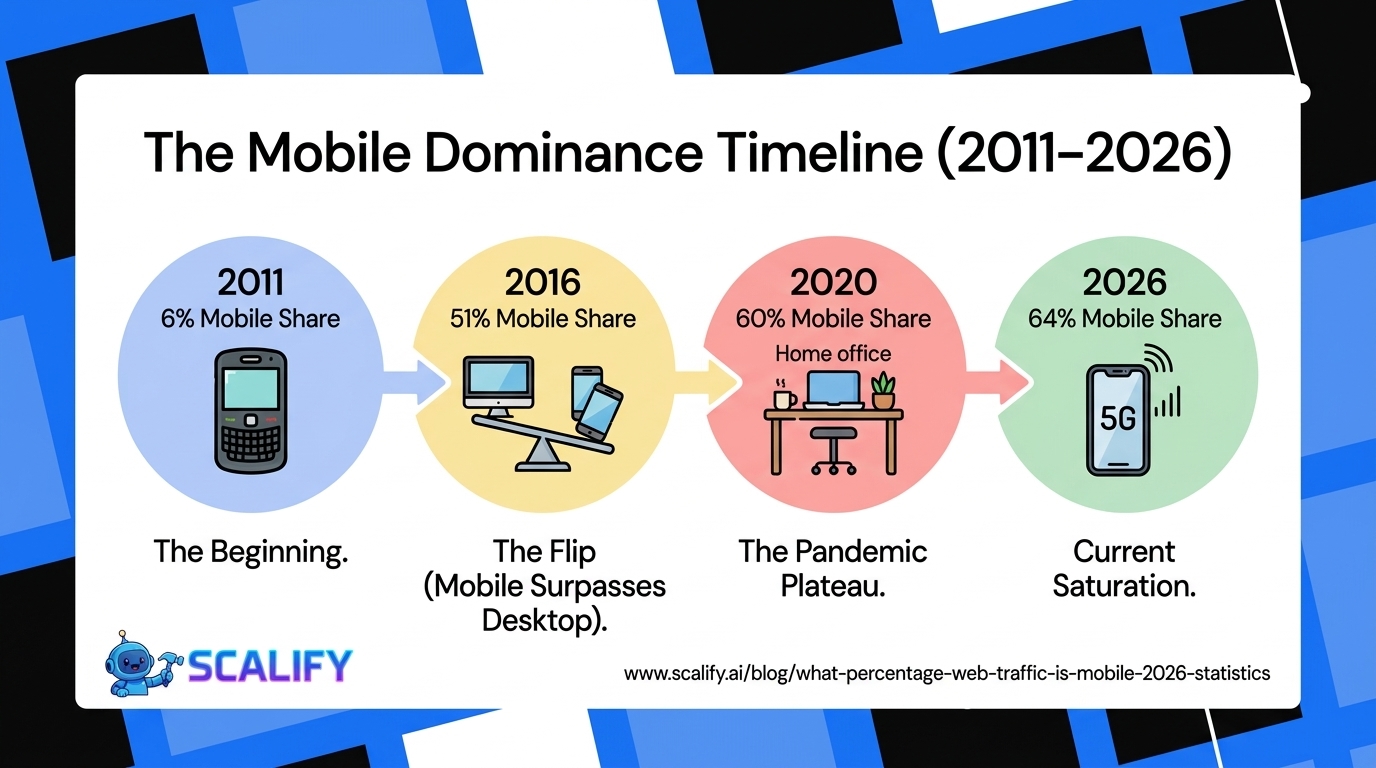
- Mobile devices account for 55% of hotel website visits but only 38% of direct bookings — a conversion gap indicating significant mobile booking experience improvement opportunity
- Hotels with high-quality photography (professional, showing all room types and amenities) see 2.1x higher booking conversion than those with poor or limited imagery
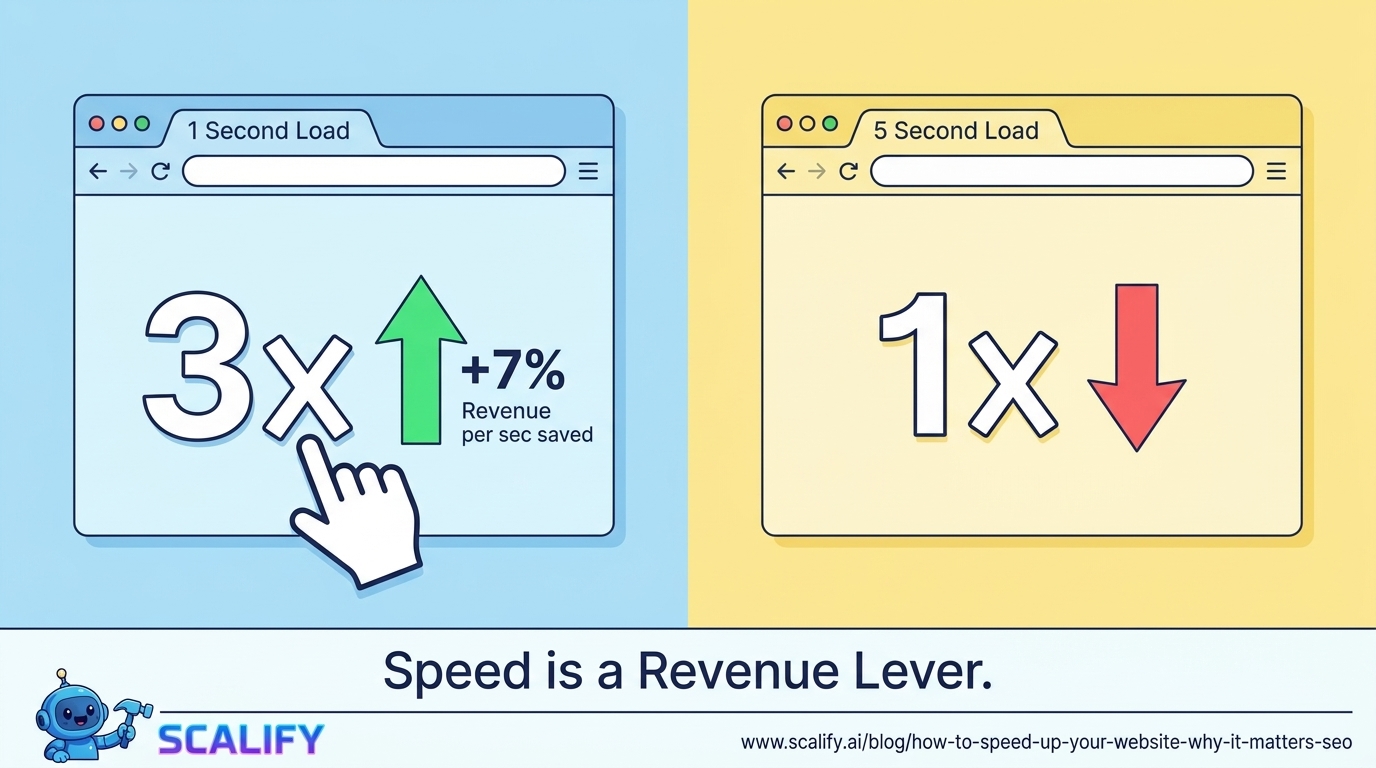
- Hotel websites that load in under 3 seconds on mobile convert at 2.4x the rate of sites loading in 6+ seconds
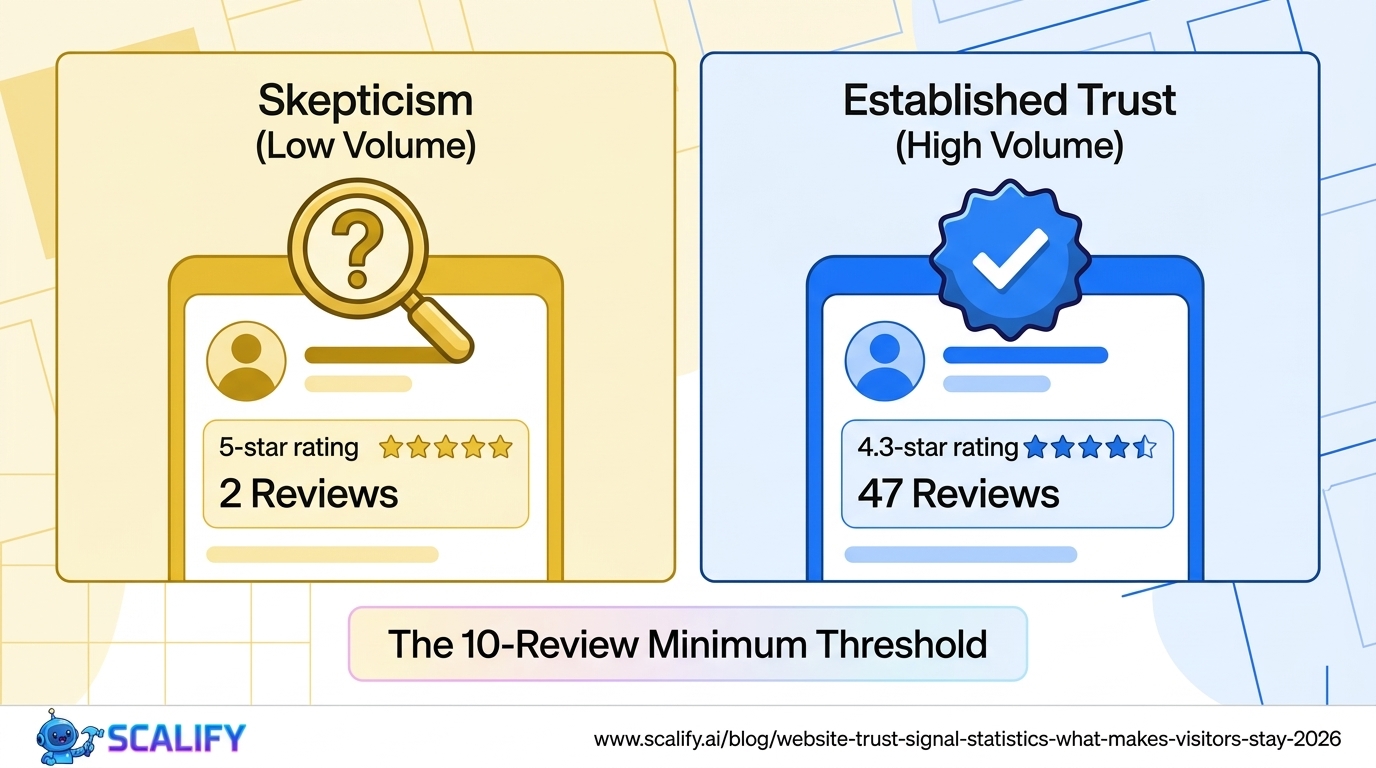
- Displaying TripAdvisor or Google review scores prominently increases booking conversion by 22%
- Hotels with virtual tours or 360° room views see 40% higher conversion rates than photo-only presentations
- Properties with live chat on their booking flow recover 18% of visitors who start but don't complete the booking process
- The average hotel website visitor visits 4.2 pages before making a booking decision — comprehensive room and amenity information is essential
The Direct Booking Engine: The Most Important Technical Element
The booking engine — the software that displays availability, room rates, and processes reservations — is the most consequential technical element of any hotel website. A beautiful hotel website with a poor booking engine loses direct bookings to OTAs because guests who encounter friction in the booking process abandon to the familiar, trusted interface of Booking.com or Expedia rather than persisting through a difficult checkout experience.
| Booking Engine Factor | Impact on Direct Booking Rate | Best Practice |
|---|---|---|
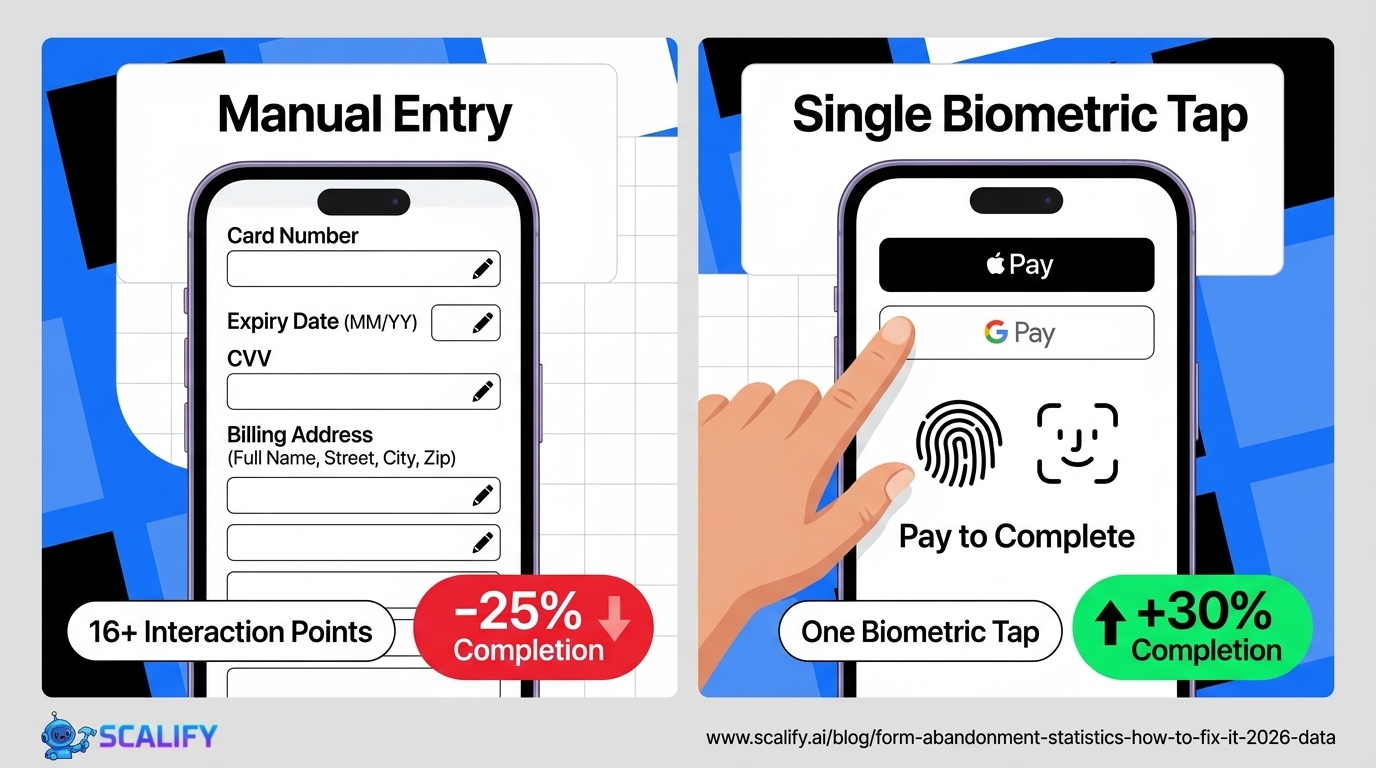
| Mobile optimization | Very High — 55% of visits are mobile | Native mobile UX, Apple/Google Pay support, thumb-friendly interface |
| Loading speed | High — 2.4x conversion at under 3 seconds | Optimized calendar and rate display, async room availability loading |
| Rate comparison transparency | High — guests verify rates | Show rate vs. OTA price with "Book Direct and Save" messaging |
| Direct booking perks visibility | High — the primary competitive advantage vs. OTAs | Show perks at every booking step, not just on homepage |
| Abandonment recovery (exit-intent or email) | Medium-High — 18% recovery rate with live chat | Exit-intent offers, email follow-up for abandoned reservations |
| Trust signals at checkout | Medium-High | SSL badge, cancellation policy clearly displayed, PCI compliance |
| Number of form fields at checkout | High — fewer fields = higher completion | Capture minimum required data; optional fields post-booking |
Photography: The Non-Negotiable Investment
Hotel photography is the highest-ROI single investment a property can make in its website. The 2.1x higher booking conversion for hotels with high-quality professional photography reflects something fundamental about how guests make accommodation decisions: they are buying an experience they cannot physically try before purchase, and photography is the primary evidence they use to evaluate whether the experience matches their expectations and budget.
The photography requirements for hotel websites go beyond attractive lobby shots: every room category and suite must be photographed showing the actual room features (beds, bathrooms, views, workspaces), amenities need compelling photography (pool at golden hour, restaurant food shots, spa facilities, fitness center), the property's location and neighborhood context helps guests visualize their stay, and outdoor/view photography is critical for properties with strong view or setting attributes. Hotels that photograph only their best rooms and most appealing amenities and omit the standard room categories or older facilities often face booking cancellation and negative reviews from guests whose expectations don't match the property — which creates costs that dwarf the savings from less comprehensive photography investment.
Content That Converts Direct Bookings
| Content Type | Conversion Impact | What to Include |
|---|---|---|
| Room descriptions and specifications | High — guests self-qualify by room type | Size, bed configuration, view, floor, specific amenities |
| Amenity pages with photos | High — differentiates from OTA listing | Pool hours, restaurant menus, spa services, gym equipment |
| Location and neighborhood guide | Medium-High — helps justify location premium | Nearby attractions, transportation options, walking distances |
| Local area guide / blog | Medium — organic traffic and authority building | Restaurant recommendations, local events, seasonal activities |
| Meeting and events information | High for group/corporate bookings | Room capacities, AV equipment, catering, group rates |
| Packages and special offers | Very High — captures value-seeking guests | Seasonal packages, romance packages, family packages with direct booking perks |
| Reviews and testimonials | Very High — social proof for unconverted visitors | TripAdvisor widget, Google reviews, curated guest testimonials |
SEO for Hotels: Capturing Direct Search Traffic
Hotel SEO targets the specific queries guests use when searching for accommodation — which are almost always location and context-specific rather than brand-specific for properties that aren't well-known globally. The most valuable hotel SEO content targets these query categories:
| Query Type | Example | Booking Intent | Traffic Quality |
|---|---|---|---|
| Hotel + location | "boutique hotel South Beach Miami" | Very High — actively booking | Very High |
| Hotel + occasion | "romantic hotel Miami for anniversary" | Very High | High — high-value guest |
| Hotel + amenity | "Miami hotel with rooftop pool" | High | High |
| Hotel + event | "hotels near Miami Art Basel 2026" | Very High — time-sensitive | Very High during event |
| Area guides | "best neighborhoods to stay in Miami" | Medium — early research | Medium — top-of-funnel |
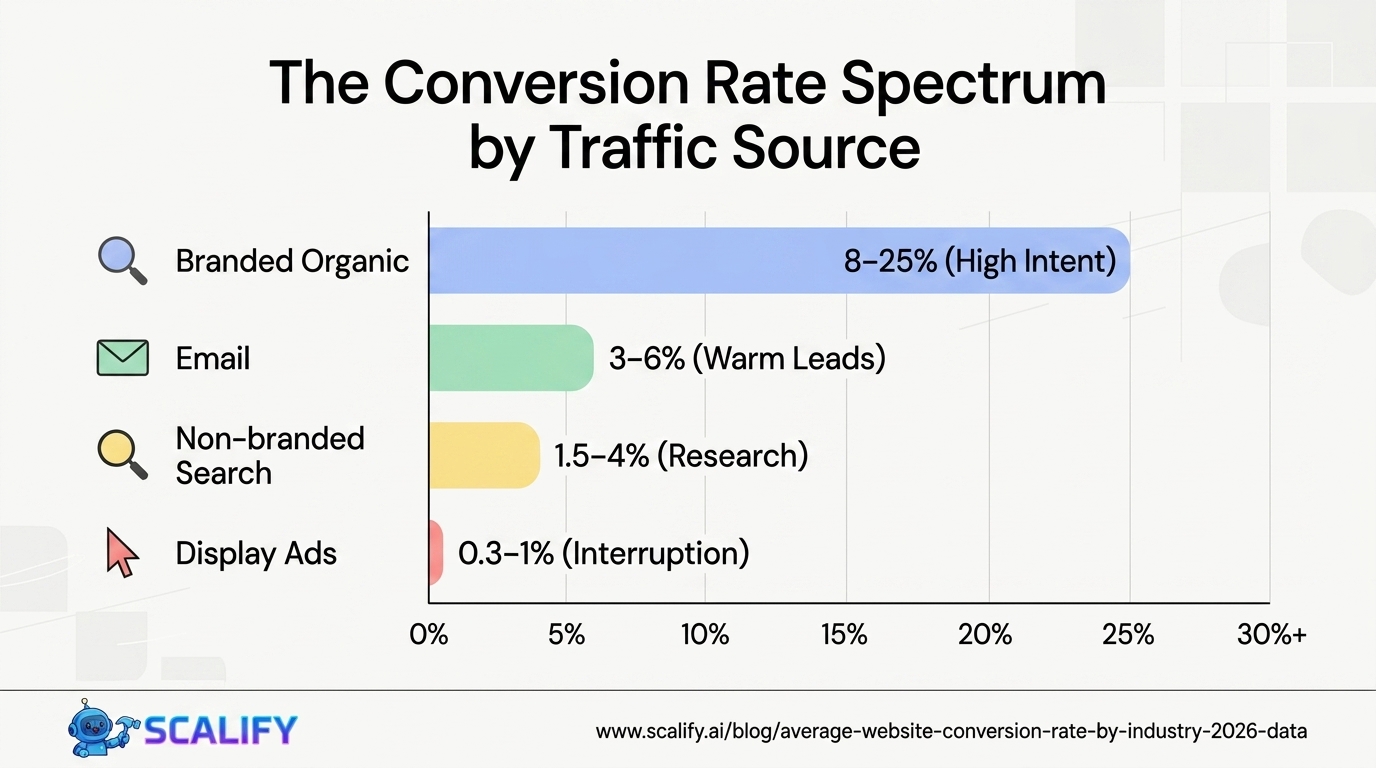
| Brand + direct search | [Hotel name] + "book direct" | Very High — existing interest | Very High — highest conversion |
The Best Rate Guarantee: Why It Matters and How to Display It
The best rate guarantee — a promise that the hotel's website offers the lowest available rate for any room type — is the most powerful single conversion tool available to hotel websites. The 28% higher direct booking conversion for properties displaying best rate guarantees reflects how effectively this promise addresses the primary reason guests book through OTAs: confidence that they're getting the best available price. Without a best rate guarantee, guests who find a hotel through direct search have a rational incentive to check Booking.com before booking — and 30–40% of them will find the OTA price to be the same or lower, and book there instead.
Best rate guarantee implementation best practices: display the guarantee prominently in the booking engine header on every step of the checkout process; make the guarantee claim specific ("Our website always offers the lowest rate — if you find a lower rate elsewhere, we'll match it plus 10%"); and actually honor it — guests who discover the guarantee is hollow leave reviews that undermine the property's reputation more than the OTA commission they were trying to avoid paying.
Google Hotel Ads: The OTA Antidote
Google Hotel Ads — the rate comparison boxes that appear in Google Search results for hotel searches — allow properties to display their direct booking rate alongside OTA rates directly in search results. For hotels with strong booking engines and competitive direct rates, Google Hotel Ads represent the most effective paid channel for driving direct bookings, because they capture guests at the exact moment of booking intent and allow direct rate comparison at zero commission (hotels pay only cost-per-click, not a booking commission). Hotels that don't appear in Google Hotel Ads are invisible in the most commercially important search real estate for accommodation queries — visible only through the OTA listings that appear in those same results.
Common Hotel Website Mistakes That Drive Bookings to OTAs
Booking engine that doesn't work on mobile. With 55% of visits on mobile, a booking engine that isn't fully mobile-optimized is pushing the majority of direct booking opportunities to OTAs whose mobile apps are built specifically for frictionless mobile booking.
No direct booking incentive. If the website shows the same rate as Booking.com with no additional perks, there is no rational reason for a guest to book direct. Every hotel website needs a visible, genuine reason to book directly — exclusive rates, complimentary amenities, flexible cancellation, or loyalty points that OTA bookings don't earn.
Insufficient photography. A hotel page on Booking.com typically shows 40–80+ photos. A hotel website with 10–15 photos is offering guests less visual information than the OTA — which drives booking decisions toward the platform with more complete information.
The Bottom Line
The best hotel and hospitality websites drive direct bookings by giving guests more reasons and better experiences to book directly than OTAs offer. Professional photography, a fast and mobile-optimized booking engine, transparent best rate guarantees, compelling direct booking perks, comprehensive room and amenity content, and visible social proof together create a direct booking environment that competes effectively against OTA commissions. Each percentage point increase in direct booking rate is a permanent improvement in the property's margin — making hotel website investment one of the highest-ROI decisions in hospitality management.
At Scalify, we build professional websites for hotels, boutique properties, and hospitality businesses in 10 business days — designed to capture direct bookings and represent the guest experience with the visual quality it deserves.
Top 5 Sources
- Phocuswire — Hotel Direct Booking Research
- Travel Tripper — Hotel Website Conversion Data
- SiteMinder — Hotel Booking Engine Performance
- ReviewPro — Hotel Review Impact on Revenue
- Hospitality Net — Hotel Digital Marketing Research
Email Marketing Integration: The Direct Booking Multiplier
Hotel direct booking strategy doesn't end at the website — it extends through email marketing that keeps past guests returning without paying OTA commissions on repeat bookings. Past guests who had a positive experience are the highest-conversion segment for any hotel's direct booking efforts: they know the property, they've already trusted the booking process, and they're significantly more likely to book directly on a return visit if the hotel maintains an email relationship with them. A hotel that captures every guest's email at check-in or through a post-stay survey and maintains a monthly newsletter featuring exclusive returning guest rates, local events, and property updates is building a direct booking moat that OTAs cannot reach. The economics are compelling: email marketing costs roughly $0.01–$0.05 per email sent versus $15–$40 per room in OTA commissions, and repeat guests booked through email campaigns convert at 3–5x the rate of new visitors from paid search.
Reputation Management and Review Strategy
Hotel reputation — as reflected in TripAdvisor ranking, Google rating, and review volume — is both a direct conversion factor on the website and an indirect driver of search visibility. Properties with higher ratings and more recent reviews rank higher in TripAdvisor's search results, appear more prominently in Google's hotel results, and convert direct website visitors at higher rates because social proof addresses the primary uncertainty of booking accommodation: will the experience match the expectation? The most effective hotel review strategies integrate review requests into the post-checkout process: an automated email 24 hours after checkout with a direct TripAdvisor and Google review link, personalized with the guest's name and stay details, recovers the review conversion that a generic request doesn't. Properties that implement this systematically see review volume 3–4x higher than those relying on guests to self-initiate reviews spontaneously.
Website Platform Considerations for Hotels
| Platform / Approach | Best For | Booking Engine Integration | Typical Investment |
|---|---|---|---|
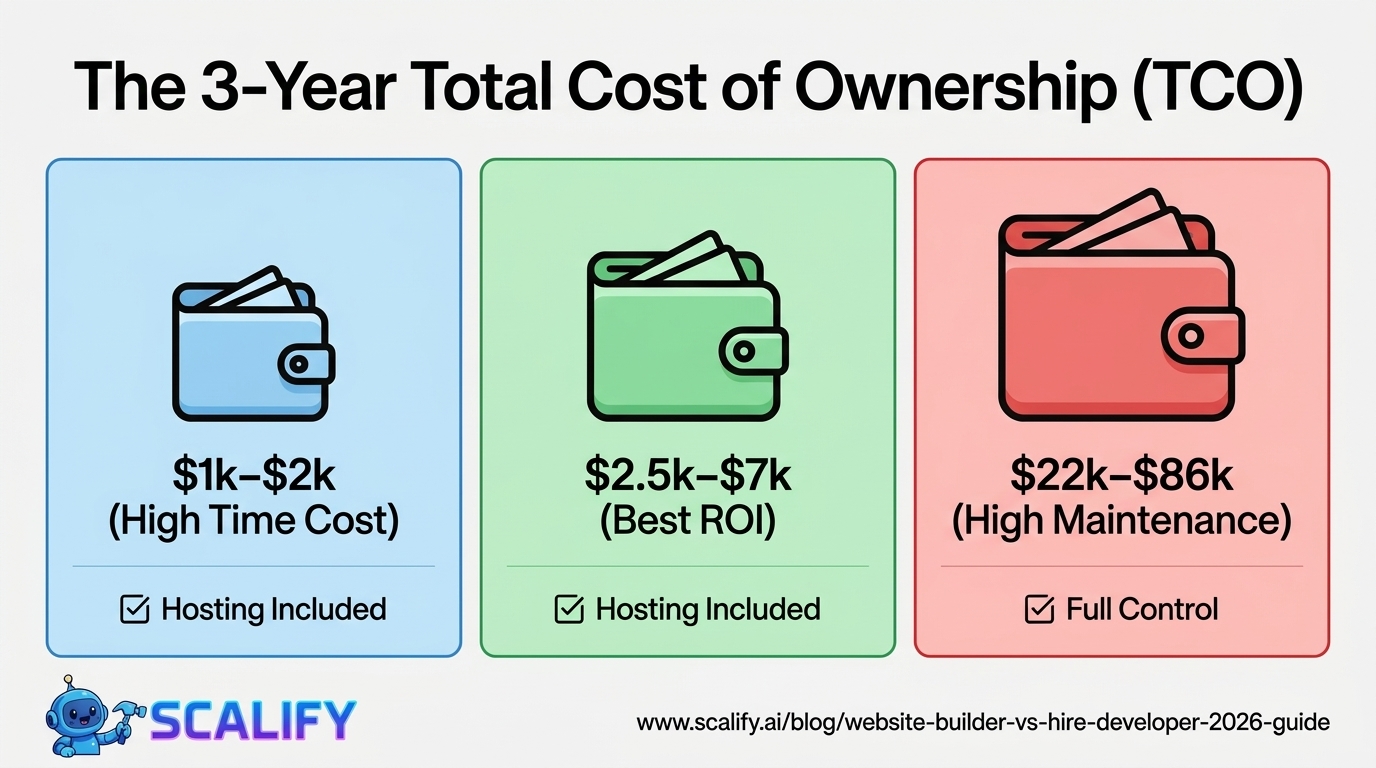
| WordPress + booking engine iframe | Independent properties wanting SEO control | iFrame or API from Cloudbeds, Mews, SiteMinder | $5,000–$15,000 build + hosting |
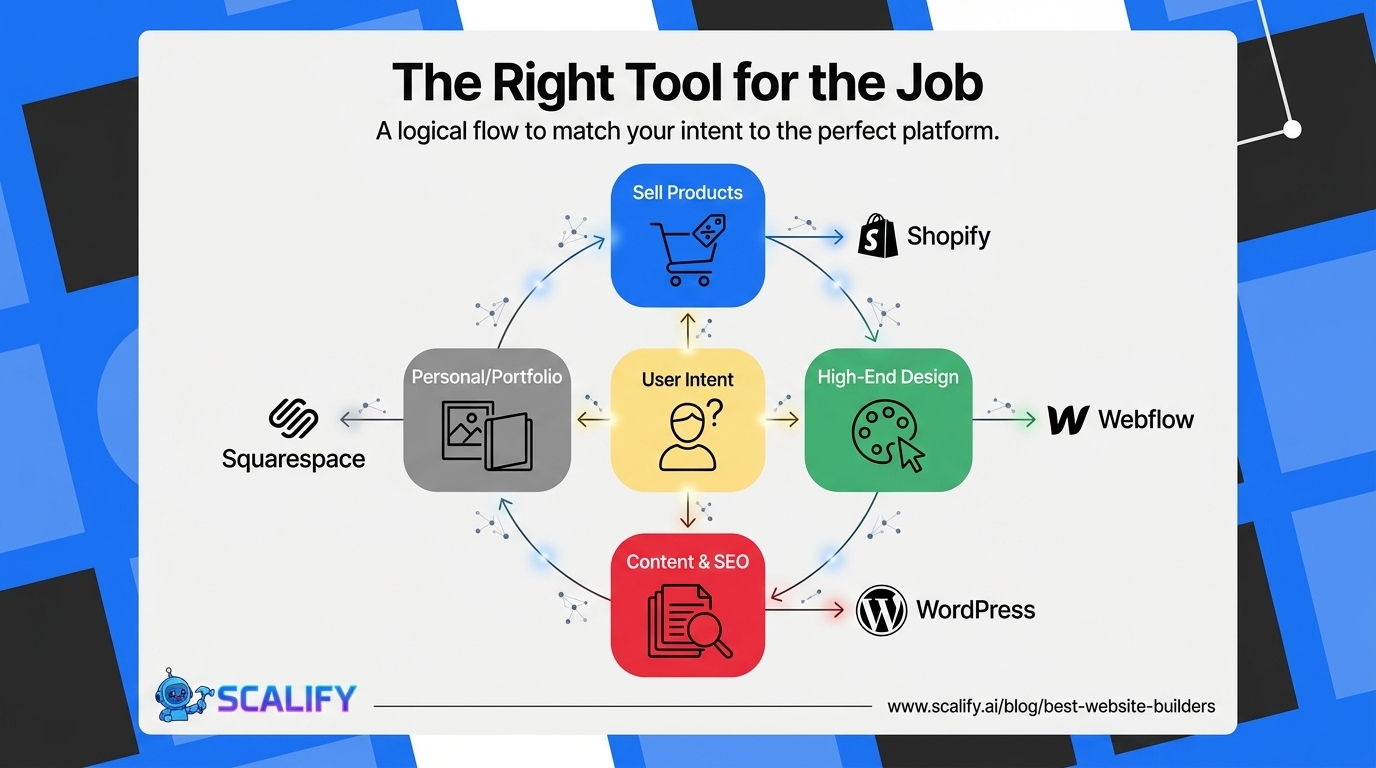
| Webflow + external booking engine | Design-forward boutique properties | External widget integration | $6,000–$20,000 build |
| Custom CMS with native booking | Hotel groups with multiple properties | Native — tightly integrated | $20,000–$80,000+ |
| Hospitality-specific platforms (Revinate, TravelClick) | Properties wanting all-in-one solutions | Native and optimized | $200–$800/month platform fee |


.jpeg)
.jpeg)


78 SW 7th St, Miami, FL 33130