


The Best Law Firm Websites: What Makes Them Convert Clients
By Josh Ternyak

March 31, 2026
The best law firm websites convert more clients through dedicated practice area pages, compelling attorney bios, free consultation CTAs, client testimonials, local SEO, and live chat. This comprehensive guide covers every element from conversion architecture to legal content marketing, technical SEO, platform selection, and performance measurement.
The Best Law Firm Websites: What Converts Searchers Into Clients
Law firm websites operate in one of the highest-stakes professional services categories online. A prospective client searching for a lawyer is almost always in a stressful situation — facing a legal dispute, a personal injury, a business crisis, or trying to understand their rights. The firm whose website best addresses that stress, communicates genuine expertise, and makes the next step obvious wins the client. The firm with an outdated site, vague practice descriptions, and no clear call to action loses them — usually to a competitor who invested in their digital presence.
Legal services also represent one of the most valuable website categories for organic search. Personal injury, criminal defense, and employment law keywords cost $50–$300 per click in Google Ads in competitive markets. The organic rankings that eliminate that per-click cost are enormously valuable — a firm ranking organically for "personal injury lawyer Miami" is capturing traffic that competitors are paying hundreds of dollars per click to access.
Key Statistics: Law Firm Websites and Client Acquisition
- 96% of people seeking legal advice use a search engine — making organic search the dominant client acquisition channel
- Law firm websites with dedicated practice area pages convert at 2.8x the rate of firms with generic service lists
- 74% of potential legal clients visit a law firm's website before making any contact
- Attorney bio pages with professional photos and detailed credentials increase consultation requests by 45%
- Law firms displaying client testimonials with specific outcomes see 52% higher conversion rates
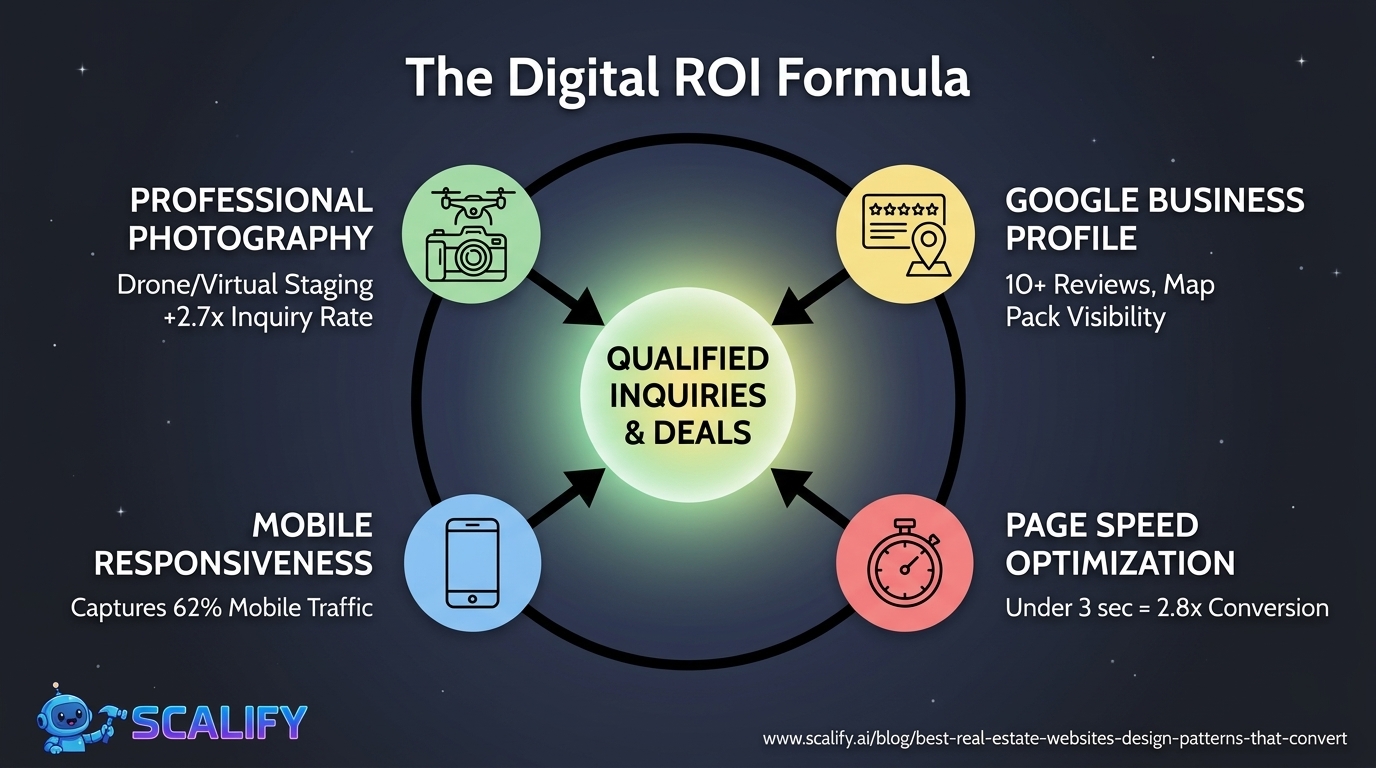
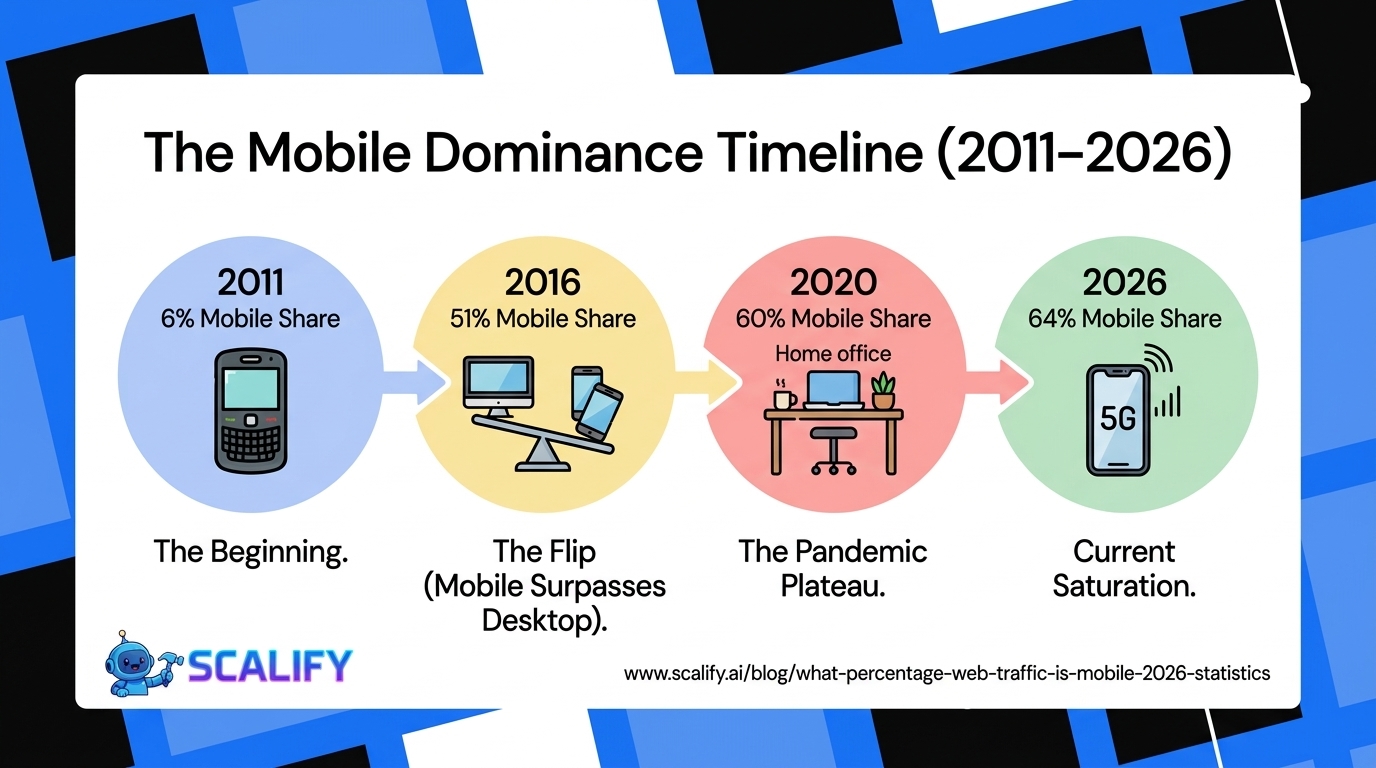
- 61% of law firm website traffic arrives on mobile devices — mobile optimization is non-negotiable
- Law firms with live chat capture 31% more leads than those without
- Websites with free consultation offers prominently in the hero section convert 38% more visitors into inquiries
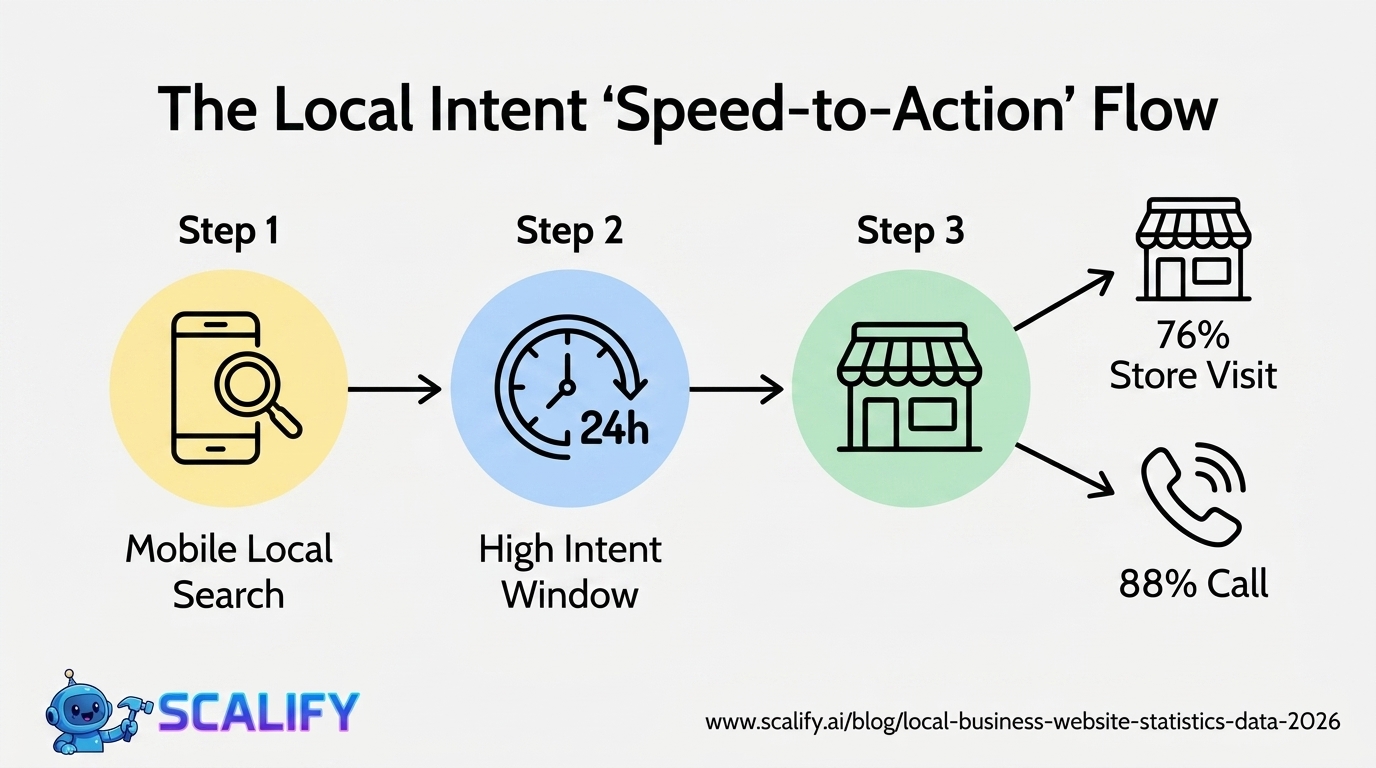
- 65% of legal searches have local intent — "personal injury lawyer Miami" rather than just "personal injury lawyer"
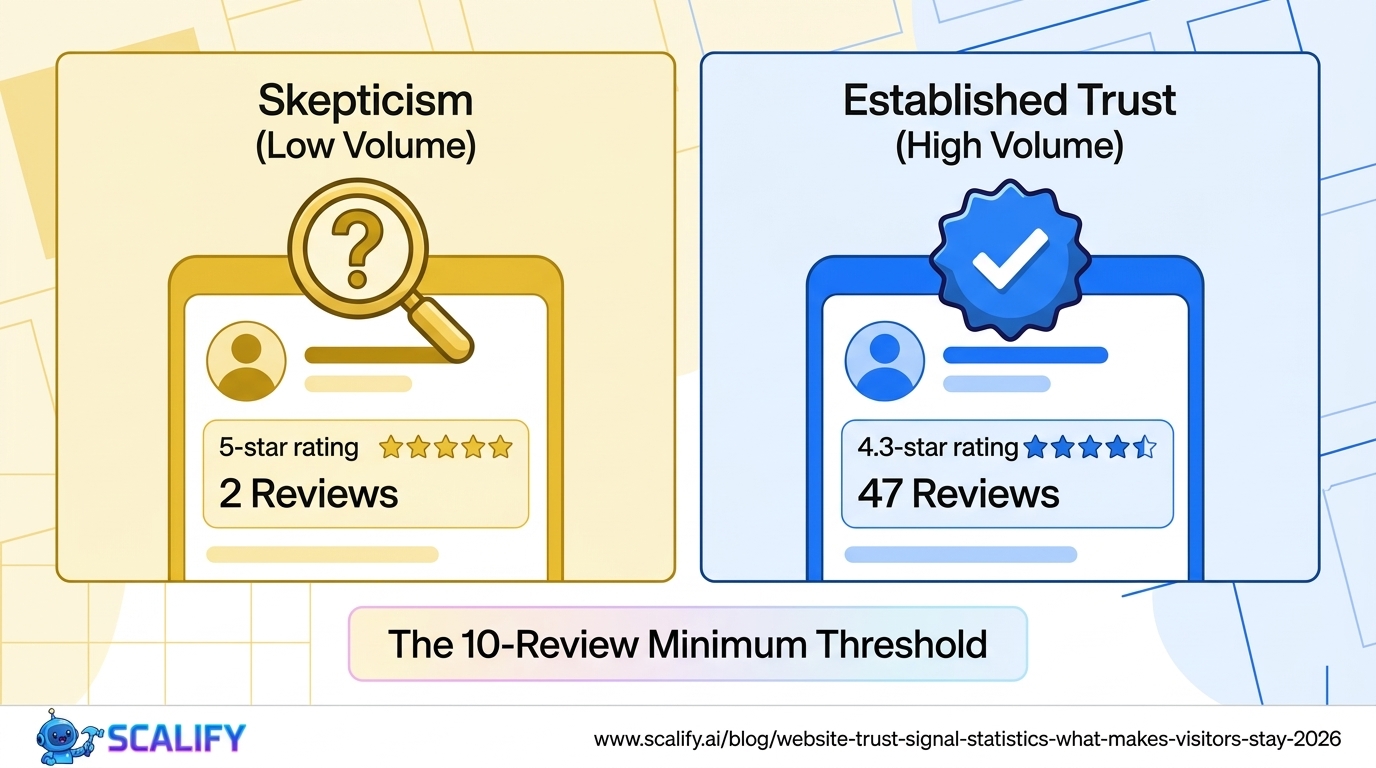
- Law firms with 10+ Google reviews averaging 4.5+ stars receive 4x more calls from their Google Business Profile listing
Practice Area Pages: The Foundation of Legal SEO
The most important structural decision for a law firm website is creating dedicated, comprehensive pages for each practice area. A single "Practice Areas" page listing ten services in bullet points competes for no specific keyword and answers none of the specific questions a potential client has about their situation. Ten individual pages — each deeply covering one practice area, addressing the questions clients ask, explaining the process, detailing attorney experience, and including relevant case results — compete for dozens of high-intent queries and bring in qualified leads consistently.
| Practice Area Approach | SEO Impact | Conversion Impact | Example |
|---|---|---|---|
| Single generic "Practice Areas" list | Minimal — no specific targeting | Low — visitors can't find relevant detail | Bullet list of 10 services |
| Individual page per practice area | High — each page targets specific queries | Medium — better structure | Dedicated "Car Accident" page |
| Deep pages with FAQ, process, results | Very High — comprehensive coverage | High — addresses concerns pre-contact | 2,000+ word injury guide |
| Deep pages + local city targeting | Maximum — captures local intent | Very High — directly relevant to searcher | "Car Accident Lawyer Miami" page |
The highest-converting practice area pages follow a consistent structure: acknowledge the client's situation and what the firm can do, explain the legal process in plain language, describe what makes the firm specifically qualified for this case type, include relevant case results where ethical rules permit, answer the most common client questions, and close with a prominent consultation CTA. This structure serves both SEO (comprehensive coverage of related queries) and conversion (answers every question before the client needs to call).
Attorney Bio Pages: Trust Before the First Conversation
Hiring a lawyer is one of the most trust-intensive decisions a person makes. Clients share sensitive personal or business information and trust an attorney with outcomes that can dramatically affect their lives, finances, or freedom. The attorney bio page is where that trust begins forming before any consultation, any phone call, any email exchange. Firms that invest in compelling, humanizing attorney profiles consistently outperform those with minimal or credentials-only presentations.
| Bio Element | Trust Impact | Implementation Note |
|---|---|---|
| Professional photography (genuine, approachable) | Very High | Not stiff corporate pose — genuine, confident expression |
| Bar admissions and jurisdictions | High | Critical for multi-state practice and client self-qualification |
| Education and honors | Medium-High | Establishes academic credibility without overwhelming |
| Specific case types and experience | High | Client verifies fit for their specific situation |
| Case results where bar rules permit | Very High | Concrete evidence of capability — most persuasive element |
| Client testimonials on attorney page | Very High | Social proof at highest-impact location |
| Personal motivation and background | Medium-High | Humanizes — "they chose this work, they understand people" |
| Video introduction (60–120 seconds) | Very High | 38% higher consultation rate vs. text-only bios |
Conversion Architecture: Making It Easy to Reach Out
Law firm websites should be architected around one primary goal: generating consultation requests. Every page should contribute to this goal, and every friction point preventing prospective clients from reaching out should be identified and removed.
| Conversion Element | Optimal Placement | Impact |
|---|---|---|
| "Free Consultation" CTA button | Hero section + every page header | +38% inquiry rate vs. no prominent CTA |
| Click-to-call phone (mobile) | Sticky header on mobile | +44% mobile calls |
| Live chat widget | Bottom-right, all pages | +31% total lead capture |
| Short contact form | Sidebar on practice area pages | +25% vs. long multi-field forms |
| Google Reviews widget | Homepage + practice area pages | 4x credibility vs. no reviews displayed |
| Case results and verdicts | Practice area pages | +52% for high-value case inquiries |
| After-hours intake form | Prominent on contact page | Captures leads when office is closed |
Legal Content Marketing: The Long-Term SEO Strategy
Legal content marketing — publishing comprehensive guides, FAQ pages, and explanatory articles — is the highest-ROI long-term digital investment for most law firms. Each piece targets specific questions prospective clients search during their research phase, positioning the firm as knowledgeable and trustworthy before the client is ready to call.
| Content Type | Example Topic | Search Intent | Conversion Potential |
|---|---|---|---|
| Situation guides | "What to do after a car accident in Florida" | Very High — active legal situation | Very High |
| Process explainers | "How long does a personal injury case take?" | High — managing expectations | High |
| FAQ pages | "Do I need a lawyer for a DUI in Miami?" | Very High — decision stage | Very High |
| Rights guides | "Florida workers' compensation: your rights" | High — pre-action research | High |
| Cost guides | "How much does a divorce lawyer cost in Florida?" | High — financial planning | High |
| Comparison content | "Mediation vs. litigation for my case" | Medium-High — active evaluation | Medium-High |
Local SEO for Law Firms
Law is inherently local — clients want an attorney licensed in their state, familiar with local courts, and accessible for meetings. Local SEO for law firms requires three pillars working together:
Google Business Profile: Complete and verified, with accurate practice area categories, 10+ positive reviews, regular legal content posts, and photos of office and attorneys. A fully optimized GBP appearing in the Map Pack for local legal queries captures the highest-intent traffic in the firm's market at zero per-click cost.
Location-specific content: Dedicated pages for each city or county served with genuinely unique content — not a template with the city name swapped in. "Personal Injury Lawyer in Coral Gables" with content about local courts, nearby hospitals, and local case context ranks better and converts better than a generic location page.
Legal directory presence: Avvo, FindLaw, Martindale-Hubbell, Justia, and Super Lawyers are where clients research attorneys. Claiming and fully completing profiles — with accurate bar information, practice areas, client reviews, and peer endorsements — generates both direct referral traffic and local SEO signals that improve overall search visibility.
Technical SEO for Law Firm Websites
Beyond content, law firm websites need proper technical SEO foundations to maximize visibility:
- LegalService and Attorney schema markup: Structured data that improves how law firm pages appear in Google — enabling rich results and improving Map Pack appearance. Most law firm websites don't implement this, giving those that do a measurable competitive advantage
- Core Web Vitals optimization: Page speed is a ranking signal and a conversion signal — a mobile site loading in 6+ seconds loses the majority of the 61% of visitors arriving on phones
- HTTPS and security: Required for any site handling sensitive client inquiries — and a Google ranking signal since 2014
- Internal linking between practice areas: Connecting related practice areas (car accidents → personal injury → medical malpractice) passes authority and helps Google understand the firm's topical coverage
- XML sitemap and Search Console: Ensuring all practice area and city pages are indexed and monitored for performance
Design Principles That Signal Legal Expertise
Law firm website design should communicate professional credibility, approachable competence, and trustworthiness simultaneously. The design language that achieves this best: clean layouts with generous white space, professional photography of actual attorneys rather than generic legal stock images, a color palette that signals authority (navy blue, dark green, charcoal), and typography that is clear and highly legible. The most damaging single design mistake law firms make is maintaining an outdated website — it implicitly signals that the firm hasn't kept pace with change, a message no attorney wants to send when prospective clients are evaluating whether to trust them with a significant legal matter.
Common Law Firm Website Mistakes That Cost Clients
No clear CTA above the fold. Many law firm websites open with impressive visuals and a generic tagline but no specific next step. Every page needs a prominent "Schedule Your Free Consultation" or "Call Now" button visible without scrolling.
Generic practice area descriptions. "We handle all types of personal injury cases" tells a prospective client nothing specific about the firm's experience, success rate, or what sets them apart from the 50 other personal injury firms in their market. Specific, detailed content converts; generic content doesn't.
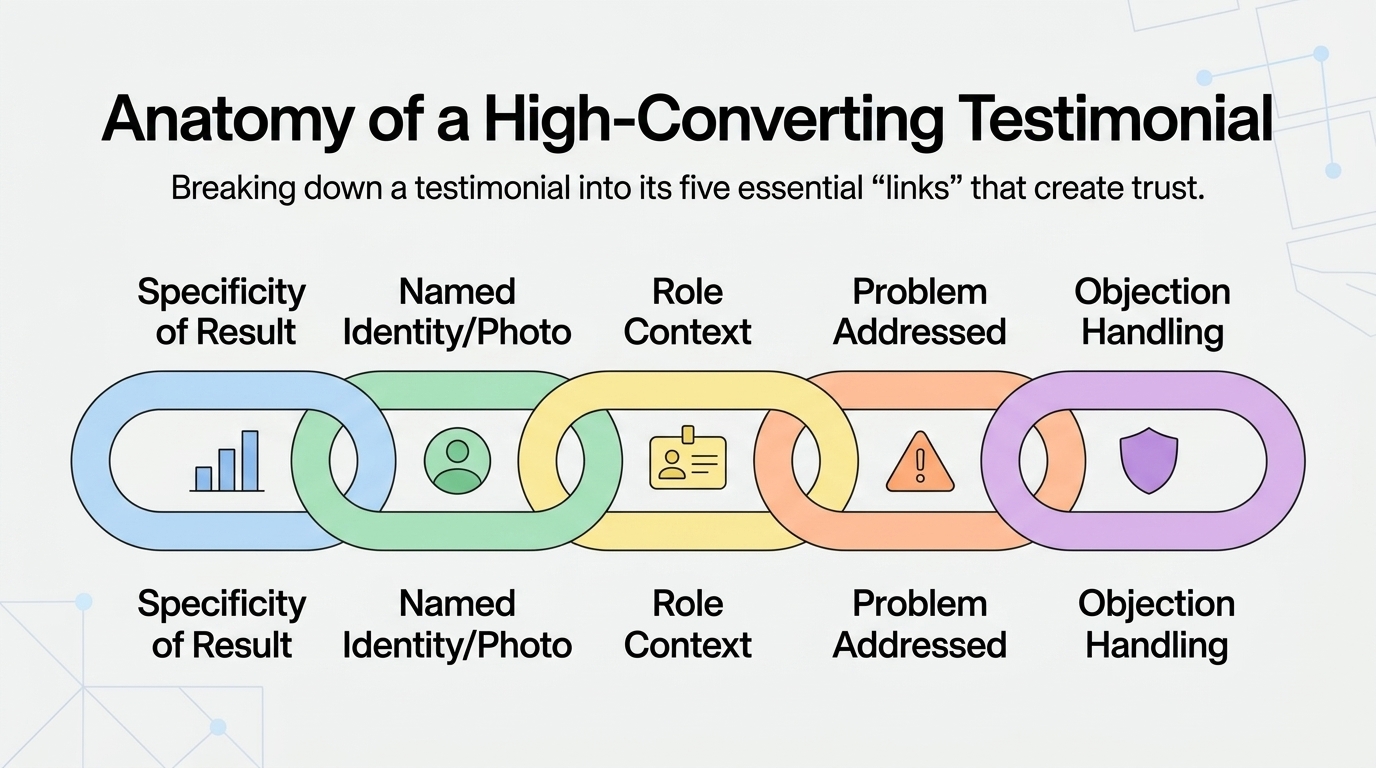
Missing testimonials. Most state bars permit attorney testimonials with appropriate disclaimers. Firms that don't display client testimonials are missing the most powerful trust signal available to them.
Slow mobile loading. 61% of law firm traffic is mobile. A site taking 6+ seconds to load on a phone loses most of those visitors before they see any content.
No live chat. Potential clients researching attorneys often have quick questions — about fee structures, whether the firm handles their case type, or what the initial consultation involves. Live chat captures these inquiries at the moment of peak interest. Firms without it lose 31% of potential leads to competitors who have it.
The Bottom Line
The best law firm websites combine deep SEO structure, compelling attorney profiles, comprehensive practice area pages that address client concerns, clear free consultation offers, and the trust signals that convert anxious legal searchers into clients. In a category where a single client relationship can be worth $5,000 to $500,000+ in fees, website investment returns faster than almost any other marketing spend available to a law firm. The digital presence is the first impression — and in legal services, first impressions determine who gets the consultation call.
At Scalify, we build professional websites for law firms and legal professionals in 10 business days — SEO-structured, conversion-optimized, and built to represent your expertise with the digital presence serious legal work deserves.
Top 5 Sources
- American Bar Association — Law Firm Marketing Resources
- BrightLocal — Consumer Review Survey for Legal Services
- CXL Institute — Law Firm Website Conversion Research
- Martindale-Hubbell — Legal Marketing Insights
- HubSpot — Professional Services Website Data
Law Firm Website Platforms: What to Build On
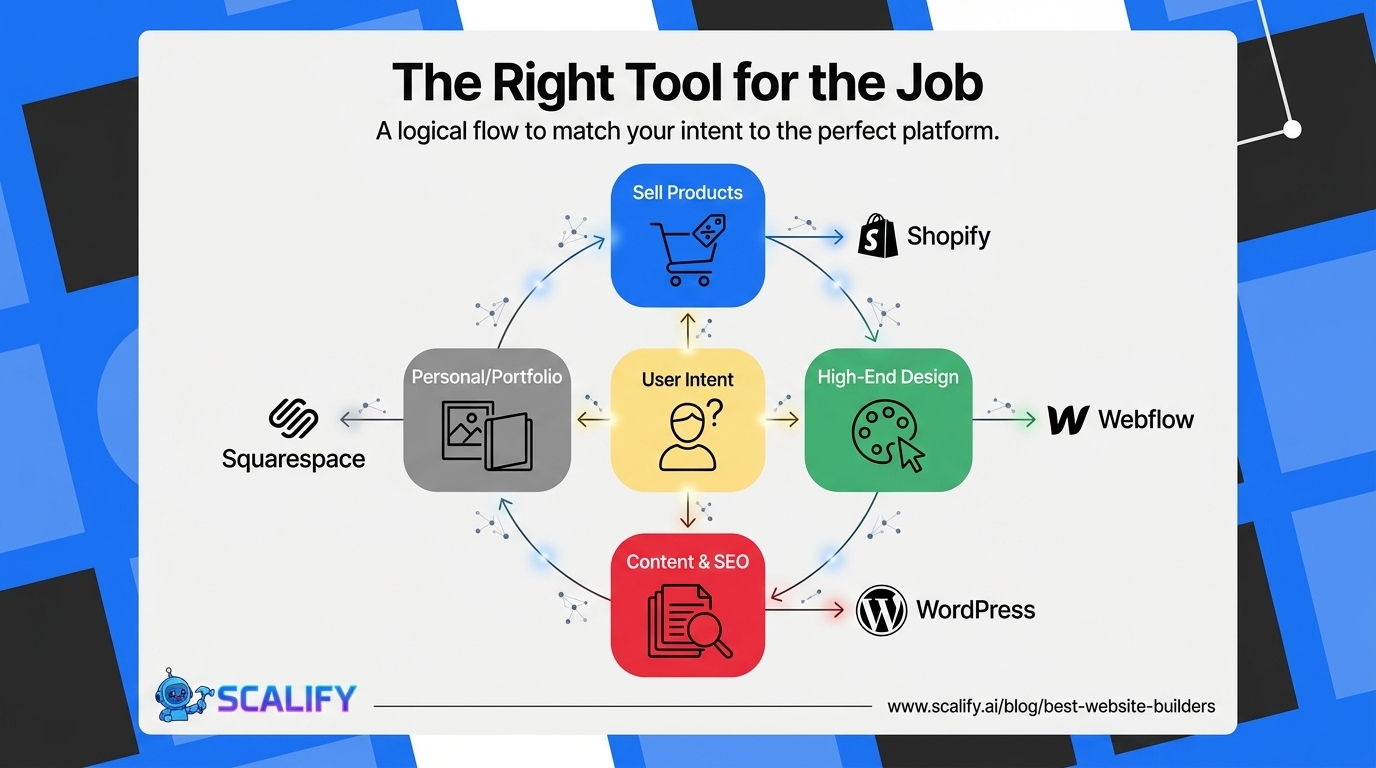
The platform choice for a law firm website affects SEO performance, content management ease, and ongoing maintenance cost. The most suitable options for law firms in 2026:
| Platform | Best For | SEO Capability | Content Management | Typical Investment |
|---|---|---|---|---|
| WordPress + Yoast/RankMath | Content-heavy firms with strong blog/SEO strategy | Excellent — most flexible SEO tooling | Easy for in-house teams | $5,000–$15,000 build + $50–$150/mo hosting |
| Webflow | Design-forward firms prioritizing performance | Very Good — clean code, fast loading | Good — visual editor for non-developers | $4,000–$18,000 build + $23–$42/mo |
| Squarespace | Small firms, solo practitioners | Good — covers basics well | Very Easy — fully managed | $1,000–$3,000 setup + $23–$65/mo |
| Attorney-specific platforms (Clio Grow, etc.) | Firms wanting integrated practice management | Limited — weaker SEO than custom builds | Easy — attorney-focused interface | $200–$500/month platform fee |
WordPress remains the strongest platform for law firms that are serious about SEO content marketing. Its plugin ecosystem — particularly Yoast SEO, RankMath, and Schema Pro — provides the technical SEO infrastructure that consistently outperforms attorney-specific website platforms in organic search performance. Webflow is the better choice for firms that prioritize design quality and page performance over plugin flexibility.
Measuring Law Firm Website Performance
Law firm websites should be measured against metrics that reflect actual client acquisition, not just traffic volume. The key performance indicators that matter: consultation form submissions (primary conversion), phone call clicks tracked via call tracking software, live chat initiated conversations, Google Business Profile calls and direction requests, and — critically — the percentage of consultations that convert to retained clients. Setting up proper conversion tracking in Google Analytics 4, connecting it to a CRM, and reviewing performance monthly allows firms to identify which practice area pages, which content pieces, and which traffic sources are producing the most valuable leads. This data-driven approach to website optimization consistently produces better results than set-and-forget digital presence management.




















.jpeg)
.jpeg)









78 SW 7th St, Miami, FL 33130