


The 15 Best Restaurant Websites: What Makes Them Work
By Josh Ternyak

March 31, 2026
The best restaurant websites convert hungry visitors into customers by making menus accessible, reservations easy, and locations findable. This guide covers HTML vs PDF menus, online reservation systems, food photography ROI, local SEO, Google Business Profile optimization, mobile-first design, social media integration, email marketing, and platform recommendations for restaurant websites.
The 15 Best Restaurant Websites: What Makes Them Work
Restaurant websites have one primary job: convert hungry people looking at their phone into customers sitting at a table or waiting for a delivery. Everything else — the design, the photography, the copy — is in service of that conversion. The best restaurant websites understand this and build every element around the moment a potential customer is deciding where to eat. The worst restaurant websites prioritize aesthetics over usability, use Flash animations that block the menu from loading, or require a PDF download to see what's on the menu.
This guide covers exactly what the best restaurant websites do differently — the design patterns, content decisions, and technical requirements that turn website visitors into customers.
Key Statistics: Restaurant Websites and Customer Behavior
- 77% of diners visit a restaurant's website before dining there for the first time
- 86% of customers look up a restaurant's menu before visiting
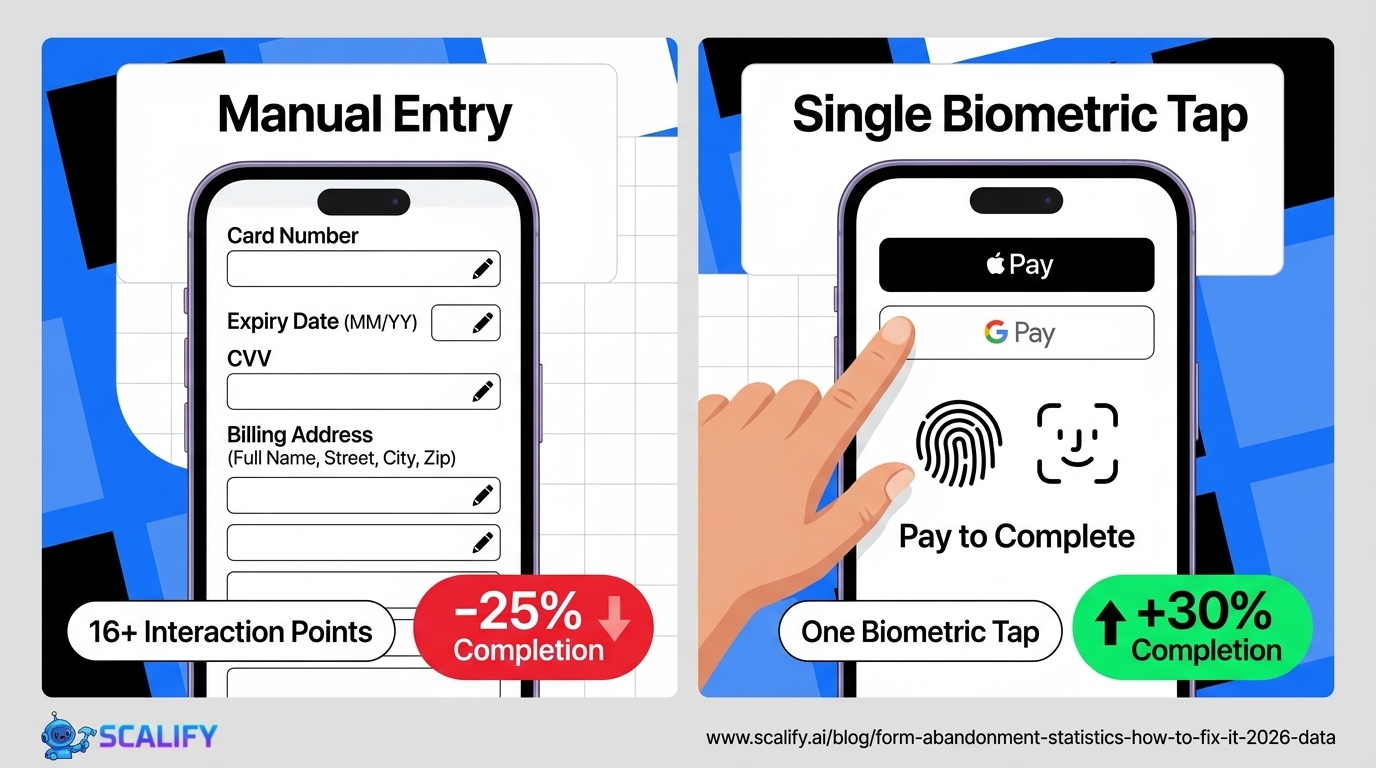
- Restaurants with online reservation systems see 30% more bookings than those with phone-only reservations
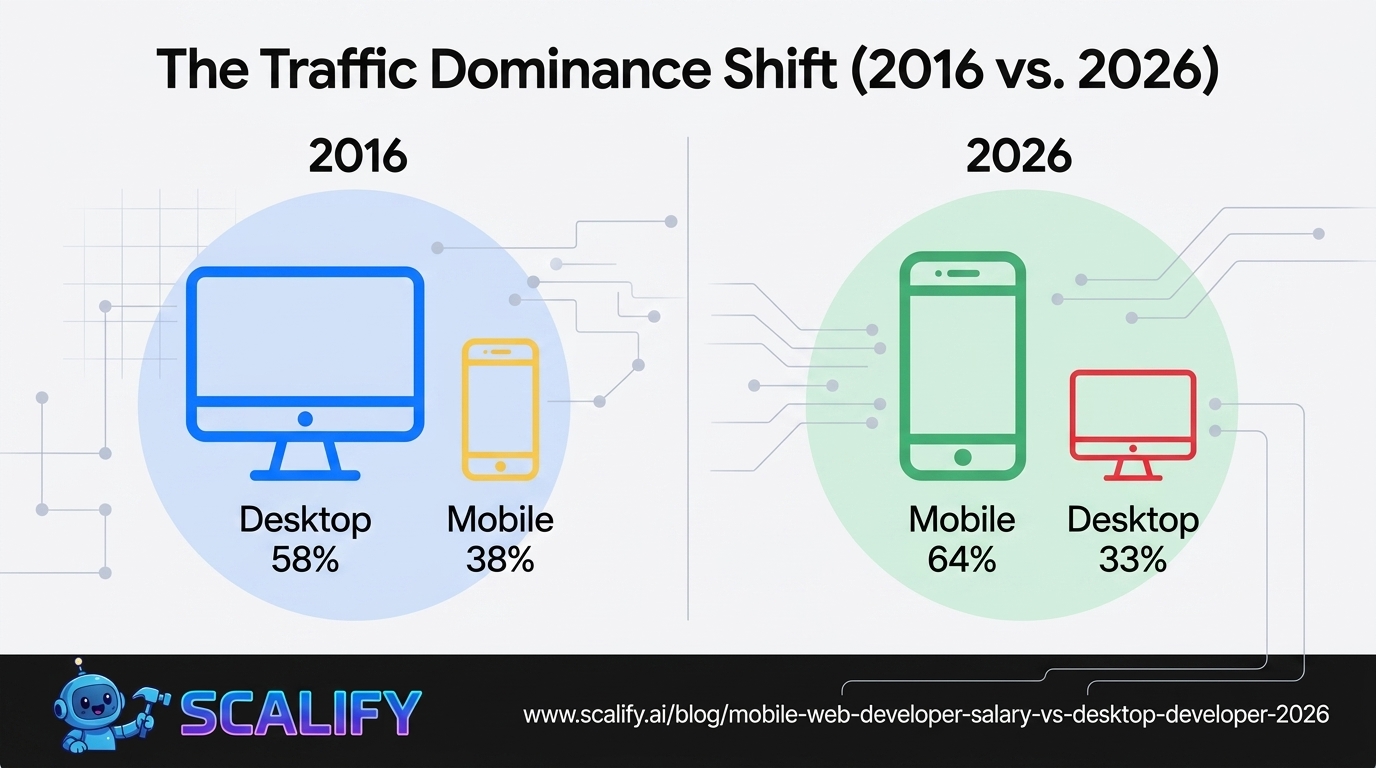
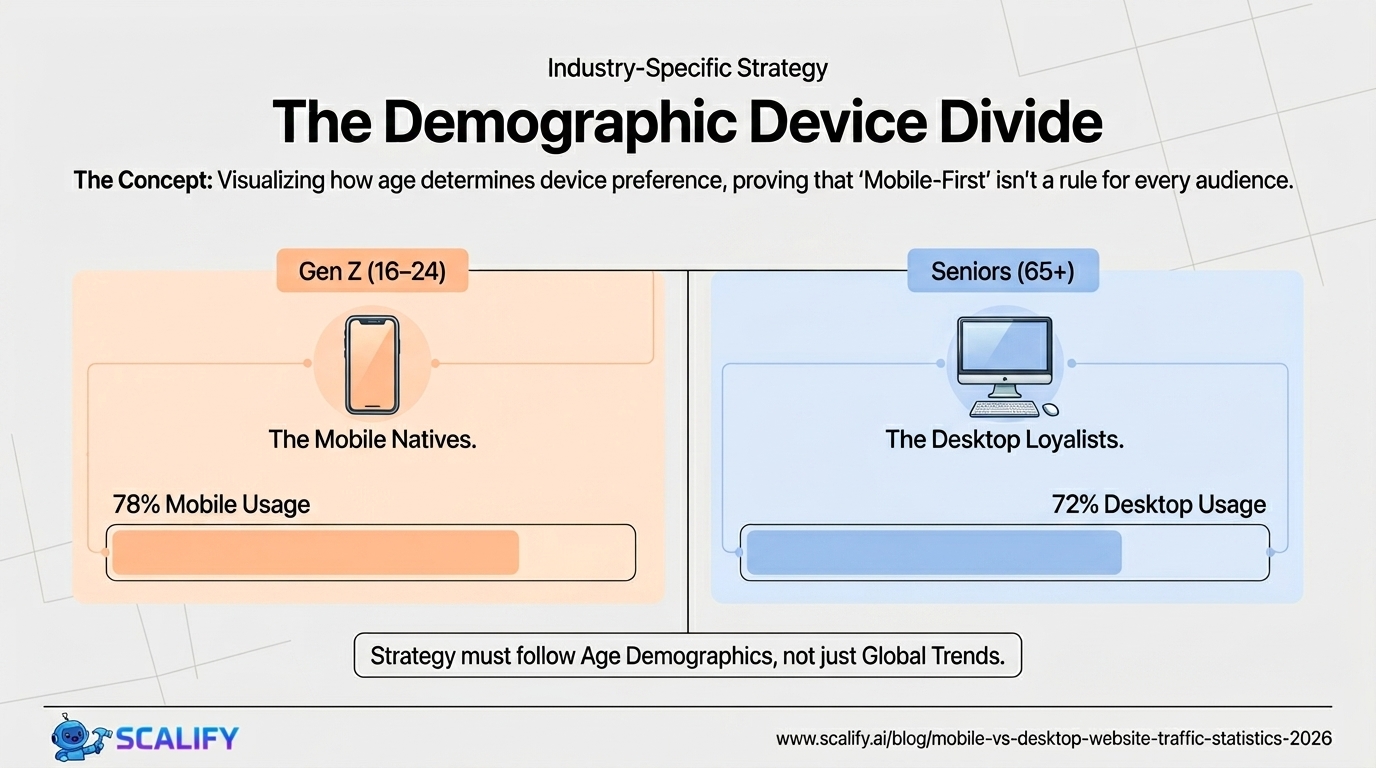
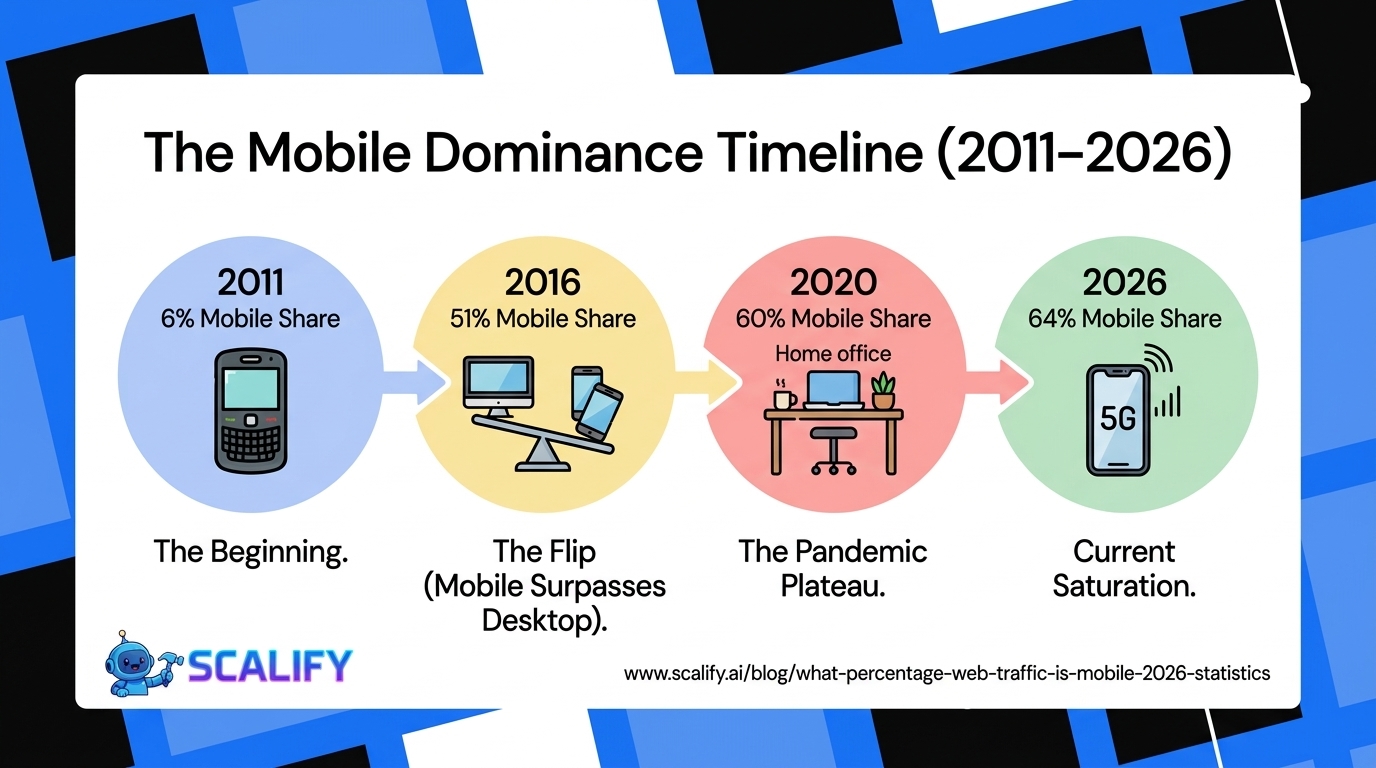
- Mobile accounts for 72% of restaurant website visits — far above the average for most industries
- Restaurants with high-quality food photography on their website see 30–40% higher online order rates
- Outdated menus are the #1 complaint from restaurant website visitors
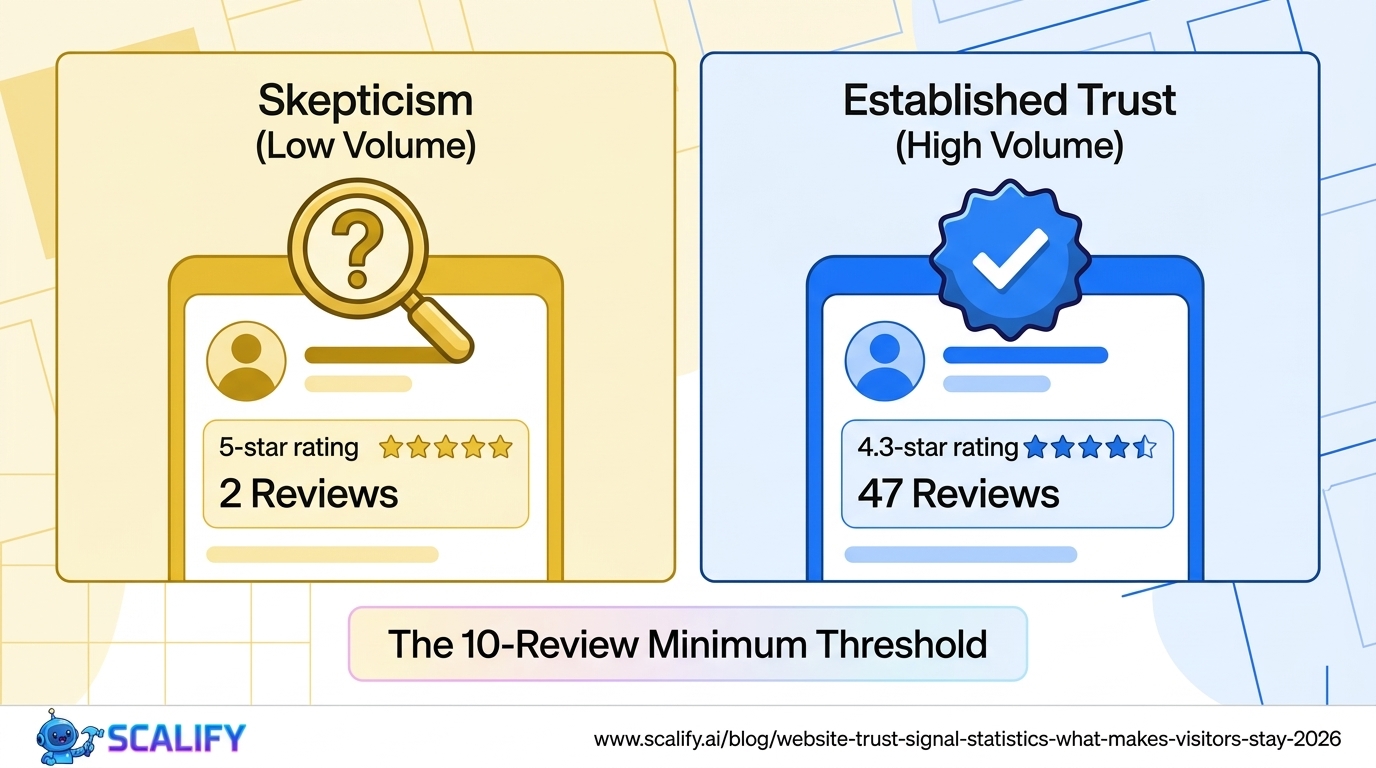
- Restaurants with Google Reviews above 4.5 stars prominently displayed receive 35% more website traffic from search
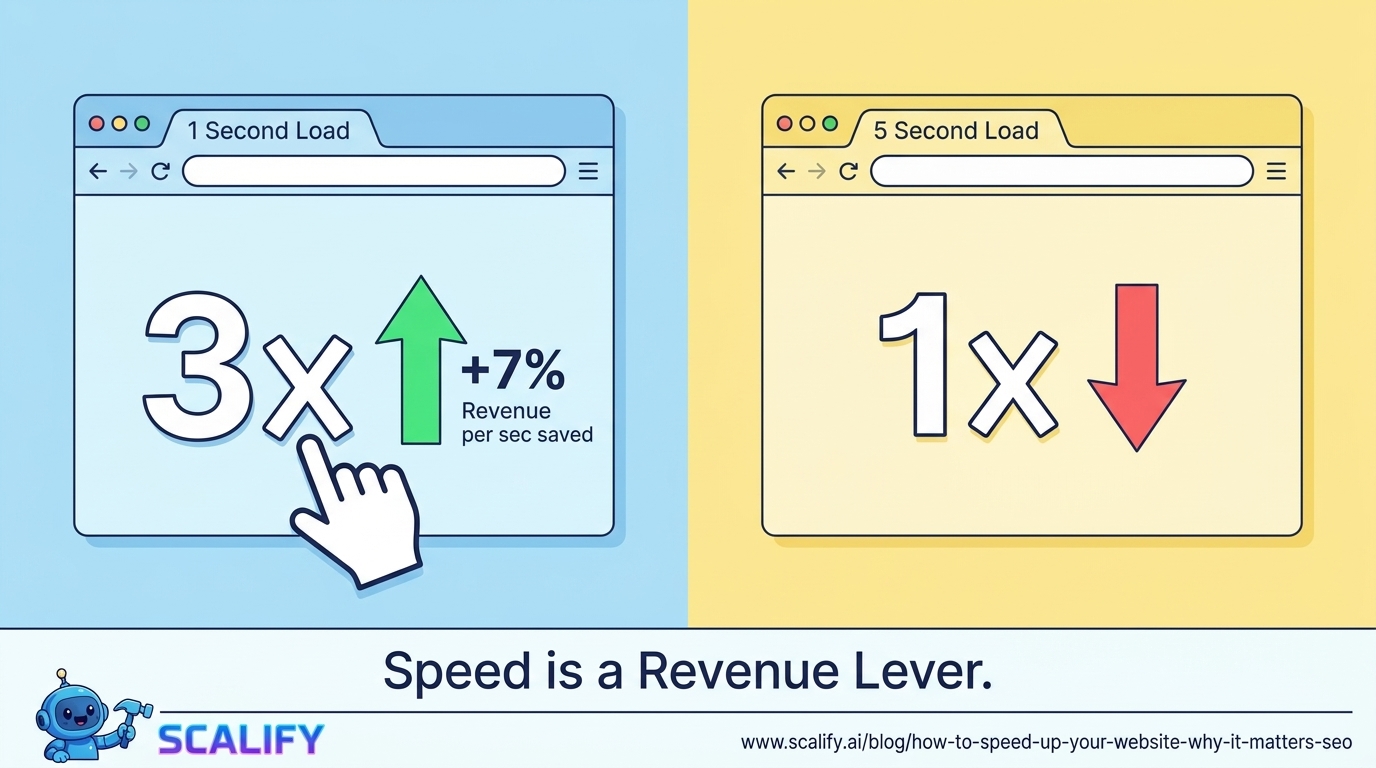
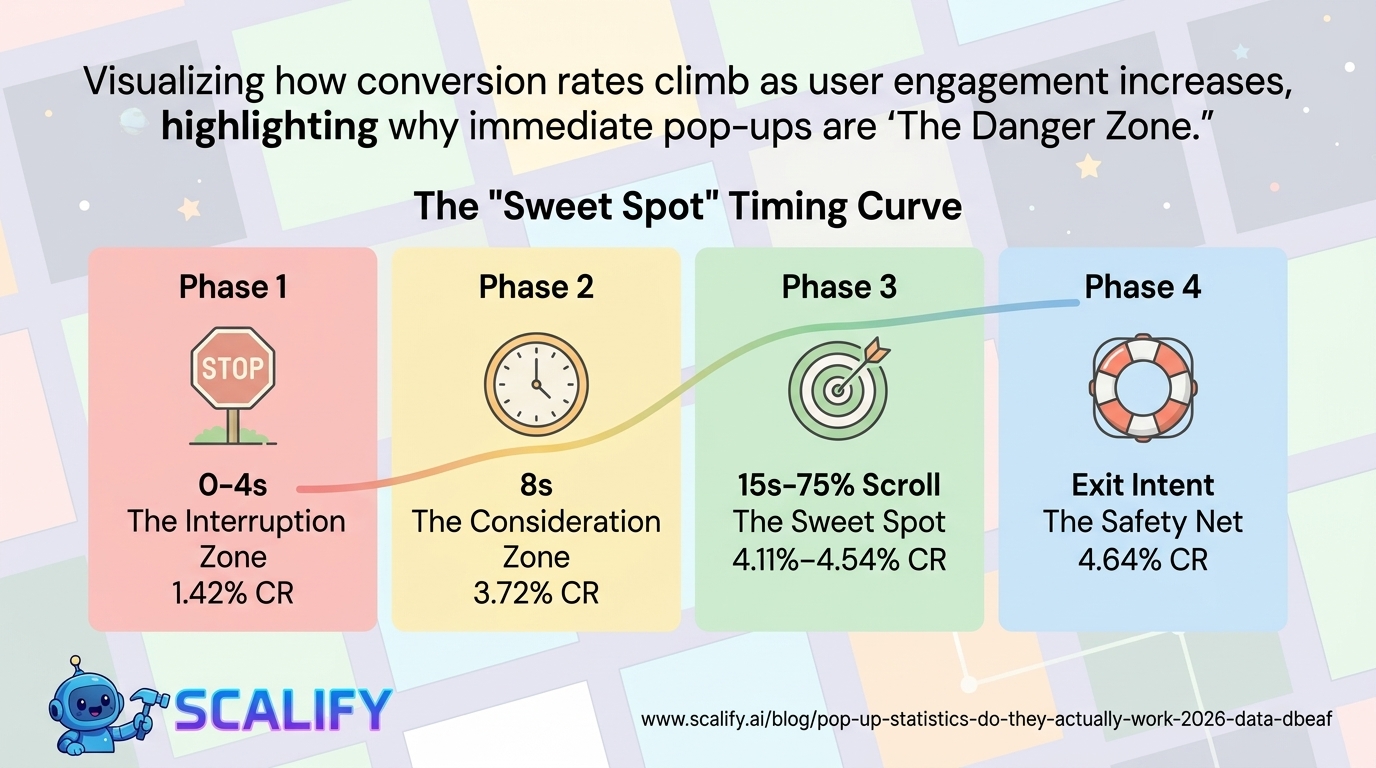
- Loading time is critical — 60% of restaurant website visitors abandon if the site takes over 3 seconds to load on mobile
- Restaurant websites with integrated online ordering generate 2–5x more revenue per visitor than those without
- Instagram-linked menus and visual content increase average time on site by 45%
What the Best Restaurant Websites Get Right
1. The Menu: Make It Accessible in One Click
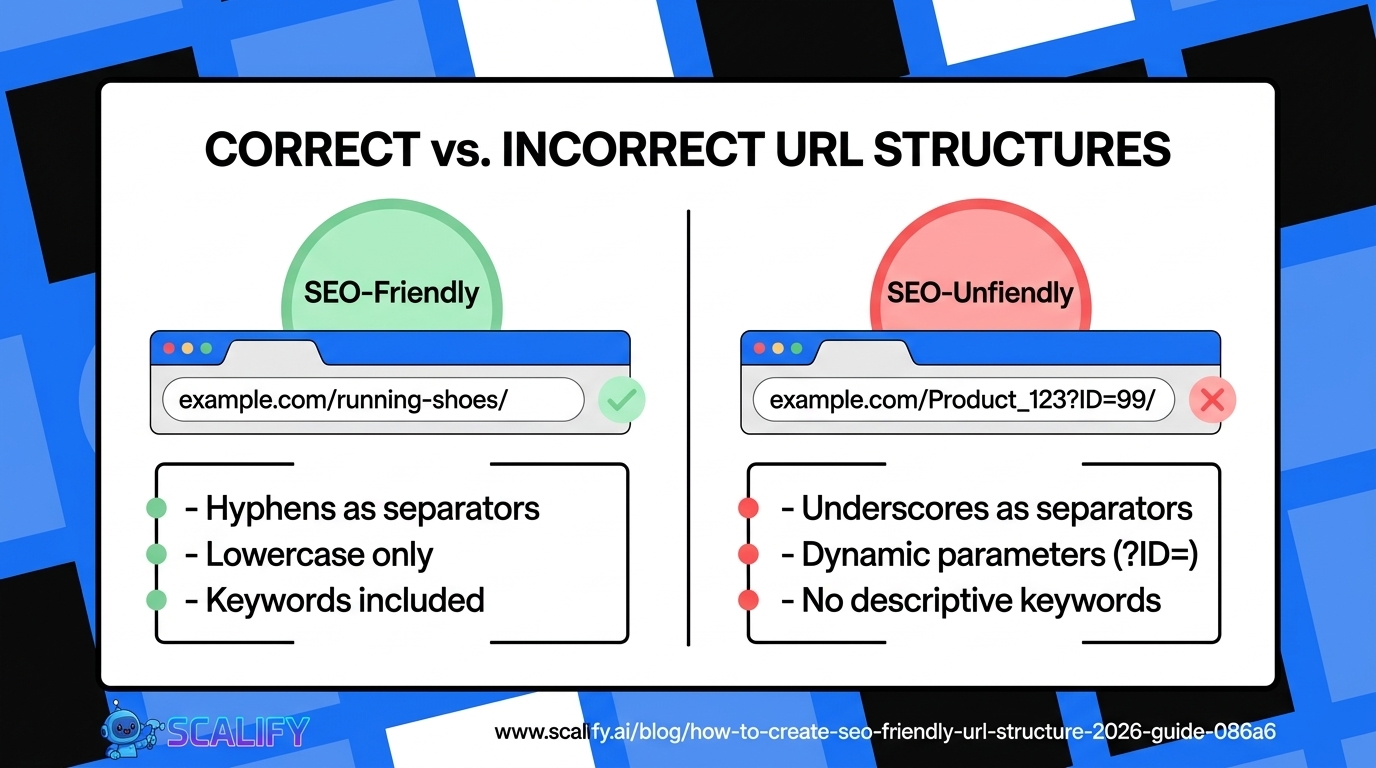
The single most important element of any restaurant website is the menu — and yet it's the element most restaurants handle worst. Common menu mistakes: linking to a PDF that requires downloading and pinching to zoom on mobile, embedding a third-party menu widget that loads slowly, or burying the menu three clicks deep in navigation. The best restaurant websites display the menu directly on the website as accessible HTML text that loads instantly, displays cleanly on mobile, and can be found and indexed by Google.
HTML menus (not PDFs) rank in Google for queries like "sushi restaurant Miami menu" — free organic traffic that PDF menus completely forfeit. They also load instantly on mobile, allow text size adjustment for accessibility, and can be updated without uploading a new file. The effort to maintain an HTML menu over a PDF menu is minimal; the benefits in user experience and SEO are significant.
2. Reservation and Ordering Systems: Reduce Friction
| Booking/Ordering Option | Conversion Rate | Best Platform | Cost |
|---|---|---|---|
| Phone reservation only | Lowest — many diners won't call | — | $0 (labor cost) |
| OpenTable / Resy integration | High — familiar, trusted platforms | OpenTable, Resy | $249+/month or per-cover fees |
| Direct booking widget (own system) | High — no commission to third party | SevenRooms, Toast | $100–$300/month |
| Third-party delivery (DoorDash, Uber Eats) | Very High for delivery — massive user base | DoorDash, Uber Eats, Grubhub | 15–30% commission per order |
| First-party online ordering (own system) | High — no commission | Toast, Square, ChowNow | $49–$165/month flat fee |
3. Photography: Food That Looks Worth Eating
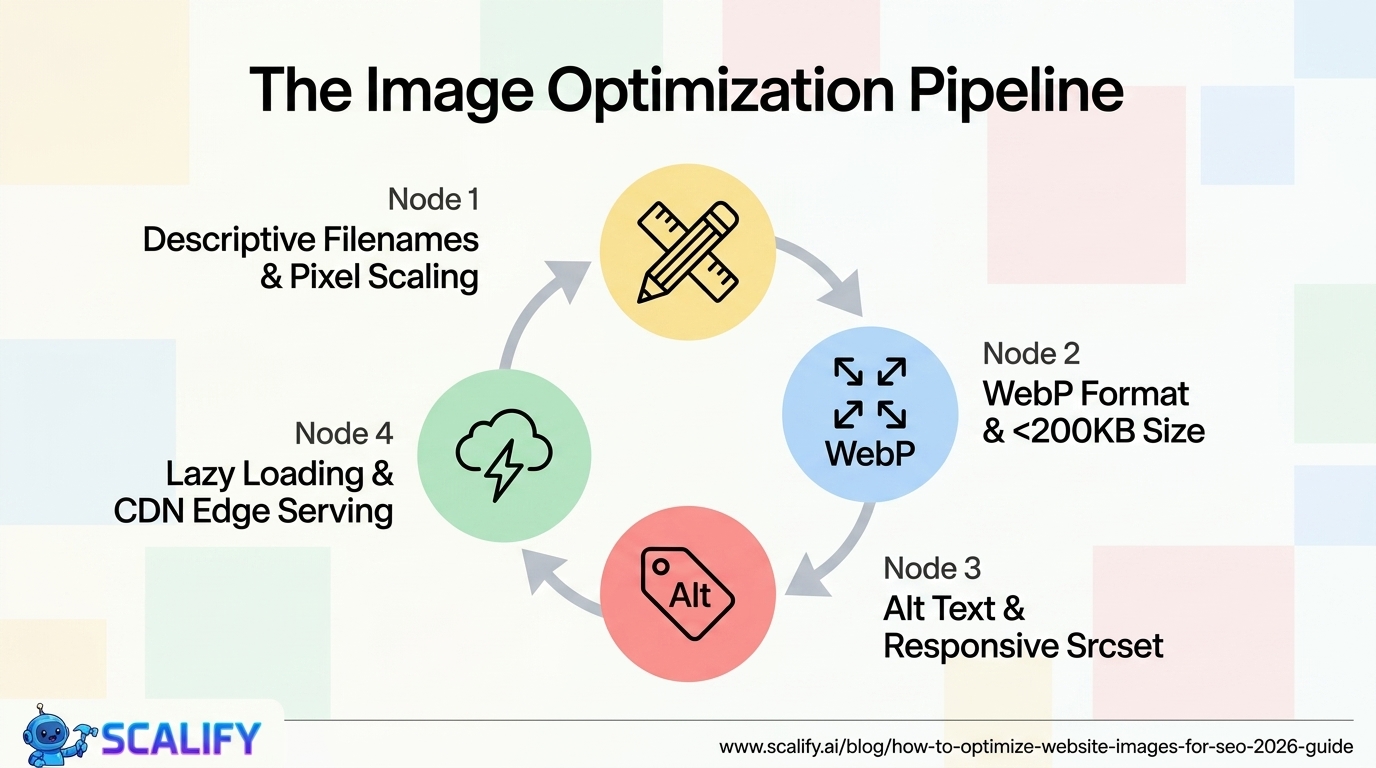
Restaurant food photography is the highest single-ROI investment most restaurants can make in their website. The 30–40% increase in online order rates for restaurants with high-quality food photography reflects something fundamental: people eat with their eyes first, and a restaurant whose website shows beautiful, appetizing photography has made the decision much easier for someone choosing between options on their phone.
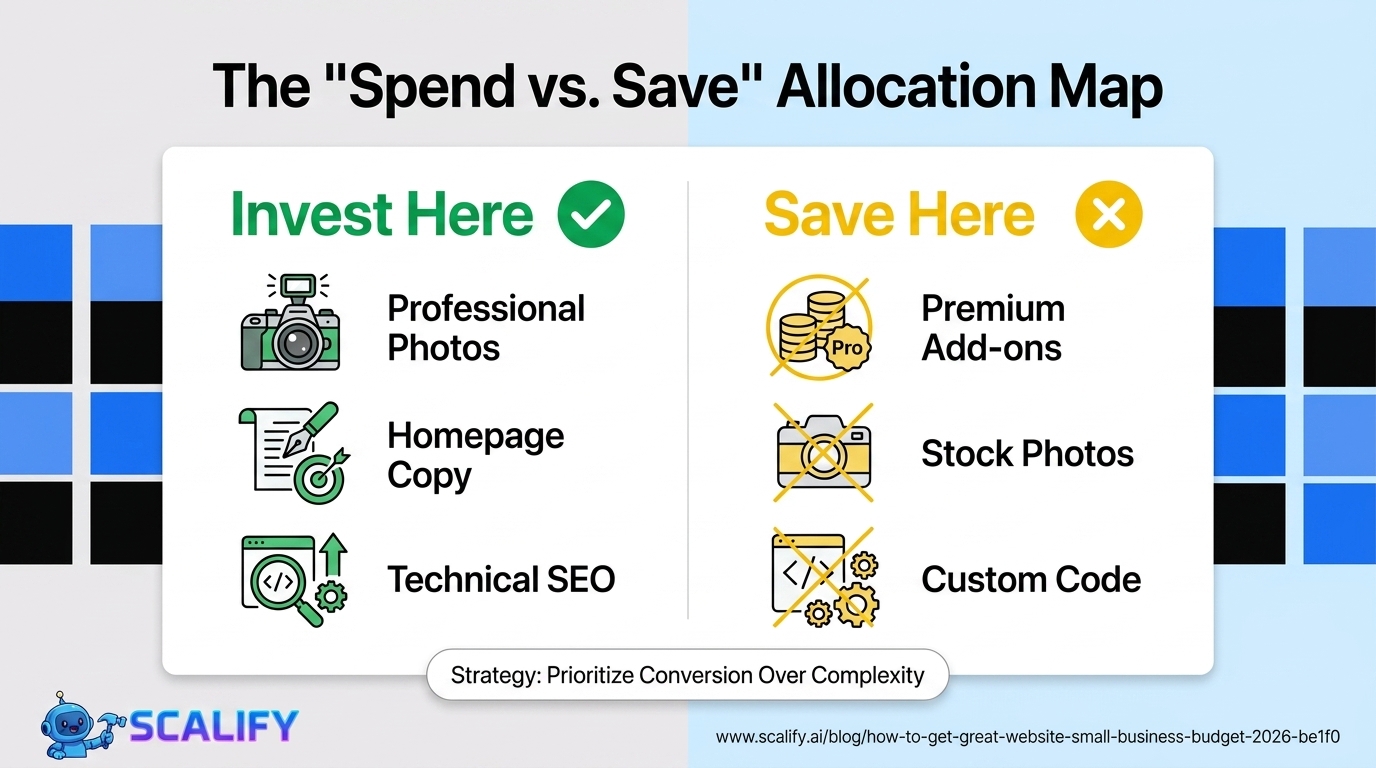
The distinction between good and bad restaurant food photography: good photography is shot with proper lighting that shows food at its actual best, styled to look the way it does when served at the table, and shot from angles that convey portion size and texture. Bad photography is shot on an iPhone under kitchen fluorescent lights, showing food in a paper to-go container, or shot from directly above without any depth. Professional restaurant food photography costs $500–$2,500 for a half-day shoot producing 15–30 usable images — an investment that pays back within weeks in increased online orders.
4. Location, Hours, and Contact: The Critical Information
An astonishing number of restaurant websites make it difficult to find basic operational information. Google indexes and displays restaurant hours, address, and phone number from the website — if this information is hard to find or inaccurate, the consequences extend beyond user frustration to incorrect information appearing in Google's knowledge panel. Every restaurant website should display prominently: full address with embedded Google Map, current hours including holiday hours and any seasonal variations, phone number formatted as a click-to-call link on mobile, and any relevant access information (parking, accessibility, public transit).
5. Local SEO: Being Found When Hunger Strikes
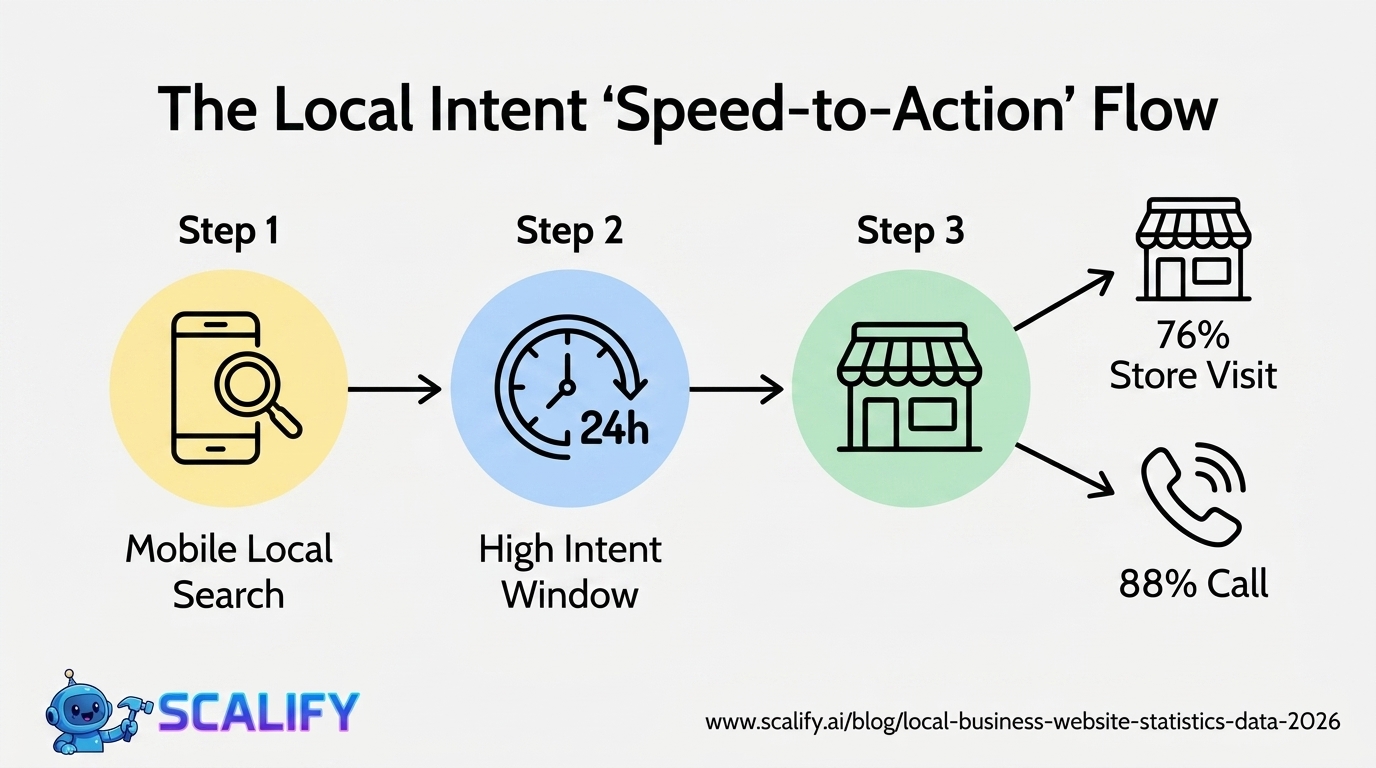
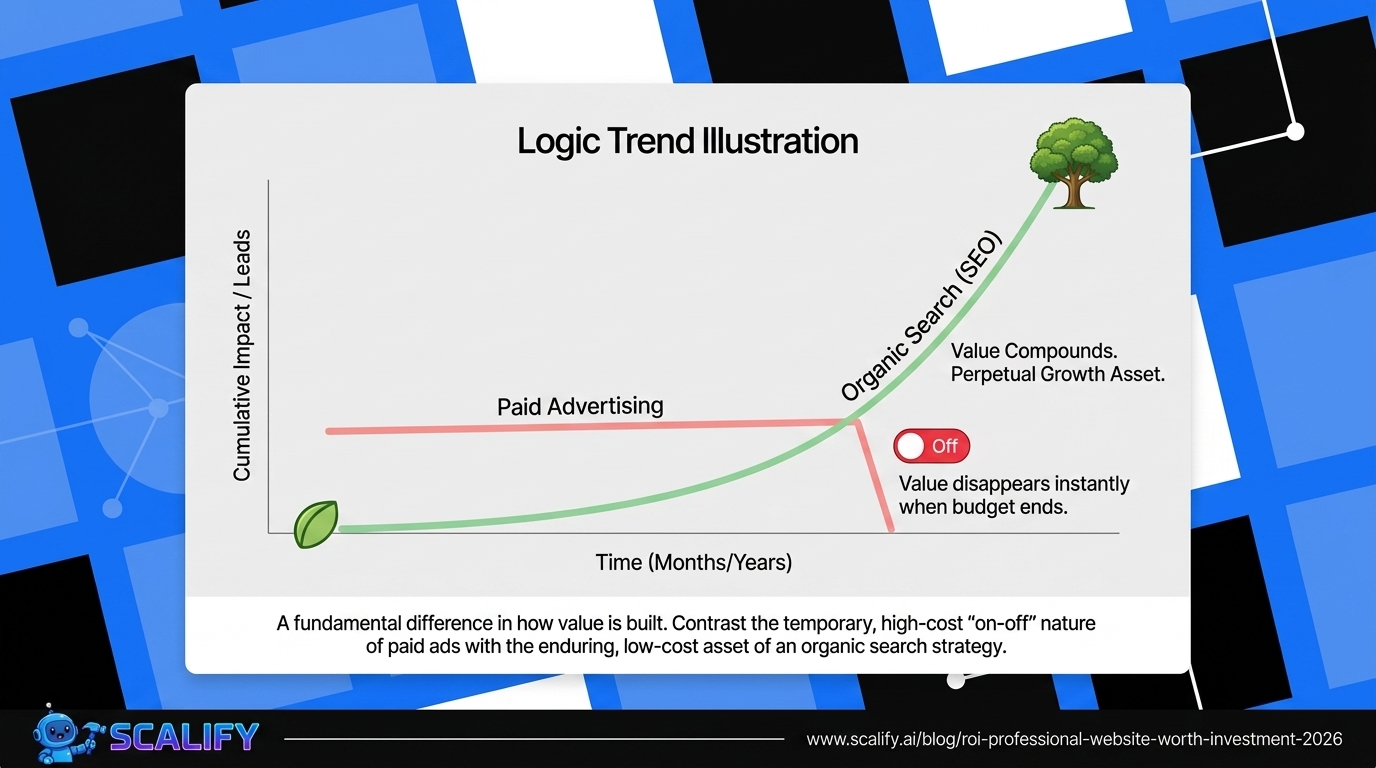
Restaurant local SEO is as high-stakes as any local business category — when someone searches "Italian restaurant near me" at 6:30pm, they are making a dining decision in the next 30 minutes. Restaurants that appear in Google's Map Pack for these searches capture customers who are ready to order immediately. The most important local SEO investments for restaurants:
| Local SEO Action | Impact | Effort |
|---|---|---|
| Fully optimize Google Business Profile | Very High — determines Map Pack appearance | Low — one-time + ongoing |
| Consistent NAP across all directories | High — conflicting info hurts local rankings | Medium — audit and fix |
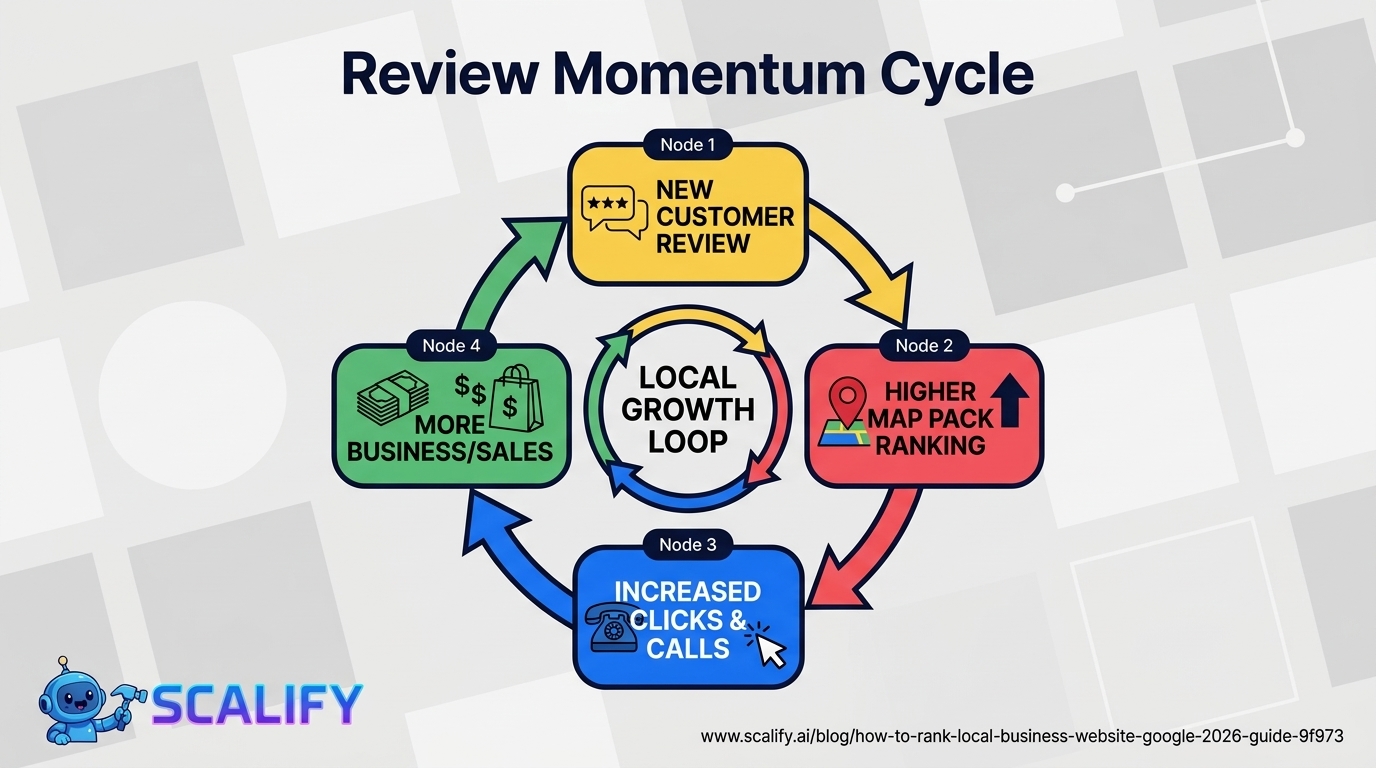
| Actively collect Google reviews | Very High — reviews drive both ranking and clicks | Low — systematic ask after every visit |
| Menu and hours accurate on Google | High — GBP pulls from website; keep synced | Low — update website = updates Google |
| Schema markup (Restaurant type) | Medium-High — rich results in search | Low — implement once |
| Location-specific page content | Medium — helps for "restaurant [neighborhood]" queries | Medium — write location-specific content |
Design Principles for Restaurant Websites
Mobile-first always. 72% of restaurant website visits are on mobile — this means every design decision should be evaluated on a phone first. Large text, easy-to-tap buttons, menus that display cleanly without zooming, and a phone number that taps to call rather than requiring copy-paste are the mobile fundamentals every restaurant website needs.
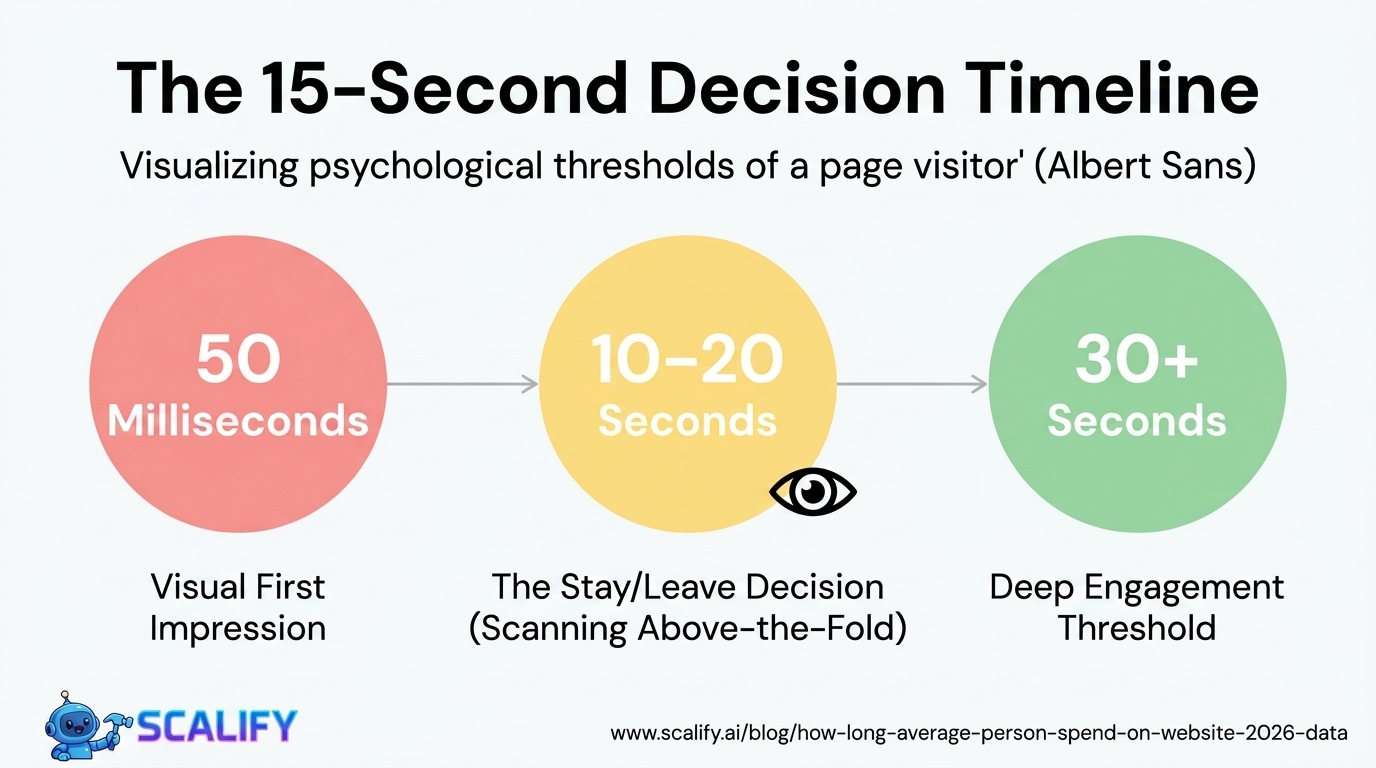
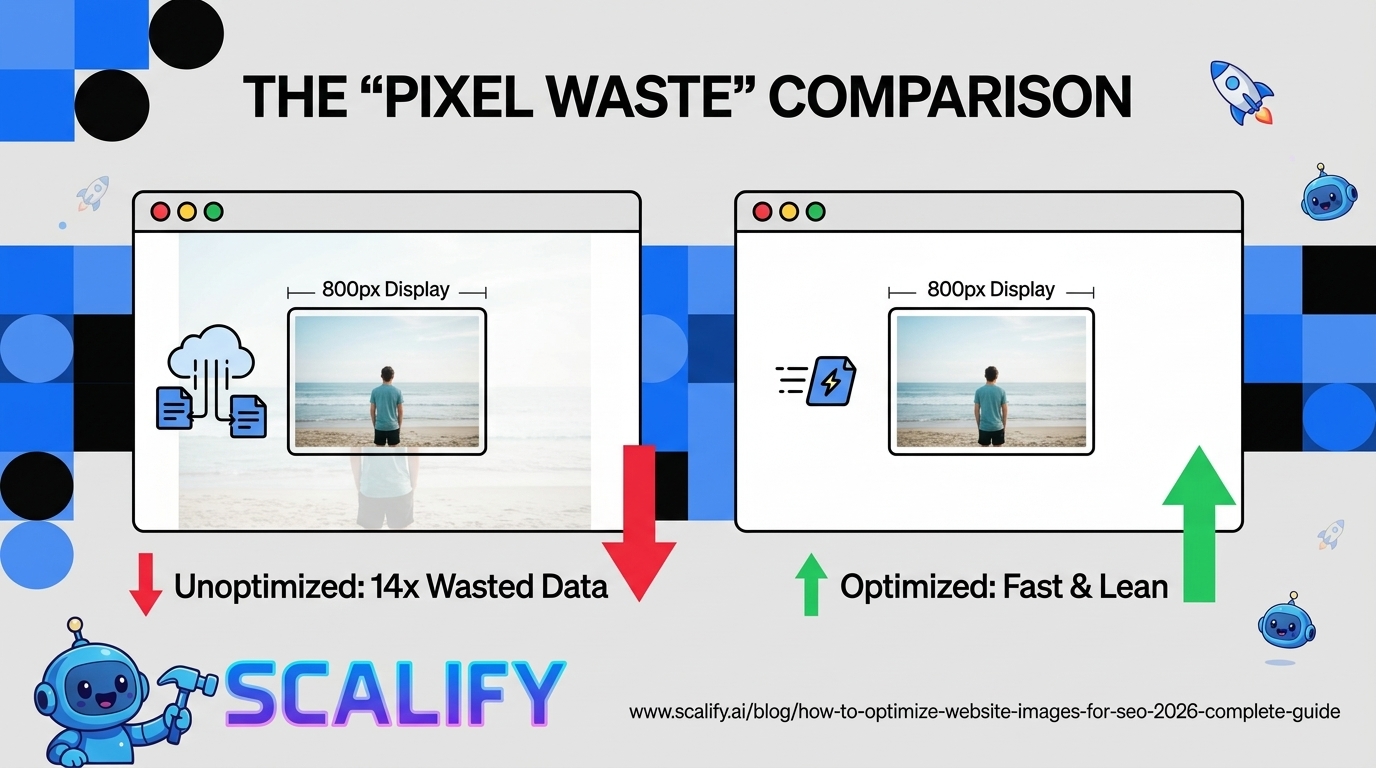
Fast loading above all. 60% of restaurant website visitors abandon at 3+ seconds. Restaurant websites are often visited at peak hunger moments — when someone is sitting in a car deciding where to eat, waiting for friends at a bar, or walking down a street looking for dinner. These are zero-patience moments. Sites that don't load instantly lose the customer to a competitor whose site does.
Photography as the hero. Restaurant websites should lead with food photography, not with the restaurant name or a full-page text tagline. The emotional decision to eat somewhere is made in seconds when the food looks appealing. Lead with the most appetizing photography the restaurant has, paired with the essential information: cuisine type, location, and how to make a reservation or order online.
No PDF menus, no Flash, no music autoplay. PDFs require downloading and zooming on mobile. Flash no longer runs in any modern browser. Autoplay music startles visitors and immediately triggers the back button. These three common restaurant website mistakes are entirely avoidable — and restaurants that avoid them immediately have better user experiences than most of their local competitors.
The Google Business Profile: Your Most Important Restaurant Marketing Asset
For most restaurants, the Google Business Profile (GBP) generates more customer interactions than the restaurant's own website. Customers view menus, check hours, read reviews, get directions, and click-to-call — all within the GBP without ever visiting the restaurant's website. This makes GBP optimization arguably more important than website optimization for restaurant customer acquisition. The elements that make a GBP exceptional for a restaurant: every menu item listed with photos (the GBP menu feature displays photos beside each dish), 50+ recent positive reviews with a process for systematically requesting them after each visit, photos of the dining room, bar, exterior, and food updated quarterly, accurate hours including holiday exceptions, messaging enabled for customer questions, and posts about specials, events, and seasonal menus at least twice per month.
Common Restaurant Website Mistakes
PDF menus. As discussed — these are the single most common and most damaging restaurant website mistake. Convert to HTML menus immediately.
Inaccurate or missing hours. A potential customer who discovers a restaurant is closed when they arrive based on outdated website information never comes back. Hours must be accurate, updated for holidays, and prominently displayed.
No online ordering or reservation link. Restaurants that don't offer online ordering or reservation capability are leaving a significant percentage of website visitors who aren't willing to call. Even a basic OpenTable integration captures reservations that phone-only systems miss.
No food photography. Stock food photography — beautiful images of food that the restaurant doesn't actually serve — creates disappointment when the real food doesn't match the website. Real photography of real dishes is always better than stock photography, even if the real photography is imperfect.
The Bottom Line
The best restaurant websites convert hungry website visitors into customers by making three things effortless: seeing the menu, making a reservation or order, and finding the restaurant. Everything else — design, photography, social media integration — serves these three conversions. Mobile-first design, HTML menus, professional food photography, integrated booking or ordering, accurate hours and location, and active Google Business Profile management are the foundations of a restaurant website that turns online discovery into offline revenue.
At Scalify, we build professional restaurant and hospitality websites in 10 business days — designed to convert the mobile moment of hunger into a customer through the door.
Top 5 Sources
- Restaurant Dive — Restaurant Digital Marketing Research
- Toast — Restaurant Industry Statistics
- Yelp — Restaurant Review and Discovery Data
- OpenTable — Reservation and Dining Trends
- BrightLocal — Local Consumer Review Research for Restaurants
Social Media Integration: Turning Instagram Into Discovery
Instagram has become one of the most powerful restaurant discovery platforms — people share photos of meals, tag restaurants, and discover new places through friends' posts and restaurant accounts. A restaurant website that integrates with Instagram extends this discovery channel: embedding an Instagram feed on the website shows real, recent food and atmosphere photos, updates automatically without manual website edits, and provides the authentic social proof that stock photography cannot replicate.
The most effective restaurant Instagram and website integration strategy: maintain an active Instagram account posting food photos, behind-the-scenes kitchen moments, and dining room ambiance at 4–7 times per week, embed the most recent 9 posts on the website's homepage, and make the Instagram link prominent in the navigation. Visitors who see an active, visually appealing Instagram presence gain confidence that the restaurant is currently operating at a high level — the recency of the posts signals operational currency that a website alone doesn't provide.
Email Marketing for Restaurants: The Repeat Customer Engine
Restaurant email marketing produces some of the highest ROI of any restaurant marketing channel because it targets the most valuable customer segment — people who have already eaten there and had a positive experience. Email programs that work for restaurants: a weekly or monthly newsletter featuring specials, seasonal menu changes, and events; birthday email programs that offer a complimentary dessert or appetizer in the diner's birthday month; pre-event emails before major dining occasions (Valentine's Day, Mother's Day, New Year's Eve) offering early reservation access; and re-engagement emails for customers who haven't visited in 60+ days with a special offer to bring them back.
Collecting email addresses requires a mechanism on the website: a simple "Join our email list for specials" signup form, a reservation system that captures email during booking, or a loyalty program signup. The website is the primary collection point — restaurants that don't have an email signup on their website are forfeiting the ability to re-market to every visitor who doesn't book on their first visit.
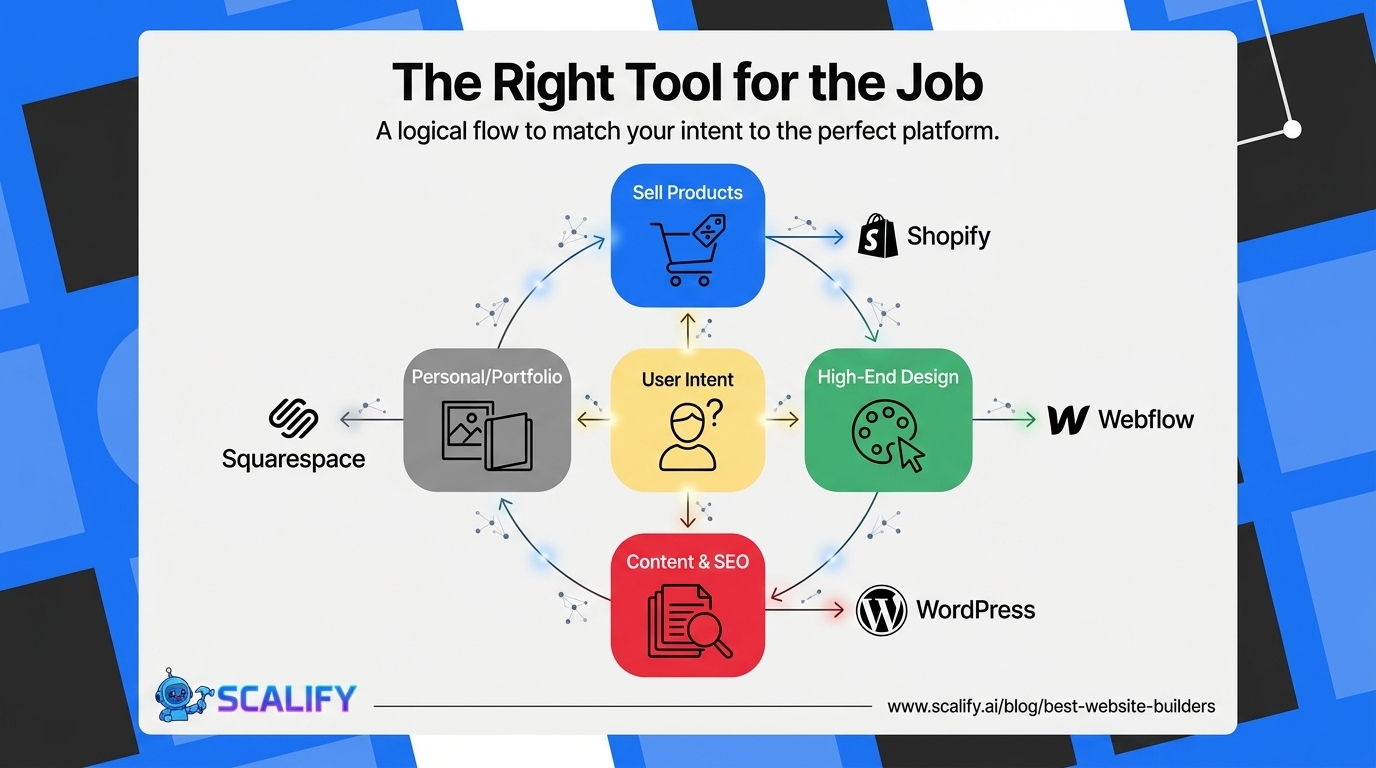
Restaurant Website Platforms: What to Build On
| Platform | Best For | Menu Management | Cost |
|---|---|---|---|
| Squarespace | Independent restaurants wanting easy DIY management | Good — visual menu builder | $23–$65/month |
| Webflow | Restaurants wanting premium design and performance | Good — CMS-based menu management | $14–$42/month + build cost |
| WordPress + WP Restaurant | Restaurants with complex menu or ordering needs | Excellent — full plugin ecosystem | Hosting + $50–$200/month plugins |
| Toast POS website | Restaurants already using Toast POS | Native — synced with POS | Included in Toast subscription |
| BentoBox | Independent restaurants wanting industry-specific solution | Native — restaurant-optimized | $99–$499/month |
Restaurant-specific platforms like BentoBox understand the specific needs of the industry — menu management, reservation integration, online ordering, gift card sales, event booking — in ways that general website builders don't. For restaurants without dedicated technical resources, BentoBox or Toast's website builder may be the most operationally practical choice despite higher cost than general platforms. For restaurants with access to a web developer, Webflow or WordPress provide more design flexibility and lower ongoing cost at the expense of slightly more technical management.


.jpeg)
.jpeg)


78 SW 7th St, Miami, FL 33130