


The Best SaaS Website Designs: What Makes Them Convert Free Trials
By Josh Ternyak

March 31, 2026
The best SaaS websites convert free trials at 2-3x average rates through specific value propositions, real product screenshots, transparent pricing, and near-zero signup friction. This comprehensive guide covers hero section optimization, pricing page design, demo video strategy, social proof architecture, signup flow friction reduction, navigation structure, integrations pages, and content marketing for SaaS companies.
The Best SaaS Website Designs: What Makes Them Convert Free Trials
SaaS websites have a conversion job unlike any other category of business website: they must convince a skeptical visitor to start a free trial or sign up for a product they've never used, from a company they may have discovered 90 seconds ago. The decision is lower-stakes than hiring a contractor or choosing a dentist — but the website has fewer trust-building tools available (no portfolio of physical work, no local reputation, no face-to-face relationship) and is competing against dozens or hundreds of alternative solutions the prospect has access to with a Google search.
The SaaS websites that convert free trials at high rates don't do it through clever design tricks or persuasive copy alone. They do it by answering the visitor's real questions — what does this product actually do, who is it for, will it work for my specific situation, is it worth the time to try it — as quickly and clearly as possible. Everything on a high-converting SaaS website is in service of that clarity.
Key Statistics: SaaS Website Conversion
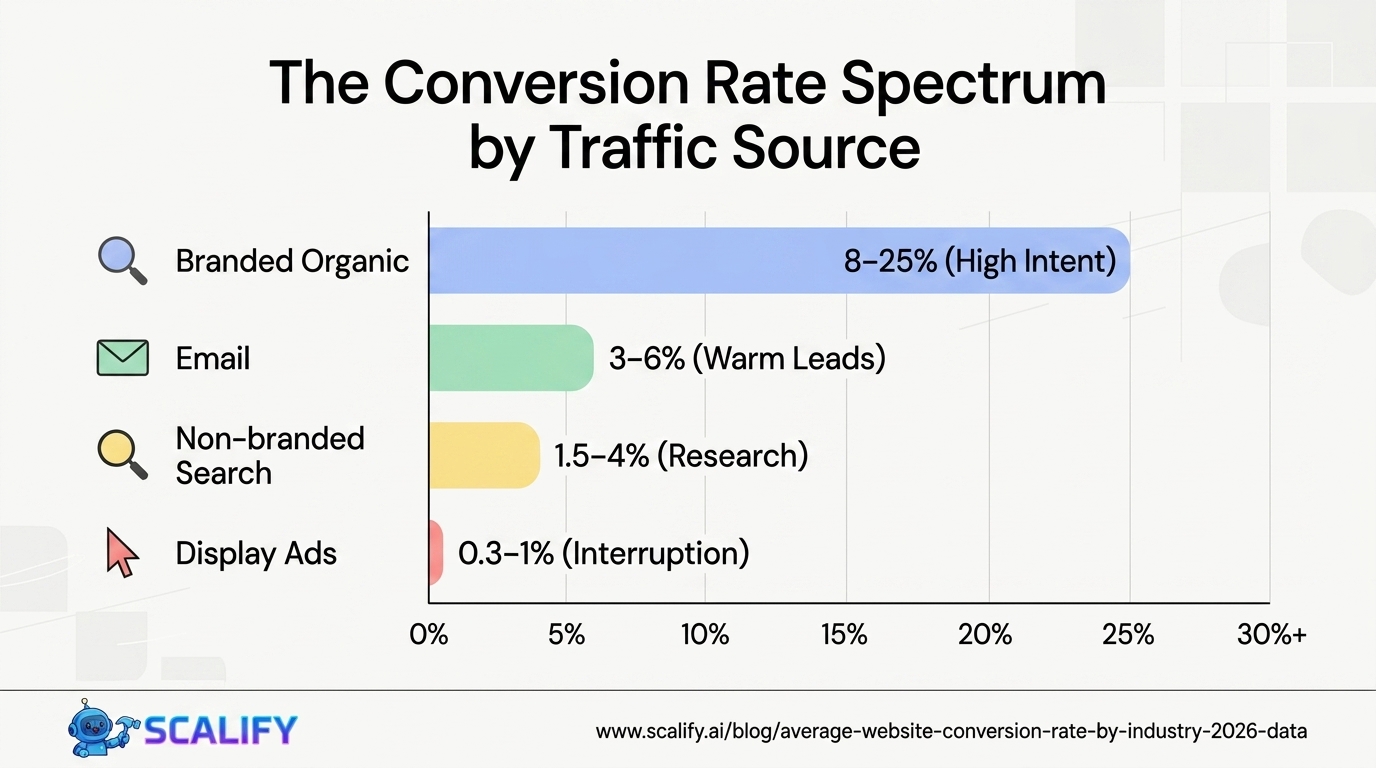
- The average SaaS website conversion rate (visitor to free trial or signup) is 2–5%, with top-performing SaaS sites converting at 8–12%
- SaaS websites with a clear, specific value proposition in the hero section convert at 2.9x the rate of generic hero copy
- Product screenshots and demos on the homepage increase free trial signup rates by 48% compared to abstract illustrations
- SaaS sites that display pricing on the website convert 30% more free trials than those that hide pricing
- A product demo video under 2 minutes increases free trial conversion by 64% when placed above the fold
- Social proof specific to the visitor's industry (customer logos, case studies by company type) doubles conversion rates vs. generic social proof
- SaaS websites that show the product's actual UI (not marketing illustrations) see 40% higher trial activation rates because expectations are properly set
- Live chat on SaaS pricing pages increases trial conversion by 31% by addressing final objections at the decision moment
- Reducing the signup form from 5 fields to 1 field (email only) increases SaaS signup conversion by 160–300%
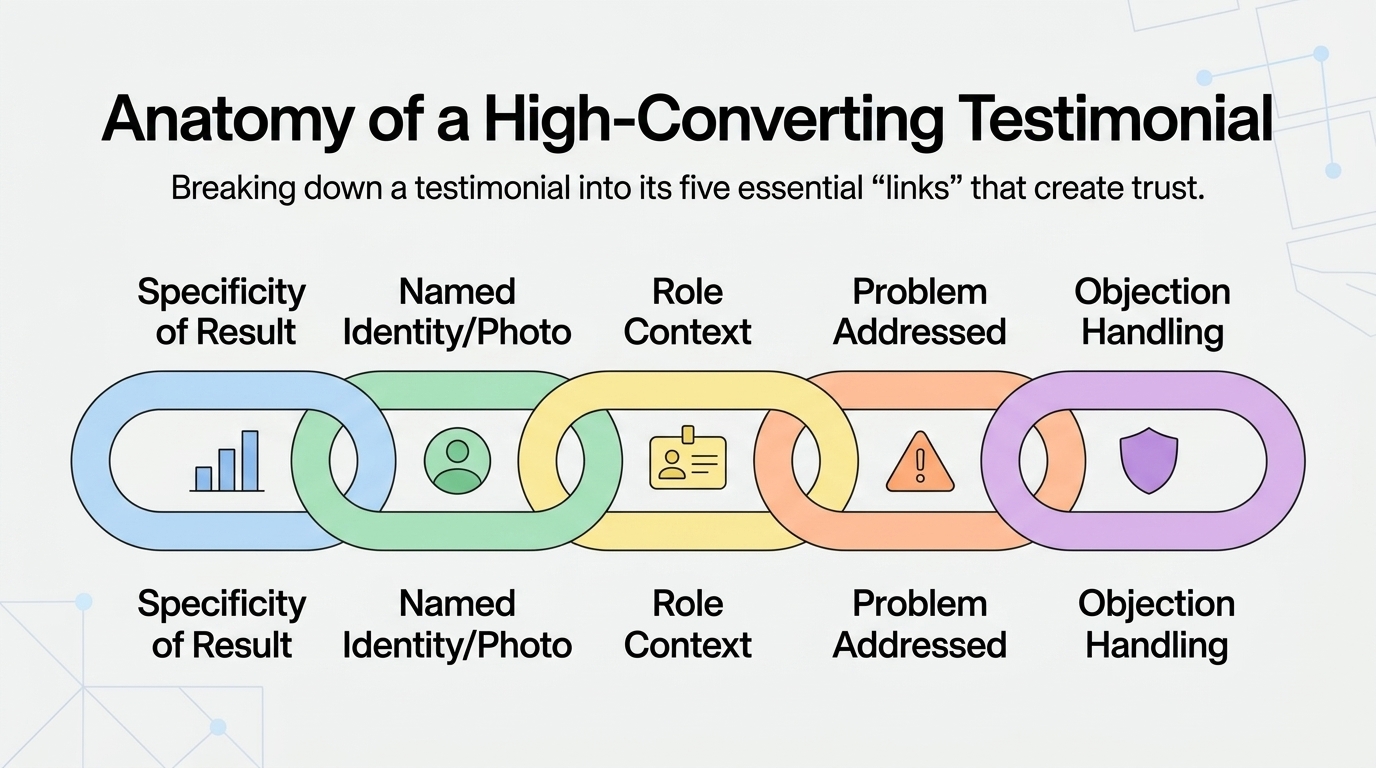
- SaaS websites with customer stories showing specific ROI metrics convert 58% better than those with generic testimonials
The Hero Section: You Have 8 Seconds
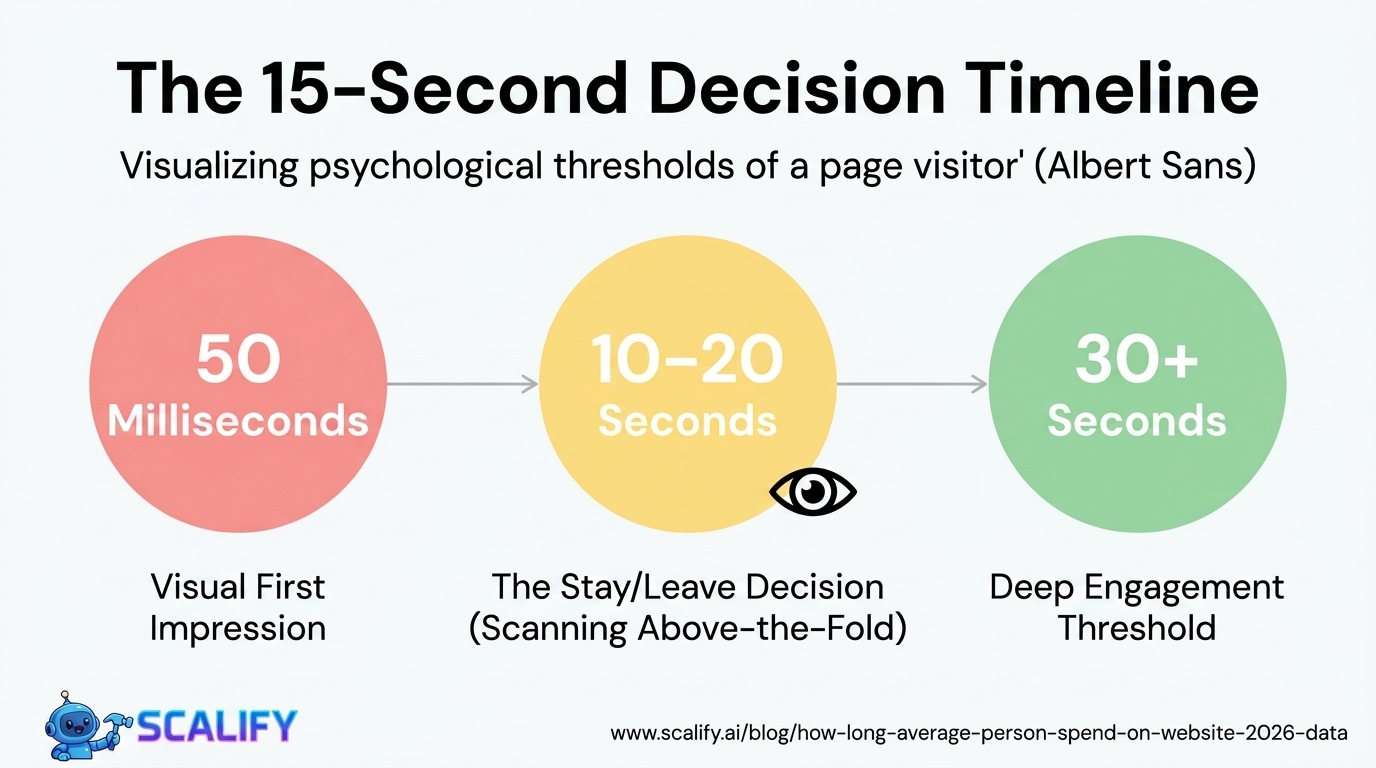
Research consistently shows that visitors form their impression of a SaaS product within 8 seconds of landing on the homepage — and that impression determines whether they scroll, explore, and eventually sign up, or bounce immediately. The hero section — the above-the-fold content visible without scrolling — carries the entire weight of that first impression.
The highest-converting SaaS hero sections answer five questions without requiring any scrolling: what does this product do, who is it for, what specific outcome does it produce, is there evidence it works, and how do I try it right now. Products that nail this with clarity and specificity in their headline, subheadline, and primary CTA consistently outperform those with creative but abstract positioning.
| Hero Element | Weak Approach | High-Converting Approach | Conversion Impact |
|---|---|---|---|
| Headline | "Work smarter, not harder" / "The future of [category]" | "[Specific outcome] for [specific audience] in [timeframe]" | +180% for specific vs generic |
| Subheadline | Restatement of headline with slightly different words | Explains the core mechanism or 1–2 key differentiators | +40% when mechanistic |
| Visual | Abstract illustration or stock photography | Product screenshot or 90-second demo video | +48% for real product visuals |
| Primary CTA | "Get Started" / "Learn More" | "Start Your Free Trial" / "Try [Product] Free for 14 Days" | +35% for specific CTAs |
| Social proof element | Generic "Trusted by thousands" | "Trusted by 12,000+ [specific role/company type]" or recognizable logos | +55% for specific proof |
Pricing Pages: The Make-or-Break Conversion Point
The SaaS pricing page is where purchase decisions are made — and where most SaaS companies make their most consequential conversion mistakes. The 30% higher free trial conversion for SaaS sites that display pricing transparently reflects a fundamental truth about modern B2B and B2C software buyers: they do not want to have a sales conversation to find out if a product is in their budget. They want to self-qualify, and hiding pricing forces them into a process they didn't ask for.
| Pricing Page Element | Best Practice | Why It Converts |
|---|---|---|
| Plan names | Audience-based (Starter, Growth, Enterprise) vs. arbitrary tiers | Visitors self-identify with plan immediately |
| Feature comparison | Show what each plan includes AND what it doesn't | Reduces confusion; reduces post-signup churn from expectation mismatch |
| Highlight recommended plan | "Most Popular" or visual emphasis on mid-tier | Anchoring — middle option feels safe and rational |
| Annual vs. monthly toggle | Default to annual; show annual savings prominently | Annual plans reduce churn and increase LTV |
| FAQ section below pricing | Answer the 5–8 most common pricing objections | Addresses hesitation at the decision point without requiring contact |
| Money-back guarantee / free trial terms | Prominent, specific: "14-day free trial, no credit card required" | Removes risk perception — dramatically lowers trial friction |
Product Demonstration: Show the Thing
The single most consistent finding in SaaS conversion optimization is that showing the actual product converts better than describing or illustrating it. A 90-second product demo video that walks through the core workflow — the specific problem being solved, the steps to solve it in the product, the output the user gets — gives visitors enough information to visualize themselves using the product. That visualization is what drives free trial signups.
The best SaaS demo videos are not produced marketing pieces with voiceover narration about features. They are screen recordings of real product usage narrated by someone who sounds like a knowledgeable user explaining it to a curious friend — showing actual data, actual workflows, and actual outputs that a prospective user would recognize as relevant to their own situation. Production value matters less than authenticity and specificity.
Social Proof Architecture: The Right Proof in the Right Place
SaaS websites that show social proof only on the homepage miss the conversion opportunity that specific, contextual social proof provides at each stage of the evaluation journey:
| Page / Moment | Most Effective Proof Type | Why |
|---|---|---|
| Homepage hero | Customer logos (recognizable companies) + aggregate rating | Immediate credibility signal before any content is read |
| Features section | Short quotes from customers who specifically mentioned that feature | Contextual validation at the point of feature evaluation |
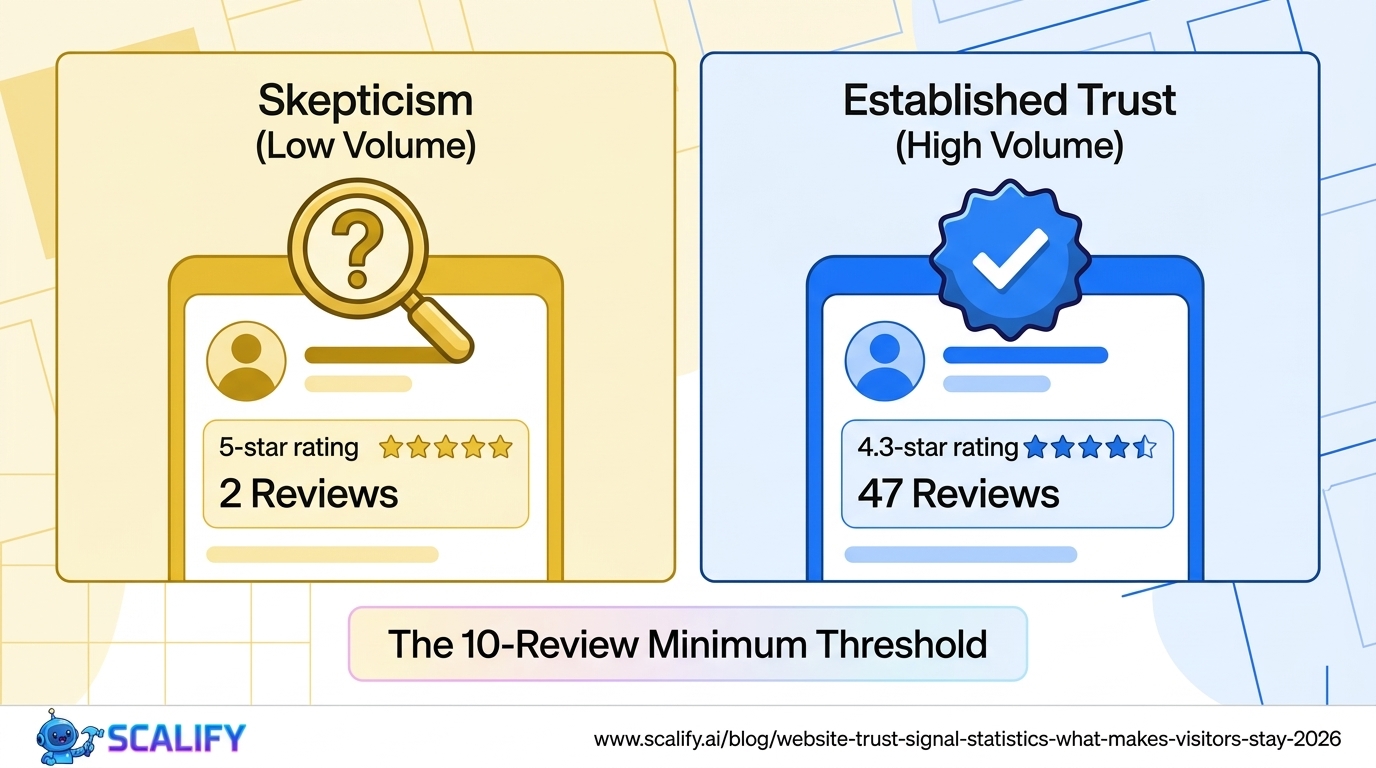
| Pricing page | ROI-specific testimonials ("Saved 12 hours/week", "Reduced costs by 34%") | Addresses "is this worth the money" at the exact decision moment |
| Signup page | "Join 18,000+ [role] who trust [product]" + one strong testimonial | Final reassurance before commitment |
| Case studies page | Detailed customer stories with specific metrics and named companies | Deep validation for serious evaluators |
Signup Flow Optimization: Reduce Friction to Near Zero
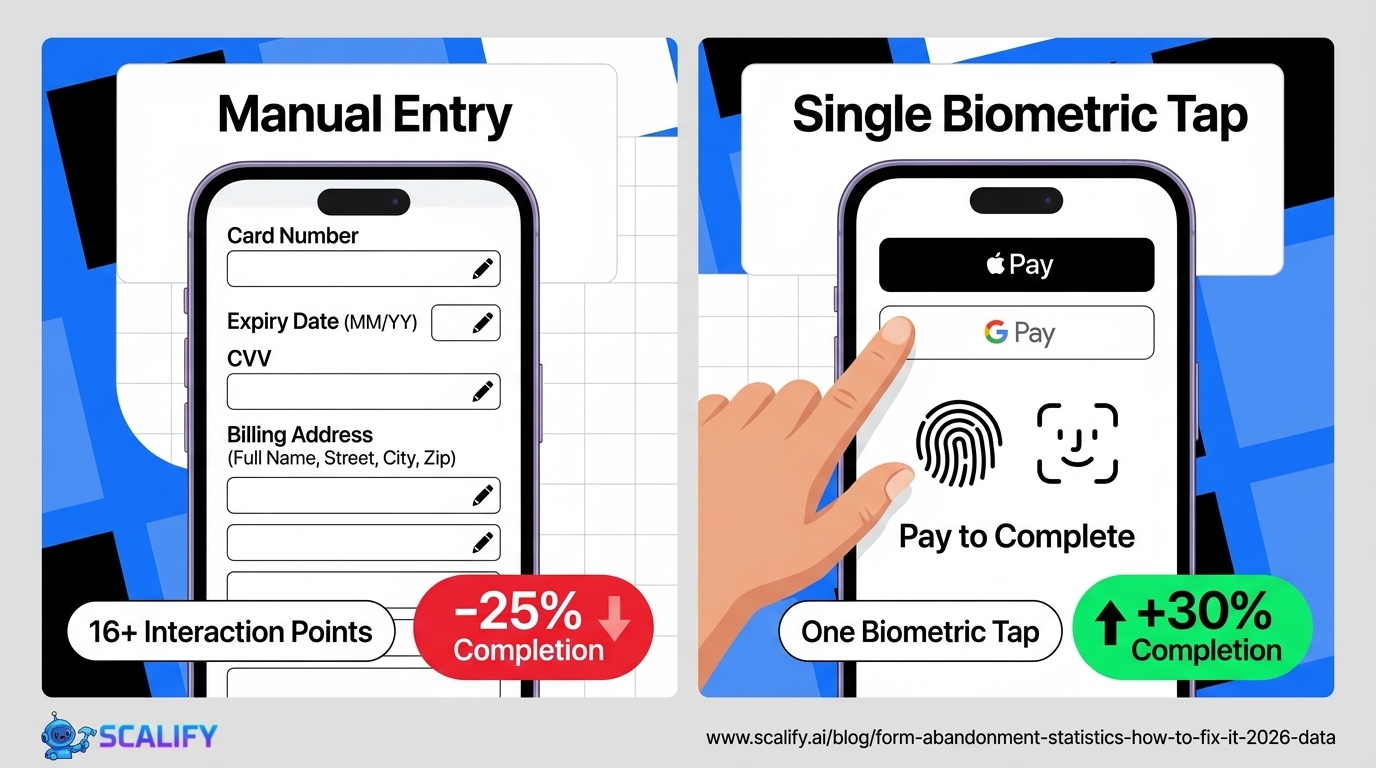
Every field on a SaaS signup form is a friction point — a moment where the prospect could decide the effort isn't worth it and abandon. The 160–300% conversion improvement from reducing signup to email-only reflects how dramatically friction reduction affects conversion rates. For most SaaS products, the information needed to activate an account is minimal: an email address to send the confirmation link, a password, and perhaps a company name for enterprise products. Everything else — job title, company size, phone number, how they heard about you — can be collected during onboarding after the signup commitment is made.
The best-converting SaaS signup flows also remove credit card requirements from free trials wherever possible. "No credit card required" displayed prominently near the trial CTA consistently increases free trial starts by 20–40%, because it removes the perceived risk of a surprise charge if the user forgets to cancel. For SaaS products with sufficient product-market fit to convert trial users to paid customers based on product value, the loss of pre-trial payment commitment is more than offset by the increase in trial volume.
Mobile Experience for SaaS Marketing Sites
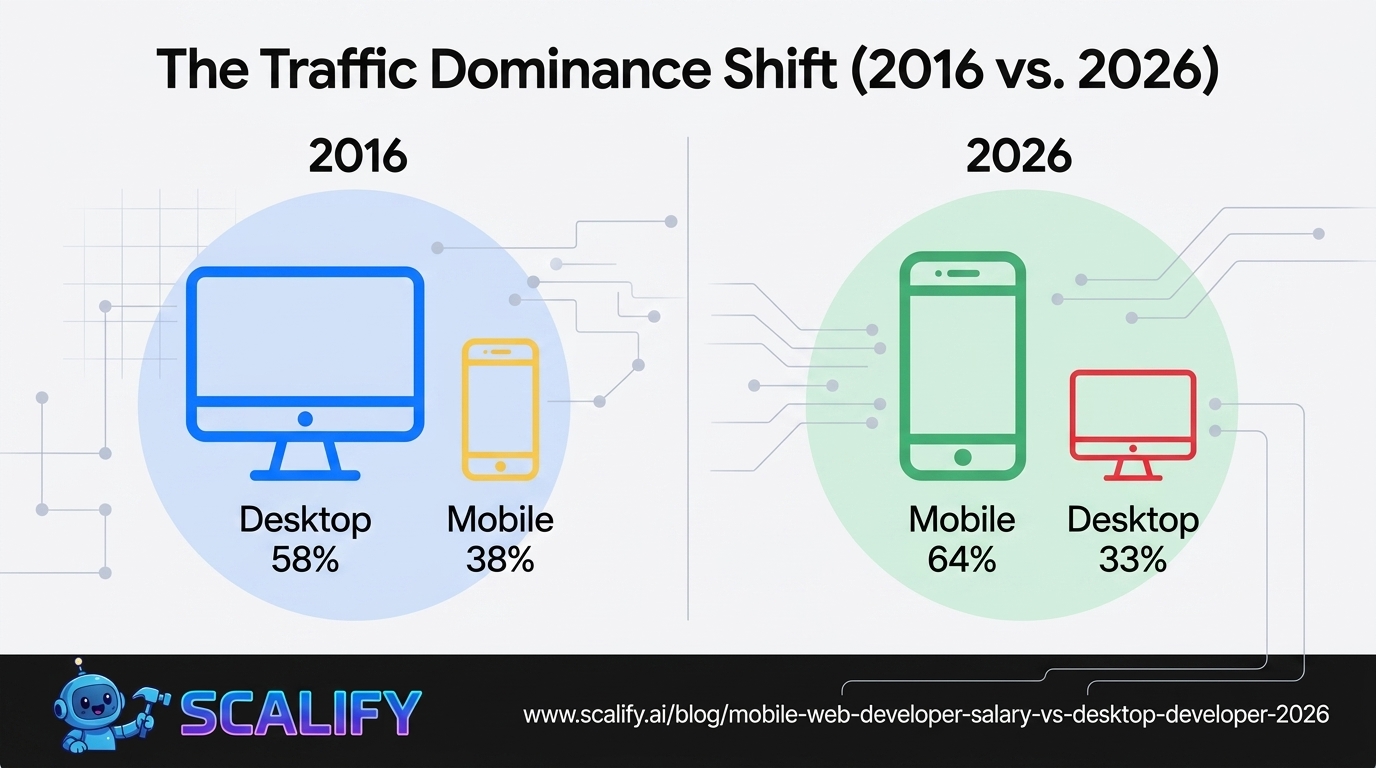
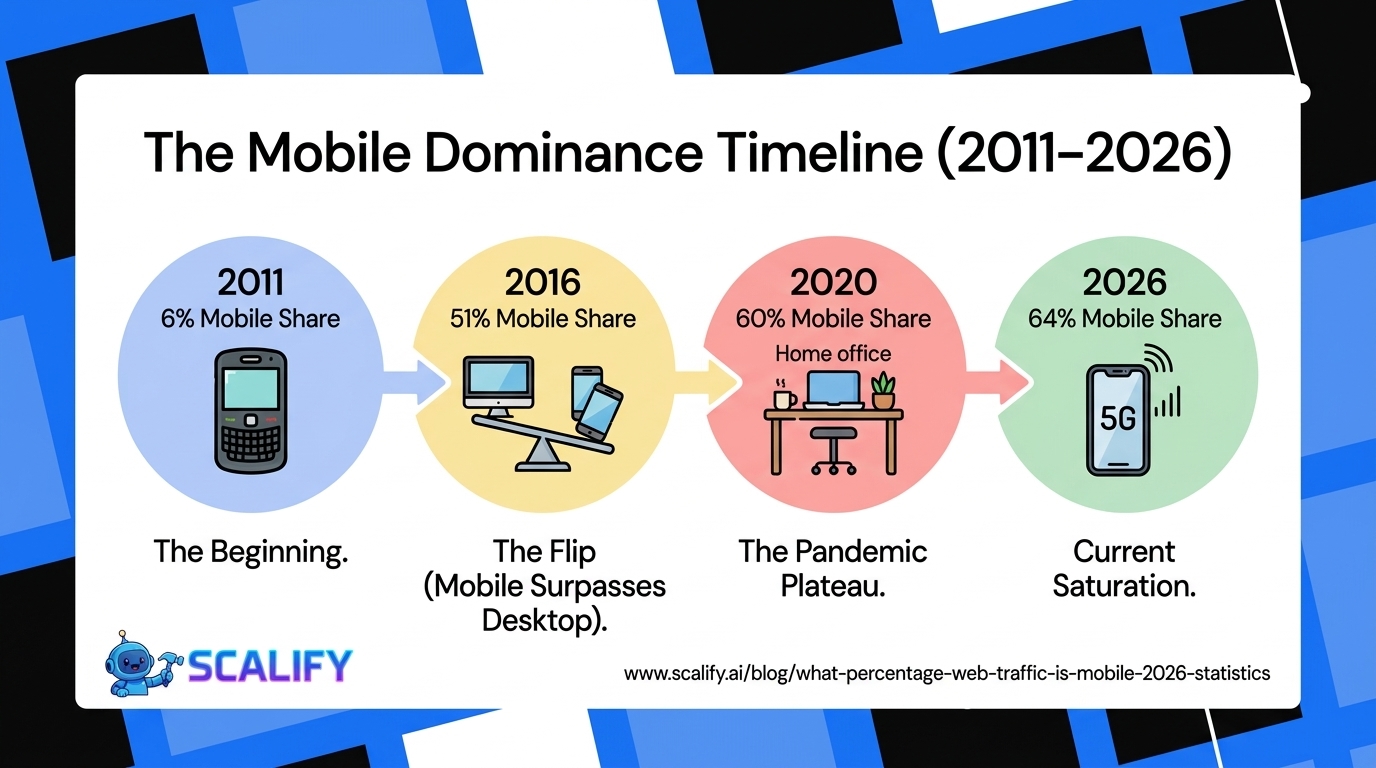
Although SaaS product usage is predominantly desktop (most software tools are used on computers), SaaS marketing site traffic is increasingly mobile — prospects research products on their phones during commutes, meetings, and evenings, then sign up on desktop when they're ready to try. A SaaS marketing website that doesn't work well on mobile is losing a significant portion of its consideration traffic — people who were interested but had a poor experience on their phone and never made it back to the desktop to sign up.
The Bottom Line
The best SaaS websites convert free trials at 2–3x the rate of average SaaS sites by being clearer, more specific, and more honest about what the product is and who it serves. Specific value propositions that name a concrete outcome for a concrete audience, real product screenshots and demo videos, transparent pricing, minimal signup friction, and contextually placed social proof are the elements that separate 2% conversion rates from 8% conversion rates. For SaaS companies, improving website conversion from 2% to 4% doubles the output of every marketing dollar spent — making website conversion optimization one of the highest-ROI investments available.
At Scalify, we build professional websites for SaaS companies and technology startups in 10 business days — conversion-optimized, technically excellent, and designed to turn organic and paid traffic into free trial signups.
Top 5 Sources
- CXL Institute — SaaS Conversion Research — A/B testing data on SaaS homepage and pricing page conversion optimization
- ProfitWell — SaaS Conversion Benchmarks — Industry conversion rate data across SaaS categories and company stages
- Unbounce — Conversion Benchmark Report — Landing page conversion data across industries including SaaS
- OpenView Partners — SaaS Website Conversion — Product-led growth and website conversion research for SaaS companies
- Wistia — Video Conversion Research — Demo video impact on SaaS free trial conversion rates
Navigation and Information Architecture for SaaS Marketing Sites
SaaS website navigation needs to serve two very different visitor types simultaneously: the quick-decision visitor who wants to get to pricing or the signup button immediately, and the thorough researcher who wants to explore features, read case studies, and check integrations before making any commitment. Well-architected SaaS navigation accommodates both without confusing either.
The navigation structure that converts most consistently for SaaS sites: a primary navigation with 5–7 items (Product, Features, Pricing, Customers, Resources) plus a persistent CTA button ("Start Free Trial" or "Get Started") that's visually distinct from the navigation links. This structure gives researchers a clear path to the information they need, while the persistent CTA ensures that visitors who are ready to act at any point in their journey have a clear, low-friction path to starting a trial.
SaaS websites that add enterprise-specific navigation items — "For Enterprise," "Security," "Compliance," "Integrations" — early in their growth often over-complicate navigation before these sections are truly filled out. A navigation with 4 well-developed sections converts better than navigation with 8 sections where half the pages are thin or under-construction. The navigation communicates what the company believes is important — and navigation items that lead to weak content actively damage the impression a thorough researcher forms.
The Integrations Page: An Underrated Conversion Driver
For B2B SaaS products, the integrations page is one of the most conversion-critical pages on the entire website — yet it's frequently treated as an afterthought. Enterprise and mid-market buyers evaluating a SaaS tool are not evaluating it in isolation. They're evaluating whether it fits into their existing technology stack: does it integrate with Salesforce, HubSpot, Slack, their CRM, their ERP, their data warehouse? A product that doesn't integrate with the tools they already use creates adoption friction and often gets disqualified regardless of its standalone quality.
An integrations page that clearly shows the 20–50 most common integrations — organized by category (CRM, Marketing, Analytics, Communication, E-Commerce) — with individual integration detail pages explaining how each connection works serves both conversion and SEO. "Does [SaaS product] integrate with Salesforce?" is a high-intent search query that a dedicated integration page can rank for and convert. The companies that invest in integration documentation see both higher conversion rates among evaluators and meaningful organic search traffic from integration-specific queries.
Content Marketing for SaaS: The Traffic Engine
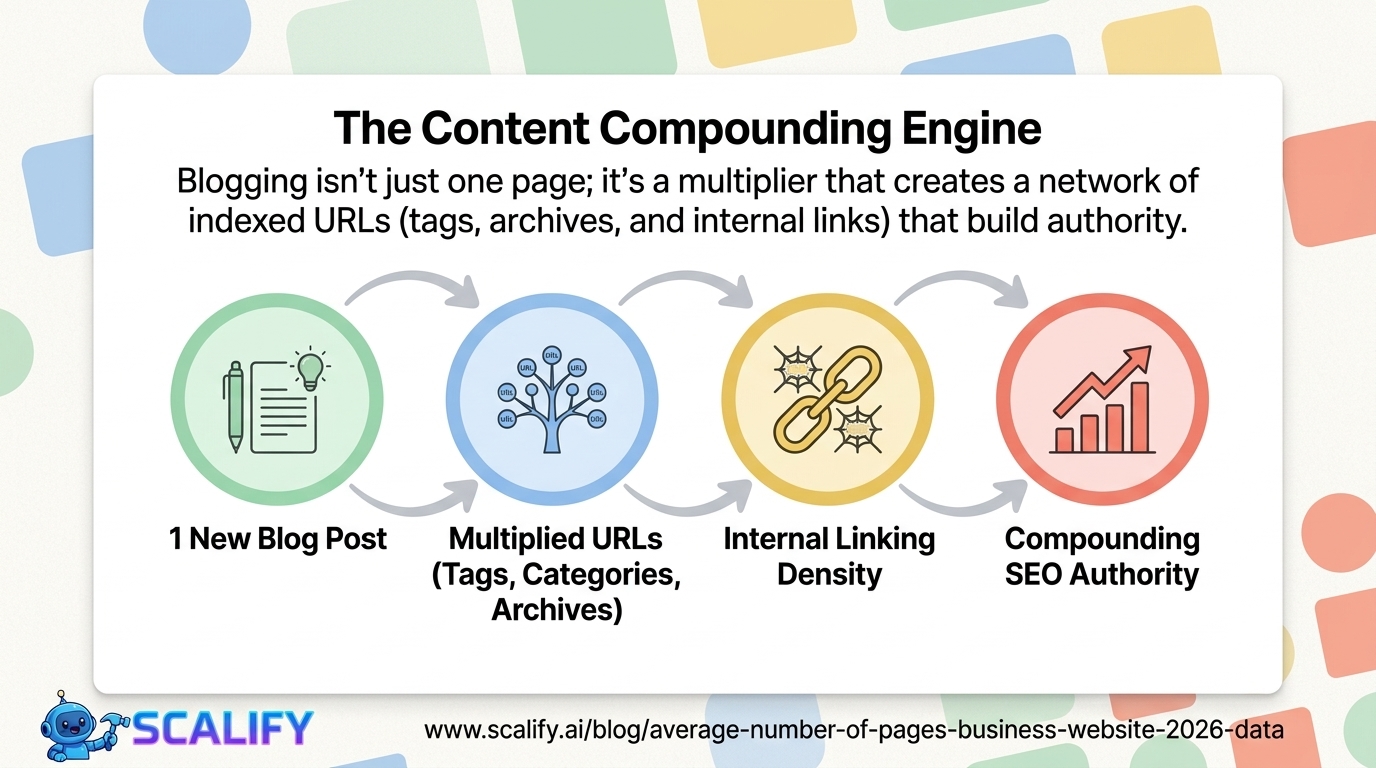
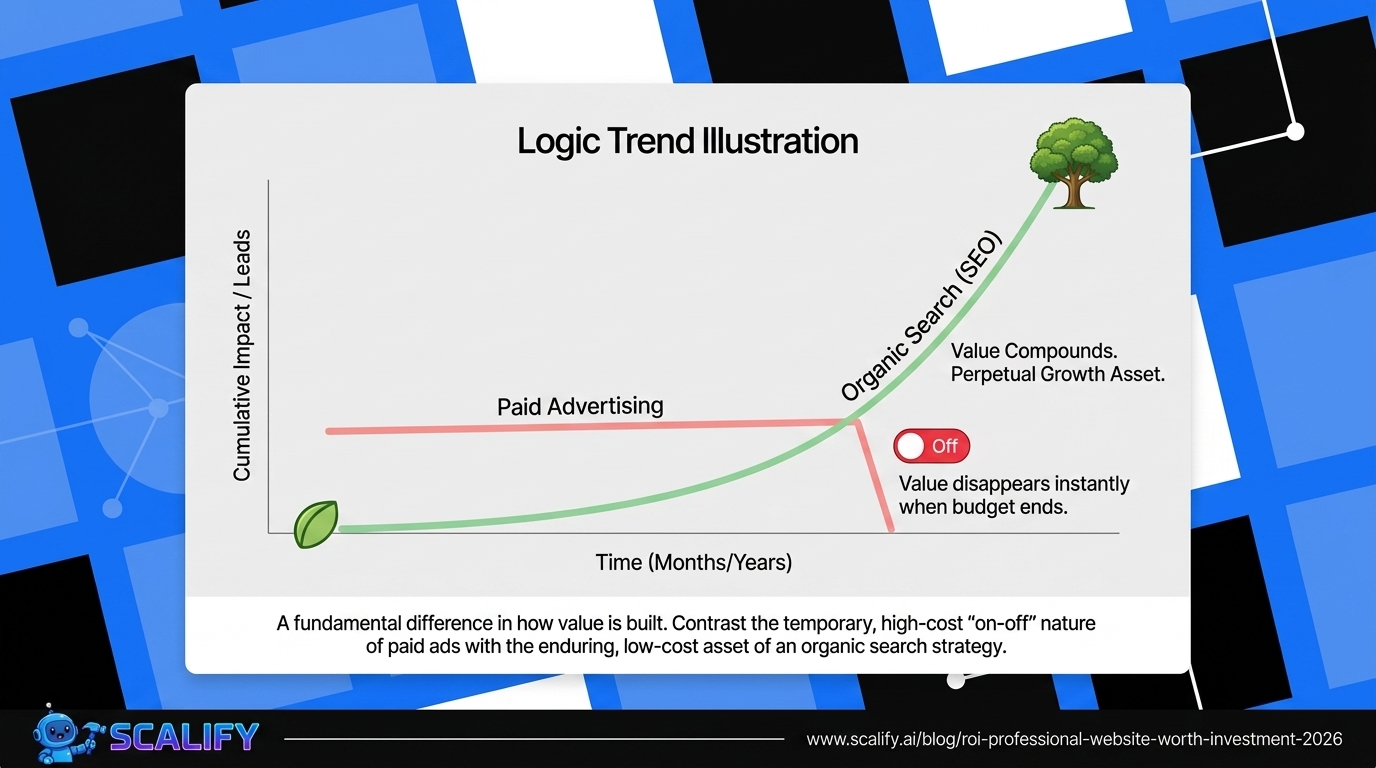
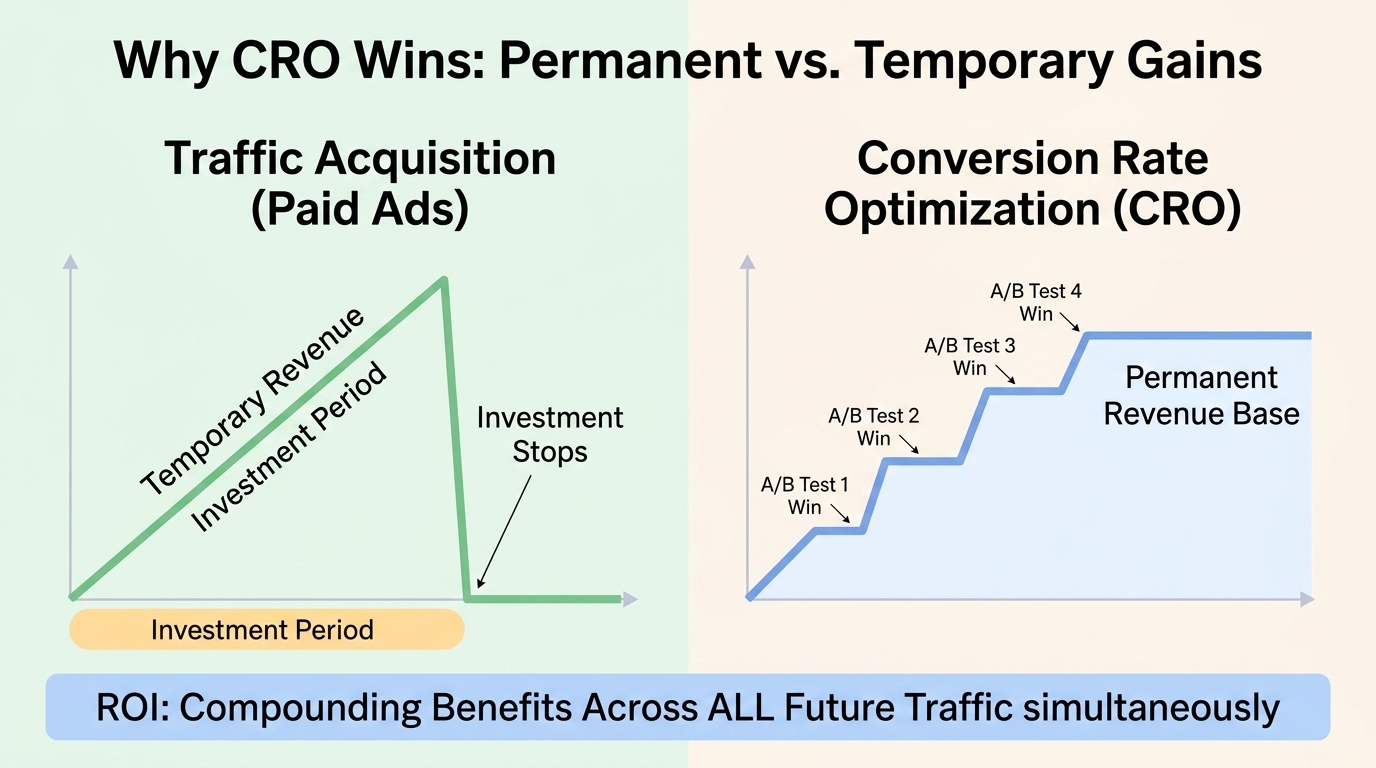
Most SaaS companies depend heavily on paid acquisition for growth — a strategy that produces predictable but expensive traffic that disappears when the ad spend stops. The SaaS companies with the best unit economics are those that have also built strong organic content engines: blog content that ranks for the queries their prospects search before they're ready to evaluate a specific product, driving awareness traffic that feeds the top of the funnel at zero marginal cost per visit.
The most effective SaaS content marketing targets three query categories: job-to-be-done queries ("how to [accomplish the specific task the product helps with]"), comparison queries ("[competitor] vs [alternative]" or "best [category] software"), and problem-awareness queries ("why is [common problem] happening" or "how to fix [specific issue]"). Content that ranks for these queries reaches prospects at every stage of the awareness-to-purchase journey, building brand familiarity and trust that makes free trial conversion more likely when the prospect eventually reaches the website through any channel.


.jpeg)
.jpeg)

78 SW 7th St, Miami, FL 33130