


Custom Website vs Template: The Honest Pros and Cons
By Josh Ternyak

March 31, 2026
Custom websites cost 3-8x more and take 3-6 months vs 2-6 weeks for templates, but produce better conversion rates when needs are specific. This honest guide covers what custom and template actually mean, real differences across 10 factors, when each wins, the middle path of template-based custom design, performance and SEO myths debunked, maintenance cost comparison, and a practical 5-question decision framework.
Custom Website vs. Template: The Honest Pros and Cons
The custom website vs. template debate is one of the most persistent in web design — and it's usually framed badly. "Custom" and "template" are not clean binary opposites; they're ends of a spectrum with significant middle ground, and the right choice depends entirely on your specific business needs, timeline, and budget — not on any universal principle about one approach being superior to the other.
This guide provides the honest, unmarketed comparison: what you actually get with each approach, what you sacrifice, and how to make the right decision for your specific situation rather than being sold on either option by someone with a financial interest in your choice.
Key Statistics: Custom vs. Template Websites
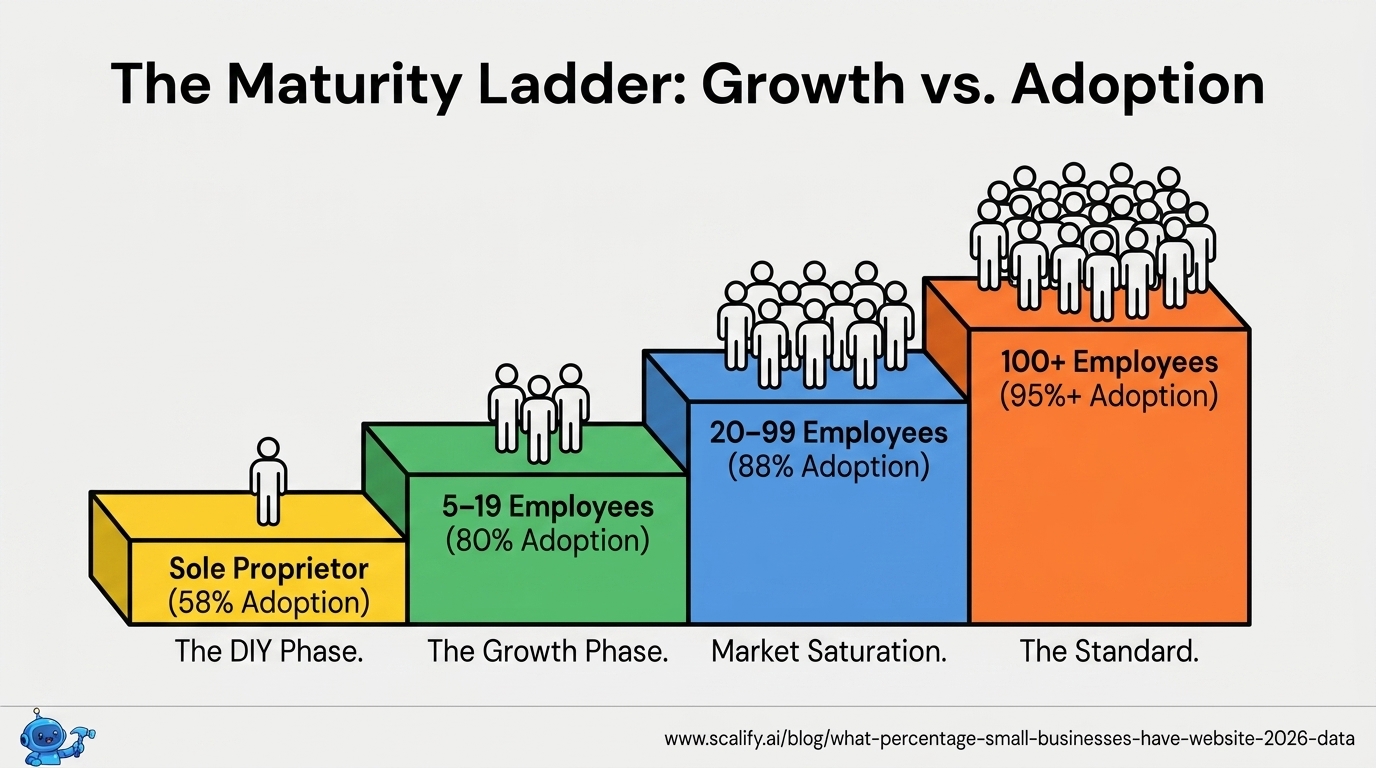
- 87% of small business websites are built on a template or page builder — templates are the dominant choice by volume
- Custom websites cost on average 3–8x more than template-based websites for equivalent functionality
- Template websites are launched on average 60–75% faster than custom builds
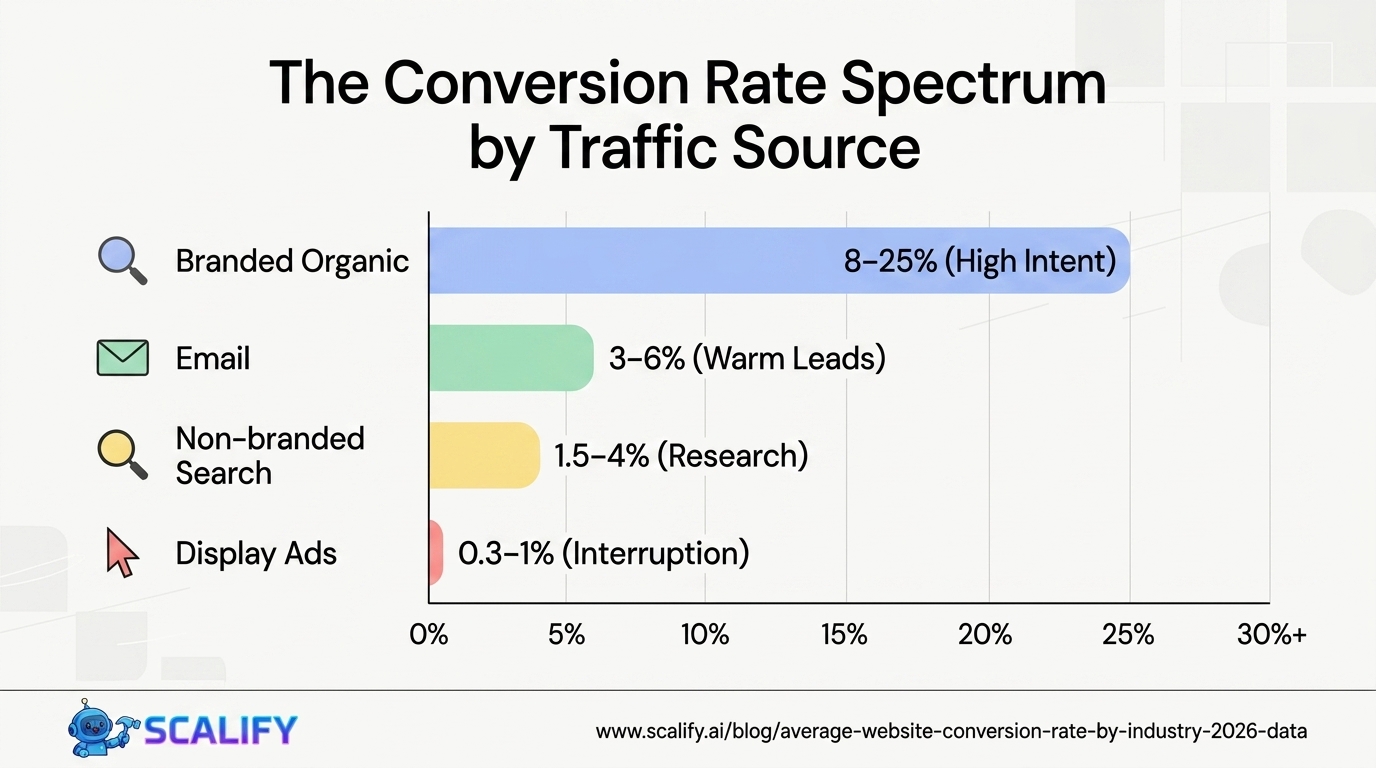
- Custom websites produce 12–18% better conversion rates on average for comparable businesses — reflecting better fit to specific needs
- 68% of businesses that outgrow a template website eventually migrate to a custom solution
- Template websites on quality platforms (Webflow, Squarespace) achieve Lighthouse scores comparable to custom builds in most cases
- Custom website maintenance costs are typically 30–50% higher annually than equivalent template sites
- Businesses in highly competitive markets see the highest conversion improvements from custom design: 18–25% above industry average
- Template websites account for the majority of the top 1 million websites by traffic — template quality is not a ceiling
- The average custom website project takes 3–6 months from brief to launch; comparable template projects take 2–6 weeks
What "Custom" and "Template" Actually Mean
| Approach | Definition | Examples | Who Typically Uses It |
|---|---|---|---|
| Pure template (off-the-shelf) | Unmodified or minimally modified commercial theme/template | ThemeForest WordPress theme, Squarespace default template | Individual creators, small businesses with tight budgets |
| Customized template | Template significantly modified to match brand; custom photography; content rewrite | Webflow template with custom colors/fonts/photography; WordPress theme with significant customization | SMBs, growing companies with moderate budgets |
| Template-based custom design | New design created in a template-powered platform from scratch | New Webflow site built from blank canvas; custom WordPress theme on Genesis/Underscores | Professional agencies building in platforms |
| Full custom build | Entirely bespoke — custom design, custom code, no template foundation | Next.js + custom CMS; Django + custom front-end; fully bespoke WordPress theme | Enterprises, companies with unique requirements, high-traffic sites |
The Real Differences: What Actually Changes
| Factor | Template | Custom | Honest Assessment |
|---|---|---|---|
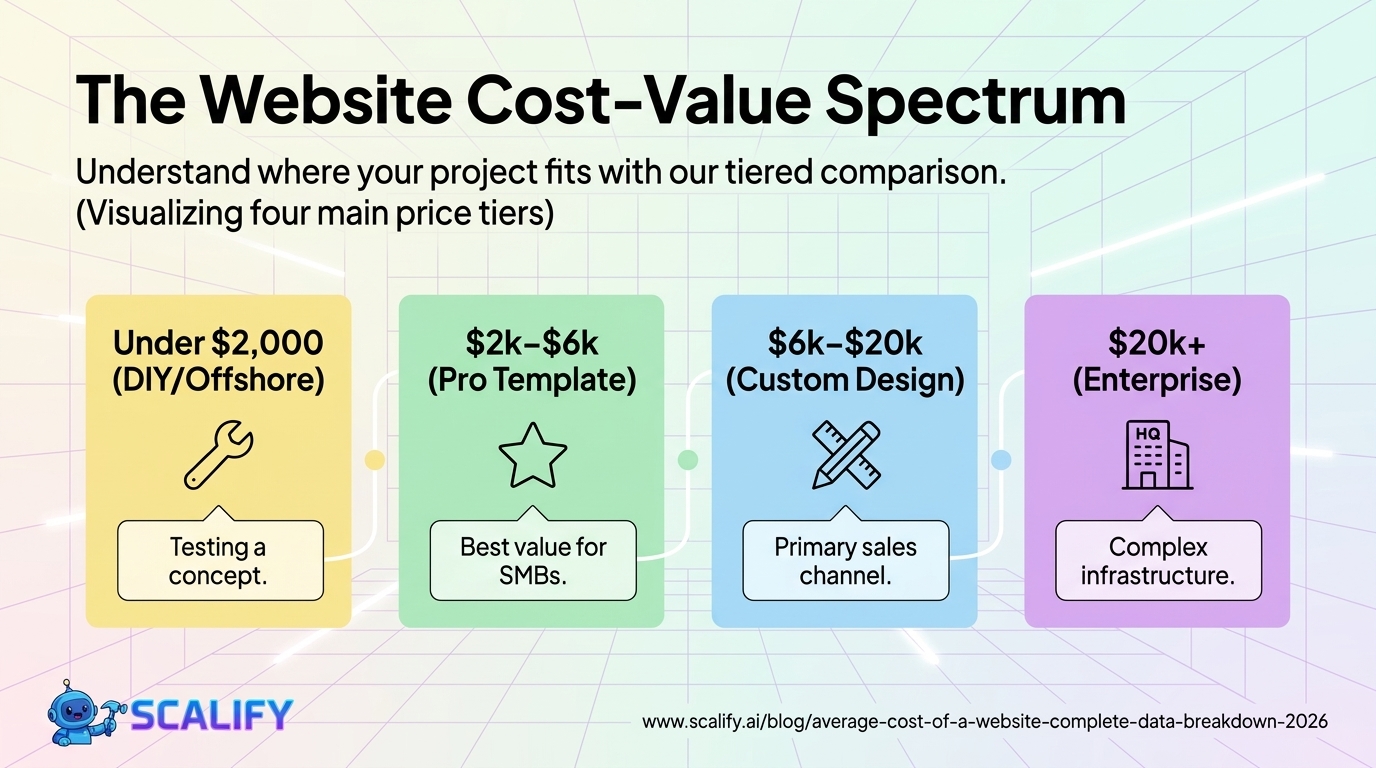
| Initial cost | $500–$8,000 | $8,000–$80,000+ | Template wins significantly on cost |
| Timeline to launch | 2–6 weeks | 3–6 months | Template wins significantly on speed |
| Visual uniqueness | Low–Medium (recognizable template patterns) | High (fully unique) | Custom wins if visual differentiation matters commercially |
| Performance (technical) | Good–Very Good (quality platforms) | Best (full control) | Gap much smaller than commonly claimed |
| SEO capability | Good–Very Good | Best (full control) | Gap small; content strategy matters more than platform |
| Conversion optimization | Generic — not optimized for your specific funnel | Precisely optimized for your audience and goals | Custom wins for mature businesses with clear conversion goals |
| Ongoing maintenance | Lower — platform updates handled | Higher — developer required for changes | Template wins for cost and simplicity |
| Scalability | Limited by platform constraints | Unlimited (within technical resources) | Custom wins when you'll outgrow platform limits |
| Content management | Good — most templates include CMS | Depends on implementation | Can be equal; depends on build quality |
When Template Wins
When you need to launch fast. If time-to-market is the primary constraint — you're launching a startup, testing a new product concept, or need a website this month rather than in six months — a well-chosen and properly customized template delivers a professional, functional website in a timeline that custom development cannot match.
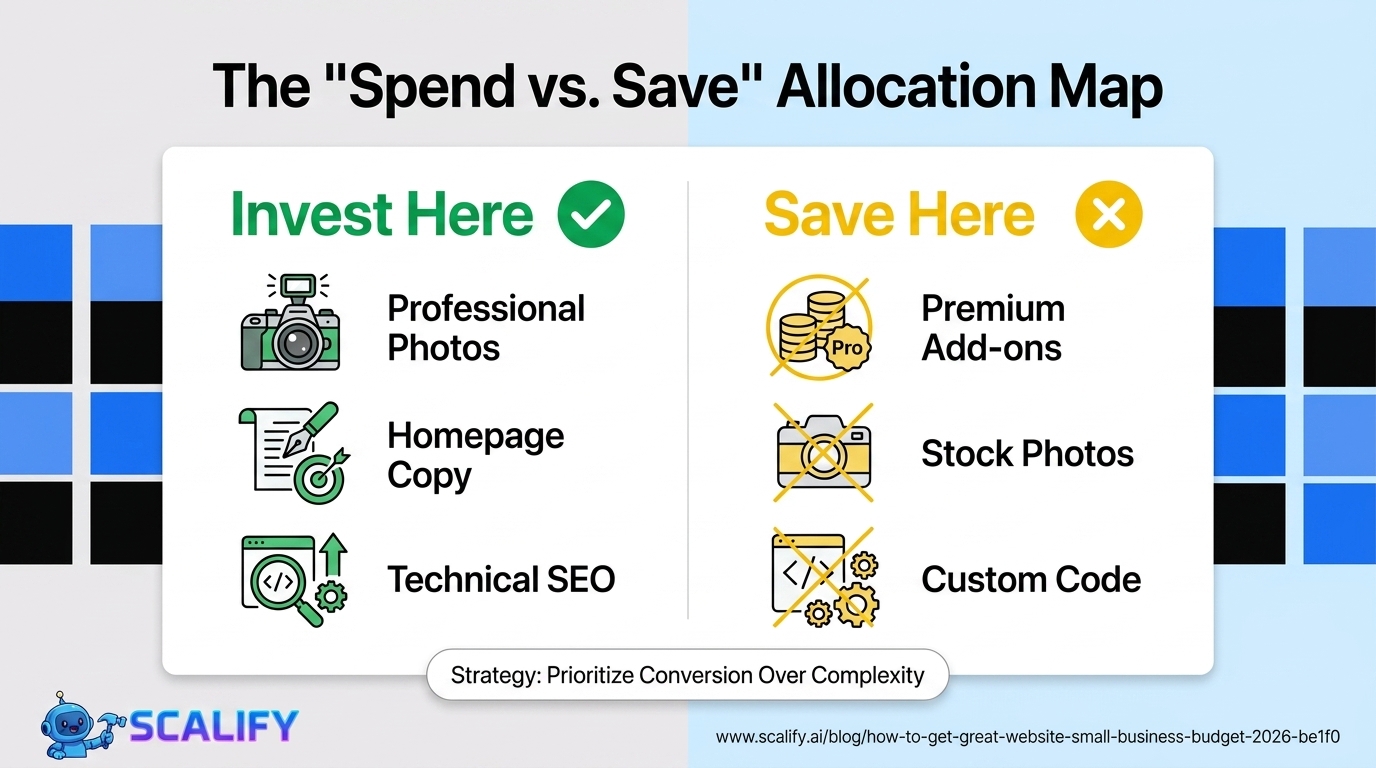
When budget is genuinely limited. A $3,000 template website is not $3,000 of inferior quality — it's $3,000 of what $3,000 can buy in web development. The comparison isn't "template quality vs. custom quality" but "what $3,000 produces vs. what $30,000 produces." For businesses where $30,000 in web development isn't justified by expected revenue impact, a well-built template is the rational choice.
When your requirements match what templates provide. A professional services firm, restaurant, or local service business with standard web requirements — homepage, about page, services page, contact — doesn't have unique web requirements that justify custom development. A template that matches the brand and communicates clearly serves these businesses well, and the saved budget is better invested in content, SEO, or paid advertising.
When you're not sure what you need yet. Pre-product-market fit companies and businesses entering new markets often don't know enough about their customers to optimize a website for their specific journey. A template that can be adjusted quickly as understanding improves is more strategically sound than a custom build that embeds assumptions that turn out to be wrong.
When Custom Wins
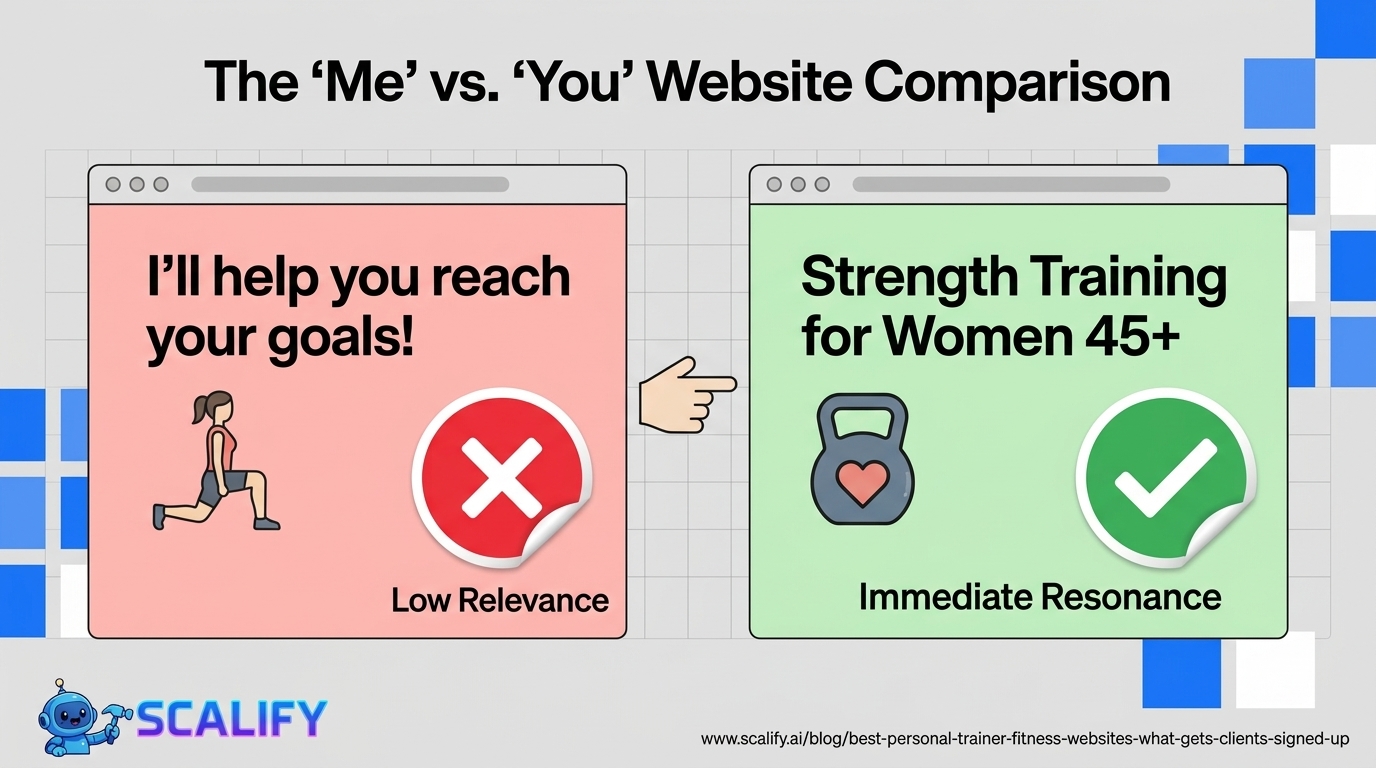
When visual differentiation is commercially significant. Luxury brands, premium service providers, and design-forward companies in markets where first impression drives purchase decisions need websites that look genuinely distinctive. A potential client comparing three premium law firms or three high-end architecture studios forms an immediate impression of quality from the website — and a recognizable template pattern undermines the premium positioning regardless of how well the template is customized.
When you have unique functional requirements. Complex e-commerce with custom configurators, web applications with unique user flows, integrations with proprietary internal systems, or interactive features that no template provides — these are genuine custom build territories. Templates are designed for common patterns; genuinely uncommon requirements need custom solutions.
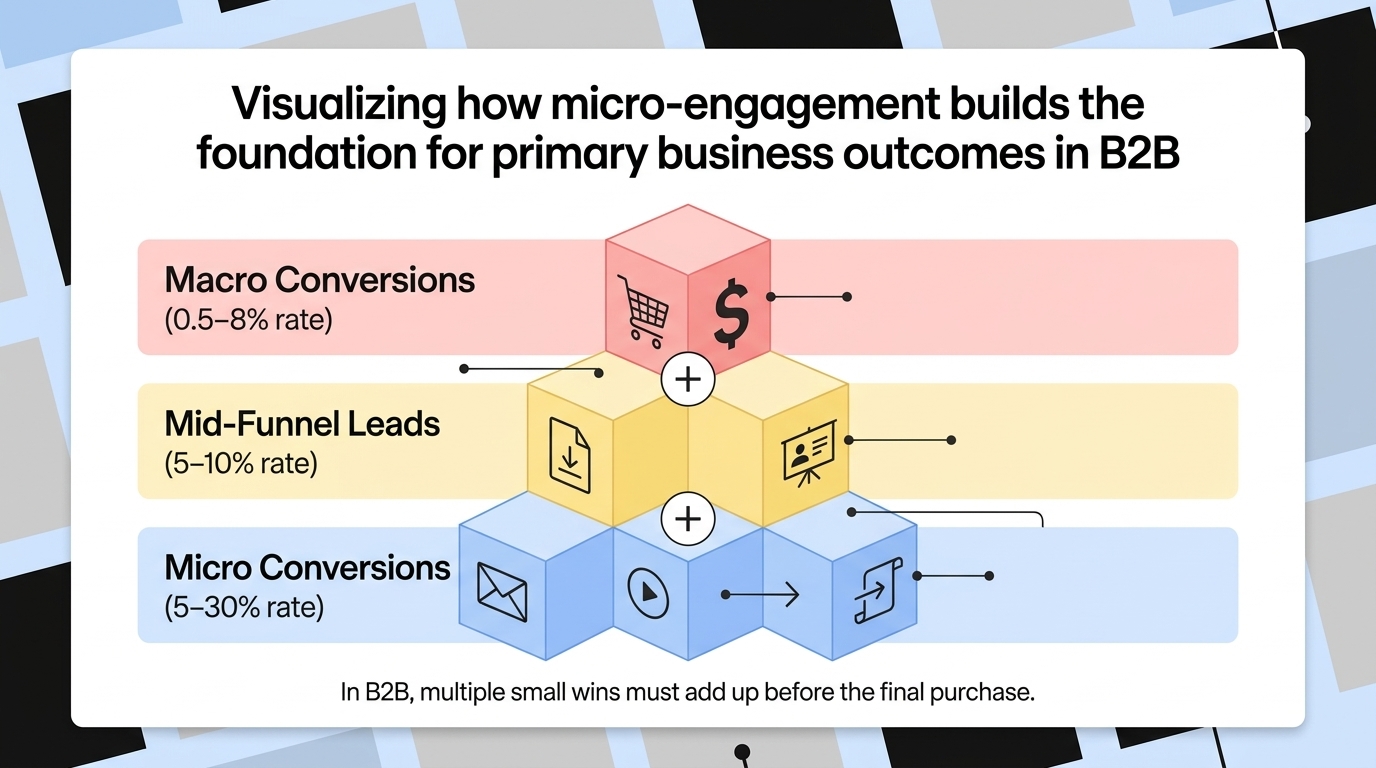
When conversion optimization matters and you know your customer. Mature businesses with established traffic, clear conversion goals, and data about their customer journey can quantify the revenue impact of conversion rate improvements. If A/B testing shows that a customized hero section improves lead inquiry by 15% and leads are worth $800 each, the ROI of a custom conversion-optimized design is calculable and often compelling. This is very different from building custom "because it will convert better" based on intuition rather than data.
When you'll outgrow a template platform's limitations. High-traffic sites that need edge caching, custom CDN configurations, and performance tuning beyond what a template platform provides will eventually need custom infrastructure. Sites expecting to serve millions of monthly users need custom solutions before they hit those numbers, not when template limitations are already causing problems.
The Middle Path: Template-Based Custom Design
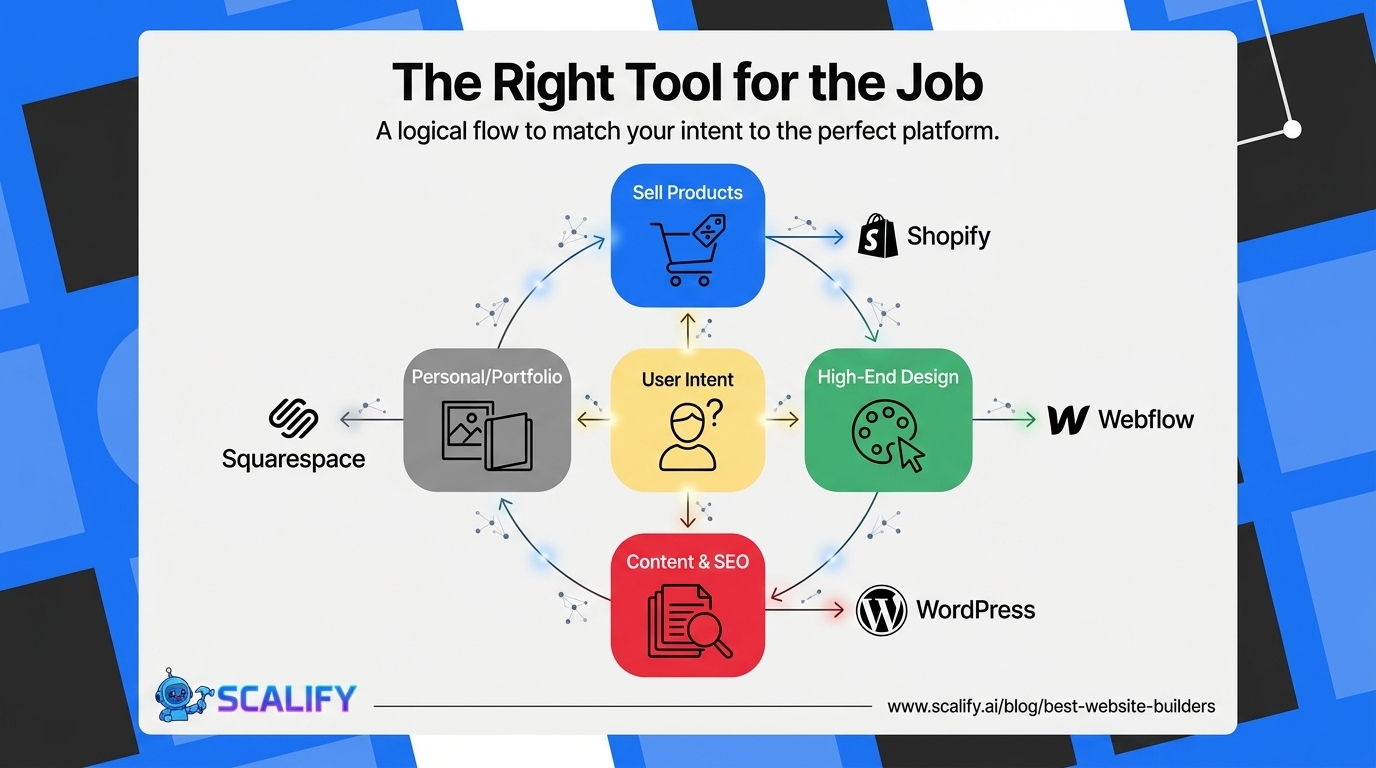
The most commercially sensible approach for many businesses is what professional web design agencies actually deliver: custom design work built on professional platforms (Webflow, WordPress with a blank-canvas theme) that produce genuinely unique visual results without the timeline and cost premium of fully bespoke code. This approach delivers the visual uniqueness of custom design with the platform's CMS, security updates, and ongoing maintenance accessibility — capturing most of the benefits of custom while avoiding most of the costs.
Webflow is particularly well-suited to this middle path: the platform provides robust CMS capabilities, clean code output, excellent performance, and a visual building environment — but professional designers using Webflow can create entirely unique designs that share none of the visual patterns of Webflow's commercial templates. A well-built Webflow site looks indistinguishable from a custom-coded site to visitors, loads comparably, and ranks well in search — while providing the template-level advantages of manageable content updates and lower ongoing maintenance costs.
The Bottom Line
Templates are not inferior to custom websites — they're faster and cheaper with trade-offs in visual uniqueness and conversion optimization. Custom websites are not superior to templates — they're more expensive and slower to build with benefits that are only commercially significant in specific situations. Choose based on your actual business situation: launch speed and budget constraints favor templates; visual differentiation needs, unique functional requirements, and quantifiable conversion improvement opportunities favor custom. The honest answer for most small-to-medium businesses is a professionally customized template, which delivers most of the benefits of custom at a fraction of the cost — and reserves custom investment for the specific elements where bespoke design actually moves the business metrics that matter.
At Scalify, we deliver professional websites in 10 business days — building on proven platforms with custom design work that achieves the results of a custom build without the 6-month timeline.
Top 5 Sources
- Forbes — How Much Does a Website Cost?
- CXL Institute — Custom vs Template Website Conversion Research
- BuiltWith — Website Technology Distribution Data
- HubSpot — Website Design and Performance Statistics
- W3Techs — CMS and Platform Market Share
Performance: Is There Really a Difference?
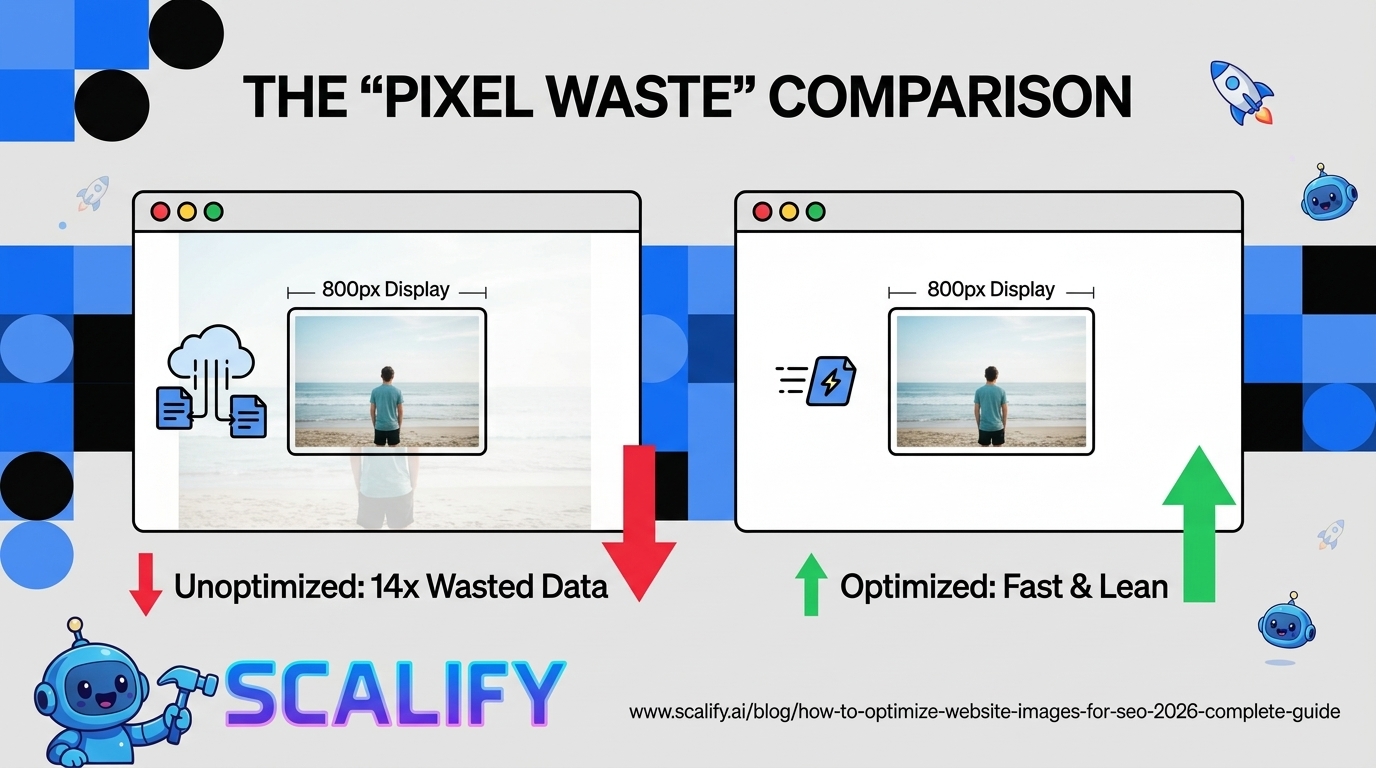
One of the most persistent myths about custom vs. template websites is that custom builds are meaningfully faster than template-based sites. The reality in 2026 is more nuanced. A well-optimized Webflow site built by a competent developer achieves Lighthouse mobile scores of 85–95 and passes Core Web Vitals thresholds. A poorly-optimized custom-coded Next.js site with uncompressed images and render-blocking scripts can score 45. Platform matters less than implementation quality.
Where performance differences genuinely emerge is at scale — very high-traffic sites (millions of monthly visits), sites with complex data fetching requirements, and applications with real-time features that template platforms don't natively support. At typical SMB and growing company traffic levels (under 500,000 monthly visits), the performance difference between a well-built template site and a well-built custom site is unmeasurable by real users and immaterial to SEO rankings. Both will pass Core Web Vitals if built competently. The performance argument for custom development only holds water at enterprise scale or for genuinely complex technical requirements — not for the majority of websites where this comparison is made.
SEO Capability: Another Common Misconception
The claim that custom websites rank better than template websites is technically true in the sense that custom-coded sites have more flexibility in technical SEO implementation — but practically irrelevant for most businesses. The factors that actually determine search rankings are: content quality and comprehensiveness, domain authority (backlinks from credible sources), technical fundamentals (crawlability, mobile-friendliness, Core Web Vitals, HTTPS), and user engagement signals. None of these factors require custom development to implement.
A Webflow site with proper meta tags, schema markup, sitemap submission, fast load times, and excellent content will outrank a custom-coded site with poor content and weak authority — because content and authority are the primary ranking determinants, not platform choice. The SEO ceiling of professional template platforms (Webflow, WordPress with Yoast, Shopify) is sufficient for every business below enterprise scale. The argument that you need custom code to rank well in search is simply not supported by the evidence of what actually ranks in competitive queries.
The Ongoing Maintenance Comparison
One of the most underappreciated template advantages is ongoing maintenance simplicity. A Webflow or Squarespace website receives automatic security updates, hosting maintenance, and platform improvements managed by the vendor — the website owner doesn't need to worry about server vulnerabilities, plugin compatibility, or CMS version updates. The content is updated through a visual interface that doesn't require developer involvement for routine changes: updating text, swapping images, adding new blog posts, or adjusting pricing pages.
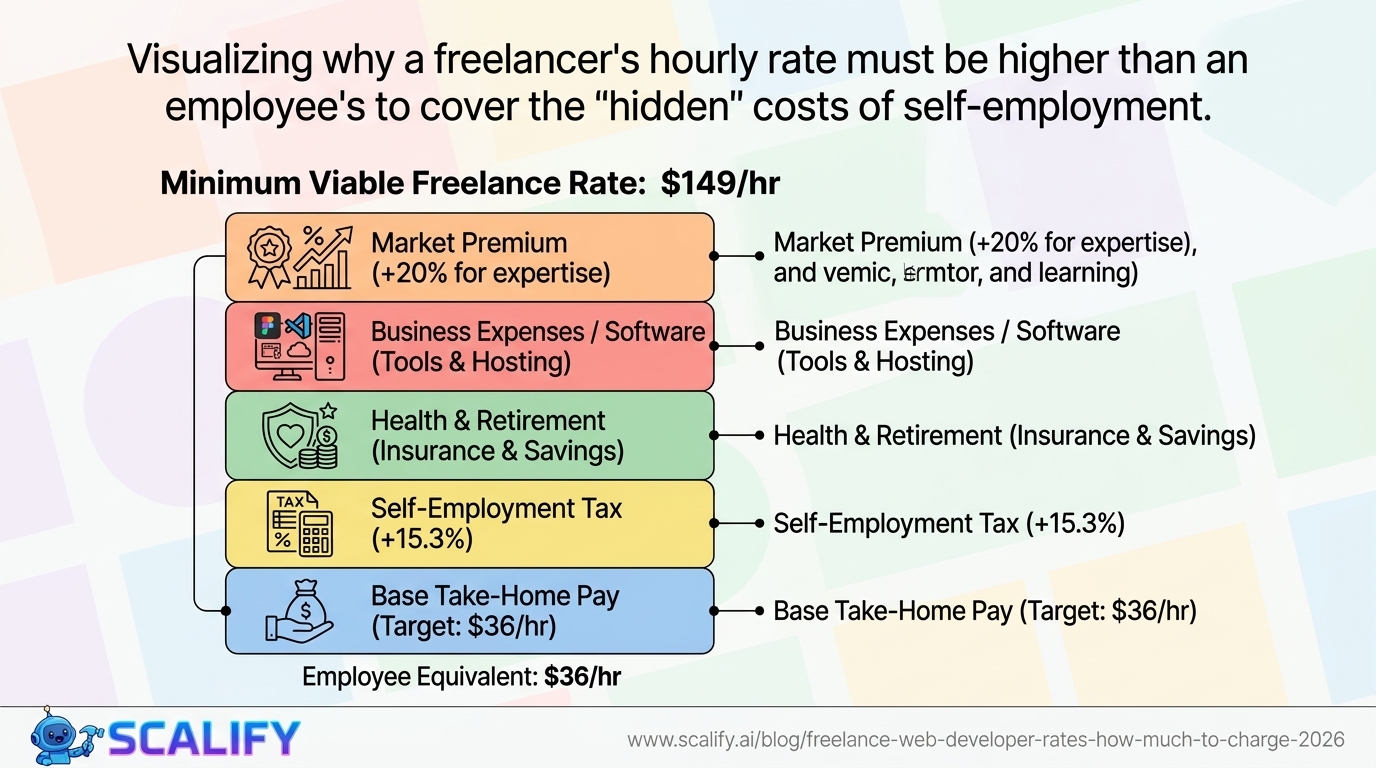
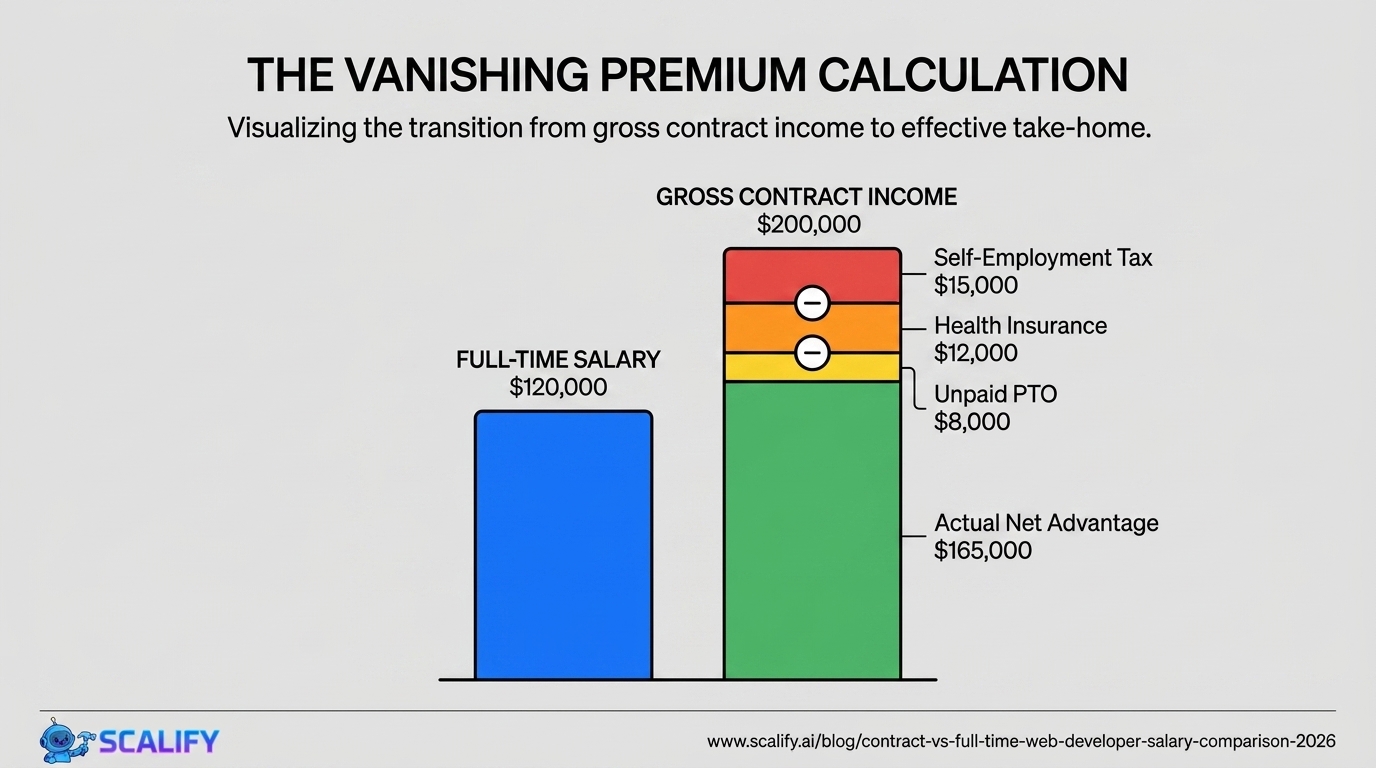
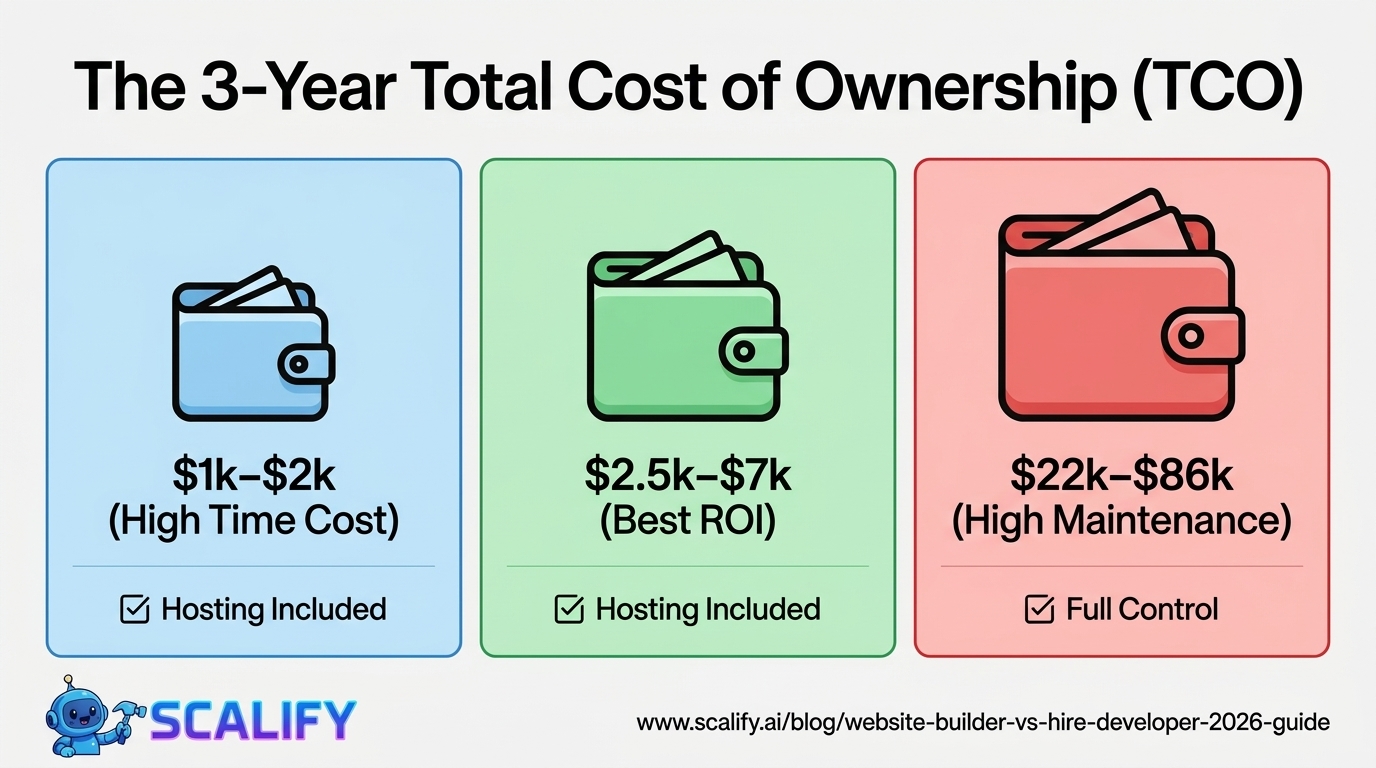
Custom-coded websites — particularly WordPress custom builds and framework-based applications — require ongoing developer attention: security patches, dependency updates, server maintenance, backup management, and developer involvement for content changes that go beyond the CMS's capabilities. This ongoing cost (typically $500–$2,000/year for basic maintenance, more for complex sites) should be factored into the total cost of ownership comparison between custom and template approaches. A $20,000 custom website with $1,500/year maintenance over 5 years costs $27,500 total. A $5,000 Webflow build with $500/year platform fees over 5 years costs $7,500 total — a significant difference that pure build-cost comparisons miss.
Making the Decision: A Practical Framework
Rather than choosing based on general principles, use these questions to make the specific decision for your business:
1. Do you have unique functional requirements no platform provides? If yes → consider custom. If no → template is viable.
2. Is visual uniqueness commercially significant for your business? If yes and you can quantify the ROI → custom design (even if built on a platform). If no → template works.
3. What is your realistic timeline? If you need launch in under 6 weeks → template. If 3–6 months is acceptable → custom is an option.
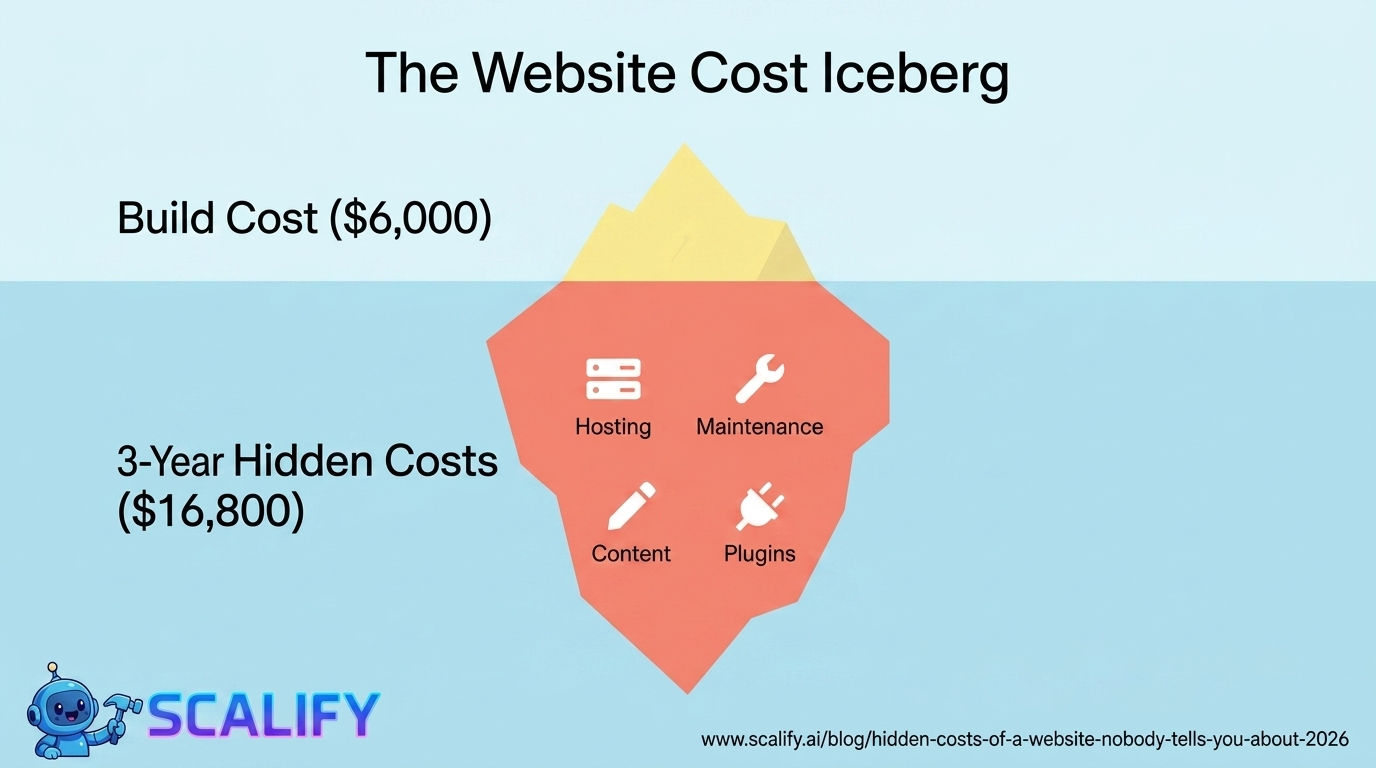
4. What is your total budget including 3-year maintenance? Calculate the full 3-year cost of each option before deciding — include ongoing developer costs for custom, platform fees for template.
5. Will you outgrow a template platform? If you're expecting millions of monthly visitors, complex integrations with proprietary systems, or requirements that will exceed platform capabilities → invest in custom. If not → start with a template and migrate if you reach those limits.
Answering these five questions produces a decision grounded in your specific business reality rather than general principles that may not apply to your situation.


.jpeg)
.jpeg)



78 SW 7th St, Miami, FL 33130