


Dark Mode Website Design: When to Use It and When to Skip It
By Josh Ternyak

March 31, 2026
Dark mode works best for developer tools, SaaS products, and entertainment platforms — but hurts conversion on e-commerce and healthcare sites. This comprehensive guide covers when to use dark mode, when to skip it, three implementation approaches (system detection, toggle, default), design pitfalls, OLED battery benefits, accessibility considerations, and dark mode support in popular frameworks like Tailwind and Shadcn/ui.
Dark Mode Website Design: When to Use It and When to Skip It
Dark mode website design — using dark backgrounds with light text instead of the traditional light backgrounds with dark text — has moved from a niche developer preference to a mainstream design choice that users actively seek out across operating systems, apps, and websites. In 2026, over 80% of smartphones ship with a dark mode OS option, most major platforms offer dark mode by default, and user preference data suggests that a significant portion of users prefer dark interfaces for specific contexts.
For web designers and developers deciding whether to implement dark mode, the question isn't whether dark mode is popular (it is) — it's whether dark mode serves your specific users, product type, and use case better than a light interface, and what the implementation cost is relative to the benefit.
Key Dark Mode Statistics
- 82% of smartphone users report using dark mode on their phone at least sometimes
- 64.6% of users say they prefer dark mode because it's easier on the eyes (Android Authority)
- Dark mode reduces battery drain by up to 63% on OLED screens at maximum brightness
- Developer tools, code editors, and productivity apps have the highest dark mode adoption — 70%+ of professional developers use dark mode in their code editor
- Dark mode can reduce digital eye strain for users with light sensitivity conditions and is recommended by many optometrists for late-night screen use
- Websites with automatic dark mode detection (CSS prefers-color-scheme) see measurably higher engagement from users with dark mode enabled on their OS
- Implementing system-level dark mode with CSS requires approximately 8–20 hours of development time for a typical website, depending on complexity
- E-commerce sites see lower conversion rates in dark mode — users associate dark backgrounds with less trust and less readability for product details
- Dark mode is most common in low-light environments — evening use, reading in bed, commuting on dark trains
- Users who prefer dark mode are disproportionately developers, designers, and tech-adjacent professionals — relevant for products in these categories
When Dark Mode Works Well
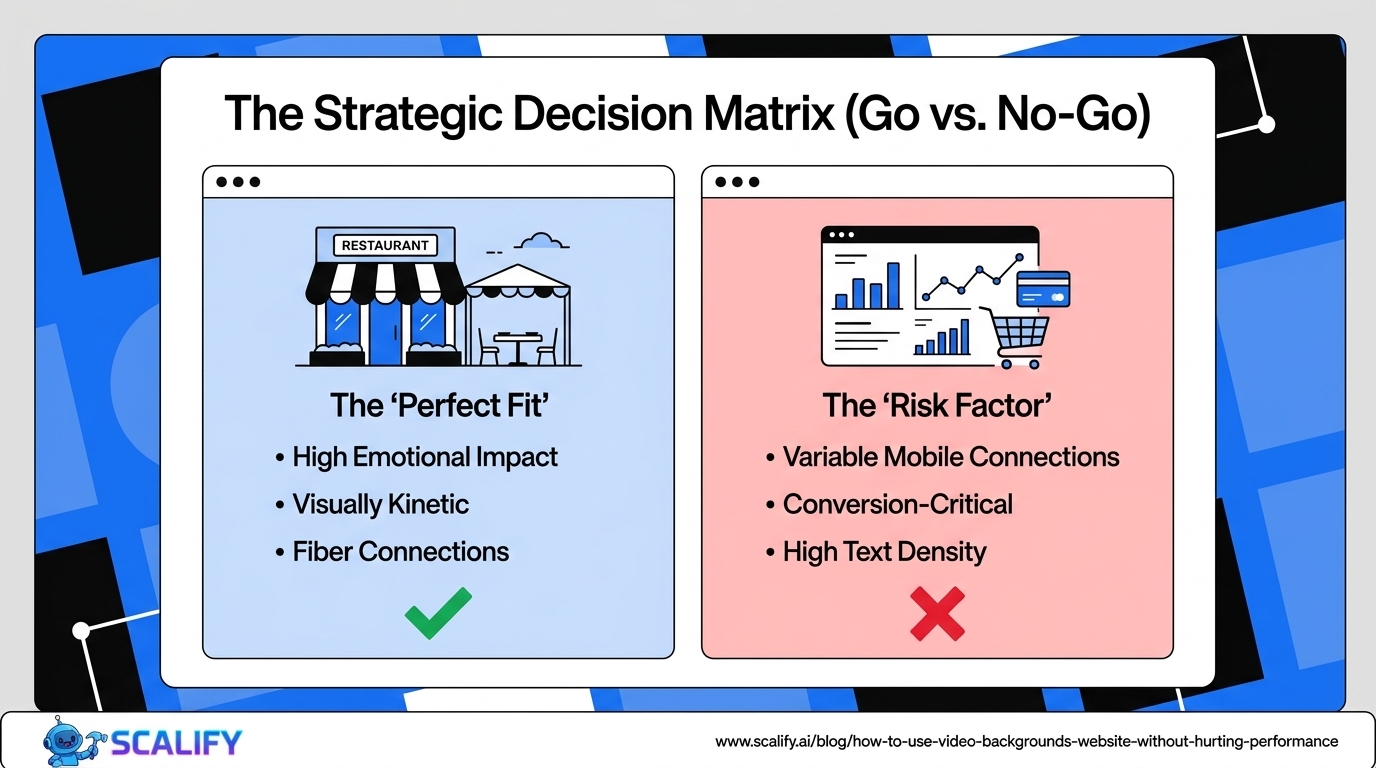
| Use Case | Dark Mode Suitability | Reason |
|---|---|---|
| Developer tools and documentation | Excellent | Developers are the primary dark mode user demographic |
| Code editors and IDEs | Excellent | Industry standard since at least 2010; any other approach is now unusual |
| Analytics and data dashboards | Very Good | Charts and data visualizations often pop more on dark backgrounds |
| Portfolio and creative agency sites | Good | Dark can signal premium/exclusive positioning; photography often looks better |
| Entertainment platforms (streaming, gaming) | Very Good | Media content is the focal point; dark chrome recedes |
| Reading/blogging apps | Good with toggle | Night reading preference strong; user control important |
| Social media applications | Very Good | Most major social platforms offer and users prefer dark mode |
| Premium SaaS products | Good | Dark mode signals modernity and technical sophistication |
When Dark Mode is the Wrong Choice
| Use Case | Dark Mode Suitability | Reason |
|---|---|---|
| E-commerce and retail | Poor — light is better | Users associate light interfaces with trust and readability for product decisions |
| Healthcare and medical information | Poor — light is better | Clinical and credibility associations are with white/light; dark feels less trustworthy |
| Legal and financial services | Poor — light is better | Professionalism and transparency signals align with light interfaces |
| Small business marketing sites | Neutral — depends on brand | Most small businesses gain little from dark mode complexity; light is safer |
| Bright lifestyle brands (food, beauty, travel) | Poor — light fits brand | Vibrancy, freshness, and appetite appeal are light-background qualities |
| Educational content and news | Neutral — toggle preferred | Long-form reading benefits vary by user; optional toggle better than forced |
Implementing Dark Mode: The Three Approaches
1. System-Preference Detection (prefers-color-scheme)
The most user-friendly approach: use CSS media query @media (prefers-color-scheme: dark) to automatically show dark styles to users who've enabled dark mode at the OS level, and light styles to everyone else. No toggle required — the site respects the user's system preference automatically. This approach requires defining CSS custom properties (variables) for all colors and switching between color schemes with a single media query block:
:root {
  --bg: #ffffff;
  --text: #111827;
  --surface: #f9fafb;
}
@media (prefers-color-scheme: dark) {
  :root {
    --bg: #111827;
    --text: #f9fafb;
    --surface: #1f2937;
  }
}
This approach is the lowest-friction implementation and the most respectful of user preferences — but provides no control for users who want to override their system preference for your specific site.
2. Manual Toggle (User-Controlled)
A sun/moon or light/dark toggle in the site navigation lets users choose their preferred mode independently of their OS setting. This is more work to implement (requires JavaScript to set/persist the preference, typically in localStorage) but gives users maximum control. The toggle approach is the right choice for any product where users are likely to have strong preferences that may differ from their OS setting — a user who prefers light mode generally but wants dark mode for late-night reading of long-form content benefits from being able to switch.
3. Dark Mode by Default
Some products make dark mode the primary experience: the site loads in dark mode by default regardless of OS preference, with an optional light mode toggle. This approach makes a strong design statement and is appropriate for products where dark mode is core to the brand identity — premium, technical, or entertainment products where darkness signals quality or focus. It requires ensuring that the dark mode experience is genuinely excellent, not just an inverted light design, because it's the first and primary experience every visitor has.
Dark Mode Design Pitfalls to Avoid
Simply inverting light colors. True dark mode design is not "invert all the colors." White becomes black, but the relationships between colors change in unexpected ways. Brand colors that look great on white can become harsh and garish on dark backgrounds. Shadows that signal depth on light designs disappear on dark ones. Dark mode requires genuine color system work — defining dark-mode-specific color values that look right in context, not just inverted versions of light-mode values.
Ignoring image handling. Images designed and optimized for light backgrounds can look harsh or incorrect on dark backgrounds — particularly images with white backgrounds (product photos, logos) that appear as floating white boxes on a dark interface. Dark mode implementations need to address images: either using PNG images with transparent backgrounds, adding a CSS filter to invert or desaturate images in dark mode, or providing dark-mode-specific image variants where appearance significantly changes.
Poor text contrast. Dark mode accessibility requires the same WCAG contrast minimums as light mode (4.5:1 for normal text) — but many dark mode implementations fail this by choosing dark gray text on dark backgrounds for aesthetic reasons. Pure white (#ffffff) on very dark backgrounds can actually be too high contrast for some users with certain visual conditions; a slightly off-white (#e5e7eb or similar) on dark (#111827) provides better readability while maintaining accessibility compliance.
Forgetting third-party embeds. Third-party widgets — social media embeds, live chat widgets, cookie consent banners, review widgets — often ignore dark mode entirely and appear as jarring white boxes in an otherwise dark interface. Review third-party components when implementing dark mode and either hide them in dark mode or find dark-mode-compatible alternatives.
Testing Dark Mode Implementations
Testing dark mode requires checking the interface in both modes across different devices and use cases. Chrome DevTools allows dark mode simulation without changing OS settings: open DevTools → Command Palette (Ctrl+Shift+P) → "Emulate CSS prefers-color-scheme: dark." Test both modes on actual devices (not just browser simulation) because OLED screens render dark mode significantly differently from LCD screens — colors may look different, and the battery impact is visible only on OLED. Check accessibility in both modes: color contrast ratios, focus states, and interactive element visibility can all behave differently in dark mode and need to meet WCAG standards in both.
The Bottom Line
Dark mode is worth implementing for developer tools, SaaS products, dashboards, creative portfolios, and entertainment platforms where the user demographic skews toward dark mode preferences. It's less compelling for e-commerce, healthcare, legal services, and bright lifestyle brands where light interfaces communicate the right trust and brand signals. The safest implementation approach for most websites is system-preference detection — respecting the user's OS setting with proper CSS custom property architecture — which provides the dark mode experience to those who want it without affecting users who prefer light mode. Whatever approach you choose, implement it correctly: don't just invert colors, handle images properly, maintain WCAG contrast in both modes, and check third-party components.
At Scalify, we build professional websites with proper color system architecture that supports dark mode implementation where it serves the product — and makes the decision based on the specific client's users and brand, not trends.
Top 5 Sources
- Google web.dev — prefers-color-scheme CSS Guide
- Android Authority — Dark Mode User Preference Research
- Nielsen Norman Group — Dark Mode Usability Research
- WCAG 2.1 — Contrast Minimum Requirements
- MDN Web Docs — prefers-color-scheme Reference
Dark Mode and Performance: The OLED Battery Reality
One of the most concrete benefits of dark mode — particularly for mobile users — is battery life improvement on OLED screens. OLED (Organic Light-Emitting Diode) display technology, used in most modern flagship smartphones, works by illuminating individual pixels independently. Black pixels are literally off (emitting no light), which means that dark interfaces use dramatically less power than light interfaces on OLED screens. Google's research found up to 63% battery reduction for a dark interface vs. white interface on OLED at full brightness — a genuinely meaningful impact for users on mobile.
This battery benefit is real and significant, but applies only to OLED displays. LCD screens (used in many mid-range devices and most laptops) illuminate the entire display with a backlight regardless of pixel colors — dark mode provides no battery benefit on these displays. For web designers deciding whether dark mode's battery claim justifies implementation, the relevant question is what proportion of their mobile users have OLED screens — a metric available in Google Analytics under Device Reports for sites with sufficient mobile traffic.
Accessibility Considerations for Dark Mode
Dark mode has specific accessibility implications that go beyond WCAG contrast compliance. Users with certain visual conditions benefit significantly from dark mode: people with photophobia (light sensitivity) or migraines triggered by bright screens, those with certain forms of color blindness where dark backgrounds improve contrast differentiation, and people who experience digital eye strain from extended screen use in lower light environments. Making dark mode available as an option — rather than forcing either mode — is the most accessible approach because visual preferences are highly individual and no single mode is universally optimal.
Conversely, some users with visual conditions including cataracts and other contrast-affecting conditions can find dark text on dark backgrounds significantly harder to read than the standard light-on-dark pattern. This reinforces the value of the toggle approach over forced dark mode — giving users the choice ensures accessibility across the widest range of visual situations.
Dark Mode in Popular Web Frameworks
Most modern CSS frameworks and component libraries now include first-class dark mode support that dramatically reduces implementation complexity:
| Framework/Library | Dark Mode Support | Implementation Approach |
|---|---|---|
| Tailwind CSS | Native — excellent | dark: prefix on any utility class; class or media strategy |
| Shadcn/ui (Radix) | Native — excellent | CSS variables; built-in theme toggle component |
| Material UI | Native | Theme provider with dark/light mode toggle |
| Chakra UI | Native — excellent | useColorMode hook; automatic OS detection |
| Bootstrap 5.3+ | Good — added in 5.3 | data-bs-theme="dark" attribute |
| Webflow | Limited — manual | Custom CSS for dark mode; interaction-based toggle |
Tailwind CSS's dark mode implementation deserves specific mention for its elegance: adding the dark: prefix to any utility class applies that style only in dark mode. class="bg-white dark:bg-gray-900 text-gray-900 dark:text-gray-100" defines both light and dark styles inline without separate stylesheets. Combined with Tailwind's class strategy (adding a 'dark' class to the HTML element rather than relying on media query) this gives JavaScript full control over mode switching while maintaining the utility-first development experience. This approach has become the standard for React + Tailwind applications, and the combination of Tailwind dark mode with Shadcn/ui's pre-built dark mode components provides a complete dark mode implementation toolkit with minimal custom code.










.jpeg)
.jpeg)





78 SW 7th St, Miami, FL 33130