


How Long Does It Take to Build a Website?
By Josh Ternyak

April 1, 2026
Comprehensive guide: How Long Does It Take to Build a Website?
The Question Everyone Asks and Nobody Answers Honestly
"How long will it take to build our website?"
Every business owner asks this at some point. The answers they get back are wildly inconsistent: "two weeks" from one agency, "four months" from another, "it depends" from a third. The range is so wide that it's almost meaningless, and the reasoning behind each estimate is often opaque.
Here's the reality: website timelines vary enormously depending on factors that have nothing to do with how hard anyone is working. The type of site. The number of pages. The design complexity. The content readiness. The approval process. The number of integrations. Whether you're building custom or using a platform. Whether you're doing it yourself or hiring a team.
This guide provides honest, realistic timelines for different types of websites — with the actual factors that drive those timelines and the common reasons projects run over. By the end, you'll be able to estimate your own project's timeline with reasonable accuracy and spot the warning signs that suggest a project is being under- or over-scoped.
The Most Important Variable: Who Is Building It
Before any other factor, the single biggest determinant of timeline is who is doing the building and how they're doing it.
DIY on a website builder (Squarespace, Wix, Webflow): No waiting for anyone else. Timeline is determined by your own availability and learning curve. A focused person who's used a similar tool before can have a simple site live in days. Someone starting from zero with limited time might take months of evenings and weekends.
DIY on WordPress: Slower than visual builders, especially if you're learning as you go. Installing, configuring, and customizing a WordPress site with plugins and theme customization takes significantly longer than using a visual builder for comparable output.
Freelance designer/developer: Timelines depend heavily on the freelancer's availability, project load, and whether they're doing both design and development or just one. Good freelancers are busy; good and available freelancers are less common. Expect 4–12 weeks for a professional freelance project, longer for complex builds.
Agency: Agencies have more structured processes, often multiple people working in parallel, and project management overhead. Good agencies are typically booked out; you might wait weeks before your project starts. Timeline from kick-off to launch: 6–16 weeks for typical business sites, 3–6 months for complex custom builds.
Dedicated website service (like Scalify): Services purpose-built for fast delivery can compress timelines dramatically. Scalify delivers custom professional websites in 10 business days — a fundamentally different timeline from traditional agency or freelance processes.
With that context in mind, let's look at realistic timelines by site type.
Simple Brochure Sites (3–7 Pages)
A basic brochure site — home, about, services, contact, maybe a blog — is the simplest category of professional website. It has minimal interactivity, no e-commerce, no complex functionality, and a modest content requirement.
DIY on Squarespace or Wix: 1–3 weeks for a focused person. The platform handles hosting, templates, and basic functionality. Most of the time goes into making design decisions, writing content, and customizing the template to fit the brand.
DIY on Webflow: 2–4 weeks if you have some design experience and invest time in learning the tool. Longer if Webflow is new to you.
Freelance designer/developer: 3–6 weeks from kick-off to launch. The phases: initial briefing and discovery (1 week), design mockups and revisions (1–2 weeks), development and build (1–2 weeks), content population and QA (1 week), launch.
Agency: 4–8 weeks from kick-off. More structured discovery, potentially more rounds of revision, more people involved, more coordination overhead.
The content bottleneck: For any professionally-built site, the biggest timeline risk is content. Agencies and freelancers can design and build quickly — but if you're writing your own copy and gathering your own photos, that process can stall projects for weeks. Having all content ready before the build starts is the single most reliable way to keep a website project on schedule.
Established Business Sites (10–20 Pages)
A more comprehensive business website with detailed service pages, case studies, team profiles, and a content-managed blog section.
DIY: 3–6 weeks if you're focused and the content is mostly ready. The increased page count primarily adds content work; the technical complexity isn't dramatically different from a 5-page site on most platforms.
Freelance: 5–8 weeks. More design work (more page templates), more development, more content to populate.
Agency: 6–12 weeks. Discovery phase becomes more important, more stakeholders to manage, more content to coordinate.
E-Commerce Websites
E-commerce timelines are highly variable depending on catalog size, complexity, and the platform used.
Small Shopify store (under 50 products, standard functionality): 2–4 weeks for a freelancer or small agency. Shopify's platform handles most of the heavy lifting; the work is configuring products, designing the storefront, setting up payment processing, and testing checkout flows.
Mid-size e-commerce (50–500 products, some customization): 4–8 weeks. More product setup time, potentially custom features (size guides, product configurators, custom filtering), and more extensive testing of the purchase flow.
Large or complex e-commerce (custom features, complex catalog, integrations): 3–6 months or more. International shipping logic, custom product configurators, ERP integration, subscription management, complex discount rules — these add significant development time and testing requirements.
The hidden e-commerce time sink: product data. Getting clean product data — accurate descriptions, properly formatted variants, quality images, correct SKUs and inventory quantities — into the platform is time-consuming regardless of catalog size. A 500-product catalog with good data is faster to set up than a 100-product catalog with messy data.
Custom Web Applications
Building a web application — a SaaS product, a marketplace, a platform, anything with user accounts and application-level functionality — is a fundamentally different category from building a website.
MVP (Minimum Viable Product) web application: 3–6 months with a dedicated small team. An MVP covers the core functionality that proves the product concept — not every feature, but enough to validate the idea with real users.
Full-featured web application v1: 6–18 months. Multiple feature sets, polished UX, comprehensive backend, possibly mobile-responsive or native apps, integrations, analytics, admin tools.
Enterprise applications: 18+ months, often multiple years, ongoing development. Authentication, security audits, compliance requirements, integrations with legacy systems, custom reporting — these compound.
Web applications are not websites with more features. They're a different category of project requiring different skills, different processes, different timelines, and different budgets. Approaching a web application with website-scale expectations is one of the most common and most expensive mistakes technology projects make.
The Phases of a Web Project (And Where Time Gets Lost)
Understanding the phases helps identify where delays actually happen.
Discovery and strategy (1–2 weeks for most projects): Defining requirements, understanding the audience, mapping the site structure, confirming the scope. Rushed or skipped discovery leads to scope changes mid-project — which is the most expensive way to change things.
Design (1–4 weeks): Creating visual mockups, getting feedback and approval. The phase most variable based on revision cycles. One client who gives clear, consolidated feedback moves in a week. Multiple stakeholders with conflicting opinions, multiple rounds of revision, and design by committee can extend this to 4+ weeks for a simple site.
Development/Build (1–4 weeks for most sites): The actual technical construction. This phase usually runs to timeline unless scope changes arrive mid-development (common and expensive) or technical surprises emerge.
Content population (1–2 weeks): Transferring approved content into the CMS — writing copy, placing images, populating blog posts, setting up product pages. If content arrives late, development can't start. If content changes after pages are built, rework is required.
QA and testing (1 week): Cross-browser testing, mobile testing, link checking, form testing, performance review. Skipping this phase invites launch bugs. Thorough QA on a complex site takes longer than people estimate.
Revisions (1–2 weeks): Post-QA changes. Light revision cycles add days; heavy revision cycles approaching redesign level add weeks.
Launch (1–2 days): DNS configuration, platform publishing, final checks. Often faster than expected if preparations were made in advance.
Total for a typical professionally-built 10-page business site: 6–10 weeks with a competent team and a prepared client. The range is this wide primarily because of client-side variables (content readiness, feedback speed, revision scope) rather than developer-side variables.
The Most Common Causes of Delays
Content not ready. The number one cause of extended timelines across every category of website project. Clients who say "we'll write the copy as you build" end up with a half-built site waiting on placeholder text. The solution: write all core content before the build phase starts, or hire a copywriter to work in parallel with the design phase.
Slow feedback and approval cycles. A design awaiting client feedback for a week is a week of project timeline wasted. The fastest projects have a single decision-maker who gives rapid, consolidated feedback. Projects with multiple approvers who need to align, or with approvers who are difficult to reach, expand timelines proportionally.
Scope creep. "Can we also add...?" mid-project is the enemy of on-schedule delivery. Good project management contains scope to what was agreed; good clients resist the temptation to add features during the build. Additions after the build has started require either rework (costly) or sequencing to a separate phase (extends timeline).
Perfectionism. There's a real and significant ROI difference between getting a 90% website launched quickly versus waiting three extra months to get to 95%. The launched site starts generating business and providing data for improvement. The not-yet-launched perfect site generates nothing. Most website decisions that are being agonized over are actually not significant enough to justify the delay they cause.
Platform learning curves. DIY projects frequently run long not because the tasks are inherently slow but because the person building it is learning the platform as they go. Legitimate — platforms take time to learn — but worth factoring into estimates honestly.
Red Flags That Suggest Your Timeline Estimate Is Wrong
If someone quotes you:
Under 2 weeks for a custom professional website (from a design-and-develop service, not a DIY platform): likely means templates with your content dropped in, not genuine custom design. Fine if that's what you want; not fine if you're expecting something differentiated.
Over 6 months for a simple brochure site: Either scope has grown significantly beyond "simple brochure site," the team has capacity constraints, or the process is inefficient. Clarify exactly why before accepting this.
No phases or milestones mentioned: A vague "we'll build your site and deliver it in X weeks" without discussing what happens when is a project management red flag. Professional web projects have phases, deliverables, review points, and defined approval processes.
The Bottom Line
Realistic timelines: 1–3 weeks for a focused DIY simple site, 4–8 weeks for a professionally-built business site, 6–16 weeks for complex custom projects, 3–18+ months for web applications. The main drivers: content readiness, decision-making speed, scope definition, and who's doing the work.
The fastest path to a live website without compromising quality: come prepared with content, designate a single decision-maker with authority to approve, define scope clearly before work starts, and work with a service built for speed.
That last point is exactly what Scalify is designed for: custom professional websites in 10 business days, without the months-long agency process. If your timeline is a business priority, it's worth knowing that option exists.
Putting It All Together: The Strategic Perspective
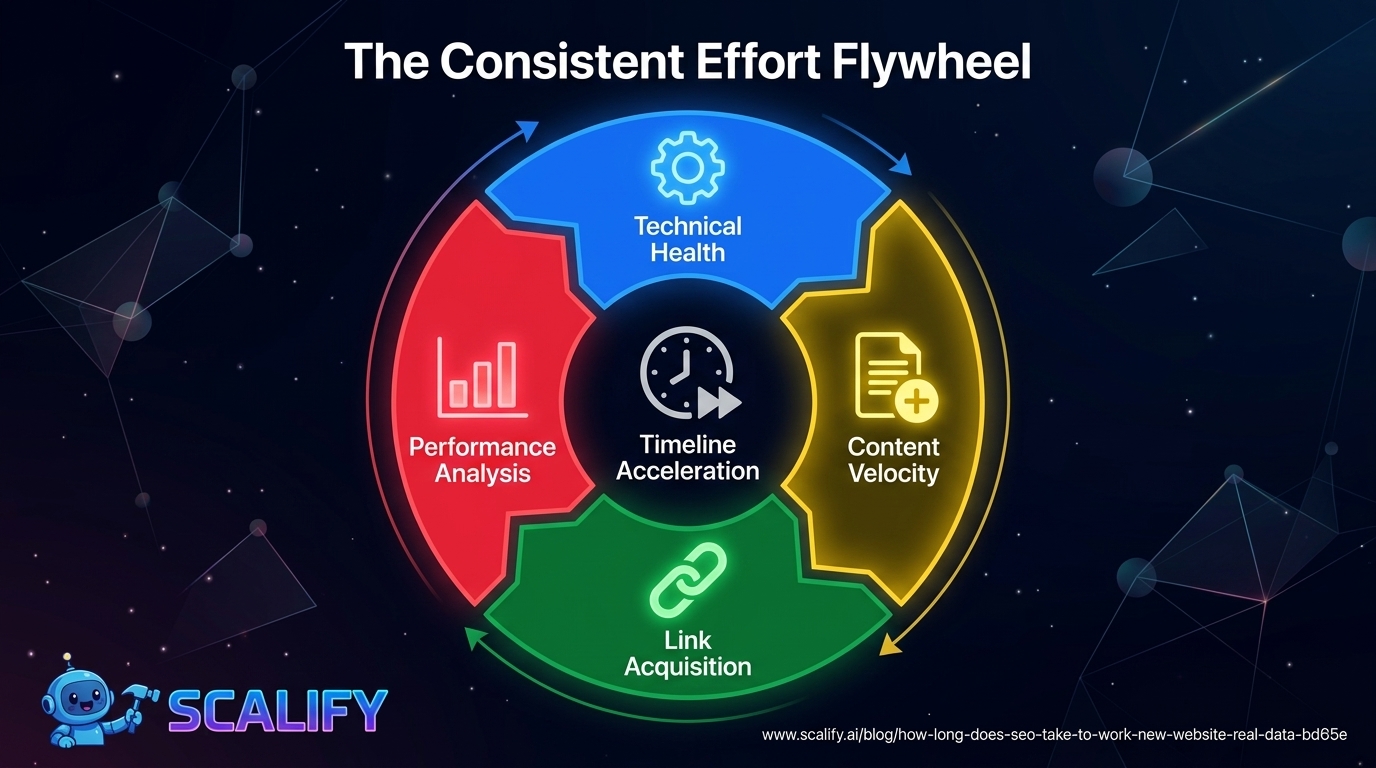
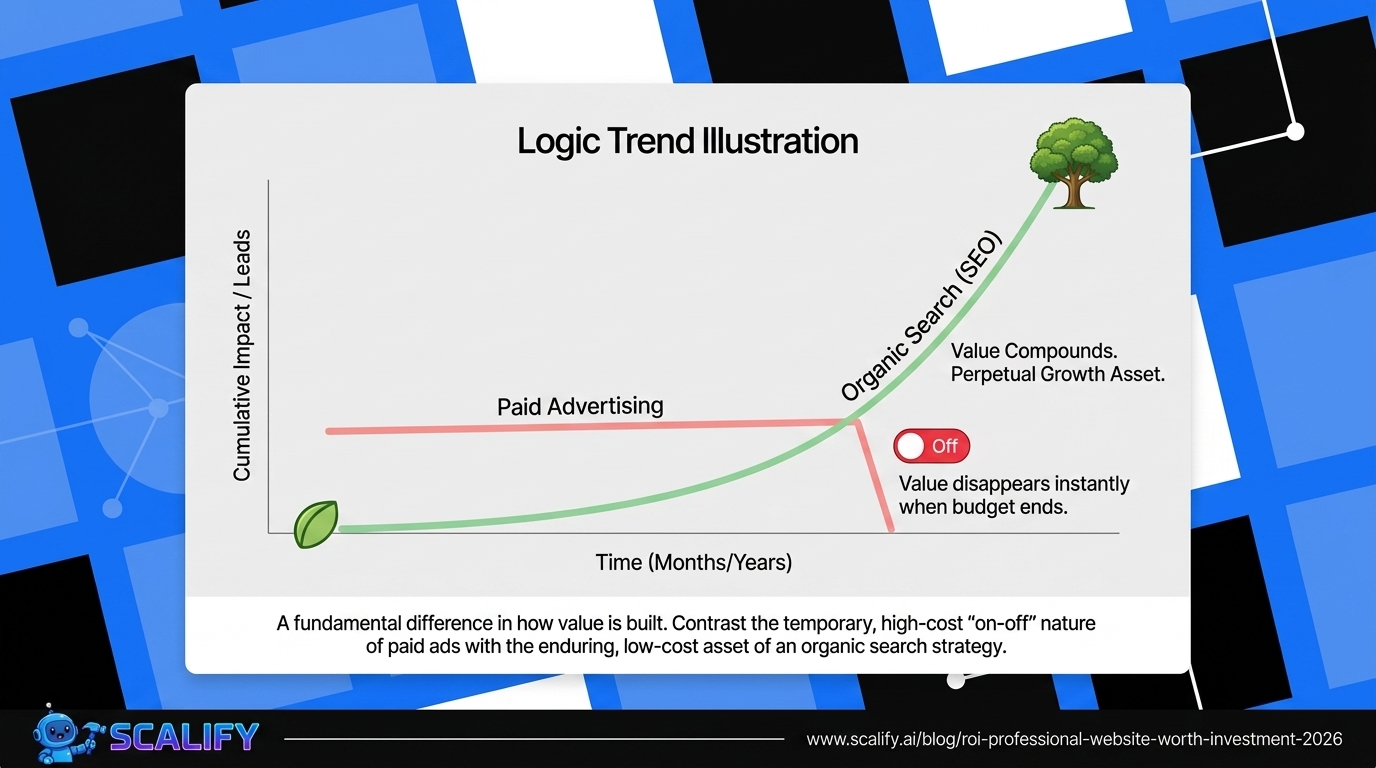
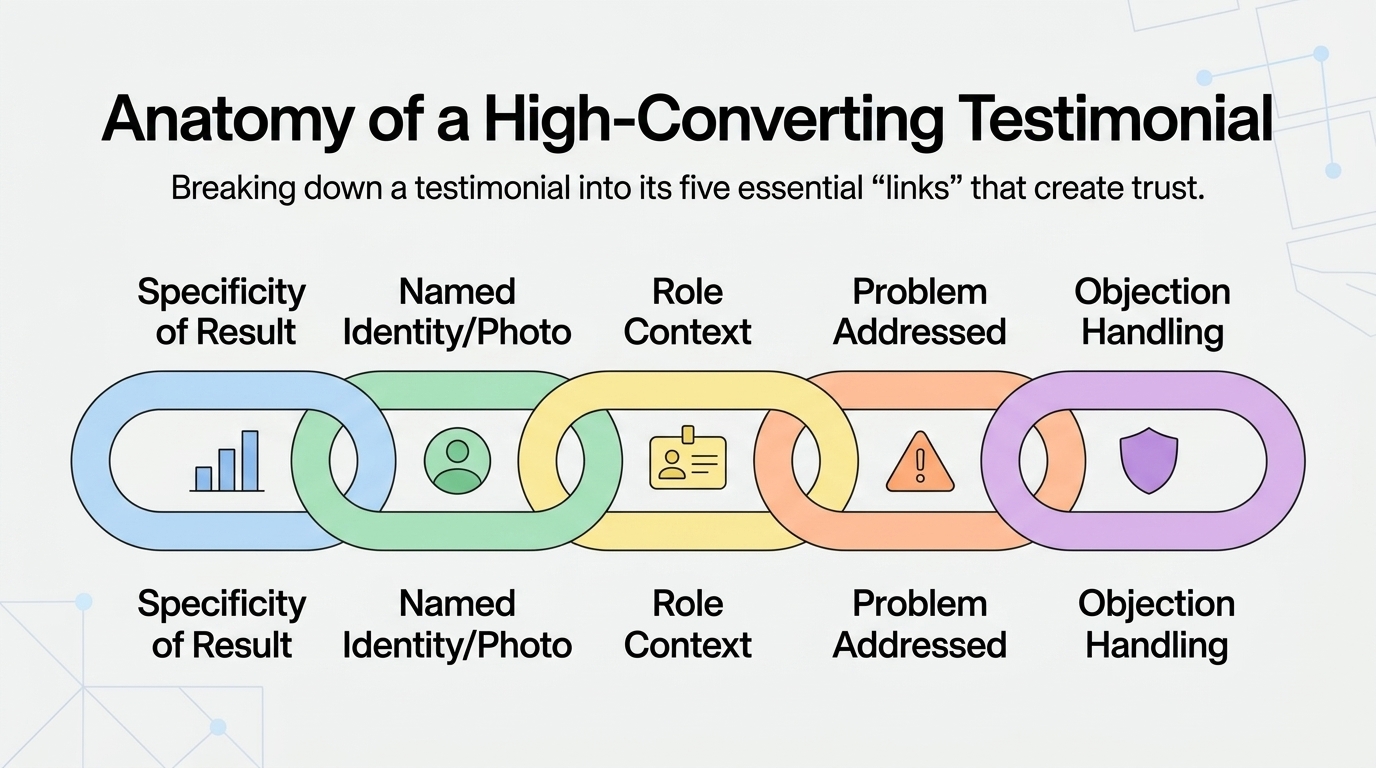
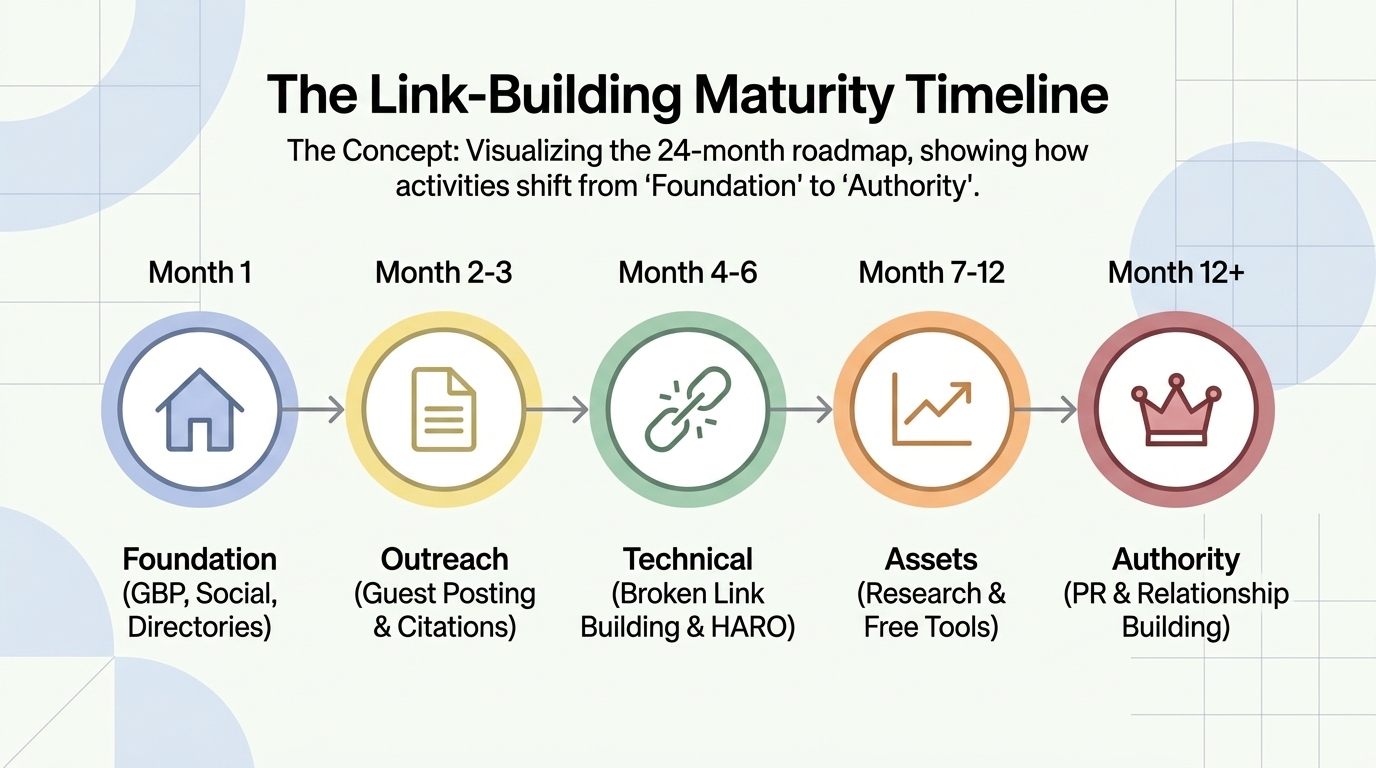
The most important takeaway from any technical or strategic guide is that individual tactics only produce results when they're embedded in a coherent strategy and executed consistently. A single well-optimized page, a single great testimonial, or a single speed improvement produces modest impact. The same investments compounded over 12–24 months — more optimized pages, more testimonials placed strategically, systematic performance maintenance — produce the compounding returns that separate high-performing websites from average ones in the same competitive landscape.
Every improvement documented in this guide is most valuable when it's implemented as part of a systematic, data-driven approach: measure current performance, identify the highest-impact opportunity, implement the improvement, measure again, and iterate. The businesses that achieve exceptional digital marketing results are almost never those who found a single breakthrough tactic — they're those who executed fundamentals consistently, measured what worked, and allocated their resources toward the highest-ROI improvements available at each stage of the


.jpeg)
.jpeg)


78 SW 7th St, Miami, FL 33130