


How Long Does It Take to Build a Website? A Realistic Timeline
By Josh Ternyak

April 1, 2026
Comprehensive 2026 guide: How Long Does It Take to Build a Website? A Realistic Timeline
The Question Everyone Asks and Nobody Answers Honestly
"How long does it take to build a website?" is one of the most common questions in web design. And the most honest answer — it depends — is also the least satisfying. Depends on what? How complex? Which platform? Who's building it? Are you providing content? Do you need a custom design or will a template work? What approvals are required?
This guide provides the honest breakdown: what actually drives website timelines, the realistic ranges for different project types, the specific things that cause projects to take much longer than they should, and what you can do to accelerate the process without compromising on what matters.
The Range: From Hours to a Year
Website build timelines span an enormous range, and all of these can be appropriate depending on the situation:
- Hours to 1 day: Using a website builder (Squarespace, Wix) with a template, entering existing content
- 1–3 days: Customized template site with content ready to go
- 1–2 weeks: Professional custom small business site with a focused process
- 4–8 weeks: Standard agency web design project for a small-to-medium business
- 3–6 months: Complex website with custom development, extensive content, or enterprise requirements
- 6–12+ months: Large enterprise sites, e-commerce platforms with complex catalogs, or highly custom web applications
The most common business website — a 5–20 page professional site for a small to mid-size business — typically takes 6–12 weeks with a traditional agency. That same site can be built in 2 weeks with a more focused, efficient process. The timeline difference is almost never about the technical work itself.
What Actually Drives Timeline: The Real Factors
Content Readiness: The #1 Cause of Delays
Website copy and images are typically the rate-limiting factor in any design project — and the factor most clients underestimate. A designer cannot design a page without knowing what content goes in it. A developer cannot build a page without the copy and images that fill it. When content isn't ready, the project waits.
The content challenge: writing website copy feels like something you can do quickly, but most business owners discover it's much harder than they expected. Articulating your value proposition, writing compelling service descriptions, and finding or creating appropriate imagery takes time — often weeks rather than hours.
Projects where the client provides all content before the project starts consistently finish faster than projects where content trickles in during the build. Some agencies now require content before starting any design work, specifically to prevent content bottlenecks from extending timelines.
Approval Cycles
How many people need to approve deliverables? A sole proprietor can approve a design mockup in an hour. A design that requires review from the founder, the marketing director, the VP of sales, and then the CEO can take two weeks for each round. With 3 rounds of design review, that's 6 weeks of approvals alone.
The business solution: designate one person with authority to make design decisions and provide feedback. This is the single most effective organizational change for accelerating web design projects. "We'll get everyone's feedback and consolidate it" sounds collaborative; it creates delay and often produces contradictory feedback that's impossible to fully satisfy.
Scope
More pages, more complexity, more functionality = more time. This is obvious but frequently underestimated at project start. The scope for a small business site is often defined as "about 10 pages," then each page accumulates its own requirements. Page 10 becomes "oh, and we also need a client login portal." The scope expansion — scope creep — extends timelines beyond original estimates.
Clear, documented scope at project start, with a defined change order process for additions, is the structural protection against scope-driven timeline extension.
Revision Rounds and Feedback Quality
The number of revision rounds and the quality of feedback in each round significantly affect timeline. Specific, actionable feedback ("move this CTA above the testimonials section" and "change the hero headline to more directly address our target audience of small business owners") produces fast revisions. Vague feedback ("I'm not sure about the homepage — it doesn't feel quite right") produces slow revisions that require clarification and often lead to missing the actual concern.
One revision round with specific feedback is faster than three revision rounds with vague feedback. Training clients to provide specific feedback is a professional skill for agencies; providing specific feedback is a professional responsibility for clients.
The Platform/Technology Choice
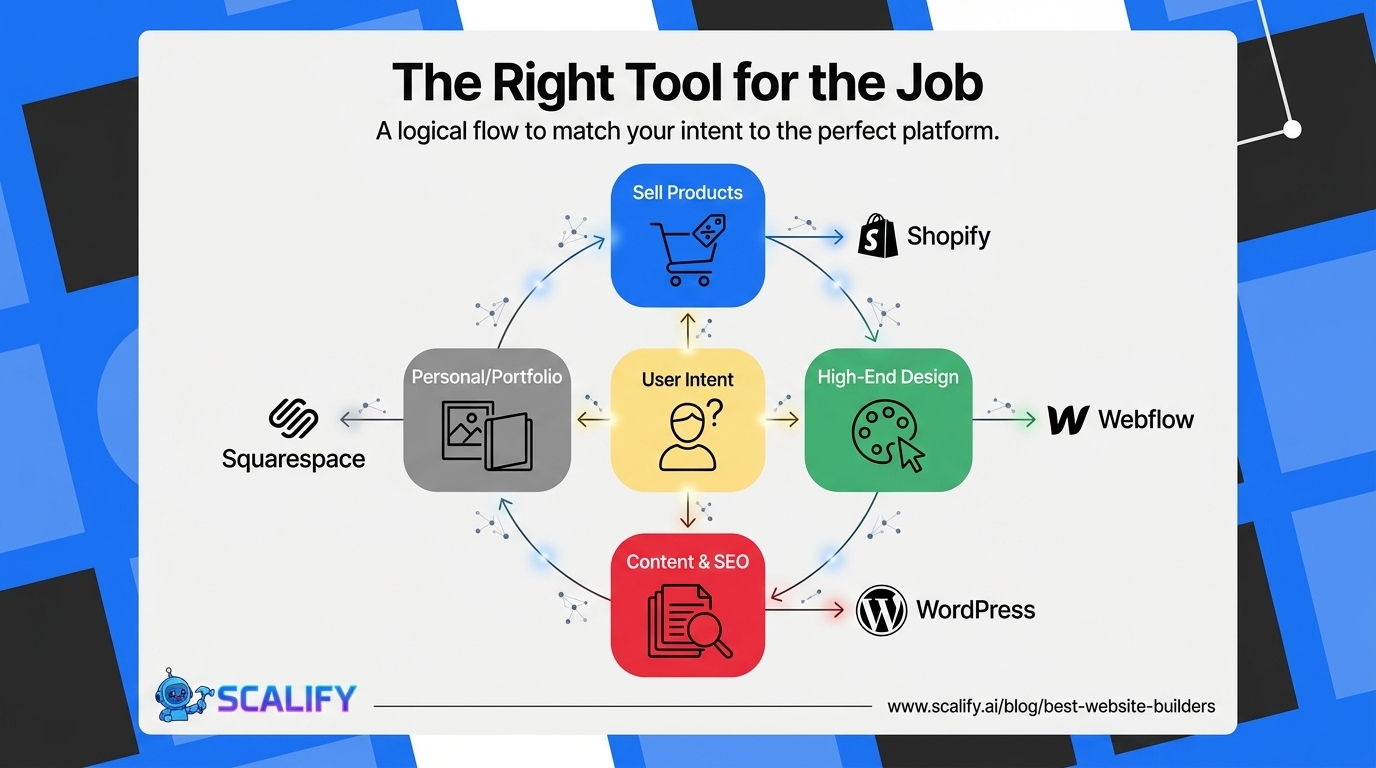
Website builders (Squarespace, Wix, Webflow) allow faster visual design and development than building from code because most structural and functional work is handled by the platform. A skilled Webflow designer can build a polished professional site significantly faster than a developer building the same site in custom code.
Custom-coded sites, complex WordPress installations, and sites with significant custom development requirements naturally take longer than platform-built sites. When evaluating agency timelines, understanding what technology underlies the estimate is important context.
The Agency's Process and Workload
Some agencies have streamlined, efficient processes designed to move projects through defined stages quickly. Others have organic, less structured processes that are more responsive and exploratory but less time-efficient. Some agencies have managed workloads with dedicated time allocated to your project; others queue projects and work on them as other projects clear, creating unpredictable scheduling.
A 10-week agency estimate might represent 10 weeks of active work on your project, or it might represent 2 weeks of actual work spread across 10 calendar weeks because your project is being worked on in between other projects.
Realistic Timelines by Project Type
Simple Brochure Site (5–8 pages): 2–6 weeks
Pages: Homepage, About, Services (1–3 pages or one overview), Contact, possibly Blog landing page
Functionality: Contact form, possibly a basic booking widget
Content: Client-provided
Timeline breakdown for an efficient process:
- Week 1: Discovery, content review, wireframes
- Week 2: Design mockups
- Week 3: Design revisions and approval
- Weeks 4–5: Development
- Week 6: QA, client review, launch
What causes this to take 12–16 weeks instead of 6: content not ready when design needs to start, slow approval cycles, vague revision feedback requiring multiple rounds, scope additions mid-project.
Medium Business Site (10–20 pages): 6–12 weeks
Pages: Full service architecture with individual service pages, team pages, case studies, blog, resources
Functionality: CMS for blog, contact forms, possibly newsletter integration
Content: Mix of existing content and new content development
The additional complexity of content architecture and more pages requiring design templates extends the timeline. If the agency is also helping with content strategy or copywriting, this adds time for content creation rounds in addition to design rounds.
E-Commerce Site (Small-Medium Catalog): 8–16 weeks
Pages: Homepage, category pages, product pages, cart, checkout, account pages
Functionality: Product catalog, inventory management, payment processing, order management
Content: Product photography, product descriptions, policies
E-commerce adds technical complexity (payment processing setup, shipping configuration, tax settings) and content volume (product descriptions and photography for every product). On Shopify, the platform handles much of the technical complexity, allowing the timeline focus to shift to design and content. Custom e-commerce implementations take significantly longer.
Website with Custom Development: 3–6 months
Custom web applications, membership portals, booking systems, integration with enterprise software, multi-language sites with complex content management — these projects involve significant custom development that doesn't exist in platforms and must be built from scratch. The development timeline alone can be 6–12 weeks; combined with design and testing, 3–6 months is realistic.
The 10-Day Website: How It's Possible
Scalify delivers custom professional websites in 10 business days. This seems fast compared to the standard 8–12 week agency timeline. How?
Focused scope: 10-day projects have a defined, focused scope — not everything, the most important pages, done exceptionally well. No feature additions mid-project. Clear deliverables agreed upfront.
Content readiness: Clients provide core content before the project starts. Content bottlenecks that typically extend projects for weeks are eliminated by front-loading this requirement.
Single decision-maker: Approvals happen quickly when one person with authority is making decisions, not a committee that needs to align.
Experienced team, efficient process: A team that has built hundreds of similar sites has a process that works, templates for structural elements that are adapted rather than created from scratch, and efficient tools that reduce setup overhead.
Defined revision rounds: Clear boundaries around revision scope prevent the open-ended revision cycles that extend many projects indefinitely.
The 10-day timeline is aggressive but achievable with the right structure. The same elements that make it possible — content readiness, single decision-maker, focused scope, efficient process — also apply to accelerating any agency project.
How to Get Your Website Built Faster
Get Content Ready Before Design Starts
This is the single highest-impact action available. Write your core page copy before the design phase begins. Collect and organize your images. Have team photos taken. Get existing documents, certifications, and other reference materials organized. The time you invest in content preparation before design saves project time that would otherwise be spent waiting.
Designate One Decision-Maker
One person with authority to approve deliverables, provide feedback, and make binding design decisions. Not a committee. Not "we'll check with the founders." One person whose approval means the project moves forward. This structural change eliminates the most common source of approval delays.
Provide Specific, Actionable Feedback
When reviewing designs, give specific feedback: exactly what you want changed and why. "I'd like the headline to more directly mention our 10-day delivery timeline" is actionable. "It doesn't feel quite like us" is not. The quality of your feedback directly determines how many revision rounds are needed.
Respond to Requests Promptly
When your agency asks you for something — additional content, a decision, a review, login credentials — respond within 24 hours. Projects where clients respond in days when agencies need hours consistently take 2–3× longer than projects with prompt client communication.
Don't Add Scope Without Discussing It
Mid-project scope additions — "actually, can we also add a resources section?" — extend timelines. If you realize during the project that something important was missed, bring it up immediately and discuss whether it's added to scope with an extended timeline and budget, or deferred to a phase 2 after launch.
The Bottom Line
A simple professional website can be built in 1–2 weeks with the right process, content readiness, and decision-making structure. A standard agency project for the same site takes 6–12 weeks — not because of the technical work, but because of content delays, approval cycles, and revision rounds. Complex sites with custom functionality require 3–6 months regardless of process efficiency.
The most reliable way to get your site built faster: have content ready before design starts, designate one decision-maker, respond promptly to agency requests, provide specific feedback, and don't add scope without discussion. These behaviors cut weeks from any project timeline.
At Scalify, our 10-day delivery model is built around exactly these principles — a focused scope, content-first approach, single decision-maker structure, and a process refined across hundreds of projects to eliminate the bottlenecks that make traditional agency timelines so slow.
Key Takeaways and Next Steps
The principles and data in this guide reflect what actually works in professional web development and digital marketing in 2026 — not theoretical best practices but measured, documented outcomes from implementations at scale. The gap between knowing these principles and benefiting from them is always execution: the businesses that act on what they read, implement changes systematically, and measure the results consistently outperform those who consume information without converting it to action.
For any improvement described in this guide, the implementation sequence that produces the best outcomes: assess your current situation against the benchmarks provided, identify the 2–3 highest-impact improvements specific to your situation, implement them with measurement tracking in place, evaluate results after 30–60 days, and plan the next iteration based on what you learned. This cycle — assess, prioritize, implement, measure, iterate — is the operational foundation of continuous improvement that compounds into significant competitive advantage over the 12–24 month horizon.
The compounding returns from consistent web presence investment are not linear: a website that improves slightly each month accumulates to dramatic improvements over a year, and those improvements multiply with each other. Faster load times improve both search rankings and conversion rates simultaneously. Better content attracts backlinks that improve rankings that attract more traffic. More testimonials build trust that improves conversion rates that improve revenue that funds more investment. The interconnected nature of website performance means that each improvement amplifies the value of every other improvement — making the decision to invest consistently, across multiple dimensions simultaneously, the highest-ROI approach to digital marketing available to most businesses.
At Scalify, every website we build reflects these principles — technically optimized, conversion-focused, SEO-ready, and designed to compound in value over time as content, backlinks, and organic authority accumulate on the strong foundation we deliver in 10 business days.


.jpeg)
.jpeg)

78 SW 7th St, Miami, FL 33130