


How to Get Your Website to Rank on Google: A Step-by-Step Guide
By Josh Ternyak

March 29, 2026
Getting your website to rank on Google isn't magic — it's a systematic process. This step-by-step guide covers exactly what to do, in what order, to build genuine search visibility that drives real traffic.
The Honest Starting Point: Ranking Takes Real Work
Anyone who tells you there's a secret to ranking on Google in a week is selling something you don't want to buy. The businesses that rank on page one for valuable queries didn't get there by accident, by trick, or by shortcut. They got there by doing the fundamental work consistently over time: building a solid technical foundation, creating content that genuinely serves searchers, and earning the trust signals — primarily backlinks — that Google uses to determine authority.
The good news: the work is knowable, learnable, and achievable without a massive budget. SEO is one of the most learnable marketing disciplines available, and a systematic approach produces predictable results. Businesses that treat SEO as a serious investment rather than a mystery box see results proportional to that investment.
This guide is the systematic approach — step by step, in the right order, with clear reasoning for why each step matters and what to do if you get stuck.
Step 1: Fix Your Technical Foundation First
Content and link building don't work if Google can't access and understand your site. Before investing in anything else, verify your technical foundation is solid.
Set up Google Search Console and Google Analytics if you haven't. These are free tools that give you direct visibility into how Google sees your site — which pages are indexed, which queries you appear for, which pages have technical issues, and how your rankings are trending. Every serious SEO effort starts with these two tools connected and active.
Check your site's indexation. In Google Search Console, go to Pages → Indexing. Are your important pages indexed? If pages you expect to be in Google aren't indexed, investigate why: noindex tags, blocked by robots.txt, crawl errors, or thin content that Google deemed not worth indexing.
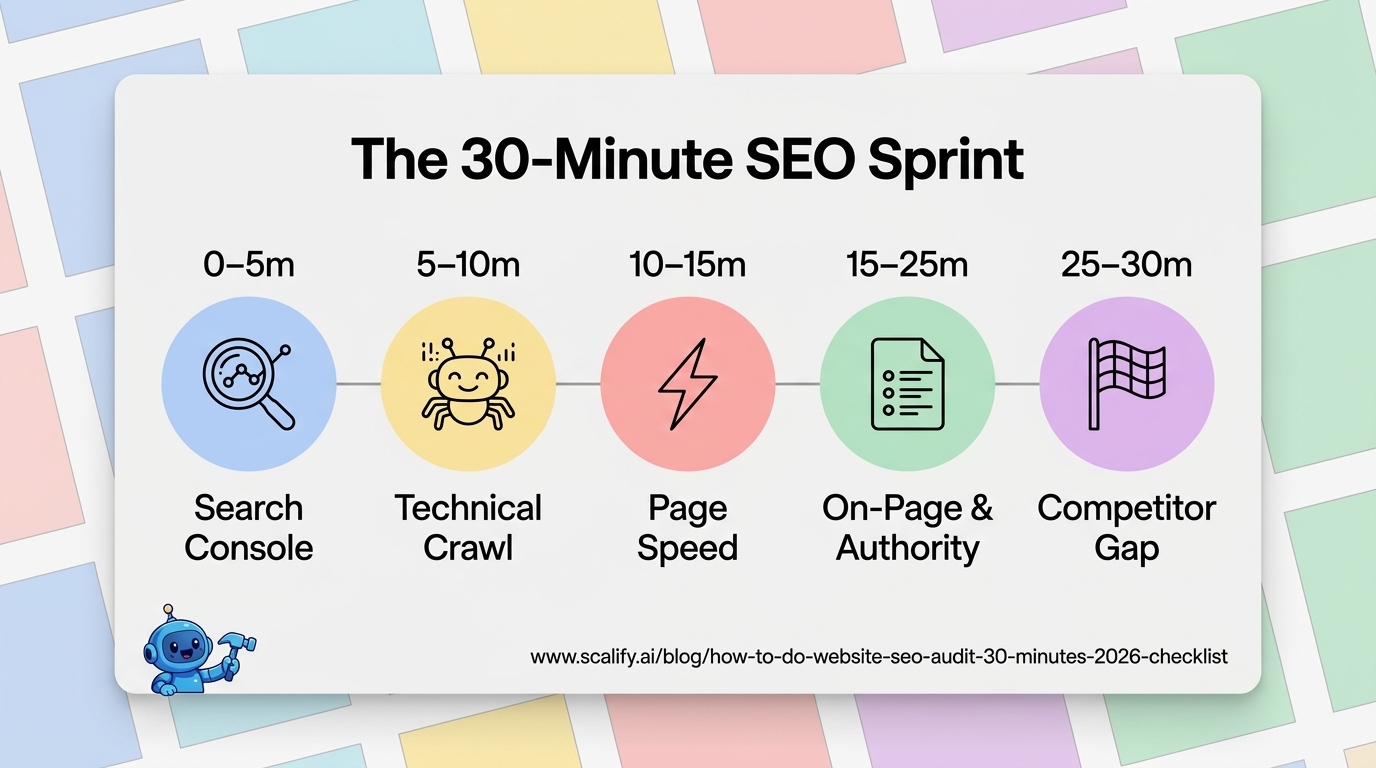
Run a basic technical audit. Use Google PageSpeed Insights on your homepage and key pages — address any Critical Issues flagged. Check that HTTPS is active. Submit your sitemap to Search Console. Verify that the mobile version of your site renders correctly.
Until your technical foundation is solid, content and link building efforts are working against a handicap. Fix the foundation first, then build on it.
Step 2: Understand What Your Audience Searches For
The biggest SEO mistake beginners make: creating content about what they want to write about rather than what their audience is searching for. These are frequently very different things.
Your audience searches for their problems, their questions, their comparisons, their alternatives. They rarely search for your specific company name (unless they already know you), your internal terminology, or the way your marketing team describes your product. Google bridges this gap — but only if your content uses the language searchers actually use.
Start keyword research with three questions:
What problems does my business solve? List every problem, challenge, or pain point your product or service addresses. These problem-framing searches are high-intent and relatively achievable.
What questions do my customers ask? Talk to your sales team, check your inbox, read reviews and forum discussions in your industry. The questions your customers ask in person are often the same questions they type into Google. Answer them better than anyone else and you'll rank for them.
What are people searching for that I could help with? Use Google Autocomplete (just start typing and see what Google suggests), the "People Also Ask" boxes in search results, and free tools like AnswerThePublic. These surfaces reflect actual search behavior.
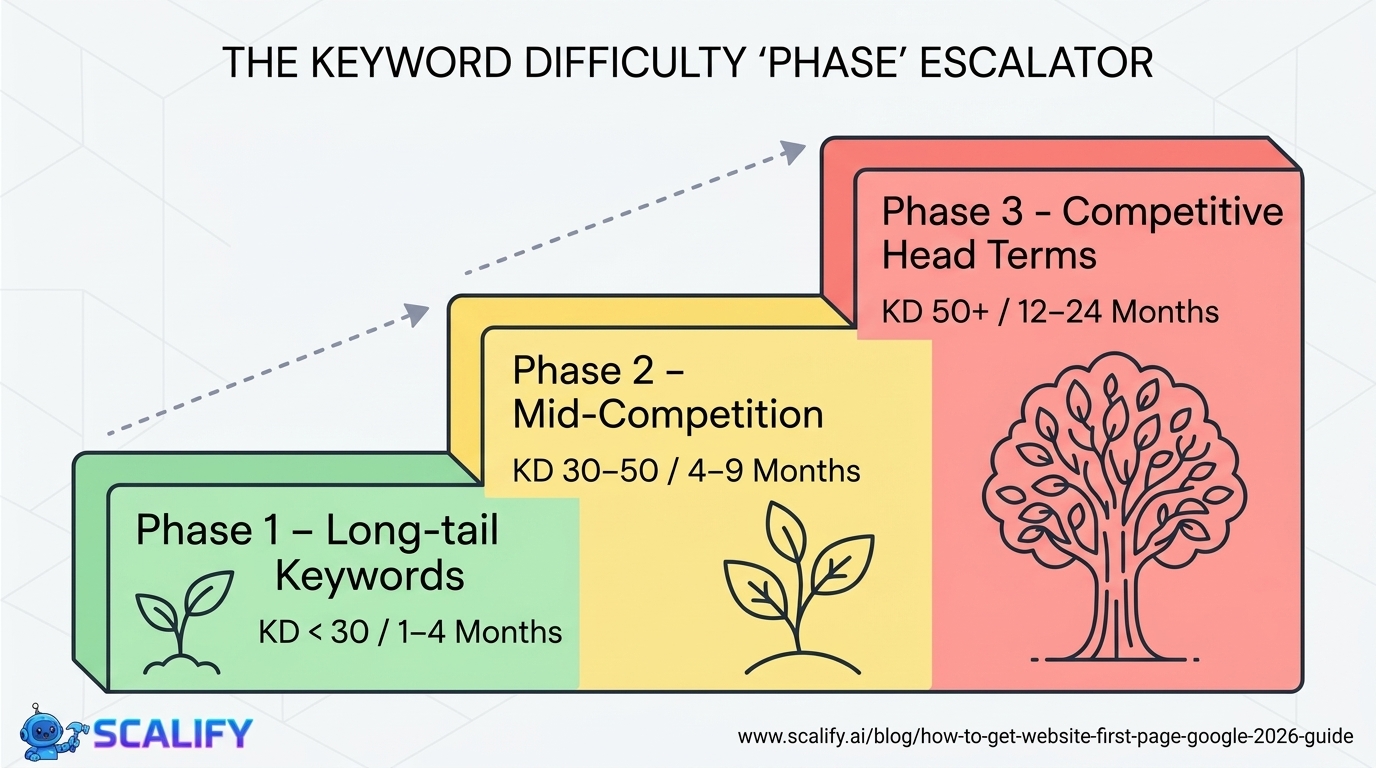
Prioritize by finding the intersection of: search volume (enough people are searching), relevance (they're searching for what you offer), and achievability (you can create better content than what's currently ranking). Start with less competitive, long-tail keywords and build toward more competitive head terms as your authority grows.
Step 3: Map Keywords to Pages and Identify Gaps
Every page on your site should target a specific keyword or keyword cluster. Every important keyword cluster you've identified should have a corresponding page on your site. Map them.
Go through your site's existing pages. What is each page trying to rank for? Is it well-optimized for that intent? Is there content currently targeting this keyword that's competing with itself across multiple pages (keyword cannibalization)?
Then identify gaps: valuable keyword opportunities with no corresponding page on your site. These gaps are your content backlog — the pages you need to create to capture that traffic.
Common gap categories:
- Core service or product pages that aren't optimized for the terms customers actually search
- Informational content about topics your audience researches before buying
- Comparison content (your product vs. alternatives) for commercial investigation queries
- Local landing pages if you serve specific geographic markets
- FAQ content addressing common questions and objections
Step 4: Optimize Your Existing High-Priority Pages
Before creating new content, optimize your existing pages. They're already indexed and have whatever authority they've accumulated. Improving their optimization often produces faster results than creating new content.
For each important page, run through the on-page checklist:
Title tag: Does it include the primary keyword? Is it under 60 characters? Is it compelling enough to earn clicks from searchers choosing between results?
Meta description: Does it accurately describe the page and give searchers a reason to click? Does it include the primary keyword naturally?
H1: Does it clearly describe the page's topic with the primary keyword included?
Content depth: Compare your page to the top 3 results for your target keyword. Are they covering topics or sections you're missing? Are they significantly more comprehensive? If so, your page needs expansion.
Internal links: Are other relevant pages on your site linking to this page with descriptive anchor text? Is this page linking out to other relevant content on your site?
Check your Search Console data for each important page. Under Search Results → filter by page → look at which queries are sending impressions and clicks. If your page is ranking in positions 11–20 for valuable keywords, you're one good optimization push away from first-page visibility. Focus optimization effort here — improving pages already in position 11–20 often produces faster results than trying to get new pages to rank.
Step 5: Build a Content Strategy Around Your Keyword Gaps
Content is the primary vehicle for capturing organic search traffic. Each piece of content you create is an opportunity to rank for queries your ideal customers are searching — and to build the topical authority that makes Google trust you for all queries in your topic area.
Build a content calendar based on your keyword gap analysis. Prioritize by:
Business value: Keywords that would send traffic likely to convert. Bottom-of-funnel and comparison keywords first, then informational keywords that attract top-of-funnel audiences.
Achievability: Start with lower-difficulty keywords. Getting first-page rankings on achievable terms builds authority faster than failing to rank for ultra-competitive terms.
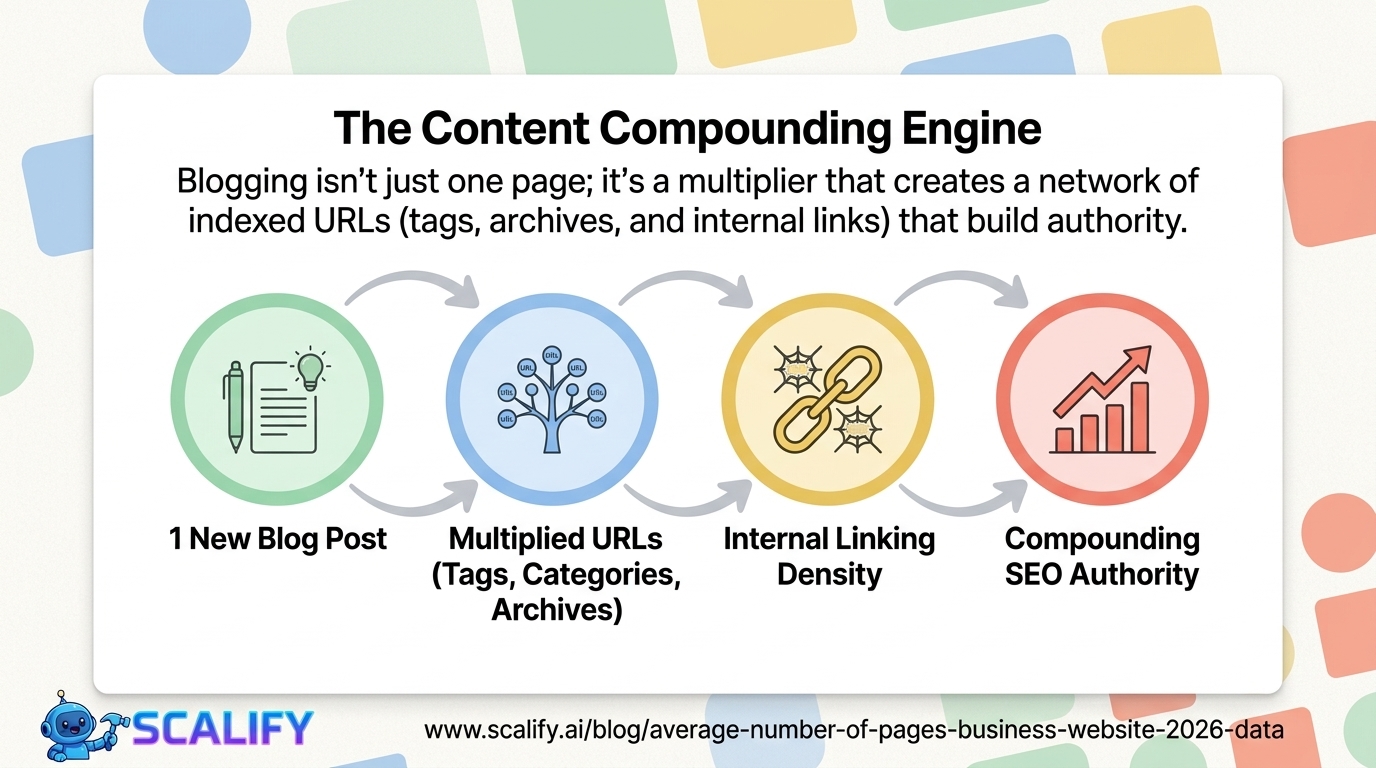
Topical clusters: Create content in related clusters rather than randomly. A cluster of 10 articles covering different aspects of one topic area builds topical authority that benefits all of them. A random collection of articles on unrelated topics builds authority in none of them.
Create content specifically designed to rank — which means creating content that's better than what currently ranks for your target keyword. Not longer for the sake of longer. Not more SEO keywords. Genuinely more useful, more comprehensive, more specific, more accurate, or more current than what's already there.
Step 6: Optimize Every Piece of Content You Publish
Publishing content without on-page optimization leaves ranking performance on the table. Every piece of content you create should have these elements before it goes live:
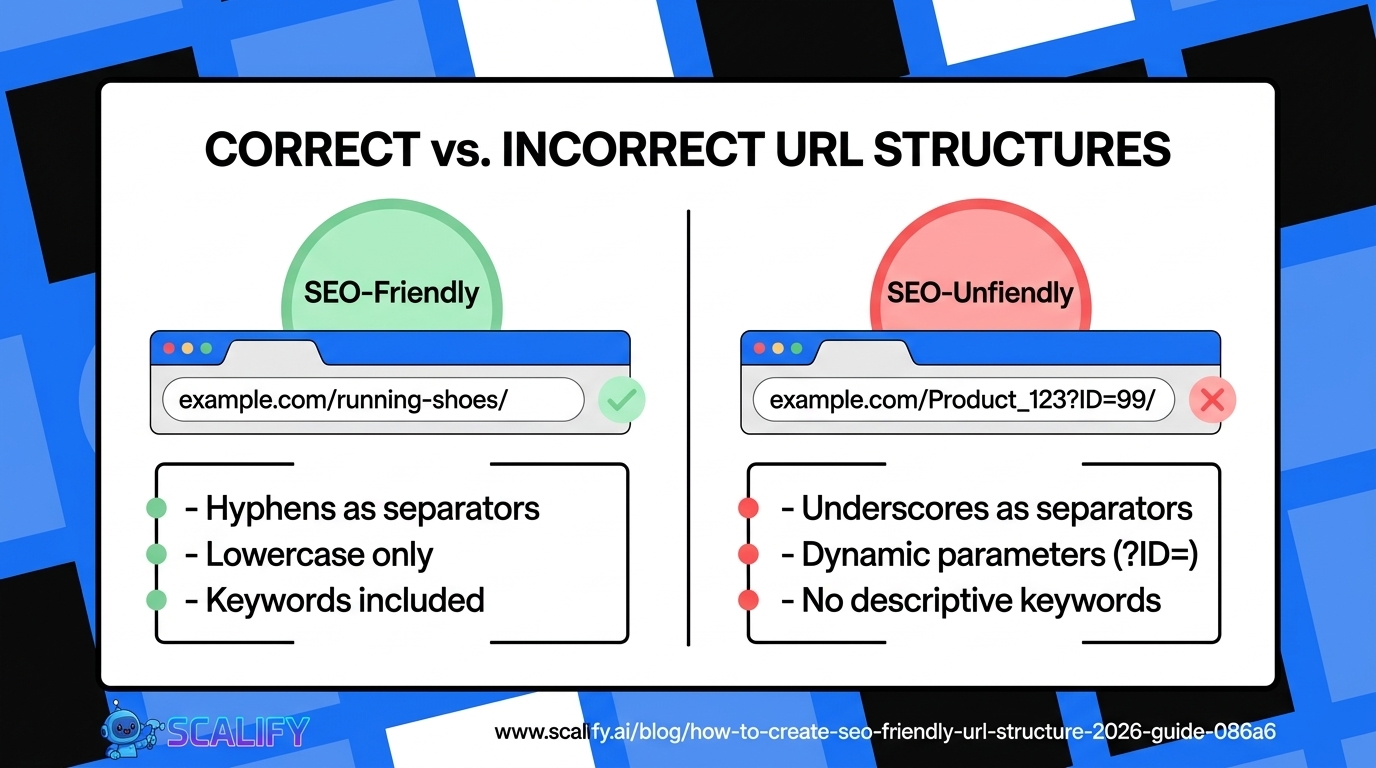
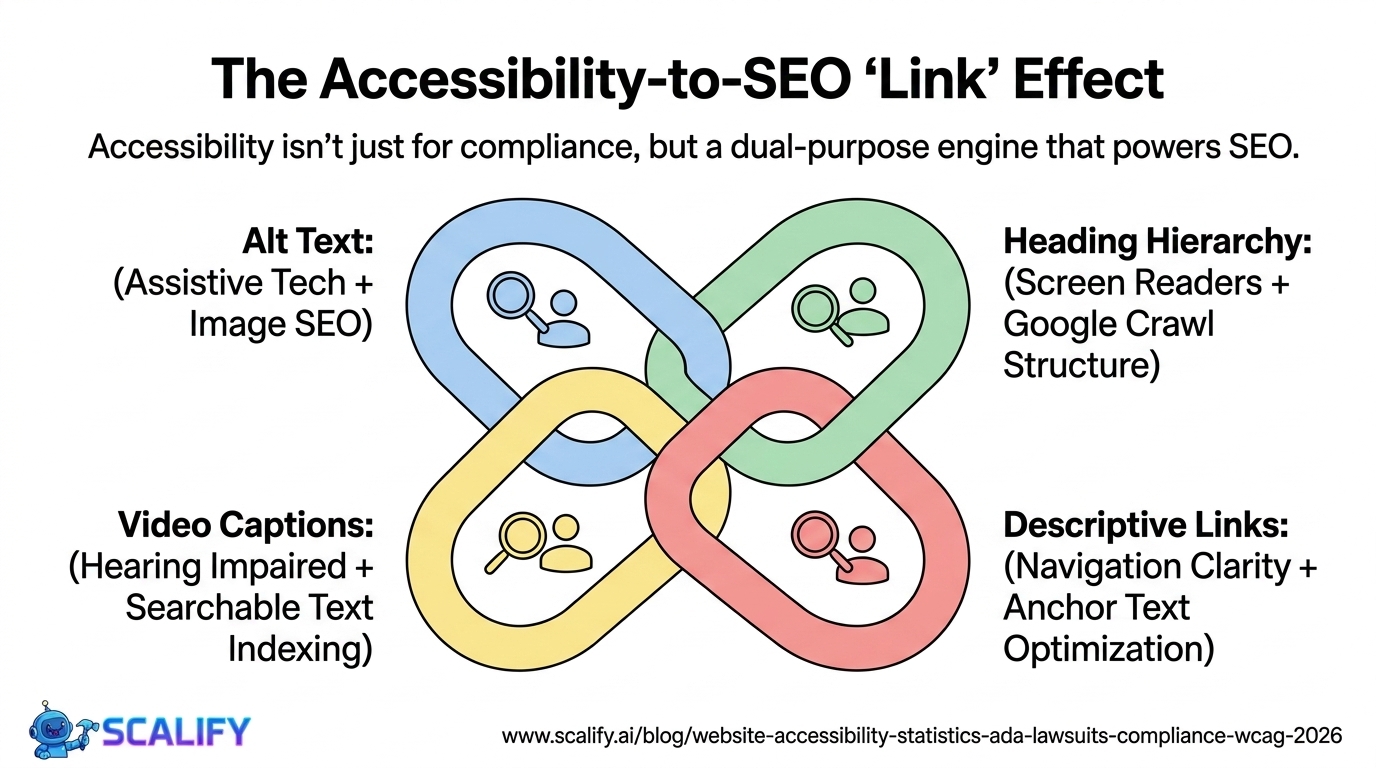
A title tag that includes the primary keyword, is under 60 characters, and is compelling enough to earn clicks. A meta description that gives searchers a compelling reason to click and includes the keyword. An H1 that describes the content clearly with the keyword. A heading structure (H2s, H3s) that organizes the content logically. Alt text on every image. A clean, keyword-rich URL slug. At least 2–3 relevant internal links to other content on your site. At least one call to action relevant to the page's topic.
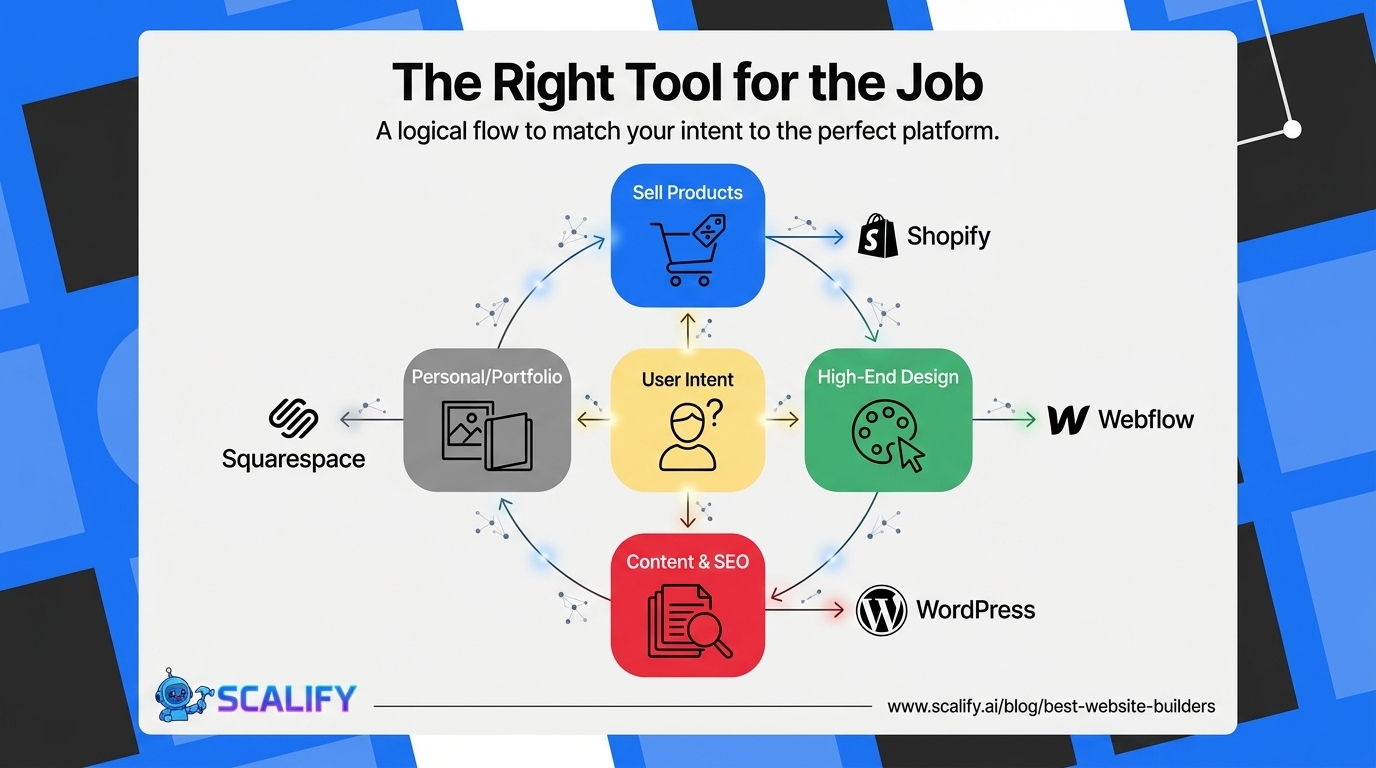
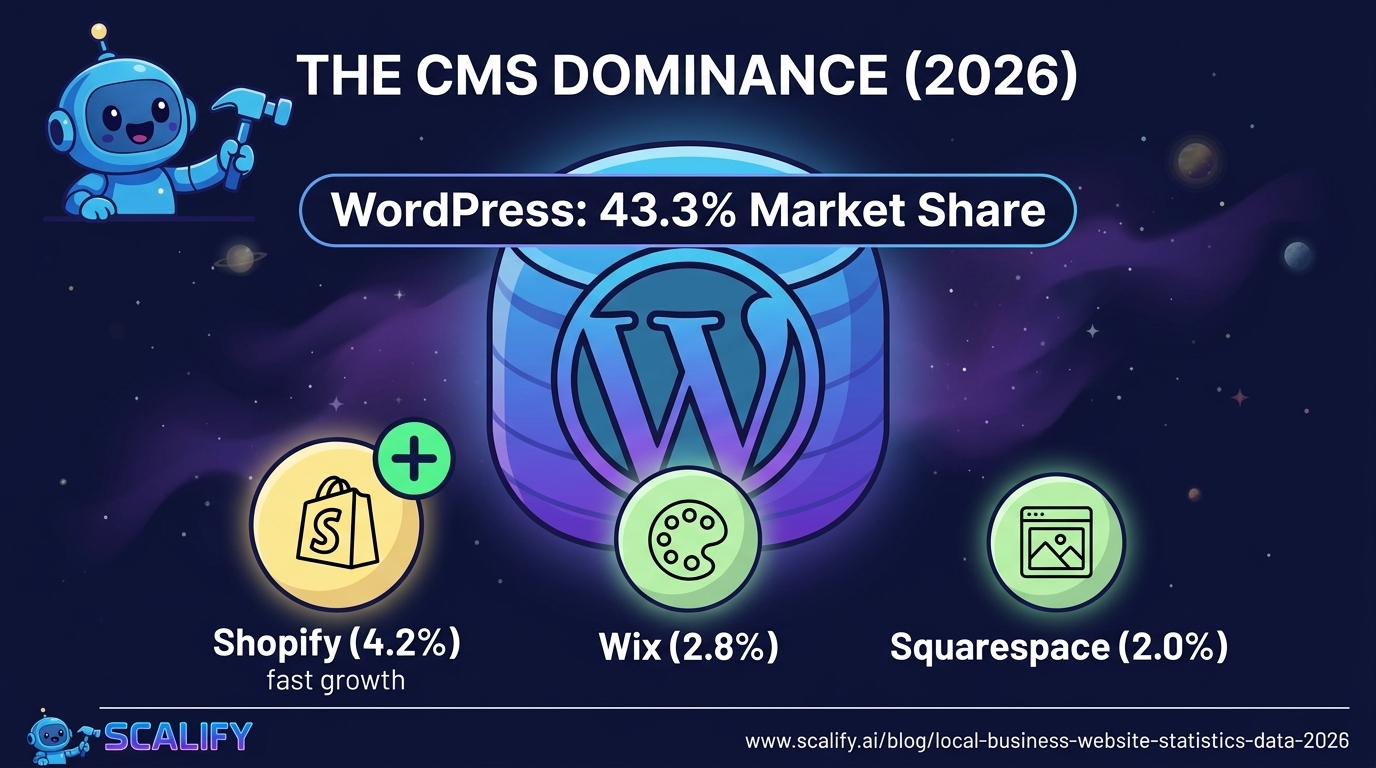
If you're using WordPress, Yoast SEO or Rank Math provide an on-page optimization guide for every post. On Webflow, these settings are available in the page settings and CMS item settings. On other platforms, find where title tags and meta descriptions are configured and use them.
Step 7: Build Links Strategically
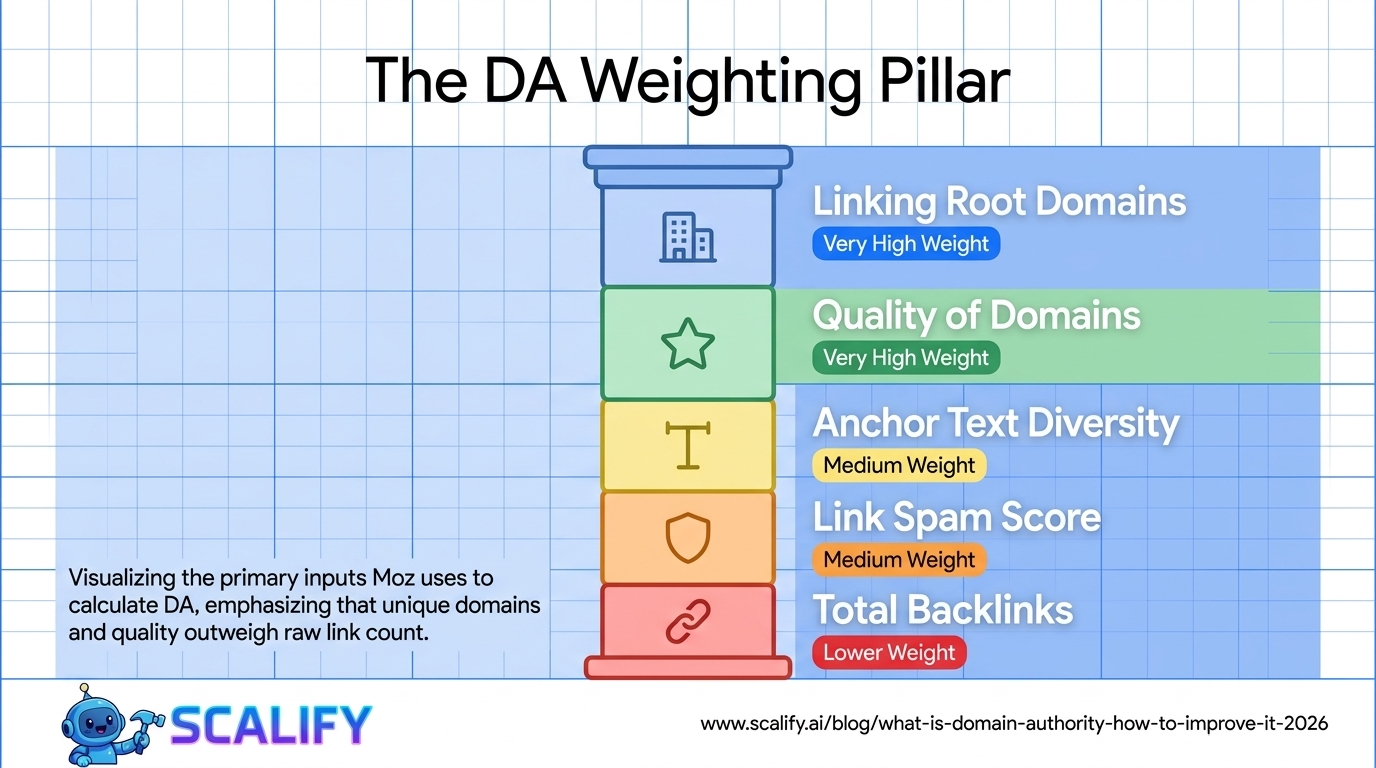
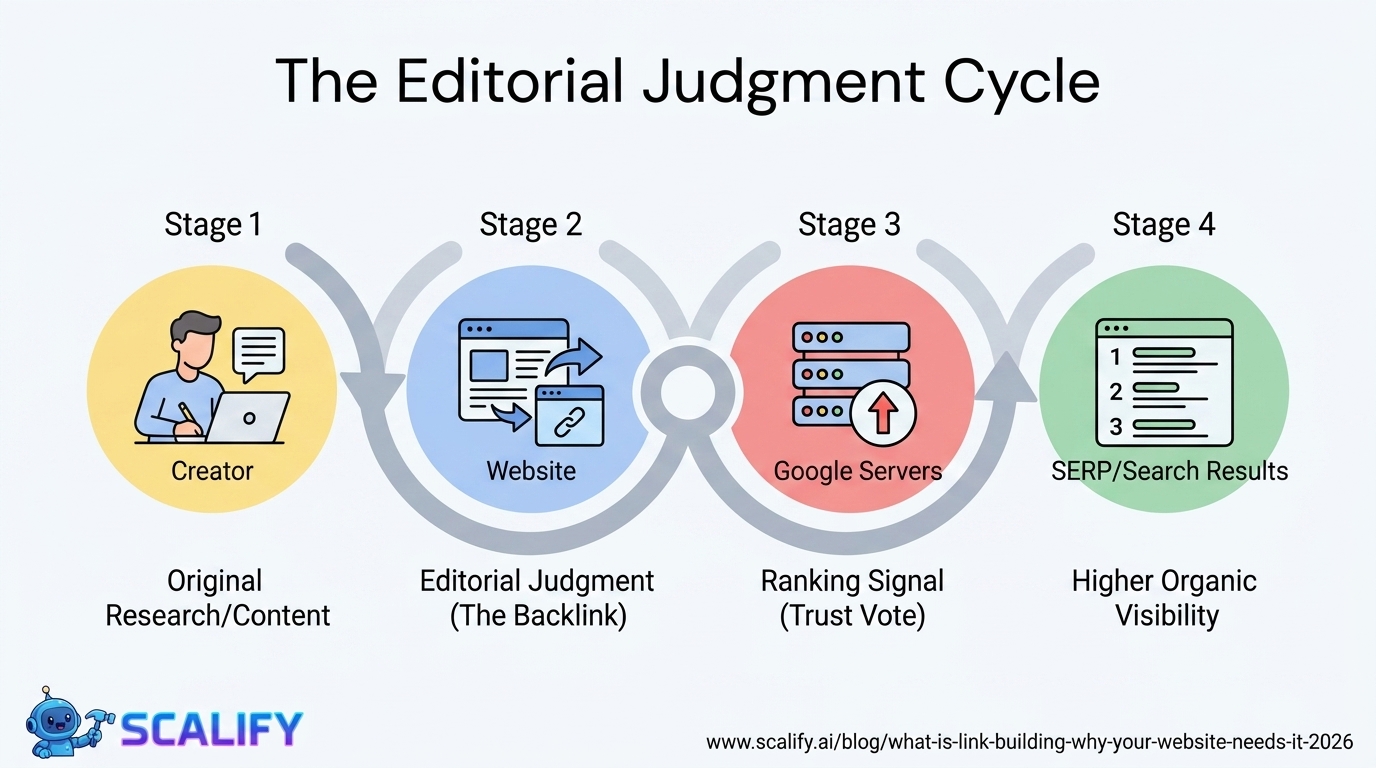
Content alone — even excellent content — doesn't rank for competitive keywords without links. Links are the trust signals that tell Google "other credible websites have validated this content by linking to it." Building links is the most challenging and most impactful long-term SEO investment.
The most accessible link building tactics for businesses starting out:
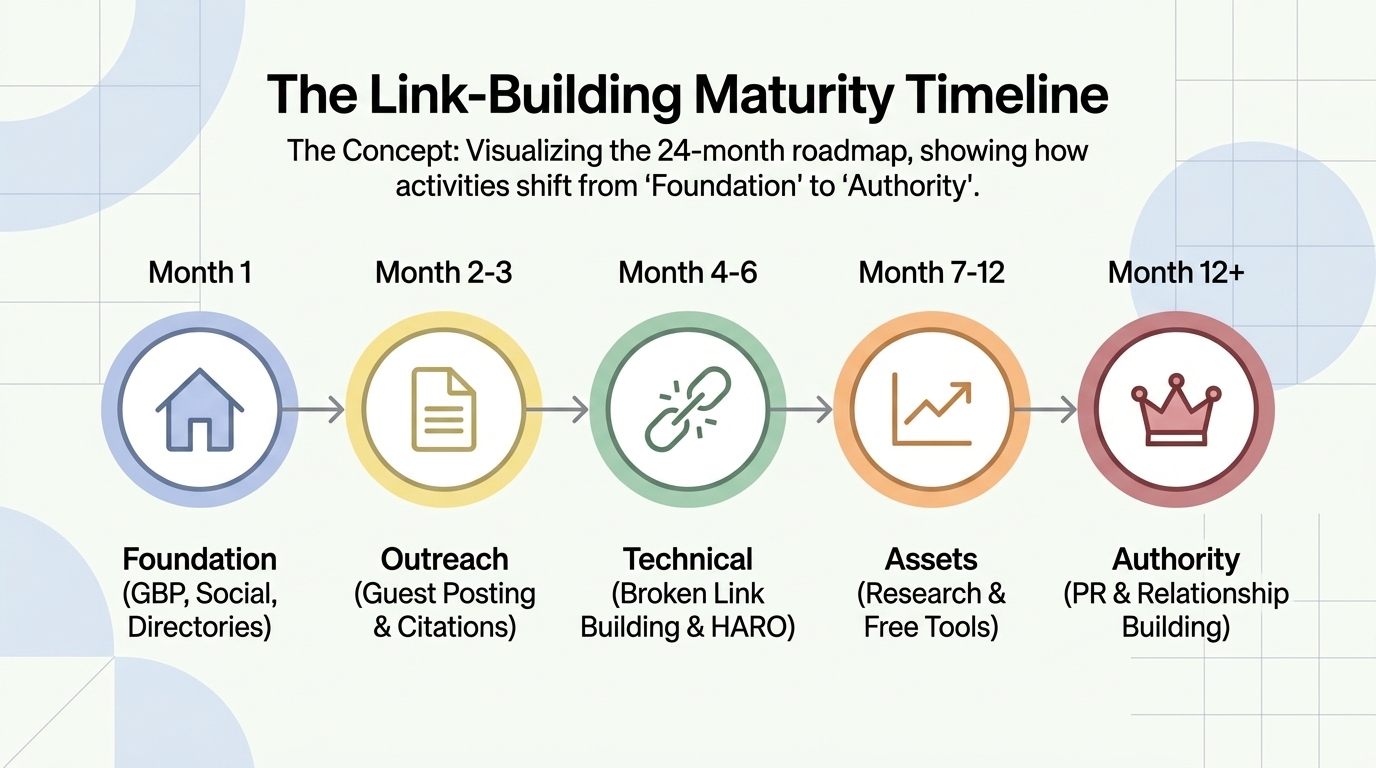
Get listed in relevant directories: Industry associations, local business directories (Google Business Profile, Yelp, Chamber of Commerce), and niche directories relevant to your industry. These are modest authority links but establish a baseline of citations.
Create genuinely link-worthy content: Original research, comprehensive guides, free tools, and unique data attract links naturally. A business that publishes original industry data regularly will earn links from journalists, bloggers, and industry analysts who cite that data.
Respond to HARO queries: Help a Reporter Out sends daily emails with journalist requests for expert sources. Responding with genuine expertise earns editorial mentions and links from publications that would be extremely difficult to obtain through outreach alone.
Guest posting on relevant sites: Write genuinely useful articles for industry publications, business blogs, and relevant websites. A link in the author bio or content passes authority and sends referral traffic. Quality matters — publish with sites your audience actually reads, not just any site that will accept content.
Earn links from partners: Suppliers, partners, clients, industry associations — these organizations may be willing to mention or link to you on their websites. A simple outreach to existing business relationships asking for a mention often succeeds because there's already a real relationship.
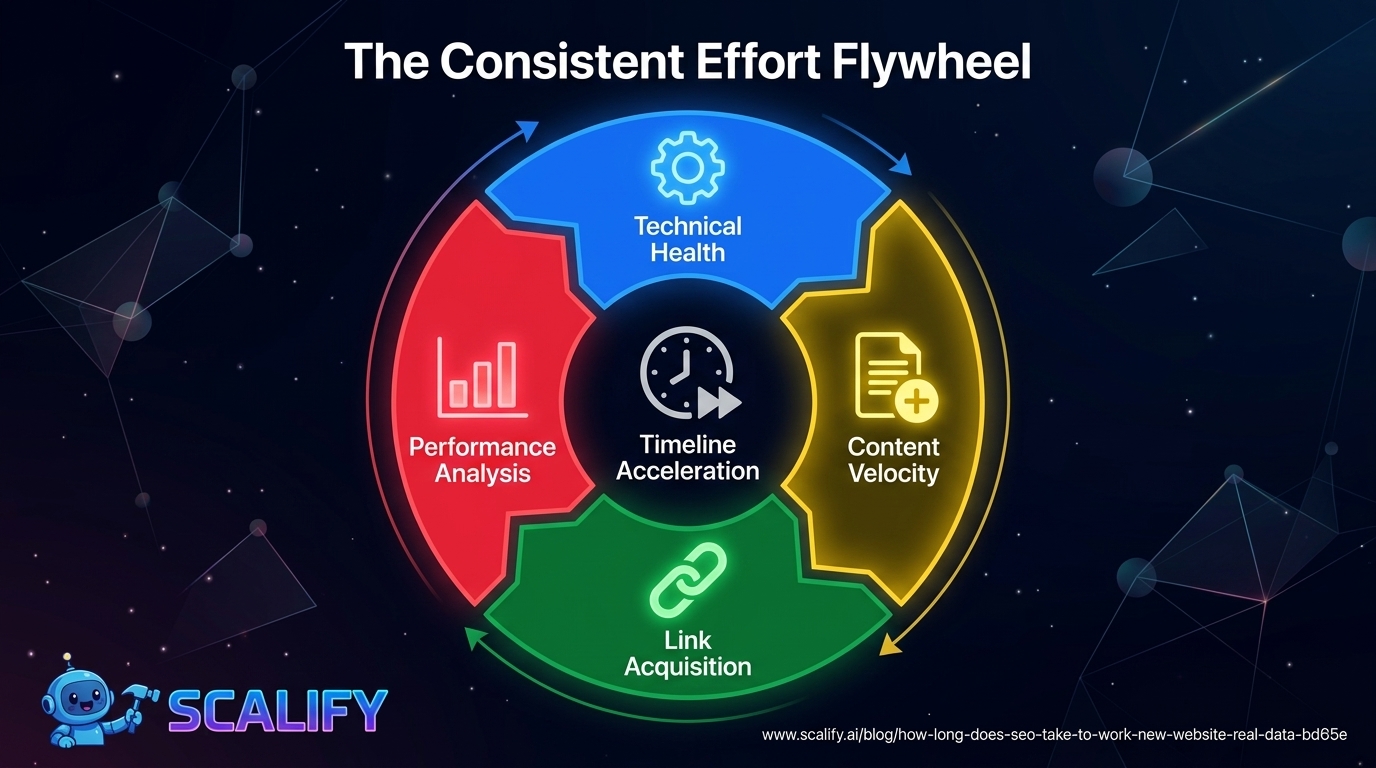
Consistency over time matters more than bursts of activity. A consistent flow of new links from relevant, reputable sources builds authority steadily. 2–5 quality links per month, sustained over a year, compounds significantly.
Step 8: Track Your Progress and Iterate
SEO without measurement is guesswork. Set up a simple tracking system that lets you see whether your efforts are producing results and where to focus next.
Weekly: Check Search Console for any new errors or coverage issues. Note any significant ranking changes.
Monthly: Review organic traffic trend in GA4. Check your target keyword rankings (Search Console's Performance report, filtered by page or query). Note which content pieces are gaining traction and which aren't. Identify your next priority — are you getting traffic but not conversions? (Fix conversion elements.) Are you getting impressions but low clicks? (Fix title tags and meta descriptions.) Are you not getting impressions? (Build more links to that page.)
Quarterly: Full keyword gap review. Are there new topics emerging in your industry you're not covering? Has your competitive landscape changed? Which content pieces have ranked and are worth building more content around? Which pieces aren't performing and need updating or expanding?
The pattern of analysis → hypothesis → action → measurement → learning → adjusted action is the operating system of effective SEO. It's not magic; it's systematic improvement.
Realistic Timelines and What to Expect
The most common frustration in SEO is expecting results faster than the system produces them. Set expectations correctly from the start.
Month 1–2: Technical foundation complete. First pieces of content published. No meaningful ranking changes yet — Google is still discovering and evaluating new content.
Month 3–4: New content begins appearing in Search Console with impressions. Some long-tail keywords start appearing in positions 15–30. Initial signs of organic traffic trickling in. This is the stage where many people give up — don't.
Month 5–6: Content that's been indexed for 3+ months and earned some links starts moving onto page 1 for long-tail targets. Organic traffic noticeably increasing. First real SEO wins visible in analytics.
Month 7–12: Compounding becomes visible. Each piece of content is ranking for multiple related queries. Authority is building. Competitive keywords starting to move to page 2 and page 1. Organic traffic may be doubling from the 3-month baseline.
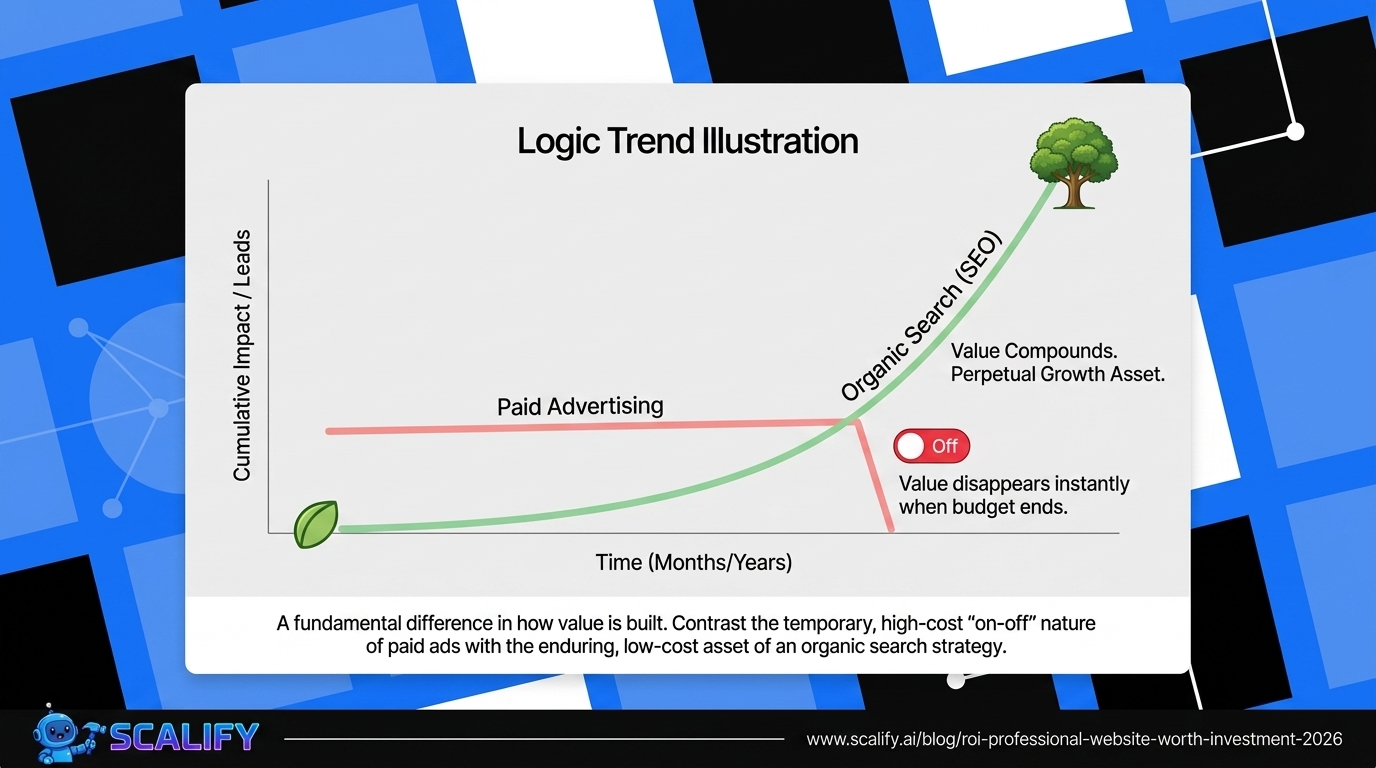
Year 2+: SEO becomes a meaningful traffic channel. High-value keywords reaching page 1. Organic traffic compounding month over month. The investment made in year 1 continues generating returns without proportional additional investment.
The Most Common Reasons SEO Efforts Fail
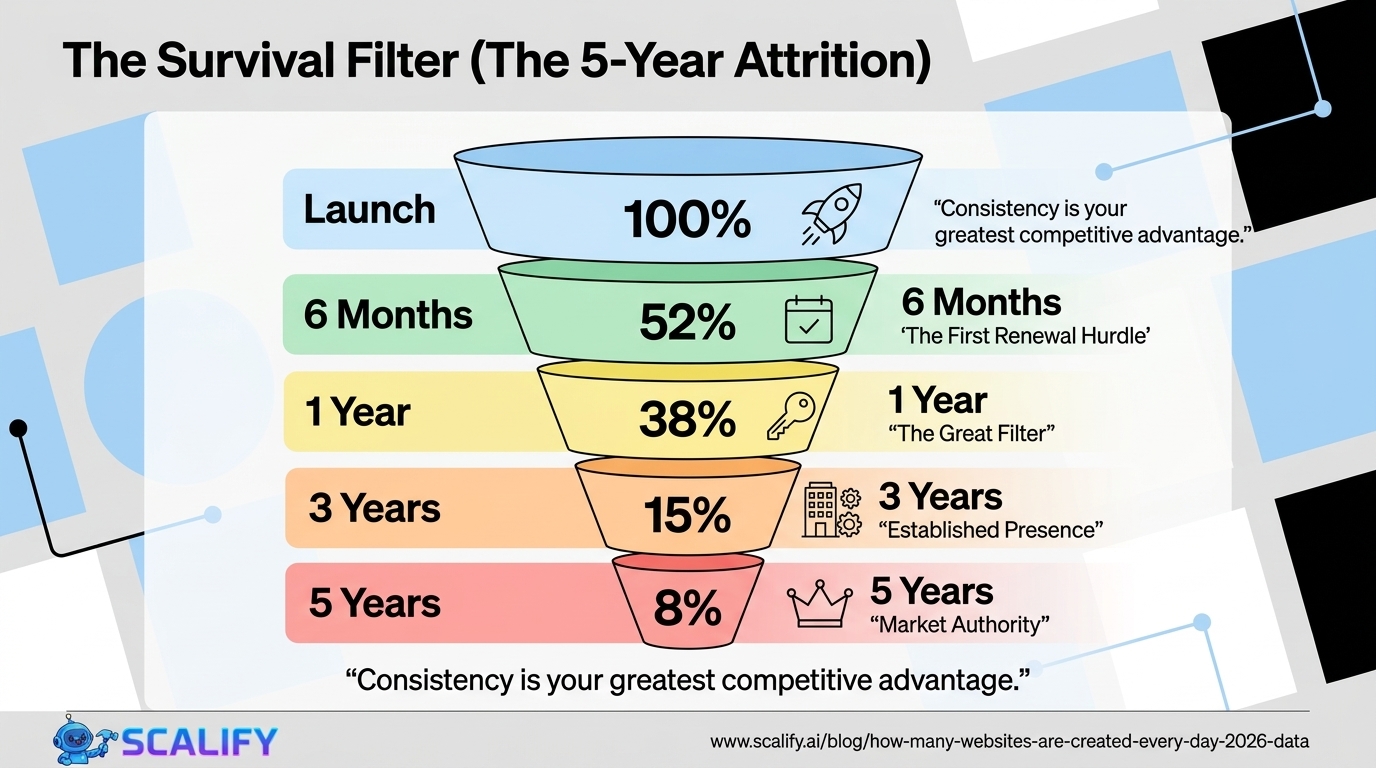
Stopping too soon: The most common cause of SEO failure. Most businesses give up at month 3–4 when results haven't materialized — exactly the point where they're about to start working. SEO requires a 6–12 month commitment before meaningful results are evident. Businesses that keep going past this point consistently see returns; businesses that stop at month 4 conclude "SEO doesn't work."
Targeting keywords that are too competitive: New sites with limited authority cannot rank for high-competition head terms. Targeting "web design" with a new website is a plan to produce zero results. Targeting "web design services for restaurants in Miami" with the same website is a plan that could produce first-page rankings in months.
Creating content without a distribution plan: New content doesn't rank immediately. It needs to be discovered and earn some links before it can rank. Share new content through email, social media, and relevant communities. Internal linking from established pages also helps new content get discovered faster.
Optimizing for rankings instead of users: The only sustainable SEO strategy is creating content that genuinely serves the searchers you want to attract. Content created to game rankings rather than help people loses to content created to genuinely help people in Google's increasingly sophisticated quality evaluation.
The Bottom Line
Ranking on Google is a process, not an event. It requires a solid technical foundation, systematic keyword research, content that comprehensively serves searcher intent, on-page optimization applied consistently, and link building that earns genuine editorial trust over time. None of these steps is mysterious; all of them are learnable; together they produce compounding results that justify every hour invested.
Start with technical health. Research keywords with real search volume and achievable difficulty. Create content that genuinely helps the people searching those keywords. Optimize every piece of content before publishing. Build links steadily. Measure and iterate. Stay patient through the first six months. The businesses that do this consistently build sustainable search visibility that generates traffic and leads for years.
If you want to build your business on a website that's technically sound, fast, and SEO-ready from day one, Scalify handles the foundation — so when you start your content and link building efforts, you're building on solid ground.


.jpeg)
.jpeg)


78 SW 7th St, Miami, FL 33130