


How to Use Images Effectively on a Website: The Complete Guide
By Josh Ternyak

March 29, 2026
Images are the most powerful conversion tool on any website — and the most commonly wasted. This guide covers every dimension of using images strategically: selection, optimization, placement, format, and the specific decisions that separate sites that convert from sites that just look nice.
Why Images Are Your Most Powerful and Most Wasted Asset
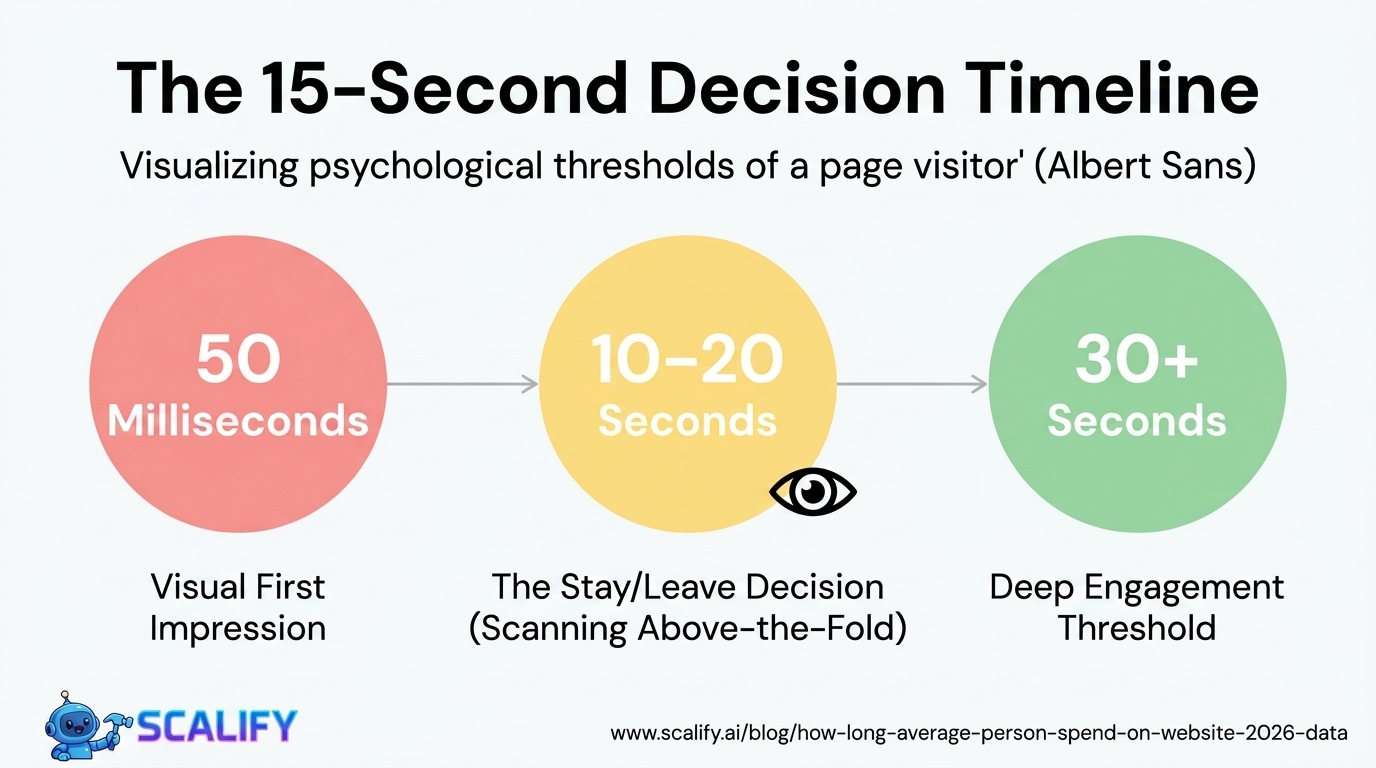
The human brain processes images approximately 60,000 times faster than text. In the 50 milliseconds it takes a visitor to form a first impression of your website, images are doing more perceptual work than every word on the page combined. Before a single sentence is read, the images have already communicated your brand's quality level, your product's visual appeal, and whether the visitor feels like this site is for someone like them.
Given this, the choice and execution of website images is one of the highest-leverage decisions in web design. And yet most websites treat imagery as decoration — something to fill visual space, to make pages less text-heavy, to provide something to look at while the "real" content (copy and calls to action) does the actual work. This misunderstanding of how images function in visitor decision-making produces websites that look fine but systematically underconvert.
This guide covers how images actually work in web contexts — psychologically, technically, and strategically — and the specific decisions at every stage (selection, optimization, placement, format, alt text) that determine whether your images are building your conversion case or quietly undermining it.
The Hierarchy of Image Types: Which Work Best
Not all images are equally effective at building trust and driving conversion. Research from multiple sources — Nielsen Norman Group usability studies, conversion optimization A/B tests, eye-tracking studies — has produced consistent findings about which image types perform well and which don't.
Real People Outperform Stock Models Every Time
Authentic photographs of real people — your actual team, your actual customers, real users of your product — consistently outperform stock photography featuring models in A/B tests and eye-tracking studies. The reasons are multiple:
First, recognition. Generic stock models have been seen before — sometimes on competitor sites, sometimes on unrelated websites, sometimes in advertising contexts that create negative associations. Visitors recognize stock photography as stock photography, even without consciously thinking about it, and the recognition reduces the authenticity signal the image is supposed to provide.
Second, eye tracking. Images of faces are among the most powerful attention attractors in any design. When the face looks toward a specific element on the page — a headline, a CTA, a product — eye-tracking studies show that visitors' gaze follows the direction of the face. A photo of a person looking at your CTA literally directs visitor attention to that CTA. A photo of a model looking away from the page directs attention off-screen.
Third, relatability. Visitors evaluating whether a product or service is right for them look for evidence that it's served people like them. Real customers who look like the target audience provide this evidence; models who look aspirationally photogenic but demographically nonspecific do not.
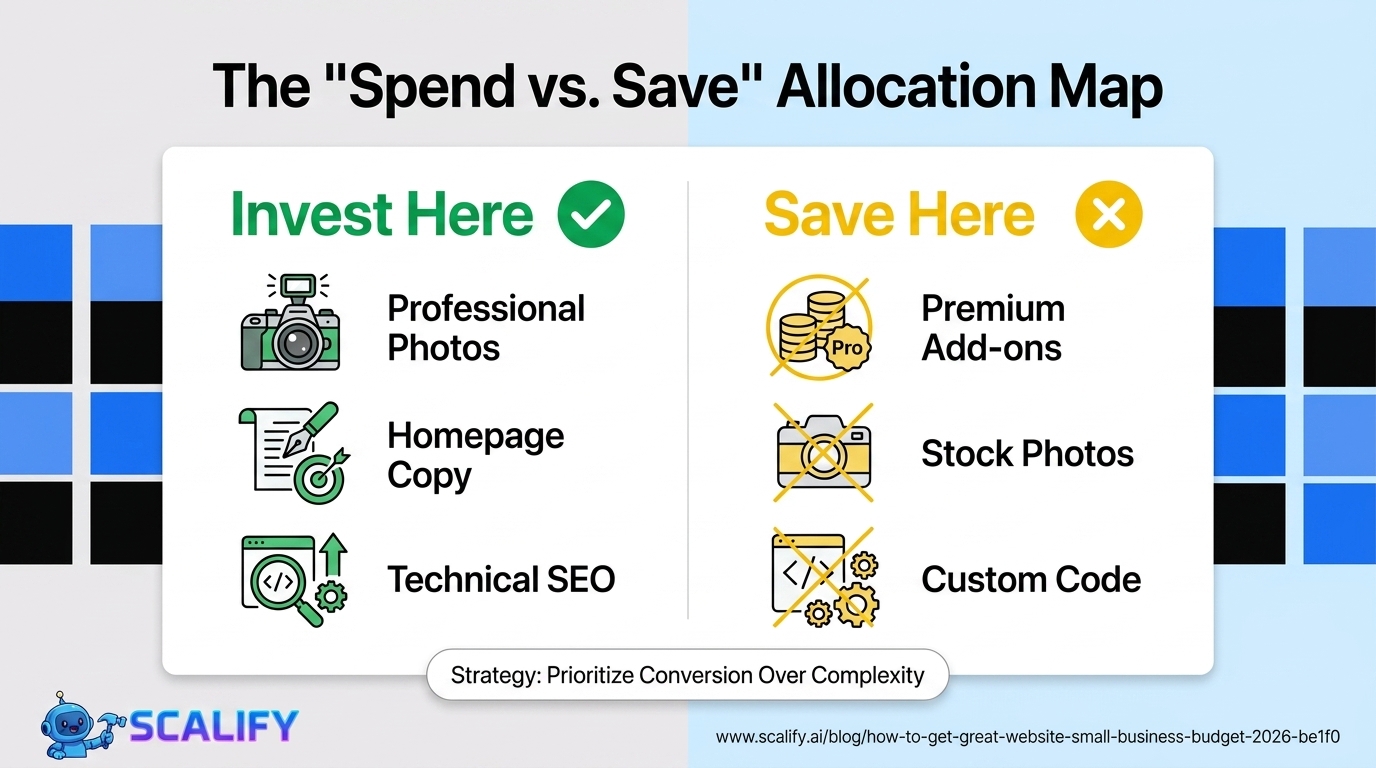
The practical implication: invest in professional photography of your actual team, actual facilities, actual customers (with appropriate releases), and actual product use. This investment pays back in conversion rates that stock photography can't match.
Product Photography: Context vs. Isolated
For physical products, the question of context (product shown in use or in environment) vs. isolated (product on white or neutral background) has a clear answer from research: both are needed, for different purposes.
Isolated product photography on white backgrounds allows precise evaluation of the product — what it looks like, its details, its form. This is essential for product catalog pages and comparison contexts where the visitor needs to evaluate the product objectively.
Contextual "lifestyle" photography showing the product in use or in its intended environment communicates something isolated photography can't: how the product fits into a life. The kitchen knife photographed on a cutting board with fresh vegetables communicates "this knife is for serious home cooking" in a way no specification sheet can. This imagery sells aspiration and identity, not just function.
The most effective e-commerce product pages combine both: isolated hero images for objective evaluation, and lifestyle images that sell the emotional dimension of the product.
Process and Behind-the-Scenes Imagery
For service businesses, imagery that shows the work being done — the workshop, the kitchen, the process, the craft — builds credibility that no amount of copy can replicate. A claim to "meticulous attention to detail" is words; a photograph of the workshop floor showing handtools, materials, and work in progress is evidence. Evidence converts; claims don't.
Behind-the-scenes imagery also humanizes organizations that might otherwise feel anonymous. A law firm's team interacting in a natural meeting, an accounting firm's team working together, a design agency's creative process visible through workspace photography — these images say "real people do this work" in a way that formal headshots alone don't.
Data Visualization and Infographics
For content that includes statistics, comparisons, processes, or relationships between concepts, visual representation consistently outperforms text-only presentation for both comprehension and retention. Charts, diagrams, process illustrations, and comparison graphics communicate structure that text can describe but can't show.
The best data visualizations in web content are simple, accurate, and labeled clearly. The worst are decorative graphics that add visual weight without adding informational value — a 3D pie chart where the 3D perspective actually distorts the data it's supposed to communicate.
Image Selection: The Strategic Questions
Before selecting any image for a page, these questions should guide the decision:
What does this image need to communicate? Not "what would look nice here" but what specific idea, emotion, or proof point should this image convey? An image without a communication purpose is a placeholder, not a design decision.
Does this image speak to the specific audience seeing this page? Images build identification — visitors should see themselves or someone they recognize in the photography. An image of corporate professionals in formal attire on a page targeting artists or creatives creates dissonance. An image of happy elderly people on a page targeting young professionals is irrelevant at best.
Does this image support or distract from the nearby text? Images and copy should work together, not compete. An image that tells a contradictory story to the adjacent copy creates cognitive dissonance. An image that visually amplifies the copy's claim creates reinforcing communication.
How does this image make the visitor feel? Images are primary drivers of emotional response on web pages. A website that sells peace of mind should use imagery that evokes calm and confidence. A website for an adventure travel company should use imagery that evokes excitement and possibility. The emotional register of the imagery should match the emotional response the page is designed to create.
Has this image been overused elsewhere? If you can find an image in a Google Image search result among hundreds of stock photo websites, assume it's appeared on thousands of competitor websites. Particularly for hero sections and key brand moments, image uniqueness matters. Unique photography can't be copied; stock can.
Image Optimization: Performance Is Non-Negotiable
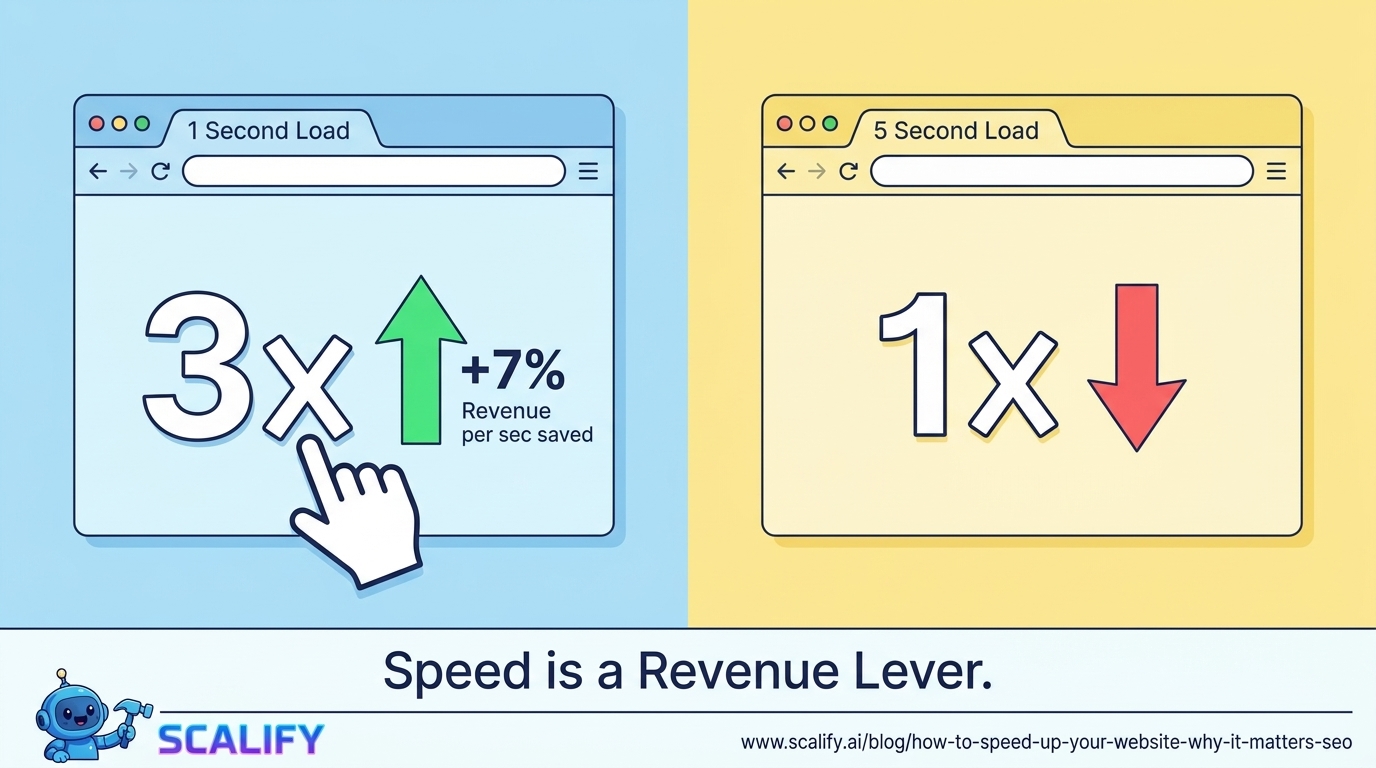
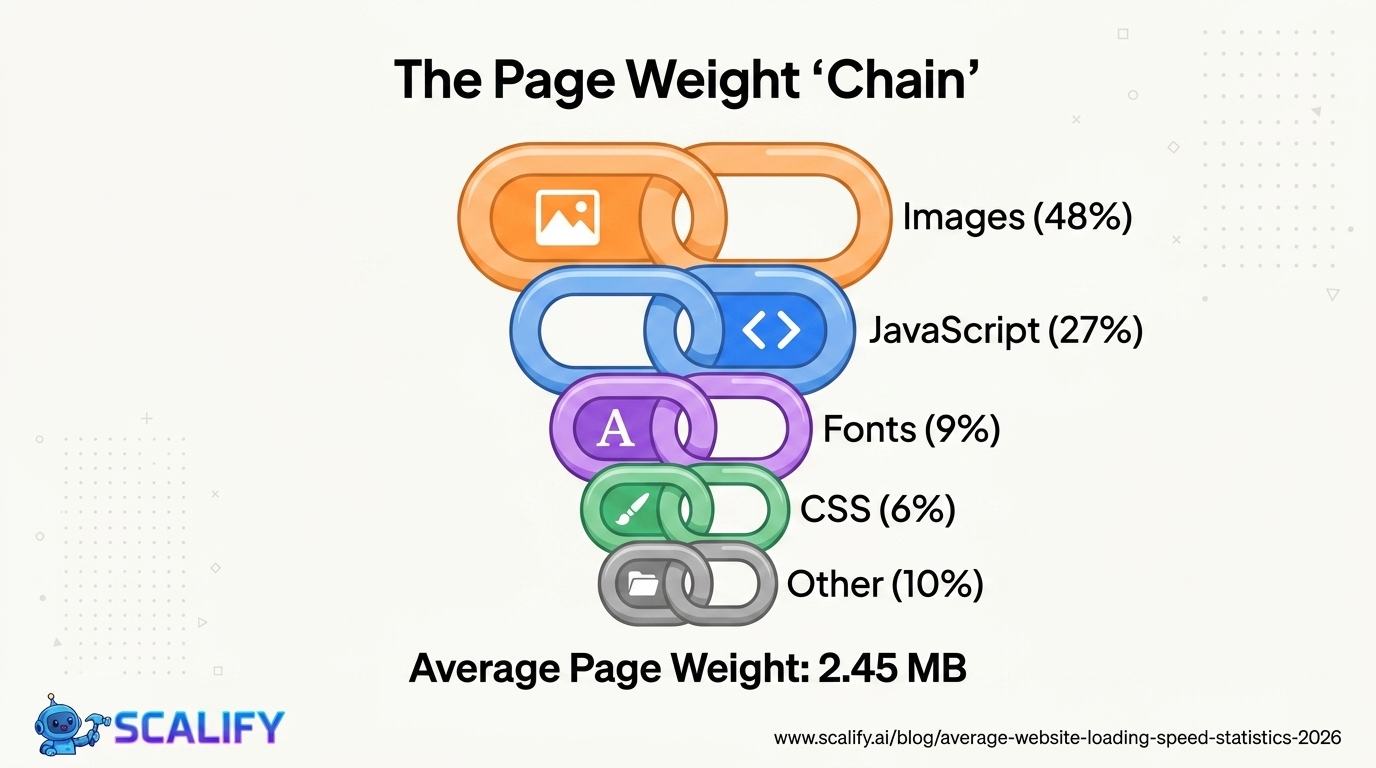
The most beautiful, strategically perfect image on your website is actively hurting you if it takes four seconds to load. Google's research found that conversion rate drops 12% for every additional second of mobile load time. Images are the largest contributor to page weight and the most impactful area for performance optimization.
File Format Selection
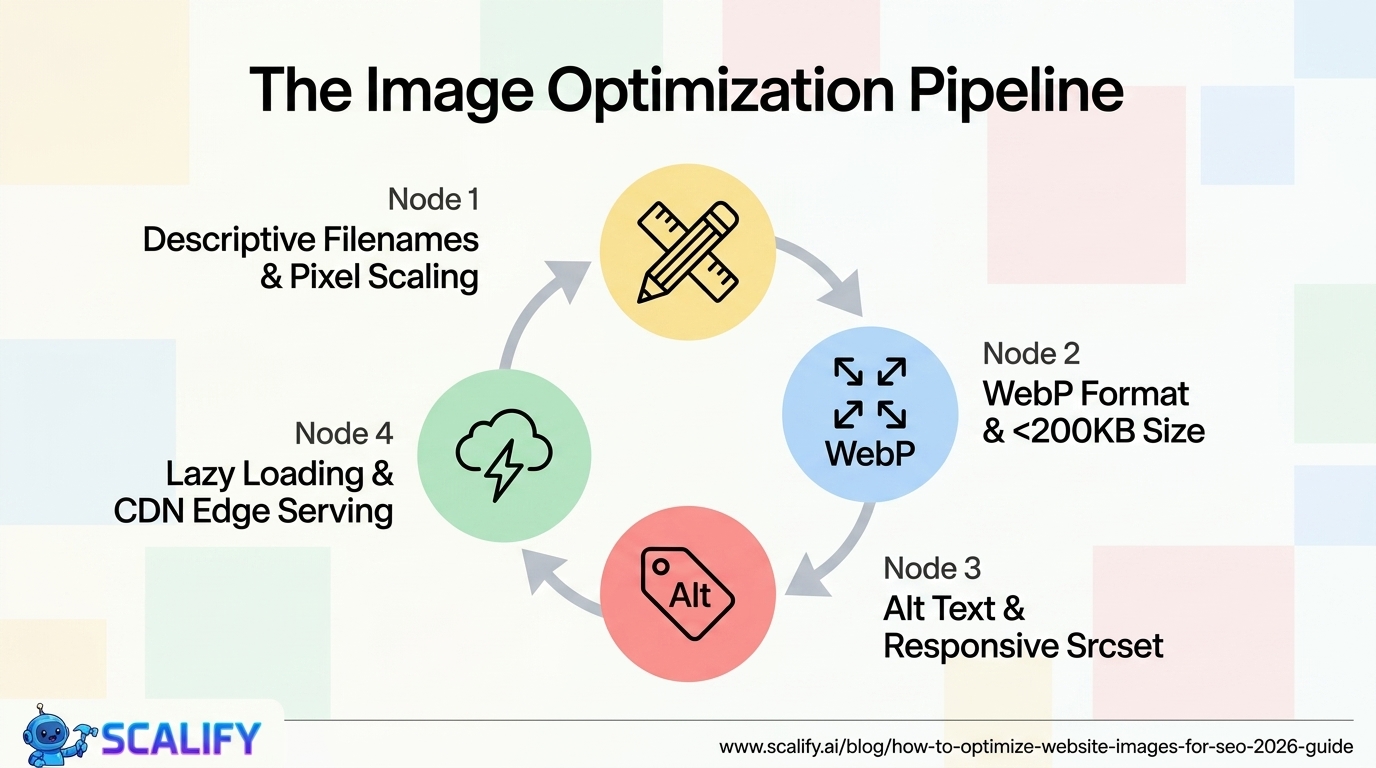
WebP: The modern standard for photographic web images. WebP provides 25–35% smaller file sizes than JPEG at equivalent visual quality. Browser support is now universal across all modern browsers (including Safari since 2020). Unless you have a specific reason to use JPEG, WebP should be your default format for photographs.
AVIF: Even newer than WebP, AVIF provides 50% smaller files than JPEG at equivalent quality. Browser support is good but not yet universal — Safari's support arrived in 2022. Serving AVIF to browsers that support it (via the HTML <picture> element with a WebP fallback) is the current best practice for maximum compression with universal compatibility.
JPEG: Still appropriate when working with older systems that don't support WebP/AVIF, or when JPEG's specific compression characteristics (better preservation of fine detail in certain photographic content) are valuable. Otherwise, WebP is superior.
PNG: For images requiring transparency, logos, illustrations with flat colors, or screenshots with text. PNG uses lossless compression — it preserves every pixel exactly, which makes it ideal for images where quality must be perfect (logo assets, UI screenshots). It produces much larger files than JPEG/WebP for photographic content and should never be used for photographs.
SVG: For logos, icons, illustrations, and any graphic that's composed of geometric shapes rather than photographic content. SVG files scale infinitely without quality loss, are typically very small (often under 5KB), and can be styled and animated with CSS. Every logo, icon set, and vector illustration on your website should be SVG.
GIF: Mostly legacy at this point. For simple animations, the modern alternative is CSS animation or a short MP4/WebM video, both of which produce dramatically smaller files than animated GIF.
Compression and Quality Settings
Image compression is the balance between file size and visual quality. For web images, the goal is the lowest file size at which quality degradation is imperceptible to a typical visitor viewing on their device.
For WebP photographic images, 80–85% quality is typically indistinguishable from 100% quality to the naked eye while producing files 40–60% smaller. Test your specific images — some photographs tolerate aggressive compression better than others (smooth skies and backgrounds compress well; fine detail textures may show compression artifacts at lower settings).
Free tools for compression: Squoosh (squoosh.app) allows side-by-side visual comparison of original and compressed images, making it easy to find the quality/size balance for each image. TinyPNG compresses PNG and JPEG files with good results. ImageOptim (Mac) batch-processes images with sensible defaults.
Responsive Images: Serving the Right Size
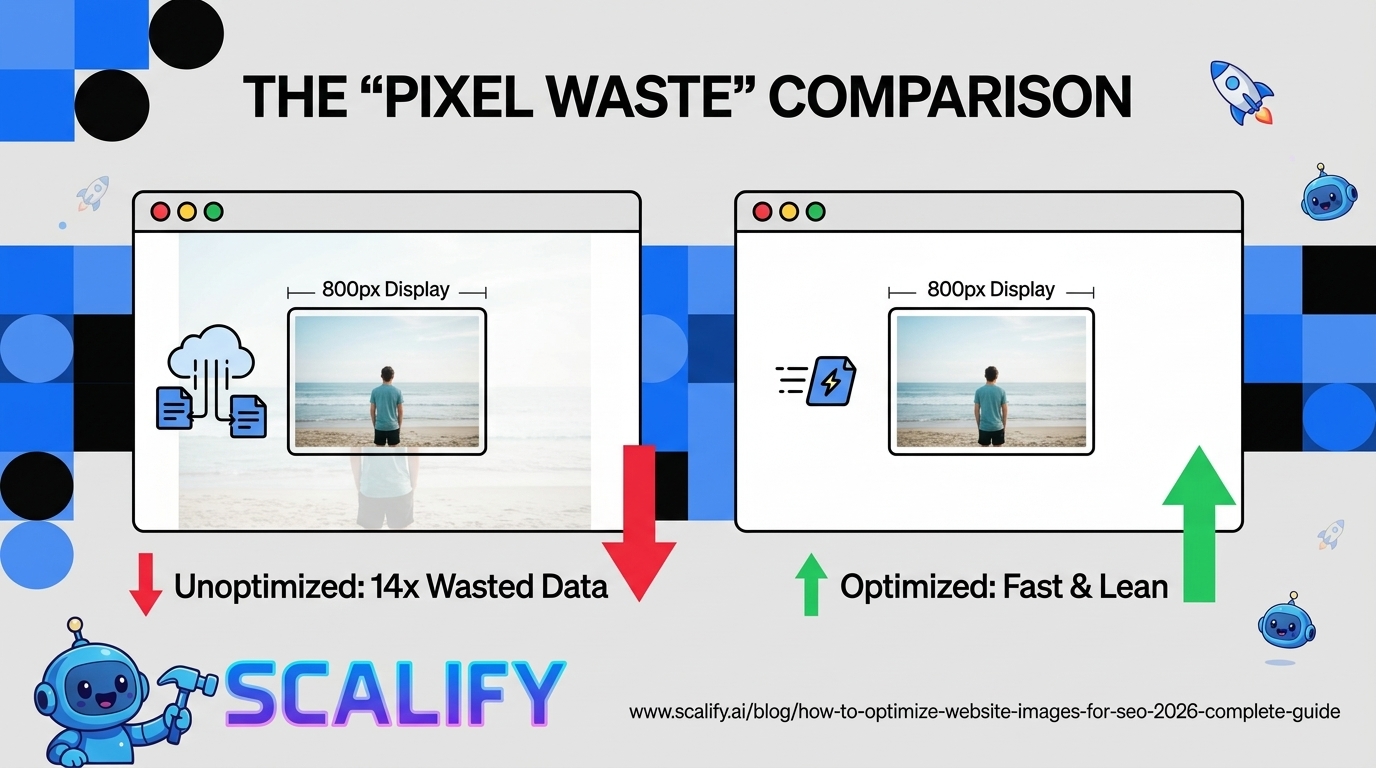
A 2400×1600px hero image is appropriate for a 4K display. Serving that same image to a mobile visitor viewing on a 375px wide screen means they're downloading 6× more image data than they need. Responsive images solve this by serving different image sizes to different devices.
The HTML srcset and sizes attributes allow you to specify multiple image versions and let the browser select the appropriate one based on the device's screen width and pixel density. Most content management systems (Webflow, WordPress with image optimization plugins, Shopify) handle this automatically if configured correctly. For custom-built sites, implementing responsive images should be part of the standard image component.
As a minimum: serve at least two sizes of any significant image — a full-size version for desktop and a smaller version for mobile. The difference in file size between a 1200px image and a 400px image is typically 70–80%, representing significant performance improvement for mobile visitors.
Lazy Loading
Lazy loading defers the loading of images that are below the visible viewport area until the user scrolls near them. The browser loads only the images visible on the screen initially, and loads additional images as the visitor scrolls.
The HTML native lazy loading attribute (loading="lazy") is now supported by all major browsers and requires no JavaScript to implement. Adding it to all images except the above-fold hero image (which should load immediately) meaningfully improves initial page load performance without any visible degradation in visitor experience.
Never lazy load the hero image or any image visible without scrolling on initial page load. These images are visible during the critical initial seconds and must load as fast as possible.
Preloading Critical Images
The inverse of lazy loading: for critical above-fold images (hero images, logo), using a <link rel="preload"> tag in the document <head> instructs the browser to begin loading the image as early as possible — before it discovers it through normal HTML parsing. This can meaningfully improve Largest Contentful Paint (LCP), the Core Web Vitals metric that measures how quickly the largest visible content element loads.
Placement: Where Images Go on a Page
Image placement is as important as image selection. The same image in different positions on a page produces different effects.
Hero Images: Emotional Context Before Rational Content
The hero image is the first significant image visitors see and sets the emotional and aesthetic context for everything that follows. It must do two things quickly: communicate what the brand is about and whether this is a place the visitor wants to be. A hero image that fails at either task costs the conversion before the visitor has read a word.
Hero images that work: they're large enough to be immersive (full-viewport height or close to it), high enough quality to withstand scrutiny at large sizes, emotionally resonant with the intended audience, and visually compatible with any text overlaid on them (sufficient contrast, a clear focal point that allows text to sit without competing).
Social Proof Images: Near the Claim They Support
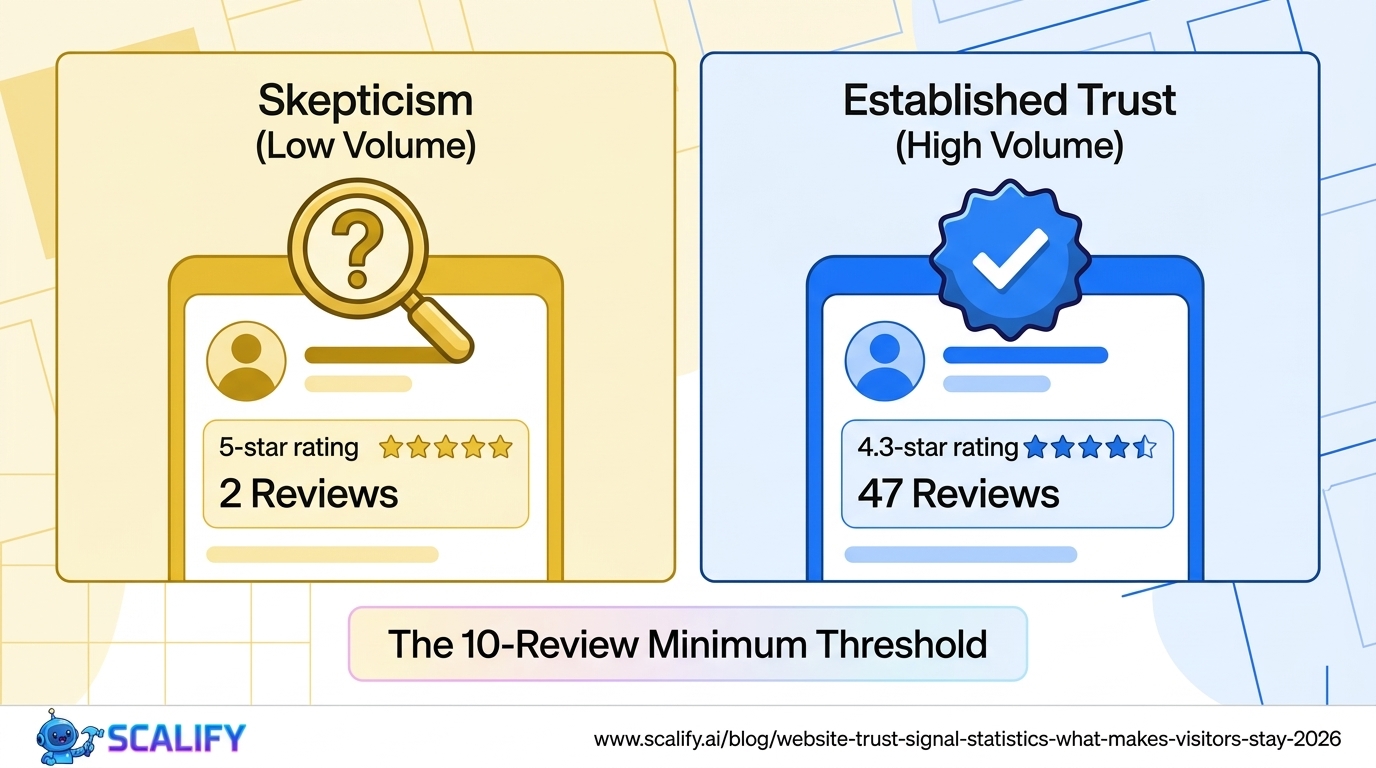
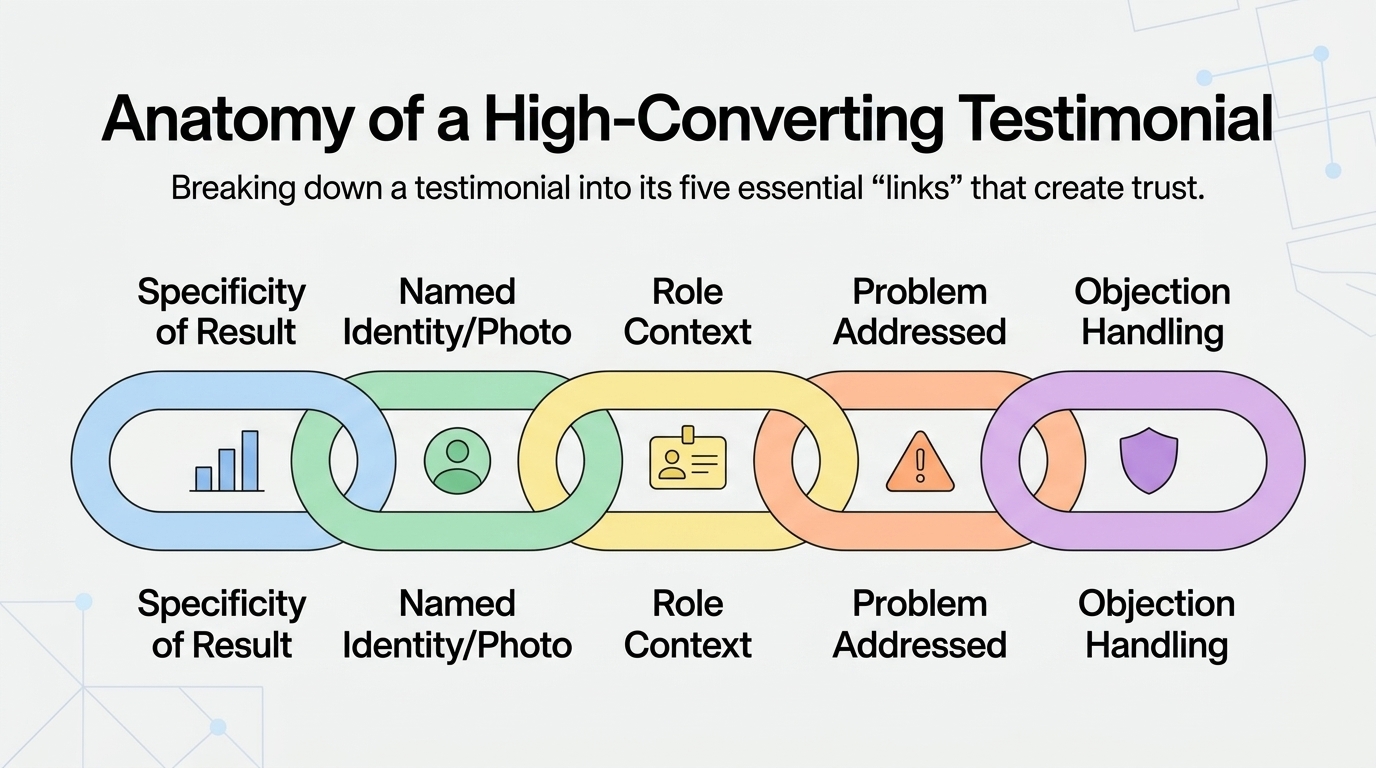
A testimonial from a client is more believable when accompanied by a photograph of that person — not a stock silhouette but a real photograph with name, title, and company. The proximity of the person's image to their words makes the testimonial feel less anonymous and more credibly attributable.
Customer logos (for B2B businesses with recognizable clients) placed near or within a testimonials section reinforce that the social proof is from real, verifiable sources.
Feature and Benefit Sections: Show, Don't Just Tell
Feature sections that pair written descriptions with supporting images — screenshots of software features, photographs of product attributes, before/after comparisons — communicate more effectively than text-only feature lists. The image provides concrete visual evidence of the described benefit; the text provides the framing and context the image alone can't supply.
Alt Text: The Accessibility and SEO Layer
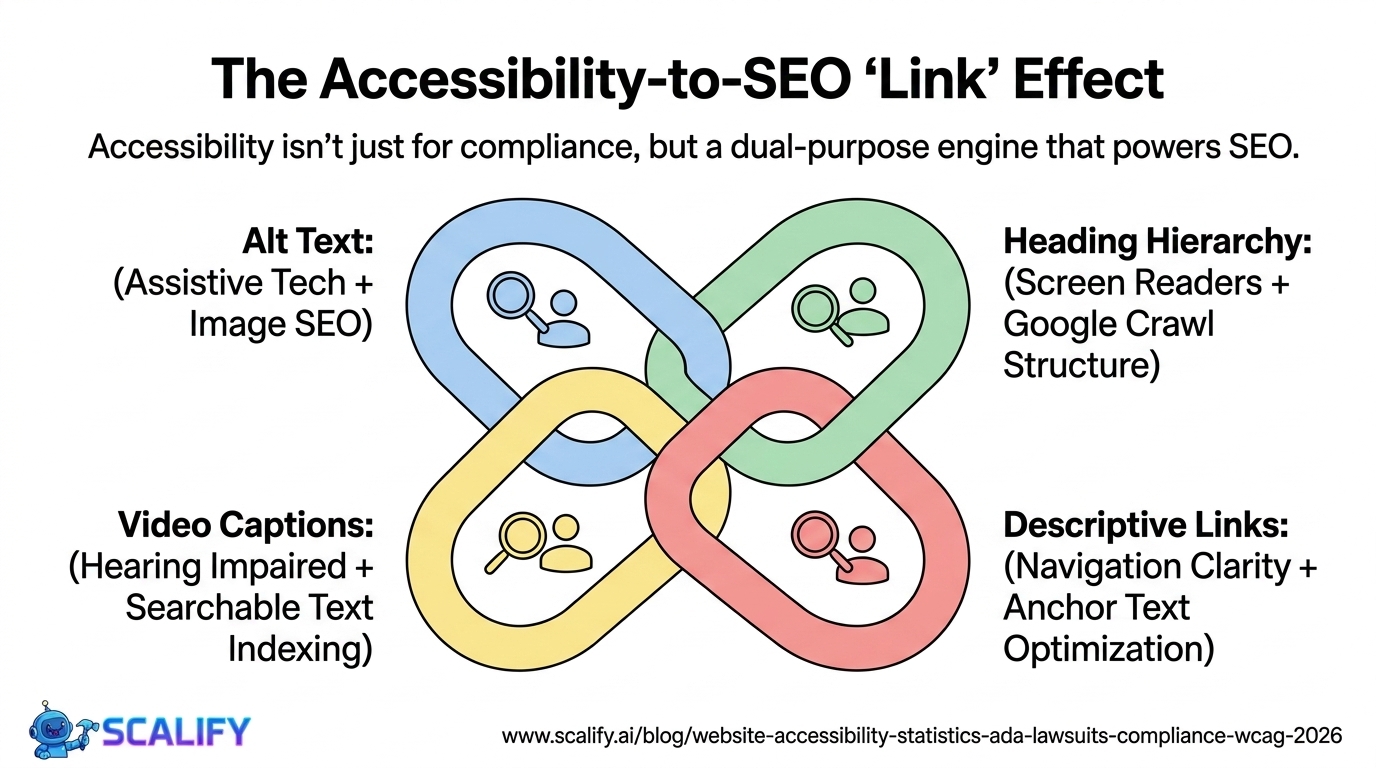
Every meaningful image on your website needs an alt attribute — the text alternative that describes the image for screen readers and search engines. Writing good alt text is a skill worth developing because poor alt text creates both accessibility failures and missed SEO opportunities.
For informational images: Describe the content of the image clearly and specifically. "Two Scalify team members reviewing a design mockup on a MacBook Pro" is useful alt text. "Team photo" is not. "Image" is never appropriate — the screen reader already knows it's an image; it needs to know what the image shows.
For product images: Include the product name, key attributes, and any details visible in the image that matter to a purchaser. "Black leather messenger bag with brass hardware and adjustable strap, open to show interior organization pockets" gives a screen reader user enough information to evaluate the product.
For decorative images: Use an empty alt attribute (alt="") to indicate that the image is decorative and should be skipped by screen readers. Don't omit the alt attribute entirely — an image with no alt attribute will often be announced as an unlabeled image, which is more disruptive than skipping it.
For images with text: Include all the text visible in the image in the alt text. Images of text — screenshots, promotional banners, infographics — need their text content communicated through alt text because the visual text is not machine-readable.
For SEO: Google uses alt text as a signal for image search ranking. Descriptive, natural language alt text that includes relevant keywords (without keyword stuffing) helps images appear in Google Image Search and contributes contextual signals to page SEO.
Common Image Mistakes and How to Fix Them
Using images purely for decoration: If an image doesn't serve a specific communicative purpose — if it's there because the layout needed something visual — question whether it should be there at all. Decorative images add page weight without adding conversion value.
Over-compressed images that look bad at retina resolution: High-density displays (Retina on Mac and iPhone, high-DPI on modern Android) render images at 2× or 3× the CSS pixel resolution. An image served at 600px width on a site will be displayed at 1200px effective resolution on a Retina display if you serve a 2× version, or at 600px actual resolution (which looks blurry) if you serve a standard resolution image. Always serve 2× versions of images for retina displays.
Images that don't load: Broken image links (due to moved files, renamed assets, or CDN failures) show placeholder boxes that undermine every page they appear on. Monitor for broken images and fix them promptly.
Hero images without contrast for overlaid text: Text overlaid on busy photographic backgrounds frequently fails contrast requirements and is hard to read. Solutions: add a color overlay on the image, darken specific areas of the image to create contrast for text, position text over naturally lighter or darker areas, or use a text background.
Ignoring image performance on mobile: Most websites serve the same large image files to desktop and mobile. On a 4G connection, a 3MB hero image takes 3–6 seconds to load. On a 3G connection (still common in rural areas and certain mobile conditions), the same image takes 10–15 seconds. Mobile image optimization is not optional.
The Bottom Line
Images do more perceptual work in less time than any other element on your website. Strategic image selection, appropriate optimization, thoughtful placement, and proper technical implementation compound into a conversion advantage that's invisible when done right and painful when done wrong. The investment in real photography, proper formatting, and performance optimization is among the highest-ROI decisions in web design.
At Scalify, images are never an afterthought. Every image choice is intentional — selected for what it communicates, optimized for how fast it loads, and placed for where it does the most work in the visitor's decision process.










.jpeg)
.jpeg)





78 SW 7th St, Miami, FL 33130