


What Is a Hero Image on a Website?
By Josh Ternyak

March 28, 2026
The hero image is the first visual a visitor sees when they land on your site — and it has about 3 seconds to make them stay. This guide explains what it is, why it matters, and how to get it right.
The Image That Either Wins Visitors or Loses Them in Three Seconds
Load any modern website and the first thing you see — before you've read a word, before you've checked the navigation, before you've had a chance to evaluate whether this business is right for you — is an image. A large, prominent visual that dominates the top of the page and sets the entire tone for what follows.
That's a hero image. And in those first two to three seconds before a visitor decides whether to stay or hit the back button, it's doing more persuasive work than any other element on the page.
This guide covers what a hero image is, why it matters as much as it does, the different types, what makes one effective versus ineffective, and how to choose the right hero image for your specific site and audience.
What a Hero Image Is
A hero image is a large, full-width (or near full-width) image that occupies the top of a web page — typically filling the entire viewport or a significant portion of it when the page first loads. It sits behind, above, or alongside the page's headline and primary call to action, providing the visual context in which those elements are presented.
The term comes from graphic design and publishing, where a "hero" is the primary image in a composition — the one that carries the most visual weight and immediately commands attention. In web design, the hero section is the above-the-fold area of the page, and the hero image is the visual centerpiece of that section.
Not every hero section uses a photograph. Hero images can be illustrations, abstract graphics, video backgrounds, animations, product renders, or even bold typographic treatments without photography. The defining characteristic is the visual element that dominates the page's opening section, not specifically the format it takes.
Why Hero Images Carry Outsized Importance
The brain processes visual information approximately 60,000 times faster than text. Before a visitor has read a single word of your headline, their visual cortex has already formed an impression based on the image in front of them. That impression — the mood it creates, the associations it triggers, whether it looks aspirational or generic, relevant or confusing — shapes how everything that follows is received.
Eye-tracking research consistently shows that the hero image is among the first elements users look at on a new page. The headline and the hero image are in a constant competition for initial attention, and many users look at the image first before reading. This means the image isn't just supporting the headline — it's delivering a parallel message, and those two messages need to be consistent and mutually reinforcing.
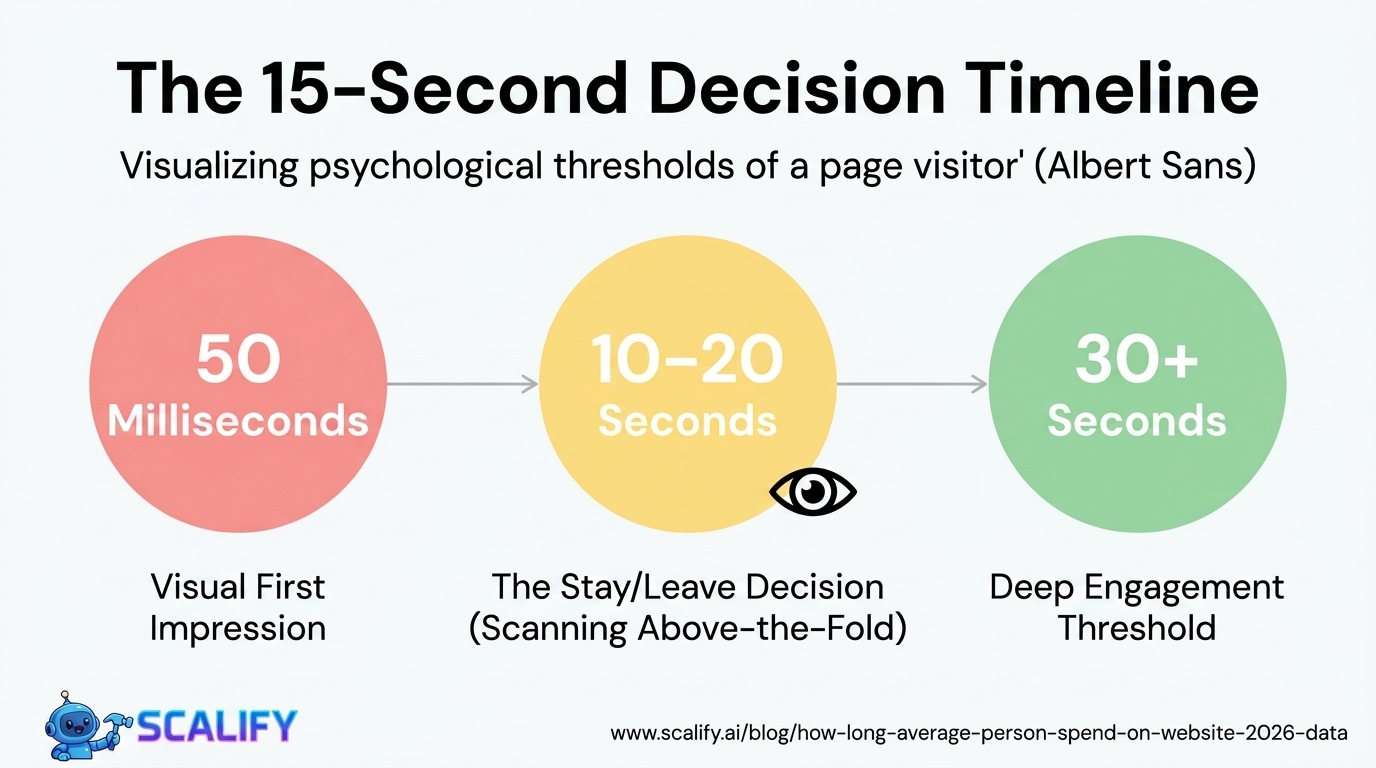
The stakes are high because of what happens in the first few seconds. Research by Google found that visitors form an opinion about a website in as little as 50 milliseconds. A hero image that looks generic, irrelevant, or off-brand creates a negative first impression that the rest of the page then has to overcome. A hero image that immediately communicates relevance, quality, and emotional resonance sets a positive baseline that makes everything that follows more persuasive.
Types of Hero Images
Product Photography
The most common choice for e-commerce and product-focused businesses. High-quality, professional photography of the actual product — ideally in use, in context, or styled to evoke the lifestyle or outcome associated with purchasing it.
Product photography in the hero section answers the visitor's most fundamental question ("what is this?") immediately and visually. A company selling premium coffee equipment shows that equipment in a beautiful kitchen setting. A fashion brand shows a model wearing their latest collection. The product is the hero because for an e-commerce visitor, the product is the point.
Lifestyle and Aspirational Photography
Rather than showing the product or service directly, lifestyle photography shows the outcome or experience associated with it. A fitness brand might show an athlete in peak condition. A travel company shows a stunning destination. A business coaching service shows a confident professional in a modern office.
The appeal is aspirational identification: the visitor sees the image and thinks "that's what I want my life/business/experience to look like." The brand positions itself as the path to that aspiration. This approach is effective when the product or service's value is primarily experiential or transformational — when the "what" matters less than the "what it means to have it."
Team or People Photography
For service businesses — agencies, consultancies, law firms, medical practices — showing the actual people who deliver the service humanizes the brand and builds immediate personal trust. A visitor who sees the team in the hero section knows they're dealing with real people, not a faceless entity.
The key to making people photography work in a hero: it has to be genuine. Stock photography of generic business people shaking hands or looking at laptops is immediately recognized as inauthentic and produces a credibility penalty rather than a trust gain. Real team photos — professional but genuine — consistently outperform stock alternatives in conversion tests for service businesses.
Abstract and Graphic Design
Technology companies, SaaS products, design firms, and brands with modern or minimal aesthetics often use abstract graphic design as the hero visual — geometric patterns, gradients, data visualizations, UI screenshots, or custom illustrations. These don't try to represent the physical world; they represent the brand's aesthetic sensibility and communicate sophistication through visual language.
This approach requires strong design execution. Abstract hero visuals that are generic or poorly executed look like filler. Abstract visuals that are distinctive, purposeful, and beautifully crafted communicate creativity and expertise in a way that generic stock photography can't match.
Video Backgrounds
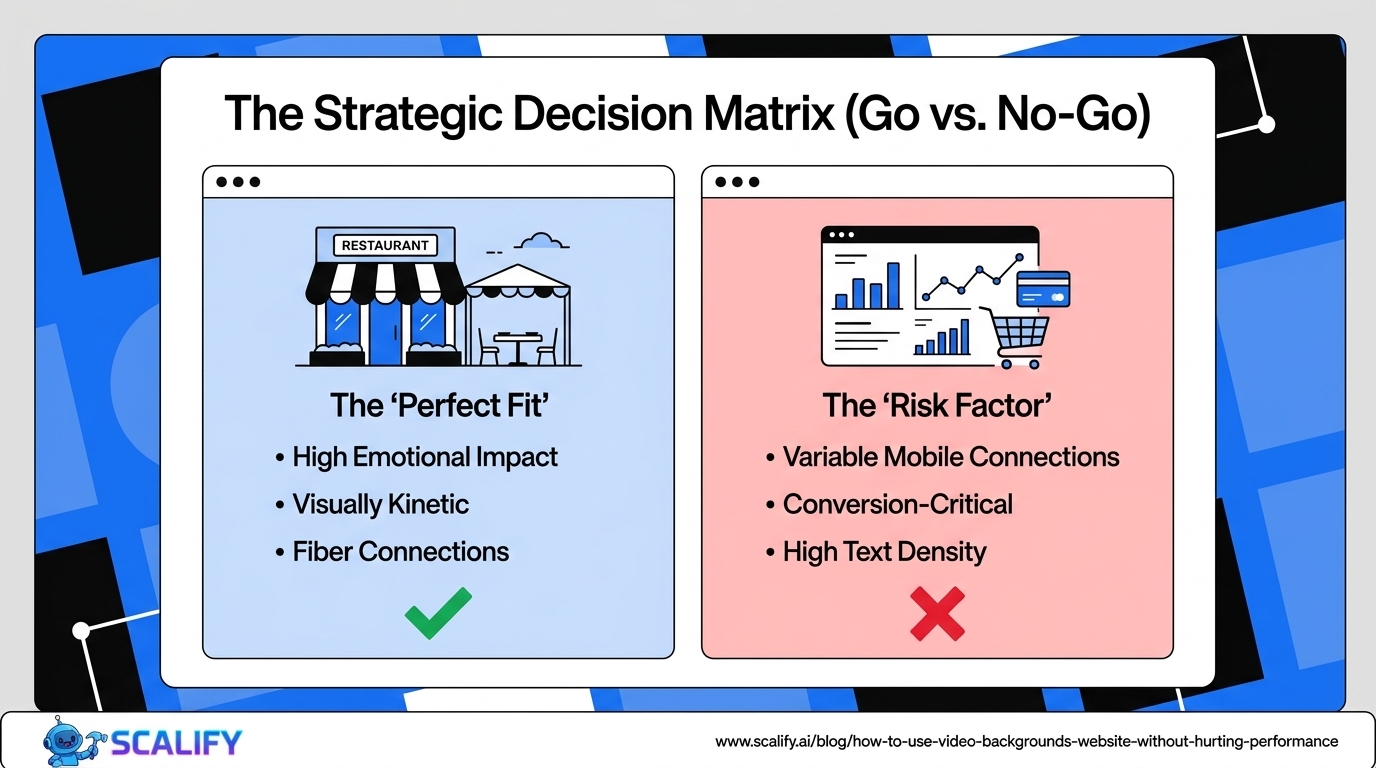
Auto-playing, looping video backgrounds have become common in hero sections — particularly for hospitality (restaurants showing food being prepared, hotels showing rooms), events, and brands where motion conveys something that static photography can't. A video of a busy restaurant creates a vivid impression that a still photograph of the same space can't fully replicate.
Video backgrounds come with significant performance considerations. A hero video that takes several seconds to load — or that the browser refuses to autoplay because of data saver settings — is a reliability and performance liability. Best practices for video hero backgrounds: keep files small and compressed, provide a static image fallback for slow connections and mobile data saver mode, mute autoplay always (browsers block autoplaying video with audio), and ensure the video loop is seamless.
Illustrations
Custom illustration is a growing trend in web design for technology companies, startups, and brands that want to stand out from photographic conventions. A distinctive illustration style — one that's proprietary to the brand — is both visually memorable and immediately differentiating in categories where competitors all use similar photography.
The best brand illustrations don't look like stock illustration packs (which are immediately recognizable as generic) but like something that could only belong to that brand. When done well, custom illustration in the hero section is one of the most distinctive visual choices a web designer can make.
What Makes a Hero Image Effective
Relevance to the Visitor
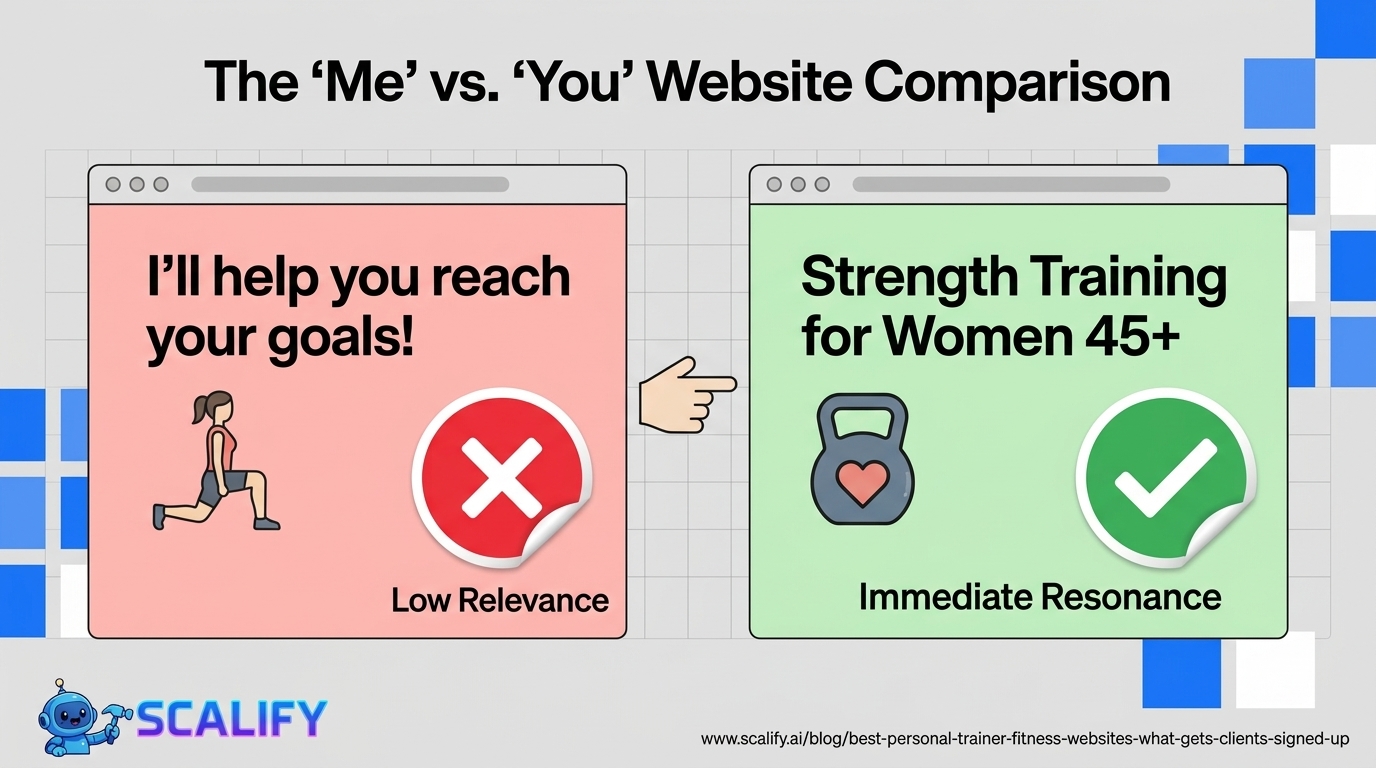
The most effective hero images immediately communicate relevance to the target audience. A visitor who lands on a page and sees a hero image thinks — consciously or not — "is this for me?" An image that shows people like them, in situations they recognize, using products or experiencing outcomes they want, answers that question affirmatively before a word is read.
Relevance is why audience clarity matters before image selection. You can't choose an effective hero image without knowing specifically who you're trying to reach, what they care about, and what visual language resonates with them.
Emotional Resonance
The best hero images create an emotional response — aspiration, warmth, excitement, calm, trust — that's aligned with what the brand is trying to evoke and what the visitor is hoping to feel. A luxury brand wants their hero to create a sense of elegance and exclusivity. A health and wellness brand wants calm and vitality. A startup targeting frustrated enterprise software users wants energy and relief.
Emotional resonance is difficult to achieve with stock photography because stock images are generically pleasant — designed to be inoffensive to the widest possible audience. Generic pleasant doesn't create the specific emotional impression that distinct, relevant imagery creates.
Quality and Professionalism
Image quality signals business quality. This is not subtle — it's immediate and visceral. A pixelated, poorly lit, low-resolution hero image tells visitors that the business behind it doesn't invest in quality. A crisp, professionally shot or designed hero image tells them the opposite. The correlation between visual production quality in the hero section and perceived business quality is strong enough that it regularly affects purchasing decisions.
This doesn't mean you need a $20,000 photography shoot. It means choosing and using images carefully: high resolution, properly framed, good lighting (for photography), and rendered at appropriate sizes without compression artifacts or pixelation.
Complementing Rather Than Competing with Text
The hero image and the headline/CTA need to work together, not fight for attention. Common failures of this relationship: an image with too much visual noise that makes text overlaid on it impossible to read, an image that's so visually compelling that visitors look at it rather than reading the headline, or an image that's thematically unrelated to the headline so they feel like two separate things rather than one coherent communication.
When text is overlaid on a hero image, contrast is critical. Dark text needs a light image area behind it; light text needs a dark image area. Semi-transparent overlays (a dark gradient or solid color at reduced opacity placed between the image and the text) are a reliable way to ensure readability while keeping the image visible. Always test text legibility across different screen sizes — text that's readable on desktop may become illegible on mobile where the image crops differently.
Loading Speed
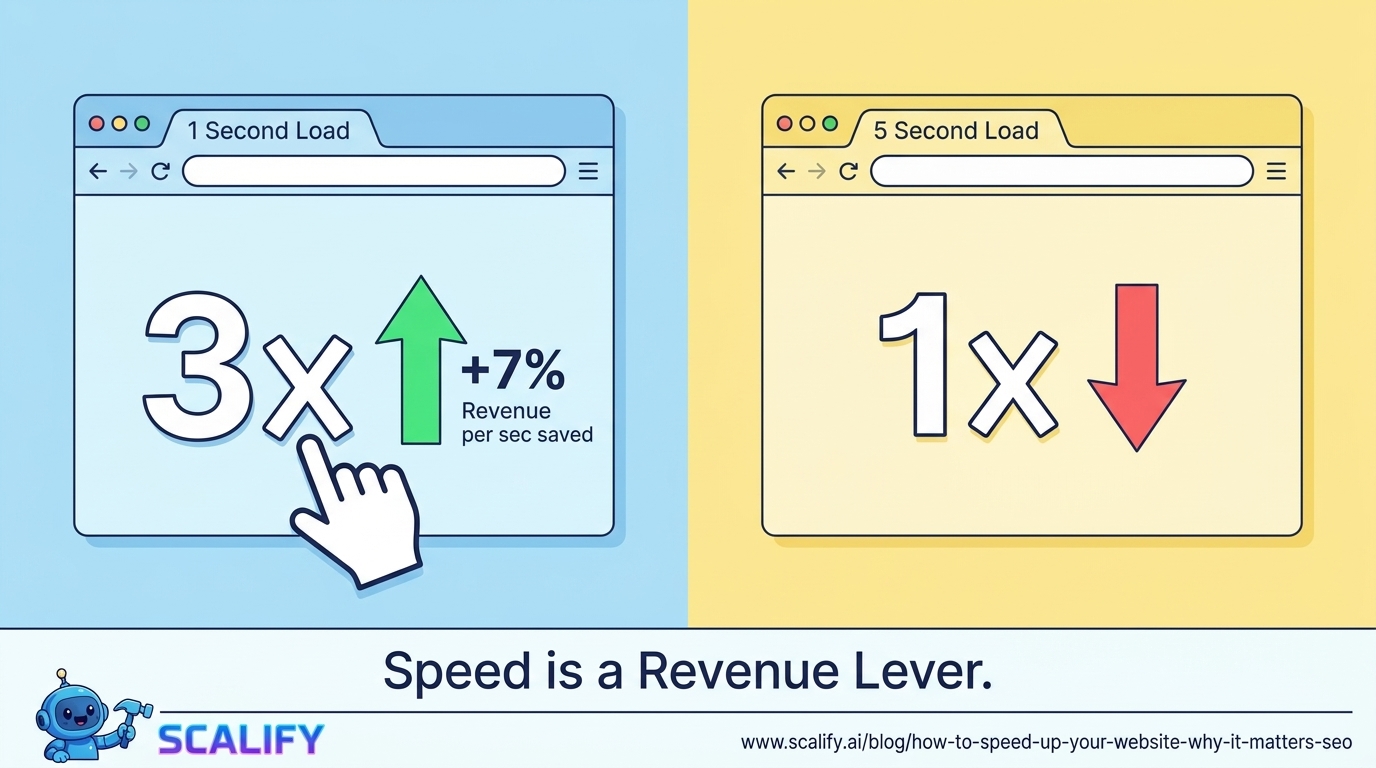
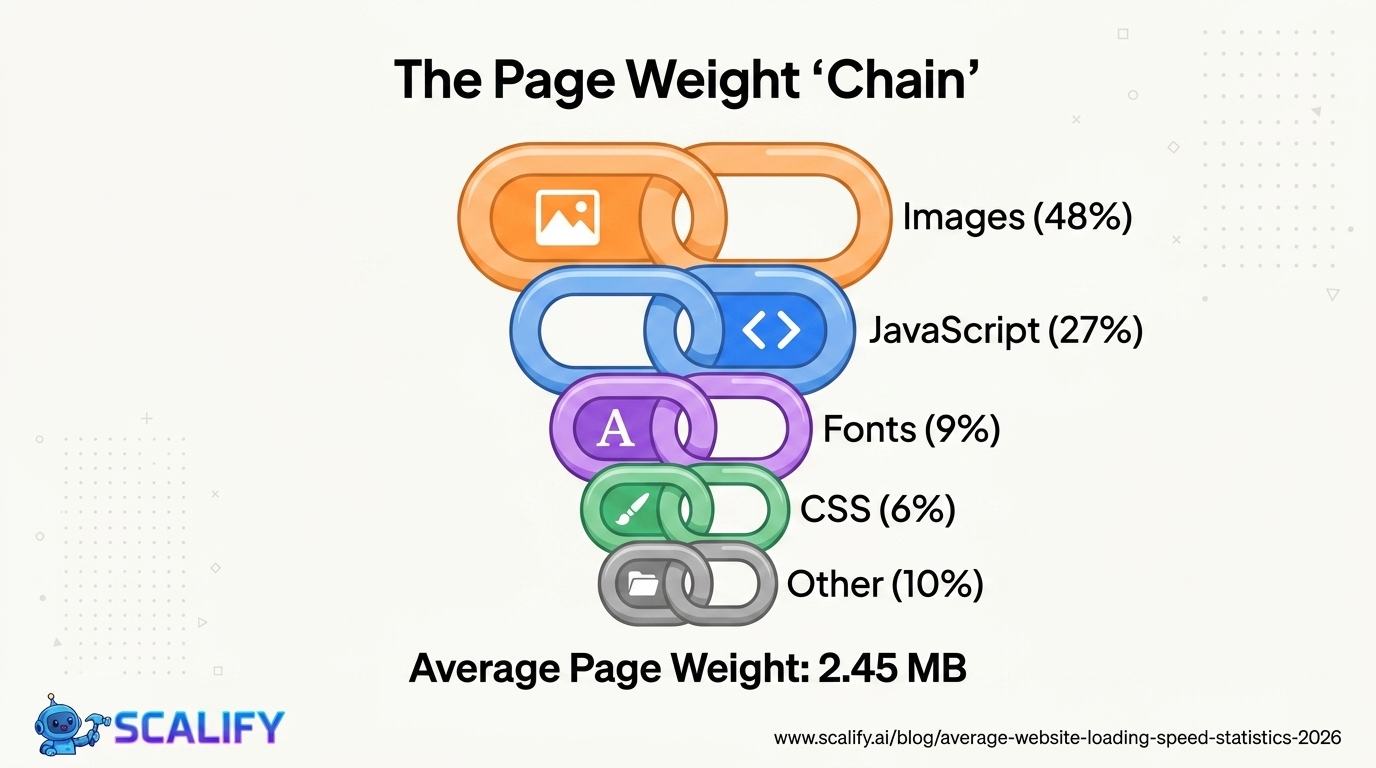
Hero images are typically the largest images on a page and therefore the biggest potential performance liability. The Largest Contentful Paint (LCP) metric in Google's Core Web Vitals measures how long it takes for the largest above-fold content element to become visible — and for most pages, the hero image is that element. An LCP above 2.5 seconds is rated "Needs Improvement." Above 4 seconds is "Poor."
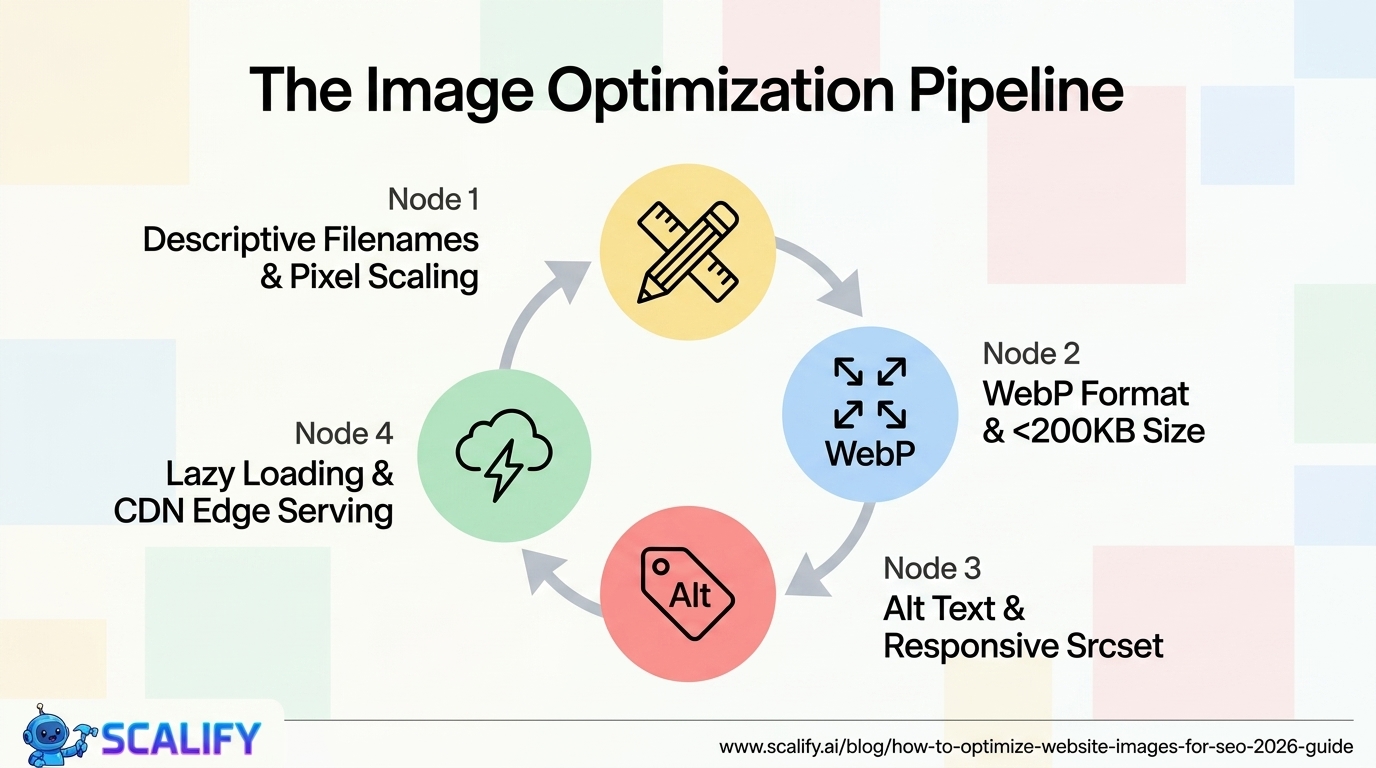
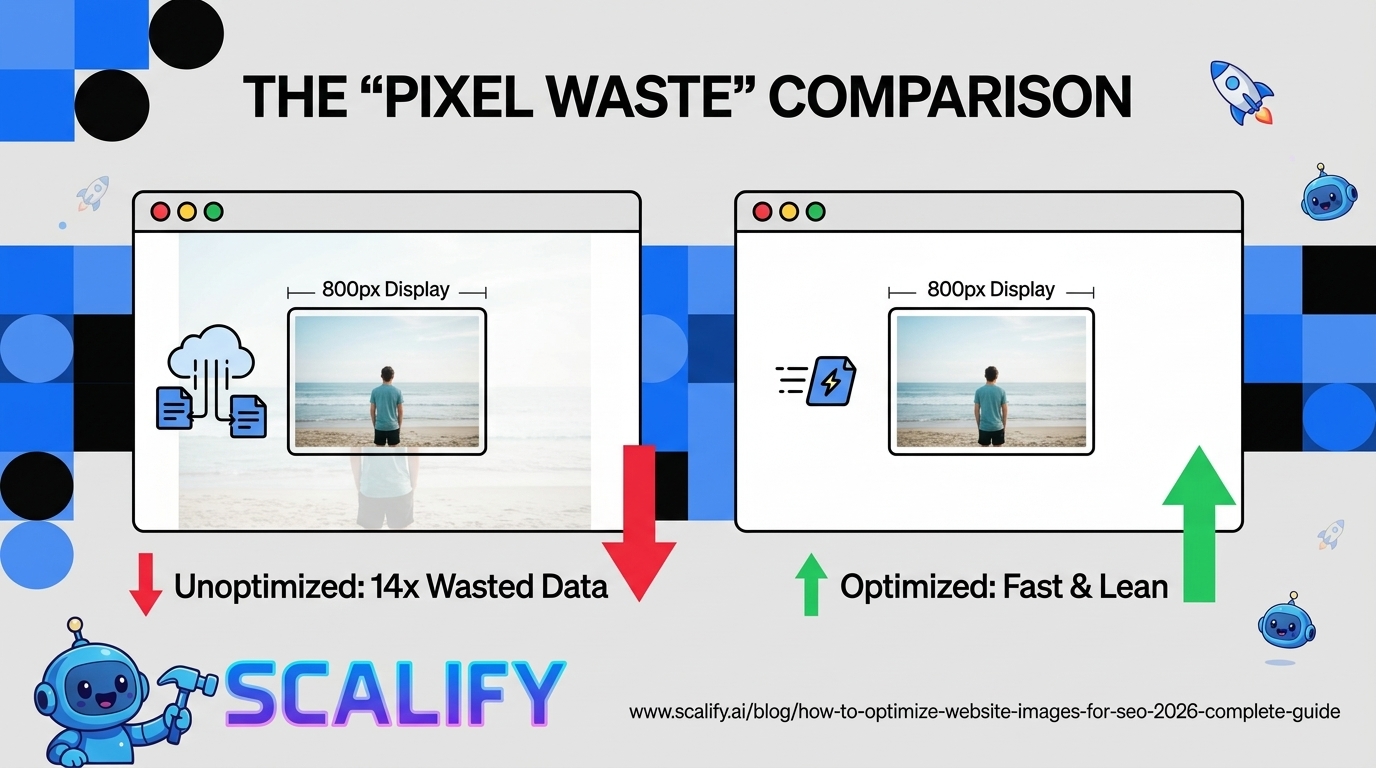
Optimization practices for hero images: compress without visible quality loss (WebP format provides 25-35% smaller file sizes than JPEG at the same quality), serve appropriately sized images for different devices (don't serve a 3000px wide image to a 375px mobile screen), use responsive images with the srcset attribute so browsers choose the right size, and add loading="eager" or proper preload hints so the hero image loads with maximum priority.
Common Hero Image Mistakes
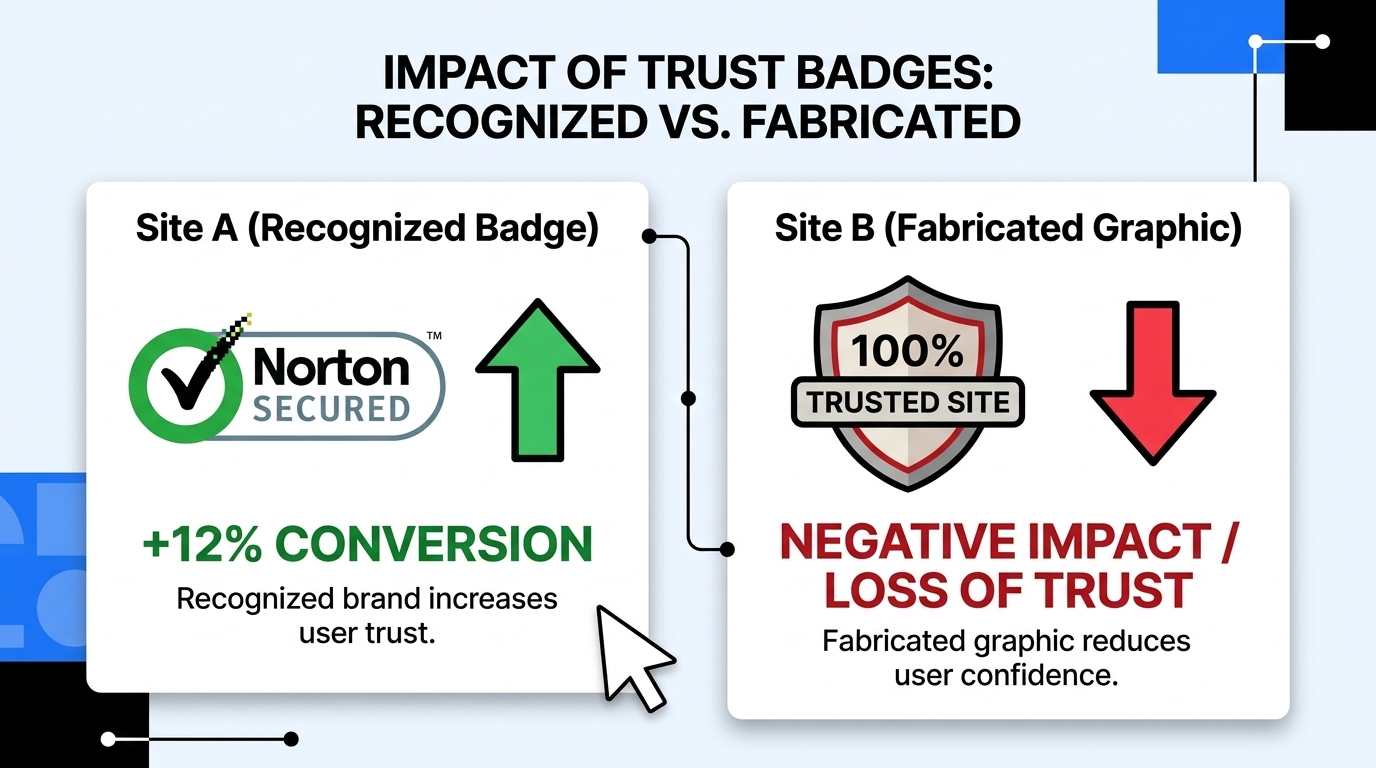
Generic stock photography. The smiling businesspeople, the handshake, the person staring at a laptop with a huge smile, the diverse team around a conference table. These images are overused to the point of being invisible — they communicate nothing specific about the brand and are immediately categorized by visitors as filler. If your hero looks like it could belong to any of your competitors, it's probably stock photography that's working against you.
Prioritizing aesthetics over communication. Beautiful images that don't communicate anything relevant to the visitor's decision are a wasted opportunity. The hero image is not a portfolio piece — it's a conversion tool. It should be beautiful and relevant. If forced to choose between beautiful and relevant, relevant wins.
Text illegibility. Placing white text over a light background area of an image, or dark text over a dark area, is a readability failure that happens more often than it should. Always check text contrast against the actual image, across different viewport sizes, especially on mobile where image cropping changes.
Video backgrounds that don't load. A hero section designed around a video background that doesn't autoplay (due to mobile data saver, slow connection, or browser restrictions) looks broken. Always implement a quality static image fallback.
Inconsistency with brand. A hero image that doesn't match the brand's color palette, aesthetic sensibility, or emotional tone creates a visual discontinuity that visitors feel even if they can't articulate it. The hero image should feel like it was made for this brand, not borrowed from somewhere else.
How to Choose the Right Hero Image
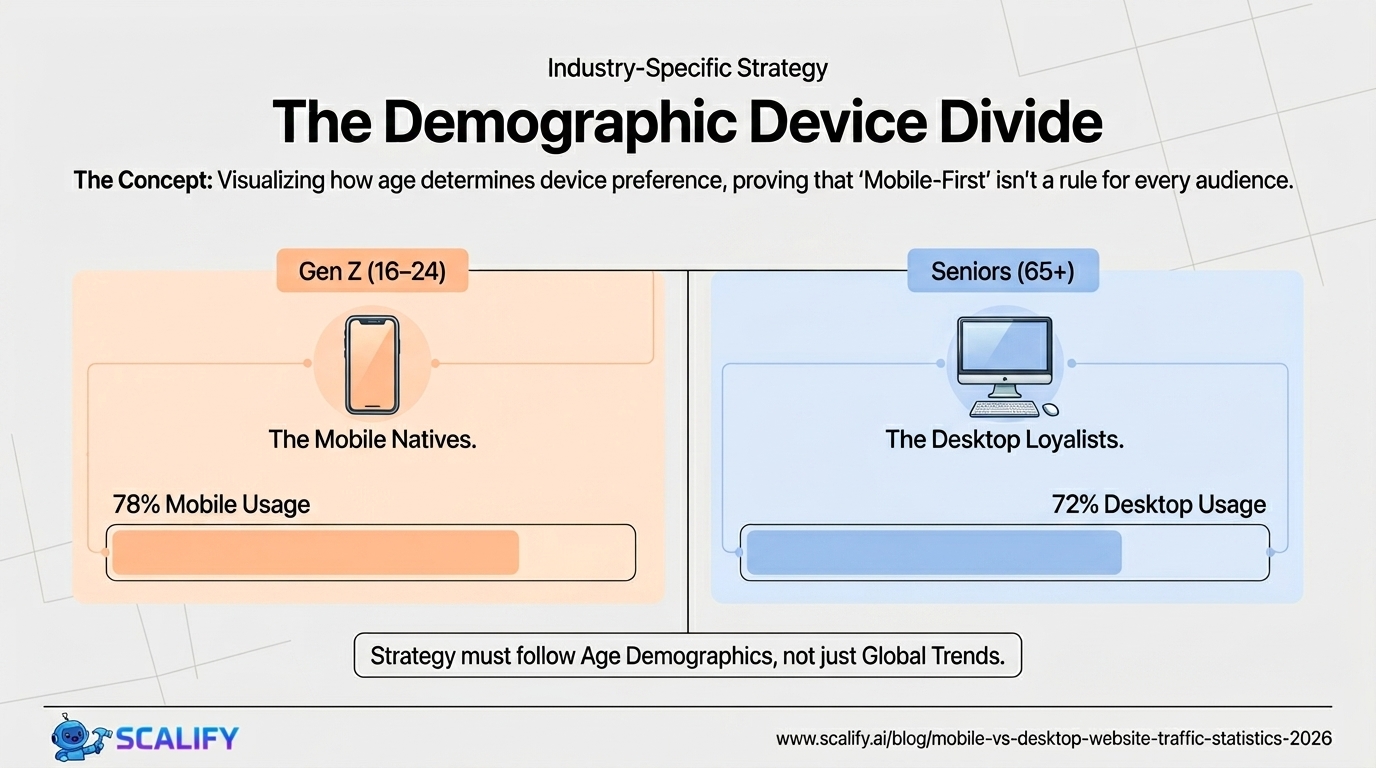
Start with your audience, not with what looks good. Who is your visitor, what stage of the decision journey are they on, and what do they need to feel and understand within the first three seconds? Build a brief that describes the emotional and informational goals of the hero section before searching for an image.
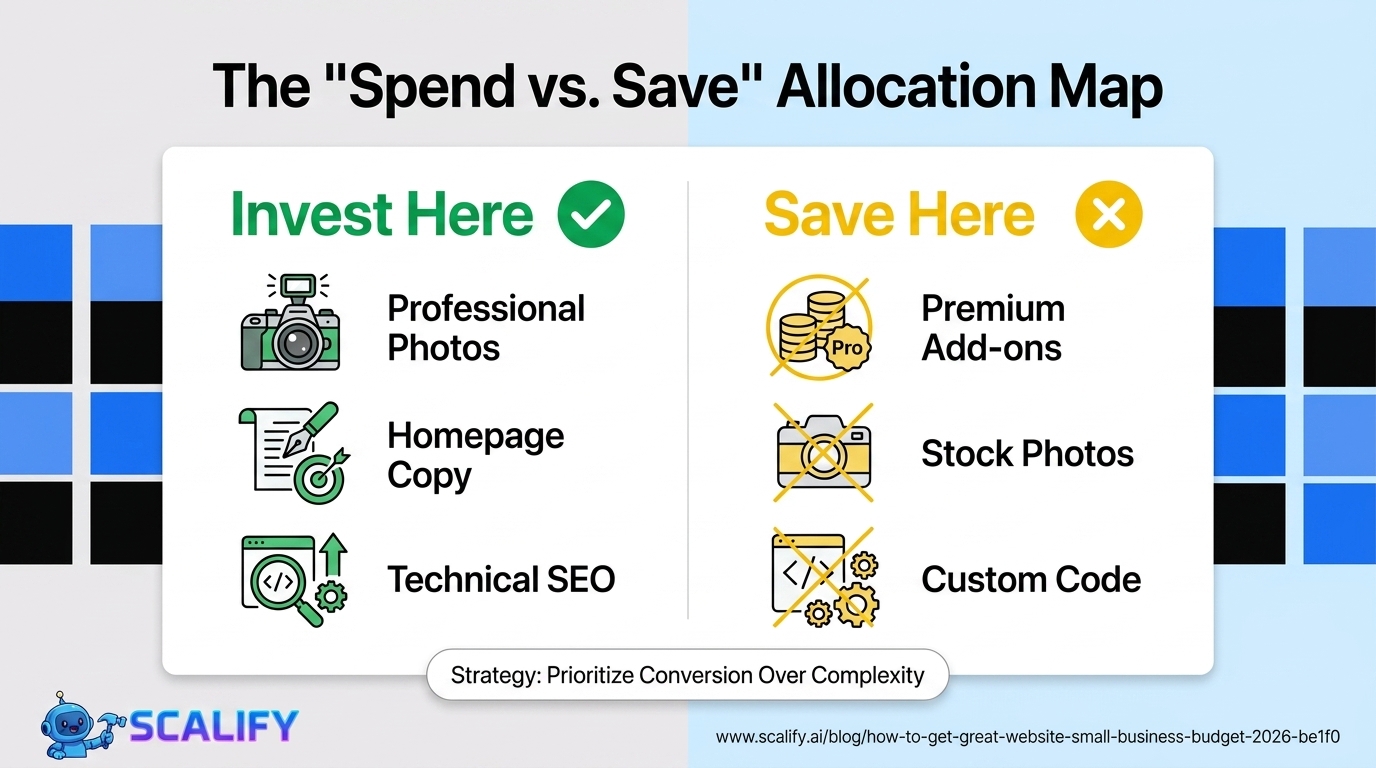
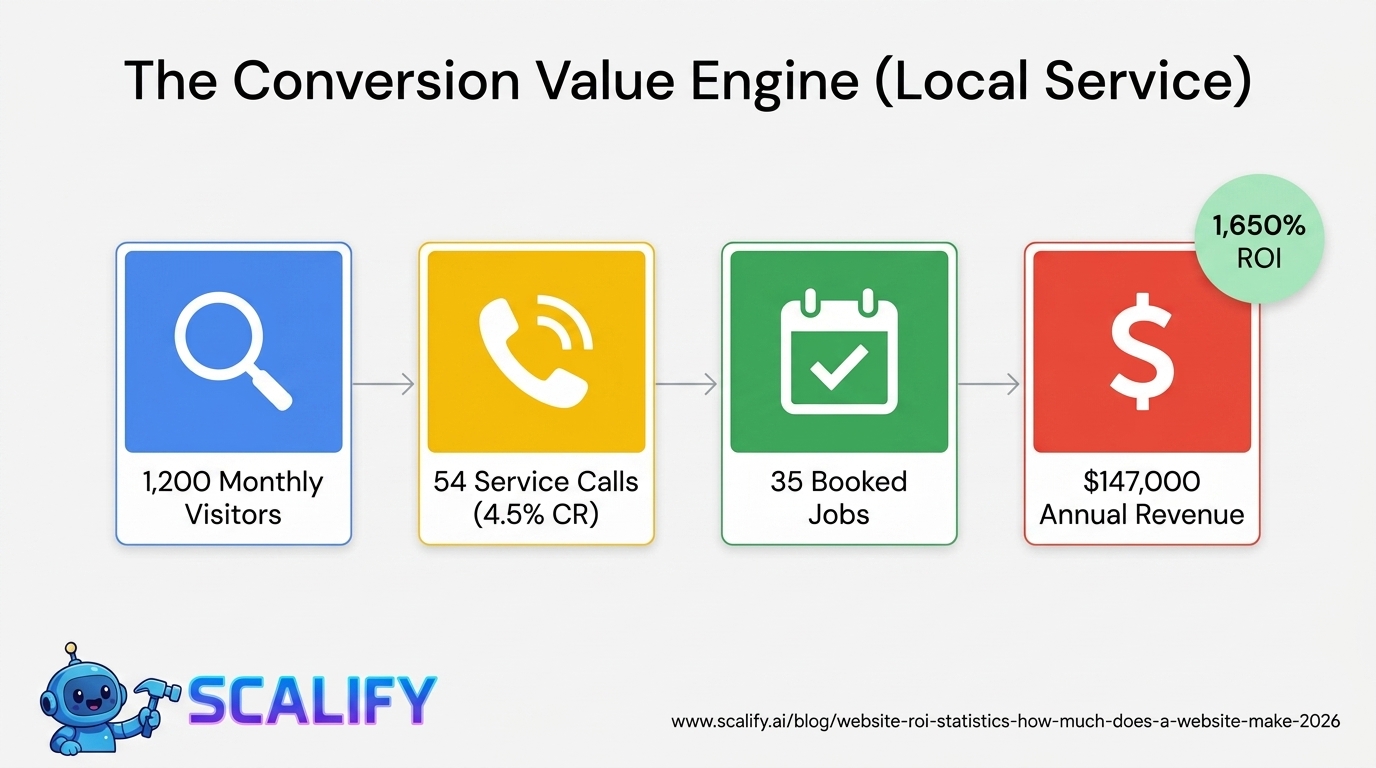
If your budget allows custom photography or illustration, invest in it for the hero — this is the one section where original, brand-specific visual work has the clearest ROI. If you're using stock photography, use the less obvious choices: avoid the immediately recognizable "stock look," choose images with genuine emotion and specificity, and whenever possible, test alternatives to see which performs better for conversion.
For A/B testing hero images — a practice that consistently reveals surprising results — tools like Google Optimize, VWO, or Optimizely allow you to run controlled experiments comparing conversion rates between different hero images. The winning image is often not the one designers would have predicted. Real data beats intuition for conversion-critical decisions.
The Bottom Line
The hero image is the first visual judgment your brand makes on a visitor, and it happens faster than conscious thought. Get it right — relevant, high quality, emotionally resonant, complementary to the headline, and loading fast — and you've started the visitor experience on solid ground. Get it wrong and you're asking the rest of the page to overcome a first impression that's already working against you.
Treat the hero section as seriously as you treat the headline. Both carry equal weight in those first critical seconds, and together they either earn the scroll or lose the visitor.
At Scalify, every website we design includes hero sections that are built around your audience, your brand, and your conversion goals — not just what looks good in a demo.



.jpeg)
.jpeg)

78 SW 7th St, Miami, FL 33130