

What is a Landing Page and How Is It Different from a Homepage?
By Josh Ternyak

March 28, 2026
Landing pages and homepages look similar but serve completely different purposes — and confusing the two costs businesses real conversions. Here's exactly what each one is for and how to get both right.
Two Pages. One Purpose Each. Most Sites Get Both Wrong.
Of all the confusion that surrounds website strategy, the distinction between a landing page and a homepage might be the most consequential. They're both pages on a website. They both welcome visitors. They can both look polished and professional. But they serve fundamentally different purposes — and using one where you should use the other is one of the most reliable ways to kill your conversion rate.
Businesses send Google Ads traffic to their homepage and wonder why their cost per lead is through the roof. Brands build landing pages that try to do everything a homepage does and end up doing nothing well. Understanding the difference — really understanding it, not just knowing the textbook definitions — changes how you approach your entire website strategy.
Let's get into it.
What Is a Homepage?
Your homepage is the front door of your brand's digital presence. It's typically the page at your root domain (yoursite.com), and it serves an audience of people who are at very different stages of their journey with your brand — some are hearing about you for the first time, some are returning customers, some are trying to find a specific piece of information, some are evaluating you against competitors.
Because it serves such a diverse audience with diverse intents, a homepage needs to accomplish several things simultaneously:
Brand establishment. Within seconds, a visitor should understand who you are, what you do, and whether this place is relevant to them. Your visual identity, your headline, your positioning statement — all of this does brand work that shapes first impressions before a single product feature gets mentioned.
Navigation and wayfinding. The homepage directs people to the right parts of your site for their specific needs. Someone looking for pricing goes to pricing. Someone evaluating your portfolio goes to work. Someone ready to contact you goes to contact. The homepage is a hub that connects visitors to where they actually need to go.
Trust building. Social proof — logos of clients you've worked with, testimonials, awards, press mentions, a number of customers served — lives on the homepage to build credibility for visitors who don't know you yet.
Multiple conversion paths. Because visitors arrive with different intentions, a homepage typically offers multiple calls to action — not just "Get a quote" but also "View our work," "Read case studies," "Meet the team," and "Learn more about our services." Different visitors are ready for different next steps.
The defining characteristic of a homepage: it serves a broad, diverse audience and accommodates multiple user journeys simultaneously. It's designed for exploration. It's a starting point, not an endpoint.
What Is a Landing Page?
A landing page is a standalone web page designed to receive traffic from a specific source and convert that traffic toward a single, defined goal.
Every word in that definition matters.
"Standalone" — A landing page is often isolated from your main website navigation. No header with links to other pages. No footer with site map. Nothing that gives a visitor an easy way to wander off and explore the rest of your site. The only paths are forward (convert) or back (leave). This is intentional and important.
"Specific source" — Landing pages are built for specific traffic channels: a Google Ads campaign, a Facebook ad, an email newsletter, a partnership link, a specific piece of organic content. The page is matched to the context the visitor is coming from — using the same language, the same offer, the same visual cues as the ad or content that sent them there.
"Single, defined goal" — A landing page has exactly one conversion objective. Download this guide. Start this free trial. Book this consultation. Request this quote. There is no "here are ten things you could do." There is one thing. Everything on the page exists to move the visitor toward that one thing.
The defining characteristic of a landing page: it serves a specific, defined audience coming from a specific source and drives them toward a single conversion action. It's designed for decision, not exploration.
The Critical Difference: Audience Intent and Stage
The deepest reason landing pages and homepages are different comes down to audience intent.
When someone lands on your homepage, their intent is often unclear or mixed. They might be curious about your brand. They might be comparing you to competitors. They might be returning for a specific reason you don't know. They might be a journalist researching your company. The homepage has to serve all of these people.
When someone lands on a landing page, their intent is (or should be) highly specific. They clicked an ad that said "Free SEO audit for local businesses." They came from a partnership with a specific industry association. They clicked a link in an email campaign about a specific product feature. You know exactly where they came from, what message captured their attention, and what they're probably expecting to see. The landing page can be precisely tailored to that context.
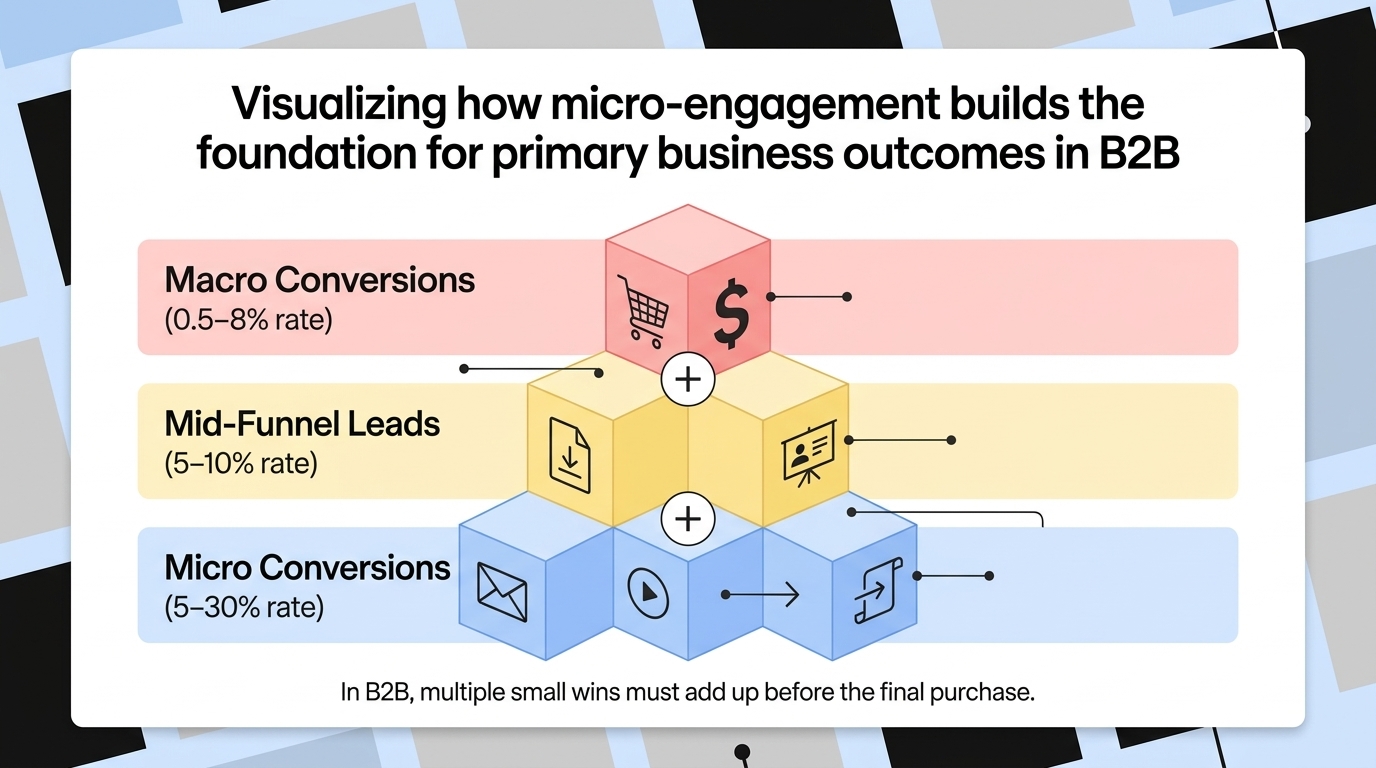
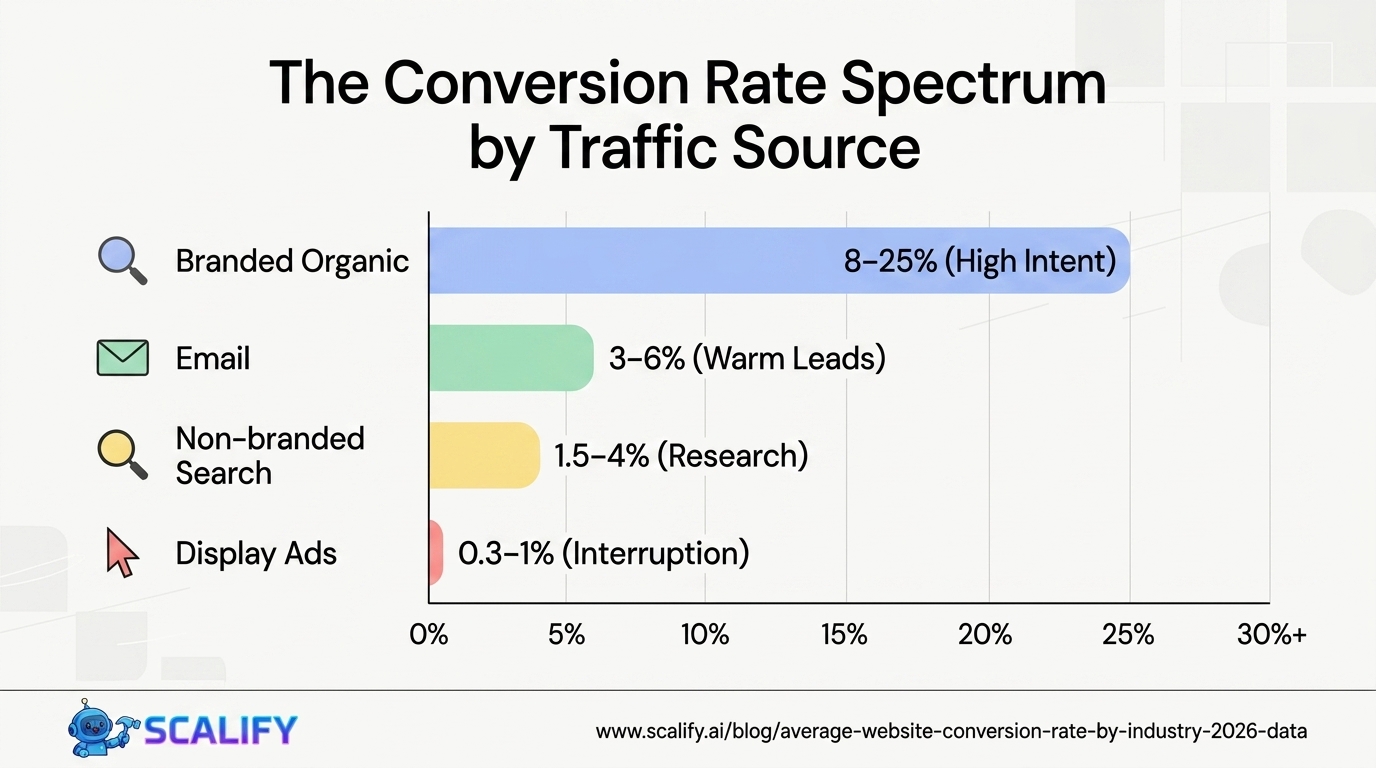
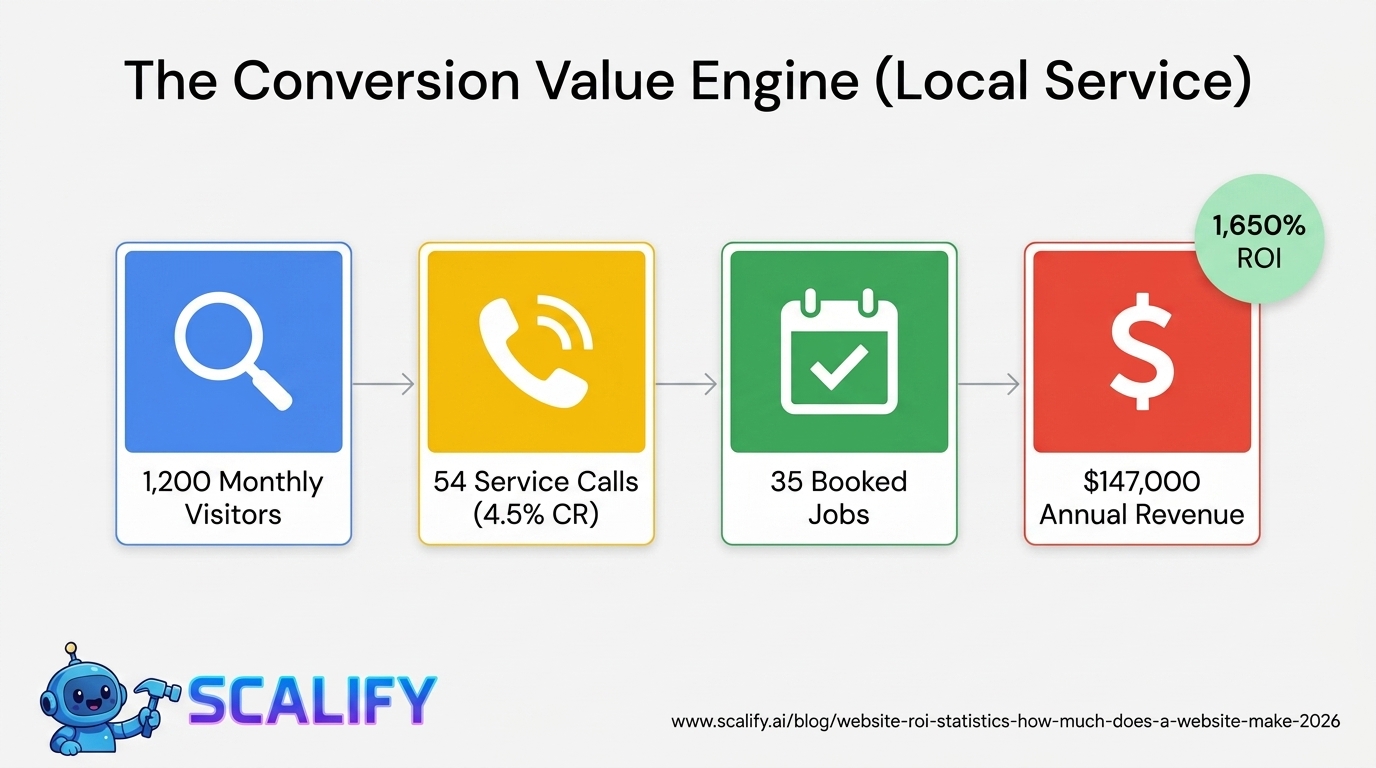
This difference in intent specificity is why landing pages consistently outperform homepages for conversion when traffic has a specific origin and a specific goal. A homepage doing its job of serving everyone typically converts at 1–3% for a given specific goal. A well-designed landing page for the same goal, matched to a specific traffic source, can convert at 5–15% or more.
That's not a marginal difference. It's the difference between a profitable campaign and one that bleeds money.
Why Sending Ad Traffic to Your Homepage Is a Common and Expensive Mistake
This scenario plays out constantly: a business runs Google Ads for "web design services Miami." The ad copy promises professional custom websites. Someone clicks. They land on... the homepage. The homepage has a headline about the company, navigation to eight different sections, a news feed, social media links, a client showcase, a blog section, and three different CTAs competing for attention.
The visitor, who came specifically because they need web design services in Miami, now has to figure out where to go. Some do. Most don't. They hit back and click the next result.
The problem isn't the ad. The problem isn't the homepage — the homepage is probably doing its job fine for organic visitors who've been introduced to the brand. The problem is message match: the visitor was promised one specific thing (web design services, Miami, professional quality) and landed in a place designed for everyone about everything.
Message match is one of the most reliable predictors of landing page conversion rate. The closer the alignment between what the ad said and what the landing page shows — same language, same offer, same visual cues — the higher the conversion rate. Sending ad traffic to a homepage almost always means poor message match.
A properly built landing page for that same campaign would mirror the ad copy, immediately confirm "yes, you're in the right place, this is the web design service you clicked about," remove distractions, present the offer clearly, and ask for one thing: schedule a call, request a quote, or start a project.
The Anatomy of a High-Converting Landing Page
Understanding the structure of an effective landing page makes it much easier to evaluate and improve your own.
The Headline
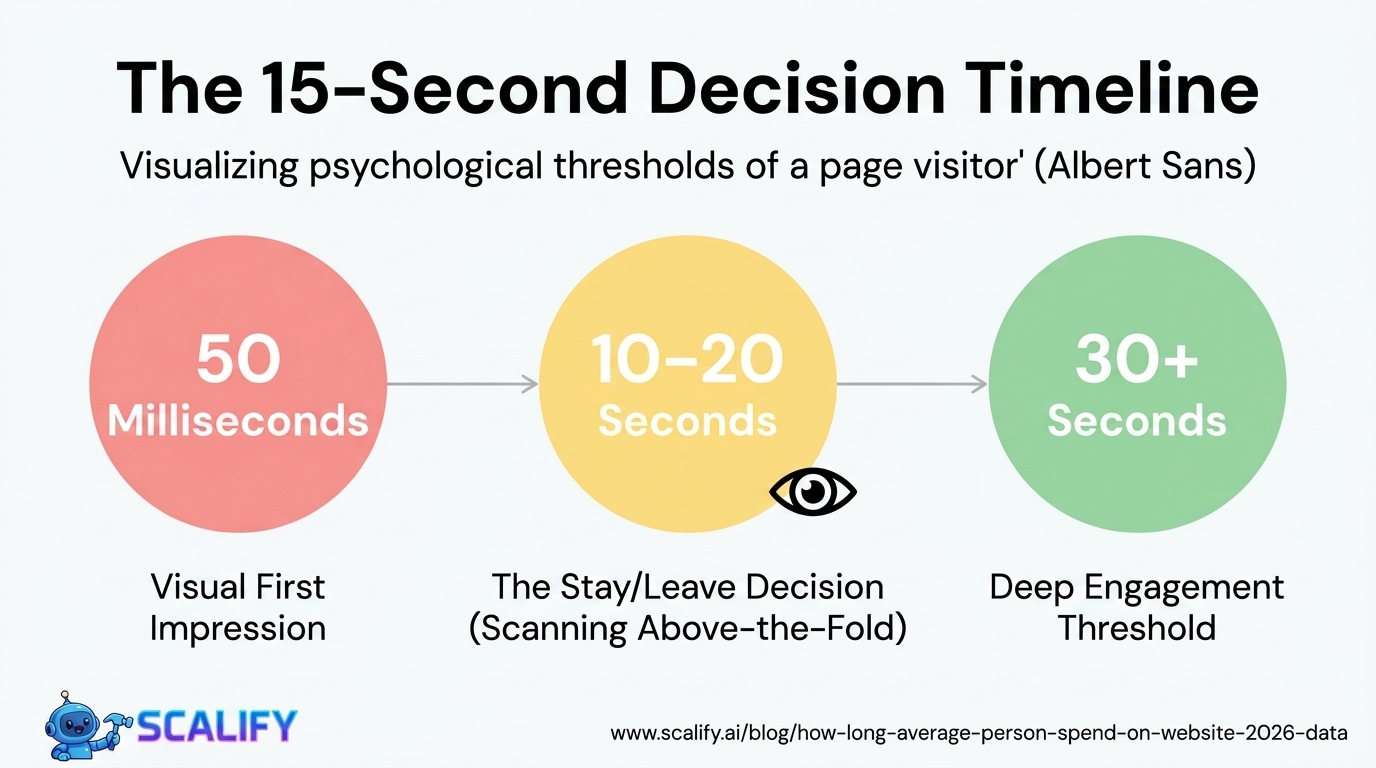
The headline is the most important single element on any landing page. You have approximately three seconds to confirm to the visitor that they're in the right place and that there's something worth their attention here. The headline does that job.
A great landing page headline does three things: identifies who the page is for, states what you're offering or what problem you solve, and creates enough interest to keep reading. "Professional Custom Websites for Miami Businesses — Ready to Launch in 10 Days" does all three. "Welcome to Our Website" does none of them.
The headline should directly echo the language of the ad or content that drove traffic to the page. If your ad said "Stop Overpaying for Web Design," your headline should not say "Transform Your Digital Presence." The verbal continuity is a trust signal — it confirms the visitor is in the right place.
The Subheadline
The subheadline elaborates on the headline, adding a supporting detail or benefit that keeps the visitor reading. It's typically one to two sentences. Where the headline is punchy and attention-grabbing, the subheadline is slightly more explanatory.
The Hero Section
The hero section is everything visible above the fold — what someone sees before they scroll. It typically contains the headline, subheadline, a supporting visual, and a primary CTA. This single section determines whether most visitors continue or leave. Every element competes for limited screen space and attention; keep it focused.
Benefits Over Features
Most businesses describe what they do (features) when they should be describing what the visitor gets (benefits). "We use a proprietary development process" is a feature. "Your site launches in 10 business days, not 3 months" is a benefit. "24/7 customer support" is a feature. "Help when you need it, at any hour" is a benefit.
Visitors don't buy features. They buy outcomes, solutions to problems, improvements to their situation. Landing page copy that relentlessly focuses on what the visitor gets — not what you do — converts better than feature-focused copy almost universally.
Social Proof
Social proof on a landing page serves a different function than on a homepage. On a homepage, it builds general brand credibility. On a landing page, it directly addresses the objections a visitor has at the point of conversion.
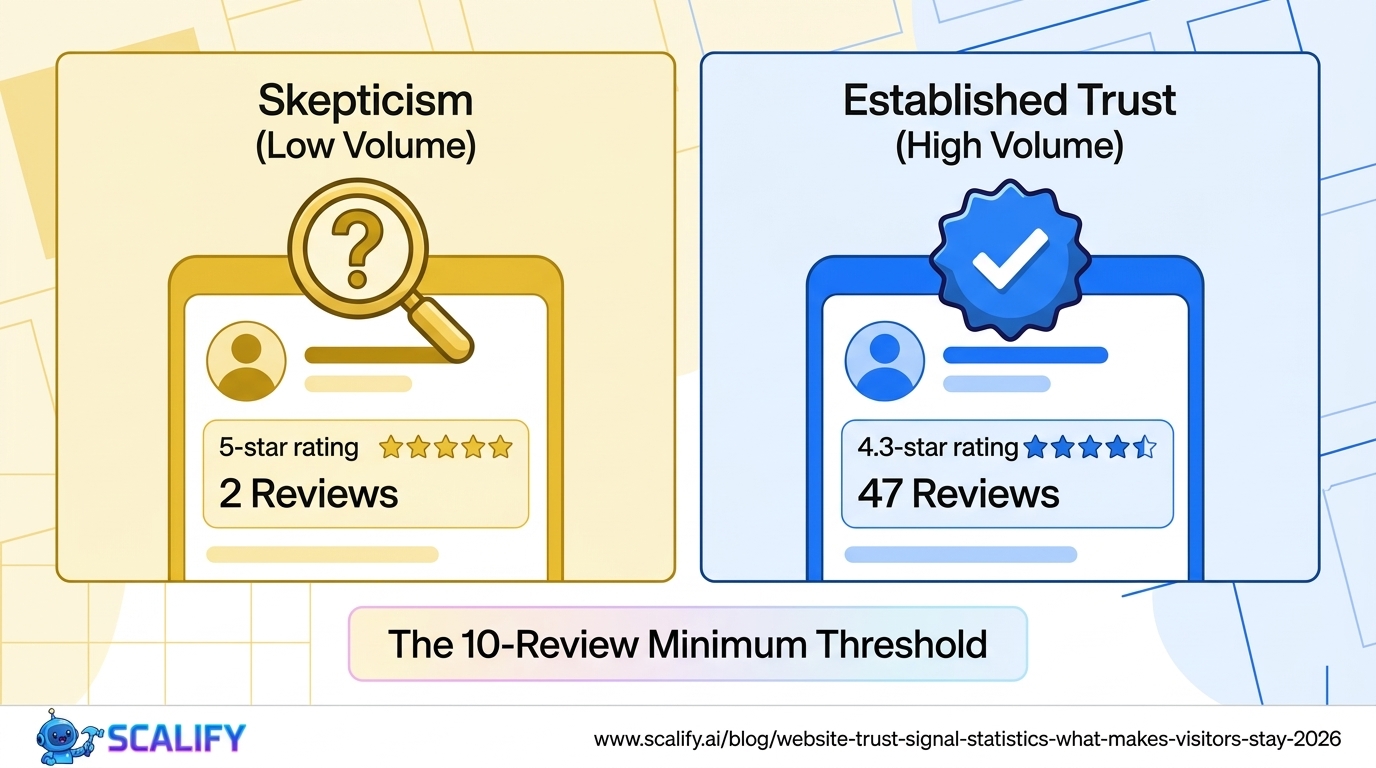
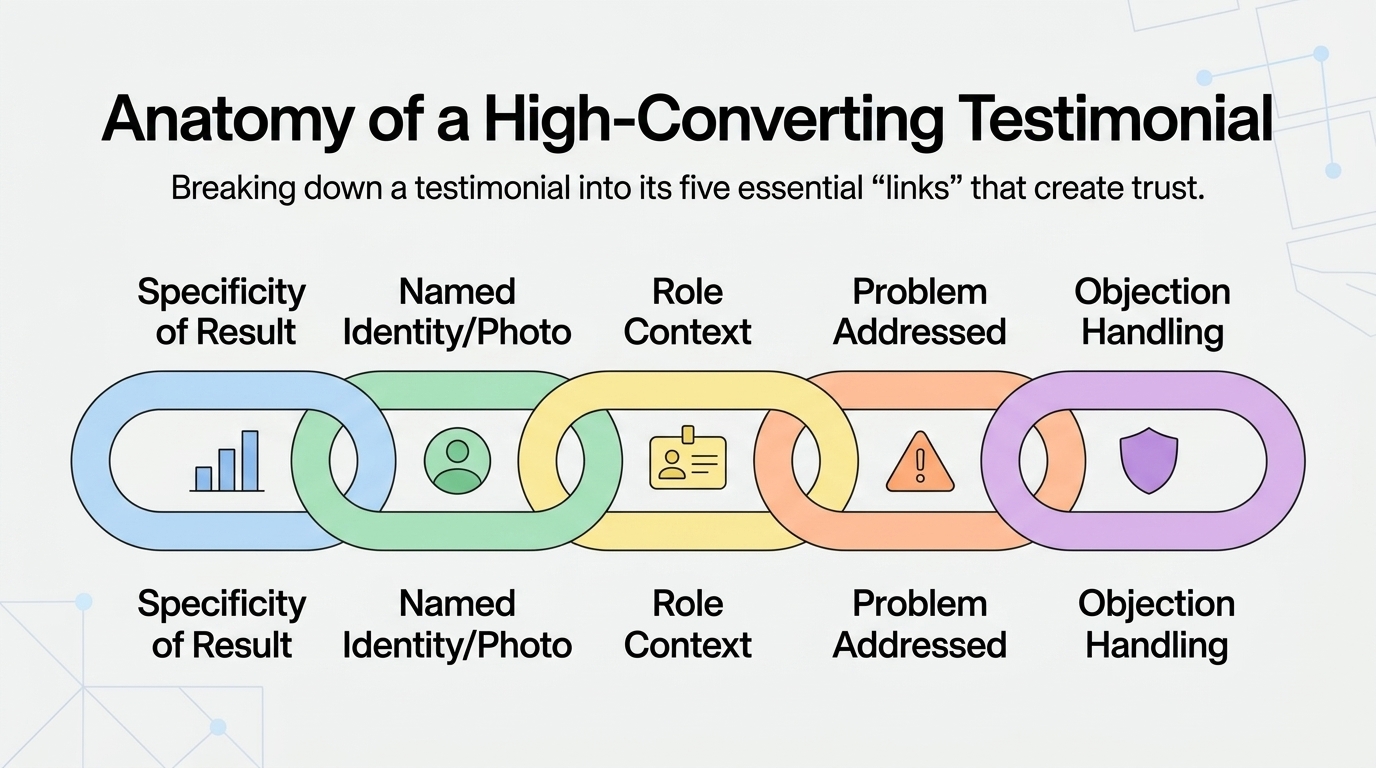
The most effective landing page testimonials are specific and outcome-focused: "I went from zero clients to a full waitlist in 60 days after launching my new site" is more convincing than "Great service, highly recommend." Testimonials that speak to exactly the concerns someone in the buying process would have — timeline worries, quality concerns, value questions — are the most valuable.
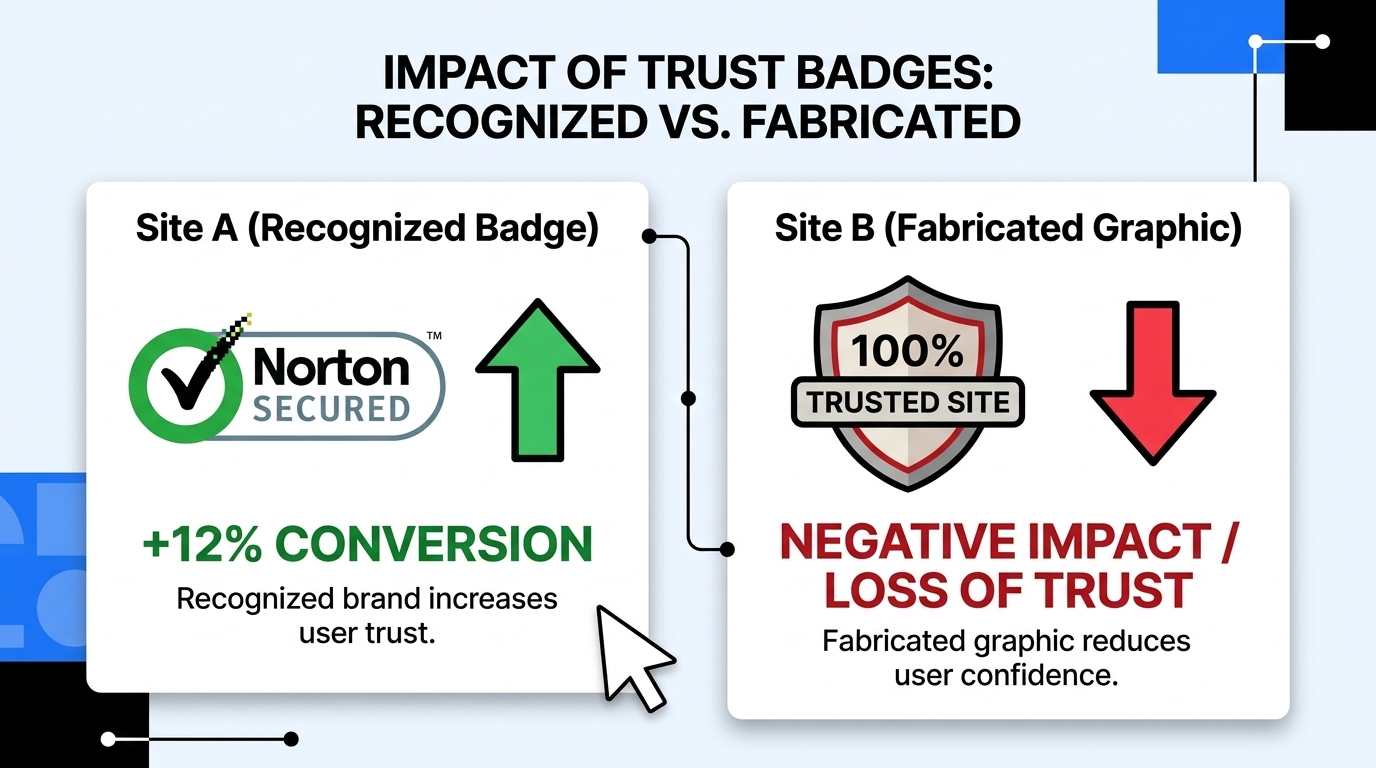
Other social proof elements: the number of customers served, recognizable client logos, specific results with numbers, press mentions, certifications, and guarantees all contribute to reducing the perceived risk of taking the conversion action.
The CTA (Call to Action)
The CTA is where the conversion happens, and it deserves more attention than most landing pages give it. A few principles that consistently improve CTA performance:
Be specific about what happens when someone clicks. "Get Your Free Quote" is better than "Submit." "Start My Free Trial" is better than "Sign Up." "Book a 15-Minute Call" is better than "Contact Us." Specificity reduces uncertainty about what the visitor is committing to.
Use first-person language where possible. "Start My Free Trial" consistently outperforms "Start Your Free Trial" in A/B tests. The shift in perspective creates a subtle sense of ownership.
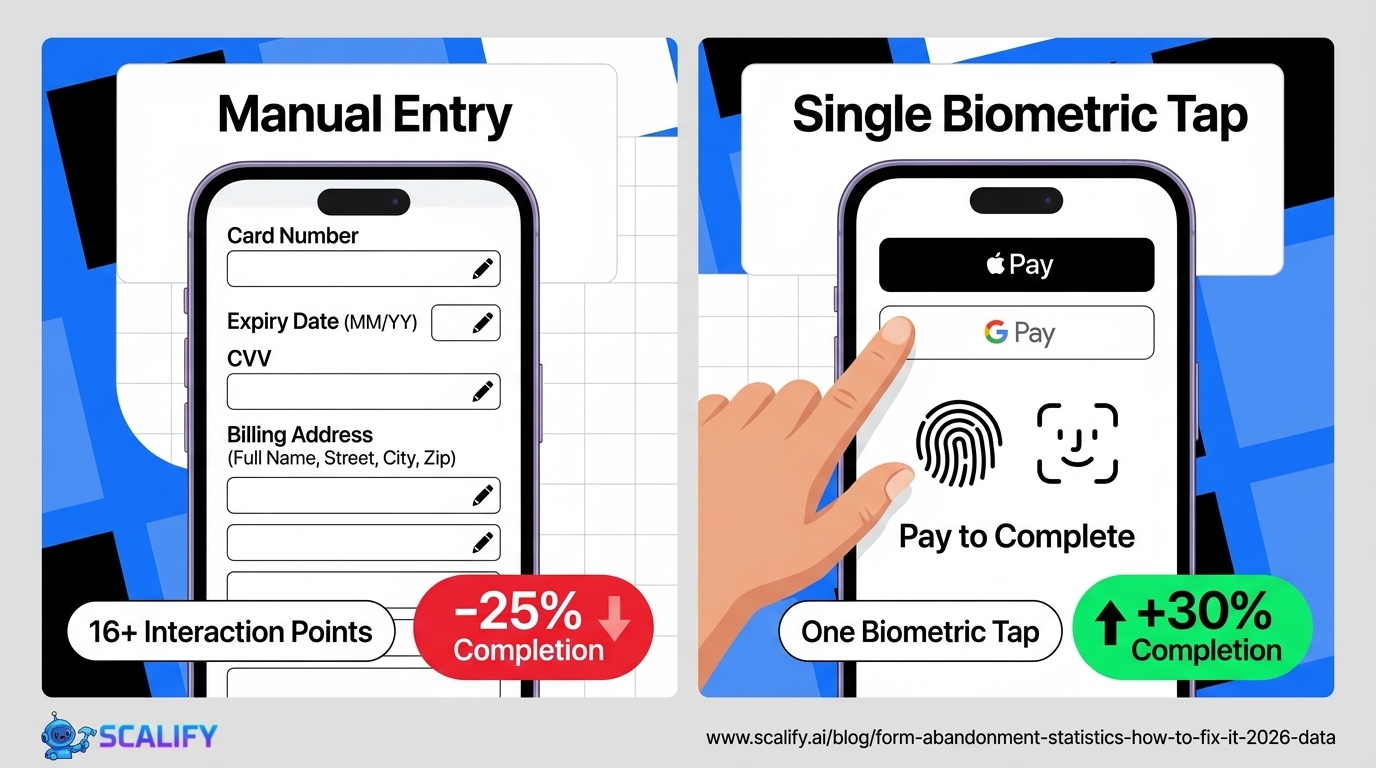
Minimize friction around the CTA. If a form is required, ask for the minimum information necessary to fulfill the offer. Every additional form field reduces conversion rate. Name and email for a content download. Name, email, and phone for a consultation request. Nothing more unless it's genuinely essential.
Place the CTA prominently above the fold and repeat it at natural breaking points throughout longer landing pages. Visitors who scroll are expressing interest; give them a conversion opportunity when they've been warmed up by the content rather than making them scroll back to the top.
Objection Handling
Every potential customer has objections — reasons not to convert. A great landing page anticipates and addresses these directly rather than hoping the visitor pushes past them. FAQ sections, guarantee statements, comparison tables, risk reversal language ("No credit card required," "Cancel anytime," "100% satisfaction guarantee") all serve this function.
Think about the specific fears and hesitations your target audience has at the moment of conversion and address them before they have to ask.
Types of Landing Pages
Landing pages come in several variants, each optimized for a specific stage of the customer journey or a specific type of conversion.
Lead generation pages collect contact information in exchange for something of value — a free guide, a webinar registration, a consultation, a quote request. The goal is capturing a lead for nurturing. These are the most common type of landing page for service businesses and B2B companies.
Click-through pages warm up visitors before sending them to a conversion page. Instead of asking for conversion directly, they present the offer and benefits, then the CTA goes to the actual purchase or registration page. Used when the conversion is high-commitment (like a purchase) and visitors need more persuasion before they're ready.
Sales pages (long-form) present a complete sales argument on a single page — explaining the problem, the solution, the benefits, the social proof, the objection handling, and the offer in full detail. Common for digital products, online courses, and high-ticket services. These can be very long — thousands of words — because visitors who read the whole page are warmed up and more likely to convert.
Product landing pages spotlight a specific product or feature, often for a product launch or promotional campaign. Different from a standard product page in that they're campaign-specific, usually temporary, and focused on driving a single action (buy now, join the waitlist, get early access).
Event registration pages drive sign-ups for webinars, conferences, workshops, or live events. The key elements are the event details (date, time, topic, speaker credentials) and minimal friction in the registration form.
When to Use a Landing Page vs. a Homepage
Use your homepage when:
- Traffic comes from organic search for branded terms (people looking for your company specifically)
- Traffic comes from direct navigation (people typing your URL)
- Visitors need to explore and self-navigate to the right part of your site
- The goal is brand introduction and education rather than immediate conversion
Use a landing page when:
- You're running paid advertising (Google Ads, Facebook Ads, LinkedIn Ads)
- You're running email campaigns with a specific offer
- You have a specific promotional campaign with a defined offer and timeframe
- You're partnering with another company and directing their audience to a specific offer
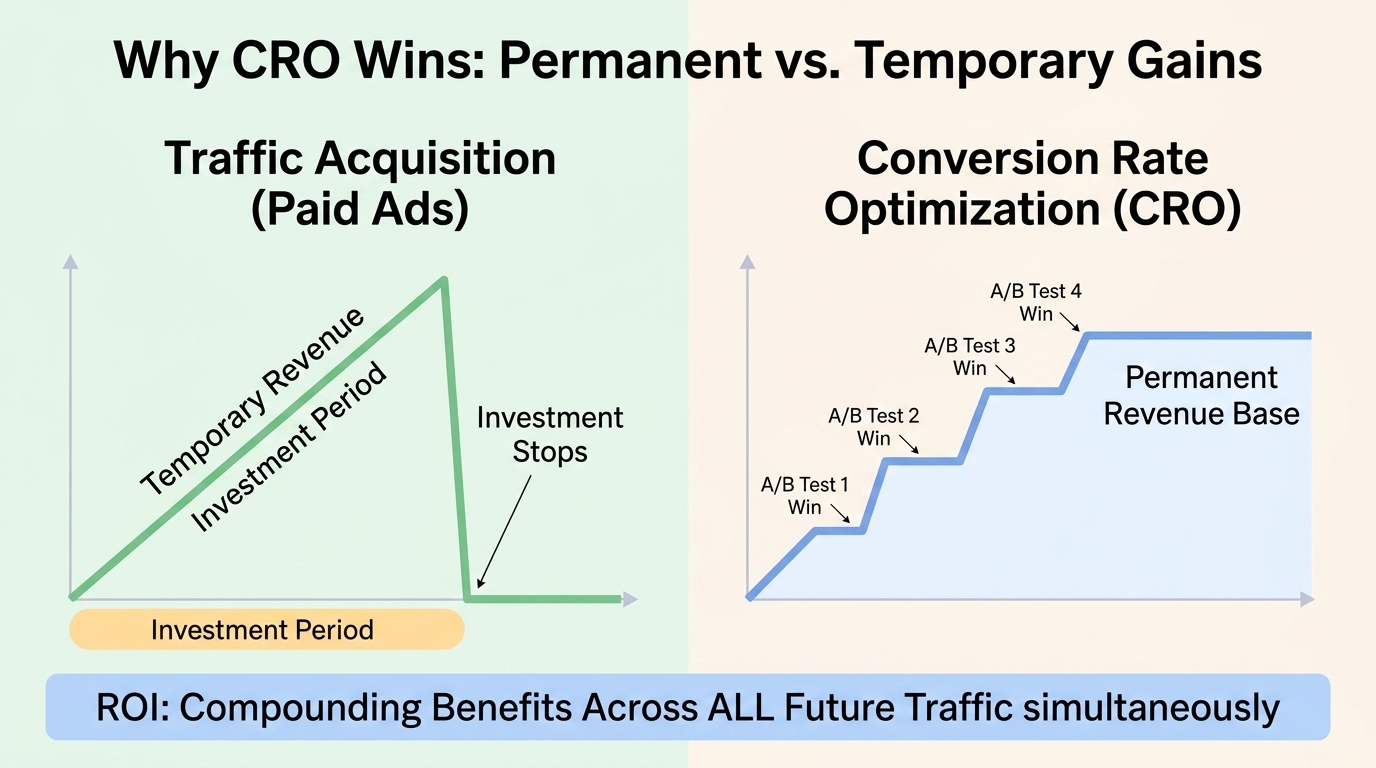
- You want to A/B test conversion optimization without changing your main site
- The traffic source has clear, specific intent that can be matched with a tailored message
The general rule: when traffic source and intent are specific and known, use a landing page. When traffic is diverse and intent is varied, use your homepage or a relevant section of your main site.
The Bottom Line
The distinction between landing pages and homepages isn't academic — it has direct, measurable impact on conversion rates, customer acquisition costs, and ultimately how efficiently your marketing budget works. Treat your homepage as a hub for diverse visitors and multiple journeys. Build dedicated landing pages for campaigns where you know who's coming, why they're there, and what you want them to do.
Do both well and the difference in conversion performance will show up directly in your numbers. Do them poorly — or use one where you should use the other — and you'll spend money driving traffic to pages that don't convert it.
Building landing pages and websites that are strategically designed around conversion from the ground up is exactly what Scalify specializes in. Not just good-looking sites — sites that actually work.


.jpeg)
.jpeg)

78 SW 7th St, Miami, FL 33130