


What Is a Subdomain and When Should You Use One?
By Josh Ternyak

April 1, 2026
Comprehensive guide: What Is a Subdomain and When Should You Use One?
The Third Part of a Domain Name Most People Ignore
When someone says "domain name," most people think of the two-part combination: name plus extension. scalify.ai. nytimes.com. yourcompany.co. But domain names can have a third part — a prefix that sits to the left of the main domain, separated by a dot.
That prefix is a subdomain. blog.yoursite.com. shop.yoursite.com. app.yoursite.com. support.yoursite.com. These are subdomains of "yoursite.com," and they're used to organize different sections or services of a web presence under one root domain while potentially hosting them on completely separate servers, platforms, or codebases.
Subdomains are a powerful organizational tool with real use cases — but they also come with trade-offs, particularly around SEO, that make them the wrong choice for certain applications where most people would instinctively use them. Understanding the distinction between when subdomains are the right tool and when subdirectories are better can meaningfully affect your website's search performance.
What a Subdomain Is
A subdomain is a prefix to your main domain name, created by adding a label followed by a dot before the root domain. Technically, every domain has subdomains: "www.yoursite.com" is the www subdomain of yoursite.com. "www" became standard early in the web's history as a convention indicating the world wide web server, though its use has declined — many sites now redirect www to the non-www version or treat them interchangeably.
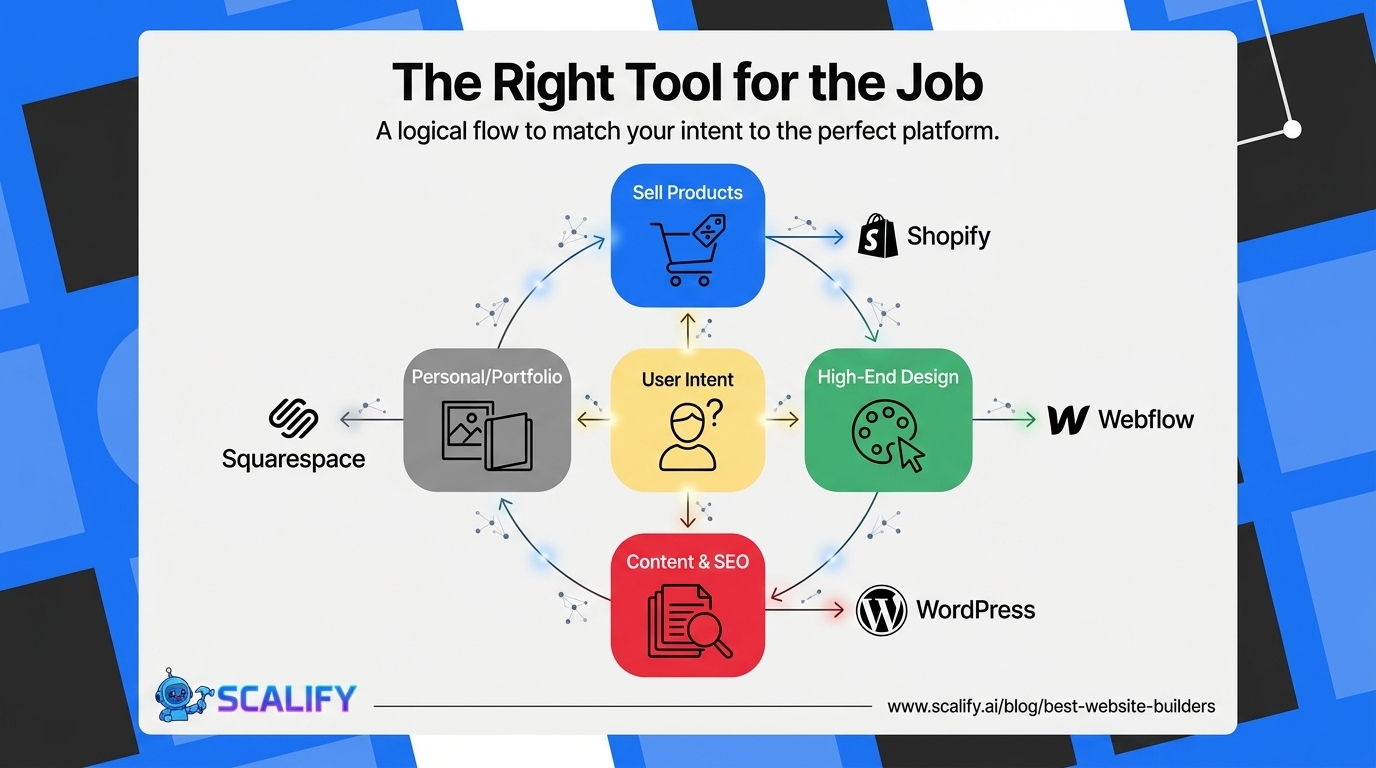
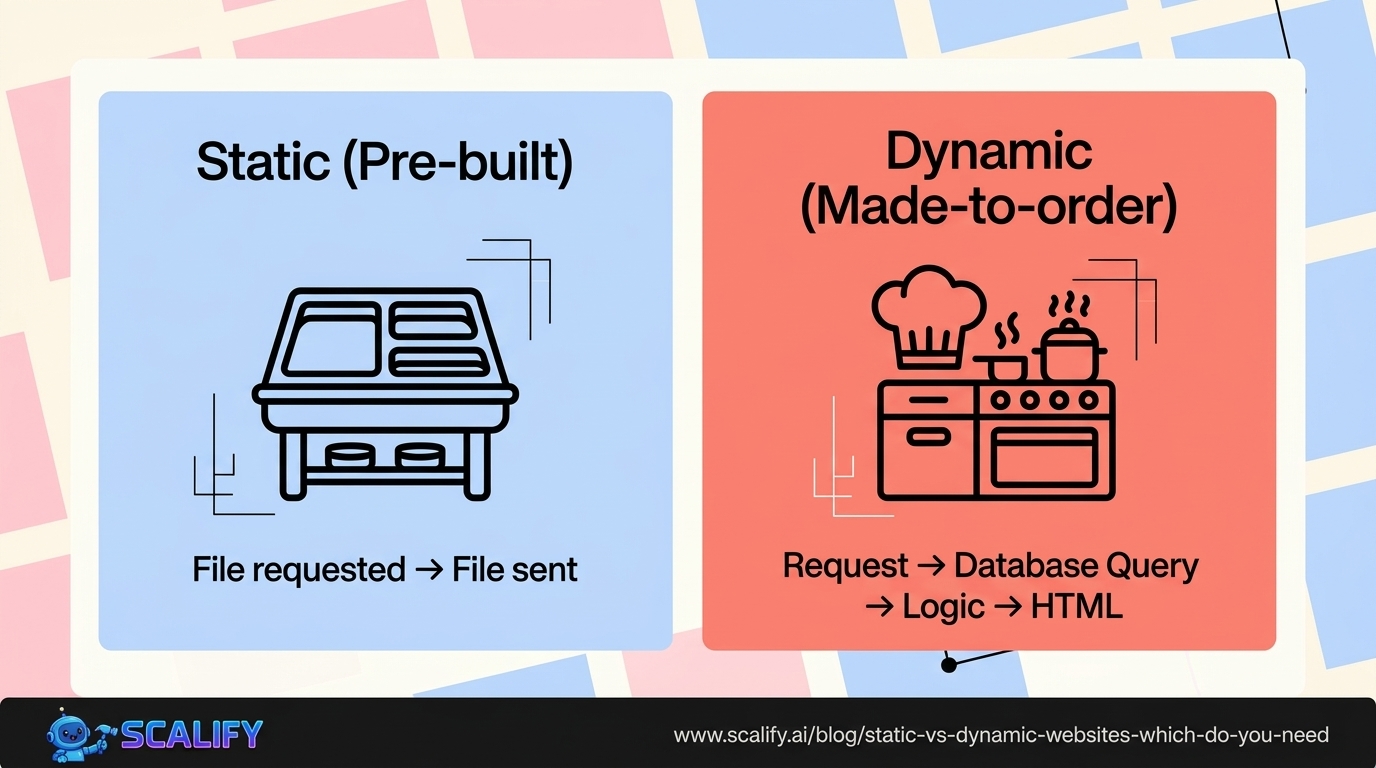
From a DNS perspective, subdomains are separate DNS entries. Each subdomain needs its own DNS record (typically an A record or CNAME) pointing to wherever it should resolve. This means subdomains can point to completely different servers than the root domain — shop.yoursite.com can be hosted on Shopify while yoursite.com is hosted on Webflow, and blog.yoursite.com is hosted on WordPress. Same root domain, three completely different servers and platforms.
This technical independence is the primary reason subdomains exist: they allow different parts of a web presence to be operated on different infrastructure while appearing to belong to the same domain family from a user's perspective.
Common Legitimate Uses for Subdomains
Web Applications vs. Marketing Sites
The clearest and most unambiguously correct use of a subdomain: separating a web application from a marketing website. app.yourcompany.com for the actual product. yourcompany.com for the marketing site. These are genuinely different things: different purposes, different audiences (prospects vs. existing users), different technology stacks, different deployment cycles, different teams maintaining them.
Putting them on different subdomains makes organizational sense and creates no real cost — few people are searching for your app's dashboard, and the SEO implications of subdomain vs. subdirectory don't matter for a gated application that's not publicly indexed.
International and Language Versions
For businesses with genuinely distinct versions of their site for different countries or languages, subdomains are one of three accepted approaches (the others being ccTLDs like yoursite.fr and subdirectories like yoursite.com/fr/).
de.yoursite.com for a German version. fr.yoursite.com for French. es.yoursite.com for Spanish. Each subdomain can serve completely different content in a different language, targeting users in a specific country, with hreflang tags telling Google which version to serve to which audience.
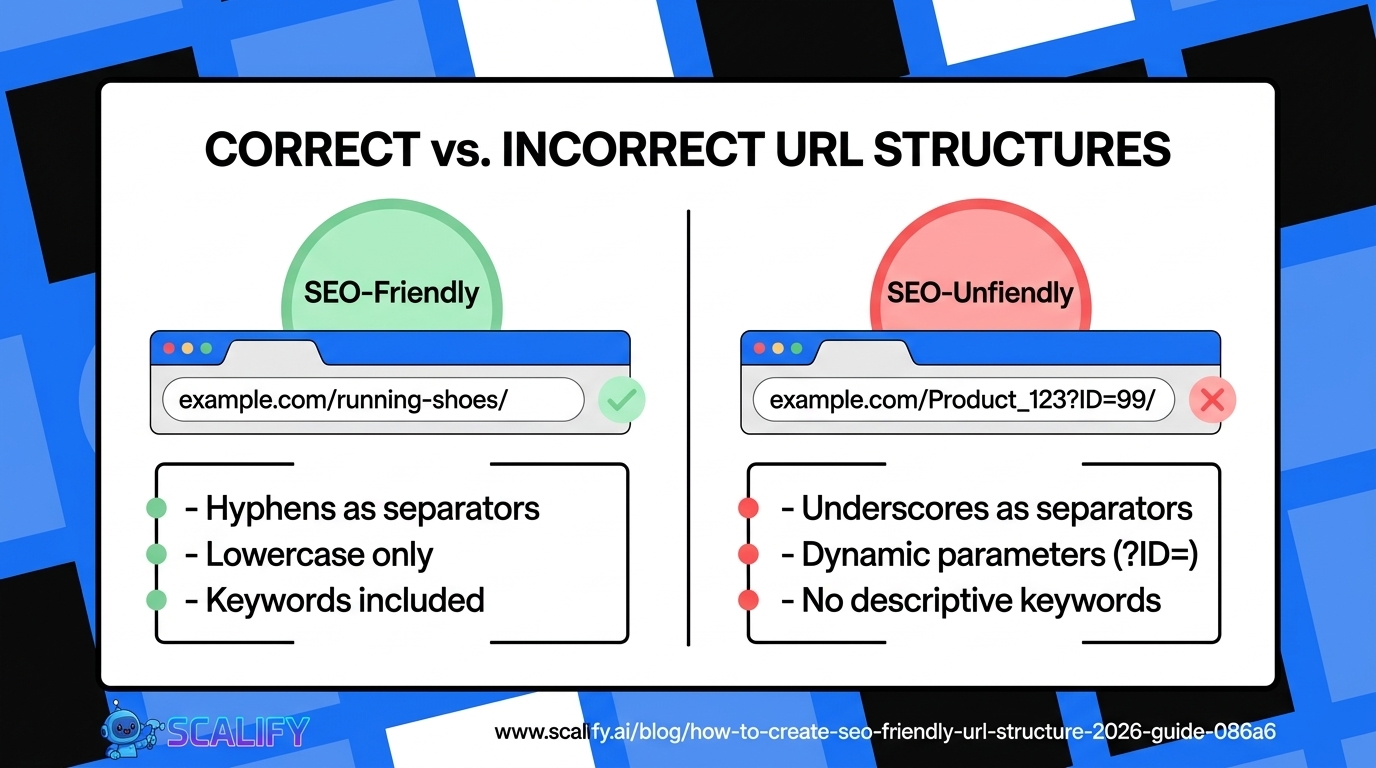
The trade-off compared to subdirectories (yoursite.com/de/ and yoursite.com/fr/): subdomain-based international sites build SEO authority more independently. Link equity to your main domain doesn't automatically benefit the country-specific subdomains as much as it would if they were subdirectories. This matters if you're trying to build search visibility quickly; it matters less for established brands with strong existing authority.
Documentation and Support Centers
docs.yourproduct.com. help.yourcompany.com. support.yoursite.com. Documentation and help centers are often built on specialized platforms (GitBook, Zendesk, Notion, Readme.io) that have their own hosting infrastructure. Mapping a subdomain to these platforms is how you present them under your brand's domain rather than on the platform's default domain.
The SEO question here: documentation content that answers real user questions can rank in Google and drive valuable organic traffic. If that documentation lives on a subdomain, it builds some separate authority from your main site. If it lives on a subdirectory (yoursite.com/docs/), it contributes more directly to your main domain's authority.
For early-stage companies building documentation for the first time, using a platform under a subdomain gets you shipped faster. For established companies with strong SEO focus, migrating documentation to a subdirectory can meaningfully increase organic traffic to the documentation — at the cost of migration effort.
E-Commerce Separated From Content
shop.yoursite.com for a Shopify store while yoursite.com is built on WordPress or Webflow. This setup is common for businesses that want the content marketing capabilities of one platform and the e-commerce functionality of another.
The SEO trade-off applies here too: if your e-commerce pages are a significant source of organic search traffic, having them on a subdomain means the link equity from external sites linking to your blog posts (on the main domain) doesn't flow as directly to your product pages (on the subdomain). If the reverse is true — your product pages are well-linked and your blog is the newer, less authoritative section — the same issue affects the blog.
Whether this matters depends on the magnitude of your SEO ambitions and the volume of existing link equity. For many smaller businesses, the operational simplicity of using the best platform for each job outweighs the theoretical SEO advantage of forcing everything into one domain.
Staging and Development Environments
staging.yoursite.com. dev.yoursite.com. qa.yoursite.com. These are internal subdomains used by development teams to host pre-production versions of a website — where changes can be tested before they're pushed to the live site.
Staging environments on subdomains should always have access controls (password protection or IP allowlist) and should always be set to noindex (via robots.txt or meta tag) to prevent them from appearing in Google search results. A staging environment accidentally indexed will show duplicate content of your production site, which creates SEO problems.
API Endpoints
api.yourproduct.com. For software products that expose an API, a dedicated subdomain is standard practice. API traffic has different characteristics (programmatic, high-volume, machine-to-machine) from web traffic and benefits from separate infrastructure, separate rate limiting, and separate monitoring.
Subdomains vs. Subdirectories: The SEO Debate
This is the most practically important distinction for most businesses thinking about subdomains. The question: should your blog be at blog.yoursite.com (subdomain) or at yoursite.com/blog/ (subdirectory)? The same question applies to documentation, resources, help content, and any substantial content section.
The SEO case for subdirectories: Google has historically treated subdomains as distinct from the root domain. They share the same brand but are treated as separate sites for PageRank purposes. Content on blog.yoursite.com builds authority for blog.yoursite.com separately from yoursite.com. If external sites link to your blog posts, that link equity flows to the blog subdomain — not as directly to your main domain.
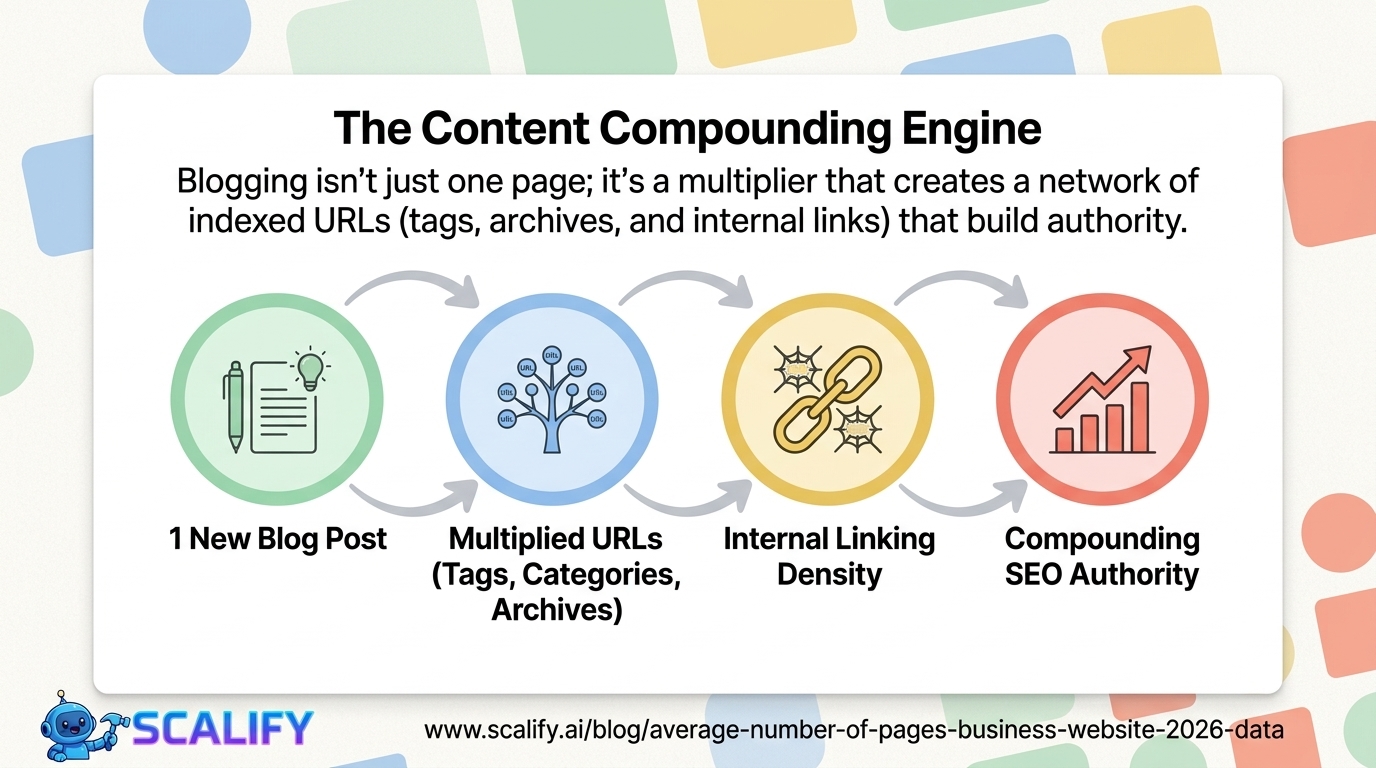
With subdirectories (yoursite.com/blog/), everything is under the same root domain. External links to your blog posts build authority for yoursite.com directly. Your domain's existing authority benefits the blog content from day one. The entire web presence compounds on a single domain rather than being split across multiple.
Google's official position: Google's John Mueller has stated multiple times that Google can "crawl and index and understand content on subdomains just as well as on subdirectories" and that subdomains vs. subdirectories is a "fairly minor" ranking factor. He's also acknowledged that it can take "a bit of time" for Google to figure out the relationship between a subdomain and the main domain.
The practical reality: For most businesses, the subdirectory approach is safer for SEO because it concentrates all content authority on one domain. The subdomain approach is operationally sometimes necessary — when different parts of the site are on different platforms, forcing everything into subdirectories isn't always feasible. When it is feasible, subdirectories are typically the better SEO choice for content that you want to rank in search.
The magnitude of the difference depends on your situation: a brand new domain with no existing authority and a brand new blog sees essentially no difference. A mature domain with substantial authority migrating its blog from a subdomain to a subdirectory might see meaningful organic traffic improvement.
Creating a Subdomain
Subdomains are created through your DNS management interface, not through your domain registrar. The process:
1. Go to your DNS management panel (Cloudflare, your hosting provider's control panel, your registrar's DNS settings — wherever you manage DNS records).
2. Create a new record for the subdomain. For a subdomain pointing to a specific server, create an A record: Name = "blog" (Cloudflare and most panels accept just the subdomain prefix), Value = the server's IP address.
3. For a subdomain pointing to a platform (Webflow, Shopify, etc.), follow the platform's specific instructions — usually a CNAME record: Name = "shop", Value = the platform's provided hostname (like storefront.myshopify.com).
4. Wait for DNS propagation (a few minutes to a few hours depending on TTL settings).
The subdomain is now active and routing to the specified destination. You may also need to configure the destination server to accept requests for the subdomain — platforms like Webflow and Shopify have a step in their domain settings where you confirm the custom subdomain.
Subdomain Best Practices
Use subdomains for genuinely separate services. If something is truly a different application with different infrastructure requirements, a subdomain is appropriate. If it's just a section of your website content, a subdirectory is almost always better for SEO.
Always noindex staging subdomains. Staging, dev, and QA environments must be excluded from search engine indexing. Failing to do this creates duplicate content issues that can harm your production site's rankings.
Maintain consistent branding. Subdomains should feel like part of the same site to visitors. Consistent header, footer, navigation, and visual design across subdomains creates a cohesive brand experience even when the content is hosted on different platforms.
Implement cross-subdomain analytics tracking. By default, Google Analytics treats sessions that cross subdomain boundaries as separate sessions — a visitor going from yoursite.com to shop.yoursite.com appears as a new session with no referral source. Configure your analytics to handle cross-subdomain tracking correctly, or you'll have attribution data that's significantly inaccurate.
Consider cookie sharing implications. Cookies set on yoursite.com are not automatically accessible on shop.yoursite.com. If you need to share authentication state, cart data, or other session data across subdomains, this requires explicit cookie configuration (setting cookies on .yoursite.com rather than the specific subdomain).
The Bottom Line
Subdomains are the right tool for genuinely separate services: web applications, staging environments, API endpoints, and situations where different platforms make subdomain separation operationally necessary. For content sections — blogs, resource libraries, documentation you want to rank in search — subdirectories are typically the better SEO choice, concentrating authority on your main domain rather than splitting it.
The decision doesn't need to be agonized over for most small businesses. If your blog is already on a subdomain and performing adequately, it may not be worth the migration risk to move it. If you're starting fresh, default to subdirectories for content unless you have a specific operational reason for a subdomain.
Understanding the trade-offs means you're making the choice deliberately rather than by default — and deliberate choices produce better outcomes than accidental ones. At Scalify, site architecture decisions like this are part of how every project is scoped — we build for both your immediate needs and your long-term SEO health.
Putting It All Together: The Strategic Perspective
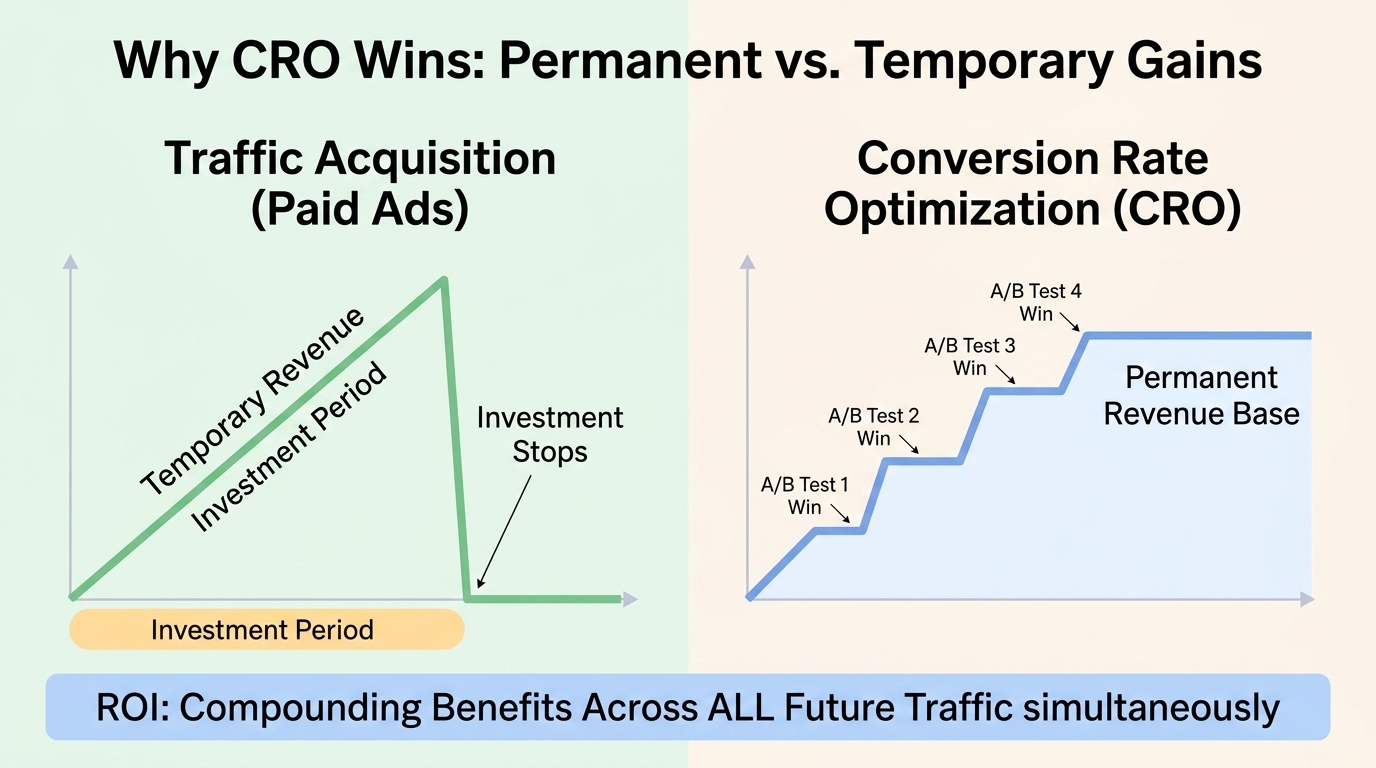
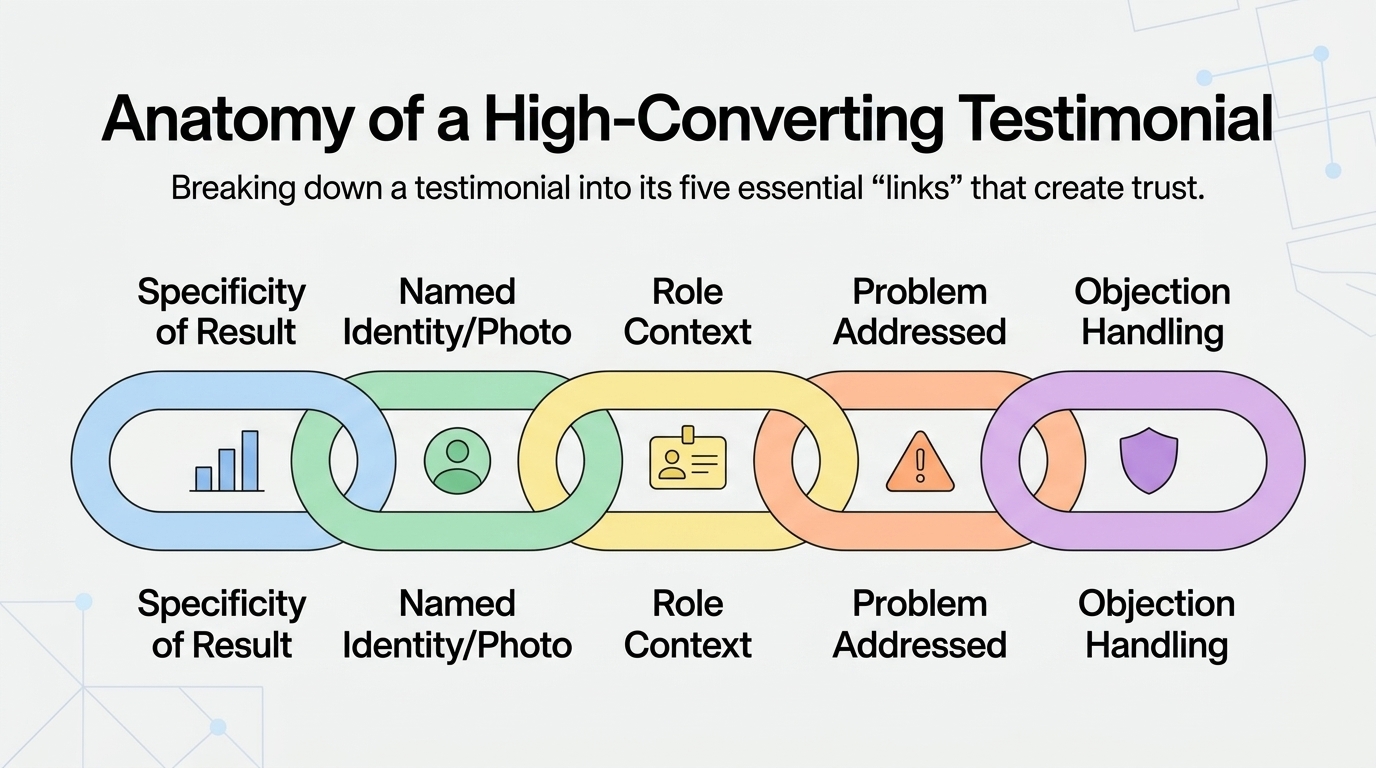
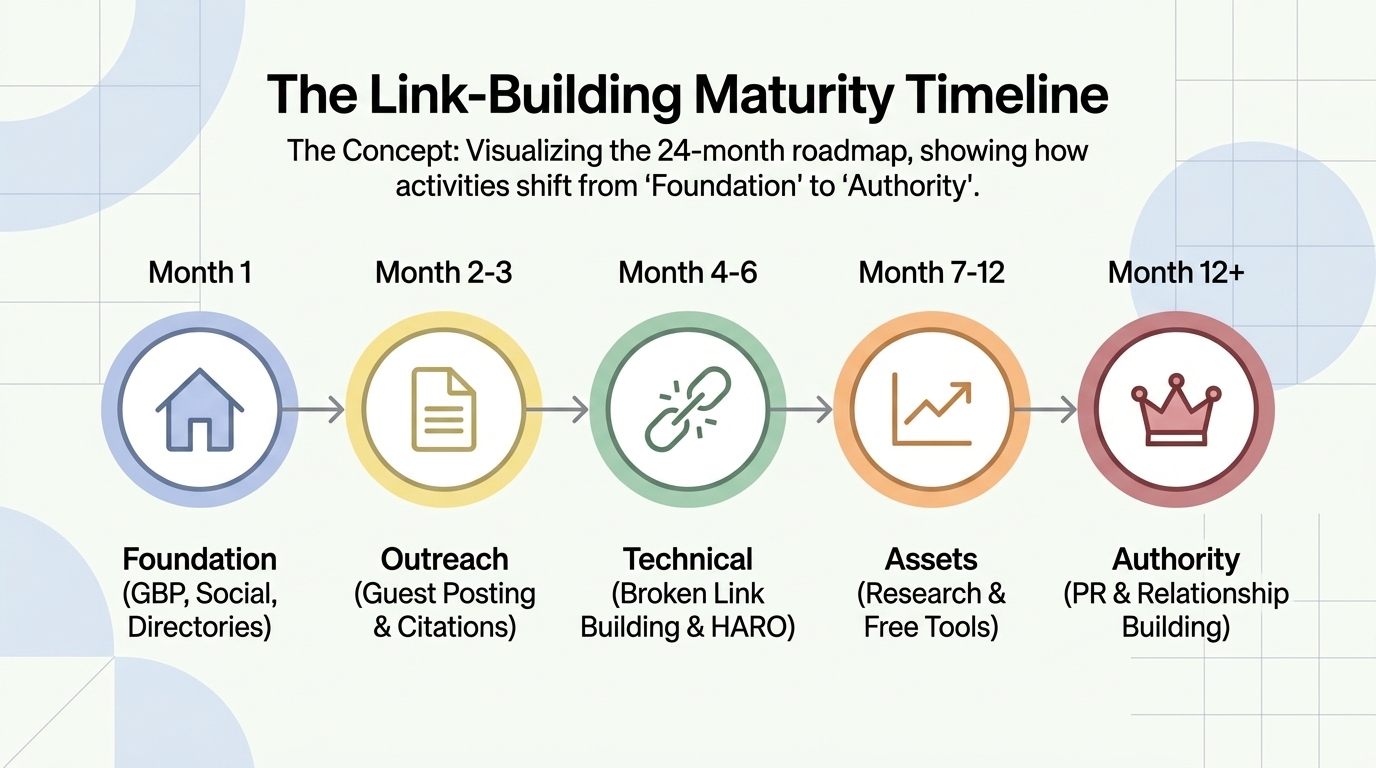
The most important takeaway from any technical or strategic guide is that individual tactics only produce results when they're embedded in a coherent strategy and executed consistently. A single well-optimized page, a single great testimonial, or a single speed improvement produces modest impact. The same investments compounded over 12–24 months — more optimized pages, more testimonials placed strategically, systematic performance maintenance — produce the compounding returns that separate high-performing websites from average ones in the same competitive landscape.
Every improvement documented in this guide is most valuable when it's implemented as part of a systematic, data-driven approach: measure current performance, identify the highest-impact opportunity, implement the improvement, measure again, and iterate. The businesses that achieve exceptional digital marketing results are almost never those who found a single breakthrough tactic — they're those who executed fundamentals consistently, measured what worked, and allocated their resources toward the highest-ROI improvements available at each stage of the






















.jpeg)

.jpeg)




78 SW 7th St, Miami, FL 33130