


What Is a Website Audit and How Do You Do One?
By Josh Ternyak

March 29, 2026
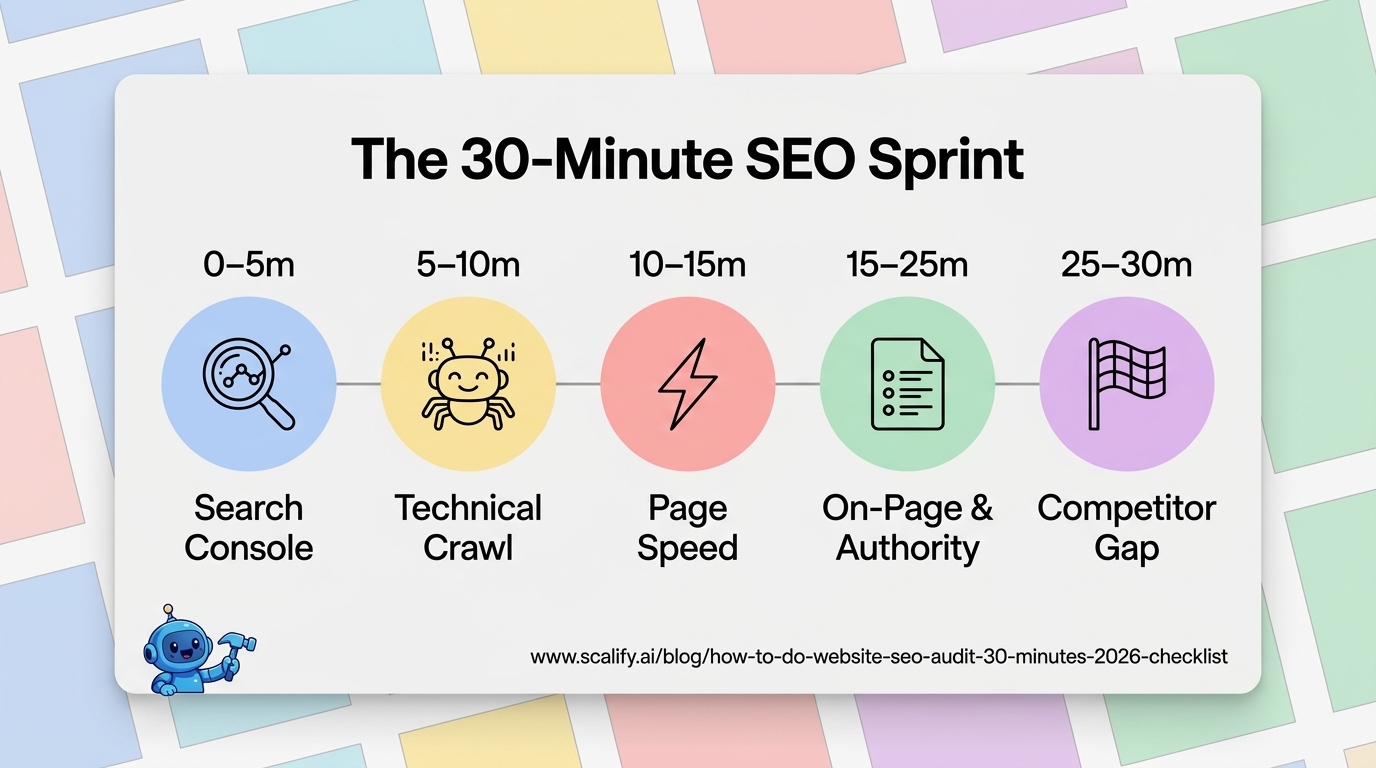
A website audit is a systematic check of everything affecting your site's performance, SEO, and user experience. This guide walks through how to run a complete audit — even without a big budget or technical team.
The Diagnostic That Shows You Exactly What to Fix
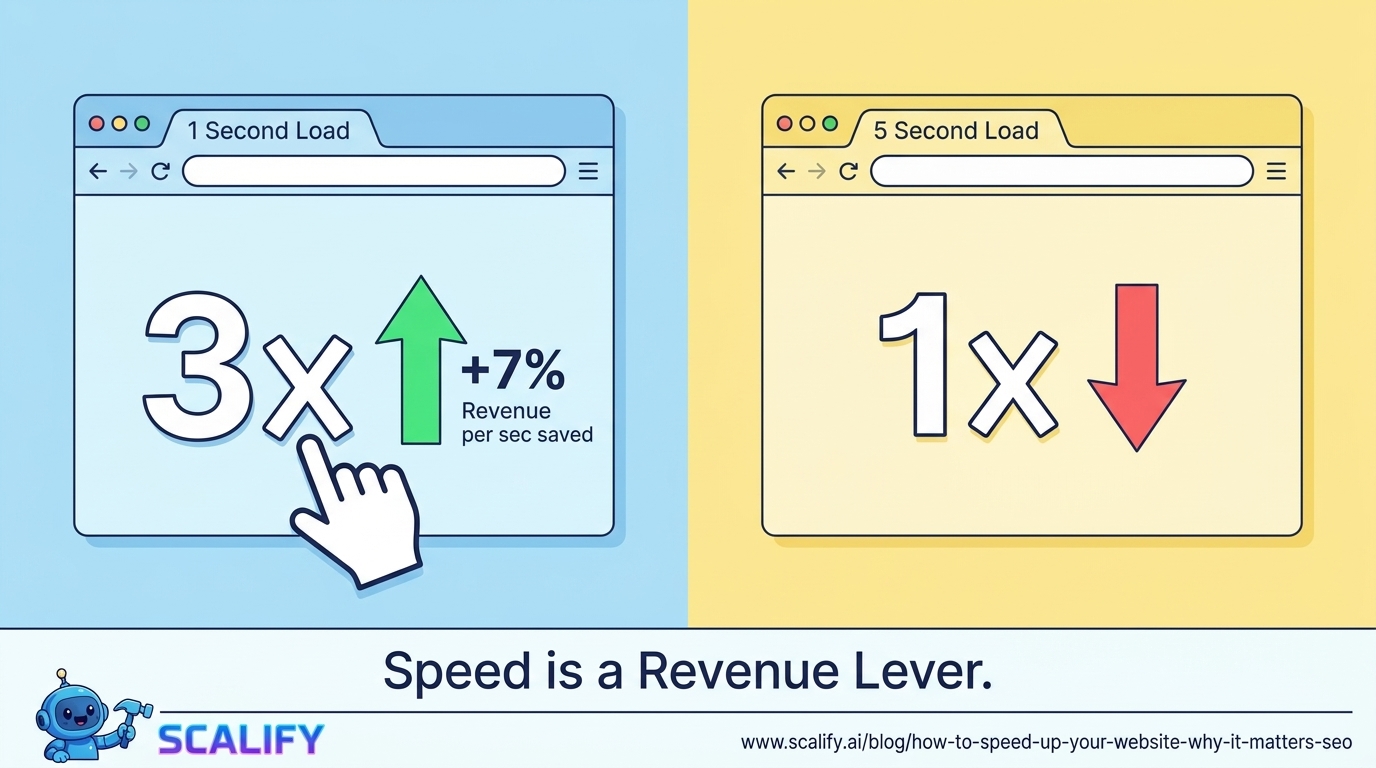
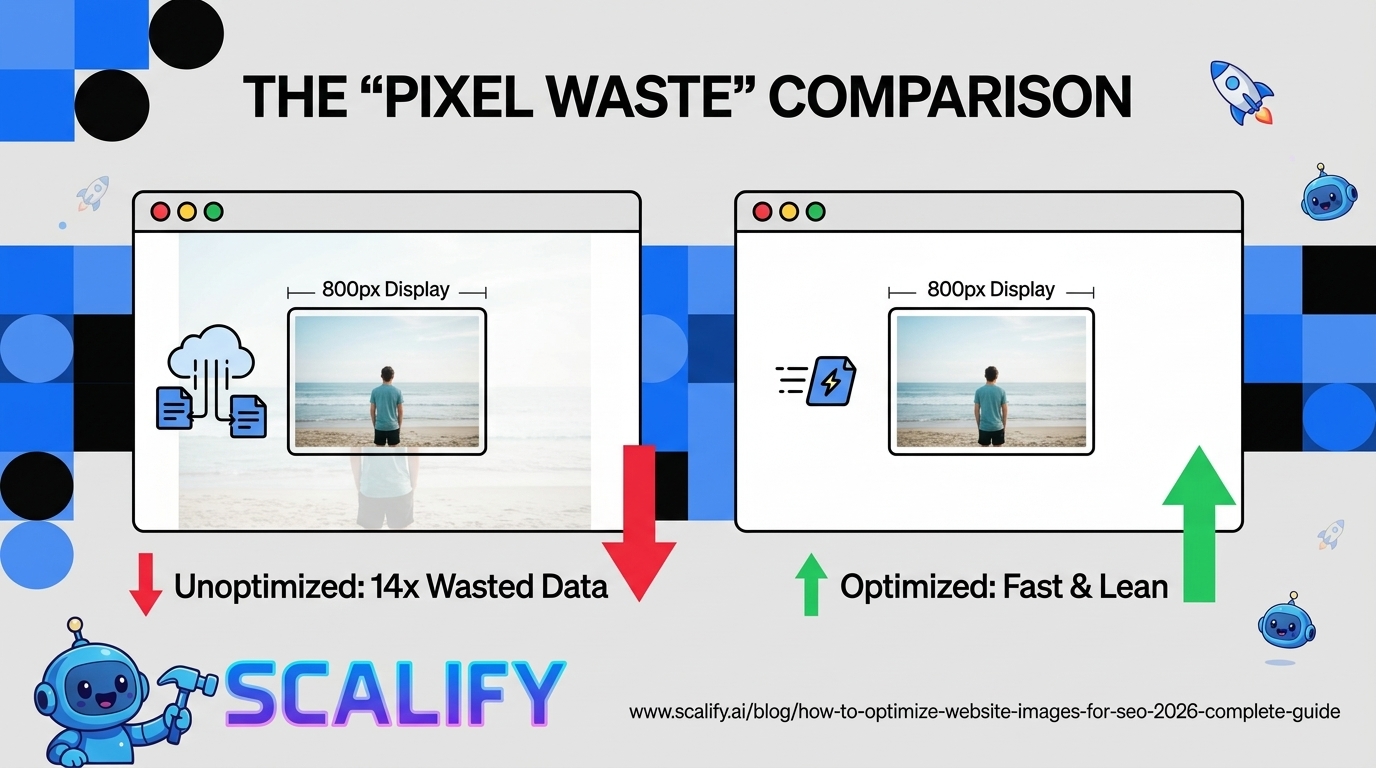
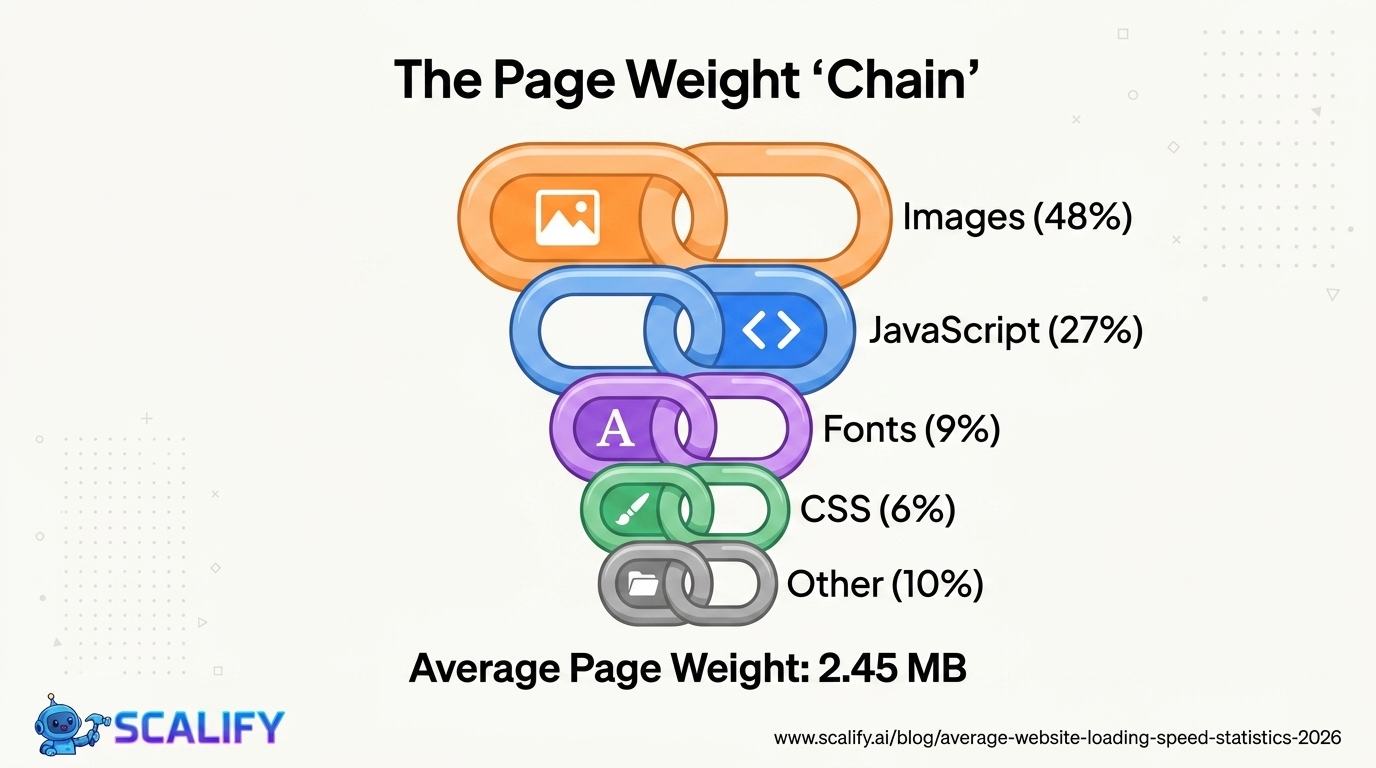
Most websites accumulate problems silently. Pages that stopped being indexed six months ago. Images that add 3 seconds to load time. Broken links that send visitors to 404 pages. Title tags missing from key service pages. Forms that silently fail to deliver submissions. Pages optimized for keywords nobody searches for.
None of these problems announce themselves. They accumulate quietly, each one chipping away at search visibility, user experience, and conversion rate without triggering any obvious alert. Organic traffic slowly trends down. Conversion rate gradually falls. The site that was performing well two years ago is underperforming today, and nobody's entirely sure why.
A website audit is the systematic diagnostic that surfaces these hidden problems. It's a structured review of every dimension of your website's health — technical infrastructure, on-page SEO, content quality, user experience, conversion optimization, and competitive positioning — that produces a prioritized list of specific improvements.
This guide explains what a complete website audit covers, the free and paid tools that make it practical, and how to run one yourself even without a dedicated SEO team.
What a Website Audit Is (and What It Isn't)
A website audit is a structured evaluation of your website across multiple dimensions of performance. It identifies problems, opportunities, and gaps — and prioritizes them by expected impact.
An audit is not a redesign recommendation. It's not a content strategy. It's not a marketing plan. It's a diagnostic: here's what exists, here's what's working, here's what's broken, here's what's missing. What you do with those findings is a separate strategic question.
Audits come in different scopes:
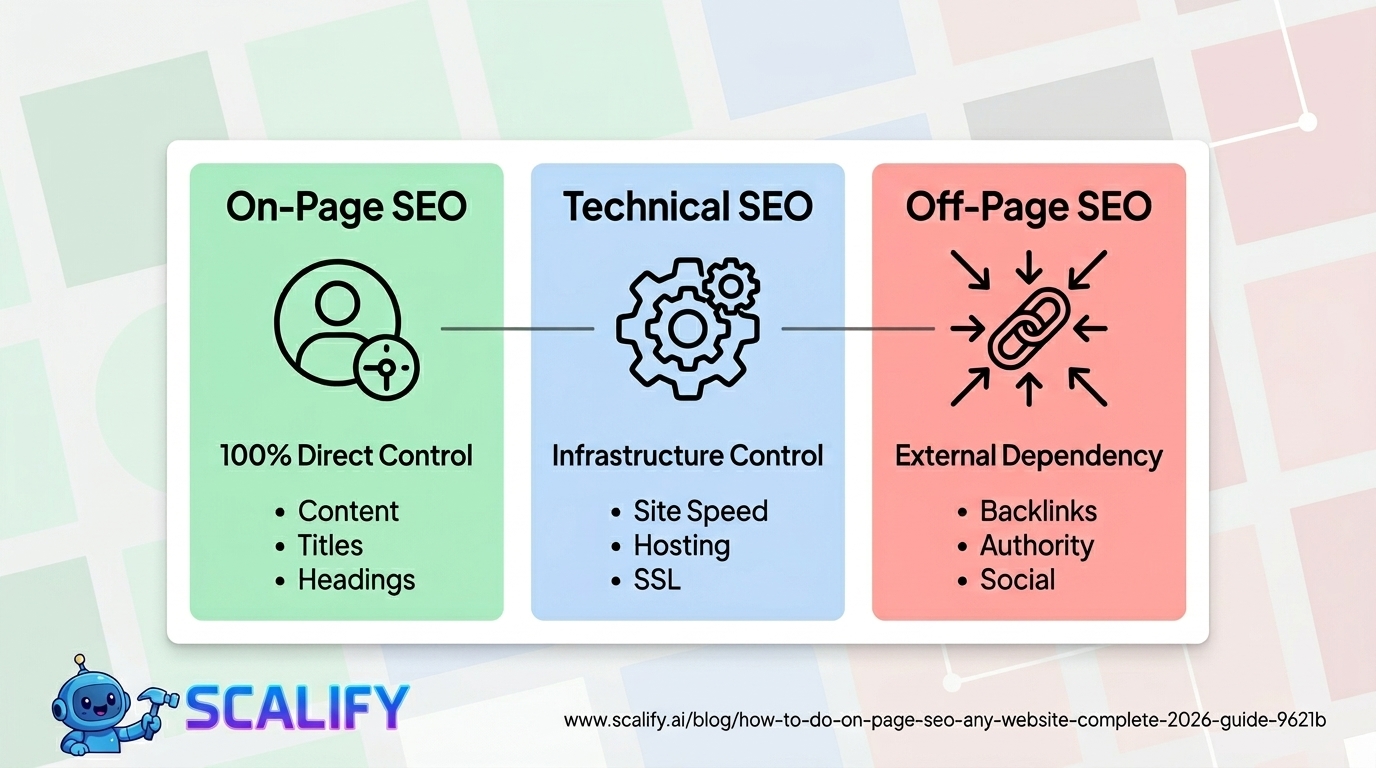
Technical SEO audit: Focuses on crawlability, indexation, page speed, Core Web Vitals, HTTPS, structured data, and other technical factors that affect how search engines interact with your site.
On-page SEO audit: Focuses on title tags, meta descriptions, heading structure, content quality, keyword optimization, and internal linking across your site's pages.
Content audit: Reviews every piece of content on the site — its quality, freshness, traffic performance, and ranking — and produces recommendations for what to keep, update, merge, or remove.
UX/Conversion audit: Evaluates the user experience and conversion architecture of key pages — what's creating friction, where visitors drop off, what trust signals are missing.
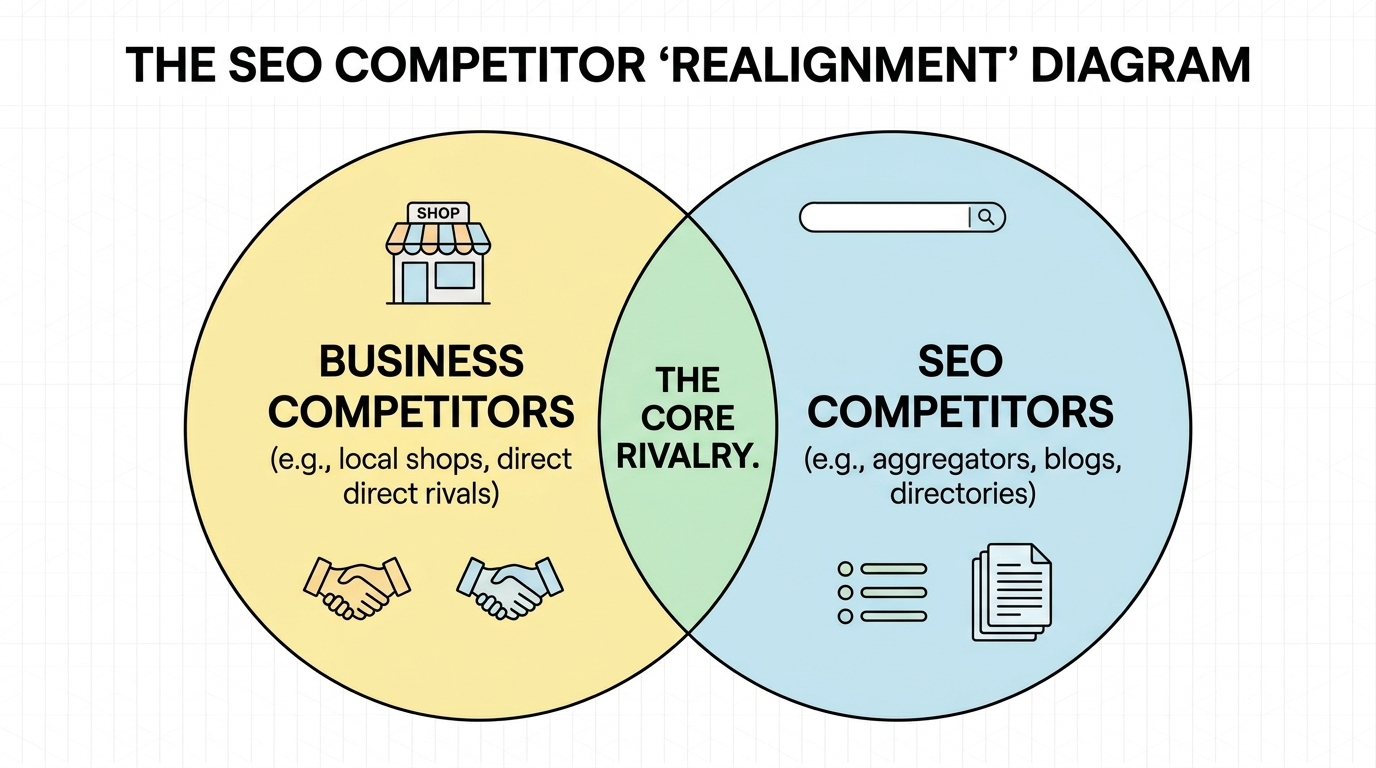
Competitive audit: Analyzes how your site compares to competitors — in keyword coverage, content depth, link authority, and SERP presence.
A full website audit covers all of these dimensions. Focused audits cover one or two. For most businesses without dedicated SEO resources, a quarterly technical + on-page audit supplemented by an annual content audit is a practical schedule that catches most issues before they compound.
Part 1: Technical SEO Audit
Crawlability and Indexation
Google Search Console → Pages → Indexing: This is the starting point. How many pages does Google have indexed? Are there pages in the "Not Indexed" section that you expected to be indexed? Investigate each exclusion reason:
- "Excluded by 'noindex' tag" — intentional or accidental? Verify each noindexed page should be noindexed
- "Crawled — currently not indexed" — Google crawled the page but decided not to index it, usually due to thin content or quality signals
- "Discovered — currently not indexed" — Google knows the page exists but hasn't crawled it, often a crawl budget or internal linking issue
- "Redirect error" or "Not found (404)" — broken pages that need to be fixed or redirected
Robots.txt review: Check yoursite.com/robots.txt. Are any important directories accidentally blocked with Disallow rules? The most critical check: confirm your core pages and XML sitemap are not blocked.
Sitemap audit: Verify your sitemap exists and is submitted in Search Console. Check that the sitemap contains all your important pages and no noindexed, redirecting, or broken URLs.
Technical Performance
Google PageSpeed Insights: Run on homepage, top service/product pages, and highest-traffic blog posts. Note LCP, CLS, and INP scores for mobile specifically (most important for rankings). Document the Opportunities section — these are specific, actionable recommendations with estimated impact.
Core Web Vitals report in Search Console: Check the field data (real user experience) not just the lab data from PageSpeed. The "Poor" and "Needs Improvement" page lists in this report tell you exactly which pages need performance work.
TTFB check: Use WebPageTest.org to check Time to First Byte for key pages. TTFB consistently above 600ms indicates a server-side performance issue (hosting quality, missing caching, slow database queries).
Structural Issues
Screaming Frog SEO Spider (free up to 500 URLs): Crawl your site and check for:
- Pages returning 4xx errors (broken pages)
- Pages with missing title tags
- Pages with duplicate title tags
- Pages with missing H1 tags
- Pages with multiple H1 tags
- Broken internal links
- Redirect chains (A → B → C, consolidate to A → C)
- Canonical tag issues (self-referencing, pointing to wrong page)
- Missing meta descriptions
HTTPS check: Confirm all pages serve HTTPS. Check for mixed content (HTTP resources on HTTPS pages) using the browser console or a tool like Why No Padlock.
Mobile-friendliness: Check Search Console's Mobile Usability report for any flagged mobile issues. Test key pages in Chrome DevTools' mobile emulator and on real devices.
Part 2: On-Page SEO Audit
Title Tags
Export your title tags from Screaming Frog or Search Console and review them systematically:
- Are any title tags missing?
- Are any duplicate across multiple pages?
- Are any over 60 characters (being truncated in SERPs)?
- Do important pages have titles that include their primary keyword?
- Are the titles compelling for click-through, or just descriptive?
For each issue found: fix missing title tags, make duplicates unique, shorten truncated titles with the important content front-loaded, and add primary keywords to titles on pages that are ranking but not yet on page one for those keywords.
Meta Descriptions
Review meta descriptions for completeness and quality:
- Any missing? Add them — while not a ranking factor, they affect CTR
- Any duplicated across pages? Make them unique
- Any over 155–160 characters? Shorten
- Any that are vague or don't compel clicks? Rewrite as compelling summaries with a soft CTA
Heading Structure
Review heading structure on important pages:
- Does every page have exactly one H1?
- Does the H1 clearly describe the page's topic?
- Are H2s used for major sections?
- Is the heading hierarchy logical (H1 → H2 → H3, no skipped levels)?
- Are headings descriptive rather than vague ("Our Services" is vague; "Custom Web Design for Small Businesses" is descriptive)?
Keyword Coverage
For important pages:
- Does each page have a clearly defined primary keyword it's targeting?
- Is that keyword present in the title tag, H1, first paragraph, and throughout the body?
- Is the page's content aligned with the search intent of that keyword?
- Are there secondary keywords and semantic terms naturally present in the content?
Cross-reference with Search Console: which queries is each important page receiving impressions for? Are there queries with high impressions and low clicks (which suggests a CTR problem — title/description needs improvement)? Are there queries in positions 11–20 for valuable terms (which suggests optimization could push them to page one)?
Internal Linking
- Are orphaned pages present (no internal links pointing to them)?
- Are your most important pages (highest commercial value) receiving internal links from multiple other pages?
- Are internal link anchor texts descriptive and keyword-relevant?
- Are there obvious linking opportunities — pages discussing a topic in depth that don't link to related resources on the site?
Part 3: Content Audit
A content audit reviews every piece of content on your site and makes decisions about what to do with each piece. For large sites, this is a significant project. For small sites (under 50 pages), it's a few hours of structured evaluation.
Building Your Content Inventory
Export a list of all URLs on your site from Screaming Frog or Search Console. For each URL, gather (from Google Analytics and Search Console):
- Page views / sessions over last 12 months
- Organic search sessions specifically
- Conversion events attributed to this page
- Search Console impressions and clicks
- Average position for primary keyword
This data creates a performance picture for every content piece — which are driving organic traffic and conversions, which are getting impressions but not clicks, and which are dormant.
Content Decisions for Each Piece
Categorize each content piece:
Keep as-is: Strong traffic, good rankings, current information. Leave it alone except for periodic freshness updates.
Update and improve: Good topic, getting traffic or impressions, but outdated information, thin coverage, or on-page SEO issues. Investing in improving these pages often produces faster ranking improvements than creating new content.
Consolidate/merge: Multiple thin or overlapping pieces covering the same topic. Merge them into one comprehensive piece with a 301 redirect from the deprecated URLs to the consolidated page. This is one of the highest-ROI content improvements available — combining thin pieces into one strong piece often produces significant ranking improvements.
Delete: Zero traffic, zero impressions, no backlinks, no conversion value, outdated or duplicative content. Remove with a 301 redirect to the most relevant remaining page if anything was linking to it, or simply a 404 if it had no links.
Create new: Topic gaps identified in keyword research with no existing coverage on the site.
Part 4: UX and Conversion Audit
Analytics Funnel Analysis
In Google Analytics, set up Exploration → Funnel Exploration for your primary conversion paths. Define the steps from a key entry page to your conversion event. Where's the largest drop-off? That's your highest-priority UX investigation target.
Heatmaps and Session Recordings
For your highest-traffic pages and highest-drop-off funnel steps, set up heatmaps and session recordings in Hotjar (free tier available) or Microsoft Clarity (completely free). Review:
- Are visitors clicking on non-clickable elements (indicating they expect something to be clickable that isn't)?
- How far are visitors scrolling before leaving? (Content below average scroll depth is rarely seen)
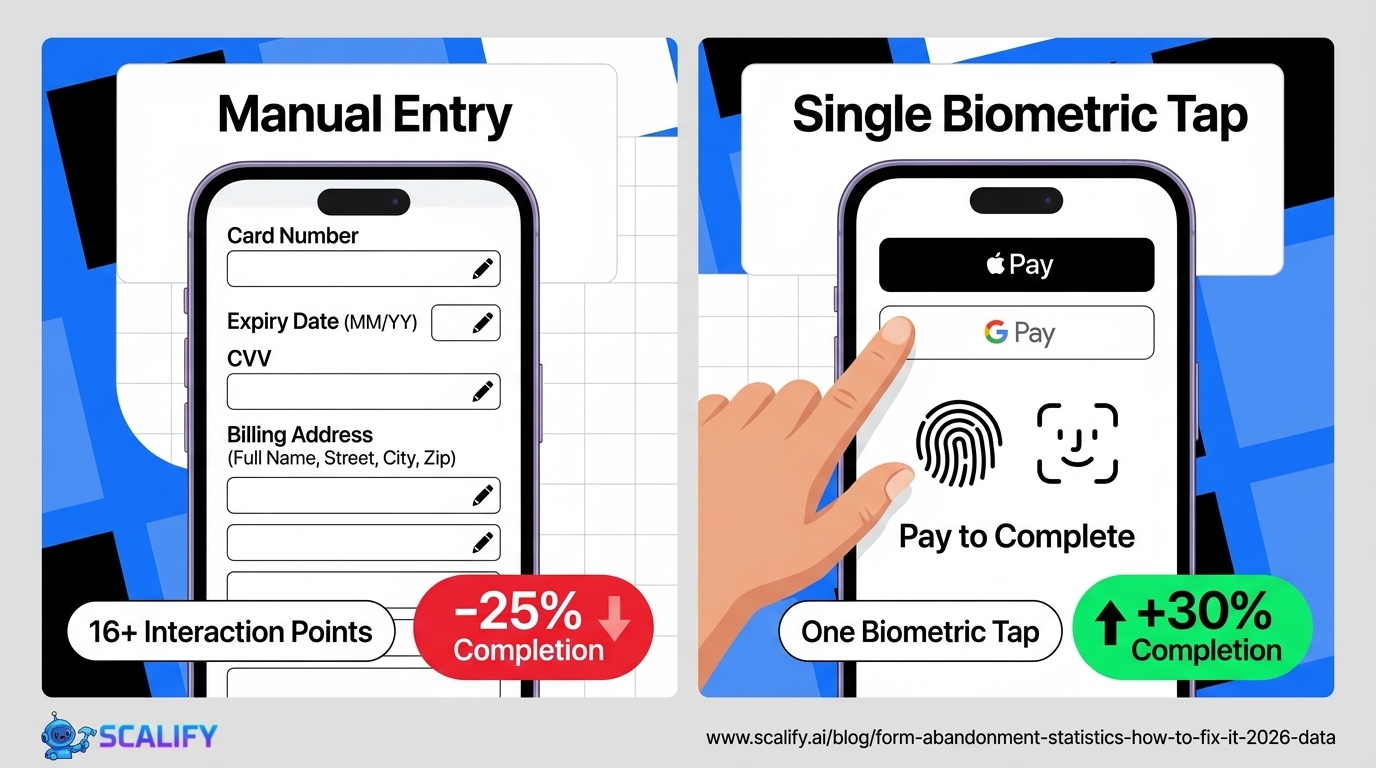
- Are visitors encountering and abandoning your forms?
- Is there any UI confusion visible in session recordings?
CTA Audit
Review every CTA on key pages:
- Is there a clear primary CTA above the fold on each key page?
- Are CTAs visually prominent (high contrast, appropriate size)?
- Is CTA copy specific (outcome-oriented) rather than generic ("Submit")?
- Are CTAs repeated at appropriate points in longer pages?
Trust Signal Audit
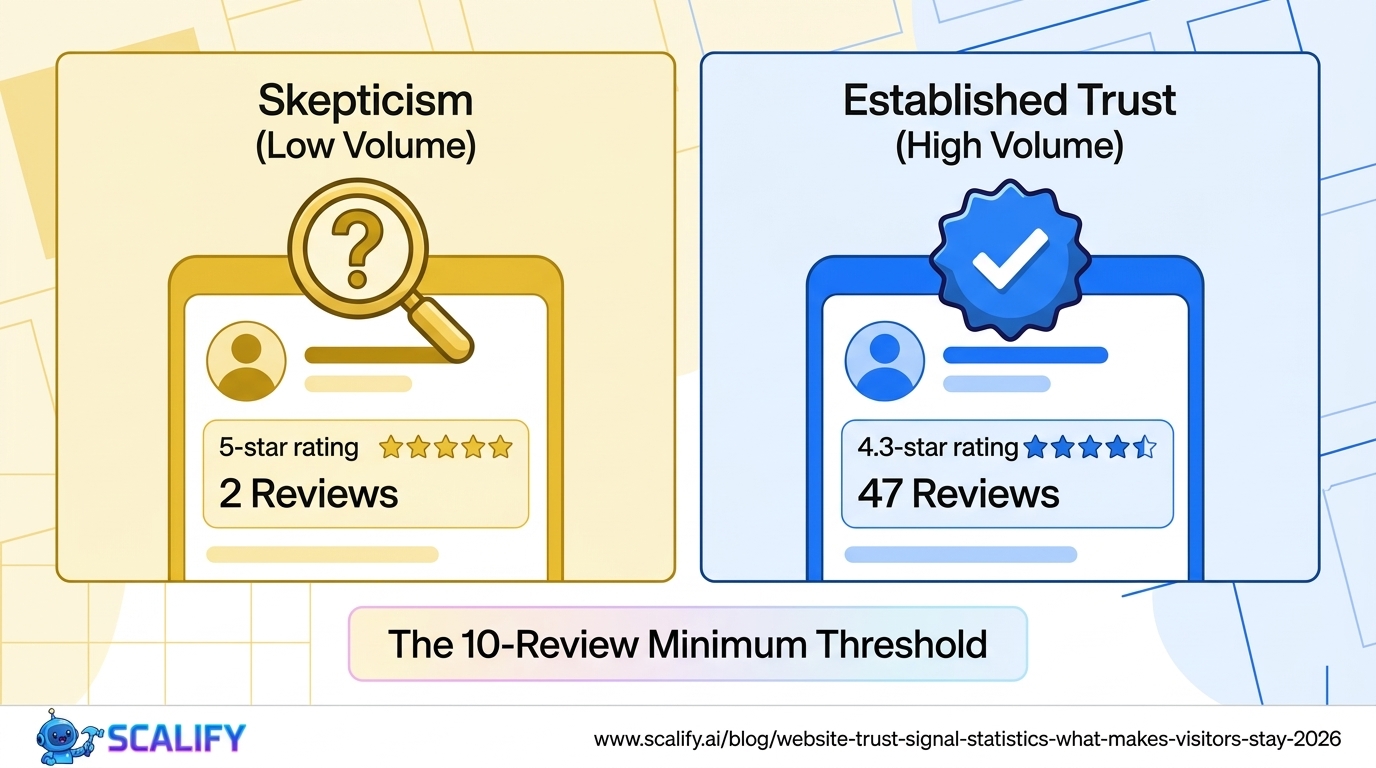
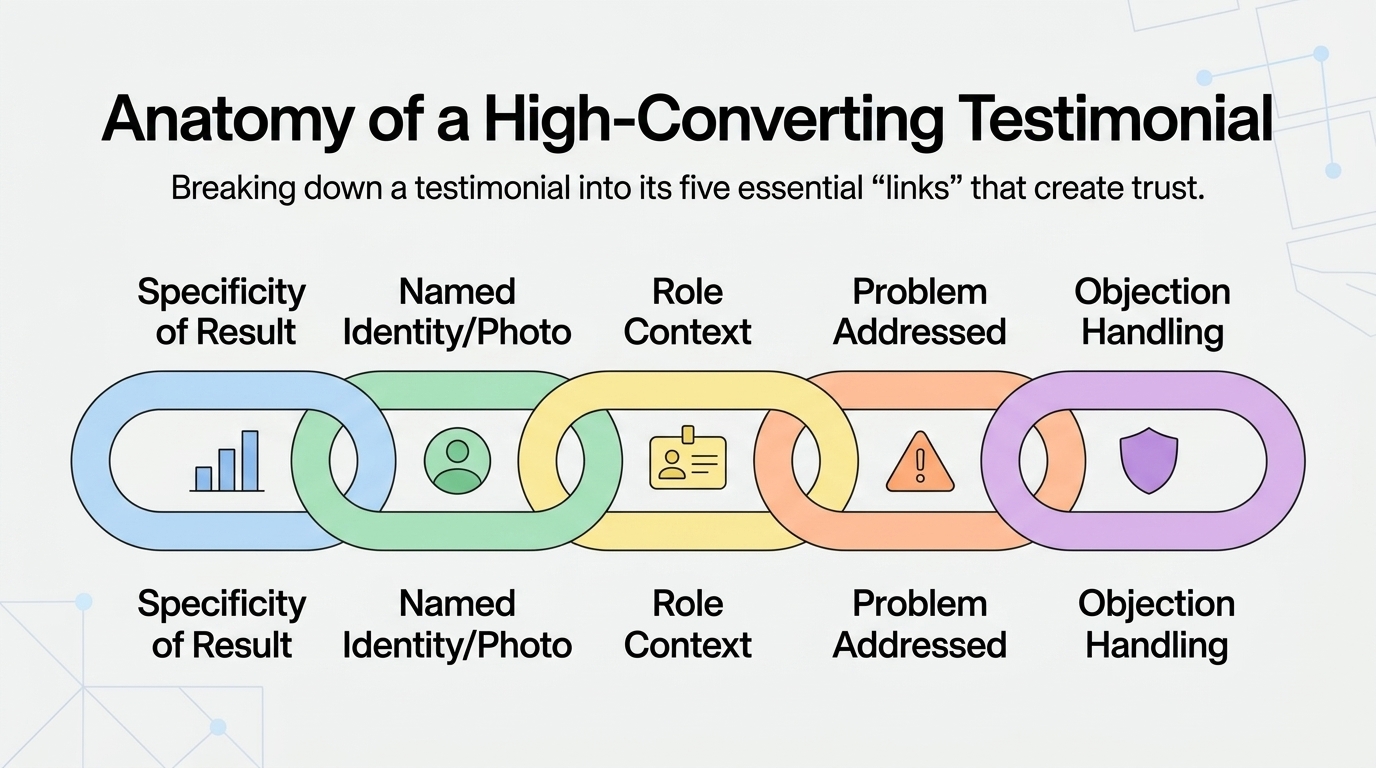
- Are testimonials present on key conversion pages? Are they specific and attributed?
- Are review ratings displayed if available?
- Is social proof visible near conversion points?
- Is contact information clearly displayed?
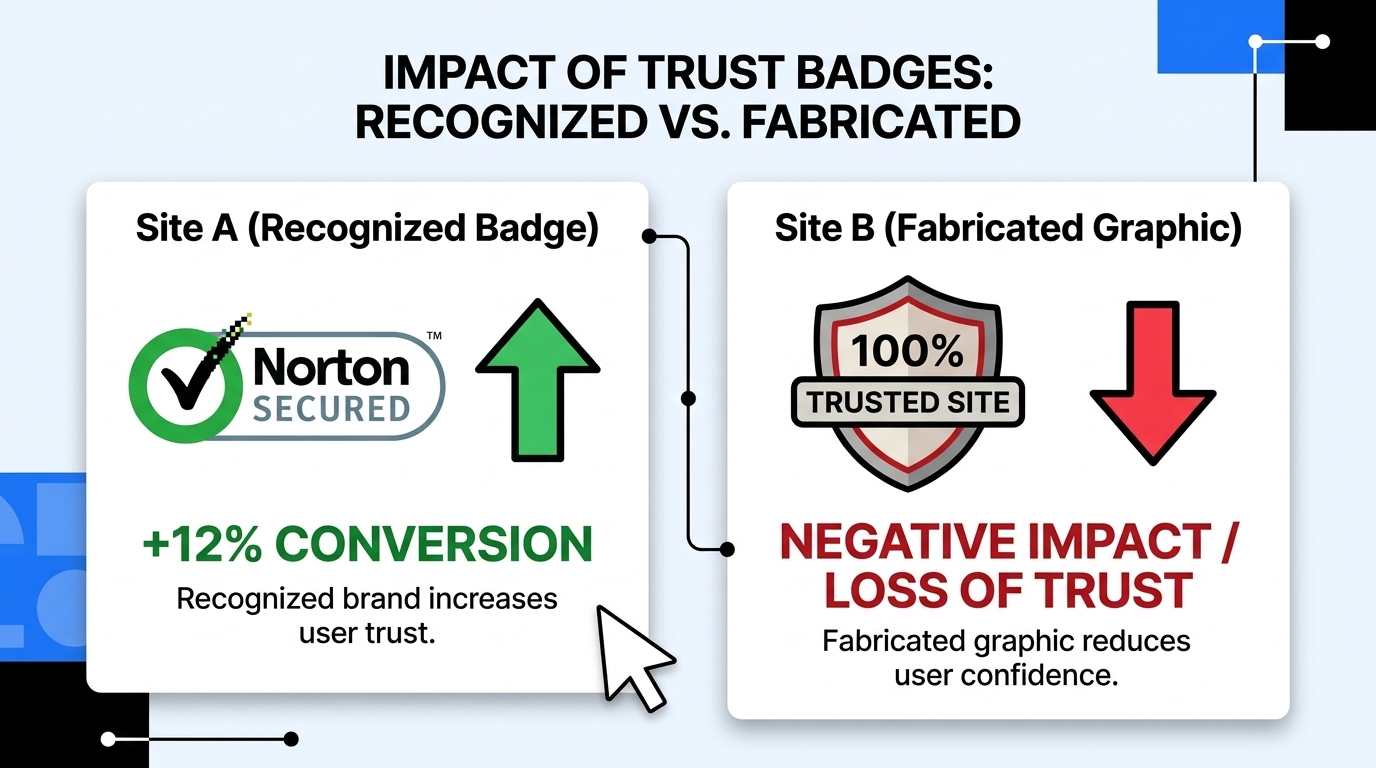
- Are there any trust signals (certifications, partner logos, security badges) that would be appropriate for your business?
Part 5: Competitive Audit
Keyword Gap Analysis
In Ahrefs or Semrush, use the Content Gap or Keyword Gap tool to compare your site against 3–5 competitors. The tool shows keywords your competitors rank for that you don't — your content opportunities from a competitive perspective.
Backlink Gap Analysis
Compare your backlink profile to competitors. How many linking root domains do they have versus you? What types of sites link to them that don't link to you? Which of their high-value links could you potentially earn through similar tactics or content?
SERP Presence Comparison
For your target keywords, check where you rank versus competitors. For keywords where competitors rank on page one and you rank on page two or three — these are priority optimization targets. Analyze why their page outranks yours: is it more comprehensive? Better optimized? Has more links? The answer to this question tells you what to do to close the gap.
Prioritizing Your Audit Findings
A thorough audit produces dozens or hundreds of issues. Working through them with no prioritization framework produces an overwhelming task list. Prioritize by:
Impact × Effort: High-impact, low-effort wins go first. A missing title tag on your homepage is high impact (this page probably ranks for branded and product terms) and very low effort to fix (2 minutes). A broken contact form is high impact (you're losing leads) and easy to fix. Start here.
Traffic-weighted issues: A technical issue on a page that gets 100 visitors per month matters less than the same issue on a page getting 10,000 visitors per month. Weight your fixes by the traffic affected.
Dependency order: Fix technical issues before on-page issues. Fix indexation before content optimization. A page that isn't indexed doesn't benefit from on-page optimization.
Build your prioritized fix list, assign ownership for each item, and set realistic timelines. A systematic audit followed by systematic implementation produces compounding improvements — each fixed issue makes the next round of optimization more effective.
The Bottom Line
A website audit is the diagnostic that reveals what's silently limiting your site's performance. Running one systematically — across technical infrastructure, on-page optimization, content quality, user experience, and competitive positioning — produces a prioritized list of specific improvements that, implemented methodically, compound into meaningful improvements in organic traffic, user experience, and conversion rate.
Run a basic technical audit quarterly to catch issues before they compound. Do a full audit annually, or any time you notice significant unexplained changes in organic traffic or conversion rates. The time invested in a thorough audit almost always pays back many times over in the improvements it enables.
At Scalify, every website we rebuild includes a full audit of the existing site — so we know what's working to preserve and what's failing to fix, rather than blindly replacing everything.




.jpeg)
.jpeg)



78 SW 7th St, Miami, FL 33130