


What Is a Website Funnel and How Do You Build One That Converts?
By Josh Ternyak

March 29, 2026
A website funnel is the structured path that takes visitors from strangers to paying customers. This guide explains how funnels work, the stages every visitor goes through, and how to build one that actually converts.
The Invisible Architecture That Turns Visitors Into Customers
Most websites are built like brochures — a collection of pages that describe the business and hope visitors figure out what to do next. The website is passive; the visitor does all the work of deciding what to read, where to go, and whether to act.
The businesses that consistently convert website traffic into revenue approach their websites differently. They design a funnel — a deliberate, structured path that guides visitors through stages of awareness, interest, consideration, and action. The funnel does the work. The visitor follows a path that's been designed to move them toward a specific outcome.
Understanding funnels — what they are, how they work, and how the stages connect — is one of the highest-leverage concepts in digital marketing. It reframes how you think about your website: not as a collection of pages but as a conversion system.
What a Website Funnel Is
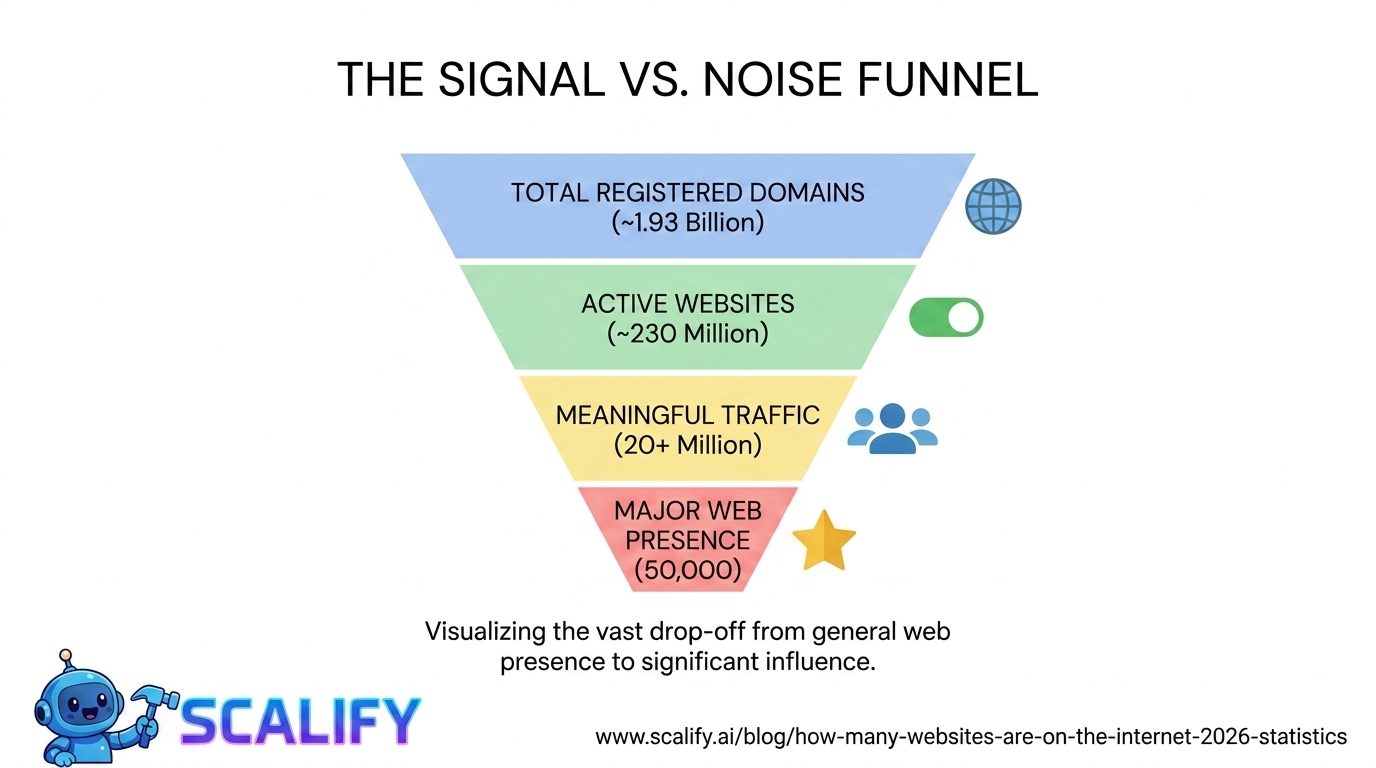
A website funnel is the structured sequence of steps a visitor takes from their first encounter with your business to completing a desired action (becoming a customer, subscriber, lead, or otherwise converting). It's called a funnel because many people enter at the top and progressively fewer make it through each stage — like liquid poured into a physical funnel.
The funnel concept comes from traditional marketing's AIDA model (Awareness, Interest, Desire, Action), updated for digital contexts where you can track and optimize every step of the journey. At each stage, some visitors drop off. Your job as a business owner is to understand why they're dropping off at each stage and reduce that dropout rate through better content, clearer messaging, reduced friction, and stronger conversion elements.
A simple funnel for a service business might look like:
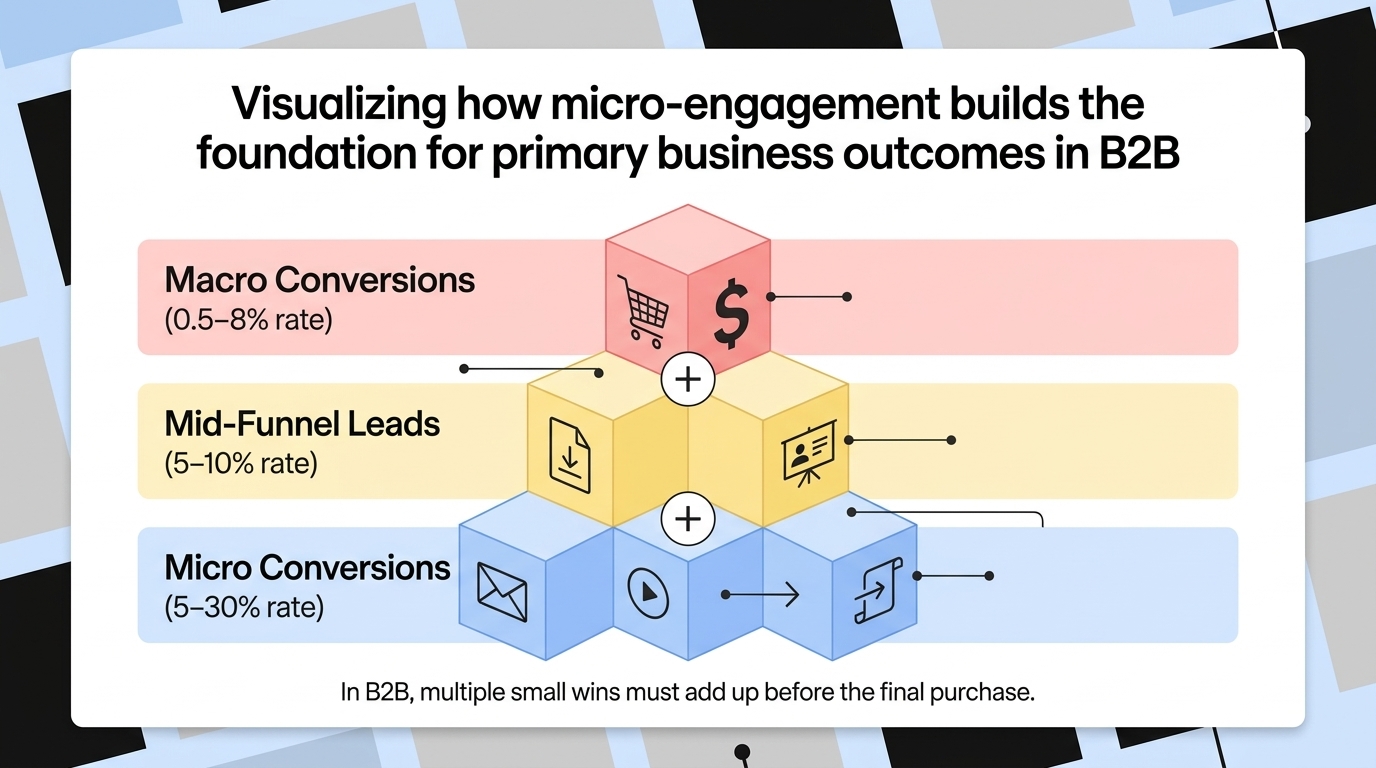
- Visitor finds an article through Google search (awareness)
- Visitor reads the article and clicks to a services page (interest)
- Visitor reads the services page and reviews testimonials (consideration)
- Visitor submits a contact form (action/conversion)
- Visitor becomes a paying client (purchase)
Each step is a potential dropout point. Improve the conversion at each step and the entire funnel produces more revenue from the same traffic at the top.
The Stages of a Marketing Funnel
Top of Funnel (TOFU): Awareness
The top of the funnel is where visitors first encounter your brand — they didn't know you existed before this moment, or they've heard the name but have no real knowledge of what you do. They arrive with general problems or questions, not specific purchase intent.
TOFU content serves visitors who are in research mode. They're learning about a topic, exploring their options, or discovering that a solution to their problem exists. They're not ready to buy — they may not even know they have a problem that warrants a solution.
The goal of TOFU: introduce the brand, demonstrate expertise, and begin building the relationship that may eventually lead to a purchase decision.
TOFU content formats that work: educational blog posts, explainer articles, social media content, informational videos, podcast episodes, and free tools that solve a simple problem related to what you sell. The content provides genuine value without requiring any commitment from the visitor.
TOFU website elements: blog posts ranked for informational search queries, resource libraries, educational video content, free tools and calculators.
Middle of Funnel (MOFU): Consideration
Middle-of-funnel visitors are aware of their problem and are evaluating solutions. They know options exist; they're trying to figure out which option is right for their specific situation. They're comparing approaches, comparing providers, and gathering the information they need to make a decision.
This is where your brand needs to demonstrate why you're the right choice — not just that your general category of solution is relevant, but that your specific offering is the best fit for their situation.
The goal of MOFU: build preference for your brand over alternatives through demonstrated expertise, relevant social proof, and content that addresses the specific questions and objections comparison-stage visitors have.
MOFU content formats: case studies, comparison guides ("our approach vs. competitors"), webinars and demos, email nurture sequences for captured leads, detailed service/product pages, FAQ content addressing common objections, and in-depth guides that require the depth of a decision-stage visitor to read.
MOFU website elements: detailed service/product pages, case studies section, comparison pages, in-depth guides, email opt-in to stay in touch with visitors not yet ready to buy.
Bottom of Funnel (BOFU): Decision
Bottom-of-funnel visitors are ready to make a decision. They've done their research, they understand the options, and they're ready to choose. They may be comparing your offering against one or two specific alternatives, or they may have already decided you're the right choice and just need confirmation before pulling the trigger.
This is where friction is the biggest enemy. A BOFU visitor who is ready to buy but can't easily find the contact form, encounters unclear pricing, or hits confusing checkout steps is a conversion lost at the last possible moment — arguably the worst place to lose someone.
The goal of BOFU: make it as easy as possible to take the desired action and remove every obstacle that might cause a ready-to-buy visitor to hesitate.
BOFU content: pricing pages with clear options, free trial or consultation offers with easy signup, strong guarantees that reduce perceived risk, compelling final CTAs, testimonials from customers in similar situations, and clear answers to the specific objections BOFU visitors typically have (pricing questions, implementation concerns, timeline questions).
BOFU website elements: pricing page, contact form or booking calendar, checkout for e-commerce, testimonials and case studies on decision-stage pages, money-back guarantee and risk-reduction messaging.
Post-Purchase / Retention
The funnel doesn't end at the first purchase. Retaining customers, generating repeat purchases, and creating advocates who refer new customers are all part of the complete customer journey — and often represent the highest-ROI part of the funnel because the acquisition cost has already been paid.
Post-purchase funnel stages include: successful onboarding (reducing churn by helping customers get value quickly), upsell and cross-sell (offering additional value to existing customers), referral programs (incentivizing customers to bring others into the top of the funnel), and loyalty programs (rewarding continued engagement).
Building Your Funnel: Mapping the Journey
Step 1: Define Your Ideal Customer Journey
Before designing anything, map the ideal path you want a visitor to take from first encounter to customer. For each stage:
- Where do they come from? (What channel or source brings them in?)
- What do they know at this stage? (What's their awareness level?)
- What are they looking for? (What question are they trying to answer?)
- What would help them move to the next stage? (What content or experience advances them?)
- What might stop them from moving forward? (What objections or friction points exist?)
This mapping reveals gaps in your current funnel — stages where visitors arrive but you have no content to serve them, or where friction is causing dropout that better content or design would address.
Step 2: Audit Your Current Funnel Performance
In Google Analytics, set up a funnel exploration for your primary conversion path. Define the sequence of pages from typical entry point (homepage, blog post, or key landing page) through to your conversion goal (contact form, purchase, signup).
The funnel visualization shows you exactly where visitors are dropping off at each step. A large dropout at a specific step is your optimization priority — that's where the most visitors are leaving before reaching your desired outcome.
Typical insights from funnel analysis: the homepage has high engagement but few clicks to the services page (headline or navigation problem); the services page has a high exit rate (content doesn't build enough confidence for visitors to act); the contact form has a high start-abandon rate (too many fields or unclear value exchange). Each of these problems has specific solutions.
Step 3: Create Content for Each Stage
Map your existing content to the funnel stages. Identify gaps: do you have content for TOFU awareness visitors? MOFU comparison-stage visitors? BOFU decision-ready visitors?
Most websites over-invest in one stage and neglect others. Service businesses often have strong BOFU content (detailed service pages) but weak TOFU content (nothing to attract visitors before they're already in buying mode). Content sites often have strong TOFU content but weak BOFU conversion elements. The highest-ROI content investment fills the gaps in your specific funnel.
Step 4: Design the Transitions Between Stages
The handoffs between funnel stages are as important as the content at each stage. A visitor who reads a helpful TOFU blog post needs a clear, relevant next step to transition to the MOFU stage — not a generic homepage CTA that isn't connected to what they just read.
Contextual CTAs at the end of blog posts should relate to the post topic: a post about website speed optimization should offer to "download the website performance checklist" or "see how we improved [client]'s site speed by 60%." The connection between the TOFU content and the MOFU offer should be obvious and relevant.
Email capture at TOFU stages allows you to nurture visitors who aren't ready to buy through a deliberate sequence of MOFU and BOFU content delivered to their inbox. A visitor who reads your article today and isn't ready to buy can receive relevant follow-up content over the next weeks, bringing them back into the funnel when they are ready.
Common Funnel Problems and How to Diagnose Them
"I'm getting traffic but no conversions"
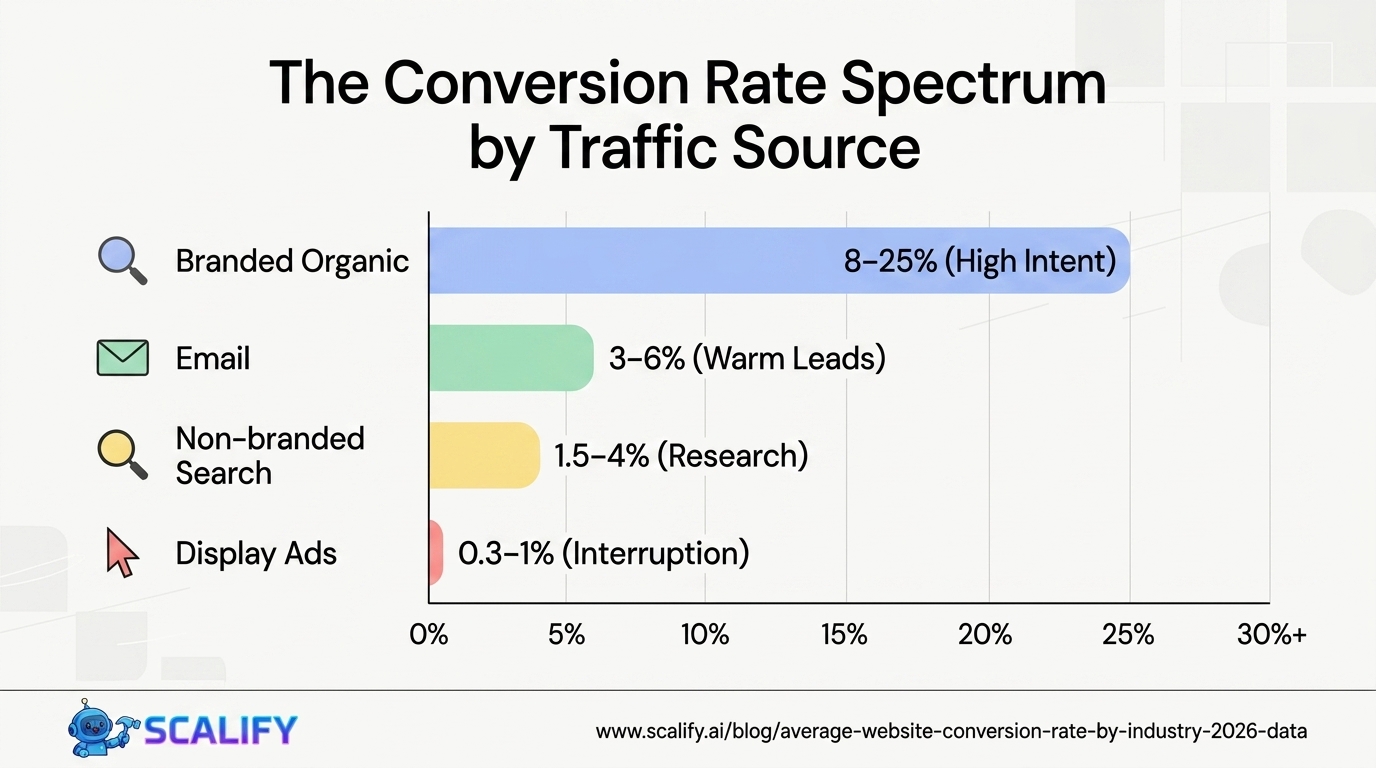
Traffic without conversions is a funnel alignment problem. The most common cause: visitors at the wrong funnel stage landing on BOFU content (or vice versa). TOFU visitors who land on a pricing page leave because they're not ready to evaluate pricing. BOFU visitors who land on an educational blog post don't find the next step to purchase.
Diagnosis: Check your traffic source. Organic search traffic from informational queries lands on TOFU content — conversions will be lower but the funnel works if those visitors are moved to MOFU stages. Traffic from "buy web design services" queries should land on BOFU service pages with clear conversion actions. If you're sending intent-rich traffic to TOFU content, the funnel is misaligned.
"I'm getting leads but they don't convert to customers"
A lead quality or nurturing problem. Either the leads entering the funnel aren't well-qualified (they're TOFU visitors who submitted a form before they were ready), or the post-lead nurturing process isn't moving them effectively toward purchase.
Diagnosis: Review what's happening between lead submission and first purchase. Is there a sales process? Is there a nurture email sequence? Are salespeople following up promptly? Are the leads qualified (do they have the budget and timeline to actually buy)? Fixing lead quality usually involves tightening the TOFU/MOFU content to attract more qualified visitors and improving the conversion elements on lead capture forms to filter out early-stage visitors.
"I'm getting sales but not repeat purchases"
A retention and post-purchase funnel problem. The funnel ends at first purchase and there's no systematic effort to create customers who buy again.
Diagnosis: Map your post-purchase experience. What happens after someone buys? Is there a thank-you page that introduces them to more value? An onboarding email sequence? A product recommendation follow-up? A re-engagement campaign for customers who haven't bought in 90 days? Building the retention stage of the funnel is often the highest-ROI investment for businesses that have solved their acquisition problem.
Funnel Optimization: Making Every Step Better
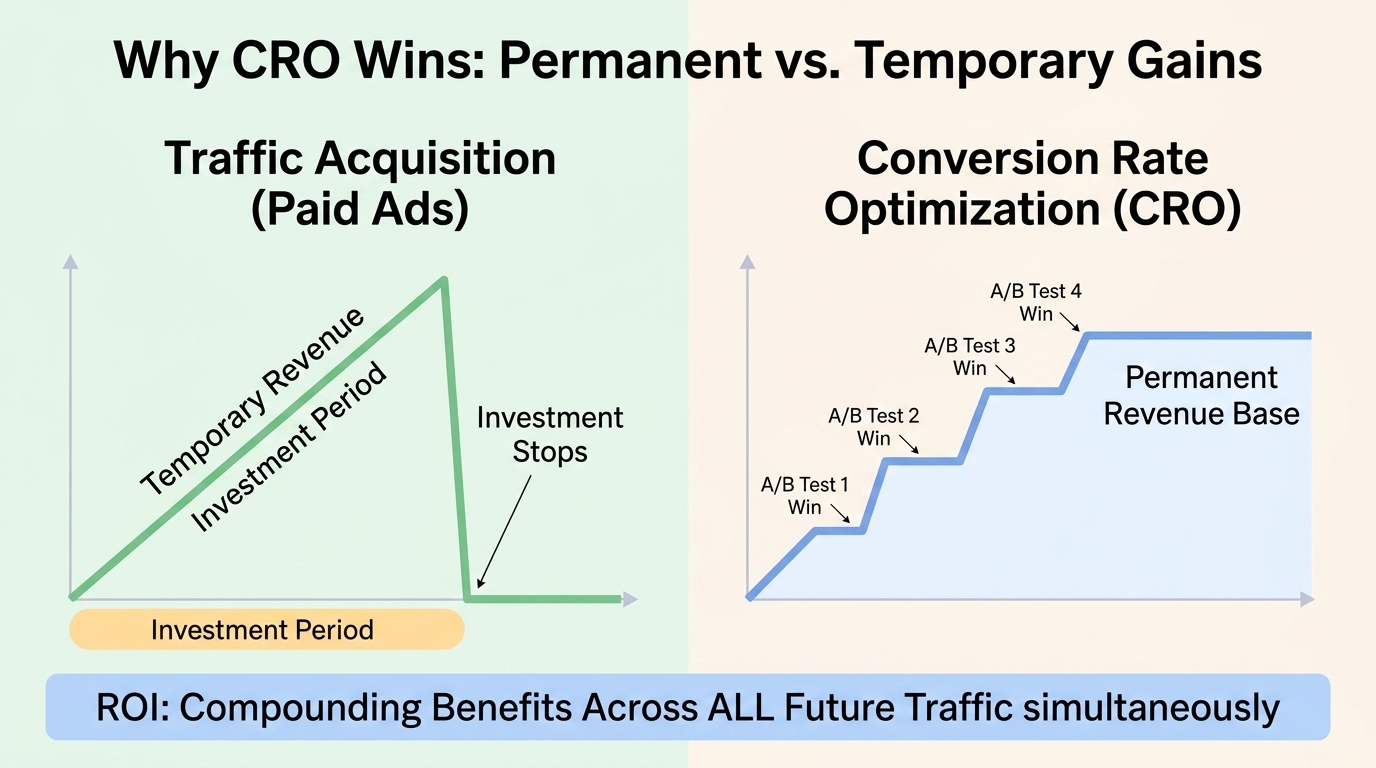
Funnel optimization is the continuous process of improving conversion rates at each stage. The principle: small percentage improvements at each step compound dramatically when multiplied through the funnel.
If 1,000 visitors hit the top of your funnel each month:
- 10% click to service page: 100 visitors
- 20% of those submit a form: 20 leads
- 30% of those become clients: 6 clients
Improving each stage by 20%:
- 12% click to service page: 120 visitors
- 24% submit a form: 29 leads
- 36% become clients: 10 clients
Same 1,000 visitors. Three 20% improvements across the funnel. 67% more clients. This is the mathematics of funnel optimization — improvements compound multiplicatively, not additively.
Prioritize optimization effort at the stage with the largest dropout (most visitors lost) and the highest potential impact (most commercial value per conversion advancement). Improving the stage where 80% of visitors are leaving has more impact than improving a stage where 20% leave.
The Bottom Line
A website funnel is the strategic architecture that guides visitors through stages of awareness, consideration, and decision toward becoming customers. Building one requires mapping the ideal customer journey, identifying gaps in your current content and conversion elements, creating specific content for each stage, designing effective transitions between stages, and continuously optimizing based on where visitors are dropping off.
The businesses that treat their websites as conversion systems — built around deliberate funnels rather than passive brochures — consistently outperform those that don't, because every improvement to the funnel compounds across all the traffic it processes.
At Scalify, we design every website around a conversion architecture — from the first impression through to the contact form — so the site actively works to convert the traffic it receives rather than passively presenting information and hoping visitors act on their own.



.jpeg)
.jpeg)

78 SW 7th St, Miami, FL 33130