


What Is a Widget on a Website? Complete Guide
By Josh Ternyak

March 28, 2026
Widgets are the building blocks of modern website functionality — from social feeds to live chat to booking forms. This guide explains what they are, how they work, and which ones are actually worth adding to your site.
The Small Components That Make Websites Actually Do Things
If you've ever embedded a Twitter feed on your homepage, added a live chat box to your site, installed a weather display, or dropped a booking calendar onto a contact page — you've worked with widgets. They're everywhere on the modern web, doing everything from displaying real-time data to enabling user interactions that would otherwise require custom development.
But "widget" is one of those web terms that gets used loosely in ways that blur its actual meaning. A plugin is sometimes called a widget. A section of a page is called a widget. A standalone embedded tool is called a widget. The word is overloaded with meanings that vary depending on context.
This guide cuts through the ambiguity: what a widget actually is in different contexts, how they work technically, which categories are most commonly used, how to evaluate whether adding one is worth it, and what to watch out for when you do.
Defining "Widget" — Multiple Meanings in One Word
The word "widget" in web contexts means different things in different contexts, and understanding which context you're operating in matters for making sense of discussions about your website.
In general web parlance: A widget is a self-contained, embeddable component that adds a specific piece of functionality to a web page. It typically comes from a third-party service and is embedded via a snippet of code (usually JavaScript) that the service provides. The weather widget you add to your homepage is a small application embedded from a weather data provider's service.
In WordPress specifically: A widget is a draggable, configurable content block used in widget-ready areas of a WordPress theme — sidebars, footers, and other designated regions. WordPress has a built-in widget system with widgets for recent posts, category lists, search bars, text blocks, and more. Third-party plugins add additional widget types. This is a WordPress-specific usage of the word that doesn't directly map to how it's used outside WordPress.
In page builders: Tools like Elementor, Divi, and Webflow use "widget" or "element" to describe the building blocks available in the visual editor — text blocks, image containers, buttons, forms. These are more accurately called components or elements but are often called widgets in their respective interfaces.
In mobile/desktop OS contexts: Widgets are small app displays on a device's home screen or desktop — miniature versions of apps that display information at a glance. This usage is adjacent to but distinct from web widgets.
For this guide, we'll focus primarily on the general web meaning: self-contained, embeddable components that add functionality to web pages, often sourced from third-party services.
How Widgets Work Technically
Understanding the mechanics helps you make better decisions about which widgets to add and what their performance implications are.
Most third-party web widgets work through a JavaScript embed code that you paste into your website's HTML. That code, when executed by a visitor's browser, does several things:
It makes one or more HTTP requests to the widget provider's servers to fetch the widget's content and code. The provider's JavaScript renders a user interface element in the space you designated on your page. If the widget is interactive or displays live data, it may establish an ongoing connection to the provider's servers to receive updates.
The performance implication: every widget you add is a request (or multiple requests) to an external server, executed in the visitor's browser. The widget's load time depends on the provider's server performance, not yours. A slow widget provider means your visitors wait for that widget to load regardless of how fast your own hosting is.
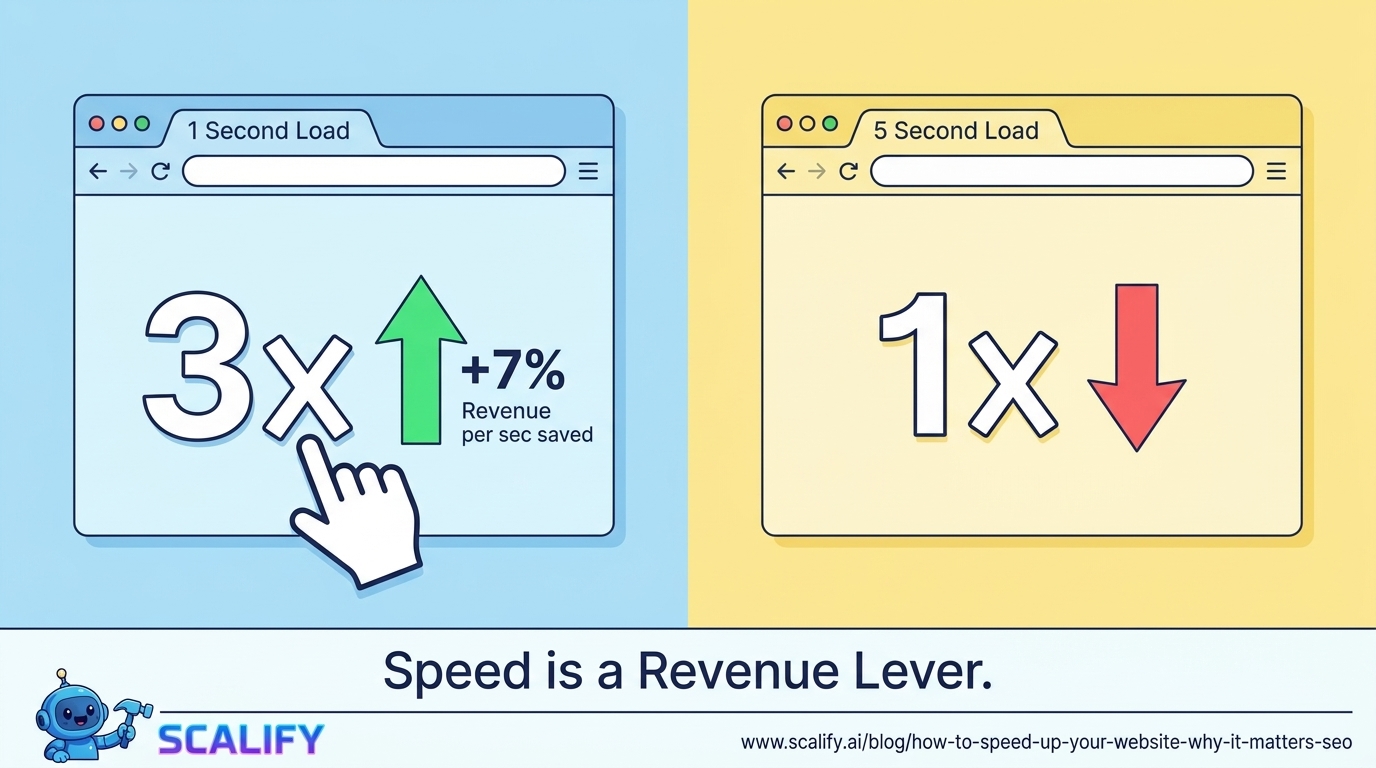
This is why widget bloat is a real performance problem. A site with 10 third-party widgets — social feeds, chat tools, review displays, booking systems, analytics, advertising pixels, heat mapping tools, and survey tools — is making 10+ external requests per page load. Each one adds latency. Collectively they can add 1–3 seconds to your perceived load time, which has direct effects on SEO and conversion rate.
The Main Categories of Website Widgets
Communication and Support Widgets
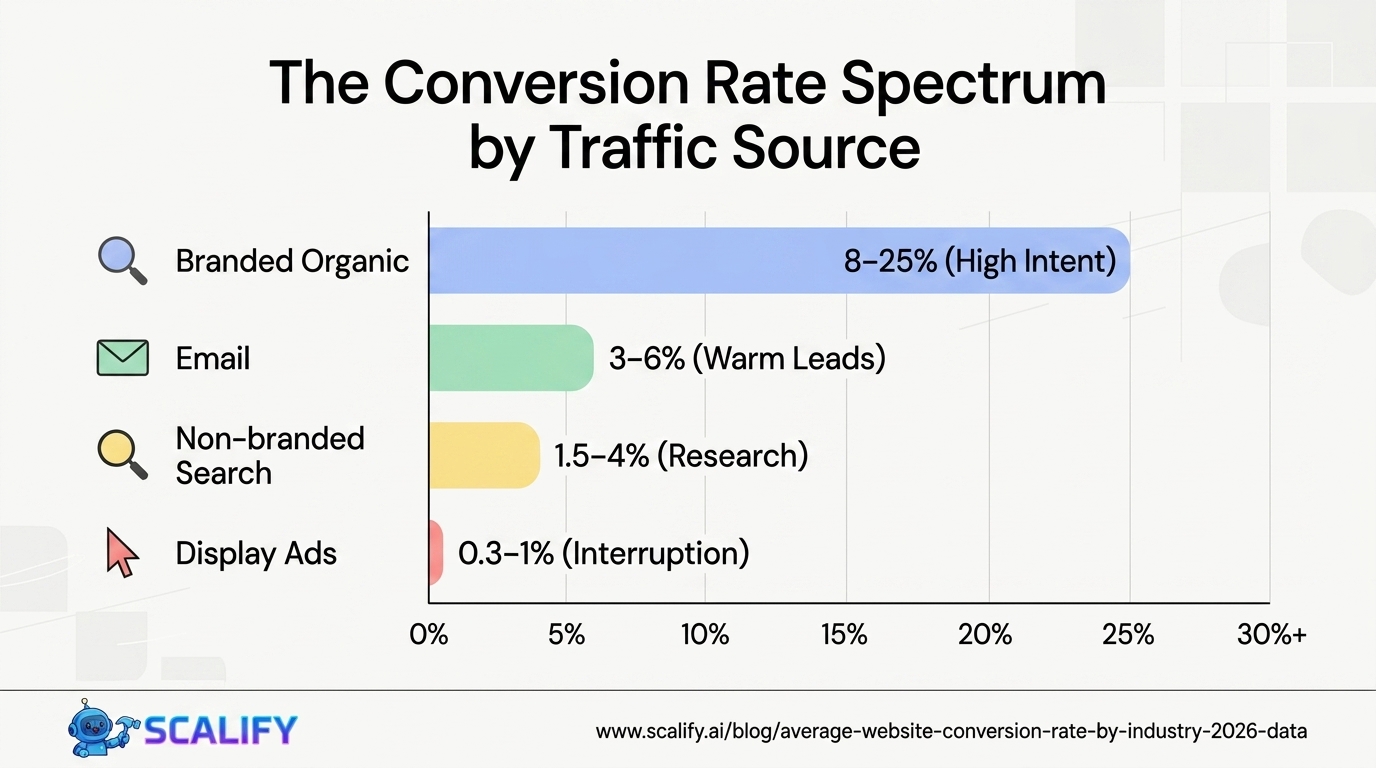
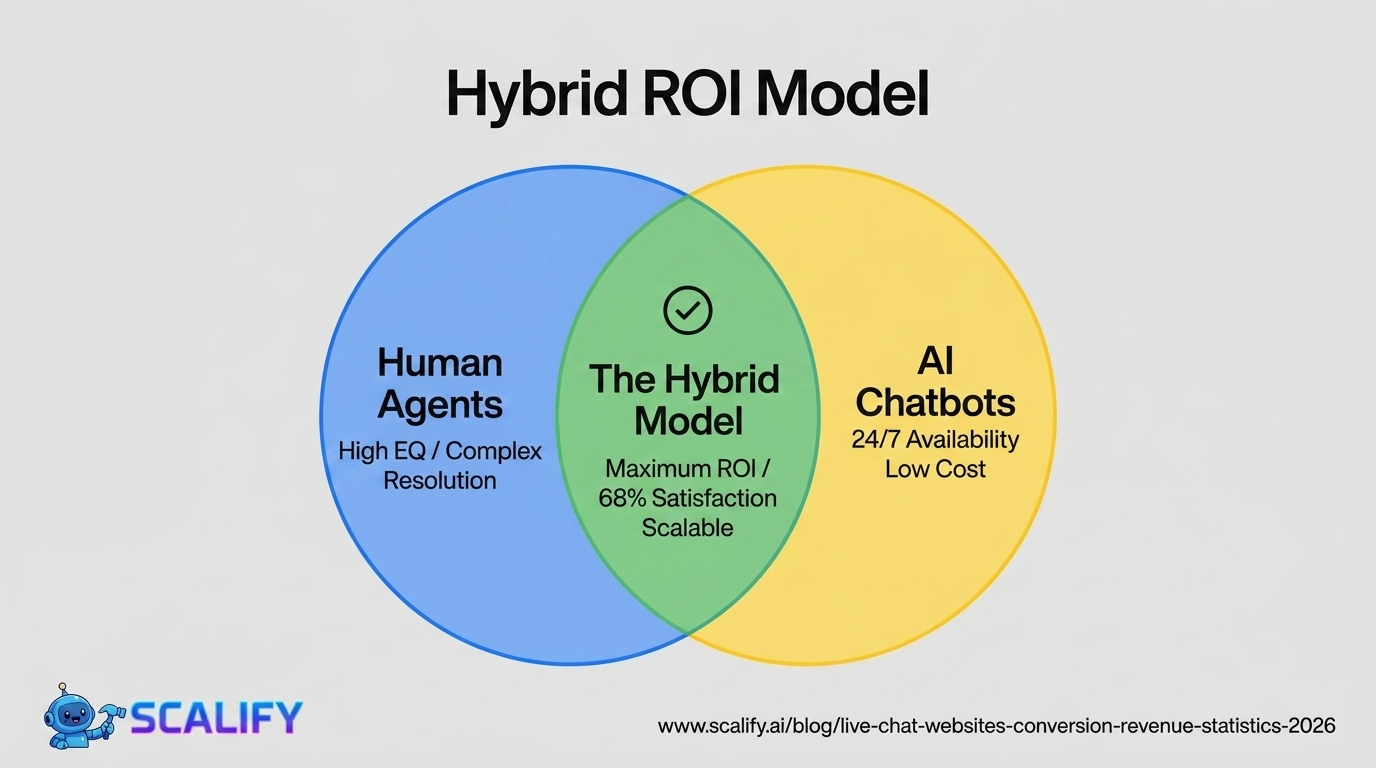
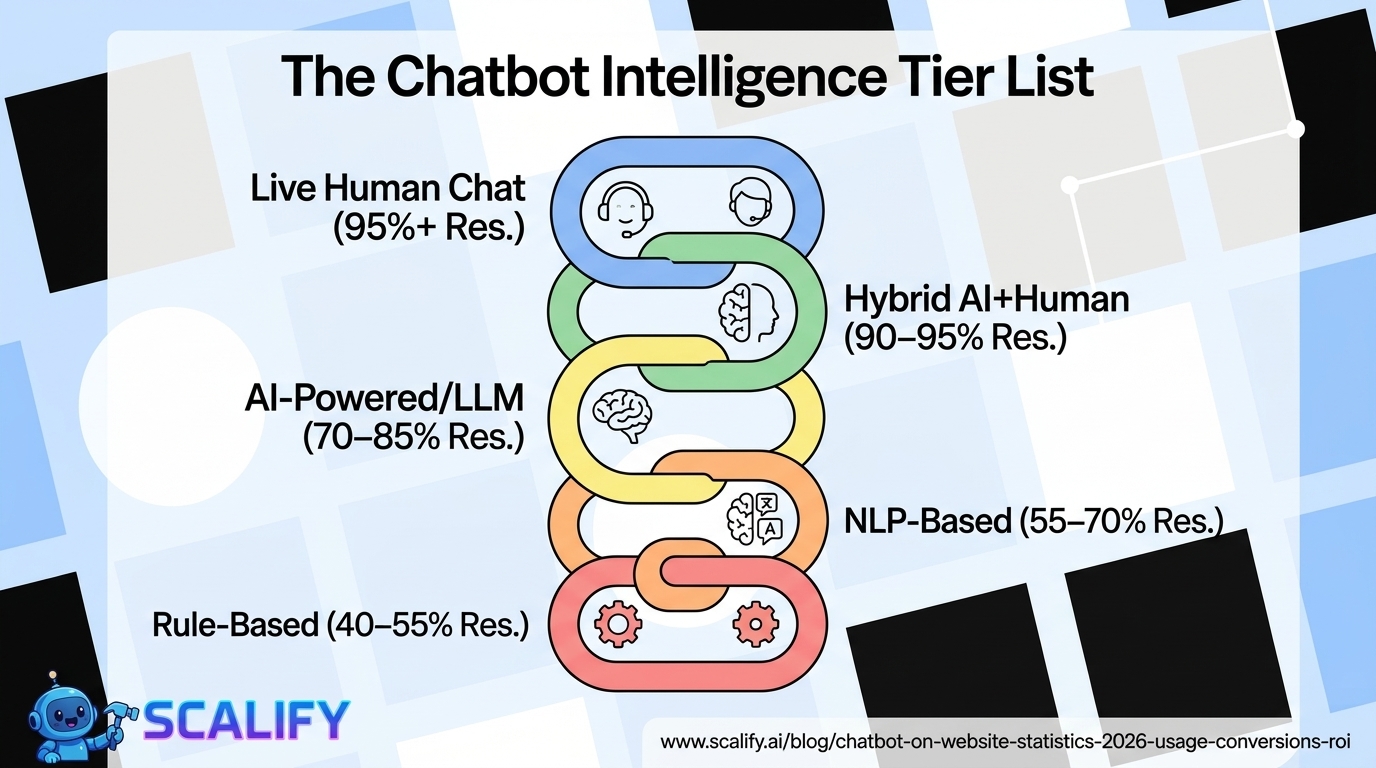
Live chat widgets are among the most impactful on conversion for service businesses. Tools like Intercom, Drift, Crisp, and Tidio embed a chat button in the corner of the screen, allowing visitors to ask questions and get real-time responses. Studies consistently show that live chat availability increases conversion rates — the ability to ask a quick question before committing resolves the hesitation that otherwise leads to abandonment.
The important nuance: a live chat widget that nobody is monitoring actively is worse than no live chat. A visitor who starts a conversation and gets no response for 8 hours has had a worse experience than one who had no expectation of live chat. Be honest about your capacity before adding live chat.
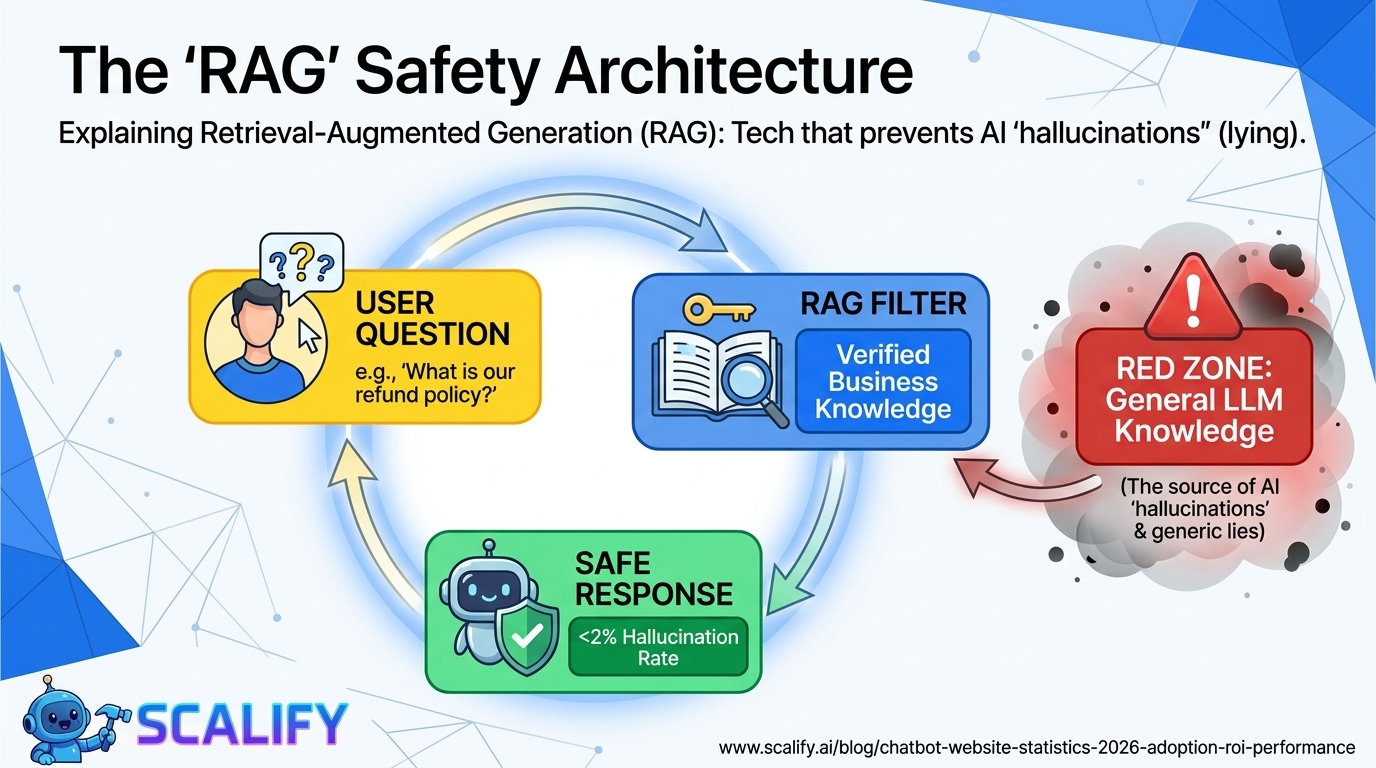
Chatbot widgets can handle live chat when no human is available — qualifying leads, answering common questions, collecting contact information for follow-up. The quality gap between a well-configured chatbot and a generic one is significant. A chatbot that confidently gives wrong answers damages trust; one that handles a limited set of scenarios well and gracefully escalates others is genuinely valuable.
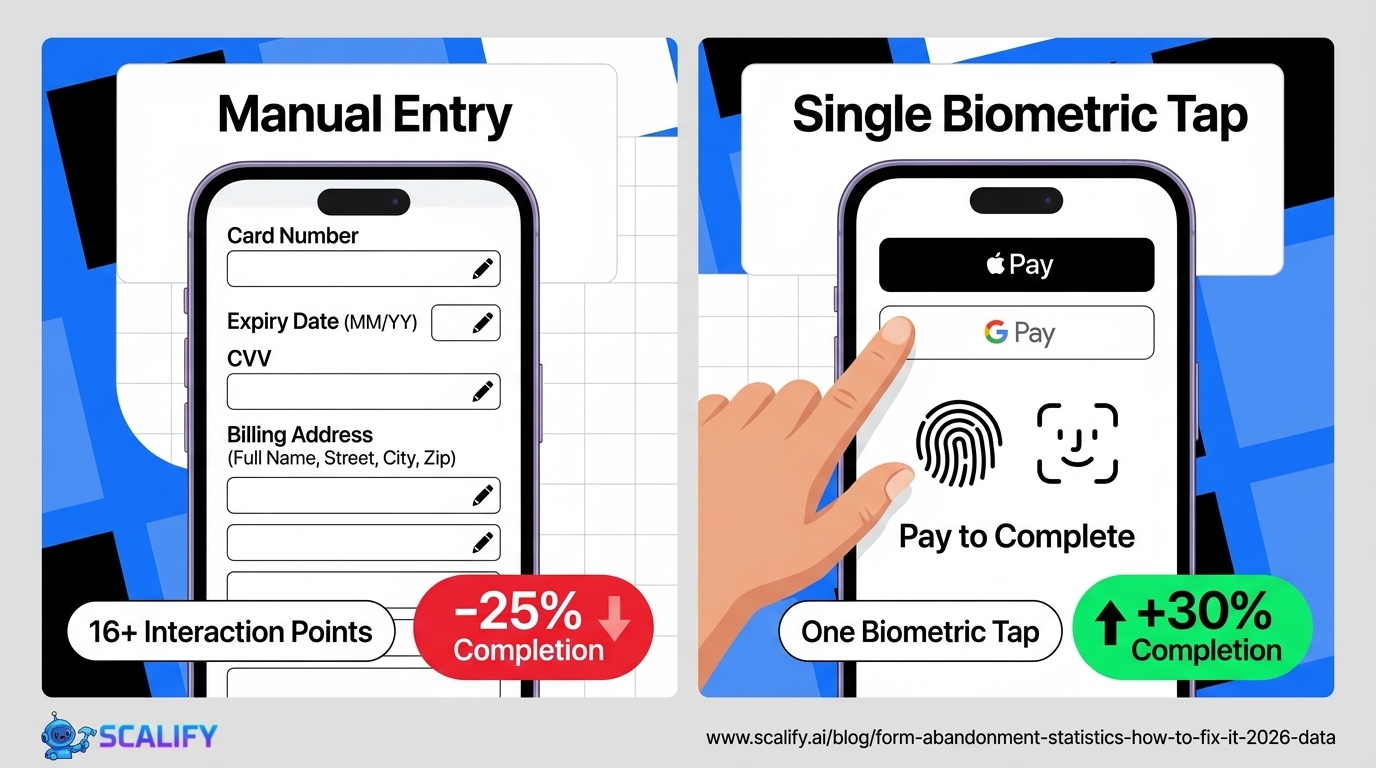
Contact form widgets — whether from Typeform, JotForm, Gravity Forms (WordPress), or similar — handle lead capture with varying degrees of customization and design quality. Embedded forms versus pop-up forms versus redirect-to-form are different implementation options with different conversion characteristics.
Social Proof and Review Widgets
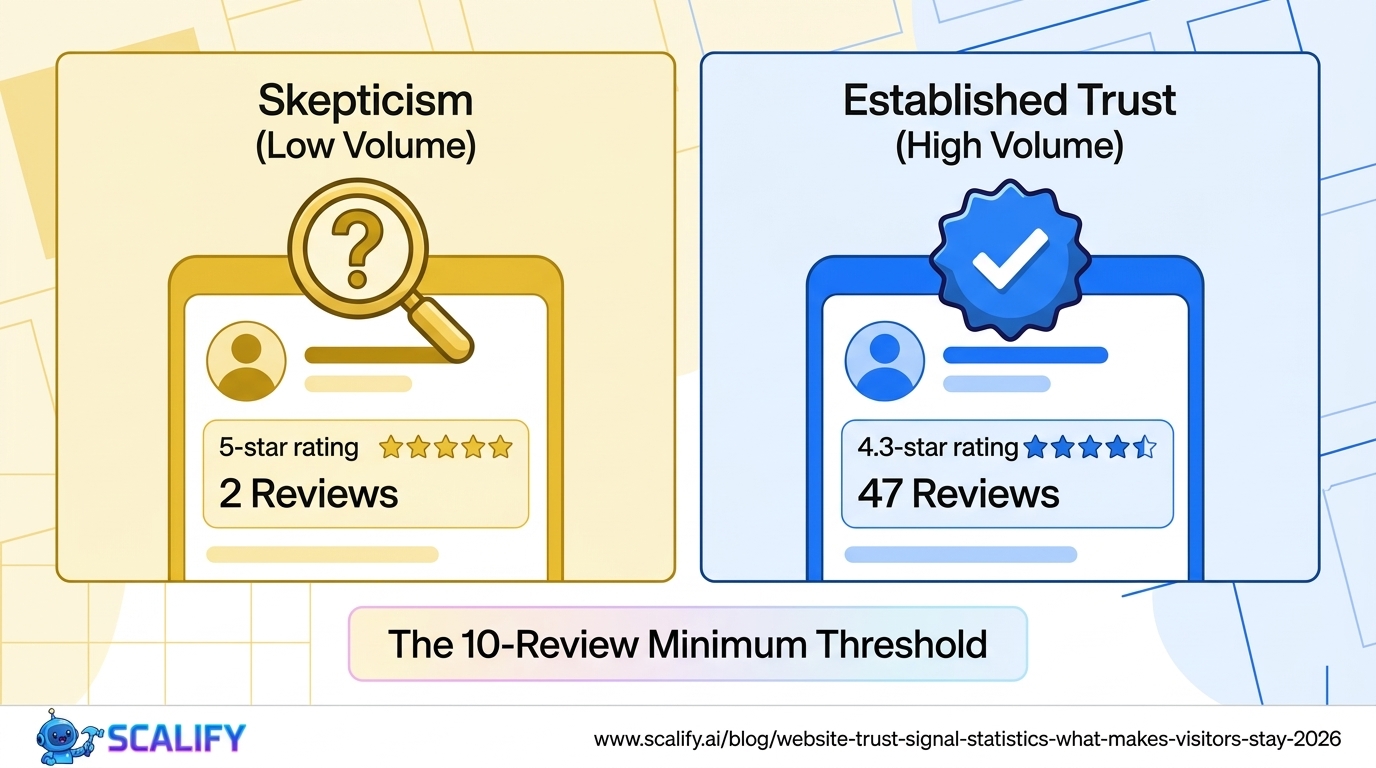
Review platform widgets embed your Google Reviews, Trustpilot, G2, or Clutch ratings directly on your site. Rather than copying testimonials manually (which visitors reasonably suspect are cherry-picked), a live widget pulling directly from a review platform shows real, current reviews that visitors can verify. The dynamic nature — reviews updating automatically as new ones are added — adds credibility that static copy can't match.
Social feed widgets embed your Instagram, Twitter/X, or Facebook content directly on your website. The rationale: showing active social presence on your site signals that the business is current and engaged. The reality: social feed widgets are frequently performance liabilities (high JavaScript overhead, external API dependencies) and the content they display is often not the most persuasive thing to show site visitors. Think carefully before adding them — they look good in demos but their actual conversion value is questionable for most businesses.
Social sharing widgets add share buttons to your content, making it easier for readers to share articles, products, or pages to their social networks. These are relatively lightweight and genuinely functional — if content sharing is a significant traffic driver for your site, making it easier is worth the modest implementation cost.
Booking and Scheduling Widgets
For service businesses, consultants, coaches, and anyone who books appointments, scheduling widgets are among the highest-value additions to a website. Tools like Calendly, Acuity Scheduling, and Cal.com embed a calendar interface that lets visitors book available time slots without email back-and-forth.
The conversion impact is substantial for the right business: removing the friction of "email us to schedule a call" (requires waiting for a response, multiple back-and-forth exchanges) and replacing it with instant self-service booking ("click here to pick a time") consistently reduces the time between visitor and booked appointment.
These widgets typically add moderate JavaScript weight but deliver commensurate value. For any service business with a "book a consultation" or "schedule a call" CTA, a well-integrated scheduling widget is almost always worth the implementation effort.
E-Commerce Functionality Widgets
Product recommendation widgets display related products, recently viewed items, or personalized recommendations on product pages and carts. For e-commerce sites, these are revenue generators — they increase average order value by surfacing additional relevant products at the moment of purchase intent.
Currency and price converter widgets serve international e-commerce sites, showing prices in the visitor's local currency based on detected location. This removes a significant friction point for international customers who otherwise have to mentally calculate conversions.
Inventory/stock widgets display real-time stock levels — "Only 3 left" or "Sold out" — creating urgency and accurate expectations. These require integration with your inventory management system but are high-value for businesses where stock levels genuinely affect purchase decisions.
Analytics and Tracking Widgets
These are the invisible widgets — scripts that collect data about visitor behavior without displaying anything to users.
Analytics scripts (Google Analytics, Plausible, Fathom) track page views, sessions, traffic sources, and behavior data. These are among the most universally useful additions to any website.
Heatmap and session recording tools (Hotjar, Microsoft Clarity, Lucky Orange) record how visitors interact with your pages — where they click, how far they scroll, where they hover, and full session recordings of individual visits. This behavioral data is invaluable for identifying UX problems and optimization opportunities that analytics data alone can't reveal.
A/B testing scripts (Optimizely, VWO, Google Optimize) enable testing of different page variations to identify which performs better for conversion. These can be performance-heavy and should be implemented carefully to minimize impact on page speed and Core Web Vitals.
Content and Media Widgets
Video embed widgets from YouTube, Vimeo, and Wistia embed video players on your pages. The implementation details matter for performance — a standard YouTube embed loads a significant amount of YouTube's JavaScript and tracking infrastructure immediately. A "facade" approach — showing a static thumbnail until the visitor clicks to load the video — eliminates this initial load overhead, improving page performance while still delivering the video.
Map widgets from Google Maps, Mapbox, or Apple Maps embed interactive maps for location-based content — store locations, event venues, service area visualizations. Standard Google Maps embeds are notably heavy (they load a lot of JavaScript). For sites where the map is important but not the primary content, consider lazy loading or a static map image with a link to Google Maps instead of a full interactive embed.
Calculator and tool widgets — mortgage calculators, ROI calculators, pricing estimators, quote generators — add interactive utility that creates engagement and lead generation opportunities. These can be built custom or embedded from specialized providers depending on complexity.
How to Evaluate Whether to Add a Widget
Adding widgets should be a deliberate decision, not a default "why not?" The cost of adding a widget isn't zero — every external script loads, every external dependency is a potential failure point, and the cumulative weight of multiple widgets degrades performance. Before adding any widget, run through this evaluation:
What specific problem does this solve or goal does it advance? "It would be nice to have" is not sufficient justification. "It reduces the friction between a visitor and booking a consultation" is a real business case. If you can't articulate the specific value, don't add it.
What is the performance cost? Use a tool like WebPageTest or GTmetrix to test your page load before and after adding the widget. If a widget adds 500ms+ to your load time, that cost needs to be weighed against the benefit. Is the conversion value of this widget worth a half-second penalty for every visitor?
What happens if the third-party service goes down? Third-party widgets depend on the provider's infrastructure. If their servers have an outage, your widget breaks — or worse, the broken request blocks your page from loading fully. For critical functionality, consider whether a native solution (built into your own codebase) would be more reliable than a third-party embed.
Does it compromise your privacy compliance? Many widgets set tracking cookies or collect user data. Under GDPR, this may require disclosure and consent. Adding a widget from a social media company or analytics provider without considering its data collection implications creates compliance risk.
Is there a lighter-weight alternative? For most widget categories, options range from very heavy to very light in terms of JavaScript payload. A real-time social feed embed from Twitter/X is significantly heavier than a curated screenshot of recent posts. An interactive Google Maps embed is heavier than a static map image. Often the lighter-weight alternative delivers 80% of the value at 20% of the performance cost.
Performance Best Practices for Widgets
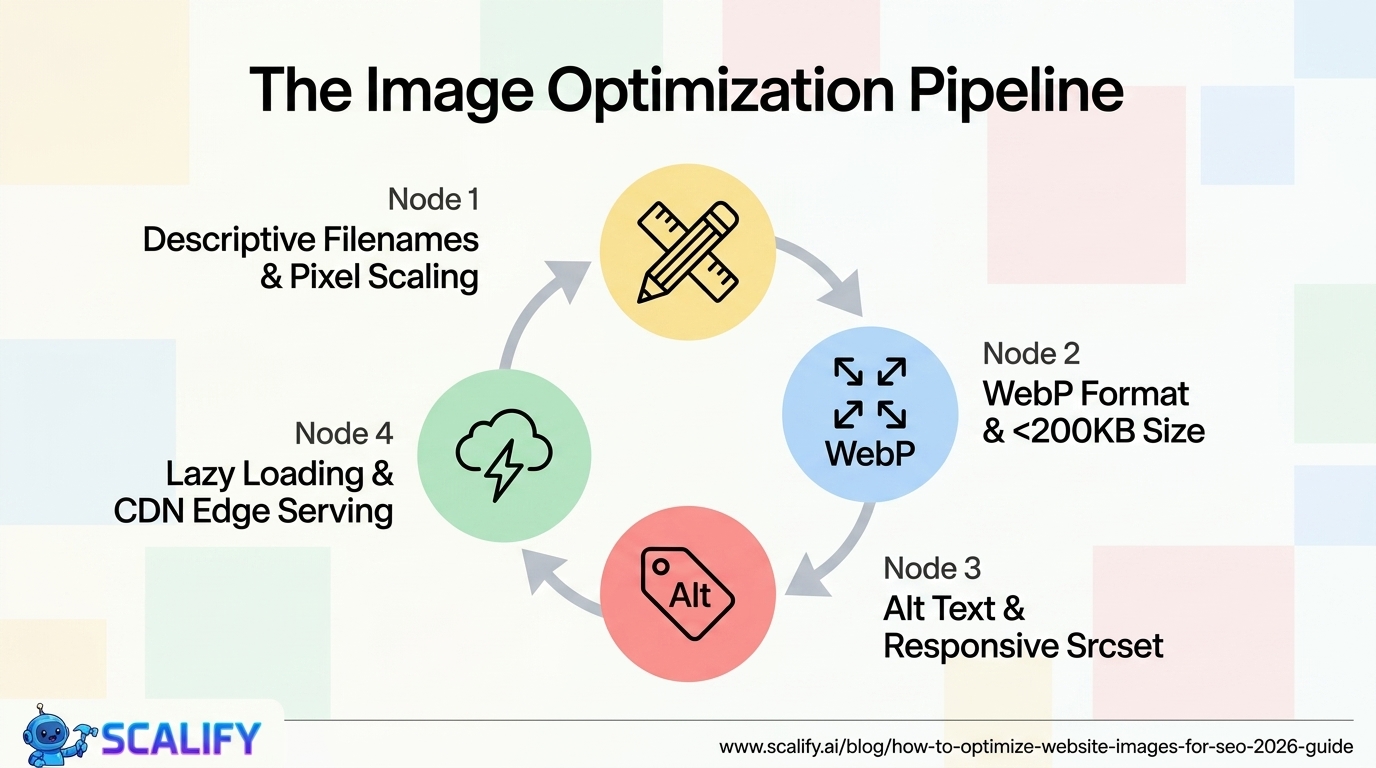
Lazy load widgets below the fold. Widgets that appear below the visible area when the page first loads don't need to initialize until the visitor scrolls near them. Implementing lazy loading for these widgets (using the Intersection Observer API or a library) prevents them from contributing to initial page load time.
Use facades for heavy embeds. Video embeds, interactive maps, and other heavy third-party components can be replaced with a static placeholder (an image, a screenshot) on initial page load. When the visitor clicks or hovers, the real interactive component loads. This dramatically improves Core Web Vitals for pages with heavy embeds.
Load widgets asynchronously. Ensure third-party scripts are loaded with the async or defer attribute so they don't block the rendering of your page content.
Audit regularly. Run an annual audit of every third-party script and widget on your site. Remove ones you're no longer using, replace ones with better alternatives, and question whether each one's continued benefit justifies its ongoing performance cost.
The Bottom Line
Widgets are powerful tools for extending website functionality without custom development — but they come with real costs in performance, privacy complexity, and third-party dependency. The best widget strategy is intentional: add widgets that solve specific, meaningful problems, measure their impact on both performance and conversion, and ruthlessly remove ones that don't earn their overhead.
A well-equipped website with carefully chosen widgets provides a significantly better visitor experience than one loaded with every available tool. More isn't better. Better is better.
Every website built by Scalify is built with performance in mind — only the functionality that earns its place, implemented cleanly and efficiently.







.jpeg)
.jpeg)

78 SW 7th St, Miami, FL 33130