


What Is a Contact Page and What Should Every Business Include on It?
By Josh Ternyak

March 29, 2026
Your contact page is the last step between a prospect and a conversation — and most businesses design it as an afterthought. This guide covers exactly what to include and how to reduce friction that costs you leads.
The Page That Converts Interested Visitors Into Actual Leads
Your contact page might be the most important page on your website that gets the least design attention. Every other page — your homepage, your services pages, your case studies — exists to build interest and guide visitors toward a single destination: the contact page. And then, when a fully persuaded prospect finally arrives ready to reach out, many businesses greet them with a minimal form, no context, and no reason to feel good about the decision they're making.
A contact page that works isn't just a form and an email address. It's a final trust-building opportunity, a friction-reduction exercise, and a conversion architecture challenge. Every element on it should make it easier and more appealing to take the next step — and every element missing from it might be the friction that sends a ready-to-buy visitor looking elsewhere.
What a Contact Page Is
A contact page is a dedicated web page that provides visitors with the information and mechanisms needed to initiate contact with a business. At minimum, it includes contact information (email, phone) and/or a contact form. At its best, it also sets expectations about what happens after contact, provides enough context to feel trustworthy, and makes the mechanics of reaching out as friction-free as possible.
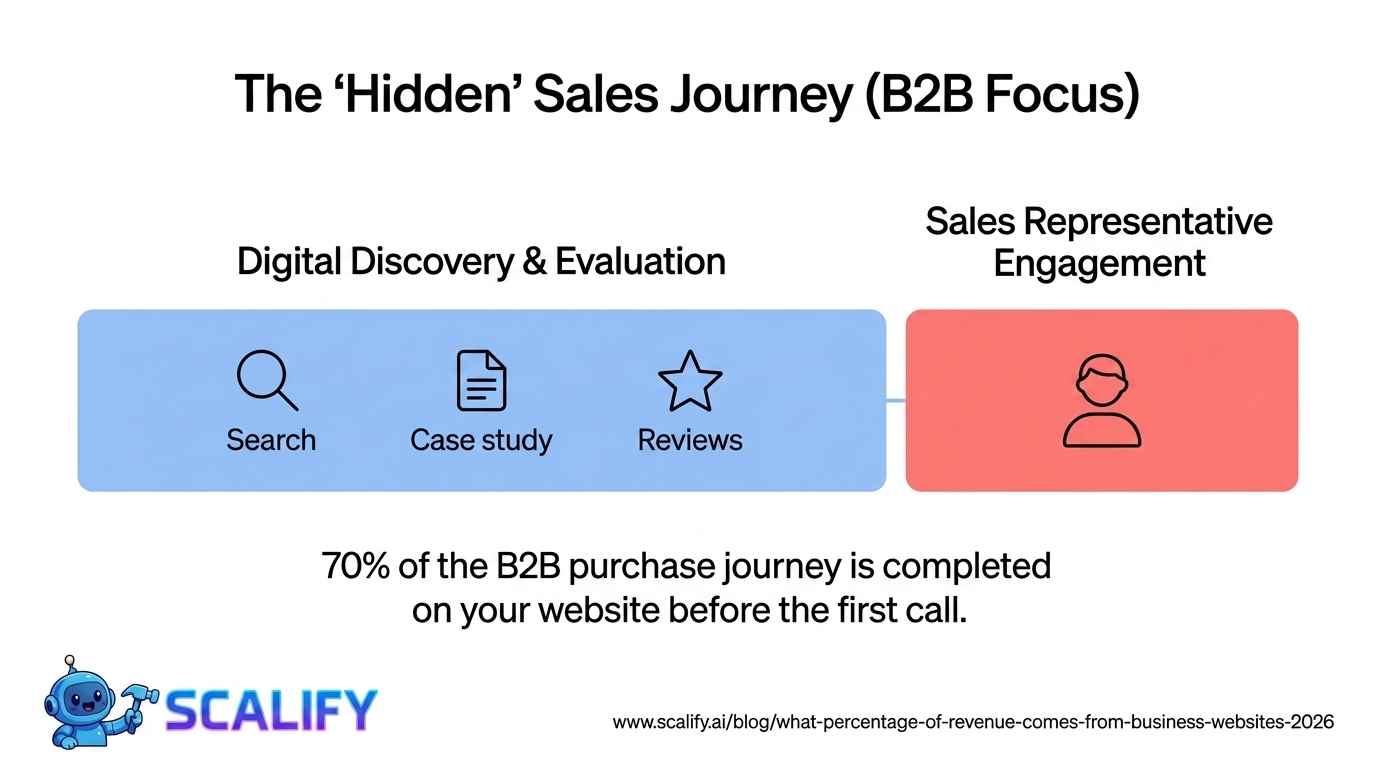
The contact page sits at the very bottom of the conversion funnel — it serves visitors who have been through enough of the rest of the site to want to take action. These visitors have already evaluated the business's capability and relevance; the contact page's job is to make the final action as easy and confidence-inspiring as possible.
The Essential Elements of a Contact Page
A Simple, Short Contact Form
The contact form is the primary conversion mechanism for most service business contact pages. The core principle: ask only what you actually need at this stage.
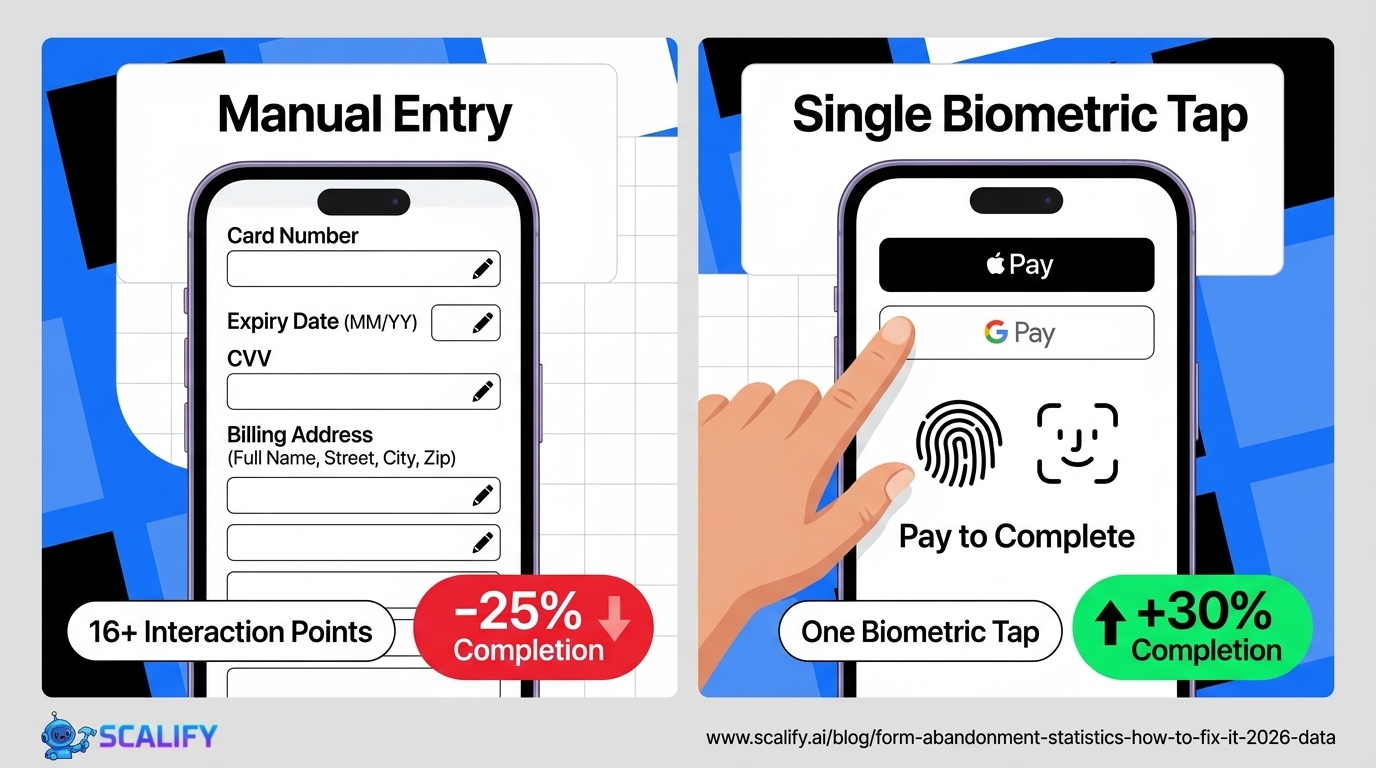
Every additional form field reduces completion rates. A field that takes 30 seconds to complete might cost you 5% of form completions — which, multiplied across monthly form visits, represents significant lost leads. Only include fields that you genuinely cannot serve the prospect without.
Fields that are almost always necessary: Name, Email, Message. Fields that are often unnecessary at the initial contact stage: Phone number (unless you call-qualify all leads, which most service businesses don't), Company name (can be gathered in the conversation), How did you hear about us (valuable but not at the cost of a field — add it only if you have genuine attribution challenges), Budget range (valuable for qualifying but might deter prospects who don't know their budget yet or are concerned about being filtered by budget).
The more consultative and high-value the service, the more you can justify qualification fields — budget, project type, timeline — because you're managing a selective sales process. The more commodity or lower-ticket the service, the shorter the form should be to maximize volume.
Form design specifics: Label fields clearly (floating labels that disappear when typing begins are not as usable as persistent labels above the field). Placeholder text should give examples ("Tell us about your project, your goals, and your timeline"), not serve as labels. The submit button should be specific ("Send My Message" or "Let's Talk") not generic ("Submit"). The form should work on mobile — all fields should be full-width, tap targets appropriate, appropriate keyboard types triggered (email field triggers email keyboard).
Business Contact Information
Some visitors prefer to reach out directly via email or phone rather than through a form — either because they want to control the interaction, because they have a quick question that doesn't warrant a formal inquiry, or because submitting a form feels more committal than sending an email.
Provide: business email address (a professional domain email, not a Gmail), phone number (if you want phone inquiries), and optionally a physical address (important for local businesses and for general credibility signaling — a business with a real address is more trustworthy than one without).
For phone: link phone numbers with tel: protocol so mobile users can tap to call. For email: link email addresses with mailto: so desktop users can open their email client directly.
Location Information and Map
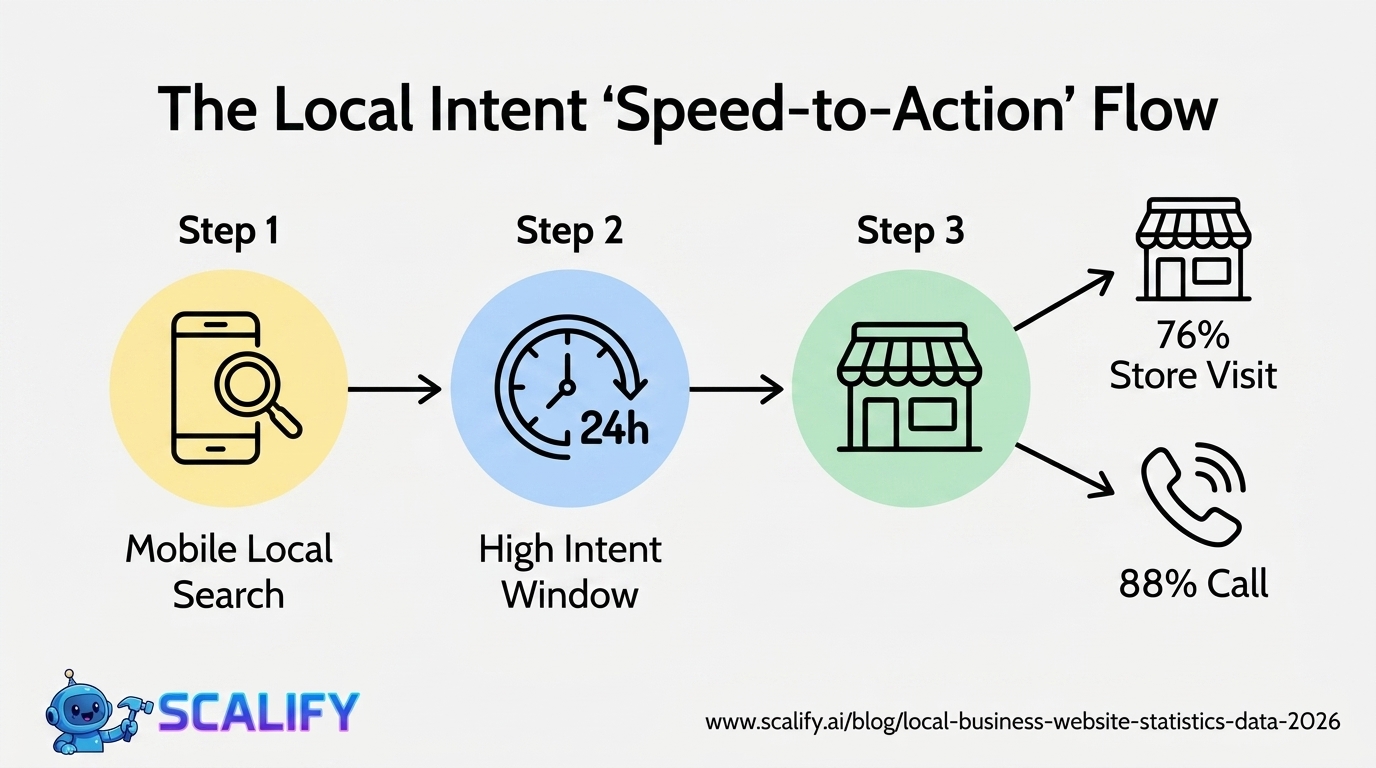
For businesses with physical locations or offices, include a map embed (Google Maps is the standard) and a clear address. Even for businesses that serve clients primarily remotely, an office address adds credibility — it signals a real, established business rather than an anonymous online entity.
For businesses that serve specific geographic areas, the contact page location signals are also locally relevant for SEO — an embedded map and structured address data reinforce local business signals.
Expectations-Setting Text
One of the most impactful and most commonly omitted elements of a contact page: brief text that sets expectations for what happens after someone submits the form.
"We typically respond within 1 business day. For urgent requests, call [phone number]." This single sentence answers the most common anxiety of anyone submitting a contact form: when will they hear back, and what happens next?
Setting this expectation explicitly accomplishes two things: it reduces the post-submission anxiety that leads to duplicate submissions and second-guessing, and it creates an implicit commitment that the business then needs to fulfill. A business that says "we respond within 1 business day" and then takes 5 days to respond has broken a specific promise. Setting the expectation — and meeting it — is part of client relationship management.
A Thank-You Page (Not Just a Form Confirmation)
After form submission, send visitors to a dedicated thank-you page rather than just showing a "Your message has been sent" confirmation in the form. A dedicated thank-you page:
- Provides a URL that can be tracked as a conversion in Google Analytics
- Gives you a venue to offer next steps — link to relevant case studies, invite connection on LinkedIn, suggest related content
- Creates a better experience — a full page feels like a more meaningful acknowledgment than a small in-form message
- Allows conversion confirmation through any platform (Google Ads conversion tracking, Facebook Pixel, etc.) by firing on page load
The thank-you page content: confirm what they did ("Thanks for reaching out!"), reiterate the expected response time, offer a next step they can take while they wait (link to your portfolio, a relevant case study, your blog), and optionally set expectations for the conversation ("We'll review your message and come to the call with questions and initial thoughts").
Elements That Improve Contact Page Conversion
Brief Social Proof
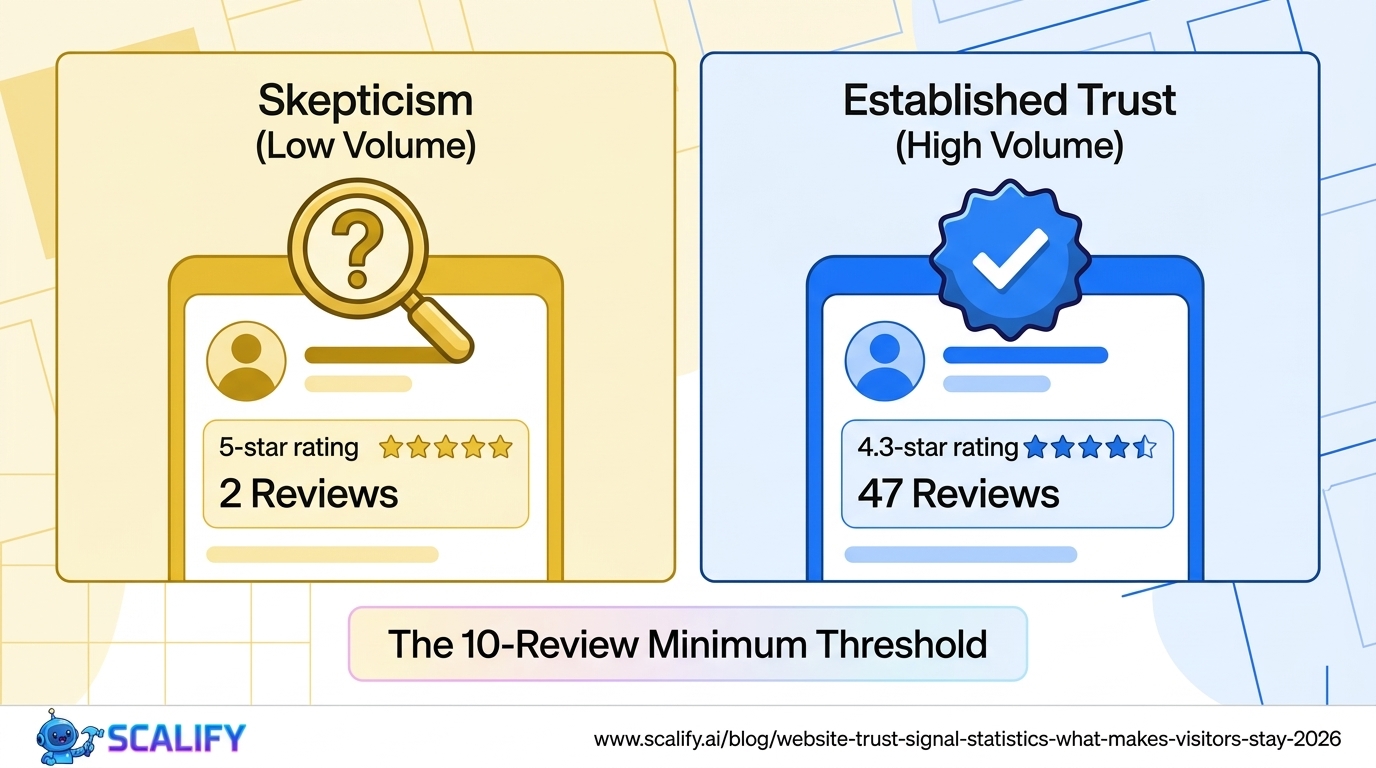
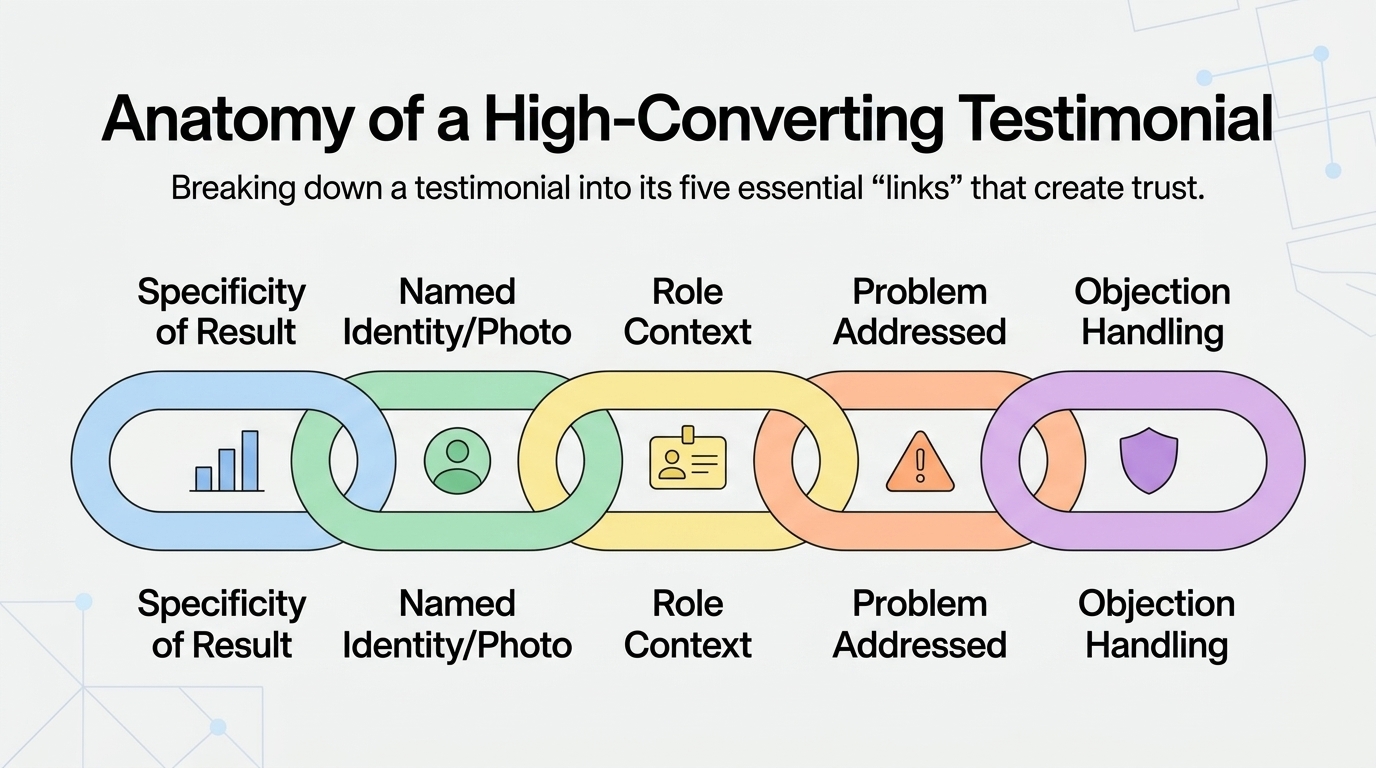
Even on the contact page — especially on the contact page — social proof reinforces the decision visitors are about to make. A brief testimonial, a star rating, or even just "Join 500+ businesses that have worked with us" provides last-moment validation at the exact point where commitment anxiety can cause abandonment.
The most relevant social proof for a contact page is evidence that the process of working with you is good — that reaching out leads to a positive experience, not just that the final deliverable is high quality. A testimonial like "Best decision I made was sending that first email" or "From first contact to launch, the whole process was smooth" speaks directly to the anxiety a prospect feels at the moment they're about to submit.
Photo or Video of the Person They'll Talk To
For service businesses, a photo of the person who will actually respond to inquiries makes the contact page significantly more personal and reduces the anonymous-form anxiety. "Hi, I'm Josh — send me a message and I'll personally get back to you within 24 hours" with a real photo is more compelling than a form with no human context.
For agencies, this might be the account manager or business development lead. For consultants and freelancers, it's the person themselves. Putting a face to the contact reduces the impersonal feeling of form submission and begins the relationship before the first conversation.
FAQ Section
The most common questions prospects have just before reaching out — answered on the contact page — can address final objections and build confidence. Common contact page FAQs:
- How long does the process typically take?
- What information do I need to have ready before we talk?
- What happens after I submit this form?
- What's the typical investment for a project like mine?
- Do you work with businesses in my industry/location?
These FAQs don't need to be comprehensive — just specific enough to address the hesitations that commonly prevent otherwise-interested prospects from completing the form.
Multiple Contact Options
Different prospects prefer different contact methods. Form-averse visitors who prefer direct email should have that option. Phone-preferring visitors should be able to call. Calendar-booking visitors (who want to skip the back-and-forth of scheduling) can be offered a Calendly or Acuity link.
Providing multiple options increases the total number of visitors who take action — not because any single option is dramatically better than the form, but because removing the constraint of "you must use this specific method" eliminates a source of friction for visitors whose preferences don't match your default.
What Not to Include on a Contact Page
An overwhelming form: 10+ fields asking for project details, budget, timeline, how you heard about us, company size, and industry before a prospect has any context for why you need all this information. Save qualification for the conversation.
Captcha that's more friction than the form: Distorted text CAPTCHAs that take multiple attempts frustrate real visitors more than they deter bots. Use reCAPTCHA v3 (invisible) or honeypot fields — invisible anti-spam techniques that don't create user friction.
Auto-responders that sound automated: "Ticket #452831 has been created for your inquiry" — corporate helpdesk language makes service businesses feel impersonal. If you send an automatic email after form submission, write it in a human voice: "Hi [Name] — got your message! I'm looking forward to learning more about your project and will personally get back to you by [tomorrow/within 24 hours]."
A phone number that goes to voicemail most of the time: If listing a phone number, answer it or respond to voicemails promptly. A listed phone number that goes to voicemail on every call creates a poor impression and a missed opportunity.
Contact Page SEO: The Local Signals Opportunity
For local businesses, the contact page is prime SEO real estate for local signals:
- Full NAP (Name, Address, Phone) matching your Google Business Profile exactly
- Embedded Google Map
- Service area mentions: "Serving businesses throughout Miami, Fort Lauderdale, and South Florida"
- LocalBusiness schema markup in the page code
These signals on the contact page reinforce the location information Google uses for local search ranking. A contact page that's clearly connected to a specific location — not just a generic form — contributes to local search visibility for geographic queries.
Measuring Contact Page Performance
The contact page should have a dedicated conversion goal in Google Analytics. Track:
- Contact page visits (how many people land on it)
- Form completions (conversions)
- Conversion rate (completions ÷ visits)
- Where contact page visitors came from (which pages of your site drove visitors to contact)
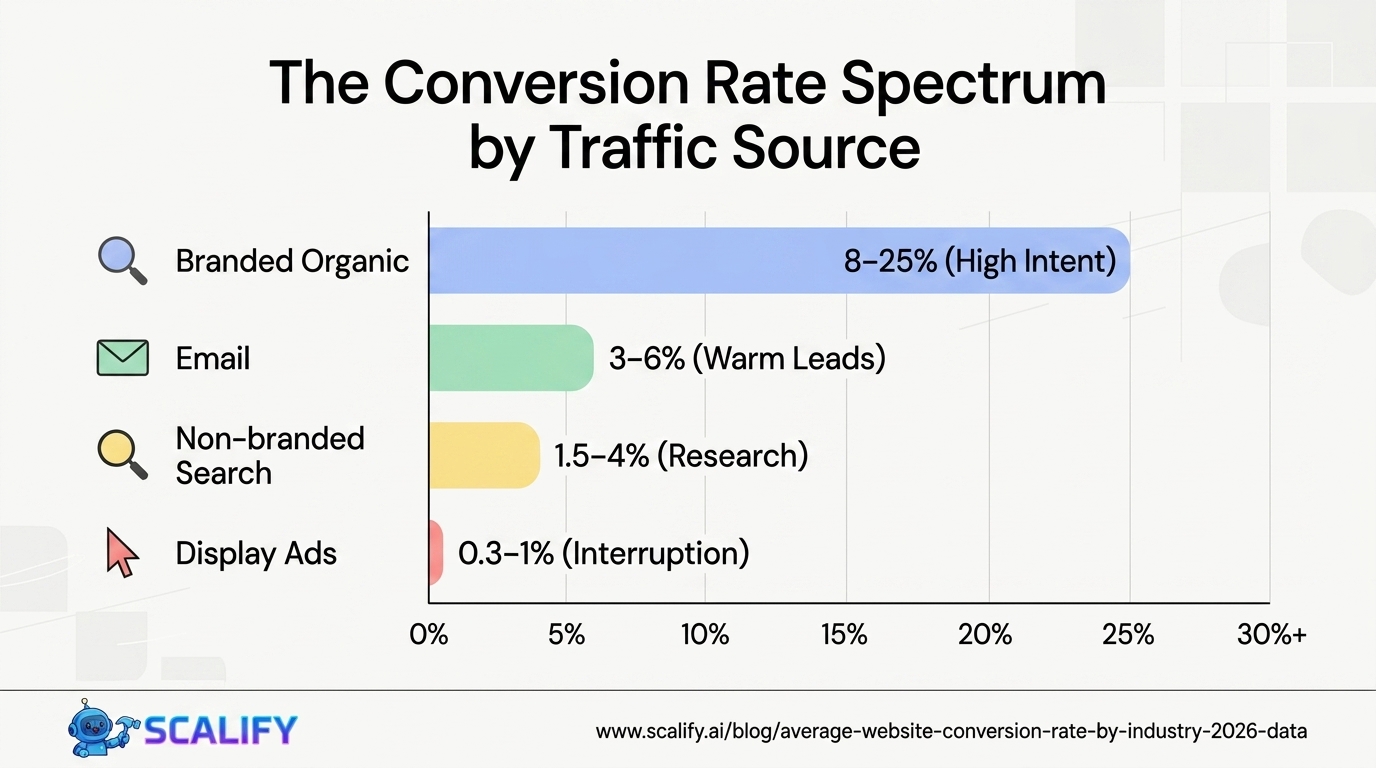
A contact page conversion rate benchmark: 10–20% is strong for warm traffic (visitors who came from a service page or portfolio). 5–10% is typical. Below 5% suggests friction worth investigating.
If your contact page has substantial traffic but low conversion rate, investigate: Are visitors encountering a form error? Is the form too long? Does the page load slowly on mobile? Session recordings on the contact page often reveal specific friction points — form field confusion, back button usage, hesitation before the submit button.
The Bottom Line
Your contact page is where interest becomes action — and most businesses design it as an afterthought. A well-designed contact page removes friction through a short, well-designed form; builds final confidence through social proof and clear expectations; provides multiple contact options for different visitor preferences; and creates the personal connection that makes submitting a form feel like the beginning of a relationship rather than filling out a help ticket.
Invest in this page. It's among the highest-conversion-impact improvements available on most service business websites, and it requires less time and cost than redesigning any other major section.
Every website Scalify delivers includes a contact page designed for conversion — not just presence. Because the last step in your conversion funnel deserves as much design attention as the first.


.jpeg)
.jpeg)

78 SW 7th St, Miami, FL 33130