


What Is a Content Calendar and How Do You Build One for Your Website?
By Josh Ternyak

March 29, 2026
A content calendar is what separates businesses that consistently produce great content from those that publish when they find time. This guide shows you how to build a content calendar that actually gets followed.
The System That Makes Consistent Content Actually Happen
Most businesses know they should be publishing content consistently. Most fail to do so — not because they don't understand the value of content marketing, but because "we'll publish when we have something to say" is not a system. It's an intention with no infrastructure behind it.
A content calendar turns the intention into a system. It's the editorial planning tool that maps out what content will be published, when, on which channels, by whom, and targeting which keywords. It converts content marketing from a vague aspiration into a scheduled operational activity with the same predictability as any other business function.
The businesses that build consistent search visibility through content don't have more creative inspiration than those that don't. They have better systems. Their content calendar tells them that three blog posts need to go out this month, they're already drafted and in review, and the topics were selected three months ago based on keyword research. No scrambling to come up with ideas. No publishing when inspiration strikes. Systematic, scheduled, compound-building content production.
What a Content Calendar Is
A content calendar (also called an editorial calendar) is a planning document that schedules content creation and publication across a specified time period. It typically documents:
- Publication date for each piece of content
- Content title or topic
- Content type (blog post, video, email newsletter, social media post)
- Target keyword for SEO content
- Author or content creator responsible
- Production status (idea → outline → draft → review → scheduled → published)
- Distribution channels (which platforms/audiences)
- Notes on angle, sources, or special considerations
A content calendar can be as simple as a Google Sheets spreadsheet or as sophisticated as a project management tool like Notion, Asana, or Monday.com with integrated workflows. The tool matters less than the discipline of maintaining and following it.
Why Content Calendars Produce Better Results
Consistency Compounds
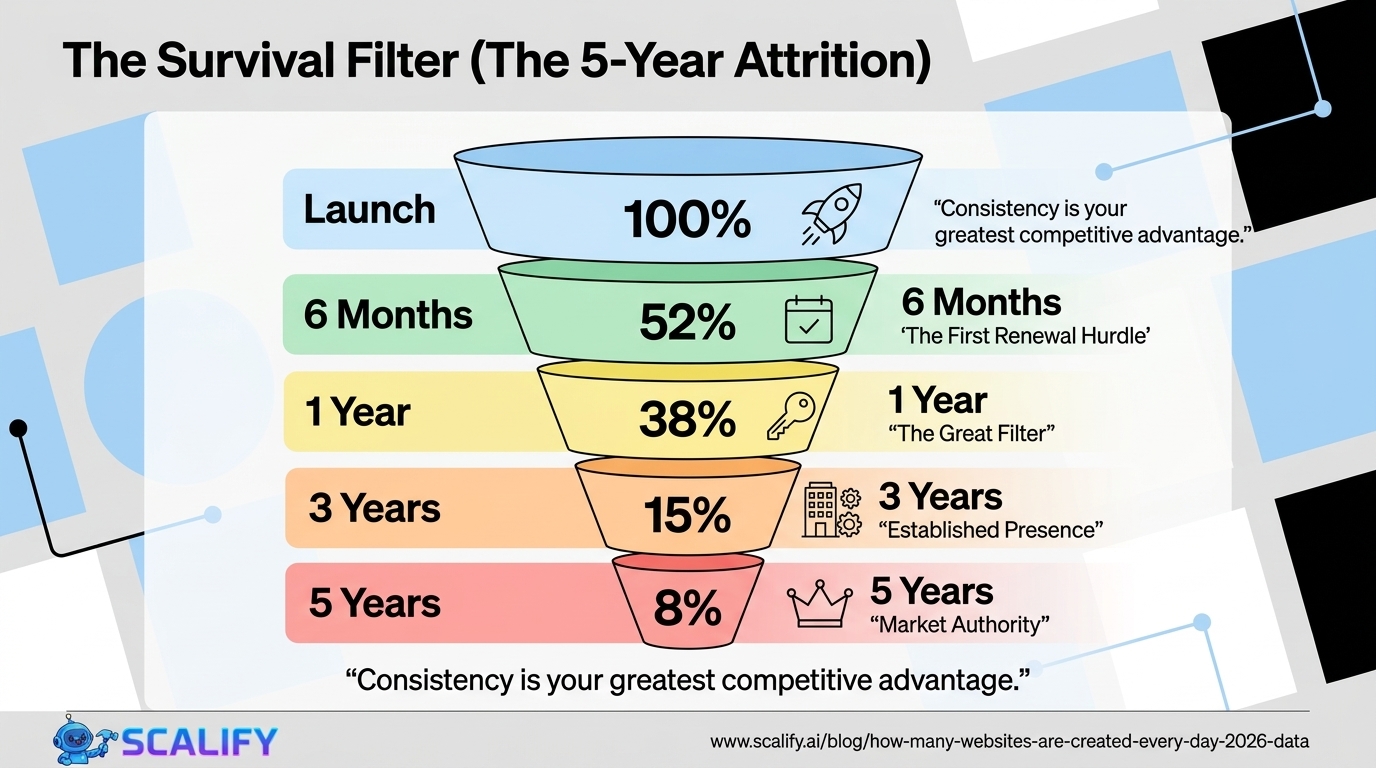
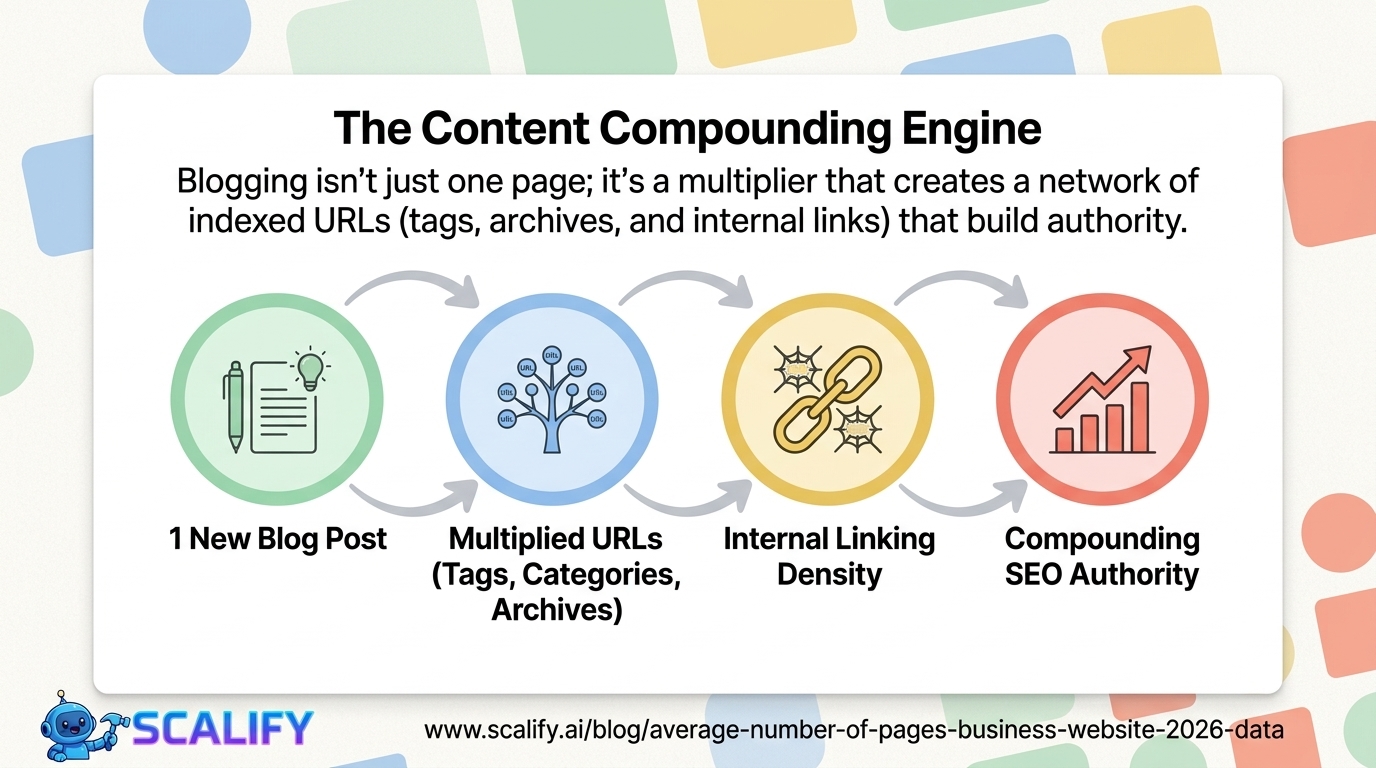
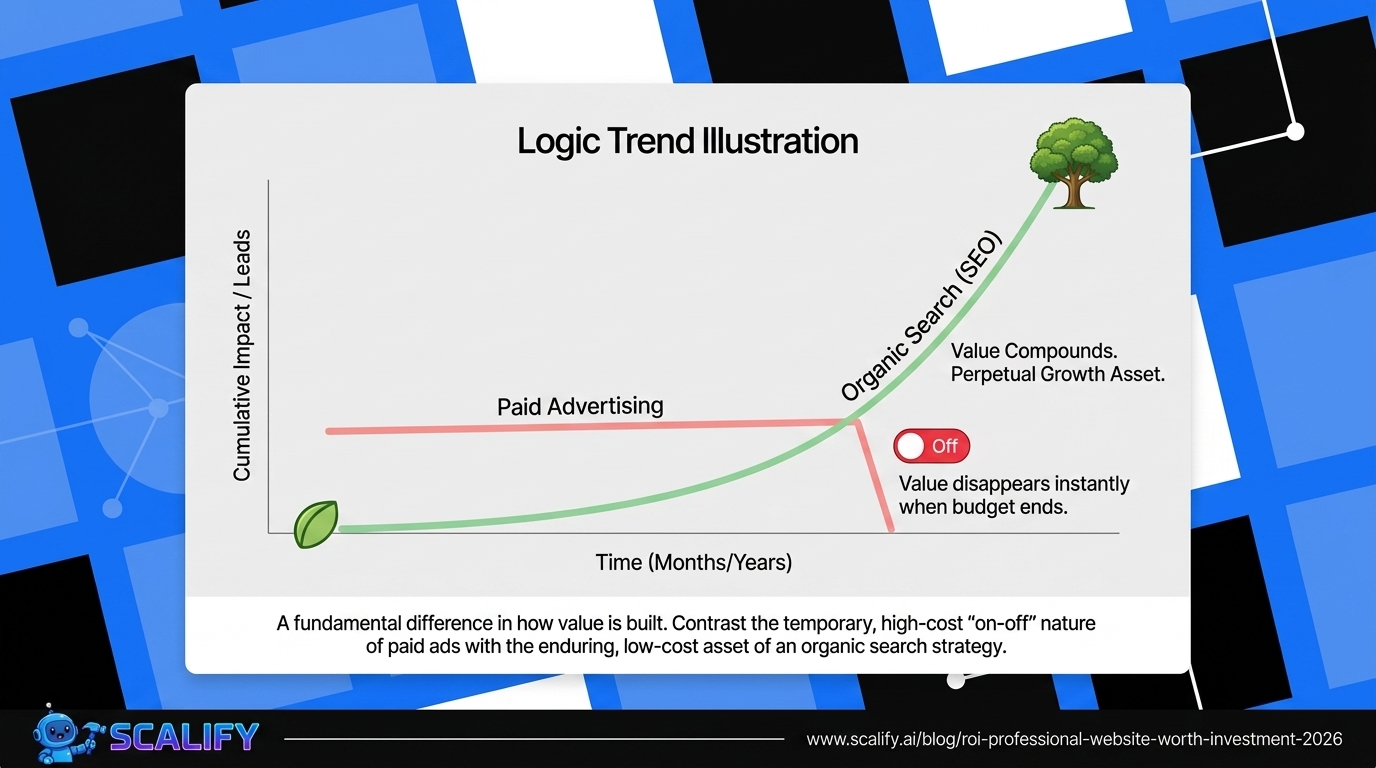
SEO and content marketing both reward consistency over bursts. A site that publishes one high-quality blog post per week for a year accumulates 52 pieces of indexed content, each a potential search traffic entry point. The 52nd post benefits from the authority built by the first 51. The same amount of total effort compressed into two months and then abandoned produces far less compounding value.
A content calendar enforces the consistency that compounding requires by making publishing schedule a commitment rather than an optional activity when time allows.
Strategic Topic Selection vs. Reactive Writing
Without a content calendar, content topics are often selected reactively — whatever's on the writer's mind, whatever was mentioned in a recent meeting, whatever seems interesting this week. This produces content that may be interesting but isn't necessarily targeted at the highest-value search opportunities or the most important stages of the buyer journey.
Building a content calendar requires thinking ahead: what topics have search volume? What questions do prospects ask that we haven't addressed? What competitor content is outranking us that we could improve upon? This deliberate selection produces a content library built on strategic intent rather than accumulated improvisation.
Operational Predictability
Content production involves multiple people: the writer, the editor, the designer (for graphics), the person who publishes and sets up SEO elements. A content calendar allows these participants to plan around the production schedule rather than being surprised by content that suddenly needs to ship.
Cross-Channel Coordination
A blog post isn't just a blog post — it's also a potential email newsletter, a LinkedIn article, a set of social media posts, and potentially a script for a video or podcast episode. A content calendar that spans channels prevents the same core content from being handled separately on each channel without coordination, and ensures distribution happens intentionally rather than sporadically.
Building Your Content Calendar: The Process
Step 1: Define Your Goals and Audience
Before scheduling anything, know what you're trying to accomplish and for whom. The two primary goals content calendars typically serve:
SEO and organic traffic growth: Content designed to rank in Google for specific queries, attract target prospects during their research process, and build domain authority through topical coverage depth.
Audience engagement and nurturing: Content designed for existing subscribers, followers, and prospects — deepening their understanding of the problem you solve, building trust and expertise, and moving them through the buyer journey toward purchase.
Your audience definition affects every content decision: what topics, what vocabulary, what level of assumed knowledge, what questions to answer. "Small business owners who are frustrated with their website not generating leads" produces different content decisions than "marketing managers at mid-size B2B software companies."
Step 2: Conduct Keyword Research
For SEO-focused content, keyword research is the prerequisite to content calendar building. Without knowing what your audience is searching for and which of those terms represent achievable ranking opportunities, content planning is guesswork.
Generate your content topic ideas from keyword research: use Ahrefs, Semrush, or even free tools like Google Keyword Planner and Autocomplete to identify keywords with real search volume, plausible ranking difficulty for your domain authority, and commercial or informational relevance to your business. Each validated keyword cluster becomes a candidate content piece.
A useful output of this research phase: a "content backlog" — a prioritized list of 30–100 potential content topics that have been vetted for search volume, difficulty, and relevance. This backlog feeds the content calendar on a rolling basis; as each month is planned, topics are pulled from the backlog.
Step 3: Determine Publishing Frequency
The right publishing frequency is the fastest pace at which you can consistently produce quality content — not the pace you aspire to, but the pace you can sustain with current resources.
Common publishing frequencies and what they require:
Daily: Requires a dedicated content team, substantial resources, and usually some combination of short-form content and repurposed longer pieces. Only appropriate for media companies or large content operations.
3–5x per week: Requires multiple content creators or a significant portion of one person's work. Appropriate for content-first businesses where content is the primary growth engine.
1–2x per week: The most common cadence for businesses with meaningful content programs. Requires roughly 4–8 hours of content production capacity per week. Manageable for most teams with one person allocating significant time to content.
2–4x per month: A realistic cadence for small businesses without dedicated content resources. Enough to build meaningful content volume over time; slow enough to be manageable alongside other responsibilities.
Monthly or less: Provides very slow content library growth. Better than nothing, but unlikely to produce significant organic traffic growth in a reasonable timeframe. Appropriate only as a starting cadence before increasing.
Honest self-assessment of available resources: how many hours per week can realistically be dedicated to content creation? Divide by the average time required per piece (typically 4–8 hours for a quality 1,500–3,000 word blog post) to arrive at a sustainable publishing frequency.
Step 4: Map Content to the Buyer Journey
A content calendar that only produces one type of content (only educational how-to posts, or only promotional announcements) serves only one segment of your audience. A balanced calendar covers multiple stages of the buyer journey:
Awareness content (TOFU): Educational articles answering broad questions, explainers defining concepts, content for people who are just discovering the problem space. Goal: introduce prospects to you and your expertise before they're actively buying.
Consideration content (MOFU): Comparison articles, case studies, in-depth guides, product walkthroughs. Goal: help prospects who are evaluating options understand why your solution is the right fit.
Decision content (BOFU): Testimonial features, ROI calculators, specific service/product content optimized for high-intent purchase keywords. Goal: convert prospects ready to buy.
A rough distribution for most service businesses: 60% awareness, 30% consideration, 10% decision. Adjust based on where your funnel needs work (if leads are high but close rate is low, produce more decision-stage content; if traffic is low, focus more on awareness-stage).
Step 5: Build the Calendar Template
Create your calendar template before filling it in. Google Sheets or Notion work well. A minimum useful content calendar column set:
- Publication date
- Content type (blog, email, social, video)
- Title / working title
- Target keyword (for SEO content)
- Funnel stage (TOFU/MOFU/BOFU)
- Author responsible
- Status (Idea / Outline / Draft / Review / Scheduled / Published)
- Notes
Add additional columns as needed: word count target, internal links to include, CTAs to include, graphics needed, related content to link to.
Step 6: Populate 90 Days Ahead
Plan content 90 days in advance — far enough ahead to ensure production timelines are met without rushing, close enough that topics remain current and relevant. Some organizations plan six months ahead; 90 days provides sufficient lead time while allowing responsiveness to industry developments.
When populating the calendar, ensure:
- Topics are balanced across funnel stages
- No two consecutive posts target the same keyword cluster (avoid topic saturation)
- Mix of content types where applicable (not every post the same format)
- Seasonal or timely content is placed at appropriate dates
- High-priority topics (most searched, most commercially valuable) are scheduled earlier rather than later
Step 7: Define Production Workflows
The calendar is the plan; workflows define the process. For each content piece to move from "Idea" to "Published," someone needs to do specific tasks in a specific order. Document this:
Week -3: Keyword research confirmed, angle decided, brief written
Week -2: Draft completed, internal subject matter expert review
Week -1: Editorial review, graphics created, SEO elements written (title tag, meta description, internal links identified)
Day -2: Final review, scheduling in CMS
Publication day: Social media distribution, email newsletter mention
Day +7: Performance check — indexed? Getting impressions?
Documenting the workflow transforms the calendar from a list of deadlines into an operational system.
Content Calendar Tools
Google Sheets (Free): The simplest and most flexible option. Create your own template, share with team, update in real time. No learning curve. Best for small teams or solo operations.
Notion (Free–$16/month): Database functionality allows the content calendar to double as a content repository — draft content can live in the same system as the scheduling. Particularly strong for teams who want a unified writing-to-publishing workflow.
Airtable (Free–$20+/month): More powerful database features than Notion, with calendar view, kanban view, and grid view. Good for teams managing high content volume across multiple channels.
CoSchedule ($19+/month): Purpose-built content calendar and marketing calendar tool with direct integrations to WordPress, social media platforms, and email marketing services. Best for teams where the calendar needs to connect directly to publishing workflows.
Monday.com or Asana: Project management tools that can be configured as content calendars. Better for teams that manage content alongside other projects and want a unified work management tool.
Maintaining the Content Calendar
A content calendar that's set up and abandoned is worse than not having one — it creates the impression of a system where none actually operates. Maintaining it requires:
Weekly calendar review: Each week, verify that scheduled content is on track, identify any production delays before they become launch-day crises, and confirm next week's content is ready or in progress.
Monthly performance review: Review what was published in the previous month, check traffic and engagement on recent posts, identify top performers to produce related content around, and pull next month's topics from the backlog.
Quarterly content audit: Which topics are working? Which aren't? What does the keyword research suggest about the next quarter's topic priorities? Adjust the calendar direction based on what you've learned.
The Bottom Line
A content calendar is the operational infrastructure that turns content marketing intentions into published results. It ensures topics are strategically chosen, production is planned in advance, publishing is consistent, and distribution is coordinated. The businesses that build meaningful organic search presence over time aren't publishing randomly — they're publishing systematically, guided by a calendar that makes the next publish date as predictable as any other scheduled business activity.
Start simple: a Google Sheet with publication dates, topics, keywords, and status columns. Fill it 90 days ahead. Review it weekly. Publish on schedule. Iterate based on what you learn. The compounding returns from consistent execution over 12–24 months are significant.
At Scalify, we build websites with blog and CMS infrastructure designed for content marketing execution — fast-loading, SEO-optimized, and easy to update — because the website is the foundation that makes the content calendar's output rank and convert.


.jpeg)
.jpeg)

78 SW 7th St, Miami, FL 33130