


What Is a Content Management System and Which One Should You Use?
By Josh Ternyak

March 29, 2026
A CMS is the software that lets you manage your website content without touching code — but not every CMS is built the same way. This guide breaks down the options and helps you find the right one for your situation.
The Software That Runs Most of the Web's Content
Before content management systems existed, updating a website meant opening an HTML file, finding the right line of code, making the change, and re-uploading the file to a server. For a developer, this was tedious but manageable. For a marketing manager, a business owner, or a journalist who just needed to publish a blog post — it was a genuine barrier that kept content locked behind technical gatekeepers.
Content management systems changed that entirely. They introduced a separation between the technical infrastructure of a website (code, databases, server configuration) and the content that lives on it (text, images, pages, posts). Non-technical people could now log into a friendly dashboard, write content in a word-processor-like interface, and publish it to the web — without involving a developer or writing a line of code.
This democratization of publishing is why 65%+ of all websites now run on a CMS of some kind. Understanding what CMSs are, how the major types differ from each other, and which one fits your needs is genuinely important knowledge for anyone who owns or manages a website.
What a CMS Is and What It Does
A Content Management System is software that provides a user-friendly interface for creating, managing, and publishing digital content — primarily for websites. It sits between your content (the words, images, and data you want to publish) and the technical infrastructure that serves that content to visitors.
The core functions every CMS provides:
Content creation interface: A dashboard where users write and edit content in a familiar interface — typically a rich text editor similar to Google Docs or Microsoft Word, without requiring HTML knowledge.
Content storage: A database that stores all content — pages, posts, images, user data — in an organized way that the CMS can retrieve and display as needed.
Content display: A templating system that takes stored content and renders it into the HTML, CSS, and JavaScript that browsers display as web pages.
User management: Access controls that allow different users to have different permissions — an editor can publish content, a contributor can write but not publish, an administrator can change site settings.
Content organization: Categorization, tagging, and navigation systems that organize content into findable structures.
The Major Types of CMS
CMSs come in several architecturally distinct types, and understanding these differences is the key to choosing the right one for your situation.
Traditional (Coupled) CMS
In a traditional CMS, the content management system and the front-end presentation layer are tightly integrated — they're the same platform. WordPress is the archetypal example. The database, the admin interface, the template system, and the serving of pages to visitors all happen within the same application.
Advantages: Simple to set up and operate. Content updates immediately appear on the live site. The editorial experience and the front-end are designed to work together. Large ecosystem of themes and plugins. Huge available developer pool.
Disadvantages: The front-end experience is constrained by the CMS's template system. Tightly coupled architecture can create performance and security challenges. Updating one component can break another.
Best for: Most small and medium businesses, blog-heavy content sites, organizations that need a large plugin ecosystem, teams already familiar with the platform.
Headless CMS
A headless CMS provides the content management backend (admin interface, database, content API) without any front-end presentation layer. Content is delivered via API to whatever front-end application the developer chooses to build — a website, a mobile app, a digital signage system, anything.
The "head" (front-end) is separated from the "body" (backend content storage), hence "headless."
Advantages: Complete freedom in front-end technology choices. Same content can be delivered to multiple channels (website, app, etc.) from one source. Modern architecture that works well with JavaScript frameworks and static site generators. Better performance potential.
Disadvantages: Requires developer resources to build and maintain the front-end. More complex architecture. Higher initial setup cost. Editing experience can feel disconnected from the final result.
Best for: Technical teams, multi-channel publishing, businesses that need complete front-end freedom, high-performance sites where the static generation benefits justify the complexity.
Popular headless CMSs: Contentful, Sanity, Strapi, Storyblok, Prismic, DatoCMS.
Visual/Hybrid CMS
A newer category that attempts to combine the editorial convenience of a traditional CMS with the design flexibility typically associated with custom development. These platforms provide visual design tools alongside content management, allowing non-technical users to create sophisticated layouts.
Webflow is the most prominent example: it's simultaneously a visual website builder, a CMS with custom content types, and a hosting platform — allowing design and content to be managed in one place without code.
Advantages: Design freedom without developer dependency. Good editorial interface for content teams. Managed hosting included. Strong performance characteristics.
Disadvantages: Higher cost than traditional CMSs. Learning curve. Less extensibility than WordPress. CMS capabilities less advanced than dedicated headless CMSs for complex content operations.
Best for: Design-forward businesses, organizations that want visual design control without developer dependency, content sites that don't need extensive custom functionality.
E-Commerce CMS
Purpose-built platforms for managing online store content — products, inventory, orders, customers — alongside the standard content management functions.
Shopify is the dominant example: a complete CMS for e-commerce that manages product catalogs, collections, blog content, pages, customer accounts, orders, and inventory in an integrated system.
Advantages: E-commerce functionality is native, not bolted on. Excellent payment processing and fulfillment integrations. Reliable, scalable hosting. Large app ecosystem for e-commerce-specific features.
Disadvantages: Higher ongoing cost (platform fees plus transaction fees). Content management outside e-commerce is weaker than dedicated CMSs. Design flexibility is limited without custom theme development.
Best for: Any business selling products online where e-commerce is a primary function.
The Major CMS Options Compared
WordPress
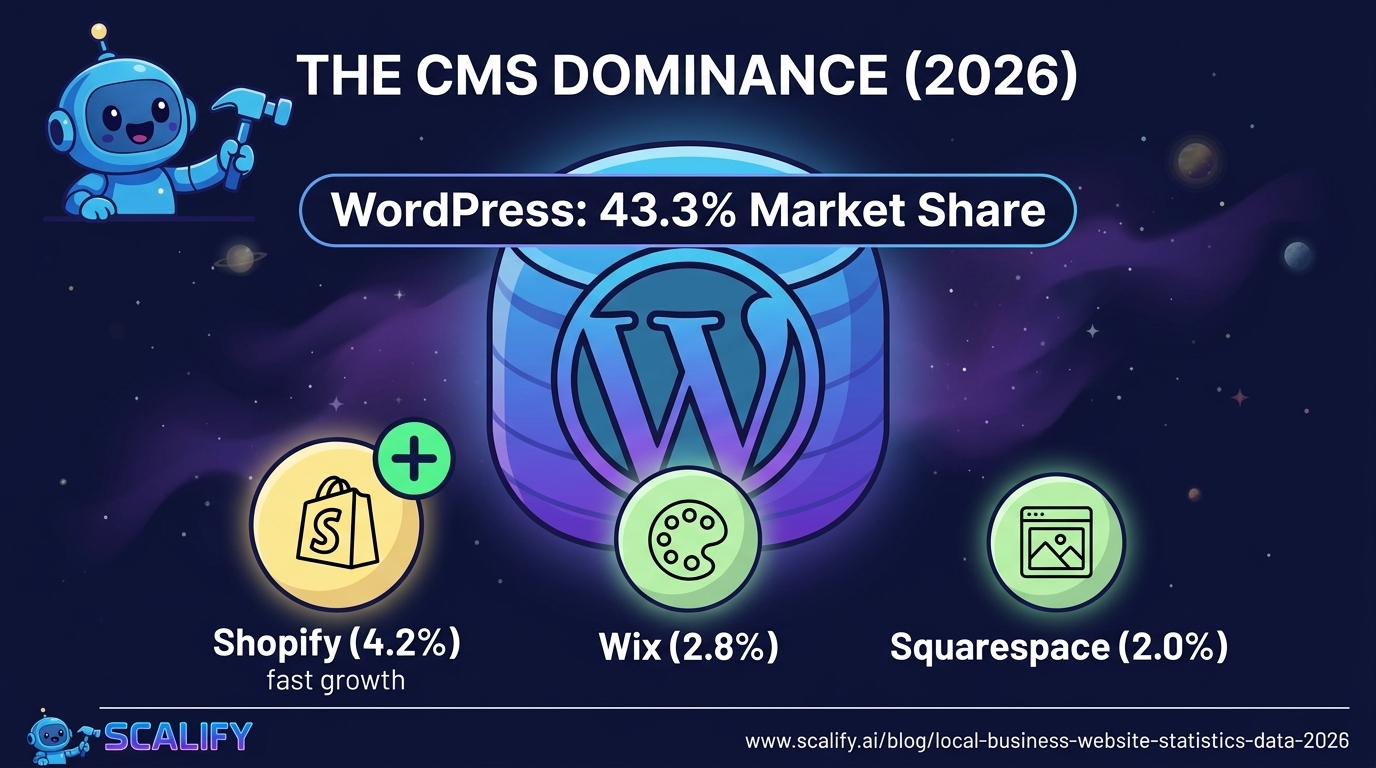
WordPress powers approximately 43% of all websites — a market share that reflects decades of development, the world's largest plugin ecosystem, and a community of hundreds of millions of users and developers.
The WordPress CMS is open source and free. You host it yourself (or use managed WordPress hosting) and own everything. The admin dashboard provides a full editorial interface, user management, media library, and plugin management. The block editor (Gutenberg) introduced in 2018 provides a visual block-based editing experience that has significantly improved the content creation experience.
Key strengths: Unmatched plugin ecosystem (60,000+ plugins covering virtually every feature imaginable). Largest developer pool of any platform — finding WordPress expertise is never difficult or expensive. Free core software. Complete ownership of your data and code. Maximum flexibility through plugins and custom development.
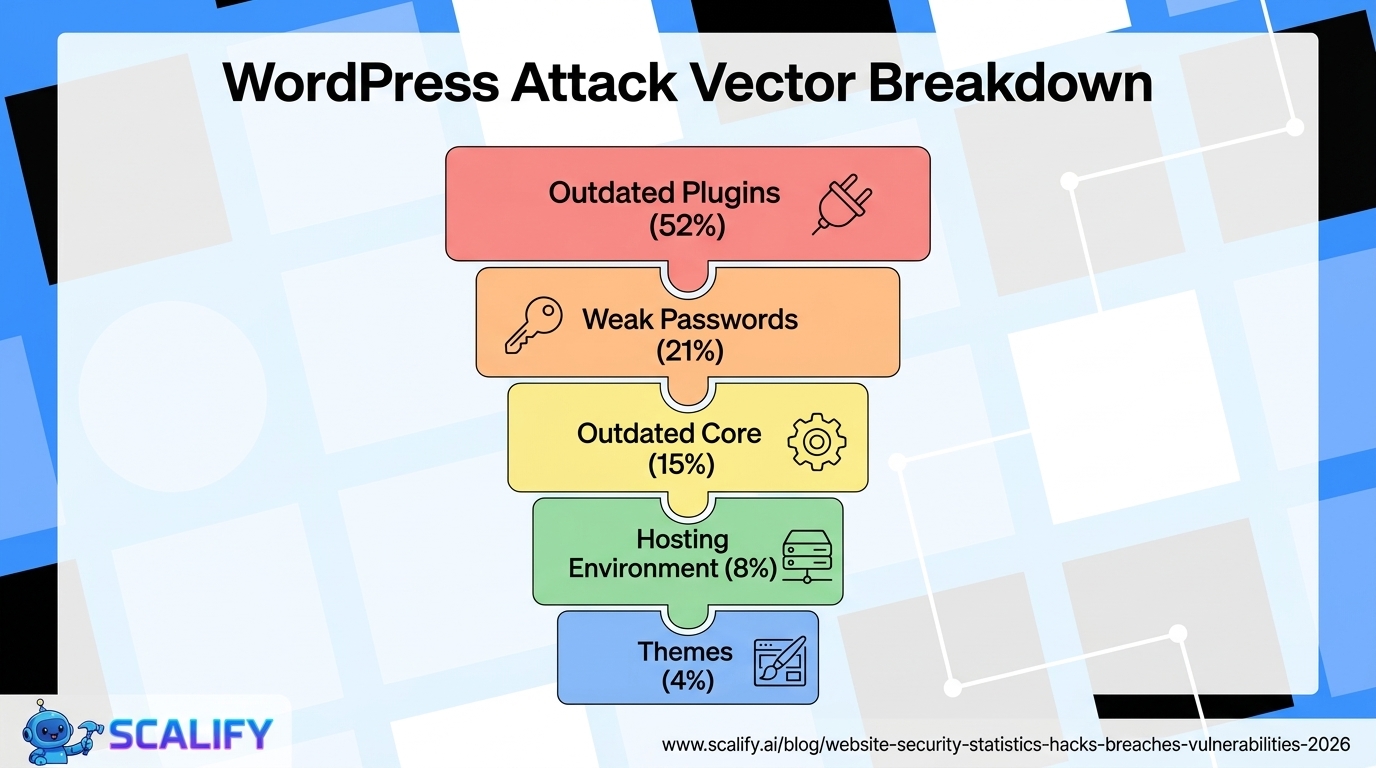
Key challenges: Security requires active maintenance — WordPress sites are the most targeted for hacking due to their ubiquity. Performance requires optimization work (caching, image optimization, lean plugin selection). Plugin conflicts and outdated plugins are a constant maintenance concern. The learning curve for non-technical administrators is steeper than visual builders.
Pricing: WordPress core is free. Hosting: $15–100+/month depending on provider and management level. Premium themes: $30–100. Essential plugins: $0–500+/year depending on choices.
Best for: Any business that needs WordPress's specific plugin capabilities (WooCommerce for complex e-commerce, membership systems, specific industry plugins). Agencies that build many client sites and need a standardized platform. Organizations with developer resources who want maximum control.
Webflow CMS
Webflow provides a CMS built directly into its visual website builder. You define custom content types (Collections) with custom fields — blog posts with author, date, categories, featured image, and body content; case studies with client name, industry, challenge, and results; team members with photo, title, and bio. The Collection structure is then used to build templated pages that automatically render content from the CMS.
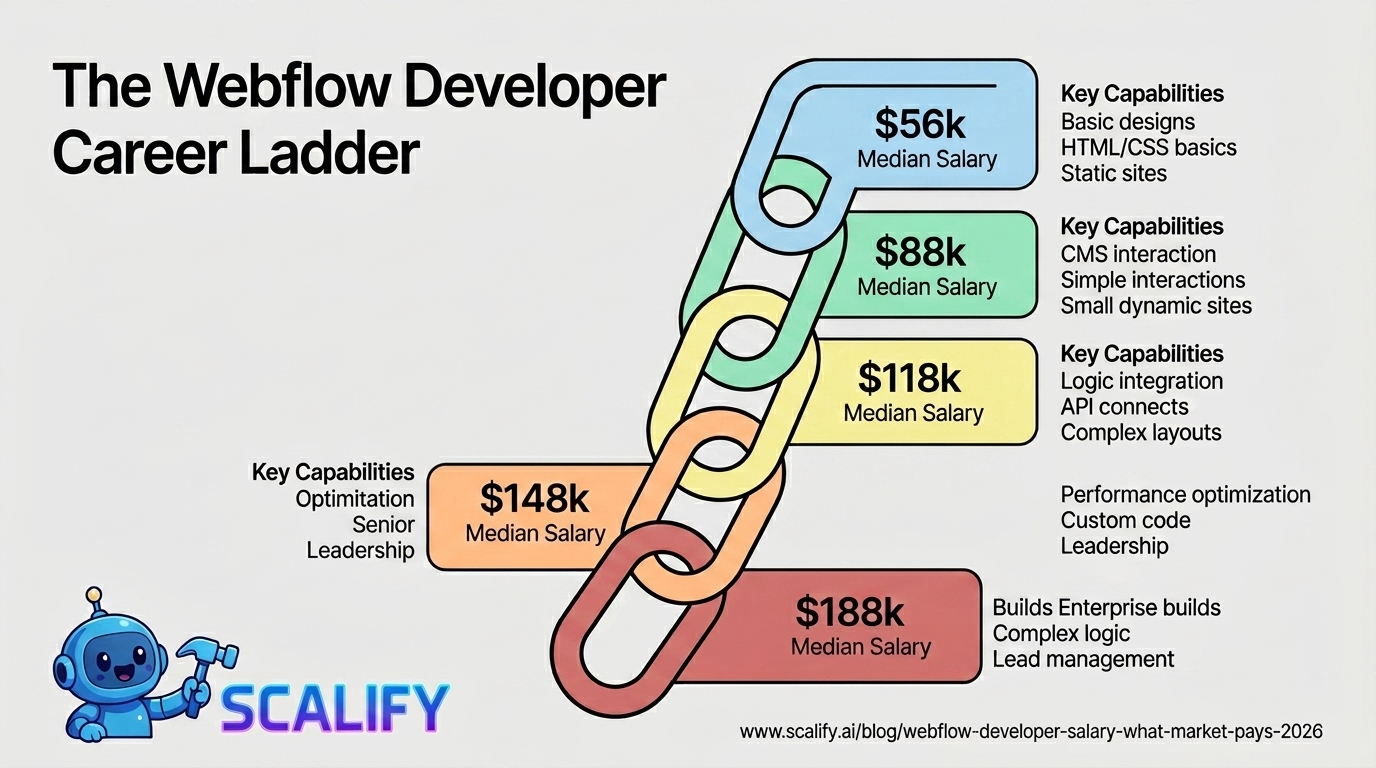
The editorial interface is clean and non-technical. Editors log into the Webflow Editor and add or update content without touching the visual designer. The CMS is part of the same platform as the website builder and hosting — one subscription, one dashboard.
Key strengths: Excellent editorial interface. CMS content integrates seamlessly with visual design. No separate hosting to manage. Strong performance out of the box via CDN. Clean, semantic HTML output. Good SEO controls built in.
Key challenges: Higher cost than WordPress for comparable sites. Learning curve for designers unfamiliar with the platform. Less extensible than WordPress — the Webflow App Store is growing but much smaller than WordPress's ecosystem. CMS item limits on lower plans. No native e-commerce depth comparable to Shopify.
Pricing: $23/month for basic CMS, $39/month for larger CMS plans. More expensive than self-hosted WordPress but includes hosting and eliminates maintenance overhead.
Best for: Design-forward businesses, agencies building client sites that want managed hosting with good design tools, content sites that don't need extensive plugin functionality.
Shopify
Shopify's CMS covers products, collections, pages, blog posts, and customer-facing content in an integrated system. The admin is excellent for non-technical users — adding and updating products, writing blog posts, and managing content is genuinely accessible without technical skills.
Key strengths: E-commerce functionality is native and unmatched at its tier. Payment processing, shipping, inventory, and sales are all integrated. Reliability and performance are exceptional. App ecosystem is large for e-commerce-specific needs.
Key challenges: More expensive than most content-only CMSs when you factor in platform fees plus payment processing. Content management outside product catalog (blog, pages, resources) is weaker than dedicated CMSs. Design flexibility requires Liquid template knowledge or custom development.
Pricing: $39–399/month for plans, plus 0.5–2% transaction fees if not using Shopify Payments, plus app subscriptions.
Best for: Any business where selling products is a primary website function.
Squarespace
Squarespace targets non-technical users who want a polished result without extended setup time. Its CMS is fully integrated into its website builder — you create pages and manage content in the same visual interface.
Key strengths: Lowest learning curve of any capable platform. Beautiful templates. All-in-one hosting and management. No maintenance overhead.
Key challenges: Least flexible design system. Limited extensibility. SEO tools less advanced than WordPress or Webflow. Blogging and CMS is functional but lacks depth for serious content operations.
Pricing: $16–49/month depending on plan.
Best for: Creative professionals, small service businesses, anyone who needs a site live quickly with minimal learning investment.
Contentful (Headless)
Contentful is the most widely used headless CMS in enterprise contexts — powering digital experiences for major brands, media companies, and technology platforms. Its content modeling system is sophisticated, allowing complex content types with relationships that traditional CMSs handle awkwardly.
Key strengths: Powerful, flexible content modeling. Clean, reliable API. Good editorial interface for content teams. Multi-locale support for international content. Widely used = large ecosystem of integrations and community resources.
Key challenges: Requires front-end development to build the actual website. Higher cost at scale. Overkill for simple content sites. No built-in presentation layer.
Pricing: Free community plan for small sites. Paid plans from $300+/month for growing organizations.
Best for: Technical teams, multi-channel publishing, enterprise brands, organizations that need sophisticated content modeling and API-driven delivery.
How to Choose the Right CMS
Work through these questions:
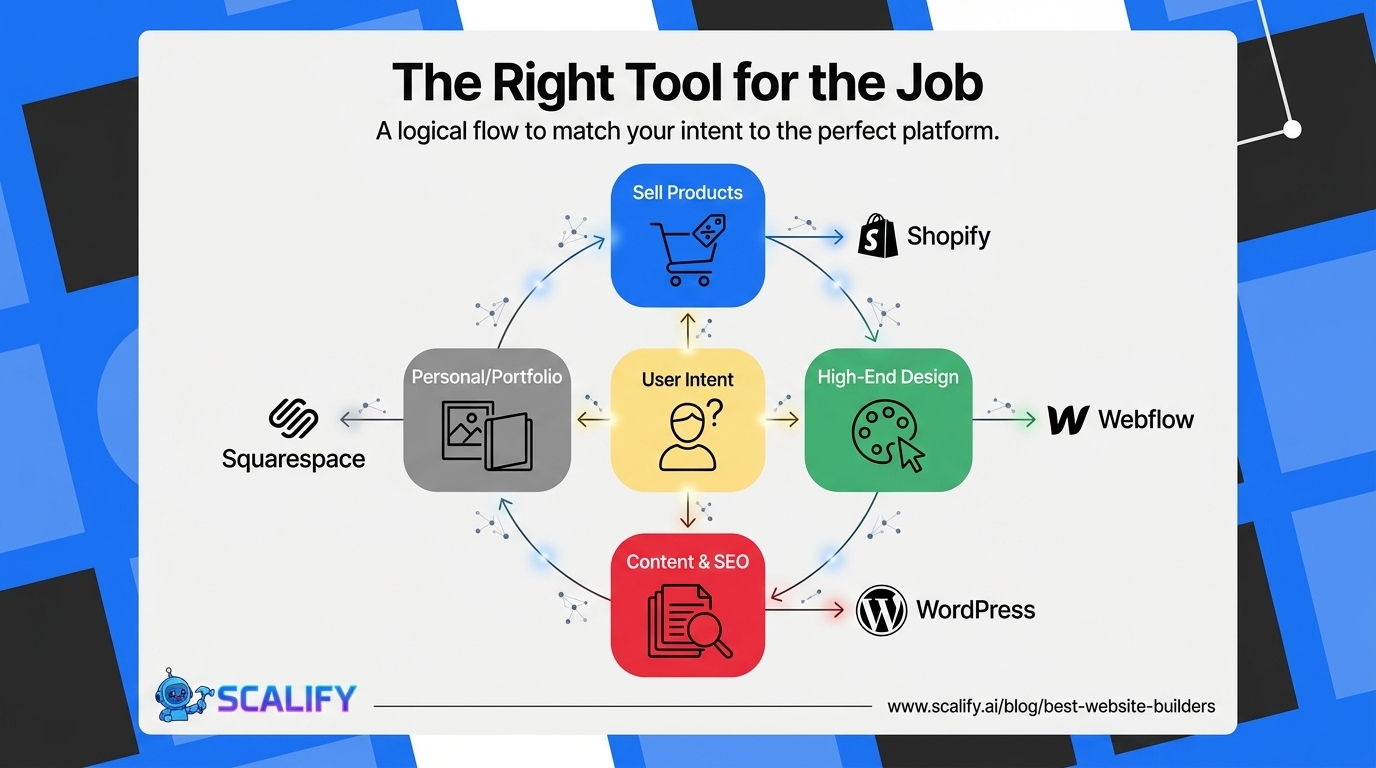
Is e-commerce a primary function? → Shopify
Do you need specific plugins or maximum extensibility? → WordPress
Is design quality a priority and you want managed hosting? → Webflow
Do you need the absolute lowest learning curve? → Squarespace
Do you have development resources and need multi-channel or high-performance delivery? → Contentful or another headless CMS
Are you building a complex content product with sophisticated content modeling? → Sanity or Contentful
The most common mistake: choosing a CMS based on what you've seen other companies use, what a developer is most familiar with, or what sounds most sophisticated — rather than what actually fits your team's capabilities and your site's actual requirements.
The Bottom Line
A CMS is the software that makes managing website content accessible to non-technical team members — and choosing the right one for your situation makes the difference between a site that's easy to keep current and one that creates friction every time you need to update anything.
WordPress is the default answer for extensibility. Webflow for design quality with managed infrastructure. Shopify for e-commerce. Squarespace for simplicity. Headless CMSs for teams with development resources who need maximum flexibility and multi-channel delivery.
Every website Scalify builds includes a CMS that fits the client's actual workflow — we match the content management system to your team's capabilities and your content operations, not to what's easiest for us to work with.



.jpeg)
.jpeg)

78 SW 7th St, Miami, FL 33130