


What Is Content Marketing and How Does It Grow Your Business?
By Josh Ternyak

April 1, 2026
Comprehensive guide: What Is Content Marketing and How Does It Grow Your Business?
Marketing That Works While You Sleep
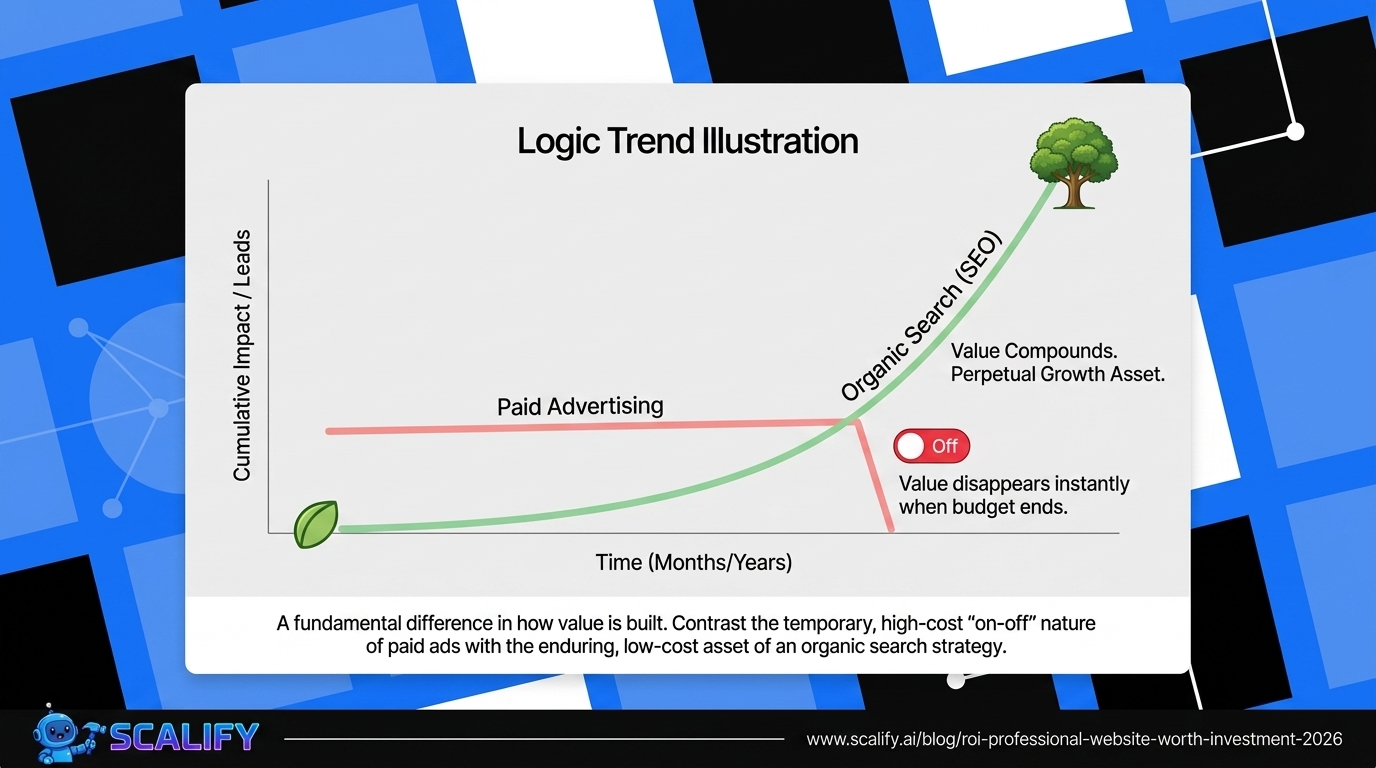
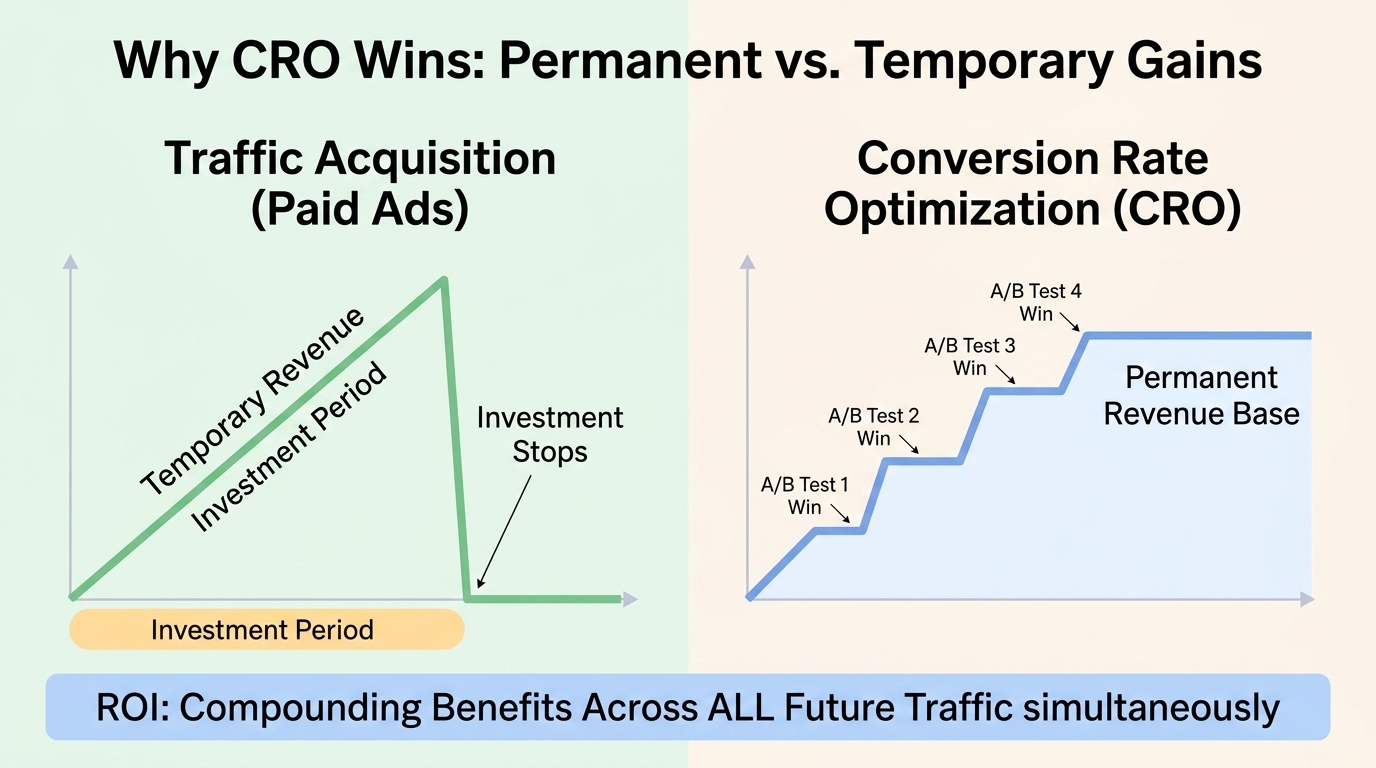
Traditional advertising works when you pay for it and stops when you stop. A Facebook ad generates clicks while the budget runs. A billboard drives awareness for the months you rent it. A trade show generates leads during the event and its aftermath. Stop paying, stop appearing.
Content marketing works differently. A blog post that earns a first-page Google ranking continues generating traffic for years without additional investment. A YouTube video that resonates with an audience accumulates views indefinitely. An email newsletter that delivers genuine value maintains audience attention that compound in value over time. The work done today continues paying dividends long after the initial effort.
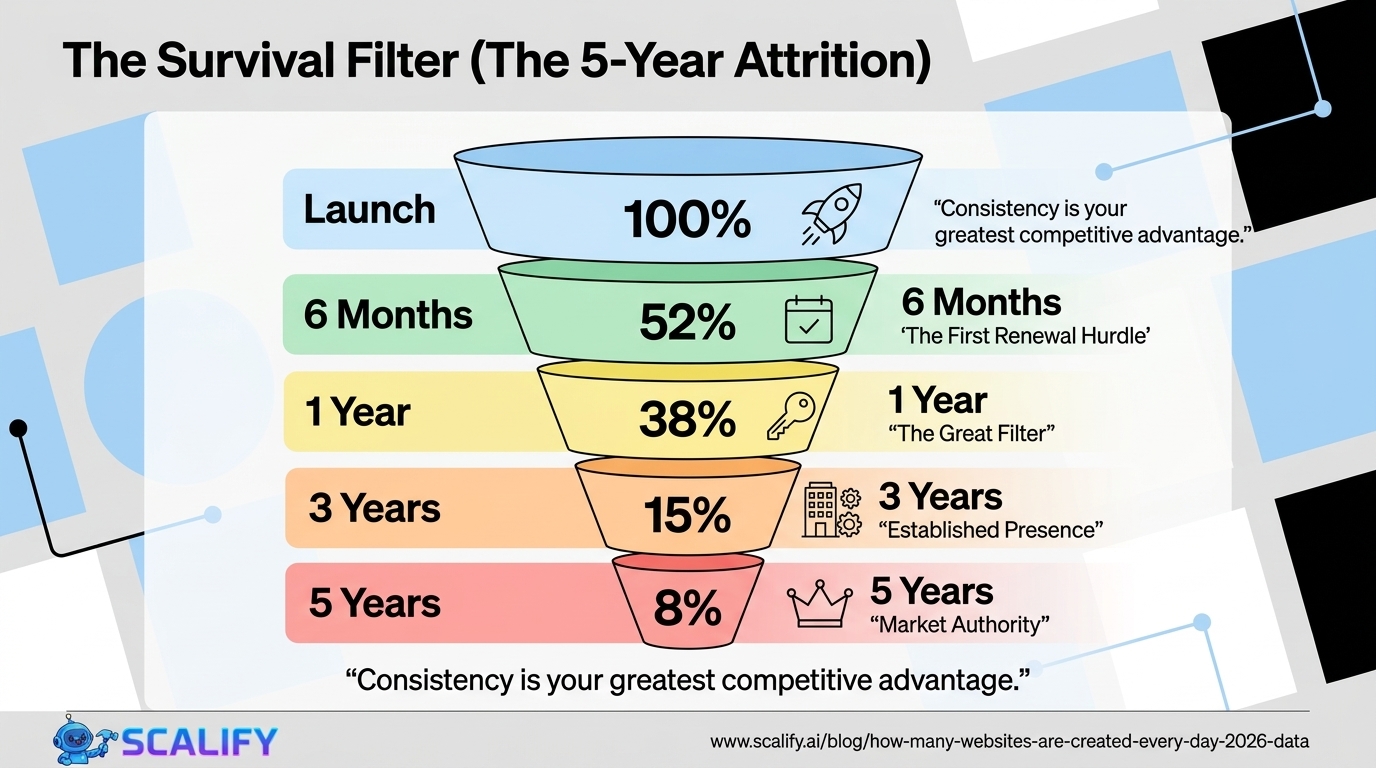
This compounding dynamic is what makes content marketing one of the most attractive long-term marketing strategies for businesses that are willing to invest in it properly. The first year is mostly sowing; the second and third years are when you harvest. The businesses that quit after six months because they "didn't see results" never get to experience the compounding that makes long-term content investors look like marketing geniuses.
What Content Marketing Is
Content marketing is a marketing strategy focused on creating and distributing valuable, relevant, consistent content to attract and retain a defined audience — with the ultimate goal of driving profitable customer action.
The key distinction from traditional advertising: content marketing provides value to the audience independently of any sales message. An ad says "Buy this." Content marketing says "Here's useful information about [relevant topic]" — and the useful information builds the trust and relationship that eventually leads to sales.
Content marketing includes:
- Blog posts and articles
- Video (YouTube, short-form social)
- Podcasting
- Email newsletters
- Social media content (not ads — organic content)
- Webinars and online events
- Infographics and visual content
- Case studies and research
- eBooks, guides, and downloadable resources
- Courses and educational content
The unifying principle: the content serves the audience's interests. When it's done well, people seek out the content because they want it — not because they're forced to encounter it as a side effect of doing something else (watching TV, driving past a billboard, browsing a website).
Why Content Marketing Works
Search Traffic: Meeting Buyers Where They Research
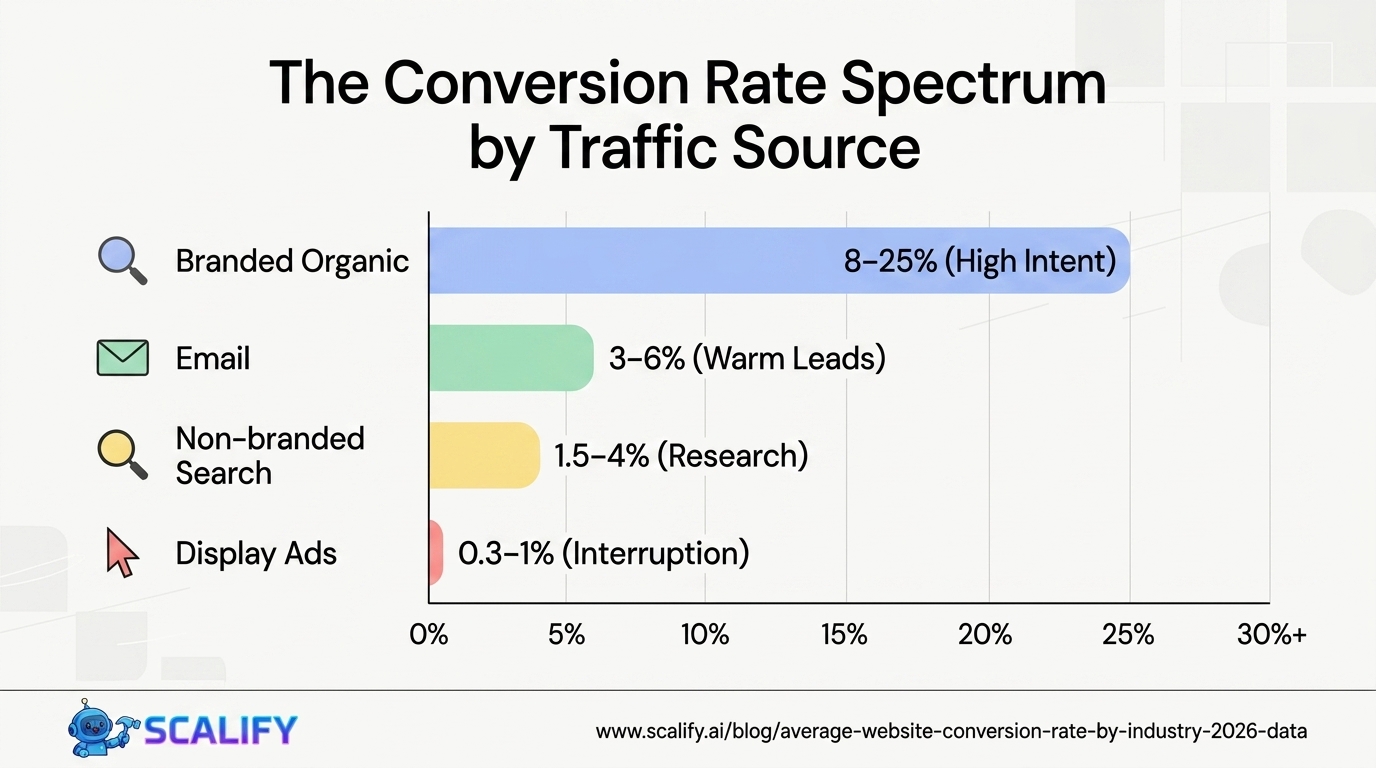
The majority of business purchase decisions begin with search. Someone who needs web design services doesn't call random agencies — they search "web design agency Miami" or "how much does a website cost" or "best web design companies for small businesses." They research before they contact.
Content marketing captures these searches. A web design agency that has comprehensive blog content answering every question a prospect might search during their research journey appears repeatedly during that research — building familiarity and trust before the prospect has contacted anyone. By the time they reach out, they feel like they already know the agency.
This is the intent-matching power of content marketing: instead of interrupting people who weren't thinking about web design, it reaches people who are actively thinking about it, at the exact moment they're researching, with exactly the information they're looking for.
Authority Building: Expertise That Transfers
The volume and quality of content a business publishes signals expertise in a way that no amount of self-promotion achieves. A company that says "we're experts in web design" and a company that has published 200 detailed articles demonstrating expertise in web design communicate very different levels of credibility.
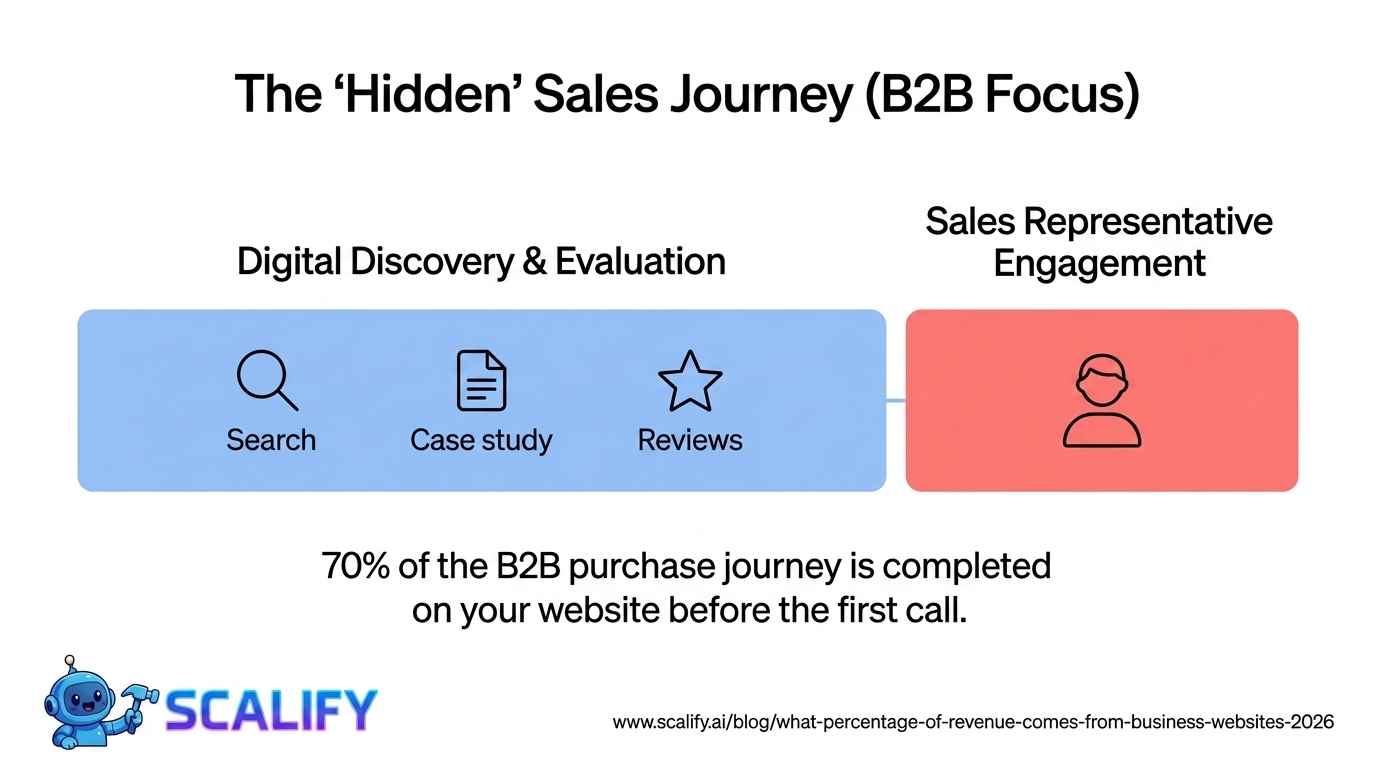
This expertise signaling affects all stages of the sales process. Prospects who've read your content arrive at sales conversations with higher baseline trust. They've already evaluated your thinking and found it valuable. They're not asking "should I trust these people?" — that question has been substantially answered by the content they've consumed.
Email List: The Audience You Own
Content marketing drives email list building — and email is the highest-ROI channel in digital marketing. Unlike social media followers (who you reach at the algorithm's discretion), email subscribers are an audience you can reach directly on your terms. Content provides the reason to subscribe; valuable ongoing content provides the reason to stay subscribed.
An email list of 5,000 engaged subscribers who've opted in because they find your content valuable is a marketing asset worth more than most paid advertising budgets. Each time you have something to offer — a new service, a promotional offer, a piece of content — you can reach that audience directly.
Long-Tail Traffic: The Compound Accumulation
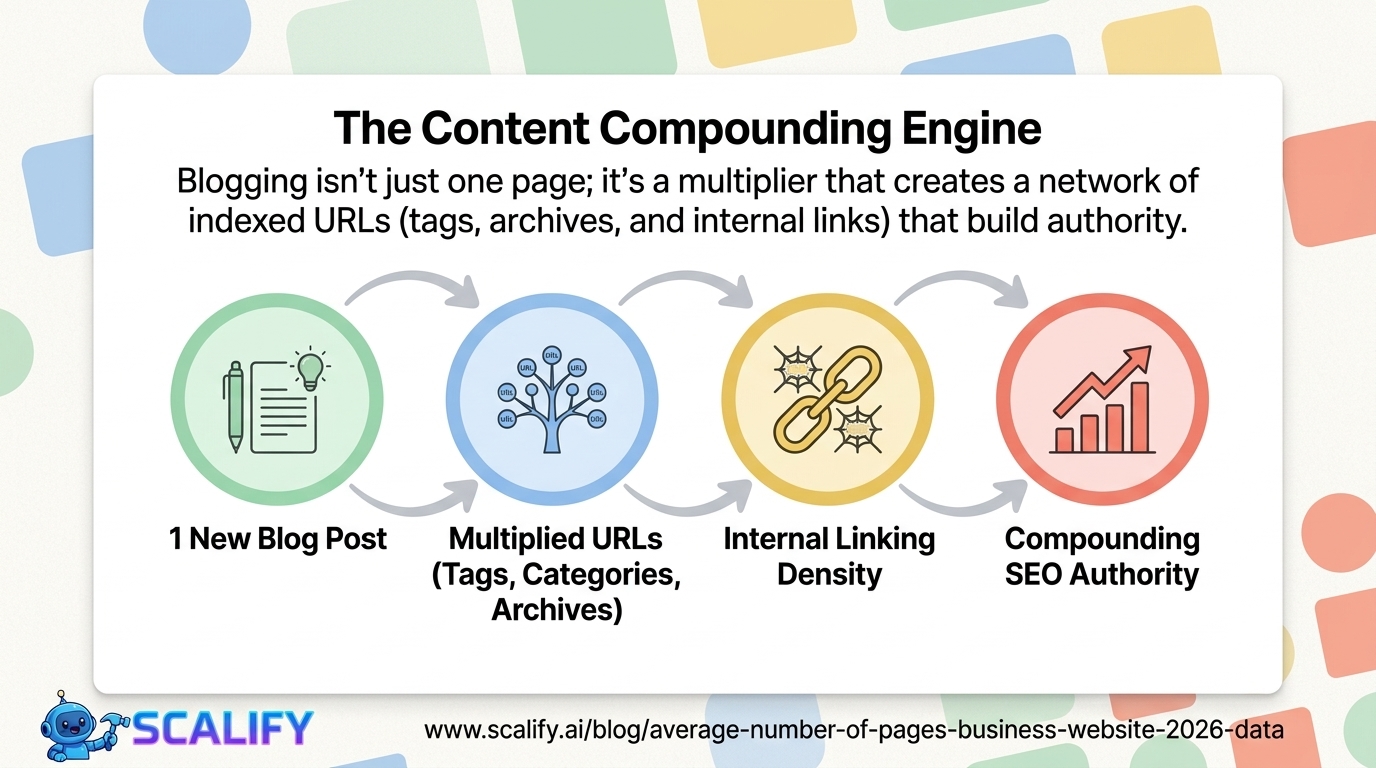
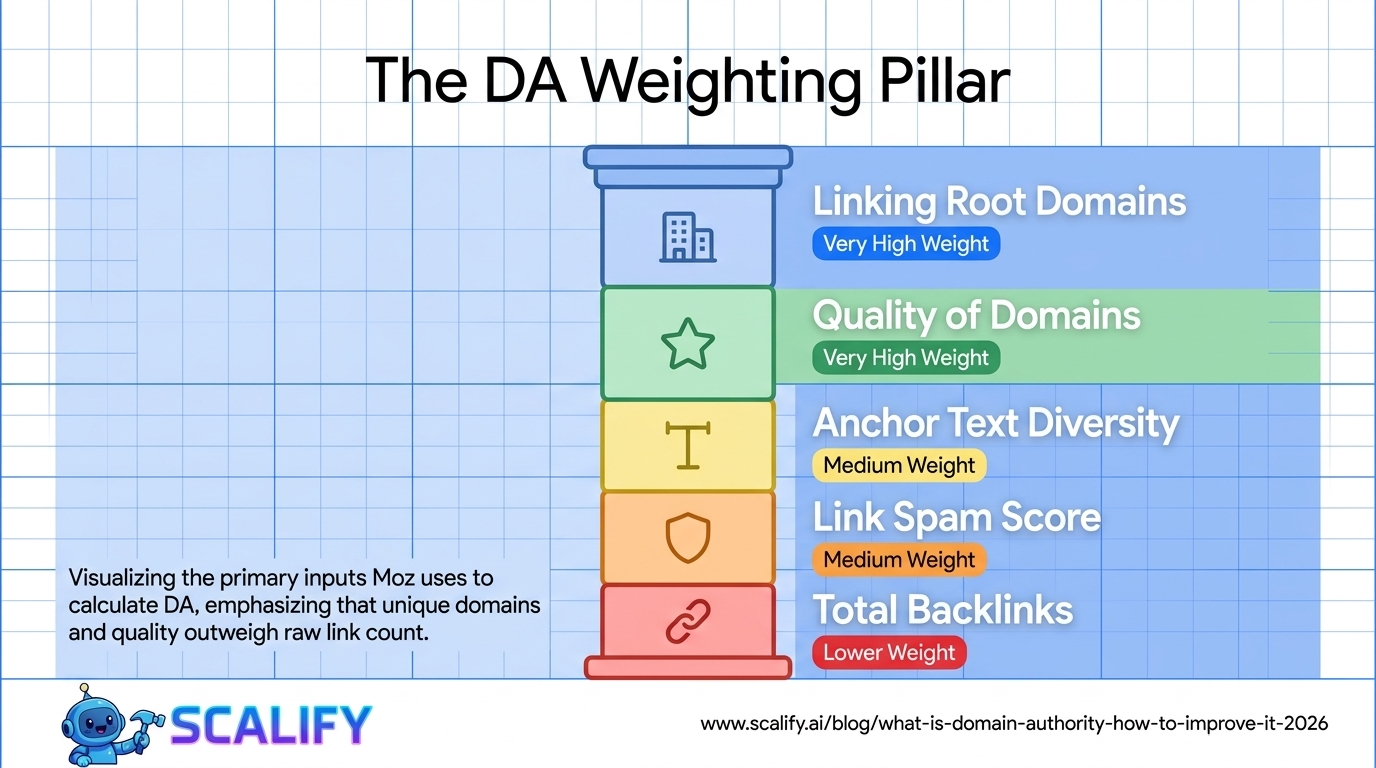
Each piece of content is a new potential entry point to your website. Blog post 1 might rank for 10 queries. Blog post 50 adds 10 more. Blog post 200 adds 10 more. The 200th post benefits from the authority built by the first 199. The compound effect of a growing content library is that organic traffic grows faster than the linear increase in content would predict — because domain authority supports individual piece rankings.
The Types of Content That Work
Educational/How-To Content (Best for Top of Funnel)
Content that teaches people how to do something — the most common type of content marketing for service businesses. "How to write website copy," "How to improve page speed," "How to choose a web design agency." This content captures people who are learning about a topic, establishes your expertise, and positions you as a resource worth trusting.
The key to educational content that converts: it should teach genuinely useful things, not "enough to pique interest" that leads to a sales pitch. Content that actually helps people builds more trust than content that teases insights and withholds the substance.
Thought Leadership (Best for Building Authority)
Original perspectives, unique data, contrarian takes, and industry insights that provide new ways of thinking about familiar topics. This content differentiates you from the mass of generic "listicle" content by demonstrating independent thinking and expertise depth.
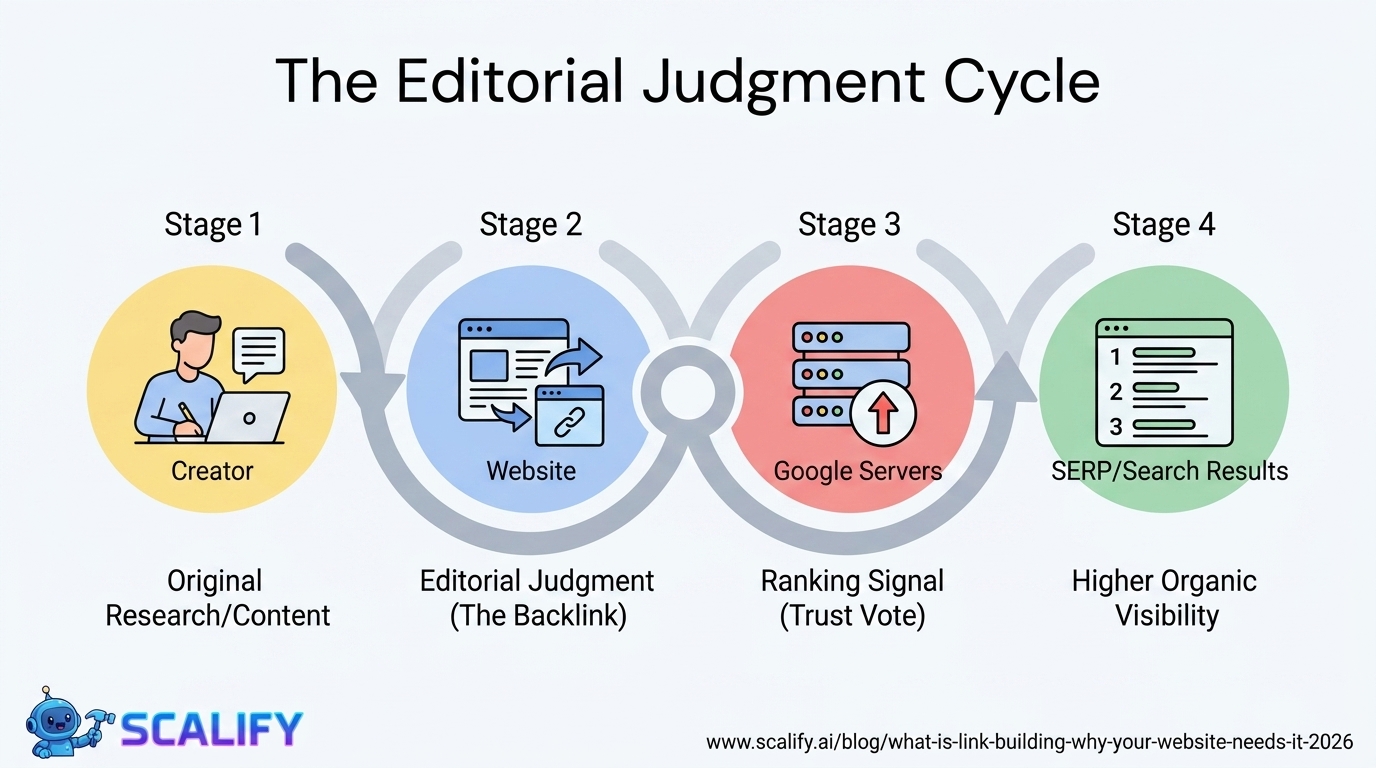
Thought leadership is harder to produce but earns more links, more social sharing, more industry recognition, and more memorable audience response than generic content. "Here are 10 web design trends for 2026" is generic. "Why most web design agencies are building the wrong kind of sites for small businesses — and what to build instead" is a perspective that stands out.
Case Studies and Social Proof Content (Best for Consideration Stage)
Real client results presented as editorial content, not just portfolio pieces. Case study content answers the buyer's question: "Has this worked for businesses like mine?" It's among the most persuasive content type for B2B and high-consideration B2C purchases.
Comparison and Evaluation Content (Best for High Commercial Intent)
"Webflow vs. WordPress: Which is right for your business?" "Agency vs. freelancer vs. DIY: Choosing the right web design approach." This content serves searchers who are actively evaluating options — among the most commercially valuable search intent to capture.
News and Trend Analysis (Best for Timeliness)
Timely content about industry developments positions you as current and engaged. Google's algorithm updates, new design trends, emerging technologies. The downside: it ages quickly. The upside: timeliness signals freshness, and news coverage can generate significant short-term traffic.
Building a Content Strategy: The Process
Step 1: Define Your Audience and Their Questions
Effective content answers real questions your actual target audience has. The most reliable sources of these questions: your sales team's FAQs, customer support tickets, your email inbox, search analytics (Google Search Console, keyword research tools), social media conversations, and direct customer interviews.
For each piece of content you create: who specifically is this for? What question or problem does it address? What will they know or be able to do after consuming it? Answers to these questions determine whether content is genuinely valuable or just content-as-formality.
Step 2: Keyword Research to Identify Search Opportunities
Content is most valuable when it serves an audience that's actively searching for it. Keyword research identifies topics with real search volume and plausible ranking opportunity given your domain authority and the competitive landscape.
Tools: Ahrefs, Semrush, and Google Keyword Planner for volume data. Google's "People Also Ask" and autocomplete for question discovery. Competitor gap analysis in Ahrefs or Semrush (what keywords are your competitors ranking for that you're not?)
The research process: identify your topic areas, generate keyword lists within each, validate volume and difficulty, group into content pieces, prioritize by search volume, difficulty, and commercial relevance.
Step 3: Build Your Content Calendar
Consistency matters more than perfection. A realistic publishing schedule maintained over 24 months beats an ambitious schedule abandoned after 3 months. Based on your research of topic priorities and your realistic production capacity, build a content calendar that:
- Covers all stages of the buyer journey
- Targets validated keyword opportunities
- Balances different content types
- Is achievable with your current resources
Step 4: Create Content Worth Consuming
The content quality bar in most industries is not high. Most blog posts are thin, generic, and interchangeable. Being genuinely better than this produces both better search rankings (comprehensive content outranks thin content) and better audience engagement (people share and link to content that's actually useful).
What "quality" means in practice: covering the topic more comprehensively than the competition, providing specific examples rather than general principles, including original research or data where possible, presenting information in the most accessible and clear format for the audience, and publishing only when the content is actually good — not on a schedule-driven quota basis.
Step 5: Distribute and Promote
Content that nobody knows exists doesn't drive results. For each piece of content: email newsletter to subscribers, social media posts with native content teasers (not just links), direct outreach to people who would find it valuable and might share it, repurposing into other formats (video, infographic, social content).
The 80/20 principle: many content marketers spend 80% of their time creating content and 20% promoting it. Inverting this — spending at least as much effort on distribution as creation — produces meaningfully better results for the same content investment.
Measuring Content Marketing Results
Content marketing results develop over time and require appropriate measurement frameworks. The metrics that matter by stage:
Traffic metrics: Organic sessions per month (trend over time), new organic visitors, pages per session, time on site. Leading indicators of whether content is building audience.
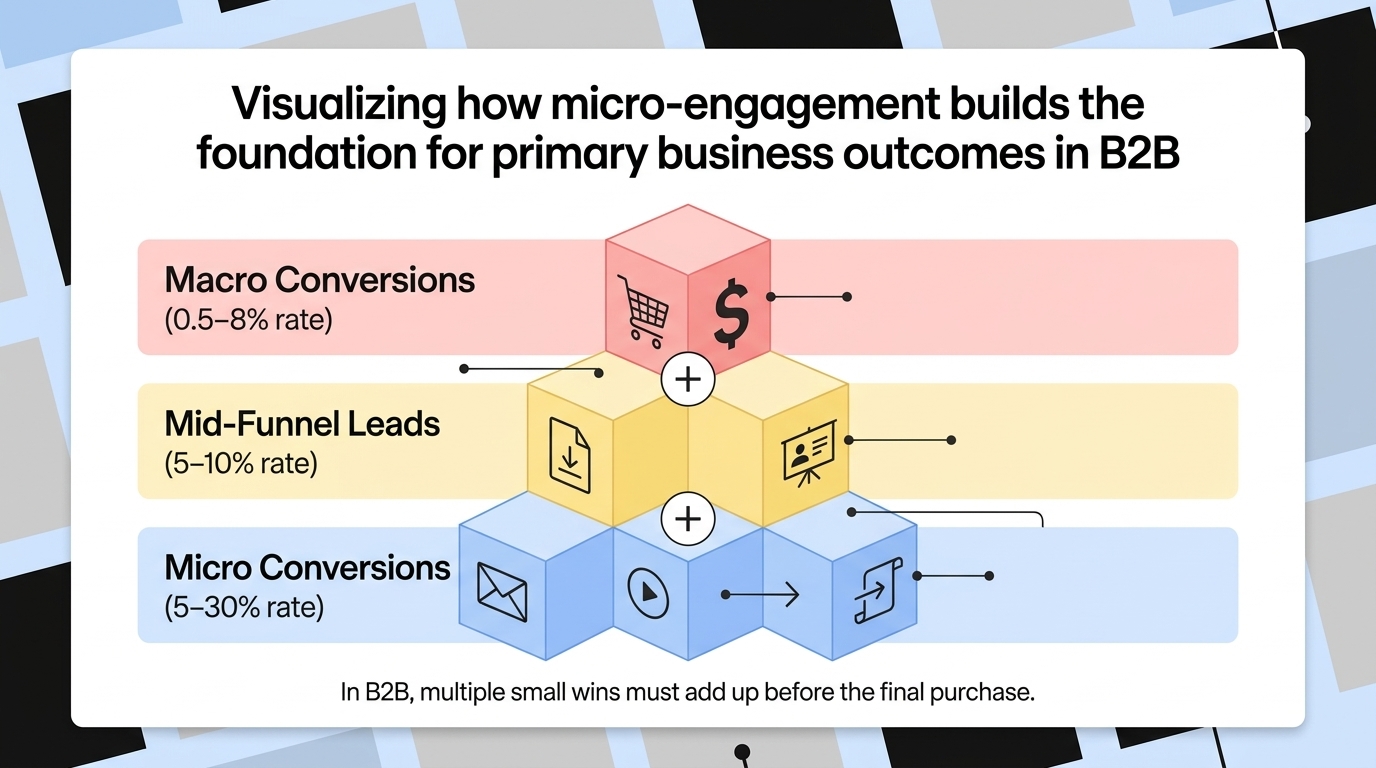
Engagement metrics: Email subscribers from content, content downloads, video views, social shares. Mid-stage indicators of audience building and content quality.
Conversion metrics: Leads attributed to content (form submissions from blog visitors, email subscribers who become clients), revenue attributed to content. The ultimate business outcomes.
SEO metrics: Keyword rankings for target terms, domain authority trend, organic traffic to specific content pieces. SEO health indicators.
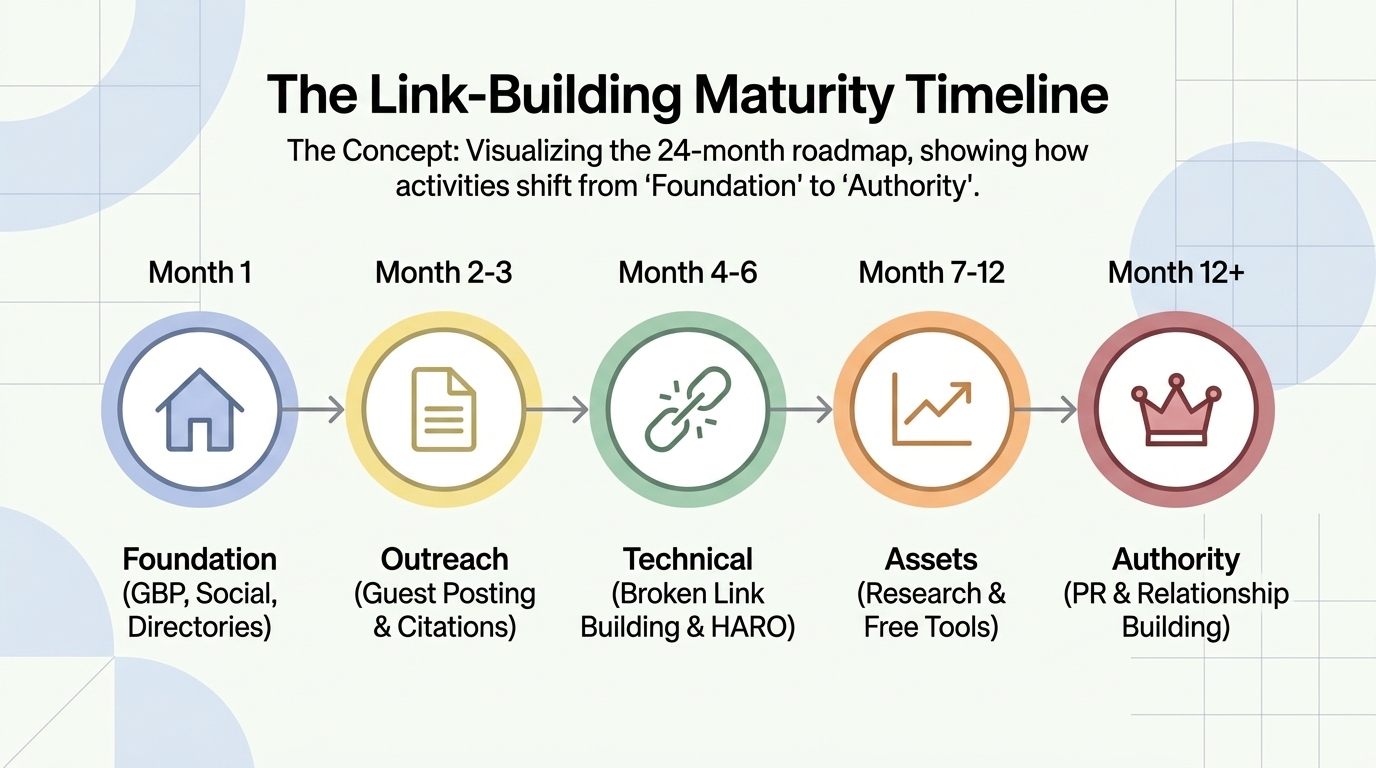
Content marketing ROI is typically measured over 12–24 month horizons — not because it doesn't produce value sooner, but because the compounding effects that make content marketing exceptional take time to develop. Set realistic expectations: the first 6 months build infrastructure; months 6–18 see growing organic traction; year 2+ is where compounding returns become impressive.
The Bottom Line
Content marketing is the long game of digital marketing — requiring patience, consistency, and genuine commitment to creating content worth consuming. The businesses that commit fully experience compounding returns: organic traffic that grows without proportional advertising spend, authority that reduces sales cycle friction, and audience relationships that convert at higher rates than cold traffic.
The businesses that treat it as a short-term tactic, publish sporadically, create thin content to fill a calendar, and measure it against the 30-day timeframe of ad campaigns, consistently conclude that content marketing "doesn't work." They're right — the version they implemented doesn't. The fully committed, consistently executed, genuinely useful version absolutely does.
At Scalify, our own content marketing operation — this blog — is built on exactly the principles in this guide: keyword-validated topics, genuine depth, consistent publication, and a long-term view of the compounding returns that make content marketing the highest-ROI marketing channel available to most businesses.
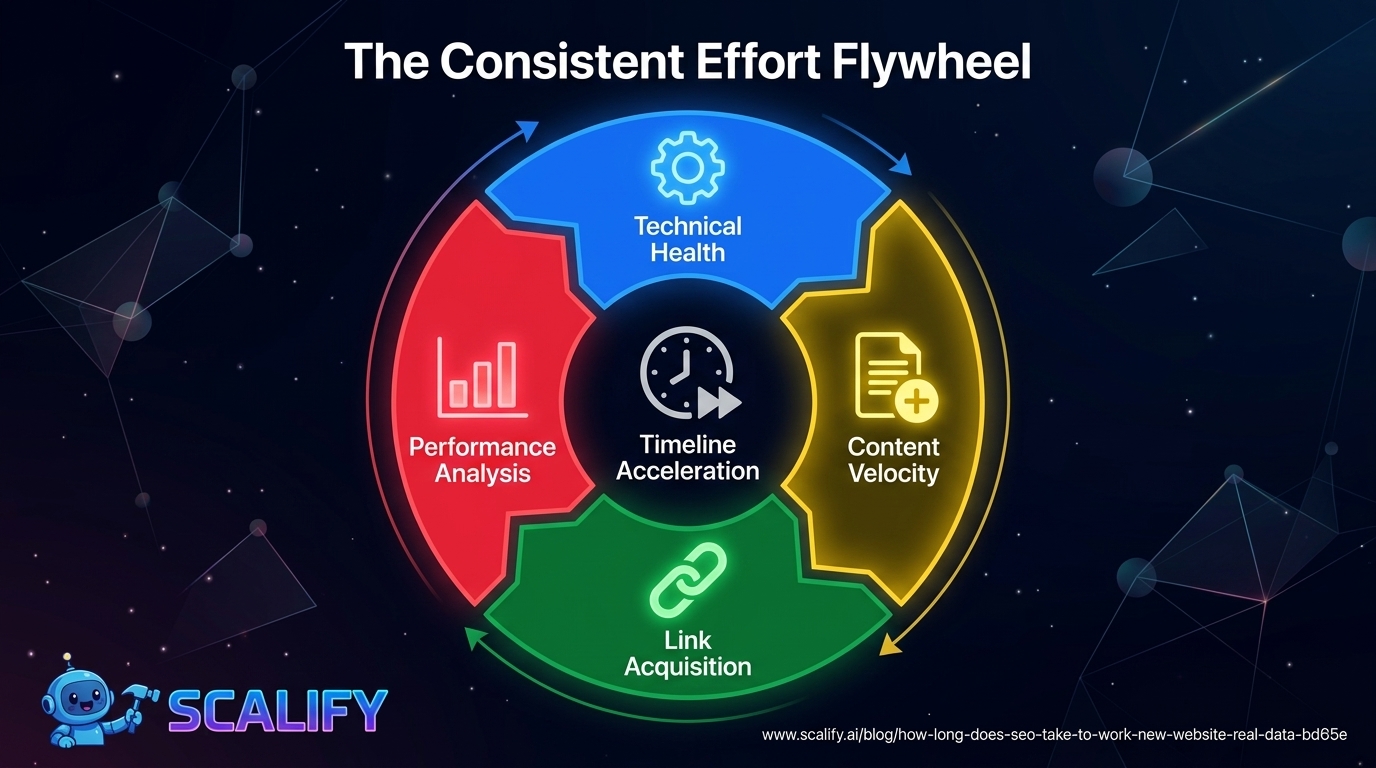
The compounding nature of consistent execution is the most important concept in digital marketing: individual tactics produce modest results; systematic implementation of multiple well-chosen tactics over 12–24 months produces transformative results. Identify the highest-impact improvements available to your specific situation, implement them with measurement infrastructure in place, and build the discipline to iterate based on what the data shows rather than intuition or industry trends that may not apply to your specific business and market.


.jpeg)
.jpeg)

78 SW 7th St, Miami, FL 33130