


What Is Content Marketing and How Do You Use It to Grow Your Business?
By Josh Ternyak

March 29, 2026
Content marketing is the highest-leverage long-term growth strategy available to most businesses — but most companies do it wrong. This guide explains what it actually is, why it works, and how to build a content engine that compounds.
The Marketing Strategy That Gets Better While You Sleep
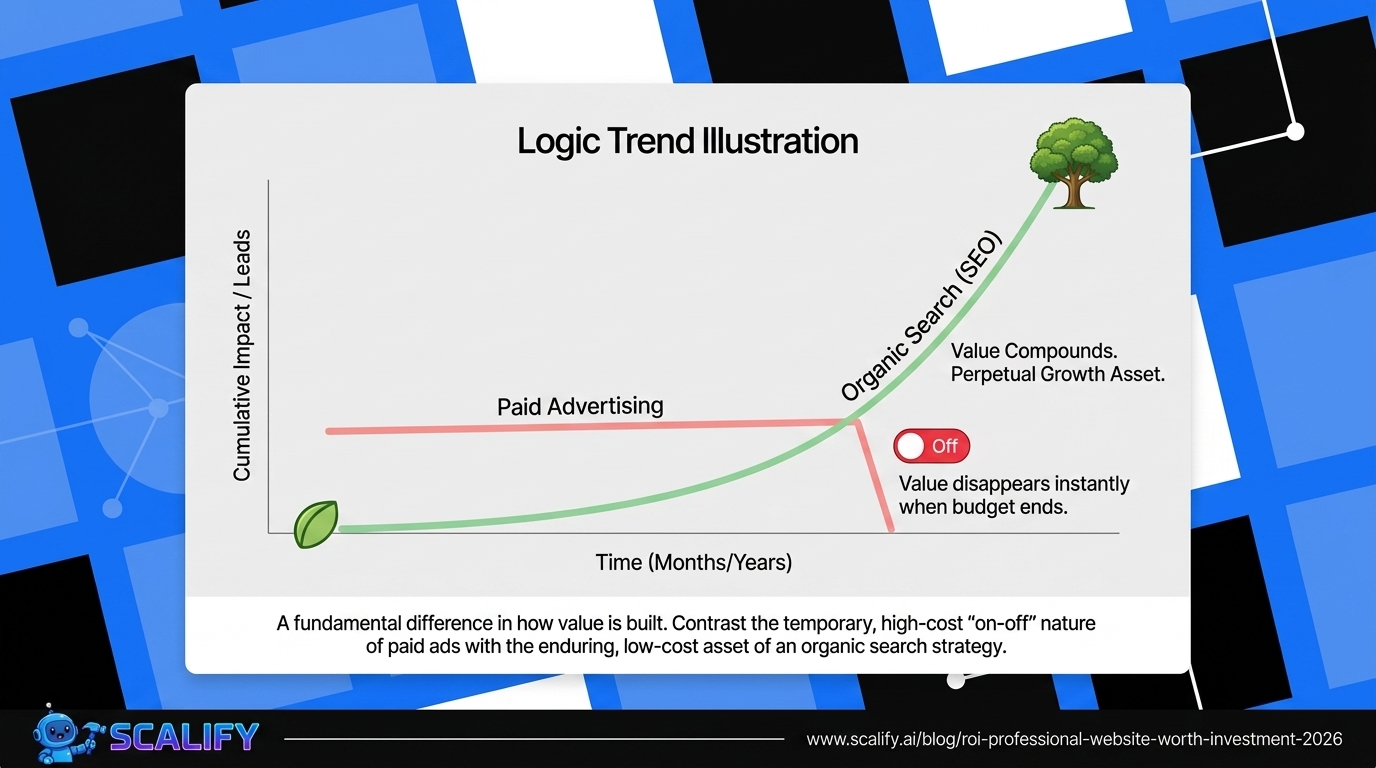
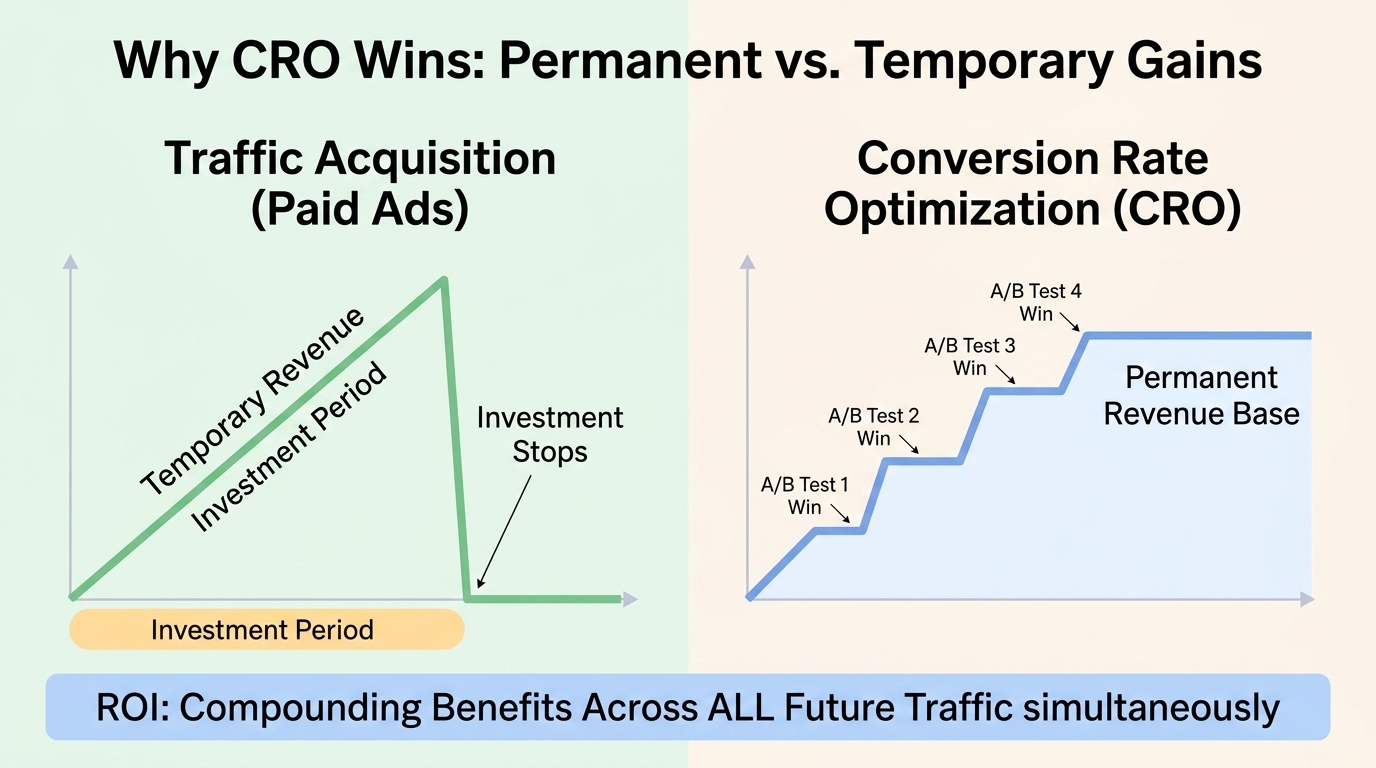
Most marketing stops working the moment you stop paying for it. A Facebook ad campaign pauses when the budget runs out. A sponsored post disappears from feeds within days. A billboard goes blank when the contract expires. The relationship between investment and visibility is direct and temporary — stop spending, stop appearing.
Content marketing works differently. An article that ranks on page one of Google for a valuable search query generates traffic today, next month, and three years from now — long after the hour spent writing it has been forgotten. A video that educates potential customers about a problem your business solves keeps attracting those customers every day it's indexed. A podcast episode that demonstrates your expertise reaches new listeners every week as new people discover the show.
This compounding, long-duration return on time and creative investment is the fundamental appeal of content marketing. It's slower to start than paid advertising. The initial returns are smaller. But it builds an asset that generates value indefinitely — and that asset grows more valuable over time as it accumulates authority, links, and audience.
What Content Marketing Is
Content marketing is a strategic marketing approach focused on creating and distributing valuable, relevant, and consistent content to attract and retain a clearly defined audience — with the objective of driving profitable customer action.
That definition from the Content Marketing Institute contains several important elements worth unpacking:
"Valuable, relevant content" — not promotional content, not advertising, not product announcements. Content that the audience genuinely finds useful or interesting independent of any commercial intent. A web design company publishing a guide to website speed optimization provides genuine value to business owners with slow websites — whether or not they ever hire the company.
"Clearly defined audience" — content that's useful to everyone is interesting to no one. Effective content marketing is specific to an audience and their problems. The content that helps restaurant owners build better websites is different from the content that helps law firms build better websites — even though both audiences need good websites.
"Driving profitable customer action" — content marketing is ultimately a commercial activity. The audience-building and value creation are means to a business end: attracting people likely to become customers, establishing the expertise and trust that makes them choose you when they're ready to buy, and nurturing the relationship until they act.
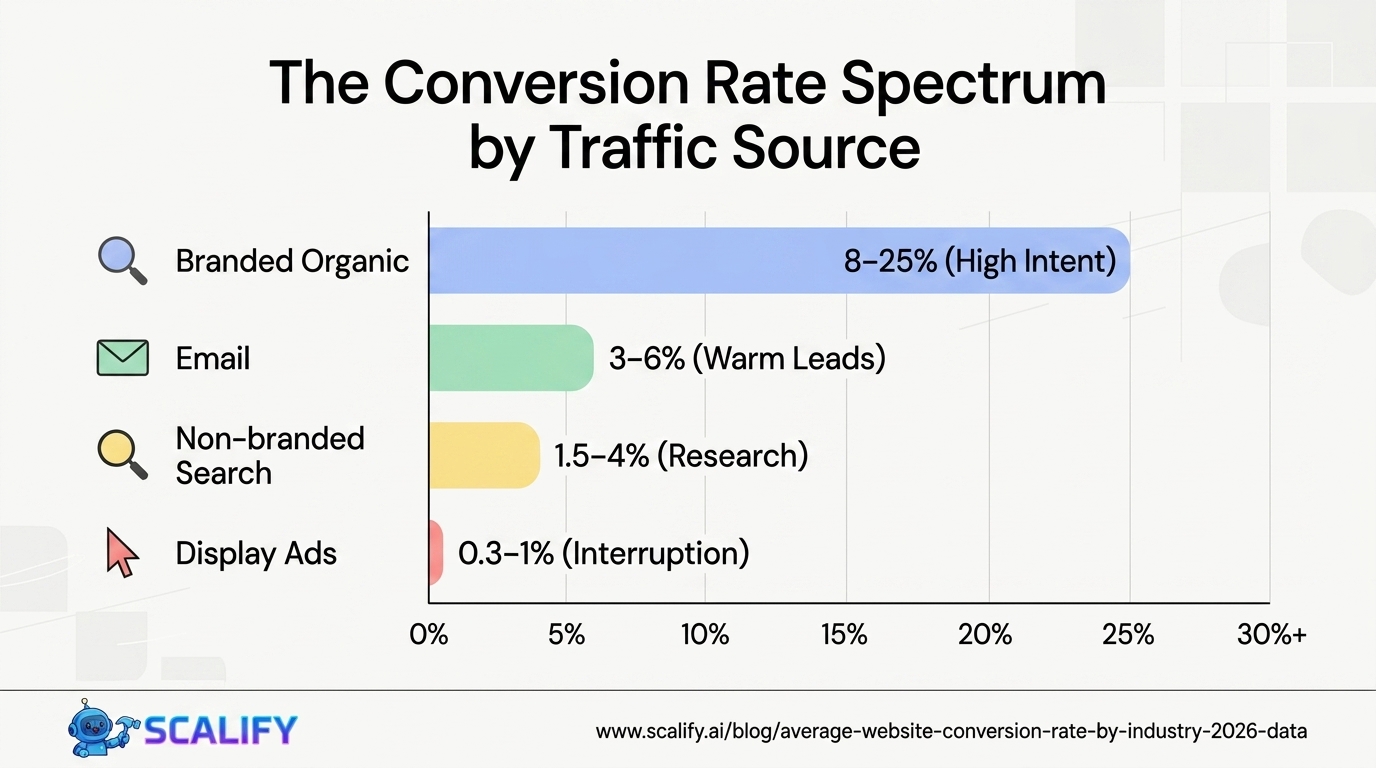
What distinguishes content marketing from advertising: advertising interrupts people and pushes a message at them. Content marketing attracts people by providing something they were already looking for — an answer, an education, an entertainment. The customer comes to the content voluntarily; the brand benefits from the association between their content and their expertise.
The Business Case: Why Content Marketing Works
It Attracts Intent-Based Traffic
Someone who finds your content by searching for an answer to a specific question is a higher-quality prospect than someone who sees your advertisement while scrolling. The search intent indicates they're actively engaged with the problem your business solves. That qualifies them as a prospect more reliably than demographic targeting can.
A potential customer who found you by reading your comprehensive guide to choosing a web design agency has already self-identified as someone building or rebuilding a website. They found you while doing research on exactly the decision they're facing. That's a warmer lead than any amount of audience targeting produces.
It Builds Authority Over Time
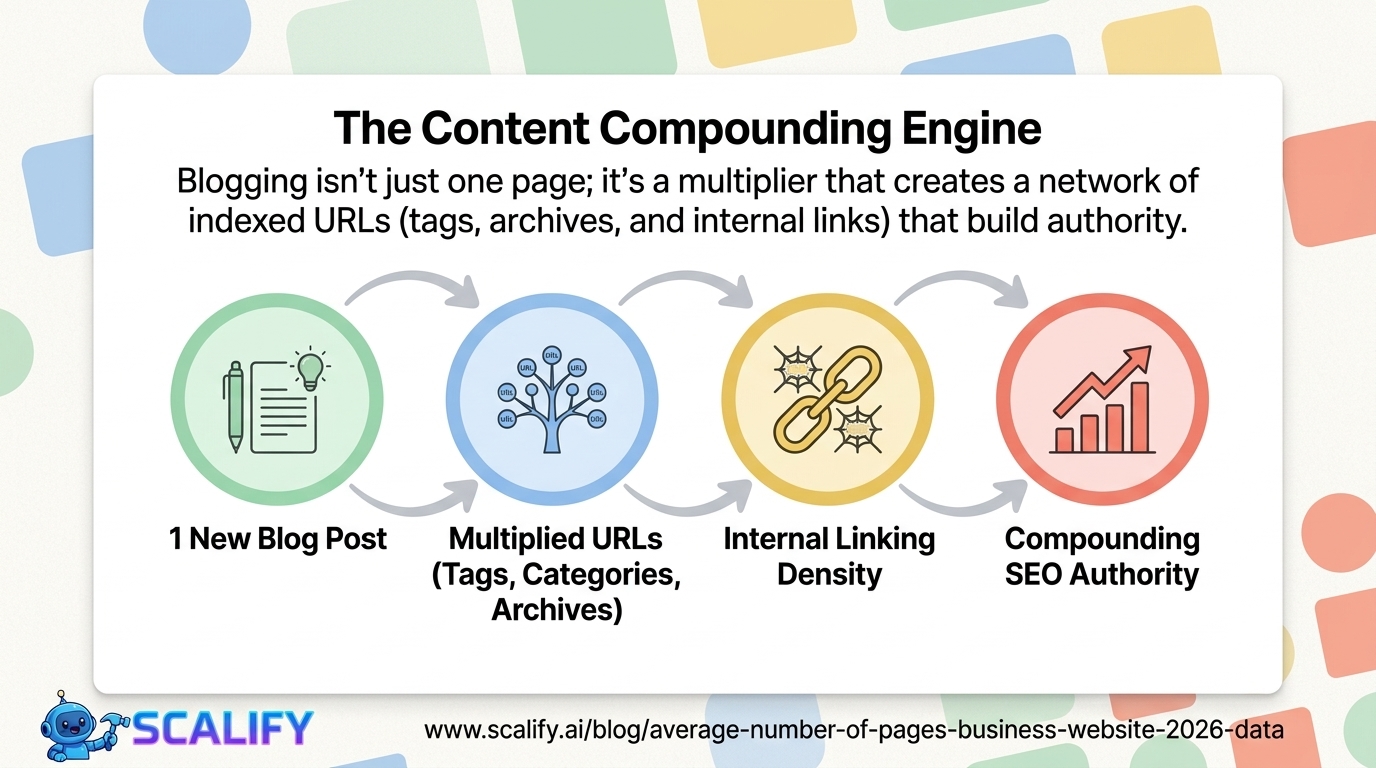
Consistently publishing high-quality content on a specific topic — over months and years — builds an accumulated body of expertise that positions your brand as a knowledgeable, trustworthy resource in your space. This authority compounds: each piece of content builds on the authority established by previous pieces, creating a whole that's greater than the sum of its parts.
A brand that has published 200 comprehensive guides about web design, SEO, and online marketing is more credibly expert in those topics than a brand that has published 10 — even if the quality of individual pieces is comparable. Breadth and depth of coverage signals genuine expertise over extended time, not just a one-time effort.
It Generates Organic Search Traffic at Scale
Each piece of content is an opportunity to rank for a specific set of search queries. Over time, a comprehensive content library can rank for hundreds or thousands of queries — generating organic search traffic from a massive surface area of relevant terms. This traffic costs nothing per click after the content is created.
HubSpot, a marketing software company, has been a canonical example of this model — they've published thousands of blog posts on marketing, sales, and customer service topics over 15+ years, and those posts now rank for enormous numbers of queries and generate millions of monthly organic visits. Their content strategy is itself one of their most valuable business assets.
It Shortens Sales Cycles
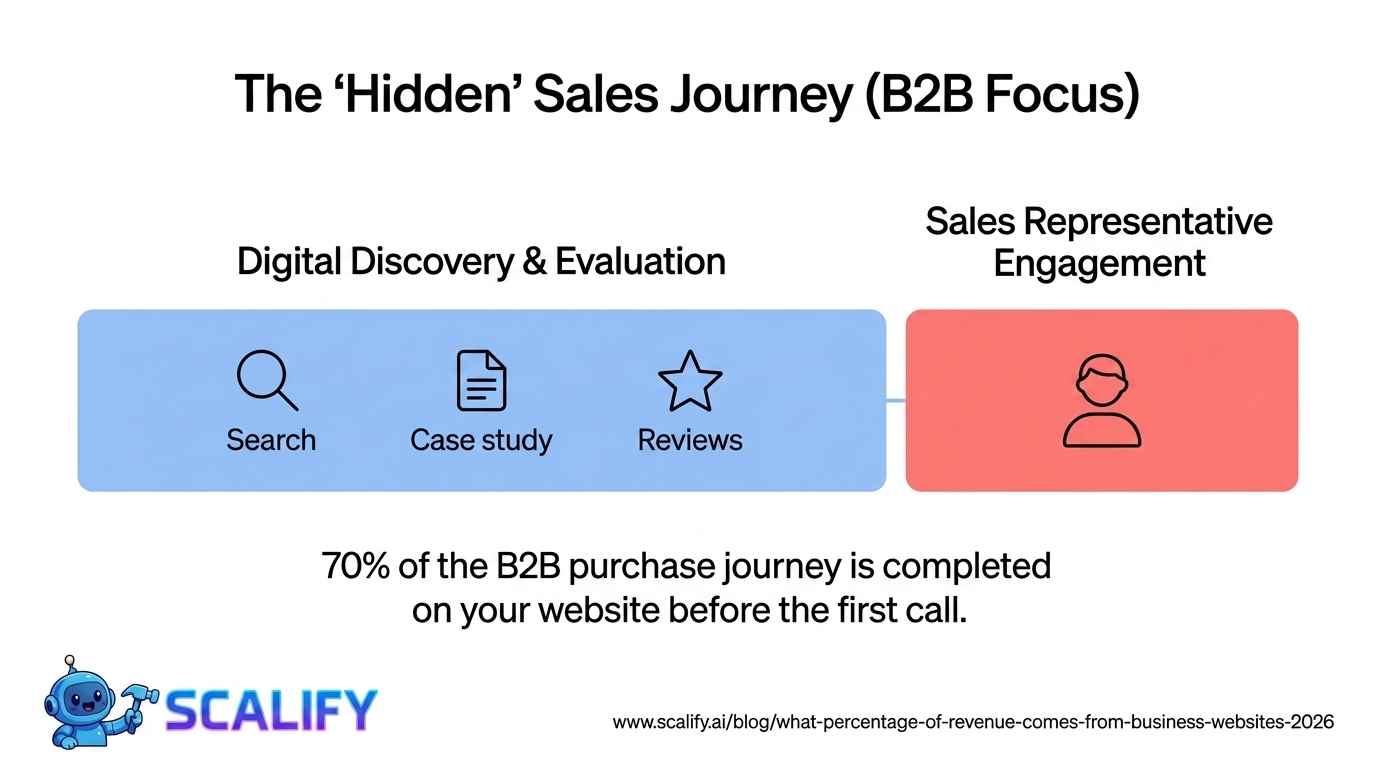
Prospects who've consumed your content arrive in sales conversations already educated about your perspective, your approach, and your expertise. They've already encountered and overcome many of the objections and uncertainties that typically slow down buying decisions. Sales cycles shorten because content has done the educational work that used to happen during sales calls.
The Main Content Marketing Channels
Blog and Written Content
Blog content remains the most widely used and most directly SEO-linked content format. Written articles, guides, tutorials, and resources live on your website, build domain authority, and rank for search queries. Blog content is the backbone of most B2B content marketing strategies and an important component of most B2C content strategies.
The full range of written content types:
- How-to guides: Step-by-step instructions for accomplishing something your audience needs to do. High search volume, high practical value, strong performance for educational queries.
- Explainer articles: Comprehensive explanations of concepts, terms, or processes your audience needs to understand. What we're reading right now.
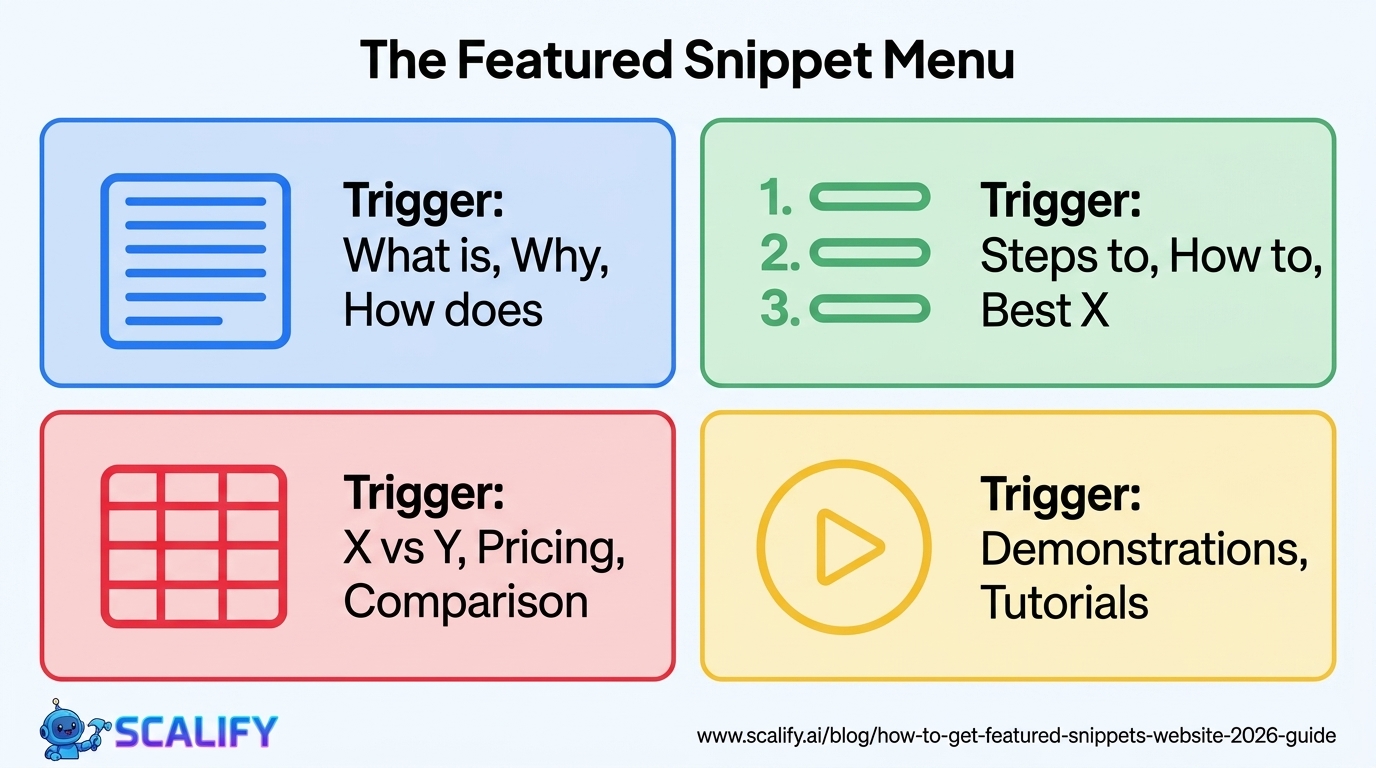
- Comparison articles: "X vs. Y," "Best [category] tools," "How to choose between A and B." High commercial intent queries where readers are actively evaluating options.
- Case studies: Detailed accounts of specific customer problems solved, with outcomes documented. Among the most persuasive content types for bottom-of-funnel prospects.
- Original research: Data you gathered and analyzed that produces insights not available elsewhere. Highly link-attracting, highly credibility-building.
Video Content
Video has become essential for many content marketing strategies — particularly for audiences who prefer watching to reading, for topics where visual demonstration adds value, and for building personal connection with an audience. YouTube is the second-largest search engine in the world (after Google, which owns it) and a massive opportunity for reaching audiences through video content.
Video content types that perform well: tutorials and how-to demonstrations, product walkthroughs and demos, thought leadership commentary, customer success stories and testimonials, behind-the-scenes content, and educational series on topics relevant to your audience.
Podcasting
The podcast audience has grown dramatically over the last decade and continues to grow. Podcasts build deep relationships with audiences through the intimate, long-form format — a listener who spends 30–60 minutes per week listening to your podcast develops significant familiarity with your perspective and expertise over time.
Podcasts work particularly well for: B2B content marketing where a specific professional audience consumes content during commutes and exercise, thought leadership positioning, interview-format content that benefits from both host and guest expertise, and building community around a topic area.
Social Media Content
Social media content marketing is different from social media advertising. Content marketing on social produces organic content — posts, stories, Reels, LinkedIn articles — designed to build audience, demonstrate expertise, and drive engagement without paid promotion. It works through consistency and quality over time rather than through audience targeting and budget.
The channel choice matters: LinkedIn for B2B professional content, Instagram for visual brands and lifestyle products, TikTok and Instagram Reels for brands with video content that benefits from short-form, YouTube for educational and demonstration content, Twitter/X for thought leadership and real-time industry commentary.
Email Newsletter
An email newsletter is content delivered directly to subscribers who opted in to receive it. Unlike social media (where algorithm changes can suppress your organic reach) or search (where ranking changes affect your visibility), your email list is an audience you own — you can reach them reliably regardless of platform decisions.
A consistently valuable email newsletter builds one of the most valuable marketing assets in digital — an engaged, self-selected audience that reads what you send, trusts your expertise, and eventually buys from you. The investment in building a newsletter audience pays returns indefinitely.
Building a Content Marketing Strategy
Define Your Audience and Their Questions
Every effective content strategy starts with a clear understanding of the audience it serves. Who are you creating content for? What specific problems, questions, and interests do they have? What are they searching for that your content could answer?
Audience research sources: conversations with current customers, questions that come up repeatedly in sales calls, questions in industry forums and communities, keyword research showing what people search for, competitor content gap analysis showing topics competitors rank for that you don't, and social listening for questions your audience asks in relevant online communities.
Conduct Keyword Research to Find Rankable Opportunities
For blog and written content, keyword research identifies the specific search queries your content should target. For each content idea, understand: how many people search for this, what intent is behind the search, and whether you can realistically rank for it given your current domain authority.
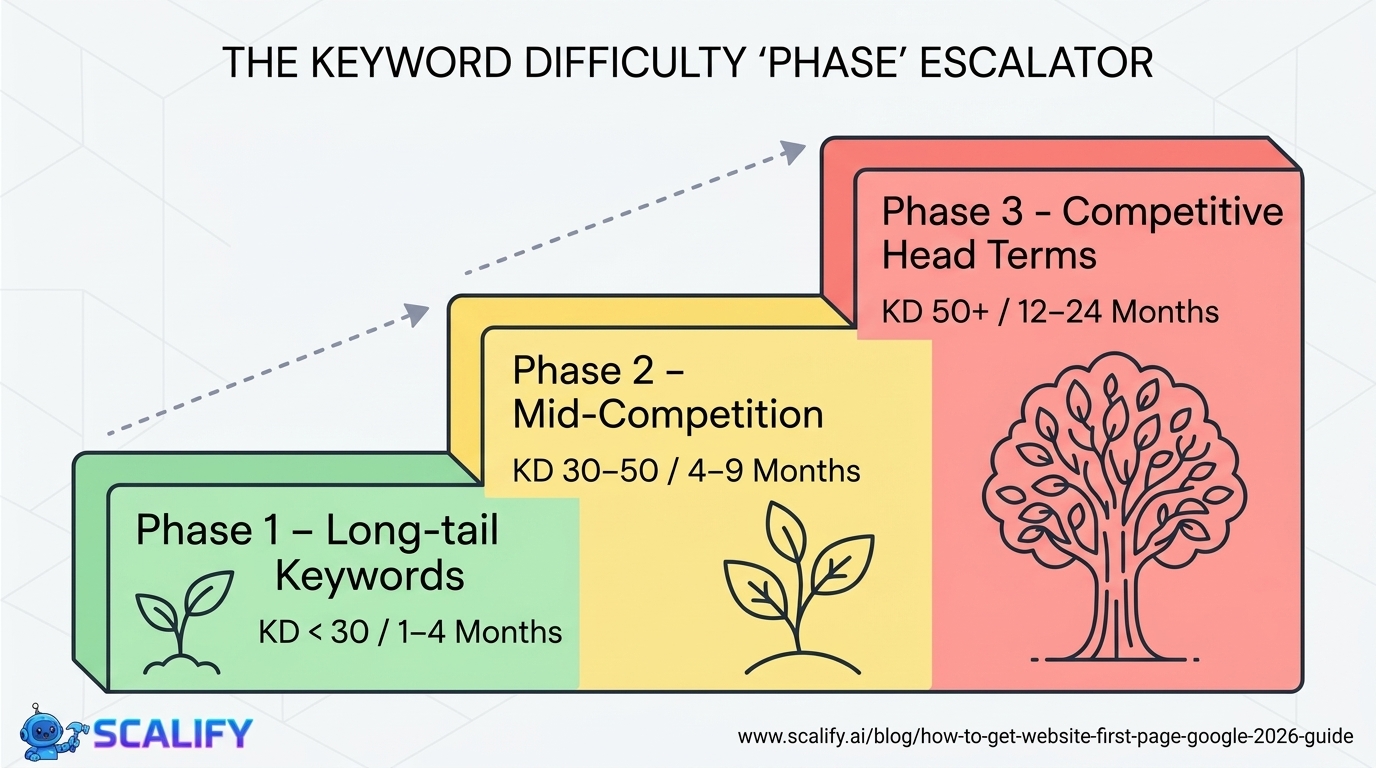
The best content ideas at early stages of content marketing: specific, long-tail queries with lower competition where you can plausibly rank, important topics that have poor existing content (you can outrank weak competitors), and questions your ideal customers are actively asking that nobody has answered comprehensively.
Build a Content Calendar
Consistency is the difference between content marketing that builds compound returns and content marketing that sputters. A content calendar — a documented schedule of what you'll publish, when, and on which channels — creates the structure that makes consistency achievable.
A realistic content calendar accounts for your actual resources: if one person has 20% of their time available for content, they can probably produce one quality blog post per week or one in-depth guide every two weeks. Quality beats quantity — a well-researched 3,000-word guide that ranks and gets shared is worth more than ten thin 500-word posts that rank for nothing.
Create Content That Earns Top Rankings
For content to rank in search, it needs to be better than what's already ranking. Not longer — better. More comprehensive, more specific, more accurate, more recently updated, more useful to the actual searcher.
The analysis before writing: look at the top 5 results for your target keyword. What do they cover? What do they miss? What questions do they leave unanswered? What angle do you have access to that they don't (original data, first-hand experience, specific expertise)?
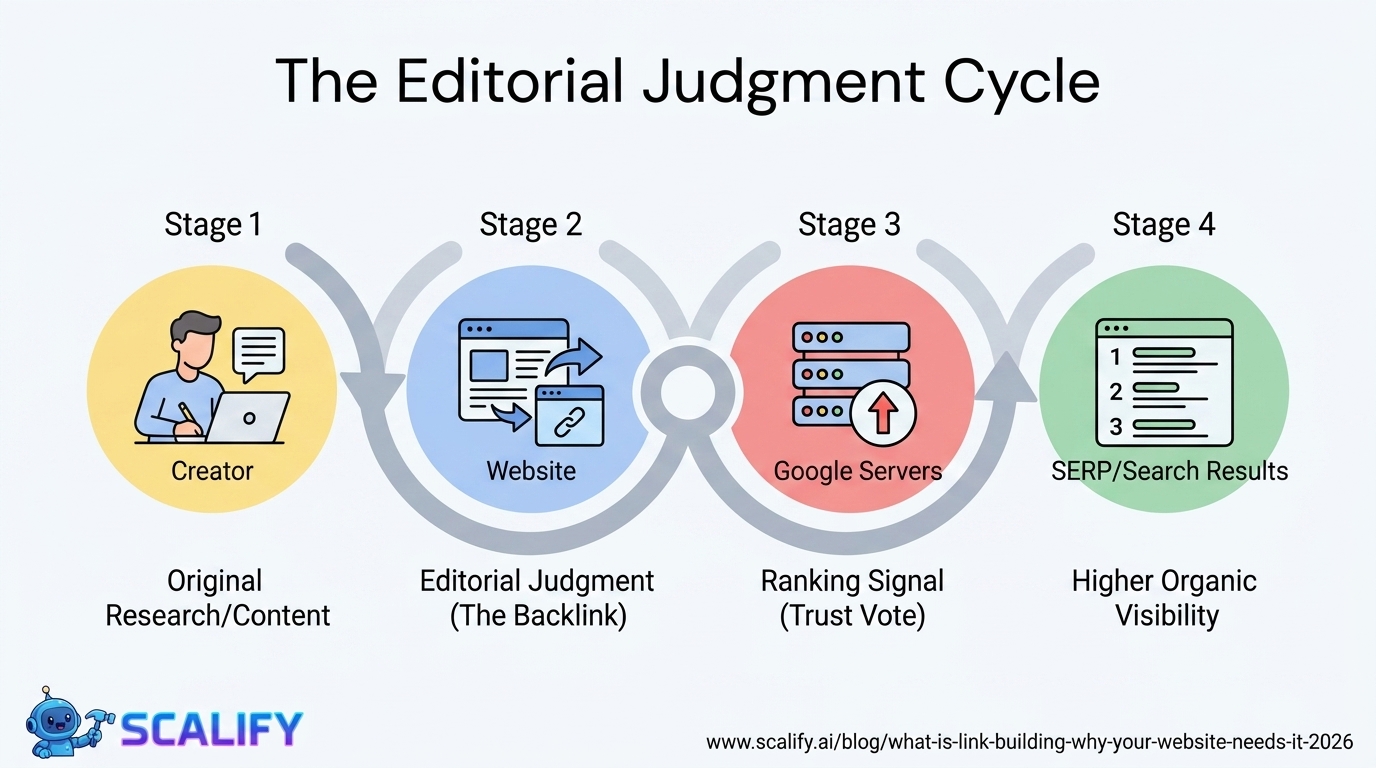
Write to answer the searcher's actual question more completely and more usefully than existing results do. That's the content that earns rankings and the links and shares that sustain them.
Distribute and Promote Your Content
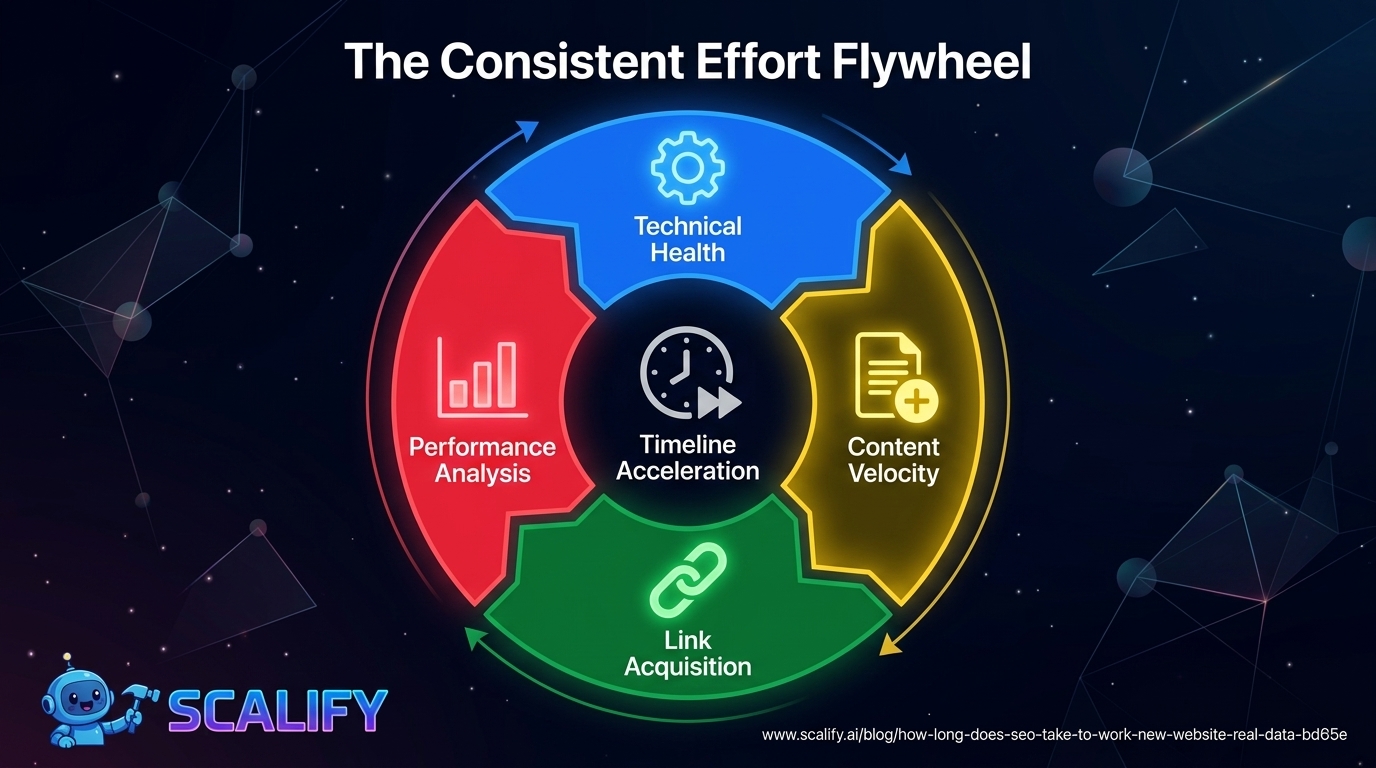
Publishing content without distribution is creating in a vacuum. Content doesn't find its audience automatically — especially new content on new sites that haven't yet built organic traffic. Active distribution accelerates the flywheel.
Distribution channels: email newsletter (your existing audience sees every new piece), social media (reaches your followers and potentially their networks through shares), relevant online communities (industry forums, subreddits, Slack groups — when content genuinely addresses a community's questions), direct outreach (sharing relevant content with people who've discussed the topic publicly), and link building outreach (pitching your best content to publications and sites that cover related topics).
Measure, Analyze, and Iterate
Track what's working and adjust. Which content pieces are generating the most organic traffic? Which are converting visitors into leads? Which are earning backlinks? What topics consistently engage your audience and which fall flat?
Double down on what works. If comparison articles in your niche consistently rank and convert, create more comparison articles. If your how-to tutorials generate significant organic traffic, expand the series. Content marketing strategies that respond to performance data produce better results than those that persist with approaches that aren't working.
The Content Marketing Mistakes That Stall Results
Creating without a keyword or audience strategy: Publishing content that people aren't searching for and your audience doesn't care about is the most common content marketing waste. Research what your audience is actually looking for before spending time creating.
Creating thin content at high volume: 100 thin, 500-word posts that answer nothing thoroughly produce worse results than 20 comprehensive guides that genuinely serve their audience. Google's quality assessment has made thin content not just ineffective but potentially harmful — it can dilute your domain's content quality signals.
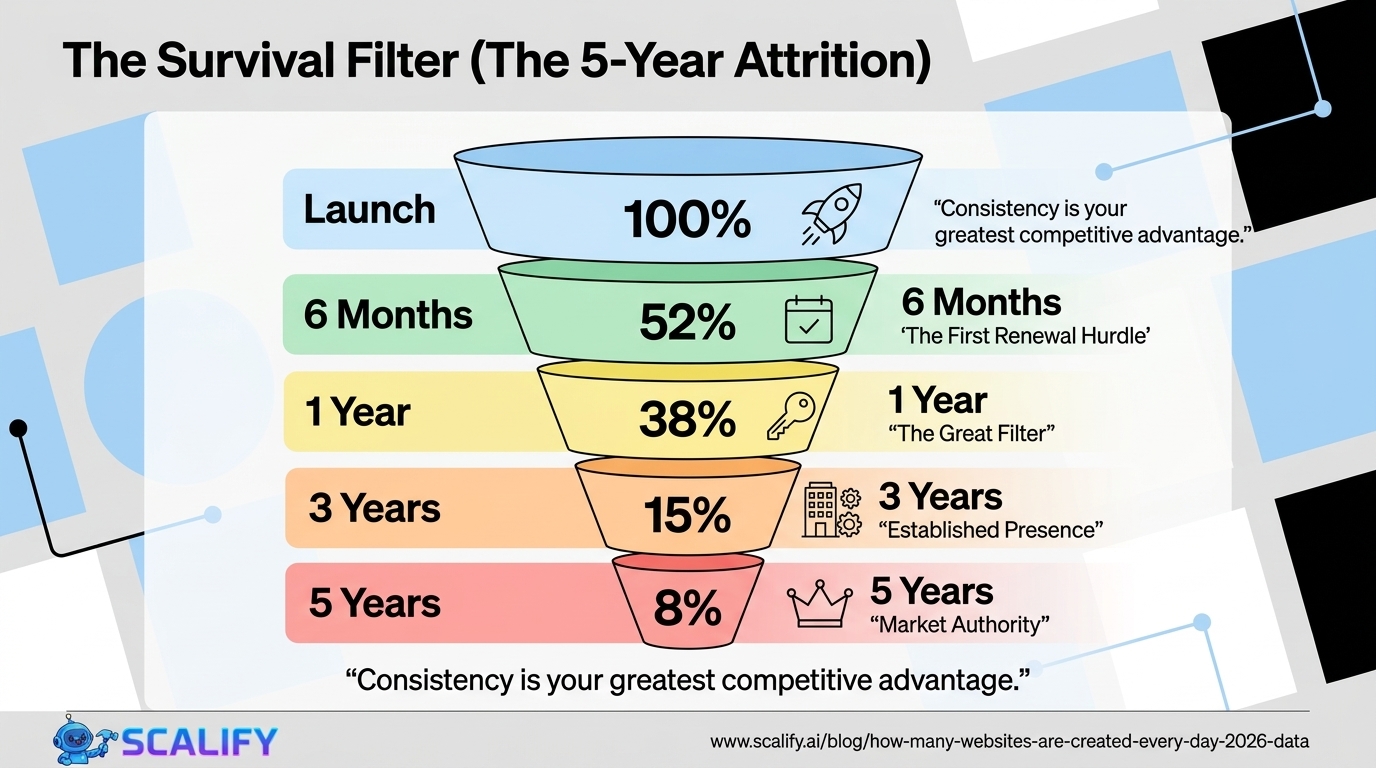
Publishing inconsistently: A burst of content followed by silence doesn't build compound returns. The algorithm benefits, the audience relationship benefits, and the operational benefits (improving at content creation) all require consistency over time.
No distribution plan: Creating excellent content and publishing it without any distribution is a tree falling in an empty forest. Every piece of content needs a distribution plan — even if that plan is just "email newsletter + LinkedIn + relevant forum."
Measuring too soon: Content marketing rewards patience. A blog post published today won't rank in two weeks. It may not rank for 3–6 months. Evaluating content marketing effectiveness after 90 days is premature — evaluate it after 12–18 months of consistent effort.
The Bottom Line
Content marketing is a long-term strategy that builds compounding assets — content that ranks, attracts, and converts continuously over time. It requires consistent investment in creating genuinely valuable material for a clearly defined audience, distributing it strategically, and measuring what works to improve over time.
The returns are slower to emerge than paid advertising and more durable once established. A comprehensive content library built over 2–3 years of consistent effort generates organic traffic and qualified leads that no paid channel can match per dollar of ongoing investment. The businesses that commit to content marketing as a long-term strategy build the most defensible digital presences in their categories.
Every website built by Scalify is built as a content marketing platform — technically optimized for search, structured for easy content management, and designed to convert the organic traffic that content marketing generates into business outcomes.


.jpeg)
.jpeg)

78 SW 7th St, Miami, FL 33130