


What Is E-Commerce and How Do You Build an Online Store That Sells?
By Josh Ternyak

March 29, 2026
E-commerce is one of the most powerful business models available — but most online stores are built wrong. This guide covers what e-commerce is, the platforms that power it, and the design and conversion principles that make stores sell.
Selling Online: The Infrastructure, the Strategy, and the Execution
The global e-commerce market exceeded $5.7 trillion in 2024 and continues growing. The barrier to entry has never been lower — anyone can set up an online store in an afternoon on Shopify or WooCommerce. But low barriers to entry also mean most online stores are mediocre: they function but don't convert, they exist but don't grow, they have products but don't have customers.
The difference between an online store that generates significant revenue and one that slowly runs out of its owner's enthusiasm is not the products (though quality matters) or the traffic (though you need some). It's almost always execution: the design decisions, the platform choices, the conversion optimization, the trust building, and the customer experience that transforms visitors into buyers and buyers into repeat customers.
This guide covers e-commerce from the ground up: what it is, the main platforms and when to use each, the conversion principles that make stores sell, and the common mistakes that keep most online stores from reaching their potential.
What E-Commerce Is
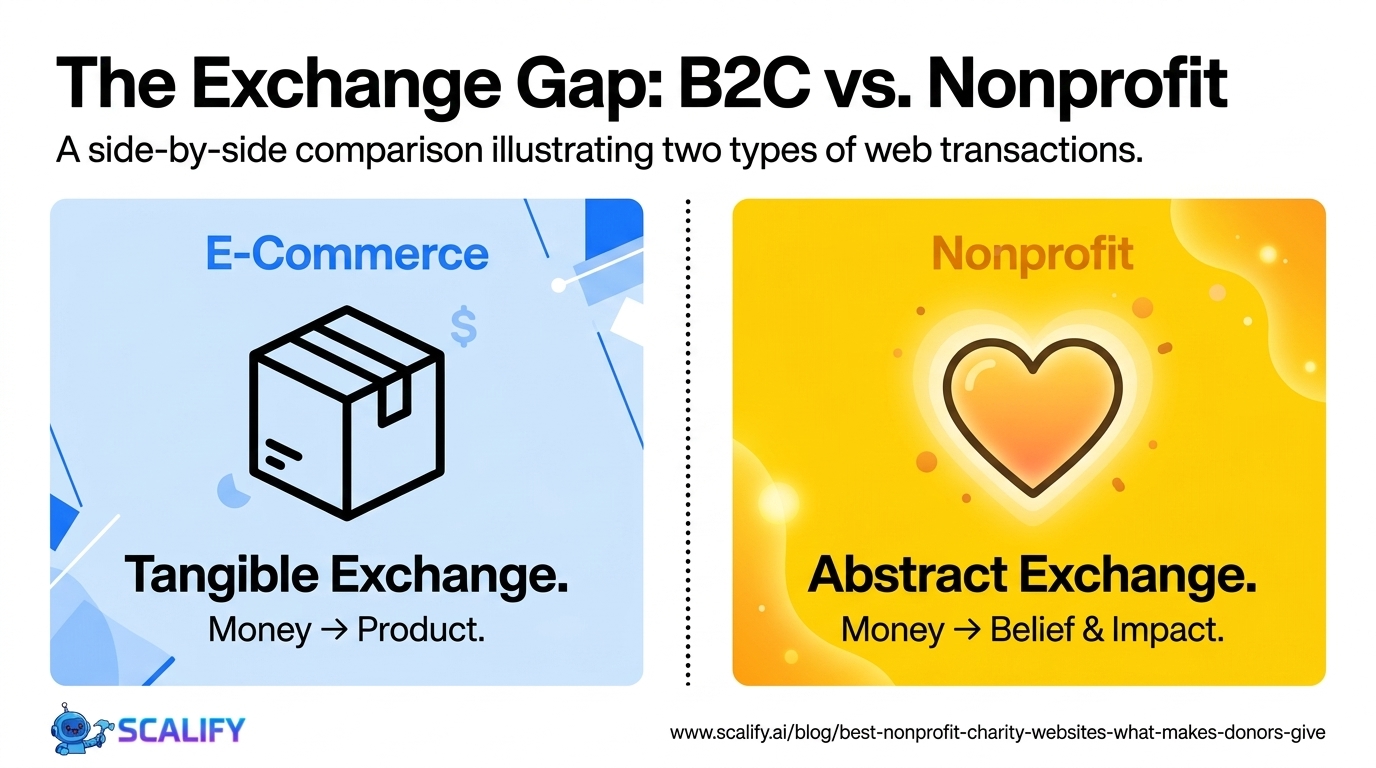
E-commerce (electronic commerce) is the buying and selling of goods and services over the internet. It encompasses direct-to-consumer product sales, business-to-business product and service sales, digital product delivery, subscription commerce, and marketplaces.
The major categories:
B2C (Business to Consumer): Businesses selling directly to individual consumers. The most common mental model of e-commerce — a brand selling products through its own website or marketplaces.
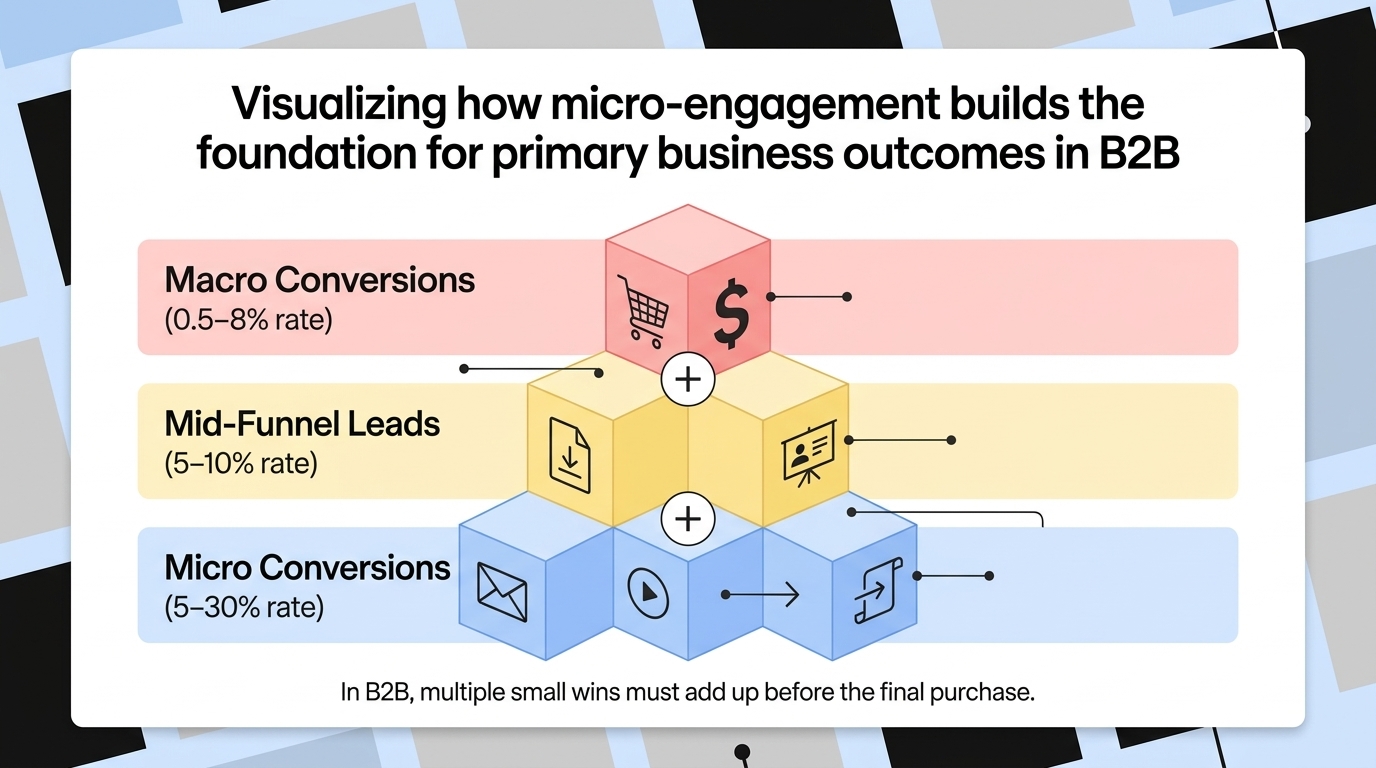
B2B (Business to Business): Businesses selling to other businesses. Often involves larger order sizes, longer sales cycles, account-based pricing, and more complex checkout flows (purchase orders, net terms, bulk pricing).
C2C (Consumer to Consumer): Individuals selling to other individuals through marketplace platforms (eBay, Craigslist, Facebook Marketplace, Etsy for handmade goods).
D2C (Direct to Consumer): Brands that manufacture their own products and sell directly to consumers without retail intermediaries. Made possible at scale by e-commerce platforms — previously, reaching consumers directly required physical retail presence.
Subscription Commerce: Products or services delivered on a recurring basis — subscription boxes, SaaS software, digital content subscriptions, membership programs.
Digital Product Sales: Software, digital downloads, online courses, templates, music, ebooks, licenses. No physical inventory, no shipping — digital fulfillment.
E-Commerce Platforms: Choosing the Right Foundation
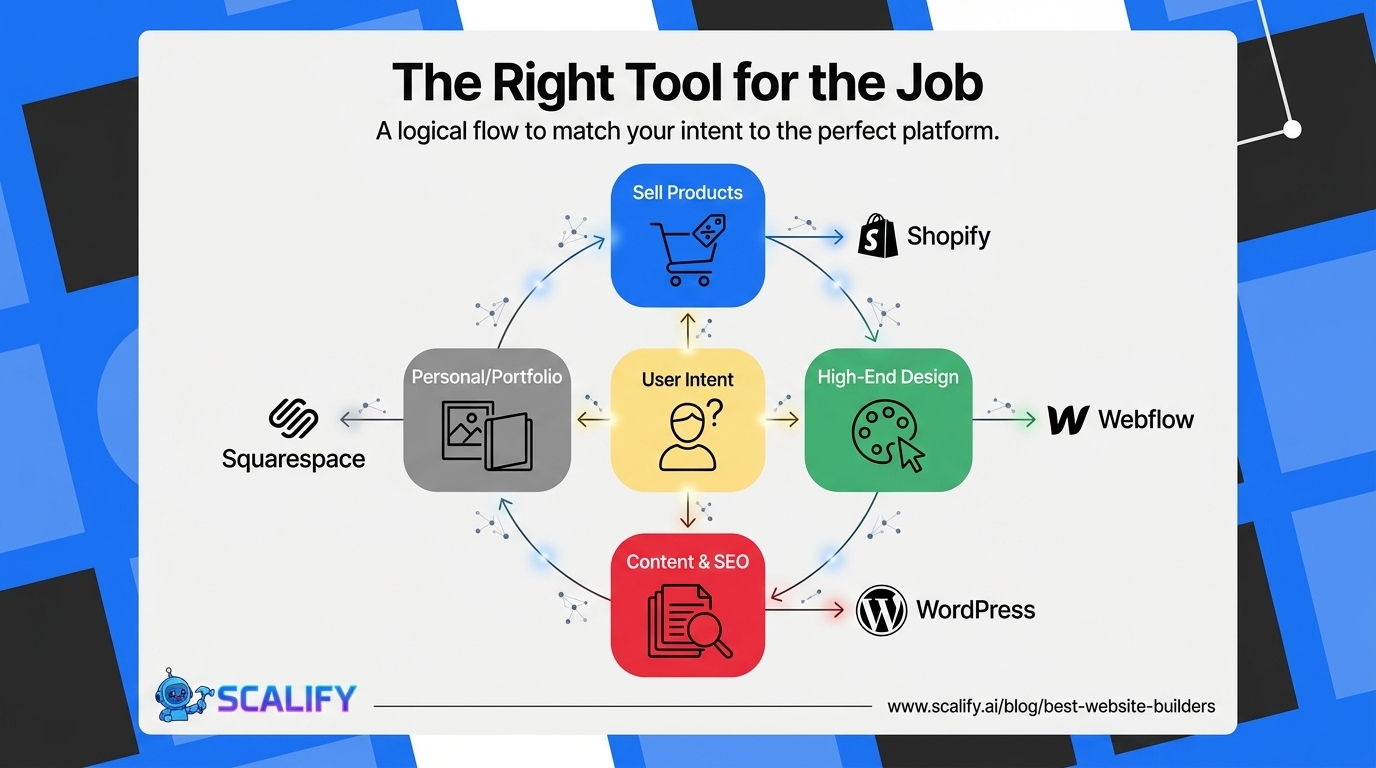
The platform decision is the most consequential architectural choice in building an online store. Different platforms serve different situations, and switching platforms later is expensive. Getting this right at the start matters.
Shopify ($39–$399+/month)
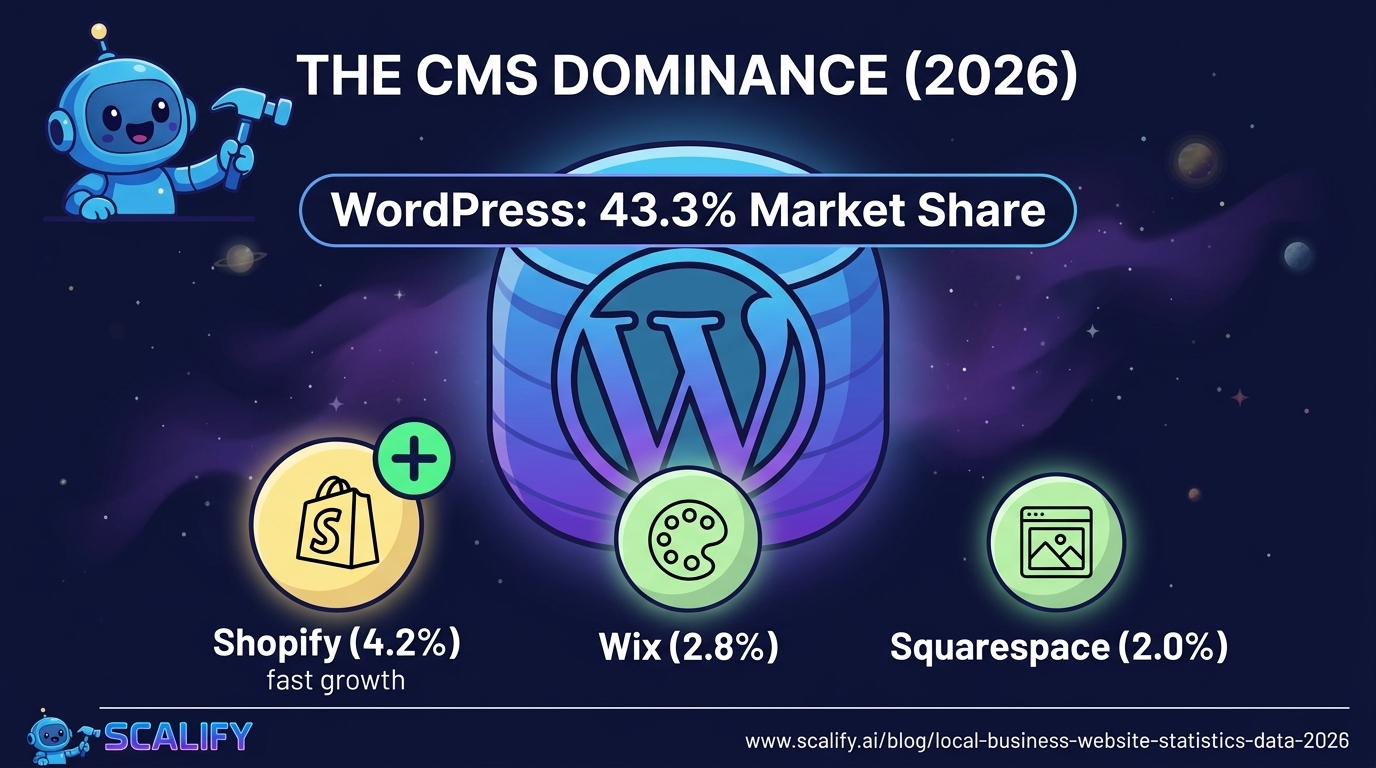
The dominant choice for direct-to-consumer brands, physical product sellers, and most first-time e-commerce businesses. Shopify provides: a complete commerce infrastructure (payment processing, inventory management, shipping, tax calculation), a large ecosystem of apps and integrations, reliable hosting and security, and a relatively accessible learning curve.
Best for: Brands selling physical products, dropshipping, DTC brands, businesses that want a dedicated e-commerce platform rather than adding e-commerce to an existing website, businesses expecting significant scale.
Limitations: Monthly fees plus transaction fees (if not using Shopify Payments), limited flexibility in checkout customization (locked to Shopify's checkout), and higher cost as you scale to Shopify Plus territory.
WooCommerce (Free, plus hosting and extensions)
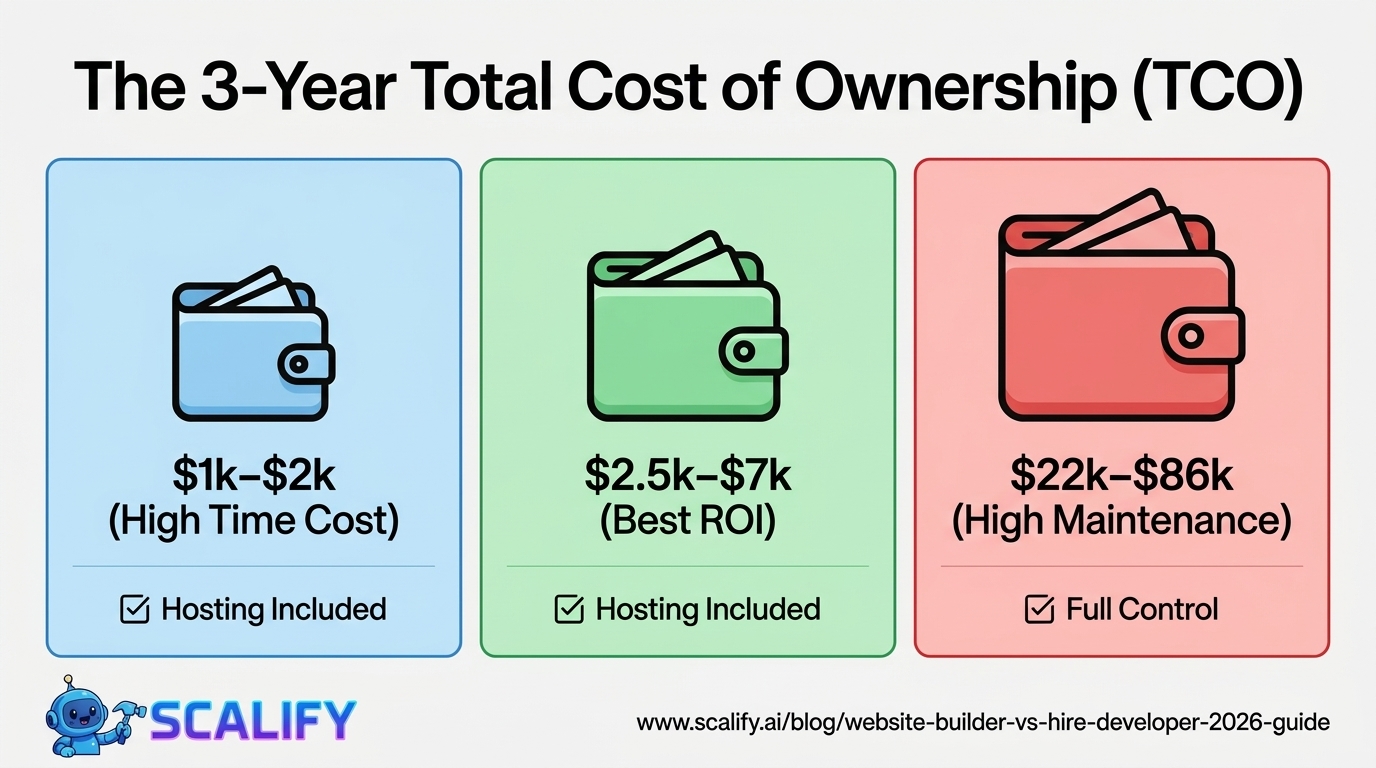
E-commerce plugin for WordPress. Open-source and free to install, but requires paid hosting, frequently paid extensions for additional functionality, and more technical management than hosted platforms. Highly customizable — you can build exactly what you need. Also requires more responsibility: you manage hosting performance, security updates, and plugin compatibility.
Best for: Businesses already on WordPress, businesses needing deep customization that Shopify's ecosystem doesn't provide, businesses with technically capable teams who can manage the additional complexity, and businesses with very specific requirements that map poorly to Shopify's structure.
Limitations: More technical overhead than hosted platforms, performance requires active management, plugin conflicts can cause issues, and the total cost of ownership (hosting + premium extensions + development) often exceeds Shopify for comparable functionality.
BigCommerce ($39–$399+/month)
Enterprise-leaning alternative to Shopify. Strong built-in features that Shopify charges apps for, no transaction fees on any plan, and better native B2B capabilities. Less extensive app ecosystem than Shopify; slightly steeper learning curve.
Best for: Businesses needing strong B2B features, multi-storefront management, or very high volume merchants who benefit from no per-transaction fees. Also strong for omnichannel selling (physical retail + online + wholesale).
Webflow E-Commerce ($29–$212+/month)
E-commerce capability built into Webflow. Best visual design flexibility of any e-commerce platform — designers can build exactly the experience they envision without template constraints. Limited payment provider options, smaller app ecosystem, and less mature e-commerce features than Shopify/BigCommerce.
Best for: Designers who need maximum design control, small product catalog businesses, and stores where the visual brand experience is paramount and the catalog is not complex.
Squarespace E-Commerce ($23–$52+/month)
E-commerce built into Squarespace. Simple, beautiful templates, low technical barrier, limited customization. Better for small catalogs and simple products than complex stores. Good for service businesses that want to add some product sales without switching platforms.
Best for: Very small product catalogs, service businesses adding minimal product sales, businesses prioritizing simplicity over features.
The Anatomy of a Converting Product Page
The product page is where purchase decisions are made — the most conversion-critical page in any online store.
Product Photography That Does the Selling
E-commerce product photography is the single biggest lever for online store conversion. In physical retail, customers handle products, examine quality, and experience the item directly. Online, photography does all of this work.
What converts:
- Multiple angles: Front, back, sides, details, in use. Comprehensive coverage eliminates "I need to see what it looks like from [angle]" abandonment.
- Context/lifestyle photos: Product in use by someone like the customer, in an environment like theirs. These photos help customers visualize themselves with the product.
- Scale reference: Show the product next to common objects or on a person to communicate real-world size. Scale misunderstandings are a major return driver.
- High resolution with zoom: Quality and detail examination that mimics physical handling. Zoomable images for products where material quality matters.
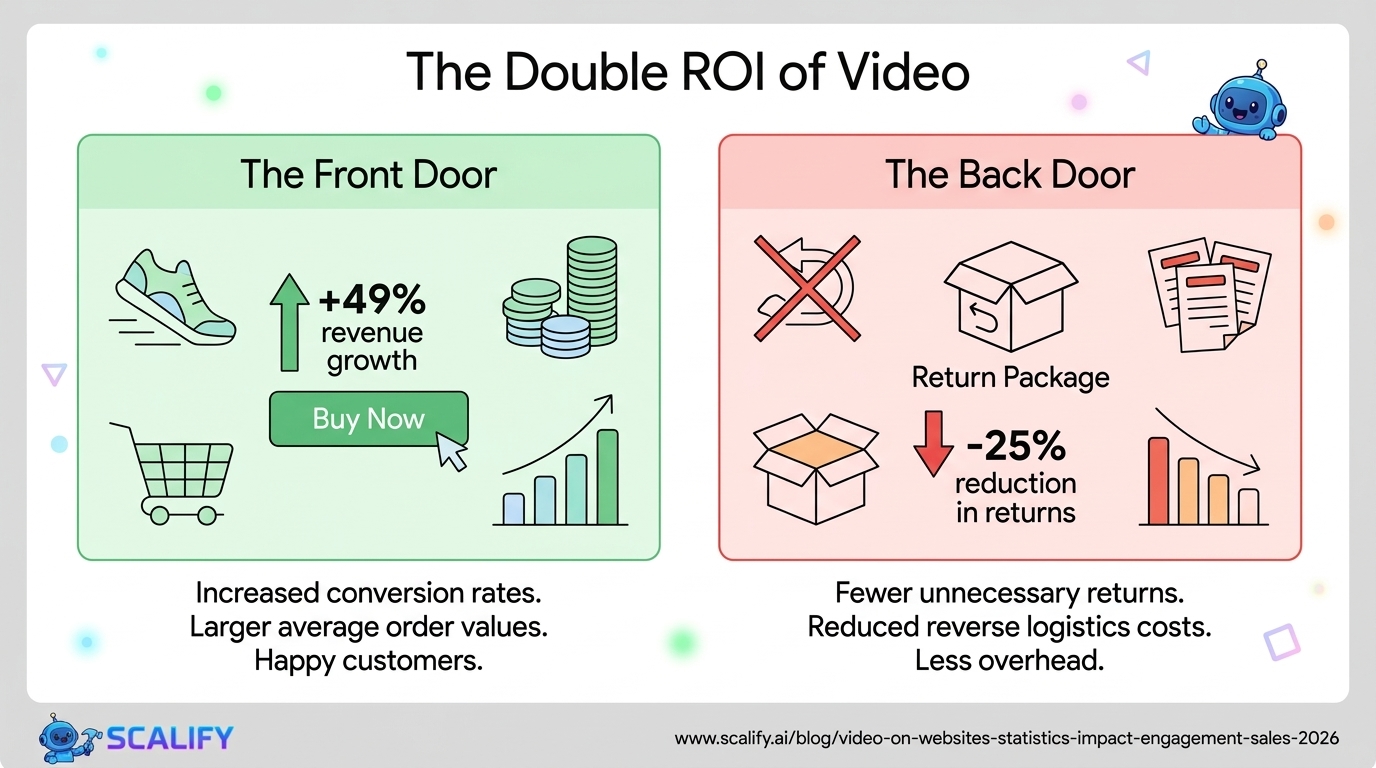
- Video: Product demo videos, unboxing, functionality demonstrations. Video is dramatically more effective than static images for communicating product experience.
Product Title and Description
The product title should be specific, descriptive, and include the primary search keyword. "Men's Running Shoe" is too generic. "Adidas Ultraboost 23 Men's Running Shoe — Lightweight, Responsive Foam" is specific, informative, and searchable.
The description must answer the questions customers would ask a salesperson:
- What is it? (precise, concrete description)
- What does it do? (function and benefit)
- What is it made of? (materials, construction)
- What's the size/weight/dimensions?
- Who is it for? (use cases, ideal customer)
- What's included?
Avoid manufacturer descriptions copy-pasted across the store — this creates duplicate content for SEO and misses the opportunity to write for your specific customer in your brand's voice.
Social Proof: Reviews, Ratings, and UGC
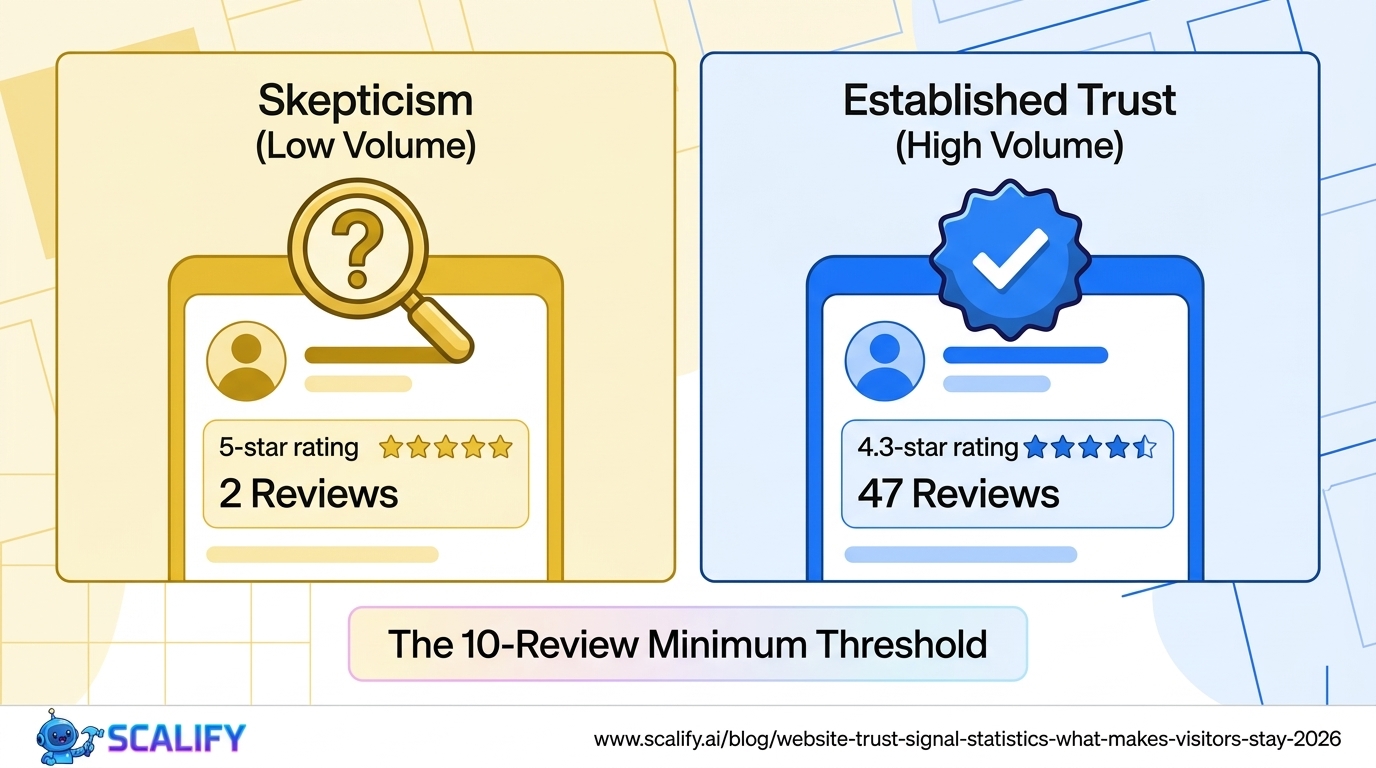
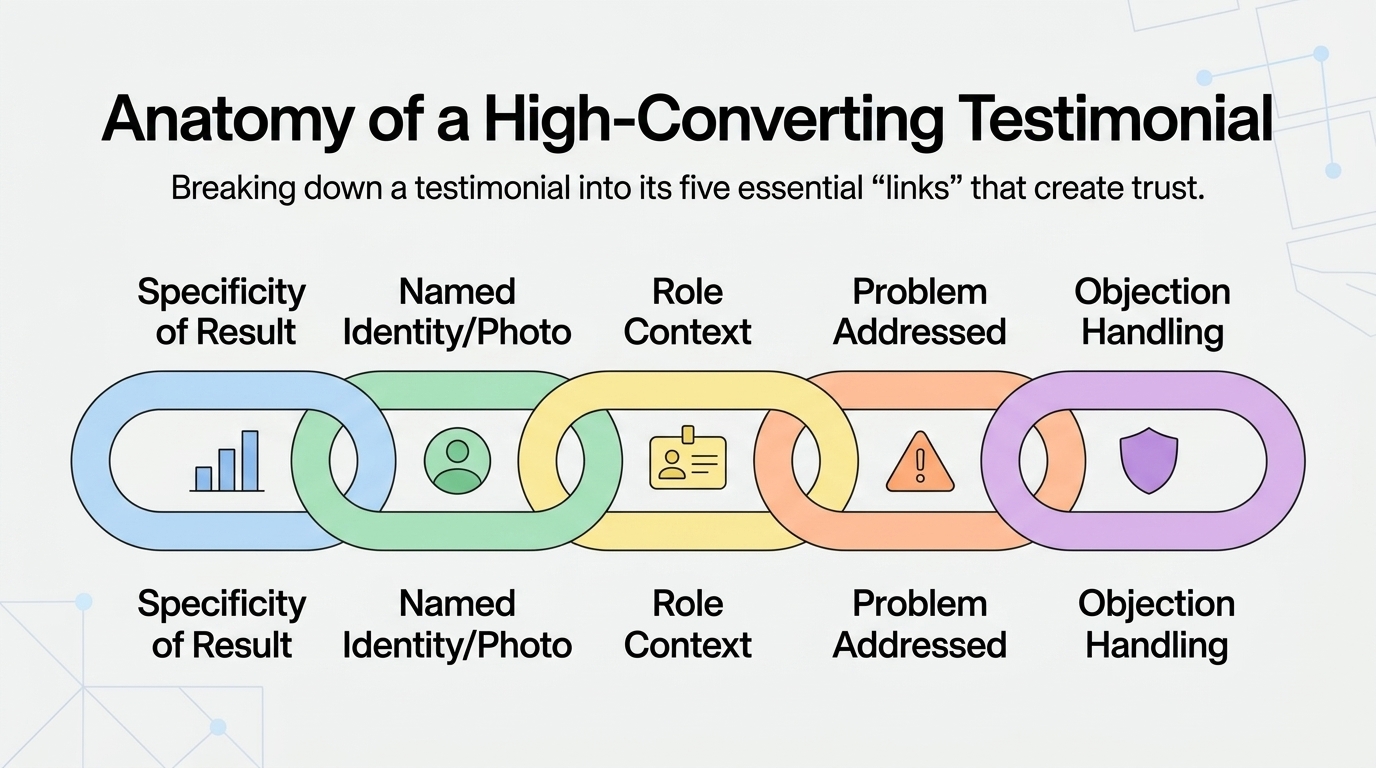
Product reviews are among the most powerful conversion drivers in e-commerce. BrightLocal research shows 93% of consumers say online reviews influence their purchase decisions. The specific mechanisms:
- Star ratings displayed prominently on product pages
- Written reviews with specific details about quality, fit, use experience
- Photos from customers (UGC — user-generated content) showing the product in real use
- Question and answer sections for common pre-purchase questions
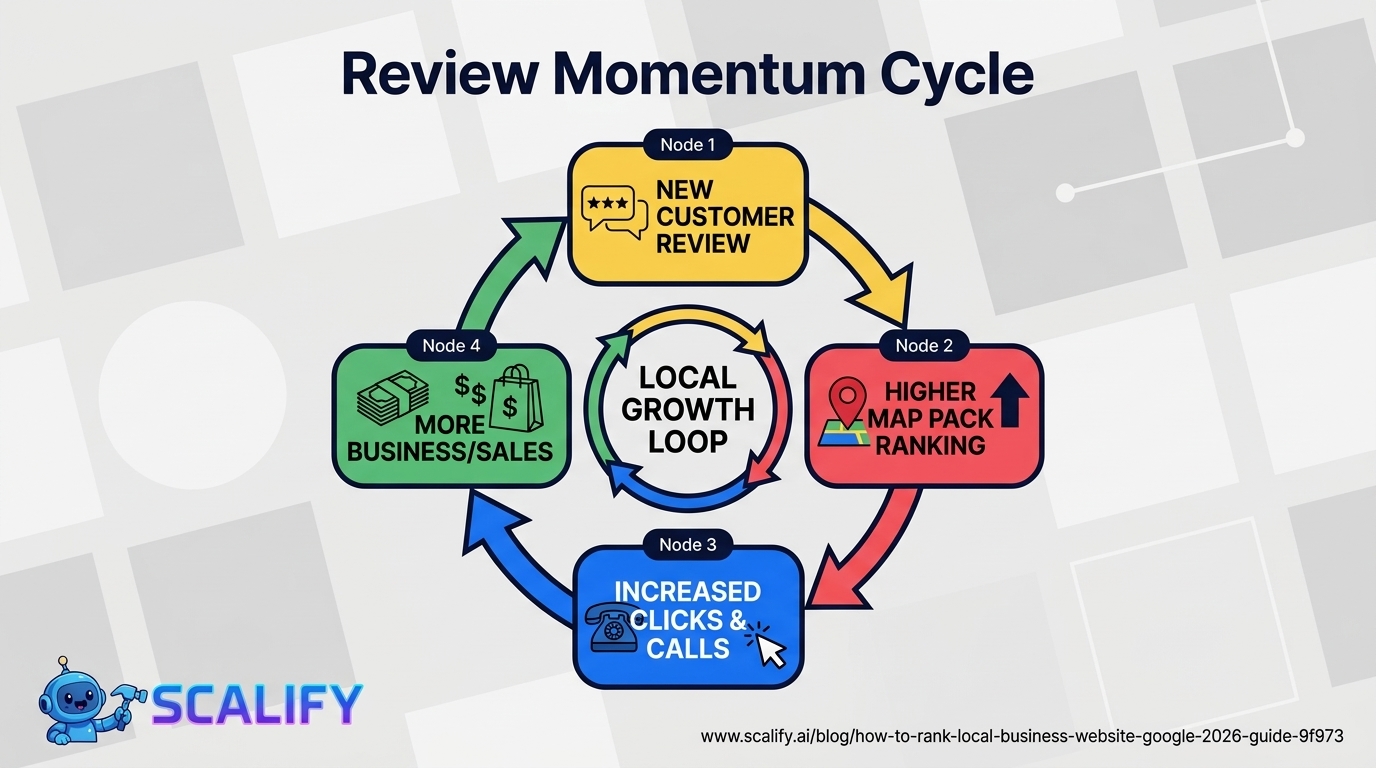
Generating reviews: send post-purchase emails requesting reviews after sufficient time to receive and use the product. Timing matters — too soon and customers haven't used it; too late and they've moved on. 7–14 days after expected delivery for most products.
Shipping and Returns: The Trust Foundation
Shipping costs and return policies are two of the most decision-influencing pieces of information on any product page. The research on this is consistent: unexpected shipping costs at checkout are the top cause of cart abandonment. Unclear return policies create anxiety that prevents purchase.
Best practices:
- Display shipping cost (or "Free Shipping") prominently on product pages — before the add-to-cart action
- Free shipping threshold (if any) displayed with progress indication ("Add $12 more for free shipping")
- Return policy highlighted on product pages in clear, plain language
- Free or easy returns are a competitive advantage — communicate them prominently
Scarcity and Social Proof Signals
Real scarcity signals (not manufactured) increase purchase urgency:
- "Only 3 left in stock" (if accurate)
- "Order in the next 2 hours for same-day shipping" (with real cutoff)
- "12 people viewed this in the last hour" (if real data from analytics)
These signals work when genuine. Fake scarcity that visitors can detect damages trust significantly.
Checkout Optimization: The Final Friction Point
Cart abandonment rate averages 70% across all industries. The checkout is where the largest volume of almost-purchases fail. Primary causes:
Forced account creation: Requiring account creation before purchase is the single highest-abandonment cause. Always offer guest checkout. Account creation should be offered as an option after purchase, not as a prerequisite.
Unexpected costs: Shipping, taxes, fees revealed at checkout that weren't visible earlier. The solution isn't hiding costs — it's surfacing them earlier (product page, cart) rather than making them a surprise at checkout.
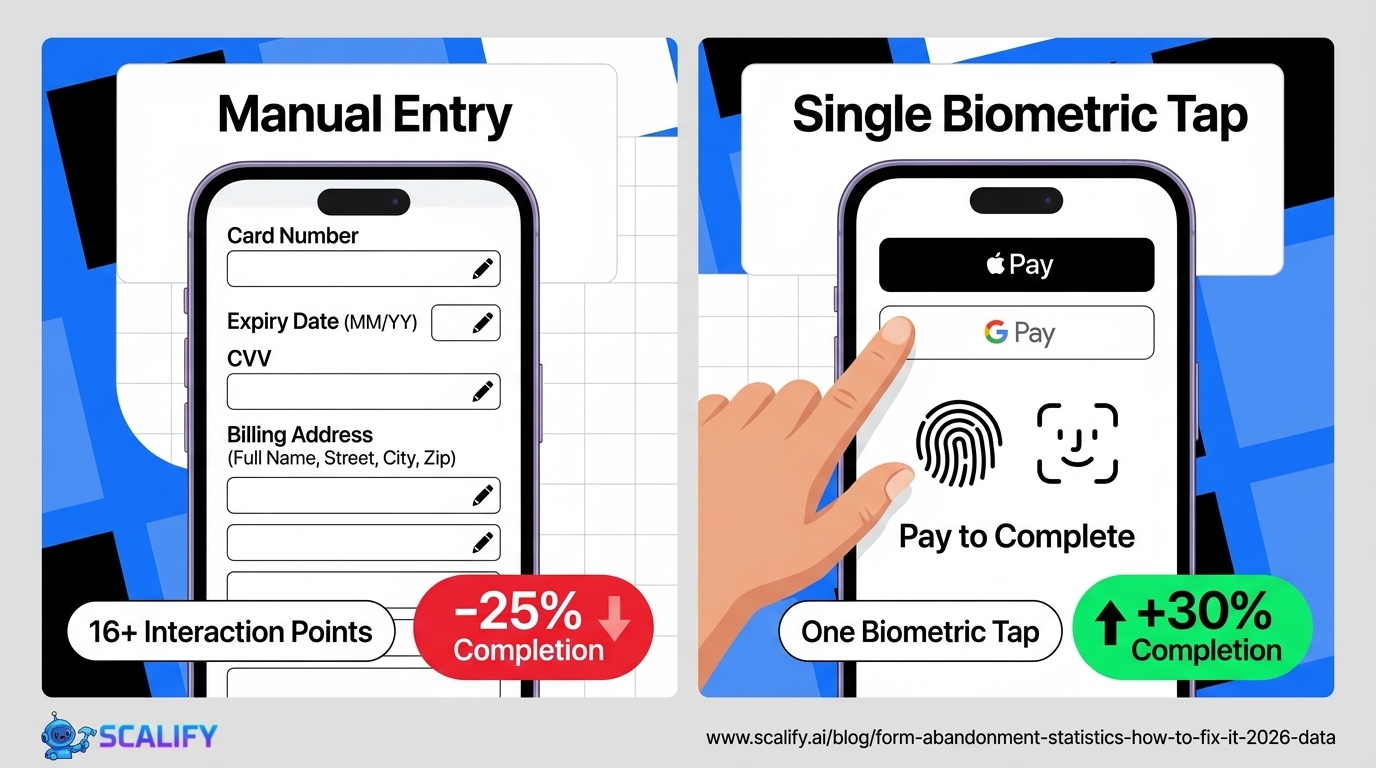
Too many form fields: Billing address, shipping address, card details, account password, newsletter subscription preferences... each additional field increases friction. Use autofill-compatible forms, offer address lookup to reduce manual entry, and use digital wallets (Shop Pay, Apple Pay, Google Pay) that reduce checkout to one or two clicks for returning users.
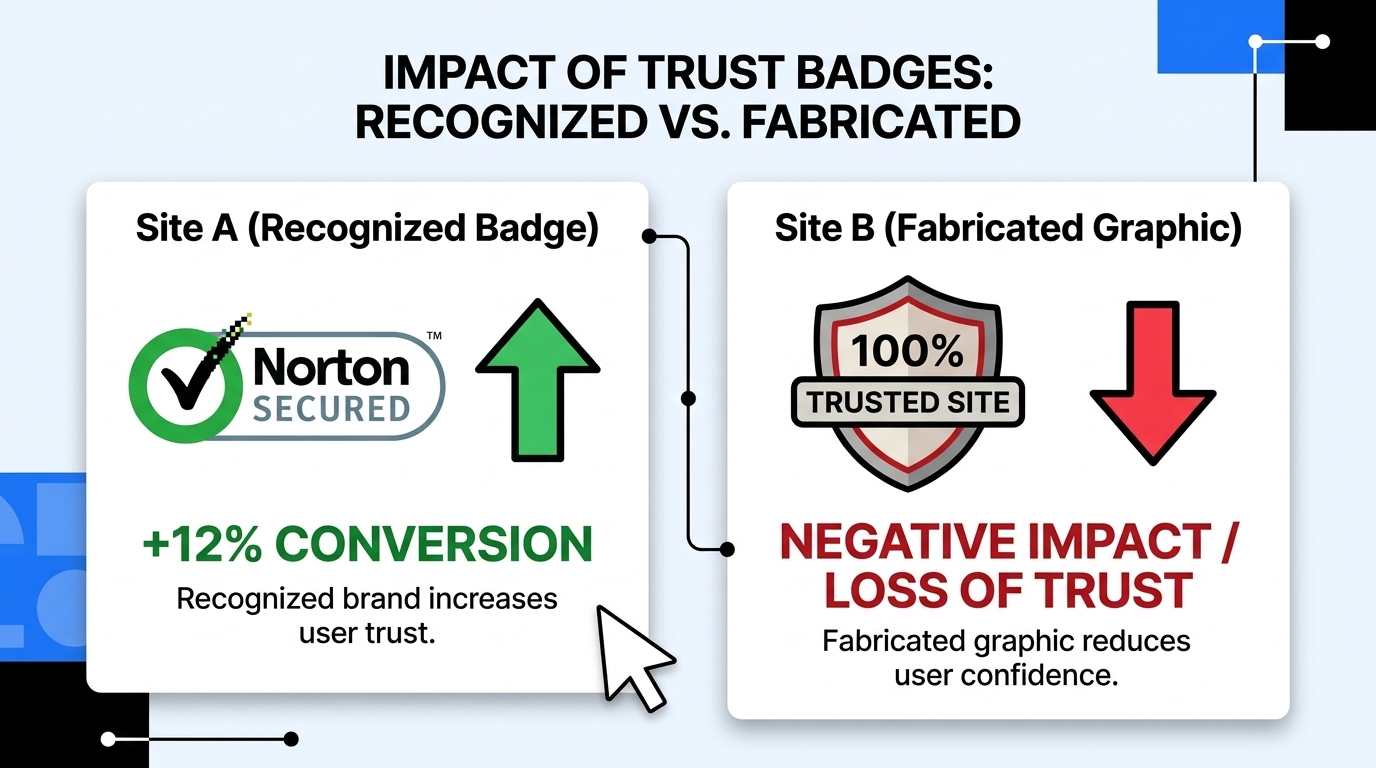
Security concerns: Visible trust signals in checkout (SSL indicators, security badges, payment logos) reduce anxiety about entering credit card information on an unfamiliar site. For newer stores without established brand recognition, these signals matter more.
Product Discovery and Navigation
Customers can only buy what they can find. Product discovery — how visitors find the right product — is critical for stores with more than a handful of products.
Search: Internal search is disproportionately important for e-commerce. Visitors who use search have expressed strong intent — they know what they want and they want it now. A slow, inaccurate search that returns unhelpful results loses these high-intent visitors. Search that understands synonyms, handles typos, and returns relevant results converts significantly better.
Category navigation: Clear, logical product categorization that matches how customers think about products — not how the company organizes its SKUs internally. If customers search for "running shoes" but the category is called "Athletic Footwear," you've created an unnecessary translation requirement.
Filtering and facets: For large catalogs, filtering by color, size, price range, material, and other relevant attributes helps customers narrow the catalog to relevant items. Faceted navigation must be implemented carefully to avoid the URL proliferation duplicate content issues discussed in the technical SEO section.
E-Commerce SEO: Getting Found Organically
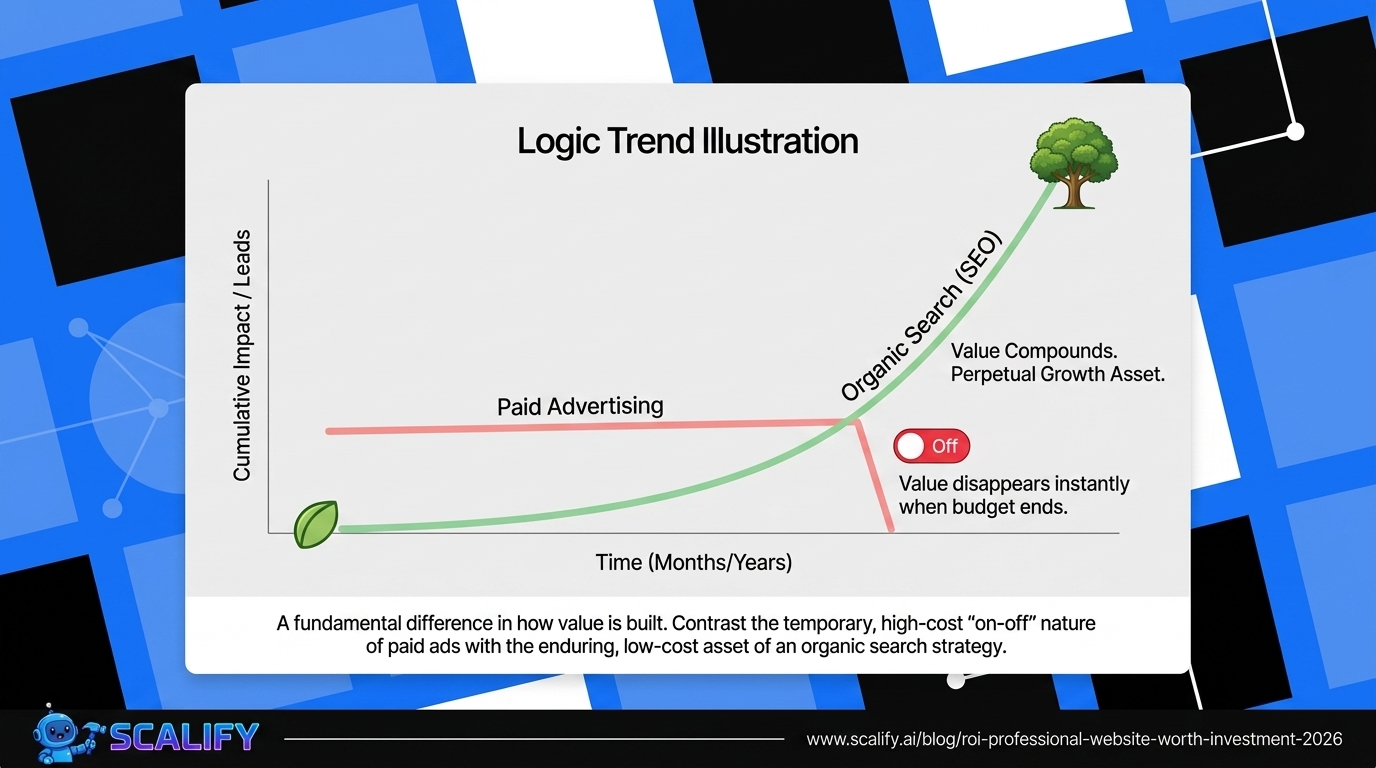
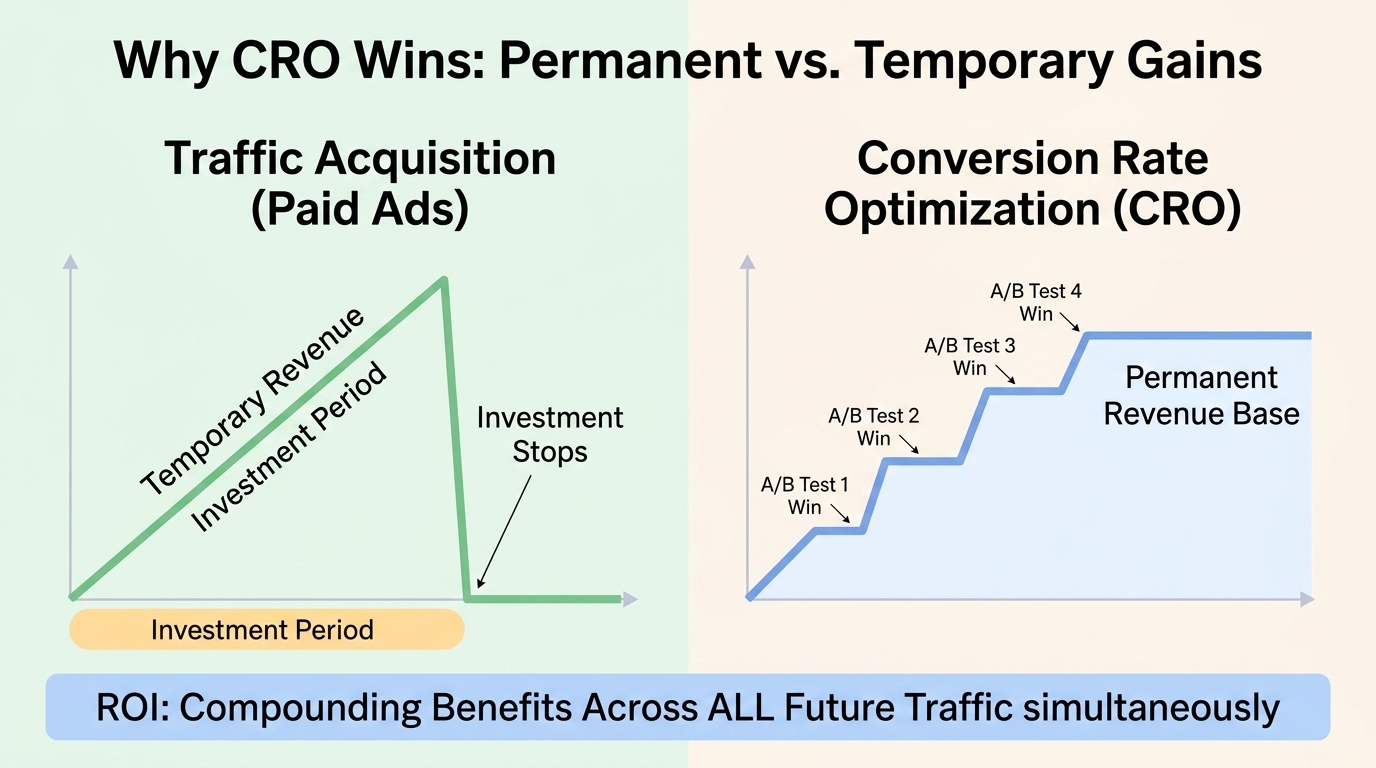
Organic search can be the highest-ROI traffic source for established e-commerce stores — traffic that doesn't require ongoing advertising spend. E-commerce SEO differs from content SEO in important ways:
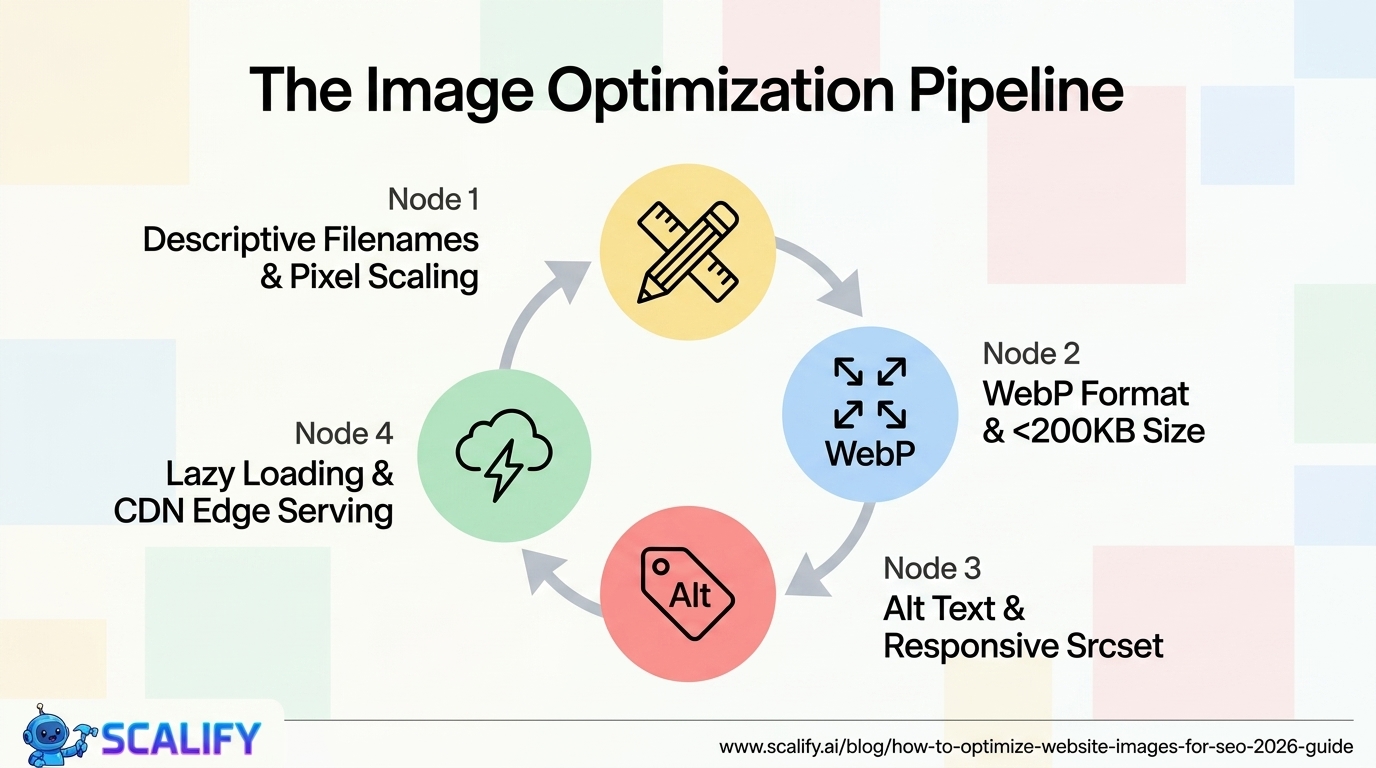
Product page SEO: Unique, keyword-rich product titles and descriptions. Structured data for product pages (Product schema with price, availability, ratings). High-quality images with descriptive alt text. Fast loading pages.
Category page SEO: Category pages can rank for broader, higher-volume category keywords. Unique, descriptive category page copy (not just a product grid with no text). Strong internal linking from blog content to relevant category pages.
Long-tail content: Blog content targeting research-phase queries drives traffic from buyers who aren't yet searching for a specific product but are researching their problem/need. "Best shoes for plantar fasciitis" content drives traffic to a shoe store even from users who haven't yet decided which brand or product to buy.
The Bottom Line
E-commerce success comes from the combination of getting found (SEO, advertising, social), convincing visitors to buy (product photography, descriptions, reviews, social proof), making purchase frictionless (checkout optimization, payment options, transparency on shipping and returns), and delivering an experience worth returning to (product quality, post-purchase communication, returns handling).
The platform choice matters — Shopify for most physical product businesses, WooCommerce for WordPress-based stores needing customization, BigCommerce for B2B and high-volume sellers. But the platform is table stakes; the competitive advantage comes from execution of the conversion fundamentals on top of whatever platform you choose.
At Scalify, e-commerce website builds include the conversion architecture, performance optimization, and SEO foundation that turns a working online store into one that actually generates meaningful revenue — because a store that doesn't sell is just an expensive product catalog.




.jpeg)
.jpeg)

78 SW 7th St, Miami, FL 33130