


What Is E-Commerce and How Do You Build a Successful Online Store?
By Josh Ternyak

March 29, 2026
E-commerce is one of the most powerful business models available — but most online stores fail for predictable, avoidable reasons. This complete guide covers what e-commerce is, how it works, and exactly what separates stores that thrive from those that struggle.
The Business Model That's Redefined Retail — and Still Has Room for You
Global e-commerce sales crossed $6 trillion in 2024. That number was $1.3 trillion in 2014. The growth trajectory of online retail has been one of the most consistent business stories of the last two decades, and despite predictions that the market is saturated, new e-commerce businesses continue to find profitable niches, build loyal audiences, and generate substantial revenue every year.
But for every successful online store, there are dozens that failed — not from bad products, not from insufficient demand, but from predictable execution mistakes. The wrong platform. The wrong pricing. The wrong acquisition strategy. A checkout experience that killed conversions. Product photography that didn't showcase what was actually being sold.
This guide covers e-commerce comprehensively: what it is, the different models it encompasses, the technology stack that powers successful stores, the specific elements that determine whether an online store converts or struggles, and the most common mistakes that turn promising businesses into expensive learning experiences.
What E-Commerce Is
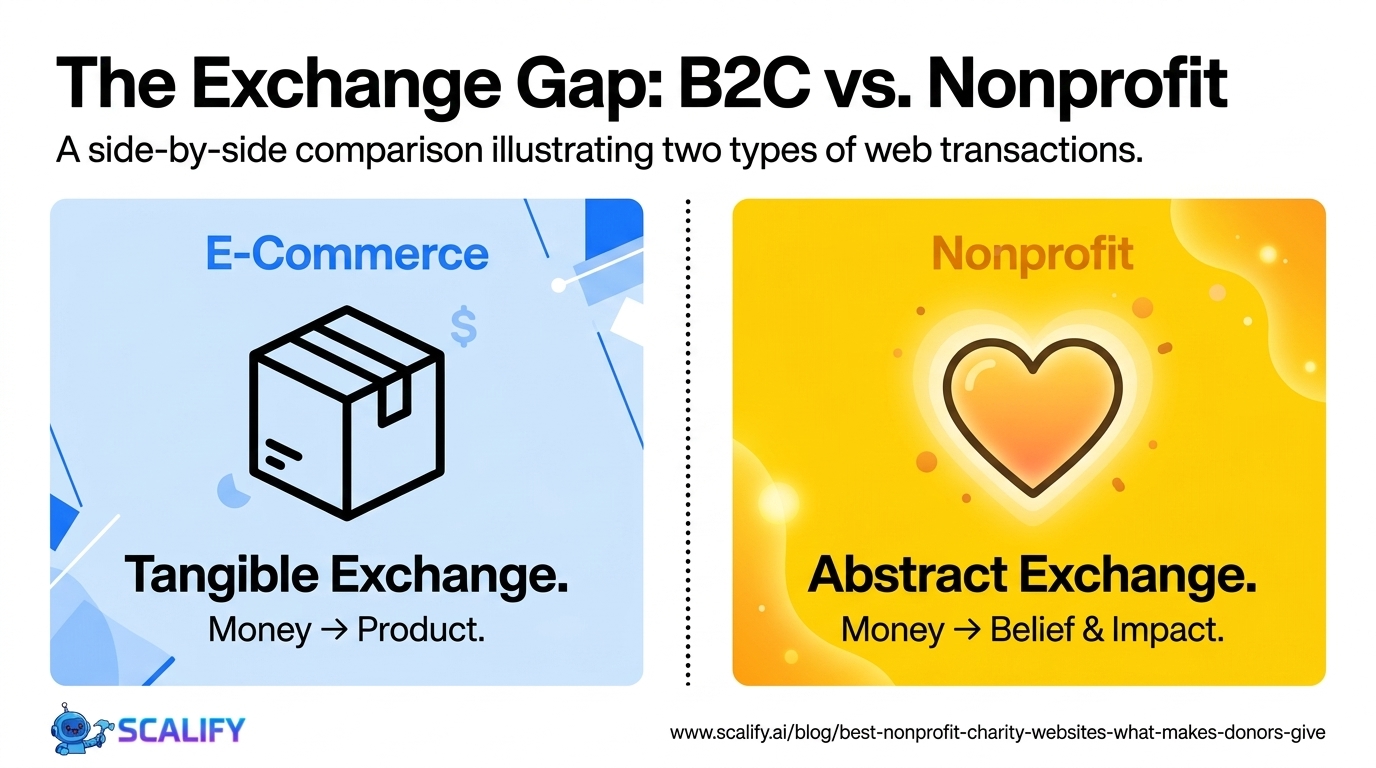
E-commerce (electronic commerce) is the buying and selling of products or services over the internet. It encompasses the entire transaction lifecycle: product discovery, product evaluation, purchase, payment processing, fulfillment, and post-purchase relationship.
E-commerce is not just "having an online store." True e-commerce involves a complete commercial transaction conducted digitally — the customer initiates, makes payment, and the business processes that payment and fulfills the order, all through digital channels.
This distinguishes e-commerce from businesses that use websites to generate leads for offline transactions (a car dealership website that gets calls but doesn't sell cars online) and from businesses that list products online but require offline payment (cash on delivery services). When the full commercial transaction — discovery through payment — happens digitally, it's e-commerce.
The Main Types of E-Commerce
B2C (Business to Consumer)
The most familiar model: a business sells products or services directly to individual consumers. Amazon, Shopify stores, clothing brands, and consumer electronics retailers are all B2C. Most of what people picture when they think "e-commerce" is B2C.
B2C e-commerce success depends heavily on: customer acquisition (getting people to your store), conversion rate optimization (turning visitors into buyers), average order value optimization, and customer retention (getting them to buy again). The margins in B2C are often lower than B2B because the acquisition cost of individual consumers is high relative to the transaction size.
B2B (Business to Business)
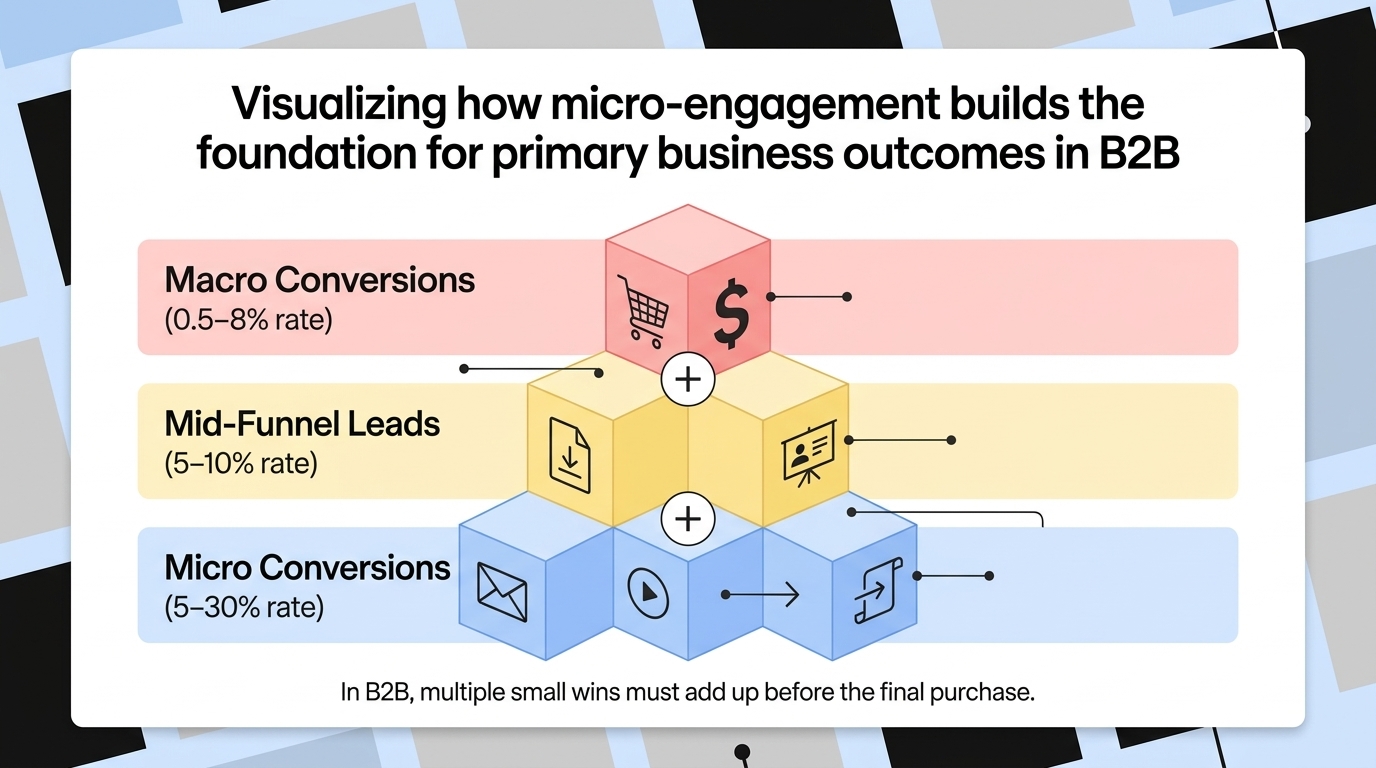
Businesses selling to other businesses online. Often higher transaction values, longer sales cycles, and different decision-making processes (procurement teams rather than individual consumers). B2B e-commerce includes wholesale marketplaces, SaaS software (subscription e-commerce), and companies that sell raw materials, equipment, or services to other businesses.
B2B e-commerce has grown dramatically as procurement processes have digitized. The business buyer now expects the same convenience and transparency they experience as consumers — real pricing, clear product information, easy ordering. B2B stores that provide this convert better than those that still require calling a sales rep to get a quote.
D2C (Direct to Consumer)
Brands that manufacture products and sell directly to consumers, bypassing traditional retail channels. The D2C model became a significant business category in the 2010s, enabled by Shopify and social media advertising. Warby Parker, Allbirds, Casper, and Dollar Shave Club pioneered the model — building brand, acquiring customers directly through digital channels, and retaining the margin that would otherwise go to retail distributors.
D2C offers higher margins than wholesale (no retailer markup) and direct customer relationships (you own the data). The challenge: you're also responsible for customer acquisition, fulfillment, and customer service — all the things retailers traditionally handled.
Marketplace Selling
Selling through established marketplaces (Amazon, Etsy, eBay, Walmart Marketplace) rather than or in addition to your own store. Marketplaces provide traffic (millions of built-in shoppers) in exchange for fees (typically 8–15% of transaction value for Amazon, varying by category).
The trade-off: marketplace selling provides demand but limits brand building and customer relationship ownership. Amazon customers are Amazon's customers; they may not know your brand or seek you out when they leave Amazon. Multi-channel strategies — marketplace selling plus owned e-commerce — combine marketplace traffic with brand building and direct customer relationships.
Subscription E-Commerce
Businesses that charge recurring fees for ongoing product delivery or access. Dollar Shave Club (razors), HelloFresh (meal kits), Birchbox (beauty products), and Netflix (digital content) are all subscription e-commerce models. The appeal: predictable recurring revenue, higher lifetime value per customer, lower per-transaction acquisition cost amortized over subscription lifetime.
The challenge: subscriber retention. Subscription businesses live and die by churn rate — the percentage of subscribers who cancel each period. Even a 5% monthly churn rate means 46% of subscribers are gone within a year, requiring constant replacement just to maintain current revenue.
The E-Commerce Technology Stack
A functional e-commerce store requires several technology components working together:
The E-Commerce Platform
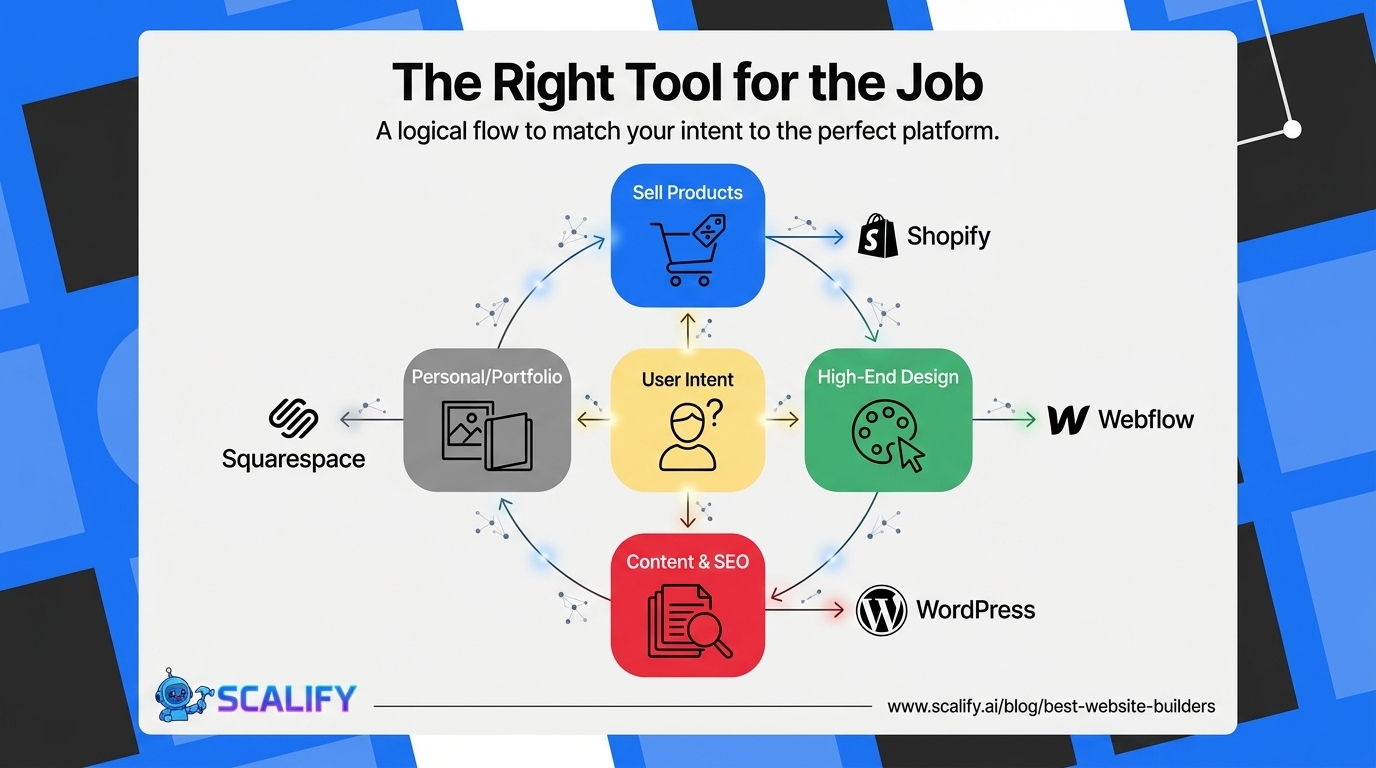
The platform is the foundation — the software that manages your product catalog, shopping cart, checkout, payments, and order management. Choosing the right platform is one of the most consequential early decisions in any e-commerce business.
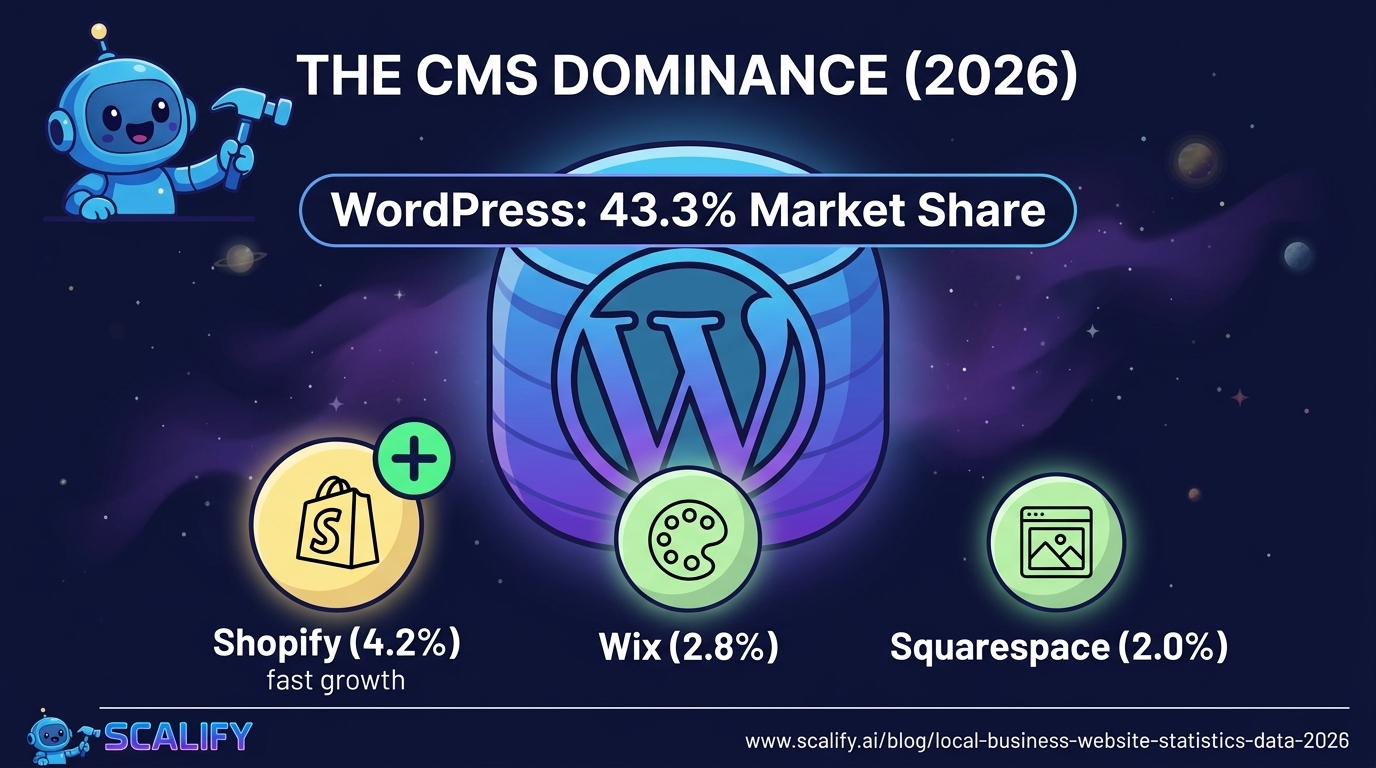
Shopify: The dominant e-commerce platform for most SMB and mid-market businesses. Excellent product management, reliable checkout, strong payment processing (Shopify Payments), extensive app ecosystem, and a good developer marketplace. Pricing from $39–399+/month. Best for most businesses selling physical products who want a managed, scalable platform without deep technical overhead.
WooCommerce: WordPress-based e-commerce. Free plugin but requires self-managed WordPress hosting. Maximum flexibility (it's open source), enormous plugin ecosystem, no transaction fees. Best for businesses that already have WordPress expertise and need customization beyond what Shopify's app ecosystem provides.
BigCommerce: Shopify's main direct competitor. Strong built-in features (less app-dependent than Shopify for core functionality), no transaction fees on any plan, better B2B features. Slightly less polished ecosystem than Shopify but strong product for the right use case.
Magento/Adobe Commerce: Enterprise-grade, highly customizable, very complex. Appropriate for large businesses with dedicated development teams that need deep customization impossible on other platforms. Not appropriate for businesses without significant technical resources.
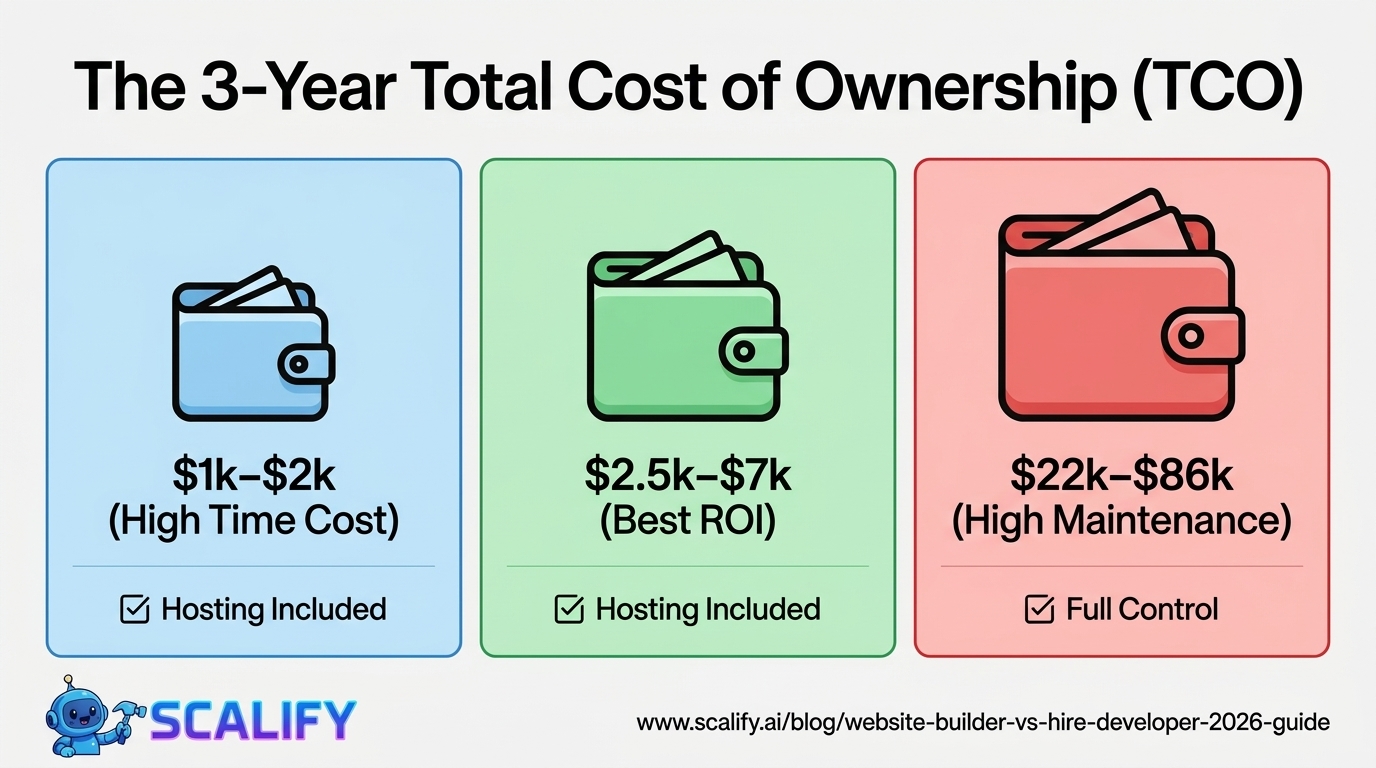
Custom build: Building an e-commerce experience entirely from scratch. Appropriate for businesses with very unique requirements (complex configurators, non-standard transaction models, deep integration with legacy systems) where off-the-shelf platforms genuinely can't serve the need. Very expensive and not appropriate for most businesses.
Payment Processing
Accepting online payments requires a payment processor that handles card authorization, fraud detection, and fund settlement. Major options:
Shopify Payments: Built into Shopify, powered by Stripe. Eliminates transaction fees charged when using third-party processors on Shopify. Best rate for Shopify stores if available in your country.
Stripe: Developer-friendly payment processing with excellent documentation, extensive capabilities, and widespread platform integration. 2.9% + $0.30 per transaction standard. The underlying processor for many platform payment products.
PayPal: High consumer recognition and trust — studies consistently show PayPal availability at checkout increases conversion, particularly for first-time buyers who trust PayPal's buyer protection more than entering card details directly. Higher fees than direct card processing but the trust dividend is often worth it.
Fulfillment and Shipping
Getting physical products from your warehouse or supplier to customers involves either self-fulfillment (you pack and ship) or third-party logistics (3PL, where a fulfillment center stores and ships for you).
Self-fulfillment works at low order volumes. It becomes operationally limiting as volumes grow — shipping 50 orders per day from your garage is manageable; shipping 500 per day requires infrastructure. 3PL providers (Amazon FBA, ShipBob, Deliverr) take over warehousing and shipping in exchange for per-order fees.
Dropshipping: An alternative model where you sell products without holding inventory — orders are forwarded to a supplier who ships directly to customers. Lower upfront investment, lower risk, but also lower margins and less control over product quality and shipping speed. Works as a testing model but has structural limitations as a long-term business model at scale.
Email Marketing and CRM
For e-commerce, Klaviyo has become the dominant email marketing platform — built specifically for e-commerce with deep Shopify/WooCommerce integration, behavior-based segmentation, and pre-built e-commerce automation flows (welcome series, cart abandonment, post-purchase, win-back). Integrating email marketing from day one is one of the highest-ROI early investments for any e-commerce business.
What Makes an E-Commerce Site Convert
Product Photography
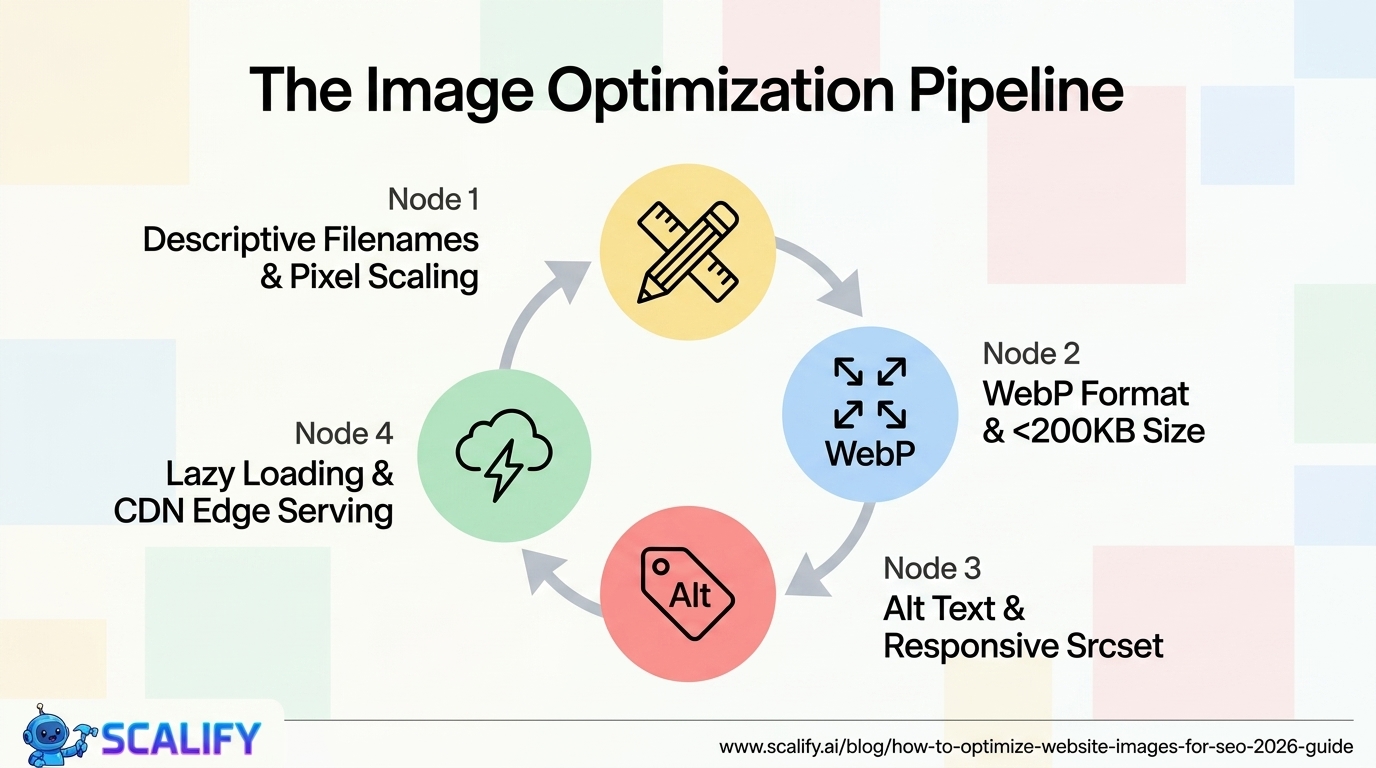
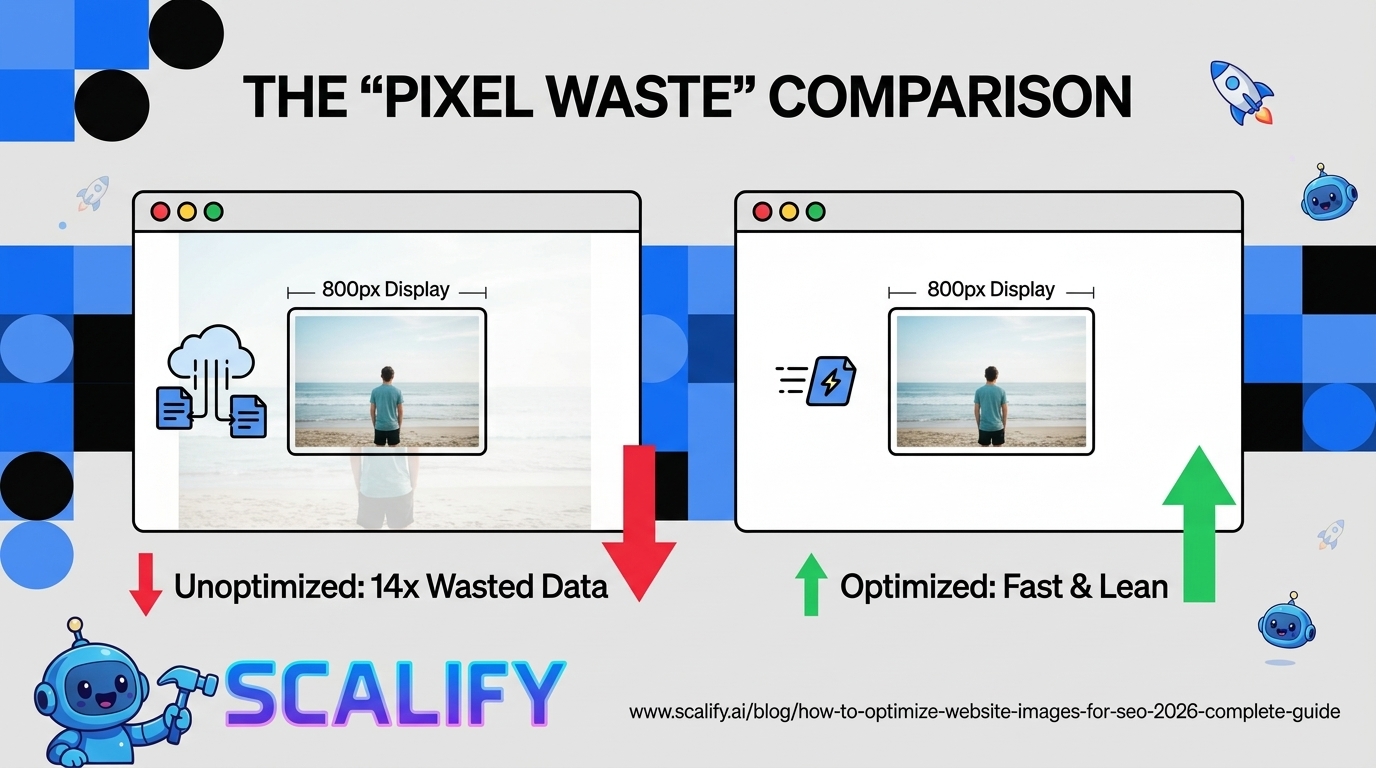
In e-commerce, customers can't touch, smell, or try products before buying. Photography does the work of conveying what a product is, how it looks in real life, and whether it's the right fit for the customer. Poor product photography is a conversion killer — even for genuinely good products.
Effective e-commerce photography includes: clean, white-background hero shots that clearly show the product, lifestyle shots showing the product in context or in use, multiple angles that give a complete sense of the product's dimensions and details, and zoom-capable high-resolution images. For clothing and apparel, model photography on diverse body types dramatically outperforms mannequin or flat-lay alternatives.
Investment in professional photography consistently produces measurable conversion improvements. A business that upgrades from phone photos to professional photography typically sees 15–30% increases in product page conversion rates.
Product Descriptions
Most e-commerce product descriptions are bad. They either copy the manufacturer's spec sheet (boring and identical to every competitor) or provide vague marketing language ("high quality," "premium," "exceptional") that communicates nothing specific.
Effective product descriptions address what the customer is actually considering: What is this exactly? What does it do? Is it the right size/fit/specification for my situation? What makes it different from alternatives? The answers to these questions are what converts browsers into buyers — not feature lists that don't translate into customer value.
Write product descriptions for the person who's on the fence. They've seen the product photo. They're reading the description to answer the questions that photos can't answer. Give them those answers specifically.
Checkout Optimization
The checkout is where conversion is most directly at risk. Industry-wide, approximately 70% of shopping carts are abandoned before purchase completion. Reducing that abandonment rate has a direct, immediate impact on revenue from existing traffic.
The most impactful checkout optimizations:
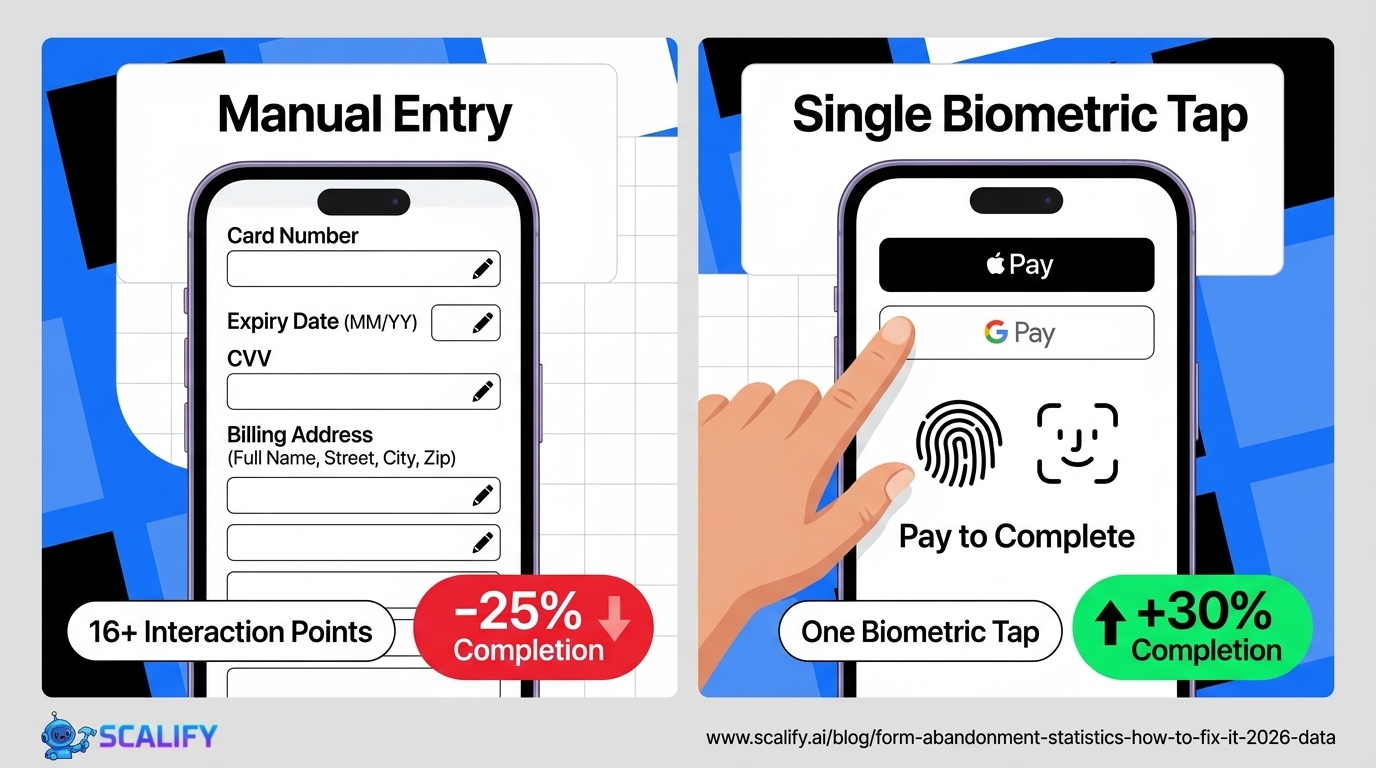
Guest checkout: Requiring account creation before purchase is one of the most consistently damaging checkout friction points. Offering guest checkout significantly reduces abandonment among first-time buyers who aren't ready to create an account. You can still offer account creation post-purchase.
Minimize form fields: Every unnecessary field is friction. For shipping, you need name, address, city, state, zip, and country. For payment, card details and billing address. Many checkouts ask for more than this without reason.
Transparent pricing: Unexpected shipping costs at checkout cause the single largest category of cart abandonment. Show shipping costs early (on product pages, in the cart) rather than revealing them as a surprise at checkout. Free shipping threshold promotions ("Free shipping on orders over $50") both reduce abandonment and increase average order value.
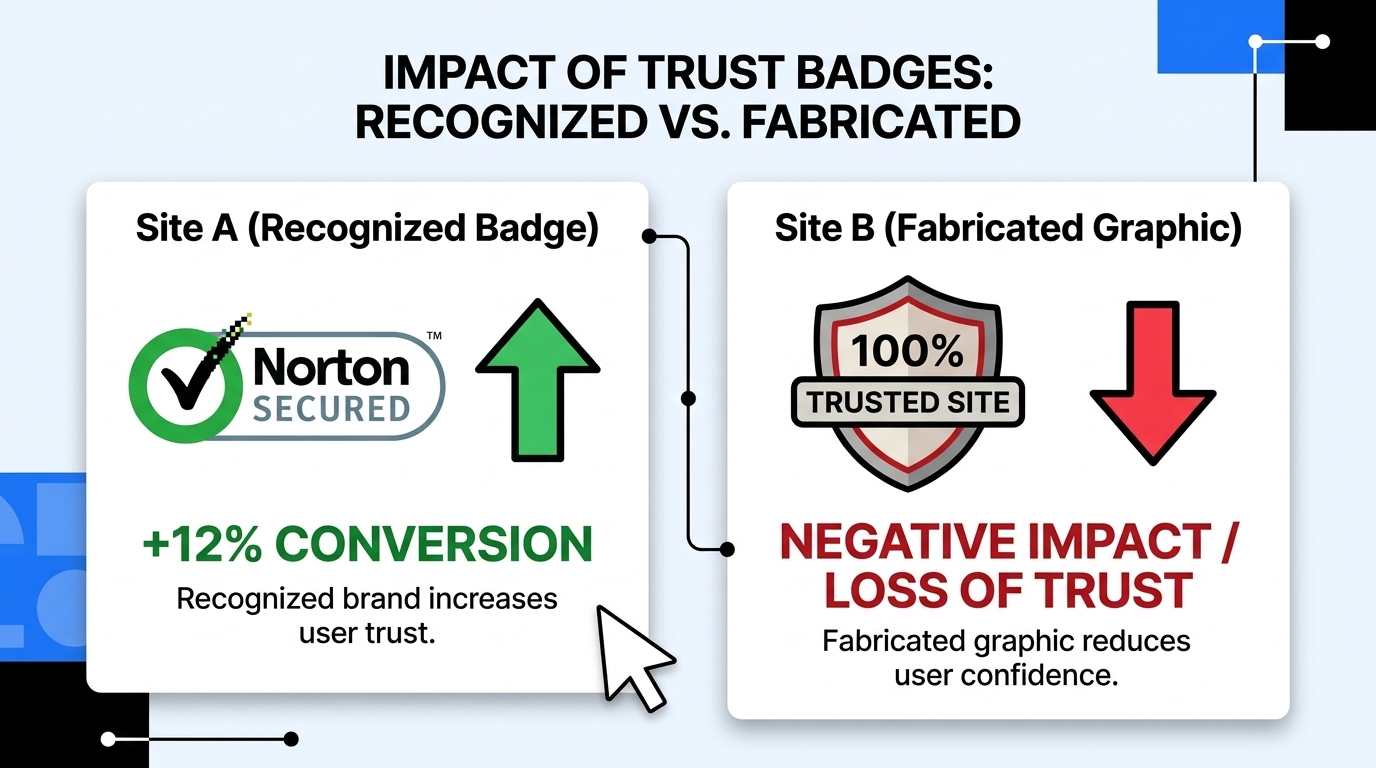
Trust signals at checkout: Security badges (SSL, accepted payment logos), money-back guarantee language, and customer review snippets near the checkout button reduce the last-second anxiety that kills otherwise-committed buyers.
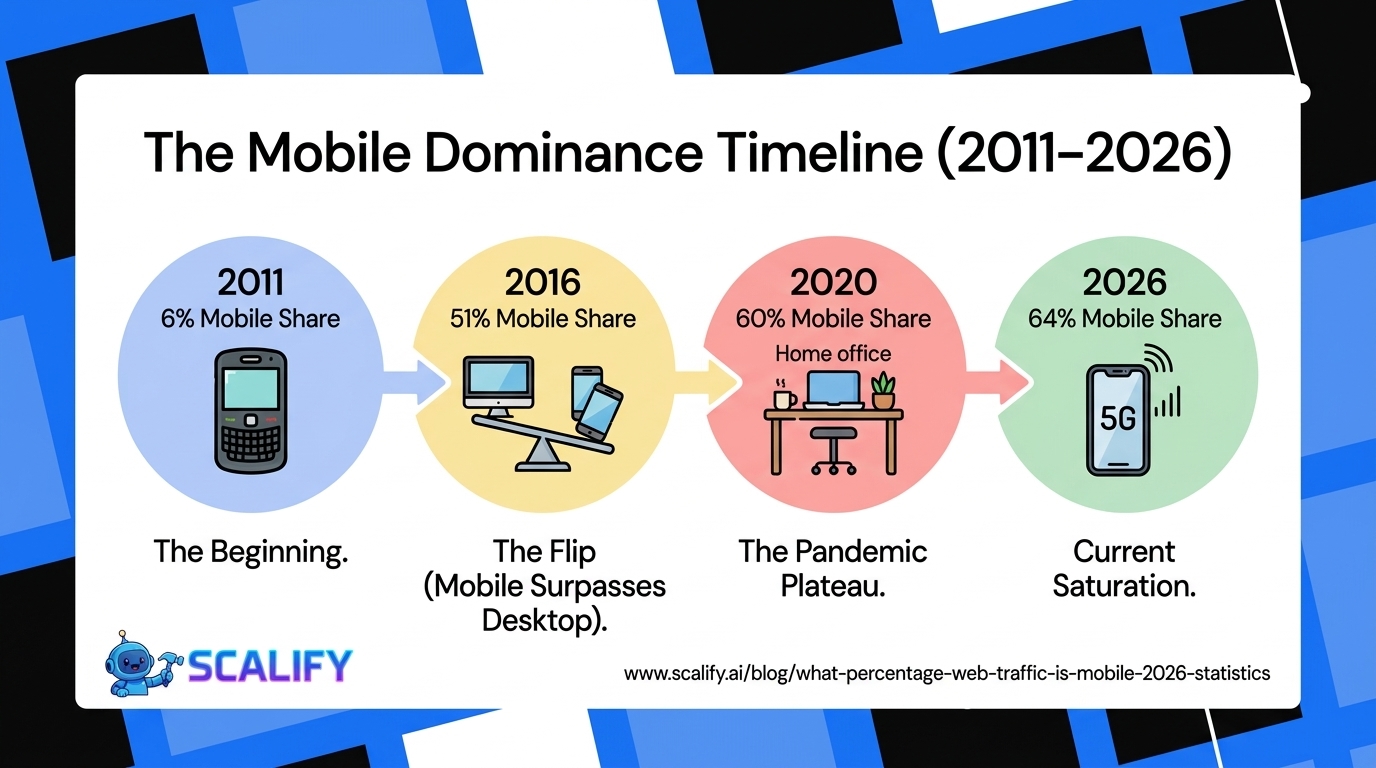
Mobile checkout: Test your checkout flow extensively on mobile. Tiny input fields, keyboards that obstruct form fields, and checkout flows designed for desktop produce high mobile abandonment rates. Mobile checkout should be specifically designed for thumb interaction and small screens.
Product Reviews and Social Proof
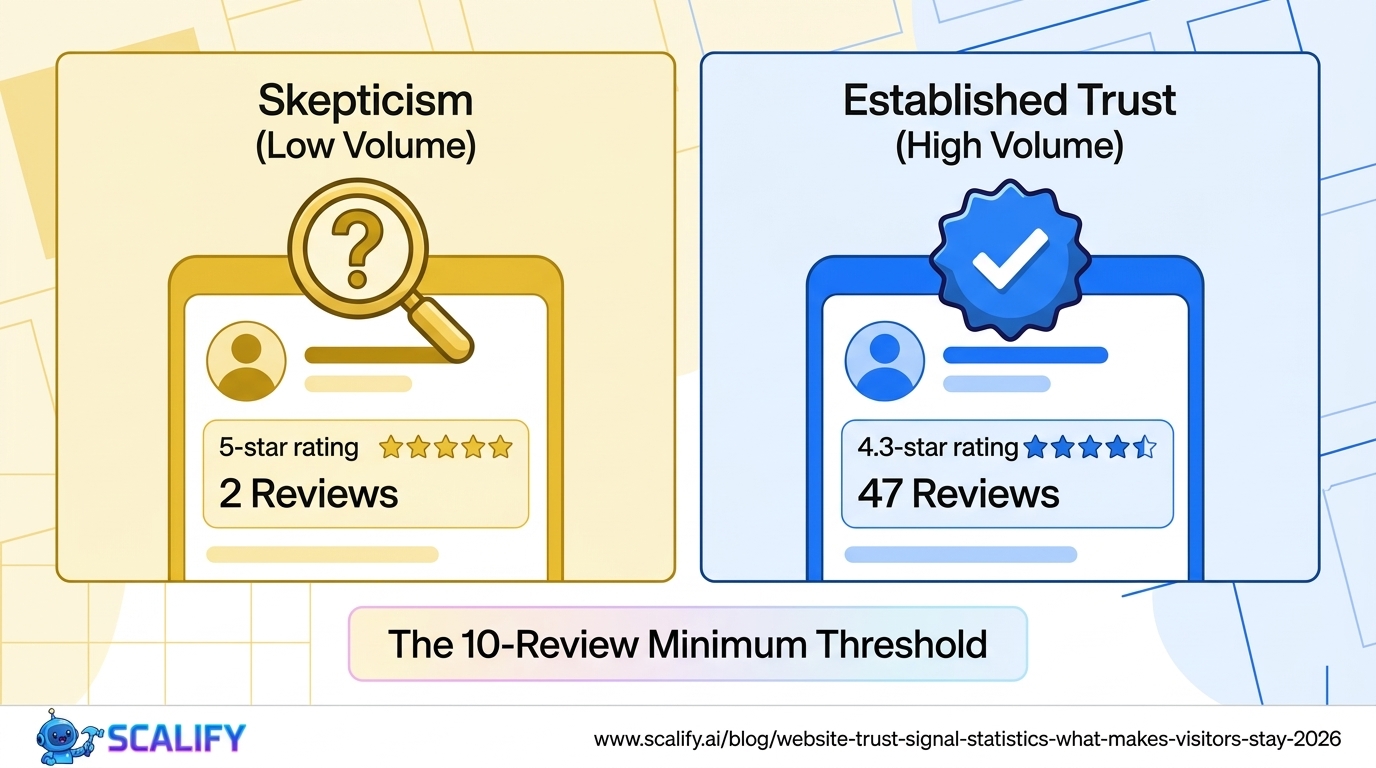
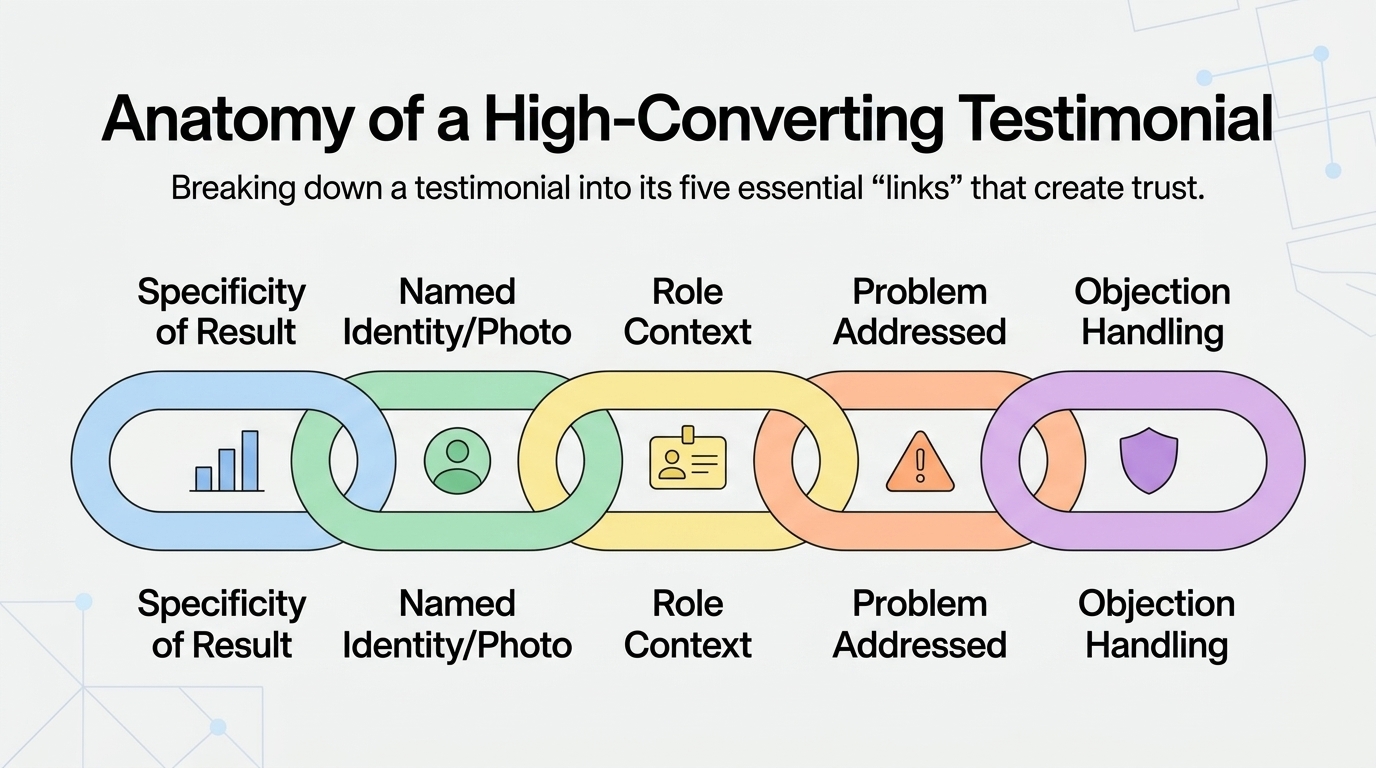
Product reviews are among the most powerful conversion elements in e-commerce. Studies consistently show that products with reviews convert at significantly higher rates than products without — the presence of reviews signals that real people have purchased and used the product, reducing the uncertainty that prevents first-time buyers from committing.
Actively generate reviews by emailing customers 7–14 days after delivery, asking for honest feedback and explaining that it helps future buyers make better decisions. Make leaving a review easy — a direct link to the review form, not a request to navigate to the right page. A stream of authentic reviews builds over time and compounds its conversion impact.
Site Speed
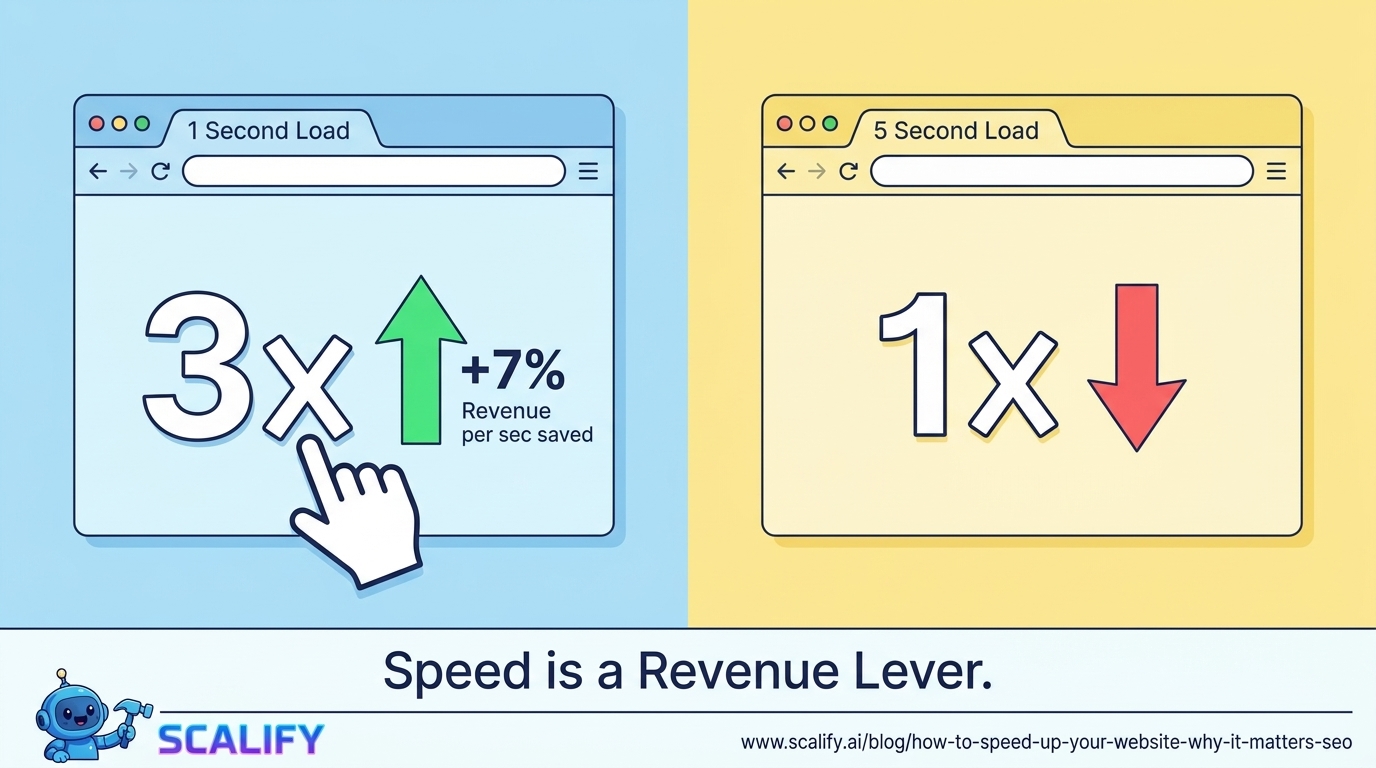
E-commerce sites are particularly sensitive to page speed because the commercial intent of e-commerce visitors is high — they're there to buy, and they're comparing your site's experience to the excellent experiences of Amazon, major retailers, and every other well-funded e-commerce operation they've visited. Slow load times produce disproportionate abandonment.
Google's research found that mobile e-commerce conversions are 3x lower on sites that take 5 seconds to load versus 1 second. For a business generating meaningful revenue, a 1-second improvement in page speed is directly translatable to conversion rate improvement and revenue uplift.
E-Commerce Marketing: Getting Customers to Your Store
Paid Social Advertising
Meta (Facebook/Instagram) advertising has been the dominant customer acquisition channel for D2C e-commerce brands for most of the last decade. The targeting capabilities — interests, behaviors, lookalike audiences based on your existing customers, retargeting website visitors — made it possible to find customers who looked like people who'd already bought from you, at relatively efficient cost.
The iOS privacy changes of 2021 significantly disrupted Meta advertising effectiveness by limiting tracking of user behavior across apps. Advertising costs increased, attribution became murkier, and many businesses that had built acquisition models entirely around Meta advertising were hit hard. The lesson: diversified acquisition channels are more resilient than single-channel dependence.
Google Shopping and Search Ads
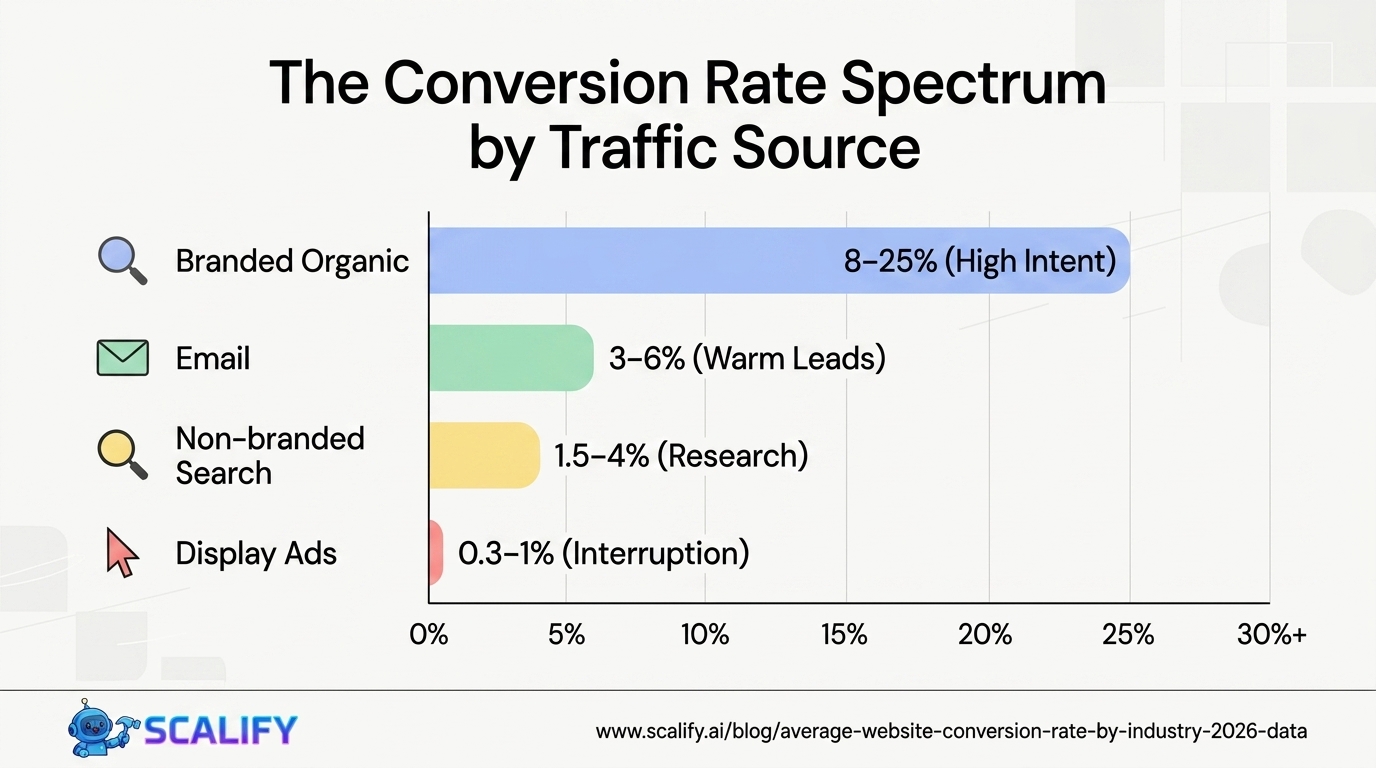
Google Shopping ads (the product listing ads with images and prices that appear at the top of product-related searches) are highly effective for e-commerce businesses with products that people are actively searching for. A shopper searching "waterproof hiking boots men's size 11" has expressed very specific purchase intent — Shopping ads can appear exactly at that moment.
The challenge: competition and cost. Popular product categories can have significant cost-per-click, and profitability requires careful bid management and ongoing optimization. Google Shopping works best for products with good margins that support advertising costs and for businesses willing to invest in learning the platform or hiring expertise.
SEO for E-Commerce
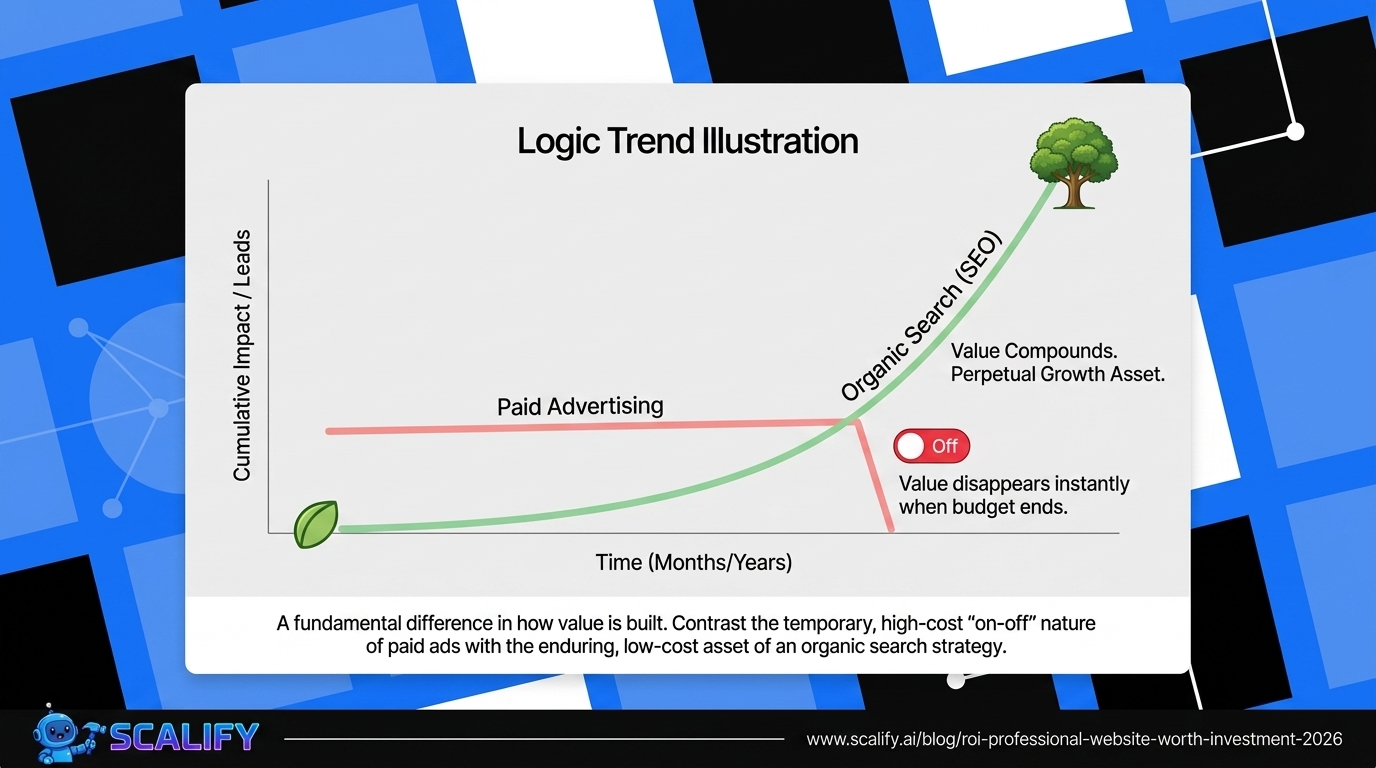
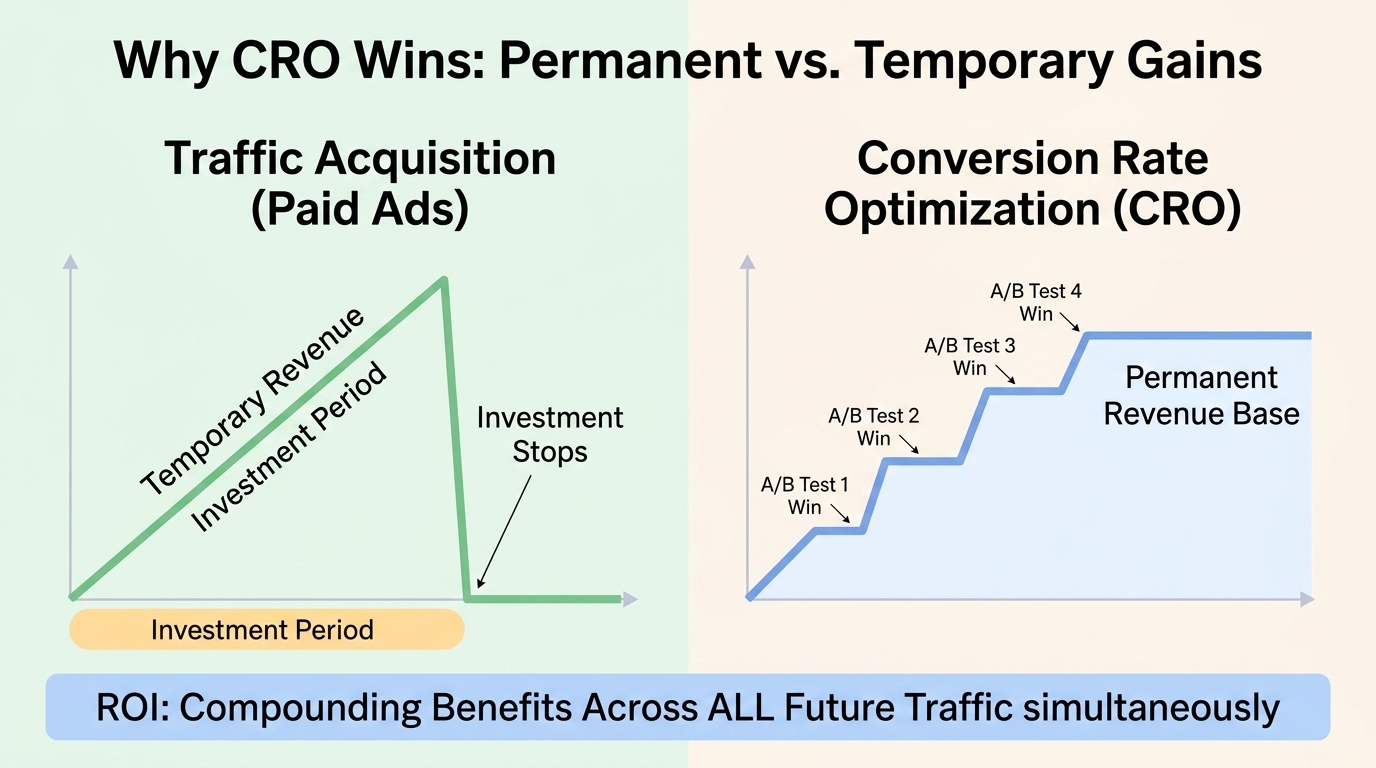
Organic search traffic is the most cost-efficient customer acquisition channel for e-commerce over the long term. A product page that ranks on page one for "waterproof hiking boots" generates free traffic every day without ongoing advertising cost. Building that ranking takes time (6–12+ months of sustained SEO work) but the compound returns justify the investment.
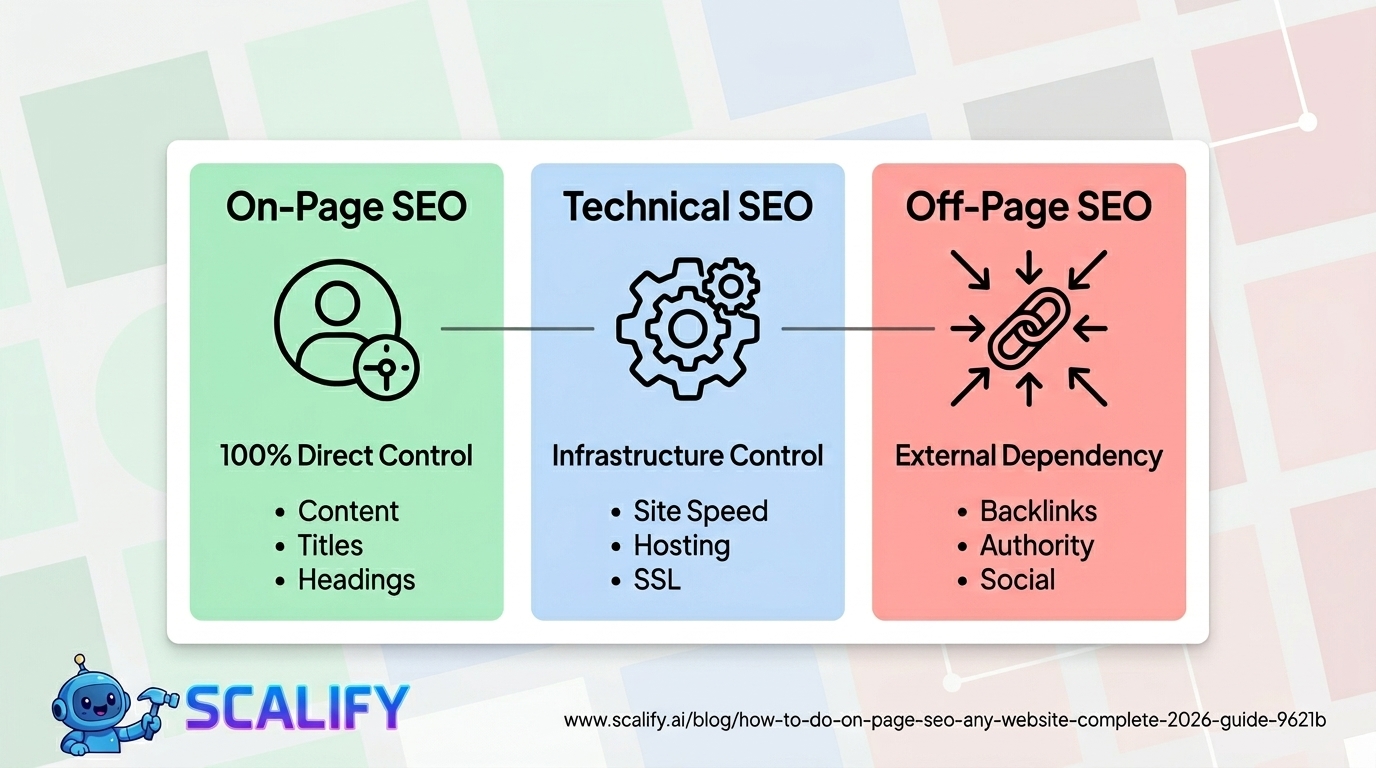
E-commerce SEO focuses on: optimizing product pages for specific product searches (product name + relevant attributes + category), building collection/category pages that rank for broader category terms, content marketing (buyer's guides, comparison articles) that captures top-of-funnel traffic and introduces the brand, and technical SEO to ensure product catalog pages are fully indexed and performant.
Email Marketing
For e-commerce specifically, email marketing ROI is exceptional because the audience is pre-qualified — they've bought from you before and opted into hearing from you. Email marketing for e-commerce focuses on: welcome series for new subscribers, cart abandonment sequences, post-purchase sequences (review requests, product education, complementary product suggestions), seasonal promotions, and win-back campaigns for lapsed customers.
Klaviyo's data consistently shows that e-commerce brands generate $0.10–$0.30+ per email subscriber per month from email marketing. A list of 10,000 subscribers generates $1,000–$3,000/month in revenue from email alone. Building the list is worth the investment.
The Most Common E-Commerce Mistakes
Skipping market research: Building a store around a product that people don't actually want to buy online, or where competition is so intense that customer acquisition costs make the business unprofitable. Validate demand (through test campaigns, manual sales, or existing market data) before investing heavily in store infrastructure.
Underpricing: Setting prices based on cost-plus logic rather than value and market positioning. Businesses that undercharge relative to perceived value train customers to expect low prices, create margin problems that prevent investment in marketing and customer experience, and often go out of business or raise prices and lose customers. Price for value, not just cost.
Weak product page content: Poor photography and insufficient product descriptions. This is where most of the conversion is lost before checkout even begins.
No email list building: A visitor who doesn't purchase today might purchase in three months — but only if you have a way to stay in touch. Email capture on the store, from day one, turns non-buying visitors into future purchasers.
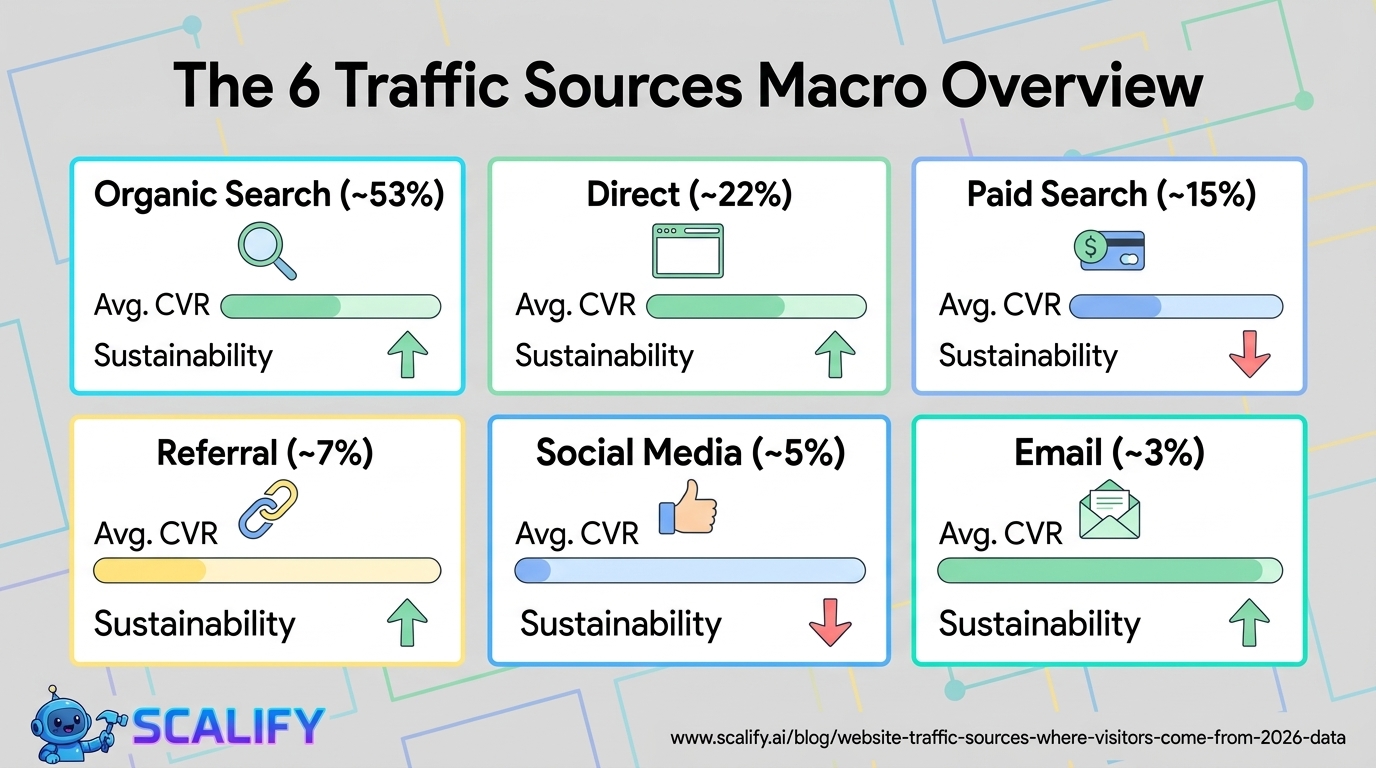
Single acquisition channel dependence: Building an entire business on Facebook ads, or on Amazon, or on any single channel creates vulnerability to that channel's changes. Diversification across organic, paid, email, and partnerships is more resilient.
The Bottom Line
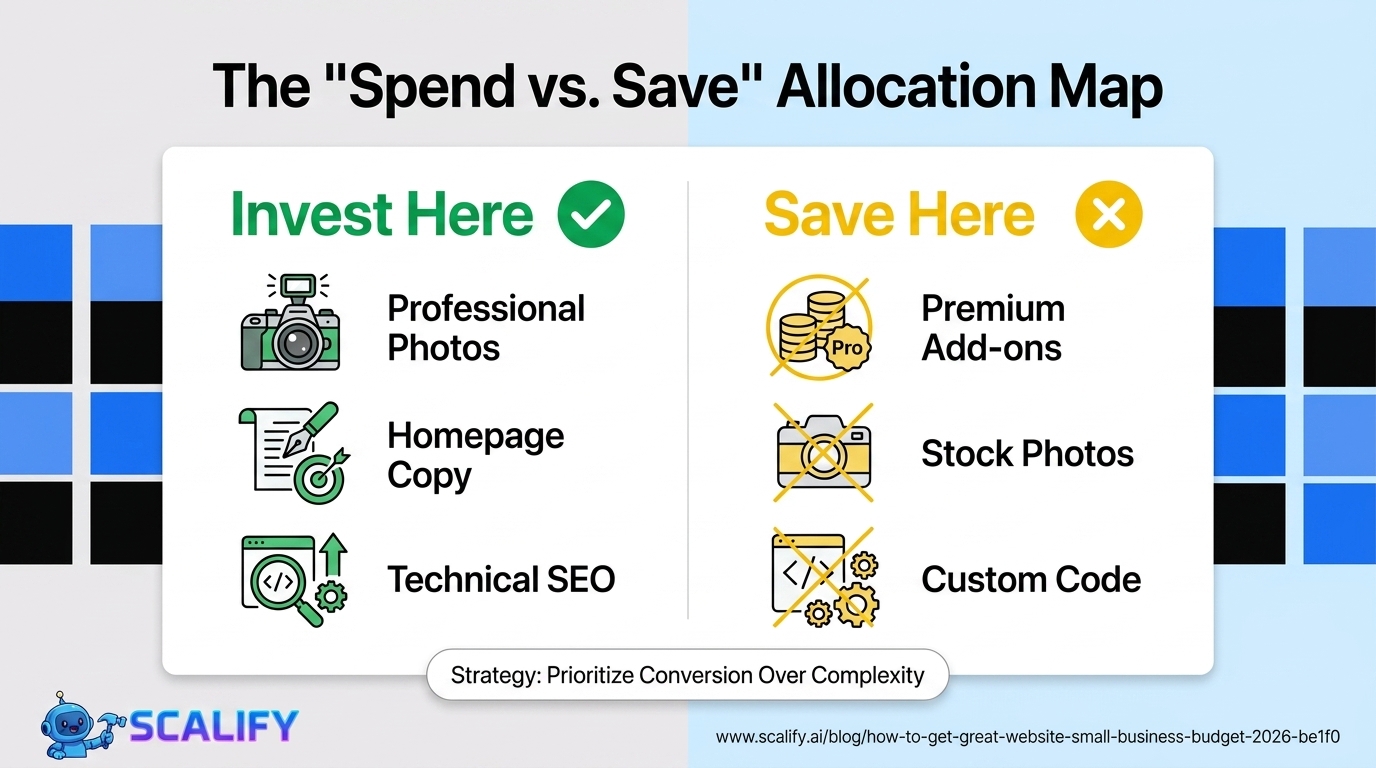
E-commerce is one of the most accessible and scalable business models available. The infrastructure is available off-the-shelf. The demand is proven. The playbook for success is knowable. The businesses that succeed are those that invest in the elements that actually drive success — product quality, product photography, conversion-optimized store experience, systematic customer acquisition, and email marketing to own the customer relationship.
Start with the right platform for your specific needs and business stage. Build a store that presents your products honestly and compellingly. Invest in customer acquisition diversification. Build your email list from day one. Measure everything and improve systematically.
If you're building or rebuilding an e-commerce presence and want a store that's designed to convert — not just look good — Scalify builds custom e-commerce experiences with conversion built into every element.



.jpeg)
.jpeg)

78 SW 7th St, Miami, FL 33130