


What Is Email Marketing and How Do You Build a List That Converts?
By Josh Ternyak

March 29, 2026
Email marketing generates $36 for every $1 spent — the highest ROI of any marketing channel. This guide explains what email marketing is, how to build a list, and the strategies that turn subscribers into paying customers.
The Channel That Outperforms Everything Else
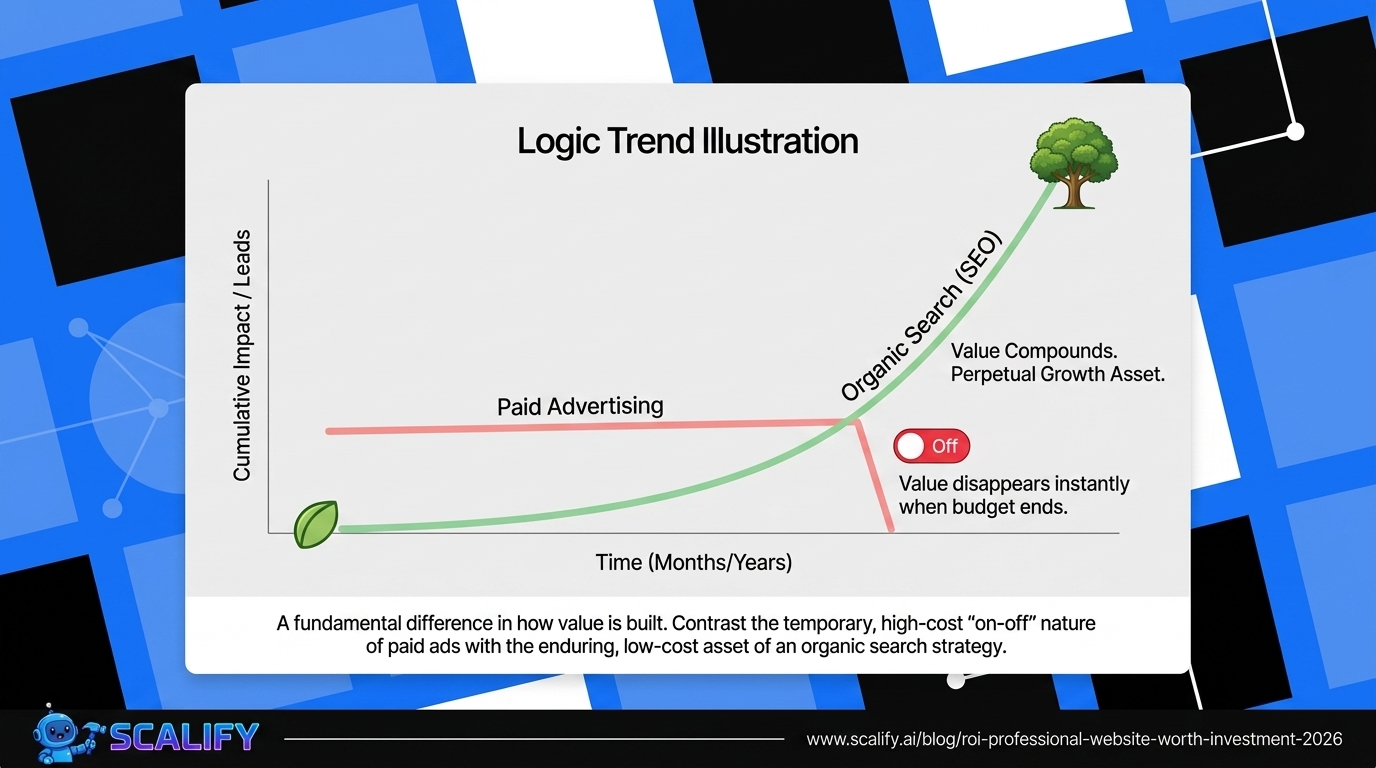
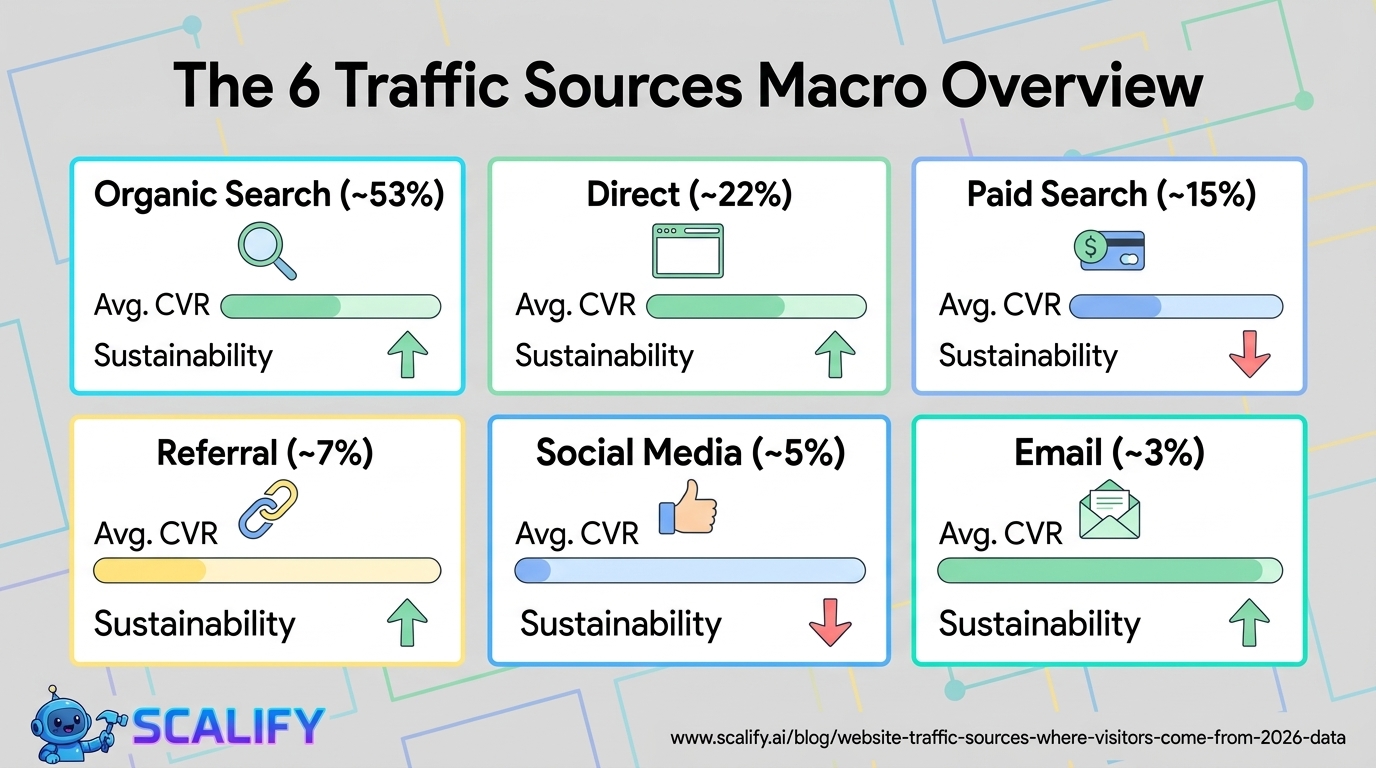
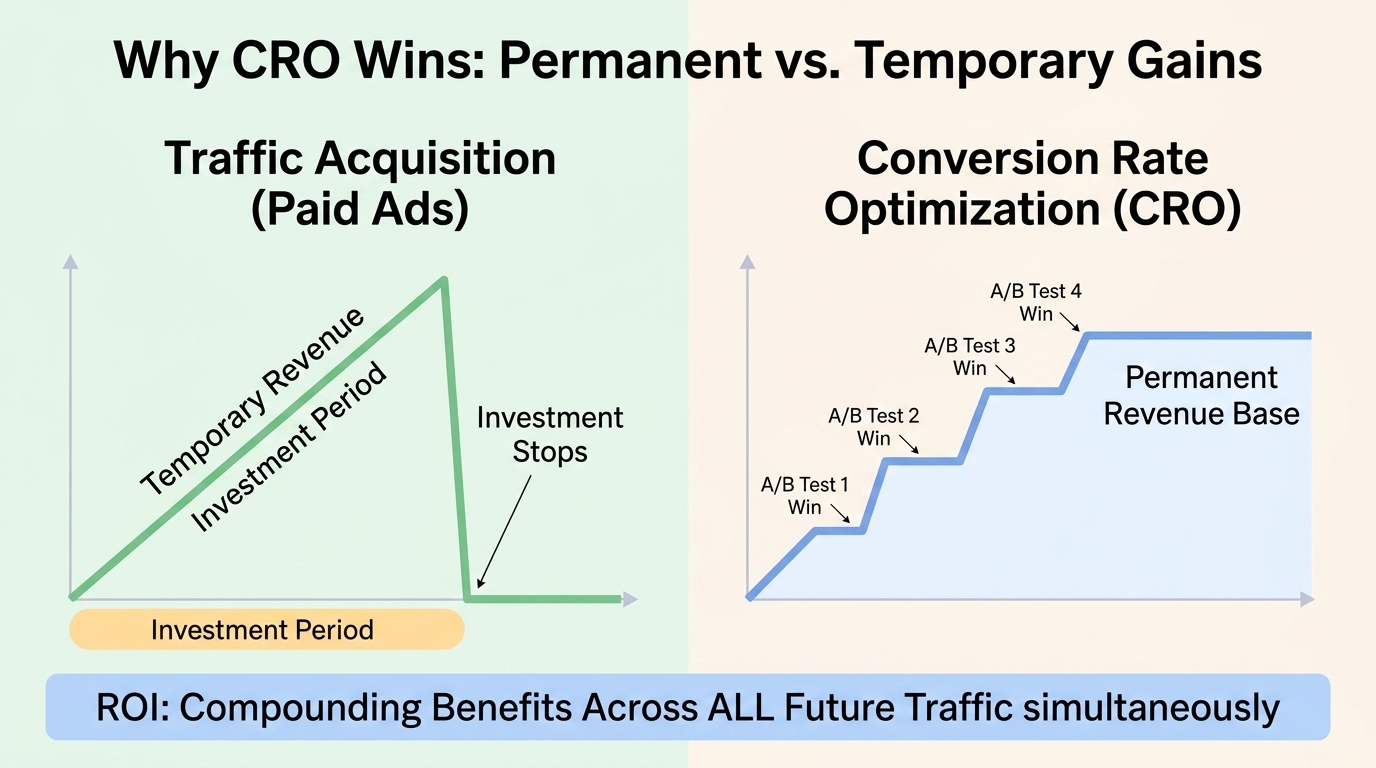
Every year, marketing technology platforms publish reports declaring that email is dead. Every year, the data proves them wrong. Email marketing consistently delivers the highest ROI of any digital marketing channel — approximately $36 for every $1 invested, according to Litmus research. Social media reach has declined as platforms prioritize paid visibility. SEO takes time to build. Paid advertising stops the moment the budget does. Email is the one channel that maintains direct, owned access to your audience regardless of algorithm changes or advertising costs.
The reason email outperforms is structural: your email list is an audience you own. You don't rent reach from a platform or pay to access it — you built it through direct relationships, and you can communicate with it on your terms. When Instagram changes its algorithm, Instagram accounts lose reach. When Google updates its algorithm, websites lose rankings. When you have an email list, you can send an email tomorrow morning and it arrives in your subscribers' inboxes regardless of what any platform decides.
This guide covers what email marketing is, how to build a list that actually engages, the types of email that serve different marketing purposes, and the strategies that make email a compounding asset rather than a list that gradually unsubscribes.
What Email Marketing Is
Email marketing is the practice of sending targeted, permission-based commercial messages to a list of subscribers who have opted in to receive communications from a business. At its best, it's a direct channel for building relationships with prospects and customers over time, delivering value that deepens trust, and converting that trust into commercial outcomes.
The "permission-based" distinction matters: email marketing is not spam. Spam is unsolicited commercial email sent to people who didn't ask for it. Effective email marketing is sent to people who actively chose to receive it — they signed up through a website form, opted in during a purchase, or subscribed through a content offer. This distinction determines both the legal requirements (CAN-SPAM in the US, GDPR in the EU, CASL in Canada) and the effectiveness (permission-based email converts at dramatically higher rates than spam).
Email marketing encompasses:
- Welcome sequences for new subscribers
- Newsletter and content distribution
- Promotional campaigns for products, services, and offers
- Drip sequences (automated email series)
- Transactional emails (order confirmations, shipping updates)
- Re-engagement campaigns for inactive subscribers
- Behavioral trigger emails (based on website behavior, purchase history)
Building Your Email List
The list is the asset. Everything else in email marketing depends on having an engaged list of people who have reason to be interested in what you send. Building that list requires giving people a compelling reason to subscribe — and a clear, low-friction mechanism to do so.
What to Offer as Incentive
The most effective list-building strategy offers something of immediate, specific value in exchange for an email address. Generic "Subscribe to our newsletter" calls to action convert at a fraction of the rate of specific, valuable offers.
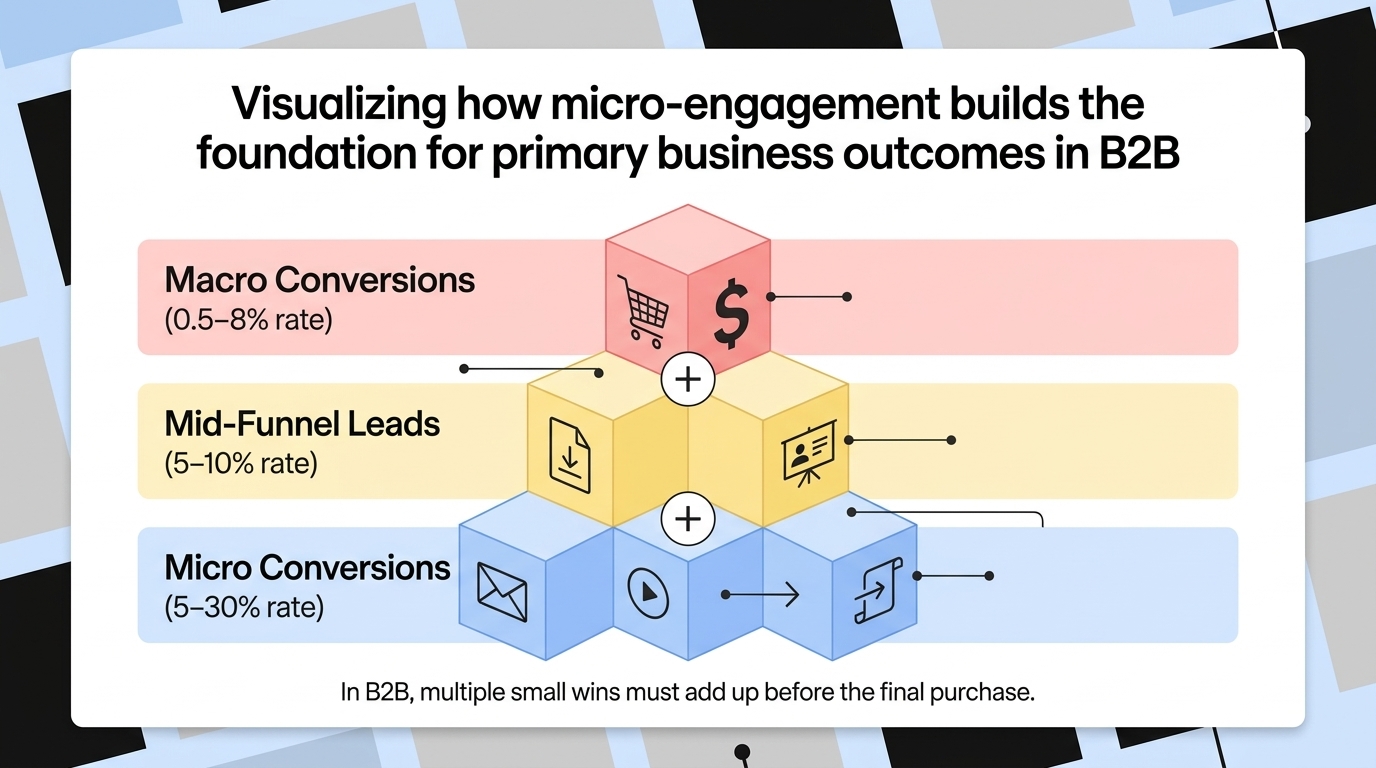
Content lead magnets: A guide, checklist, template, or toolkit that provides immediate, specific value to your target audience. "The Website Launch Checklist: 47 Things to Verify Before Your Site Goes Live" is more compelling than "Subscribe for web design tips." The more specific the lead magnet to the prospect's actual situation, the higher the conversion rate.
Free consultation or audit: A service business offering a free audit or consultation captures high-intent prospects willing to invest time in exchange for expertise. Higher barrier to entry than a content download, but produces higher-quality leads.
Discount or promotion: E-commerce sites offering a first-purchase discount (10% off your first order) in exchange for an email subscription. Effective for e-commerce; less appropriate for service businesses where discounting undermines positioning.
Early access or exclusive content: Newsletter content that's genuinely exclusive — insights, data, or perspective not available elsewhere. "What we're seeing in the market that we don't publish publicly" creates genuine subscription motivation for audiences who value insider perspective.
Course or email series: A free multi-part course delivered via email — "5 days to a better website" or "The 7-day SEO foundation." Creates multiple touchpoints with new subscribers and demonstrates expertise over time.
Where to Capture Subscribers
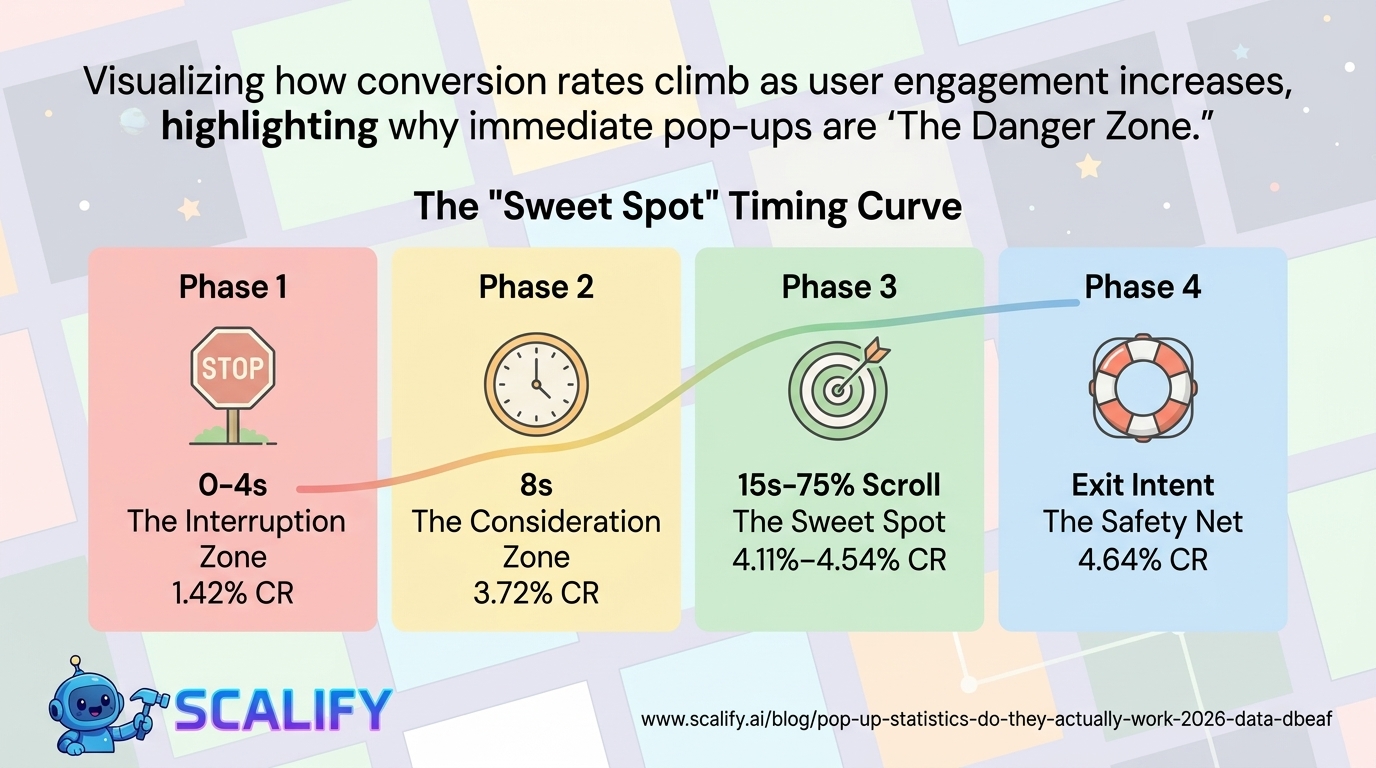
Website pop-up: The most effective placement for raw list growth — triggers on scroll depth, time on page, or exit intent. Performance varies widely by offer specificity and timing. (See the popup guide for timing and design best practices.)
Inline form in content: A subscription form embedded naturally within blog posts — especially effective when placed after the first few paragraphs of genuinely valuable content, when the reader has already received value and is primed to want more.
Dedicated landing page: A page specifically designed to convert visitors to subscribers, often used with paid advertising or social media promotion where you're sending traffic to build the list.
Content upgrades: A specific piece of supplementary content related to a specific blog post — offered within that post. "Download the checklist from this post" converts at higher rates than a generic newsletter offer because the offer is directly relevant to what the reader was just reading.
After purchase or form submission: Offering an email subscription immediately after a purchase or contact form submission — visitors are already in a yes-state, and capturing their email for ongoing communication has high conversion rates here.
Email Platform: The Infrastructure Choice
The email platform handles the mechanics: storing subscriber data, sending emails, tracking opens and clicks, managing automation, and maintaining deliverability. Platform choice affects capabilities, pricing, and the technical experience of managing your list.
Mailchimp (Free–$350+/month): The most widely used email platform globally. Strong free tier (up to 500 contacts with limited sends), user-friendly interface, broad template library, good automation on paid plans. Best for: businesses starting with email, small lists, simplicity-first approach.
ConvertKit ($25–$2,000+/month): Built specifically for content creators and businesses that prioritize deliverability and automation. Excellent tag-based subscriber segmentation, strong automation sequences, and above-average deliverability. Best for: content-driven businesses, bloggers, creators, businesses where automation sequencing is important.
Klaviyo ($20–$1,500+/month): The dominant choice for e-commerce email marketing. Deep Shopify and WooCommerce integration, behavioral triggers based on purchase history and browsing behavior, sophisticated segmentation and flows. Best for: e-commerce businesses where purchase behavior should drive email strategy.
ActiveCampaign ($29–$259+/month): Powerful automation with CRM capabilities built in. Strong for B2B businesses with longer sales cycles where email automation needs to work in concert with sales pipeline management. Best for: B2B businesses, businesses with complex automation needs.
HubSpot Email (Free–$800+/month): Email marketing integrated with HubSpot's full CRM platform. Every email is connected to contact records, deal stages, and activity history. Best for: businesses already using HubSpot CRM where email integration with CRM is valuable.
Types of Email That Drive Business Results
Welcome Sequence
The most important email sequence you'll ever build. The first few emails a new subscriber receives set the tone for the entire relationship, establish expectations for what they'll receive, and capture attention at maximum interest — immediately after they've subscribed.
A 5-email welcome sequence structure:
- Email 1 (immediately): Deliver the lead magnet/offer, introduce yourself genuinely, set expectations for what's coming
- Email 2 (day 2): Your origin story — why you do this work and what you stand for
- Email 3 (day 4): Your most valuable piece of existing content that addresses the subscriber's core challenge
- Email 4 (day 6): Social proof — client results, case studies, testimonials
- Email 5 (day 8): Soft offer or clear invitation to explore working together
Open rates for welcome emails are dramatically higher than for regular campaign emails — subscribers are most engaged immediately after subscribing. Maximizing this window with a well-designed sequence is one of the highest-leverage email marketing activities.
Newsletter / Content Emails
Regular emails delivering value to maintain audience attention and relationship between purchase moments. The format and frequency that work best vary by audience and niche — weekly is the most common cadence for business newsletters, but biweekly or monthly works for audiences with more limited time or tolerance for email.
Newsletter content that sustains engagement: genuinely useful information or perspective not easily found elsewhere, consistent format that subscribers come to expect, and a writing voice distinctive enough that readers recognize it as "the [Brand] email" before reading the first sentence.
Promotional Emails
Emails announcing specific offers, products, or time-sensitive promotions. The emails that most directly drive revenue in the short term. The keys to promotional emails that work:
Context matters — cold promotional emails (sent to people who've only received welcome and newsletter emails, no prior relationship to this offer) convert at lower rates than emails to subscribers who've been receiving value for weeks or months. The trust built through regular valuable communication makes promotional messages land better.
Specificity matters — a promotional email with a specific offer, specific deadline, and specific value proposition outperforms a generic "check out our products" email.
Behavioral Trigger Emails
Emails sent based on specific subscriber behavior — what they've clicked, what pages they've visited, what they've purchased. These emails are relevant to the recipient because they're responding to demonstrated interest.
Examples:
- Subscriber clicks the "pricing" link in an email → triggered email about what's included and a soft consultation offer
- E-commerce customer purchases category A → triggered cross-sell email for complementary category B products
- Subscriber opens 5 emails in a row but hasn't clicked through → triggered "which content is most valuable?" survey
- Subscriber has been inactive for 90 days → re-engagement sequence
Behavioral emails outperform broadcast emails in nearly every metric because they're inherently relevant to the specific recipient at the specific moment they're sent.
Email Deliverability: Getting to the Inbox
Sending an email is not the same as it arriving in the inbox. Email deliverability — the percentage of sent emails that reach the subscriber's inbox rather than spam folder — depends on several factors:
Sender reputation: Your domain's email reputation, built from: consistent sending volume (sudden spikes trigger spam filters), low complaint rates (too many subscribers marking your email as spam damages reputation), and low hard bounce rates (invalid email addresses). Email platforms monitor these and may throttle or suspend accounts with poor metrics.
Authentication: SPF, DKIM, and DMARC records for your domain verify to receiving mail servers that you're authorized to send email from your domain. These are technical configurations in your domain DNS settings. Without them, email is more likely to be filtered.
List hygiene: Regularly removing invalid email addresses (hard bounces), inactive subscribers who never open emails, and addresses that generate spam complaints. A smaller, cleaner list delivers better than a large, dirty list — both for deliverability metrics and for campaign performance.
Content signals: Spam filters evaluate email content. Avoid: excessive use of spam trigger words ("FREE," "ACT NOW," "WINNER," "GUARANTEED"), image-heavy emails with minimal text, misleading subject lines, broken HTML.
Measuring Email Marketing Performance
Key metrics and what they indicate:
Open rate: Percentage of delivered emails that are opened. Industry average varies by sector (15–25% is typical for business emails). Declining open rate suggests subject line issues or decreasing audience relevance.
Click-through rate (CTR): Percentage of delivered emails where at least one link is clicked. The most direct measure of email content engagement with your offer or content. Typically 2–5% for good campaigns.
Click-to-open rate (CTOR): Clicks as a percentage of opens (not deliveries). Measures how compelling the email content is to those who actually open it — separating the subject line effect from the content effect.
Unsubscribe rate: Percentage unsubscribing from each send. A spike in unsubscribes indicates a mismatch between subscriber expectations and the email received. A healthy baseline unsubscribe rate (0.2% or below) is normal and healthy — you want the uninterested people to leave.
Revenue per email sent: For e-commerce, the clearest business outcome metric. Correlates directly with email program value.
List growth rate: New subscribers minus unsubscribes as a percentage of total list size. A healthy list is growing, not shrinking — indicating your acquisition is exceeding your churn.
The Bottom Line
Email marketing's $36 ROI per dollar spent is not an accident — it reflects the combination of high audience intent (people who subscribed wanted to hear from you), owned channel economics (no algorithm or advertising cost between you and your audience), and compounding relationship value (each email builds the trust that makes future emails more effective and future purchases more likely).
Build it right from the start: a specific, valuable lead magnet, a well-designed welcome sequence, consistent newsletter content that earns its place in the inbox, behavioral automation that responds to subscriber intent, and rigorous list hygiene that keeps deliverability strong. The asset you build — a list of engaged subscribers who trust you and value your communication — is one of the most defensible and valuable marketing assets your business can own.
At Scalify, email capture infrastructure — list-building forms, lead magnet delivery, email platform integration — is part of how we configure websites for businesses that understand the long-term value of owning their audience relationship.







.jpeg)
.jpeg)

78 SW 7th St, Miami, FL 33130