


What Is Google Analytics and How Do You Use It?
By Josh Ternyak

March 29, 2026
Google Analytics is the most important free tool available for understanding your website — but most business owners barely scratch the surface. This guide explains what it actually tells you and how to use that data to grow.
The Free Tool That Tells You Everything About Your Website
Right now, visitors are coming to your website. Some are finding you through Google. Others are following links from social media or other sites. Some are typing your URL directly. They're landing on specific pages, spending various amounts of time reading, clicking buttons and links, and either converting or leaving. Some will come back. Most won't.
Without analytics, all of this is invisible. You know you have a website. You don't know who's visiting, what they're doing when they get there, what's working, or what's driving people away. You're making design decisions, content decisions, and marketing decisions based on guesswork rather than data.
Google Analytics changes that. It's a free, powerful tool that tracks visitor behavior across your entire website and gives you the data to understand what's working, what isn't, and where your best opportunities are. This guide covers what Google Analytics is, what it actually shows you, the most important reports to understand, and how to use the data to make your website better.
What Google Analytics Is
Google Analytics is a free web analytics service that tracks and reports on website traffic, visitor behavior, and conversion data. It works by embedding a small JavaScript snippet on every page of your website. When a visitor loads a page, that snippet sends data about the visit to Google's servers — which page was loaded, how the visitor got there, what device they're on, what they did on the page, and how long they stayed.
Google Analytics collects this data across every visit and every visitor, aggregates it, and presents it in a dashboard of reports that let you understand your audience and how they interact with your site.
The current version is Google Analytics 4 (GA4), which replaced Universal Analytics (UA) in 2023. GA4 has a different data model (event-based rather than session-based), a different reporting interface, and different default metrics than its predecessor. If you set up analytics before mid-2023, you're likely looking at historical UA data alongside newer GA4 data.
This guide focuses on GA4, which is what all new installations use and which all current installations should be running.
Setting Up Google Analytics
If you don't have Google Analytics on your site yet, setup takes about 20 minutes:
1. Go to analytics.google.com and sign in with a Google account
2. Create a new account for your organization and a new GA4 property for your website
3. Follow the setup wizard to create a data stream for your website — enter your site's URL
4. Google provides a Measurement ID (format: G-XXXXXXXXXX) and a JavaScript snippet
5. Add the snippet to every page on your site — in the HTML head section, or through Google Tag Manager if you're using it
For most platform-based sites, the installation is simpler: Webflow, WordPress, Squarespace, and Shopify all have native Google Analytics integration fields where you paste the Measurement ID and the platform handles the snippet placement automatically.
Once installed, data starts appearing in GA4 within 24–48 hours. Historical data is only available from the date of installation forward — GA4 cannot retrieve pre-installation data.
The Core Concepts: What GA4 Actually Measures
GA4 is built around an event-based data model. Everything that happens on your site is recorded as an event — a page_view event when someone loads a page, a scroll event when they scroll, a click event when they click, a file_download event when they download something, a form_submit event when they submit a form. You can also define custom events for specific actions important to your business.
Key concepts and terminology:
Users: The number of individual visitors who have come to your site in the selected time period. GA4 uses a combination of cookies, Google signals (for signed-in Google users), and device IDs to identify individual users. Users are not sessions — one user can have multiple sessions (visits).
Sessions: A group of interactions from the same user within a continuous time window (by default, a session ends after 30 minutes of inactivity or at midnight). One user visit = one session. Multiple visits from the same user = multiple sessions.
Events: Individual actions or interactions recorded during a session. Page views, scrolls, clicks, file downloads, video plays, form submissions — all events. GA4 tracks many events automatically; custom events require additional implementation.
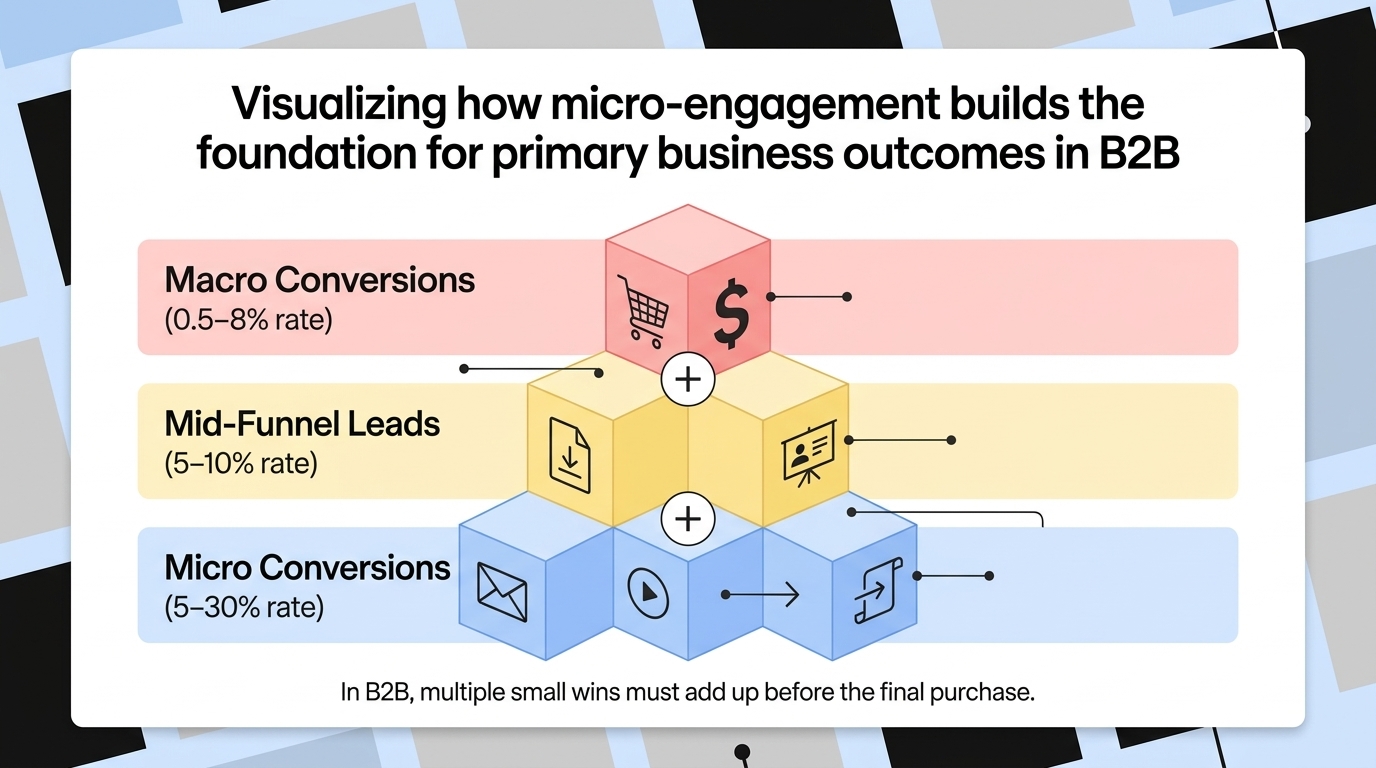
Conversions: Events marked as particularly important business outcomes. A conversion might be a contact form submission, a product purchase, a phone number click, a newsletter subscription — whatever represents meaningful value for your business. Marking events as conversions allows you to track them specifically and build reports around them.
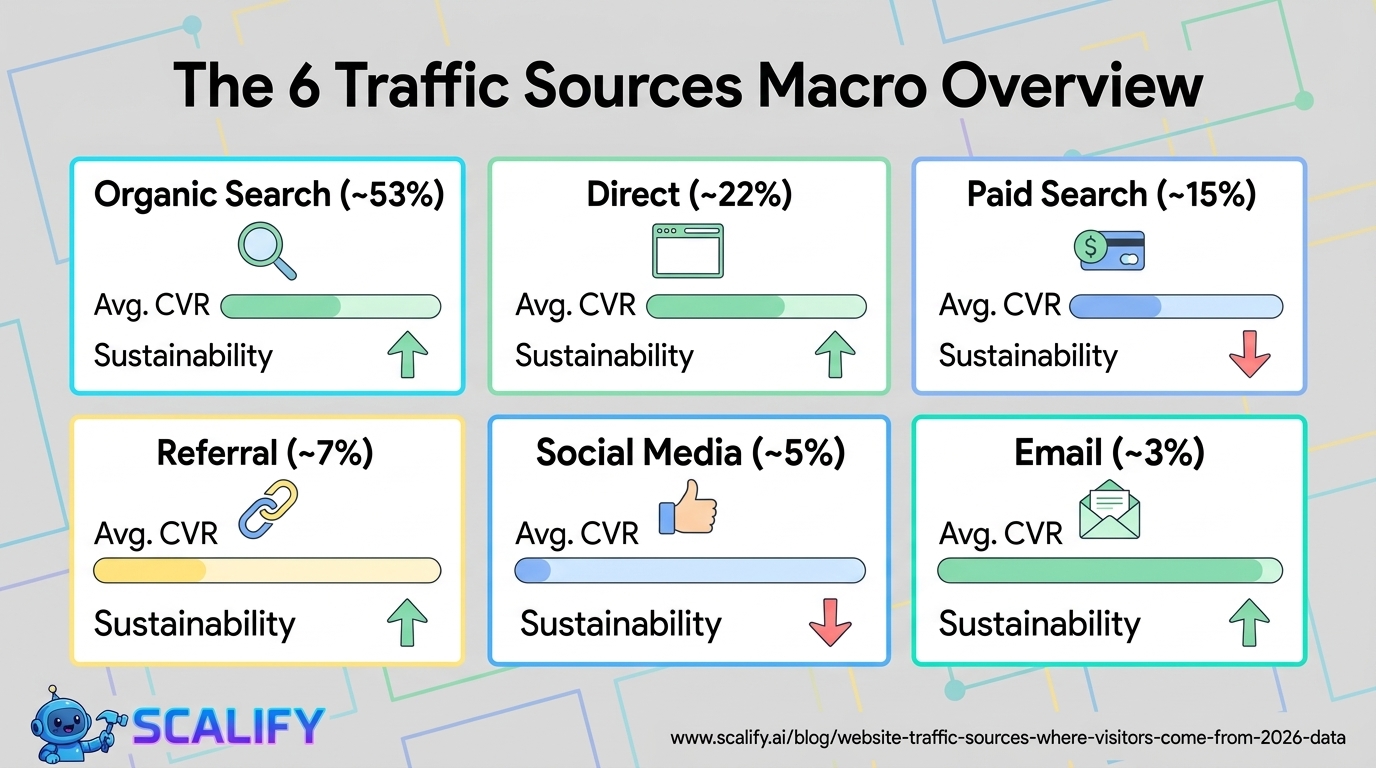
Traffic Sources: How visitors arrived at your site. GA4 uses a channel grouping system: Organic Search (from Google/Bing/etc. search results), Direct (typed URL or unattributed), Organic Social (from social media posts), Paid Search (from search ads), Email (from email campaigns), Referral (from links on other sites), and others.
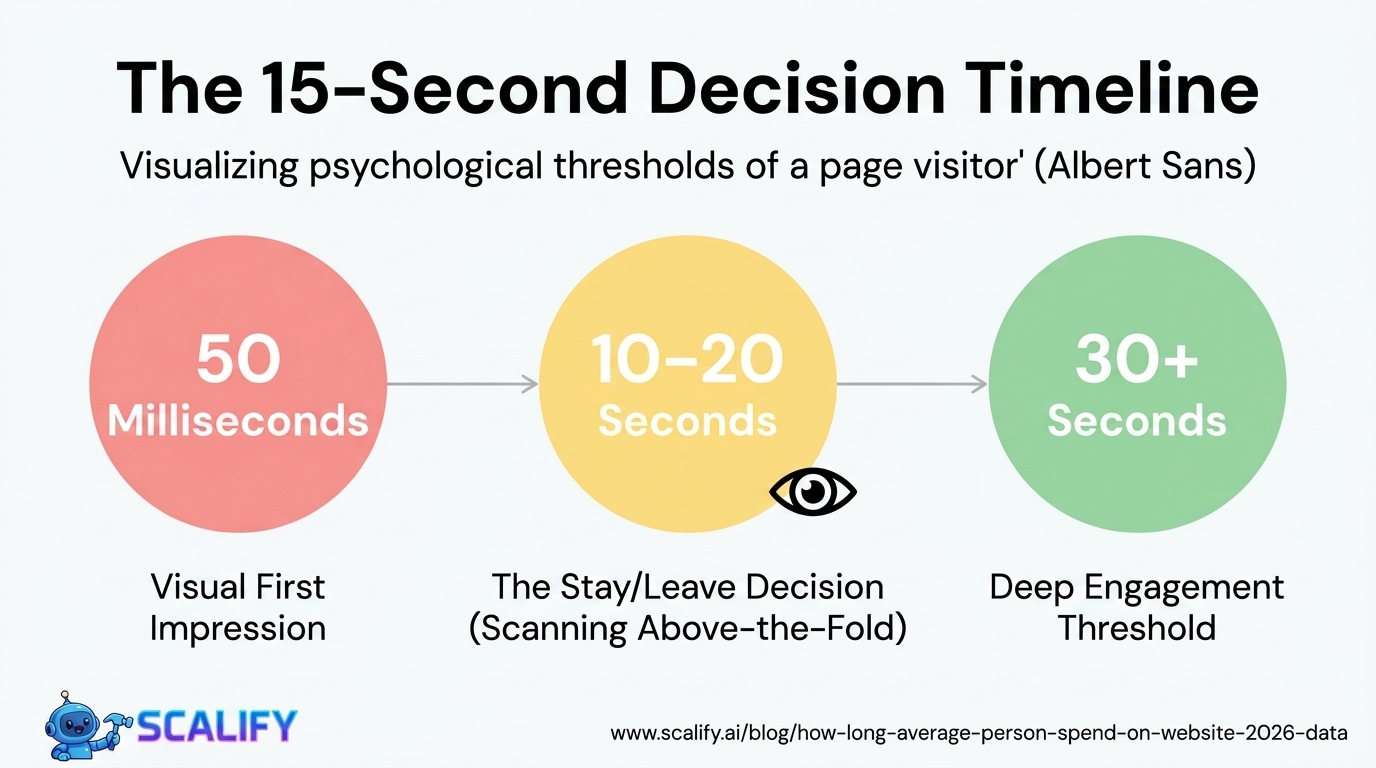
Engagement rate: GA4's replacement for bounce rate. A session is "engaged" if it lasted more than 10 seconds, had a conversion event, or had 2 or more page views. The engagement rate is the percentage of sessions that were engaged. A high engagement rate means visitors are actively interacting with your site rather than immediately leaving.
The Reports That Matter Most for Business Owners
Reports → Acquisition → Traffic Acquisition
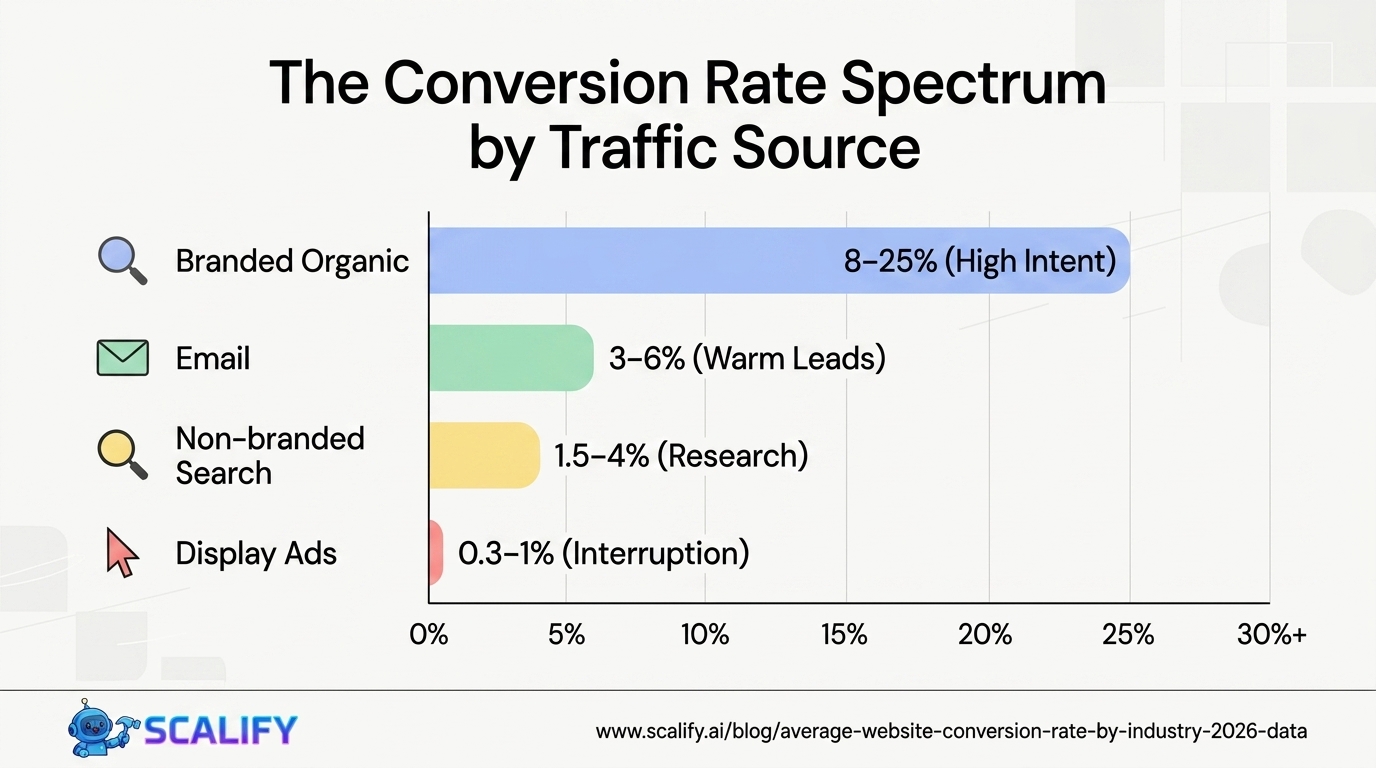
This is where you find out how people are finding your website. The Traffic Acquisition report shows users, sessions, and conversions broken down by channel: Organic Search, Direct, Organic Social, Referral, Email, Paid Search, etc.
What to look for: Which channels are sending the most traffic? Which channels produce the highest conversion rates? If Organic Search sends 60% of your traffic but only 5% of your conversions, something in the landing-from-search experience needs improvement. If Email sends 10% of traffic but 30% of conversions, email deserves more investment.
The channel data tells you where to invest time and money in marketing — double down on what's working, fix what isn't, deprioritize what's not contributing to your goals.
Reports → Engagement → Pages and Screens
Shows which pages are receiving traffic, how long people spend on them, and how often they result in conversions.
Sort by Views to see your most-visited pages. Are the pages you most want people to see getting traffic? Are important service or product pages getting less traffic than they should? This tells you where to invest in SEO and internal linking.
Look at Engagement rate by page. Pages with very low engagement rate (visitors arrive and immediately leave) may have a relevance problem (they're attracting the wrong visitors), a content quality problem, or a user experience problem. These pages need investigation — are they ranking for keywords that don't match the page's content? Does the page content not deliver on what the headline or meta description promised?
Reports → Engagement → Events
Shows every event type being recorded and its frequency. Use this to verify that events you care about (form submissions, button clicks, phone number clicks) are being tracked and to discover what's being tracked automatically.
If important conversion actions aren't appearing in the Events report, they're not being tracked — which means you have no data on whether your site is generating those conversions and from which traffic sources.
Reports → Monetization → Conversions (if e-commerce)
For e-commerce sites with GA4 e-commerce tracking implemented, this section shows revenue, purchases, and conversion rate by product, by traffic source, and by date. This is the most directly business-valuable data available — it connects website activity to actual revenue.
Explore → Funnel Exploration
The Funnel Exploration report (in the Explore section, not standard Reports) allows you to define a sequence of steps and see how many visitors complete each step in sequence. Set up: Homepage → Services Page → Contact Page → Form Submission. The funnel shows you exactly where visitors are dropping off in your conversion path.
This is one of the most actionable reports available. If 1,000 people view your homepage, 300 visit your services page, 100 visit your contact page, and 10 submit the form — you can see that the largest drop-off is between services and contact (300 → 100, a 67% drop). That services page → contact page drop is the highest-priority problem to investigate and fix.
Reports → Demographics → Audience
Shows the age, gender, location, and interests of your visitors (where Google has this data from signed-in Google users). Useful for validating that your actual audience matches your intended audience, and for informing content and marketing decisions based on who's actually visiting.
Setting Up Conversion Tracking
Conversion tracking is arguably the most important thing to set up in GA4 and the step most often skipped or implemented incorrectly. Without conversion tracking, you have traffic data but no understanding of which traffic sources, pages, or visitor behaviors lead to business outcomes.
The most common conversions to track for a small business website:
Contact form submissions: When someone submits your contact form. If your form redirects to a thank-you page, create a conversion for visits to that thank-you page URL. If your form submits via AJAX without a page redirect, you need a custom event tracked on successful submission.
Phone number clicks: When someone clicks a phone number link on your site (tel: links). GA4 can track these as events with a custom tag in Google Tag Manager.
Email link clicks: When someone clicks a mailto: link. Same approach as phone clicks.
File downloads: When someone downloads a PDF, brochure, or other document. GA4 tracks file downloads automatically as events for most file types.
Key CTA button clicks: When someone clicks a primary CTA button ("Get a Quote," "Book a Call"). These can be tracked through Google Tag Manager by triggering on specific button click text or CSS class.
Once events are tracking, go to Admin → Events and toggle the "Mark as conversion" switch for events you want to count as conversions. These will now appear in conversion reports and be available for analysis by traffic source, page, date, and other dimensions.
Google Analytics + Google Search Console: The Essential Pair
Google Analytics tells you what happens on your site after visitors arrive. Google Search Console tells you what happens in Google search before they arrive — which queries trigger your pages to appear, how many times your pages appear (impressions), how many people click, and what your average position is for each query.
Linking these two tools (Admin → Property Settings → Search Console Links in GA4) allows you to see Search Console data in GA4 and understand the complete journey from search query to conversion. This connection reveals things neither tool can show independently: which search queries lead to sessions that convert, which queries produce high-engagement sessions, and which queries send traffic that immediately bounces.
Common Google Analytics Mistakes
Not filtering out internal traffic: Every time you visit your own website, that session appears in your analytics data. If your team visits the site frequently, this inflates your traffic numbers and distorts engagement metrics (team members behave very differently from real visitors). Set up an IP address filter (or use GA4's internal traffic definition) to exclude visits from your office and team members' home IPs.
Ignoring data until something is broken: Analytics is most valuable when reviewed regularly as a habit, not when something is clearly wrong. A monthly review of key metrics — traffic by channel, conversion rate, top pages, funnel drop-off — is the minimum to catch problems early and spot opportunities before competitors do.
Comparing absolute numbers without context: Is 1,000 monthly visitors good or bad? It depends entirely on your business, your industry, your conversion rate, and your goals. Compare against your own historical trends and against conversion rates rather than fixating on raw traffic numbers.
Not setting up conversion tracking: Covered above but worth repeating — traffic data without conversion data is like measuring how many people walk past a store without measuring how many buy something. Conversion tracking is the bridge between marketing investment and business outcome.
Acting on insufficient data: A page that had 15 visitors last week and zero conversions doesn't tell you much. You need statistically significant volumes before drawing conclusions. At small traffic volumes, look at trends over longer time periods (months rather than weeks) and be cautious about dramatic strategic pivots based on small samples.
Beyond GA4: Privacy-First Analytics Alternatives
Growing concern about user privacy and increasing browser restrictions on cookies have driven some businesses toward privacy-first analytics alternatives. These tools collect data without cookies, don't store personally identifiable information, and don't require cookie consent banners under GDPR in most implementations.
Plausible Analytics ($9–19/month): Simple, clean, fast analytics with no cookies, no personal data collection, GDPR-compliant by default. Excellent for businesses that want essential traffic and conversion data without privacy complexity. Missing the depth of audience and behavior data GA4 provides, but covers the essentials most business owners actually use.
Fathom Analytics ($14+/month): Similar to Plausible — privacy-focused, simple interface, GDPR-compliant. Strong emphasis on privacy as a principle, not just a compliance requirement.
For most businesses where detailed audience data and Google integration are valuable, GA4 remains the right choice — with proper cookie consent implementation. For simpler use cases or businesses with strong privacy commitments, Plausible or Fathom provide sufficient data with less complexity.
The Bottom Line
Google Analytics is the most powerful free tool available for understanding your website's performance. At its most basic, it tells you how many people are visiting, where they're coming from, and what they're doing. At its most useful, it reveals which marketing channels drive conversions, which pages are failing in your conversion funnel, and where the highest-impact optimization opportunities are.
Install it if you haven't. Set up conversion tracking if you haven't. Review the key reports monthly. Use the data to make specific, informed decisions rather than guessing at what's working. Every meaningful website improvement starts with understanding what's actually happening — and GA4 gives you that understanding for free.
Every website Scalify delivers includes Google Analytics setup as part of the launch — installed, configured, and ready to start collecting the data you need to grow.










.jpeg)
.jpeg)



78 SW 7th St, Miami, FL 33130