


What Is a Landing Page Builder and Which One Should You Use?
By Josh Ternyak

March 29, 2026
Landing page builders let you create high-converting pages without a developer — but they're not all the same. This guide compares the best options, explains what to look for, and helps you choose the right one.
The Fastest Path From Idea to Converting Page
In digital marketing, speed matters. When you're running a campaign, launching a product, or testing a new offer, the time between idea and live landing page directly affects your ability to move quickly. A page that takes two weeks to build through a standard web development process misses the window. A page built in two hours with a landing page builder catches it.
Landing page builders are software tools that let you create dedicated conversion-focused pages quickly, without writing code. They provide drag-and-drop editing interfaces, pre-built templates optimized for conversion, and built-in integrations with email marketing tools, CRM systems, and ad platforms.
They've become essential tools in the modern marketer's stack — not just for speed, but because the best ones are designed specifically for conversion rather than general-purpose web design. The templates aren't just visually appealing; they're structured according to proven conversion frameworks. The A/B testing is built in. The analytics are focused on what matters: form submissions, click-through rates, and cost per conversion.
This guide explains what landing page builders are, what to look for, and how the major options compare so you can choose the right tool for your situation.
What a Landing Page Builder Is
A landing page builder is a software platform specifically designed for creating standalone, conversion-optimized web pages — typically disconnected from your main website's navigation, focused on a single goal, and designed to receive traffic from a specific source like an ad campaign, email link, or social post.
Landing page builders differ from general website builders in several important ways:
Conversion focus: Templates and features are designed specifically to convert visitors into leads or customers. A/B testing is typically built in. Analytics are focused on conversion metrics.
Speed of creation: Creating a basic landing page takes minutes to an hour, not days or weeks. The templates handle most design decisions; you focus on the specific content for your offer.
Campaign management: Most builders provide tools for organizing pages by campaign, setting up URL parameters for tracking, and integrating with ad platforms to attribute conversions accurately.
Form and lead capture tools: Built-in form builders, email integration, CRM connection, and lead notification systems are core features rather than add-ons.
No hosting or technical management required: Landing page builders host your pages on their infrastructure. You don't need to configure servers, manage DNS, or handle technical maintenance.
What to Look for in a Landing Page Builder
Template Quality and Conversion Architecture
The templates in a landing page builder should reflect proven conversion principles, not just look attractive. Look for templates that have:
- Clear above-fold headline and subheadline structure
- Prominent CTA button visible without scrolling
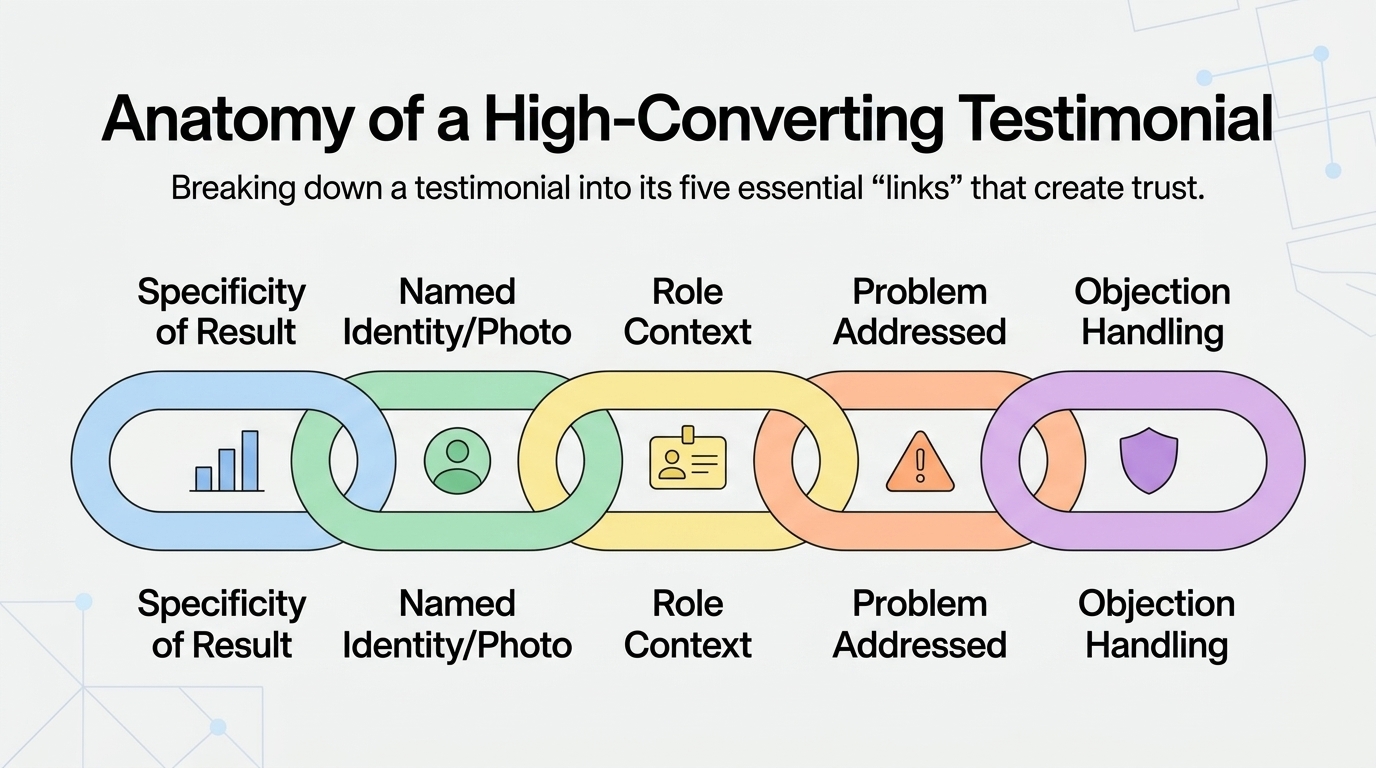
- Social proof elements (testimonials, logos, review ratings) integrated into the layout
- Objection-handling sections below the fold
- Minimal navigation (or no navigation) to reduce distraction from the conversion goal
The number of templates matters less than their quality. 50 well-designed, conversion-tested templates are more valuable than 500 generic designs.
Drag-and-Drop Editor Quality
The editing interface should let you make changes quickly and confidently. The best editors show a real-time preview as you make changes, respond immediately without lag, and make it obvious what can be moved, resized, and modified. Editors that feel unintuitive, that crash, or that produce unexpected layout results when you make changes will slow you down and produce frustrating experiences.
Test the editor with a free trial before committing. The experience of actually building a page tells you more about a tool's usability than any feature list.
A/B Testing
Built-in A/B testing is essential for serious conversion optimization. You should be able to create multiple variants of a page, split traffic between them, and automatically track conversion rates for each variant. The platform should calculate statistical significance and ideally indicate when a test has reached a reliable conclusion.
A/B testing within the same tool that hosts your pages is much more practical than trying to implement external A/B testing tools on landing pages — it's a core feature rather than an integration complexity.
Integration Ecosystem
Landing pages need to connect to the rest of your marketing stack: your email marketing platform (Mailchimp, Klaviyo, ActiveCampaign, ConvertKit), your CRM (HubSpot, Salesforce), your ad platforms (Google Ads, Meta Ads) for conversion tracking, and your analytics (Google Analytics, Facebook Pixel).
Check that the platforms you currently use are natively supported. Native integrations are more reliable and require less technical setup than Zapier-based connections, though Zapier integration is a reasonable fallback for less common tools.
Custom Domain Support
Your landing pages should be served on your own domain (or subdomain) rather than on the builder's default domain. A landing page at "yourcompany.com/campaign" or "pages.yourcompany.com" is significantly more credible than "yourcompany.leadpages.com." Custom domain support also means your pages contribute to your own domain's SEO rather than the builder's.
Analytics and Reporting
Built-in analytics should show, at minimum: unique visitors, conversions, conversion rate, and source breakdown. More sophisticated platforms show scroll depth, form field abandonment, and heatmap data. These metrics tell you whether pages are performing and where to focus optimization.
Mobile Responsiveness
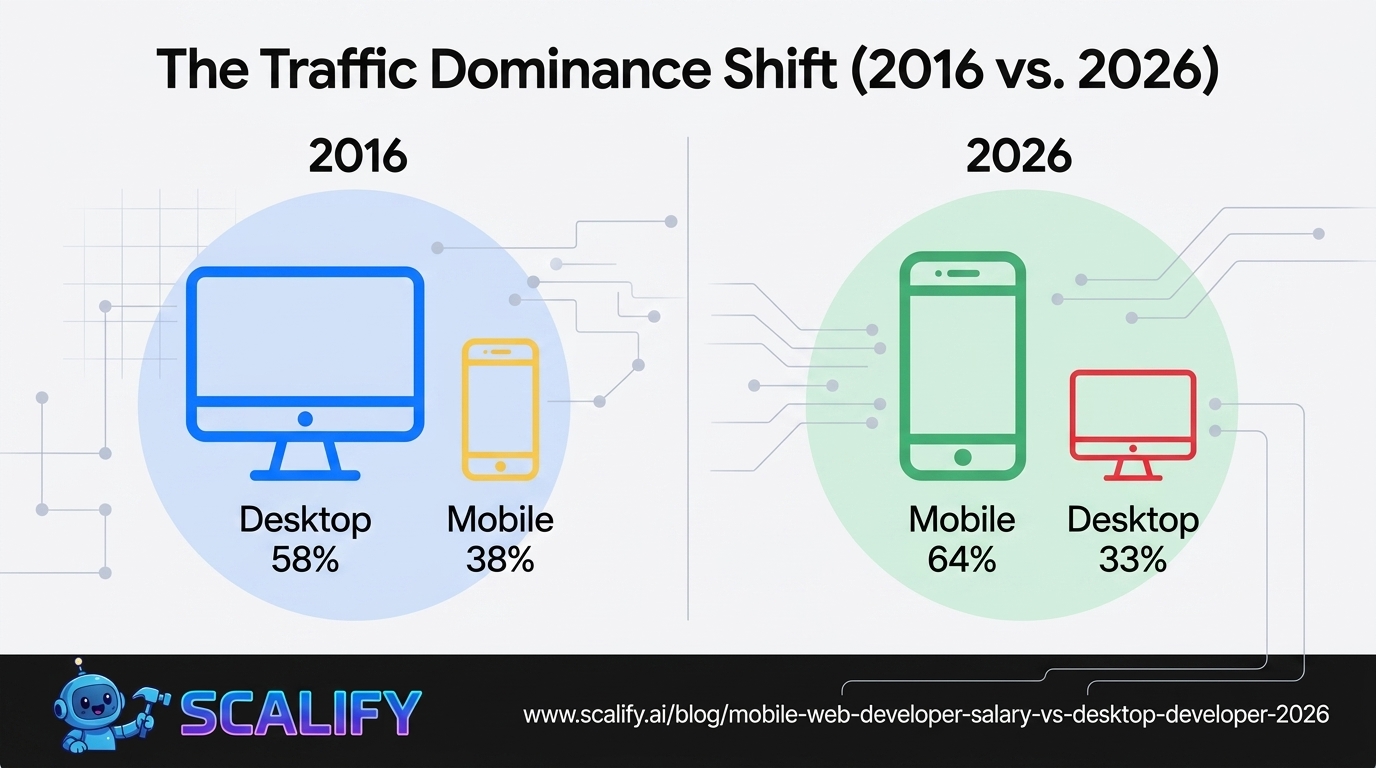
Every page created should be automatically mobile-responsive. Some builders let you customize the mobile layout separately; others apply automatic responsive rules. Either approach works as long as the mobile experience is actually tested before launch — many conversions happen on mobile and a broken mobile layout kills those conversions.
The Major Landing Page Builders Compared
Unbounce ($74–649/month)
Unbounce has been the professional marketer's landing page builder of choice for over a decade. Its combination of a powerful drag-and-drop editor, the largest conversion-optimized template library of any dedicated landing page platform, built-in A/B testing, and an AI-powered Smart Traffic feature that automatically routes visitors to the variant most likely to convert makes it the most capable option in the category.
Smart Traffic: The standout feature that differentiates Unbounce at scale. Instead of requiring a human-managed A/B test, Smart Traffic analyzes visitor attributes (device, browser, location, day of week) and dynamically sends each visitor to the variant with the highest predicted conversion probability for their profile. It activates after 50 conversions and becomes more effective as it accumulates more data. This automated optimization consistently outperforms manual A/B testing in controlled comparisons.
Strengths: Best template library, most powerful editor, Smart Traffic, strong conversion analytics, excellent integration ecosystem. The best choice for high-traffic campaigns where conversion rate differences of even 1–2% represent meaningful business value.
Weaknesses: Most expensive option. Steeper learning curve than simpler alternatives. Overkill for businesses running occasional low-volume campaigns.
Leadpages ($37–99/month)
Leadpages positions itself as the accessible, affordable alternative to Unbounce. Lower price, simpler interface, and a reasonably strong template library make it a viable choice for businesses with modest landing page needs.
Leadmeter: A built-in conversion score that assesses each page's conversion potential as you build it, providing real-time guidance on what to improve. This is genuinely helpful for users who are new to landing page optimization and want guardrails.
Strengths: Affordable entry pricing, simple interface, Leadmeter conversion guidance, good template variety, includes basic website builder functionality beyond landing pages.
Weaknesses: A/B testing only on higher-tier plans. Less powerful editor than Unbounce. Analytics less comprehensive than competitors at equivalent tiers.
Instapage ($79–299/month)
Instapage differentiates on post-click personalization — the ability to create different landing page experiences for different audience segments from the same campaign. An ad targeted to enterprise companies and the same ad targeted to small businesses can deliver to different page variants without separate campaigns.
AdMap: A visual interface showing the connection between ads and landing pages across campaigns. For complex paid advertising operations managing many campaigns, AdMap provides organizational clarity that other platforms lack.
Strengths: Best post-click personalization capabilities, excellent collaboration tools (team annotation and approval workflows), good A/B testing, strong analytics. Designed for agencies and enterprise advertisers managing multiple campaigns simultaneously.
Weaknesses: Expensive at higher tiers. More complexity than most small businesses need. Template library smaller than Unbounce.
ClickFunnels ($97–297/month)
ClickFunnels approaches landing pages differently from the others — it's primarily a funnel builder rather than a landing page builder. The focus is on building multi-step conversion funnels: opt-in page → tripwire offer → upsell page → order confirmation. This approach works well for information product businesses, coaches, and direct response marketers who sell through sequential funnel experiences.
Strengths: Best for multi-step funnel sequences, built-in affiliate management, strong for info product and coaching businesses, membership site functionality included.
Weaknesses: The pages often look similar and are recognizable as ClickFunnels pages to experienced internet users. Not ideal for service businesses or businesses where brand quality matters. Overkill for simple landing page needs.
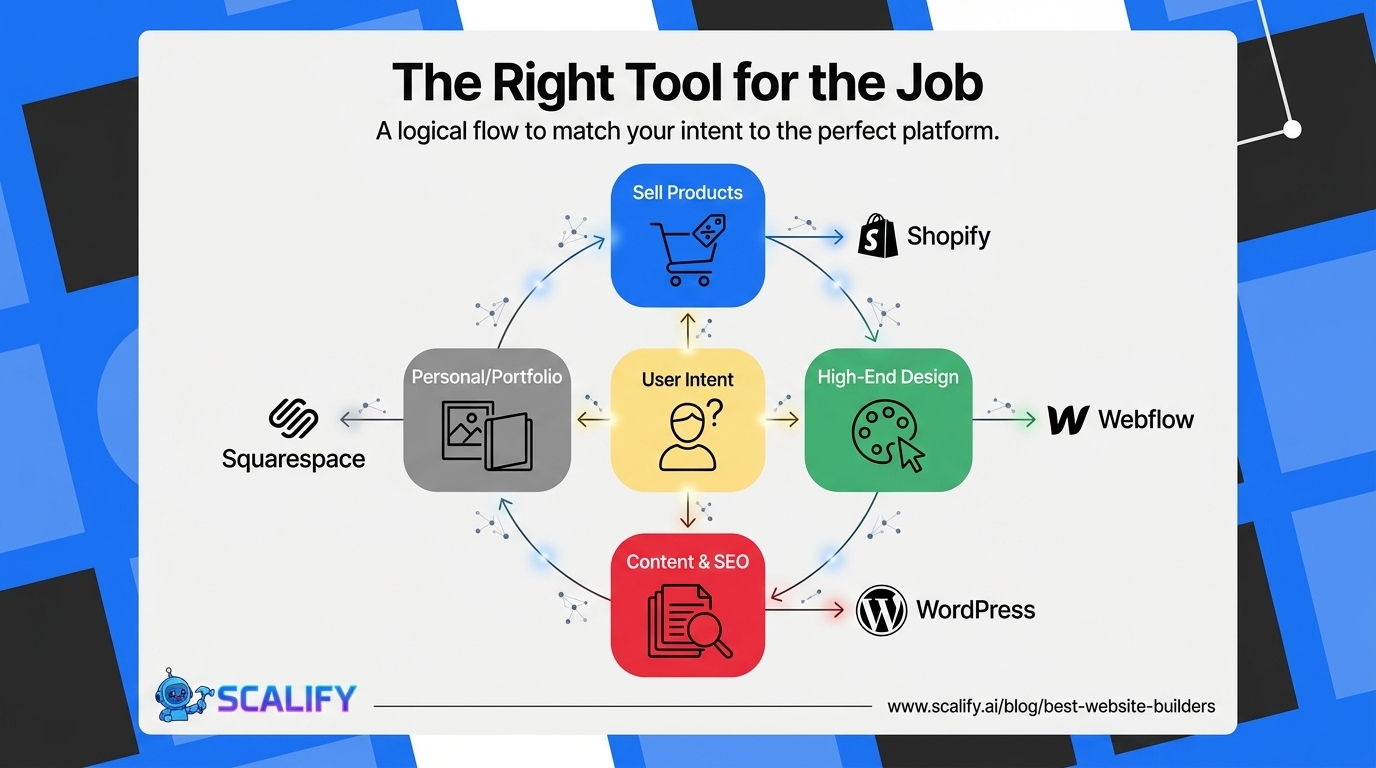
Webflow (with Landing Page Templates, $23–39/month)
Webflow isn't primarily a landing page builder, but it's worth mentioning for design-conscious businesses that want pixel-perfect landing pages that match their main site's design quality. Webflow's editor produces significantly more distinctive, custom-quality outputs than dedicated landing page builders — but at the cost of faster, more complex creation.
When to consider Webflow for landing pages: When brand quality is critical and your landing pages need to look indistinguishable from your main website. When your team has Webflow design skills. When the landing page will be used for an extended period (not a fast-moving campaign), justifying the additional design investment.
Google Sites and HubSpot Free (Free Options)
For businesses with minimal budgets testing their first landing pages, free options exist. HubSpot's free CRM includes a basic landing page builder with limited templates and essential features. Google Sites is functional but limited in design quality. These options are appropriate for testing basic concepts — not for production campaigns where conversion rate optimization matters.
When to Use a Landing Page Builder vs. Your Main Website
Landing page builders are the right tool when:
- You're running paid advertising campaigns and need pages optimized for conversion from specific ad audiences
- You're launching a specific offer, promotion, or product with a dedicated conversion flow
- You need to build and test multiple page variants quickly
- You want to iterate and optimize quickly without involving a developer
- The conversion goal is very specific and the page should remove all distractions from it
Use your main website instead when:
- The page needs to be part of your permanent website structure (service pages, about pages, product pages)
- SEO is important — landing page builder pages often have limited SEO capabilities and your main website's domain authority helps your service and product pages rank
- Long-term brand equity matters more than campaign speed
Many businesses use both: their main website for core pages that need SEO and long-term presence, and a landing page builder for campaign-specific pages that need to move fast and be tested aggressively.
Best Practices for Landing Pages Built with Any Tool
Remove navigation: Strip out header navigation links that can distract visitors from the conversion goal. The only exits should be the conversion action or leaving the page entirely.
Match the message to the source: A landing page for a Facebook ad about website design for restaurants should immediately show a headline about website design for restaurants — using the same language as the ad. Message match is the single most impactful factor in landing page conversion.
One page, one goal: Every element on the page should support one conversion goal. Multiple competing CTAs (subscribe, buy, share, download) produce lower conversion rates than a single focused CTA.
Test one thing at a time: The most rigorous A/B testing changes one element per test and runs to statistical significance before declaring a winner. Testing multiple elements simultaneously produces ambiguous results — you can't tell which change produced the outcome.
Optimize for mobile first: Test your landing pages on actual mobile devices before running campaigns. Many conversions happen on mobile and a broken mobile experience kills those conversions entirely.
The Bottom Line
Landing page builders enable fast creation of conversion-optimized pages without developer involvement — making them essential for marketing teams that need to move quickly and iterate continuously. For most businesses, Unbounce is the most capable option; Leadpages is the best value for simpler needs; Instapage fits agency and enterprise workflows best.
The tool matters less than the principles: clear message match, single conversion goal, social proof, objection handling, and aggressive testing. The best landing page is the one you've tested enough to know what works for your specific audience with your specific offer.
At Scalify, we build the main website and service pages that form your permanent digital presence — the foundation that landing page campaigns send traffic back to when prospects want to learn more about your business.


.jpeg)
.jpeg)

78 SW 7th St, Miami, FL 33130