


What Is Local SEO and How Do You Dominate Your Local Market?
By Josh Ternyak

March 29, 2026
Local SEO is the most direct path to customers for any business serving a specific geographic area. This complete guide covers how local search works, why it matters, and the exact steps to dominate your local market in Google.
The SEO Strategy That Puts You on the Map — Literally
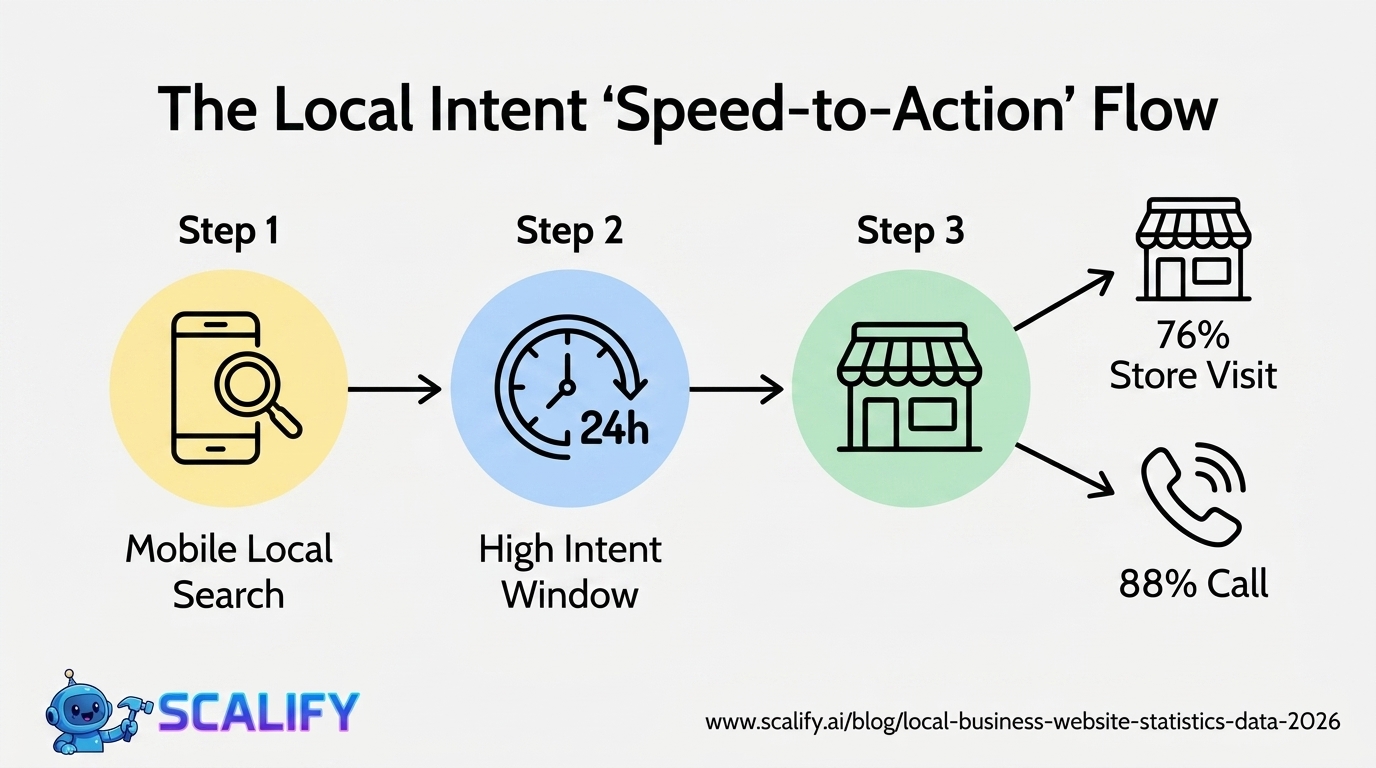
When someone in your city searches "best web designer near me" or "plumber Miami" or "coffee shop Brooklyn," Google doesn't just show a list of organic search results. It shows a map. And beneath the map, it shows three businesses prominently — with their name, rating, hours, and address — before anything else.
That featured placement is called the local pack or map pack, and it's some of the most valuable real estate in search. Businesses that appear there get seen by customers at the exact moment those customers are ready to buy. Businesses that don't appear there are effectively invisible to that local search traffic, regardless of how good their website is.
Local SEO is the set of practices that determine whether your business appears in local search results — including the map pack — when people in your area search for what you offer. For any business that serves customers in a specific geographic area, it's the highest-ROI marketing investment available.
What Local SEO Is and How It Differs from Regular SEO
Regular SEO optimizes for search queries without geographic intent — searches where location doesn't determine the results. "How to bake sourdough bread" produces the same results whether you search from Miami or Minneapolis. The best content wins regardless of where the searcher is.
Local SEO optimizes for searches with geographic intent — queries where location directly affects what results are relevant. "Plumber near me," "Italian restaurant Brooklyn," "best dentist in Austin" — these queries produce results that are specific to the searcher's location. A plumber in Chicago doesn't appear in results for someone searching in Miami, regardless of how good their website is.
The signals Google uses for local ranking are different from those used for organic ranking:
- Proximity: How physically close is the business to the searcher?
- Relevance: How well does the business match what was searched for?
- Prominence: How well-known and trusted is the business?
These three factors — proximity, relevance, and prominence — are the core framework Google uses for local rankings, and every local SEO tactic maps to improving one or more of them.
The Local Search Ecosystem: Where You Need to Appear
Google Business Profile (Map Pack)
Your Google Business Profile (GBP), formerly Google My Business, is the most important element of your local SEO presence. It's the listing that appears in the Google Map Pack and in the Knowledge Panel when someone searches directly for your business name.
A complete, optimized GBP listing includes: accurate business name, address, phone number, website URL, business hours (including special hours for holidays), business category (the primary one matters most — be specific), photos (interior, exterior, products, team), and regular posts.
The GBP appears prominently in local search results — often above organic results and before any website content. For many searchers, the GBP is the complete interaction: they find your hours, call your phone number, get directions, or read your reviews without ever visiting your website. This makes GBP optimization critical regardless of how good your website is.
Organic Local Results
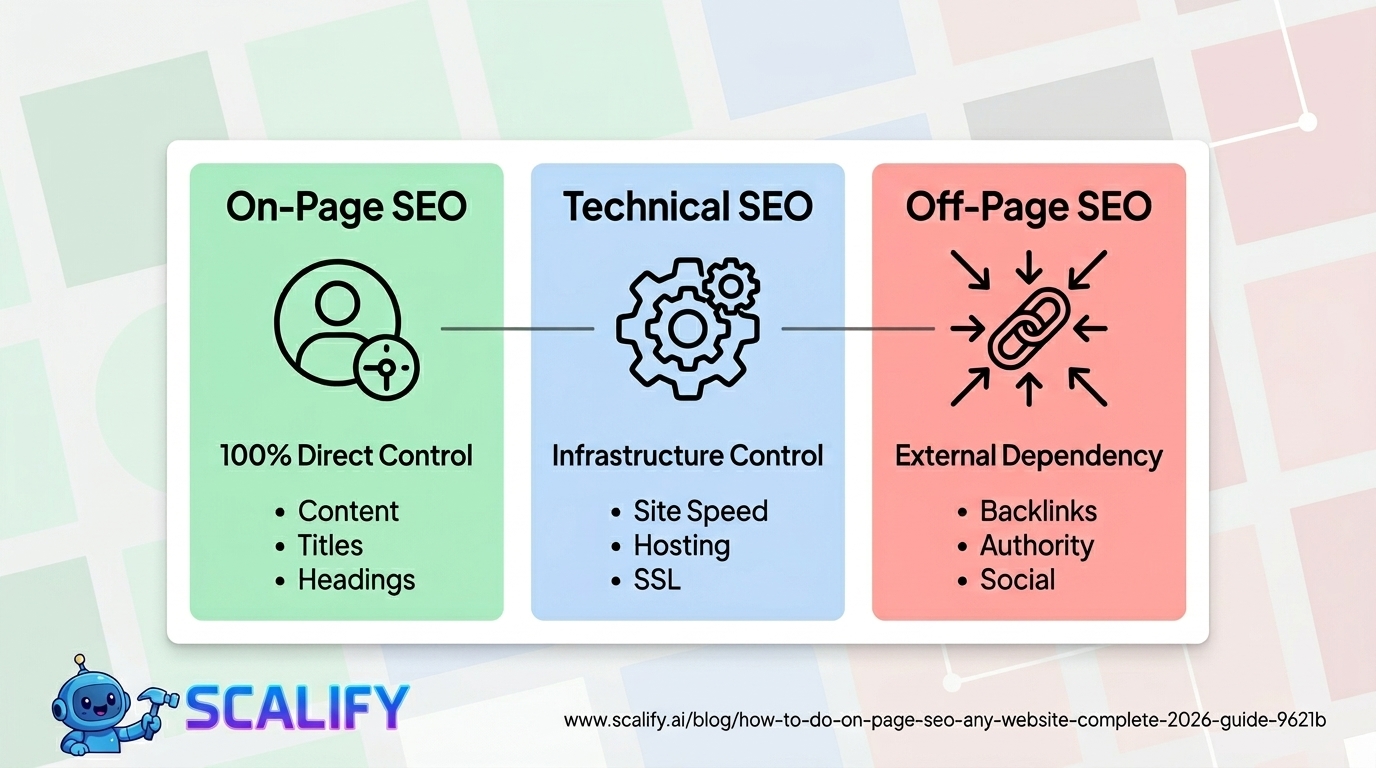
Below the map pack, there are organic results for local queries — website pages from local businesses, directories, and review sites. Ranking here requires the same fundamentals as regular SEO (content quality, technical performance, backlinks) plus local relevance signals (geographic keywords, local landing pages, local citations).
Local businesses that have both a strong GBP and strong organic local results dominate local search — they appear in the map pack, in organic results below it, and potentially in multiple directory listings on the same page.
Voice Search and "Near Me" Queries
Voice searches have transformed local search behavior. "Hey Siri, find a plumber near me" and "OK Google, what's the best Italian restaurant open now" are voice queries that depend heavily on GBP optimization and local relevance signals. These searches typically produce single results (or a short list) rather than a full SERP — making the map pack placement even more valuable for voice-driven queries.
Google Business Profile Optimization: The Highest-Impact Starting Point
Claim and Verify Your Listing
If you haven't claimed your Google Business Profile, do it today. Many businesses discover they have an unclaimed GBP that was auto-generated by Google from aggregated data — often with incorrect information. Claiming and verifying gives you control over the information that appears.
Verification is typically done by receiving a postcard with a verification code sent to your business address (takes 5–10 days), though some businesses qualify for phone or email verification. Until verified, you can't fully manage or optimize your GBP.
Complete Every Profile Element
Google rewards completeness. The more complete your GBP, the higher your chances of appearing in relevant local searches. Specifically:
Business name: Use your exact business name as it appears on your signage and website. Don't stuff keywords into your business name — this violates Google's guidelines and can get your listing suspended. "Miami Plumbing Co" is fine. "Miami Plumbing Co — Best Plumber Miami Emergency Service" is a guidelines violation.
Address: Your exact, accurate physical address. If you serve customers at their location (rather than having a physical storefront), use a Service Area Business profile and define your service area rather than displaying an address.
Primary category: The single most important category selection. Choose the most specific, most accurate primary category that describes your main business activity. "Plumber" is better than "Home Services." "Italian Restaurant" is better than "Restaurant." The primary category is heavily weighted in local ranking algorithms.
Secondary categories: Add up to 9 secondary categories for services that aren't covered by your primary category. A plumber might add "Drain Cleaning Service," "Water Heater Installation Service," and "Emergency Plumber."
Business hours: Accurate hours, updated for holidays and special circumstances. Many businesses lose potential customers because their GBP shows incorrect hours — customers call during "open" hours and find the business closed.
Services and products: Add specific services with descriptions. A web design agency might list "Custom Website Design," "E-Commerce Development," "Website Maintenance," and "SEO Services" — each with a brief description. This helps Google match your listing to relevant searches.
Business description: 750 characters describing your business, naturally including relevant keywords and geographic terms. "Miami-based web design agency specializing in custom websites for small businesses, restaurants, and service companies throughout South Florida." This description helps Google understand what you do and where you do it.
GBP Photos: The Conversion Element Most Businesses Neglect
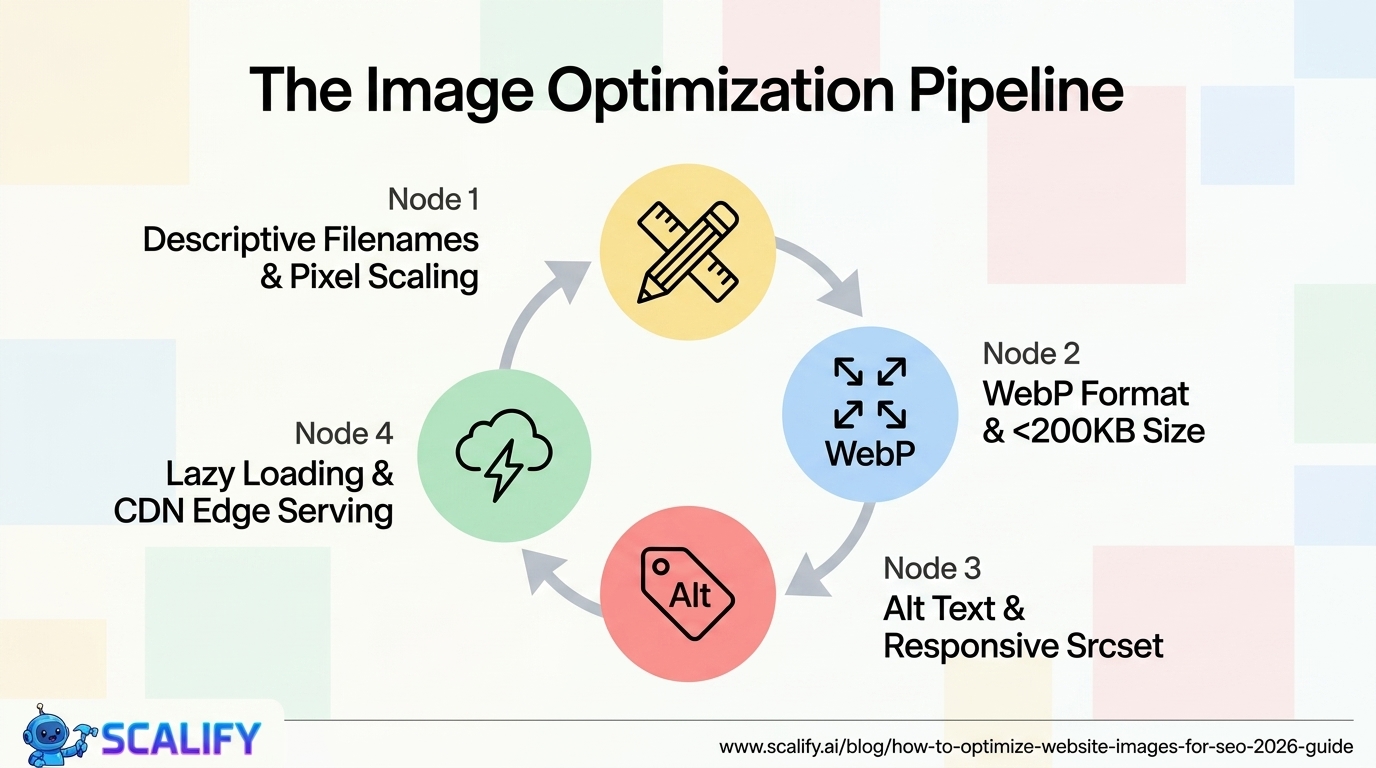
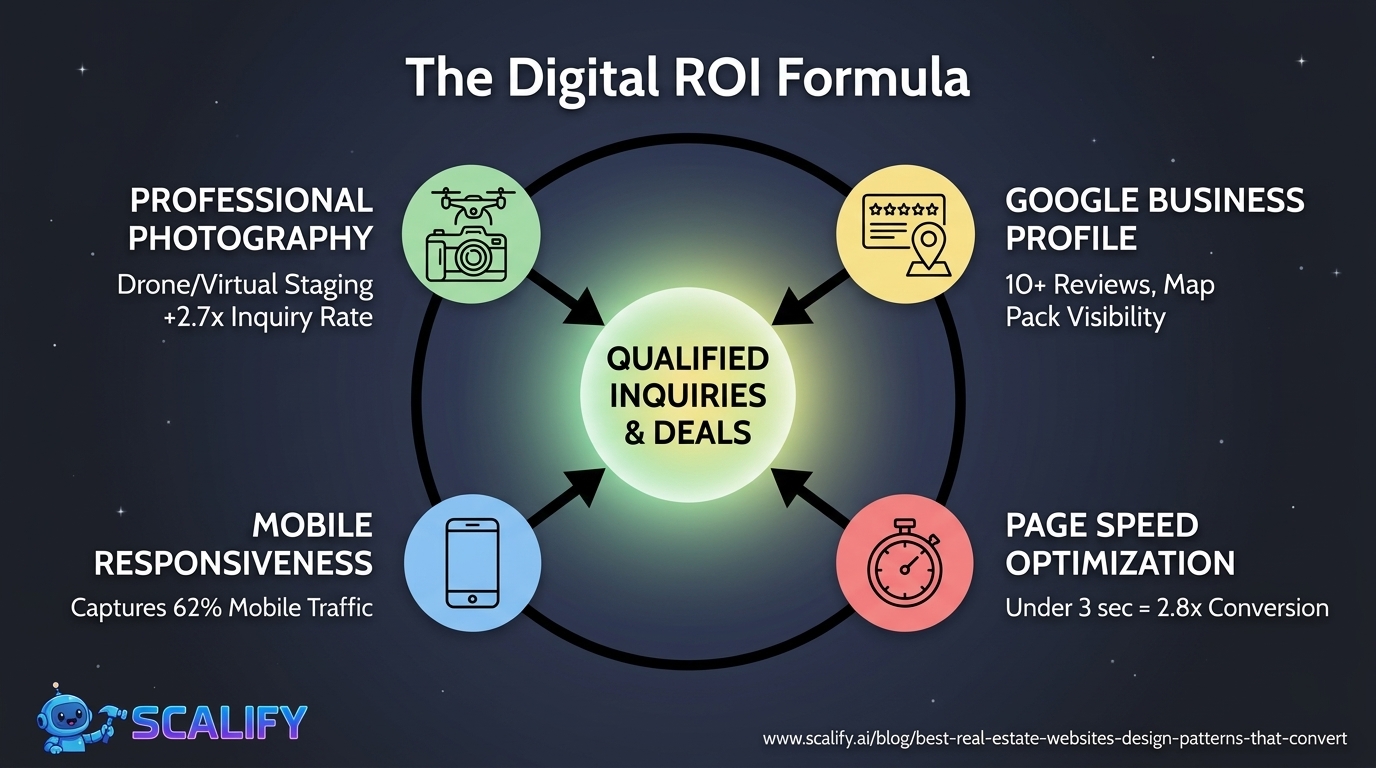
GBP listings with photos receive 42% more requests for directions and 35% more website clicks than listings without photos, according to Google's own data. Photos matter — both for conversion (they help potential customers decide whether to visit) and for ranking (more complete profiles tend to rank better).
Minimum photo set for any GBP: cover photo (the primary image shown in map pack), logo, exterior photo (helping people find your location), interior photo (showing what customers will experience), and team or service photos. For restaurants, food photography is essential. For service businesses, before/after or in-action shots demonstrate work quality.
Update photos regularly — a GBP with recent photos signals an active, maintained business to both Google and potential customers. Businesses that uploaded photos recently are often perceived as more active and current than those whose last photo was from 2019.
Google Posts
GBP allows you to publish short posts — updates, offers, events, and new products — that appear in your GBP in search results. These posts expire after 7 days (events remain until the event date), so active posting signals an engaged business.
Google Posts are a consistent, low-effort way to signal activity and relevance. Posting weekly — a current promotion, a recent project highlight, a seasonal service reminder — keeps your GBP fresh and provides additional content for Google to match to relevant searches.
Reviews: The Most Powerful Local Ranking and Conversion Factor
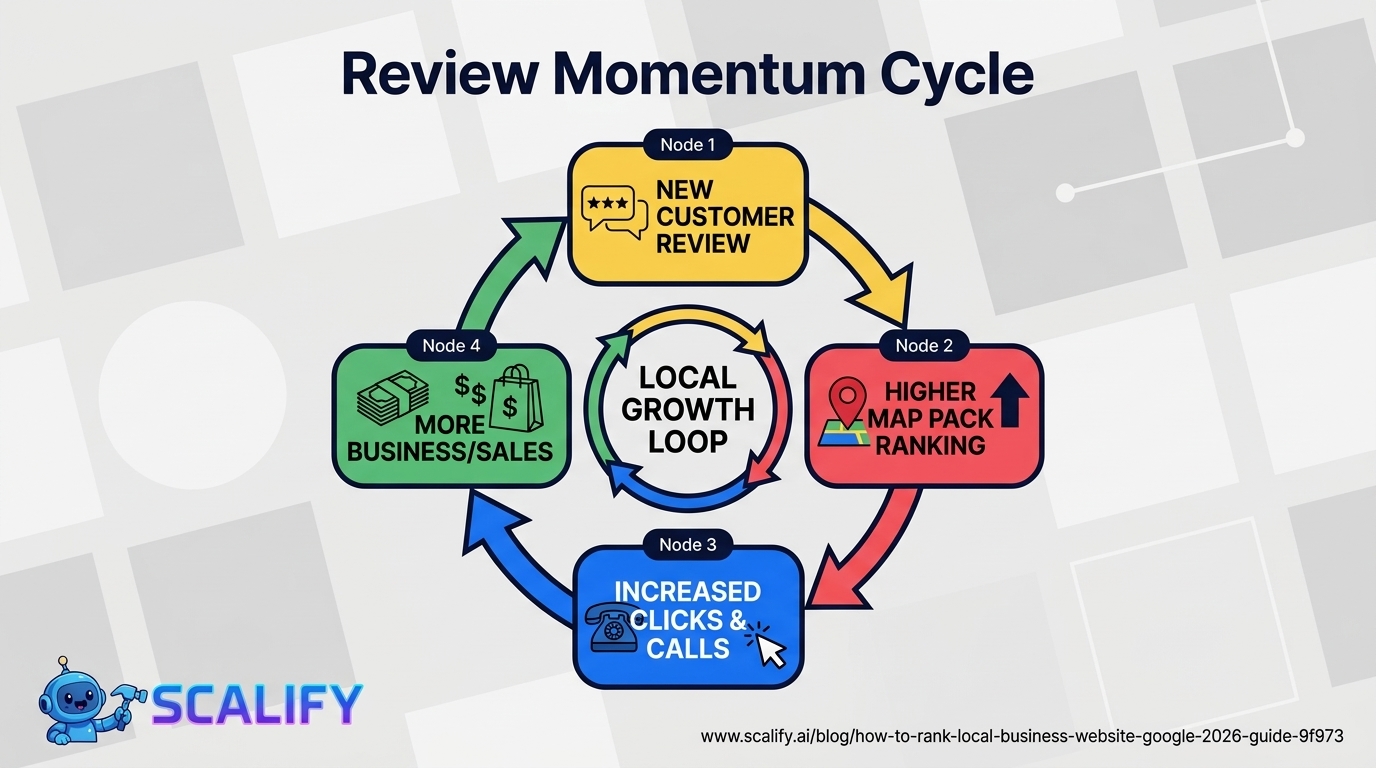
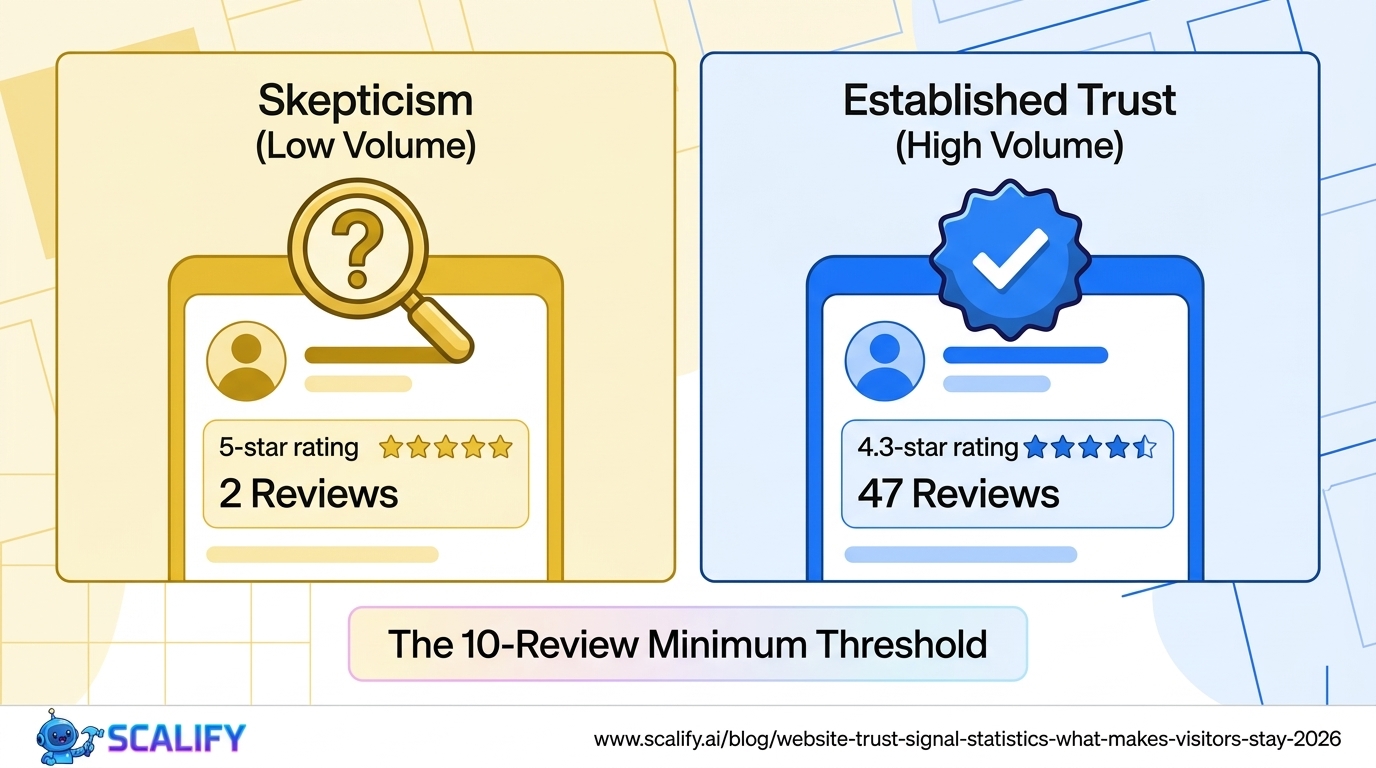
Google reviews affect local rankings directly and conversion rates dramatically. The businesses in the Google Map Pack almost always have substantially more and higher-rated reviews than businesses not appearing in it. And conversion data consistently shows that businesses with 4.5+ star averages and 50+ reviews get significantly more clicks and calls than businesses with fewer or lower-rated reviews.
The most important things to know about Google reviews:
How to Get More Reviews (Systematically)
Most satisfied customers don't leave reviews by default — not because they weren't happy, but because leaving a review requires intentional effort that most people don't make spontaneously. The businesses with the most reviews have developed systems for asking.
The most effective methods:
Email follow-up: 7–14 days after a service is completed or a purchase arrives, send a simple email: "We hope you're happy with [service/product]. If you have 2 minutes, a Google review would mean the world to us and helps other customers find us." Include a direct link to your Google review form (available from your GBP or by searching your business name and clicking "Write a Review").
In-person ask: For service businesses, a personal request at the conclusion of a successful job is highly effective. "Mr. Jones, I'm really glad everything worked out. If you're happy with the work, would you consider leaving us a Google review? It really helps other homeowners find us." Followed by a text with the direct review link.
SMS follow-up: A text message follow-up asking for a review has higher open and action rates than email for many customer segments. Keep it brief and genuine.
QR codes at point of sale: For physical businesses (restaurants, retail, services), a QR code that links directly to your Google review form on printed receipts, table cards, or follow-up materials makes leaving a review frictionless.
Responding to Reviews
Respond to every review — positive and negative. Responding to positive reviews shows appreciation and builds community. Responding to negative reviews demonstrates accountability and customer service commitment — and is more influential on prospective customers than the negative review itself.
For negative reviews: don't be defensive, don't argue, and don't ignore them. Acknowledge the experience, apologize for falling short, and offer to make it right (typically by moving the conversation off the public forum: "Please call us at [number] so we can make this right for you"). Prospective customers reading negative reviews and professional responses often conclude that the business handles problems well — which is reassuring rather than off-putting.
Never pay for, incentivize, or fake reviews. This violates Google's policies, can result in your GBP being suspended, and tends to produce review profiles that look suspicious (sudden influx of 5-star reviews from accounts with no other reviews).
Local Citations: Building Your Digital Presence Across the Web
A local citation is any mention of your business's name, address, and phone number (NAP) on another website. Citations on authoritative local and industry directories signal to Google that your business is legitimate and established at that location.
Important citation sources:
- Google Business Profile (most important)
- Apple Maps
- Bing Places
- Yelp
- Facebook Business
- Better Business Bureau (BBB)
- Chamber of Commerce (local)
- Industry-specific directories (Houzz for home services, Healthgrades for medical, Avvo for legal, etc.)
- Local newspaper business directories
- Yellow Pages
NAP Consistency: The Critical Detail
Your Name, Address, and Phone number (NAP) must be exactly consistent across all listings. "123 Main St" and "123 Main Street" and "123 Main St." are technically different — and if your NAP varies across directories, Google has less confidence in your business's location and identity, which can suppress local rankings.
Audit your citations using a tool like BrightLocal, Moz Local, or Whitespark. These tools find all mentions of your business across the web and identify inconsistencies. Fixing NAP inconsistencies — tedious but straightforward — is one of the most impactful technical local SEO improvements for businesses with long histories or past name/address changes.
Local On-Page SEO: Your Website's Contribution to Local Rankings
Location Pages
If your business serves multiple geographic areas, create a dedicated location page for each area. Each page should include: the specific city/area name in the page title, H1, and throughout the content; specific information about services in that area; location-specific testimonials if available; embedded Google Map of that location; and NAP information consistent with your GBP.
Single-location businesses should ensure their homepage and contact page include their full NAP, embedded map, and location-specific content — not just a phone number buried in the footer.
Location Keywords in Content
Your website content should naturally include geographic terms that match how people search for businesses like yours in your area. "Web design agency in Miami," "serving small businesses throughout South Florida," and "based in Brickell" all provide geographic signals that help Google understand where you operate.
Don't force geographic terms into content artificially. Write naturally for humans, and geographic references will occur naturally when you're describing your actual business and location.
LocalBusiness Schema
Implement LocalBusiness structured data on your website. This JSON-LD markup provides Google with explicit information about your business's name, address, phone, hours, location coordinates, and category in a machine-readable format.
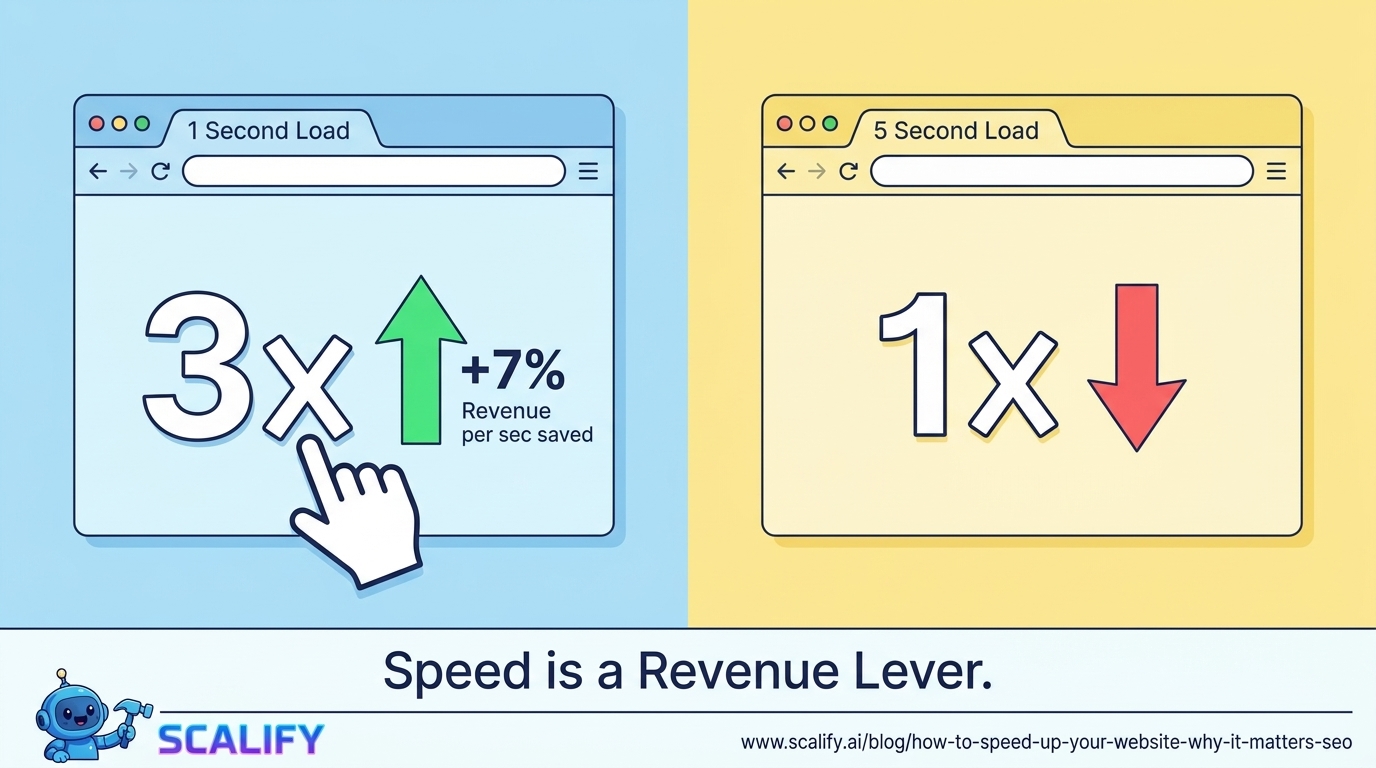
LocalBusiness schema is implemented in the <head> section of your site and validated with Google's Rich Results Test tool. It's a clear, direct way to provide the exact information Google needs for local ranking and can contribute to enhanced local Knowledge Panel appearances.
Building Local Links and Authority
Local links — links from other local businesses, local news publications, local organizations, and community sites — contribute to local prominence signals in Google's algorithm.
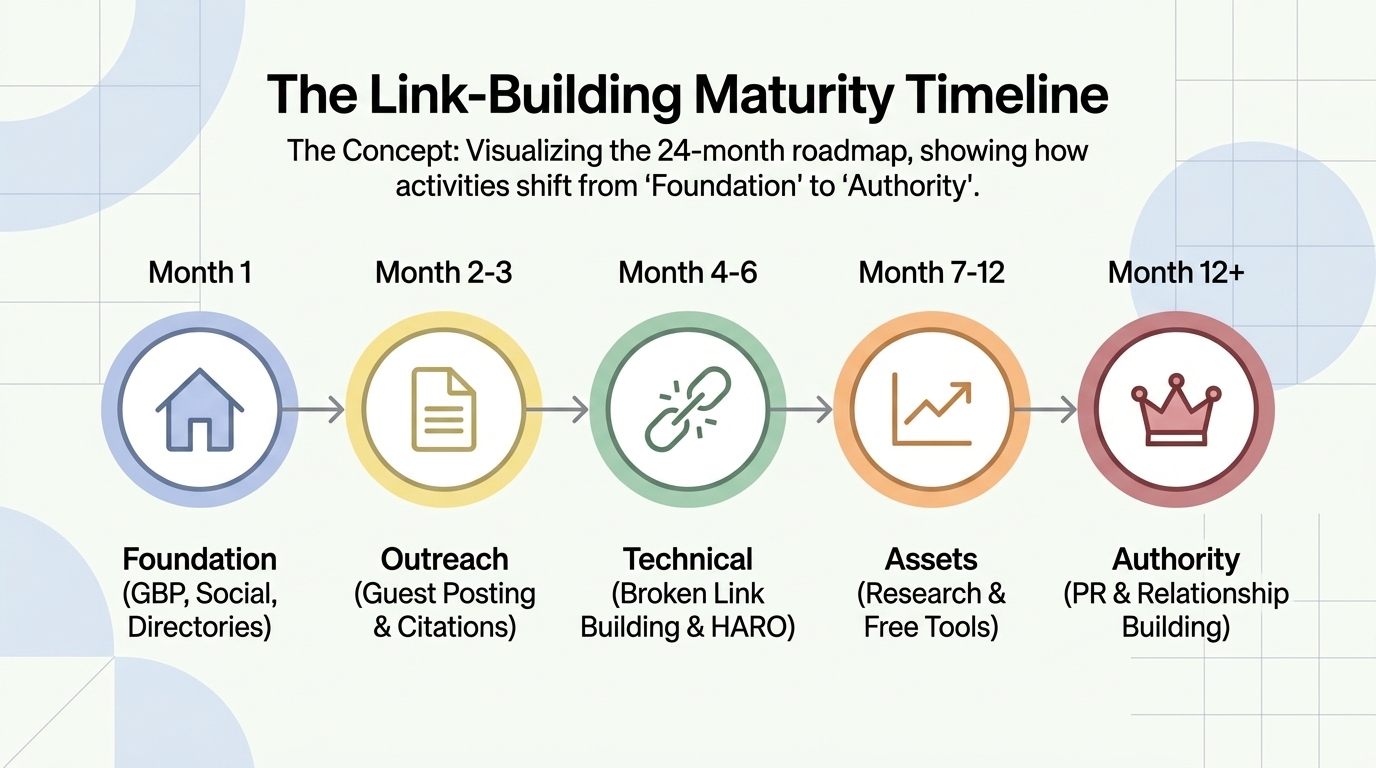
Strategies for earning local links:
Local business associations and chambers of commerce: Membership in your local chamber of commerce typically includes a directory listing with a link. Local business associations, trade groups, and professional organizations often include member directories.
Local sponsorships: Sponsoring local events, sports teams, school programs, and charitable organizations often results in a listing on their website — a natural local link with good relevance signals.
Local press and publications: Being featured in local news articles, business profiles, or community publications generates high-quality local links. Issuing press releases about notable business news, contributing expert commentary on local stories in your industry, and building relationships with local reporters are all ways to generate press coverage.
Partner links: Complementary local businesses (non-competing) can recommend each other on their websites. A web design agency and a local marketing consultant might link to each other's services. These reciprocal local links are natural and appropriate when the businesses have genuine working relationships.
Measuring Local SEO Performance
Track these metrics to understand whether your local SEO efforts are working:
GBP Insights: Google's own analytics for your Business Profile show: search impressions (how often you appeared in search), website clicks, direction requests, and calls. Track these monthly — growth in these numbers indicates improving local visibility.
Map Pack rankings: Use a local rank tracking tool (BrightLocal, Semrush with Local features) to track where you appear in map pack results for your key local keywords. Rankings fluctuate based on searcher location; tracking from multiple points within your service area gives a representative picture.
Phone calls and form submissions from local traffic: Google Analytics with proper conversion tracking shows how much of your website traffic is from local organic search and how many of those visitors convert to leads or customers.
Review velocity: How many new reviews are you receiving per month? Growing review count signals an active, customer-engaged business to both Google and potential customers.
The Bottom Line
Local SEO is the most direct path to new customers for any business that serves a specific geographic area. The map pack placement that appears at the top of local searches is highly valuable real estate — and getting there is a systematic process: claim and optimize your GBP, build reviews actively, maintain NAP consistency, create location-specific website content, earn local links, and measure progress.
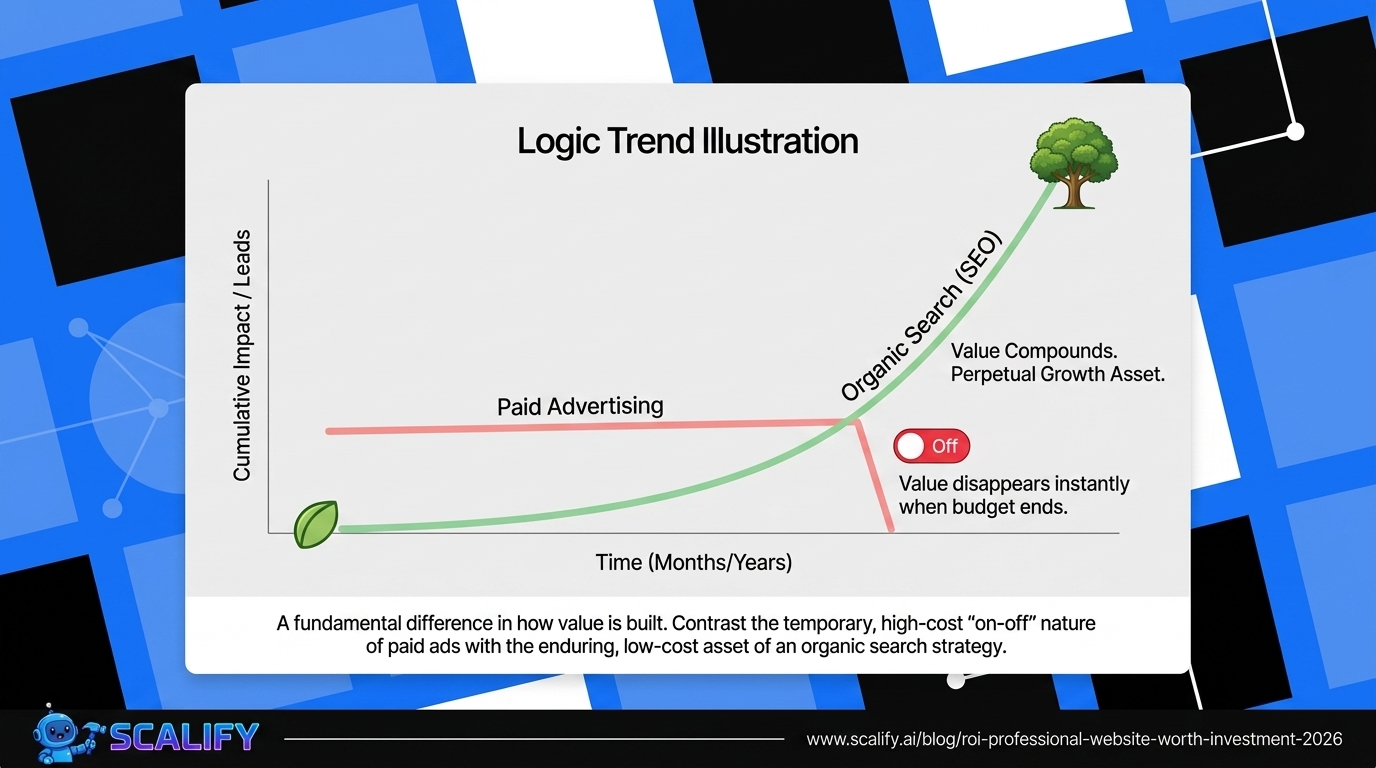
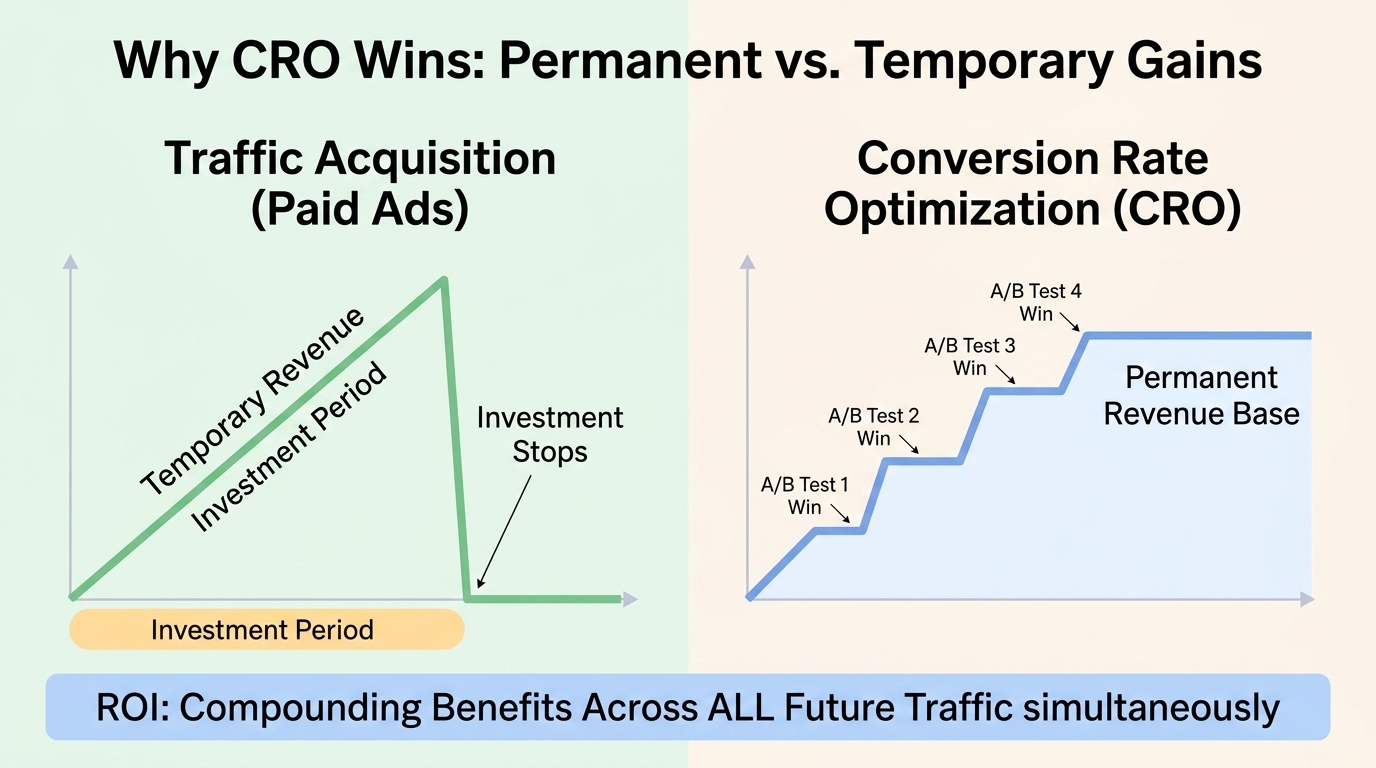
Unlike paid advertising, local SEO improvements are durable — a well-optimized GBP and strong review profile continue working without ongoing ad spend. The investment in getting local search right compounds over time, building an organic customer acquisition engine that delivers leads every day without a marketing budget attached.
At Scalify, every local business website we build includes proper LocalBusiness schema, location-optimized content structure, and the technical foundation that supports long-term local search visibility.


.jpeg)
.jpeg)

78 SW 7th St, Miami, FL 33130