


What Is Local SEO and How Do You Rank in Your City?
By Josh Ternyak

April 1, 2026
Comprehensive guide: What Is Local SEO and How Do You Rank in Your City?
The Search Traffic That's Closest to Your Register
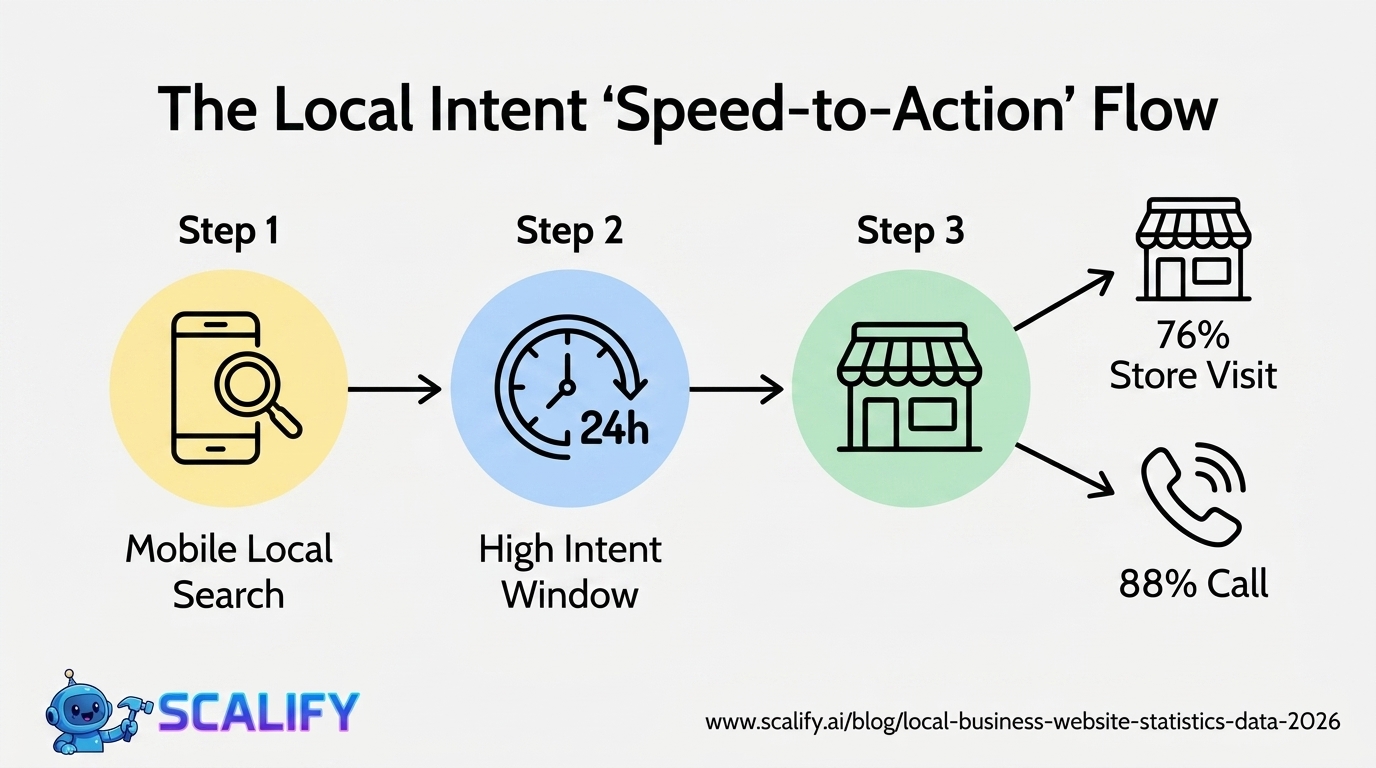
When someone in Miami searches "web design agency Miami," Google shows a map with three business pins, followed by organic results. Those three map pins — the "Local Pack" or "Map Pack" — get more clicks than any organic result below them. They're prominently displayed, include star ratings, show the address and phone number, and link directly to Google Business Profiles and websites.
Getting into those three map positions is local SEO. For any business that serves customers in a specific geographic area — a restaurant, a law firm, a dental practice, a plumbing company, a web agency with a local focus — it's among the highest-value organic traffic available. Someone searching "plumber Miami emergency" is not doing casual research; they have an immediate need and are about to call someone. Appearing at the top of those results is the difference between getting that call and watching it go to a competitor.
Local SEO is a distinct discipline from standard SEO. While standard SEO competes globally or nationally, local SEO competes within geographic boundaries. The ranking factors are different. The strategies are different. And the tools — Google Business Profile prominently among them — are different.
What Local SEO Is
Local SEO is the practice of optimizing a business's online presence to attract more business from relevant local searches. These are searches with geographic intent — explicitly mentioning a location ("dentist Miami Beach"), implicitly local ("dentist near me"), or with local intent inferred by Google from the searcher's location and the query type.
When Google detects local intent in a search, it shows results differently: the Local Pack (Google Maps results with business listings) appears prominently before or within organic results. These Local Pack results draw from Google's business database, not from website content alone — which is why local SEO involves a set of tactics distinct from standard SEO.
Local SEO encompasses:
- Google Business Profile (GBP) optimization
- Local citation building (consistent business information across directories)
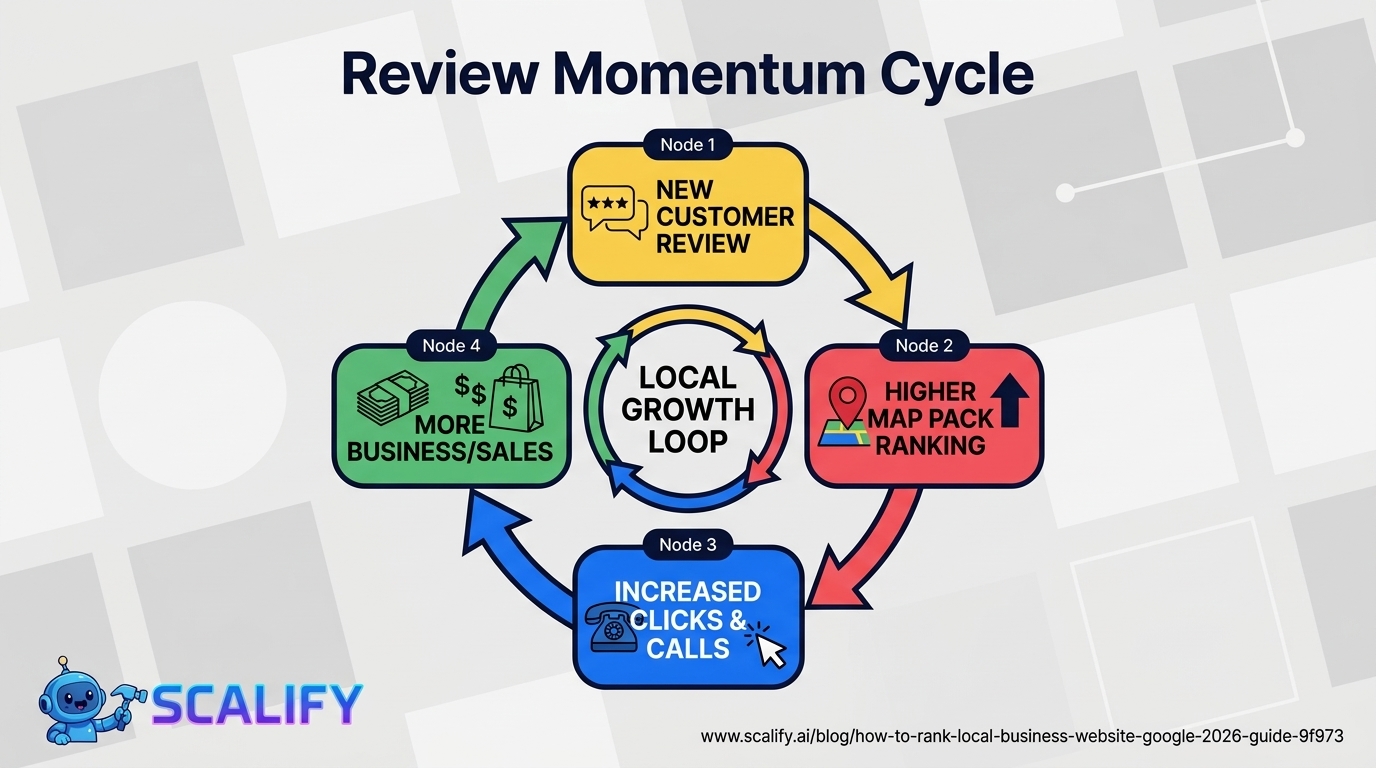
- Review generation and management
- Location-specific website content
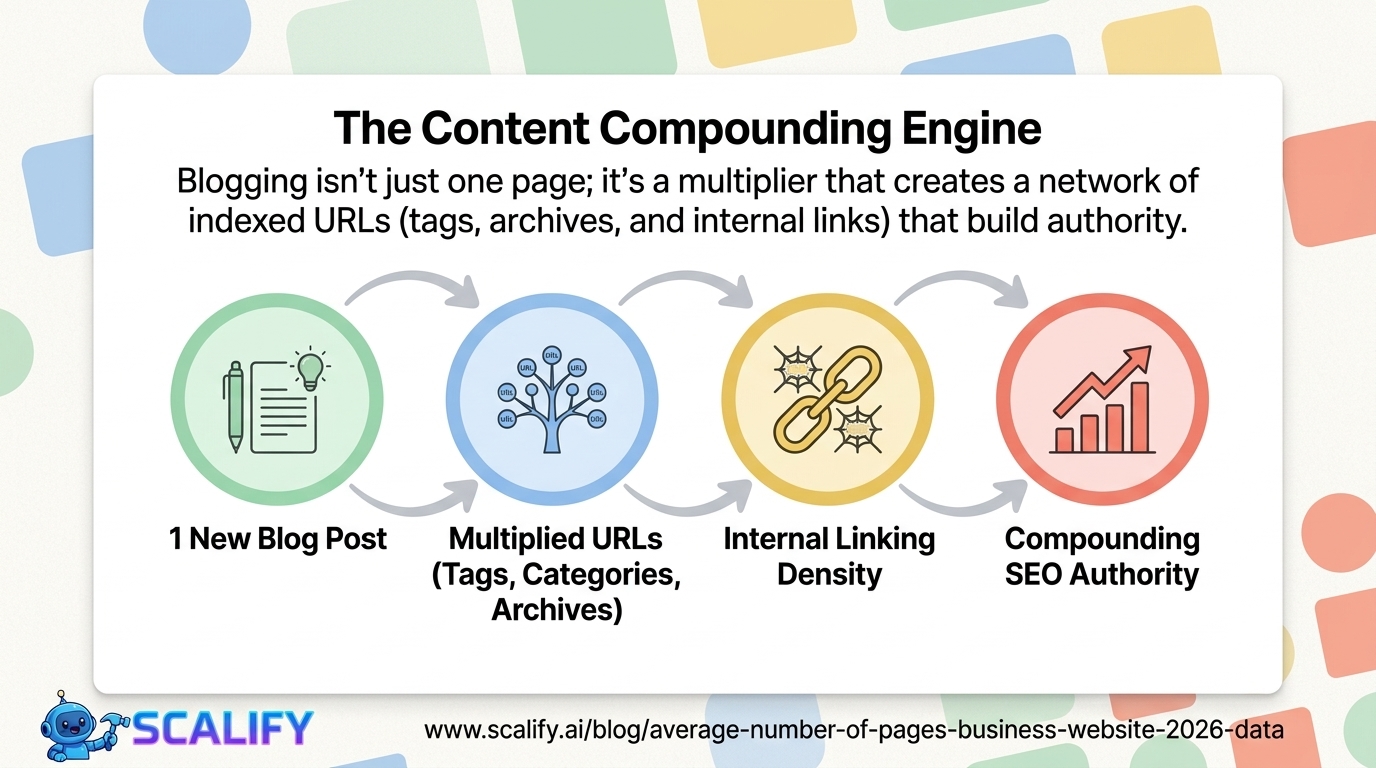
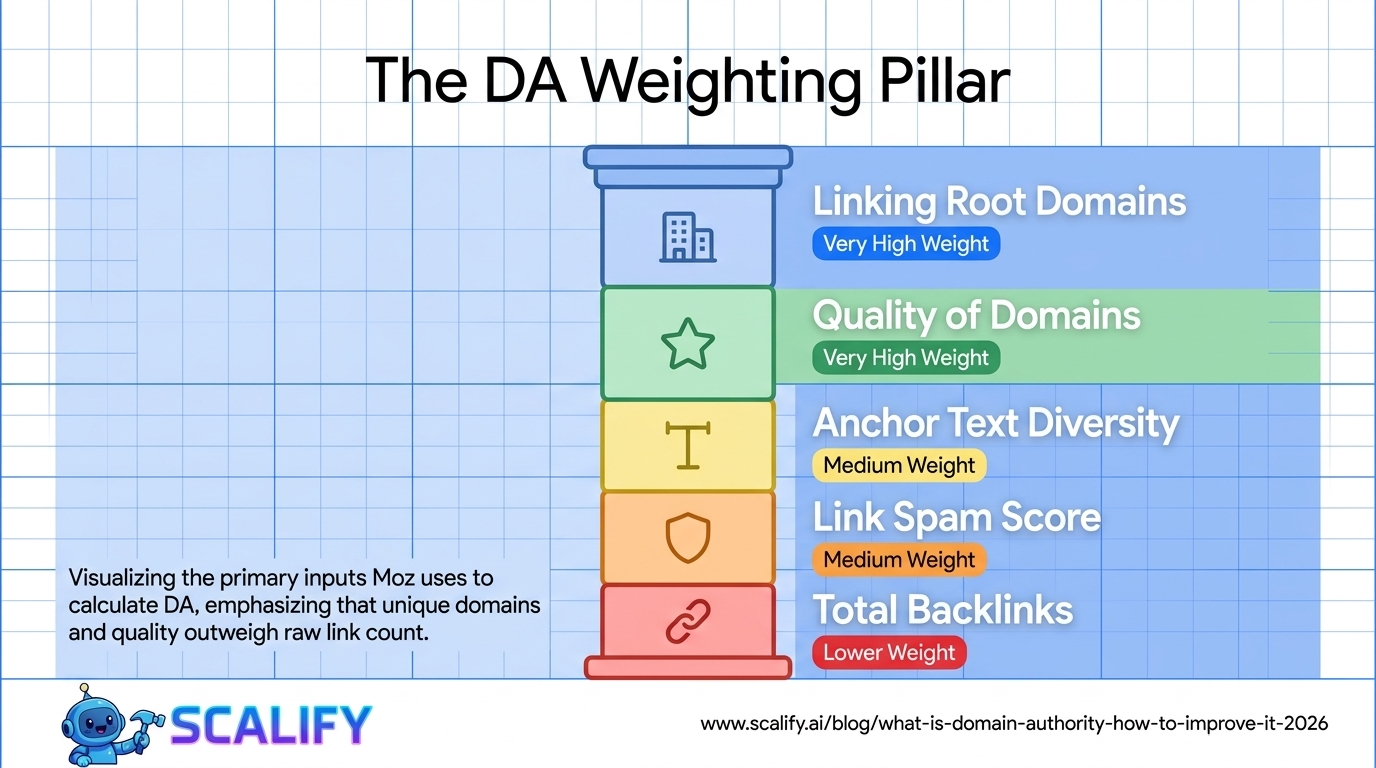
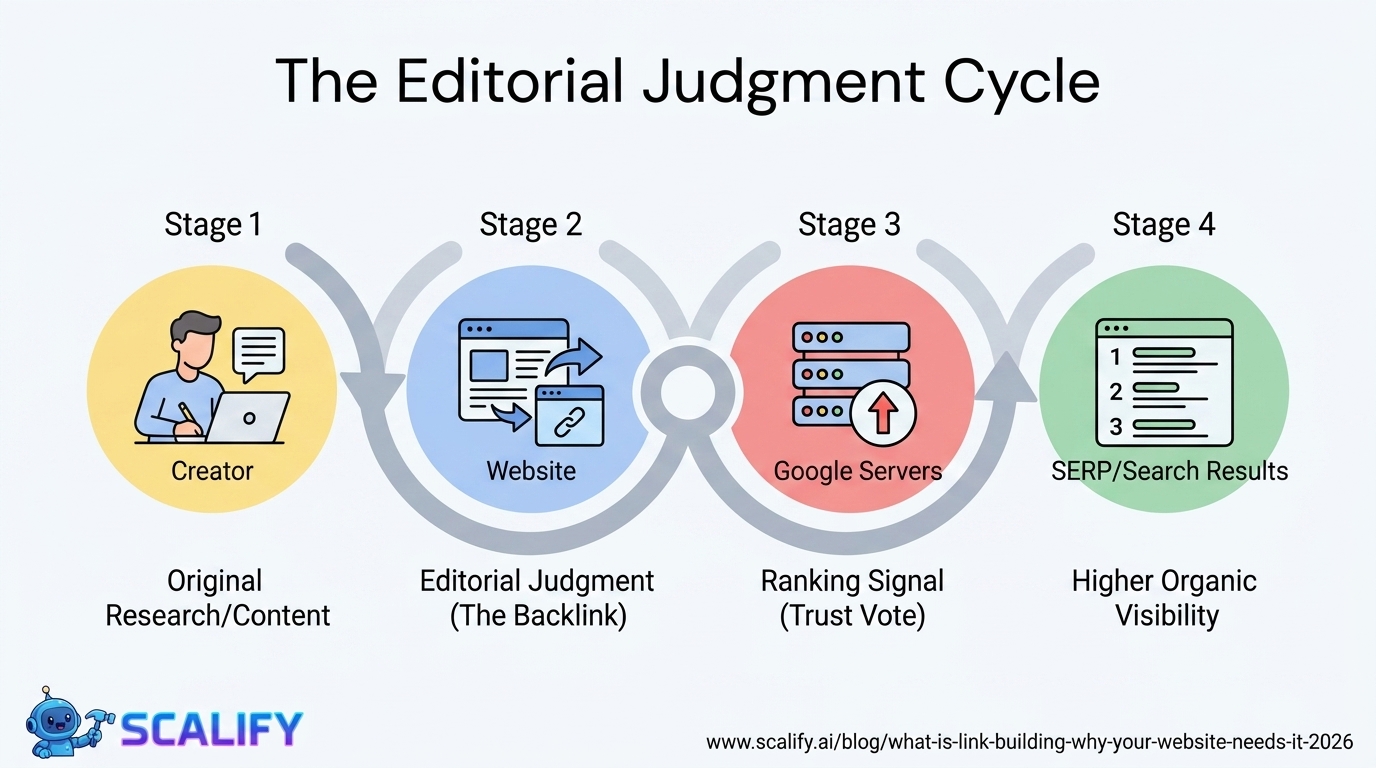
- Local link building
- On-site local SEO signals (NAP, schema, local content)
Google Business Profile: The Foundation of Local SEO
Google Business Profile (GBP, formerly Google My Business) is the most critical element of local SEO. It's the business listing that appears in Google Maps, the Local Pack, and Knowledge Panels. It's free and under your control — but only if you've claimed and optimized it.
Claiming and Verifying Your Business
Navigate to business.google.com and claim your business. If a listing already exists (Google often creates automatic listings), claim the existing one rather than creating a duplicate. Verification is typically done by postcard (Google mails a PIN to your business address), phone, or in some cases video verification.
An unverified GBP listing has limited visibility and limited control. Verification is non-optional.
Optimizing Your GBP
Business name: Your exact legal business name. Do not keyword-stuff your business name (e.g., "Miami Web Design Company — Scalify"). Google's guidelines explicitly prohibit this, and accounts doing it risk suspension. The business name field should match your actual business name.
Categories: Your primary category is the most important — it's the main signal Google uses to match your business to relevant searches. Choose the most specific, accurate primary category available. Add secondary categories for additional services. Checking what categories top-ranking local competitors use is a good research method.
Business hours: Complete and accurate hours, including holiday hours. Inaccurate hours create terrible user experiences — customers arrive when you're closed. Google may lower your ranking if reported hours are inaccurate.
Business description: A 750-character description explaining what you do, who you serve, and what makes you different. Naturally include your most important keywords in the first 250 characters (visible before "more"). Don't keyword-stuff; write for the customer.
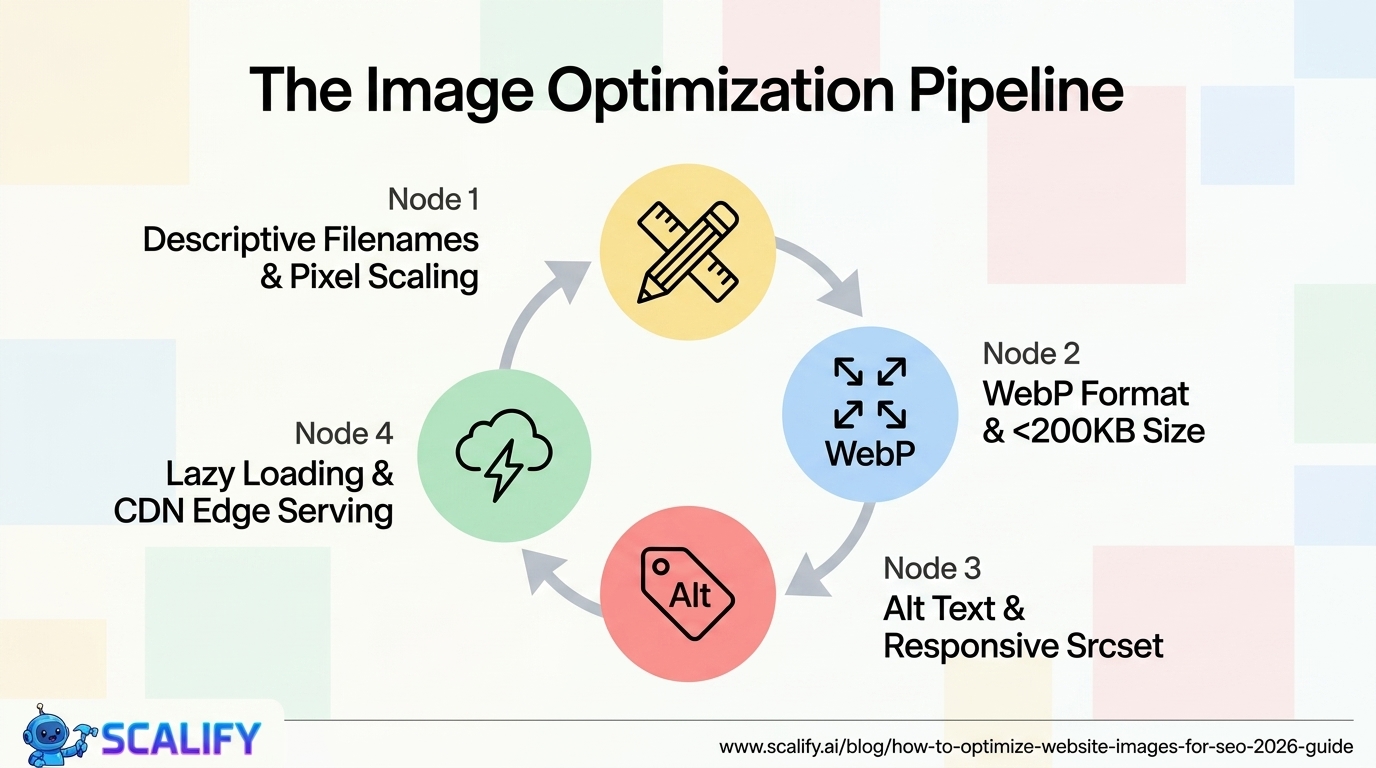
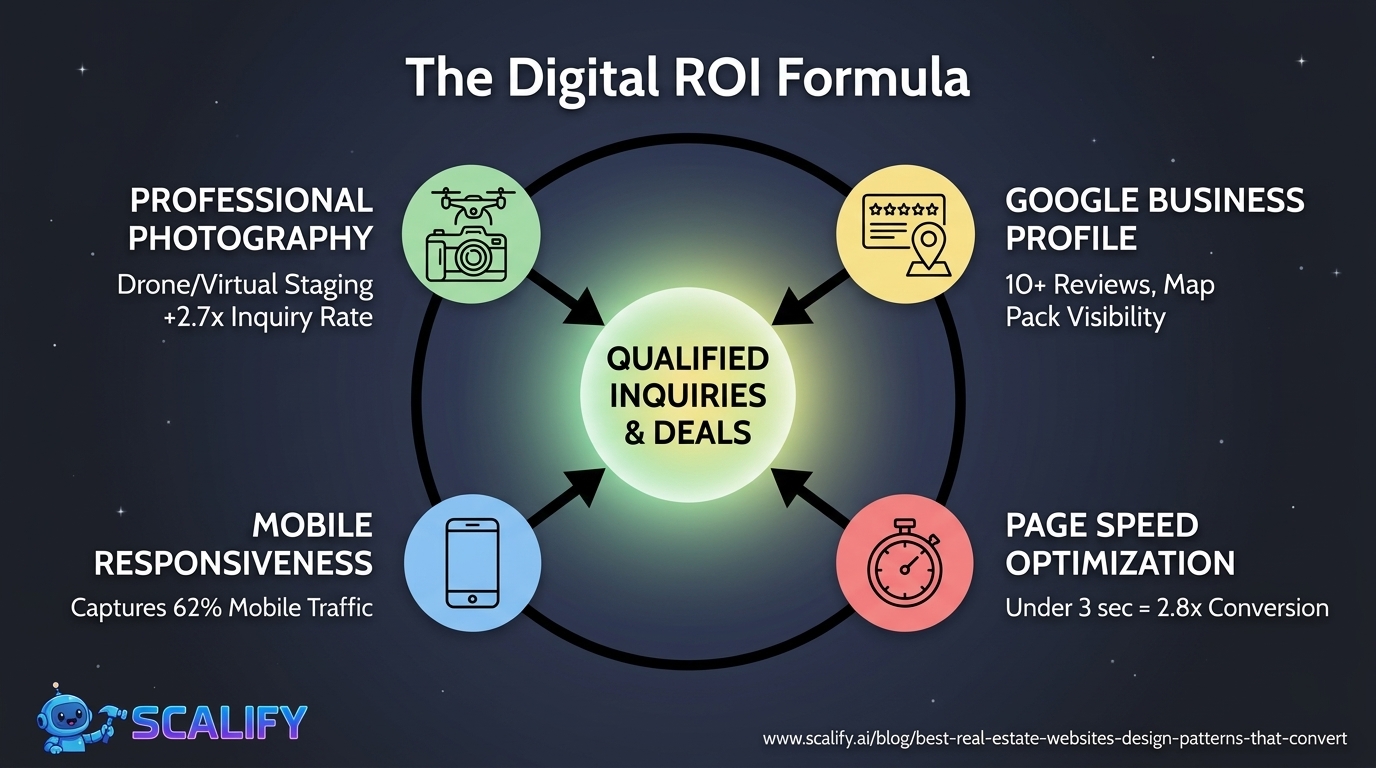
Photos and videos: GBP listings with photos consistently perform better than those without. Include: exterior photos (so customers recognize you), interior photos, team photos, product or service photos, and project work. Photos should be high quality, recent, and accurately represent the business. Google may also add photos from Google Maps users — monitor these.
Products and services: Add your specific products or services with descriptions and pricing where applicable. This data is indexed and can help match your listing to more specific searches.
Questions and answers: Anyone can ask questions on your GBP listing — and anyone can answer them. Monitor and answer questions promptly. You can also preemptively add common questions yourself. Google may show Q&As in search results.
Google Posts: Short posts (similar to social media) that appear in your GBP listing. Use for promotions, new content, events, and updates. Posts expire after 7 days (offers can be longer), so regular posting maintains freshness signals.
Reviews: The Ranking Factor That's Also Your Sales Force
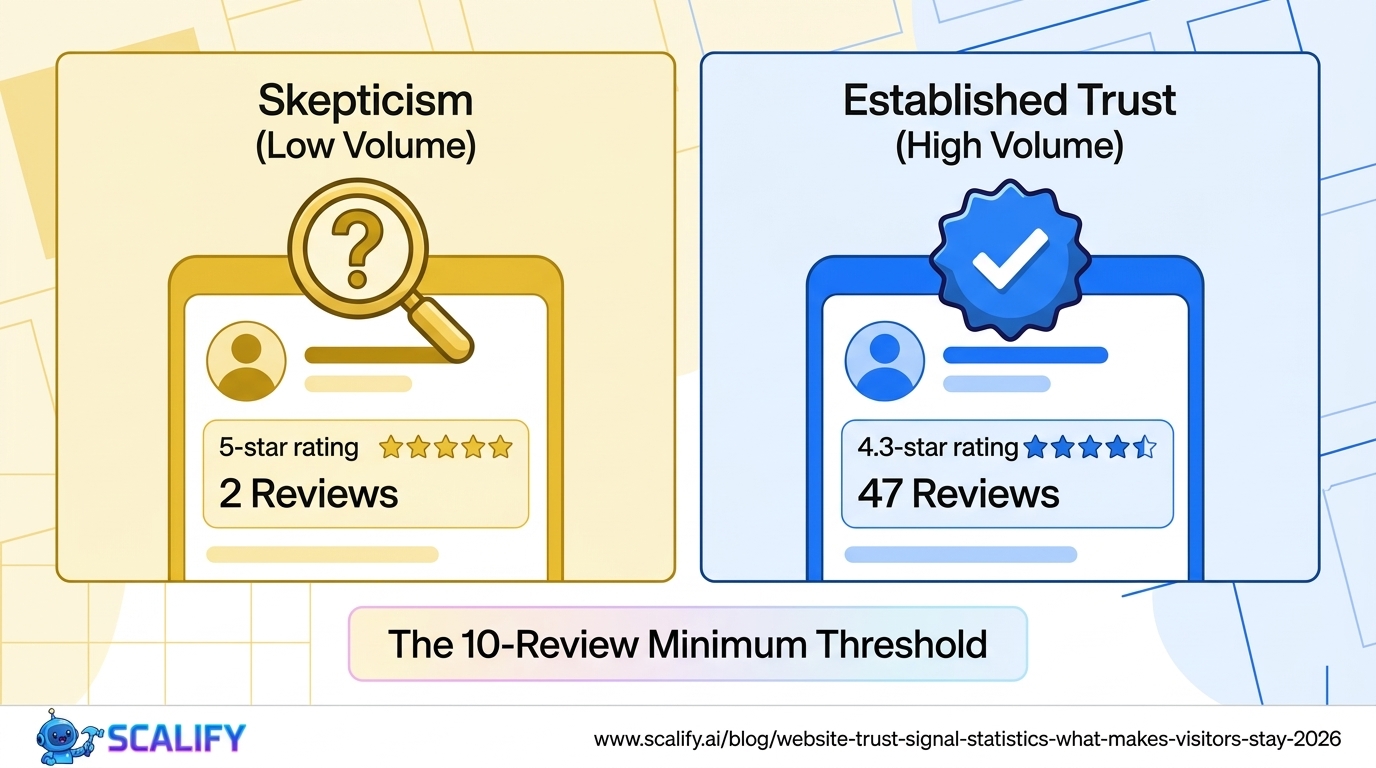
Google Reviews are simultaneously a major local ranking factor and a conversion tool. The quantity of reviews, the average rating, the recency of reviews, and the content of reviews all influence where your GBP listing appears in local results.
Generating Reviews
Reviews don't appear without systematic effort to generate them. The most effective approaches:
Direct ask after positive experience: When a customer expresses satisfaction — in person, on a call, in an email — ask directly for a review. "I'm so glad you're happy with the project. It would mean a lot if you could leave us a Google review — it helps other businesses find us. Here's the link." A direct, personal ask from a real relationship is more effective than any automated campaign.
Review request email sequence: Automated emails after project completion or service delivery. Timing matters — ask when the positive experience is fresh. Include a direct link to your Google review form (find your review link in GBP → Share review form).
SMS review requests: Higher open and response rates than email for many audiences. Many review management tools (Podium, Birdeye, NiceJob) automate SMS review requests. Most effective when combined with a warm verbal ask that precedes the text.
What NOT to do: purchasing fake reviews (violates Google's guidelines, risks suspension), offering incentives for reviews (against Google's terms), asking employees to post reviews (astroturfing), or mass-requesting reviews from old customers all at once (an unnatural spike pattern can trigger a review filter).
Responding to Reviews
Respond to all reviews — positive and negative. Google has confirmed that responding to reviews is a signal of business engagement. More practically, public responses demonstrate customer service values to the many people who read reviews and responses before deciding whether to contact a business.
Positive review responses: Brief, genuine thank you. Don't repeat the business name and keywords in every response (looks manipulative). Vary the tone and language. "Thank you so much, Sarah! We loved working with you on the project — looking forward to seeing your new site generate leads for the business."
Negative review responses: Never defensive, never dismissive, always empathetic. Acknowledge the concern, apologize for the experience (even if you dispute the facts), and offer to resolve it offline. Potential customers reading the response care more about how you handle problems than whether every customer was perfect.
Local Citations: Consistent Business Information
A local citation is any online mention of your business's NAP — Name, Address, Phone number. These citations across directories, websites, and platforms form part of the signal Google uses to verify that your business is legitimate and located where you say it is.
The most important citations come from authoritative directories:
- Yelp
- Apple Maps
- Bing Places
- Facebook Business Page
- BBB (Better Business Bureau)
- Foursquare
- Yellow Pages
- Industry-specific directories (Avvo for lawyers, Healthgrades for medical, Houzz for home services)
NAP consistency is critical: Your Name, Address, and Phone number must be identical across all citations — down to how the address is abbreviated (St. vs. Street, Suite vs. Ste). Inconsistent NAP data across the web creates conflicting signals about your business information. Use your exact Google Business Profile NAP as the standard and match it everywhere.
Citation building process: Audit existing citations (tools: Moz Local, BrightLocal, Semrush Listing Management). Identify major directories where you're unlisted. Create or claim listings on those directories. Fix NAP inconsistencies. Many local SEO tools offer citation distribution services that manage this at scale.
On-Page Local SEO: Your Website's Local Signals
Your website complements your GBP listing. The on-page signals that help local rankings:
Contact page with NAP: Your exact business name, address, and phone number on your contact page, formatted as text (not just an image) for Google to read. Match exactly to your GBP listing.
LocalBusiness schema: Structured data markup explicitly declaring your business name, address, phone, hours, coordinates, and category to search engines. Schema makes your NAP machine-readable rather than just human-readable.
Google Maps embed: An embedded Google Map showing your location on the contact page reinforces your geographic signals.
Location-specific page content: For businesses serving multiple cities, dedicated location pages for each service area. Each page should have unique, substantive content about your services in that specific location — not thin pages that just swap the city name.
Location in title tags and headings: Including your city in the homepage title tag ("Web Design Services Miami | Scalify") and H1 heading signals local relevance for Miami searches.
Location-specific content: Blog posts about local topics, local client case studies, mentions of local landmarks or events. This content builds topical relevance for your location.
Local Link Building
Links from locally relevant websites carry strong local ranking signals. The highest-value local links:
Local business associations: Chamber of Commerce, industry associations, BNI chapters. Many charge membership fees; the citation and link are often worth it for local businesses.
Local news coverage: Links from local newspaper websites, local news blogs, local business journals. Earned through newsworthy activities, press releases, community involvement.
Local sponsorships: Sponsoring local events, sports teams, community organizations often results in a link from the sponsored organization's website.
Local business partnerships: Complementary businesses referring to each other — a web design agency and a marketing consultant, a plumber and a general contractor. Mutual referral relationships often include website mentions.
Local directories: Beyond the major national directories, local directories specific to your city or region (local chamber directories, local service directories).
Tracking Local SEO Performance
Google Business Profile Insights: Built into GBP dashboard. Shows impressions in search and maps, calls, direction requests, website clicks, and message volume. Tracks the GBP listing's performance specifically.
Google Search Console: Shows which search queries are driving clicks to your website. Filter by local query patterns to see local-intent traffic.
Rank tracking: Tools like BrightLocal, Whitespark, and Local Falcon track local search rankings — not just overall national rankings but rankings specifically in your target city, shown as map heat maps that visualize where your business ranks across different parts of the city.
Review monitoring: GBP dashboard, Google Alerts, or review management tools to track new reviews across platforms.
The Bottom Line
Local SEO for businesses serving specific geographic areas is one of the highest-ROI digital marketing investments available. The Google Local Pack captures high-intent, ready-to-contact searchers at the exact moment they're looking for what you offer. Getting there requires: a fully optimized, verified Google Business Profile, consistent NAP citations across major directories, a systematic review generation process, location signals on your website, and local link building over time.
The businesses that dominate local search in their markets aren't doing anything technically complex — they've simply executed the fundamentals more completely and more consistently than competitors who half-implemented local SEO and wondered why they weren't ranking.
At Scalify, local SEO signals are built into every website we deliver for businesses with local markets — location schema, NAP formatting, contact page structure, and the technical foundation that supports local ranking from day one.
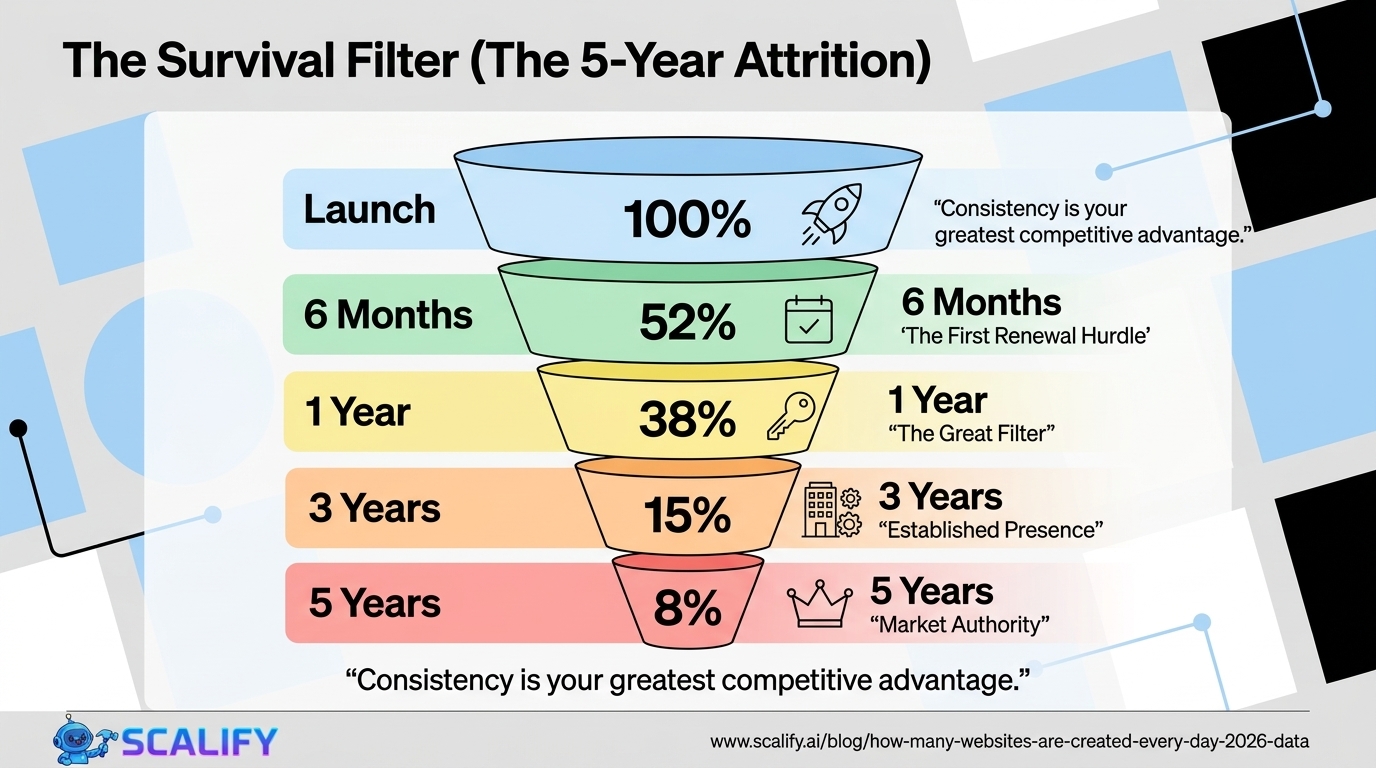
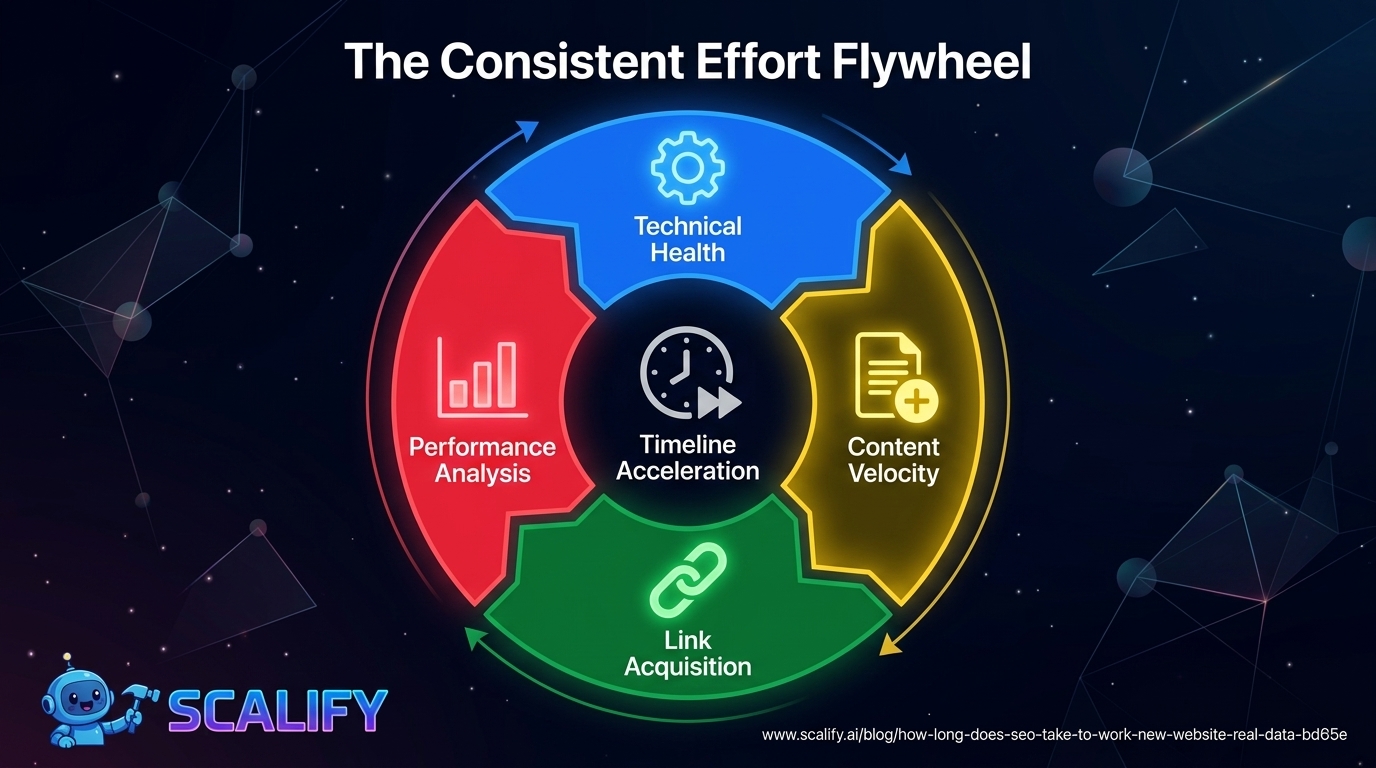
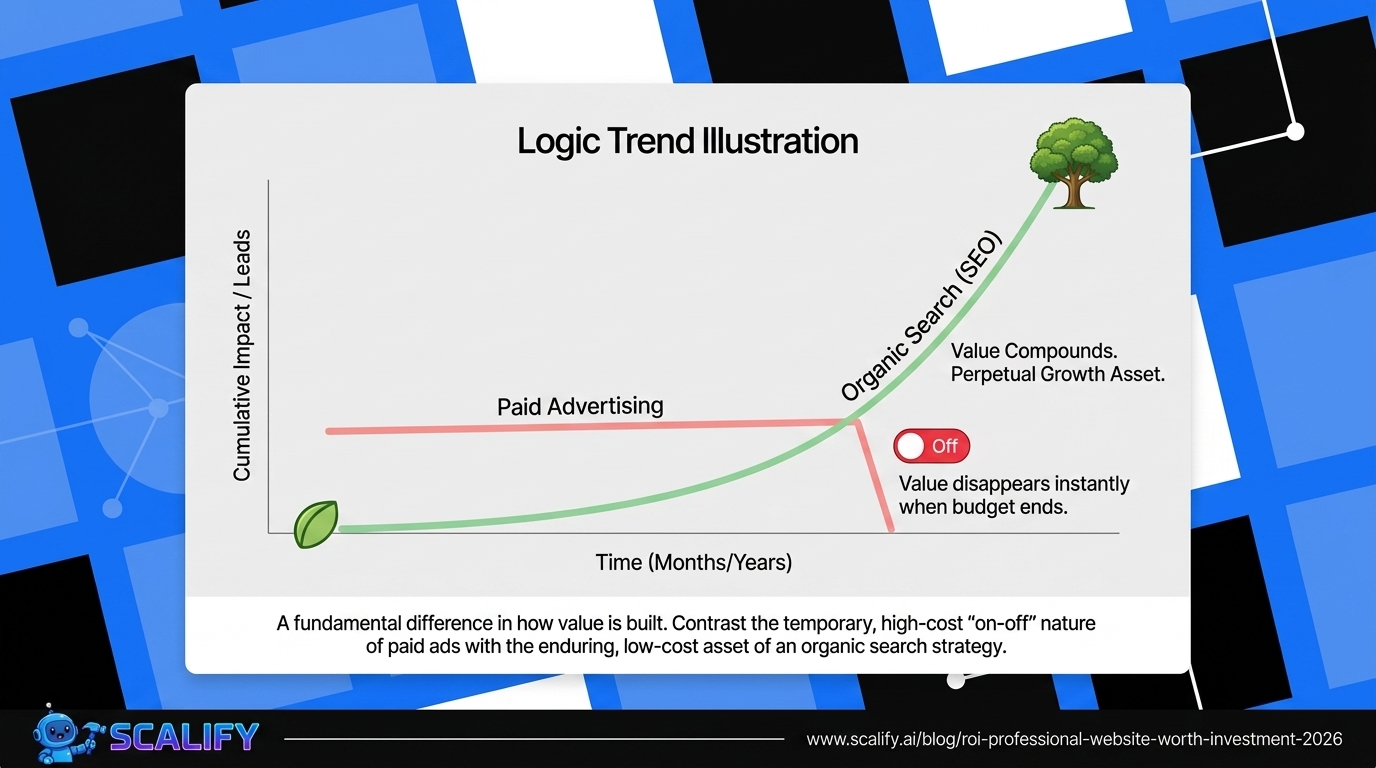
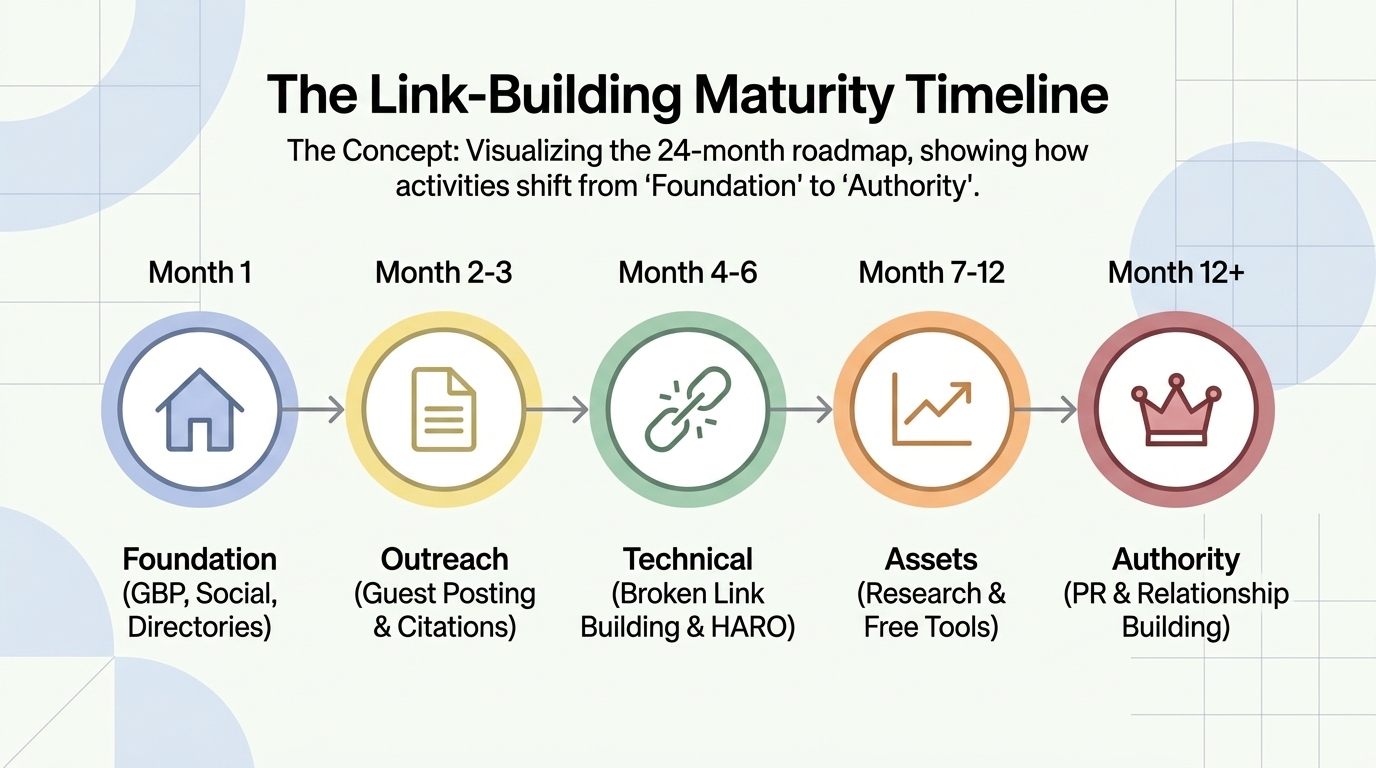
The compounding nature of consistent execution is the most important concept in digital marketing: individual tactics produce modest results; systematic implementation of multiple well-chosen tactics over 12–24 months produces transformative results. Identify the highest-impact improvements available to your specific situation, implement them with measurement infrastructure in place, and build the discipline to iterate based on what the data shows rather than intuition or industry trends that may not apply to your specific business and market.


.jpeg)
.jpeg)


78 SW 7th St, Miami, FL 33130