


What Is Neumorphism and Is It Right for Your Website?
By Josh Ternyak

April 1, 2026
Comprehensive guide: What Is Neumorphism and Is It Right for Your Website?
The Design Trend That Looked Revolutionary and Proved Impractical
In late 2019 and into 2020, a design trend appeared on Dribbble and Behance that generated an extraordinary amount of attention. Designers were creating UI concepts with a soft, extruded, almost tactile quality — elements that appeared to be pushed out of or sunk into the surface they sat on, lit from above-left with precise directional shadows that created a three-dimensional, physical illusion on flat screens. It looked nothing like Material Design's flat cards or iOS's translucency layers. It looked genuinely new.
The trend was named neumorphism (or neomorphism) — a portmanteau of "new" and "skeuomorphism," the design philosophy of making digital interfaces mimic the textures and appearance of physical objects. Within months, neumorphism was everywhere in designer portfolios, generating millions of views and tens of thousands of likes on design platforms.
Then the critique began. And it was substantial.
Understanding what neumorphism is, why it captivated designers, why it proved problematic in real implementation, and what the honest verdict on its appropriateness for production web design looks like — this guide covers all of it.
What Neumorphism Actually Is
Neumorphism is a visual design style characterized by:
Monochromatic base: Elements use the same color as the background they sit on, typically a medium gray or another mid-tone. There's no color contrast between element and background.
Dual shadow technique: Each element has two box shadows — a lighter shadow on one side (simulating light hitting the surface) and a darker shadow on the opposite side (simulating the shadow cast away from the light). Applied with precision, this creates the illusion of the element either extruding outward (convex) or pressing inward (concave) from the background surface.
Soft, diffused shadows: Unlike the sharp-edged drop shadows of earlier design eras or the multi-layered elevation shadows of Material Design, neumorphic shadows are soft and spread, mimicking the diffuse lighting of a cloudy day on a three-dimensional surface.
Extruded or embossed appearance: The overall effect is of interface elements that look physically solid — like buttons, cards, and controls molded from the same material as the background and then pressed or pulled out of it.
The technical implementation is relatively straightforward in CSS:
/* Raised (convex) neumorphic element */
.card {
  background: #e0e5ec;
  border-radius: 12px;
  box-shadow:
    8px 8px 16px #b8bfc7,
    -8px -8px 16px #ffffff;
}

/* Pressed (concave/inset) neumorphic element */
.button-pressed {
  background: #e0e5ec;
  border-radius: 12px;
  box-shadow:
    inset 8px 8px 16px #b8bfc7,
    inset -8px -8px 16px #ffffff;
}
The shadow values — their distance, blur radius, and color — are calibrated carefully to produce the directional lighting effect. Too much spread and the shadows blend into each other. Too little and the effect disappears. The specific values shown above are approximations; real neumorphic designs are typically calibrated through visual iteration rather than formula.
Why Neumorphism Captivated Designers
To understand why neumorphism generated so much excitement, it helps to understand the design context it appeared in. By 2019, flat design had been dominant for nearly a decade. Material Design had codified a vocabulary of color, typography, and elevation that had been implemented on billions of Android devices. iOS design had evolved through its own phases of flatness with subtle translucency and depth cues. Everything was flat-ish.
Into this context came neumorphism, which offered:
Genuine novelty. It didn't look like anything else in mainstream UI design. The soft three-dimensionality was visually surprising in a landscape dominated by flat cards and clean typography. Novelty is valuable in design portfolios specifically because it gets attention.
Impressive technical craft. Creating convincing neumorphic effects requires understanding lighting physics, careful CSS implementation, and significant attention to detail. The complexity of a well-executed neumorphic design communicates technical mastery in a way that flat design often doesn't.
A new aesthetic language. The soft, friendly, tactile quality of neumorphism felt warm in a way that corporate flat design often doesn't. The physical metaphor — things that feel like you could touch them — resonated with design's ongoing fascination with bridging the digital and physical.
Dribbble-optimized aesthetics. Neumorphic designs photograph beautifully in isolated design shots. A single neumorphic component — a watch face, a music player UI, a calculator — presents with an elegant, refined quality that generates attention on visual design platforms.
The Problems That Emerged
As designers moved from portfolio concepts to implementation attempts, the problems with neumorphism in production contexts became apparent.
Catastrophic Accessibility Failures
Neumorphism's fundamental visual mechanism — elements that match their background in color — directly conflicts with the accessibility requirement that interface elements have sufficient contrast to be distinguishable. WCAG 2.1 requires 3:1 contrast for UI components (like buttons and form fields) against their background. Neumorphic elements, by design, have near-zero contrast with their background because they ARE the same color as their background.
This is not a tweakable limitation — it's the core aesthetic of the style. The only way to make neumorphic elements accessible is to add visible borders or sufficient color difference, both of which undermine the neumorphic effect. A "neumorphic" button with a dark border is just a button with a drop shadow.
For users with low vision, color vision deficiencies, or those using screens in bright ambient light (outdoors, in a sunny room), neumorphic interfaces can be genuinely difficult to use — elements blend into backgrounds, interactive states are indistinguishable from non-interactive states, and pressed/unpressed button states may look identical.
No Clear Interactive Affordances
How do users know what they can click? In traditional UI design, affordances — visual cues that signal interactivity — are provided through specific design patterns: buttons look like buttons (elevated, colored, labeled), links look like links (underlined, colored), form fields look like form fields (bordered, inset).
In neumorphic design, everything has the same extruded quality. A button looks like a card looks like a static display panel looks like a decorative element. Without additional cues (labels, icons, color differentiation for interactive states), users may not know what they can interact with.
The pressed state in neumorphism (the concave shadow version) looks different from the raised state, so there's in theory a visual affordance for toggle and active states. But the difference between the raised state (potentially interactive) and a flat state (definitely a static element) is unclear, because flat elements in neumorphic designs look similar to raised elements at casual inspection.
Performance Implications of Multiple Shadows
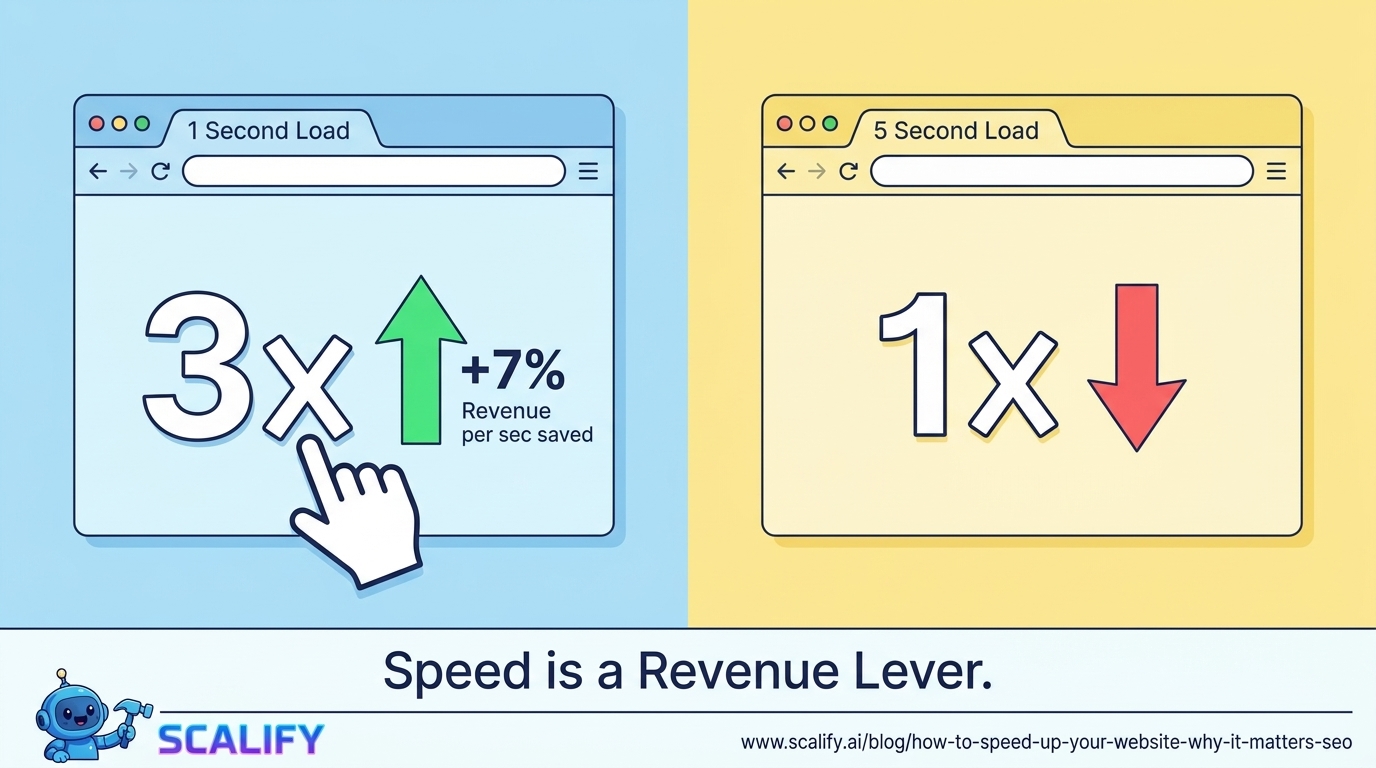
CSS box-shadows are relatively expensive for browsers to render, particularly when multiple elements on a page each have two box-shadows with large blur radii. On desktop this is typically imperceptible. On mobile devices with lower GPU capabilities, pages with many neumorphic elements can exhibit noticeable rendering performance issues — especially on scroll, where elements re-render continuously.
This is not prohibitive for all implementations, but it adds a real consideration that flat design doesn't introduce.
Limited Color Range
Neumorphism works only within a narrow band of background tones. The shadow technique requires both a lighter version (for the light-side shadow) and a darker version (for the dark-side shadow) of the background color. This means:
- Very dark backgrounds make the light-side shadow invisible (there's no color lighter than the background)
- Very light backgrounds (like pure white) make the dark-side shadow harsh and the overall effect less convincing
- Saturated colors produce strange shadow colors that look unnatural
The sweet spot is medium-value, low-saturation tones — grays, cool off-whites, muted blues, light beiges. This severely constrains brand color application. If your brand uses a saturated primary color or a very dark background, neumorphism doesn't work with it.
The "Beautiful Concept, Unusable Interface" Problem
Perhaps the most damning critique of neumorphism in practice: the designs that were being praised on Dribbble were portfolio concepts, not interfaces anyone had actually tried to use. When designers attempted to build complete, functional interfaces in neumorphic style — with navigation, forms, content hierarchy, status indicators, error states, disabled states — the style consistently produced interfaces that were visually interesting and functionally confusing.
Beautiful design screenshots and usable design interfaces are not the same thing, and neumorphism exposed this gap more sharply than most design trends because the accessibility problems weren't edge cases — they were central to the style.
Where Neumorphism Has Legitimate Application
Despite its problems in general UI contexts, neumorphism isn't entirely without merit in specific applications:
Hardware-adjacent interfaces: Interfaces that specifically mimic physical devices — synthesizer UIs, audio equipment controls, physical dial simulations — have a natural fit with neumorphism's physical metaphor. When the interface is supposed to look like real hardware, neumorphic skeuomorphism makes contextual sense.
Decorative elements rather than functional interfaces: Using neumorphic styling on decorative cards, illustration elements, or non-interactive display components — while using conventional styling for interactive elements — can add visual interest without the accessibility problems of a fully neumorphic interface.
Loading and skeleton states: Neumorphic-influenced styling for loading skeleton screens (the gray placeholder shapes that appear while content loads) uses the soft, extruded quality in a context where accessibility contrast doesn't apply (skeletons aren't interactive) and where the soft aesthetic communicates a sense of content waiting to appear.
Premium single-purpose apps with controlled user bases: Internal business tools where the user base is known, screen conditions are controlled (office environments, consistent hardware), and the designer can verify that the specific users can navigate the interface. Not for public-facing web products.
The Verdict: Should You Use Neumorphism?
For most websites and web applications, the honest answer is no — not as the primary design style. The accessibility failures are fundamental, not fixable through careful implementation. A design style that requires choosing between visual fidelity to the style and accessibility compliance for users with visual impairments isn't appropriate for public-facing web products in an era of increasing ADA enforcement and genuine ethical commitment to accessibility.
The lessons neumorphism offered are more valuable than the style itself:
Depth can return to digital design without full neumorphism. Soft shadows, layered elevation, and subtle three-dimensionality can be incorporated into designs that maintain adequate contrast and clear affordances. Many post-neumorphism designs use single, soft drop shadows on elevated elements without the dual-shadow monochromatic technique that creates the accessibility problem.
Portfolio aesthetics and production aesthetics are different disciplines. A design that looks impressive in a shot shared on Dribbble may be completely impractical for real users in real conditions. Evaluating design trends requires asking whether they work in production, not just whether they photograph well.
Accessibility constraints are design constraints, not design obstacles. The best response to an accessibility problem in a design style isn't to ignore the accessibility problem — it's to find solutions that achieve the aesthetic goals without creating barriers. This often leads to more interesting design solutions than the original trend would have produced.
The Bottom Line
Neumorphism is a technically interesting, visually distinctive design style that generated enormous excitement in 2019–2020 and largely failed to translate into production-ready web design for a straightforward reason: its core aesthetic mechanism creates accessibility barriers that can't be resolved without abandoning the style. For public-facing websites where accessibility matters (which is all of them), neumorphism as a primary design language is the wrong choice.
Elements of the neumorphic aesthetic — soft shadows, subtle elevation, tactile quality — have been absorbed into mainstream design in more accessible forms. The trend's legacy is the conversation it sparked about depth, physicality, and the relationship between digital interfaces and the physical objects they sometimes try to evoke.
At Scalify, design choices are evaluated against how they work for real users in real conditions — not how they look in portfolio shots. Depth, visual interest, and distinctive aesthetics are all achievable within the constraints of accessible, high-contrast, clearly affordanced interfaces.
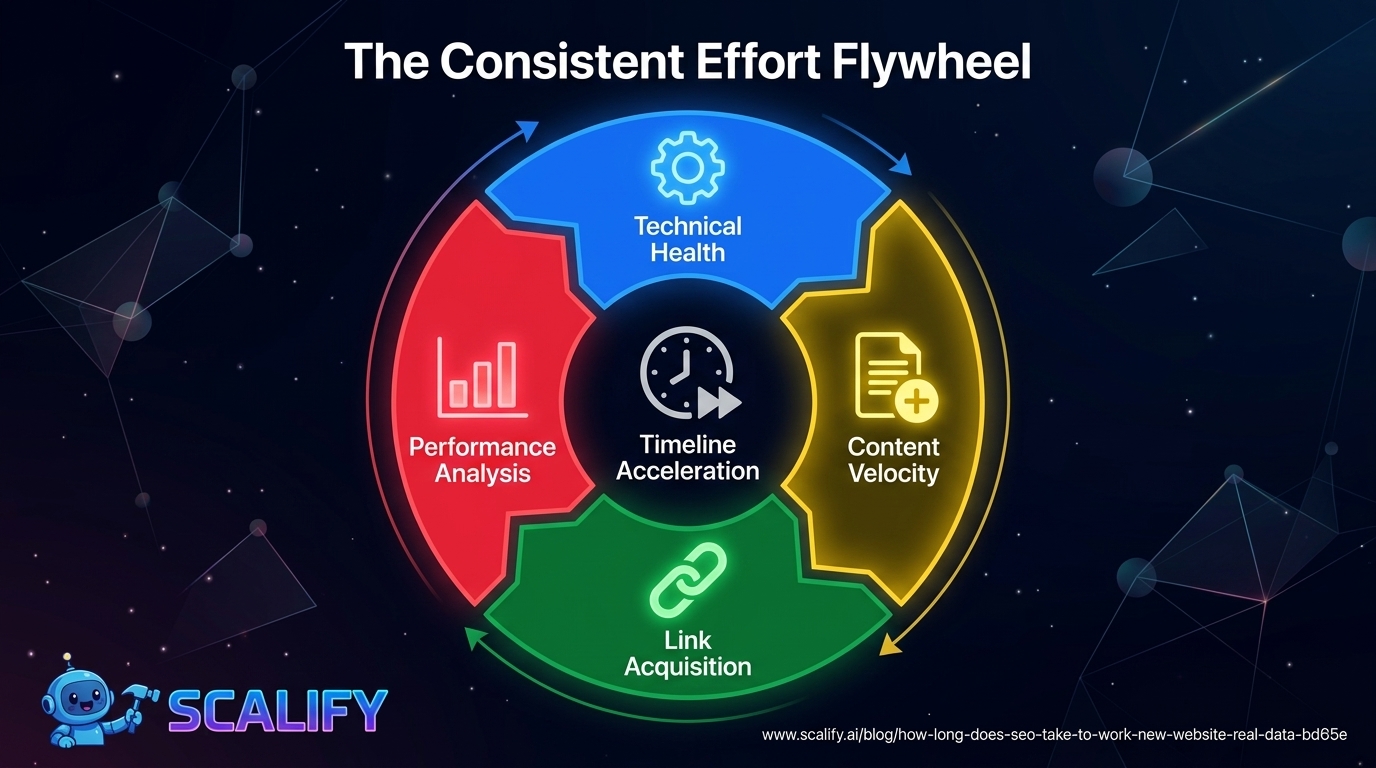
The compounding nature of consistent execution is the most important concept in digital marketing: individual tactics produce modest results; systematic implementation of multiple well-chosen tactics over 12–24 months produces transformative results. Identify the highest-impact improvements available to your specific situation, implement them with measurement infrastructure in place, and build the discipline to iterate based on what the data shows rather than intuition or industry trends that may not apply to your specific business and market.









.jpeg)
.jpeg)




78 SW 7th St, Miami, FL 33130