

What Is Pay-Per-Click Advertising and How Does It Work with Your Website?
By Josh Ternyak

March 29, 2026
PPC advertising can generate immediate traffic and leads — but only when your website is built to convert that traffic. This guide explains how PPC works, when to use it, and how to make your website and ads work together.
The Fastest Way to Get Traffic — and the Most Expensive Way to Waste It
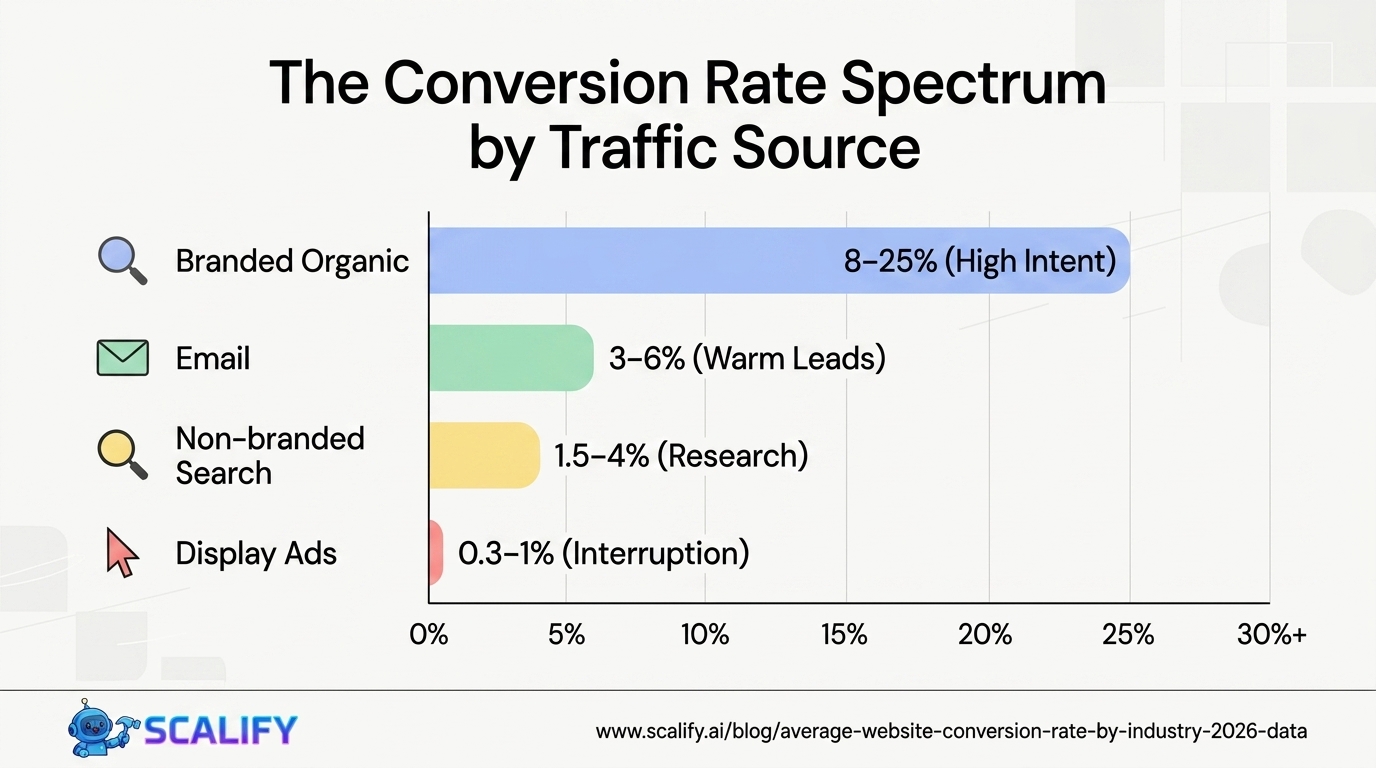
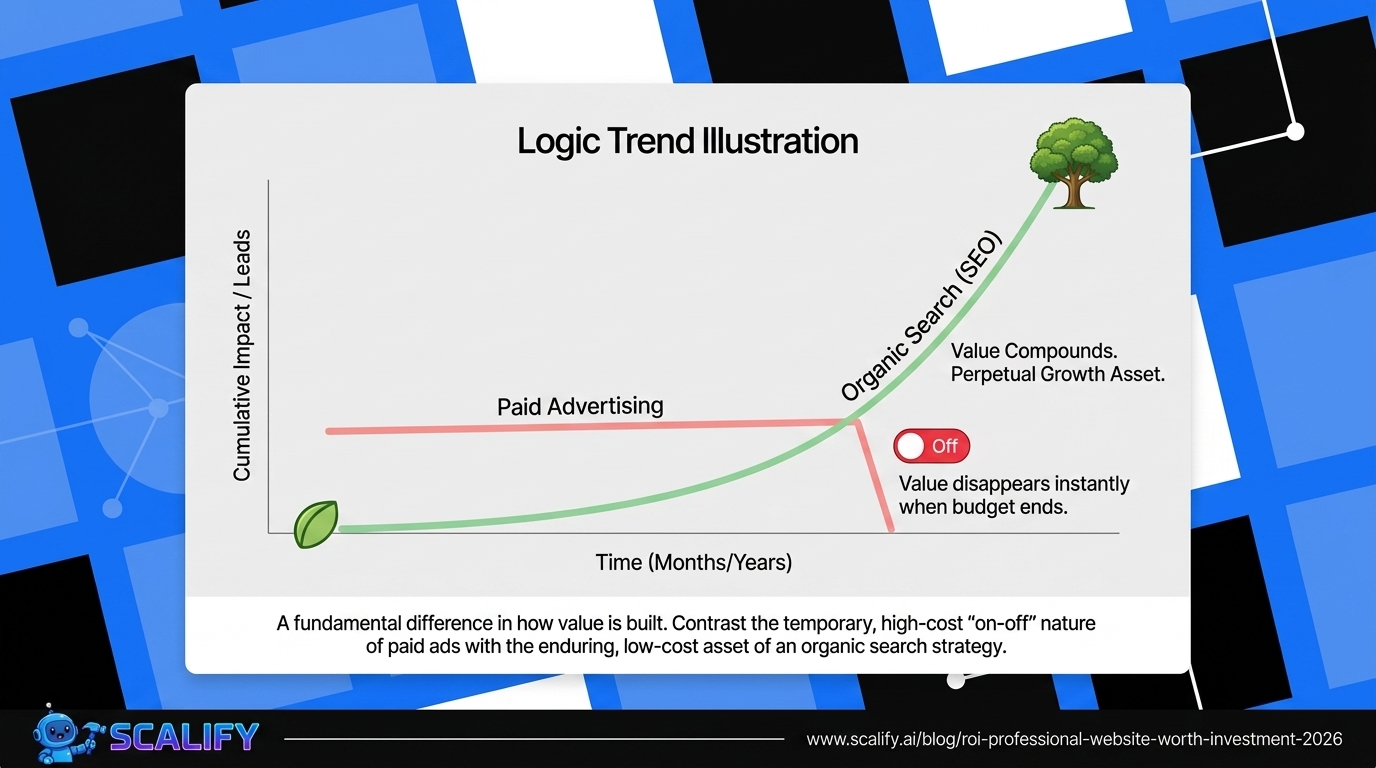
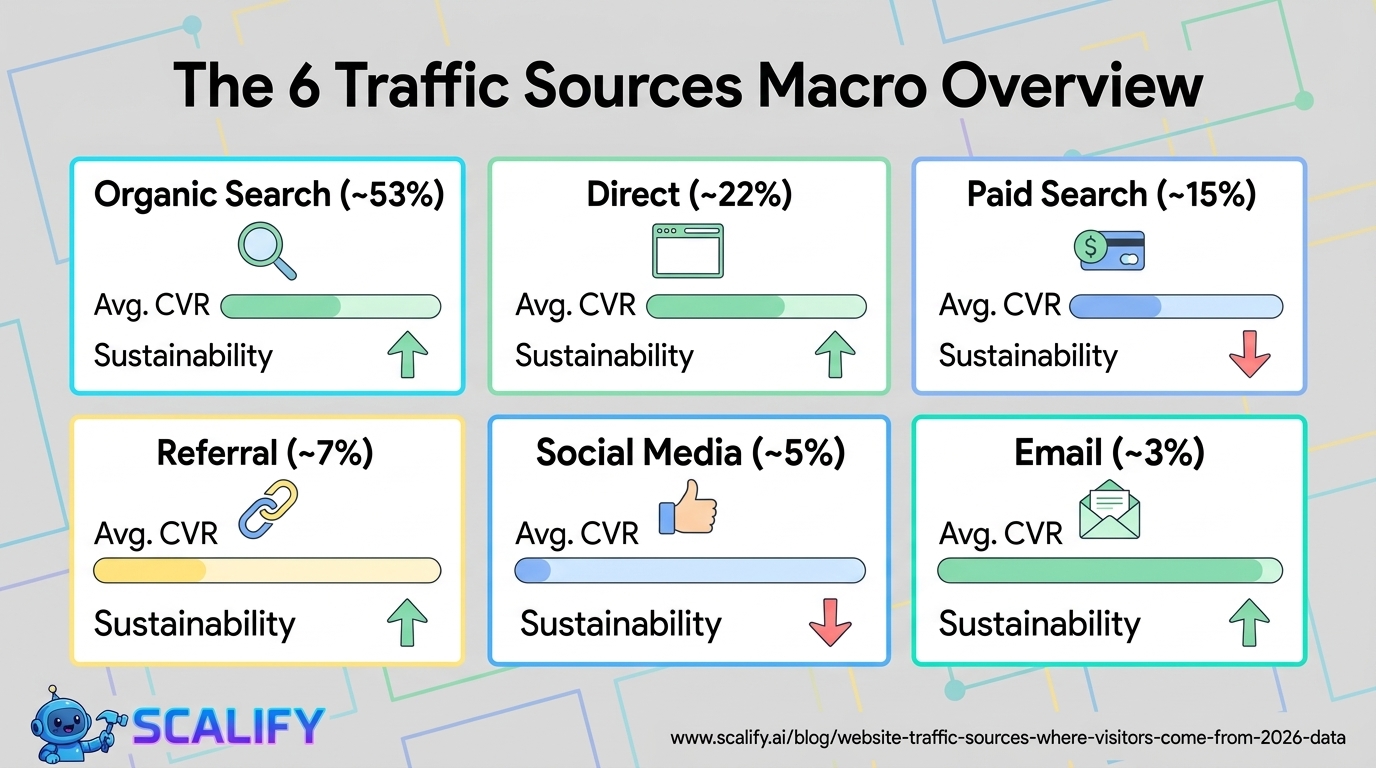
Organic search takes months to build. Social media reach requires an audience. Email marketing requires a list. Pay-per-click advertising is different: you can have targeted traffic to your website within hours of setting up a campaign. No waiting period, no audience-building prerequisite, no content library required. You bid on keywords, write ads, and traffic starts flowing immediately.
This speed is both the defining advantage and the defining risk of PPC. Traffic comes fast. Money goes faster. A PPC campaign sending clicks to a poorly designed website, a confusing landing page, or a conversion path with unnecessary friction generates traffic reports and empty bank accounts simultaneously. The clicks are real. The conversions aren't.
The businesses that generate excellent ROI from PPC treat it as a system: targeted ads matched to specific audiences, landing pages matched to specific ad messages, conversion paths optimized to reduce friction, and tracking configured to attribute every lead and purchase to its source. The businesses that lose money on PPC treat it as a standalone channel — buy clicks, watch them arrive, wonder why nobody's converting.
What Pay-Per-Click Advertising Is
Pay-per-click (PPC) advertising is a digital advertising model where advertisers pay a fee each time their ad is clicked. Rather than paying for ad impressions (CPM — cost per thousand views), you pay only when someone actually clicks. The fee varies by platform, keyword competitiveness, quality score, and auction dynamics.
The major PPC platforms:
Google Ads (Search): Ads appear in Google search results when users search for your target keywords. Text-based ads that blend into search results — labeled "Sponsored" — appear above and below organic results. The highest commercial intent of any ad format: you're reaching people who are actively searching for exactly what you offer.
Google Ads (Display): Banner and image ads on websites across Google's Display Network — millions of sites that host Google ads. Reaches users while they're browsing, not searching. Lower commercial intent than search, but useful for brand awareness and remarketing.
Google Shopping Ads: Product listing ads (PLAs) showing product images, prices, and store names in Google search results. Primarily for e-commerce. Exceptionally effective for product searches because they show visual and price information before the click.
Meta Ads (Facebook and Instagram): Paid social advertising appearing in Facebook and Instagram feeds, stories, and reels. Targeting based on demographics, interests, behaviors, and custom audiences. Excellent for awareness and consideration stages; lower commercial intent than search but sophisticated audience targeting capabilities.
LinkedIn Ads: B2B-focused advertising reaching professionals based on job title, company, industry, and seniority. Expensive per click ($8–15 typical) but exceptionally precise targeting for B2B companies whose ideal customer is a specific professional role.
YouTube Ads: Video ads appearing before, during, or alongside YouTube content. Effective for awareness and education; increasingly effective for direct response with compelling video creative.
Microsoft Ads (Bing): Search advertising on Bing, Yahoo, and Microsoft's search network. Lower traffic volume than Google but lower average CPCs and often a more affluent, older demographic. Worth including for most search campaigns.
How Google Search Ads Work
Google Search is the most important PPC platform for most businesses, so understanding its mechanics is foundational:
The Auction
Every Google search triggers an auction among advertisers bidding on keywords matching that search. The auction determines which ads appear and in what order. But it's not simply the highest bidder who wins — Google uses Ad Rank, calculated from:
Bid: How much you're willing to pay per click (your maximum bid, though you often pay less).
Quality Score: Google's assessment of your ad and landing page quality for the specific search query. Three components:
- Expected click-through rate: how likely your ad is to be clicked for this search
- Ad relevance: how closely your ad matches the search query intent
- Landing page experience: how relevant and useful your landing page is
Expected impact of ad extensions: Whether your ad includes extensions (call buttons, site links, callouts) that make it more useful and likely to be clicked.
The practical implication: high Quality Scores reduce your cost per click. An advertiser with a Quality Score of 10 and a lower bid can outrank an advertiser with a Quality Score of 4 and a higher bid. Quality Score optimization is therefore one of the most impactful levers in Google Ads management.
Keywords and Match Types
Keywords are the terms you bid on — the searches that trigger your ads. Match types determine how exactly the search must match your keyword:
Exact match [keyword]: Ad shows only when the search is the keyword or very close variants. Highest relevance, lowest volume.
Phrase match "keyword": Ad shows when the keyword (or close variants) is included in the search query. Moderate relevance and volume.
Broad match keyword: Ad may show for searches Google determines are related to your keyword, even if they don't contain your keyword terms. Highest volume, lowest relevance control. Use with careful negative keyword management or not at all for small budgets.
Negative keywords: Keywords you exclude — searches that should NOT trigger your ads. Essential for preventing wasted spend on irrelevant searches. "Web design schools" should be a negative keyword for a web design agency (students searching for education, not services).
Ad Copy
Responsive Search Ads (the current Google format) provide up to 15 headlines (30 characters each) and 4 descriptions (90 characters each). Google mixes and matches these combinations to find the best-performing combinations for each search context.
Effective ad copy:
- Includes the keyword in at least one headline (improves Quality Score and visual prominence)
- Communicates specific, concrete value (not "great service" — "10-Day Delivery, Guaranteed")
- Addresses the searcher's specific need (for "emergency plumber Miami," the ad should scream "Available Now")
- Includes a clear CTA (what should the visitor do when they click?)
- Uses all available headline and description slots (more combinations = more optimization data)
The Landing Page: Where PPC ROI Is Won or Lost
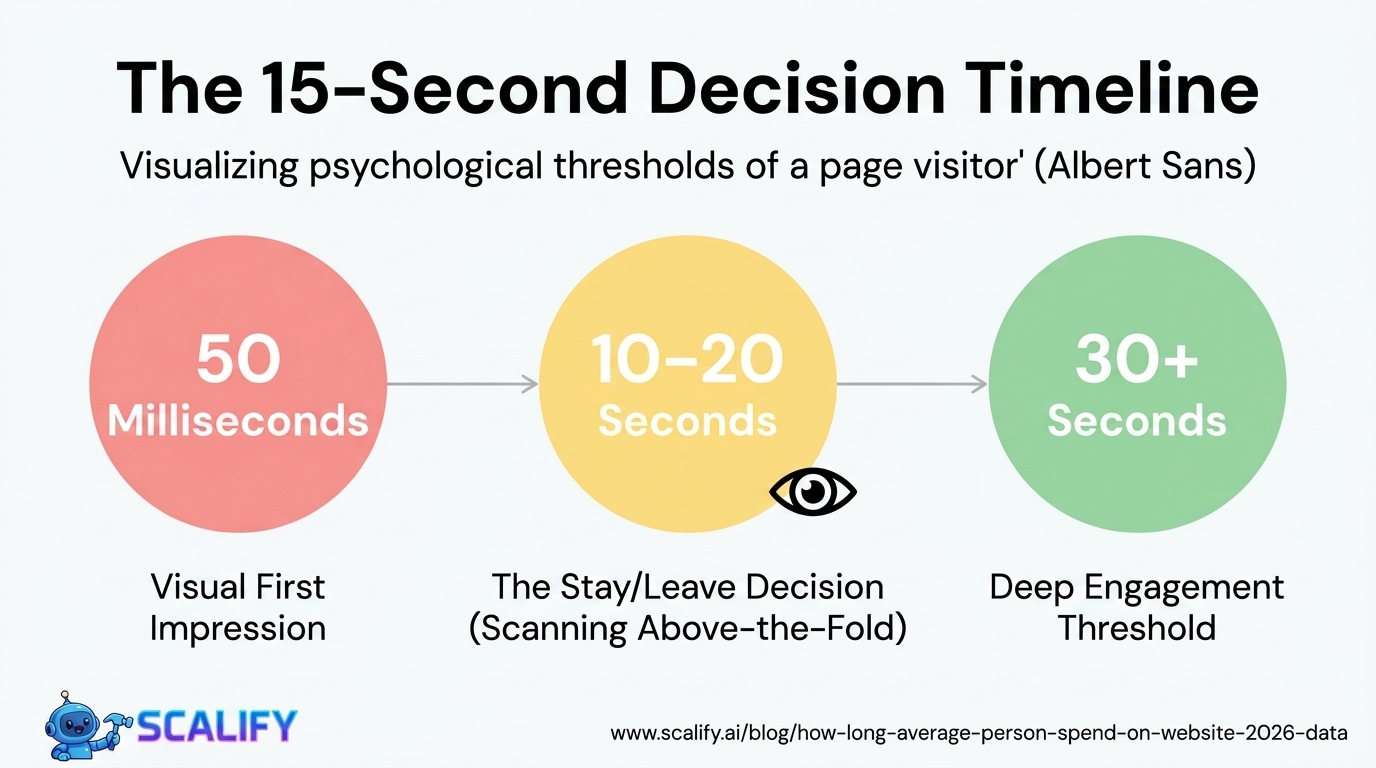
This is where most PPC campaigns fail. The ad does its job — someone clicks. Then they arrive at a homepage or a general services page with no direct connection to what the ad promised. The visitor scans, doesn't immediately find what the ad suggested was waiting, and leaves. You paid for the click. You got nothing from it.
Message match — the alignment between what the ad promises and what the landing page delivers — is the most important factor in PPC conversion rate. An ad about "emergency plumbing Miami" should land on a page specifically about emergency plumbing in Miami, with immediate reinforcement of the offer, clear contact information, and a frictionless path to call or submit.
Landing Page Requirements for PPC Traffic
Immediate relevance confirmation: The headline must directly match the ad's promise within the first second of landing. The visitor should think "yes, I'm in the right place" before they've had a chance to reconsider.
Single conversion goal: Unlike a website page that serves multiple audience types, a PPC landing page has one goal for one audience segment. Remove navigation that offers escape routes. One clear CTA, one conversion action.
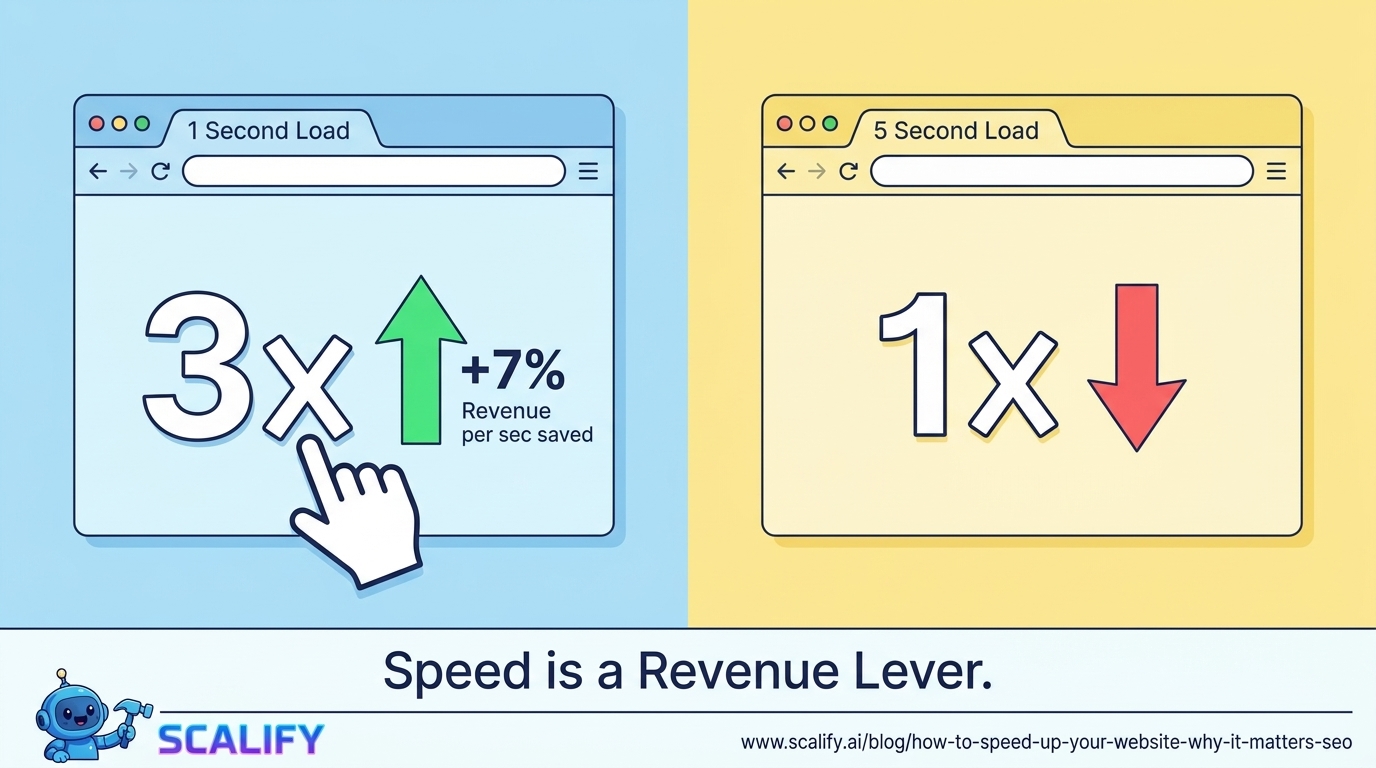
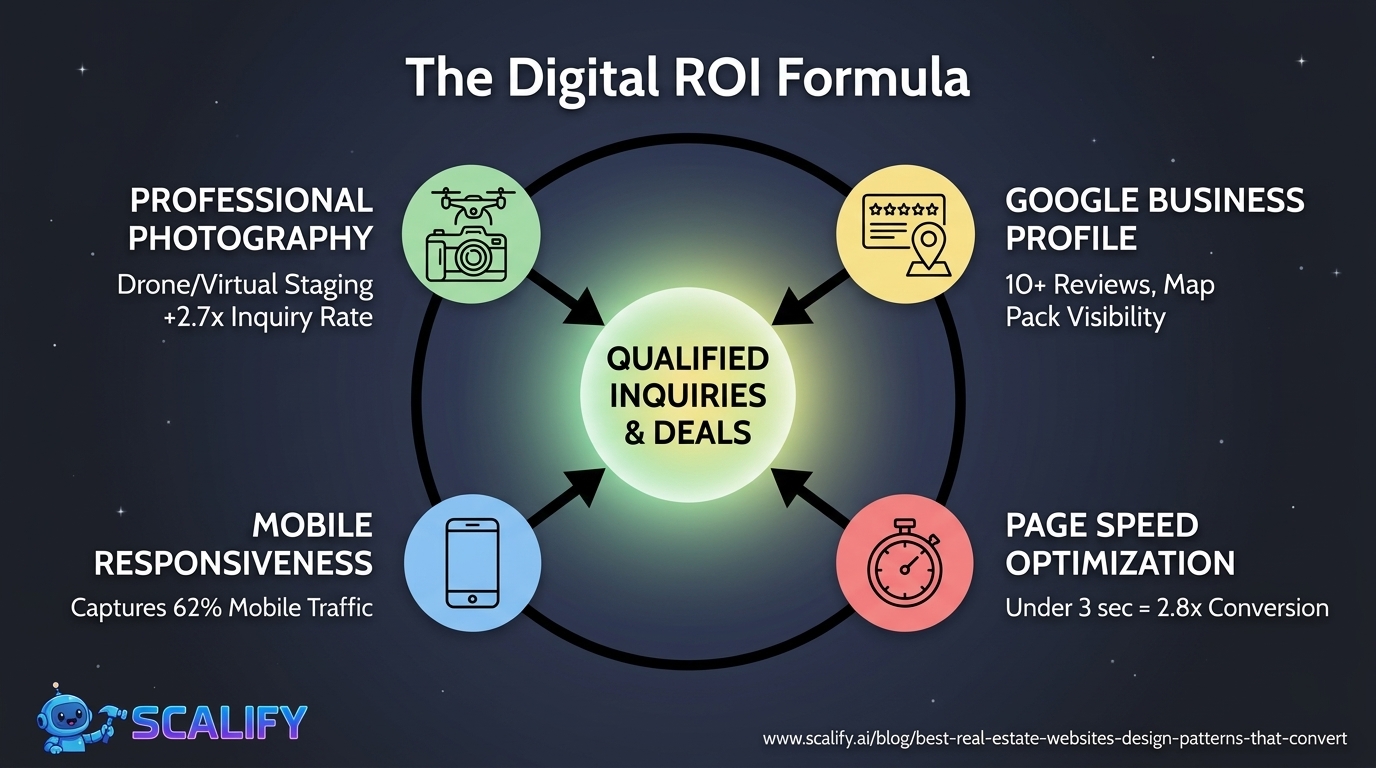
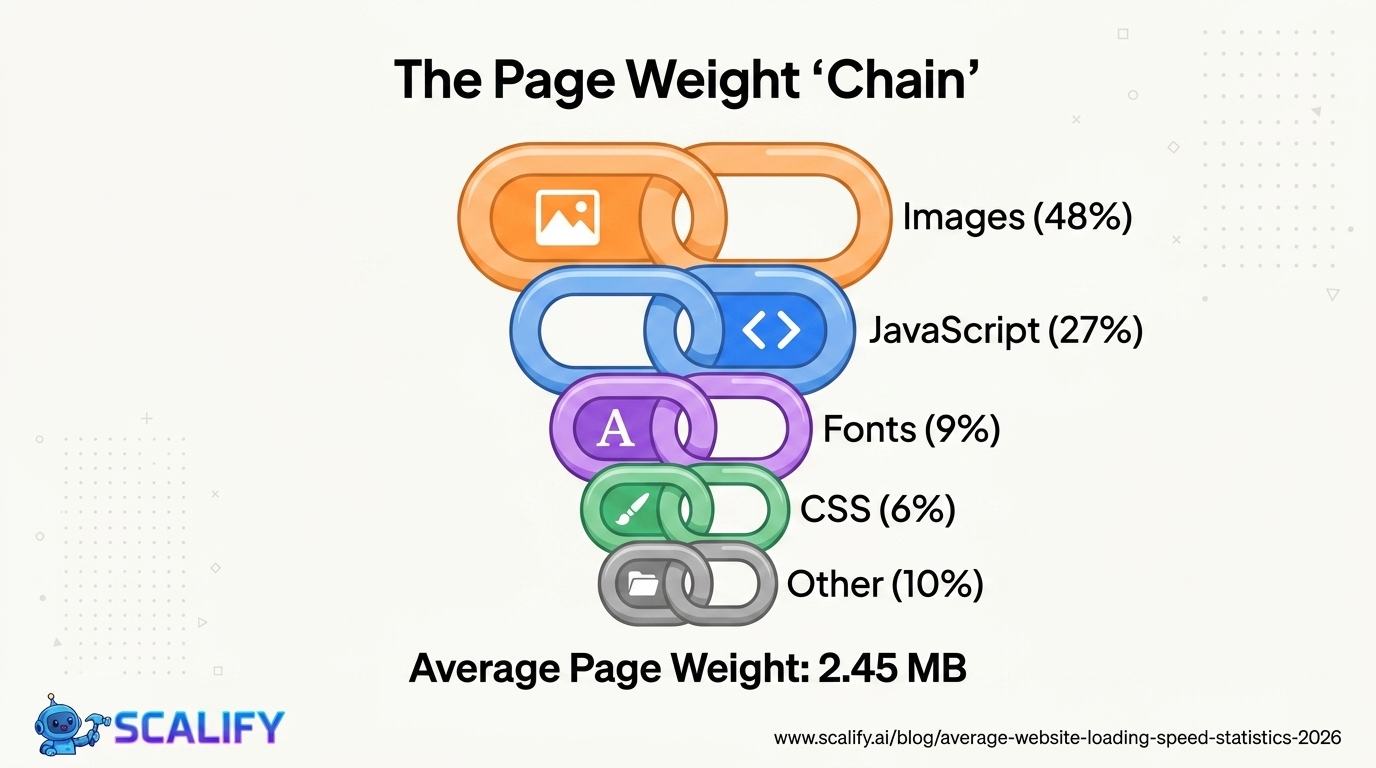
Fast loading: Paid traffic is particularly sensitive to loading speed. Every additional second of load time increases bounce rate and decreases conversion rate on paid traffic — where you've already paid for the click that's now bouncing. Mobile page speed under 2.5 seconds LCP is the baseline.
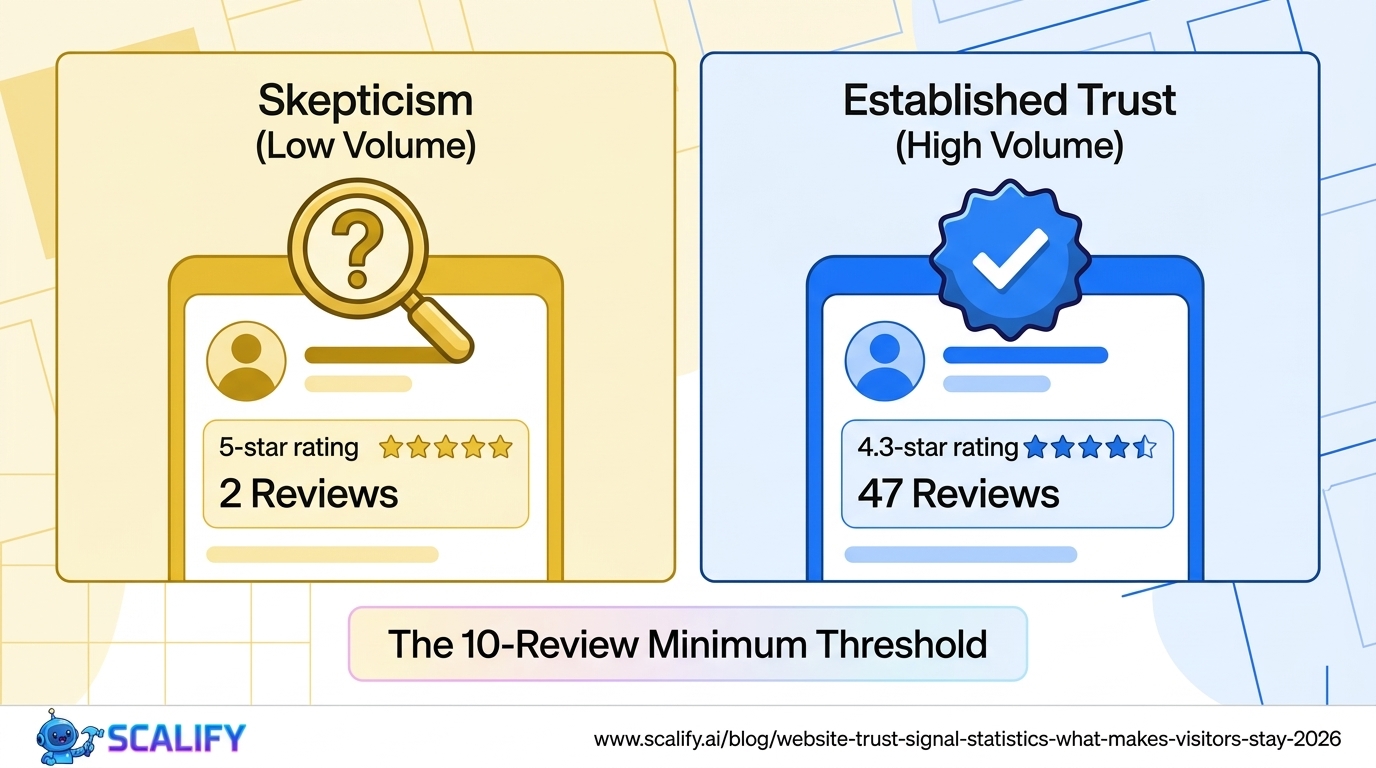
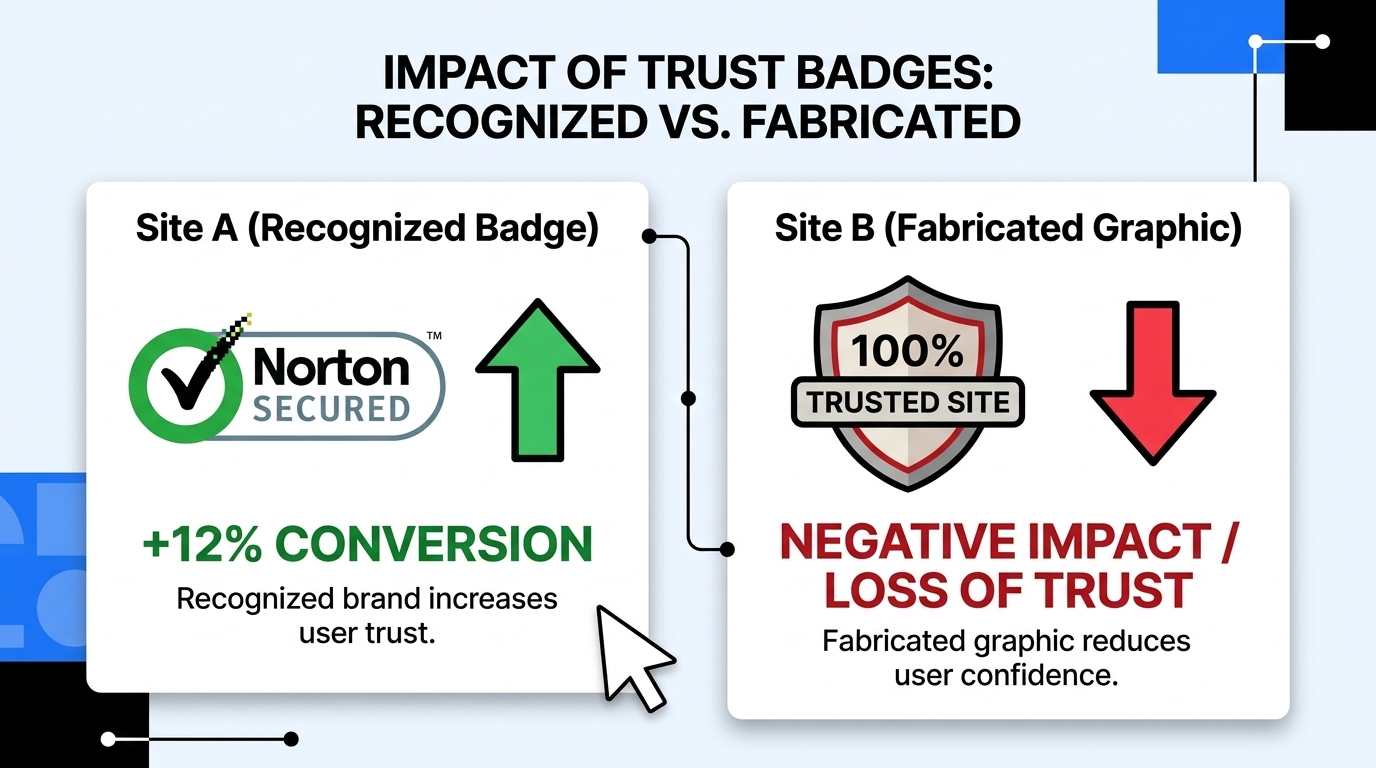
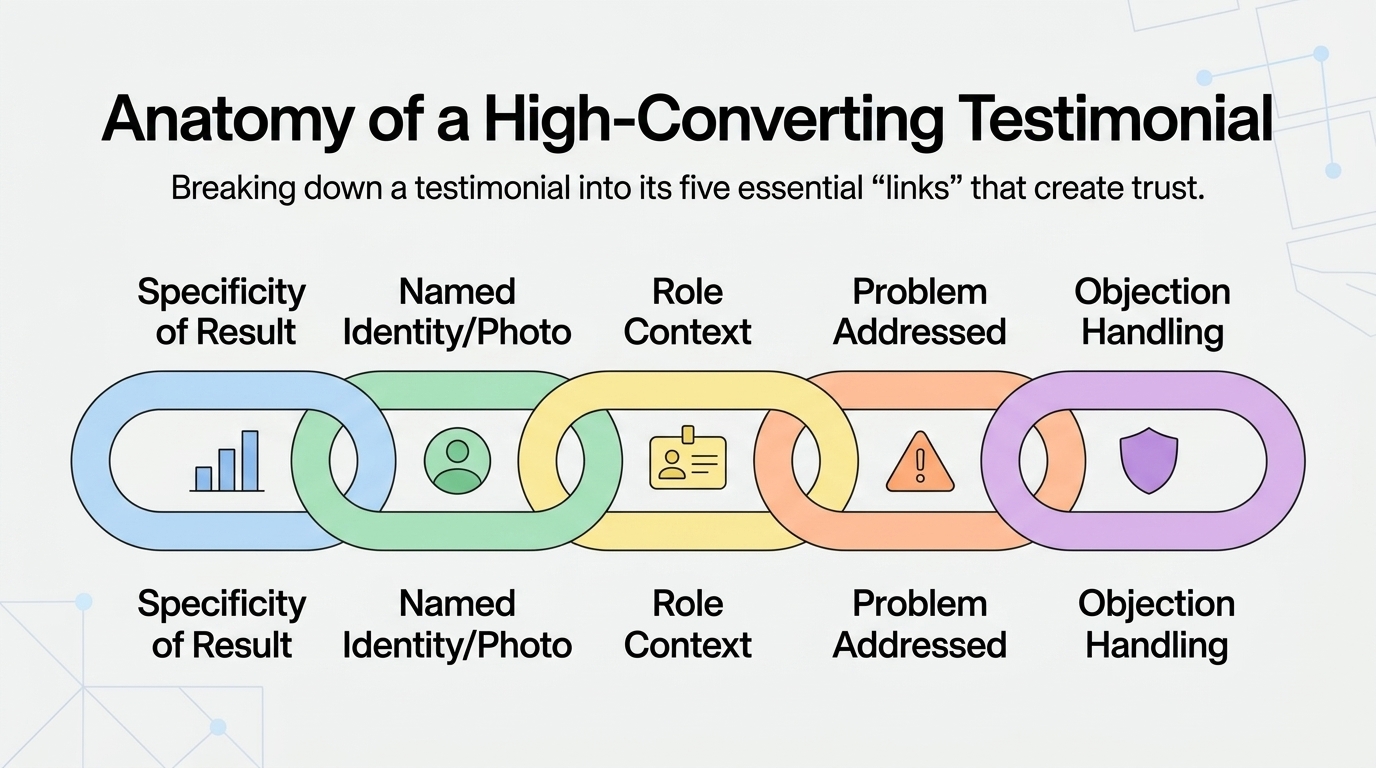
Trust signals: Visitors arriving from ads don't have the same familiarity with the brand as organic visitors who've encountered content multiple times. Trust signals — testimonials, reviews, recognizable client logos, guarantees, phone number — reduce the stranger-anxiety of converting with an unfamiliar brand.
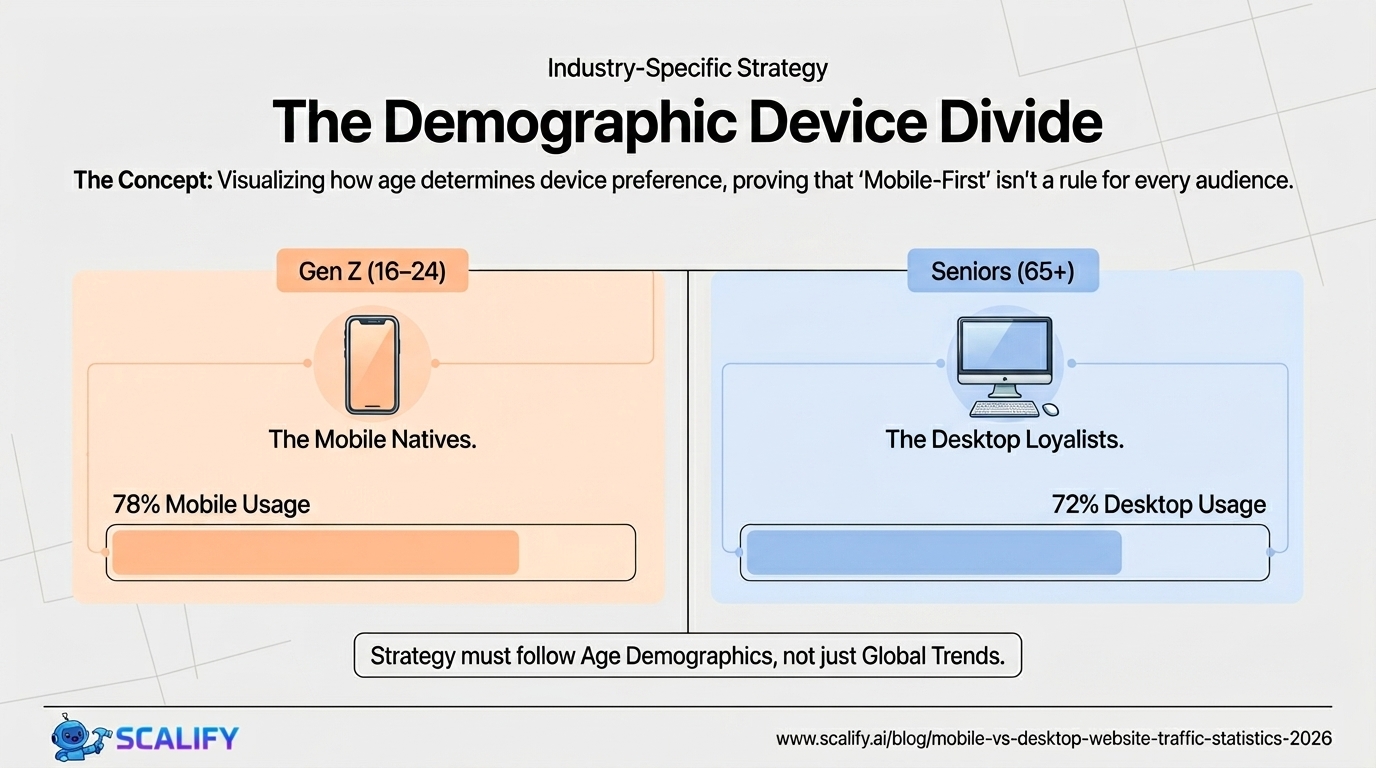
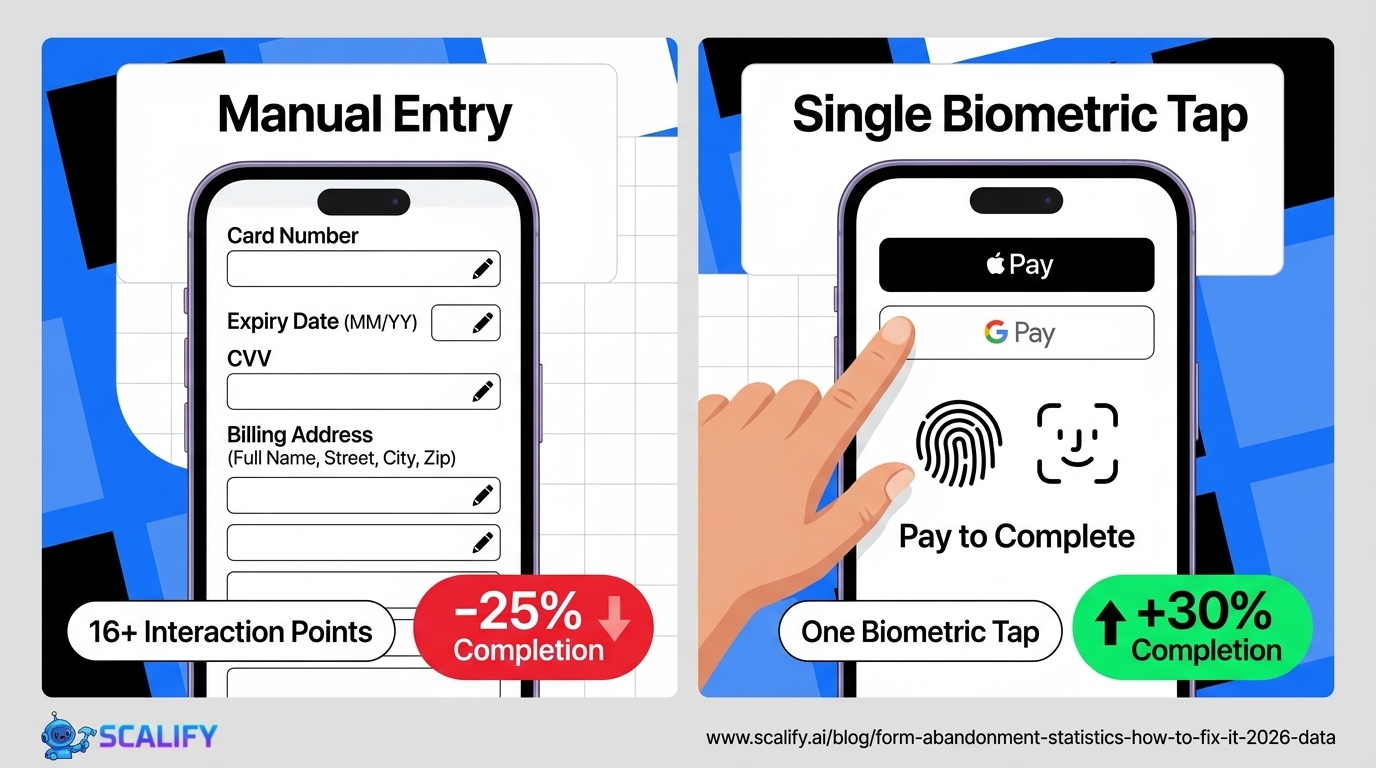
Minimal friction to conversion: The shorter the path from landing to conversion, the higher the conversion rate. A 3-field form converts at higher rates than a 10-field form. Click-to-call buttons on mobile convert at higher rates than requiring a form to be filled. Phone number prominently displayed converts visitors who prefer calling.
Tracking and Attribution: Knowing What's Working
PPC without proper conversion tracking is flying blind. You see clicks and spend; you don't know what happened after. Setting up tracking correctly is a prerequisite for any PPC campaign you expect to optimize.
Google Ads conversion tracking: Install the Google Ads conversion tag on your website (through Google Tag Manager or direct implementation). Configure conversion actions for: contact form submissions (thank-you page view), phone calls from the website (calls lasting over 60 seconds), purchases (e-commerce). Without this, Google's algorithm cannot optimize for conversions, and you can't measure your actual ROI.
GA4 integration: Link Google Ads to GA4 to see full post-click behavior — which keywords and ads generate sessions that convert, how PPC visitors navigate compared to organic visitors, and the full conversion path attribution.
UTM parameters: Add UTM parameters to all ad destination URLs to track campaign, ad group, and keyword in GA4 beyond what the native integration provides. Example: yourdomain.com/contact?utm_source=google&utm_medium=cpc&utm_campaign=web-design-miami
PPC Budget and Bidding Strategy
Setting a budget without understanding keyword CPCs is guesswork. Before setting budgets, research estimated CPCs for your target keywords in Google Keyword Planner. Keywords in competitive industries can range from $2–5 (informational keywords) to $50–150 (high-intent commercial keywords in competitive markets like legal, finance, and insurance).
Minimum viable PPC budget: to get meaningful data quickly enough to optimize, you need at least 2–3 conversions per week per campaign. If your average CPC is $20 and your conversion rate is 5%, you need approximately 20 clicks per conversion = $400/week per campaign minimum to generate actionable data. Lower budgets produce slower learning cycles.
Bidding strategies:
- Maximize Clicks: Automatic bidding to get as many clicks as possible within budget. Good for early campaigns with no conversion history
- Target CPA: Automatic bidding to achieve a target cost per acquisition. Requires sufficient conversion history (minimum 30 conversions in 30 days)
- Target ROAS: Bidding to achieve a target return on ad spend. For e-commerce with sufficient purchase data
- Manual CPC: Manual bid setting per keyword. Full control but more time-intensive. Good for campaigns where you understand keyword value differences well
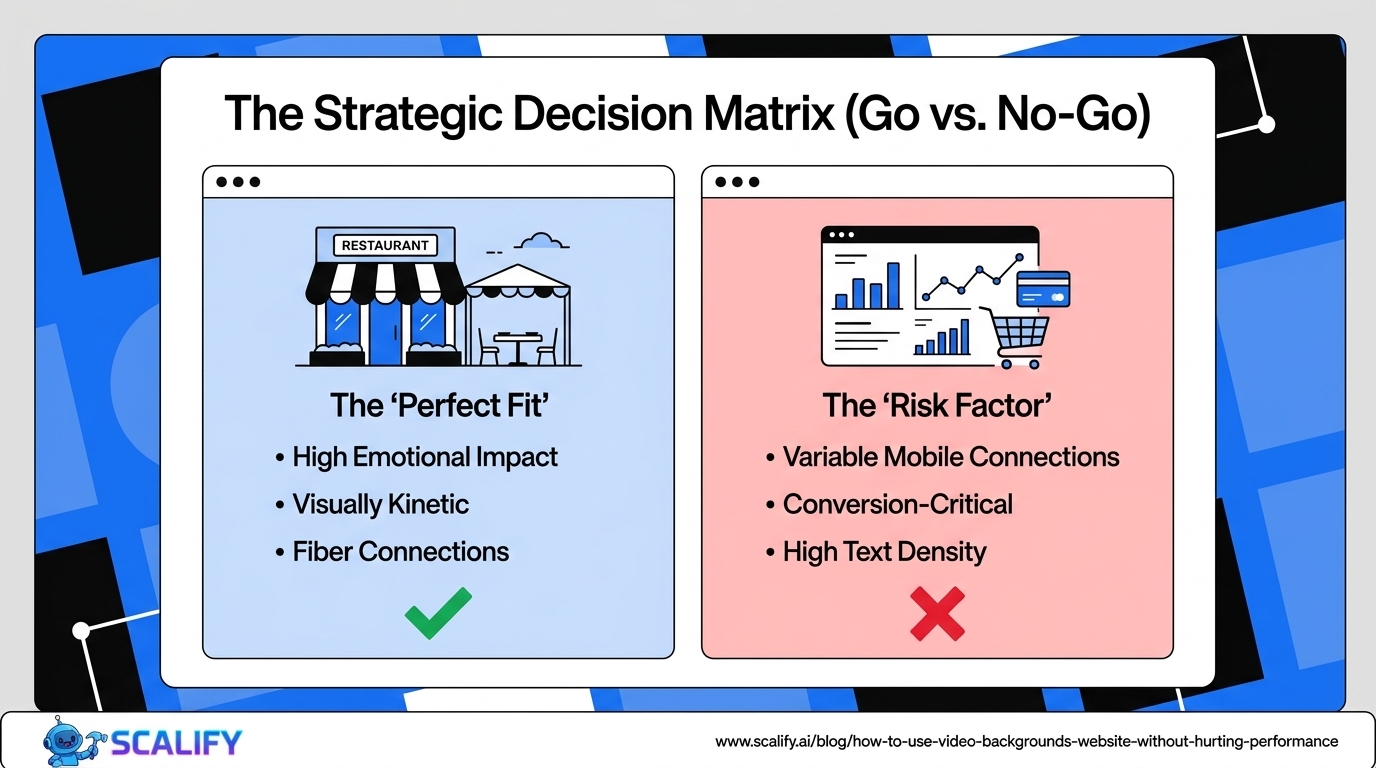
When PPC Makes Sense (and When It Doesn't)
PPC makes sense when:
- You need leads or sales immediately and can't wait for organic SEO to build
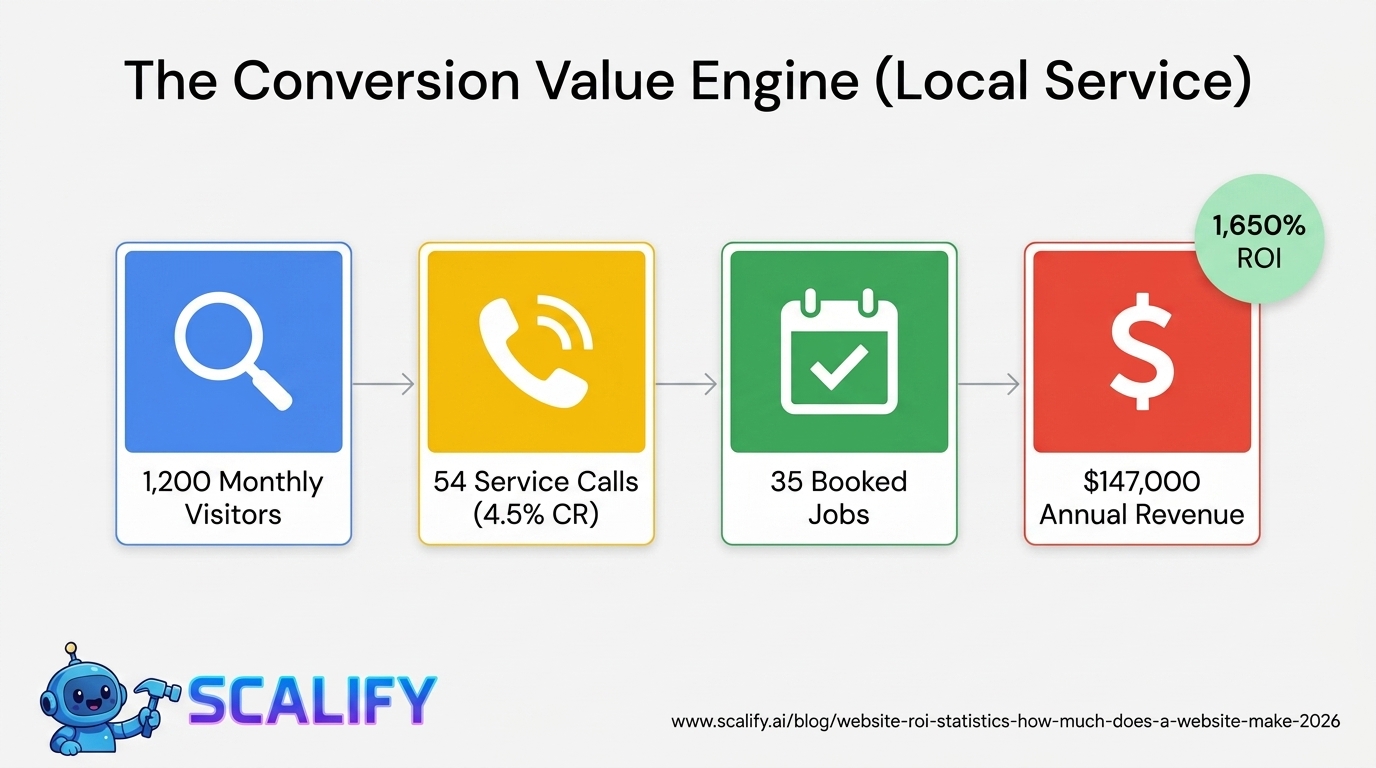
- Your conversion rate and average client/order value make the economics work (if a client is worth $5,000 and you convert at 5%, a $200 CPA is profitable)
- Your landing pages and website are optimized for conversion (sending PPC traffic to a poor website is burning money)
- You have conversion tracking in place to measure what's actually happening
- You're testing a new offer or market before investing in long-term content
PPC doesn't make sense when:
- Your website can't convert visitors — fix the website first, then run ads
- The keyword CPCs in your market make profitable economics impossible at your deal size
- You don't have the budget to generate meaningful data (minimum 20–30 clicks/week per campaign)
- You don't have the time or expertise to manage and optimize the campaigns
- You're treating it as a set-it-and-forget-it channel — PPC requires active management
The Website's Role in PPC Performance
PPC campaigns are measured and optimized at the ad level: click-through rate, cost per click, quality score. But the revenue comes from what happens after the click — which is entirely determined by the website.
The quality of the landing page determines:
- Conversion rate (what percentage of clicks become leads or sales)
- Cost per conversion (directly proportional to conversion rate)
- Quality Score (Google evaluates landing page experience as part of Quality Score)
- Campaign profitability (conversion rate × deal value vs. spend)
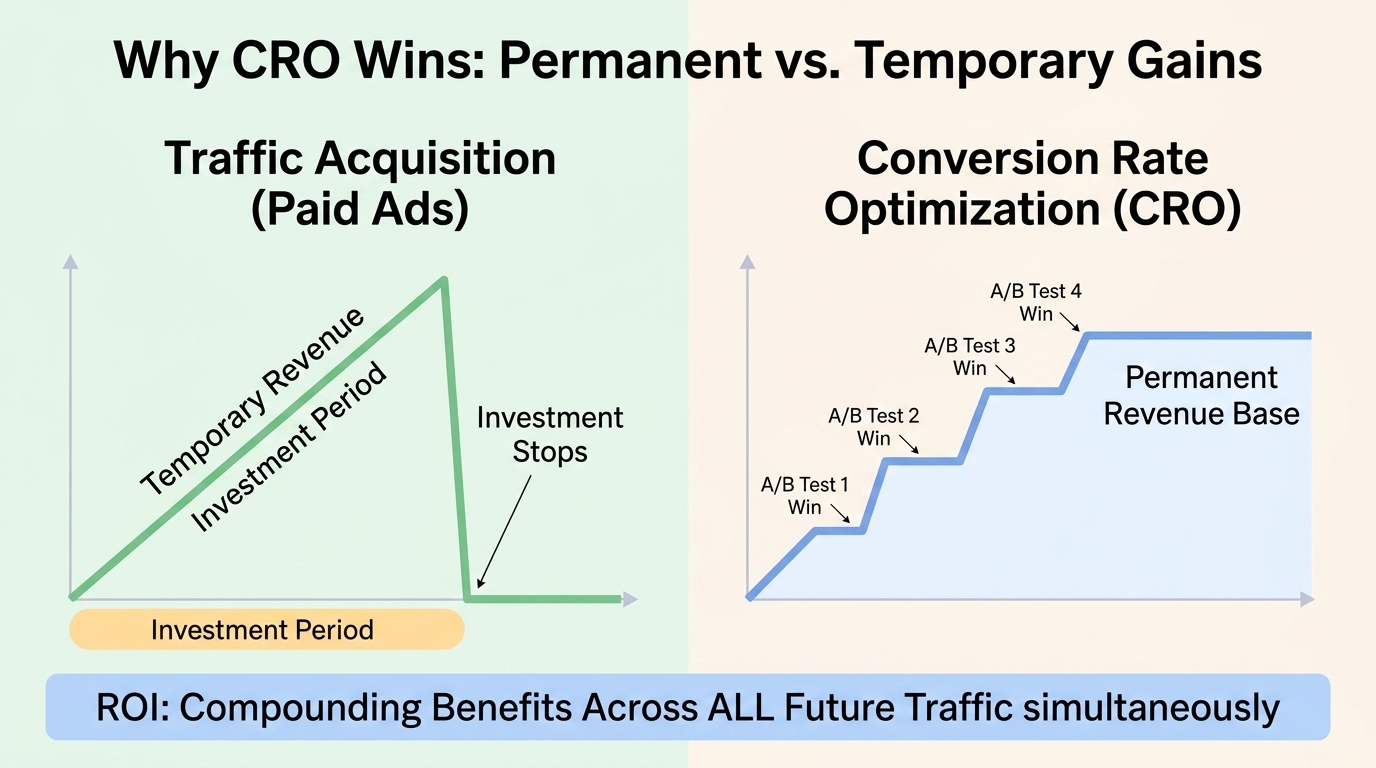
A 10% landing page conversion rate vs. a 3% conversion rate — from the same ad spend, same traffic — produces 3.3× more leads at 3.3× lower cost per lead. The landing page improvement has far more impact on campaign ROI than equivalent improvements to ad copy or bid strategy.
The implication: before scaling PPC spend, invest in landing page quality. Before blaming the ads for poor results, audit the landing page experience. The ads deliver traffic; the website determines what that traffic produces.
The Bottom Line
Pay-per-click advertising is the fastest path to targeted website traffic for businesses with the budget and conversion infrastructure to support it. Done well — with targeted keywords, compelling ads, matched landing pages, and proper conversion tracking — it produces measurable, scalable ROI. Done poorly — broad targeting, generic landing pages, no tracking — it's an expensive lesson in why website quality matters.
The website is not separate from the PPC strategy. It IS the PPC strategy's execution layer. The ads create the opportunity; the website determines whether that opportunity converts into revenue. Investing equally in both sides of this equation — ad quality and website quality — is how PPC delivers on its promise.
At Scalify, we build websites with paid traffic in mind — fast-loading, high-converting landing pages with clear CTAs and conversion tracking built in, so when you turn on advertising, the website is ready to convert the traffic it receives.


.jpeg)
.jpeg)

78 SW 7th St, Miami, FL 33130